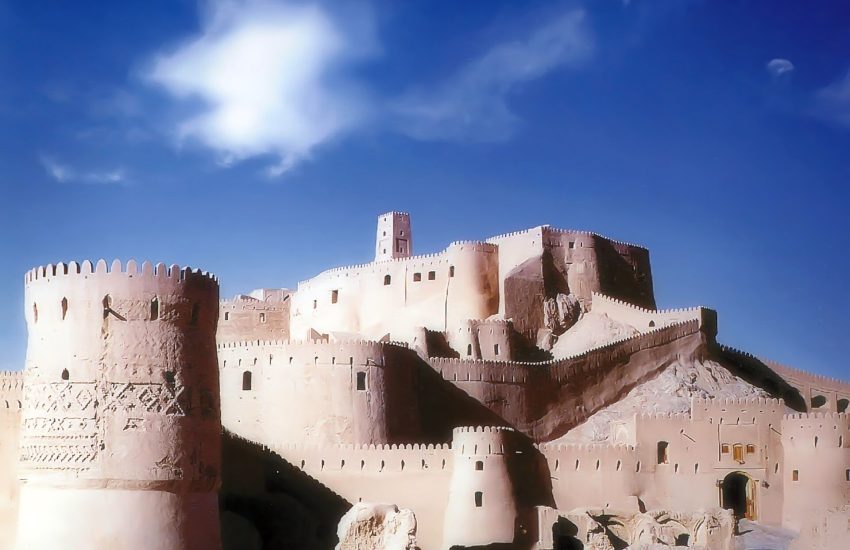
Rising some thirty meters above the surrounding plain, a great oval mound crowned with a dense huddle of houses dominates the heart of the city of Erbil in Iraqi Kurdistan. This is the Citadel of Erbil, and it has a fair claim to be the oldest continuously inhabited place on the face of the earth, a spot where human beings have lived, one generation after another, for as much as eight thousand years. The mound itself is made of the accumulated remains of all those millennia of habitation, a literal mountain of history piled up beneath the ancient streets.
In this article you are invited to explore the astonishing history of this unique fortress-city, from its origins in the depths of prehistory, through its glory as a great center of the Assyrian empire and the cult of the goddess Ishtar, past the battlefield where Alexander the Great won an empire, and on through the Islamic and medieval ages down to the careful restoration of our own day. The Citadel of Erbil is not merely a castle but a living monument to the whole span of human civilization in the land between the rivers.
In This Article
- A Mountain of Time
- Arbela and the Goddess Ishtar
- The Assyrian Kings
- Alexander and the Battle of Gaugamela
- Christians and Zoroastrians
- Gökböri and the Ayyubid Golden Age
- The Mudhafaria Minaret
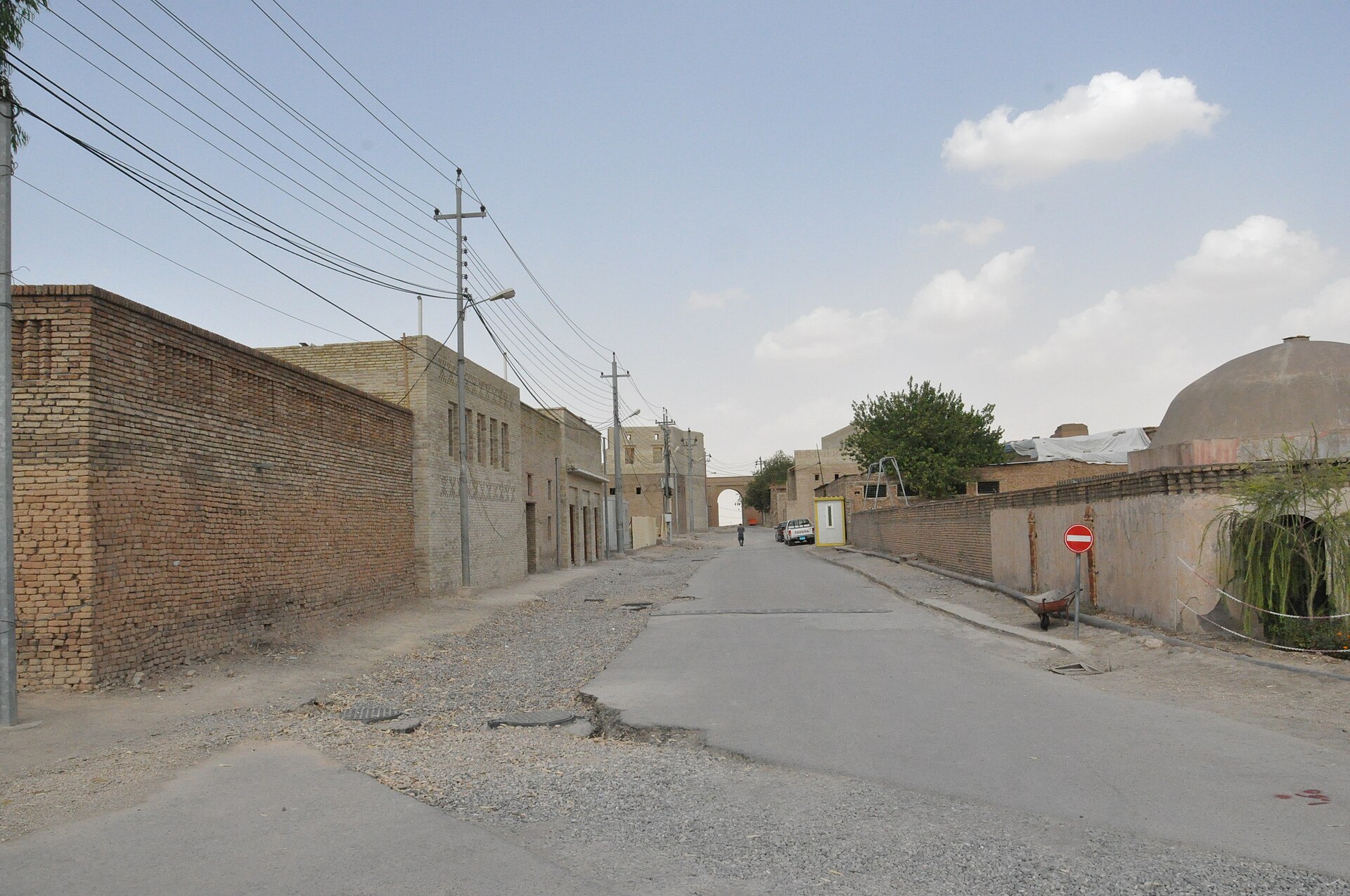
- A Wall of Houses
- The Fan of Streets
- The Hammam and the Bazaar
- The Mongol Siege
- Restoration and World Heritage
- The Citadel Today
- Castles Nearby
- The Oldest City on Earth
A Mountain of Time
The most extraordinary thing about the Citadel of Erbil is the very ground on which it stands, for the great oval mound that lifts it high above the modern city is not a natural hill at all, but a tell, an artificial mound built up entirely from the accumulated debris of thousands of years of human occupation. As each generation built its houses upon the ruins of those that came before, the mound rose ever higher, until today it stands between twenty-five and thirty-two meters above the surrounding plain.
This slow, relentless piling up of the past is the physical record of one of the longest continuous human settlements anywhere on earth, reaching back through the millennia to the Neolithic age. Beneath the houses that crown the mound today lie the buried remains of Ottoman, medieval, Islamic, Sasanian, Assyrian, and yet older cities, layer upon layer, city upon city, in an unbroken sequence that may span as much as eight thousand years. To stand upon the citadel is quite literally to stand upon the accumulated history of civilization itself.
Archaeologists face a peculiar challenge at Erbil, for the very continuity of habitation that makes the site so extraordinary also makes it extremely difficult to excavate, since the ancient layers lie buried beneath the houses of a still-living city. Only limited investigations have been possible, through test trenches and the study of material exposed during construction, yet even these have confirmed the immense depth of the deposits and the great antiquity of the settlement. The natural soil, it has been found, lies some thirty-six meters below the present surface, a measure of the astonishing thickness of the accumulated past.
It is worth pausing to grasp the sheer scale of the mound, which covers an area of more than a hundred thousand square meters, an oval some four hundred and thirty meters long and three hundred and forty meters wide. Upon this vast artificial platform, raised by the slow work of eighty centuries, sits the whole of the historic citadel. There are few more vivid demonstrations anywhere on earth of the way in which human settlement, over immense spans of time, can literally reshape the landscape, building mountains out of the debris of daily life.
Arbela and the Goddess Ishtar
In the deep antiquity of Mesopotamia, the city upon the mound was known as Arbela, and it was one of the most important religious centers of the entire region, above all as a great seat of the cult of the goddess Ishtar. The Ishtar of Arbela was one of the principal deities of the Assyrian empire, a goddess of love and war whose worship drew pilgrims and offerings from across the ancient world, and whose name was often invoked alongside that of the Ishtar of the great city of Nineveh.
The ancient name of the city, which appears in the earliest written records around four thousand years ago, has been interpreted to mean the Four Gods, a reference to the divine powers that were thought to dwell there. The sanctuary of Ishtar at Arbela was repaired and adorned by a succession of great Assyrian kings, and the city was a place of profound sacred importance in the Mesopotamian world. Long before it was a fortress in any medieval sense, Erbil was a holy city, a center of worship as old as writing itself.
The cult of Ishtar of Arbela was so important in the Assyrian world that the goddess was believed to deliver oracles and prophecies through her priests, guiding the kings in matters of war and state. Surviving texts record the words of these prophecies, in which the goddess promises victory and protection to the Assyrian monarchs, giving us a vivid glimpse of the religious life of the ancient city. Arbela was, in a real sense, a place where the divine was thought to speak directly to the rulers of one of the greatest empires of antiquity.
The name Arbela, or Arba-ilu, echoes down through the records of the ancient Near East, appearing in the archives of empires from the Sumerians to the Assyrians, a mark of the city’s enduring importance across the millennia. Few cities can trace their name and their identity back so far into the depths of recorded history, and fewer still have preserved that identity unbroken to the present day, for the modern Erbil is the direct descendant of the ancient Arbela. In its very name the city carries the memory of thousands of years of continuous existence.
The Assyrian Kings
During the age of the Neo-Assyrian empire, the greatest power of the ancient Near East, Arbela rose to particular prominence as one of the chief cities of the realm. Great kings of Assyria held court here, and it was to Arbela that the mighty Assurbanipal, the last of the great Assyrian monarchs, is said to have returned in triumph, receiving envoys and celebrating his victories in the city sacred to Ishtar. The kings Shalmaneser, Esarhaddon, and Assurbanipal all lavished their attention upon the sanctuary of the goddess.
The importance of Arbela in the Assyrian age is a reminder of the great antiquity and continuity of the city, for even then, nearly three thousand years ago, it was already an ancient place with a long history behind it. Archaeologists have found beneath the citadel the remains of this Assyrian city, including a chamber tomb of the Neo-Assyrian period, discovered during modern construction work, that contained pottery from the eighth and seventh centuries before Christ. The mound of Erbil holds within it the buried glory of one of the great empires of antiquity.
The discovery of Assyrian remains beneath the modern citadel confirms what the ancient texts had long suggested, that Erbil was a major urban center throughout the Assyrian period and very likely long before. The buried city of Arbela, with its temples and palaces and tombs, still lies for the most part unexplored beneath the mound, a vast archive of the Assyrian age waiting to be uncovered. What little has been found hints at the riches that remain hidden, and at the extraordinary depth of history compressed within the great tell of Erbil.
Alexander and the Battle of Gaugamela
One of the most famous events in all of ancient history took place near Arbela in the year 331 before Christ, when Alexander the Great met the vast army of the Persian king Darius the Third in the decisive Battle of Gaugamela. In this great clash, fought on the plains not far from the city, Alexander shattered the power of the Persian empire and won for himself the dominion of the whole of the Near East. The battle is often known to history as the Battle of Arbela, from the nearby city.
After his victory, Alexander entered Arbela, and the city passed under the control of his empire and, after his death, of his Seleucid successors, who knew it as Arbela. The association of the city with one of the most momentous battles in the history of the world adds yet another remarkable chapter to its extraordinarily long story. Here, near the oldest city on earth, the fate of empires was decided, and the course of Western and Eastern history was changed forever by the sword of the young Macedonian conqueror.
The Battle of Gaugamela ranks among the most decisive battles in the history of the world, for it ended the Persian empire that had dominated the Near East for two centuries and opened the whole of Asia to Greek influence. That so world-changing an event should have unfolded on the plains beside Erbil links the ancient city forever to one of the great turning points of history. For a few days in 331 before Christ, the eyes of the whole ancient world were fixed upon this region, as the fate of empires was decided within sight of the immemorial mound.
In the aftermath of the battle, as the defeated Darius fled and Alexander pursued him, the young conqueror passed through Arbela and found there the treasure and the baggage of the Persian king, a rich prize that helped to fund his onward campaigns. The city thus played its part in the great drama of Alexander’s conquest, one more scene in the epic that carried Greek arms and Greek culture from the Mediterranean to the borders of India. That Erbil should figure in the story of Alexander is yet another mark of its remarkable place in world history.
Christians and Zoroastrians
In the age of the Sasanian Persian empire, which ruled the region for the centuries before the coming of Islam, Arbela was a place of great religious diversity and importance. It became an early and significant center of Christianity, the seat of a bishop, and the home of a famous Nestorian school of learning, founded around the year 521, which drew scholars and students to the city. Christianity flourished here even amid periods of persecution, and Arbela produced its share of martyrs for the faith.
At the same time the city was home to the Zoroastrian religion of the Persian rulers, with its sacred fire temple, so that the faiths of the old Persia and the new Christianity existed side by side upon the ancient mound. This religious diversity, with Christians, Zoroastrians, and others living together, was characteristic of the rich and cosmopolitan culture of the city in late antiquity. Arbela was a meeting place of faiths and peoples, as it had been a meeting place of empires, throughout its immensely long history.
The Nestorian school of Arbela was part of a remarkable flowering of Christian learning in the Persian empire, in which the scholars of the East preserved and transmitted much of the intellectual heritage of the ancient world. These Eastern Christians would later play a vital role in transmitting Greek philosophy and science to the Islamic world, and the schools of cities like Arbela were important links in that great chain of learning. The city’s role as a center of Christian scholarship is one more facet of its extraordinarily rich and varied cultural history.
The coming of Islam in the seventh century added yet another layer to the rich religious history of the city, and for a time Christians, Muslims, and others lived side by side upon the ancient mound. Erbil remained an important Christian center for some centuries after the Muslim conquest, before the balance gradually shifted, and its long tradition of religious diversity is one of the defining features of its history. The mound of Erbil has been holy ground to many faiths across its immensely long life, a place where the great religions of the region have met and mingled.
Gökböri and the Ayyubid Golden Age
The most prosperous and brilliant period in the medieval history of Erbil came under the rule of the remarkable Kurdish prince Muzaffar al-Din Gökböri, who governed the city from 1190 to 1233, in the age of the Ayyubid dynasty of Saladin. Gökböri was a great builder and patron, and under his enlightened rule Erbil flourished as never before. He developed the lower town at the foot of the citadel mound, and he founded hospitals, colleges, and other public works for the benefit of his people.
Gökböri is remembered as one of the great figures of Kurdish and Islamic history, a ruler celebrated for his generosity, his piety, and his patronage of learning and the arts. It was during his golden age that the famous market area below the citadel was established, and that the beautiful Mudhafaria Minaret was raised. Under his hand Erbil reached a height of prosperity and culture that made it one of the notable cities of the medieval Islamic world, and his memory is still honored in the city today.
Muzaffar al-Din Gökböri was connected by marriage to the family of the great Saladin, and he fought alongside the famous sultan in the wars against the Crusaders, so that his story is bound up with one of the most celebrated chapters of Islamic history. Yet it is as a builder and benefactor of his own city that he is best remembered, a ruler who used his wealth and power to enrich the lives of his people. Under his long and beneficent rule, Erbil enjoyed a golden age whose monuments and memory have endured for eight centuries.
The golden age of Gökböri left a lasting imprint on the culture and the memory of Erbil, and the institutions he founded, the hospitals and colleges and public works, set a standard of enlightened governance that was long remembered. His court attracted scholars, poets, and holy men, and the city under his rule was a center of learning and piety as well as of trade and prosperity. In honoring his memory, the people of Erbil honor one of the great periods of their long history, when their city stood among the notable centers of the medieval Islamic world.

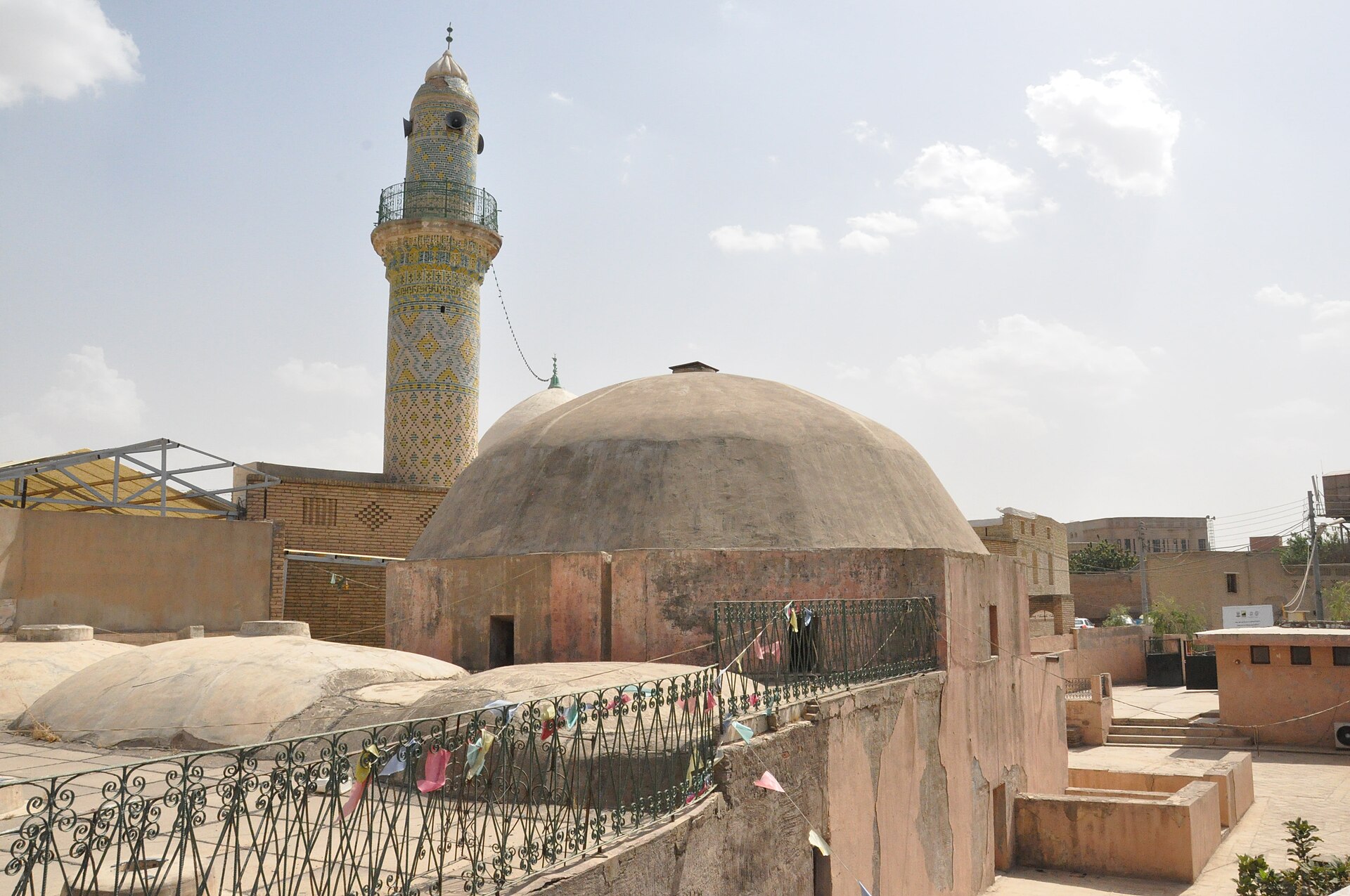
The Mudhafaria Minaret
Among the finest surviving monuments of Erbil’s medieval golden age is the beautiful Mudhafaria Minaret, which rises near the citadel and dates from the time of Gökböri in the late twelfth or early thirteenth century. Built of brick and decorated with intricate patterns, the minaret is a superb example of the architecture of the age, and it is all that remains of a great mosque that once stood beside it. Its elegant tapering form has made it one of the emblems of the city.
The minaret stands today in a park below the citadel mound, a graceful survivor of the age of Gökböri and a reminder of the architectural splendor that Erbil once possessed. Together with the citadel itself, it forms part of the rich historical heritage of the city, a tangible link to the medieval period when Erbil was a flourishing center of Islamic civilization. The careful preservation of the minaret reflects the pride that the people of Erbil take in the long and distinguished history of their ancient city.
The survival of the Mudhafaria Minaret, when so much else of medieval Erbil has been lost, makes it a particularly precious monument, a direct link to the vanished splendor of Gökböri’s city. Its intricate brickwork and elegant proportions reward close attention, and they testify to the high level of the architectural arts in the Erbil of the thirteenth century. Standing in its park below the great mound, the minaret keeps watch over the modern city as it has done for some eight hundred years, a slender and graceful survivor of a golden age.
A Wall of Houses
One of the most remarkable and distinctive features of the Citadel of Erbil is that it has no formal fortress walls at all, in the manner of most medieval castles. Instead, its defensive perimeter is formed by the outer facades of the houses themselves, some hundred or so dwellings built one against another around the edge of the mound, their blank outer walls presenting a continuous and unbroken barrier to the world below. In this way the ordinary houses of the citadel served, collectively, as its fortifications.
Because these houses stand upon the steep slopes of the mound, many of their facades had to be strengthened with buttresses to prevent them from collapsing or sliding down the hill. The result is an organic, unplanned kind of fortification, a defensive wall that grew naturally out of the way the city was built, rather than being designed and raised as a single work. This unique arrangement, a fortress made of homes, is one of the things that makes the Citadel of Erbil so unlike any other stronghold in the world.
The concept of a fortress formed from the outer walls of its own houses is almost unique among the great strongholds of the world, and it gives the Citadel of Erbil a character all its own. There is something deeply expressive in this arrangement, in which the defence of the community arose organically from the homes of the people themselves, rather than being imposed by a separate ring of military walls. It is a fortress that grew, rather than one that was built, and in this it perfectly reflects the organic, accumulated nature of the whole ancient mound.
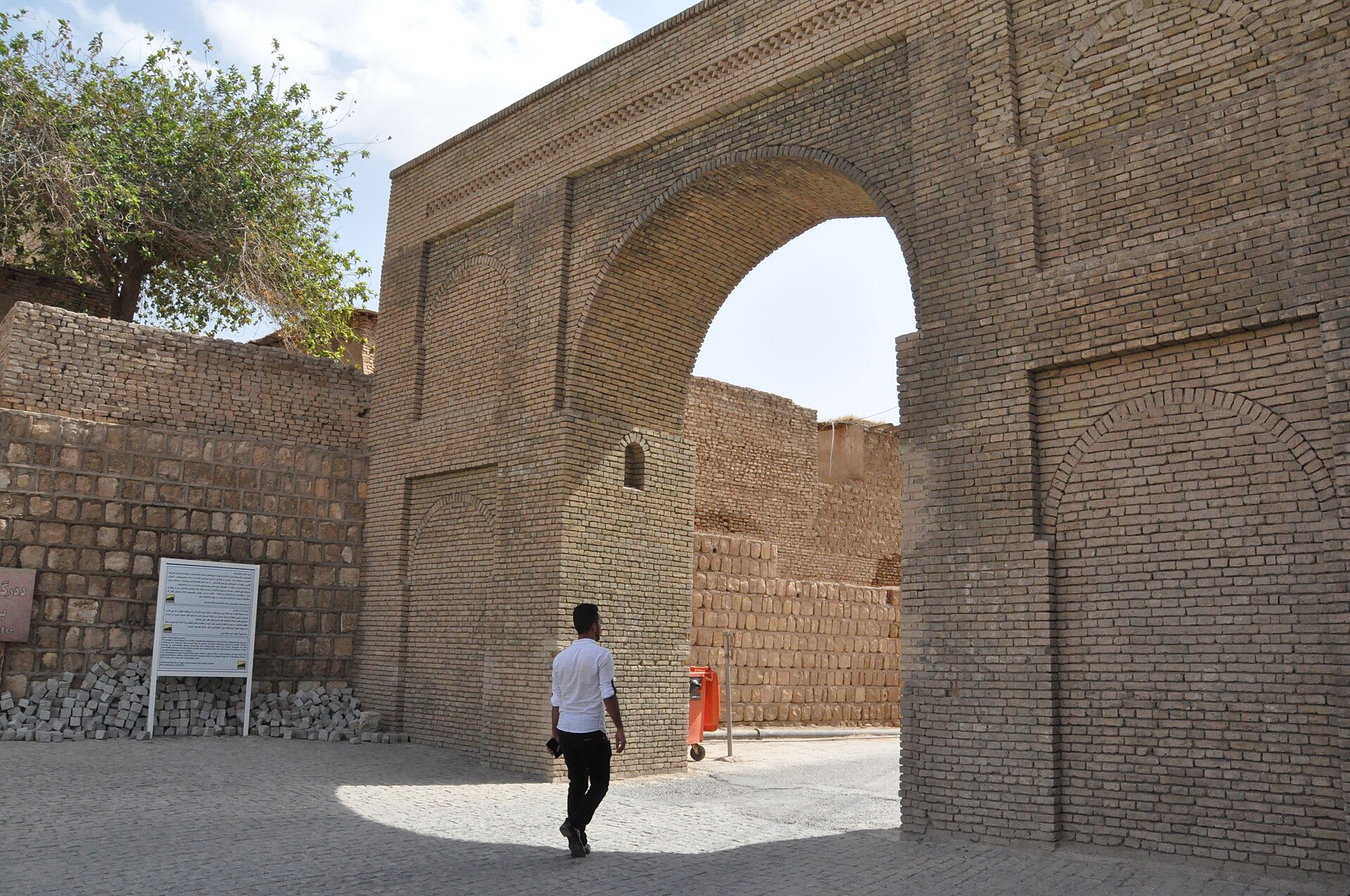
The three ramps that climb the northern, eastern, and southern slopes of the mound lead up to the gates of the citadel, of which the southern was traditionally the oldest and most important. It was through this Grand Gate that the main streets of the citadel radiated, and it served as the principal entrance to the fortress-city upon the summit. Rebuilt in the nineteenth century, demolished in the twentieth, and reconstructed again in recent times, the Grand Gate has itself passed through the cycles of change and renewal that mark the whole long history of the citadel.

The Fan of Streets
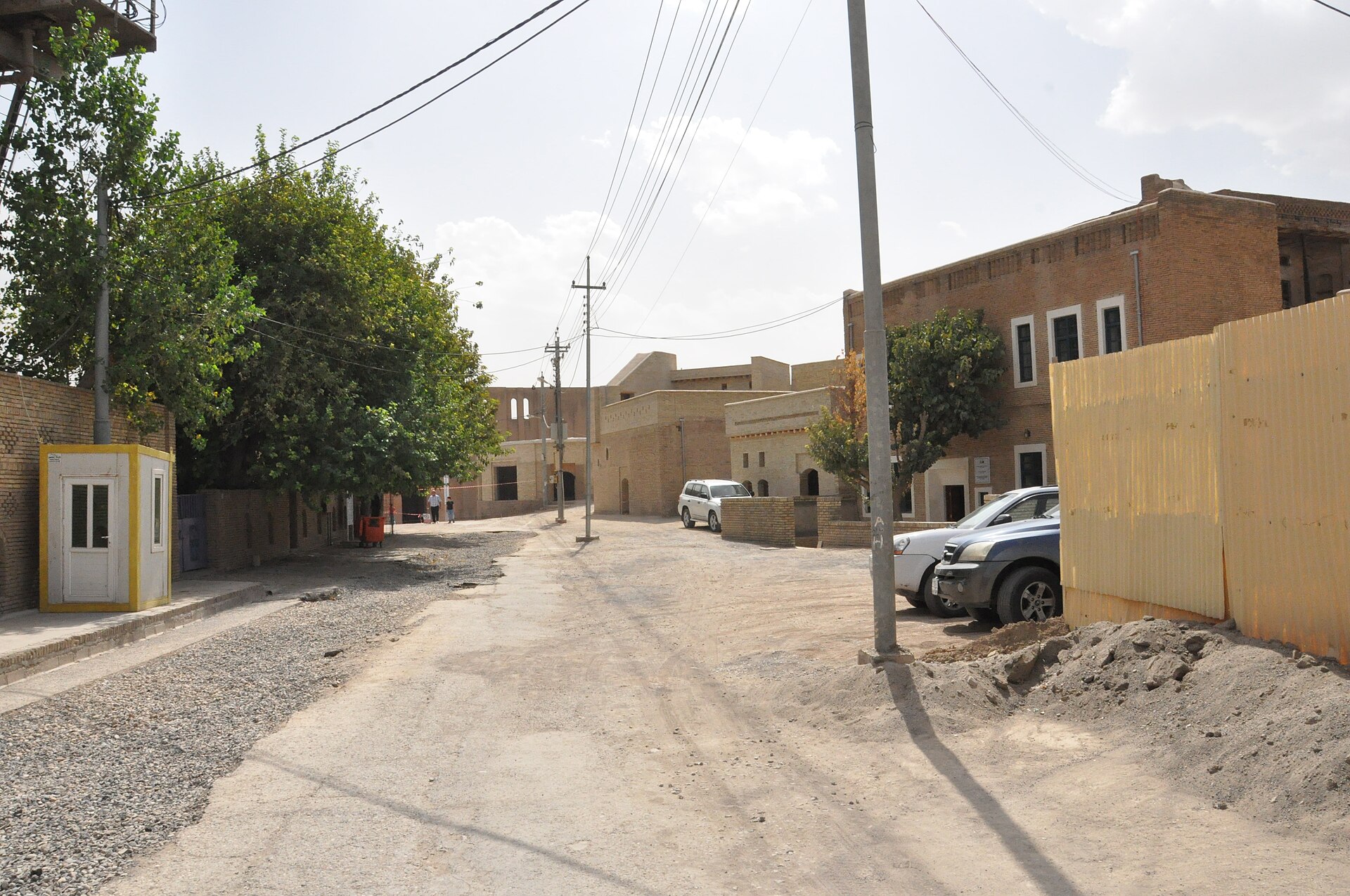
The internal layout of the citadel was as distinctive as its perimeter, for its streets were arranged in a remarkable fan-shaped pattern, radiating outward from the southern gate like the branches of a tree. From this main entrance, the principal alleyways spread out across the mound, some running as far as three hundred meters, while smaller lanes and cul-de-sacs branched off from them to serve the tightly packed houses. The streets were narrow, ranging from one to two and a half meters in width, in the manner of the old cities of the region.
This organic, tree-like arrangement of the streets reflected the way the citadel had grown up over the centuries, shaped by the contours of the mound and the needs of its inhabitants rather than by any single plan. The citadel was divided into three main districts, or mahallas, home respectively to the leading families, to the dervishes, and to the craftsmen and farmers. Within this dense and intricate urban fabric lived a whole community, a complete town packed onto the summit of the ancient mound.
Wandering the narrow, winding lanes of the citadel, the visitor is transported into the atmosphere of the traditional cities of the Islamic East, where the public bustle of the street gave way, through bent and shadowed entrances, to the private world of the courtyard house. The houses of the citadel were built around interior courtyards, with raised arcades and flat roofs, and their entrances were deliberately angled so that no passer-by could glimpse the private space within. This intimate, inward-looking architecture created a rich and humane urban environment upon the crowded summit of the mound.
The driving of a modern road through the heart of the citadel in the mid-twentieth century, which destroyed the original fan-shaped pattern of the streets, is now regretted as a serious loss, and the restoration works have sought to recover as much as possible of the citadel’s traditional character. The old street plan, radiating from the southern gate, was itself a historical document, a record of the way the city had grown across the centuries, and its partial loss underscores the importance of the careful conservation that now protects the ancient mound from further harm.

The Hammam and the Bazaar
Like any complete town of the Islamic world, the Citadel of Erbil had its own public bathhouse, or hammam, built in the eighteenth century and serving the community until modern times. It was one of a number of public buildings that served the needs of the citadel’s inhabitants, along with the mosques, the schools, and the homes of the dervishes. These amenities made the citadel a self-contained community, a town upon a mound with everything its people required for daily life.
At the foot of the citadel spread the great covered bazaar, the qaysari, a labyrinth of small alleyways sheltered from the sun and rain, where merchants and craftsmen plied their trades. This ancient market, whose origins reach back to the time of Gökböri, is still a thriving place today, with its quarters for jewelers, cobblers, tinsmiths, and sellers of honey and dairy. The bazaar is the beating commercial heart of Erbil, and it forms, with the citadel above, a single organic whole that has endured for many centuries.
The bazaar of Erbil is one of the great traditional markets of the Middle East, and to explore it is an essential part of any visit to the city. Beneath its roofs of latticework and corrugated iron, the ancient trades are still carried on, and the specialized quarters for different crafts preserve a way of commercial life that reaches back for centuries. The bazaar and the citadel together form a single living organism, the market at the foot of the mound serving the community upon its summit, just as they have done since the days of Gökböri.
The traditional crafts that survive in the bazaar, from the making of the distinctive Kurdish klash shoes to the weaving of textiles and the working of metal, are a living heritage as precious in its way as the ancient stones of the citadel above. These crafts, handed down through generations, connect the people of modern Erbil to the long traditions of their ancestors, and they give the market its authentic and enduring character. In the bazaar of Erbil, the past is not merely preserved but lived, in the daily work of the craftsmen who carry on the trades of their forefathers.
The Mongol Siege
The long history of Erbil was not without its dark chapters, and one of the darkest came with the invasion of the Mongols in the thirteenth century. The Mongols first attacked the city in the year 1237, plundering the lower town but withdrawing before they could take the citadel. But after the terrible fall of Baghdad to the Mongol leader Hulegu in 1258, they returned in force, and this time, after a siege lasting fully six months, they succeeded in capturing the great mound.
The citadel, protected by its steep slopes and its ring of houses, had proved a formidable obstacle even to the mighty Mongol war machine, and it held out far longer than many greater cities. In the troubled decades that followed, the citadel changed hands and suffered further violence, and in the year 1310 it was stormed once more amid great bloodshed. Through all these calamities, however, the settlement upon the mound endured, as it always had, and the ancient city lived on to see the passing of the Mongols as it had seen the passing of so many conquerors before.
The resilience of Erbil through the Mongol catastrophe, which destroyed so many of the great cities of the Islamic world, is a testament to the extraordinary endurance of this most ancient of settlements. Baghdad, the glittering capital of the caliphs, was sacked and its people slaughtered, yet Erbil, though it suffered grievously, survived and was reborn, as it had survived and been reborn so many times before across its immensely long history. The mound of ages absorbed even the blow of the Mongols and lived on into the centuries that followed.

Restoration and World Heritage
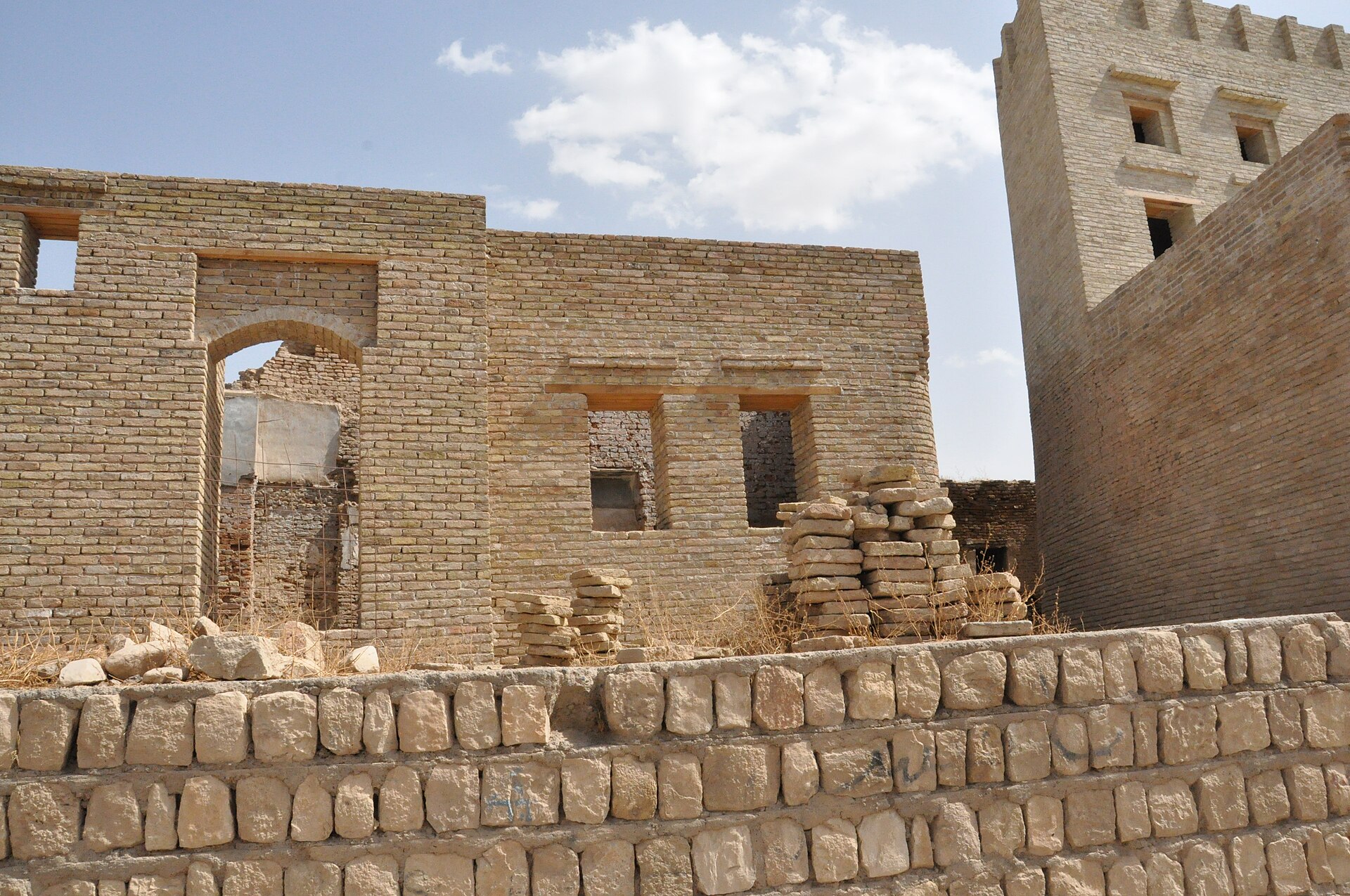
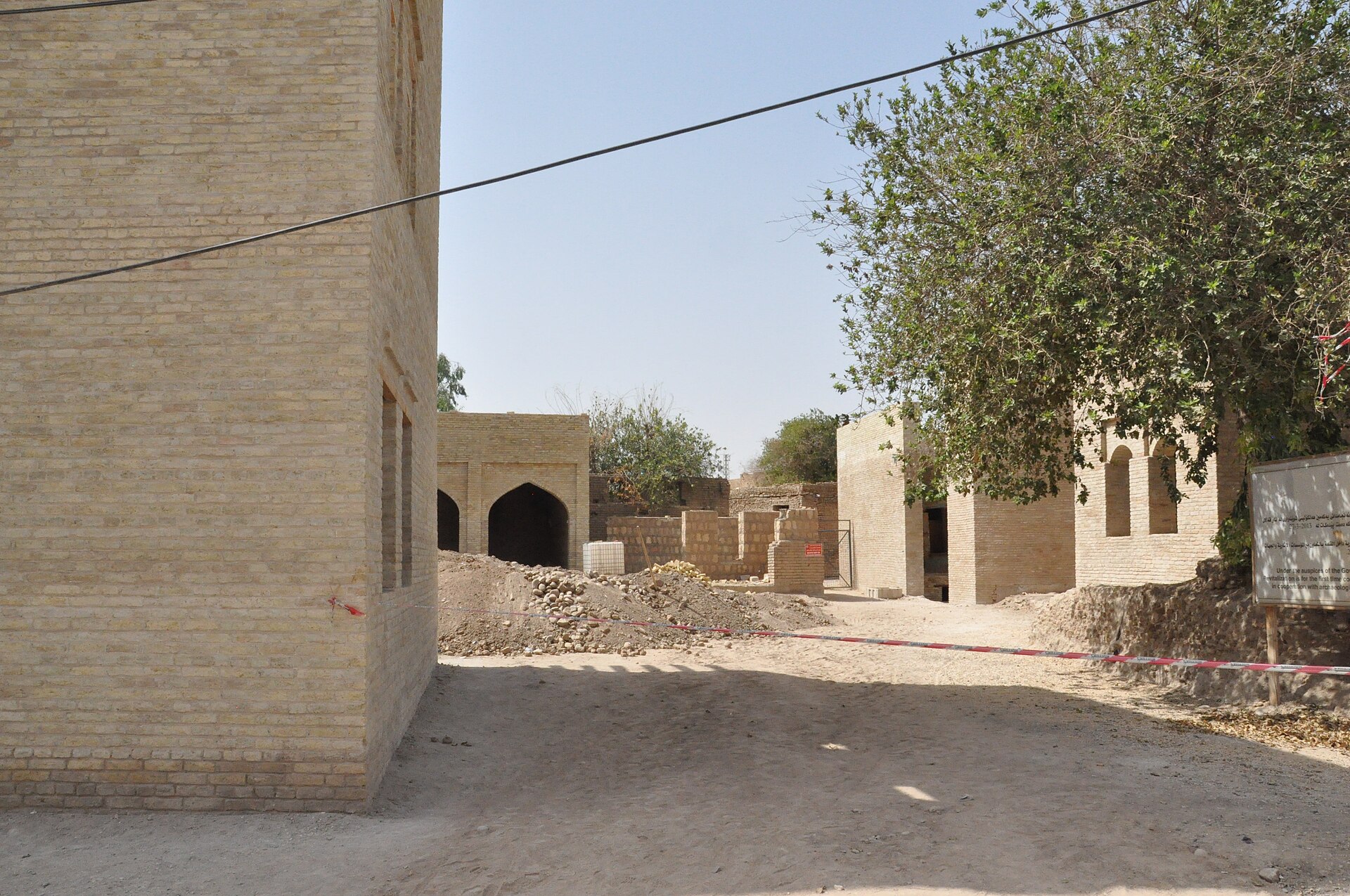
By the twentieth century, the ancient citadel had fallen into decline, as its inhabitants moved down into the modern city that spread around the foot of the mound. Ill-considered changes, such as the driving of a straight road through the heart of the citadel in 1960, and the neglect of the old houses, threatened the survival of this unique historic place. To save it, the authorities embarked upon an ambitious program of restoration, and in the year 2007 the remaining families were relocated from the citadel so that the work could proceed.
In a touching gesture, the government arranged for a single family to remain in residence, so that the citadel’s claim to be the oldest continuously inhabited place on earth should not be broken. The great effort of restoration bore fruit in the year 2014, when the Citadel of Erbil was inscribed upon the list of World Heritage Sites, in recognition of its outstanding universal value to all of humanity. Today the careful work of conservation continues, ensuring that this most ancient of cities will endure for generations to come.
The decision to preserve the citadel through restoration, rather than to let it decay or to redevelop it, reflects a growing appreciation of its unique value, not only to the people of Erbil but to the whole of humanity. The challenge of conserving so ancient and so densely built a site, while respecting its long history and its living traditions, is a formidable one, and the work continues to this day. The recognition of the citadel by UNESCO has brought international attention and support to this great effort, ensuring that the oldest city on earth will be cared for and cherished.
The story of the single family kept in residence to preserve the citadel’s record of continuous habitation captures something of the deep significance that the site holds, not merely as a collection of old buildings but as a living link to the very beginnings of settled human life. To break that link, after perhaps eight thousand years, would have been to lose something irreplaceable, and the care taken to preserve it speaks of a profound respect for the extraordinary heritage of the place. Erbil is not just old; it is continuously, unbrokenly old, and that is what makes it unique.
The Citadel Today
Today the Citadel of Erbil, its old houses lovingly restored, is home to a number of museums and cultural institutions that celebrate the rich heritage of the region. The Kurdish Textile Museum, housed in a beautifully renovated mansion, displays the colorful weavings and costumes of the Kurdish people, while other centers interpret the long history of the citadel and welcome the many visitors who come to explore it. The Grand Gate, rebuilt in traditional style, once more receives those who climb the ramp to the summit.
As one of the great historic treasures of Iraq and of the whole world, the citadel is a source of immense pride for the people of Erbil and of Kurdistan, a symbol of their ancient roots and their enduring identity. To visit it is to make a journey to the very origins of urban civilization, to walk the streets of a city that has been continuously inhabited for perhaps eight thousand years, longer than any other place on earth.
To stand upon the summit of the Citadel of Erbil and to look out over the modern city that spreads around its foot is to feel the immense sweep of time that this single spot has witnessed, from the first Neolithic farmers to the bustling metropolis of today. Few places on earth offer so profound a sense of continuity, of the unbroken thread of human life running back through the millennia to the very origins of civilization. In Erbil, the whole story of humanity in Mesopotamia is gathered upon a single ancient mound, for all who come to contemplate it.
If you would like to see exactly where this ancient citadel stands upon the map, you can find it here:
View on Google Maps: 36.1911, 44.0092
From its great mound at the heart of the city, the Citadel of Erbil has watched over the plains of Mesopotamia since the very dawn of civilization, and it endures, the oldest living city in the world.

Castles Nearby
If the ancient Citadel of Erbil has captured your imagination, you may enjoy these other great citadels of the ancient Near East:
- The Citadel of Aleppo: Four Thousand Years on a Single Hill
- Van Fortress: The Ancient Citadel of Urartu
The Oldest City on Earth
The Citadel of Erbil is one of the most extraordinary places on earth, a mound built up from eight thousand years of continuous human habitation, a living link to the very beginnings of civilization in the land of Mesopotamia. Its ring of ancient houses, its fan of winding streets, and its deep layers of buried history make it a monument unlike any other, and its recognition as a World Heritage Site is a fitting acknowledgment of its unique importance to the whole of humanity.
If you should travel to Iraqi Kurdistan, the Citadel of Erbil is the great sight of the region and one of the most remarkable historic places anywhere in the world. To climb the ramp to the Grand Gate and to wander among the old houses and the bazaar below is to walk through eight thousand years of history in a single afternoon. Erbil is a place that stirs the imagination like few others, the oldest city on earth, standing yet upon its mound of ages at the heart of an ancient land.
Whether you come for the deep history, for the unique fortress of houses, or simply for the extraordinary sense of standing upon a mound built from eighty centuries of human life, the Citadel of Erbil will move and amaze you, and you will carry away the memory of the oldest living city on earth as one of the great experiences that any traveler can hope to have.
You May Like
Margat: The Black Fortress of the Knights Hospitaller