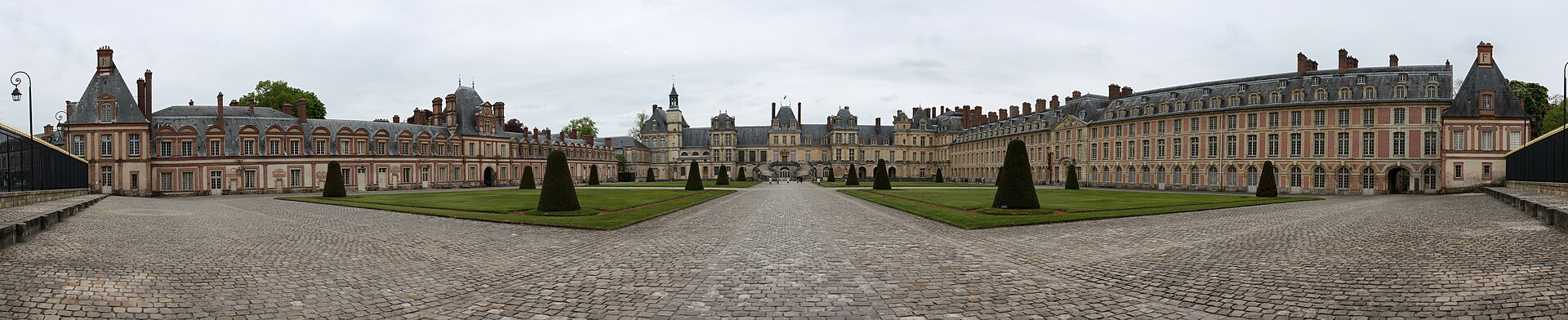
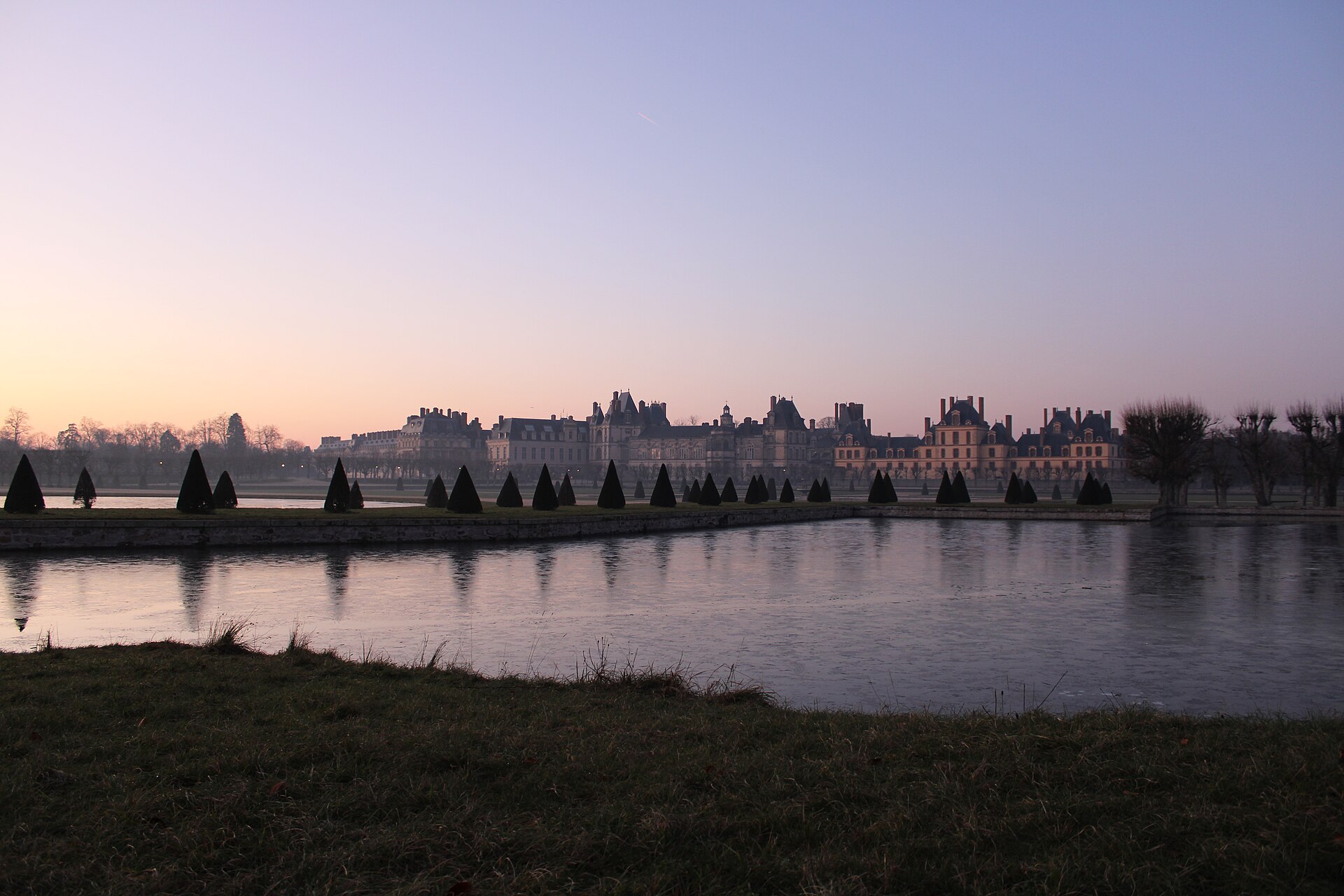
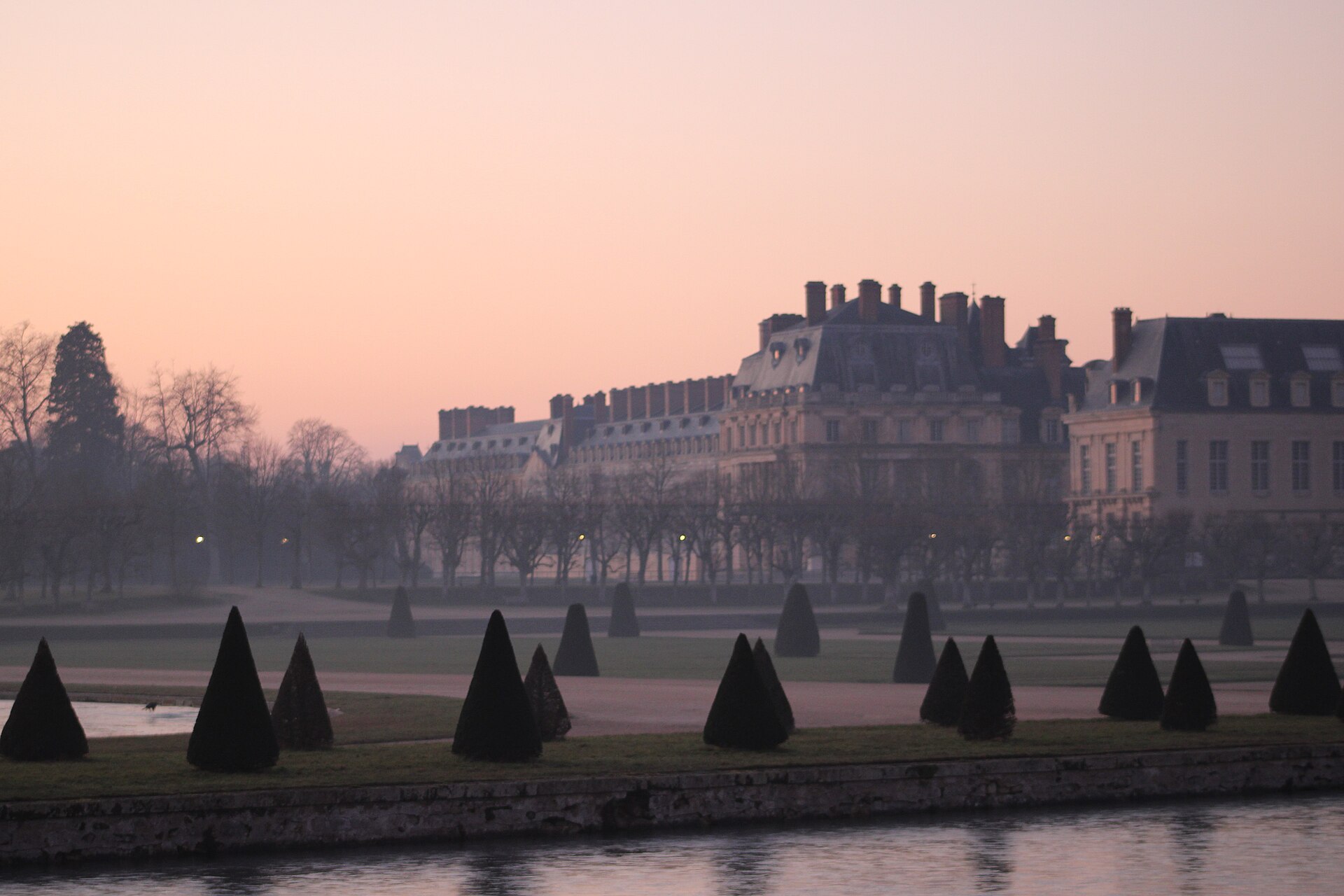
Versailles may be the most famous of France’s royal palaces, but it is not the oldest or, some would say, the most loved by the monarchs who lived in it. That distinction belongs to Fontainebleau, a sprawling and endlessly fascinating palace set amid a great forest to the south of Paris, where the kings of France made their home for some eight hundred years. If Versailles is a single overwhelming statement, Fontainebleau is a living palimpsest, layered with the tastes and ambitions of dynasty after dynasty.
To wander through Fontainebleau is to travel through the whole history of French royalty. Medieval kings hunted here in the forest; a Renaissance king filled it with Italian art and made it a beacon of the new learning; later monarchs added galleries, ballrooms, and gardens; and an emperor cherished it above all his other residences before signing away his throne in one of its courtyards. No other palace in France holds so much history within its walls.
Napoleon himself called Fontainebleau the true home of kings, the house of the centuries, and the phrase captures something essential about the place. Unlike a palace built all at once to a single design, Fontainebleau grew organically over hundreds of years, each ruler adding to it and reshaping it, so that the building itself is a kind of autobiography of the French crown, written in stone and paint across the ages.
In the pages ahead you will explore this remarkable palace, from its medieval beginnings and its dazzling Renaissance transformation, through the artists who made it a wonder and the monarchs who called it home, to the emperor who loved it and the museum it has become. Fontainebleau is a place where every wall has a story, and it rewards the curious traveller as richly as any palace in Europe.
In This Article
- Eight Centuries of Kings
- The King Who Loved the Renaissance
- A School of Art Is Born
- The Gallery of Francis I
- The Horseshoe Staircase
- The Great Ballroom
- Each Reign Leaves Its Mark
- The Emperor’s Favourite Palace
- The Emperor’s Farewell
- A Palace Renewed Again
- The Great Forest Around the Palace
- A Treasure House Preserved
- Exploring Fontainebleau Today
- The Louvre: The Royal Palace Behind the World’s Greatest Museum
Eight Centuries of Kings
What sets Fontainebleau apart from almost every other palace is the sheer span of its royal history. For some eight hundred years, from the Middle Ages to the age of empire, French rulers made this place a home, returning to it generation after generation. Few buildings anywhere can claim so long and continuous an association with a nation’s sovereigns, and that long occupation is written into every part of the palace.
The reason for this enduring attachment lay in the great forest that surrounds Fontainebleau, a magnificent expanse of woodland that made the area a superb hunting ground. Medieval kings, passionate about the chase, established a residence here to enjoy the hunt, and that original royal presence set the pattern that would hold for centuries. The forest drew the kings, and the kings built the palace.
Because it was occupied and expanded across so many reigns, Fontainebleau grew in a way quite different from a palace conceived all at once. Each monarch who loved the place added to it, altering and enlarging it according to the taste of the age, so that the building accumulated wings, courtyards, and gardens over the centuries. The result is a palace of wonderful variety, a record of changing styles across hundreds of years.
This organic growth gives Fontainebleau a character that a more unified palace can never possess. To move through it is to move through time, from medieval remnants to Renaissance splendour to the elegance of later ages, each layer testifying to the ruler who added it. The palace is less a single work of art than an archive of French royalty, and that depth is a large part of its fascination.
It is worth pausing on what this continuity meant in practice. Kings who might tear down or abandon the works of their predecessors elsewhere tended, at Fontainebleau, to build upon them instead, drawn by the same forest and the same accumulated grandeur that had attracted those who came before. The palace became a shared inheritance, cherished and enlarged rather than replaced, and that reverence is why so much survives from so many different ages.
The King Who Loved the Renaissance
The transformation of Fontainebleau from a medieval royal residence into one of the great palaces of Europe was largely the work of one king, Francis I, a monarch captivated by the art and learning of the Italian Renaissance. Determined to bring the new culture to France and to give himself a setting worthy of his ambitions, he poured his energy and resources into rebuilding and enriching the old palace on a magnificent scale.
Francis had encountered the splendours of the Italian Renaissance and longed to recreate them in his own kingdom. Rather than simply importing objects, he brought the artists themselves, luring gifted Italian painters and craftsmen to France to work at Fontainebleau. In doing so he made the palace a channel through which the new Italian style flowed into France, transforming French art and taste in the process.
Under his direction, Fontainebleau became a showcase of Renaissance magnificence, its rooms and galleries filled with paintings, stucco decoration, and elegant design of a kind never before seen in France. The king spared no effort to make his palace a wonder, and it became the centre of a brilliant court and a symbol of his cultivated, ambitious kingship.
Francis I’s Fontainebleau was more than a beautiful residence; it was a cultural statement, an announcement that France, under its Renaissance king, would take its place among the most sophisticated courts of Europe. The palace embodied his vision of a kingdom enriched by art and learning, and it remains, above all, his creation, the place where he stamped his personality most deeply on the fabric of France.
His example also set a pattern for royal patronage that would shape France for centuries. By demonstrating that a king could win glory through art and culture as well as through war and diplomacy, Francis I helped establish the idea of the monarch as a great patron, a role his successors would embrace with enthusiasm. Fontainebleau was the proving ground for this vision of cultivated kingship.
A School of Art Is Born
The Italian artists whom Francis I brought to decorate his palace did more than adorn its walls; they gave rise to a whole movement in French art. Working at Fontainebleau, these masters and their French pupils developed a distinctive style, elegant, refined, and sometimes fantastical, that came to be known after the palace itself. The building thus lent its name to one of the important currents of European art.
This style blended the sophistication of the Italian Renaissance with a French sensibility, producing decoration of great elegance and invention. Its combination of painting, sculpture, and elaborate stucco framing, often filled with graceful figures and intricate ornament, was hugely influential, setting a fashion that spread through France and beyond. Fontainebleau became a fountainhead of taste for a whole era.
The artists who worked here trained others, and the style they created outlived them, carried on by later generations and by a second flowering of the movement in subsequent reigns. In this way Fontainebleau exerted an influence far beyond its own walls, shaping the decoration of countless other buildings and the work of many artists who never set foot in the palace.
To understand Fontainebleau is therefore to understand a key moment in the history of French art, when the influence of Italy was absorbed and transformed into something new and distinctively French. The palace was not merely decorated by great artists; it was the birthplace of a movement, and that creative legacy is as much a part of its importance as its royal history.
The legacy of this movement can be traced in French art for generations afterward, in the taste for elegant, allegorical decoration and the confident blending of painting and sculpture. What began as an imported Italian fashion became, through the work done here, a permanent part of the French artistic tradition, and the palace’s name endures as a label for one of the defining styles of the age.
The Gallery of Francis I
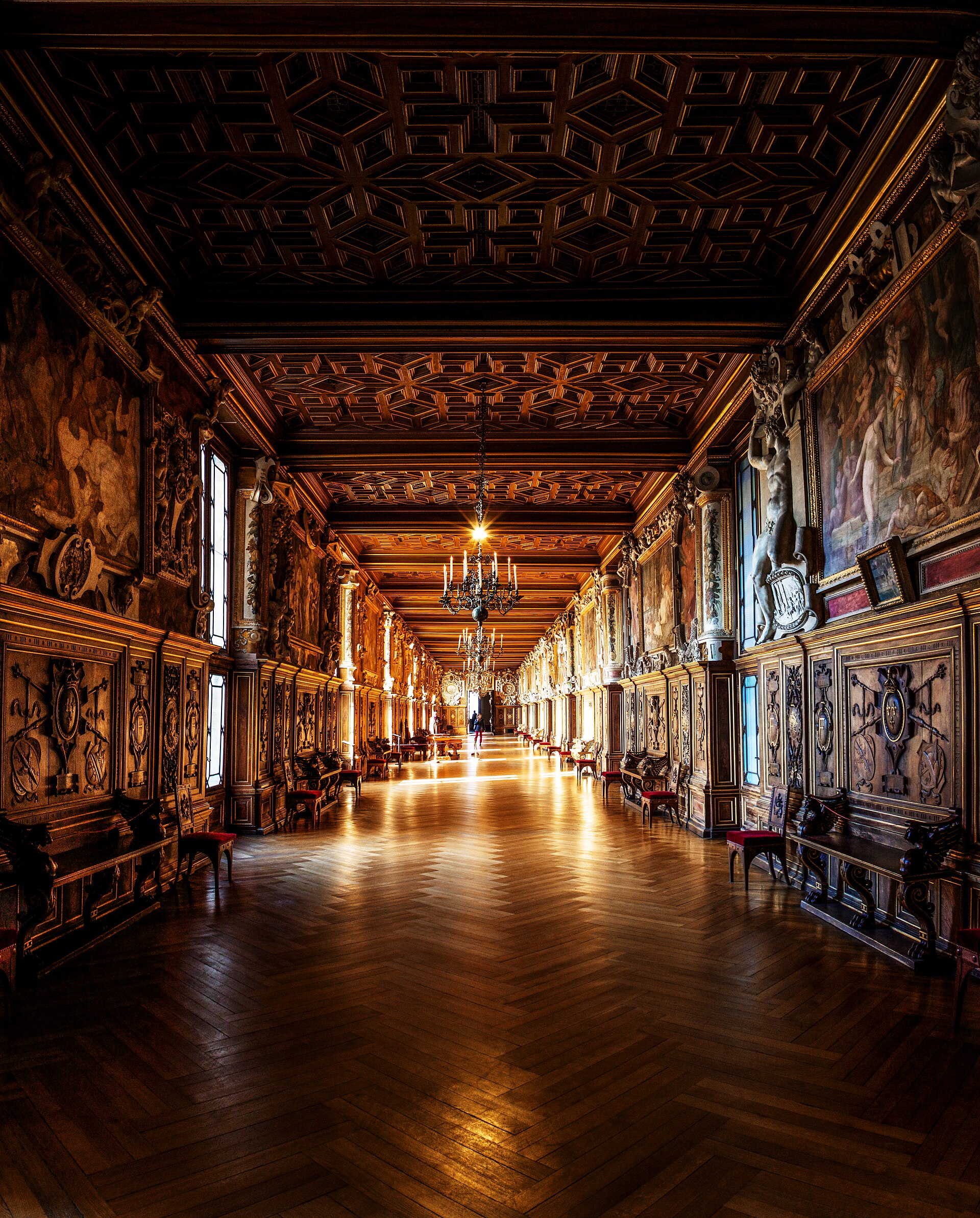
Among all the treasures of Fontainebleau, the gallery created for Francis I stands out as one of the supreme achievements of Renaissance art in France. This long, richly decorated gallery, with its combination of painted panels and elaborate stucco framing, was among the first of its kind in the country and set a model for the great decorated galleries that would follow in French palaces.
The decoration of the gallery is a marvel of invention, its walls covered with allegorical scenes framed by sculpted figures, garlands, and ornament of extraordinary richness. The subjects, drawn from mythology and allegory, were designed to celebrate the king and his virtues, turning the gallery into a sophisticated program of imagery that flattered its royal patron while dazzling all who passed through it.
This gallery was profoundly influential, a demonstration of how painting and sculpture could be combined into a unified decorative scheme of great splendour. The idea of the long, magnificently adorned gallery as a centrepiece of a palace, so brilliantly realised here, would echo through French architecture for generations, finding its ultimate expression in the great galleries of later palaces.
To stand in the gallery today is to encounter the Renaissance ambitions of Francis I at their most complete, a room conceived as a total work of art in which every surface serves the celebration of the king and the display of the new Italian-inspired style. It remains one of the glories of Fontainebleau and a landmark in the history of European interior decoration.
The gallery also served an important ceremonial function, forming part of the route through which favoured visitors approached the king. As they passed along its length, surrounded by images celebrating royal virtue and glory, they were prepared, psychologically and visually, for the presence of the monarch, the decoration working as a kind of overture to the encounter with majesty that lay ahead.
The Horseshoe Staircase
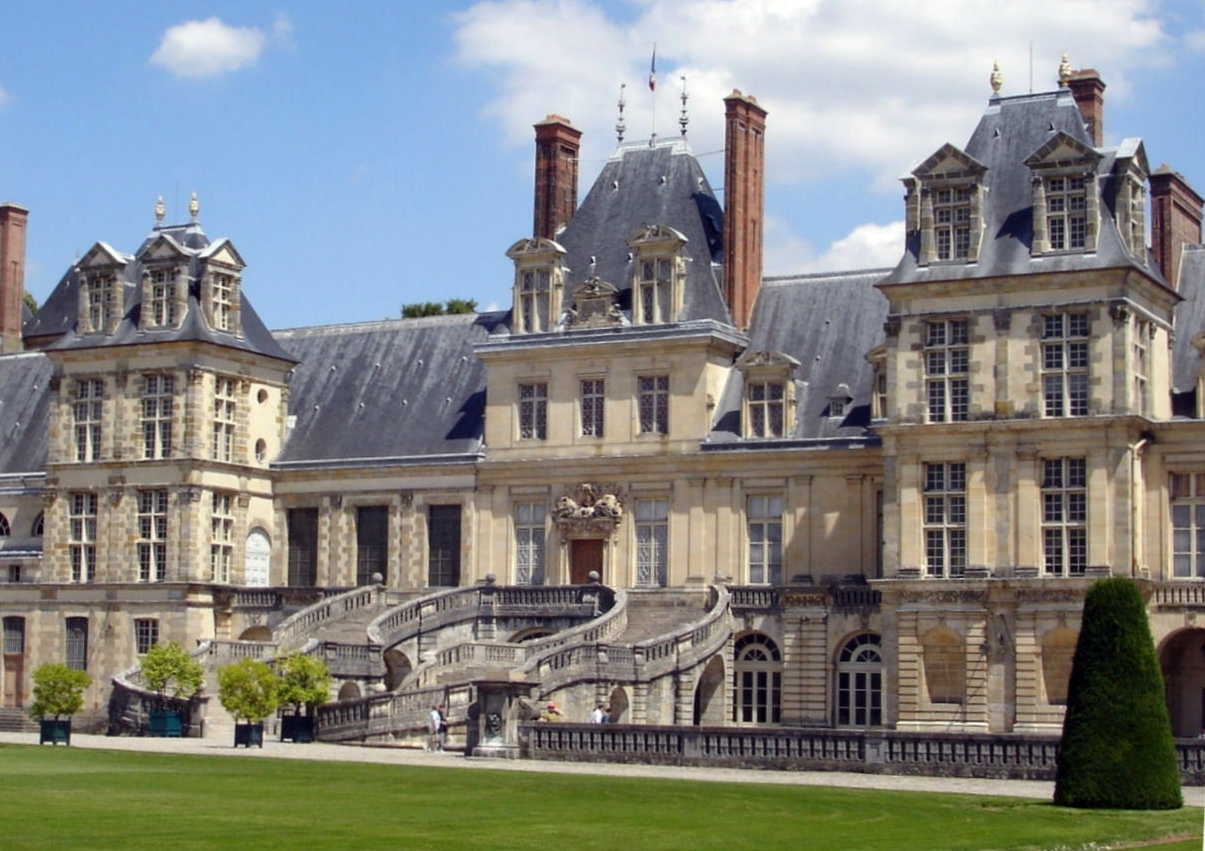
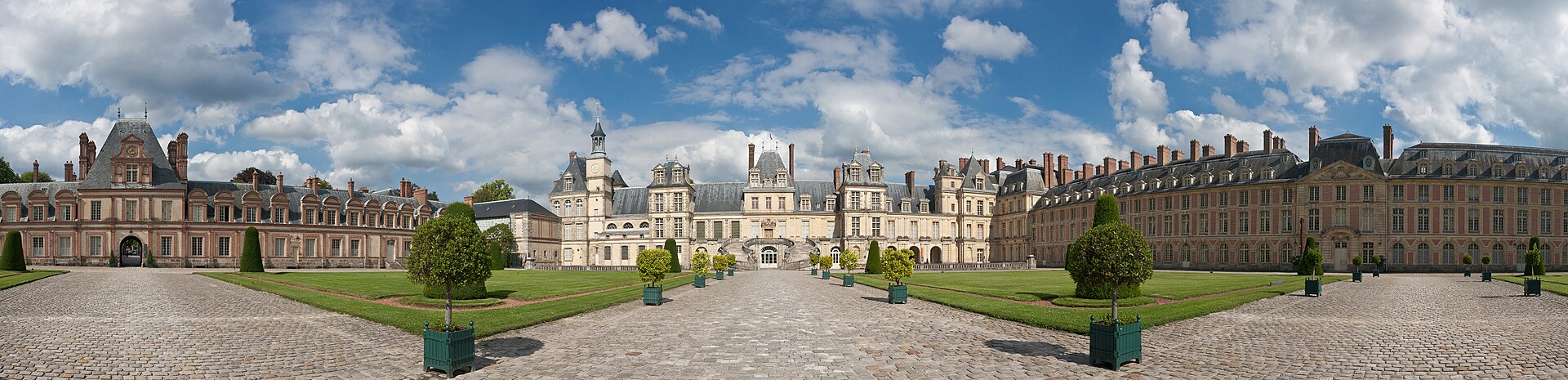
The most iconic feature of Fontainebleau’s exterior is the great horseshoe staircase that sweeps down into the main courtyard, its two curving flights meeting in a graceful double curve. This distinctive stair, unlike anything at other palaces, gives the entrance front of Fontainebleau its unmistakable character and has become the enduring image of the palace.
The staircase opens onto a broad courtyard that has witnessed some of the most dramatic moments in French history. Its generous space made it a natural stage for ceremony and spectacle, and over the centuries kings and emperors made their entrances and exits here, framed by the sweeping curves of the great stair. The courtyard and its staircase together form one of the most theatrical settings in any European palace.
The elegant, curving form of the staircase reflects the sophistication of the architecture at Fontainebleau, a design that is at once grand and graceful. It draws the eye and invites the visitor upward toward the palace, performing the ceremonial function of a grand entrance while adding a note of beauty and drama to the whole composition of the facade.
It was on this staircase and in the courtyard before it that one of the most poignant scenes in French history would later unfold, giving the setting an emotional resonance beyond its architectural beauty. The horseshoe staircase is thus not only a masterpiece of design but a stage on which history was made, and it remains the most beloved and photographed feature of the entire palace.
The design also served a practical purpose, allowing a rider on horseback to ascend with dignity and permitting grand processions to flow up and down its curves. Form and function meet in its elegant sweep, which manages to be both a working stair and a piece of pure theatre, the perfect prelude to the splendours that wait within the palace.
The Great Ballroom
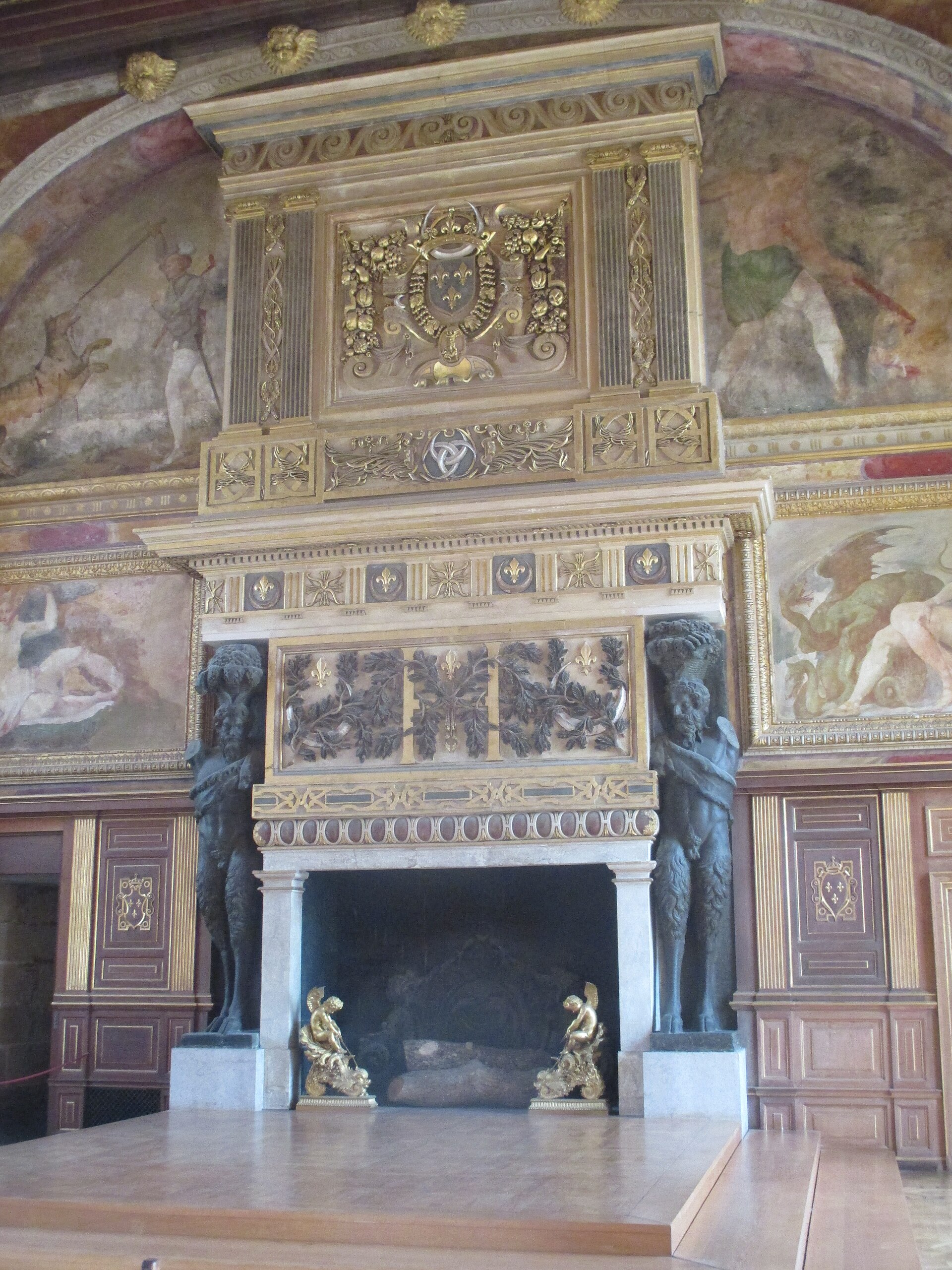
Among the most splendid of Fontainebleau’s interiors is its great ballroom, a magnificent hall created to host the festivities and celebrations of the court. With its richly decorated walls and ceiling, its grand fireplace, and its windows looking out over the gardens, the ballroom was designed as a setting for dancing, feasting, and display, a place where the court could shine in all its finery.
The decoration of the ballroom is a triumph of the Fontainebleau style, its surfaces covered with painted scenes and elaborate ornament that fill the room with colour and movement. The overall effect is one of festive splendour, perfectly suited to the celebrations for which the hall was intended, and it ranks among the finest ceremonial interiors of its age in France.
Rooms like this were essential to the life of a royal court, which expressed its power and magnificence through spectacle and entertainment as much as through government. The ballroom at Fontainebleau provided a stage for the elaborate social rituals of the court, occasions on which alliances were formed, ambitions advanced, and the glory of the monarchy displayed to all.
To enter the ballroom today, even empty and silent, is to imagine the brilliance of the scenes it once hosted, the music, the dancing, and the glittering crowds of courtiers beneath its painted ceiling. It stands as a vivid reminder that a palace like Fontainebleau was not only a residence and a seat of power but a place of pleasure and celebration, alive with the festivities of the court.
The large windows of the ballroom, opening onto the gardens, were themselves part of the design, flooding the room with light by day and offering views of the beautiful grounds beyond. This connection between the festive interior and the ordered landscape outside was characteristic of the palace, where architecture and garden were conceived together, each enhancing the other in a single harmonious whole.
Each Reign Leaves Its Mark
After Francis I, monarch after monarch continued to cherish and enlarge Fontainebleau, each leaving his or her own mark upon the palace. The rulers who followed added new wings and apartments, laid out gardens, and redecorated interiors according to the changing fashions of their times, so that the palace continued to grow and evolve across the centuries.
This continual addition and alteration is what gives Fontainebleau its remarkable richness and variety. Where a palace built all at once reflects a single moment and taste, Fontainebleau reflects many, its rooms and courtyards spanning styles from the Renaissance through the elegance of later ages. Each generation of royalty contributed something, and the sum of their efforts is a palace of extraordinary depth.
The gardens too were shaped and reshaped by successive rulers, who laid out formal parterres, created ornamental canals and ponds, and adorned the grounds with sculpture and fountains. The setting of the palace thus grew along with the building itself, the work of many hands across many reigns combining to create the beautiful landscape that surrounds Fontainebleau today.
This long collaboration of monarchs across the centuries makes Fontainebleau a uniquely layered place, where the visitor can trace the tastes and ambitions of one reign after another. The palace is a living record of the French monarchy in all its phases, and the contributions of its many royal inhabitants combine to give it a character no single builder could ever have achieved.
This layering also means that Fontainebleau resists any single label. It is not simply a Renaissance palace or a classical one or an imperial one, but all of these at once, a building in which different centuries coexist side by side. That refusal to belong to one moment is precisely its charm, and it rewards the visitor willing to notice how one age gives way to the next as they move from room to room.
The Emperor’s Favourite Palace
Of all the rulers who loved Fontainebleau, few were more devoted to it than Napoleon, who made the palace one of his favourite residences and lavished attention on its restoration and refurnishing. After the upheavals of the Revolution had left the palace stripped and neglected, the emperor brought it back to life, refurnishing its rooms and making it once more a splendid seat of power.
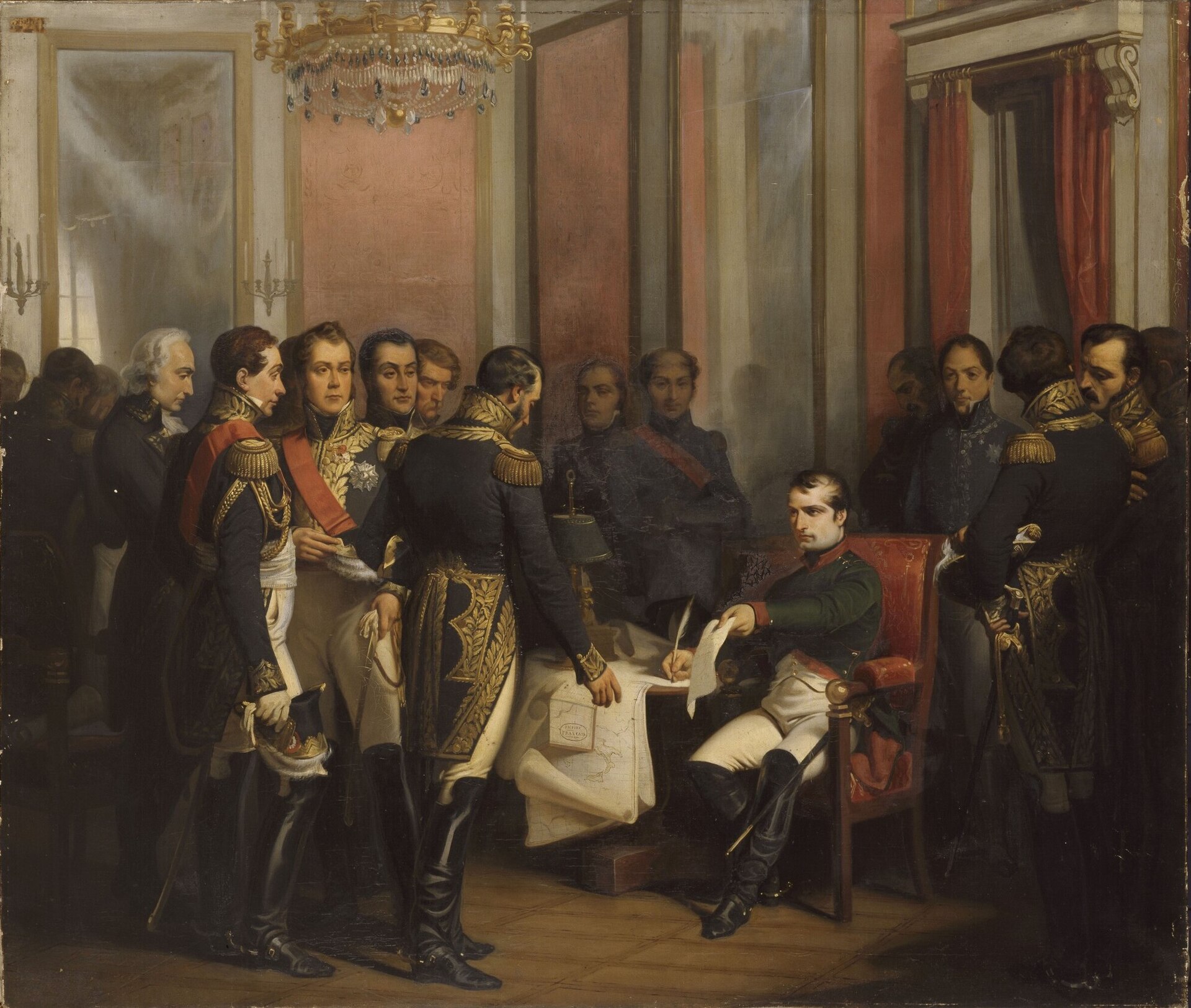
It was Napoleon who famously described Fontainebleau as the true home of kings and the house of the centuries, a phrase that captures both his affection for the palace and his sense of its long history. He valued the connection it gave him to the monarchs who had come before, and by making it his own he sought to link his new empire to the ancient traditions of French royalty.
Napoleon left his own mark on the palace, creating apartments and interiors in the elegant style of his empire and filling the rooms with furnishings appropriate to his imperial dignity. His presence added yet another layer to the palace’s long history, the age of empire taking its place alongside the Renaissance and the reigns of the kings in the accumulated richness of Fontainebleau.
The emperor’s attachment to Fontainebleau ensured that the palace survived and flourished in an age when many royal buildings faced neglect or destruction. By cherishing and restoring it, Napoleon preserved this treasure for the future, and his association with the palace remains one of the most compelling chapters in its long and storied history.
In restoring Fontainebleau, Napoleon was also making a statement about his own legitimacy. By taking up residence in a palace so deeply associated with the old kings of France, he sought to clothe his new imperial dynasty in the prestige of centuries, presenting himself as the heir to a long tradition of French sovereignty rather than a mere upstart soldier. The palace served his image as powerfully as it had served the kings before him.
The Emperor’s Farewell
Fontainebleau is bound up with one of the most dramatic and moving episodes in the story of Napoleon, for it was here that the emperor signed his abdication, bringing his reign to an end. Defeated and abandoned by many of his former supporters, Napoleon renounced his throne within the palace he loved, a bitter close to his extraordinary career played out amid the splendour of Fontainebleau.
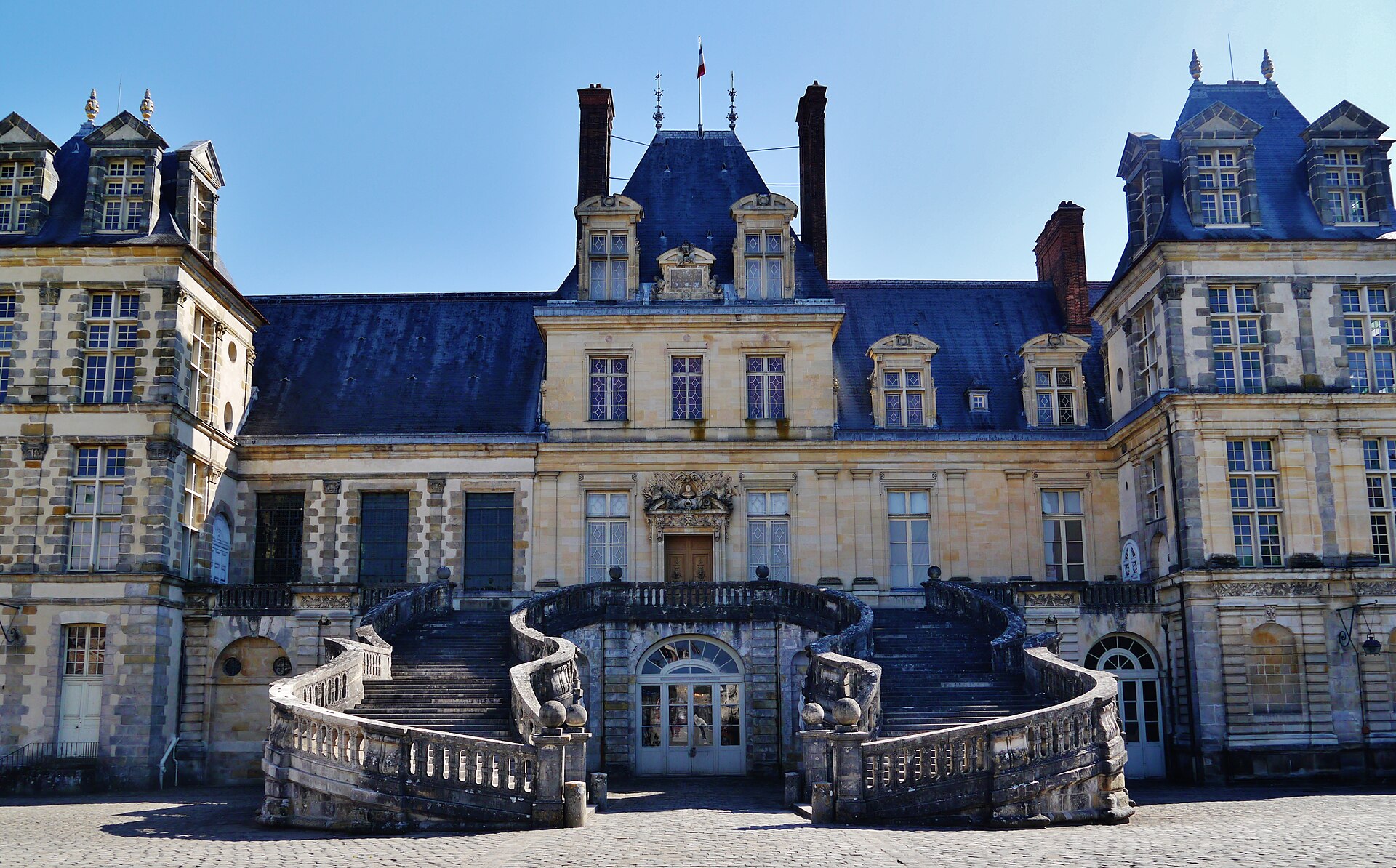
The most famous moment came in the great courtyard before the horseshoe staircase, where the emperor bade farewell to the soldiers of his guard before departing into exile. This scene, in which the fallen ruler took his leave of the loyal troops who had followed him through so many campaigns, became one of the iconic images of his downfall, forever linking the courtyard of Fontainebleau to the end of an empire.
The emotional power of this farewell has given the courtyard its enduring name as the court of goodbyes, and it remains one of the most evocative spots in the whole palace. To stand where Napoleon addressed his guard for the last time is to feel the weight of history, the collapse of one of the most remarkable careers in European history unfolding on this very ground.
That so momentous an event should have taken place at Fontainebleau is fitting, for the palace had been the setting for centuries of French history, and it was here that one of its greatest and most controversial figures made his exit. The abdication and the farewell add a note of tragedy to the palace’s long story, a reminder that its walls have witnessed endings as well as glories.
The episode has inspired painters and writers ever since, drawn to the drama of a great conqueror taking his leave of the men who had shared his triumphs and defeats. That such a scene should have unfolded at Fontainebleau, a palace so bound up with the glory of French rulers, lends it a peculiar poignancy, the setting of centuries of majesty becoming the stage for one of history’s most famous farewells.
A Palace Renewed Again
Fontainebleau’s life as a royal and imperial residence did not end with Napoleon, for later rulers continued to use and adorn the palace. Under the Second Empire in particular, the palace enjoyed a new period of splendour, its rooms refurbished and its life renewed as it once more hosted the court and its entertainments in the age of a later Napoleon.
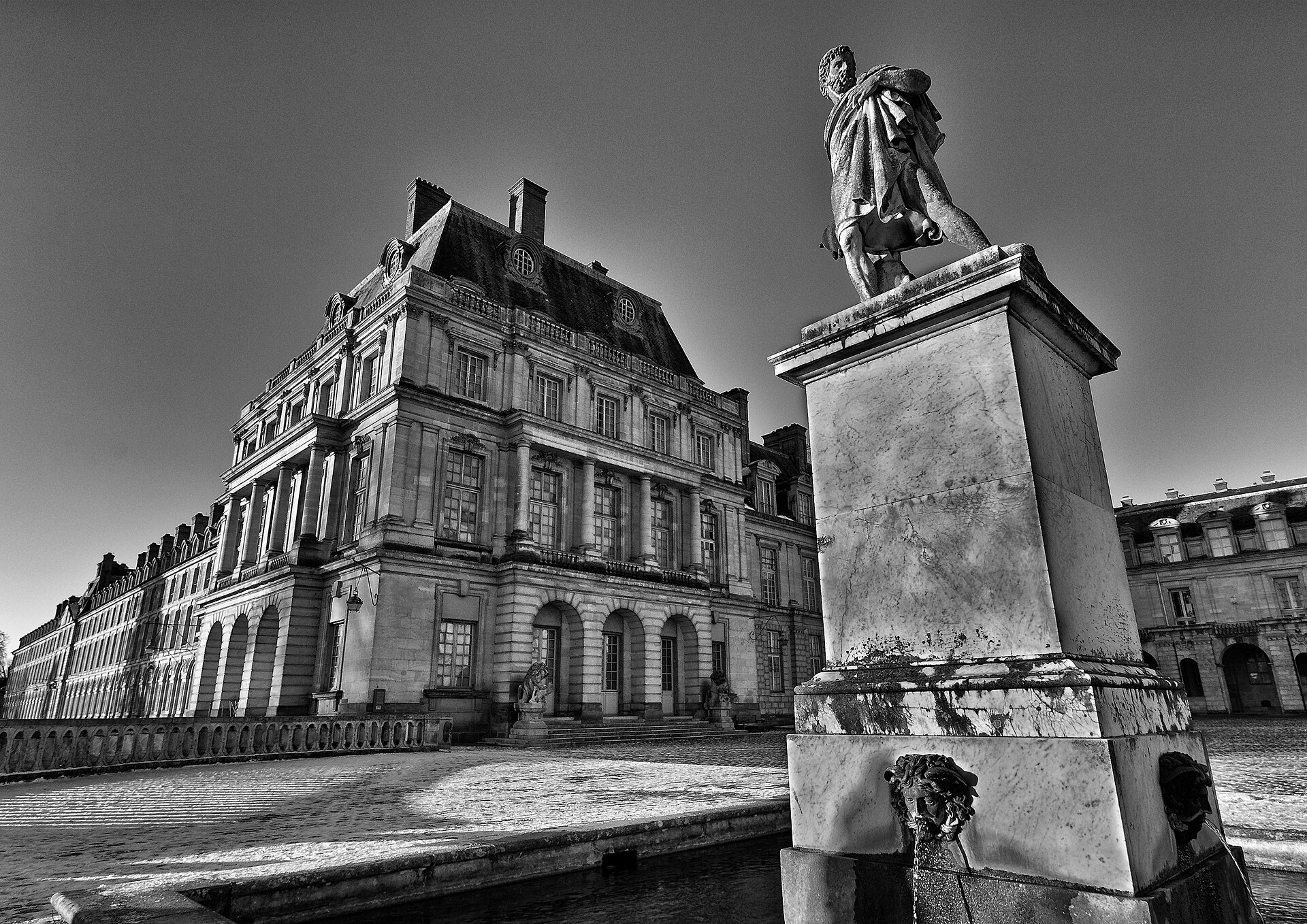
This period added yet more layers to the palace, including elegant interiors and collections that reflected the taste of the time. The palace continued to serve as a place of retreat and pleasure for the ruling family, a setting for gatherings and festivities away from the capital, carrying on the ancient tradition of Fontainebleau as a beloved country residence of France’s rulers.
The continued use of the palace into the nineteenth century ensured that it remained a living building rather than a mere relic, its rooms furnished and inhabited, its gardens tended, its life going on. This unbroken occupation across so many regimes is part of what makes Fontainebleau so remarkable, a palace that served ruler after ruler across the whole sweep of modern French history.
By the time its days as a residence finally drew to a close, Fontainebleau had accumulated the contributions of an astonishing succession of monarchs and emperors, each adding to its richness. The palace that emerged from this long history was a treasure house of French art and history, layered with the tastes of centuries, ready to begin its new life as a museum and monument.
The palace’s ability to be renewed again and again, adapting to the needs and tastes of each new regime, is itself a kind of testament to its enduring appeal. Where other royal houses fell out of favour and into ruin, Fontainebleau kept finding new life, cherished by ruler after ruler who recognised in it something worth preserving and making their own.
The Great Forest Around the Palace
Fontainebleau cannot be understood apart from the great forest that surrounds it, the magnificent expanse of woodland that first drew the kings to this place and that remains one of its glories. This forest, with its ancient trees, its dramatic rock formations, and its winding paths, was the reason the palace exists, the hunting ground that made the site so attractive to royalty across the centuries.
For the kings and emperors of France, the forest was a place of sport and pleasure, where they could hunt and ride away from the pressures of the court. The chase was a central part of royal life, and the forest of Fontainebleau provided some of the finest hunting in the kingdom, a green paradise that kept the rulers returning to the palace generation after generation.
In later times the forest became famous for a different reason, drawing artists who came to paint its trees, rocks, and light. It became one of the birthplaces of a new approach to landscape painting, as painters worked directly from nature among its glades, and the forest thus contributed to the history of art as well as to the history of the monarchy.
Today the forest remains a magnificent natural setting for the palace, a vast green expanse beloved by walkers, climbers, and nature lovers as it was once beloved by kings. The relationship between the palace and its forest is essential to the character of Fontainebleau, a reminder that this great building grew up not in a city but in the heart of a beautiful and ancient woodland.
The bond between palace and forest also shaped the daily rhythms of royal life here in ways that a purely urban residence never could. Mornings might be given to the hunt, afternoons to the pleasures of the court, and the constant presence of the great woodland lent Fontainebleau an air of freedom and retreat that the kings clearly treasured, a place where the business of ruling could be set aside for the pleasures of the chase.
A Treasure House Preserved
Today Fontainebleau is preserved as a museum and monument, its long accumulation of art and history open to visitors from around the world. The palace’s outstanding importance has been recognised at the highest level, its status as a site of exceptional heritage value formally acknowledged, ensuring its protection and celebrating its place among the great palaces of the world.
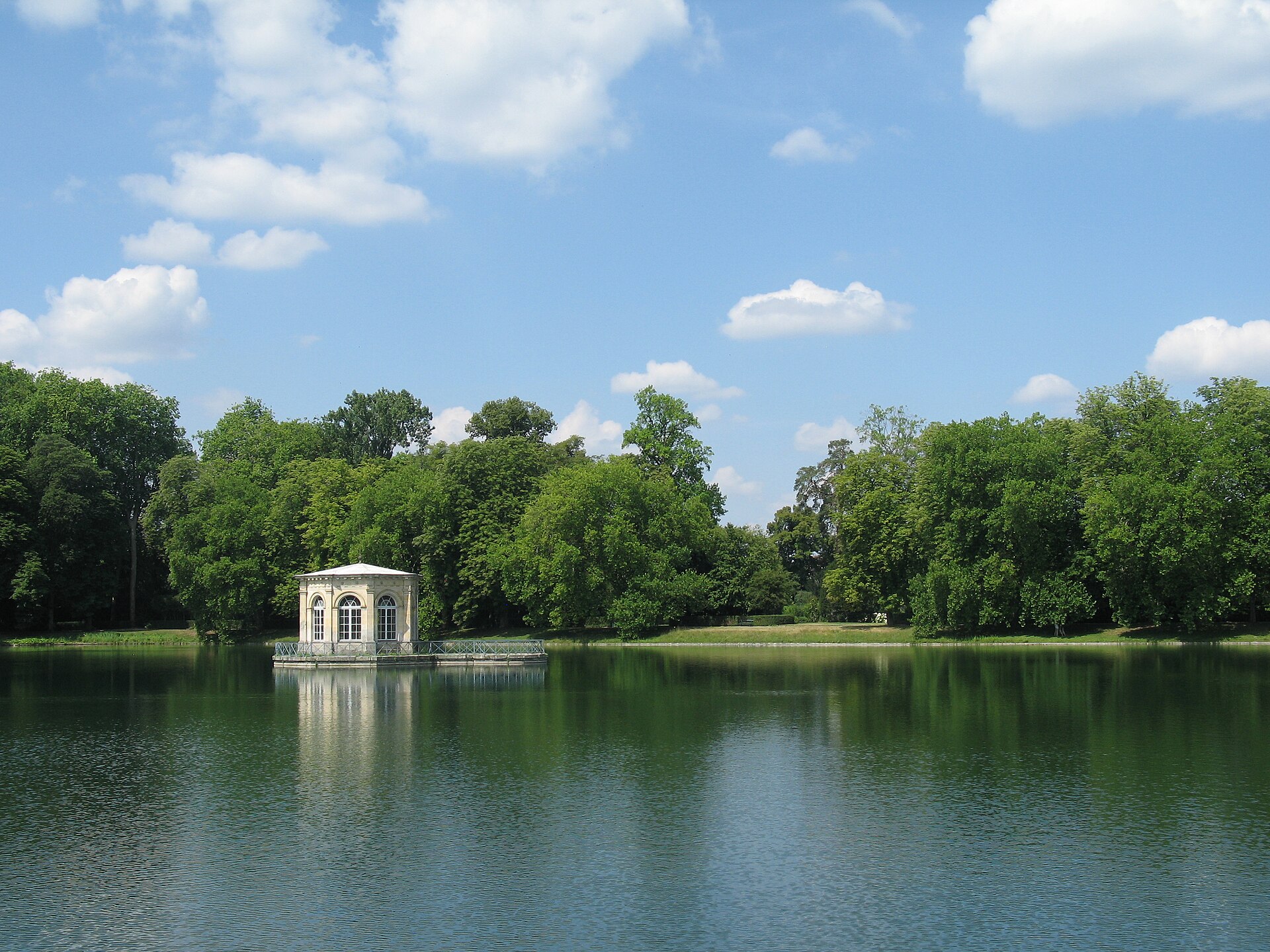
The richness of Fontainebleau as a museum lies precisely in its layered history, for the palace preserves the contributions of so many reigns and styles. Visitors can move from the Renaissance splendour of Francis I through the interiors of later kings to the apartments of Napoleon, experiencing the whole sweep of French royal history within a single building. Few museums offer so complete a journey through the past.
Caring for such a place is a considerable undertaking, involving the conservation of fragile paintings and decoration, the maintenance of the vast building and its gardens, and the presentation of its history to the public. The ongoing work of preservation ensures that the treasures accumulated over eight centuries will endure for future generations to admire and study.
As a museum, Fontainebleau offers something that even grander palaces cannot, the sense of a place lived in and loved across the whole span of French history. Its walls hold the memories of medieval kings and Renaissance princes, of emperors and their courts, and to visit it is to encounter that history not as a single moment but as a continuous, unfolding story stretching across the centuries.
Part of what makes the palace so rewarding for the modern visitor is precisely this sense of accumulated time, the way a single walk can carry you across centuries of changing taste. Rather than presenting one perfected moment, Fontainebleau offers the whole living process of a great building’s evolution, and there is a special pleasure in reading that long story in the fabric of the rooms themselves.
Exploring Fontainebleau Today
A visit to Fontainebleau is one of the great pleasures available to the traveller in France, an opportunity to explore a palace of extraordinary depth in a beautiful setting away from the crowds of the capital. The palace and its gardens reward unhurried exploration, and it is worth allowing plenty of time to take in the many rooms, courtyards, and outdoor spaces that make up this remarkable place.
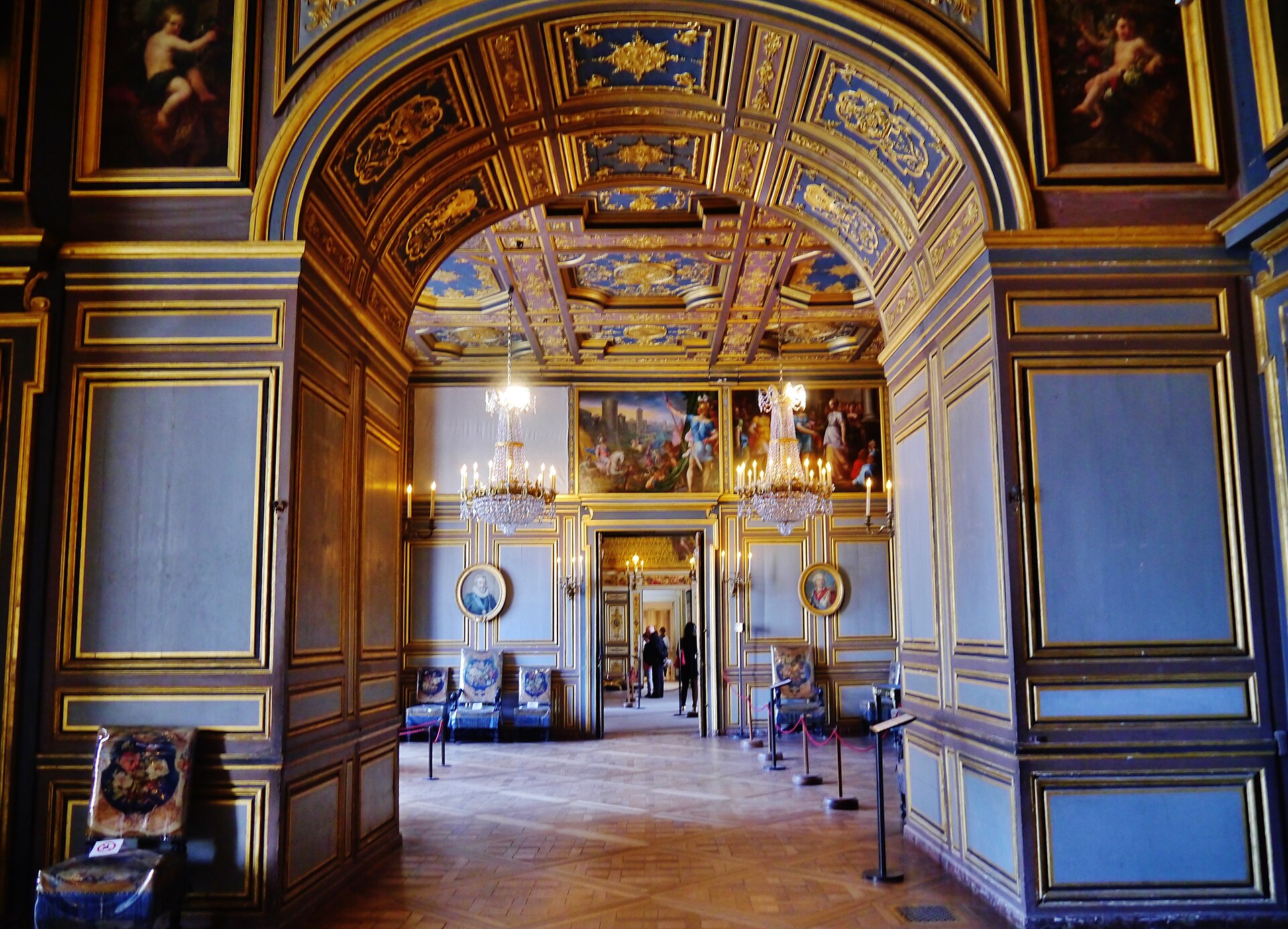
Inside, the great sequence of interiors leads from the Renaissance masterpieces of Francis I through the apartments of later kings and emperors, each with its own character and treasures. The gallery of Francis I, the ballroom, and the imperial apartments of Napoleon are among the highlights, and together they give a vivid sense of the layered history that makes Fontainebleau unique.
Outside, the horseshoe staircase and its courtyard, the scene of Napoleon’s famous farewell, form one of the most evocative spots in the palace, while the gardens offer beautiful walks amid parterres, ponds, and avenues. Beyond lies the great forest, an attraction in its own right, inviting those with time to explore the woodland that first drew the kings to this place.
View the exact location on Google Maps
However long you spend there, Fontainebleau leaves a deep impression, its combination of art, history, and natural beauty setting it apart even among the great palaces of France. It is a place where eight centuries of royalty come together, where the Renaissance meets the age of empire, and where every room has a story to tell. For the traveller seeking the true home of France’s kings, there is no more rewarding destination.
It also pays to remember that Fontainebleau, for all its grandeur, tends to be far less crowded than the most famous palaces, allowing a more peaceful and contemplative visit. There is a real pleasure in wandering its galleries and gardens at a gentle pace, with room to absorb the atmosphere and to let the long history of the place settle over you without the press of large crowds.
Palaces Nearby
If Fontainebleau has drawn you into the world of France’s royal palaces, the greatest of them all lies a short distance away:
You May Like



2 thoughts on “Fontainebleau: The True Home of France’s Kings for Eight Centuries”