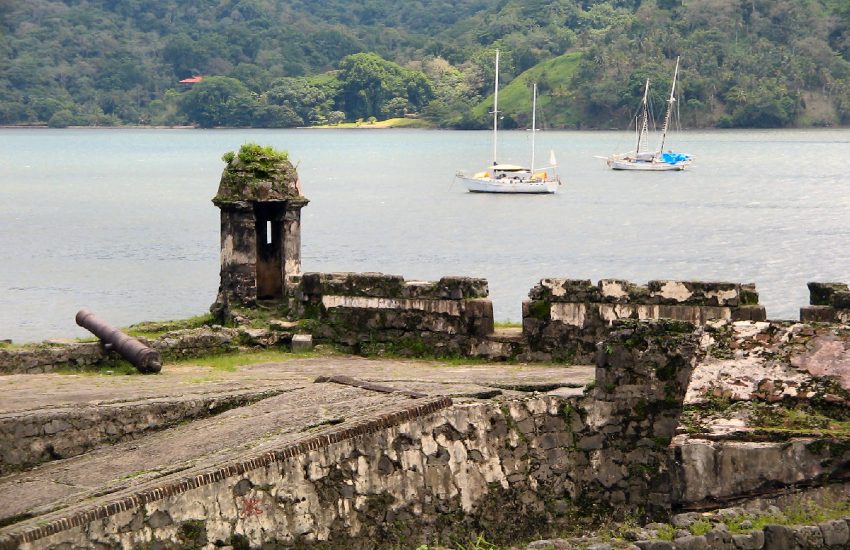
At the mouth of the Potengi River, where the waters meet the Atlantic on the northeastern shoulder of Brazil, stands a five-pointed star of ancient stone rising almost from the sea itself. This is the Forte dos Reis Magos, the Fort of the Three Kings, the oldest building in the city of Natal and one of the most historic fortresses in all of Brazil, a Portuguese stronghold that gave birth to a city.
Built at the very end of the sixteenth century, the fort was raised to secure Portugal’s hold on this stretch of the Brazilian coast against rival European powers, and its founding led directly to the establishment of the city of Natal. Over the centuries it would be fought over, captured, and reclaimed, its star-shaped walls a witness to the long struggle for control of the sugar-rich lands of colonial Brazil.
In this guide you will explore the whole story of this remarkable fortress: why the Portuguese built it, how its foundation on a holy day gave it its name, its role in founding the city of Natal, the dramatic period of foreign occupation it endured, the elegant star-fort design that makes it so striking, and its life today as a beloved historic monument. It is a place where the history of Brazil’s northeast begins.
A word before you begin: the Forte dos Reis Magos is a place where the very beginning of a Brazilian city can be touched in stone. Founded on a holy day, giving birth to Natal, fought over by empires, and standing still at the meeting of river and sea, it holds four centuries of history within its star-shaped walls. Keeping that long story in mind will bring the fortress vividly to life as you explore it.
In This Article
- Securing a Contested Coast
- A Fort Named for the Three Kings
- The Birth of a City
- From Earth to Stone
- The Star Fort by the Sea
- The Struggle for the Sugar Coast
- Under Foreign Occupation
- The Return to Portugal
- The Oldest Building in Natal
- Exploring the Fortress
- A Protected National Monument
- Why the Fort Matters
- Visiting the Forte dos Reis Magos
Securing a Contested Coast
To understand the Forte dos Reis Magos, you must understand the situation of Portuguese Brazil at the end of the sixteenth century. Portugal had claimed a vast stretch of the South American coast, but its hold on the more remote regions was tenuous, and rival European powers, along with their allies among the local peoples, threatened Portuguese control of the northeastern shore.
This part of the coast was particularly exposed, and the Portuguese felt the need to plant a strong fortress here to secure their claim and to guard against incursions by their enemies. The mouth of the Potengi River was chosen as the site, a strategic point where a fort could command the river entrance and provide a base for extending and defending Portuguese authority in the region.
The building of the fort was thus a deliberate act of imperial strategy, a statement that Portugal intended to hold this coast against all comers. From this stronghold, the Portuguese could project their power, protect their interests, and establish a permanent presence in a region that had until then remained beyond their firm control, laying the foundation for the colonisation of the area.
The competition for the Brazilian coast was part of a wider contest among the European powers for the wealth of the New World, a contest waged with fortresses, fleets, and alliances with local peoples. In this struggle, a well-placed fort could make the difference between holding and losing a whole region, and the Portuguese decision to fortify the mouth of the Potengi reflected a clear-eyed grasp of that strategic reality.
The alliances that the various European powers formed with the Indigenous peoples of the region were a crucial factor in these struggles, for the local peoples had their own interests and could tip the balance of a conflict. The founding of the Forte dos Reis Magos took place within this complex web of relationships, and the fort’s history is bound up with the wider story of the encounter between Europeans and the native peoples of the Brazilian coast.
A Fort Named for the Three Kings
The fortress owes its distinctive name to the date of its founding. The first stone of the fort was laid on the sixth of January, in the year 1598, a date that in the Christian calendar is the feast of the Epiphany, which commemorates the visit of the Three Kings, or Magi, to the infant Christ. In honour of this holy day, the fort was named the Forte dos Reis Magos, the Fort of the Three Kings.
This naming reflects the deeply religious character of the Portuguese colonial enterprise, in which the spread of the Catholic faith was intertwined with the extension of the crown’s power. To found the fort on such a significant feast day and to dedicate it to the Magi was to place the whole endeavour under religious auspices, a common practice in an age when the sacred and the political were closely joined.
The name has endured for more than four centuries and remains one of the most charming features of the fortress, tying its origin forever to the moment of its founding on the feast of the Three Kings. It is a reminder of the world view of the men who built it, and it gives the great star fort at the mouth of the Potengi a name as distinctive and memorable as its dramatic form.
The tradition of naming forts, towns, and other foundations after the feast day on which they were begun was widespread in the Portuguese and Spanish empires, and it produced a rich religious geography across the Americas. The Forte dos Reis Magos is a fine example, its name a small window into the devout mentality of the colonial era and a charming and enduring link between the fortress and the Christian calendar.
There is a pleasing symmetry in the way the fort’s name has outlasted every other aspect of its original founding, surviving occupations, rebuildings, and the passage of four centuries. To speak the name Forte dos Reis Magos today is to invoke directly the moment of its beginning on the feast of the Epiphany in 1598, a small act of remembrance repeated by everyone who visits or speaks of the fort.
The Birth of a City
The founding of the Forte dos Reis Magos had a consequence that would prove even more lasting than the fort itself: it led directly to the birth of a city. The establishment of the fortress secured the region and made permanent settlement possible, and within a couple of years a town was founded nearby, the city of Natal, which would grow into the capital of the region.
The name of the new city, Natal, meaning Christmas in Portuguese, reflects the same religious spirit as the fort, for the settlement was founded around Christmas time at the very end of the sixteenth century. Thus both the fort and the city it spawned carry names drawn from the Christian calendar, marking their origins in the feast days of the season around the turn of the year.
This close link between fort and city gives the Forte dos Reis Magos a special place in the history of Natal, for it is quite literally the origin point of the city, the seed from which the whole urban settlement grew. As the oldest building in Natal, the fort is cherished as the birthplace of the city, a monument to its very foundation and the starting point of its long history.
The pairing of the fort and the city, both born of the same colonising impulse at the turn of the seventeenth century, makes their histories inseparable. Natal grew and flourished over the centuries into a major city, but it never lost its connection to the fortress that had given it life, and the Forte dos Reis Magos remains its proudest and most ancient monument, the very cradle of the community.
The dual Christian names of fort and city, the Three Kings and Christmas, give the origins of Natal a distinctly festive and religious character, rooted in the devout world of the Portuguese colonisers. For the modern city, these origins are a source of identity and pride, and the fortress that bears the name of the Magi remains the living emblem of that foundational moment at the turn of the seventeenth century.
From Earth to Stone
The fort that stands today was not the fort that was first built, for the original structure was a more modest affair. The initial fortification, raised at the founding in 1598, was built largely of earth, a quick and practical form of construction suited to the urgent need to secure the site, but one that was vulnerable to the elements and to decay.
Within a decade or so, this earthen fort was found to be in need of serious repair, and the decision was taken to rebuild it in more durable form. Over the following years the fortress was reconstructed in stone, a far more permanent and formidable material, with the work guided by a Portuguese military engineer and completed in the second decade of the seventeenth century.
This rebuilding in stone gave the fort the essential form it retains to this day, transforming it from a temporary earthwork into a lasting stronghold. The change reflected the growing permanence of the Portuguese presence and the importance attached to holding this key position, and it produced the handsome star fort of masonry that has guarded the mouth of the Potengi for four centuries.
The involvement of a skilled military engineer in the rebuilding reflected the seriousness with which the Portuguese approached the fortification of this key position, applying the latest European techniques to the task. The finished stone fort was a far more formidable proposition than its earthen predecessor, capable of mounting a serious defence and of enduring the tropical climate and the assaults it would face.
The transition from an earthen to a stone fortress mirrors the broader consolidation of the Portuguese presence in the region, as a tentative foothold hardened into a permanent settlement. The durable stone fort was a statement of intent, a declaration that Portugal was here to stay, and it gave the young city of Natal a solid and enduring guardian at the mouth of its river.
The Star Fort by the Sea
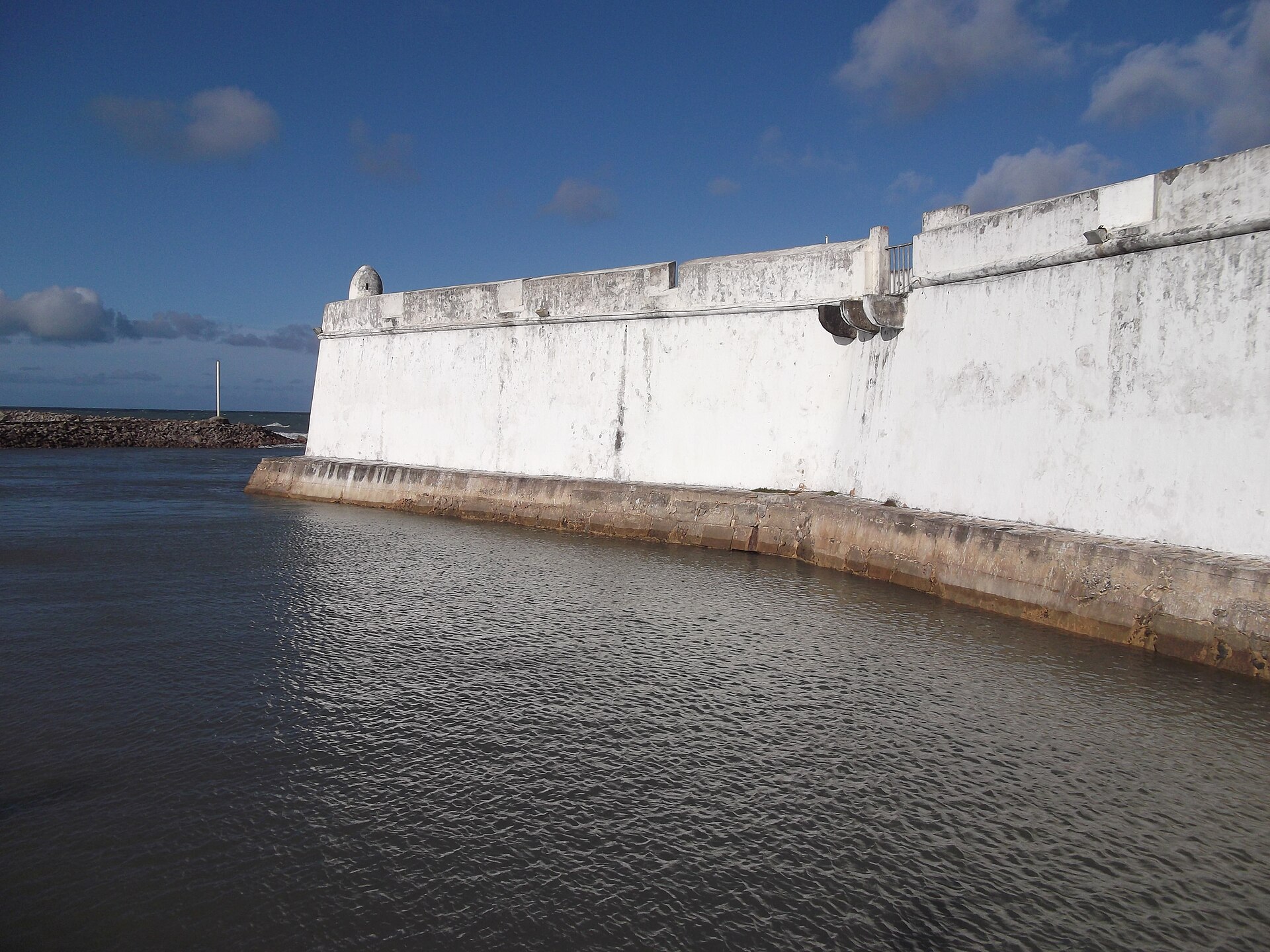
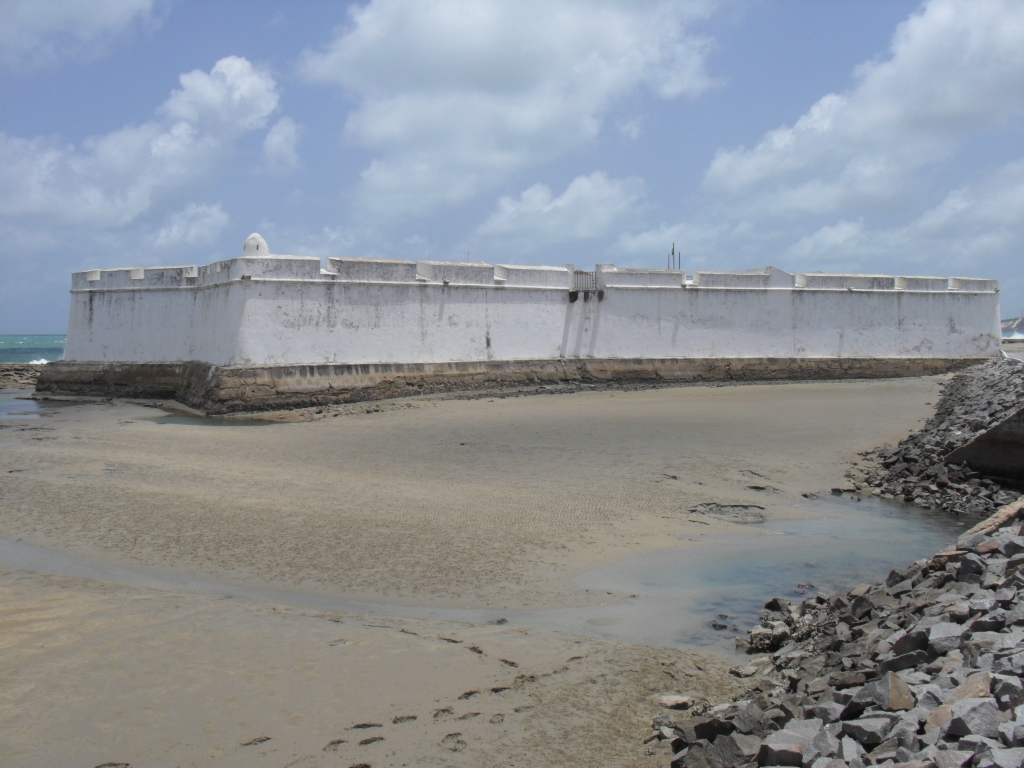
The Forte dos Reis Magos is a fine example of the star fort, the style of fortification developed in Europe to cope with the power of gunpowder artillery. Its plan is that of a star, with pointed bastions projecting outward, arranged so that defenders could cover every wall and approach with overlapping fire, leaving an attacker no safe angle from which to assault the fort.
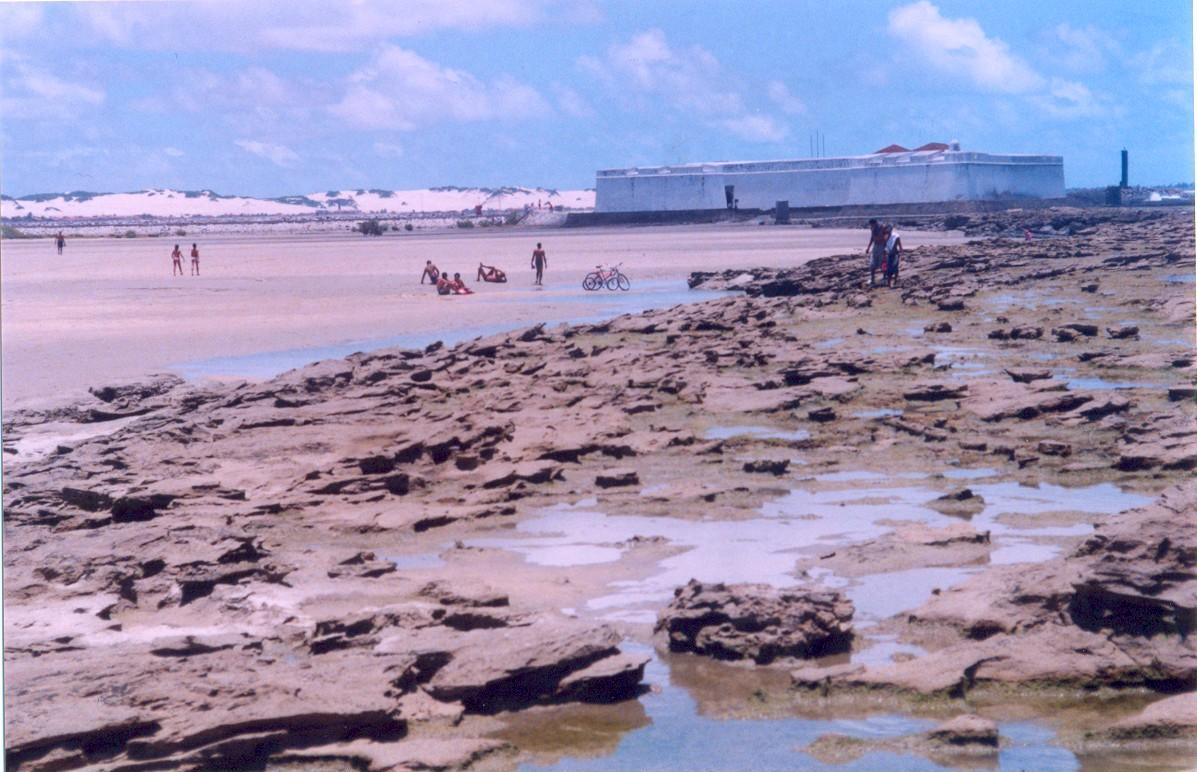
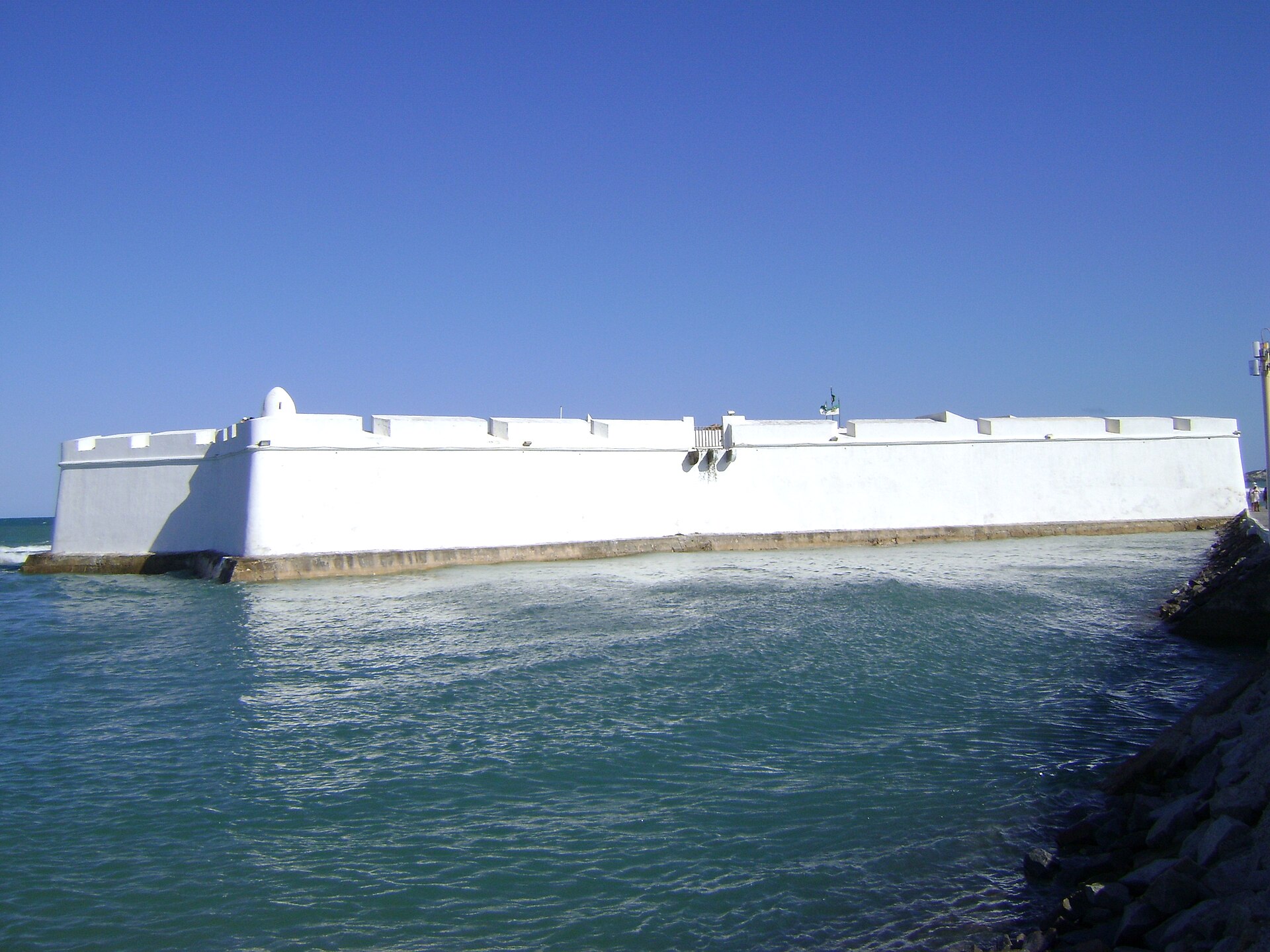
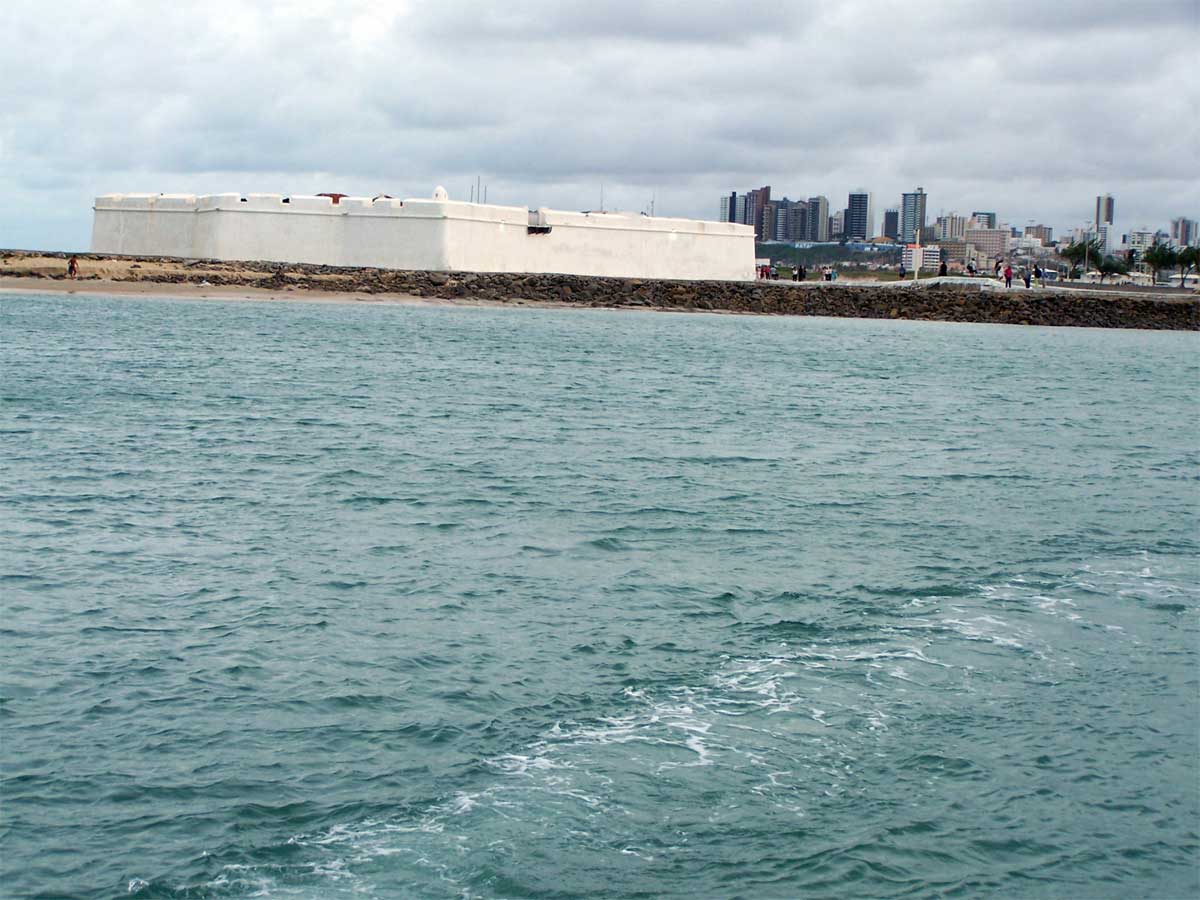
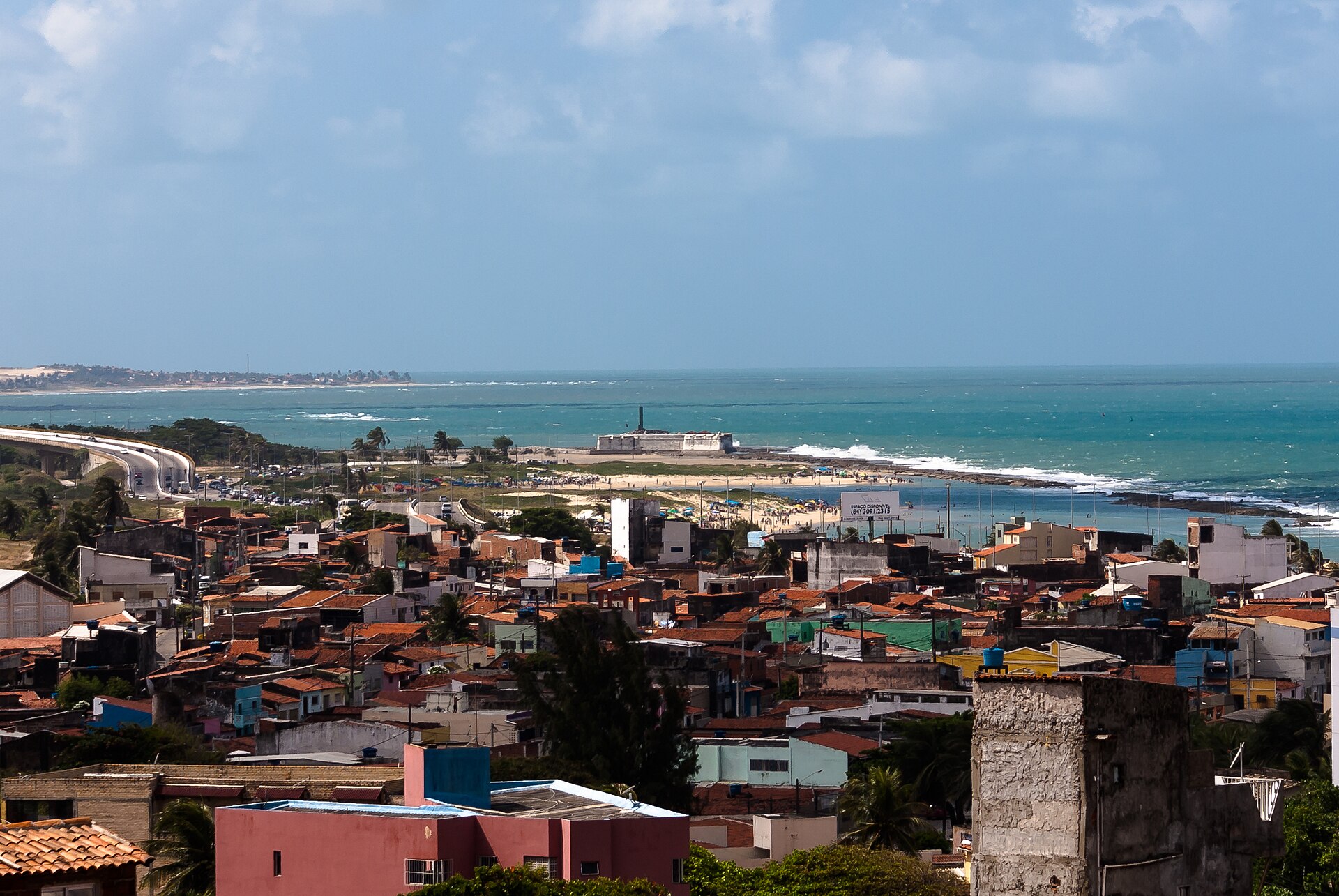
The setting of the fort is especially dramatic, for it stands almost surrounded by water at the mouth of the river, its walls rising from a low spit or bank so that it seems to float upon the sea. This position gave it command of the river entrance, allowing its guns to threaten any hostile ship attempting to enter, while the surrounding water added to its defensive strength.
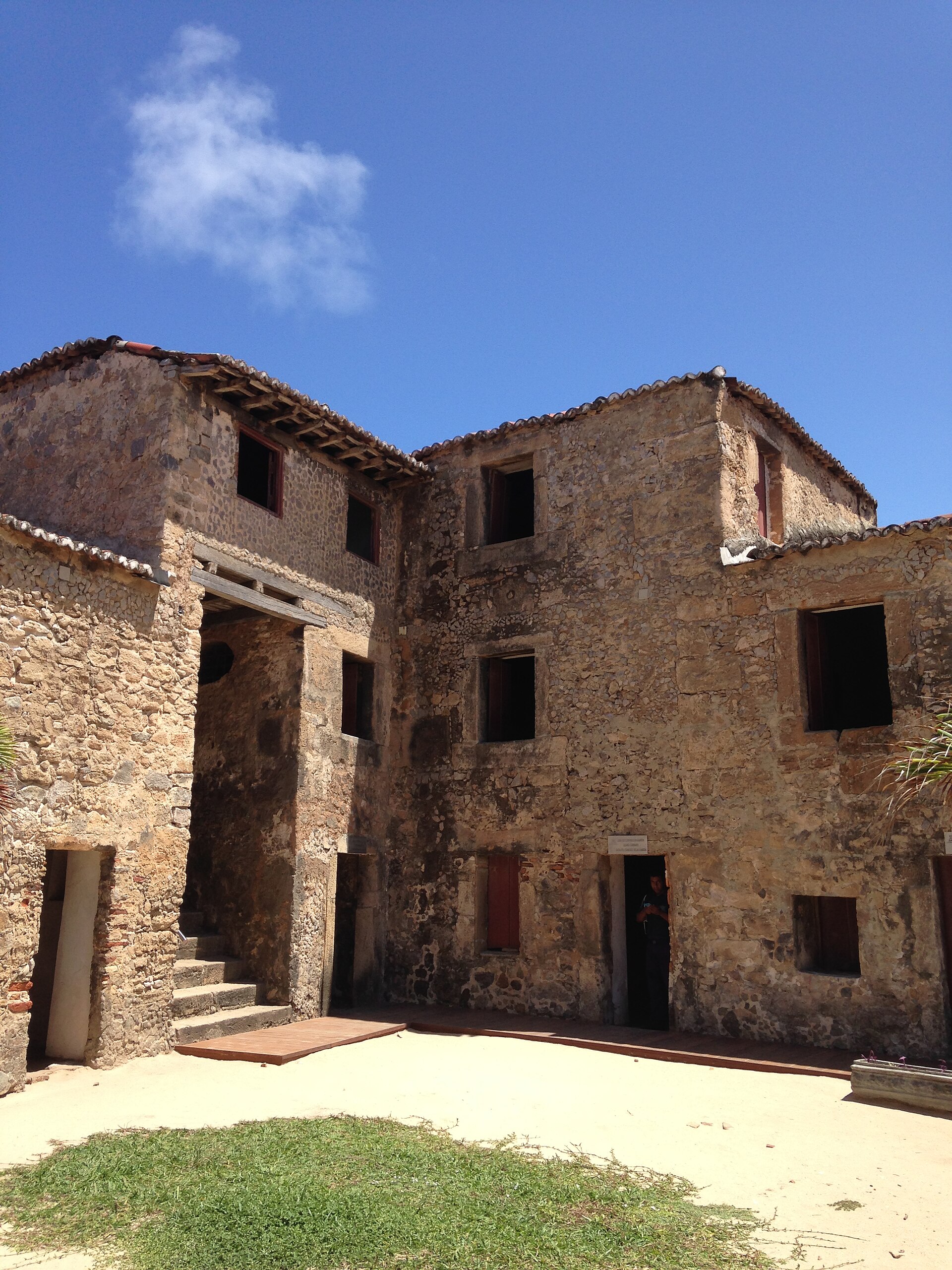
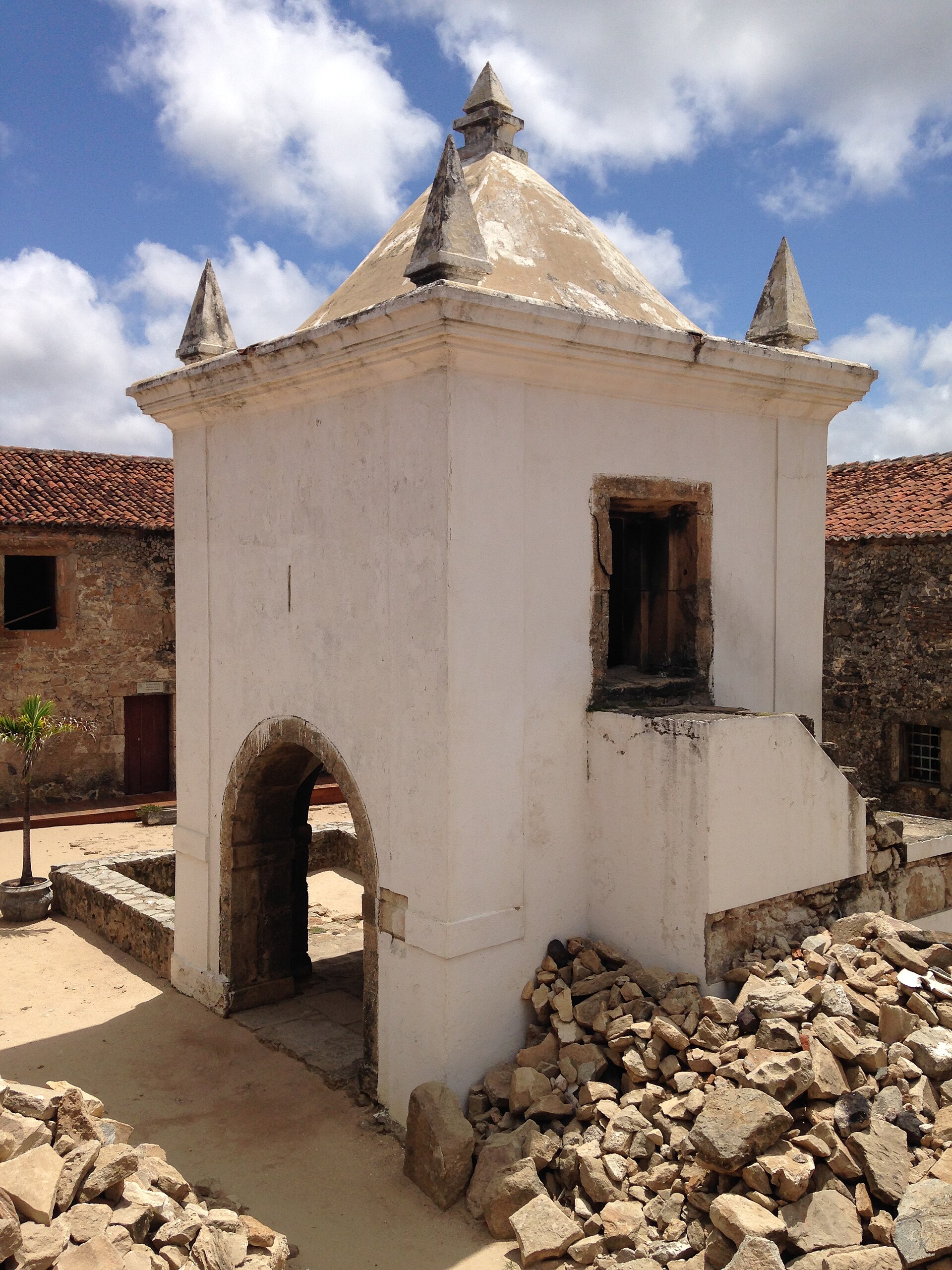
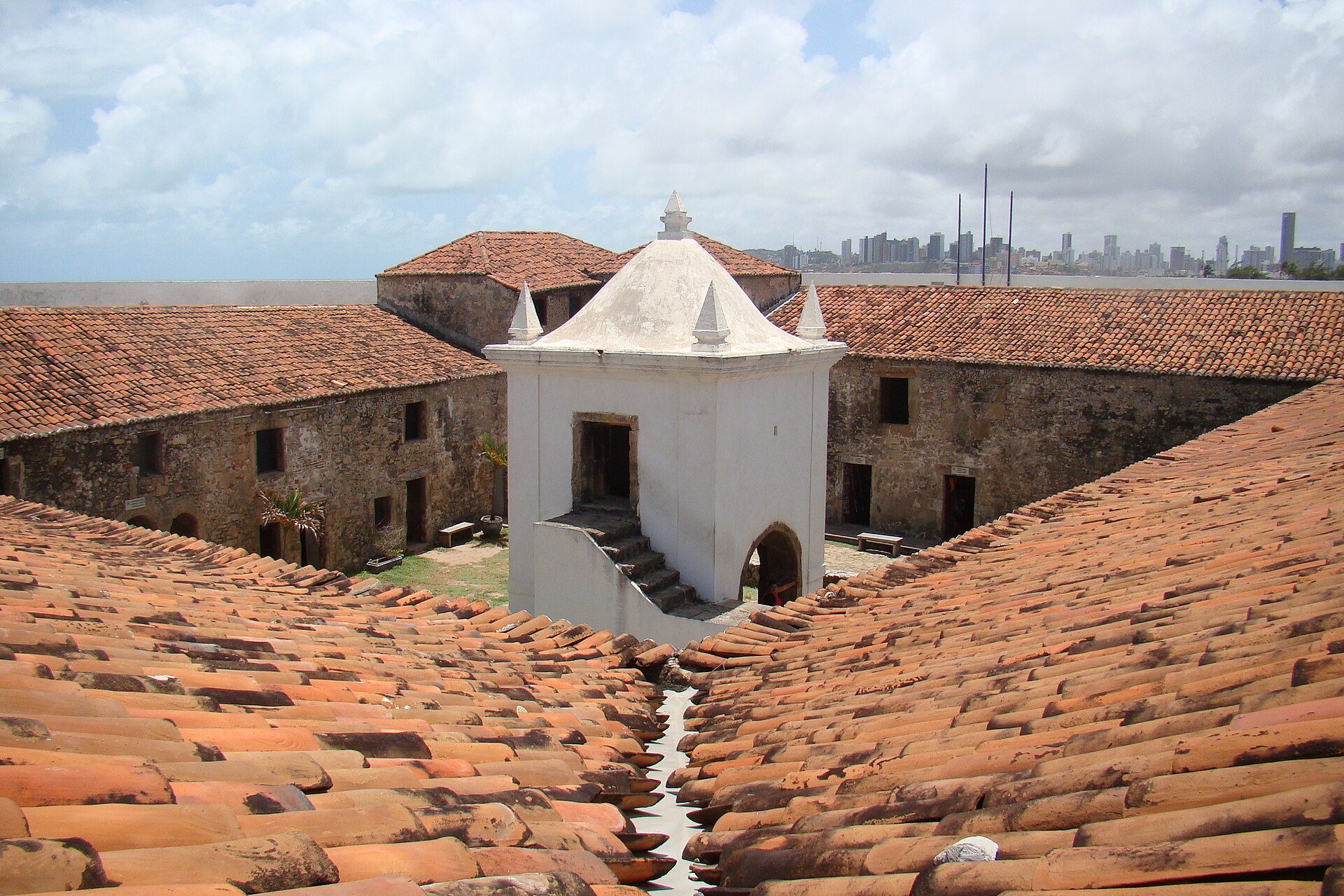
Within its walls, the fort contained the buildings a garrison needed, from quarters and storerooms to a chapel and a powder magazine, all arranged to allow the defenders to live and hold out behind the protective ramparts. The combination of the elegant star plan and the striking maritime setting makes the Forte dos Reis Magos one of the most beautiful and photogenic of all Brazil’s colonial fortresses.
The apparent similarity of the fort’s design to that of other Portuguese fortresses built across their far-flung empire, from Africa to the Indian Ocean, reflects the shared engineering traditions that the Portuguese carried around the world. The Forte dos Reis Magos is thus a local expression of a global system of fortification, adapted to its particular Brazilian setting at the mouth of the Potengi.
The way the fort seems almost to rise from the water, ringed by river and sea, gives it a magical quality that has made it one of the most photographed landmarks of Natal. This dramatic relationship with the surrounding water is not merely picturesque but was central to the fort’s defensive strength, for the water formed a natural barrier that added greatly to the security of the stronghold at the river mouth.
The Struggle for the Sugar Coast
To understand why the Forte dos Reis Magos was so fiercely contested, you have to appreciate the extraordinary wealth of the region it guarded. The northeast of Brazil was the heart of the colonial sugar industry, and sugar was one of the most valuable commodities of the age, produced on great plantations and exported to a hungry European market at enormous profit.
This wealth made the northeast a glittering prize, and it drew the covetous attention of powers eager to seize a share of the lucrative sugar trade. The struggle for control of this coast was, at bottom, a struggle for control of that wealth, and fortresses like the Forte dos Reis Magos were the key strongpoints in the contest, guarding the ports and rivers through which the riches flowed.
The dark foundation of this prosperity, however, was the brutal system of enslaved labour on which the sugar plantations depended, for vast numbers of enslaved Africans were brought to Brazil to toil and die in the cane fields and mills. An honest reckoning with the history of the fort must hold this reality in mind, remembering that the wealth it helped to protect was extracted through profound human suffering.
The immense profits of the sugar trade transformed the northeast into one of the most valuable regions of the entire colonial world, and its ports and rivers became vital arteries of commerce. The fortresses that guarded them, the Forte dos Reis Magos among them, were therefore not merely military installations but the guardians of a great engine of wealth, and their strategic value was correspondingly high.
Under Foreign Occupation
The strategic importance of the fort and the wealth of colonial Brazil made this coast a prize coveted by Portugal’s rivals, and in the seventeenth century the region fell under foreign control. During a period of intense competition for the sugar-producing lands of northeastern Brazil, the Dutch mounted a determined campaign to seize the territory, and the Forte dos Reis Magos was drawn into the conflict.

The Dutch succeeded in capturing the fort and the surrounding region, and for a couple of decades the area was part of the Dutch presence in Brazil, as the newcomers sought to establish their own colonial domain in the tropics. Under their control the fort continued to guard the river mouth, now in the service of a different European power, a striking reversal in the fortunes of the Portuguese stronghold.
This period of foreign occupation is a dramatic chapter in the history of the fort and of the whole northeast of Brazil, part of the wider struggle among European powers for the riches of the New World. Eventually, however, the Portuguese and their allies drove out the occupiers and reclaimed the region, and the Forte dos Reis Magos returned to Portuguese hands, resuming its long service under the crown that had built it.
The period of Dutch presence in northeastern Brazil was a remarkable episode, during which the newcomers established their own colonial administration and left a lasting mark on the region before being expelled. The capture of the Forte dos Reis Magos was part of this wider Dutch enterprise, and the fort’s experience under foreign rule is a vivid reminder of how contested and changeable colonial possession could be.
The wider period of foreign presence in northeastern Brazil left a complex legacy, blending conflict with cultural and scientific exchange, before the region was reclaimed for the Portuguese crown. For the Forte dos Reis Magos, the episode was one of the most dramatic in its history, a time when the Portuguese stronghold flew a foreign flag and served new masters before returning, at last, to the empire that had raised it.
The Return to Portugal
The expulsion of the foreign occupiers and the return of the region to Portuguese control marked another turning point in the fort’s history. With the reconquest of the northeast, the Forte dos Reis Magos once more became a Portuguese stronghold, and it resumed its role of guarding the mouth of the Potengi and the city of Natal that had grown up under its protection.
In the years that followed, the fort continued to serve as the key defensive point of the region, maintained and garrisoned by the Portuguese as part of their network of coastal defences along the vast Brazilian shore. Though the great age of European rivalry for the northeast had passed, the fort retained its importance as the guardian of an important port and a strategic stretch of coast.
The experience of occupation and reconquest had left its mark on the fort and the region, part of the complex tapestry of colonial Brazilian history in which Portuguese, Dutch, and other peoples all played their parts. The Forte dos Reis Magos emerged from this turbulent era as it had entered it, a Portuguese fortress at the mouth of the river, its walls enriched by the dramatic history they had witnessed.
The reconquest of the northeast by the Portuguese and their allies was a hard-fought affair, and its success restored the region to the Portuguese crown for the remainder of the colonial era. The Forte dos Reis Magos, having passed through foreign hands and back again, emerged as a symbol of the endurance of Portuguese Brazil and of the resilience of the colonial settlements that had weathered the storm.
The Oldest Building in Natal
Among all its distinctions, the Forte dos Reis Magos holds a special place as the oldest building in the city of Natal. As the very structure whose founding gave rise to the city, and as a fortress that has stood since the turn of the seventeenth century, it is the most venerable monument in the whole urban area, a direct link to the earliest days of the settlement.
This status makes the fort an object of great civic pride and affection, cherished by the people of Natal as the birthplace and the enduring symbol of their city. In a country where much of the colonial fabric has been lost or altered over the centuries, the survival of so ancient and complete a fortress is remarkable, and it gives Natal a tangible connection to its distant origins.
To stand within the walls of the Forte dos Reis Magos is thus to stand at the very beginning of Natal’s story, in the oldest structure the city possesses. The fort is not merely a historic curiosity but the foundation stone of the whole community, and its preservation ensures that the origins of the city will endure, visible and accessible, for generations to come.
The survival of the fort through more than four centuries, in a climate and an environment that are hard on old buildings, is a considerable achievement, made possible by ongoing care and by the sturdiness of its stone construction. As the oldest structure in Natal, it is a precious survivor, and its endurance connects the modern city directly to the world of its seventeenth-century founders.
For the people of Natal, the antiquity of the fort is a source of deep pride and a tangible connection to the roots of their community, in a young and fast-growing country where such ancient monuments are relatively rare. The Forte dos Reis Magos thus carries a significance that goes beyond its architecture, standing as a cherished emblem of continuity and of the deep history of the city.
Exploring the Fortress
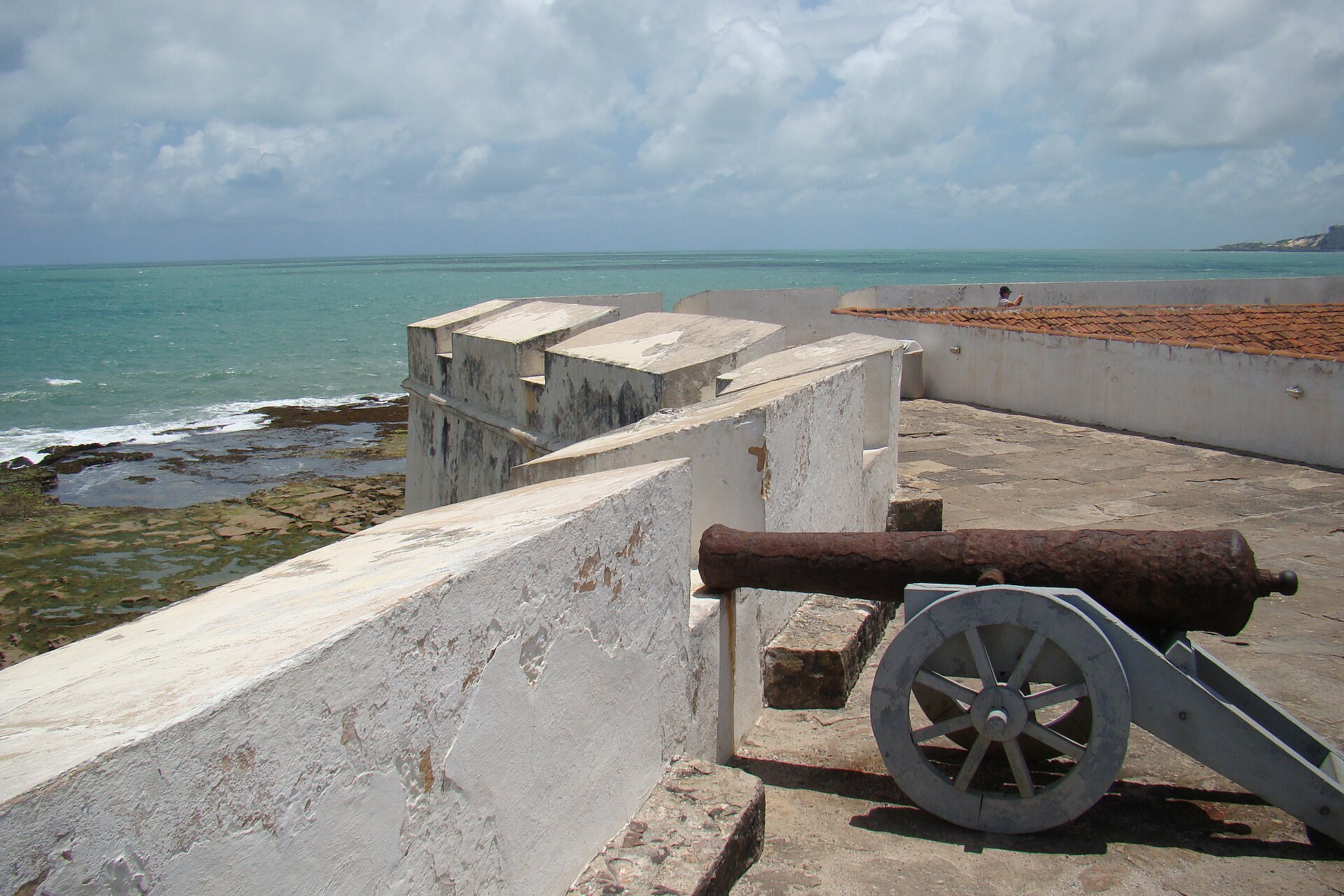
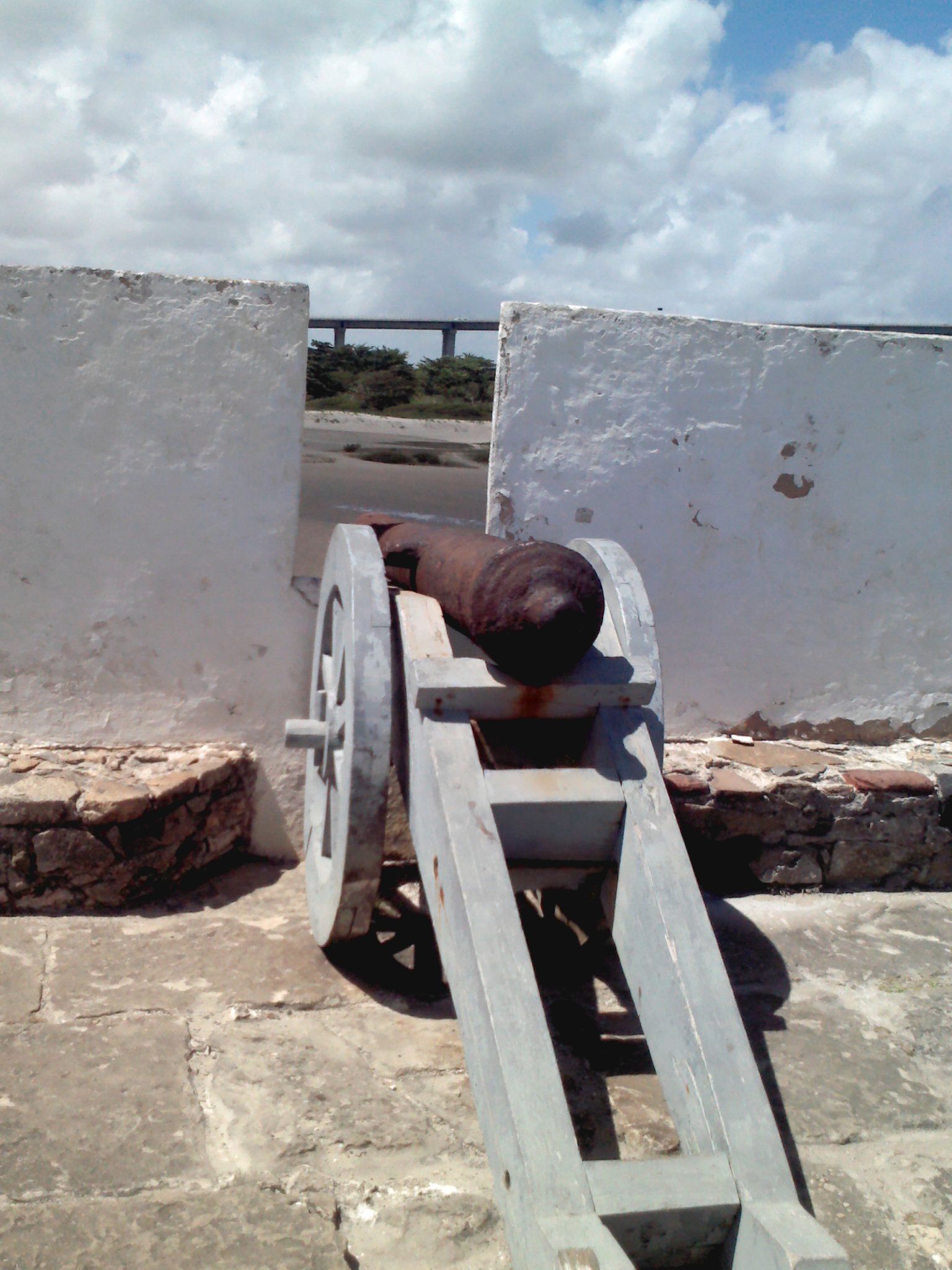
Walking through the Forte dos Reis Magos today, you can read its history and its military purpose in every feature. The star-shaped plan, with its projecting bastions, reveals the science of fortification that shaped it, while the stout stone walls and the cannon positioned to command the water speak of the fort’s role in guarding the vital river mouth against attack.
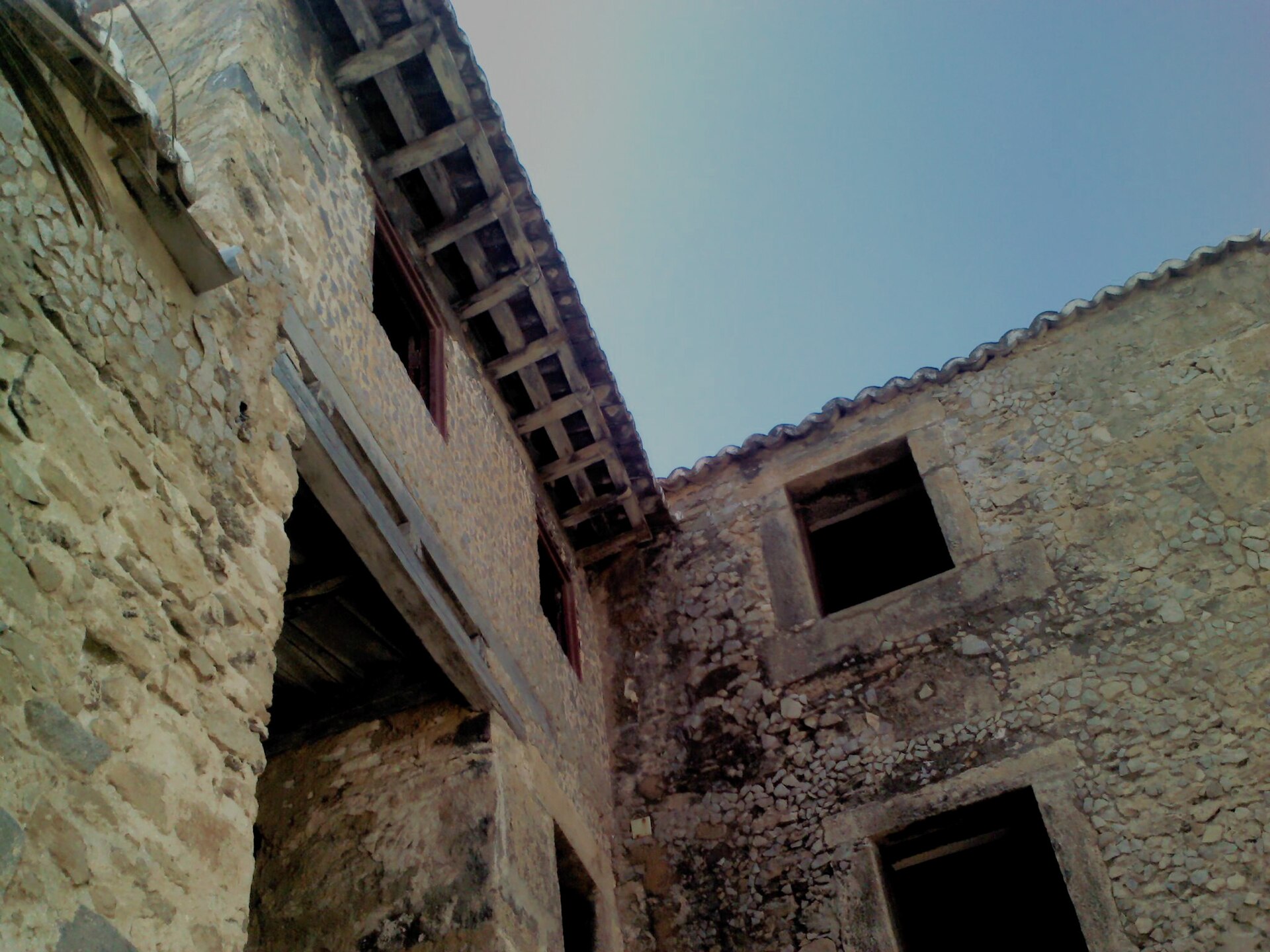
Within the walls, the various buildings and spaces of the fort survive, from the quarters where the garrison lived to the powder magazine, the chapel, and the other structures that made the fortress a self-contained stronghold. Exploring these features, you gain a vivid sense of the life once lived within the walls and of the practical demands of holding a fort on this exposed and strategic coast.
The setting, almost surrounded by the sea and the river, adds enormously to the experience, for from the ramparts one enjoys sweeping views over the water, the city, and the coast. Standing where sentries once kept their watch, with the Atlantic stretching away and the river flowing past, you feel the full drama of the fort’s position at the meeting of land, river, and ocean.
The chapel within the fort is a reminder of the religious dimension of the garrison’s life, for the soldiers who manned this remote outpost sought the consolation of their faith in the isolation of the frontier. Such features bring home the human reality of life in the fort, where men lived, worshipped, and stood their watch far from home, in the service of crown and church on the edge of the colonial world.
A Protected National Monument
The importance of the Forte dos Reis Magos to the history of Brazil has been formally recognised, and the fort is protected as a national historic monument, cared for and preserved as part of the country’s heritage. This status safeguards the ancient fortress and ensures that it is maintained and made accessible to the public as an important historical site.
As a protected monument, the fort is valued not only for its architecture but for what it represents: the founding of Natal, the early colonisation of the northeast, and the dramatic struggles for control of colonial Brazil. It stands as a witness to these formative events, and its preservation keeps alive the memory of the era in which the modern nation began to take shape.
The care taken to protect and present the Forte dos Reis Magos reflects a wider appreciation of Brazil’s colonial heritage and of the value of preserving such tangible links to the past. As one of the oldest and most historic fortresses in the country, the fort holds a place of honour among Brazil’s national monuments, a treasured survivor of the earliest days of the colonial era.
The fort’s protected status has helped ensure that it remains one of the principal attractions of Natal, drawing visitors who come to experience its history and its beautiful setting. In this way the preservation of the monument serves not only the cause of heritage but also the life of the modern city, for which the ancient fortress is both a proud symbol and a valued asset.
The recognition of the fort as a national monument also reflects a broader effort in Brazil to preserve and celebrate the country’s colonial heritage, of which the northeast, as the earliest centre of Portuguese settlement, is an especially rich repository. The Forte dos Reis Magos stands among the most important of these heritage sites, a jewel of the region’s deep and layered past.
Why the Fort Matters
The Forte dos Reis Magos holds a special place among the historic sites of Brazil, both for its great antiquity and for its role in the founding of a city. As the oldest building in Natal and the origin point of the settlement, it is a monument of unique significance to the history of the region, a tangible link to the very beginning of urban life on this stretch of coast.
The fort also stands as a witness to the wider drama of colonial Brazil, from the Portuguese effort to secure a contested coast to the fierce struggles among European powers for the riches of the northeast. The star-shaped stronghold at the mouth of the Potengi encapsulates in a single site the ambitions, rivalries, and conflicts that shaped the early history of the country.
For all these reasons, the Forte dos Reis Magos is far more than a picturesque old fort; it is a foundational monument of Brazilian history, a place where the story of a city and a region begins. To visit it is to encounter the deep roots of Natal and of colonial Brazil, and to feel the presence of the past in the very stones that have guarded the river mouth for four centuries.
The story of the Forte dos Reis Magos, encompassing foundation, foreign occupation, and reconquest, is in many ways the story of colonial Brazil in miniature, played out at a single dramatic site. To understand the fort is to gain a window into the whole formative era of the nation, from the first tentative Portuguese settlements to the fierce international struggles for the wealth of the tropics.
As one of the oldest fortifications in Brazil and the founding monument of Natal, the fort occupies a place of honour in the national story, comparable to the great colonial-era strongholds of other American nations. Its combination of antiquity, dramatic history, and striking beauty makes it a treasure not only of Natal but of the whole of Brazil, and a worthy subject for anyone interested in the colonial history of the Americas.
Visiting the Forte dos Reis Magos
The Forte dos Reis Magos stands at the mouth of the Potengi River in Natal, a popular coastal city in the northeast of Brazil, and it is one of the great attractions of the region. Reached along a causeway or spit that leads out toward the fort, its dramatic setting almost surrounded by water makes the approach itself a memorable part of any visit.
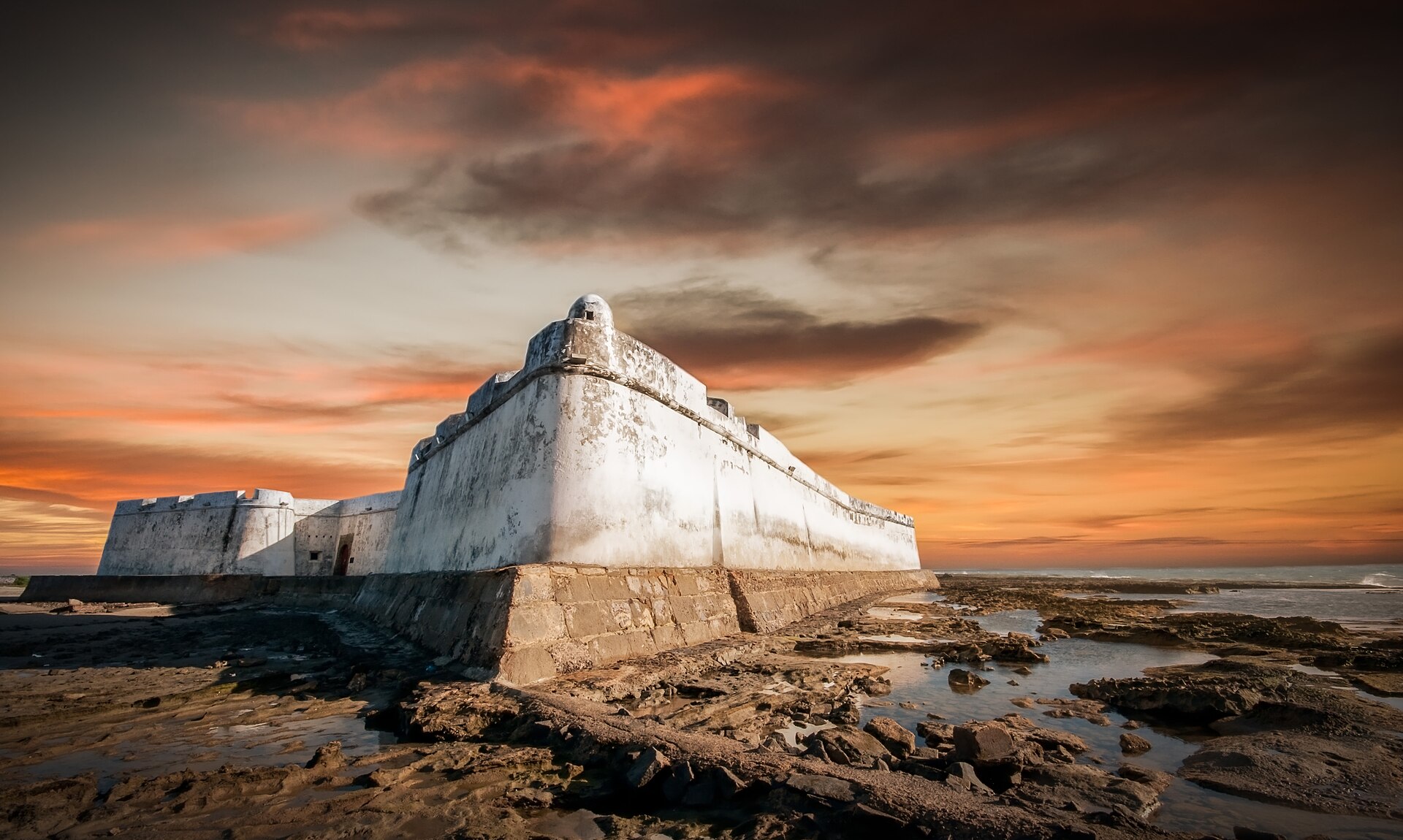
On a visit you can explore the star-shaped fortress, walk its ramparts and bastions, see the cannon that once guarded the river, and take in the buildings within the walls that recall the life of the garrison. The sweeping views over the water and the city from the ramparts are a highlight, offering a vivid sense of the fort’s commanding position at the meeting of river and sea.
View -5.7564, -35.1947 on Google Maps
Come prepared for the tropical sun, as the fort is open and exposed, and combine your visit with the beaches and other attractions of Natal to make the most of a trip to this sunny corner of Brazil. The Forte dos Reis Magos offers an unforgettable encounter with the origins of a city and with the dramatic colonial history of the Brazilian northeast, all within one of the country’s most beautiful old fortresses.
Many visitors find that the combination of history and setting makes a visit to the Forte dos Reis Magos especially memorable, for the fort commands a magnificent panorama of sea, river, and city. Standing on the ramparts, with the Atlantic breeze and the water all around, one feels the full romance of this ancient fortress at the meeting of the elements, and the deep history it embodies comes vividly to life.
The fort’s role as a symbol of Natal means that a visit connects the traveller directly to the identity of the city, offering a deeper understanding of the place beyond its famous beaches and warm climate. For those willing to explore its history as well as enjoy its setting, the Forte dos Reis Magos rewards with a rich sense of the origins and character of this sunny corner of Brazil.
Castles Nearby
You May Like
Tulum: The Walled Maya City on the Cliffs of the Caribbean