High above the ancient city of Cusco, at over three and a half thousand metres in the thin air of the Peruvian Andes, stand some of the most astonishing stone walls ever built by human hands. This is Sacsayhuamán, the great Inca citadel, where colossal blocks of stone, some weighing well over a hundred tons, are fitted together so precisely that you cannot slide a sheet of paper between them. To stand before these walls is to confront one of the enduring wonders of the ancient world.
Sacsayhuamán was the mighty guardian of Cusco, the capital of the Inca Empire, the largest state ever seen in the Americas before the arrival of the Europeans. Built by an empire that had no iron tools, no wheels for transport, and no written language, its walls represent an engineering achievement so extraordinary that people have marvelled at them for centuries, struggling to comprehend how such enormous stones were shaped and moved with such perfection.
In this guide you will explore the whole remarkable story of Sacsayhuamán: the empire that built it, the mystery and genius of its construction, its purpose as both fortress and sacred place, the terrible battle fought here during the Spanish conquest, its plundering for stone to build colonial Cusco, and its place today as a treasured World Heritage site where an ancient festival still comes to life. It is a monument to one of history’s greatest civilisations.
A word before you begin: Sacsayhuamán is a place that provokes wonder and, sometimes, wild speculation, for the sheer scale of its stones has led some to reach for fanciful explanations. The truth, however, is more impressive than any fantasy: this was the work of a supremely skilled human civilisation, the Incas, achieved through mastery, organisation, and immense labour. Keeping that in mind honours the real genius of the people who built it.

In This Article
- The Empire That Built It
- The Impossible Stones
- The Great Zigzag Walls
- Building a Wonder
- The Head of the Puma
- Fortress or Temple?
- The Spanish Arrive
- The Battle for the Citadel
- Quarried to Build a City
- The Festival of the Sun
- The Genius of Inca Masonry
- A World Heritage Wonder
- Visiting Sacsayhuamán
The Empire That Built It
To understand Sacsayhuamán, you must first understand the extraordinary civilisation that created it. The Inca Empire, which the Incas themselves called Tawantinsuyu, the Land of the Four Quarters, was the largest empire in the pre-Columbian Americas, stretching along the spine of the Andes across much of western South America. From their capital at Cusco, the Incas ruled millions of people across a vast and rugged domain.
The Incas achieved all this without many of the technologies Europeans considered essential. They had no writing system in the usual sense, recording information instead on knotted cords called quipu; they had no iron or steel tools; and they made no use of the wheel for transport in their mountainous terrain. Yet they built one of history’s great empires, bound together by an incredible network of roads and by feats of engineering.
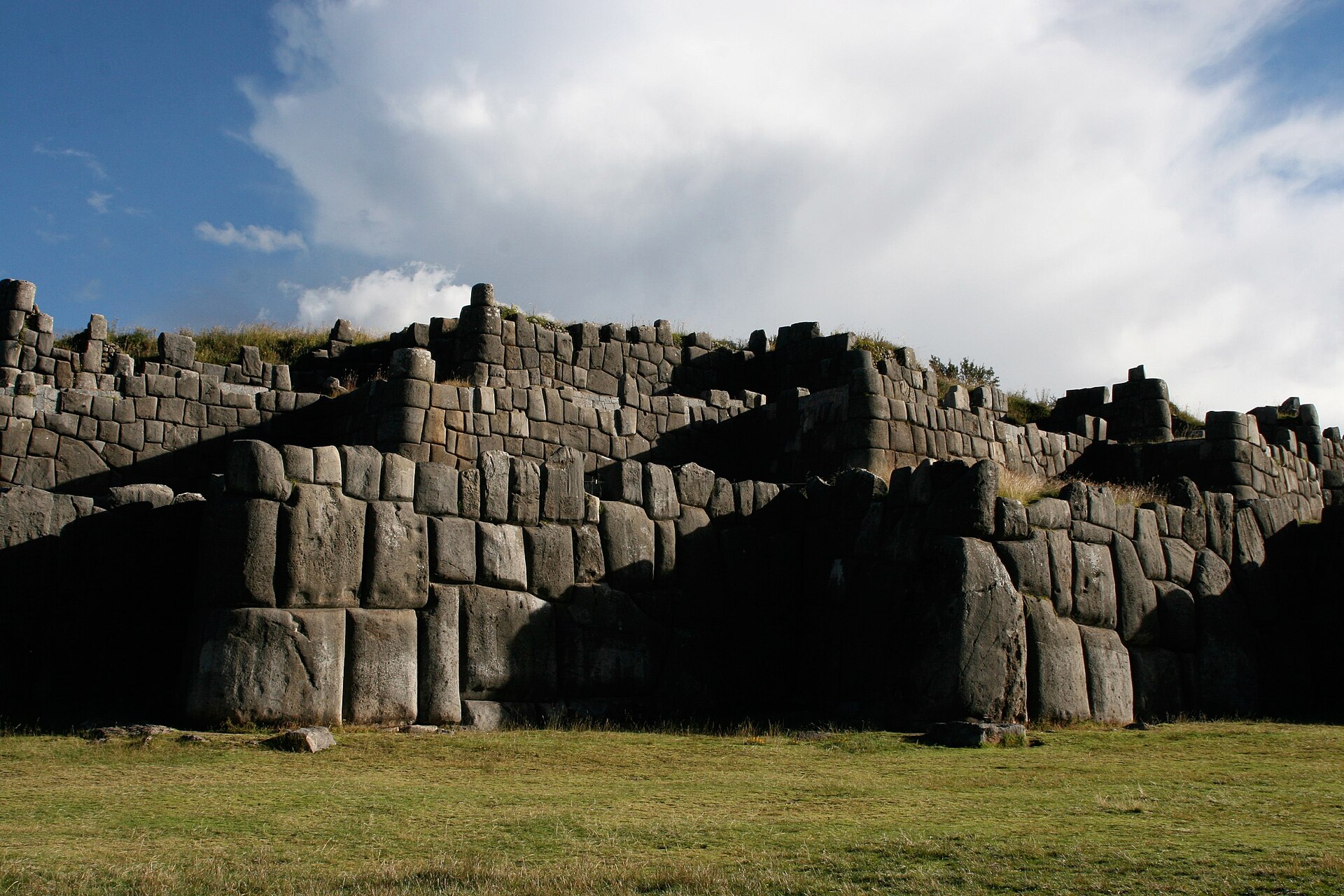
Cusco was the sacred and political heart of this empire, laid out, according to tradition, in the shape of a puma, and Sacsayhuamán stood above it as its crowning strongpoint. The citadel was the ultimate expression of Inca power and engineering skill, a monument raised by an empire at the height of its glory, and it remains the most awe-inspiring surviving work of Inca stonemasonry anywhere in the Andes.
The speed with which the Incas built their empire is as astonishing as its scale, for the great expansion took place over little more than a century before the Spanish arrival. In that brief span they conquered and integrated a vast array of peoples and lands, imposing a common administration, language, and religion, and leaving behind monuments like Sacsayhuamán as enduring testimony to their organisational and engineering genius.
The absence of writing has meant that much of what we know about the Incas comes from Spanish accounts and from archaeology, which leaves many questions about sites like Sacsayhuamán open to debate. Yet the monuments themselves speak eloquently of the civilisation that raised them, and in the great walls of the citadel the Incas left a record of their genius more enduring than any written chronicle.
The Impossible Stones
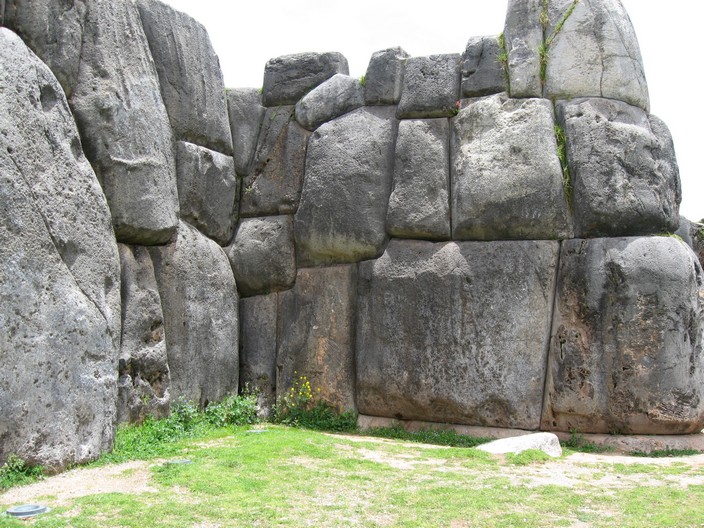
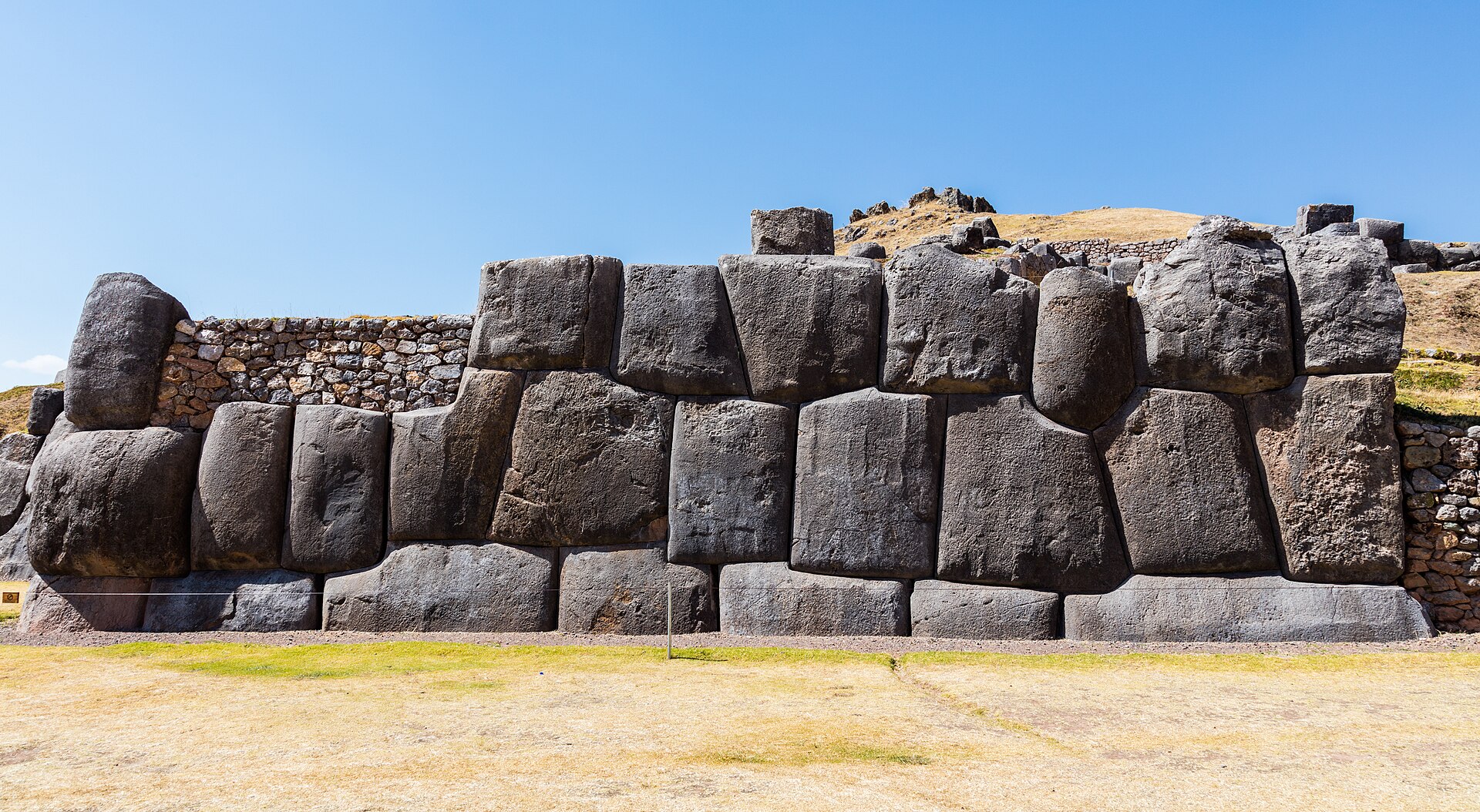
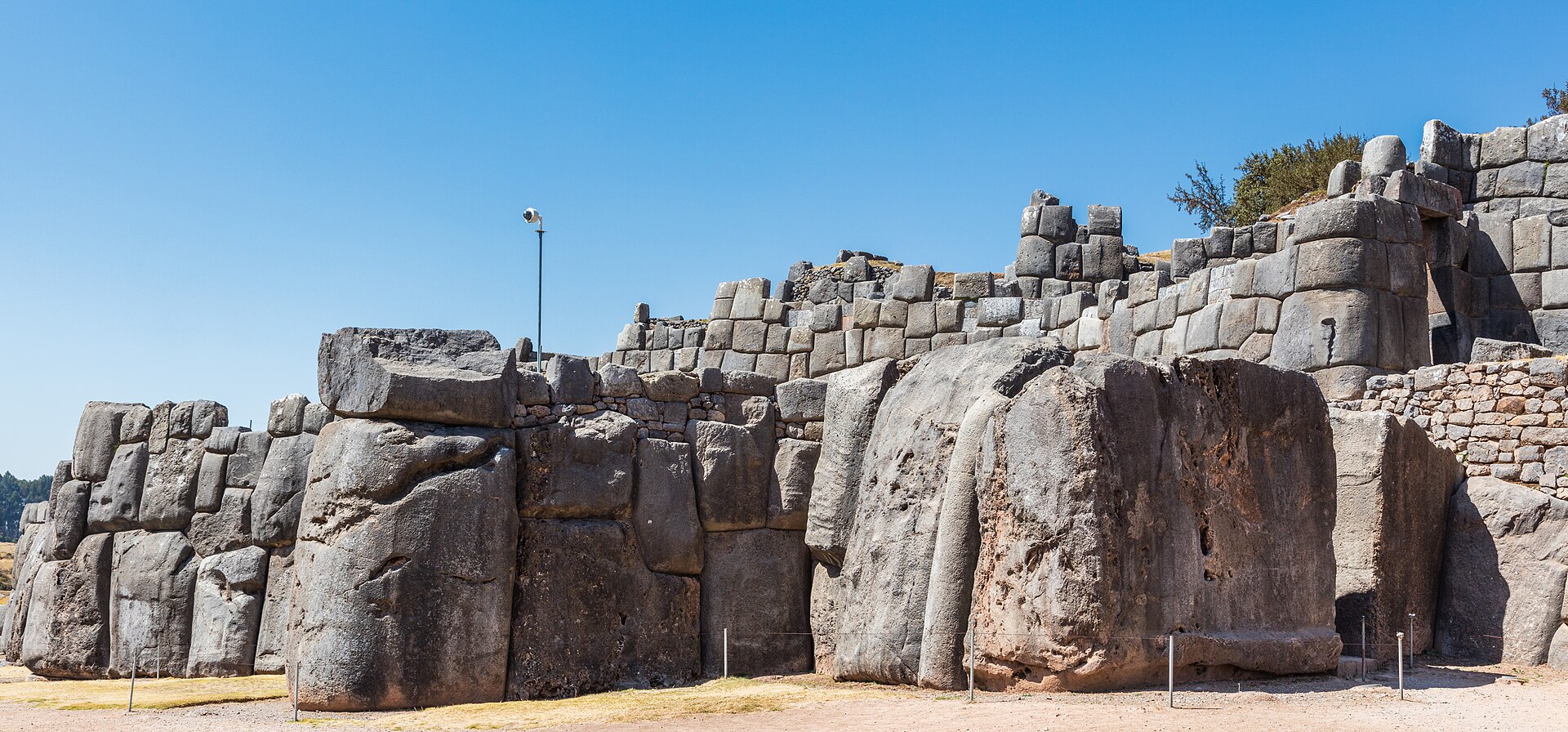
The feature that astonishes every visitor to Sacsayhuamán is the sheer size and precision of its stones. The great walls are built of colossal blocks of stone, some of them weighing well over a hundred tons, the largest perhaps approaching two hundred tons, fitted together with a perfection that seems almost impossible for a people working without iron tools or modern machinery.
What makes the stonework truly remarkable is not just the size of the blocks but the precision of their fitting. The irregular, many-sided stones are shaped to lock together so exactly that the joints are famously tight enough that a knife blade or a sheet of paper cannot be inserted between them. And this was achieved without any mortar, the stones held in place by their own weight and the perfection of their fit.
How the Incas quarried, shaped, transported, and positioned these gigantic stones, some brought from many kilometres away, without iron tools, draft animals capable of the task, or the wheel, remains a subject of wonder and study. They must have used vast amounts of human labour, ramps, levers, and an extraordinary mastery of stone, and the result is one of the supreme achievements of ancient engineering anywhere in the world.
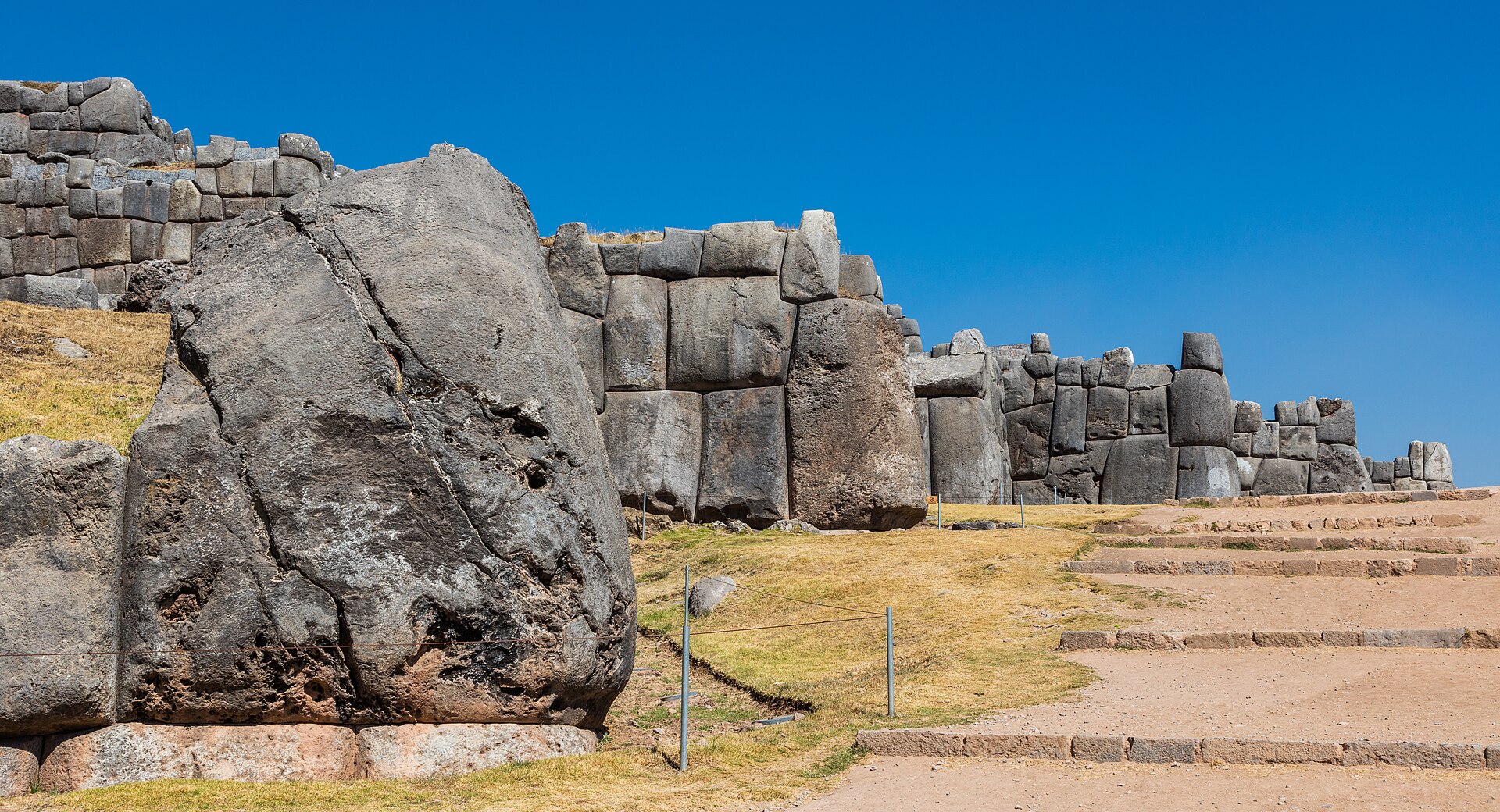
The largest single stone at Sacsayhuamán is often cited as one of the most impressive megaliths ever incorporated into a structure by any ancient culture, a block of such staggering weight that its placement seems to defy the limits of what was possible without modern technology. Standing beside it, dwarfed by its bulk, visitors find it almost impossible to imagine the effort and ingenuity its positioning required.
The transport of stones from quarries many kilometres distant, across valleys and up slopes, without the wheel or draft animals suited to the task, is perhaps the greatest mystery of all, and one that continues to inspire experiments and theories. Whatever the exact methods, they reflect a society capable of planning and executing engineering feats on a scale that few pre-modern cultures anywhere could match.
The Great Zigzag Walls
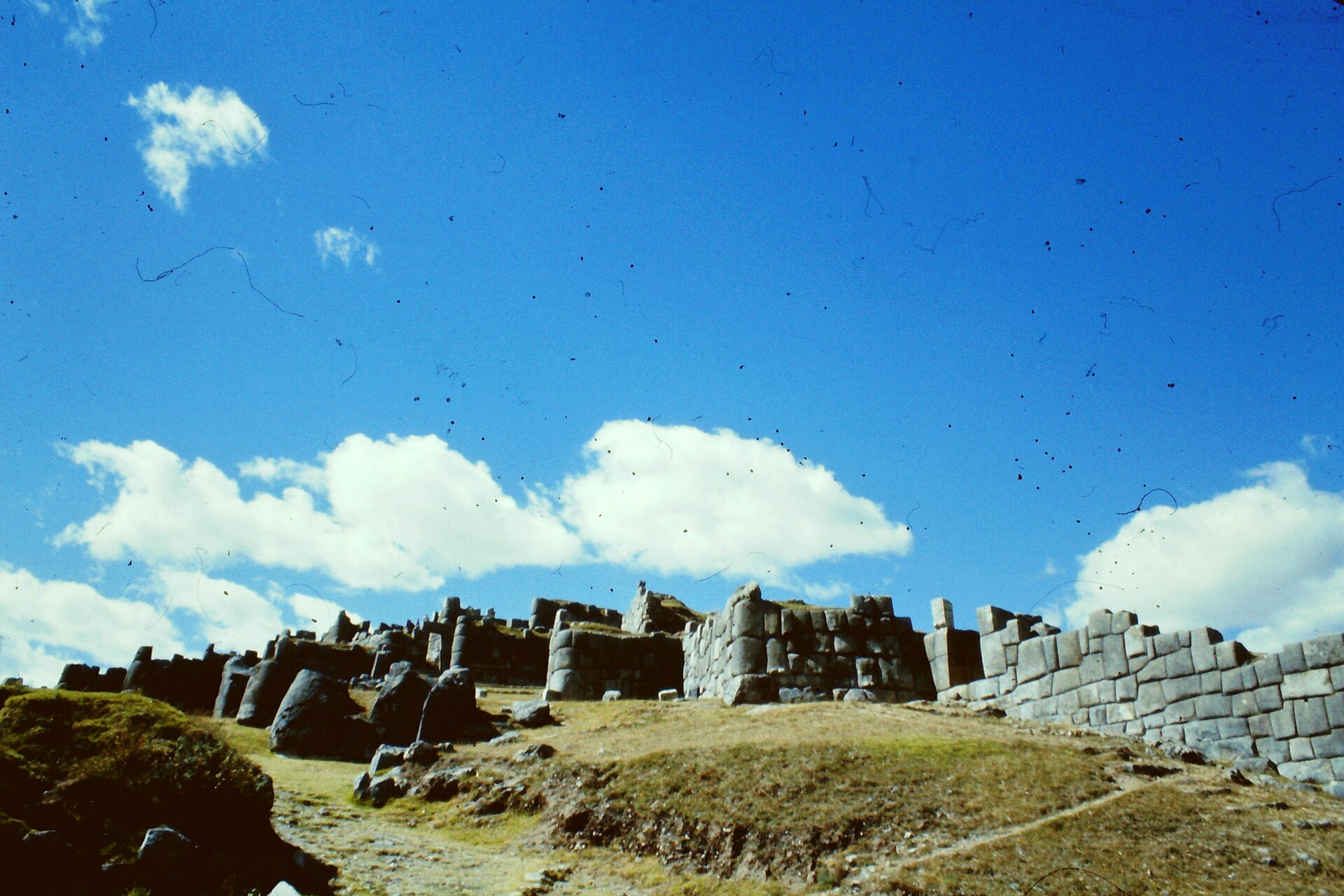
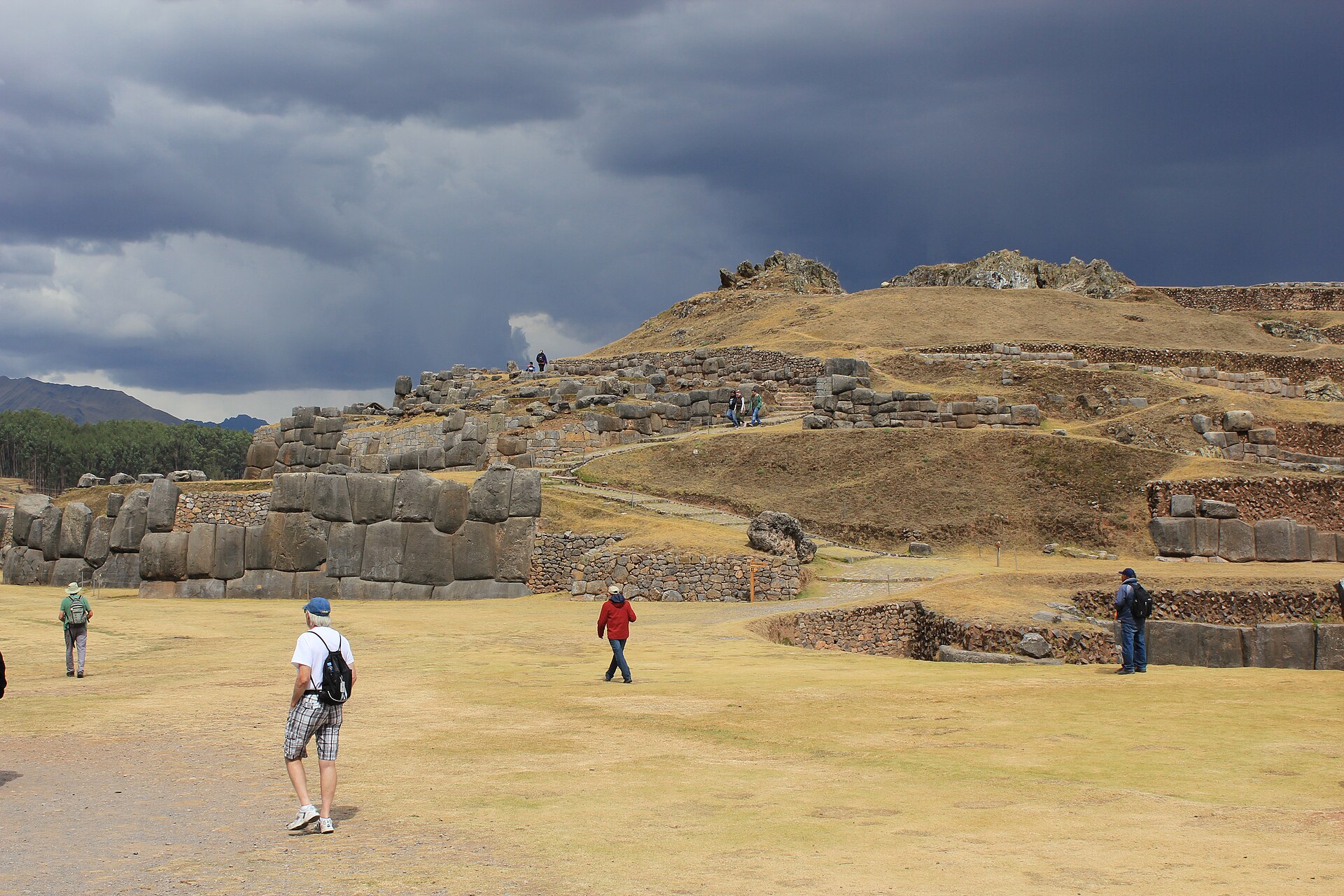
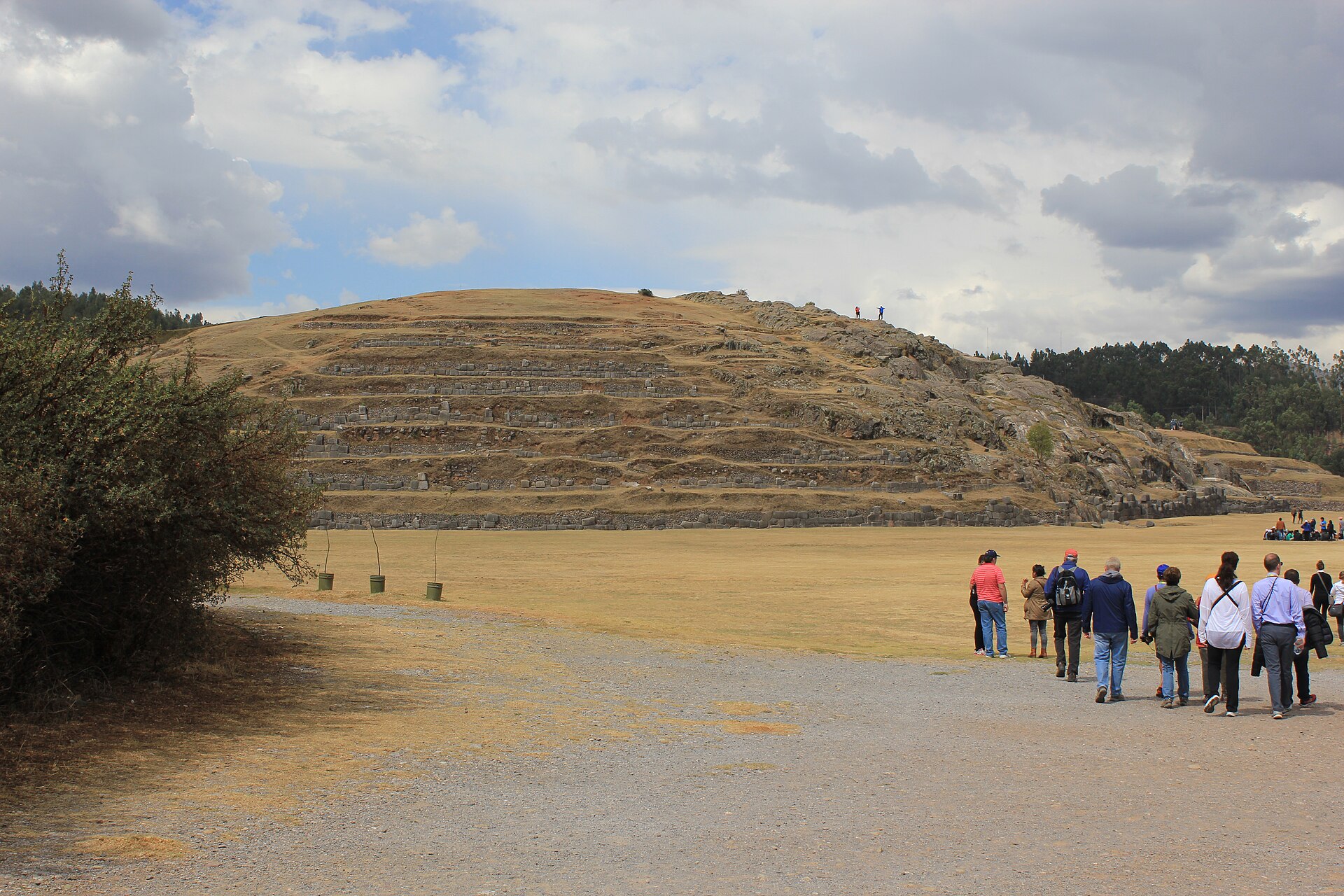
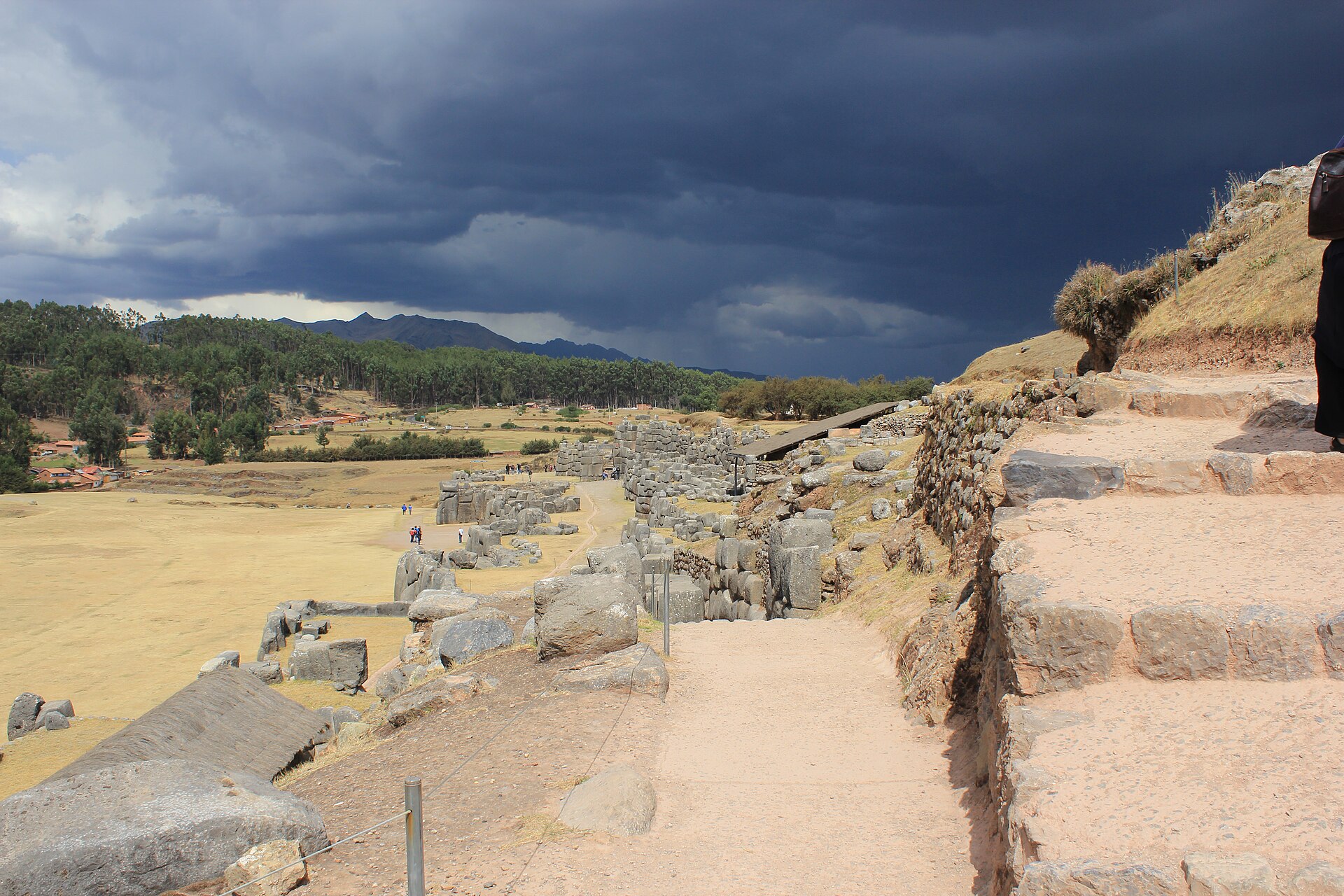
The most iconic feature of Sacsayhuamán is its series of great terraced walls, which run in a dramatic zigzag pattern across the hillside. There are three main tiers of these massive walls, one above the other, each hundreds of metres long and several metres high, their jagged, saw-toothed line following the contours of the site in a bold and distinctive shape.
The zigzag form was not merely decorative but served a defensive purpose, for the angled walls allowed defenders to catch attackers in a crossfire, striking at them from two directions as they approached any section. Some have also seen symbolic meaning in the shape, suggesting it may represent the teeth of a puma or the zigzag of lightning, tying the fortress to Inca cosmology and the sacred landscape.
Standing before these tiered walls, with their enormous interlocking stones marching in their great zigzag across the slope, is an unforgettable experience. The scale and ambition of the construction are overwhelming, and the combination of colossal size, perfect fitting, and bold design makes the walls of Sacsayhuamán one of the most impressive sights the ancient world has left us.
The three great terraces rise one above the other up the hillside, so that an attacker who managed to breach the first wall would face a second, and then a third, each higher and each commanded from above. This arrangement, combined with the zigzag that exposed attackers to fire from the sides, made the citadel a formidable defensive proposition, however one interprets the balance of its military and ceremonial roles.
The rhythmic march of the zigzag walls across the hillside, with their alternating salient and re-entrant angles, creates a visual effect of tremendous power and dynamism, quite unlike the straight curtain walls of European fortification. This distinctive form has made the walls of Sacsayhuamán instantly recognisable and has helped to fix them in the imagination as one of the iconic images of the Inca world.
Building a Wonder
The construction of Sacsayhuamán was a monumental undertaking that spanned generations. The great work was begun under the emperor Pachacuti, the ruler who transformed the Inca state into an empire in the fifteenth century, and it was continued and completed under his successors over the following decades, a project requiring the coordinated labour of vast numbers of people.
The Incas organised such immense projects through a system of labour obligation, by which subjects owed periods of work to the state. Drawing on this system, they could mobilise enormous workforces, and it is said that many thousands of workers laboured on Sacsayhuamán over the years, quarrying and moving the great stones and raising them into the mighty walls we see today.
The precision of the finished work testifies to an extraordinarily sophisticated understanding of stone. The Inca masons shaped each irregular block to fit perfectly with its neighbours, a painstaking process of trial, adjustment, and refinement, working the hard stone with harder stone hammers and immense patience. The result of all this effort is a structure that has stood for centuries and continues to astonish all who see it.
The logistics of the project stagger the imagination: quarrying the stone, dressing it, and transporting blocks weighing dozens or hundreds of tons across many kilometres of rugged Andean terrain, all by human muscle guided by expert planning. That the Incas accomplished this repeatedly, and fitted the results with such precision, places their builders among the greatest engineers of the pre-modern world.
The labour system that made such projects possible, known as the mita, obliged communities across the empire to contribute periods of work to the state, and through it the Incas could concentrate immense human resources on their great undertakings. Sacsayhuamán is among the most spectacular fruits of this system, a monument to the organisational as much as the engineering capacities of the Inca state.
The Head of the Puma
To understand Sacsayhuamán’s place in the Inca world, it helps to know how the Incas conceived of their capital. According to a well-known tradition, the city of Cusco was laid out in the shape of a great puma, a sacred animal of Andean cosmology, with the various districts of the city forming the body of the beast. In this symbolic scheme, Sacsayhuamán, crowning the height above the city, formed the head of the puma.
This placement was far from accidental. The Incas invested their landscape with deep religious meaning, and to position the great citadel as the head of the sacred animal that gave the capital its form was to endow Sacsayhuamán with profound symbolic power. It was not merely a fortress on a hill but the crowning element of a sacred cityscape, the very brow of the puma that was Cusco.
Seen in this light, the great zigzag walls take on an added resonance, sometimes interpreted as the teeth of the puma’s head, baring themselves above the city. Whether or not this interpretation is literally correct, it captures the way the Incas fused engineering, defence, and sacred meaning into a single monumental whole, making Sacsayhuamán a place where the practical and the spiritual were inseparably joined.
The sacred geography of the Inca world extended far beyond the city itself, with lines of shrines and holy places radiating out across the landscape from Cusco. Within this web of the sacred, Sacsayhuamán occupied a position of the highest importance, both physically, looming over the capital, and spiritually, as a great ceremonial centre and the symbolic head of the puma-shaped holy city.
The Inca conception of Cusco as a living sacred form, with Sacsayhuamán as its head, reflects a worldview in which the built environment, the natural landscape, and the divine were woven together into a single meaningful whole. This holistic vision is one of the most striking features of Inca civilisation, and it invests the great citadel with layers of meaning far beyond its practical functions.
Fortress or Temple?
A question that has long intrigued scholars is the true purpose of Sacsayhuamán. It is often described as a fortress, and its massive walls and defensible position certainly suggest a military role, as does the great battle later fought here. But there is strong evidence that it was also, perhaps primarily, a religious and ceremonial complex of the greatest importance.
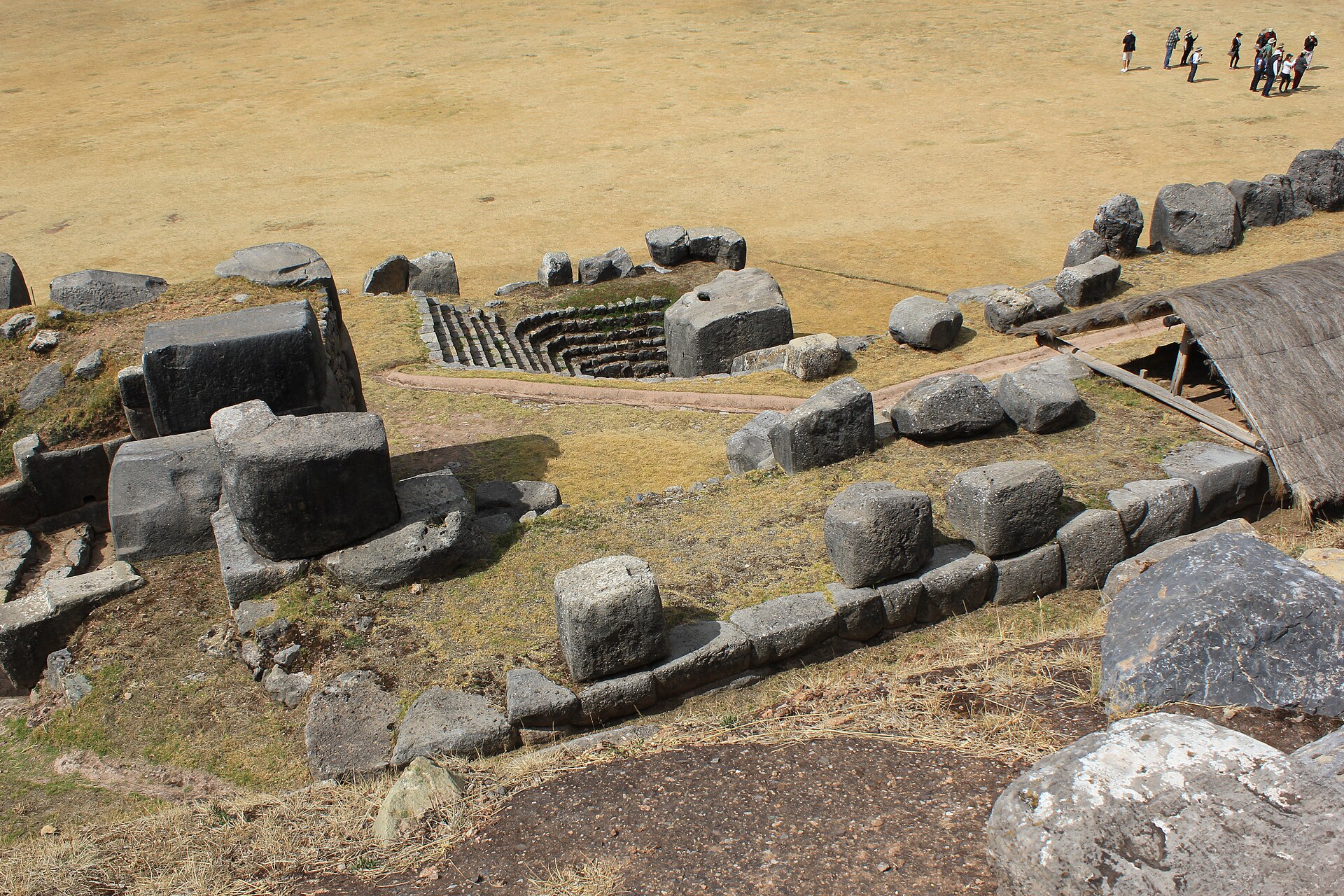
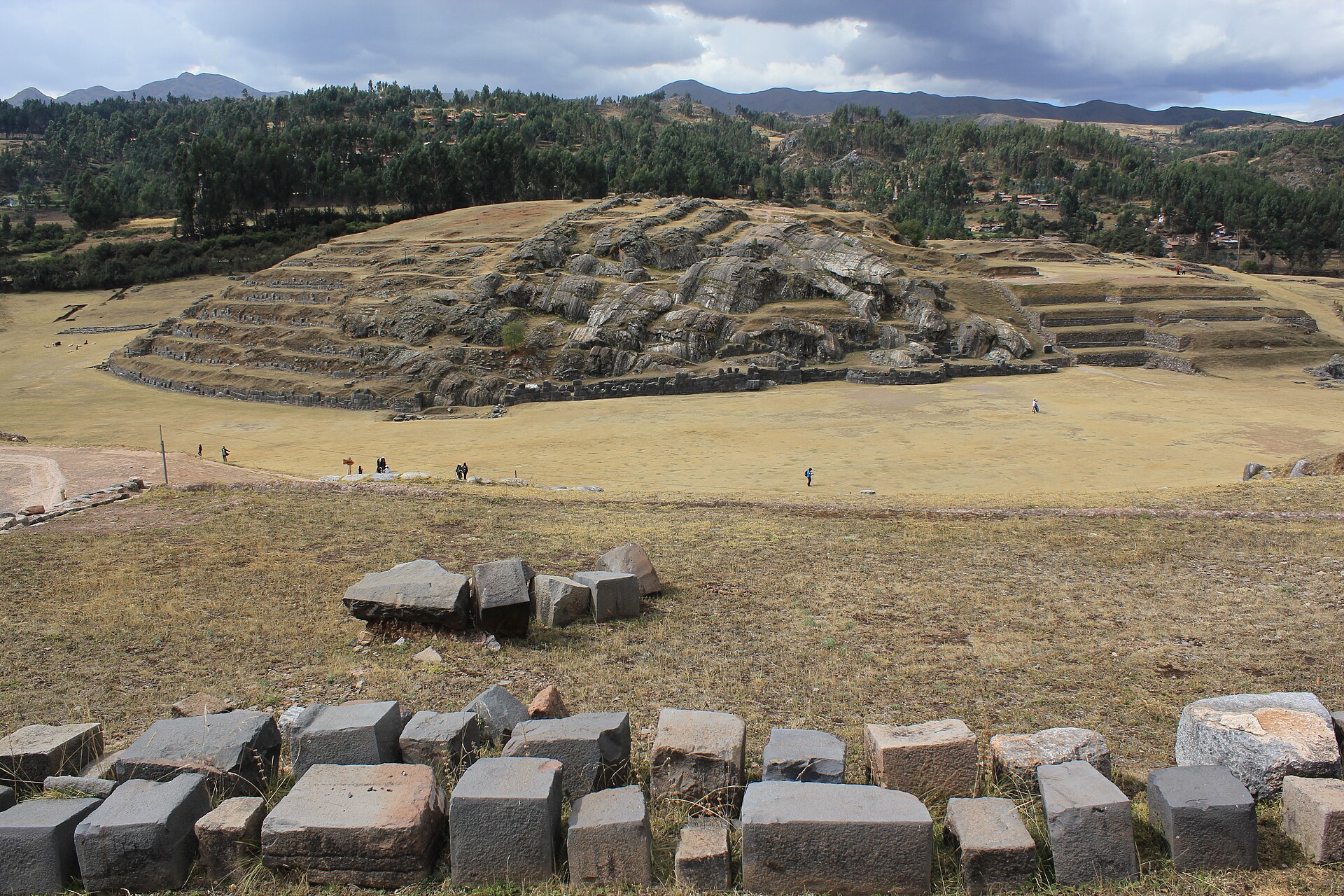
The site includes a large open plaza capable of holding great gatherings, and it is thought to have been a place for major ceremonies and religious observances central to the life of the Inca state. Many now believe that Sacsayhuamán combined both functions, serving as a mighty stronghold guarding the capital and, at the same time, as a sacred precinct where the most important rituals of the empire were performed.
This dual character, at once fortress and temple, was not unusual in the ancient world, where the defence of a people and the worship of their gods were often intertwined. Whatever the precise balance of its functions, Sacsayhuamán was clearly a place of supreme significance to the Incas, a monument that expressed both the might and the sacred authority of their empire in stone of staggering scale.
Recent scholarship has increasingly emphasised the ceremonial and religious dimensions of the site, suggesting that to the Incas it may have been above all a great temple complex, its defensive strength a secondary consideration. The huge plaza, capable of hosting enormous gatherings, points strongly to a role at the centre of the ritual life of the empire, where thousands could assemble for the great ceremonies.
The debate over the site’s purpose is a reminder that the categories we bring to the past, separating the military from the religious, do not always map neatly onto ancient realities. For the Incas, power and the sacred were deeply intertwined, and Sacsayhuamán most likely served both to defend the capital and to honour the gods, its great walls embracing both functions in a single monumental whole.
The Spanish Arrive
The world that built Sacsayhuamán was shattered by the arrival of the Spanish in the early sixteenth century. A small band of Spanish conquistadors, exploiting a civil war within the empire and aided by superior weapons and by devastating diseases, captured the Inca ruler and seized the capital of Cusco, bringing the mighty Inca Empire to the brink of destruction with astonishing speed.
For a time the Incas submitted, but the harshness and greed of the conquerors provoked a great rebellion. The Inca leader Manco Inca, who had at first cooperated with the Spanish, rose up against them and laid siege to Cusco, seeking to drive the invaders from the sacred capital. In this desperate struggle, Sacsayhuamán, looming above the city, became the key strategic prize.
The great citadel, with its commanding position and formidable walls, was the perfect base from which to attack the Spanish holed up in Cusco below. Manco Inca’s forces seized and held Sacsayhuamán, and from its heights they pressed their assault on the city, setting the stage for one of the most dramatic and terrible battles of the entire Spanish conquest of the Americas.
The rebellion of Manco Inca was a formidable challenge to Spanish rule, and for a time it seemed that the Incas might succeed in expelling the invaders and reclaiming their empire. The siege of Cusco was a desperate, closely fought affair, and the struggle for Sacsayhuamán was its decisive episode, the point on which the whole future of the Andes seemed briefly to hang.
The story of how a small band of Spaniards, exploiting internal divisions, disease, and the shock of unfamiliar weapons, could topple so vast and sophisticated an empire is one of the most consequential and troubling in all of history. Sacsayhuamán stood at the heart of the Inca resistance to that conquest, and its fall marked one of the decisive turning points in the destruction of the Andean world.
The Battle for the Citadel
In 1536, during Manco Inca’s great siege of Cusco, Sacsayhuamán became the scene of a ferocious battle. The Spanish, recognising that they could not hold the city while the Incas commanded the fortress above it, launched a desperate assault to storm the citadel and break the siege. What followed was a savage struggle for control of the great stronghold.
The fighting was intense and bloody. The Spanish cavalry and their Indigenous allies attacked the fortress, while the Inca defenders resisted fiercely from behind the mighty walls and towers. The battle raged around the citadel, and it was marked by acts of great courage on both sides, including the legendary last stand of an Inca noble who is said to have leapt to his death rather than be captured.
In the end, the Spanish succeeded in taking Sacsayhuamán, a victory that proved decisive in breaking the back of the great rebellion. With the citadel lost, the Inca siege of Cusco could not ultimately succeed, and the failure of the uprising sealed the fate of the Inca Empire. The battle for Sacsayhuamán was thus one of the pivotal moments in the fall of the Inca world.
The legend of the Inca noble who chose death by leaping from the walls rather than surrender has become one of the enduring stories of the conquest, a symbol of the courage and defiance of a people fighting for their world. Whether embellished by legend or not, such tales capture the tragic heroism of the Inca resistance and the terrible finality of the battle for the great citadel.
The consequences of the battle rippled far beyond the walls of the citadel, for the failure of Manco Inca’s siege marked the effective end of organised Inca resistance in the heartland of the empire. Though a rump Inca state would survive for a time in remote mountains, the loss of Sacsayhuamán and of Cusco sealed the triumph of the Spanish and the fall of the greatest empire the Americas had known.
Quarried to Build a City
After the conquest, Sacsayhuamán suffered a slow but devastating fate. The Spanish colonists, needing building materials for the churches, mansions, and other structures of their new colonial city, saw in the great citadel a ready-made quarry of finely worked stone, and over the years they dismantled much of the complex, carting away its blocks to build Cusco anew.
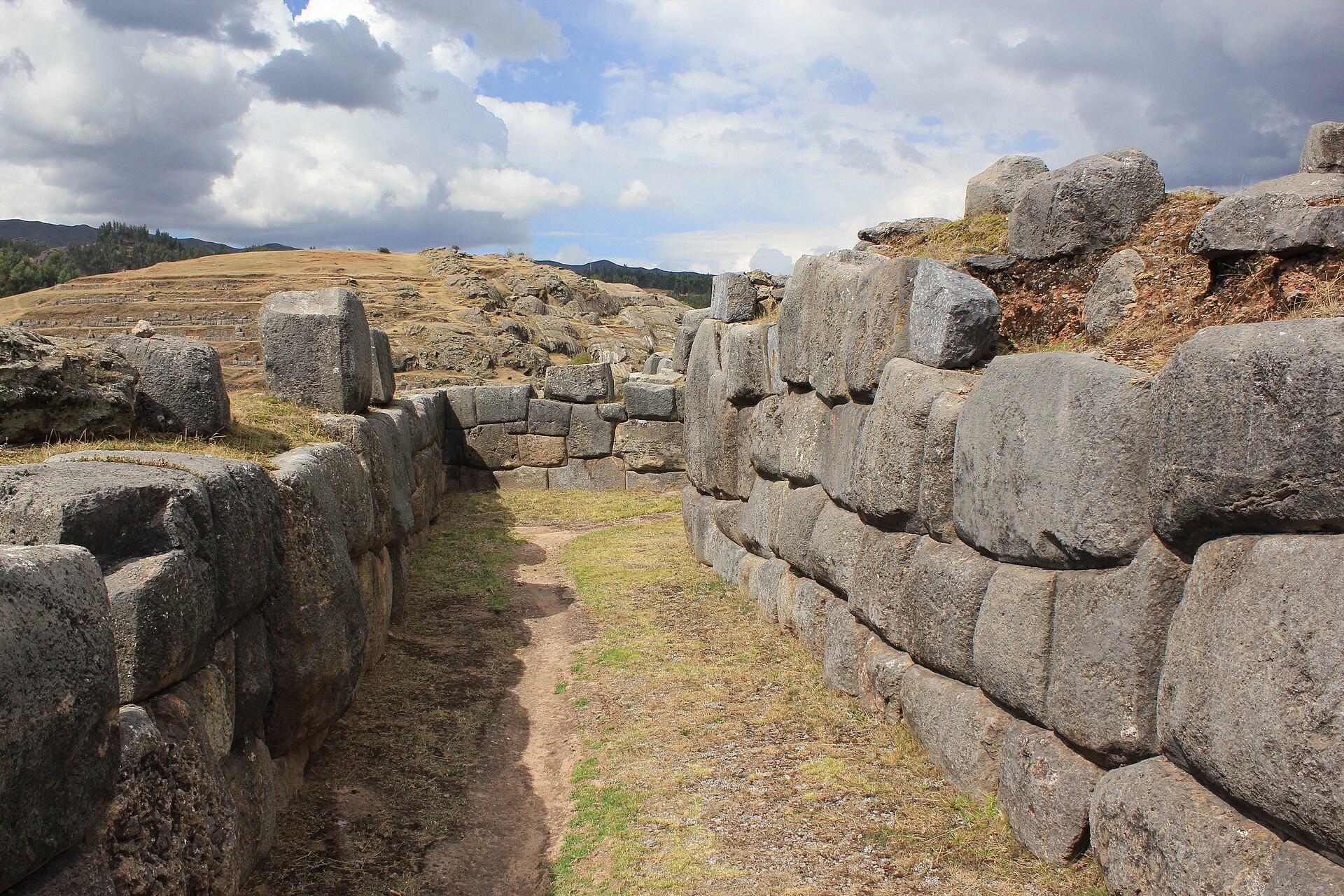
The smaller and more manageable stones were the first to go, hauled off to construct the colonial buildings that still stand in Cusco today, many of them raised on Inca foundations and incorporating Inca stonework. This systematic robbing of the site destroyed a great part of what the Incas had built, leaving only a fraction of the original complex, above all the greatest walls, whose colossal stones were too enormous to move.
It is a poignant irony that the very perfection and scale of the largest stones is what saved them, for they were simply too big for the Spanish to carry away. The megalithic walls that so astonish us today survive precisely because they could not be plundered, standing as the magnificent remnant of a citadel that was otherwise largely dismantled to build the city of its conquerors.
The reuse of Inca stonework in colonial Cusco created the extraordinary hybrid city that survives today, where Spanish churches and mansions rise upon and incorporate the flawless masonry of the Incas. In this way the destruction of Sacsayhuamán is written into the very fabric of the city below, a poignant record of one civilisation building upon the ruins of another it had conquered.
Walking through modern Cusco, an attentive visitor can spot Inca stones reused in the walls of colonial buildings and even trace, in places, the outlines of Inca structures beneath later construction. This layering makes the city a living record of the conquest, and it lends a deeper poignancy to the surviving walls of Sacsayhuamán, the great source from which so much of that reused stone was torn.
The survival of the greatest walls, saved by the very impossibility of moving their stones, means that what remains at Sacsayhuamán is precisely the most awe-inspiring part of the original complex. In a sense, the plundering left behind only the sublime, and the visitor today confronts the titanic masonry that even the conquerors could not carry off, the purest distillation of Inca monumental ambition.
The Festival of the Sun
Sacsayhuamán is not merely a silent ruin but a place where ancient tradition still comes vibrantly to life. Each year, on the great plaza before the walls, one of the most spectacular events in the Andes is staged: the Inti Raymi, the Festival of the Sun, a magnificent re-enactment of the great Inca ceremony honouring the sun god Inti, held around the time of the winter solstice.
The festival draws enormous crowds and features hundreds of performers in elaborate costume, recreating the processions, rituals, and ceremonies of the Inca court in a dazzling spectacle of colour, music, and pageantry. Held against the backdrop of the ancient walls, it is a powerful and moving celebration of Andean heritage and of the enduring legacy of the Inca civilisation.
That such a ceremony should be performed at Sacsayhuamán is deeply fitting, for it reconnects the site with its ancient role as a place of great religious observance. The Inti Raymi affirms that the culture of the Incas did not simply vanish with the Spanish conquest but survives and is celebrated by their descendants, and it makes the great citadel a living centre of Andean identity to this day.
The revival of the Inti Raymi in the modern era was itself an act of cultural affirmation, reclaiming and celebrating an ancient tradition as a source of pride and identity for the Andean people. Today it is one of the most important festivals in Peru, and its staging at Sacsayhuamán binds the great citadel firmly into the living cultural life of the nation and the wider Andean world.
For the many thousands who gather to witness the Inti Raymi each year, the festival is more than a spectacle; it is a reaffirmation of a heritage that survived conquest and colonisation, a proud assertion that the Inca legacy lives on in the Andes. Held before the ancient walls that their ancestors raised, it transforms Sacsayhuamán from a monument of the past into a stage for the enduring present.
The Genius of Inca Masonry
To appreciate Sacsayhuamán fully is to appreciate the genius of Inca stonework, one of the supreme masonry traditions in the history of the world. The Incas developed an extraordinary ability to shape and fit stone, producing walls of such precision and strength that they have survived centuries of earthquakes that toppled the mortared buildings the Spanish later built beside them.
This earthquake resistance is one of the marvels of Inca construction. The tightly fitted, mortar-free stones can shift slightly and settle back into place during a tremor rather than cracking and collapsing, a sophisticated response to the seismic dangers of the Andes. The Inca builders understood their environment profoundly, and their techniques produced structures of remarkable durability.
The masonry of Sacsayhuamán represents the pinnacle of this tradition, applied to stones of the very largest size. Nowhere else did the Incas fit such gigantic blocks with such perfection, and the walls stand as the ultimate demonstration of their mastery. To run your hand along the seamless joint between two hundred-ton stones is to feel, directly, the touch of one of history’s greatest engineering cultures.
The contrast between the enduring Inca walls and the damage suffered by later structures in the region’s frequent earthquakes is a striking testament to the sophistication of Inca building. Where mortared colonial buildings cracked and fell, the flexible, perfectly fitted Inca masonry rode out the tremors, a lesson in engineering that modern builders in seismic zones can still admire and study.
The techniques the Incas used to achieve their perfect joints, working the hard andesite and limestone with stone tools and abrasives, required both immense patience and a deep, intuitive understanding of the material. Each block was individually shaped to marry with its neighbours, so that no two stones are alike, and the resulting walls have a living, organic quality quite different from the regular courses of European masonry.
A World Heritage Wonder
The outstanding value of Sacsayhuamán has been recognised as part of one of the great historic sites of the Americas. The city of Cusco, together with Sacsayhuamán and its other magnificent Inca and colonial monuments, was inscribed on the UNESCO World Heritage List, honouring it as an exceptional testimony to the Inca civilisation and to the meeting of Andean and European worlds.
The listing recognised Cusco as a unique example of a city that blends its Inca foundations with the Spanish colonial architecture built upon them, and Sacsayhuamán is one of the crowning glories of this heritage. As the greatest surviving work of Inca military and ceremonial architecture, it embodies the achievement of the civilisation that made Cusco the sacred heart of a vast empire.
For Peru and for the world, the World Heritage status affirms the extraordinary significance of Sacsayhuamán. It stands not only as a national treasure and a symbol of Andean identity but as a monument acknowledged as belonging to the shared heritage of all humanity, a wonder of ancient engineering whose preservation matters far beyond the mountains of Peru.
The preservation of Sacsayhuamán and the wider Cusco region is an ongoing responsibility, balancing the demands of the many visitors drawn to these wonders with the need to protect fragile and irreplaceable heritage. The site’s World Heritage status brings both recognition and obligation, ensuring that this supreme achievement of Inca civilisation is safeguarded for the generations still to come.
For travellers, the World Heritage recognition of Cusco and Sacsayhuamán is a promise of an encounter with something truly exceptional, a place where the achievements of a great non-European civilisation can be experienced at first hand. It affirms that the wonders of the ancient Americas stand alongside those of the Old World among the supreme cultural treasures of humanity.
Visiting Sacsayhuamán
Sacsayhuamán lies just above the city of Cusco, easily reached from the historic centre and forming one of the great highlights of any visit to this magnificent region of Peru. It is typically included on the tourist ticket that covers many of the sites around Cusco, and it can be reached by a short drive or, for the energetic, a steep but rewarding walk up from the city below.
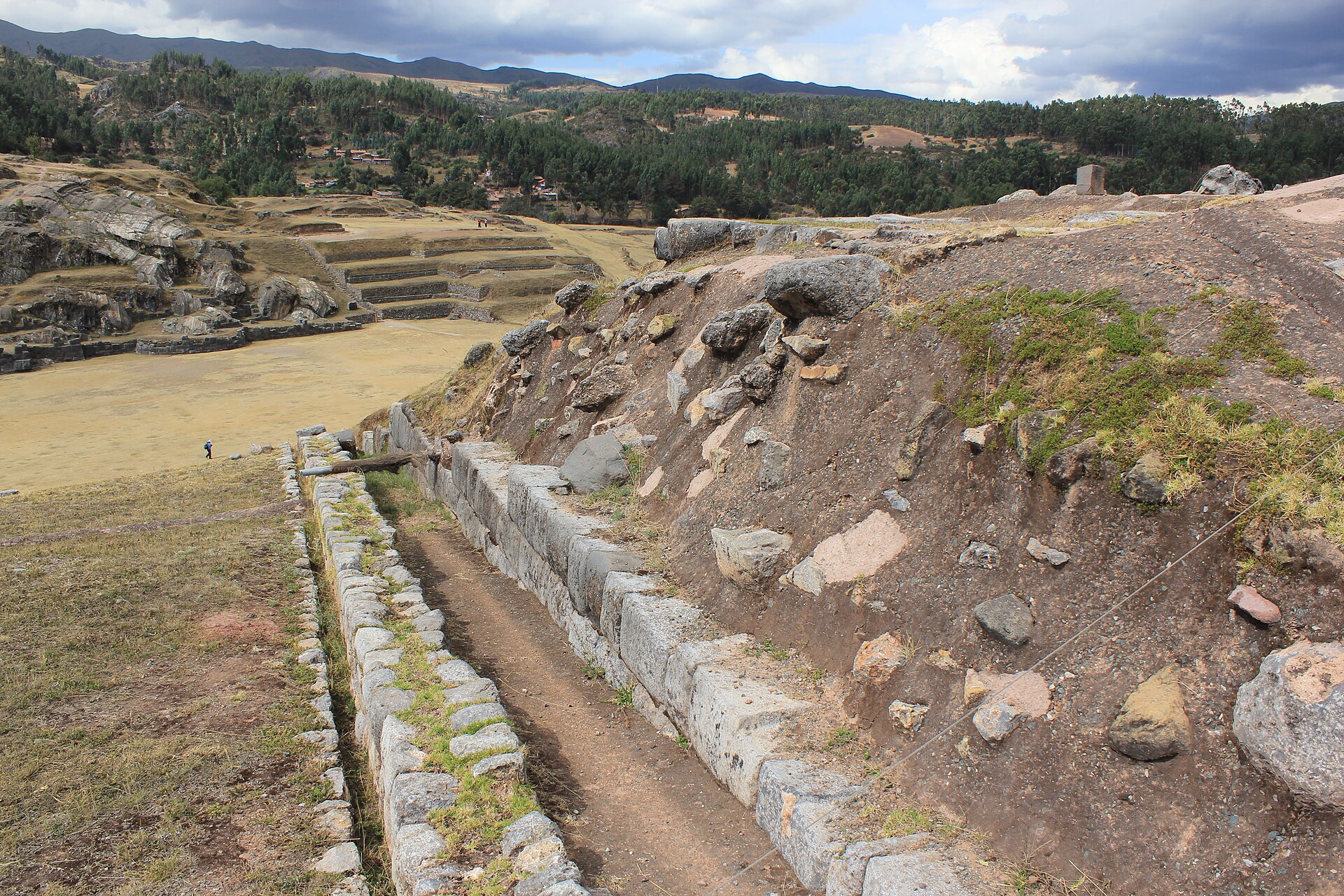
On a visit you can walk along the mighty zigzag walls, marvel at the colossal interlocking stones, and take in the sweeping views over Cusco and the surrounding mountains from the citadel’s commanding heights. Give yourself time to absorb the scale of the place and to reflect on the astonishing achievement it represents, and to imagine the great ceremonies and the terrible battle that unfolded here.
View -13.5081, -71.9822 on Google Maps
Be mindful of the high altitude, which can affect visitors, so take it slowly, stay hydrated, and allow time to acclimatise in Cusco before exerting yourself. Combine your visit with the many other wonders of the Cusco region, from the city itself to the Sacred Valley and Machu Picchu beyond. Sacsayhuamán offers an unforgettable encounter with the genius of the Incas and one of the true wonders of the ancient Americas.
Many visitors find that the emotional highlight of a visit comes simply from placing a hand on the great stones and contemplating the human effort and skill they embody, feeling across the centuries the touch of the builders who shaped them. In that moment of direct contact with the past, the abstract wonder of Sacsayhuamán becomes something intimate and profoundly moving.
The views from the citadel over the red-tiled roofs of Cusco and out to the encircling mountains are among the finest in the region, and they help explain why the Incas chose this commanding spot. To stand on the heights of Sacsayhuamán, taking in the sweep of the sacred valley of the Incas, is to understand at a glance why this place was so central to the life and imagination of a great civilisation.
Castles Nearby
You May Like
Tulum: The Walled Maya City on the Cliffs of the Caribbean


2 thoughts on “Sacsayhuamán: The Inca Fortress of Impossible Stones Above Cusco”