In the far south of Burkina Faso, hidden in the bush near the borders with Ghana and Ivory Coast, stand the tall stone walls of an ancient fortress. Built of laterite stone laid without mortar and rising in places to six metres, the Ruins of Loropéni are the best preserved of a series of about a hundred such enclosures scattered across the frontier region of three modern countries. In 2009 they became the first site in Burkina Faso to be inscribed as a UNESCO World Heritage Site.
Much about Loropéni remains a mystery. Who built its walls, and exactly when, is still debated, though the fortress appears to be many centuries old and connected to the lucrative trade in gold that once flowed out of this region toward the wider world. Deserted and overgrown for perhaps two hundred years, it stands as a silent monument to a powerful but poorly understood chapter of West African history, a stone puzzle whose full story is still being pieced together.
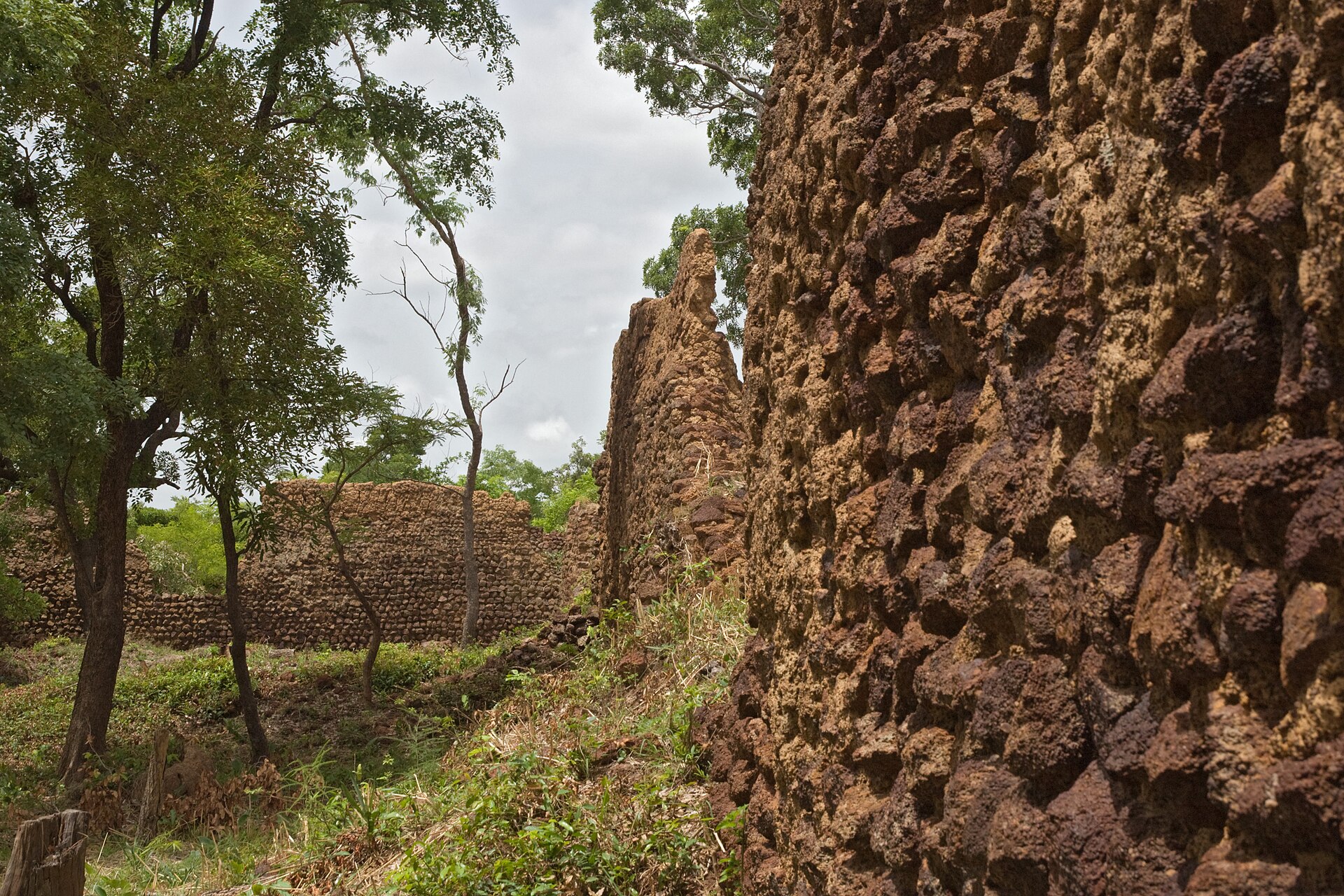
Table of Contents
- A Fortress in the Bush
- One of a Hundred
- Gold and the Reason for Walls
- Dating the Ruins
- Who Built Loropéni?
- The Lobi Country
- Shrines and Spirits
- A Living Landscape
- Protecting an Enigma
- Getting There
- Nearby Places
- Closing Thoughts
A Fortress in the Bush
The Ruins of Loropéni consist of a roughly rectangular enclosure of high stone walls, covering something over a hectare, subdivided internally into compartments. The walls are built of coursed laterite, the reddish, iron-rich stone that hardens on exposure to air, laid up without mortar yet standing firm after centuries.
Their scale and solidity are impressive, especially in a region where most building has traditionally been in earth. The fortress was clearly the work of an organized society with the labour and knowledge to quarry, shape, and raise large quantities of stone into defensible walls.
One of a Hundred
Loropéni does not stand alone. It is the best preserved of around a hundred similar stone enclosures spread across the borderlands of Burkina Faso, Ghana, and Ivory Coast, a whole landscape of ruined fortresses often grouped under the names of the Lohron or Koulango peoples associated with the area.
This concentration suggests a network of fortified settlements rather than a single isolated stronghold. Together they hint at a society, or a succession of societies, that fortified this frontier region on a considerable scale over a long period.
Gold and the Reason for Walls
The key to Loropéni is almost certainly gold. This part of West Africa lay within reach of important goldfields, and the metal was a principal engine of the trans-Saharan and regional trade that enriched empires like Ghana, Mali, and Songhai to the north. Fortresses like Loropéni are thought to be tied to the control, working, or protection of this trade.
Traces of gold-working have been found in the wider area, and the walls may have guarded people, goods, and the routes along which wealth moved. In a landscape where fortunes could be made and raided, stone walls were a rational investment.
Dating the Ruins
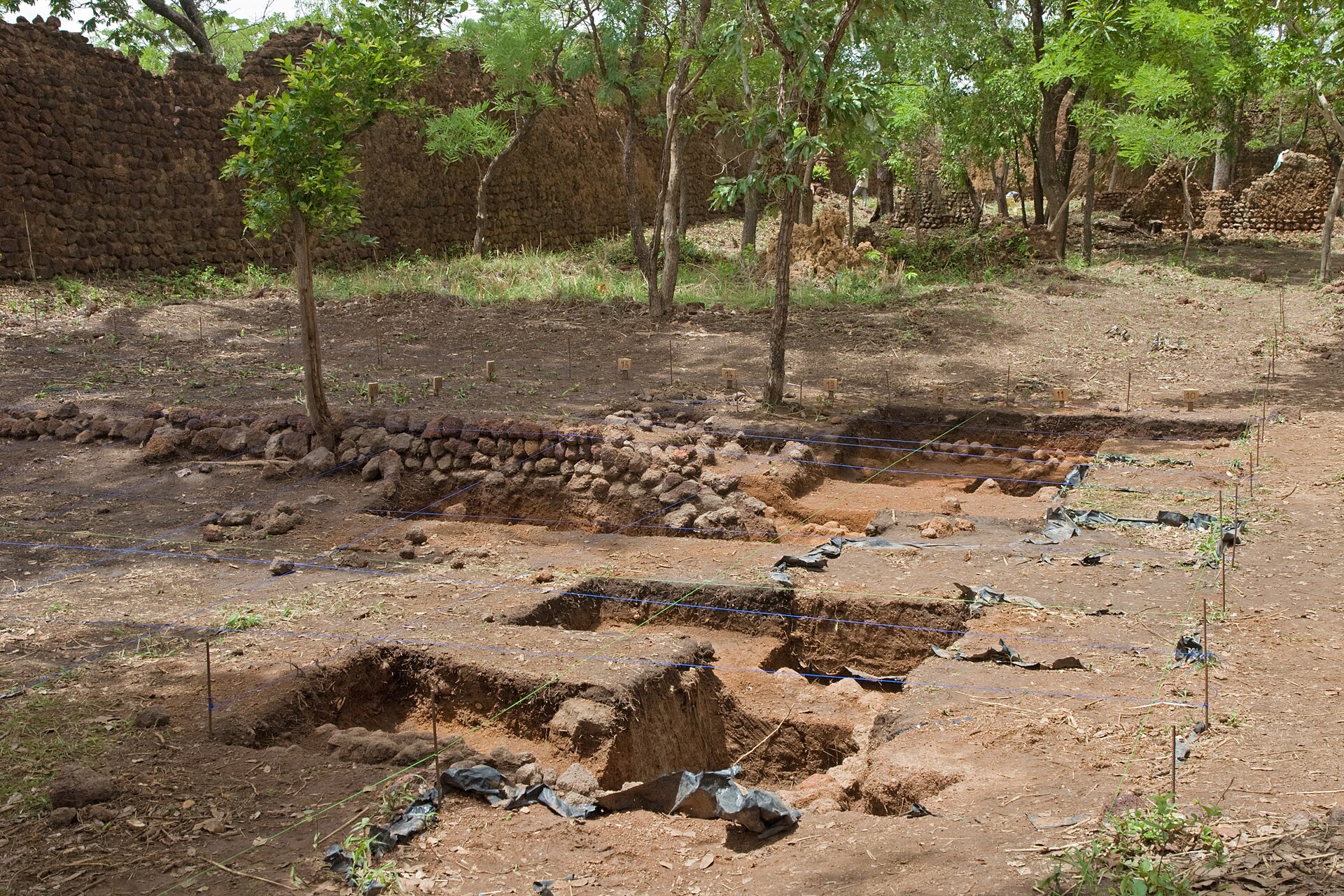
Establishing the age of Loropéni has proved difficult. Archaeological work suggests the walls themselves may date back many centuries, with some evidence pointing to occupation of the general site well over a thousand years ago, and the fortress in its developed form flourishing in the later medieval period.
The site appears to have gone through phases of construction, use, and reuse before being finally abandoned, perhaps around two centuries ago. Ongoing research continues to refine this picture, but the broad impression is of a long and layered history.
Who Built Loropéni?
The identity of the builders is uncertain. Local traditions and historical sources associate the enclosures with peoples such as the Lohron, Koulango, and later the Lobi and others who moved into the region. It is possible that the fortresses were built by one group and later occupied or modified by others.
This ambiguity is part of what makes Loropéni so intriguing. Unlike monuments tied to a well-documented dynasty, it speaks of populations whose histories were largely unwritten, recoverable now mainly through archaeology and oral tradition.
The Lobi Country
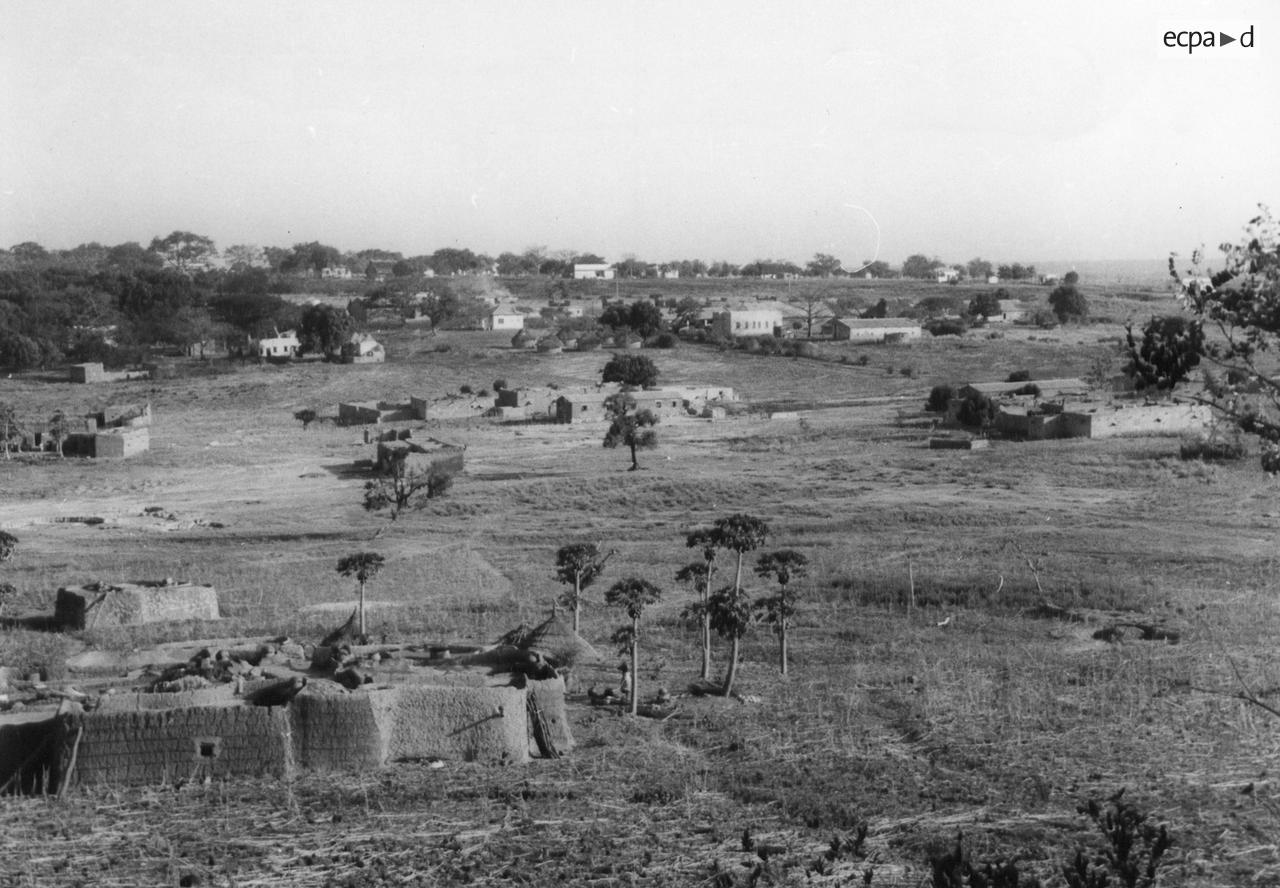
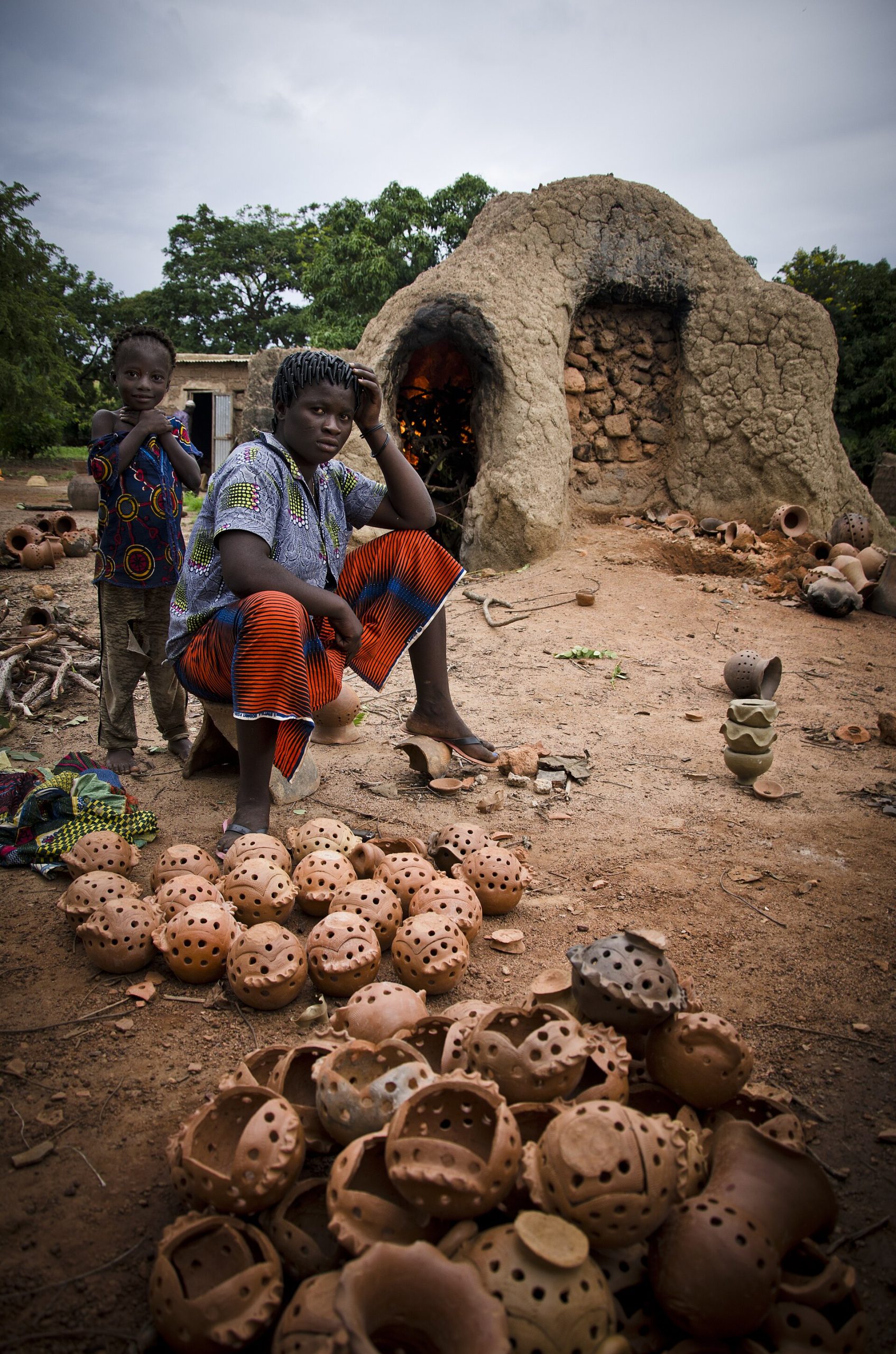
Today the region around Loropéni is home to the Lobi and related peoples, known for their distinctive fortified earthen houses, their carved wooden figures, and their strong spiritual traditions centred on shrines and protective spirits. The nearby town of Gaoua serves as a centre of this culture and hosts a museum devoted to it.
Whether or not the Lobi built the stone fortresses, they are the inheritors of the landscape in which the ruins stand. Their culture provides the living human context in which Loropéni must be understood.
Shrines and Spirits
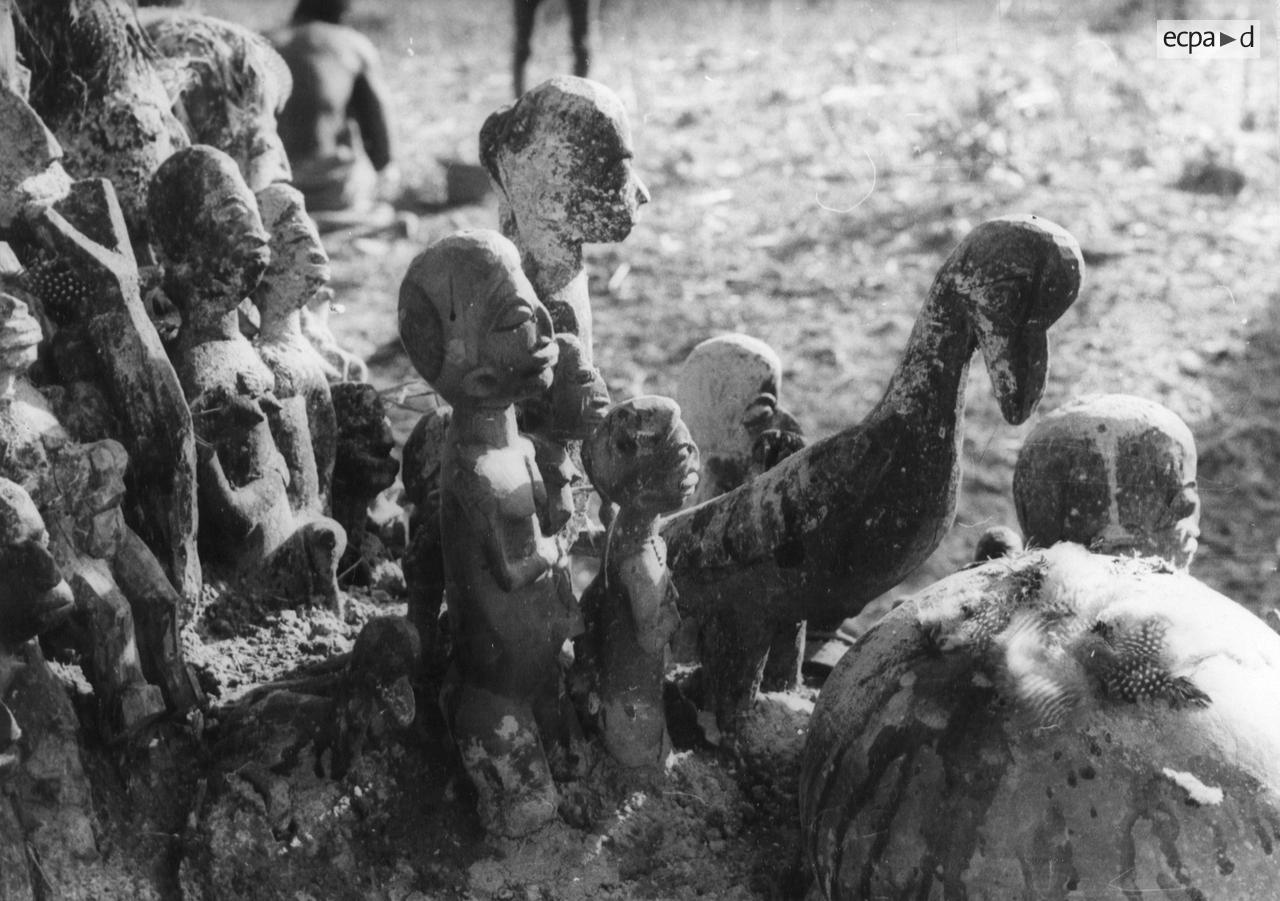
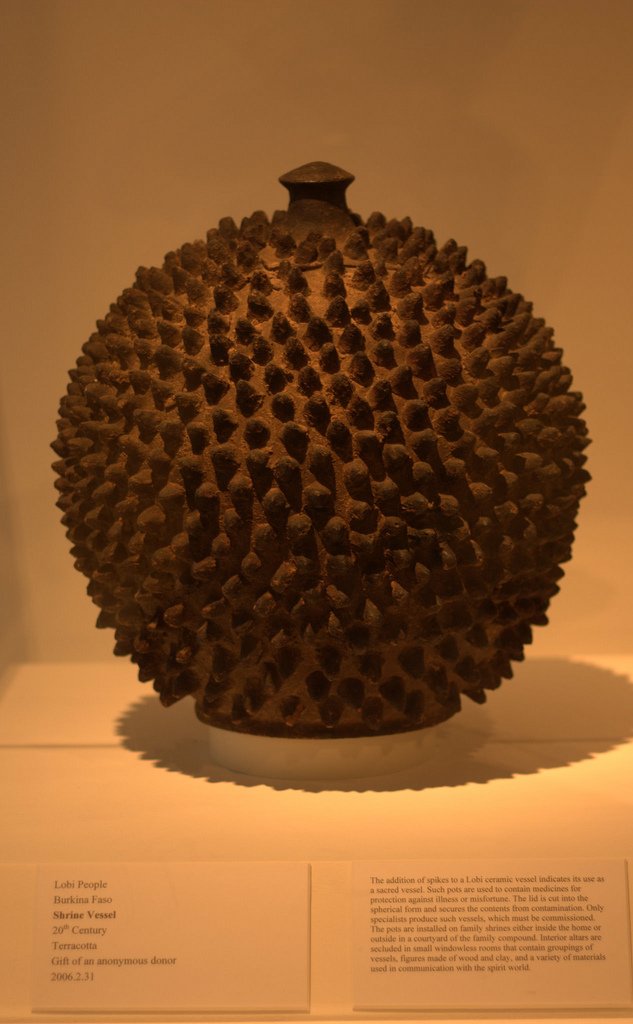
Lobi religious life revolves around a rich array of shrines, altars, and carved figures dedicated to spirits who protect the household and community. Vessels, statuettes, and other ritual objects are central to this practice, and they reflect a worldview in which the visible and invisible are closely intertwined.
These traditions lend the region a particular atmosphere, and they may also color local attitudes toward the ancient ruins, which can be regarded as places of power or reverence as well as historical sites.
A Living Landscape
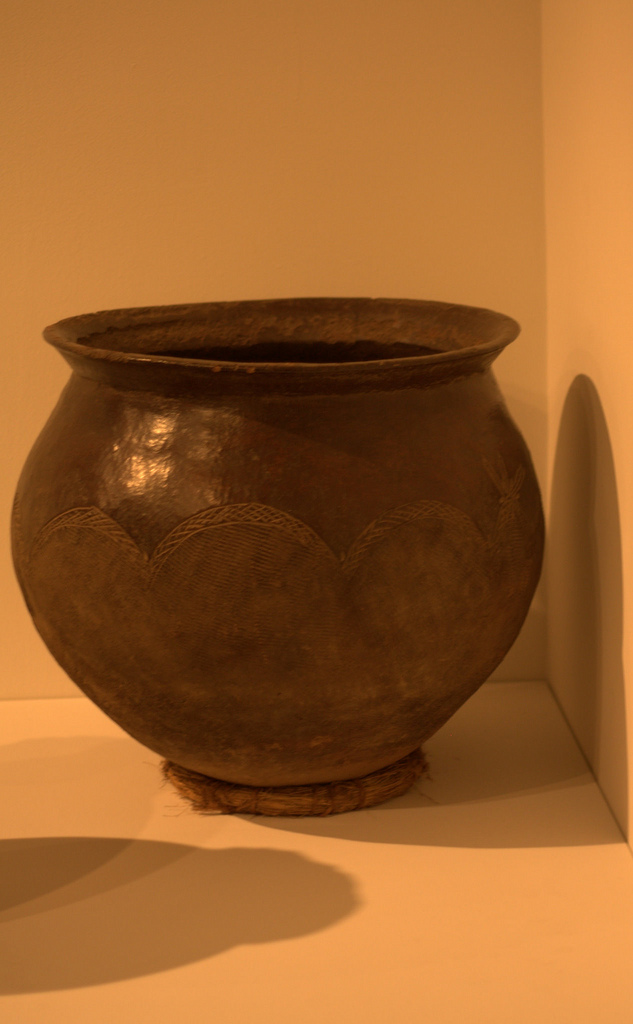
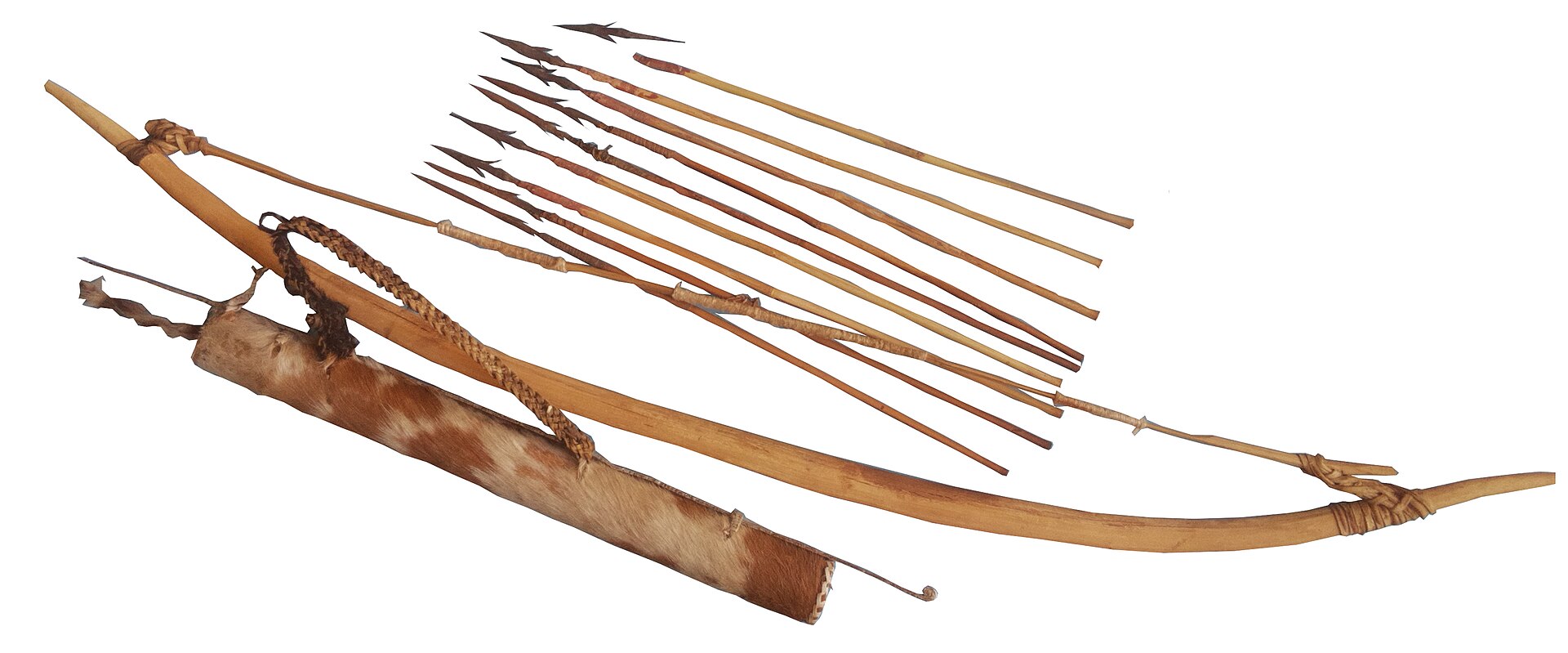
The country around Loropéni is one of small farms, villages, and bush, where daily life still involves brewing, potting, farming, and hunting much as it has for generations. The objects of this life, from beer pots to bows, are part of a continuous rural culture.
Set within this landscape, the silent stone walls form a striking contrast, a monumental relic amid a world of earth and thatch. The juxtaposition is a reminder that grand ruins and ordinary life have long coexisted here.
Protecting an Enigma
Loropéni’s inscription as a World Heritage Site in 2009 recognized both its importance and its vulnerability. The ruins face threats from erosion, vegetation, and the pressures of development, and much of their story remains to be uncovered by future research.
As the first World Heritage Site in Burkina Faso, Loropéni carries particular national significance. Its preservation is a commitment to protecting a monument whose full meaning scholars are still working to reveal.
Getting There
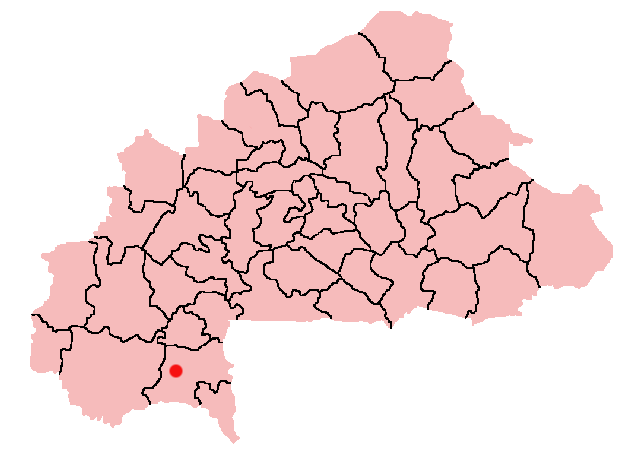
Loropéni lies in southern Burkina Faso, near the town of the same name and not far from Gaoua, reached by road from the capital Ouagadougou or the city of Bobo-Dioulasso. Travellers should note that security conditions in the wider region can vary and require careful checking before any visit.
The site stands at approximately 10.2500, -3.5833. You can open the exact location on Google Maps for directions to the Ruins of Loropéni.
Nearby Places
Closing Thoughts
Loropéni is a monument defined as much by its questions as by its walls. Who raised it, precisely when, and why they finally left are matters still under study, and that uncertainty gives the site much of its haunting appeal.
What is clear is that these mortar-free stone ramparts, standing in the West African bush, belong to a real and substantial history bound up with gold and trade. As the first World Heritage Site in Burkina Faso, Loropéni invites the world to look more closely at a corner of Africa whose past is only beginning to be understood.
You May Like
Mafra, the Palace a King Built From a Vow


One thought on “The Ruins of Loropéni: Burkina Faso’s Enigmatic Stone Fortress of the Gold Country”