Few nations have shaped the idea of what it means to be a nation as profoundly as France. From the soaring cathedrals of the Middle Ages to the Revolution that proclaimed the rights of man, from the splendor of Versailles to the cafes of Paris, the French have given the world a vision of civilization that combines intellectual brilliance, artistic refinement, political radicalism, and an unshakable confidence in the universal value of their culture. France has been a kingdom, an empire, a revolutionary republic, and a modern democracy, and through all these transformations the French have maintained a powerful and distinctive sense of themselves as a people with a mission to embody and spread the highest ideals of human civilization.
Yet behind the familiar images of romance, cuisine, and elegance lies a long and turbulent history: of a land forged from Celtic, Roman, and Germanic roots, of centuries of monarchy and religious war, of a revolution that shook the world, of imperial glory and imperial crime, and of a people who have repeatedly remade their nation and their understanding of themselves. To know the French is to engage with one of the central stories of European and world history.
In This Article
- Who the French Are
- Origins: From Gaul to France
- Traces of the Ancient and Prehistoric Past
- How They Lived and What They Built
- Monarchy, Religious War, and the Old Regime
- The Revolution and Its World-Changing Ideas
- The French Language and Its Global Role
- Empire, Glory, and Reckoning
- Notable French Figures
- The French in the World Today
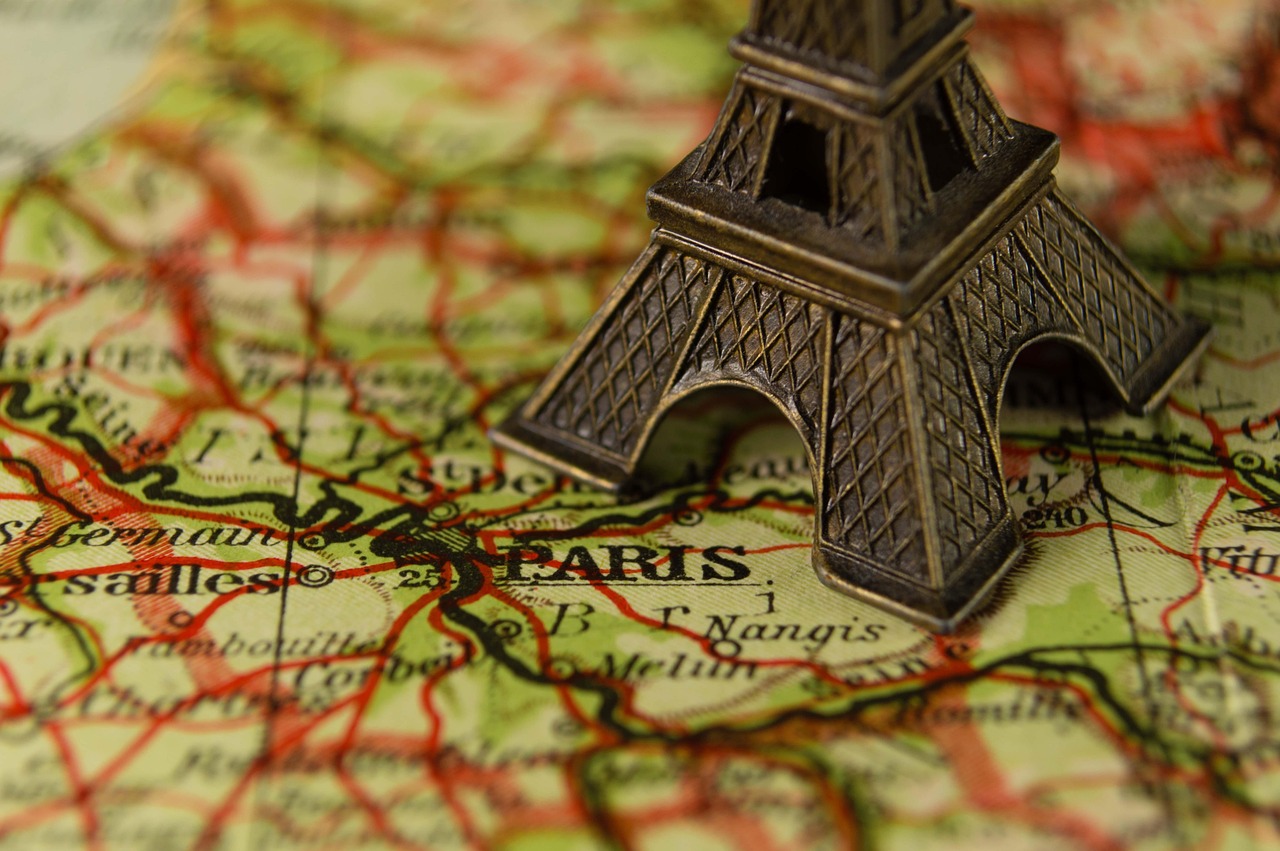
Who the French Are
The French are a people native to France, the largest country in Western Europe, numbering around sixty-five million within France itself and forming significant communities and a vast cultural influence around the world. They speak French, a Romance language descended from Latin and belonging to the Indo-European family, which has long been one of the worlds great languages of diplomacy, culture, and learning. The name France derives from the Franks, a Germanic people who came to rule the land in the early medieval period and gave their name to both the country and its people.
French identity has historically been defined less by ethnicity than by a powerful idea of the nation, by the French language, and by adherence to a set of republican values that crystallized in the Revolution. France has long contained considerable regional diversity — the distinct cultures and historic languages of regions such as Brittany, Provence, Alsace, the Basque Country, and Corsica — yet the French state, especially since the Revolution, has pursued an unusually strong policy of national unity and cultural integration, promoting a single French language and a shared civic identity above regional and ethnic differences. This tension between a centralizing, universalist conception of the nation and the reality of regional and, increasingly, multicultural diversity runs through modern French history and remains very much alive today.
Origins: From Gaul to France
The roots of France lie in the ancient land of Gaul, inhabited in antiquity by Celtic peoples whom the Romans called the Gauls. According to the well-documented history, these Celtic Gauls were conquered by Julius Caesar in the first century before the common era, after which Gaul became a thoroughly Romanized province of the empire, adopting Latin speech, Roman law, towns, and culture over the following centuries. This Roman foundation is fundamental to French identity: the French language descends from the Latin spoken in Roman Gaul, and much of French law, urbanism, and culture traces back to this Roman inheritance.
As Roman power collapsed, Germanic peoples moved into Gaul, the most important of them the Franks, who established a powerful kingdom and gave the country its name. Under rulers such as Clovis, who converted to Christianity, and above all Charlemagne, who was crowned emperor in the year 800 and ruled a vast realm across Western Europe, the Frankish kingdom became the dominant power of the early medieval West. The eventual division of Charlemagnes empire among his heirs created the rough outline of what would become France in the west and Germany in the east, a division of lasting consequence for European history. From the blending of the Romanized Gaulish population with the Frankish and other Germanic newcomers, and the Latin-derived language they came to share, the French people gradually took shape over many centuries, in a process scholars trace through language, law, and the slow consolidation of royal power.
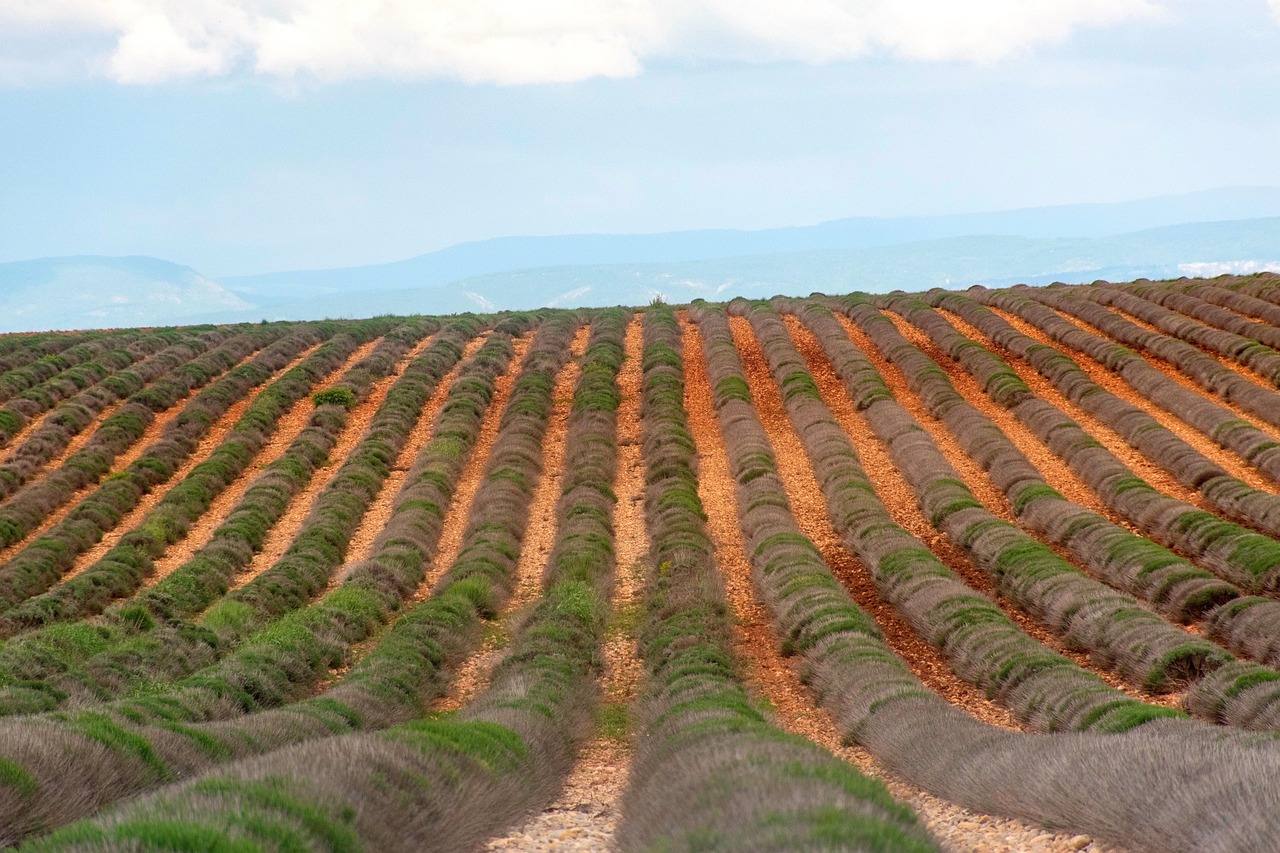
Traces of the Ancient and Prehistoric Past
France is one of the richest countries in the world for prehistoric remains, and its caves contain some of the most breathtaking art ever made by human hands. The painted caves of the southwest, with their vivid images of bulls, horses, deer, and other animals created by Ice Age hunters tens of thousands of years ago, are among the supreme treasures of prehistoric art and offer an astonishing glimpse into the minds of our distant ancestors; most archaeologists regard them as ritual or symbolic in purpose, though their full meaning remains debated. France also preserves megalithic monuments, including great alignments of standing stones, and the remains of the Celtic and Roman civilizations that successively occupied the land.
The Roman legacy is especially visible, in well-preserved amphitheaters, aqueducts, and temples across the south, testimony to the depth of Romanization in Gaul. As with all such ancient remains, scholars distinguish carefully between the prehistoric and ancient peoples of the region and the historically defined French, who emerged much later from the post-Roman world. Yet this immensely deep human history, layered across the French landscape, has profoundly shaped the French sense of inhabiting a land of ancient and continuous civilization, and the care the French have taken to study and preserve these remains reflects their pride in that long heritage.
How They Lived and What They Built
For most of their history the French were an overwhelmingly rural and agricultural people, and the land has shaped French life and identity to an unusual degree. France is blessed with fertile soils and a varied climate, and its regions developed distinct agricultural traditions and produce that remain central to French culture: the wheat fields of the north, the vineyards that produce some of the worlds most famous wines, the cheeses of countless regions, and the rich local cuisines that the French have elevated into one of the great culinary traditions of humanity. The French attachment to good food and wine, to the pleasures of the table, and to the produce of particular places and terroirs is not a stereotype but a genuine and deeply rooted feature of the culture, expressed in a gastronomic tradition recognized around the world.
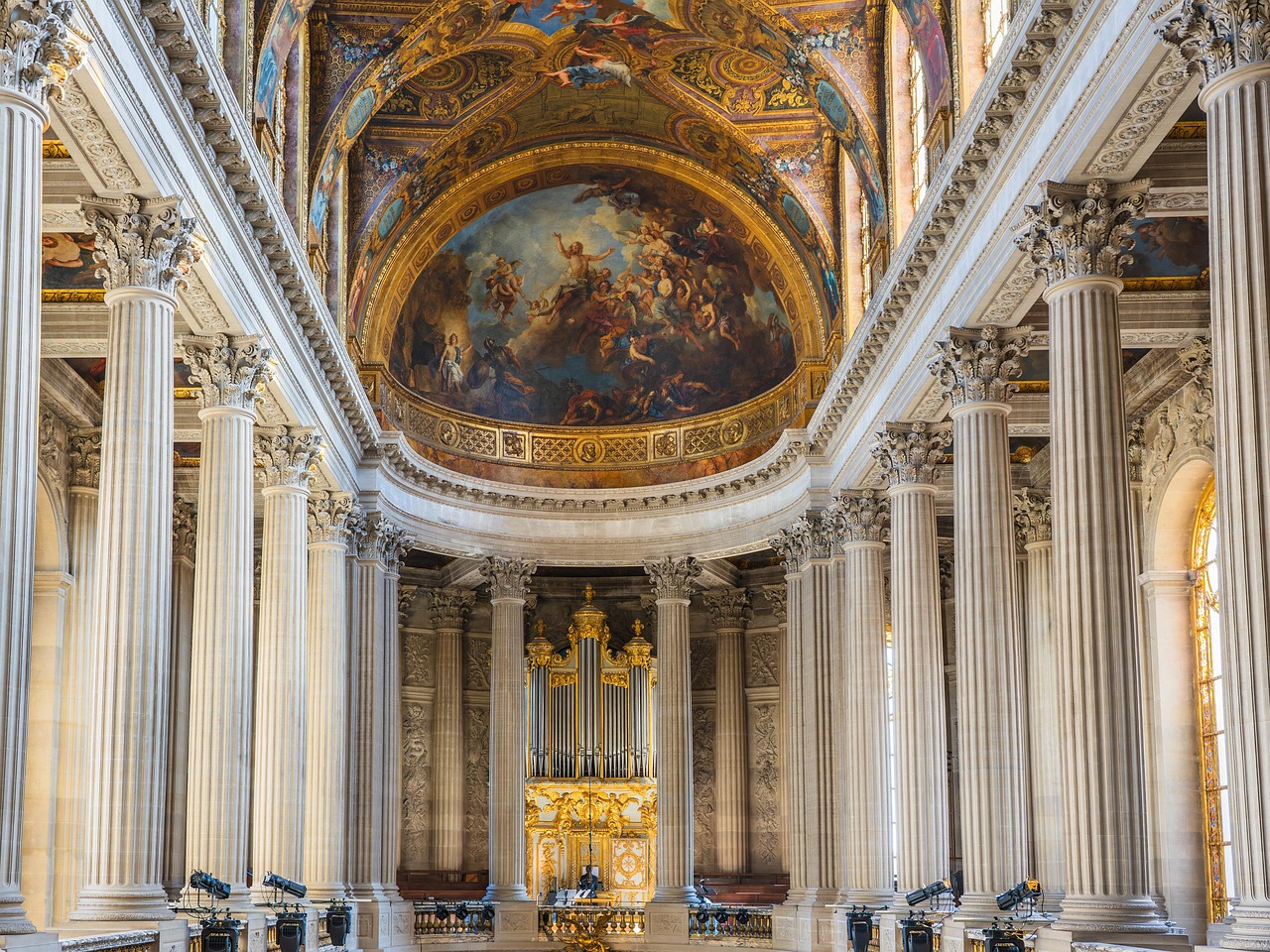
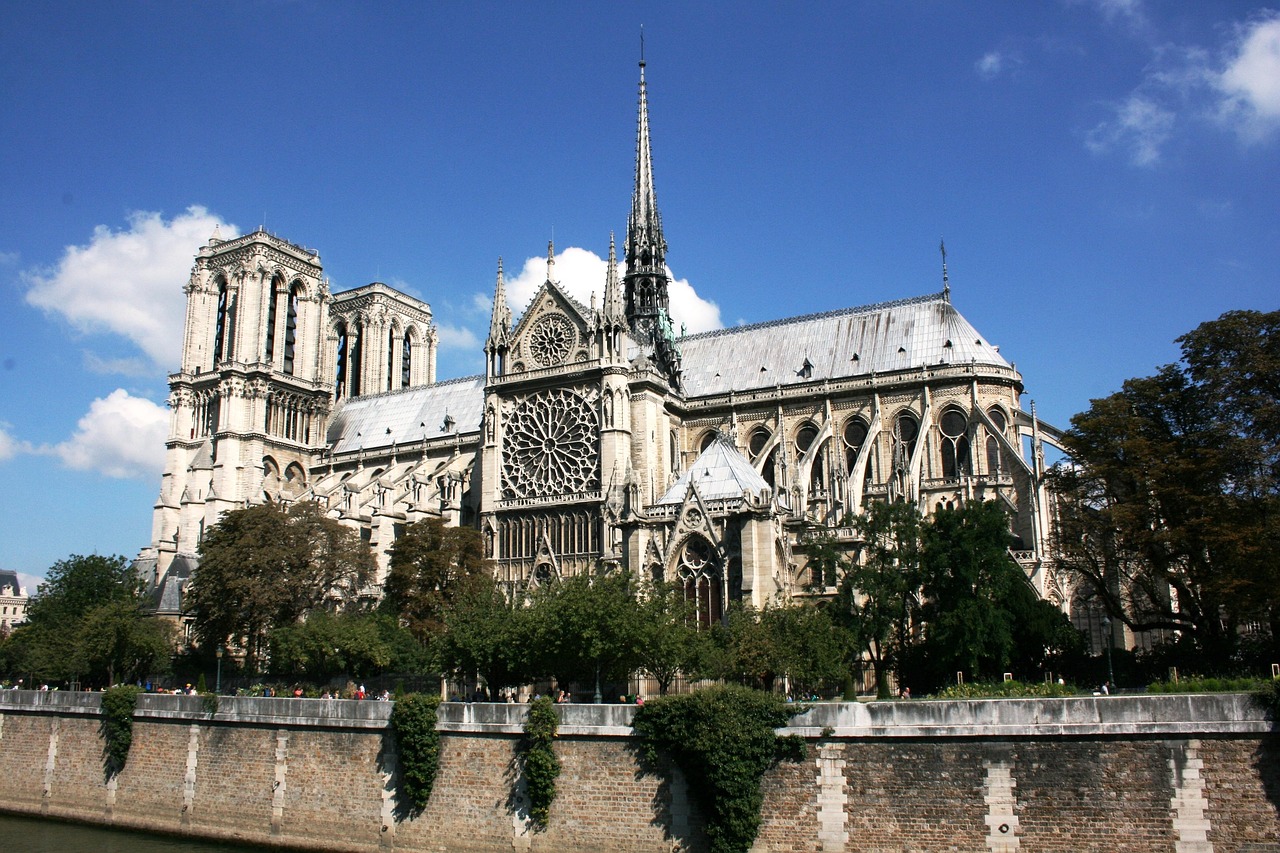
France also built one of the great architectural and artistic heritages of Europe. French builders pioneered the Gothic style in the great cathedrals of the Middle Ages, soaring structures of stone and stained glass that remain among the supreme achievements of European architecture. The French monarchy, especially at its height, created palaces and gardens of overwhelming grandeur, above all Versailles, which became the model of royal magnificence for all of Europe. French painters, sculptors, designers, and architects have led European art through many periods, and Paris became, by the nineteenth century, the artistic capital of the Western world, where movements such as Impressionism transformed the course of art. From the medieval guild to the modern luxury house, the French tradition of craftsmanship, design, and refinement in everything from fashion to furniture to cuisine has given France a cultural influence out of all proportion to its size.
Monarchy, Religious War, and the Old Regime
For most of its history France was a monarchy, and the slow growth of royal power from a weak feudal kingship into one of the most powerful centralized states in Europe is a central thread of French history. Over the medieval and early modern centuries, French kings gradually subdued the great feudal lords, expanded the royal domain, and built the institutions of a centralized state. France was repeatedly at war with its neighbors, above all in the long struggle with England that included the Hundred Years War, during which the figure of Joan of Arc, a young peasant woman who rallied French forces and was later burned at the stake, became an enduring national heroine and symbol.
The sixteenth century brought the catastrophe of the Wars of Religion, in which French Catholics and Protestants slaughtered one another in decades of brutal conflict, including notorious massacres, before a measure of religious toleration was established. The seventeenth and eighteenth centuries saw the monarchy reach its height under kings who claimed absolute power by divine right, above all the Sun King, whose long reign made France the dominant power in Europe and whose court at Versailles set the standard of royal splendor. Yet beneath the magnificence, the Old Regime rested on a society of legal privilege and deep inequality, in which the clergy and nobility enjoyed exemptions and the common people bore the burdens, and the strains of war, debt, and injustice were building toward an explosion that would shake the world.
The Revolution and Its World-Changing Ideas
The French Revolution, which began in 1789, was one of the most consequential events in human history, and it lies at the very heart of modern French identity. Amid financial crisis and mounting discontent, the old order collapsed with astonishing speed: the monarchy was overthrown and the king eventually executed, the privileges of the nobility and clergy were abolished, and a new vision of society was proclaimed in the Declaration of the Rights of Man and of the Citizen, which asserted principles of liberty, equality, and popular sovereignty that would reverberate around the globe. The revolutionary slogan of liberty, equality, and fraternity became, and remains, the motto of the French Republic.
The Revolution was also a time of terror and violence, as radical factions sent thousands to the guillotine and the country descended into internal conflict and war with the monarchies of Europe. Out of this turmoil rose Napoleon Bonaparte, a brilliant general who seized power, crowned himself emperor, and conquered much of Europe before his eventual defeat, spreading many of the Revolutions legal and administrative reforms across the continent even as he betrayed its democratic promise. The nineteenth century that followed was, for France, a turbulent succession of monarchies, republics, and empires, as the nation struggled to work out the legacy of the Revolution. Yet the core ideas unleashed in 1789 — popular sovereignty, equality before the law, the rights of the citizen, and the secular republic — became foundational not only for France but for modern democratic politics everywhere, and the French rightly regard the Revolution as one of their greatest contributions to the world, for all its violence and contradictions.
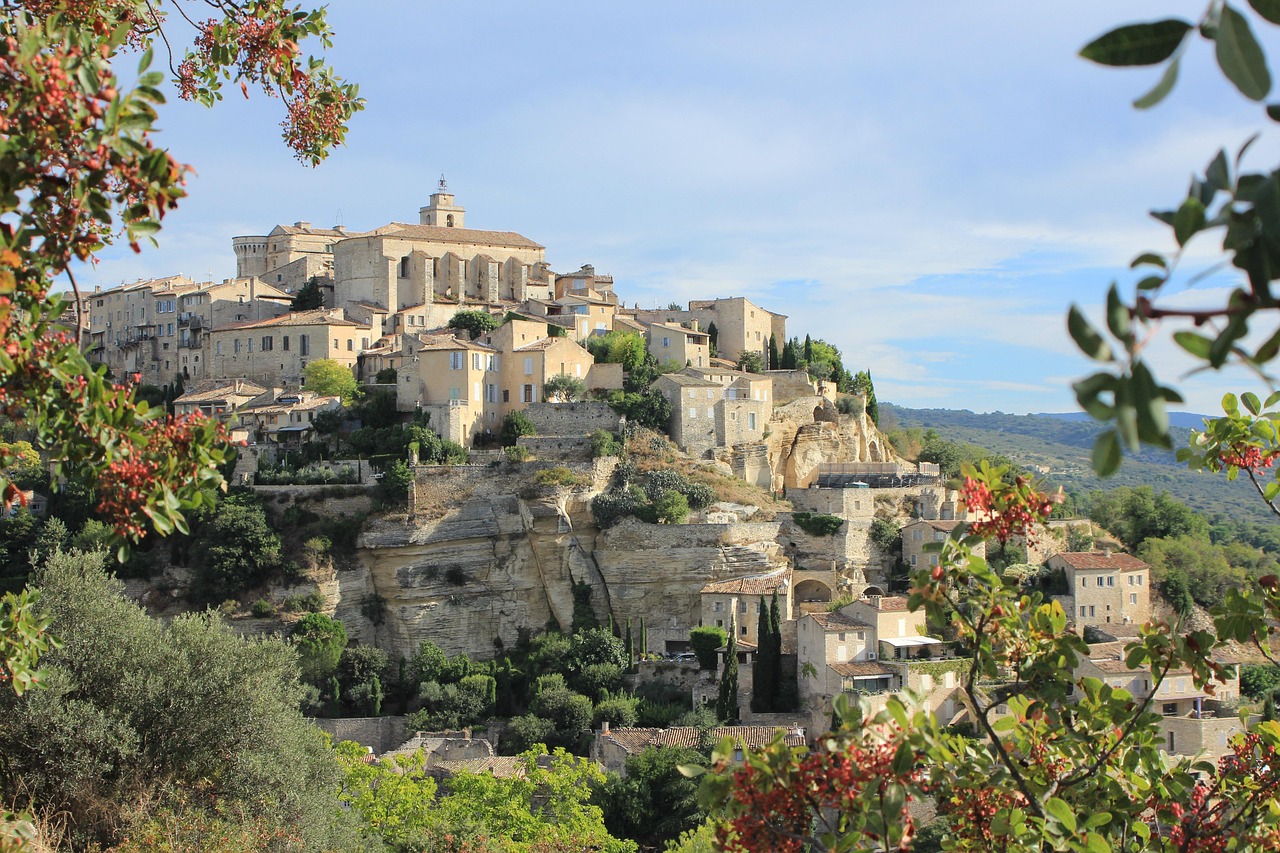
The French Language and Its Global Role
The French language is a Romance language descended directly from the Latin of Roman Gaul, and it has been, for much of modern history, one of the worlds preeminent languages of culture, diplomacy, and refinement. For centuries French was the international language of European diplomacy and of educated society, the tongue that aristocrats and intellectuals across the continent were expected to know, and it remains an official language of many international organizations and a major world language spoken across France, parts of Europe, large areas of Africa, Canada, and elsewhere as a legacy of French expansion.
The French have cultivated their language with unusual devotion and institutional care, including a famous academy founded to safeguard and regulate it, reflecting a deep conviction that the French language is a central pillar of French civilization and identity. French possesses one of the great literary traditions of the world, from the medieval epics and the classical drama of the seventeenth century through the philosophers of the Enlightenment, the towering novelists of the nineteenth century, and the influential thinkers and writers of the modern era. The French Enlightenment, in particular, with thinkers who championed reason, liberty, and the critique of established authority, helped shape the modern world and spread the prestige of the French language as the very vehicle of advanced thought. Through its language and literature, France has exercised a cultural influence that has long extended far beyond its borders.
Empire, Glory, and Reckoning
Like other European powers, France built a vast colonial empire, the second largest in the world at its height, spanning large parts of Africa, Southeast Asia, the Caribbean, and the Pacific. This empire spread the French language and culture across the globe and brought France wealth and power, but, as with all the European empires, it was built on conquest, exploitation, and the denial of freedom to colonized peoples, and its history includes grave wrongs that must be acknowledged honestly: France played a major role in the transatlantic slave trade and in plantation slavery in its colonies, and the process of decolonization in the twentieth century was often violent and bitter, above all in the brutal war that accompanied Algerias struggle for independence.
The legacy of empire remains a live and painful issue in modern France, bound up with questions of immigration, identity, and historical memory, as France has become home to large communities with roots in its former colonies. A truthful account holds together the genuine cultural achievements and the universalist ideals that France proclaimed with the contradiction that those ideals were so often denied to the peoples France colonized. The French commitment to universal rights and the reality of imperial domination existed side by side, and reckoning with that contradiction is part of the unfinished work of modern French national life. As elsewhere, honest history requires neither erasing the achievements nor excusing the wrongs.
Notable French Figures
France has produced an extraordinary array of figures who shaped world civilization. In thought, the philosophers of the Enlightenment, including Voltaire and Rousseau, profoundly influenced modern political and intellectual life, and Rene Descartes stands among the founders of modern philosophy. In science, France produced figures such as Louis Pasteur, whose work transformed medicine and microbiology, and Marie Curie, who, though Polish-born, did her pioneering work on radioactivity in France and became one of the most celebrated scientists in history. In literature, writers such as Victor Hugo and many others created one of the worlds great literary traditions, and in the arts, French painters led movements that changed the course of Western art. Napoleon Bonaparte reshaped Europe, for good and ill. As always in this series, where I am uncertain of the precise details of an individual life or achievement, I have chosen to describe their significance in general terms rather than risk inaccuracy.
The French in the World Today
Today France is a prosperous, influential democratic republic, one of the major economies of the world, a permanent member of the United Nations Security Council, a nuclear power, and a leading force in the European Union, which France did much to found and shape. French culture — its cuisine, fashion, cinema, art, and intellectual life — continues to exert a global influence, and Paris remains one of the worlds great cultural and tourist capitals. The French Republic is built on a strong commitment to its founding values of liberty, equality, and fraternity, and to a distinctive principle of secularism that strictly separates religion from public life, a principle that has become central to French identity and also a source of ongoing debate in an increasingly diverse society.
Modern France is a multicultural nation, home to large communities with origins in its former colonies and elsewhere, and contemporary French life involves lively and sometimes difficult debates about national identity, integration, secularism, and the legacy of empire — debates familiar across the wealthy democracies but given a particular intensity by Frances strong universalist and republican traditions. Through it all, the French retain a powerful sense of themselves as a people with a distinctive civilization and a universal message, heirs to the Revolution and to a cultural tradition of the first rank. France remains, as it has long been, one of the central nations of Europe and one of the most influential cultures in the history of the world.

The story of the French is, in the end, the story of a people who forged a great nation from Celtic, Roman, and Germanic roots, who built one of the supreme civilizations of Europe in art, thought, and refinement, and who, in their Revolution, gave the modern world some of its most powerful ideas about freedom, equality, and the rights of every human being. It is also the story of an empire whose injustices contradicted those very ideals, a contradiction France still works to confront. From the cave painters of the south to the philosophers of the Enlightenment, from the cathedrals to the barricades, the French have repeatedly shaped not only their own destiny but the destiny of the world, and they remain, in their pride, their brilliance, and their contradictions, one of the essential peoples of human history.
You May Like
The Zaza, a Mountain People of Eastern Anatolia


3 thoughts on “Revolution, Reason and the French Art of Living”