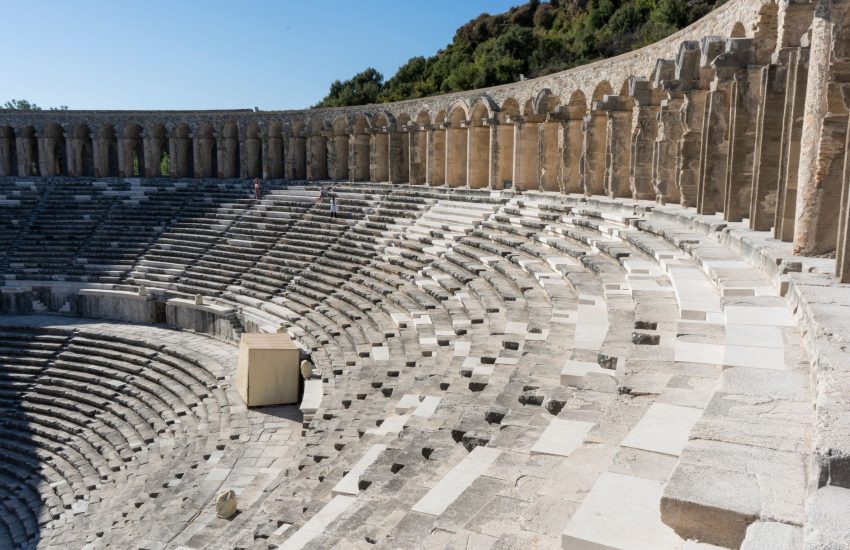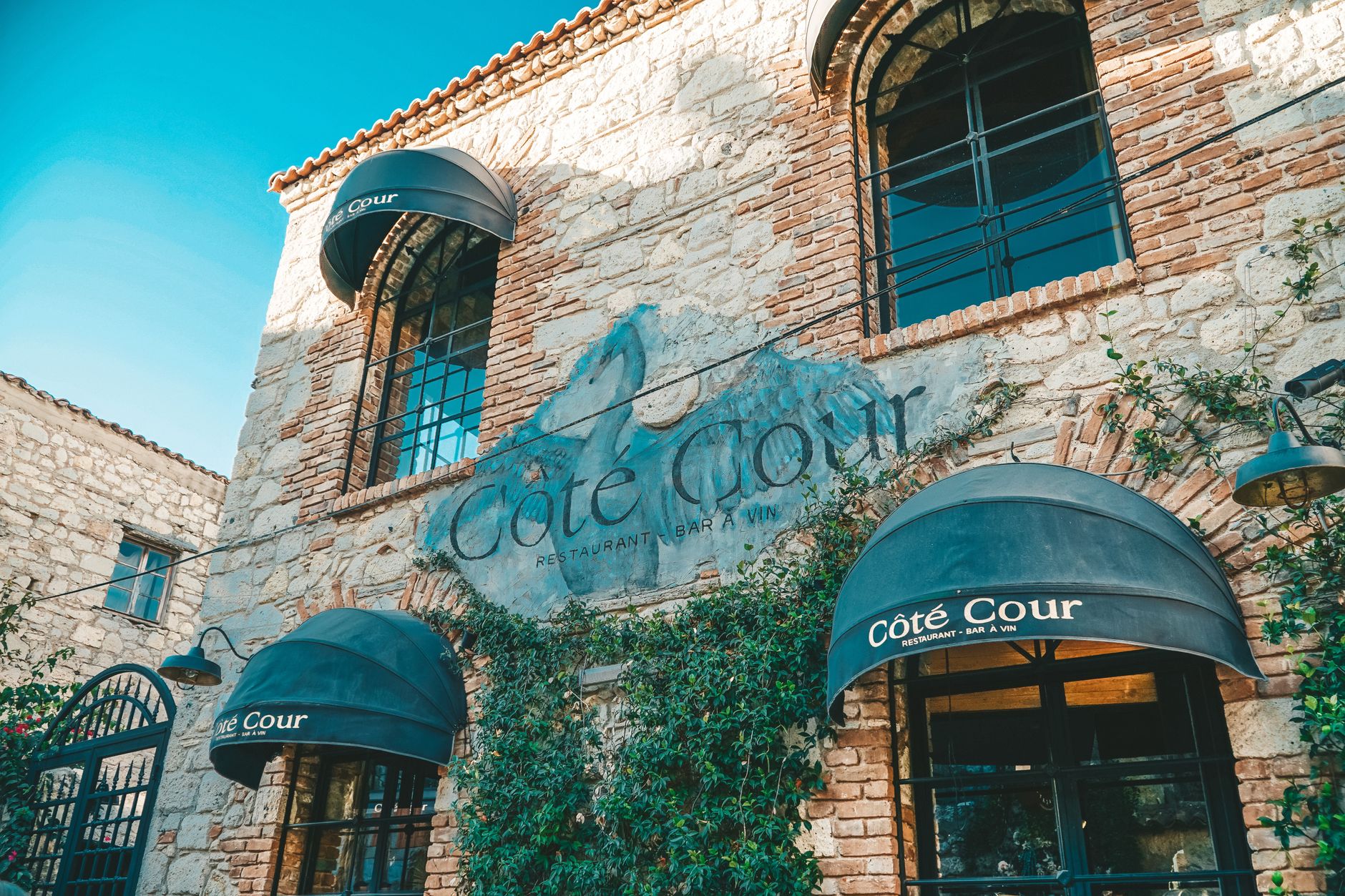

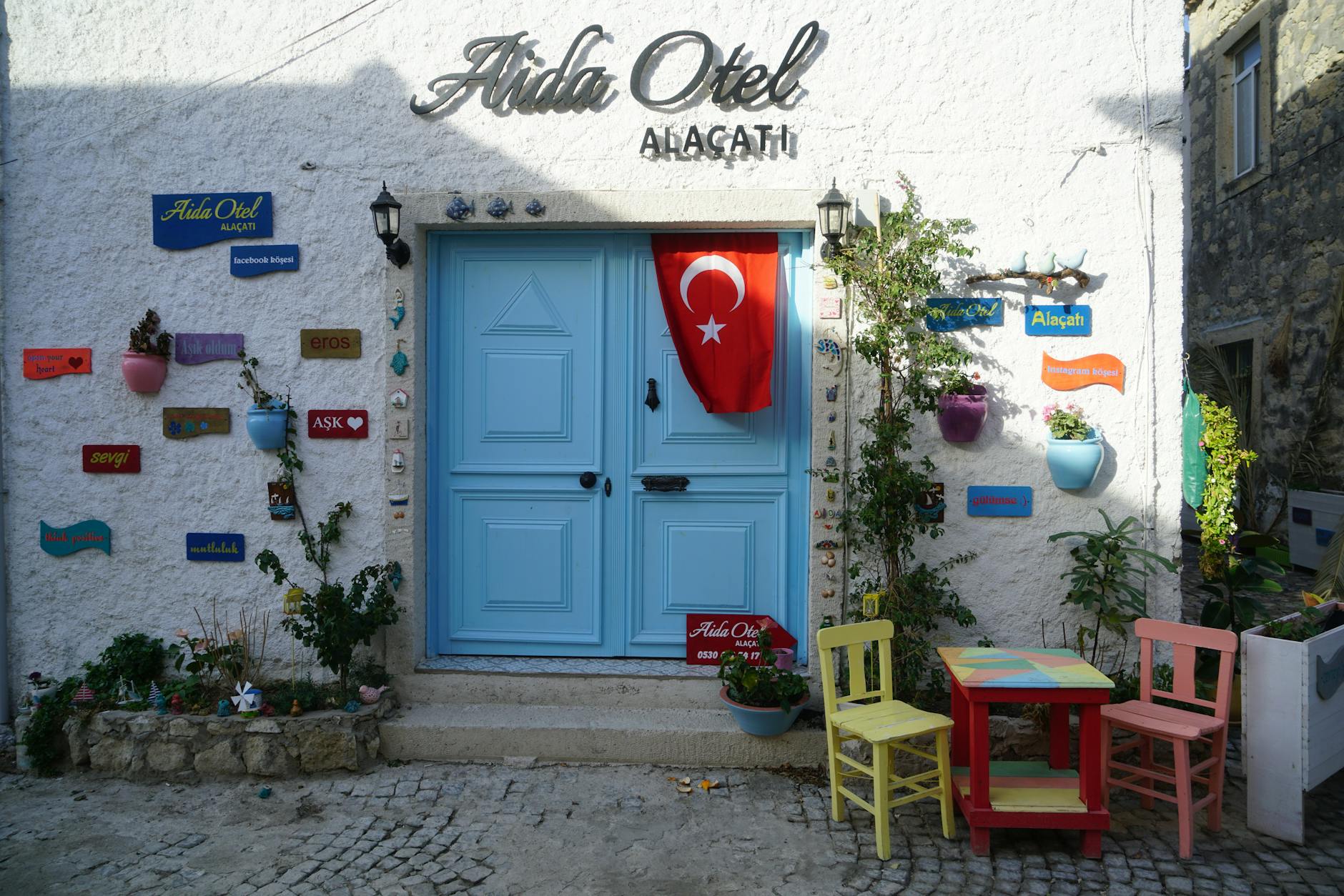
Alaçatı pictures.
Alaçatı town of Çeşme district of İzmir province is located in the “thin waist” of the Çeşme peninsula, at the center of the corridor where the wind flows from north to south and south to north. The dominant wind in summer, the northeastern wind, allows Alaçatı to “breathe”, while in winter the southwest wind blows more and creates a warm climate in the town.
The number of windy days in Alaçatı (with 330 days per year) is well above the Türkiye average, which has made the town one of the most important windsurfing centers in the world.
In the north is Ilıca, famous for its sandy beach, in the south is Alaçatı port with wind surfing clubs, and in the west is Karadağ, which is just beginning to be covered with olive groves and vineyards.
3 km from the sea. The altitude of Alaçatı, located inland, is 16 meters above sea level. 70 km from Izmir. 90 km away from Alaçatı. It is also very easy to reach Adnan Menderes Airport, which is far away, by highway. For those who set out from Istanbul with their own vehicle, after getting off the Yenikapı-Bandırma ferry, a 340 km road takes you to Alaçatı in 4-5 hours via Balıkesir-Manisa-İzmir.
Additionally, Varan and Ulusoy companies have regular bus services to Alaçatı. To get from Izmir to Alaçatı by bus, just take the Çeşme Travel bus from İzmir Garage or Üçkuyular Garage, and you will be in Alaçatı in 1 hour.
For those coming to Alaçatı by sea, No: Alaçatı marina is located at 38 degrees 15 minutes north latitude and 26 degrees 23 minutes east longitude. The distance of Alaçatı to some centers is as follows:
Alaçatı – İzmir: 70 km. Alaçatı – Çeşme: 7 km. Alaçatı – Ildır: 15 km. Alaçatı – Ephesus: 155 km.
Alaçatı experienced a bright period in its history with viticulture and winemaking during the time of the Greeks. After the population exchange, the difficult years of Alaçatı began. Muslim Turks coming from the Balkans did not know viticulture and olive cultivation. Thus, the vineyards in Alaçatı were destroyed and the immigrants from Thessaloniki planted tobacco in their place; Immigrants from Kosovo and Bosnia started the business they knew, animal husbandry. However, the climate was not suitable for either tobacco or livestock.
The money coming to Alaçatı from the tobacco grown with great pain was only enough to feed the stomach.
The first windsurfing enthusiasts came to the port in the 1990s, and stone house enthusiasts in the 2000s… The first small hotel was opened in 2001, and in just 3-4 years, Alaçatı became one of the most popular holiday destinations in Turkey.
How did Alaçatı differentiate itself from other towns?
The stone houses, preserved intact, the youngest of which was almost 100 years old, were repaired one by one; small hotels and restaurants were opened. In Alaçatı, you can stay in Turkey’s most beautiful small hotels and eat the best food in its restaurants. Alaçatı has been declared an “urban protected area”, the buildings in our town must be preserved as they are and it is no longer possible to build new multi-storey buildings that do not comply with traditional architecture.
Alaçatı is now one of the most important windsurfing centers in the world, many international competitions are held in our town. Alaçatı coasts have the cleanest seas and most beautiful beaches of the Mediterranean. Our Municipality does not allow loud music broadcasts or opening of bars or discotheques in Alaçatı until the morning. You won’t see plastic chairs in coffee shops in Alaçatı. The streets in Alaçatı are still covered with cobblestones.
You can come across classical music concerts in the streets of Alaçatı in summer. Two or single-storey stone houses shade the narrow cobblestone streets of Alaçatı. This historical architectural texture is the most important economic value of Alaçatı.
Alaçatı has become one of the controlled, developed and protected towns of our country, perhaps the most beautiful, as our town was discovered intact and those who settled by restoring the stone houses gave importance to construction for conservation purposes. White stone, which is extracted from the region and hardened after processing, is used in Alaçatı houses. This stone turns yellow over time, reflecting the age of the buildings.
In Alaçatı houses, the lower floor walls are thicker than the first floor walls. Mortar (containing soil, lime, straw, egg white, etc.) used instead of cement in wall construction keeps houses warm in winter and cold in summer. In some houses, stone was used entirely, in others stone was used on the lower floor and brick or wood was used on the upper floor.
Newly built houses in our town are built in accordance with the old style, using bricks and village plaster, as stone is a high-cost construction material. As can be seen in most old houses, plaster and plaster ornaments were used abundantly to protect against external factors. On walls where stone is desired to be displayed without plastering, the stone is used without further processing, only by correcting the excess protrusions, preserving its natural appearance.
Stones are placed horizontally in different sizes, without turning them into regular rectangles, and small stones are also used in between. Stone veneer or slate veneer used to give the appearance of a stone wall in an Alaçatı house are applications that definitely reduce the image quality of the building.
Old Alaçatı houses preserved with plaster are painted with light limewash. These are shades of white and oxide yellow. Door and window edges are framed using indigo blue in many houses. Colors such as pink, green, blue and red do not exist in Alaçatı culture.
The thickness of the 2-4 meter high garden walls of houses with inner gardens (yards) is 50 cm. The windows of the houses are made straight or arched and are vertical and long. Horizontal and wide windows are not used. In order to be earthquake resistant, doors and windows should be at least 1 m from the corners of the building. It is located away. In general, thick walls prevent sunlight from spreading into the room through the window opening.
For this reason, the spaces of the windows facing the inside of the building are widened to allow more light to enter.
Door and window shutters are the most important elements that decorate the building. Therefore, no materials other than wood or iron are used. Turkish style tiles were used in Alaçatı houses. Roof corner decorations are made using two grooved tiles called “eagle wings”. The floors in Alaçatı houses are covered with wood, slate, natural colored and classically patterned tile plates.
In interfloor floors made entirely of wood, after the thick carriers are placed in rectangular or round form, the underfloor scarves are laid and the floorboard is nailed. In ancient times, the lower floors of Alaçatı houses were used to store tobacco or keep animals; The upper floors were used as living spaces.
The center of Alaçatı was declared an “urban protected area” in 2006. It is forbidden to repair old houses without conforming to their original form or to build new buildings containing elements that contradict the traditional architectural texture. Today, many restored stone houses contribute to the economy of Alaçatı as small hotels, restaurants, cafes and shopping points.
You May Like
Amasya Hotel Pension Accommodations