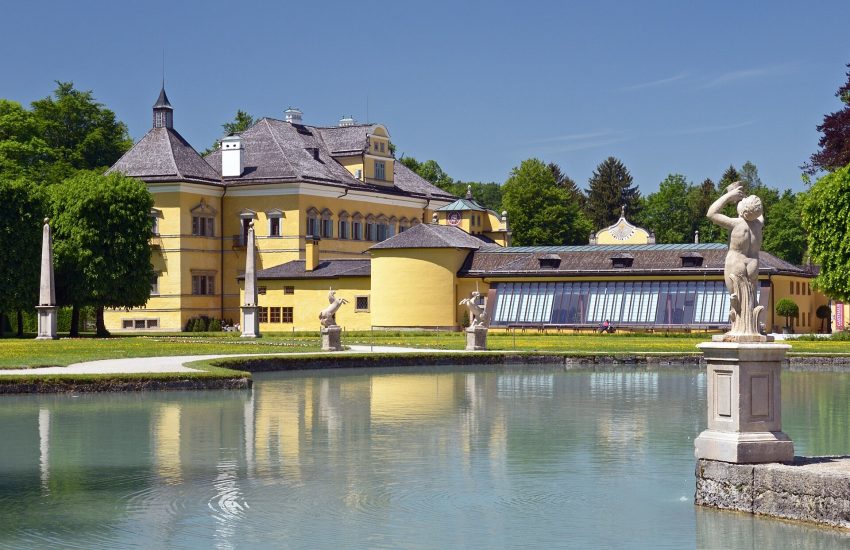
There are towns in Europe that look as though they were painted rather than built, and Telc is one of the most enchanting of them all. Tucked into the gentle hills of southern Moravia, surrounded by quiet fishponds, this small town is famous for a long market square lined with pastel Renaissance houses, each one fronted by an arcade and crowned with a playful gable. At the head of that square, gazing out over the colourful facades, stands the building that gave the town its shape and its character: the Renaissance chateau of Telc.
The chateau is not the largest residence in the Czech lands, nor the most imposing, yet it may well be the most graceful. Here a medieval stronghold was transformed in the sixteenth century into an elegant Italian style palace, filled with carved and gilded ceilings, painted halls, a jewel box of a chapel and a garden enclosed by delicate arcades. Together with the town square it forms part of a UNESCO World Heritage Site, and walking through its rooms you can feel the ambition and taste of the nobleman who dreamed it into being.
In this article we will take you through the whole story of Telc Chateau, from its Gothic beginnings to the golden age of Zacharias of Hradec, through its magnificent halls and its quiet garden, all the way to practical tips for your own visit. So settle in, because Telc is a place that rewards curiosity at every turn.
In This Article
- A Renaissance Dream at the Head of the Square
- From Gothic Fortress to Noble Seat
- Zacharias of Hradec and His Grand Vision
- Italian Masters in the Moravian Hills
- Arcades, Courtyards and Sgraffito Walls
- Through the Gate and Into the Palace
- The Golden Hall and Its Carved Ceiling
- Painted Halls Full of Stories
- The Chapel of All Saints
- Stucco, Altars and Sacred Art
- A Garden Framed by Arcades
- Watch Telc Come to Life
- Planning Your Visit to Telc Chateau
A Renaissance Dream at the Head of the Square
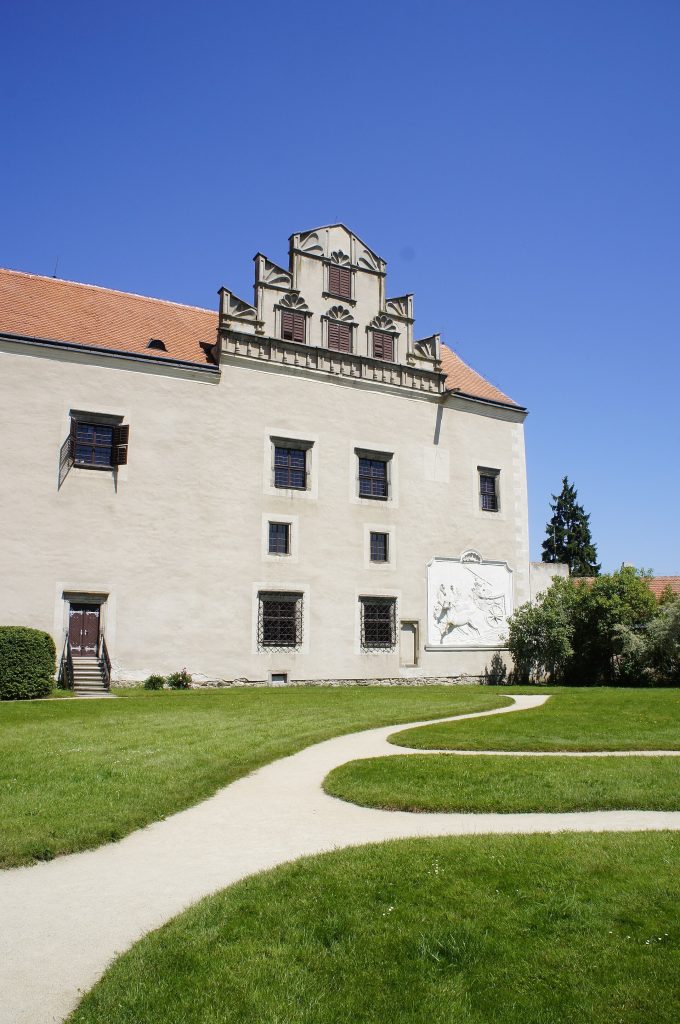
Your first encounter with the chateau usually comes at the end of the square. You stroll past the arcades and the gabled houses, perhaps stopping for an ice cream or a coffee, and then the chateau rises in front of you, its pale walls decorated with sgraffito, its windows neatly framed, its towers peeking over the rooftops. It does not shout for your attention the way some palaces do. Instead it presides calmly over the town, like a host who knows the guests will come to him.
What makes the setting so special is the way the chateau and the town belong to each other. The square, the church towers, the ponds that wrap around the old centre and the chateau itself were shaped by the same people at roughly the same time, and they share a single harmonious vision. When fire swept through Telc in the sixteenth century, the town was rebuilt under the patronage of the lords who lived in the chateau, and the result is the unified Renaissance ensemble you see today.
Step through the gateway and the noise of the square fades away. Ahead lies a courtyard framed by arcades, and beyond it a sequence of rooms that seem to grow more beautiful the deeper you go. Many visitors arrive expecting a pretty town with a castle attached. They leave realising that the chateau is the heart of the place, the key that explains why Telc looks the way it does.
If you love architecture, history, painted ceilings or simply beautiful places, this is a destination that will stay with you long after you have gone home.
It is also worth knowing that Telc is still a living town, not an open air museum. People live in the arcaded houses, children walk to school across the square, and local cafes and shops occupy the ground floors. That everyday life gives the place a warmth that more touristy destinations sometimes lack, and it makes the chateau feel like a natural part of the community rather than a monument set apart.
From Gothic Fortress to Noble Seat
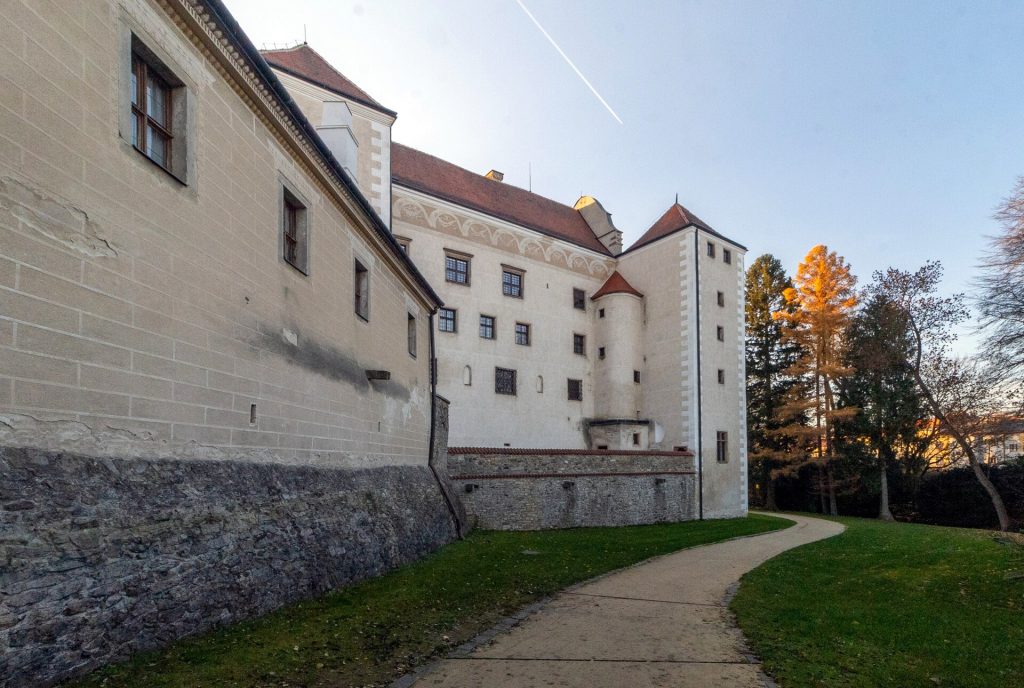
The story of the chateau begins long before the Renaissance. In the fourteenth century the area around Telc belonged to the powerful Lords of Hradec, a branch of the great Vitkovec family whose emblem was a golden rose on a blue field. They built a Gothic castle here, protected by water on several sides, to guard the land and the trade routes that crossed this part of Moravia.
That early castle was a practical place, designed for defence rather than display. It had thick walls, a fortified gate and a compact layout, and it served as an administrative centre for the surrounding estates. The town grew up beside it, laid out around a long, wedge shaped marketplace that was perfect for fairs and trade. The ponds that still surround the centre were partly created as defences and partly as fish farms, which brought valuable income to their owners.
For generations the castle remained a modest stronghold. The Lords of Hradec spent most of their time at their main seat in Jindrichuv Hradec, and Telc was just one of their many possessions. But the family was rising in wealth and status, and in the sixteenth century the estate passed to a young nobleman who would change everything.
Traces of the Gothic castle survive within the later building, especially in the thickness of some walls and in the layout of the oldest wing. As you walk through the chateau, it is worth remembering that beneath the elegant Renaissance decoration lies a much older and tougher structure, a reminder of the days when this was a frontier fortress rather than a palace of culture.
The name of the town itself has been the subject of local legend. One story claims that it comes from a calf, telec in Czech, that a group of travellers drank to celebrate a victory nearby. Whatever the truth, the tale is a charming reminder of how long people have been telling stories about this place, and how deeply rooted the town is in the folklore of the region.
Zacharias of Hradec and His Grand Vision
The man who turned Telc into a Renaissance jewel was Zacharias of Hradec, born in 1527. As a young man he travelled widely, and like many central European nobles of his generation he was captivated by the art and architecture of Italy. Around 1550 he set out on a journey to Genoa, where he joined the welcome party for the future Emperor Maximilian II. What he saw on that trip, the elegant palaces, the arcaded courtyards and the cultivated life of the Italian nobility, shaped his ambitions for the rest of his life.
Zacharias married Katerina of Valdstejn, a member of another distinguished family, and the couple made Telc their main residence. Rather than simply repairing the old castle, they decided to transform it into a modern palace that would reflect their status and their taste. Over several decades, from the 1550s into the 1580s, the medieval stronghold was rebuilt, extended and lavishly decorated.
Zacharias was not only a patron of architecture. He held important offices, including the governorship of Moravia, and he cared deeply about the welfare and appearance of his town. After a great fire, he supported the rebuilding of the houses on the square in stone and encouraged the uniform arcades and gables that make Telc so famous. In a real sense, the whole town is his legacy.
The couple had no children, and Zacharias died in 1589. His name, however, lives on in the square that still bears it, and in every room of the chateau. When you see the initials, emblems and coats of arms of the Hradec and Valdstejn families carved and painted throughout the building, you are looking at the proud signature of a man who wanted to bring a piece of Italy to the heart of Moravia.
His wife Katerina was a significant figure in her own right. She managed estates, supported the religious life of the household and shared her husband’s enthusiasm for beautiful surroundings. Many of the emblems you see around the chateau pair her family arms with his, a visible sign of their partnership. Some historians suggest that her influence on the decoration of the private rooms and the chapel was considerable.
Italian Masters in the Moravian Hills
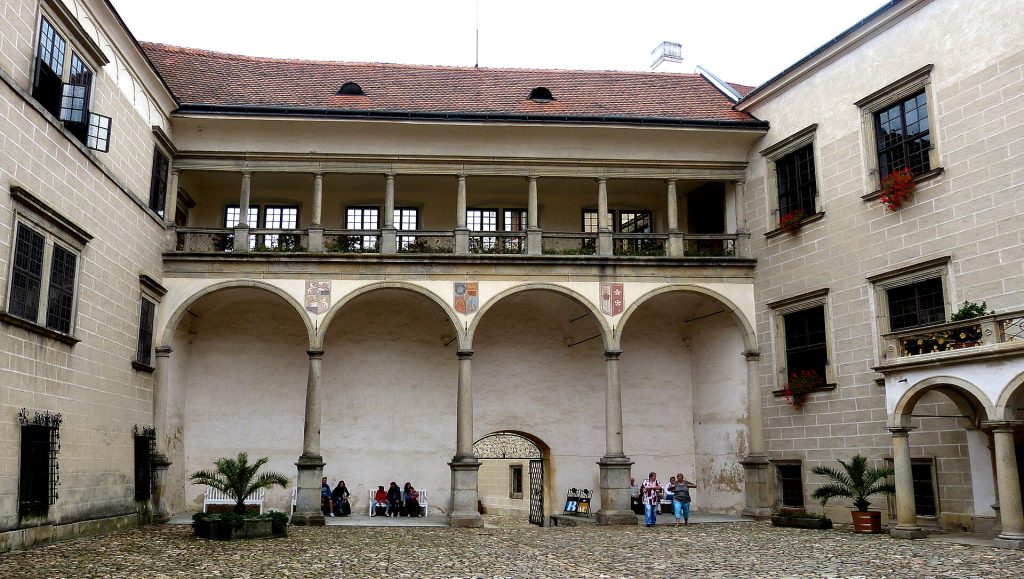
To realise his vision, Zacharias turned to builders from Italy and from the Italian speaking communities that worked across central Europe at the time. The early phase of the work was led by Antonio Vlach, and later the talented Baldassare Maggi of Arogno played a major part. Maggi was one of the leading architects of the Renaissance in Bohemia and Moravia, and his hand is visible in several important residences of the region.
These master builders brought with them the ideas of proportion, symmetry and harmony that defined Italian Renaissance architecture. They opened up the dark medieval interiors with larger windows, added arcaded loggias that let light and air into the courtyards, and organised the rooms in elegant sequences. They also introduced decorative techniques such as sgraffito, in which layers of plaster are scratched away to create patterns and pictures, and you can still see this lovely work on the walls of the chateau.
The craftsmen who followed them, carvers, stuccoists, painters and gilders, filled the new spaces with ornament. Wooden coffered ceilings were carved with astonishing skill, walls were covered with painted scenes, and doorways were framed in carved stone. The result was a building that looked unmistakably Italian in spirit, yet sat perfectly in its Moravian landscape.
It is fascinating to imagine the scene during those busy decades: carts bringing timber and stone, workshops ringing with hammers and chisels, artists sketching designs for ceilings and frescoes, and Zacharias and Katerina inspecting each new room with pride. Their ambition created one of the finest examples of Renaissance architecture north of the Alps.
The influence of these builders spread far beyond Telc. The Renaissance houses on the square, with their gables and arcades, reflect the same Italian inspired taste, and other towns in the region followed suit. In this way, the rebuilding of one chateau helped to shape the look of an entire corner of Moravia, which is part of the reason Telc was recognised by UNESCO in 1992.
Arcades, Courtyards and Sgraffito Walls
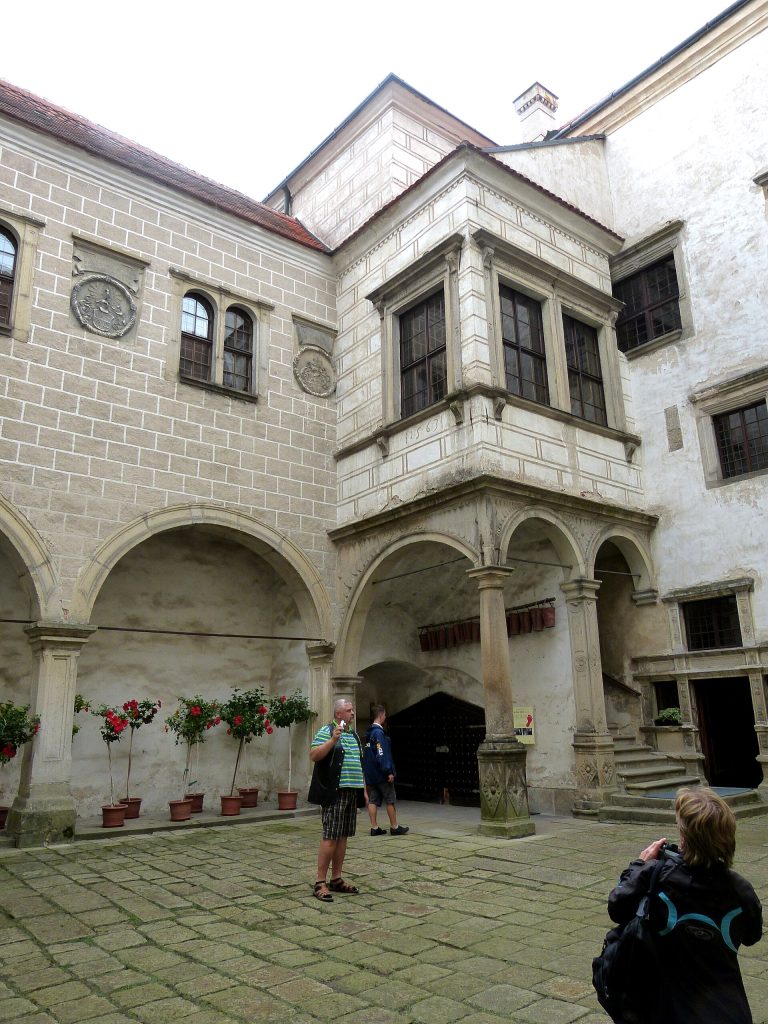
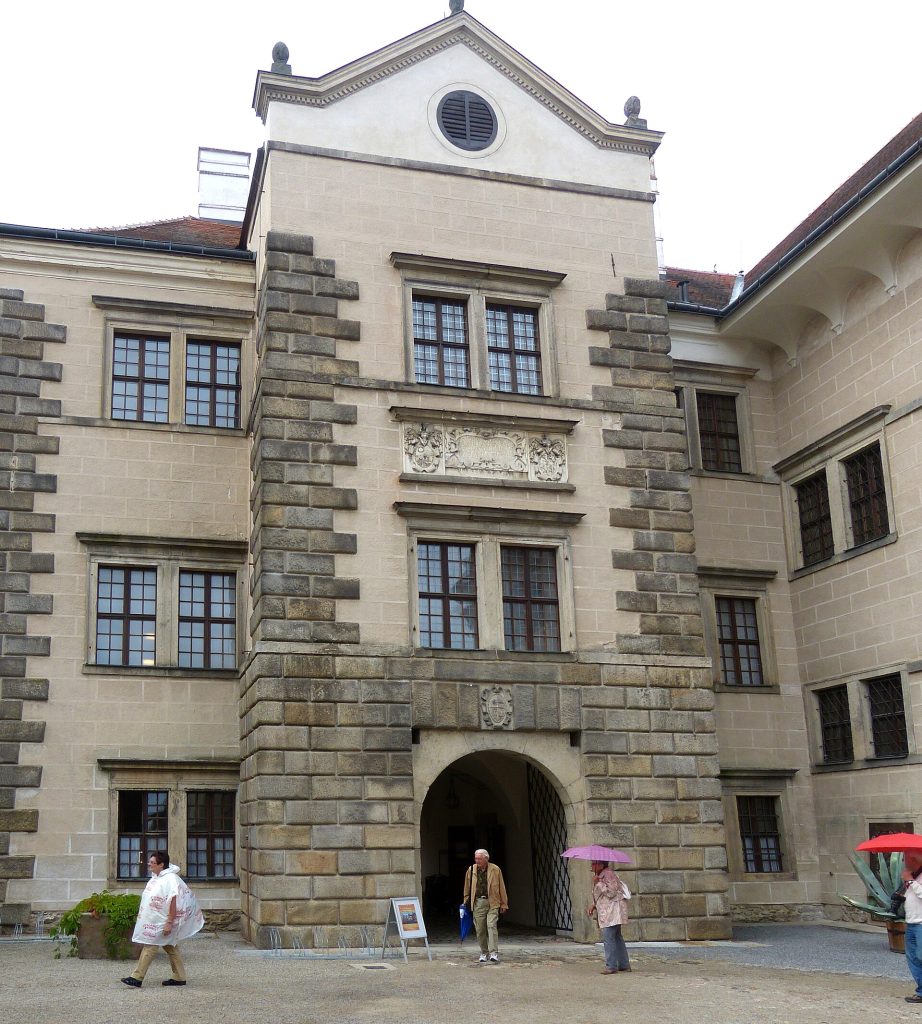
One of the great pleasures of Telc Chateau is simply wandering through its courtyards. The main courtyard is framed by graceful arcades, their rounded arches resting on slender columns, creating the kind of sheltered walkway you might find in a palazzo in Tuscany. On a sunny day the play of light and shadow across the arches is quite magical, and it is easy to picture courtiers strolling here in conversation.
A smaller courtyard offers a more intimate atmosphere. Here the scale is gentler and the details easier to appreciate up close, from the shapes of the windows to the patterns on the walls. Look carefully at the facades and you will spot sgraffito decoration, the scratched plaster technique so beloved in Renaissance Bohemia and Moravia. Sometimes the patterns imitate rusticated stonework, sometimes they form figures, garlands or coats of arms.
The coats of arms are worth a closer look. The rose of the Lords of Hradec and the emblem of the Valdstejn family appear again and again, both outside and inside the building. They were a way for the owners to declare their identity and their alliance, a kind of heraldic signature that every visitor would recognise.
These outdoor spaces also tell you something about how the chateau worked. The courtyards connected the different wings, the stables, the service rooms and the grand apartments, and they were the stage on which daily life unfolded. Servants hurried across them, guests arrived on horseback, and on special occasions they would have been filled with music and celebration.
Photographers love these courtyards, and for good reason. Early morning and late afternoon light brings out the texture of the plaster and the depth of the arches, and the simple geometry of the arcades makes for striking compositions. Even with a phone camera you can capture images that look like postcards, so keep your camera ready as you wander.
Through the Gate and Into the Palace
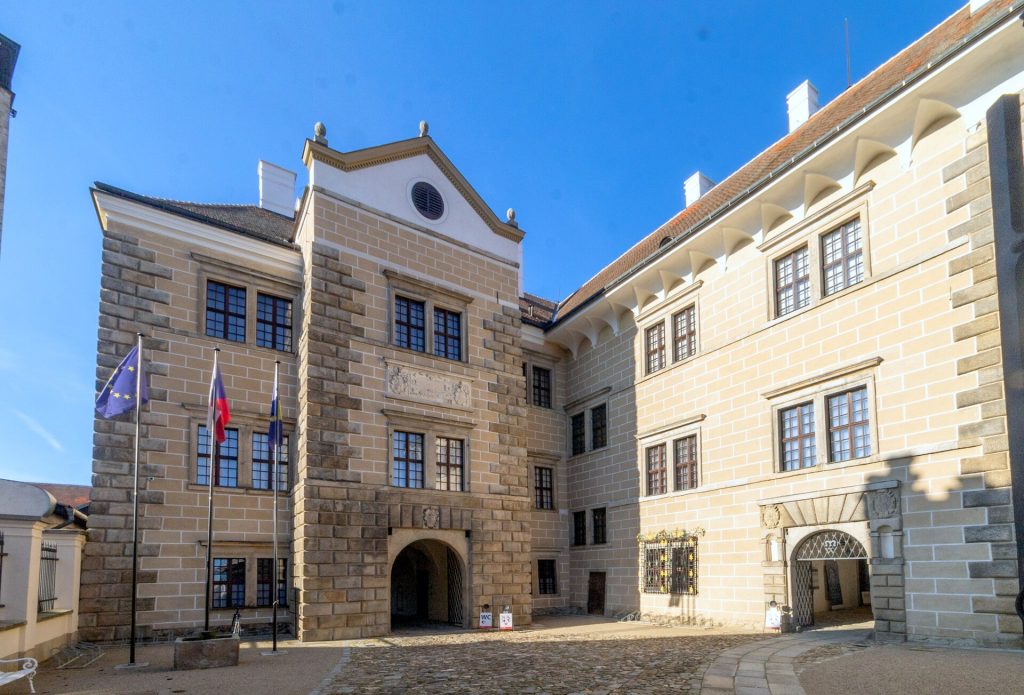
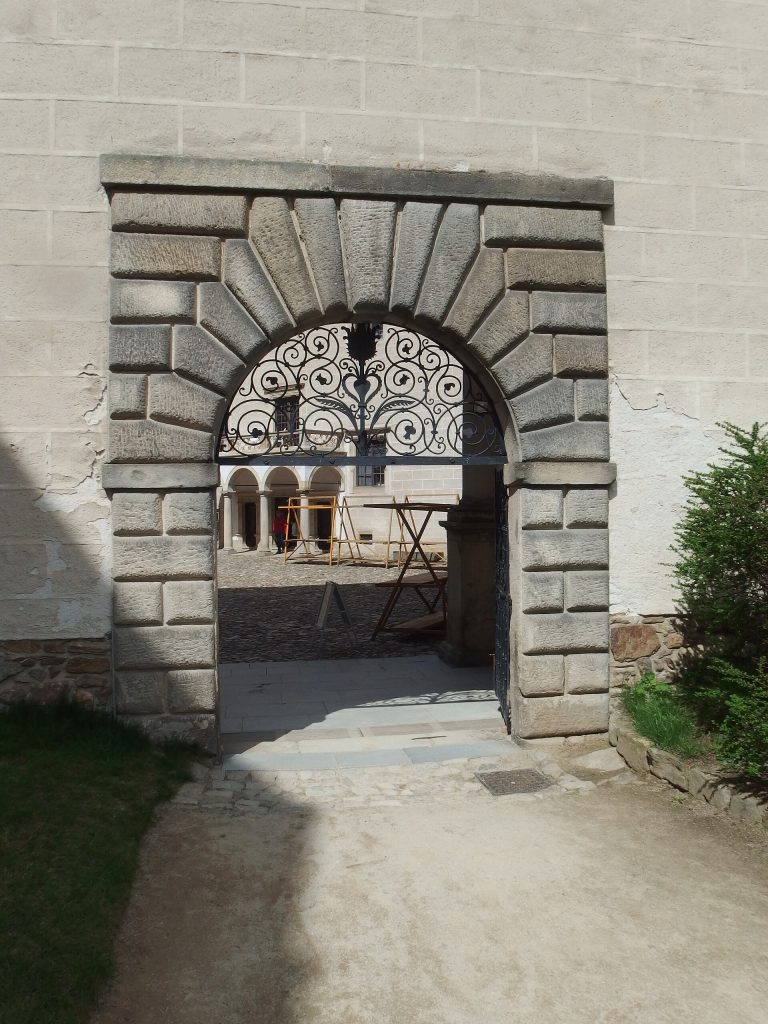
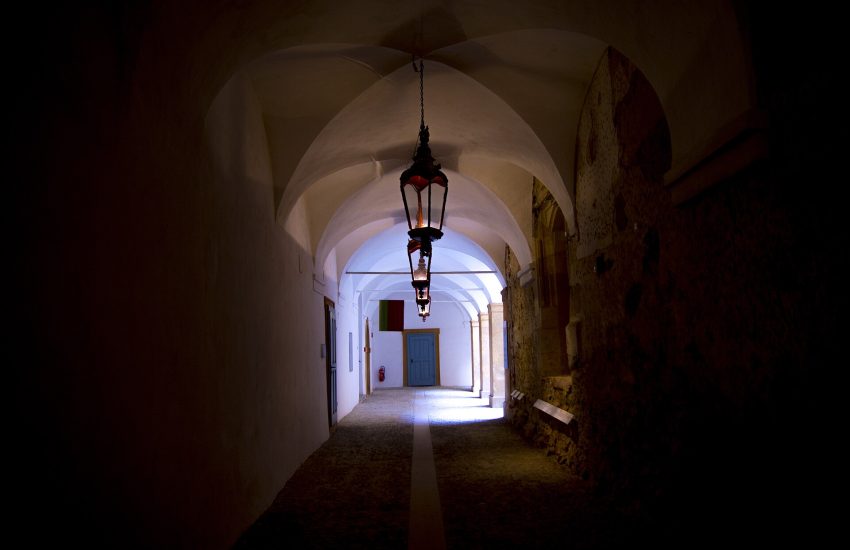
The journey into the chateau begins with its entrance passage, a vaulted corridor that leads you from the bustle of the square into the quiet world of the court. Even this functional space was designed with care, its vaults and proportions preparing you for the grandeur to come. In the days of Zacharias, every arrival was a small piece of theatre, and the gateway was where it began.
Inside, the entrance hall greets you with heavy vaulting and solid walls, a reminder of the older structure on which the Renaissance palace was built. From here staircases and corridors lead to the various wings, and the guided tours set off to explore the state rooms. The guides are knowledgeable and often full of anecdotes, so it is well worth joining a tour rather than rushing.
One of the things you notice straight away is the contrast between the sturdy lower floors and the light, decorated upper rooms. This layering is typical of Renaissance chateaux in the region: the ground floors held storerooms, kitchens and service areas, while the noble family lived and entertained on the floors above, where the views were better and the decoration more refined.
Take a moment in the entrance hall to look back toward the light of the courtyard. That transition from shadow to brightness is part of the experience, and it mirrors the transformation of the chateau itself from a dark medieval fortress into a bright Renaissance residence.
Before the tour begins, it is worth checking which route you have booked, because the chateau offers more than one, and each reveals a different side of its history. Some focus on the Renaissance state rooms, others on the later residential apartments. If you have the time and interest, combining two routes gives you the fullest picture of how the building changed over the centuries.
The Golden Hall and Its Carved Ceiling
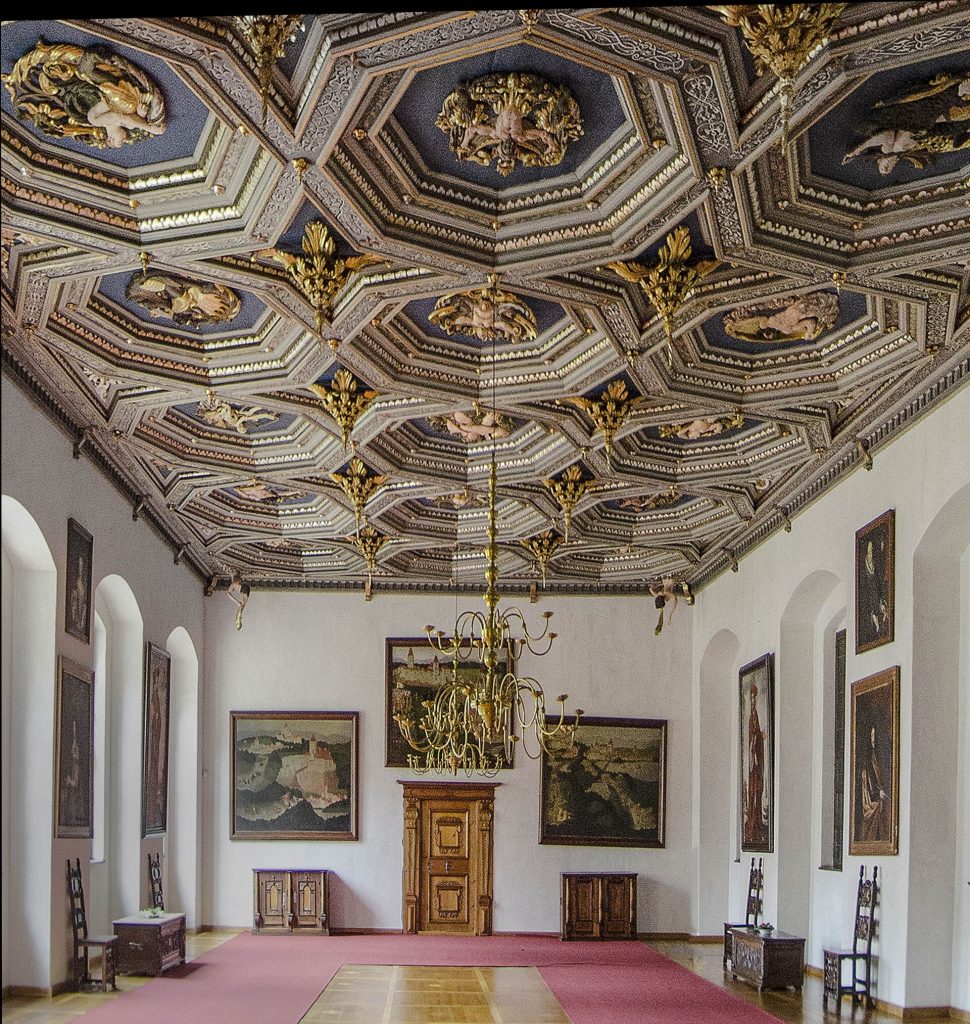
If there is one room that people remember above all others at Telc, it is the Golden Hall. Its fame rests on a breathtaking coffered ceiling made of wood, divided into dozens of deep panels, each carved and gilded with exceptional skill. Look up and you will see a dazzling grid of rosettes, mouldings and figures shimmering with gold, a ceiling that seems almost too rich to be real.
The hall was designed for grand occasions, receptions, banquets and celebrations at which Zacharias and Katerina could display their wealth and refinement. Musicians played from a small gallery, guests gathered beneath the glittering ceiling, and the room would have glowed in the light of candles reflected from all that gold. It is not hard to imagine the impression it made on visitors from across Moravia and beyond.
Many of the panels in the ceiling contain carved scenes and symbols, some drawn from mythology and allegory, others celebrating virtues that a Renaissance nobleman wished to be associated with. The level of detail is extraordinary, and it rewards patient looking. Guides often point out particular motifs, so do not be shy about asking questions.
The Golden Hall is the crowning achievement of the Renaissance rebuilding, and it is one of the finest interiors of its kind in central Europe. Standing beneath it, you understand why Telc is so often described as a pearl of the Moravian Renaissance.
It is worth mentioning that the ceiling has survived for more than four centuries, through changes of ownership, wars and the slow wear of time. Its preservation is a testament both to the quality of the original workmanship and to the dedication of those who have cared for the chateau. Restoration work has been carried out with great sensitivity, ensuring that the gold still gleams as it was meant to.
Painted Halls Full of Stories
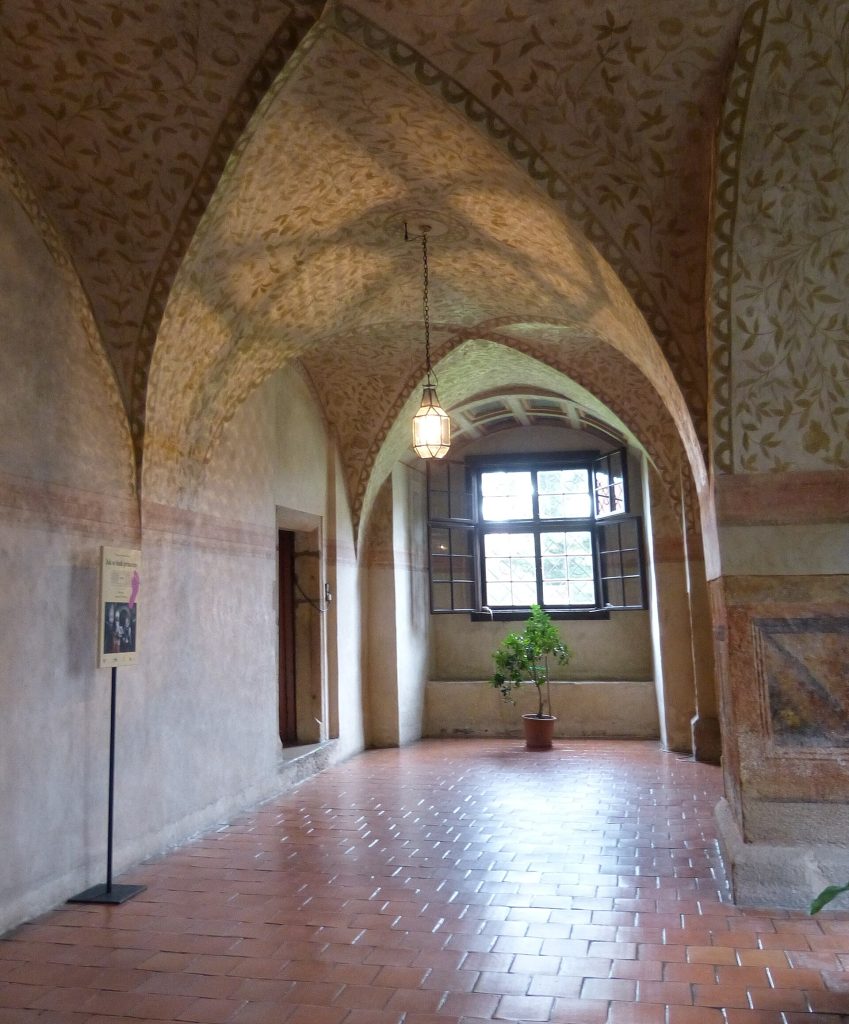
The Golden Hall is not the only remarkable room. The chateau contains a whole series of halls and chambers decorated with paintings, stucco and carved ceilings, each with its own character. In the Knights Hall, for example, the walls are covered with paintings in grisaille, a technique using shades of grey to create the illusion of sculpture. The effect is cool and elegant, and the scenes depict subjects that were fashionable among educated nobles of the time.
Other rooms feature painted wooden ceilings in rich colours, with geometric patterns, floral motifs and heraldic emblems. Some chambers were used as private apartments, others as reception rooms or spaces for display. Moving from one to the next, you get a sense of the variety and imagination that went into the decoration, as if the artists were determined that no two rooms should look alike.
There are also rooms that reflect the later history of the chateau, furnished with pieces from the eighteenth and nineteenth centuries, portraits of later owners and collections of objects gathered over generations. These layers help you see the chateau not as a frozen museum but as a home that evolved over time while keeping its Renaissance heart.
One room you should not miss is the so called African Hall, filled with hunting trophies brought back from expeditions in the early twentieth century by a member of the later owning family. It can feel surprising in a Renaissance palace, but it is a vivid reminder of the tastes and pursuits of the aristocracy in a very different age.
Some rooms also display collections of weapons, furniture, ceramics and paintings that help bring the history of the chateau to life. You might see richly inlaid cabinets, tiled stoves that once warmed the noble apartments, and portraits of the people who lived here over the centuries. Each object offers a small window into a vanished world of manners, fashions and daily routines.
The Chapel of All Saints
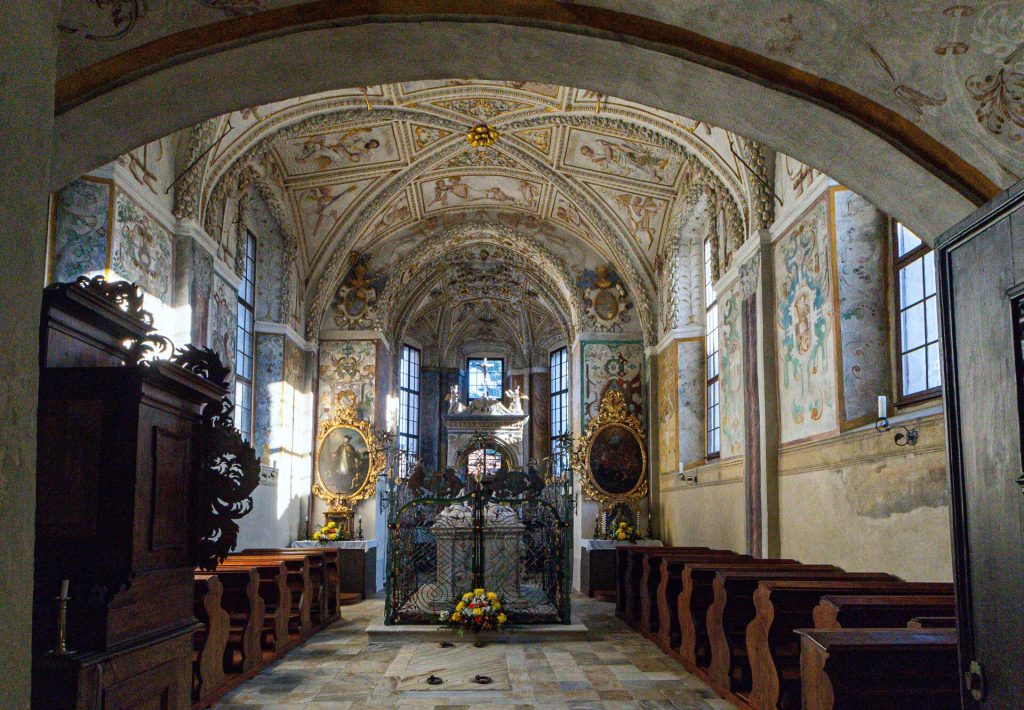
Hidden within the chateau is one of its most precious spaces, the Chapel of All Saints. Built in the second half of the sixteenth century, it was intended both as a place of worship and as a burial chapel for Zacharias and his wife. It is small compared with a parish church, but every surface seems to have been treated as an opportunity for beauty.
The walls and vaults are richly decorated with stucco, including figures and religious scenes modelled in relief. Painted details add colour, and the altar forms a striking focal point. The overall effect is warm and devotional, a world apart from the public grandeur of the Golden Hall.
In the chapel you will also find the tomb of Zacharias of Hradec and Katerina of Valdstejn, marked by carved coats of arms of their two families. It is a moving place to pause. After all the splendour of the state rooms, here you are reminded that the couple who created this extraordinary building also faced the same mortality as everyone else, and chose to rest forever within the walls they had made so beautiful.
The chapel is a fine example of how the Renaissance in central Europe blended Italian forms with local traditions of faith and craftsmanship. Take your time, look closely at the stucco figures and the heraldry, and enjoy the quiet atmosphere.
Access to the chapel is usually included in one of the guided routes, and the guides often save it for a quiet moment near the end. Listen closely to their explanations of the iconography, because the meaning behind many of the figures is not obvious at first glance, and understanding it adds a whole new dimension to the visit.
Stucco, Altars and Sacred Art
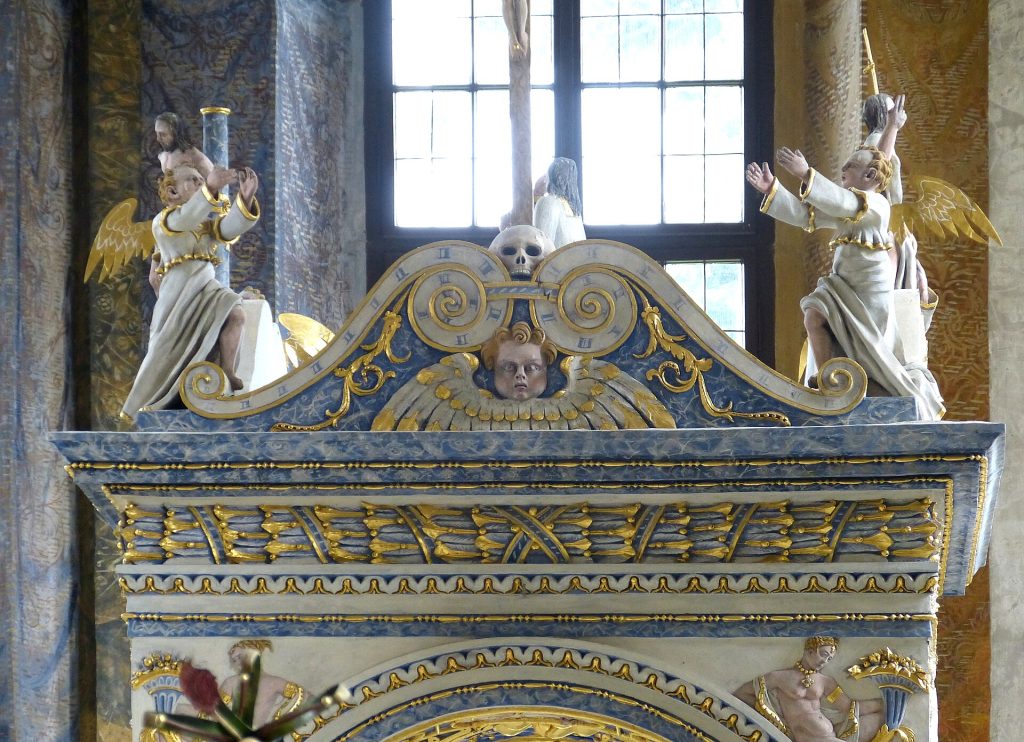
The decoration of the chapel deserves a closer look of its own. The altar draws the eye with its carved frame and painted imagery, and around it the stuccoists created a remarkable programme of figures and ornaments. Angels, saints and symbolic motifs fill the space, each one modelled by hand in soft plaster that hardened into lasting forms.
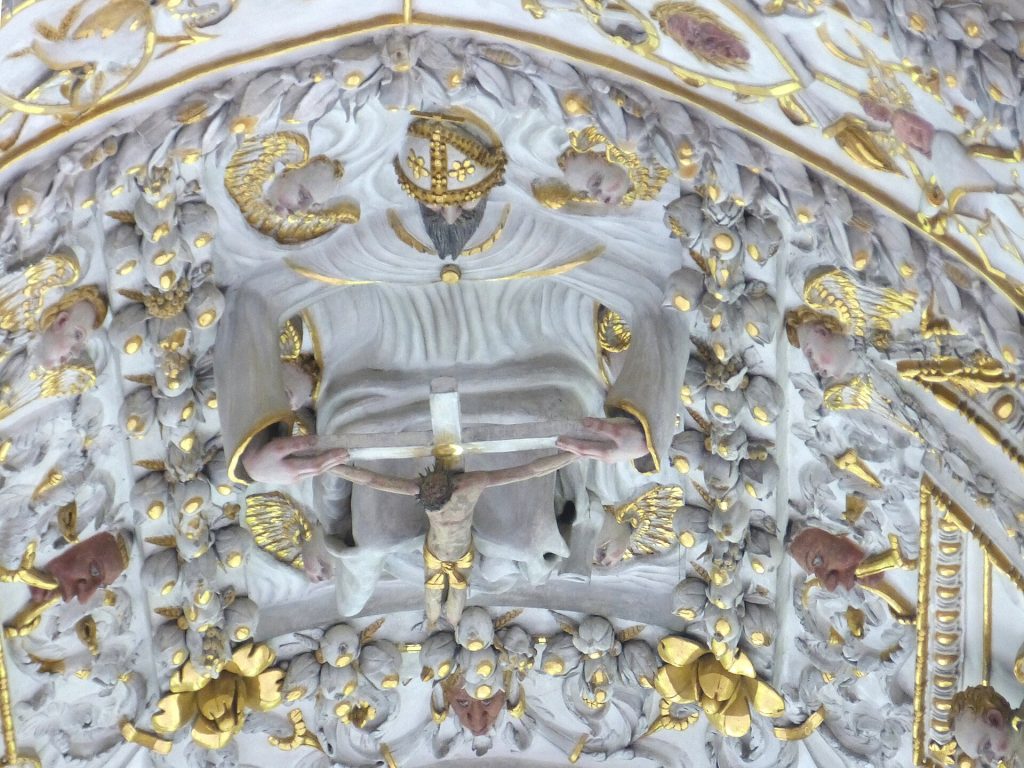
One of the most interesting elements is a stucco depiction of the Holy Trinity, a subject that was especially important in the religious thinking of the time. The figures are full of movement and expression, and they show how skilled the craftsmen working at Telc really were. Nearby, painted details and gilding pick out the architectural lines of the chapel and add a sense of richness.
These works were created at a time of great religious tension in central Europe, when Catholic and Protestant ideas competed across the region. The careful choice of subjects in the chapel reflects the beliefs and loyalties of its patrons, and historians still study such details to understand the faith of noble families in the sixteenth century.
For most visitors, though, the chapel is simply a place of quiet beauty. Whether you are interested in art history or not, it is hard not to be touched by the care and devotion that went into this small, luminous space.
If you enjoy sacred art, Telc has more to offer beyond the chateau walls. The churches around the square and the town contain fine altars, paintings and sculptures from several periods, and a short walk lets you compare the courtly devotion of the chateau chapel with the faith of the townspeople who worshipped nearby.
A Garden Framed by Arcades
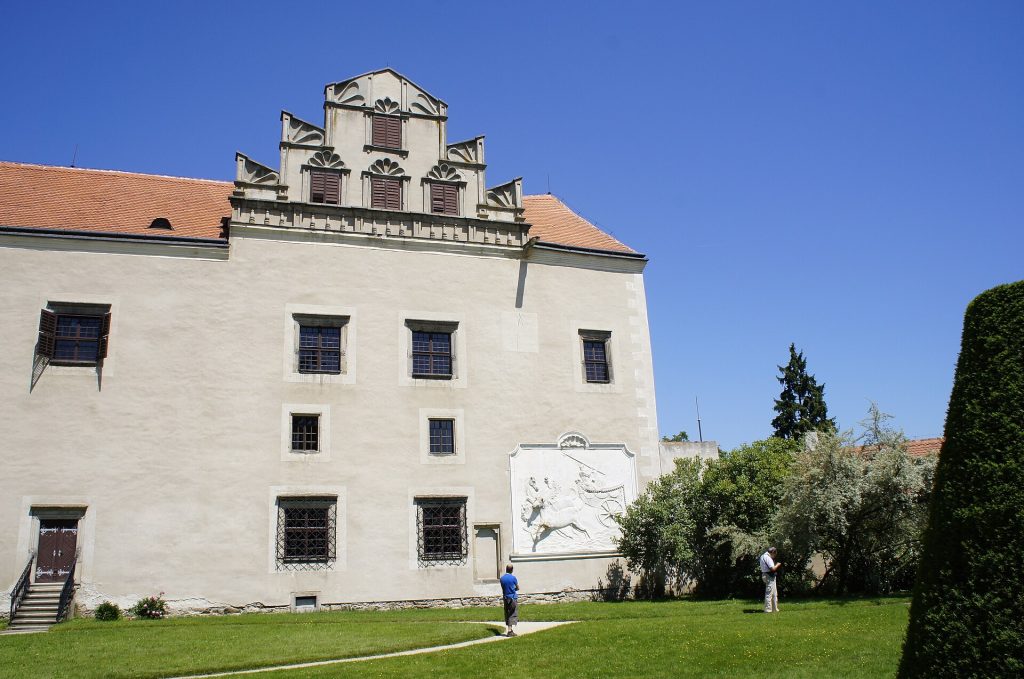
Behind the chateau lies a garden that perfectly complements the elegance of the building. In the Renaissance, gardens were seen as outdoor rooms, places for walking, conversation and contemplation, and the garden at Telc was laid out in that spirit. It is enclosed on one side by a long arcaded gallery, which offered shade and shelter while framing views across the lawns and flower beds.
Look out for the decorative portals and details that link the garden to the architecture of the palace. These features show how carefully the designers thought about the relationship between inside and outside. Wandering here, you can enjoy views of the chateau towers, the church spires of the town and the calm water of the nearby ponds.
Beyond the formal garden stretches a larger park, more natural in character, with mature trees and paths that invite a gentle stroll. In summer it is a lovely place to escape the crowds of the square, and in autumn the colours of the leaves reflected in the ponds make it especially photogenic.
The gardens also host occasional events and festivals, especially during the summer season, when Telc comes alive with music and culture. If your visit coincides with one of these, you may find the chateau grounds filled with an atmosphere that Zacharias himself would surely have enjoyed.
Do not forget to look back at the chateau from the far side of the ponds. From there you can see how the palace, the town and the water fit together in a single composition, a view that has inspired painters and photographers for generations. It is one of the best spots in Telc for a quiet moment of reflection.
In spring the flower beds are freshly planted and the trees come into leaf, while summer brings long, light evenings perfect for a walk. Even in winter, when the paths are quiet and frost settles on the lawns, the garden has a calm and slightly melancholy beauty.
Watch Telc Come to Life
Words and pictures can only go so far in capturing the charm of Telc. The video below takes you on a visual journey around the town and the chateau, from the colourful facades of the square to the courtyards, halls and gardens of the palace. It is a wonderful way to prepare for a visit, or to relive one if you have already been.
As you watch, look out for the arcades of the square, the elegant chateau facades and the gentle landscape of ponds that surrounds the old centre. Seeing the place in motion helps you understand how the town and the palace fit together as a single work of art.
If the video tempts you to plan a trip, keep reading for practical advice on how to get there, what to expect and how to make the most of your time.
Planning Your Visit to Telc Chateau
After the death of Zacharias in 1589, Telc passed through the hands of several noble families. The Slavata family, related to the Lords of Hradec, held it for a time, and later the estate came to the Liechtenstein Kastelkorn line and then to the Podstatzky Lichtenstein family, who lived here until 1945. After the Second World War the chateau became state property, and today it is cared for by the National Heritage Institute, which has preserved its interiors with great care.
Telc lies in the Vysocina Region of southern Moravia, roughly halfway between Prague and Vienna and a comfortable drive from Brno. Many visitors come by car, but there are also bus and train connections, and the town is easy to explore on foot once you arrive. The chateau stands at the western end of the square, so you cannot miss it.
Visits to the interiors are usually by guided tour, with different routes covering the Renaissance halls, the chapel and the later apartments. Tours run mainly from spring to autumn, with reduced opening in the colder months, so it is wise to check the current schedule before you travel. Arriving early in the day helps you avoid the busiest times, especially in summer.
Plan to spend at least half a day in Telc so you can combine the chateau with a slow walk around the square, a visit to the churches and a stroll along the ponds. If you can stay overnight, you will see the square in the soft evening light after the day visitors have gone, which is one of the most memorable experiences the town can offer.
Telc also makes a superb base for exploring the wider region. The Vysocina highlands are dotted with castles, chateaux, pilgrimage churches and quiet villages, and the landscapes of forests, fields and ponds are wonderful for walking and cycling. Food lovers should look out for local specialities such as freshwater fish from the ponds, hearty Moravian dishes and good regional beers.
Above all, give yourself time. Telc is a place to be savoured slowly, not ticked off a list. Sit under the arcades with a drink, watch the light change on the facades, and let the elegant spirit of Zacharias of Hradec work its quiet magic on you.
View the location on Google Maps
Palaces Nearby
If Telc has won your heart, the Czech lands hold many more princely residences. Here are two more remarkable places well worth adding to your journey:
- Konopiste Chateau – the Bohemian home of Archduke Franz Ferdinand, filled with hunting trophies and a vast collection of Saint George art.
- Cesky Sternberk Castle – a dramatic Bohemian fortress above the Sazava River, home to the Sternberg family for most of almost eight centuries.
You May Like
Eggenberg Palace in Graz and Its Secret Calendar of the Cosmos