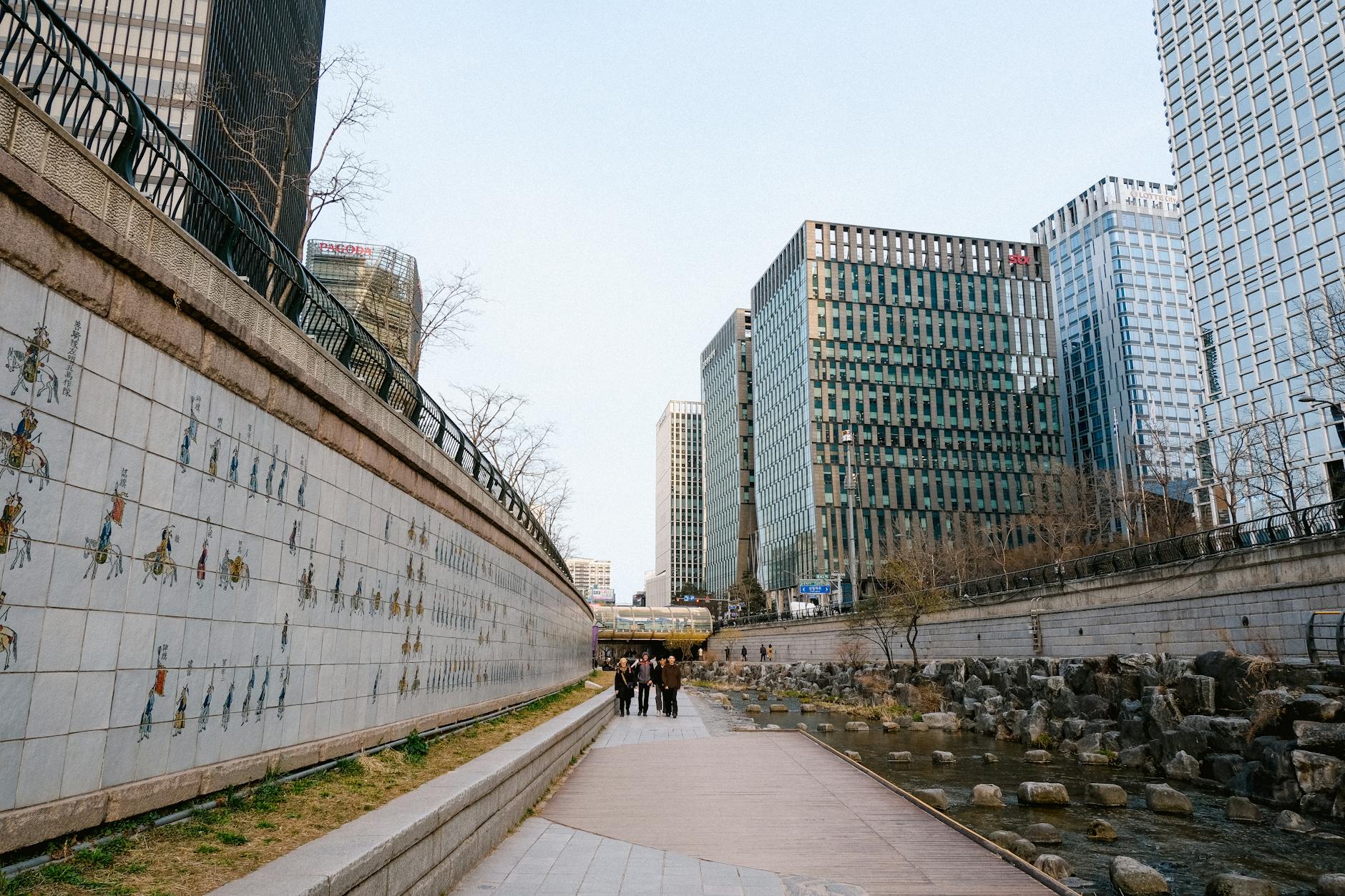
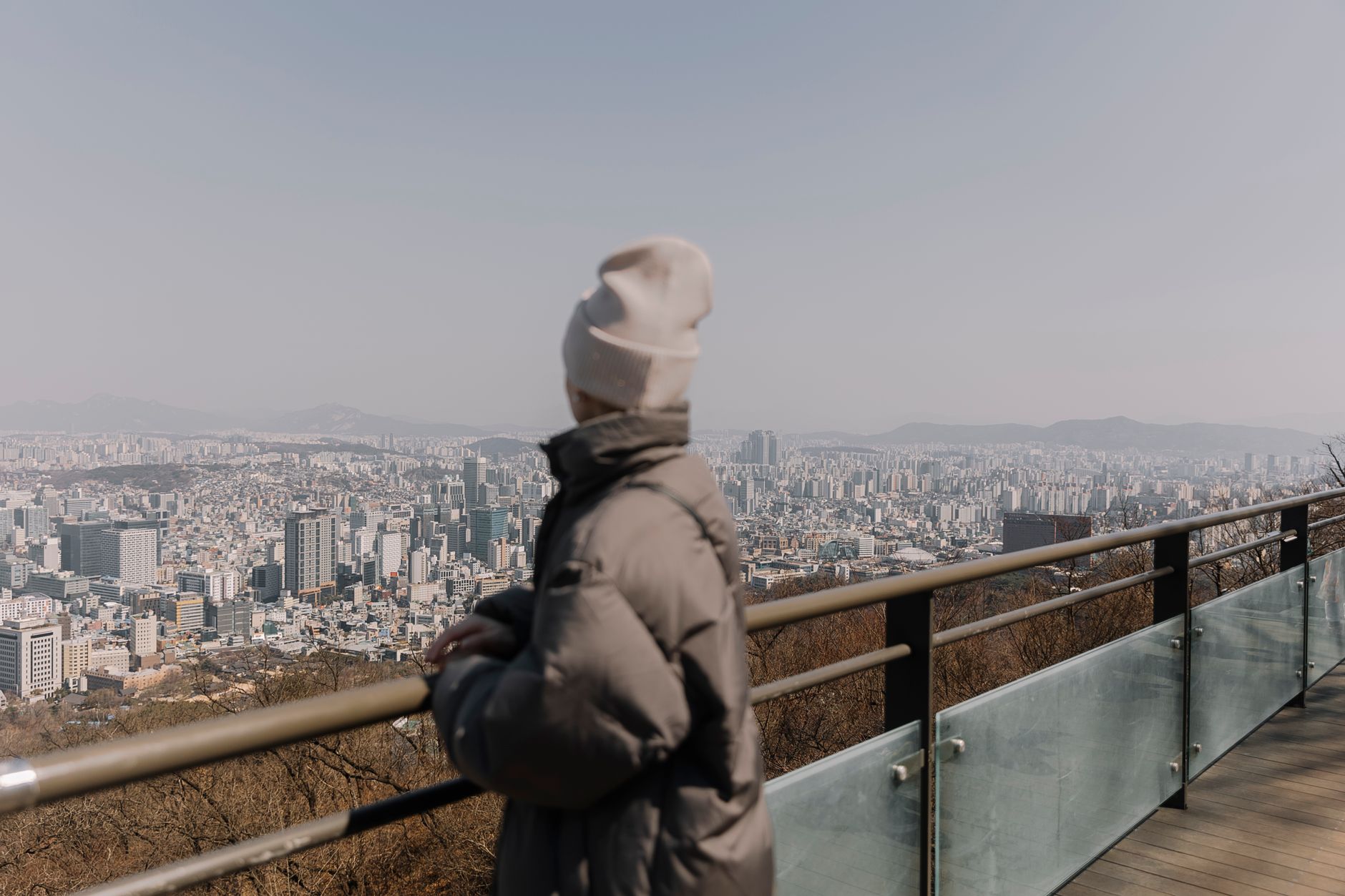
Seoul is located in the northwest of South Korea and the distance to the North Korean border is only 40 km from the city center. Seoul, both a modern and historical megacity, was razed to the ground by the Japanese in the 16th and 17th centuries, and even the city was almost entirely destroyed in the Korean War, only to be rebuilt in the 1950s.
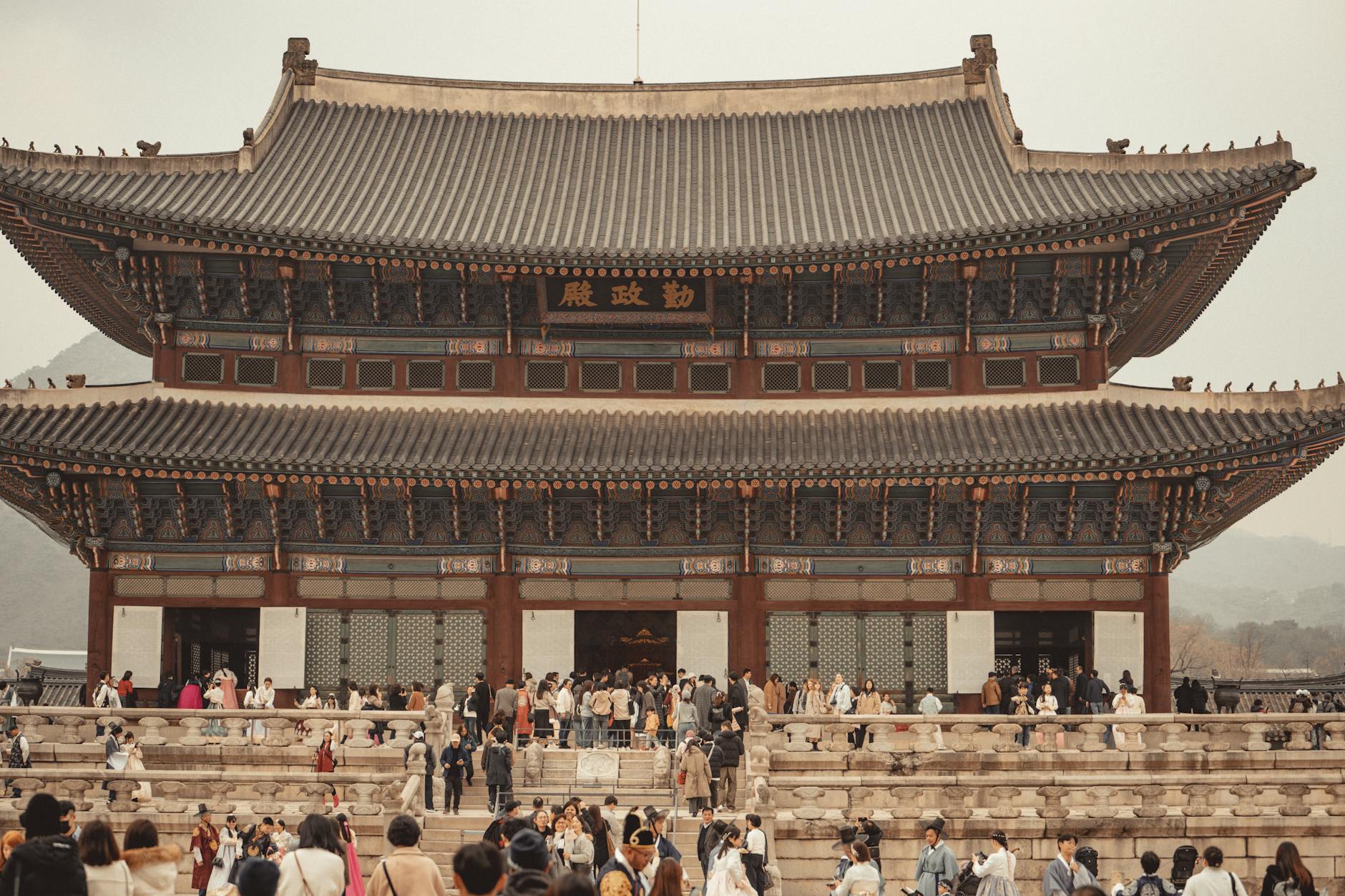
Despite all this, it still manages to contain the hidden secrets of history in its temples and pagodas, magnificent palaces and magical gardens. Seoul, which is still surrounded by 16 kilometers long city walls, today integrates modern technology with history. Because Koreans value their history very much, they have preserved their architecture very well, and you can definitely find traces of history in every corner of today’s cosmopolitan Seoul.
It is undeniable that the 1988 Seoul Olympics made a great contribution to the development of the city. After the Olympics, world-renowned Seoul began to modernize at a tremendous pace and became one of the most important capitals of today.
Seoul is the most important financial, political and cultural center of South Korea with its government buildings, banks, business centers and universities.
The main reasons why Seoul is attractive to tourists are that it has beautiful, affordable hotels and a well-functioning public transportation system. The Han-Gang river divides this mega city of 12 million people into two. Chung-gu, which can be called the city centre, Chongno-gu, where touristic and affordable hotels are located in the north of the city, and It’aewon-dong, where the best shops for shopping are located and where the heart of the nightlife beats, is in the south.
It’aewon-dong, located in the south of Namsan Mountain, is the most popular city for tourists and those who want to shop. We cannot say that Kangnam in the south, which is the most exclusive and richest neighborhood of the city, is very attractive for tourists because the historical buildings are mostly located in the northern regions.
It is very likely that you will get lost on the streets of Seoul because the addresses and street numbers are placed very chaotically. If you’ve been to Japan, you know what we mean! When you go as a tourist, the most necessary thing for you will be a very detailed map. Even for locals in Seoul, it’s not always easy to navigate the streets!
This is because street numbers are not consecutive numbers, they are random numbers and the streets are arranged very irregularly. Considering that we, as people living in Turkey, are no strangers to this, it will be easier for us Turks to find our way!
When to go?
Seoul is beautiful all year round, it’s up to you to decide when to go. Autumn months (September, October, November) are the most preferred times by tourists, because you can enjoy the beautiful weather in autumn and see magnificent colors in the most beautiful forests of the world. Winters in Seoul can be harsh and often snowy.
We recommend that you do not miss the cherry season, which starts at the beginning of spring (February). Summers are very hot and humid, so they are not very attractive for tourists. Make sure that your trip to Seoul does not coincide with local holidays for Koreans, because you may not be able to cope with the thousands of people on the streets and on public transportation and the crazy crowds in the shops.
Holidays
Lunar New Year (Solnal): The first day of the new moon is celebrated throughout the country. You can watch traditional dance festivals and interesting shows held in many parts of the city.
Buddha’s birthday: According to the lunar calendar, it falls on the eighth day of the first quarter, that is, between April and May. Traditionally, a march is held every year from Youido Plazato Chogyesa Temple.
Korean Thanksgiving Day (Ch’usok): Also known as the Moon Festival, it falls between September and October. Thanksgiving is very important for Koreans and everyone gets together with their families.
Apart from these, there are many festivals held throughout the year. At these festivals, traditional Korean clothes can be seen and traditional music can be listened to.
You May Like
Amasya Hotel Pension Accommodations