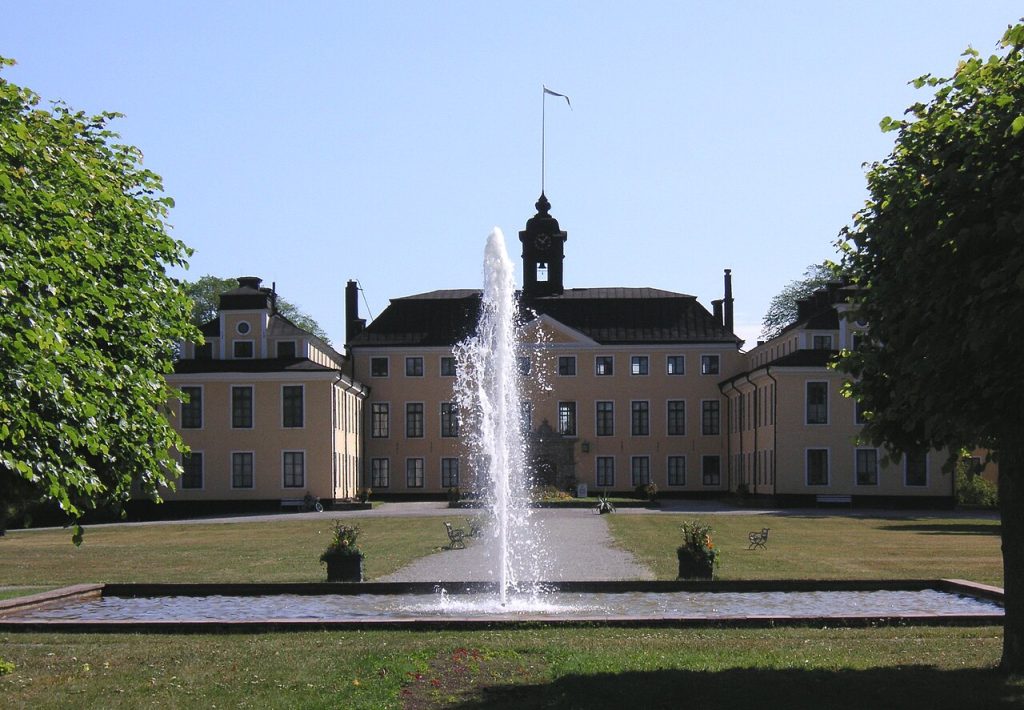
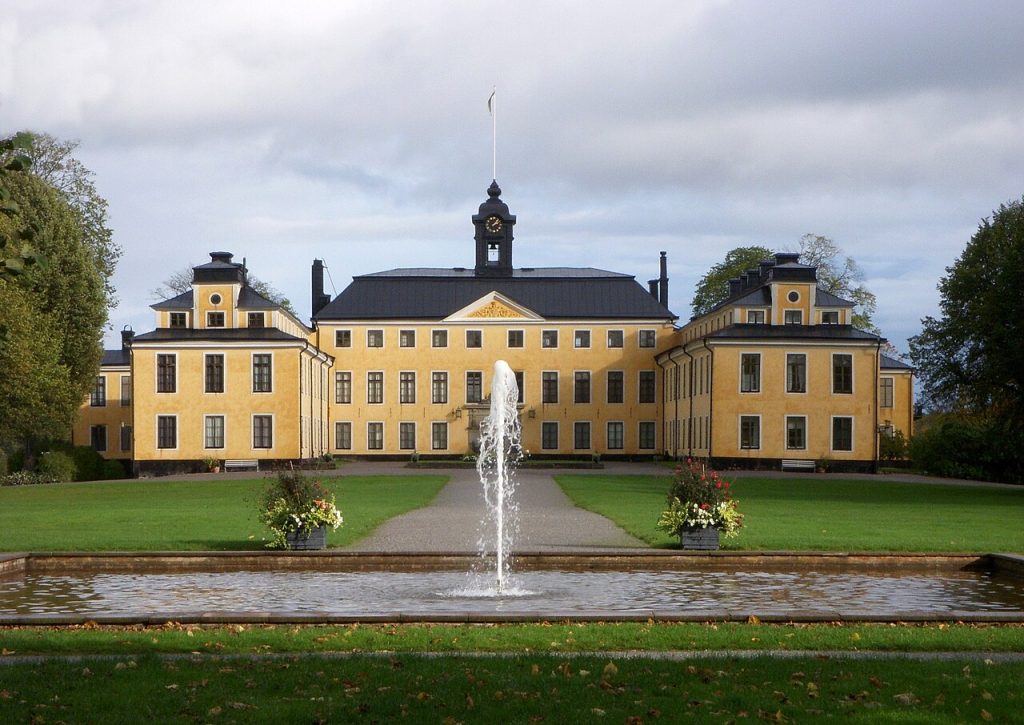
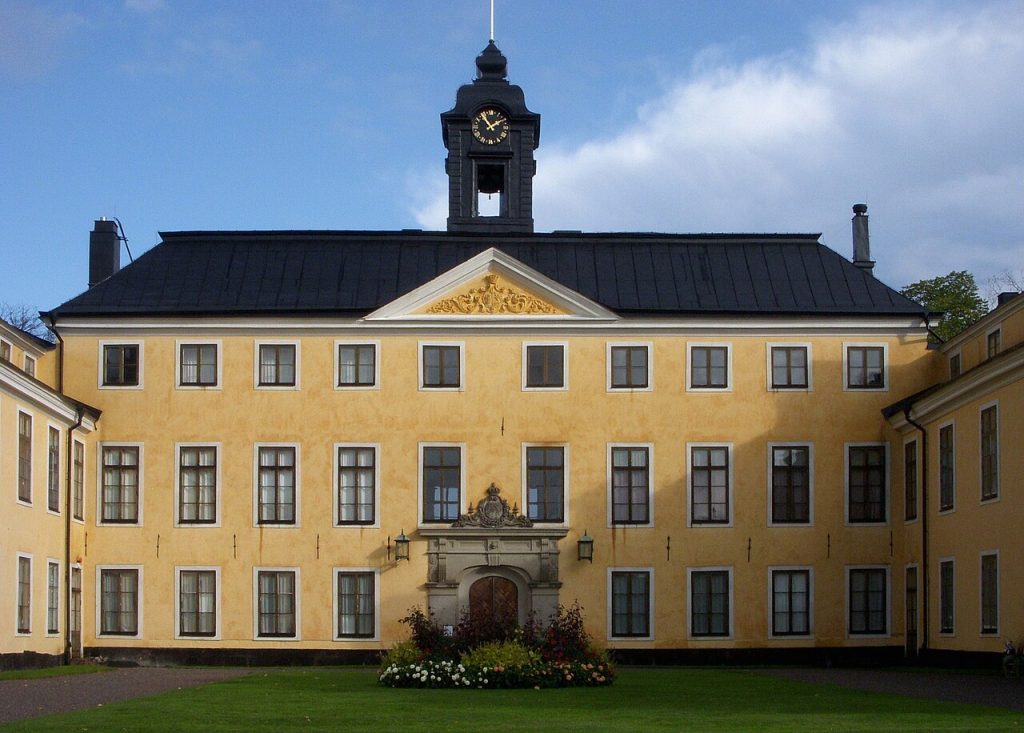
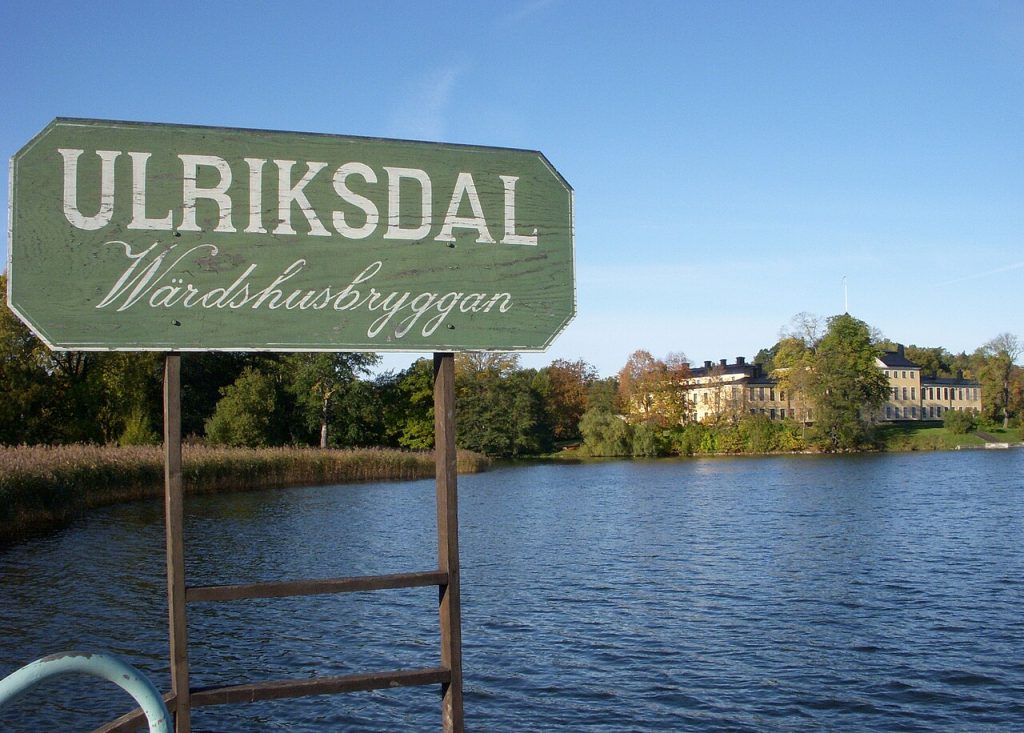
Now, stop on the lawn between the palace and the water, and notice how close the city is. Stockholm begins a few minutes away, the motorway hums somewhere behind the trees, and yet this looks like a country estate that has never heard of a capital.
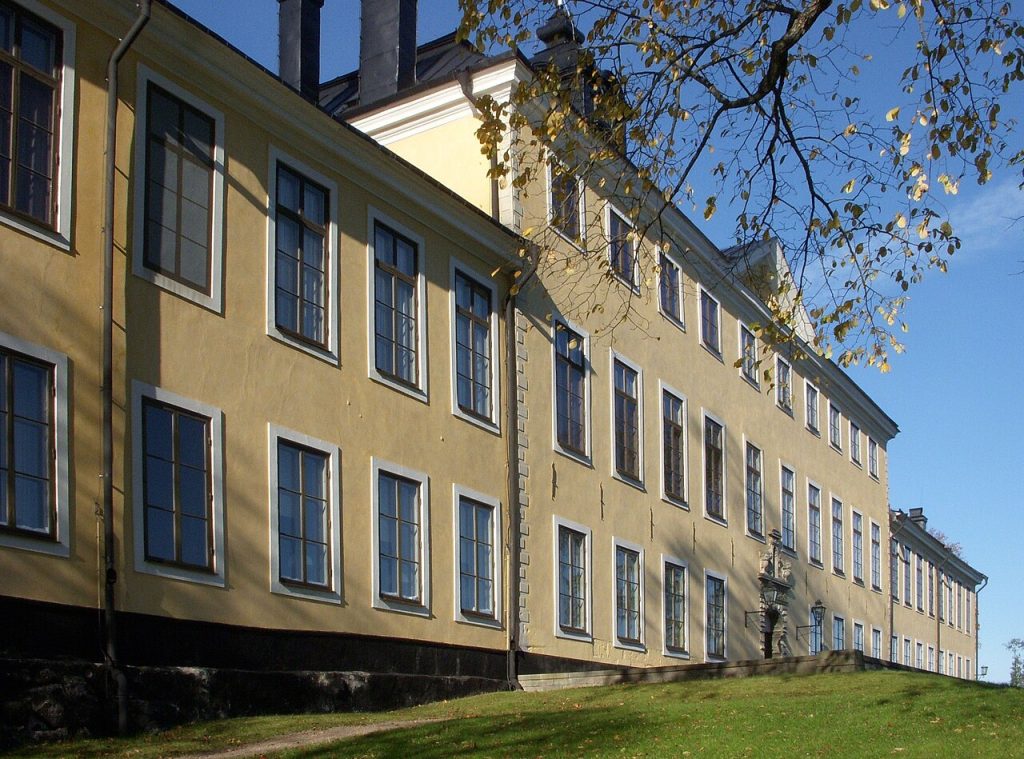
That is exactly what Ulriksdal was for. Swedish royalty had Stockholm Palace for governing and Drottningholm for display. Ulriksdal was where they came to stop performing: a smaller yellow house in a park, with a theatre in the outbuildings and a view of the water.
Six monarchs used it in six different ways, and the building carries all of them at once. It is the least grand of the major Swedish royal palaces and, for that reason, the most readable.
- Jakobsdal and the Chancellor’s Villa
- Hedvig Eleonora Buys a Retreat
- How It Became Ulriksdal
- The Tessins and the Shaping of the House
- Confidencen, the Oldest Rococo Theatre
- Gustav III and the Invalid Soldiers
- Karl XV and the Collector King
- Gustaf VI Adolf, Gardener and Archaeologist
- The Park and the English Landscape
- The Orangery and Its Sculpture
- The Chapel in the Trees
- What the Palace Is Used For Now
- Seeing It Properly
Jakobsdal and the Chancellor’s Villa
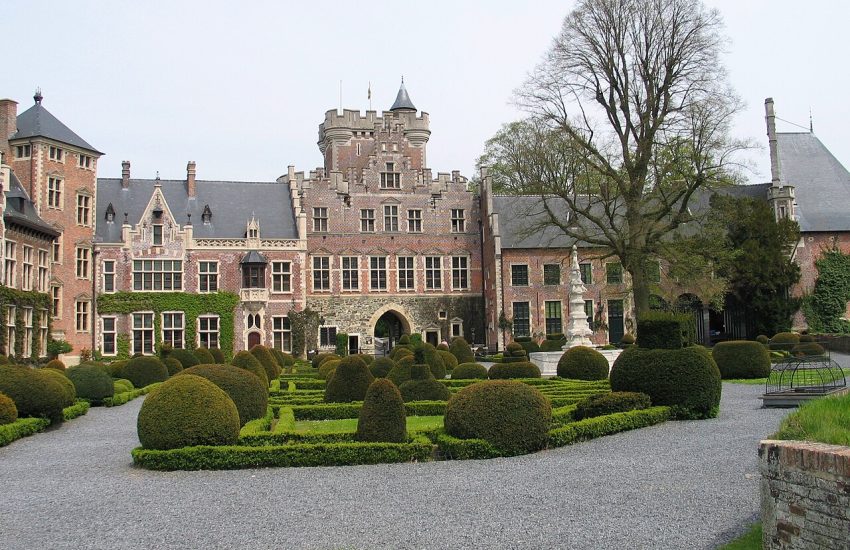
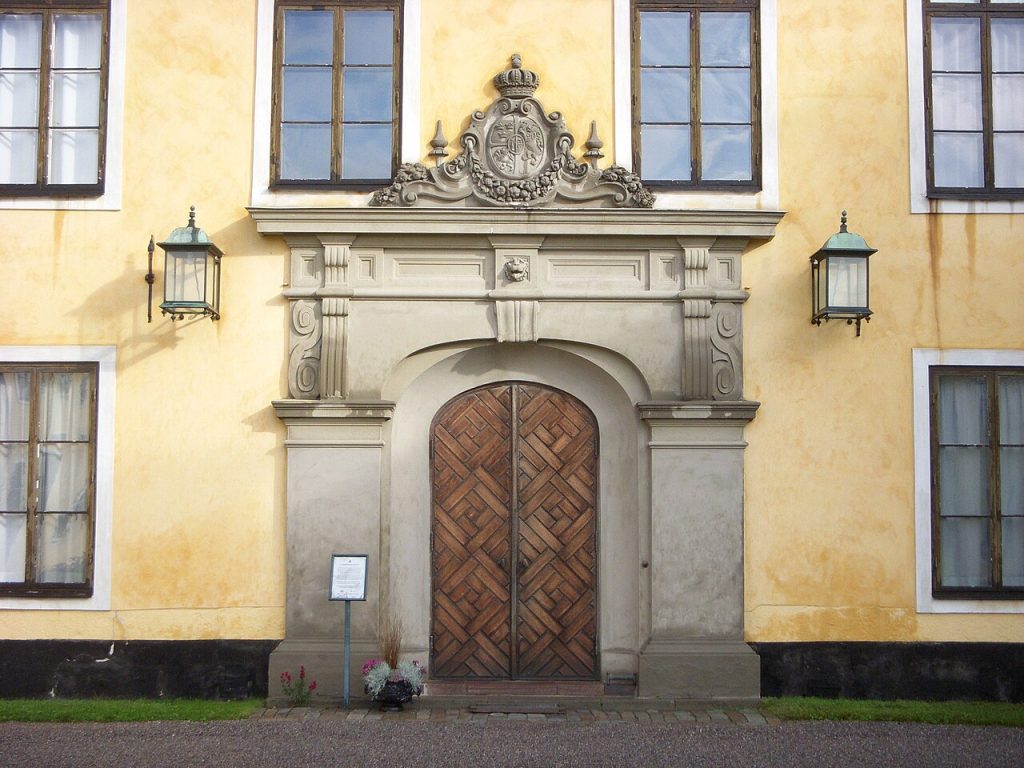
The estate begins in the 1640s, when Jakob De la Gardie, marshal of the realm and one of the richest men in Sweden, built a country house here and called it Jakobsdal after himself. The De la Gardie family were the great builders of the Swedish imperial age.
The original house was a compact rectangle with wings, in the restrained Dutch-influenced manner then fashionable. Much of it survives inside the present building, buried under later remodelling.
Look at the central block and ignore the decoration. The proportions are 1640s, and they are the quietest thing on the site.
Hedvig Eleonora Buys a Retreat
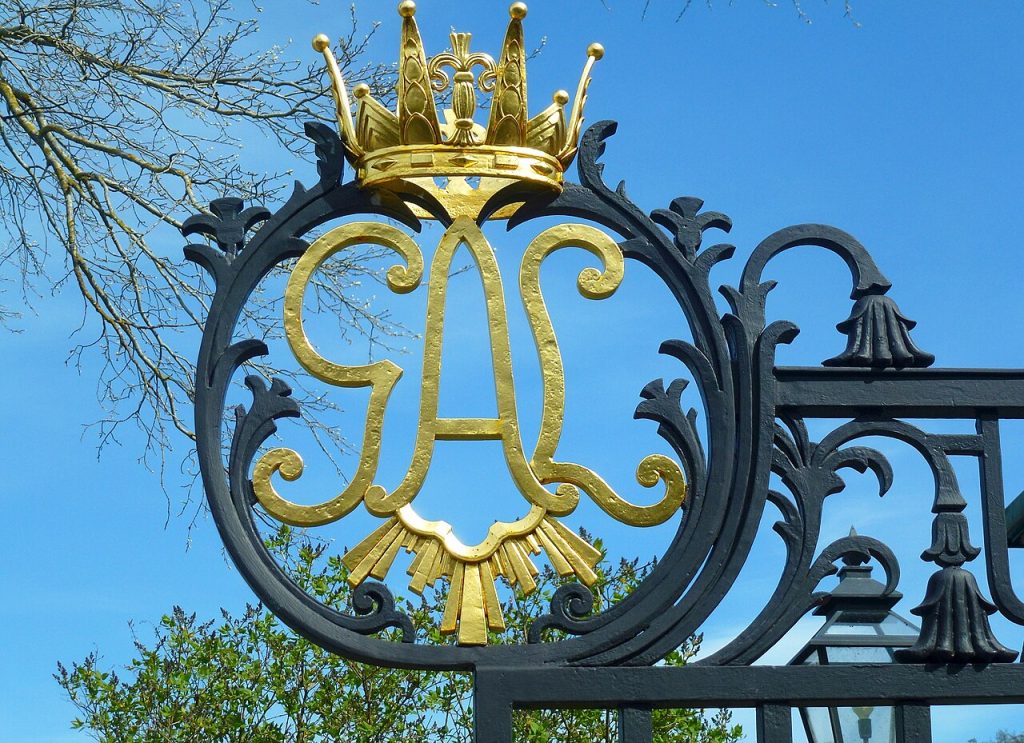
In 1669 the dowager queen Hedvig Eleonora bought the estate. She was the most important patron of architecture in seventeenth-century Sweden, the builder of Drottningholm, and a woman who governed as regent for her son and later her grandson.
She used Jakobsdal as a hunting and summer house, enlarged it, and brought in the architects who were rebuilding royal Sweden. Her ownership is the moment the estate becomes royal and stops being merely noble.
Her taste runs through the whole site: solid, Dutch-inflected, expensive without being gaudy. Swedish baroque is a cooler thing than its southern equivalent, and she is a large part of the reason.
How It Became Ulriksdal
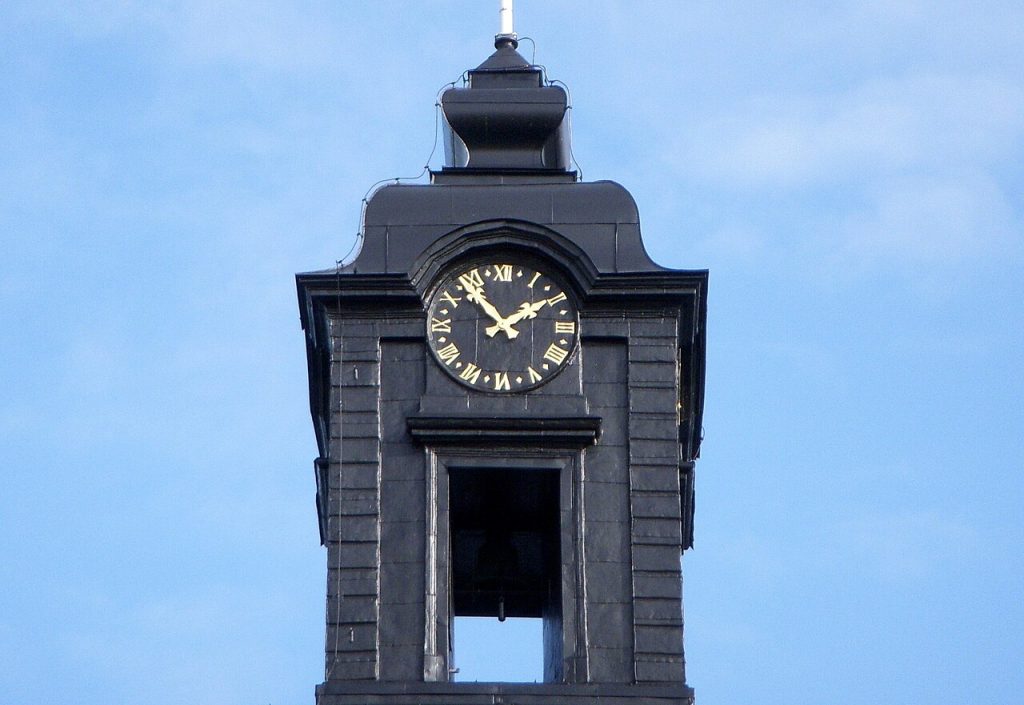
In 1684 she gave the palace to her grandson Ulrik, and the estate was renamed Ulriksdal in his honour. The child died the following year, aged one, and the name stayed.
It is a small, sad detail that explains the name of one of Sweden’s royal palaces, and it is the kind of thing that guidebooks mention in a sentence and then move past. Stand in the courtyard and consider that the house is named after a baby who never saw it.
Royal buildings are full of these accidents. The grand narrative is usually assembled afterwards from a series of unplanned events.
The Tessins and the Shaping of the House
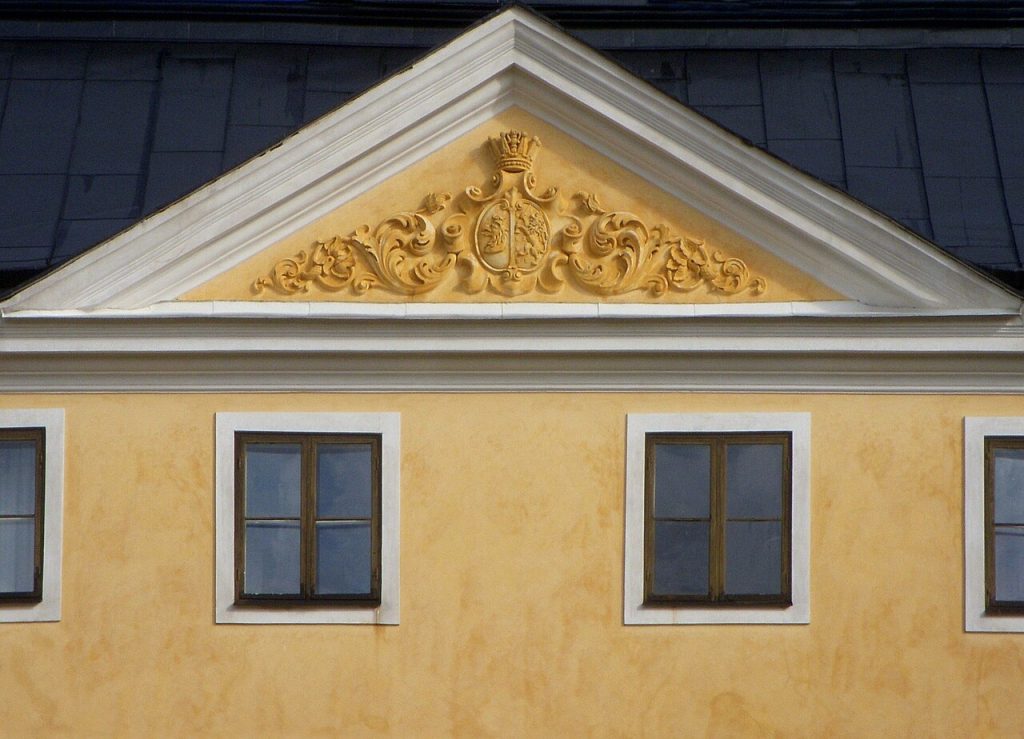
Nicodemus Tessin the Elder and his son Nicodemus Tessin the Younger both worked here, as they did on nearly every major Swedish royal project of the period. The elder Tessin reworked the building for Hedvig Eleonora; the younger added ideas drawn from his training in Rome and Paris.
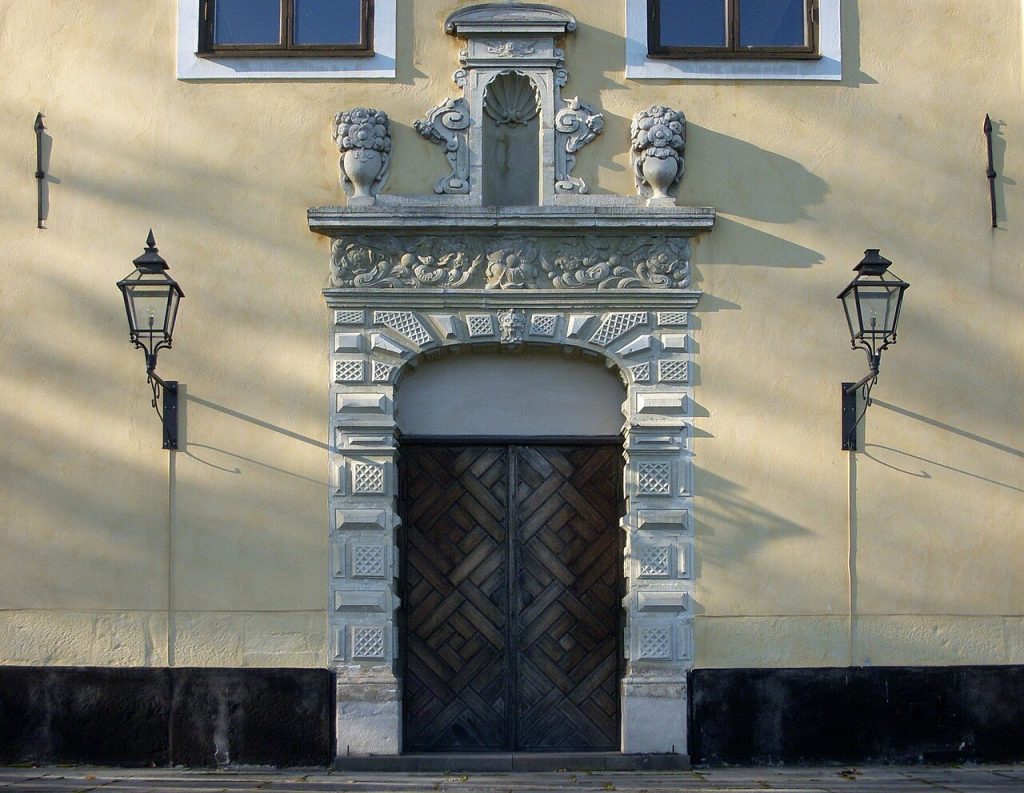
The result is a house that has been repeatedly adjusted rather than rebuilt. Doorways moved, roofs changed, windows regularised, wings extended. It lacks the single-minded clarity of Drottningholm, and it gains a kind of lived-in complexity instead.
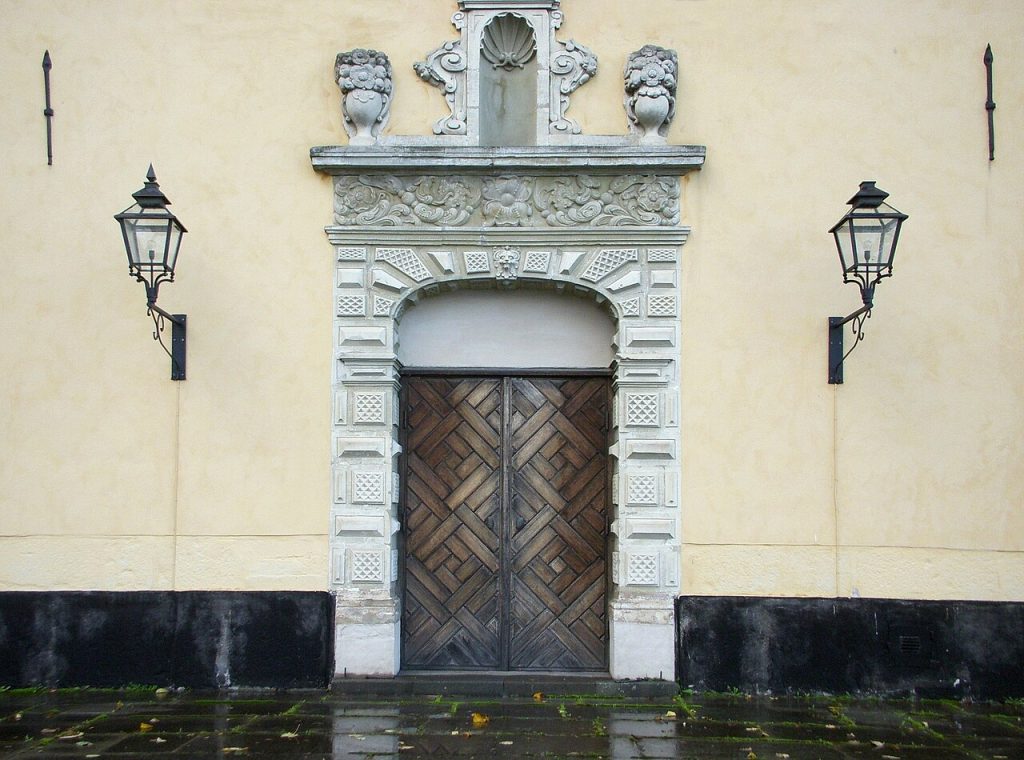
Walk around the outside and count the changes in the masonry. The building’s biography is written on its walls.
Confidencen, the Oldest Rococo Theatre
In the former stable block stands Confidencen, Sweden’s oldest surviving rococo theatre, created in the 1750s under Queen Lovisa Ulrika. The name comes from a dining table that could be raised and lowered through the floor so that a royal party could eat without servants present, in confidence.
The theatre fell out of use, became a storehouse, and was rediscovered and restored in the twentieth century. It now runs a summer season of opera and early music, performed in a room with hand-operated wooden stage machinery.
If you can time a visit to a performance, do. Baroque opera in a theatre of the right date, with candles and painted flats, is an experience no modern opera house can reproduce.
Gustav III and the Invalid Soldiers
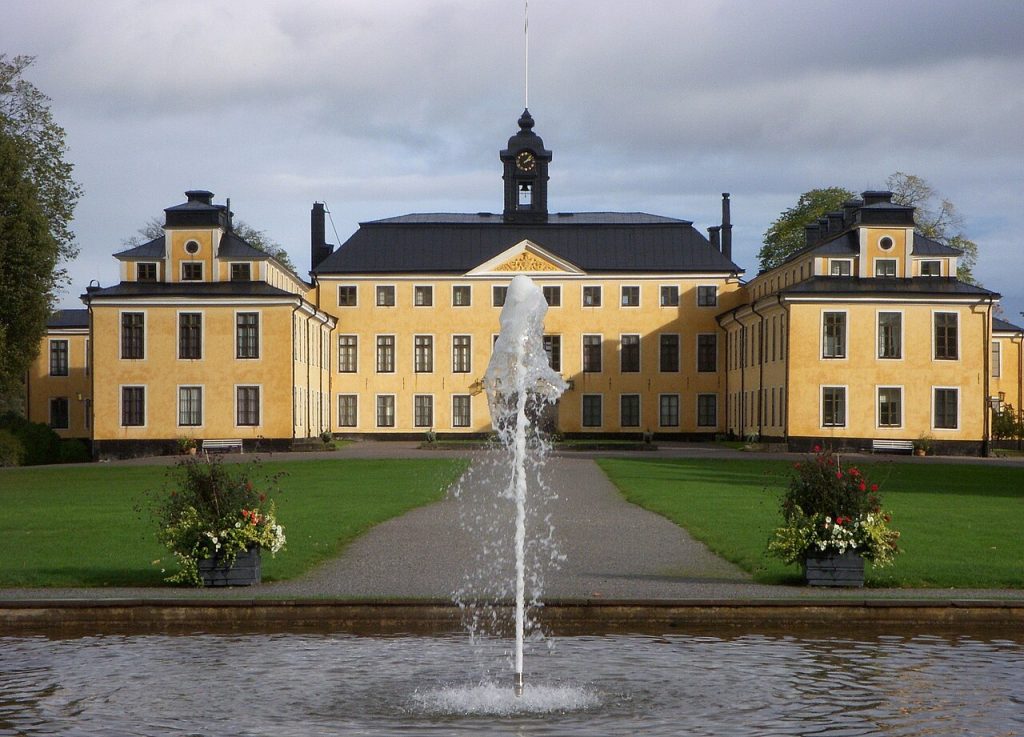
Gustav III, the theatre-loving, coup-making, ultimately assassinated king of the late eighteenth century, had a different plan for Ulriksdal. In 1774 he turned the palace into a home for invalid soldiers, veterans of Sweden’s wars who had nowhere to go.
For roughly seventy years the royal palace functioned as a military hospital and retirement home. Rooms were divided, wards installed, and the park filled with men recovering from the empire’s campaigns.
It is one of the more unusual chapters in the history of any European palace, and it explains why relatively little eighteenth-century decoration survives inside.
Karl XV and the Collector King
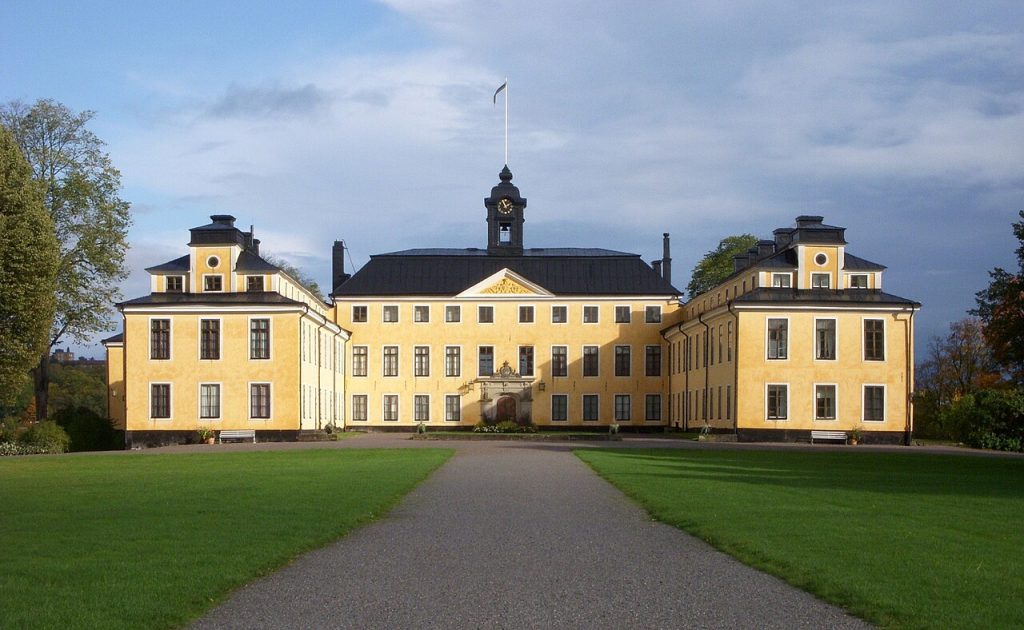
In the mid-nineteenth century Karl XV took the palace back for royal use and made it his favourite residence. He was a painter, a collector of arms and antiquities, and a man with a romantic view of the Nordic past.
He filled Ulriksdal with his collections, redecorated in the heavy, comfortable style of the period, and created the atmosphere that still dominates the interiors: dark woodwork, deep colours, weapons on walls, objects everywhere.
Tastes of the 1860s are currently unfashionable, which means rooms like these are often the most honest survivals in a palace. Nobody has bothered to improve them.
Gustaf VI Adolf, Gardener and Archaeologist
The twentieth century belongs to Gustaf VI Adolf, king from 1950 to 1973, a serious archaeologist who excavated in Italy and Greece, a botanist of genuine expertise, and the monarch who made Ulriksdal his summer home.
He and Queen Louise redecorated in a lighter, plainer manner, and he turned his attention to the park, planting rhododendrons and rare shrubs with the precision of a man who knew the Latin names.
His study, preserved with its books and excavation notes, is the most personal room in the palace. It looks like a professor’s office that happens to be inside a royal residence, which is more or less what it was.
The Park and the English Landscape
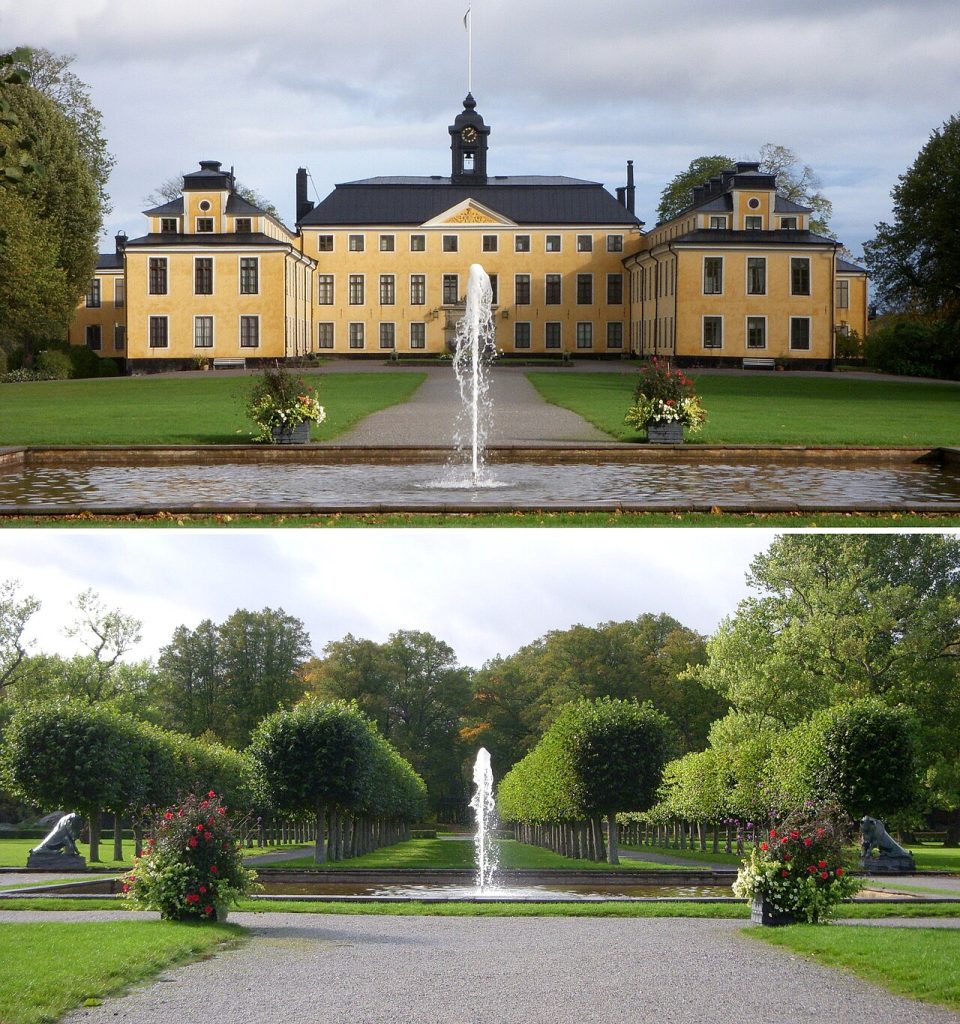
The park began formally, in the French manner, and was converted in the late eighteenth and nineteenth centuries into an English landscape garden: winding paths, specimen trees, open lawns running down to the water of Edsviken.
It is now part of the Royal National City Park, the belt of protected green land that runs through Stockholm, and it is heavily used by people from the surrounding suburbs. Joggers, dog walkers, families with picnics.
The rhododendron plantings from Gustaf VI Adolf’s time flower in late May and early June, and they are the single best reason to time a visit.
The Orangery and Its Sculpture
The orangery, built in the 1660s and later remodelled, now houses a museum of sculpture, displaying works from the Swedish national collections in a building designed for citrus trees.
Orangeries are the forgotten technology of European palaces. Keeping Mediterranean plants alive through a Stockholm winter required glass, stoves, labour and expense, and the ability to serve a lemon at a January dinner was a demonstration of power.
The building is light, high and calm, and the sculpture suits it. Allow twenty minutes even if sculpture is not your subject.
The Chapel in the Trees
A short walk from the palace stands Ulriksdal’s chapel, a neo-Gothic building of the 1860s designed by Fredrik Wilhelm Scholander for Karl XV. It is small, pointed, dark and enthusiastically medieval in a way that only the nineteenth century managed.
It remains in use for services and weddings, and it is one of the more photogenic buildings on the estate, especially in autumn when the surrounding trees turn.
Check the opening times before you walk over, since it is not always unlocked.
What the Palace Is Used For Now
Ulriksdal is state property administered for the royal court, and parts of it are open to visitors in season. The present king and queen do not live here, but the palace is used for official purposes and houses collections and exhibitions.
In practice, visitors come for a combination: the interiors, the theatre, the orangery, the park and the well-known restaurant in the former inn at the gates. It functions as a day out rather than as a monument.
That mixed use is the modern condition of most European royal estates. The building survives because it earns its keep.
Seeing It Properly
Do not treat Ulriksdal as a quick stop between Stockholm and the airport. The palace rewards an unhurried visit: an hour inside, an hour in the park, half an hour in the orangery, and a meal if you have time.
And look for the layers. The 1640s villa, the baroque queen, the hospital years, the collector king, the botanist king. Few palaces let you read five separate centuries from the same lawn.
Walk down to the water before you leave. The view back toward the yellow walls through the trees is the one the kings came here for.
Visiting Ulriksdal Palace Today
Ulriksdal lies in Solna, about seven kilometres north of central Stockholm. Take the commuter train or metro toward Solna and a local bus, or drive in roughly twenty minutes from the city centre. Cyclists can follow the park paths most of the way.
The palace interiors open seasonally, usually in summer, with the orangery museum and Confidencen theatre on their own schedules; the park is open year-round and free. Check the royal palaces website before travelling, as opening days are limited.
Best timing is late May for the rhododendrons or early October for the colour. Allow half a day, and consider combining it with Haga Park a short distance south. Find it here: https://www.google.com/maps?q=59.3889,18.0122
Palaces Nearby
You May Like
Skokloster Castle and the Baroque Treasury Left Unfinished