


Eggenberg Palace in Graz and Its Secret Calendar of the Cosmos
On the western edge of Graz, at the end of a long avenue and surrounded by a park where peacocks roam the lawns, stands one of the most intriguing palaces
Where the World’s Past Meets Your Next Journey
On the western edge of Graz, at the end of a long avenue and surrounded by a park where peacocks roam the lawns, stands one of the most intriguing palaces
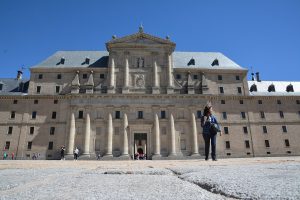
The granite monastery, palace, basilica, library, school and royal tomb that Philip II built in the Guadarrama mountains between 1563 and 1584, where the most powerful king on earth governed half the world from a cell-like room beside the high altar, where the kings of Spain lie in a marble crypt, and where the austere style of Juan de Herrera became the face of the Spanish empire.
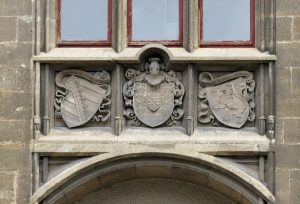
In the green valley of the Werra river, at the southern edge of the Thuringian Forest, lies the small town of Meiningen, and at its heart stands a baroque palace
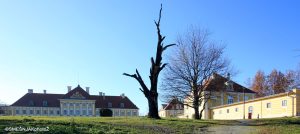
The Baroque palace of the Counts Eltz on the Danube at Vukovar, seat of one of the great Slavonian estates, home of the town museum, shelled to a shell in the siege of 1991 and rebuilt stone by stone by 2011 as the symbol of a town that would not die.
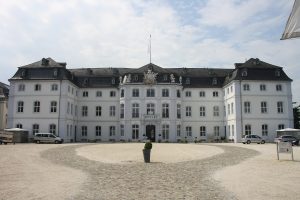
On the right bank of the Rhine, a little downstream from Koblenz, a graceful rococo palace looks out over the river from its terrace. Engers Palace was built in the
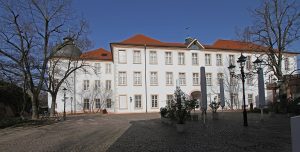
In the heart of the old town of Ettlingen, on the banks of the little river Alb just south of Karlsruhe, stands a palace with a remarkable secret. Behind its
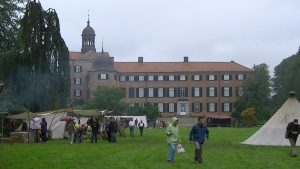
A red-brick Baroque palace of prince-bishops on a Holstein lake, a court that drew poets, painters and the composer Carl Maria von Weber, and an opera festival that sings under the summer stars. Eutin is the Weimar of the North.
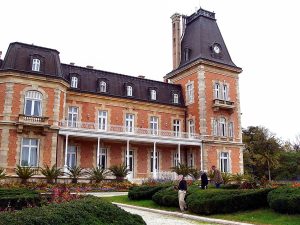
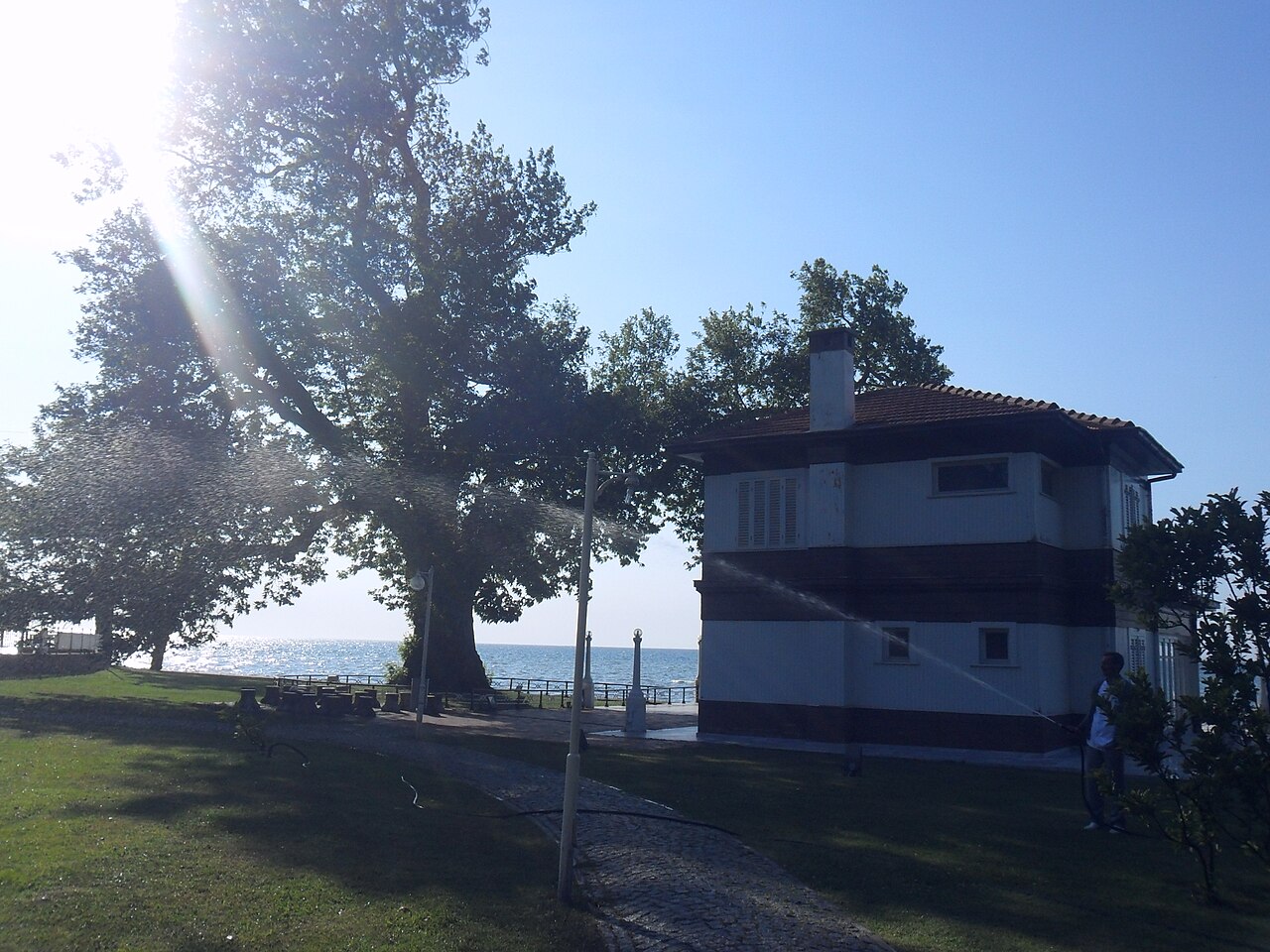
A French-inspired summer palace built for Bulgaria’s monarchs near Varna, Euxinograd hides its elegant halls, celebrated park, and vineyards behind its gates.

On the Black Sea coast just north of the Bulgarian city of Varna, set amid a vast and beautiful park that runs down to the water, stands one of the
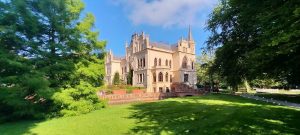
A moated manor named after a baron’s wife, rebuilt in the 1860s as an English Tudor fantasy by the counts of Wedel, left to rot under a tree nursery and brought back by the district of Leer. Evenburg is East Frisia’s answer to the English country house.


