Most visitors to Russia never make it to Veliky Novgorod, and that is their loss, because this quiet city between Moscow and St Petersburg is arguably where the country began. Founded well over a thousand years ago, it was the seat of the legendary prince Rurik whose dynasty would rule Russia for centuries, and for hundreds of years it governed itself as a remarkable medieval merchant republic, holding popular assemblies while much of Europe answered only to kings. The physical heart of all this is the Kremlin, known locally by its old name the Detinets, and a single slow walk inside its red walls takes you through the deepest layers of Russian history.
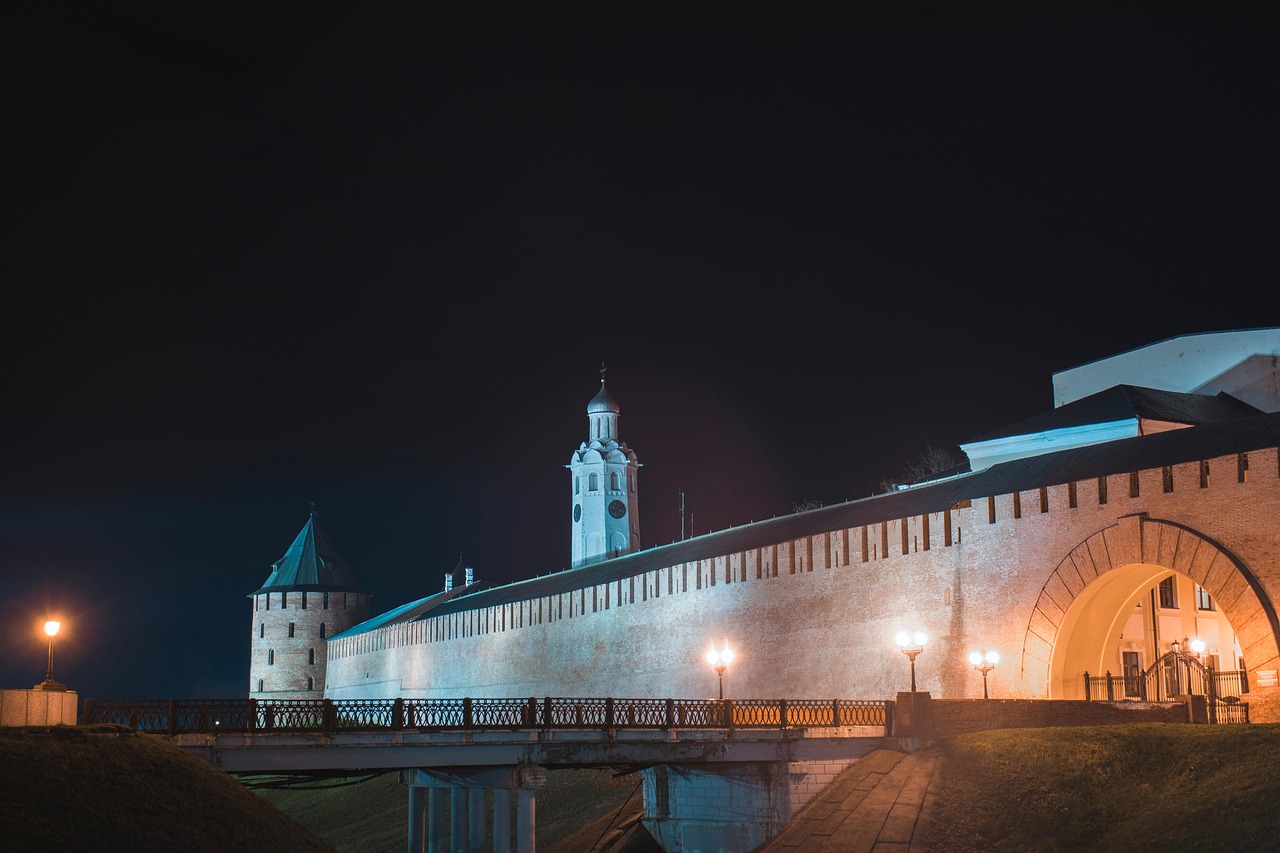
Inside the Walls of the Detinets
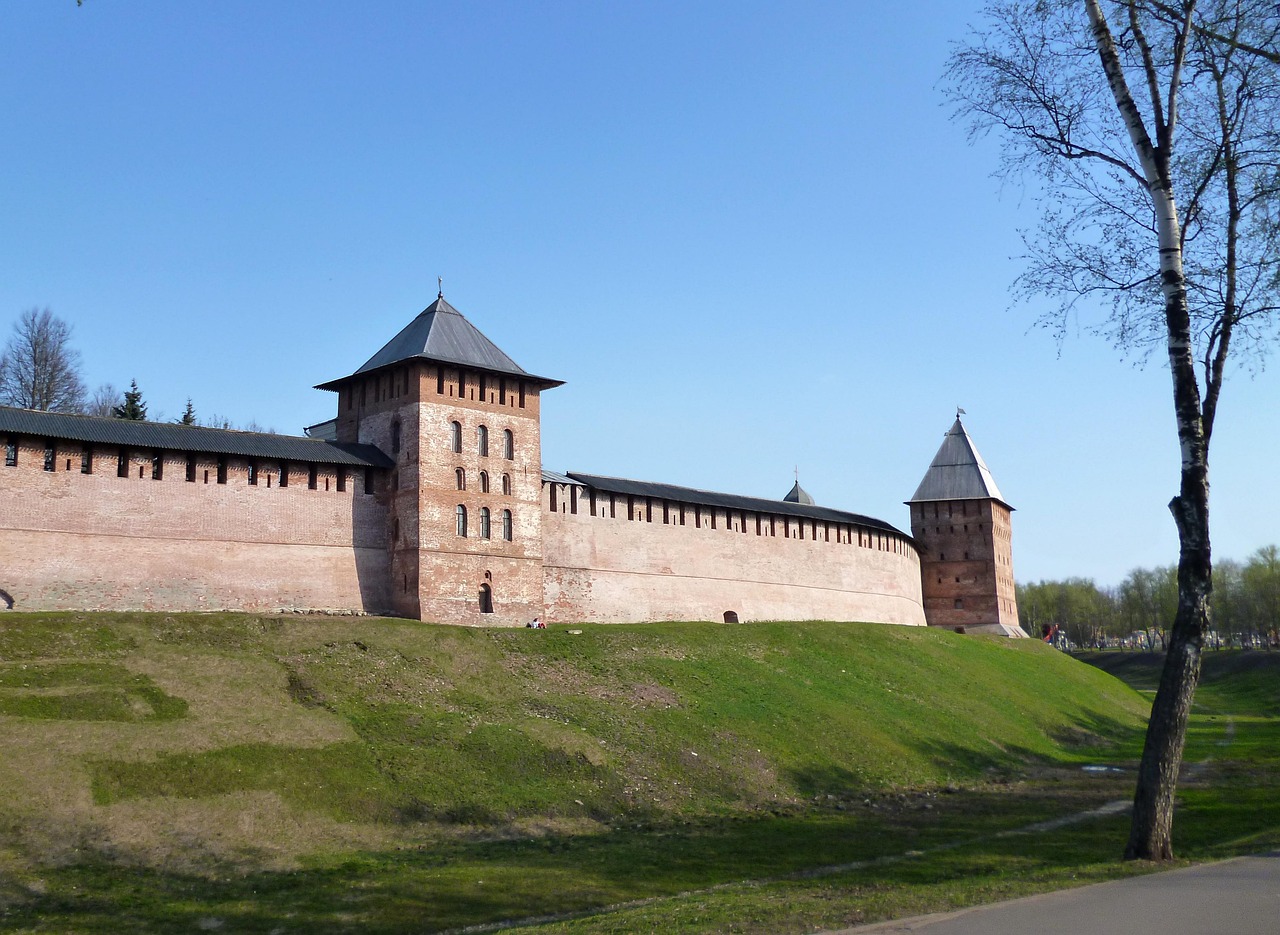
The Novgorod Detinets is the oldest kremlin in Russia, its current brick walls and towers rising beside the Volkhov River and enclosing a compact, walkable core of cathedrals, museums and old government buildings. Unlike the fortress-palaces of Moscow, this was the citadel of a trading republic, and the atmosphere inside is calm and green rather than imperial. You can climb a section of the wall and one of the towers for a view over the river and the city, and the whole ensemble is recognised by UNESCO as a World Heritage Site. Enter through the main gate, then simply wander; the scale is human and forgiving.
St Sophia, the Oldest Church in Russia
At the centre stands the Cathedral of St Sophia, built in the middle of the eleventh century and the oldest surviving stone church in all of Russia still in use. Its severe grey walls and helmet-shaped domes, one of them sheathed in gilded lead, set the template for a distinctively northern Russian style quite different from the colourful onion domes most people picture. Inside, ancient frescoes survive in the dim light, along with the famous bronze Magdeburg Gates and the legendary dove on the central cross, which local tradition says protects the city. Step in quietly, let your eyes adjust, and consider that people have prayed in this exact space for nearly a thousand years.
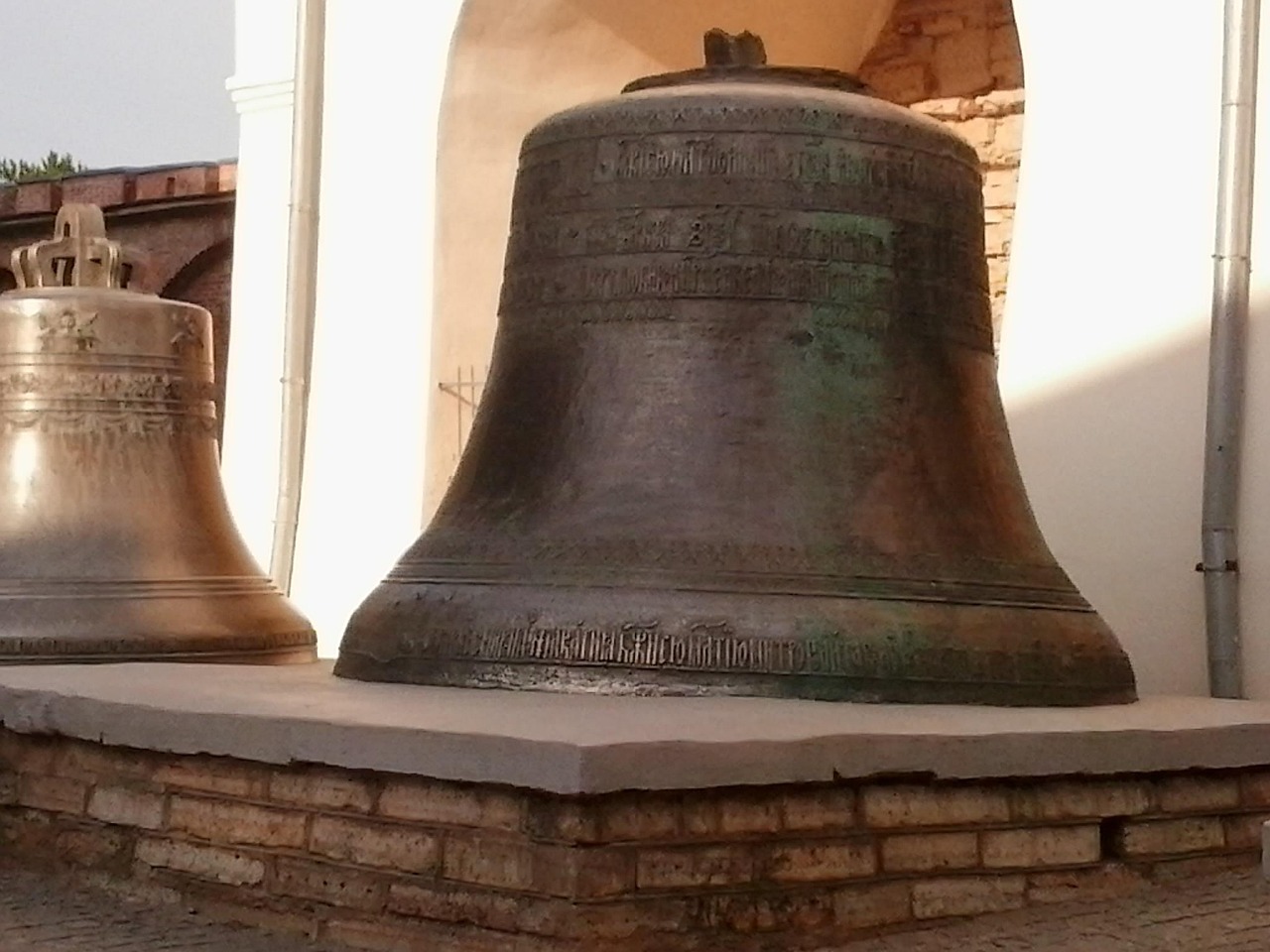
The Millennium of Russia Monument
Just outside the cathedral stands one of the most ambitious monuments in the country, the Millennium of Russia, a vast bronze bell-shaped sculpture unveiled in 1862 to mark a thousand years since Rurik arrival. Around it crowd well over a hundred figures, princes, tsars, saints, writers and generals, effectively a three-dimensional encyclopaedia of Russian history arranged in tiers. It rewards slow looking: walk all the way around it and try to pick out the figures you recognise. That this national monument stands here, in modest Novgorod rather than Moscow or St Petersburg, is the clearest possible statement of where Russians believe their story started.
Give the Detinets an unhurried half day. Walk the walls, sit a while inside St Sophia, and circle the Millennium monument reading its bronze history. Few places let you stand so directly at the source of a nation.
More Veliky Novgorod Travel Guides
- Yaroslav Court and the Volkhov: Where the Medieval Merchant Republic Did Business
- Yuriev Monastery and the Wooden Village: Novgorod Quiet Edge by Lake Ilmen
- Evenings in Veliky Novgorod: Riverside Calm, Honey Mead and a Small City Unwinding
- Veliky Novgorod Guide Series (Hub)
Planning the whole trip? See our complete Veliky Novgorod master guide for every series in one place.


3 thoughts on “The Novgorod Detinets and St Sophia: Walking Inside the Cradle of Russia”