In the summer of 1588 a vast fleet of Spanish warships sailed up the English Channel with the intention of conquering England. It was the most powerful invasion force Europe had ever assembled, the project of the mightiest empire in the world, and it was aimed squarely at a smallish island ruled by a Protestant queen whom Catholic Europe regarded as a heretic and a usurper. That the Armada failed, and that England survived, became the founding legend of a nation that would one day rule the waves. The truth, as ever, is a little messier and a great deal more interesting than the legend.
To understand why it happened, you have to understand Elizabeth I. She had come to the throne in 1558 as the daughter of Henry VIII and Anne Boleyn, in the eyes of Catholic Europe an illegitimate child of an illegitimate marriage. She inherited a country bankrupt, divided by religion and surrounded by enemies. Almost nobody expected her to last. Instead she ruled for forty-four years with a mixture of caution, charm, ruthlessness and sheer nerve that turned a vulnerable kingdom into a confident one.
Her great antagonist was Philip II of Spain, the most powerful monarch in the world, ruler of an empire on which, quite literally, the sun never set. Philip was a devout Catholic who regarded it as something close to a sacred duty to return England to the old faith, by force if necessary. For years a kind of cold war had simmered between them. Elizabeth’s sea captains — men like Francis Drake, half explorer and half pirate — preyed on Spanish treasure ships and raided Spanish ports, while Elizabeth quietly funded Protestant rebels fighting Spanish rule in the Netherlands. Philip’s patience finally ran out.
His plan was grand and, on paper, formidable. A huge fleet — around 130 ships carrying thousands of soldiers and sailors — would sail from Spain up the Channel, link up with a battle-hardened army waiting in the Netherlands, and ferry that army across to invade England. The scale was staggering. When the Armada was first sighted off the coast of Cornwall, beacons were lit along the hilltops, racing the news to London faster than any rider could carry it.
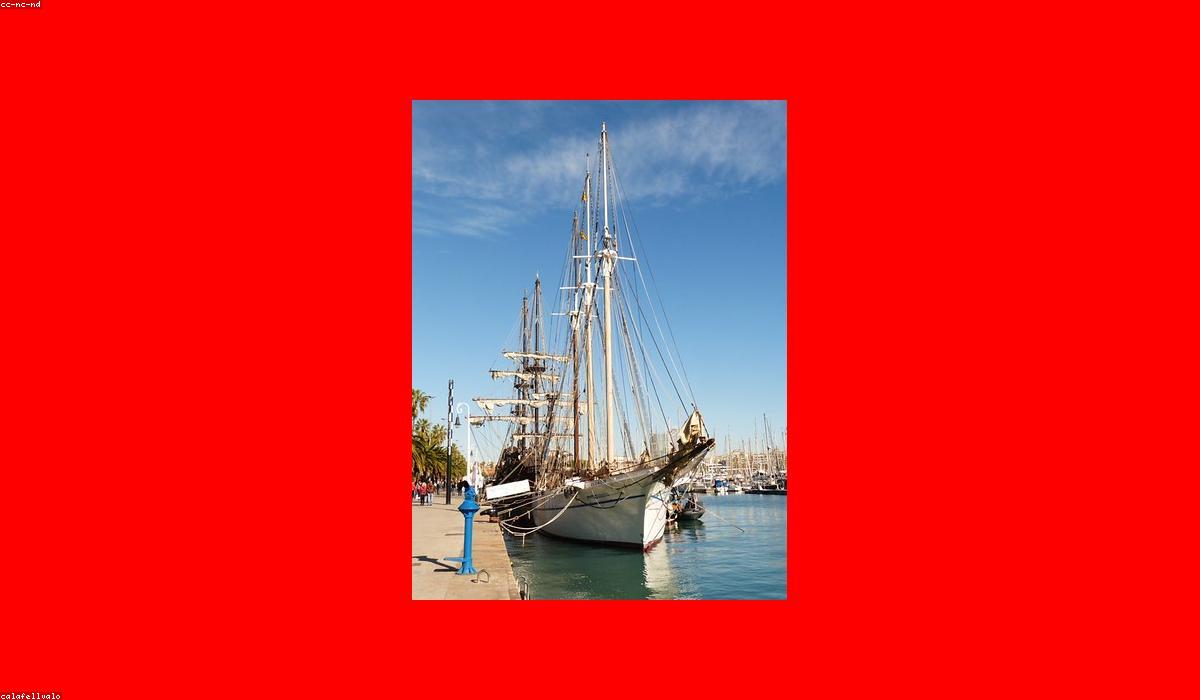
What followed was not a single decisive battle but a running fight up the length of the Channel over more than a week. The English ships were generally smaller, faster and more nimble than the great Spanish galleons, and they carried guns designed to be fired rapidly from a distance. Rather than closing in to grapple and board — the old style of sea fighting the Spanish were prepared for — the English hung back and hammered away with their cannon. It was a glimpse of a new kind of naval warfare, though neither side fully grasped it at the time.
The decisive moment came off the French coast near Calais. The Armada had anchored to wait for the army it was supposed to collect, and the English seized the opportunity. In the dead of night they sent fireships — vessels packed with tar and gunpowder and set ablaze — drifting down into the crowded Spanish anchorage. Terror did the rest. Spanish captains cut their anchor cables and scattered in the darkness to avoid the flames, and the tight, disciplined formation that had protected the Armada was broken. The next day, off Gravelines, the English fell on the scattered ships and inflicted serious damage.
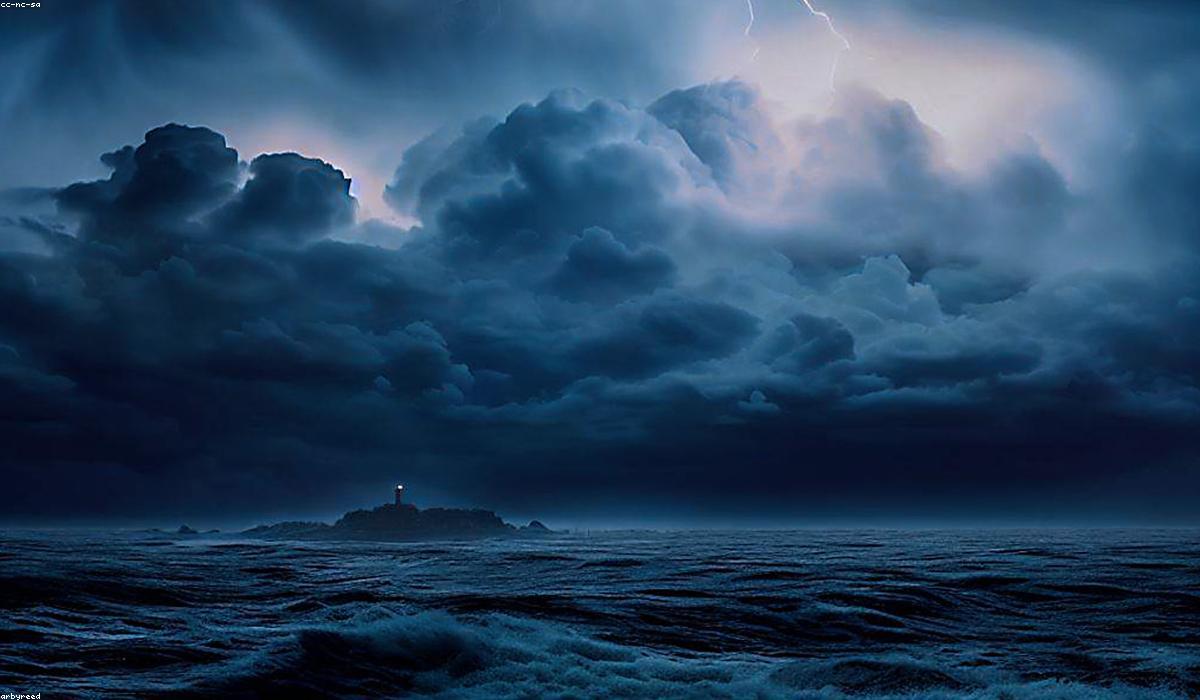
But it was the weather, in the end, that finished the job. With the Channel now too dangerous to force and the planned invasion in ruins, the surviving Spanish commander made the fateful decision to flee home the long way round — north past Scotland and back down the wild Atlantic coast of Ireland. There the Armada met its real destroyer. Ferocious storms drove ship after ship onto the rocks. Thousands of men drowned or were killed as they struggled ashore. Of the great fleet that had set out so proudly, barely half limped back to Spain.
It is important not to overstate what the victory meant in the short term. England did not suddenly become the world’s great naval power overnight; Spain remained immensely strong, the war dragged on inconclusively for years, and later Armadas were even attempted. But something had shifted, less in the balance of power than in the realm of belief. A small Protestant kingdom had defied the greatest empire on earth and survived. Elizabeth had ridden out to her troops at Tilbury and, in a speech that still gives people chills, declared that though she had the body of a weak woman, she had the heart and stomach of a king.
That confidence outlasted her. The reign that had begun in fear ended in a golden glow of poetry, exploration and national pride — the England of Shakespeare and Drake. When Elizabeth died in 1603, childless, the Tudor line died with her, and the crown passed to her distant cousin, the King of Scotland. That union of crowns would, within a few decades, drag England into a crisis even bloodier than the Armada — a war not against a foreign empire, but against itself. We’ll turn to the English Civil War next time.
You May Like
The Belle Époque and the War That Ended It