There is a French phrase that carries within it both a golden glow and a deep sadness: la Belle Époque, “the Beautiful Era.” It refers to the decades just before the First World War, roughly from the 1880s to 1914, when France — and Paris above all — seemed to bask in a long, sunlit afternoon of peace, prosperity, art and pleasure. The very name was coined only afterwards, looking back with longing, by people who had survived into a darker age and remembered what had been lost. To understand the Belle Époque, you have to hold both halves of it together: the brilliance, and the catastrophe waiting at the end.
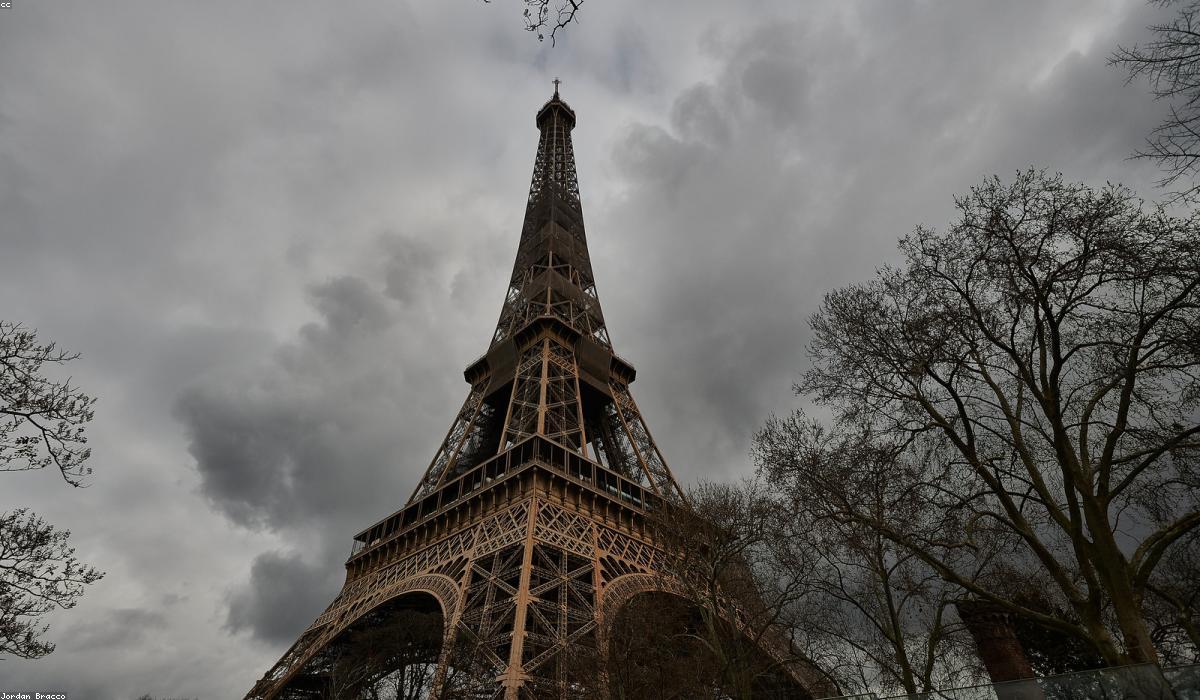
The brilliance was real. After the turmoil of the Commune, France settled into the most stable and enduring republic it had yet known, and the country prospered. Paris became, more than ever, the cultural capital of the Western world, a magnet for artists, writers, musicians and pleasure-seekers from everywhere. This was the age that gave us the Eiffel Tower, built for the great exhibition of 1889 and initially mocked by many as a hideous iron monstrosity before becoming the beloved symbol of the city and the nation.
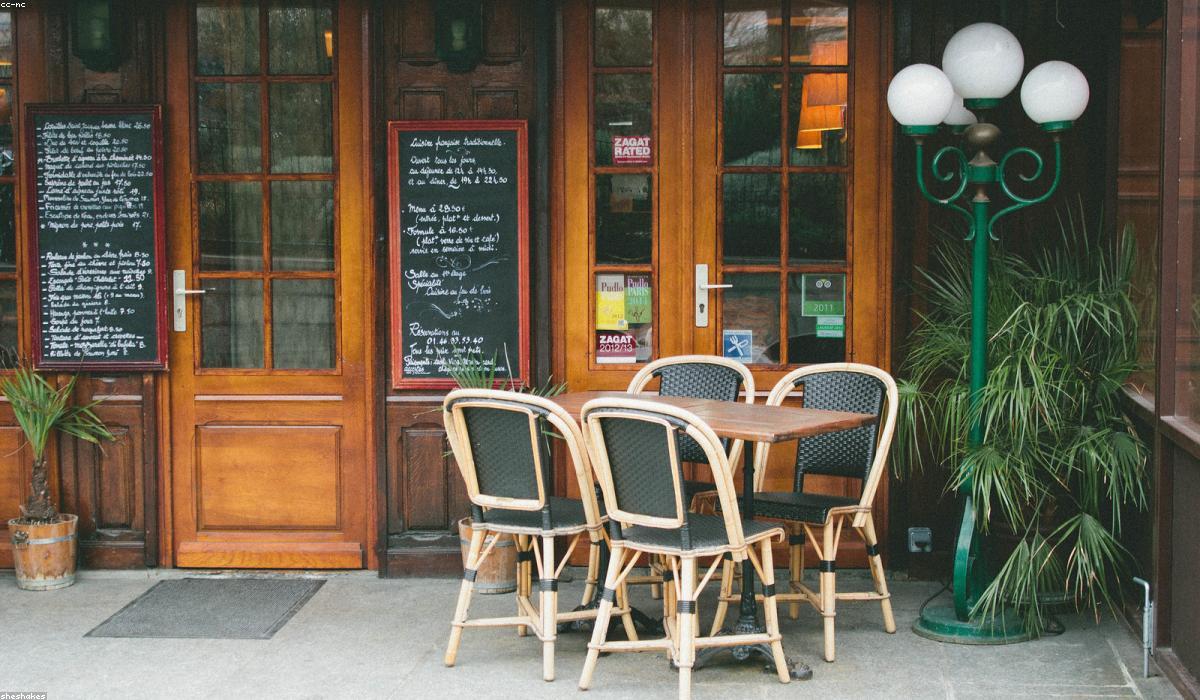
It was an era of extraordinary creative ferment. In art, the Impressionists and the generation that followed them transformed the way the world was painted. The cafés and cabarets of Montmartre buzzed with bohemian life, the Moulin Rouge opened its doors, and the can-can scandalised and delighted in equal measure. New technologies — electric light, the motor car, the cinema, the telephone — were transforming daily life and filling people with a sense of dizzying progress. To those who could afford to enjoy it, the future seemed to stretch ahead in an unbroken line of improvement.
It would be a mistake, though, to imagine the Belle Époque as a uniformly happy time. Beneath the glittering surface ran deep tensions. The gap between the wealthy and the poor remained vast, and labour unrest and strikes were common. France was also riven, in these years, by a bitter political scandal that exposed ugly currents in the nation’s soul — the Dreyfus Affair, in which a Jewish army officer was wrongly convicted of treason. The affair dragged on for years and split French society down the middle, pitting defenders of the army and traditional authority against those who demanded justice and exposed the antisemitism at the heart of the case.
And all the while, beneath the surface of European peace, the great powers were arming themselves and binding themselves into rival alliances. France had never forgotten or forgiven its humiliating defeat by Germany in 1871 and the loss of the provinces of Alsace and Lorraine. A web of treaties and a spiralling arms race meant that any spark could set the whole continent ablaze. In the summer of 1914, that spark came, and the beautiful era ended not with a fading but with a sudden, shattering plunge into the abyss.
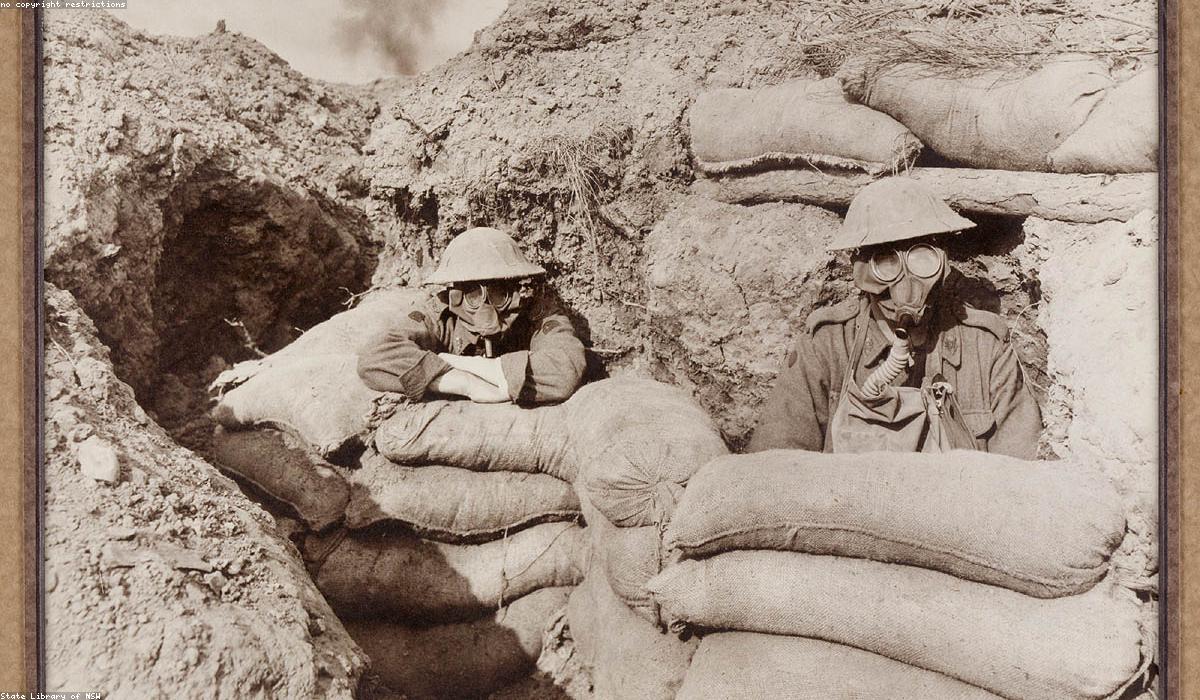
The First World War fell upon France with a weight that is hard to comprehend. Much of the fighting on the Western Front took place on French soil, and the war settled into the nightmare of the trenches — two vast armies dug into the earth across hundreds of miles, hurling men and shells at one another for years in a deadlock that devoured a generation. The names of the great French battles became synonyms for industrial slaughter. At Verdun in 1916, a battle deliberately designed to bleed the French army white, hundreds of thousands died over months of fighting on a few square miles of shattered ground.
The human cost to France was almost beyond bearing. By the time the guns finally fell silent in November 1918, around 1.4 million French soldiers were dead and millions more were wounded, many of them maimed for life. There was scarcely a village in the country that did not lose its sons, and to this day every French town has its war memorial inscribed with the long lists of names — the morts pour la France, the dead for France. The cheerful confidence of the Belle Époque had been buried in the mud of the Western Front.
France emerged from the war on the victorious side, and it regained the lost provinces of Alsace and Lorraine at last. But victory felt hollow against such a toll, and the country that came through the war was exhausted, scarred and traumatised in ways that would shape its history for decades to come — not least in its desperate, understandable longing never to endure such a thing again. The bright, optimistic world of the prewar years was gone forever, surviving only in memory and in that wistful name later given to it.
And there, with the close of the Belle Époque and the trauma of the Great War, our long journey through French history comes to a rest. We began nearly thirteen centuries ago with a Frankish commander holding the line near Tours, and we end amid the memorials of 1918. Across all those centuries — through kings and emperors, revolutions and republics, glory and catastrophe — runs the long, dramatic, endlessly fascinating story of France. Thank you for travelling through it.
More stories from France, from the Franks to the trenches:
- 732 and the Hammer: The Battle That Made Frankish Power
- Charlemagne: The Warrior King Who Reinvented Europe
- Bouvines, 1214: The Forgotten Battle Where France Was Born
- Joan of Arc: The Teenage Girl Who Turned the Tide of a War
- The French Wars of Religion and the Peace That Followed
- Louis XIV: The Sun King and the Palace That Tamed a Nation
- 1789: The Revolution That Tried to Remake the World
- Napoleon: The Corsican Who Conquered a Continent
- The Paris Commune: The 72 Days When a City Ruled Itself
You May Like
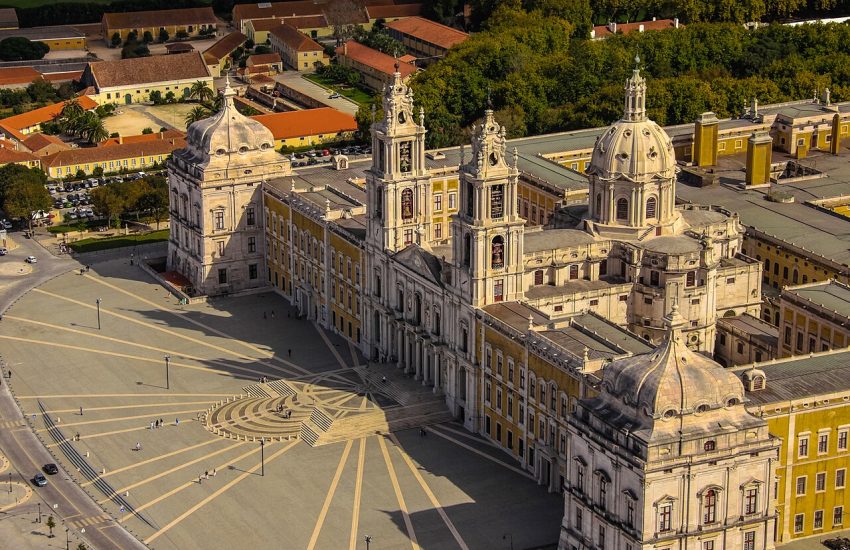
Mafra, the Palace a King Built From a Vow