At the heart of Europe lies a nation that has, perhaps more than any other, embodied both the heights of human achievement and the depths of human catastrophe. The Germans are the people of poets and philosophers, of Bach and Beethoven, of Goethe and Kant, of engineering genius and scientific revolution; they are also the people who, within living memory, plunged the world into its most destructive war and carried out one of history greatest crimes. To tell the story of the Germans is to tell much of the story of Europe itself, and to grapple honestly with a history that contains both extraordinary cultural brilliance and a darkness that must never be forgotten or minimized.
Today Germany stands as the most populous nation in the European Union, the engine of the continent economy, and a stable democracy that has confronted its own past with a seriousness few other nations have matched. But the German people are far older than the modern state that bears their name, and their identity was forged over many centuries of fragmentation, religious conflict, intellectual flowering, and, ultimately, a painful reckoning and rebirth.
In This Article
- Who the Germans Are
- Origins in the Germanic Past
- Traces of the Deep Past
- The Holy Roman Empire and a Thousand Years of Fragmentation
- Reformation, War, and the Forging of a Nation
- The German Language and Its Reach
- Myth, Legend, and the German Imagination
- Genius and Catastrophe: The Germans in the Modern World
- Notable Germans
- The Germans in the World Today
- How They Lived, Worked, and Built
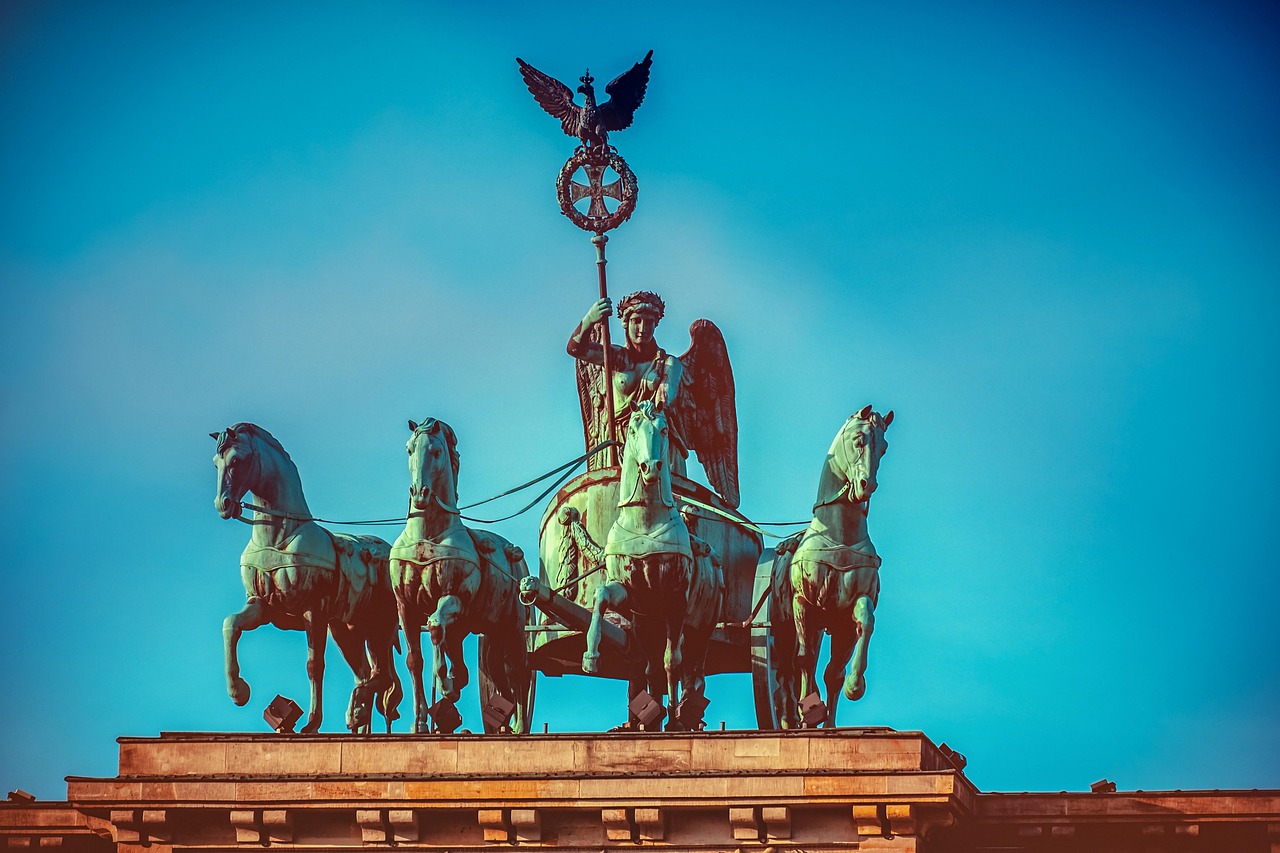
Who the Germans Are
The Germans are a Germanic people native to Central Europe, today numbering around eighty million within Germany itself and forming substantial communities and diasporas across the world, from Austria and Switzerland to the Americas. They speak German, a Germanic language of the Indo-European family, and their name in their own tongue, Deutsche, derives from an old word meaning simply the people or those who speak the language of the people, distinguishing the common Germanic speech from Latin.
It is essential to understand that the Germans, for most of their history, were not a single unified nation in the modern sense but a vast collection of peoples, principalities, kingdoms, and city-states bound together by a shared language and culture rather than by a single government. This deep regionalism remains a defining feature of German identity to this day: a Bavarian, a Saxon, a Rhinelander, and a person from the northern coast share a language and a nation, but they also carry strong regional identities, dialects, cuisines, and traditions. The German nation, in other words, was a cultural reality long before it was a political one, and the tension between unity and regional diversity runs through the whole of German history.
Origins in the Germanic Past
The roots of the Germans lie among the ancient Germanic peoples who inhabited the lands of Central and Northern Europe in antiquity. According to the broad scholarly consensus, Germanic-speaking tribes emerged in the regions around the Baltic and the North Sea and across the lands east of the Rhine in the centuries before the common era, gradually spreading and differentiating into the many tribal groups recorded by classical authors. The Roman historian Tacitus, writing in the first century, left a famous early account of these peoples, describing their customs, their fierce independence, and their tribal organization, though modern scholars read such ancient sources with caution, recognizing that they reflect Roman perspectives and purposes as much as Germanic realities.
The relationship between these ancient Germanic tribes and the Romans was one of trade, conflict, and mutual influence along the frontier of the Rhine and the Danube. A pivotal moment came when Germanic tribes inflicted a catastrophic defeat on Roman legions in the Teutoburg Forest, halting Roman expansion into Germania and ensuring that much of the German-speaking lands would never become Romanized in the way that Gaul or Hispania did. Over the following centuries, as the Western Roman Empire weakened and collapsed, Germanic peoples migrated, conquered, and settled across Europe in the great movements of the migration period, founding kingdoms that would shape the medieval continent. Scholars are careful to distinguish these ancient and early medieval Germanic tribes from the later German nation, which took shape gradually; the modern Germans are descended in large part from these peoples but emerged as a distinct identity over a very long process.
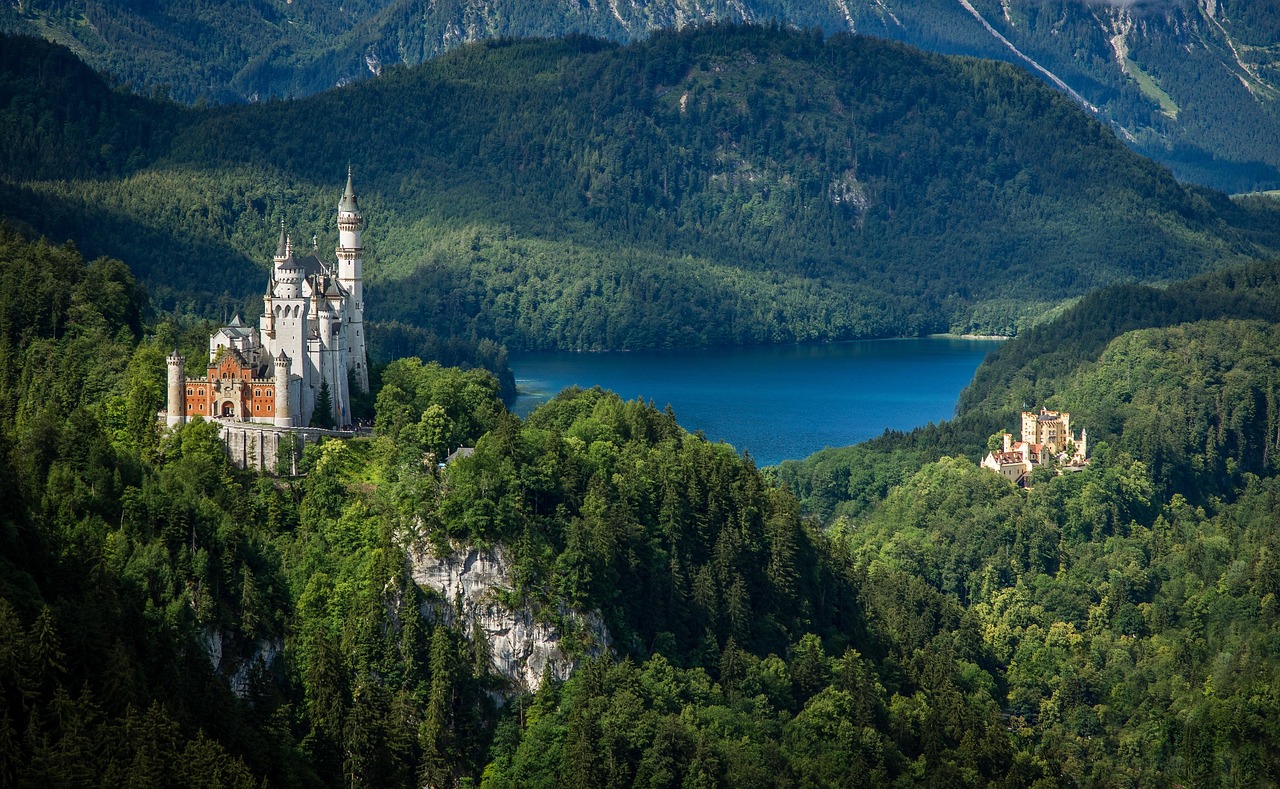
Traces of the Deep Past
The lands of Germany are rich in the evidence of human habitation reaching back to the earliest periods of European prehistory. Some of the most important discoveries in the study of human origins have been made on German soil, including the remains that gave the Neanderthals their name, found in a valley near Dusseldorf, and remarkable Ice Age art and artifacts from caves in the south, among the oldest known examples of figurative art and musical instruments anywhere in the world, dated by archaeologists to tens of thousands of years ago.
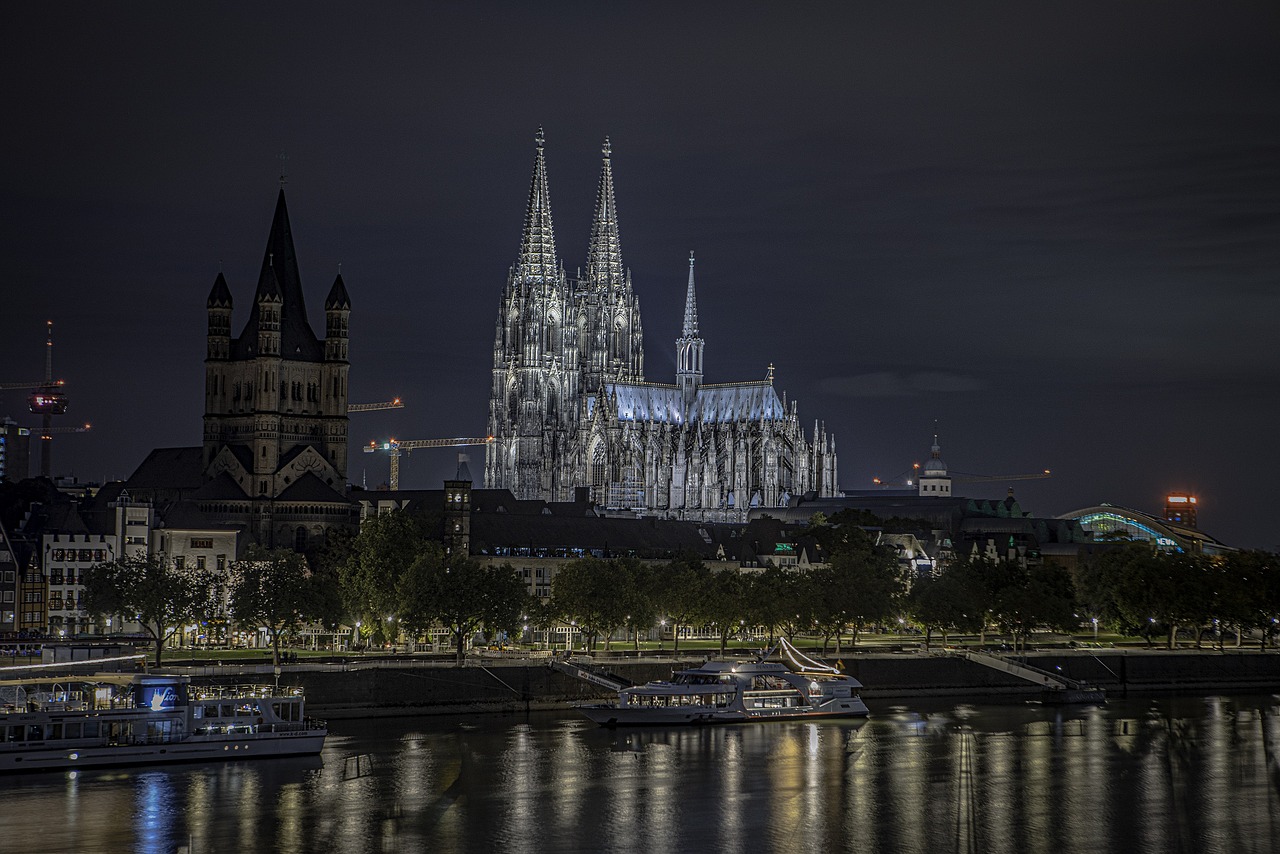
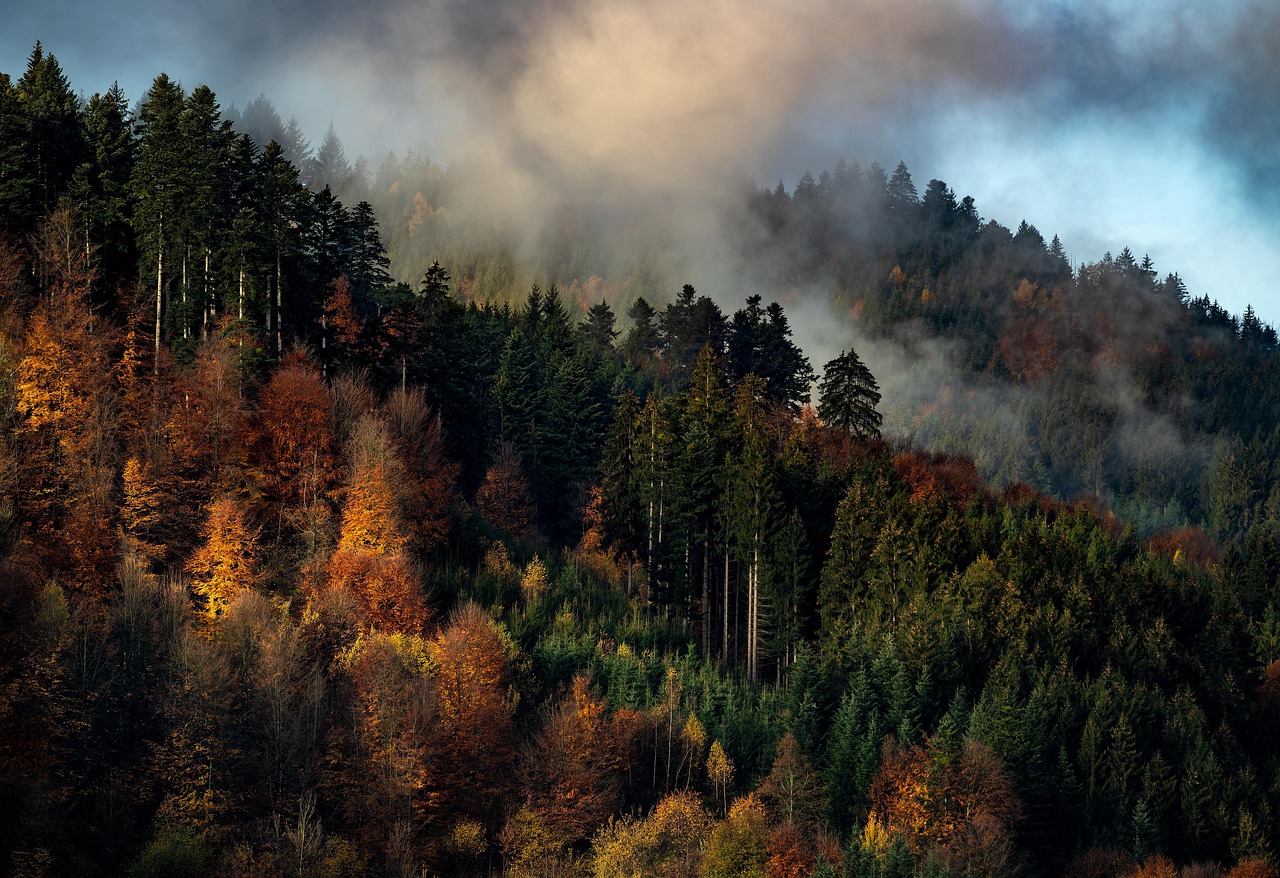
From later prehistory, the German landscape preserves the burial mounds, settlements, and metalwork of Bronze Age and Iron Age cultures, and the territory lay at the meeting point of the Celtic world to the south and west and the Germanic world to the north and east. As with all such ancient remains, scholars distinguish carefully between the prehistoric and early peoples of the region and the historically defined Germans, who emerged much later. Yet the depth of human presence, and the survival of the Germanic language family that the ancient tribes spoke into the German of today, tie the modern nation to an extremely long history in the heart of Europe. The forests, in particular, occupy a special place in the German imagination, having sheltered the ancient tribes against Rome and later becoming central to German folklore and the Romantic movement.
The Holy Roman Empire and a Thousand Years of Fragmentation
The medieval history of the Germans centers on one of the most complex political entities ever to exist: the Holy Roman Empire, a sprawling, loosely organized realm that claimed descent from the empire of the Romans and the Frankish king Charlemagne, who was crowned emperor in the year 800. For roughly a thousand years, most German-speaking lands were nominally united under this empire, yet in practice the empire was a patchwork of hundreds of largely autonomous territories — kingdoms, duchies, principalities, bishoprics, and free cities — owing varying degrees of allegiance to an emperor whose actual power was often limited. A famous later quip held that the Holy Roman Empire was neither holy, nor Roman, nor an empire, capturing the paradox of this unique institution.
This long fragmentation had profound consequences for the German people. On the one hand, it prevented the early formation of a centralized German nation-state of the kind that emerged in France or England, leaving the Germans politically divided for centuries while their neighbors consolidated. On the other hand, the very multiplicity of German courts, cities, and territories fostered an extraordinary cultural richness, as dozens of capitals competed in patronage of the arts, learning, and architecture, and as a dense network of trading cities, some of them banding together in powerful leagues, grew wealthy on commerce across Northern Europe. The German lands of the late medieval and early modern period were among the most urbanized, inventive, and commercially dynamic in Europe, even as they remained politically divided.
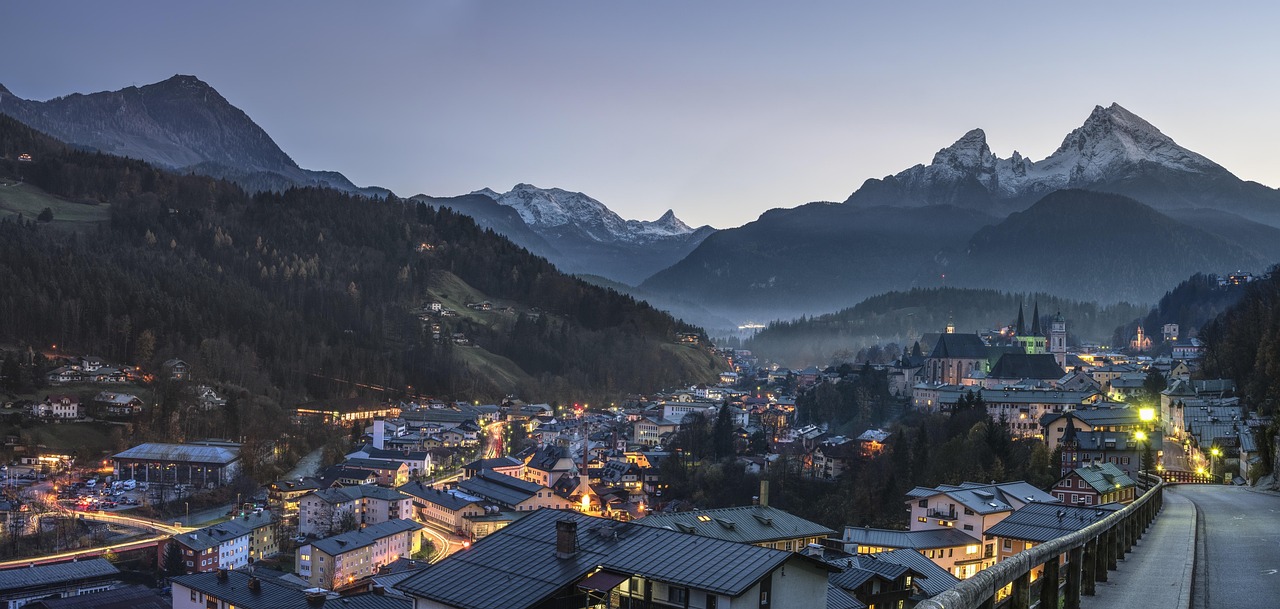
Reformation, War, and the Forging of a Nation
No single event shaped the German lands more profoundly than the Reformation. In the early sixteenth century a German monk and theologian, Martin Luther, challenged the practices and authority of the Roman Catholic Church, an act that, according to most historians, split Western Christianity, transformed European religion, and reshaped German society and politics for centuries. Luther translation of the Bible into German was itself a landmark in the development of the modern German language, helping to standardize the written tongue and to spread literacy. The religious division between Protestant and Catholic territories became a fault line running through the German lands.
This division erupted into catastrophe in the Thirty Years War of the seventeenth century, one of the most destructive conflicts in European history before the modern era, which devastated the German lands, killed an enormous proportion of the population through violence, famine, and disease, and left deep scars on the German consciousness. In the centuries that followed, two German powers rose to prominence: the Habsburg monarchy centered on Austria, and the increasingly powerful kingdom of Prussia in the north, whose disciplined army and efficient administration made it a major European force. The long rivalry and eventual struggle between these two for leadership of the German world would ultimately be settled in Prussia favor, setting the stage for the unification of Germany under Prussian leadership in the later nineteenth century, when the many German states were forged into a single empire — a unification achieved through war and diplomacy and proclaimed, pointedly, in the palace of a defeated France.
The German Language and Its Reach
The German language belongs to the West Germanic branch of the Indo-European family, making it a close relative of Dutch and English and a more distant cousin of the Scandinavian languages. It is one of the major languages of the world, spoken as a native tongue by around a hundred million people across Germany, Austria, Switzerland, and other communities, and it has long been one of the most important languages of science, philosophy, and culture. For generations, a serious scholar in many fields was expected to read German, so central was it to learning.
German is famous for certain distinctive features, including its capacity to build long compound words by joining shorter ones, its system of grammatical cases and genders, and its considerable regional variation, with dialects across the German-speaking world differing so much that speakers of the most distant varieties can struggle to understand one another. The standard written and spoken form, descended in part from the language of Luther Bible and refined over the centuries, serves as the common tongue uniting these regional varieties. The language carries an immense literary, philosophical, and scientific heritage, and the German tradition of precise, sometimes formidably complex expression has shaped fields from philosophy to physics. Despite the catastrophes of the twentieth century, German remains a global language of culture, commerce, and scholarship.
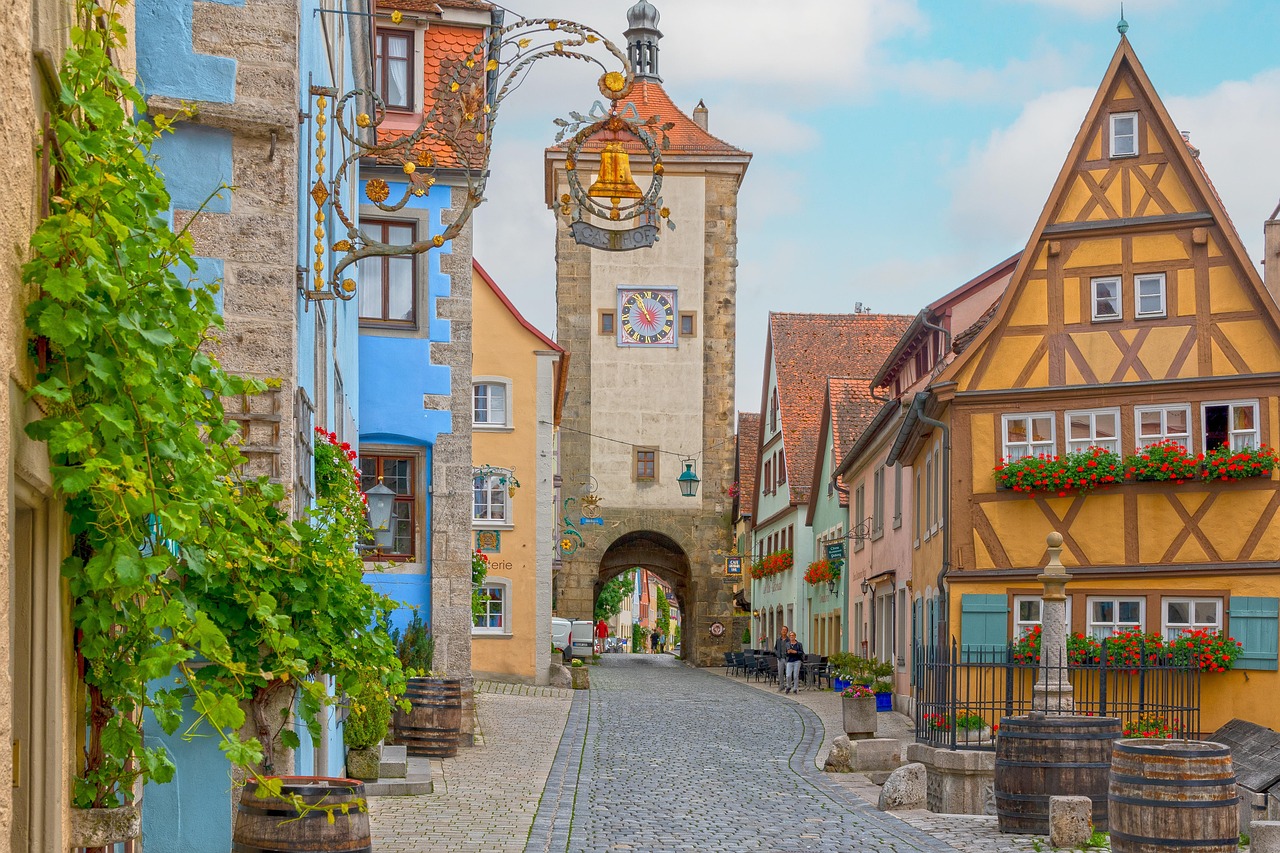
Myth, Legend, and the German Imagination
German tradition holds a deep and influential body of myth, legend, and folklore, retold here only in outline and in my own words. The ancient Germanic peoples shared in the wider Germanic mythology of gods, heroes, and a fated cosmos, much of which is known to us mainly through later Norse sources but which left echoes in German tradition. From the medieval period comes one of the great epics of European literature, a heroic poem of dragons, treasure, love, betrayal, and doom set in a legendary Germanic past, which would later inspire one of the monumental achievements of German art, a vast cycle of operas drawing on these old legends.
Above all, the Germans gave the world its most famous collection of fairy tales, gathered in the nineteenth century by two scholarly brothers who collected and recorded folk stories from the oral tradition of the German lands. These tales of enchanted forests, wicked stepmothers, clever children, talking animals, and dark transformations have become part of the shared imagination of the entire world, even as scholars note that the brothers shaped and edited the stories they collected. The German forest, with its depth and shadow, stands at the heart of this imaginative world, and the Romantic movement of the nineteenth century, in which German thinkers and artists played a leading role, elevated the forest, the medieval past, and folk tradition into powerful symbols of national identity and feeling. This Romantic nationalism would have profound and, in the twentieth century, tragic consequences.
Genius and Catastrophe: The Germans in the Modern World
The modern history of the Germans is a study in extremes that must be told with complete honesty. On one side stands an almost unparalleled record of cultural and intellectual achievement. In music, Germany and the German-speaking world produced Bach, Beethoven, Brahms, Wagner, and a host of others who stand among the supreme composers of all time. In philosophy, the German tradition from Kant and Hegel to Marx, Nietzsche, and beyond reshaped the way the world thinks. In science, German-speaking researchers drove revolutions in physics, chemistry, and medicine, and the names of figures such as Einstein, Planck, and many others are woven into the foundations of modern science. In literature, Goethe and Schiller and countless others created a national literature of the first rank.
Yet this same nation, in the twentieth century, descended into a catastrophe that stains its history forever. After defeat in the First World War and the instability and humiliation that followed, the rise of Adolf Hitler and the Nazi regime led Germany into dictatorship, the Second World War, and the Holocaust — the systematic, industrialized murder of six million Jews and millions of others. This was among the greatest crimes in human history, and it must never be minimized, relativized, or explained away. The honest telling of German history requires placing this horror at its center, not as an aberration to be brushed aside but as a catastrophe that the nation itself has, in the decades since, confronted with a depth of public reckoning and remembrance that has become, in its own way, a model for how a society can face the worst of its past. The German word for this culture of confronting and atoning for historical guilt has entered international discussion as a concept in its own right.
Notable Germans
The list of Germans who have shaped the modern world is extraordinarily long, and only a few can be named here. In music, Johann Sebastian Bach and Ludwig van Beethoven stand among the greatest composers in the history of the art. In philosophy, Immanuel Kant transformed Western thought, and Karl Marx, whatever one makes of his ideas, became one of the most influential thinkers in modern history. In science, Albert Einstein, born in Germany, revolutionized physics, while Johannes Gutenberg, with his invention of movable-type printing in Europe, arguably did as much as any single person to transform the spread of knowledge across the world. In literature, Johann Wolfgang von Goethe towers over German letters. These names represent only a fraction of the German contribution to human civilization, and as always in this series, where I am uncertain of the precise details of an individual life or achievement, I have chosen to describe their significance in general terms rather than risk inaccuracy.
The Germans in the World Today
Today Germany is a prosperous, stable, federal democracy, the most populous country in the European Union and one of the largest economies in the world, widely admired for its manufacturing, engineering, and export industries and for the strength of its democratic institutions. The division of Germany after the Second World War into a democratic West and a communist East, separated for decades by the Iron Curtain and symbolized by the Berlin Wall, ended with the fall of the Wall and the reunification of the country, a moment of profound historical significance that healed a wound at the heart of Europe, even if the social and economic differences between the former East and West have taken longer to overcome.
Modern German identity is bound up with a strong commitment to democracy, European integration, and historical responsibility, alongside the enduring regional diversity, cultural richness, and economic dynamism that have long characterized the nation. Germany has become a major destination for immigration, and contemporary German society is increasingly diverse, raising lively debates about identity and integration of the kind familiar across the wealthy democracies. The Germans today are at once heirs to one of the richest cultural and intellectual traditions in human history and a people who have done more than most to confront the darkest chapter of their past — a combination that makes them, in many ways, central to understanding both the achievements and the tragedies of the modern world.
The story of the Germans is, in the end, a story of a people long divided yet bound by a common language and culture, who gave the world an immeasurable wealth of music, thought, and science, who fell into an abyss of dictatorship and genocide, and who have since rebuilt themselves as a democratic nation determined to remember. It is a history that resists any simple verdict, demanding instead that we hold together admiration and horror, achievement and guilt, in a clear-eyed recognition of what human beings, and this people in particular, have proven capable of at their best and their worst.
How They Lived, Worked, and Built
For most of their history the Germans were a people of farms, forests, workshops, and trading towns. The countryside was worked by peasant communities under varying systems of lordship, growing grain, raising livestock, and tending the vineyards that still line the valleys of the Rhine and Mosel, while the great forests provided timber, game, and the raw materials of countless crafts. Beer brewing developed into an art and an institution, governed in places by famous purity laws and bound up with regional identity, and the German tradition of hearty regional cuisine, of bread in astonishing variety, of sausage and preserved foods, grew out of this agrarian world.
It was in the towns, however, that much of German genius found expression. The medieval and early modern German lands were dotted with prosperous cities whose guilds organized skilled crafts to exacting standards, whose merchants traded across the seas and rivers of Northern Europe, and whose patrician families patronized art and architecture. A powerful confederation of northern trading cities dominated commerce across the Baltic and North Sea for centuries, and the wealth of these towns funded the soaring churches, ornate town halls, and timber-framed houses that still define the historic centers of German cities. German craftsmanship in metalwork, printing, clockmaking, and precision instruments laid foundations for the engineering excellence that would later make German industry world-famous. This deep tradition of skilled work, technical precision, and pride in craft is one of the most enduring threads running from the medieval guild to the modern German factory.
You May Like

Three Thousand Years Unbroken, the Story of the Greeks


