Belgium is a country that often seems to apologize for existing, and its people have made an art of self-deprecating humor about the strange, divided, improbable little nation they call home. It is small and densely populated, squeezed between France, Germany, the Netherlands, and the sea, and it is split down the middle between two peoples who speak different languages and do not always get along. It has been called an accident of history, a buffer state cobbled together by the great powers, a country whose own citizens sometimes joke that it might not survive. And yet Belgium endures, prosperous and peaceful, the beating heart of the European Union, and home to a culture richer and more distinctive than its modest size and tangled politics might suggest.
To speak of the Belgians as a single people is itself a complication, because the country is fundamentally two communities, the Dutch-speaking Flemish of the north and the French-speaking Walloons of the south, with a small German-speaking minority in the east. The tension between these communities runs through the whole of Belgian life and politics. Yet there is also something genuinely Belgian that both share, a sensibility, a history, a love of good food and beer and art, a certain surrealist wit, and a way of muddling through that has kept this unlikely country together for nearly two centuries. The story of the Belgians is the story of how two peoples learned, awkwardly and incompletely, to live in one small state.
In This Article
- A crossroads land at the heart of Europe
- The golden age of the Flemish cities
- Ruled by everyone else
- The birth of a kingdom
- Industry, wealth, and a brutal empire
- The land that the wars destroyed
- The great divide
- The capital of Europe
- Flemish and Walloon, and what they share
- Beer, chocolate, and the art of living well
- A surreal and creative spirit
- The Belgians today
- What the Belgian story tells us
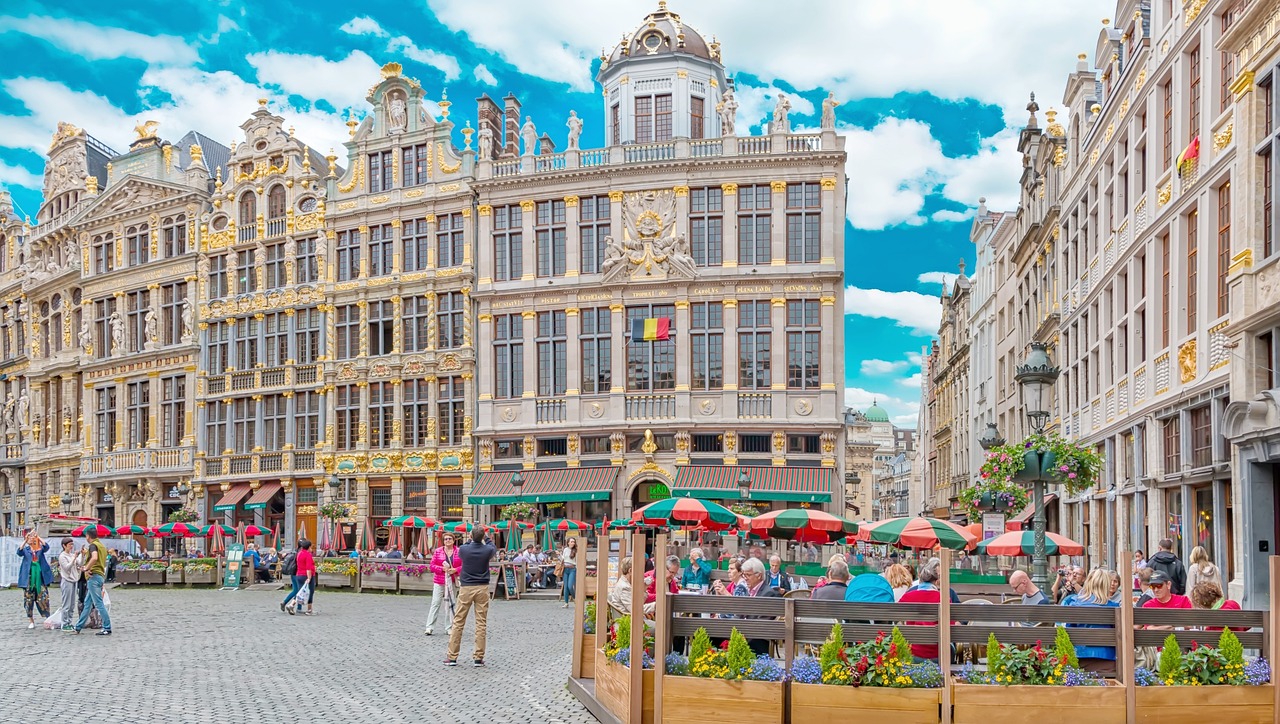
A crossroads land at the heart of Europe
Belgium occupies a small but strategically vital corner of northwestern Europe, where the Germanic and Latin worlds meet and where the great plains of the north open toward the sea. It is mostly flat, especially in the north, with the low-lying fields of Flanders giving way to the gentle hills and forests of the Ardennes in the south. It has a short but busy coastline on the North Sea and is threaded by rivers and canals that made it, for centuries, one of the great trading and manufacturing regions of the continent. Its very position, at the crossroads of Europe, has been both its making and its curse.
Because it lay on the natural invasion route between France and Germany, and between the continental powers and the sea, this land was for centuries the battlefield of Europe. Armies marched across it again and again, and some of the most terrible battles in European history, from medieval clashes to the slaughter of the First World War and the campaigns of the Second, were fought on Belgian soil. The flat fields of Flanders became, in the twentieth century, a byword for the horror of trench warfare. To be Belgian has always meant living in a place that larger powers fought over, a small country whose fate was too often decided by others.
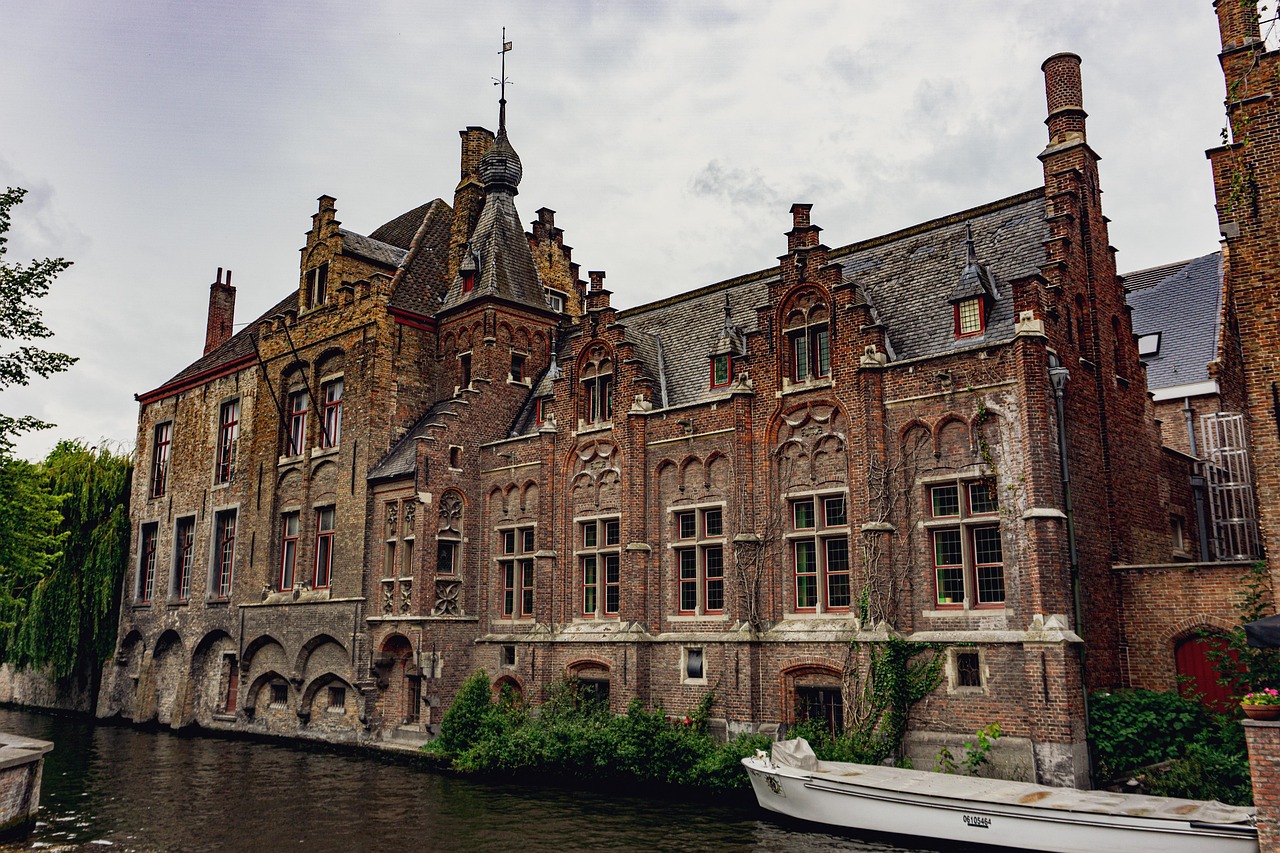
The golden age of the Flemish cities
Long before there was a country called Belgium, this land was one of the richest and most sophisticated regions in Europe. In the late Middle Ages the cities of Flanders, Bruges, Ghent, Ypres, and others, grew enormously wealthy on the cloth trade, weaving English wool into fine cloth that was sold across the continent. These cities became bustling centres of commerce and craft, among the most urbanized and prosperous places north of the Alps, their merchants rivalling princes and their guilds wielding real political power. Bruges in particular became a great hub of international trade and finance, its canals crowded with ships from across Europe.
This wealth fed an extraordinary flowering of art. The Flemish Primitives, painters such as Jan van Eyck, pioneered new techniques in oil painting and produced works of astonishing realism and beauty that changed the course of European art. Later the region produced Pieter Bruegel, with his vivid scenes of peasant life, and in the seventeenth century the great Peter Paul Rubens, whose vast, dynamic canvases made Antwerp a capital of European painting. The artistic genius of this corner of Europe, sustained across centuries, is one of the glories of Western civilization, and it grew from the wealth and confidence of the medieval Flemish towns whose magnificent guild halls and belfries still rise above the squares today.
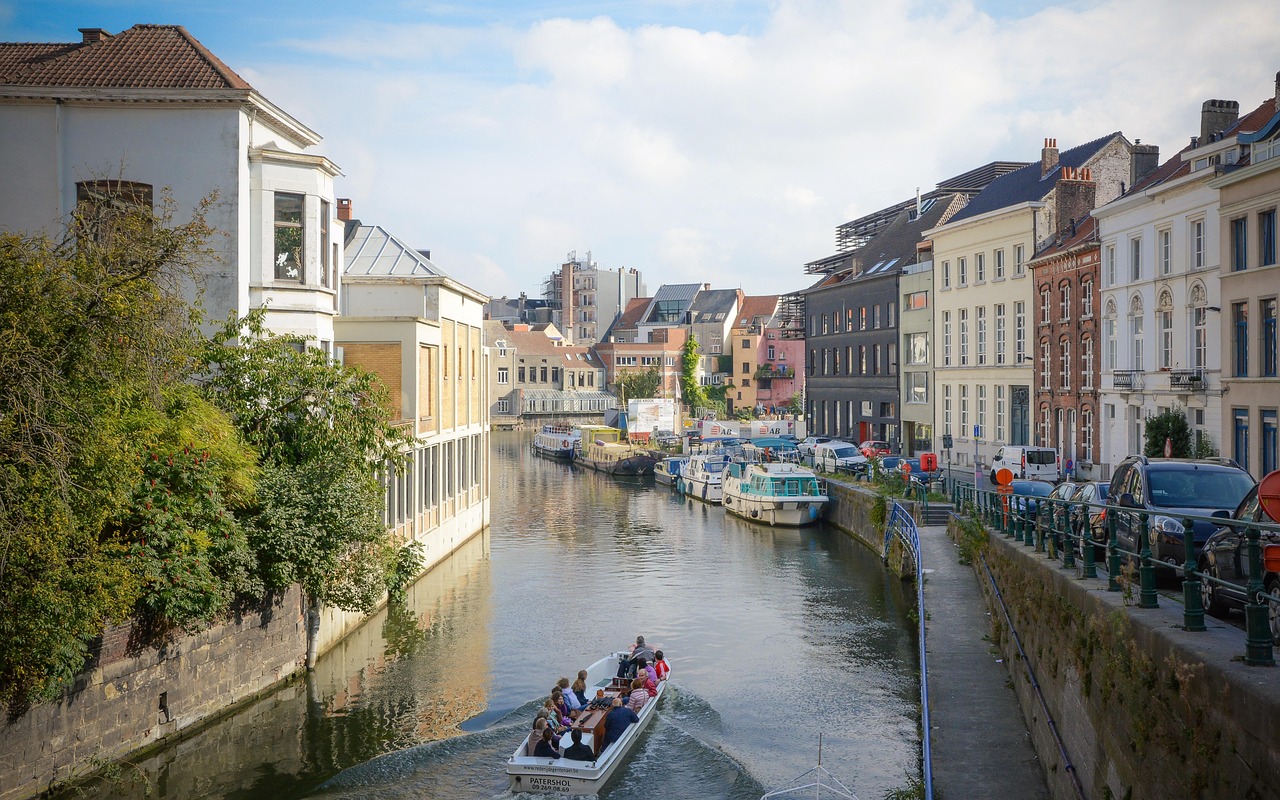
Ruled by everyone else
For most of its history, the territory of modern Belgium was not independent but passed from one foreign ruler to another, a prize fought over and traded among the great dynasties of Europe. In the late medieval and early modern periods it formed part of the Burgundian lands and then the inheritance of the Habsburgs, who ruled it from Spain and later from Austria. These were the Spanish Netherlands and then the Austrian Netherlands, a Catholic, Habsburg-ruled territory distinct from the Protestant Dutch republic that had broken away to the north.
The division between the southern Netherlands, which remained Catholic and under Habsburg rule, and the northern Netherlands, which became the independent, Protestant Dutch Republic, is the deep origin of the split between Belgium and the modern Netherlands. After the Habsburgs came the French revolutionary and Napoleonic armies, who annexed the region outright, and after Napoleon’s fall the great powers handed it to the Dutch king, merging it with the northern Netherlands into a single kingdom. This arrangement, imposed from outside, satisfied no one in the south, and within fifteen years it collapsed in revolution. The people of this much-ruled land had, at last, decided to rule themselves.
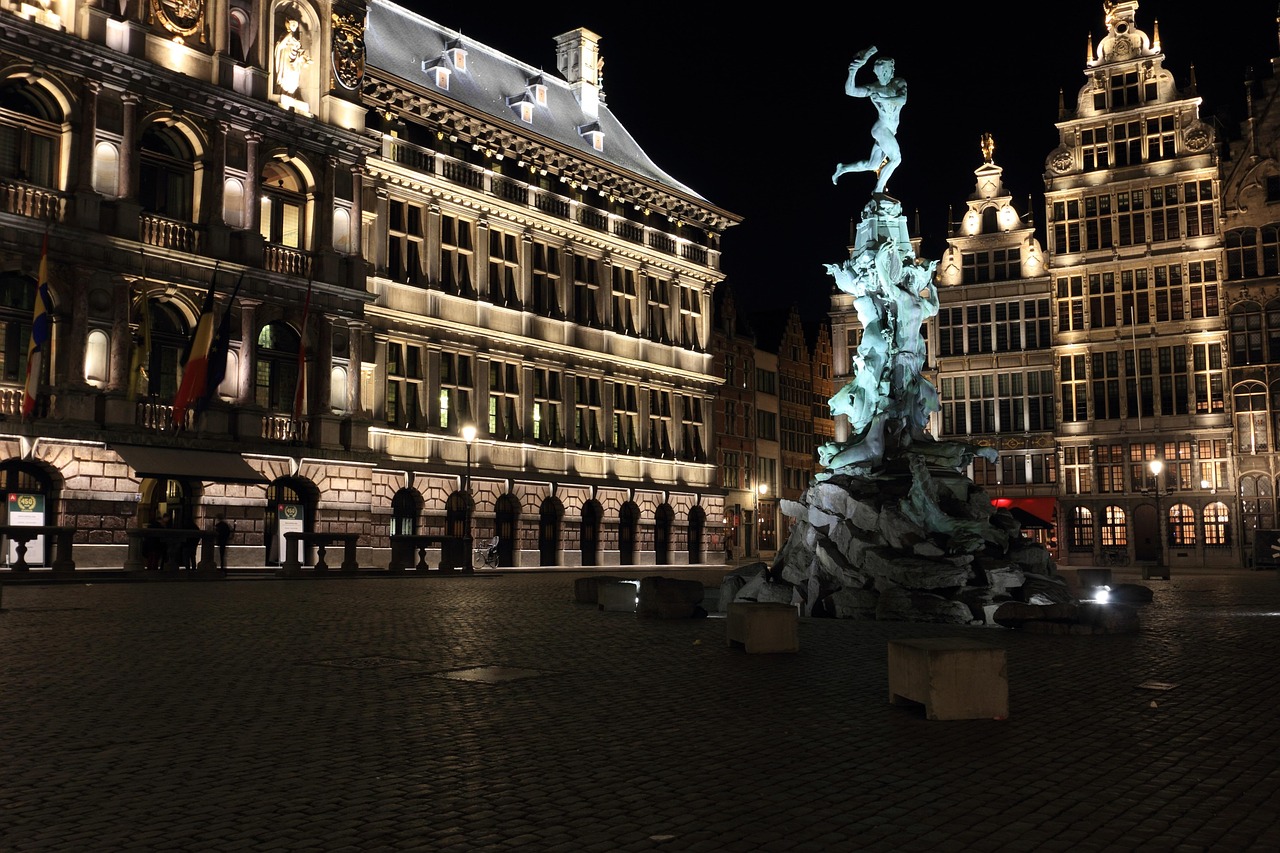
The birth of a kingdom
Belgium was born in 1830, in a revolution against Dutch rule. The Catholic, partly French-speaking south chafed under the Protestant Dutch king, and an uprising that began in Brussels swiftly spread until the southern provinces broke away and declared independence. The great powers of Europe, meeting to manage the crisis, accepted the new state on one crucial condition, that Belgium be permanently neutral, a buffer that would belong to no great power and take no side in their quarrels. A constitutional monarchy was established, a king was invited in from a German princely house, and the Kingdom of Belgium took its place on the map.
The new country was, from the very beginning, an artificial construction in some respects, a union of Flemish and Walloons brought together more by shared Catholicism and opposition to Dutch rule than by any deep national feeling. Its independence and neutrality were guaranteed by the powers, a guarantee that would have fateful consequences. For decades the country was run by its French-speaking elite, and French was the language of government, the law, the army, and high society, even though the Flemish were a majority of the population. This linguistic inequality planted the seed of the great Belgian quarrel that would grow throughout the country’s history. But for now, Belgium had what it had long lacked, a state of its own.
Industry, wealth, and a brutal empire
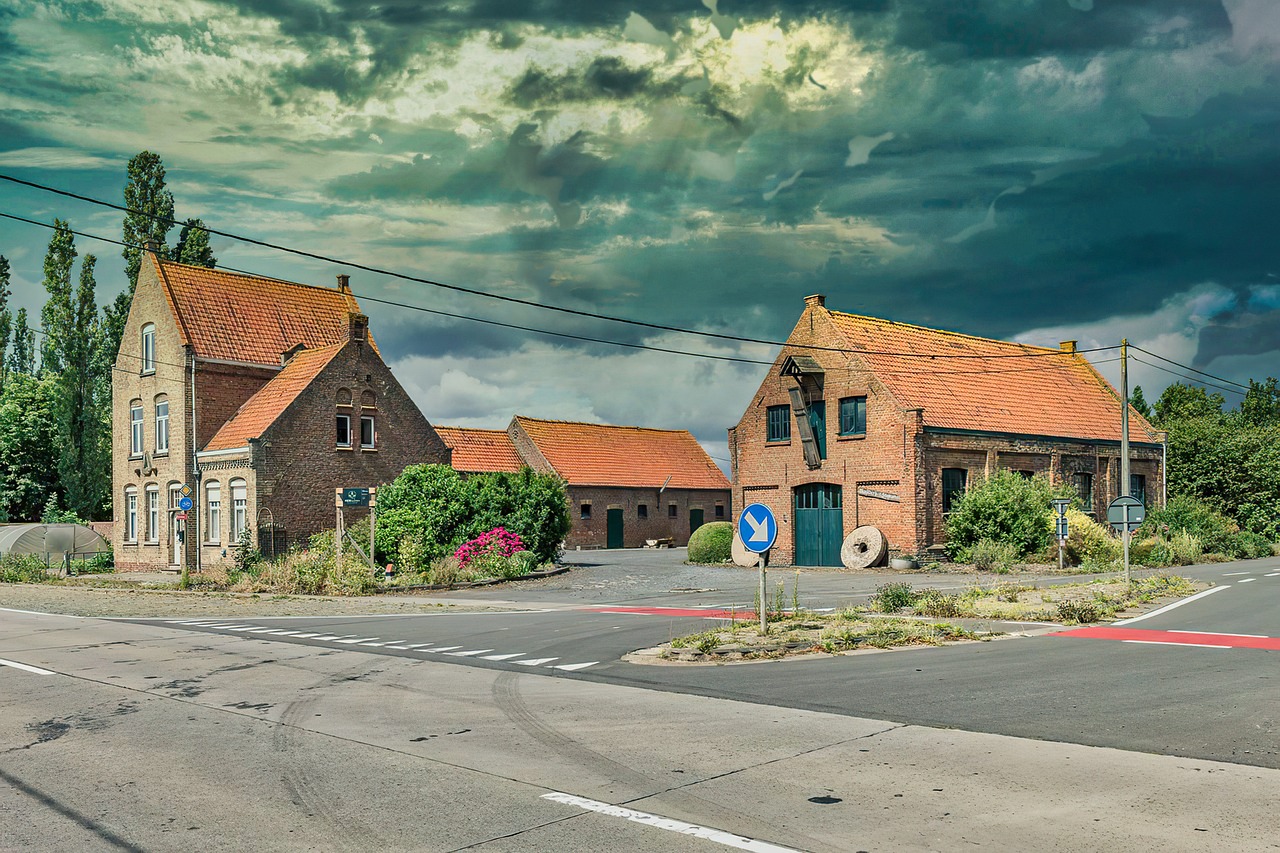
Nineteenth-century Belgium became one of the first countries in the world to industrialize, after Britain. The coalfields and ironworks of Wallonia in the French-speaking south made the region an industrial powerhouse, and Belgium grew rich on coal, steel, and manufacturing. For a time it was one of the most advanced industrial economies on the planet, its factories and railways the envy of its neighbors. This was the age when Wallonia led and prospered, while the agricultural Flemish north remained poorer, an economic balance that would later dramatically reverse.
But the prosperity of this era carried a terrible shadow, and honesty demands that it be named clearly. In the late nineteenth century the Belgian king Leopold the Second acquired, as his personal possession, an enormous territory in central Africa, the Congo. What followed was one of the worst atrocities of the colonial age. In his ruthless extraction of rubber and ivory, Leopold’s regime subjected the Congolese people to forced labour, mutilation, and mass death on a horrifying scale; historians estimate that millions died. The wealth and grand buildings that adorned Belgium were in part built on this suffering. Belgium later took the colony over from the king, but the brutality continued in milder forms until independence, and the legacy of this colonial crime is something modern Belgium has only recently begun to confront honestly. No account of the Belgians can pass over the Congo in silence.
The land that the wars destroyed
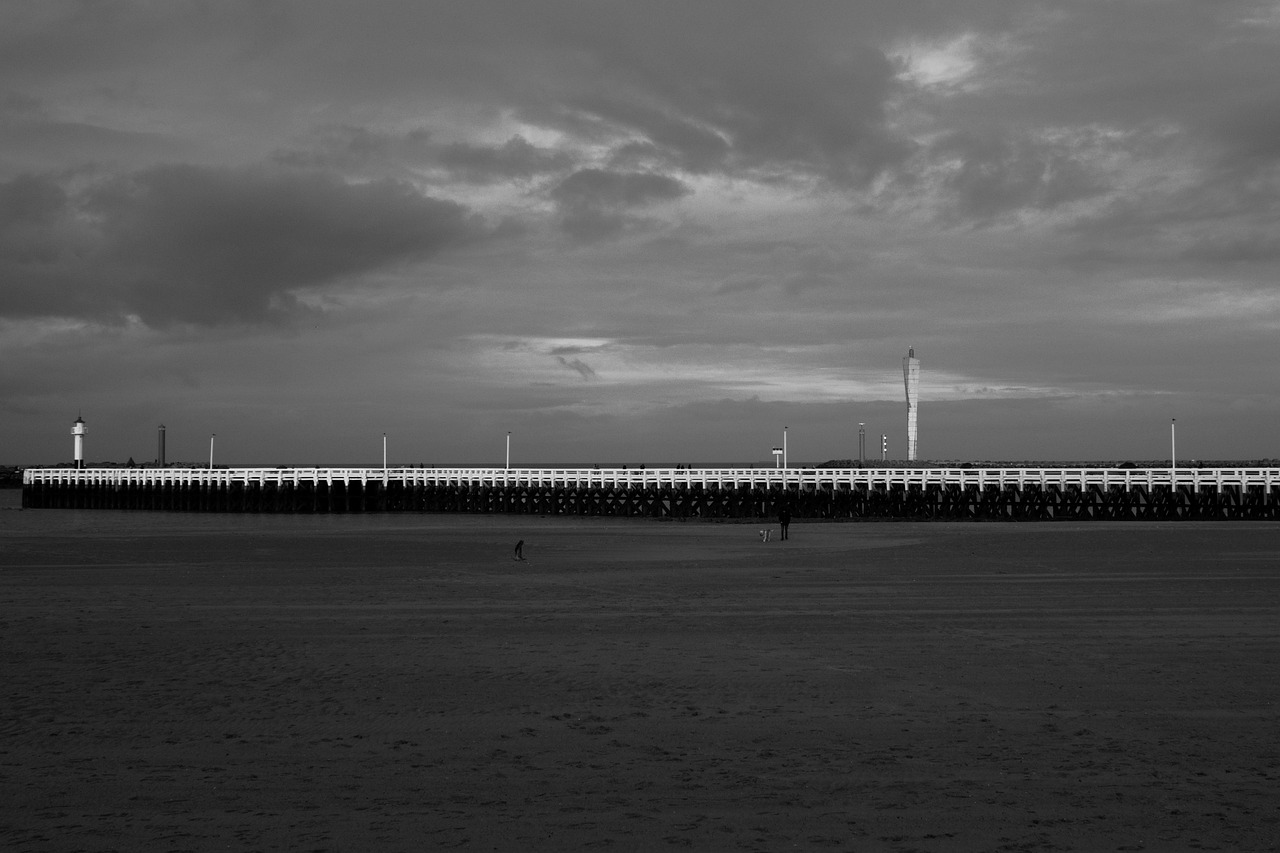
Belgium’s neutrality, guaranteed by the great powers in 1830, became its tragedy in 1914. When Germany sought to attack France at the start of the First World War, it chose to march through neutral Belgium, and the violation of Belgian neutrality was the spark that brought Britain into the war. The German invasion was accompanied by atrocities against Belgian civilians that shocked the world, and the country was largely occupied for the duration of the war. The flat fields of Flanders, around the town of Ypres, became the setting for some of the most prolonged and horrific fighting in human history, where hundreds of thousands died in the mud over a few miles of ground.
The poppies that grew amid the graves of Flanders became an enduring symbol of the war’s slaughter, remembered every year across much of the world. Barely two decades later the catastrophe returned, as Nazi Germany again invaded and occupied Belgium in the Second World War. The country suffered occupation, resistance, collaboration, and the deportation and murder of much of its Jewish population in the Holocaust. Twice in a single lifetime, Belgium was overrun and devastated by the wars of its larger neighbors, a small nation paying an enormous price for its position at the crossroads of Europe. This experience of being the battlefield of the continent left a deep mark and helped turn the Belgians into some of the most committed supporters of a united, peaceful Europe.
The great divide
The defining feature of modern Belgian politics is the division between its two main communities, and over the twentieth century this division reshaped the entire country. The Flemish, long treated as second-class in their own country, fought a steady and largely successful struggle for the equality of the Dutch language and for political and economic power. As the old industries of Wallonia declined and the Flemish north, with its ports and modern industries, surged ahead economically, the balance of power shifted decisively. The once-poor Flemish became the wealthier and more populous community, and Flemish nationalism, demanding ever greater autonomy, became a powerful force.
In response to these tensions, Belgium remade itself, over a series of reforms, from a unified state into one of the most decentralized federations in the world. Power was devolved to language-based regions and communities, each with its own government and parliament, until the federal state in Brussels was left with relatively limited authority. The country is now divided into Flanders, Wallonia, and the bilingual Brussels region, with separate institutions for the language communities layered on top, producing a system of dizzying complexity. At times the divisions have grown so sharp that Belgium has gone for many months without a national government, the rival communities unable to agree, and yet the country has continued to function. It is, in its way, a remarkable demonstration of how a deeply divided society can hold together through compromise and federalism rather than fly apart.
The capital of Europe
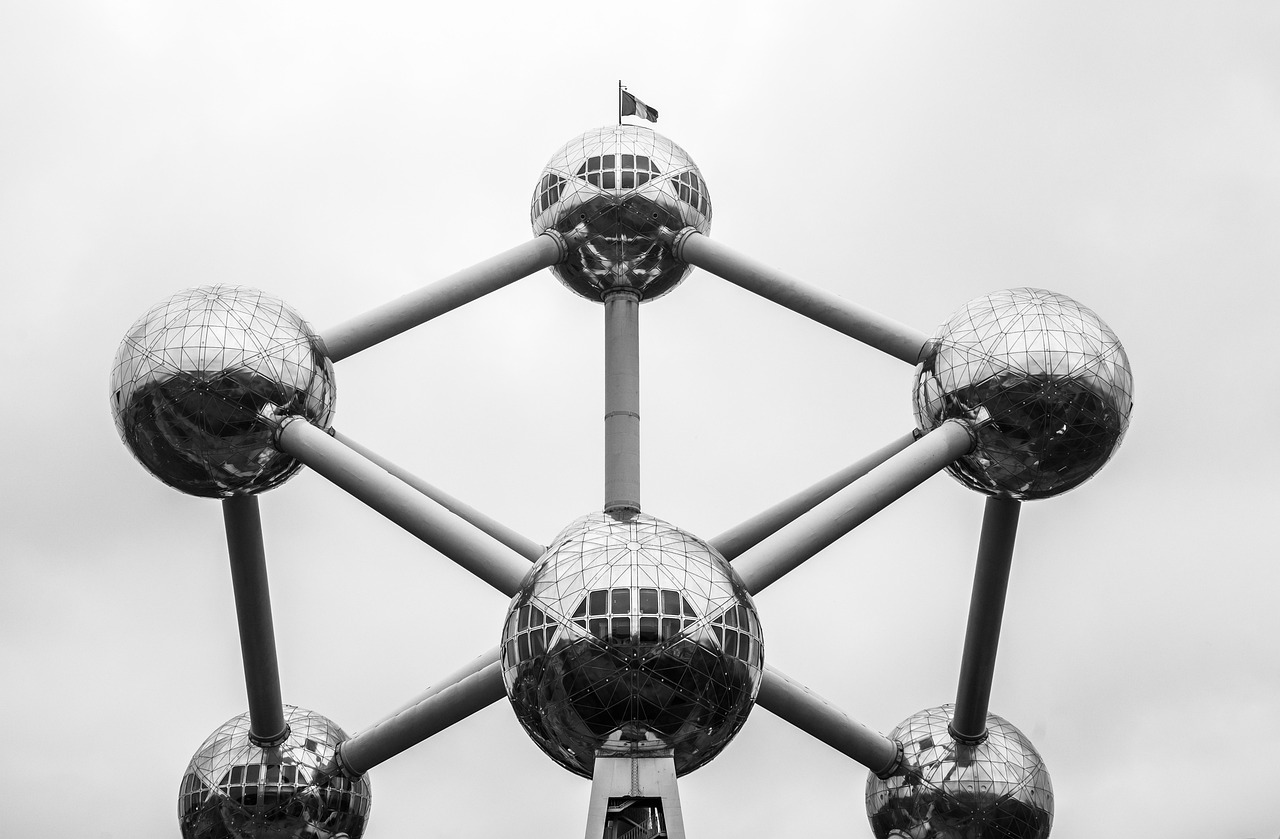
Out of all this division and difficulty, Belgium found a role that gave it a new kind of importance. Brussels, the bilingual capital sitting at the meeting point of the two communities, became the de facto capital of the European Union, home to its main institutions, and a major centre of the NATO alliance as well. A country that had been the battlefield of Europe became the place where Europeans came together to govern themselves in peace, an outcome rich with historical irony and meaning. For the Belgians, who had suffered more than most from European wars, hosting the institutions of European unity was a fitting destiny.
This role has made Brussels a truly international city, filled with diplomats, officials, lobbyists, and citizens from across the continent and the world, and has given Belgium an influence in European affairs out of proportion to its size. The Belgian genius for compromise, negotiation, and patient muddling through, honed by the endless task of holding their own divided country together, turned out to be excellent training for the work of building consensus among the many nations of Europe. A people who had learned, at home, how two communities can share one fractious state were well suited to help the whole continent learn the same difficult art. Belgium’s neighbours include the Dutch to the north, with whom the Flemish share a language, whose own story we explore in our piece on the Dutch.
Flemish and Walloon, and what they share
It is easy, given the country’s divisions, to see only what separates the Flemish and the Walloons, and the differences are real. The Flemish in the north speak Dutch, in distinctive Flemish dialects, and their region is now the more populous and prosperous, with a strong sense of its own identity that sometimes shades into a desire for independence. The Walloons in the south speak French, and their region, once the industrial heart of the country, has struggled with the decline of coal and steel. The two communities watch different television, read different newspapers, vote for different parties, and increasingly live somewhat separate public lives.
And yet there remains something that both share, a common Belgian-ness that outsiders often see more clearly than Belgians themselves. There is the shared Catholic heritage, the shared history of being ruled by others and then building a country together, the shared experience of the wars. There is a common love of the good things in life, of food and drink, of conviviality and of not taking oneself too seriously. There is a particular Belgian humor, ironic, modest, and faintly surreal, that produced artists like the painter René Magritte and characters like the comic-strip hero Tintin. Whatever their language, Belgians tend to share a certain unpretentious, pragmatic, pleasure-loving temperament, and a sense that grand nationalism is faintly ridiculous. It may not be a passionate national identity, but it is a real and rather likeable one.
Beer, chocolate, and the art of living well
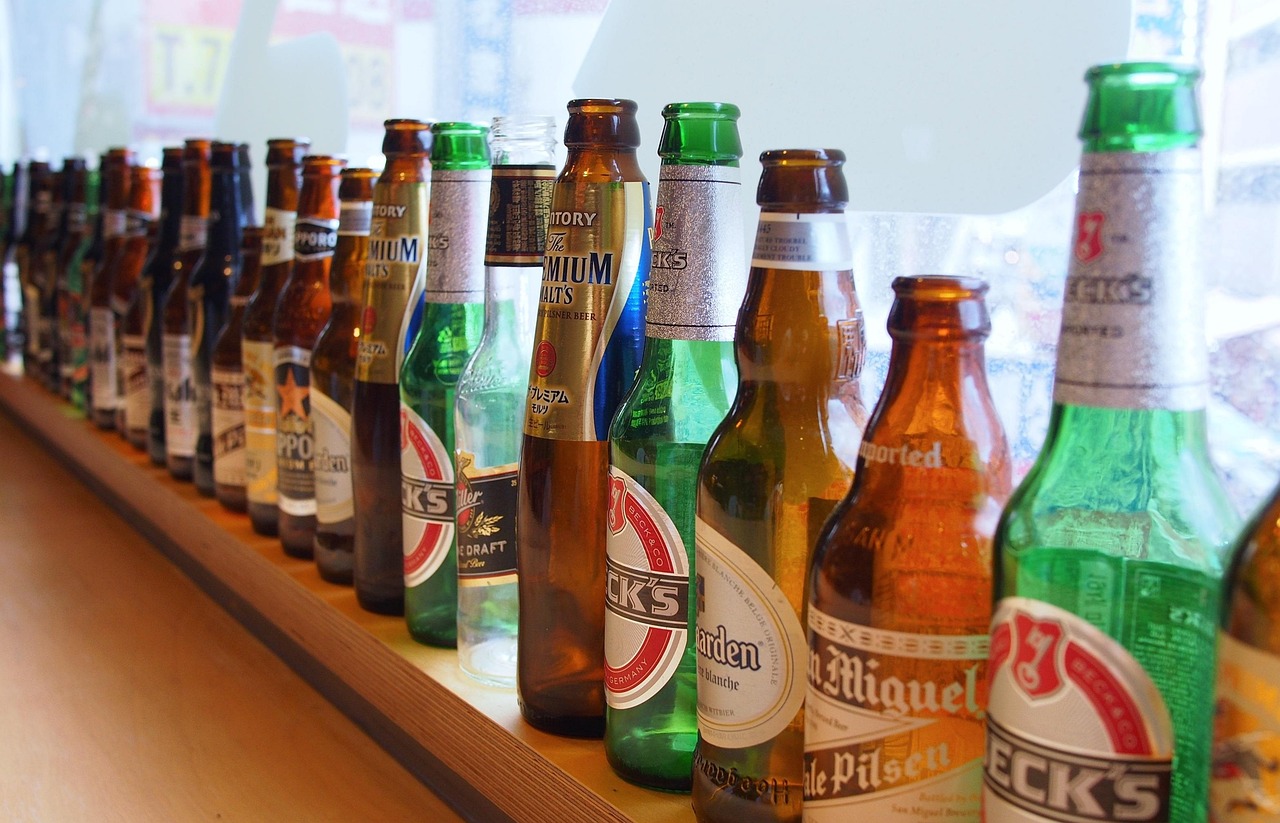
If Belgians struggle to agree on politics, they are entirely united in their devotion to good food and drink, and here their small country punches far above its weight. Belgian beer is justly world-famous, the product of a brewing tradition stretching back centuries, much of it kept alive by monasteries whose Trappist ales are among the most prized in the world. The sheer variety is staggering, from strong golden ales to dark abbey beers to the wild, sour lambics fermented with airborne yeasts found nowhere else, and the whole tradition has been recognized as a treasure of human culture. To drink beer in Belgium is to take part in a serious and ancient craft.
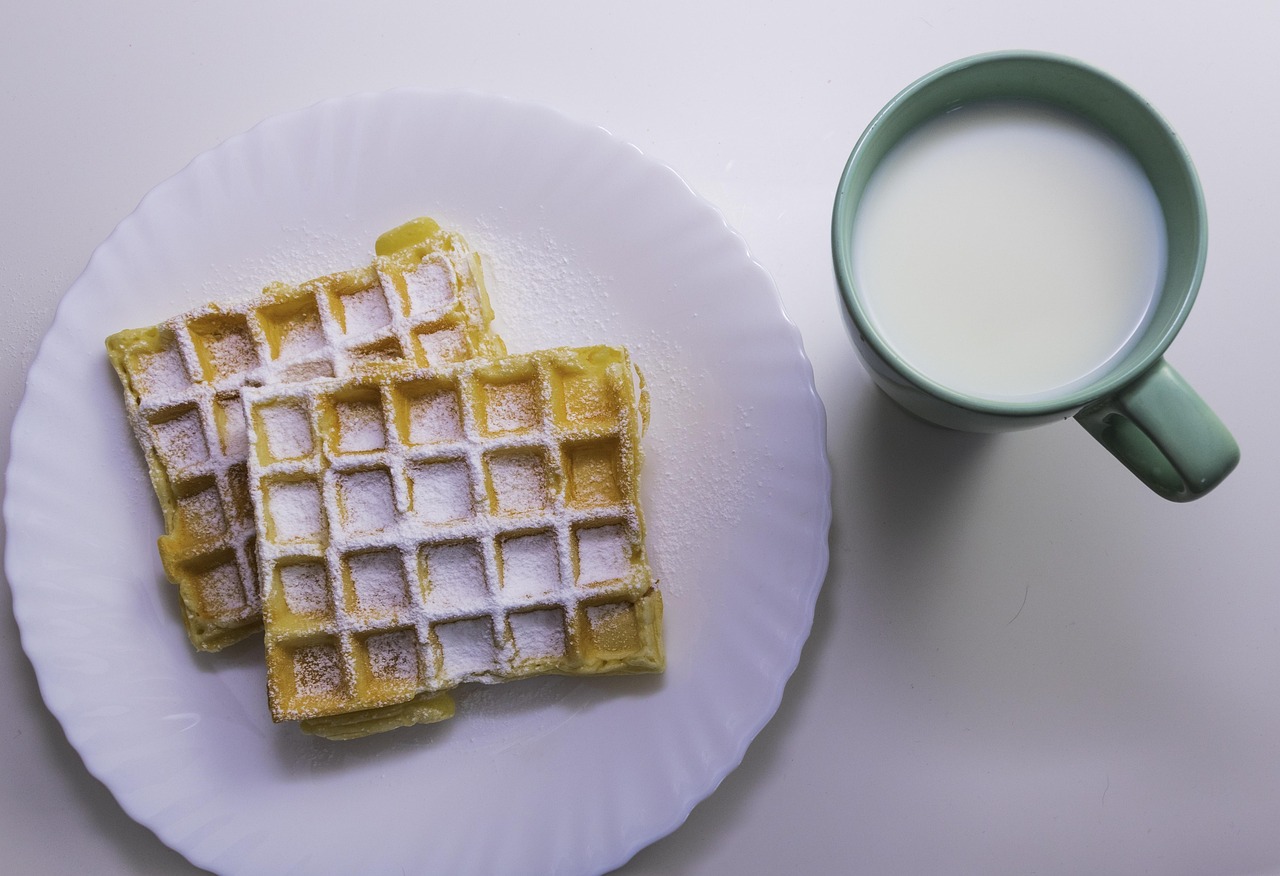
Then there is Belgian chocolate, a benchmark of quality the world over, and the Belgian waffle, and the humble but beloved frites, the fried potatoes that Belgians insist were their invention and that they elevate to an art form. This devotion to good eating and drinking is central to Belgian life and to the convivial, unpretentious culture that both communities share. It reflects a deeper attitude, a belief that life is to be enjoyed, that the pleasures of the table and the café are among the things that make existence worthwhile. In a country that has known more than its share of war, occupation, and division, this quiet insistence on living well is itself a kind of wisdom.
A surreal and creative spirit
Belgium has a cultural influence remarkable for so small a country, and a distinctive creative spirit that runs through its art. The medieval Flemish masters and the baroque genius of Rubens gave way, in the modern age, to new forms of brilliance. Belgium became a powerhouse of the comic strip, giving the world Tintin and the Smurfs and a whole tradition of graphic storytelling that is taken as seriously as any art form. It produced the surrealist painter René Magritte, whose bowler-hatted men and impossible images, his pipe that is not a pipe, captured a peculiarly Belgian sense of the strangeness lurking beneath ordinary life.
This surreal, ironic, slightly absurdist sensibility seems fitting for a country that is itself something of a paradox, a nation that questions its own existence yet keeps existing, two peoples who quarrel endlessly yet stay together. Belgian creativity extends into fashion, with Antwerp producing internationally celebrated designers, into music, film, and cuisine, and into a general cultural confidence that belies the country’s habit of self-deprecation. The Belgians may joke about their improbable little country, but they have made of it a place of genuine and lasting cultural richness, proof that creativity does not require size or grandeur, only spirit.
The Belgians today
Modern Belgium is a wealthy, comfortable, and highly developed country, with an advanced economy, excellent public services, and a high standard of living, even as it grapples with its perennial internal divisions and the complexity of its government. It sits at the heart of the European Union both literally and politically, its capital the meeting place of the continent, and it remains deeply committed to European integration as the guarantee of the peace that its own history taught it to value so highly. Its great cities, Brussels, Antwerp, Ghent, and Bruges, draw visitors from around the world to their squares, museums, and canals.
The challenges remain real. The tension between Flanders and Wallonia has not gone away, and Flemish nationalism continues to raise the question, never quite resolved, of whether the country might one day split. Belgium, like its neighbors, also wrestles with immigration, integration, and the legacy of its colonial past, which it has begun, belatedly, to examine with honesty. Yet for all the talk of a country on the verge of breaking apart, Belgium endures, year after year, decade after decade, held together by its tangled compromises, its shared pleasures, and a deep if undramatic attachment to the strange, divided, rather wonderful little nation that its people, against the odds, have built and kept.
What the Belgian story tells us
The story of the Belgians is a lesson in the unglamorous virtues. It is not a tale of national glory or grand destiny; it is a tale of two peoples making the best of an awkward situation, of a small country surviving by compromise and pragmatism, of a nation that knows it is improbable and carries on anyway. There is no soaring Belgian nationalism, no myth of a single chosen people, and perhaps that very modesty is part of what makes the Belgians worth understanding. They show that a country can hold together without unity of language or fervent patriotism, bound instead by shared interests, shared pleasures, and the simple decision to keep cooperating.
Belgium’s history holds dark chapters, above all the horror of the Congo, that must never be softened or forgotten, and its present holds real divisions that may yet test it further. But it also offers a quietly hopeful example. Here is a small, divided, much-invaded land that became prosperous and peaceful, that turned its experience of being Europe’s battlefield into a commitment to European unity, and that learned to govern profound differences through patience rather than force. In an age when so many nations are tempted by the simple, dangerous dream of one people and one identity, the muddled, compromising, beer-loving, self-mocking Belgians stand as a reminder that diversity and disagreement need not be fatal, and that there is a kind of quiet heroism in simply holding together and living well.