Fatty liver disease, in its non-alcoholic form known as NAFLD, has quietly become one of the most common liver conditions in the world. It develops when fat builds up inside liver cells in people who drink little or no alcohol, and for years it usually causes no symptoms at all. The encouraging part is that, especially in its early stages, fatty liver is one of the most reversible chronic conditions we know of: the right changes in eating and daily movement can genuinely turn it around. In this article I explain what fatty liver is, which organs it touches, how it advances, its close link with nutrition, and how it can be improved by natural means.
Table of Contents
- What is fatty liver disease?
- What are the symptoms?
- Which organs does it affect?
- How it progresses: from simple fat to scarring
- How it presents and develops
- Causes and risk factors
- Its relationship with nutrition
- The place of fats
- Natural foods that help the liver
- Healing the liver by natural means
- Where to find natural support
- When medical treatment is needed
- Small but effective daily changes
- A final word
What is fatty liver disease?
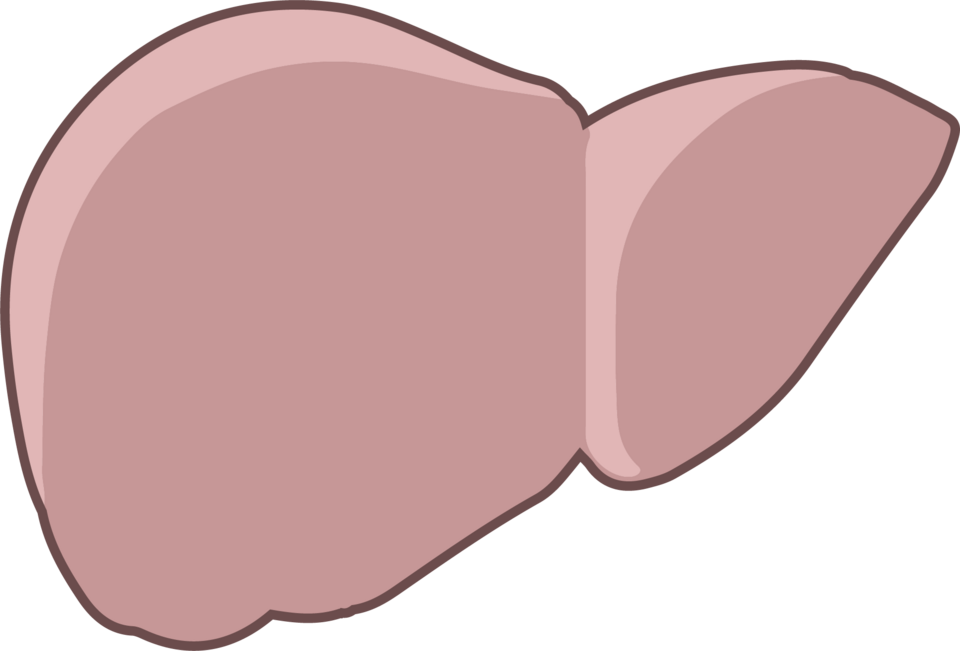
The liver is the body’s central chemical workshop. It filters the blood, breaks down toxins, stores energy, and helps regulate fats and sugars. Fatty liver disease begins when more fat than normal starts to accumulate inside the liver’s own cells. A small amount of fat in the liver is harmless, but when it passes a certain share of the organ’s weight, doctors call it steatosis, or simply fatty liver.
The “non-alcoholic” label matters because excessive alcohol can cause an almost identical picture. NAFLD describes the same fatty change in people who drink little or no alcohol, which tells us the driver is usually metabolic: how the body handles sugar, insulin, and energy rather than a single toxin. Because of this, fatty liver is often described less as a disease of the liver alone and more as the liver’s reaction to a wider metabolic imbalance.
What makes the condition tricky is that the liver rarely complains. It has a large reserve capacity and can keep doing its job even while fat slowly builds up inside it. That is why most people only discover they have a fatty liver by chance, during an ultrasound or a routine blood test taken for another reason.
What are the symptoms?
In its early stages fatty liver usually gives no clear symptoms, and this silence is one of its most important features. Many people live for years with a fatty liver and feel completely well. When signs do appear, they tend to be vague: a general tiredness, a feeling of fullness or mild discomfort in the upper right side of the abdomen, and a sense of sluggishness that is easy to blame on a busy life.
As the condition advances toward inflammation, symptoms may become a little more noticeable, but they still rarely point clearly to the liver. This is exactly why fatty liver is sometimes called a silent condition. The absence of pain should not be read as reassurance; it simply reflects how patiently the liver tolerates damage before it signals distress.
Because the early warning signs are so faint, regular check-ups matter, especially for people carrying extra weight around the waist, those with type 2 diabetes, or anyone with abnormal cholesterol. A simple blood test and an ultrasound can often reveal a fatty liver long before it would ever announce itself.
Which organs does it affect?
Although the problem sits in the liver, its consequences spread far beyond it. The liver sits at the crossroads of how the body manages sugar and fat, so when it struggles, the whole metabolism feels it. Fatty liver travels closely with insulin resistance, which strains the pancreas and pushes blood sugar upward, feeding a cycle that links it tightly with type 2 diabetes.
The heart and blood vessels are also affected. People with fatty liver more often have unhealthy cholesterol patterns, higher blood pressure, and a raised risk of cardiovascular disease, which is in fact a leading cause of harm in this group. The kidneys can feel the strain of the same underlying metabolic problems, and chronic low-grade inflammation linked to a fatty liver may quietly affect the body more broadly.
The shared thread behind all of this is metabolic: fatty liver is rarely an isolated event. It usually arrives alongside excess weight, insulin resistance, and disturbed blood fats, which is why addressing it tends to improve several aspects of health at once rather than the liver alone.
How it progresses: from simple fat to scarring
Fatty liver is best understood as a spectrum rather than a single fixed state. At the mildest end is simple steatosis, where fat has gathered in the liver cells but there is little inflammation. At this stage the liver is still working well and, crucially, the change is largely reversible.
In some people the fat triggers inflammation, a stage often called steatohepatitis (the more active, inflamed form sometimes labelled NASH). Here the liver cells are not only fatty but irritated and injured, and the body begins trying to repair the ongoing damage. Persistent repair leads to fibrosis, where tough scar tissue gradually replaces healthy liver tissue. If scarring continues over many years, it can advance to cirrhosis, where the liver becomes hardened and its function is seriously compromised.
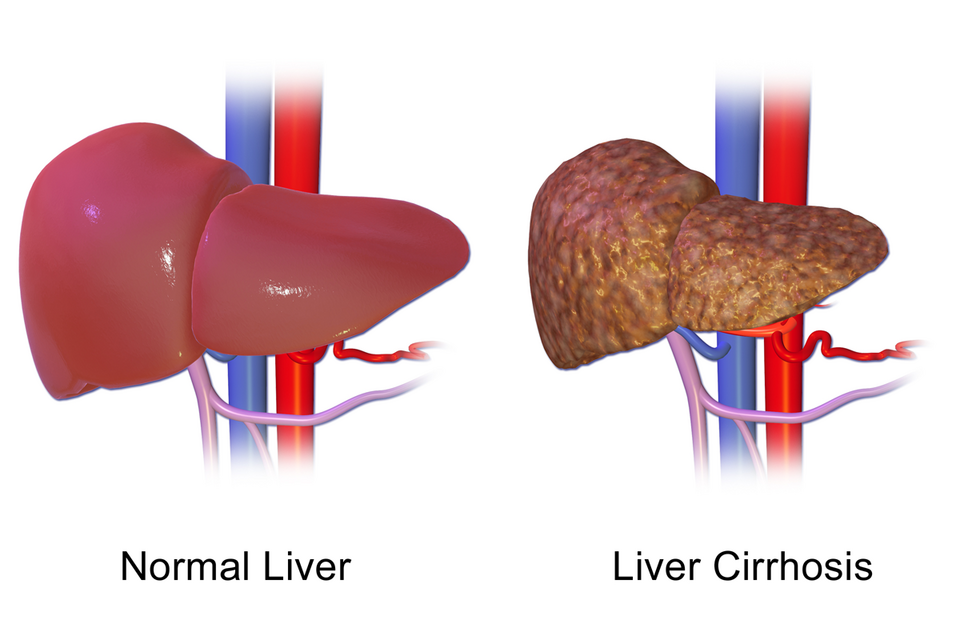
The important message is that this journey is slow and, in its earlier stages, can often be halted or even reversed. Most people with fatty liver never reach cirrhosis, particularly when the underlying causes are addressed early. The earlier the liver is given a chance to recover, the more completely it tends to heal.
How it presents and develops
Fatty liver typically develops over years rather than weeks. It often begins against a background of gradual weight gain, especially around the abdomen, combined with a diet rich in refined carbohydrates and sugary drinks and a largely sedentary routine. Insulin resistance builds up in parallel, and the liver, receiving a steady surplus of energy, starts converting and storing it as fat.
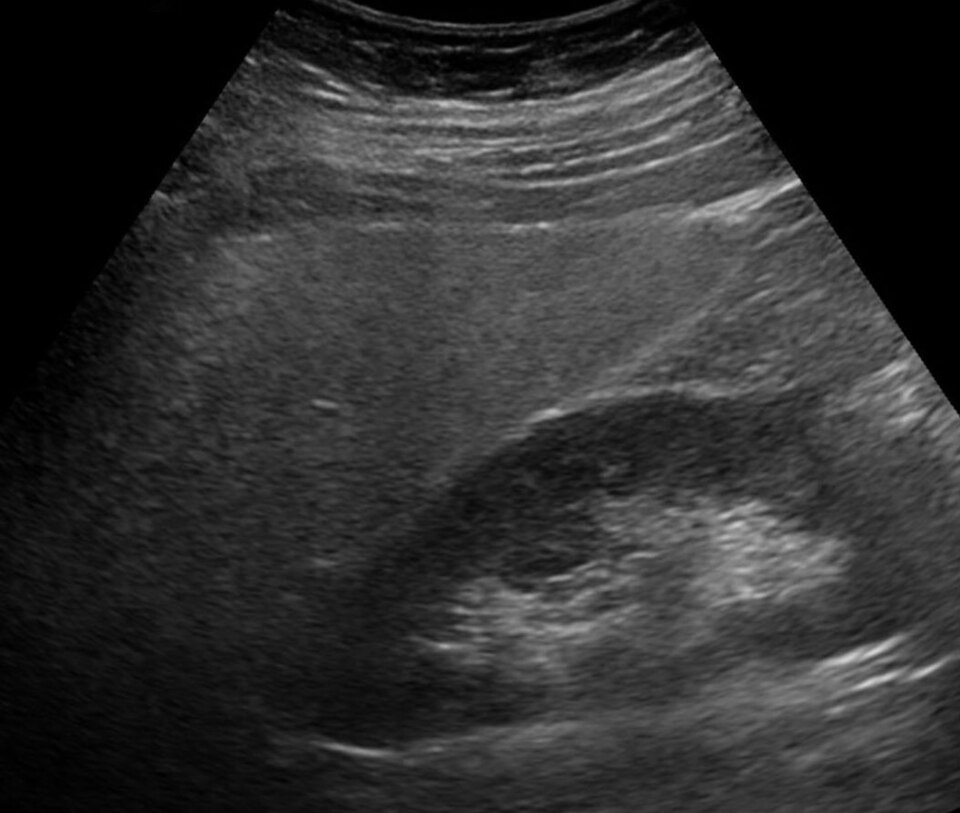
Because there is no dramatic onset, the condition tends to be discovered indirectly: slightly raised liver enzymes on a blood test, or a “bright” liver noted on an ultrasound done for another reason. From there, doctors look at the wider picture, including weight, blood sugar, and cholesterol, to understand how far the process has gone and how active it is.
Newer tools such as elastography can estimate how much fat and stiffness are present without surgery, helping to gauge whether the liver is simply fatty or has begun to scar. This staging matters because it shapes how urgently and intensively the condition needs to be addressed.
Causes and risk factors
There is rarely a single cause. Instead, several factors usually overlap. The most important are excess body weight, particularly fat carried around the middle, insulin resistance, type 2 diabetes, and a diet heavy in sugar and refined starches. A sedentary lifestyle and unhealthy blood fats add to the risk.
Genetics also play a part. Certain inherited variants, such as one affecting a gene called PNPLA3, can make some people more prone to storing fat in the liver even at a similar weight, which helps explain why the condition is not purely about lifestyle. Age, hormonal changes, and some other medical conditions can contribute as well.
The encouraging side of this list is that most of the strongest risk factors are modifiable. Weight, diet, activity, and blood sugar control are all within reach of change, which is precisely why fatty liver is considered one of the more manageable chronic conditions when it is caught in time.
Its relationship with nutrition
Nutrition sits at the very center of fatty liver. The key point, which surprises many people, is that the main dietary culprit is usually not fat but excess sugar and refined carbohydrate. When the body is flooded with more quickly absorbed sugar than it can use, the liver converts the surplus into fat through a process known as de novo lipogenesis. Fructose, especially in liquid form, is particularly effective at driving this, which is why sugary drinks are so closely tied to fatty liver.
Refined starches behave in a similar way. White bread, pastries, and many ready-made snacks release sugar rapidly, keep insulin high, and encourage the liver to keep storing fat. Over time, a diet built on these foods quietly feeds the very problem the liver is struggling with.
Moving away from heavily processed foods is the single most practical step, because it lowers sugar, refined starch, and poor-quality fats all at once. When meals are built from whole ingredients cooked at home, it becomes far easier to control how much sugar and starch reach the liver each day.
The place of fats
There is a long-standing misconception that the way to fix a fatty liver is to remove all fat from the diet. Yet fat is an essential nutrient that the body genuinely needs. It builds cell membranes, supports hormone production, and allows the absorption of fat-soluble vitamins such as A, D, E, and K. Cutting fat out entirely is neither possible nor healthy; the real task is to choose the right kind of fat and to keep the overall balance sensible.
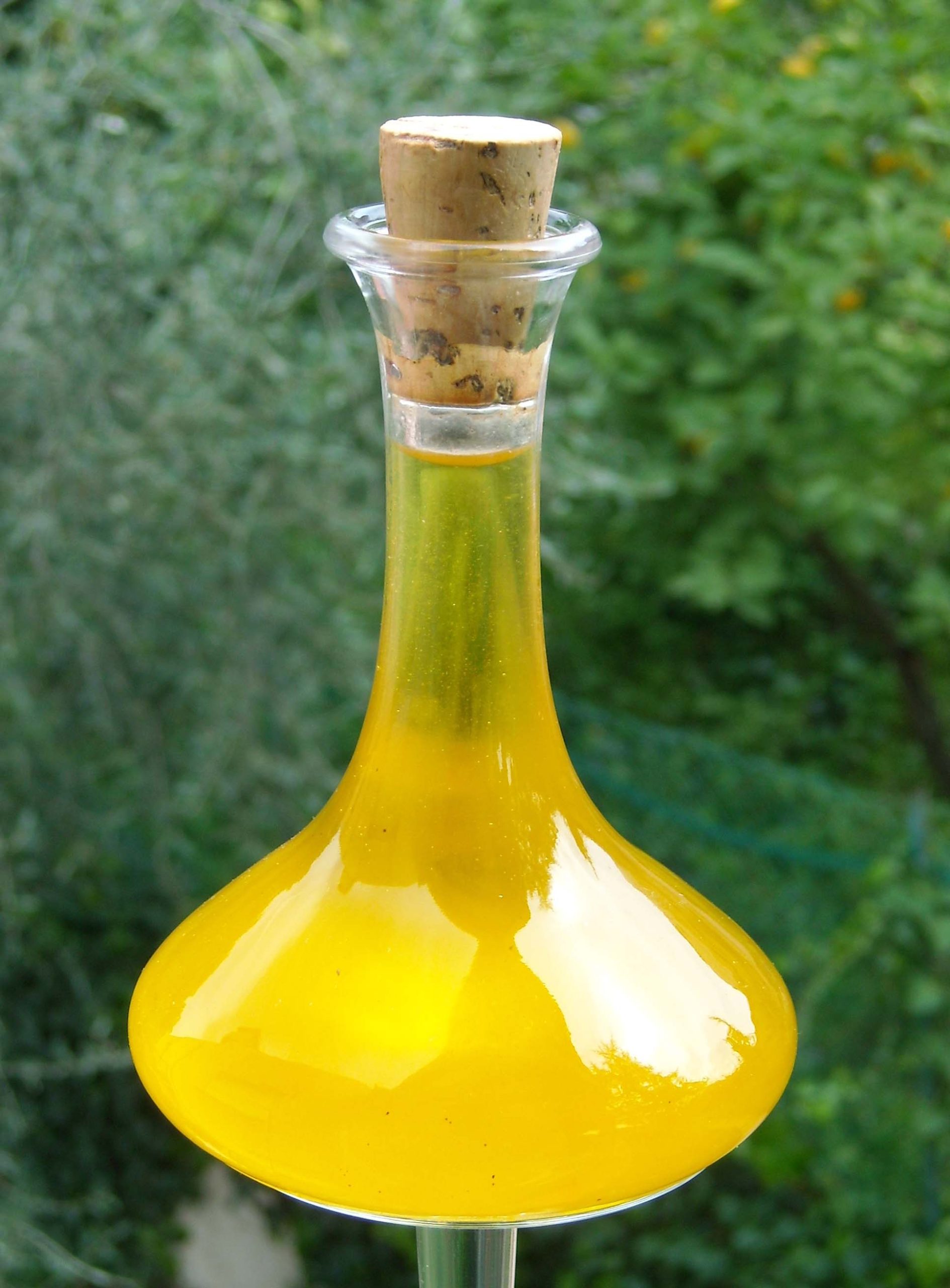
Healthy fats from sources such as olive oil, walnuts, almonds, avocado, and oily fish behave very differently from damaged or fried fats. The omega-3 fats in fish and the monounsaturated fats in olive oil are linked with lower inflammation and can support a healthier liver as part of a balanced diet. What truly needs limiting are the spoiled and repeatedly heated fats in fried and ultra-processed foods, which add stress rather than nourishment.
It is also worth being honest about a trap in the opposite direction: many products marketed as “fat-free” simply replace the fat with extra sugar or starch to rescue the flavour. For a fatty liver, that swap can be worse than the original, because added sugar is one of the very things that drives fat into the liver. A natural, quality fat eaten in its whole form is generally a better choice than a refined “fat-free” substitute.
That said, in fatty liver one extra point deserves clarity. Keeping good fats on the plate does not mean fat can be eaten without limit. Because the condition is closely tied to an energy surplus, total calories and especially added sugar still need to be kept in check. The healthiest approach is to keep good fats in their right place and from their right sources, while reducing the refined sugar and processed food that overload the liver in the first place.

Natural foods that help the liver
The right foods can make a real, measurable difference. A plate built around vegetables, legumes, and whole grains provides fibre that slows sugar absorption and steadies insulin. Oily fish supplies omega-3 fats that are associated with lower liver fat and inflammation, and olive oil offers gentle monounsaturated fats well suited to a liver-friendly, Mediterranean-style way of eating.
Interestingly, coffee appears repeatedly in studies as being associated with a healthier liver, with regular, unsweetened consumption linked to lower rates of liver scarring. Green leafy vegetables, berries, and other colourful plant foods add antioxidants that help the body cope with the low-grade inflammation that accompanies fatty liver.
The common thread is that these are whole, minimally processed foods that keep blood sugar steady and reduce the surplus energy reaching the liver. The more a daily diet leans toward this pattern, the more room the liver has to clear its stored fat.
Healing the liver by natural means
Fatty liver is one of the relatively few chronic conditions where lifestyle change is not just supportive but can be the main treatment. The reason is simple: the liver has a remarkable ability to regenerate, and when the surplus energy driving fat storage is removed, it can shed that fat over time.
Gradual, sustained weight loss is the most powerful lever. Even a modest reduction in body weight can noticeably lower liver fat, and a larger, steady loss can improve inflammation and early scarring. The emphasis on gradual matters, because crash dieting can sometimes stress the liver rather than help it. Regular physical activity adds an independent benefit; movement improves insulin sensitivity and helps the liver burn fat even when weight changes slowly.
Combined with cutting sugary drinks and refined carbohydrates, these changes work together rather than in isolation. For many people in the early stages, this combination can return the liver toward normal, which is why it is fair to describe lifestyle change here as genuine treatment rather than mere advice.
Where to find natural support
The most reliable natural support comes not from exotic supplements but from everyday foods and habits. The components of a Mediterranean-style diet are widely available: vegetables, legumes, whole grains, olive oil, nuts, and fish form the practical backbone of liver-friendly eating. Unsweetened coffee fits naturally into this pattern for most people.
Some supplements, such as omega-3 fish oils or vitamin E, are sometimes discussed in the context of fatty liver, but these are better thought of as possible additions under guidance rather than cures, and they do not replace the core work of diet and activity. Many herbal products are marketed for “liver detox,” yet evidence for most is weak, and a few can even be harmful, so caution is wise.
In short, the best place to find natural support is the kitchen and the daily routine. Building meals around whole foods and staying active deliver the bulk of the benefit, while any supplement is, at most, a minor and optional extra.
When medical treatment is needed
Lifestyle change is powerful, but it is not always enough on its own, and in more advanced cases medical help becomes important. When fatty liver has progressed to active inflammation or significant scarring, or when it sits alongside poorly controlled diabetes and cholesterol, a doctor may consider treatments aimed at the underlying drivers. There is no single magic pill, and any medication is decided and supervised by a physician.
Several drug groups are used to address the metabolic background rather than the liver fat directly. Insulin-sensitising medicines, including metformin (a biguanide) and pioglitazone (a thiazolidinedione), work by improving how the body responds to insulin, which can ease the metabolic pressure on the liver. Newer GLP-1 receptor agonists support weight loss and better blood sugar control, and through that route can benefit the liver. Vitamin E is sometimes used as an antioxidant in selected cases of the inflamed form, on the basis that it may reduce cell stress.
Where unhealthy cholesterol or high cardiovascular risk is present, statins are often used; these inhibit a key enzyme in cholesterol production and are generally considered safe in fatty liver, where heart risk is a major concern. The common thread is that all of these act on the wider metabolic picture, are chosen according to the individual, and complement rather than replace healthy eating and activity. Decisions about which, if any, are appropriate belong with a physician who can weigh the full situation.
Small but effective daily changes
Reversing a fatty liver does not demand a dramatic overhaul of life. Small, sustainable steps add up. Swapping sugary drinks for water or unsweetened coffee removes one of the strongest drivers of liver fat. Reserving half the plate for vegetables, choosing whole grains over refined ones, and reading labels to notice hidden sugar all quietly shift the balance in the liver’s favour.
Movement woven into the day matters just as much as formal exercise. Taking the stairs, walking after meals, and standing up regularly during long sedentary stretches all improve how the body handles sugar. None of these require special equipment, and their effect compounds when they become routine.
Keeping a simple eye on weight, waist, and how you feel can also be motivating, because the liver often responds faster than people expect. Seeing small improvements tends to make the new habits easier to keep, turning short-term effort into lasting change.
A final word
Fatty liver is best seen not as a verdict but as an early warning that the body’s handling of energy has drifted off balance. Because the liver regenerates so well, this is one of the most hopeful chronic conditions: caught early and met with sensible changes in diet and activity, it can often be reversed, and the benefits ripple outward to the heart, the blood vessels, and blood sugar. This article is for general information only; for personal diagnosis and treatment, be sure to consult your physician.