The smartphone is the device most of us look at first thing in the morning and last thing at night, and the competition to build it has become one of the fiercest rivalries in all of technology. Every autumn the big names line up on stage to show off slightly thinner bodies, slightly better cameras, and a growing pile of artificial-intelligence tricks. But behind the polished launch events there are real, distinct strategies at play. Apple, Samsung, Google, and a cluster of ambitious Chinese brands are each chasing a different idea of what a phone should be. This article walks through where the smartphone stands today and, more importantly, what each major company is actually doing differently.
Table of Contents
- The state of the smartphone today
- Apple: the slow, deliberate giant
- Samsung: the everything-everywhere strategy
- Google: the camera that thinks
- The Chinese challengers: Xiaomi, Oppo, Vivo, and Honor
- Foldables: the one genuinely new shape
- The camera race nobody wants to lose
- AI moves onto the phone itself
- Displays, batteries, and the unglamorous wins
- What this means if you are buying
- Closing thoughts
The state of the smartphone today
The honest headline is that smartphones have grown up. The yearly leaps that once made an old phone feel obsolete have given way to gentle, incremental improvements. A good phone bought two or three years ago is still perfectly capable today, and that maturity has reshaped the whole industry. Companies now compete less on raw specifications and more on software, ecosystem, camera processing, and the length of time they promise to keep your device updated. The battleground has moved from the hardware to the experience.
This maturity is good for buyers. It means you can keep a phone longer, the cheaper models are genuinely excellent, and the differences between brands come down to taste and ecosystem rather than one being dramatically better than another. The interesting story now is not which phone has the biggest number on a spec sheet, but how each company is trying to stand out in a market where the basics are essentially solved.
Apple: the slow, deliberate giant
Apple plays a patient game. It rarely ships a feature first, preferring to wait until it can deliver a polished version that works smoothly across its tightly controlled ecosystem of iPhone, iPad, Mac, Watch, and AirPods. The strength of this approach is consistency: an iPhone feels reliable, holds its resale value, and receives software updates for many years, which is one of the longest support windows in the industry. The custom Apple-designed chips inside the iPhone have for years set the pace for raw performance, and that silicon advantage remains one of the company strongest cards.
Apple recent direction has leaned into its own ecosystem of services and into bringing artificial intelligence onto the device while emphasizing privacy. Its on-device approach tries to keep personal data on the phone rather than sending everything to a server. The company has also responded, sometimes reluctantly, to outside pressure, switching its charging port to the common standard used by everyone else and opening up parts of its tightly sealed system in regions where regulators demanded it. Apple criticism is familiar: it moves cautiously, charges premium prices, and keeps users firmly inside its walled garden. Its defenders would say that garden is simply very well tended.
Samsung: the everything-everywhere strategy
If Apple is the focused specialist, Samsung is the sprawling generalist. The Korean giant makes a phone at nearly every price point, from inexpensive models that sell in enormous numbers across the world to ultra-premium flagships packed with the latest screens and cameras. Crucially, Samsung also makes many of the components that go inside phones, including displays and memory chips, which gives it a manufacturing advantage and a degree of independence that few rivals can match.
Samsung most distinctive bet has been on foldable phones. It pushed the folding form factor into the mainstream years before most competitors, refining the hinge and the crease across several generations until the devices became genuinely durable rather than fragile novelties. Its premium flagships are showcases for bright, smooth displays and versatile camera systems with very long zoom ranges. The trade-off with Samsung breadth is that its software has historically felt busier and more cluttered than Apple, though it has steadily cleaned this up and now promises many years of updates to match its rival.
Google: the camera that thinks
Google sells far fewer phones than Apple or Samsung, but its Pixel line is influential out of proportion to its sales. The Pixel is Google showcase for what software and artificial intelligence can do, and its calling card has always been the camera. Rather than competing on the size of the sensor, Google leaned hard into computational photography, using clever processing to produce images that often rival or beat phones with more expensive hardware. Features that began on the Pixel, such as erasing unwanted objects from a photo or sharpening a blurry face, have a way of spreading across the whole industry.
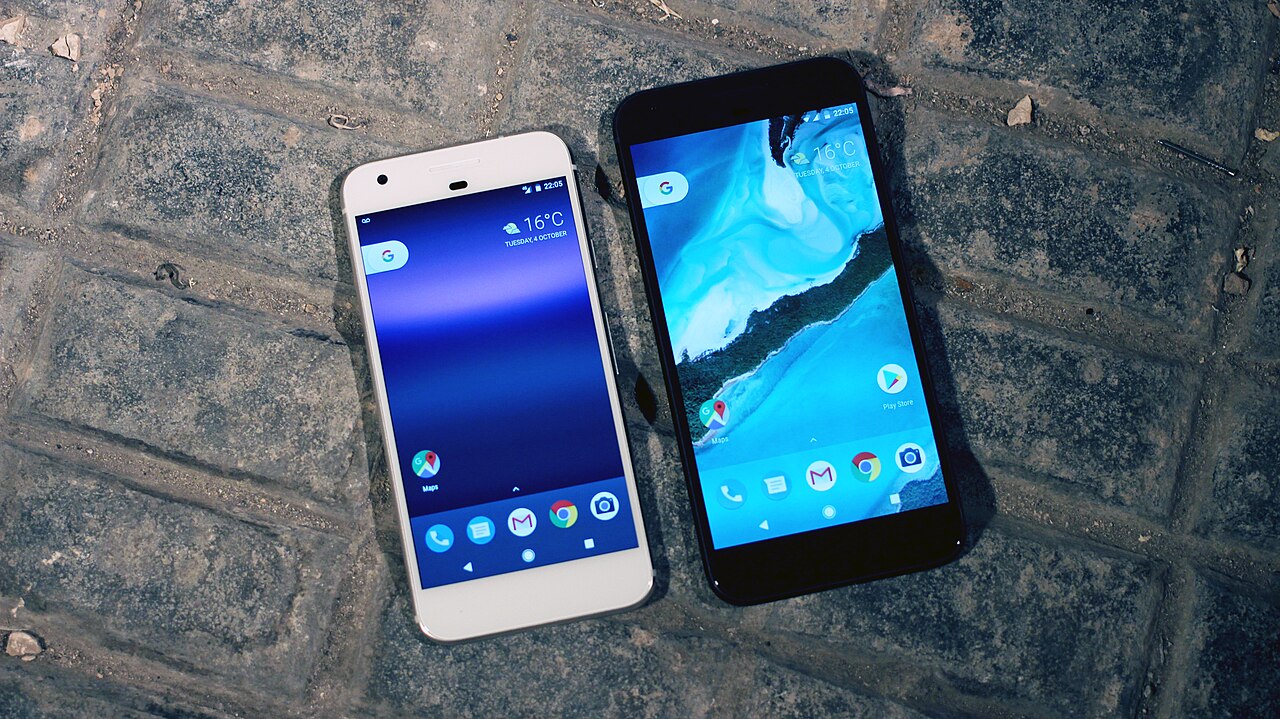
Because Google makes Android itself, the Pixel gets the cleanest version of the software and the earliest updates. In recent years Google has put its own custom chip inside the Pixel, designed specifically to run its machine-learning features rather than to win raw-speed benchmarks. The result is a phone that is less about brute power and more about smart, helpful tricks: live call transcription, on-the-fly translation, and an assistant woven deeply into the system. The Pixel is the clearest example of a company treating the phone as a vehicle for artificial intelligence first and a piece of hardware second.
The Chinese challengers: Xiaomi, Oppo, Vivo, and Honor
Some of the most aggressive innovation comes from a group of Chinese manufacturers that are household names across much of Asia, Europe, and beyond, even if they are less familiar in some Western markets. Xiaomi built its reputation on offering flagship-level features at prices that undercut the established brands, and it has grown into one of the largest phone makers in the world. Oppo and Vivo, which share a parent company, push hard on fast charging and camera technology, often introducing genuinely novel features before anyone else. Honor, once part of Huawei, now competes independently with a focus on slim foldables and battery technology.
These companies frequently lead on the unglamorous things people actually feel day to day, especially charging speed. Where some Western flagships still take an hour or more to refill, several of these brands can take a phone from empty to full in well under half an hour. They also collaborate with respected camera makers to tune their lenses and processing. The one company whose story stands apart is Huawei, once on track to become the largest phone maker in the world before trade restrictions cut it off from key software and chip supplies, forcing it to rebuild its phone business around its own home-grown technology.
Foldables: the one genuinely new shape
For more than a decade, every phone was essentially the same black rectangle. The foldable is the first real attempt to change that shape, and it now comes in two broad flavors. One folds the long way, opening from a normal-sized phone into a small tablet, ideal for reading and multitasking. The other folds the short way, shrinking a full-sized phone into a compact square that slips easily into a pocket, trading practicality for portability and a certain nostalgic charm.
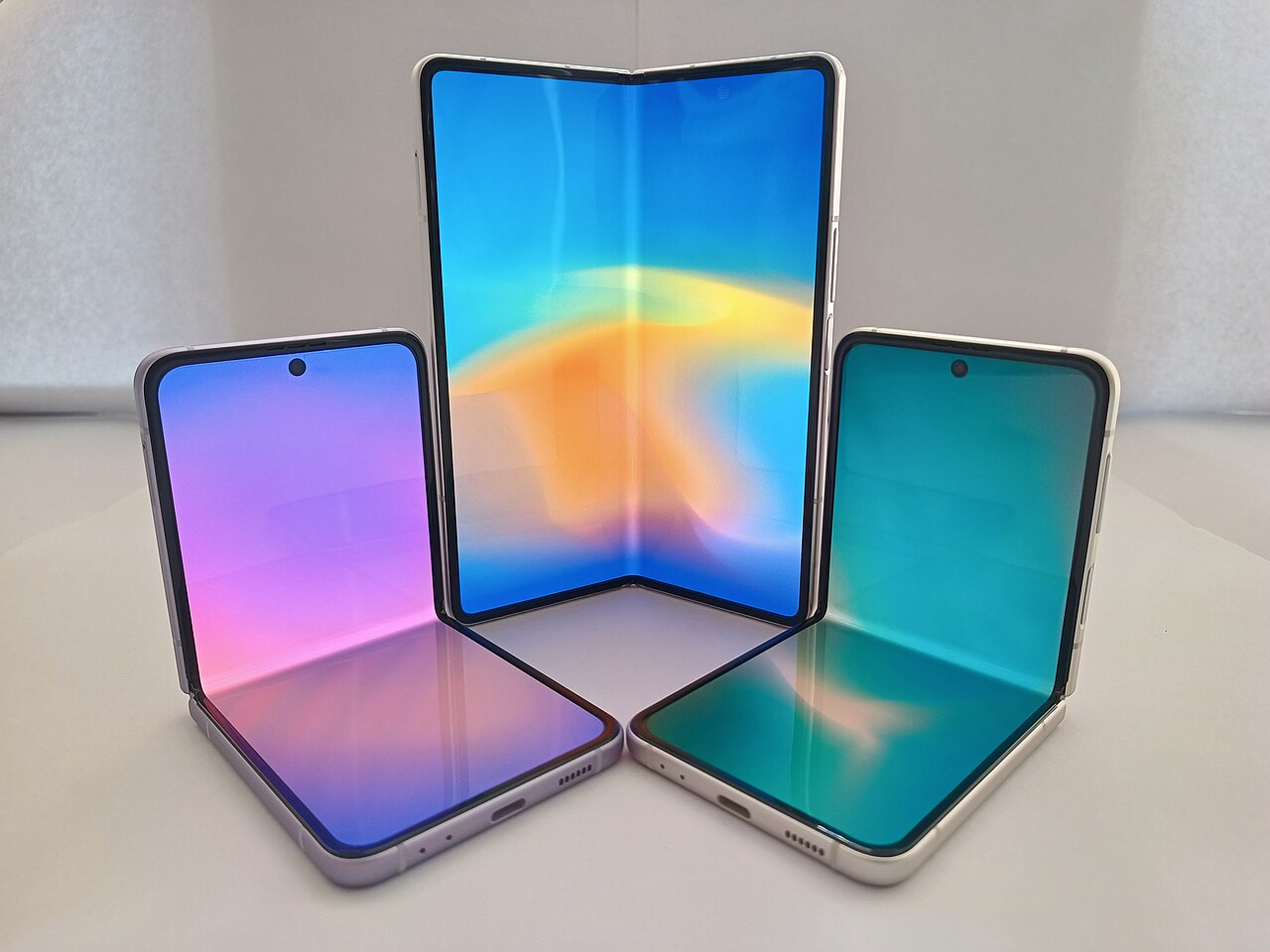
Samsung established the category, but it now has plenty of company, with Google, Honor, Oppo, and others all making folding phones, and the engineering has improved dramatically. Hinges have become more robust, the visible crease down the middle has faded, and water resistance has arrived. The honest caveat remains: foldables are still more expensive and slightly more delicate than ordinary phones, and they sell in modest numbers. They are a fascinating glimpse of where hardware can go, but they remain a premium choice rather than the default.
The camera race nobody wants to lose
The phone camera is where the fiercest marketing battle is fought, because it is the feature people use most and judge most harshly. The striking thing is how much of the modern camera lives in software rather than glass. When you press the shutter, the phone captures a rapid burst of frames and intelligently merges them, brightening shadows, recovering detail in bright skies, and reducing noise, all in a fraction of a second. This computational approach is why two phones with similar lenses can produce very different photos.
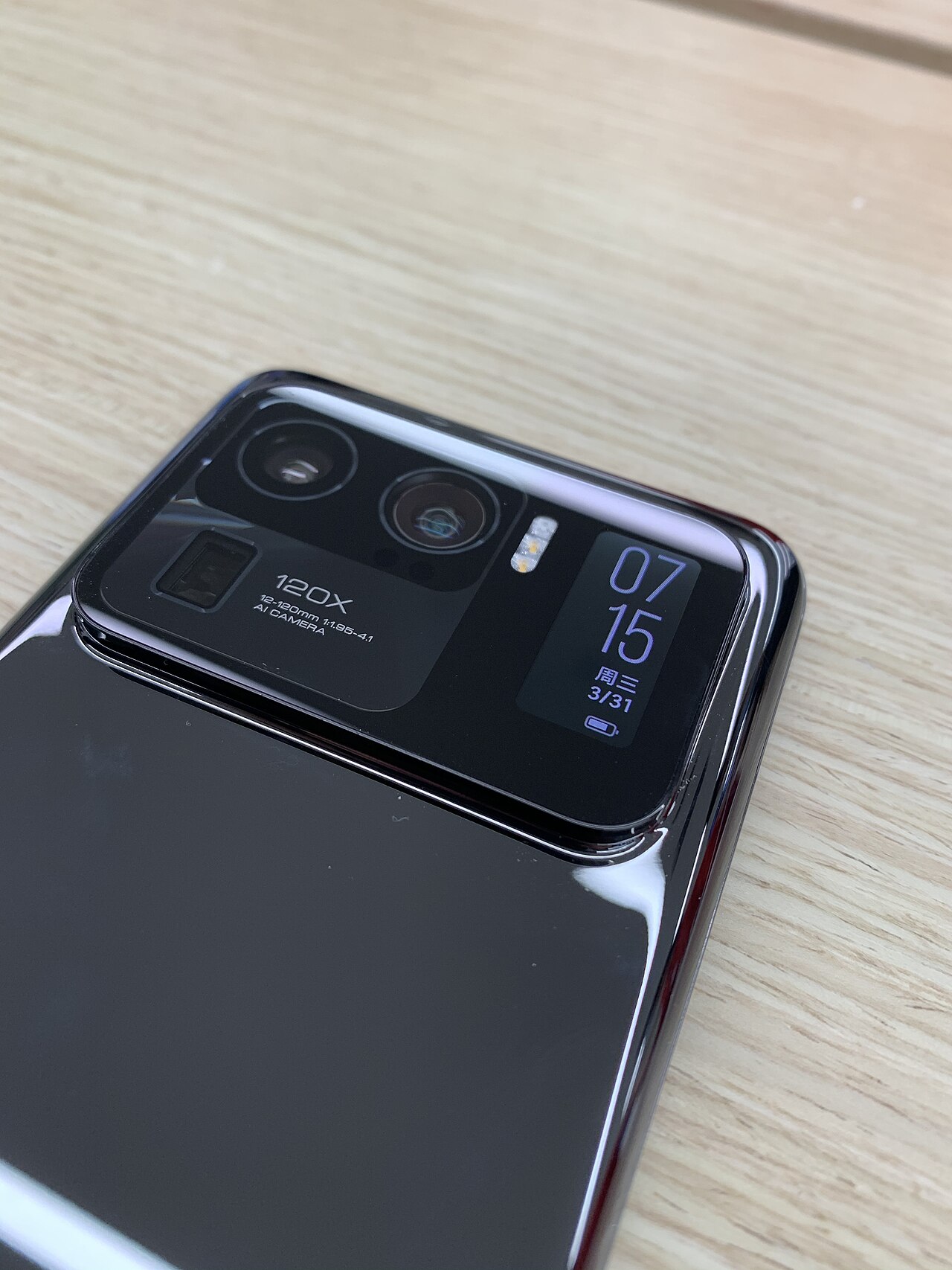
The hardware still matters at the top end, where larger sensors gather more light and dedicated zoom lenses reach distant subjects, and the rivalry to offer the longest usable zoom has become a genuine selling point. Partnerships between phone makers and famous camera brands lend both prestige and real tuning expertise. For most people, though, the practical truth is that nearly every modern phone takes excellent photos in good light, and the meaningful differences only appear in difficult conditions such as low light, fast motion, or extreme zoom.
AI moves onto the phone itself
The defining theme of the current generation is artificial intelligence running directly on the phone. Every major company now designs its chips with a dedicated section for machine-learning tasks, which allows features to run instantly and, in many cases, without sending your data to a distant server. The practical results are the small conveniences that quietly become indispensable: summarizing a long message, transcribing a voice note, translating a conversation in real time, removing a stranger from a holiday photo, or searching your own pictures by simply describing what is in them.
It is wise to keep a level head about all of this. The genuinely useful AI features are the narrow, well-defined ones. The grander promises of an assistant that manages your whole life remain more marketing than reality for now. Treat the clever suggestions as a helpful first draft rather than a finished answer, and you will get the best of these tools without being let down by their limits.
Displays, batteries, and the unglamorous wins
Beneath the headline features, the quiet improvements often matter most. Screens have become brighter, easily readable in direct sunlight, and smoother, refreshing many times per second so that scrolling feels effortless. These panels have also grown more efficient, sipping less power even as they get brighter. Battery technology has advanced more slowly, but smarter software and more efficient chips mean that all-day battery life is now the norm rather than a luxury, and rapid charging has taken much of the sting out of the moments you do run low.
Durability has improved too, with tougher glass and water resistance now expected even on mid-range phones. None of these advances make for an exciting stage announcement, but they are the ones you actually feel every single day. A phone that survives a drop, lasts until bedtime, and stays bright in the sun delivers more real-world happiness than any single flashy feature.
What this means if you are buying
The maturity of the market is genuinely good news for your wallet. Because the basics are solved, you no longer need the newest, most expensive model to have an excellent experience. A flagship from a year or two ago, or a strong mid-range phone, will serve most people beautifully and cost considerably less. The most important things to check are how long the manufacturer promises software and security updates, since that determines how long your phone stays safe and current, and whether the ecosystem fits the other devices you own.
Beyond that, the choice comes down to what you value. If you want the smoothest integration with a computer and watch from the same maker and the longest support, one path suits you. If you want the widest choice, foldables, and cutting-edge screens, another does. If you care most about photography and clever software, a third. And if you want the most features for the least money, the ambitious challenger brands are worth a serious look. There is no longer a single best phone, only the one that best fits your life.
Closing thoughts
The smartphone has reached the comfortable middle age of a mature technology, where the dramatic revolutions are behind it and the competition has become a contest of philosophies rather than raw power. Apple refines and integrates, Samsung covers every base and bets on new shapes, Google teaches the camera to think, and the challenger brands push prices down and charging speeds up. The winner, pleasantly, is the buyer, who can now pick a phone based on what genuinely matters to them rather than fear of being left behind.
If there is a single takeaway, it is to choose calmly. The phone in your pocket is already a small miracle, and next year model will be only slightly more miraculous. Buy the one that fits your hand, your budget, and the devices you already own, then enjoy it for years. That is the quiet wisdom hiding underneath all the noise of the launch events.