Among the Turkic peoples of Central Asia live the Tajiks, the great exception, a people not of Turkic but of Iranian stock, speakers of a form of Persian and heirs to the ancient settled civilisation of the region. In the mountains of the Pamirs and the oases and valleys of the south, the Tajiks preserve the language and culture of the old Persian-speaking world from which much of Central Asian high culture sprang.
Where the Uzbeks and Kazakhs descend from Turkic peoples, the Tajiks are the descendants of the older Iranian population of Central Asia, the people who built the first cities of the oases and whose Persian language and literature shaped the whole region. They are, in a sense, the Persians of the East.
This profile follows the Tajiks along the lines of the series: their Iranian origins, the name and heritage, the Persian language, the homeland of mountain and oasis, the Pamirs and the mountain Tajiks, the Samanid golden age, Islam and the Ismailis, the literary tradition, the music, the food and festival, and the history that shaped the Tajiks today.
- Origins, the Persians of Central Asia
- The Name and the Iranian Heritage
- Language, a Persian Tongue
- The Homeland, Mountains and Oases
- The Pamirs and the Mountain Tajiks
- The Samanid Golden Age
- Religion, Sunni Islam and the Ismailis
- Literature, Poetry and the Persian Tradition
- Music, the Shashmaqom and Dance
- Food, Dress and Festival
- History, Conquest and the Soviet Century
- The Tajik Today
Origins, the Persians of Central Asia
The Tajiks are descended from the ancient Iranian peoples who inhabited Central Asia long before the coming of the Turks, the Persian-speaking population of the oases and mountains who built the first urban civilisation of the region in lands such as Sogdiana and Bactria.
These ancient Iranian peoples, speakers of eastern Iranian tongues such as Sogdian and Bactrian, were the merchants, farmers, and city-builders of the Silk Road oases for many centuries before Turkic migration changed the ethnic map of Central Asia.
As Turkic peoples moved into the region over the medieval centuries, much of the old Iranian population was gradually Turkicised, but in the mountains and in many of the oases the Persian-speaking population persisted, and these became the Tajiks of today.
The Tajiks are thus the living heirs of the ancient Iranian civilisation of Central Asia, the settled, Persian-speaking people who remained when the steppe and much of the lowland had become Turkic, preserving an older heritage in their language and culture.
The ancestors of the Tajiks, the Sogdians above all, were the great merchants of the early Silk Road, whose caravans and trading colonies carried goods, languages, and religions across the breadth of Asia. To trace the Tajiks back to these Iranian city-builders is to connect them to one of the oldest continuous urban civilisations of Central Asia, far predating the arrival of the Turkic peoples who later gave the region so much of its character.
The Name and the Iranian Heritage
The name Tajik has a long and debated history, used over the centuries to denote the Persian-speaking, settled population of Central Asia as distinct from the Turkic and nomadic peoples around them. It came to mean, broadly, the Iranian, Persian-speaking inhabitants of the region.
The Tajiks belong to the wider Iranian family of peoples, kin in language and culture to the Persians of Iran and the Persian-speakers of Afghanistan, with whom they share the heritage of the Persian language and its great literature.
This Iranian identity sets the Tajiks apart from all their Central Asian neighbours, who are Turkic, and links them instead to the Persian world to the south and west, a distinction of language and heritage at the heart of who the Tajiks are.
The modern Tajik identity and the borders of Tajikistan were given their present form under Soviet rule, which defined the Tajiks as a distinct nationality and created their republic, fixing a modern shape onto the older Persian-speaking population.
That the Tajiks alone among the major peoples of Central Asia are Iranian rather than Turkic gives them a peculiar position, bound by language and literature to Iran and Afghanistan to the south yet sharing centuries of intertwined history with their Turkic neighbours. This dual orientation, Persian in culture yet Central Asian in geography, lies at the very core of the Tajik sense of identity.
Language, a Persian Tongue
The Tajik language is a form of Persian, closely related to the Persian of Iran and the Dari of Afghanistan, and is part of the Iranian branch of the Indo-European family, utterly distinct from the Turkic languages of the other Central Asian peoples.
Tajik, Persian, and Dari are essentially varieties of the same language, and a Tajik can understand a Persian or an Afghan Dari-speaker with ease, a reflection of the shared Persian heritage that unites these peoples across modern borders.
The Persian language carries one of the world’s greatest literary traditions, and the Tajiks are heirs to the poetry of the Persian classics, the works of poets such as Rudaki, who was born in the Tajik lands and is honoured as a founder of Persian literature.
Under Soviet rule Tajik was written in the Cyrillic script, which remains in use, distinguishing it visually from the Arabic-based script of Persian in Iran and Afghanistan, though the language itself remains a form of Persian.
That a Tajik, an Iranian, and an Afghan can read the same classical Persian poetry and understand one another’s speech, despite living in separate states and writing in different scripts, testifies to the extraordinary unity and durability of the Persian language across a vast region. For the Tajiks, this shared tongue is the thread binding them to a civilisation far larger and older than their modern republic.
The Homeland, Mountains and Oases
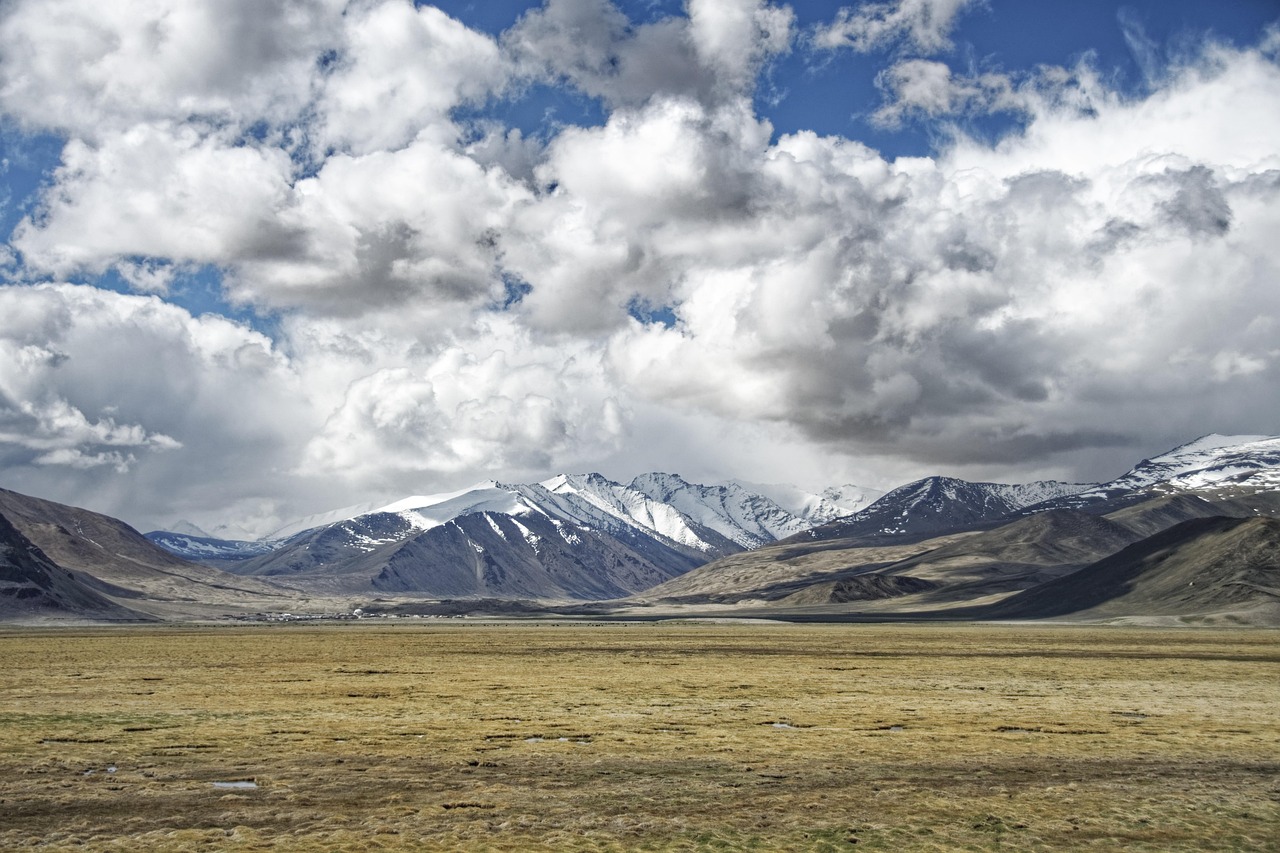
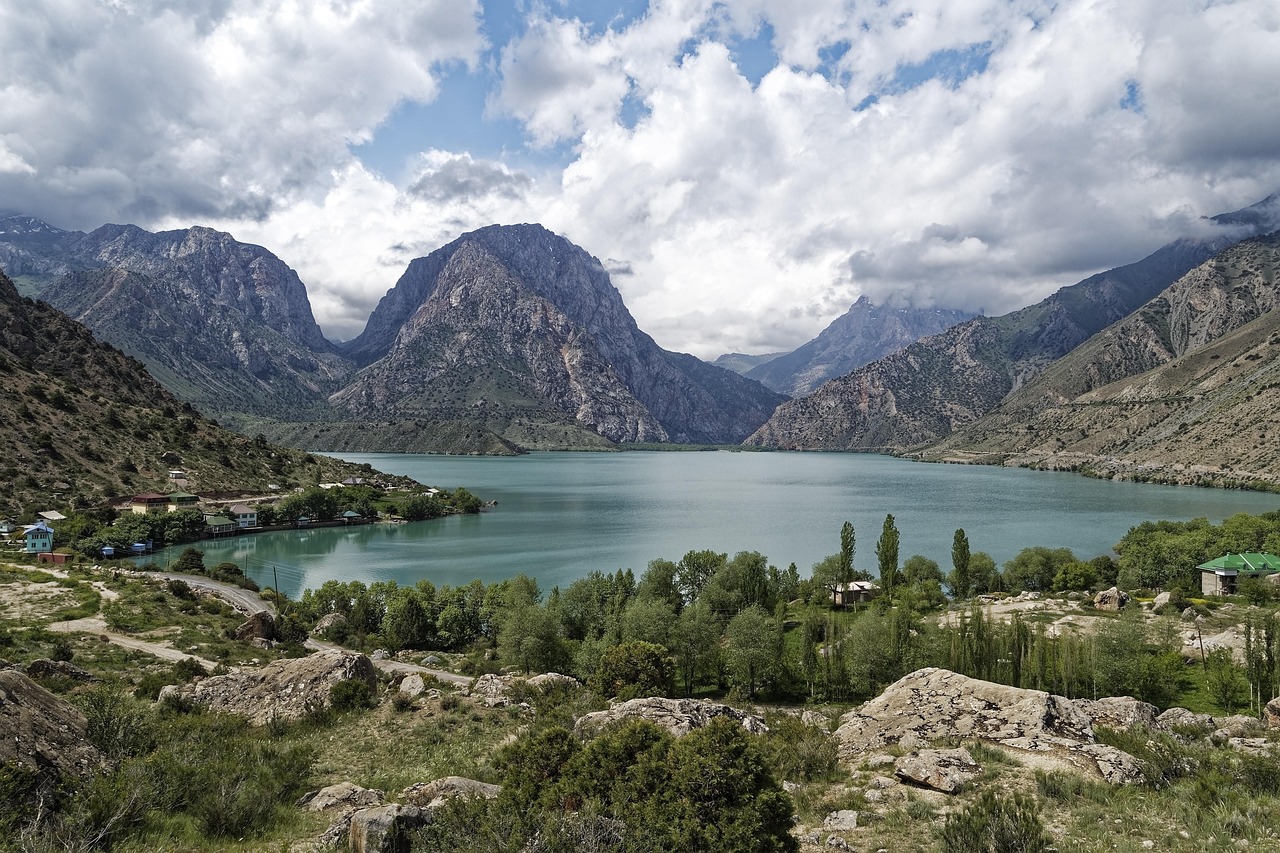
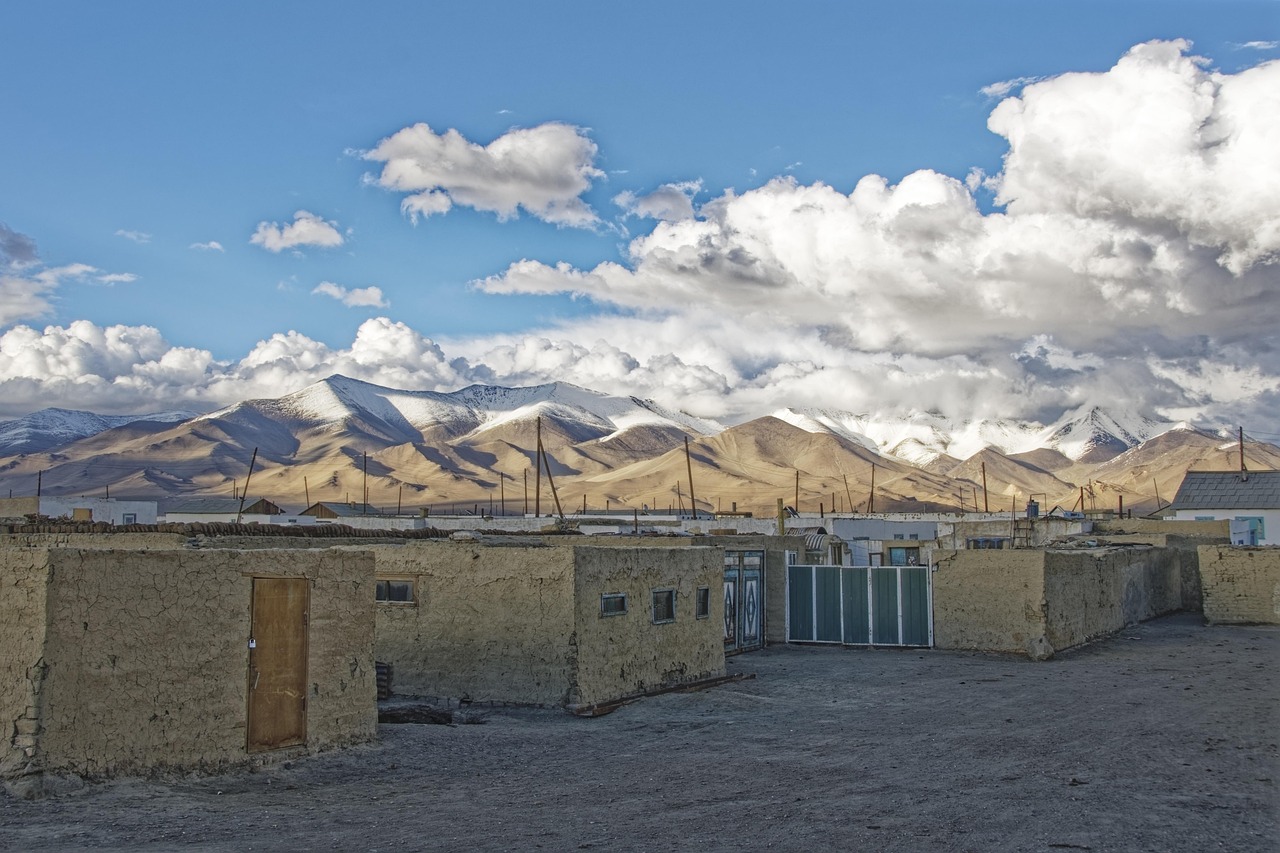
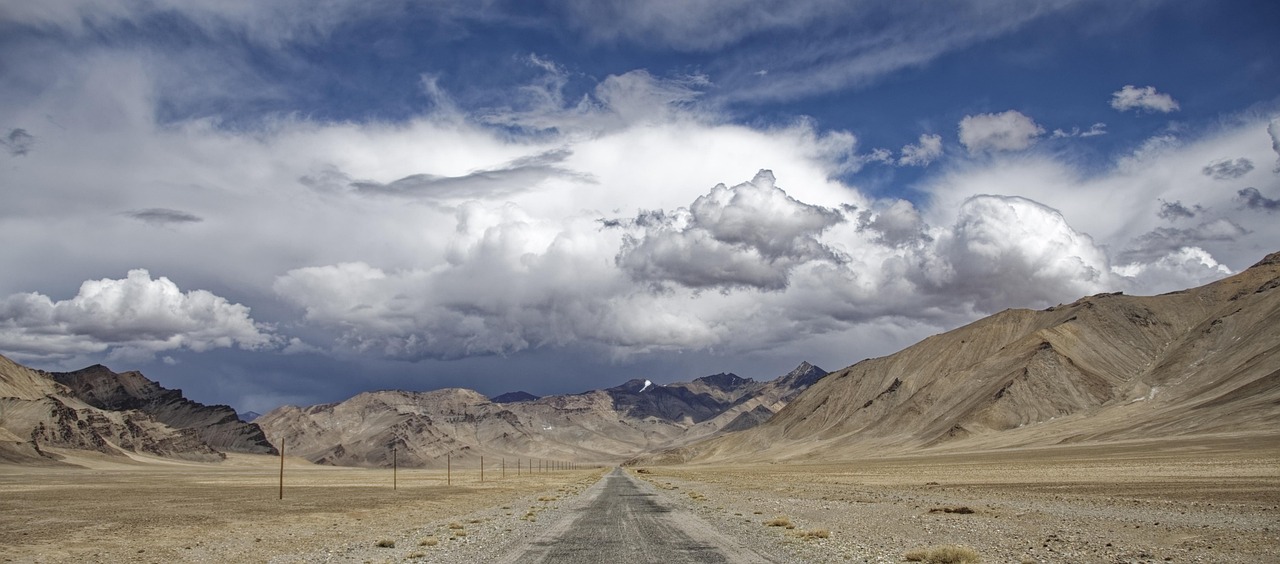
The Tajik homeland is a land of high mountains and fertile valleys in the southeast of Central Asia, dominated by the great ranges of the Pamirs and the Alai, with the populous lowland valleys and the part of the Fergana valley that lies within modern Tajikistan.
Most of Tajikistan is mountainous, among the most mountainous of all the Central Asian states, a land of soaring peaks, deep valleys, and high plateaus, with the fertile, populous lowlands confined to the river valleys of the south and the Fergana region.
Beyond modern Tajikistan, large Tajik or Persian-speaking populations live in neighbouring regions, above all in Afghanistan, where Tajiks form one of the major peoples, and in the historic oasis cities now within Uzbekistan, such as Samarkand and Bukhara.
This homeland of mountain and valley shaped the Tajiks as a settled, agricultural people of the oases and river valleys and, in the high Pamirs, as hardy mountain dwellers, in contrast to the steppe and desert homelands of their Turkic neighbours.
With the overwhelming majority of its land lying among high mountains, Tajikistan is a country defined by the Pamirs and the Alai, its people crowded into the narrow fertile valleys between the peaks. This rugged geography both preserved the Tajik language in mountain refuges when the lowlands were Turkicised and shaped a people accustomed to the hard disciplines of life among the highest mountains of Central Asia.
The Pamirs and the Mountain Tajiks
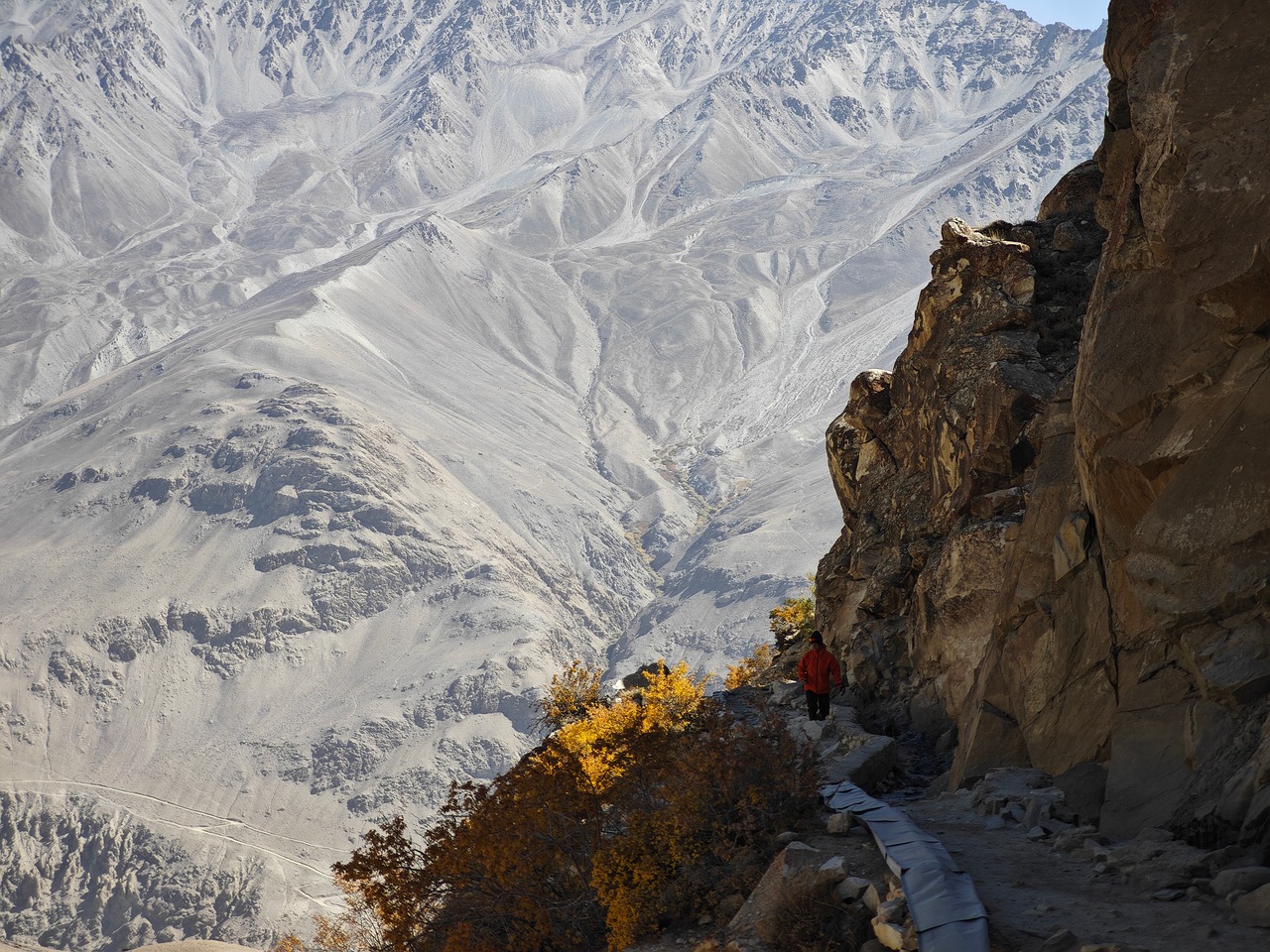
In the high Pamir mountains of eastern Tajikistan live the Pamiri peoples, a group of mountain Tajiks who speak distinct eastern Iranian languages, different from standard Tajik Persian, and who preserve a culture adapted to life among the highest valleys.
The Pamiris are heirs to the ancient eastern Iranian tongues of the region, and their several languages, spoken in remote high valleys, are among the most distinctive survivals of the old Iranian linguistic world of Central Asia.
Many of the Pamiris follow the Ismaili branch of Shia Islam, distinguishing them religiously as well as linguistically from the mainly Sunni Tajiks of the lowlands, and giving the high Pamirs a special character within the Tajik world.
The harsh, remote environment of the Pamirs, the roof of the world, shaped a resilient mountain culture, and the Pamiri peoples, though sometimes considered a distinct group, are generally counted within the wider Tajik nation.
The Pamiri peoples of the high eastern valleys, with their distinct eastern Iranian languages and their largely Ismaili faith, represent one of the most fascinating survivals of the ancient Iranian world, a living link to the linguistic landscape of Central Asia before the Turkic migrations. Isolated on the roof of the world, they preserved tongues and traditions that had largely vanished from the lowlands long ago.
The Samanid Golden Age
The proudest period of Tajik history is the age of the Samanid dynasty, which ruled Central Asia and eastern Persia in the ninth and tenth centuries from capitals at Bukhara and Samarkand, presiding over a brilliant golden age of Persian culture.
Under the Samanids the Persian language and literature flourished after the Arab conquest, in what is often seen as the rebirth of Persian letters, and the court at Bukhara became a centre of poetry, learning, and science renowned throughout the Islamic world.
The Samanid age produced the poet Rudaki, honoured as a father of Persian poetry, and nurtured the early career of the great scholar and physician Ibn Sina, known in the West as Avicenna, among the giants of medieval science and philosophy.
The Samanids are celebrated as the great Tajik dynasty and the founders of the modern Tajik national identity, their memory held up as the proudest age of the Persian civilisation of Central Asia, and their name honoured in modern Tajikistan.
The Samanid era is remembered as nothing less than the rebirth of Persian civilisation after the Arab conquest, the moment when the Persian language rose again as a vehicle of great literature and the court of Bukhara shone as a beacon of learning across the Islamic world. For modern Tajiks, the Samanids are the supreme proof of their nation’s ancient greatness, and the dynasty’s name and memory are honoured as a national inheritance.
Religion, Sunni Islam and the Ismailis
Most Tajiks are Sunni Muslims, sharing the faith of their Central Asian neighbours, and Islam has been central to Tajik civilisation for well over a thousand years, with the oasis cities of the region among the great historic centres of Islamic learning.
In the high Pamirs, however, many of the mountain Tajiks follow the Ismaili branch of Shia Islam, a distinctive tradition that sets the Pamiris apart and connects them to the wider Ismaili community and its spiritual leadership.
The mystical tradition of Sufism was strong among the Tajiks as throughout Central Asia, and the veneration of saints and their shrines, pilgrimage, and the practices of folk Islam were woven into religious life alongside formal observance.
Under Soviet rule religion was suppressed, but Islam survived deeply rooted in Tajik culture and identity, and since independence there has been a revival of religious practice alongside the reassertion of Tajik national and cultural heritage.
The presence of a substantial Ismaili community in the high Pamirs, alongside the Sunni majority of the lowlands and the deep currents of Sufi devotion throughout the Tajik lands, gives Tajik religious life a richness and variety unusual in Central Asia. This layering of Sunni, Ismaili, and Sufi traditions reflects the long and complex religious history of a people at the crossroads of the Persian and Central Asian worlds.
Literature, Poetry and the Persian Tradition
The Tajiks are heirs to one of the world’s great literary traditions, the poetry and prose of classical Persian, and they share with Iran and Afghanistan the heritage of the great Persian poets, from Rudaki and Ferdowsi to Hafez, Saadi, and Rumi.
The poet Rudaki, born in the Tajik lands, is especially honoured as a founder of Persian literature and a national symbol of the Tajiks, and the great Persian epic and lyric tradition is claimed as part of the Tajik cultural inheritance.
This literary heritage, shared across the Persian-speaking world, gives the Tajiks a profound connection to the high culture of Persia and a sense of belonging to a civilisation of poetry, learning, and refinement reaching back over a thousand years.
The classical Persian tradition of poetry, calligraphy, miniature painting, and learning shaped Tajik culture profoundly, and its celebration is central to the modern assertion of Tajik national identity and pride in the Persian heritage.
To claim the heritage of Rudaki, Ferdowsi, and the other titans of Persian letters is, for the Tajiks, to claim a place at the very heart of one of humanity’s greatest literary civilisations. This sense of being heirs to a thousand years of poetry and learning gives Tajik culture a depth and a pride that no political misfortune has been able to erase, and it remains the wellspring of the modern national identity.
Music, the Shashmaqom and Dance
Tajik culture is rich in music, sharing with the Uzbeks the classical tradition of the Shashmaqom, the sophisticated suite of modal music with roots in the courts and cities of Bukhara, blending Persian and Turkic elements into a refined art music.
Alongside this classical tradition are the folk music, song, and dance of the regions, including the distinctive music of the Pamirs, and the lively dances performed at celebrations and weddings, reflecting the settled and mountain cultures of the Tajiks.
Instruments such as the long-necked lutes, the frame drum, and others accompany the songs and dances, and the tradition of the singer and the poet is deeply prized, heir to the classical Persian literary and musical culture of the region.
Music and dance are central to Tajik celebration and identity, the Shashmaqom honoured as a shared treasure of the region and the folk and Pamiri traditions kept alive in festival and performance, expressing the rich Persian heritage of the people.
The Shashmaqom, shared with the Uzbeks and rooted in the courts of Bukhara, embodies the deep cultural intertwining of the Persian and Turkic worlds in the oasis cities, where for centuries the two traditions enriched one another. Alongside it, the haunting music of the high Pamirs preserves older mountain traditions, so that Tajik music spans the refined art of the city and the ancient song of the remote valleys.
Food, Dress and Festival
The Tajik table reflects the settled, agricultural life of the oases and valleys, and shares much with the wider cuisine of Central Asia and Persia. The national dish, as among the Uzbeks, is a celebrated rice pilaf cooked with meat, carrots, and spices, served at gatherings and feasts.
The cuisine is rich in bread, the round flat loaves treated with reverence, in kebabs, soups, dumplings, and the fruits of the fertile valleys, with green tea central to hospitality and the social life of the table.
Traditional dress reflects the Persian and Central Asian heritage, with the women’s bright embroidered dresses and the distinctive embroidered caps worn by both men and women, and the rich textiles and embroidery of the region.
Festival and celebration, above all the spring new year of Nowruz, the ancient Persian new year, are central to Tajik culture, celebrated with feasting, music, and ceremony as one of the great expressions of the Persian heritage of the people.
The central place of Nowruz, the ancient Persian spring festival, in Tajik life is a vivid mark of the people’s Iranian heritage, for this celebration of the new year and the return of spring reaches back to the pre-Islamic Zoroastrian past of the Persian world. Celebrated with feasting, music, and ceremony, it ties the Tajiks to a calendar and a cultural memory far older than Islam itself.
History, Conquest and the Soviet Century
After the brilliant age of the Samanids, the Tajik lands were ruled by a succession of Turkic and Mongol dynasties, and over the centuries much of the Persian-speaking population of the lowlands was absorbed into the Turkic world, while the mountains preserved the Tajik language and identity.
In the nineteenth century the Russian Empire conquered Central Asia, and the Tajik lands were absorbed into the empire and then the Soviet Union. Under Soviet rule the national republic of Tajikistan was created, defining the modern Tajik nation and its borders.
The drawing of Soviet borders left many Tajiks outside their republic, above all in the great cities of Samarkand and Bukhara, which passed to Uzbekistan despite their largely Tajik and Persian-speaking population, a source of lasting sensitivity.
With the collapse of the Soviet Union, Tajikistan became independent but soon fell into a devastating civil war in the 1990s, a tragic episode from which the country slowly recovered, before stabilising and beginning to assert its Tajik and Persian national heritage.
The passing of Samarkand and Bukhara, ancient centres of Persian culture with large Tajik populations, to Soviet Uzbekistan rather than to Tajikistan remains one of the most sensitive legacies of the border-drawing of the era, leaving the Tajiks’ historic cultural capitals outside their state. The devastating civil war that followed independence compounded the nation’s difficulties, making the recovery and reassertion of Tajik heritage a hard-won achievement.
The Tajik Today
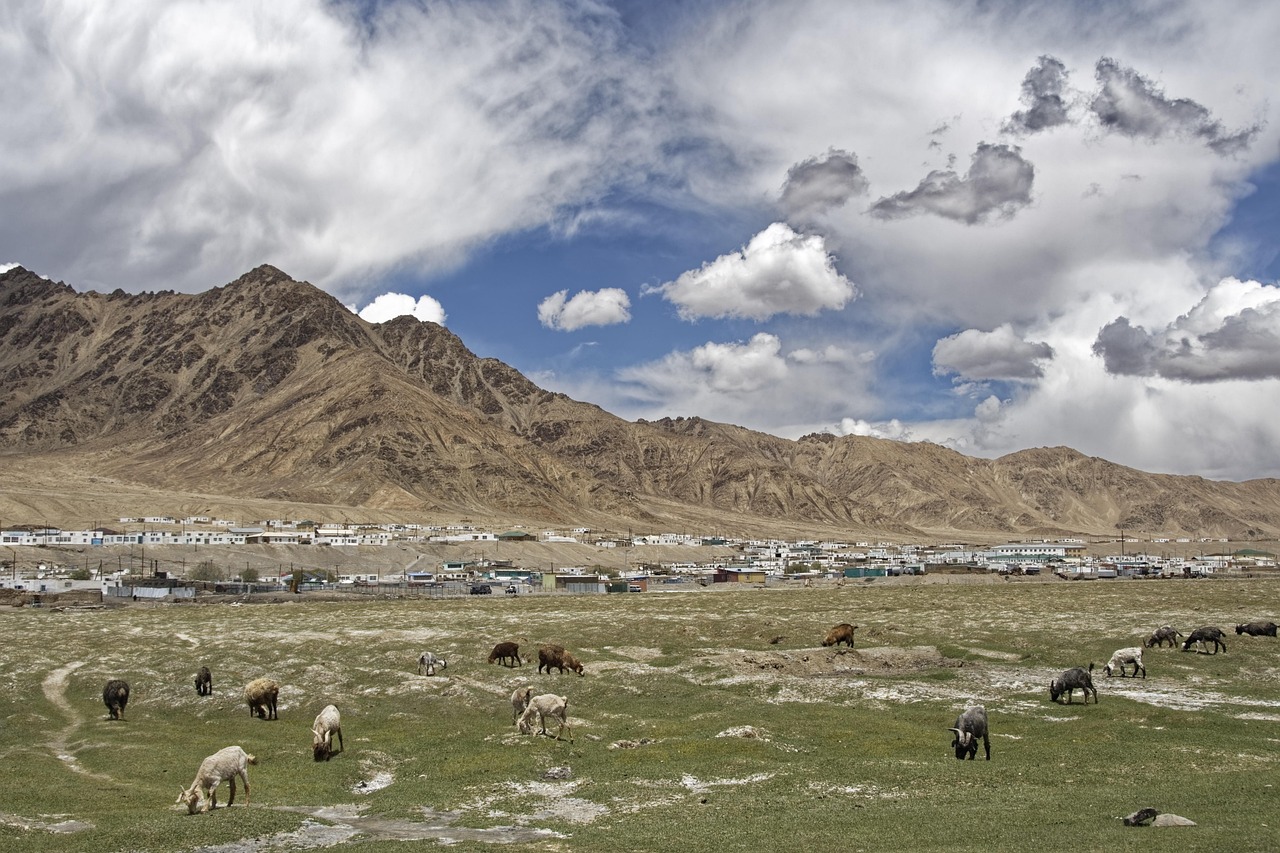
Today the Tajiks are the titular people of Tajikistan, a mountainous Central Asian republic, with large Tajik and Persian-speaking populations also in Afghanistan and in the historic cities of Uzbekistan. They are the great Iranian people of Central Asia.
Cultural revival has centred on the Persian heritage, with the celebration of the Samanid age and the poet Rudaki, the honouring of the classical Persian literary tradition, the celebration of Nowruz, and the reassertion of the Tajik language and the connection to the wider Persian world.
The challenges ahead are those of a poor, mountainous nation recovering from civil war and managing the legacy of the Soviet century, dependent on labour migration and remittances, while keeping alive its Persian language and traditions. Like the Uzbeks and the other peoples of the region, the Tajiks reclaim their distinct heritage.
In the verses of Rudaki, the memory of the Samanid golden age, the celebration of Nowruz, the music of the Shashmaqom, and the high valleys of the Pamirs, the Tajiks continue to tell a story as old as the Persian civilisation of Central Asia—the story of the Iranian people of the East, who kept the language and culture of Persia in the heart of the Turkic world.
As a poor and mountainous nation heavily dependent on the remittances of migrant workers abroad, modern Tajikistan faces formidable economic challenges, yet its people draw deep strength from the cultural inheritance of the Persian world. The celebration of Rudaki and the Samanids, the keeping of Nowruz, and the cherishing of the Persian tongue express a determination to hold fast to an ancient identity amid the pressures of the present.