In the far northeast of Siberia, across a land of unimaginable cold and vastness, live the Sakha, also known as the Yakuts. Theirs is one of the largest territories on earth, a country of frozen rivers, endless taiga, and winters among the coldest anywhere, and yet here a Turkic-speaking people built a way of life around horses and cattle, farther north than almost any other herders in the world.
The Sakha are a remarkable people, speakers of a Turkic language who migrated long ago from the south into the extreme north, carrying with them the horse and the cow and adapting them to a land of permafrost and ferocious frost. They kept a rich tradition of epic song, a deep world of belief in nature and spirits, and a resilient culture that thrives where few others could survive.
This article is part of our Folks series on the peoples of Russia, and it tells the story of the Sakha from their distant origins to the present. We will explore their beginnings, their name, their language, their homeland, their old way of life, their society, their faith and spirit world, the great epic tradition of the Olonkho, their crafts, their food, the festival of the Ysyakh, their history under the Russian state, and who the Sakha are today.
- The Origins of the Sakha
- The Name of the Sakha
- The Sakha Language
- A Homeland of Cold and Vastness
- The Old Way of Life
- Society and the Old Order
- Faith and the Spirit World
- The Olonkho and Oral Tradition
- Crafts of the North
- The Food of the Sakha
- Festivals and the Ysyakh
- Under the Russian State
- The Sakha Today
The Origins of the Sakha
The Sakha are a Turkic people whose origins lie far to the south of their present home. Their ancestors are thought to have lived in the region of southern Siberia and around the great lake and steppes of Inner Asia, where they belonged to the wide world of Turkic-speaking horse and cattle herders before migrating north over the centuries.
Driven by pressures whose details are lost to history, groups of these southern herders moved gradually northward down the great rivers into the heart of Siberia, into a land far colder and harsher than any their ancestors had known. There they settled among and mixed with the native peoples of the north, and from this meeting the Sakha people took shape.
The remarkable thing about this migration is that the Sakha carried their southern way of life, above all their horses and cattle, into a land where such herding seemed almost impossible. They adapted their animals and their methods to the extreme cold, becoming the most northerly people on earth to build their life around horses and cattle.
From this blend of a southern Turkic heritage and a northern Siberian home, the Sakha emerged as a distinct people, Turkic in language and in much of their culture, yet wholly adapted to the frozen world of the far north. This union of south and north, of steppe herder and Arctic land, lies at the very heart of who the Sakha are.
No other Turkic people traveled so far or adapted so completely to so alien a climate. The Sakha are living proof of how far a culture can bend without breaking.
The Name of the Sakha
The people call themselves Sakha, which is their own name for their nation, tied to the same ancient root that gave many Turkic peoples their names. It is the name they use for themselves and their language, and increasingly the name by which they are known in official use and in the wider world.
The name Yakut, long used in Russian and internationally, came to them from their neighbors and was adopted by the Russians as the common name for the people and their land. For centuries the people were known to the outside world as Yakuts, and their vast homeland as Yakutia, and these names remain widely used.
Today both names are current, Sakha as the people’s own name, increasingly preferred, and Yakut as the older and still common outside name. The republic that is their homeland carries both, reflecting the meeting of the people’s own identity with the long history of Russian rule and naming in the region.
Whichever name is used, it refers to the same remarkable people, the Turkic herders of the far northeast of Siberia. The shift toward the name Sakha in recent times reflects a wider pride and assertion of identity among the people, a reclaiming of their own name for their own nation in their own vast land.
The gradual return of the name Sakha in official and everyday use mirrors a wider confidence among the people. To name oneself is, in a quiet way, to claim one’s own story.
The Sakha Language
The Sakha language belongs to the Turkic family, making it a distant relative of Turkish, Tatar, Kazakh, and the other Turkic tongues, though it is one of the most distinctive members of the family. Long isolation in the far north and contact with the native Siberian peoples gave Sakha many features that set it apart from its Turkic relatives.
Despite these differences, Sakha is clearly Turkic in its core, in its grammar and much of its basic vocabulary, a living witness to the great migration that brought a Turkic people to the shores of the Arctic. It absorbed many words from the northern peoples among whom the Sakha settled, and later a great many from Russian.
Sakha is unusual among the smaller peoples of Russia in the relative strength of its language, which is spoken by the great majority of the people and remains vigorous in daily life. It came to be written in the Cyrillic script, and it is used in education, in a lively press and broadcasting, and in a growing body of literature.
This vitality makes Sakha one of the healthier of the indigenous languages of Russia, though it too lives alongside the powerful presence of Russian. The strength of the language reflects the size and cohesion of the Sakha people and their attachment to their identity, and it stands as a foundation of their culture in the modern world.
Writers, poets, and filmmakers work in Sakha, giving the language a modern face beyond the village. A living contemporary culture is the best armor a language can have.
Children grow up speaking Sakha at home and in the schoolyard across much of the republic, something rare among Russia’s northern peoples. This everyday vigor is the surest guarantee of the language’s future.
A Homeland of Cold and Vastness
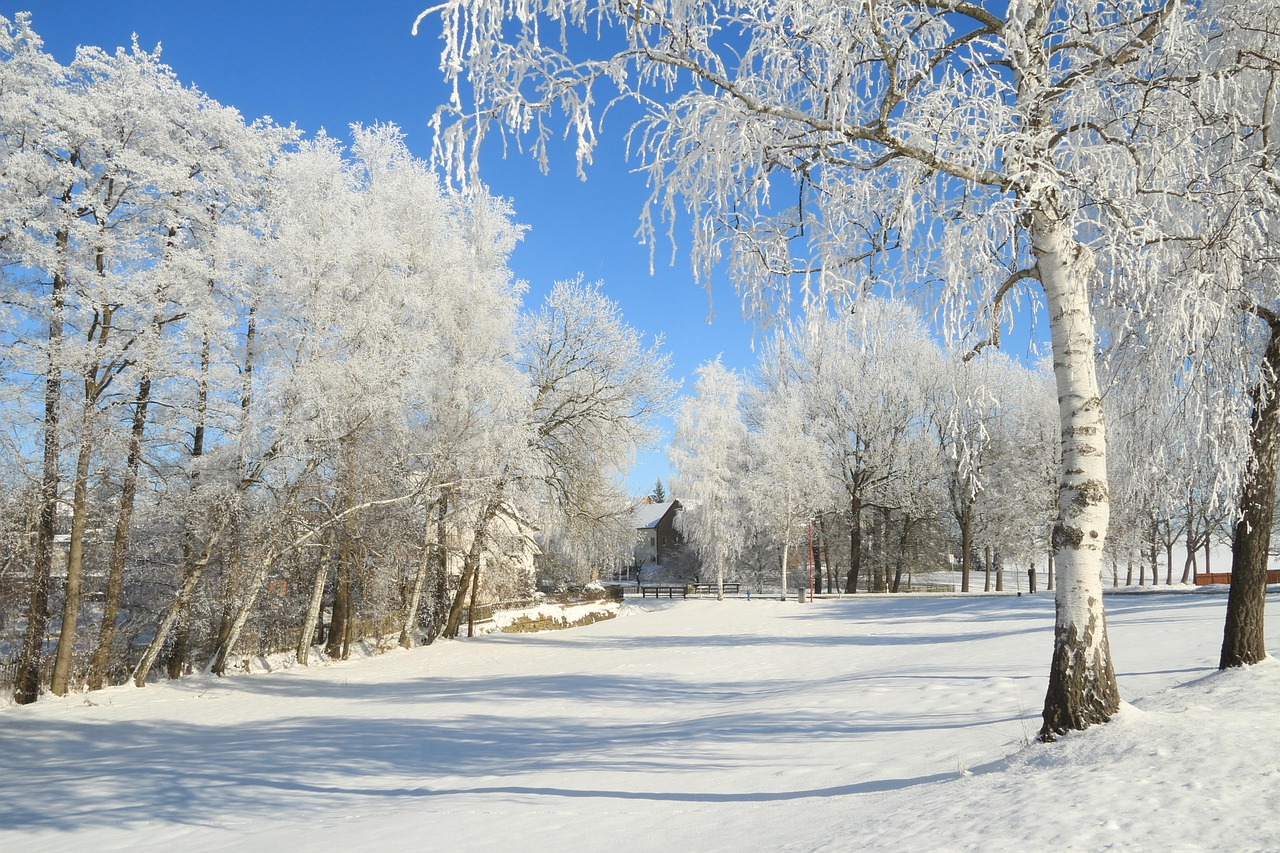
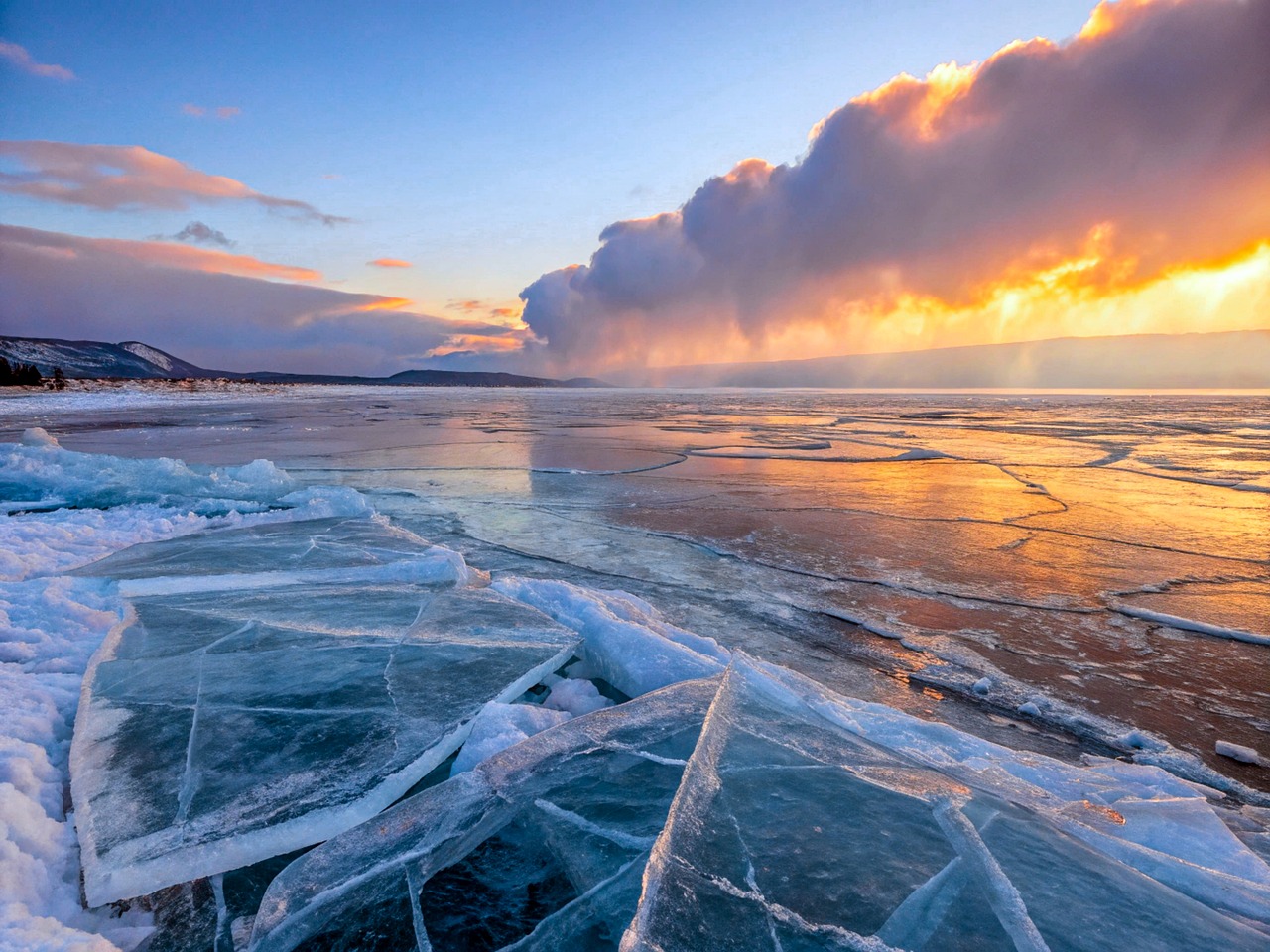
The Sakha homeland, the vast republic of Yakutia or Sakha, is one of the largest territories on earth governed as a single region, a country of staggering size in the northeast of Siberia. It stretches from the taiga forests of the south to the Arctic tundra of the north, crossed by mighty rivers and covered largely by permafrost, ground frozen far below the surface all year round.
This is a land of extremes almost beyond belief. It contains some of the coldest inhabited places on earth, where winter temperatures fall to depths scarcely imaginable, and yet the brief summers can be surprisingly warm, giving the land one of the greatest ranges of temperature anywhere. The winter is long, dark, and ferocious; the summer short, bright, and intense.
Across this immense territory flow great rivers, frozen solid for much of the year and serving as roads across the wilderness, then thawing into vast waterways in the brief summer. The taiga forests, the tundra, and the frozen rivers make up a landscape of overwhelming scale and severity, thinly peopled and largely untouched.
Roads are few and distances immense, so that rivers and winter ice tracks still carry much of the traffic of the land. In many ways the geography still sets the terms of life here.
Beneath its frozen surface the land holds great mineral wealth, including the diamonds and gold for which the region became famous, and its forests and rivers teem with life adapted to the cold. It is a homeland of overwhelming vastness and severity, and the Sakha built their whole way of life around surviving and even thriving in it.
The permafrost shapes everything, from how houses are built on piles to how food is stored in cellars dug into the eternally frozen ground. Life here is a constant negotiation with the cold.
The Old Way of Life
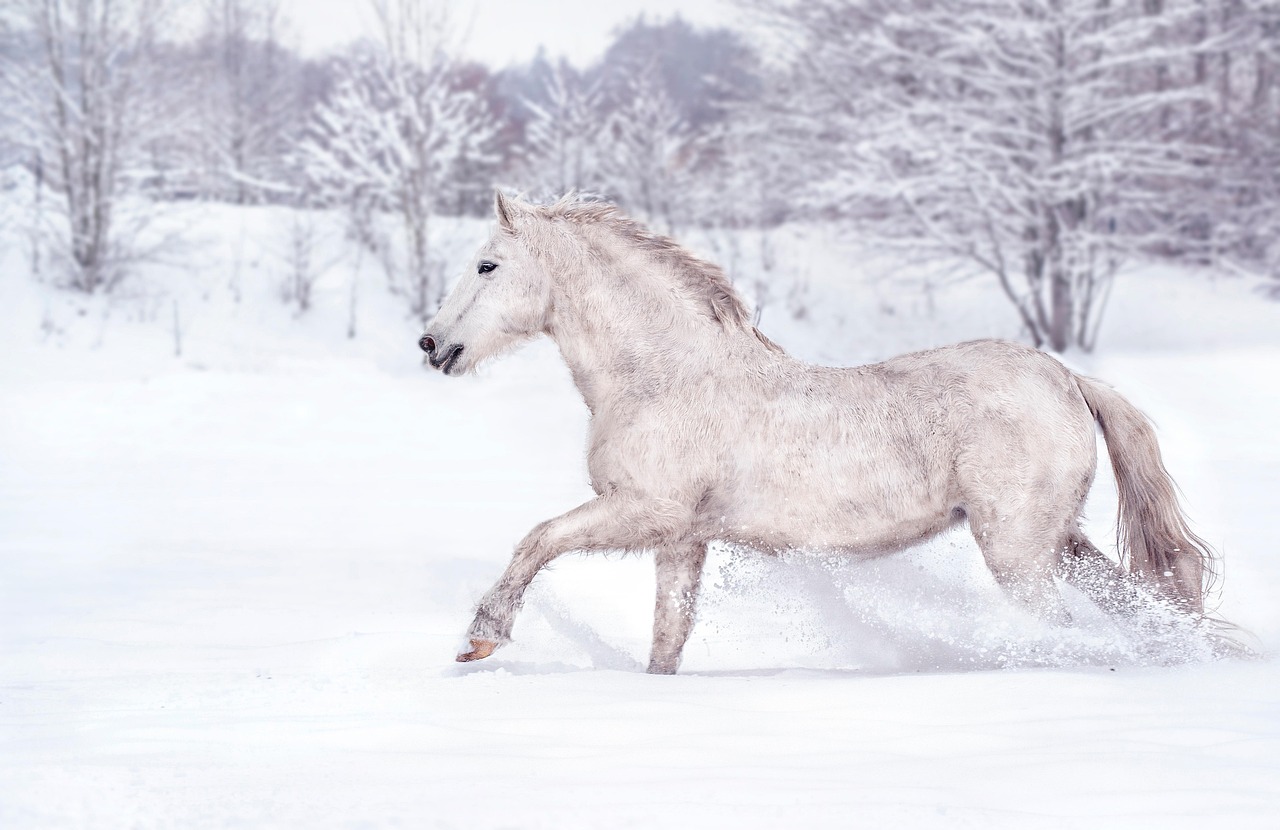
The old Sakha way of life rested on herding horses and cattle, an astonishing achievement in a land of such cold. The Sakha horse and the Sakha cattle are famous hardy breeds, adapted over generations to survive the ferocious winter, able to forage and endure in conditions that would kill ordinary animals, and they were the foundation of Sakha life.
Horses were central, prized for their meat and their rich milk as much as for transport, and horse breeding was a great art and a source of wealth and pride. Cattle gave milk, butter, and meat, and the keeping of these animals through the terrible winter, sheltered and fed with stored hay, was the central labor of the Sakha year.
Alongside herding, the Sakha hunted and fished in the taiga and the rivers, taking game and fur from the forest and fish from the waters, and in the far north some Sakha kept reindeer like the other peoples of the Arctic. The gathering of hay in the brief summer to feed the animals through the long winter was a matter of survival.
The whole way of life was a triumph of adaptation, a southern herding culture transformed to fit the most extreme of northern lands. Every part of the year was shaped by the need to survive the cold, to store enough hay and food, and to keep the precious animals alive through the long dark winter until the return of the brief northern summer.
The cutting and stacking of hay in the short summer was the great communal labor of the year. On it depended the survival of every animal, and so of every household, through the winter.
A single winter could destroy an unprepared household, and so the whole year bent toward the storing of hay and food. Survival was never taken for granted in such a land.
Society and the Old Order
Sakha society was built around the family and the kin group, and ordered by clan and by ties of descent across the scattered settlements of the vast land. The extended family and its herds formed the basic unit of life, and larger kin groups and communities linked families across the immense distances of the northern country.
There were distinctions of wealth and standing in old Sakha society, above all in the ownership of horses and cattle, and prominent families and leaders held influence over their kin and communities. Wealth in animals brought status, and the great herds of the leading families were a source of both power and obligation in a land where survival was shared.
Life was lived in scattered settlements across the enormous territory, families and communities often separated by great distances in the thinly peopled land. This dispersal, forced by the need for pasture and hay across a harsh country, shaped a society of self-reliant households linked by kinship and by the shared culture of the Sakha.
Binding the scattered people together were their common language, their shared traditions and beliefs, and above all the great gatherings and the epic songs that carried their identity. Across the vastness of their land, the Sakha remained one people, held together by culture and kinship rather than by any close-knit settlement, a nation spread thin across an Arctic world.
Neighbors might live a day’s travel apart, yet a shared song or festival could bind them across the distance. The Sakha learned to be one people without being a crowded one.
Faith and the Spirit World
The old faith of the Sakha was a rich world of belief in nature, spirits, and the powers of the sky and the land, akin to the beliefs of many peoples of Siberia and central to their view of the world. They revered the spirits of nature, the forces of the sky and the earth, and a great creator, and they saw the world as filled with unseen powers to be honored and appeased.
Central to this world was the shaman, the ritual specialist who could reach the spirit world, heal the sick, and mediate between people and the unseen powers. The shaman held a place of awe and importance in Sakha life, and the beliefs and practices surrounding the spirit world formed a deep and elaborate tradition rooted in the land itself.
The Sakha honored the spirits of place, of the taiga, the rivers, and the hearth, and marked the great moments of the year and of life with rituals meant to keep the balance between people and the powers around them. Fire, the horse, and the life-giving forces of summer held special sacred meaning in this world of belief.
With Russian rule came Orthodox Christianity, which the Sakha adopted in large numbers, so that many became Orthodox while much of the old belief lived on beneath and alongside the new faith. In modern times there has been a strong revival of interest in the traditional beliefs and in the spiritual heritage of the Sakha, woven together with the Christianity of the past centuries.
Many Sakha today see no conflict between honoring the spirits of the land and the faith brought from Russia. The two have long since grown into a single layered spiritual world.
The Olonkho and Oral Tradition
The crowning glory of Sakha culture is the Olonkho, the great tradition of heroic epic that stands among the most remarkable oral literatures of the world. These vast epic poems, some running to tens of thousands of lines, tell of the deeds of heroes in a mythic age, of the struggle between the powers of the upper, middle, and lower worlds, and of the founding of the Sakha world.
The Olonkho was performed by master singers who held these immense works in memory and chanted and sang them through long nights, taking on the voices of gods, heroes, and monsters. To perform the Olonkho was a high art, and the great singers were honored figures, keepers of the mythology, history, and worldview of the whole people.
These epics preserve the ancient beliefs, the mythic geography, and the ideals of the Sakha, a whole cosmos in verse peopled by heroes and spirits and shaped by the struggle between good and evil forces. They are the great repository of the Sakha imagination, carrying the deepest layers of the people’s culture across the generations.
So extraordinary is this tradition that the Olonkho has been recognized as a masterpiece of the heritage of humanity, a treasure not only of the Sakha but of the world. Alongside the epics there flourished songs, a distinctive style of throat and vibrant singing, and a whole world of oral poetry that carries the spirit and identity of the Sakha people.
The revival of the Olonkho in modern performance and study has made it a proud emblem of the nation. What was once sung in smoky winter houses now fills concert halls and festivals.
Crafts of the North
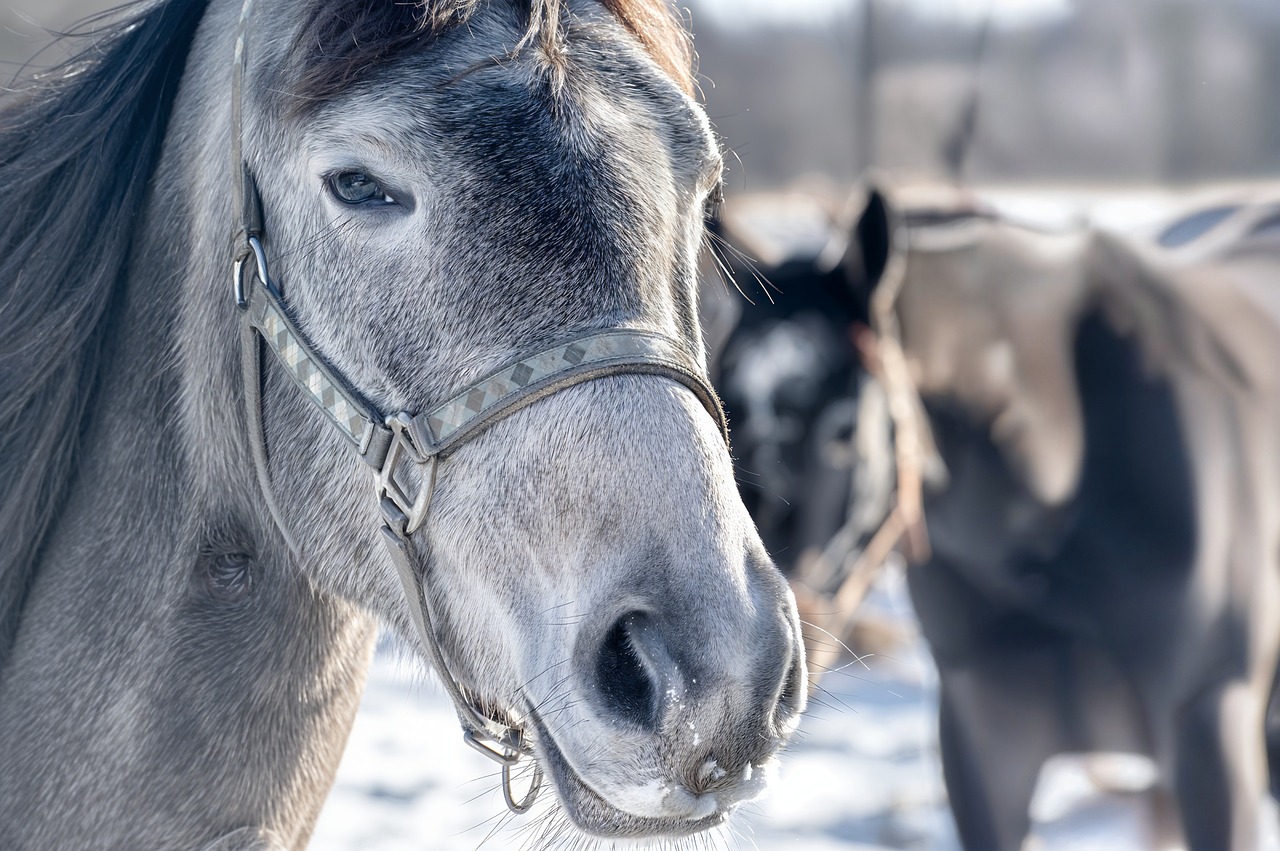
The crafts of the Sakha grew from the materials of their northern world and the needs of life in the extreme cold. From the hides, hair, and bone of their horses and cattle, and from the wood and birch bark of the taiga, they made the clothing, tools, vessels, and gear needed to survive, often decorated with fine ornament and skill.
The Sakha were famous for their work in wood and birch bark, making vessels, containers, and furniture, and for their leatherwork and the making of warm clothing and boots essential in the fearsome winter. Horsehair was woven and worked in distinctive ways, and the harness and gear of the prized horses were objects of care and craft.
The Sakha were also known as skilled metalworkers, working iron and, famously, silver, making the jewelry and ornaments, especially the elaborate silver adornments worn by women, that are among the most striking products of their culture. This silverwork, rich in traditional forms and symbols, remains a celebrated art of the Sakha.
Carving in wood, bone, and the mammoth ivory found in the frozen ground of the region was another distinctive craft, turning the materials of the northern land into objects of beauty. Together these crafts, born of the taiga and the herd and the frozen earth, express the ingenuity and artistry of a people who made a rich culture in one of the harshest lands on earth.
Objects made for hard use were still shaped with care and beauty, for the Sakha never separated the useful from the fine. Even a horse harness might carry the marks of real artistry.
The Food of the Sakha
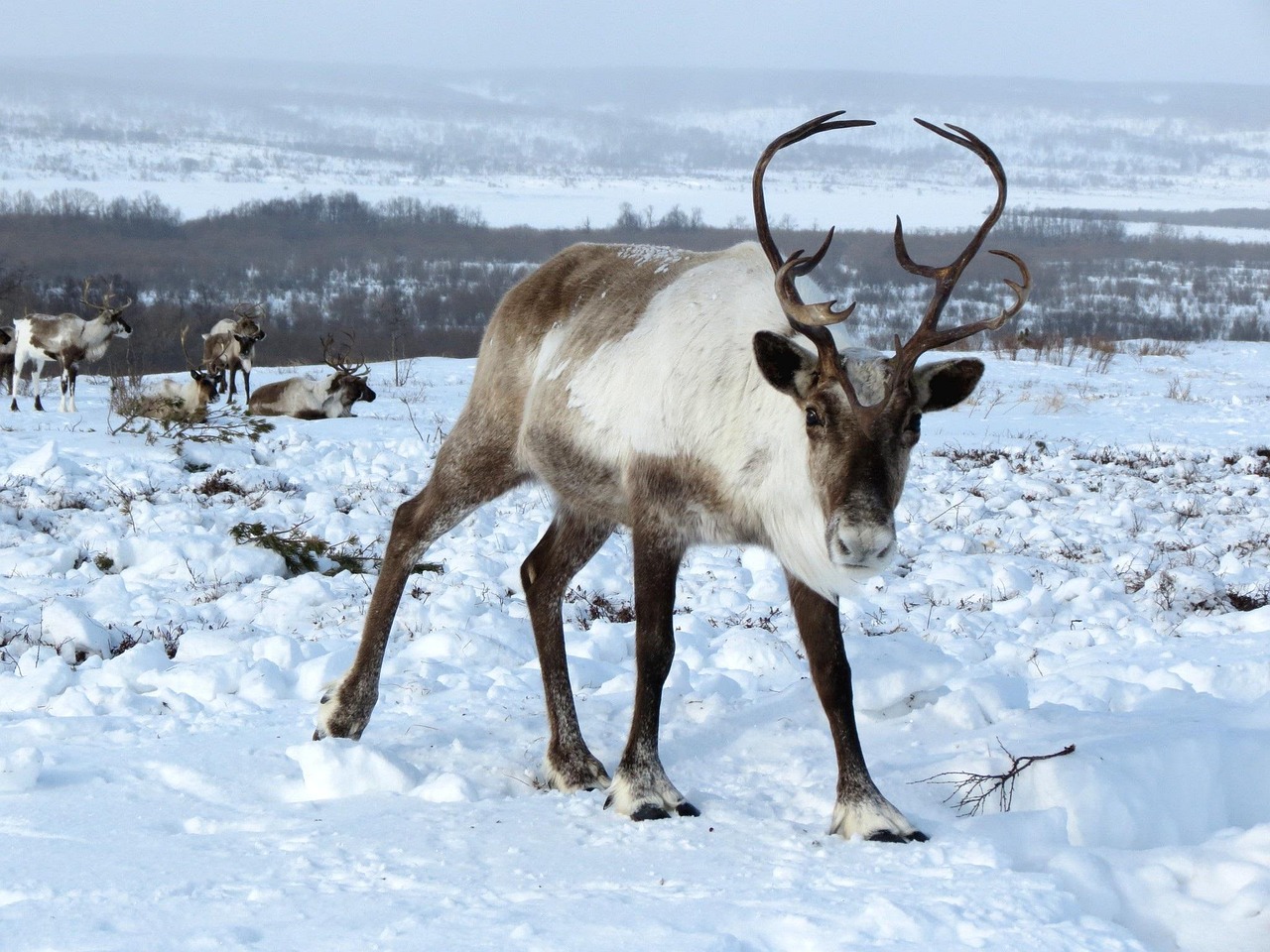
Sakha food is the fare of a northern herding, hunting, and fishing people, built above all on meat, milk, and fish, rich and nourishing to sustain life in the extreme cold. Horse meat and beef are central and highly valued, and the meat and rich milk products of the horse hold a special place in the Sakha diet found in few other cultures.
Dairy is abundant and important, and the Sakha make a variety of milk products from their cattle and horses, including fermented mare’s milk and rich creamy foods that were vital sources of nourishment. These dairy foods, alongside meat, formed the heart of the traditional diet through the long year.
Fish from the great rivers and lakes is a staple, eaten in many forms, including raw and frozen in the deep cold, a practical and prized way of preparing food in a land of natural refrigeration. Frozen fish and meat, sliced thin, are a distinctive feature of the northern table, born of the ever-present frost.
The forest gave berries and other wild foods gathered in the brief summer, and the whole cuisine reflects a land of cold and of herding, based on what the animals, the rivers, and the taiga provided. Rich, hearty, and adapted to the extreme climate, Sakha food is the nourishment of a people who thrive in the coldest of homelands.
Foods were chosen and prepared above all for the energy and warmth they gave against the cold. In such a climate, richness at the table was not indulgence but survival.
Festivals and the Ysyakh
The great festival of the Sakha is the Ysyakh, the celebration of the coming of summer, the most important and joyful event of the whole year. Held as the brief northern summer arrives and the long winter finally releases its grip, it is a festival of renewal, of the sun, and of life, drawing the scattered people together in great gatherings.
The Ysyakh is filled with ancient ritual and celebration, with the honoring of the spirits and the sun, the drinking of fermented mare’s milk, feasting, and the blessing of the new season. It carries the deep traditions of the old belief, a celebration of the life-giving powers of summer after the deadly cold of the winter that has passed.
At the festival the Sakha perform their traditional dances, above all a great circle dance in which people join hands and move together in a flowing round, and they hold contests of strength, horse races, and displays of the skills prized in their culture. Singers perform, and the whole gathering becomes a celebration of Sakha identity and community.
The Ysyakh is far more than a seasonal festival; it is the great expression of Sakha culture, tradition, and unity, a time when the whole people celebrates who they are. In modern times it has grown into a grand affirmation of Sakha identity, drawing enormous crowds and standing as the living heart of the people’s calendar and culture.
Families travel great distances to gather for the Ysyakh, greeting the sun together as their ancestors did. For a few bright days the scattered nation becomes a single joyful crowd.
Under the Russian State
The Sakha came under Russian rule in the seventeenth century, as Russian explorers, traders, and Cossacks pushed across Siberia in search of furs and reached the great rivers of the northeast. After resistance, the Sakha were brought under the empire, made to pay the fur tribute, and drawn into the Russian state that now claimed their vast land.
Under Russian rule the Sakha continued their way of life across their enormous territory, adopting Orthodox Christianity in large numbers while keeping much of their culture and their strong language. Russian settlement remained thin in the harsh and distant land, and the Sakha remained the dominant people of their homeland through the centuries of imperial rule.
In the Soviet era the Sakha lands became a republic within the state, and the twentieth century brought profound change, the development of mining, especially the famous diamond and gold industries, new towns, education, and modern life reaching even this remote corner of the world. The old herding life continued alongside the new industrial and urban developments.
Through the changes of empire and the Soviet era, the Sakha remained a large, cohesive people, keeping their language, their epic tradition, and their identity more strongly than many peoples of Siberia. Their great numbers, their strong culture, and the sheer remoteness of their land helped them endure as one of the most vital of the indigenous peoples of the Russian north.
The Sakha Today
Today the Sakha are one of the largest indigenous peoples of Siberia, numbering close to half a million, most living in their vast republic in the northeast, where they are a substantial part of the population. They live both in the traditional villages of the herding country and in the towns and the capital city that have grown across the land.
The Sakha language remains notably strong, spoken by the great majority of the people and used in schools, media, and a lively cultural life, one of the healthier of the indigenous languages of Russia even under the pressure of Russian. This strength of language is a foundation of the vitality and confidence of Sakha culture in the modern world.
The great traditions of the Sakha, above all the Olonkho epic and the festival of the Ysyakh, flourish and are celebrated with pride, and there has been a strong revival of interest in the traditional beliefs, crafts, and heritage of the people. The silverwork, the horses, the epic songs, and the customs of the north remain living parts of Sakha identity.
The Sakha remain what their long history made them, a Turkic people of the frozen northeast, herders of horses and cattle in the coldest of lands, heirs to the Olonkho and to a deep world of belief, thriving where few others could. Their story is one of the most extraordinary threads in the vast tapestry of the peoples of Russia, and from their frozen land our journey continues on across Siberia to the other peoples of that immense country.