Along the great spine of mountains where Central Asia folds into South Asia, straddling a border that was drawn by a British colonial official and accepted by almost no one who lives beside it, there is a people who have never quite been contained by any state that claimed them. They are the Pashtuns, and for outsiders they have always been easier to romanticize than to understand: fierce hillmen, poets of honor and revenge, guests who will die for a stranger and enemies who will wait a lifetime for a debt. The reality is at once less exotic and more remarkable than the legend.
The Pashtuns are one of the largest tribal societies on earth still organized, at least in memory and often in practice, around descent, hospitality, and a shared code of conduct older than any modern government. They number somewhere between fifty and seventy million people, split by the Durand Line between Afghanistan, where they are the largest single group, and Pakistan, where they form a vast and restless population along the northwest. Between these two states they have built kingdoms, resisted empires, and stubbornly kept a language and a way of being that refuses to dissolve.
This is the story of the Pashtuns, part of our continuing series on the peoples of Asia and the wider world. To tell it honestly we must walk through many rooms of a single house: where they came from and what their name means, the mountain tongue they speak, the highland homeland they share across a line on a map, the old herding and farming life, the tribal society and its famous code, their faith, their poetry and music, their crafts, their food, their festivals, the long centuries under empires and states, and finally the crossroads where they stand today. Here are the sections that follow:
- Origins: Out of the Eastern Iranian World
- A Name With Many Edges
- The Pashto Tongue
- A Homeland Split by a Line
- The Old Way of Life
- Tribe, Honor, and the Code of Pashtunwali
- Faith on the Frontier
- Poetry, Music, and the Spoken Word
- Crafts of Loom and Hand
- The Pashtun Table
- Festivals and Gatherings
- Under Empires and States
- The Pashtuns Today
Origins: Out of the Eastern Iranian World
The Pashtuns belong to the great Eastern Iranian branch of peoples whose ancestors spread across the plateaus and mountains between the Iranian world and the Indian subcontinent thousands of years ago. Their language, Pashto, is a living descendant of that ancient family, kin to the tongues once spoken by the Scythians, the Sogdians, and the Bactrians whose caravans crossed these same passes. To trace the Pashtuns is therefore to trace a thread running deep into antiquity, back to a time before the modern nations that now claim them had names.
Historians debate exactly when a distinctly Pashtun identity crystallized, but references to peoples who seem to be their ancestors appear in sources reaching back well over a thousand years. Arab geographers of the medieval period mention hill peoples in the Sulaiman Mountains who guarded the routes between the Iranian plateau and the plains of the Indus. Whatever their precise beginnings, these communities were already shaped by their geography: high, hard, defensible country that rewarded mobility, kinship solidarity, and a wary independence from any distant ruler.
The Pashtuns themselves tell their origins through genealogy rather than archaeology. In the traditional account, all true Pashtun tribes descend from a common ancestor, and the branching lines of that descent explain the relationships between the great tribal confederations. Whether or not any single forefather existed, this genealogical imagination is culturally decisive: to be Pashtun has long meant to be able to place oneself within a remembered tree of fathers stretching back into legend, a map of belonging carried in the mind rather than on paper.
What emerges from both the scholarly and the traditional pictures is a people forged at a crossroads. The passes of their homeland were the doors through which armies, merchants, pilgrims, and faiths moved between two of the world’s great civilizational zones. The Pashtuns did not merely inhabit this threshold; they became its gatekeepers, absorbing influences while guarding a core identity that outlasted every empire that tried to march through.
A Name With Many Edges
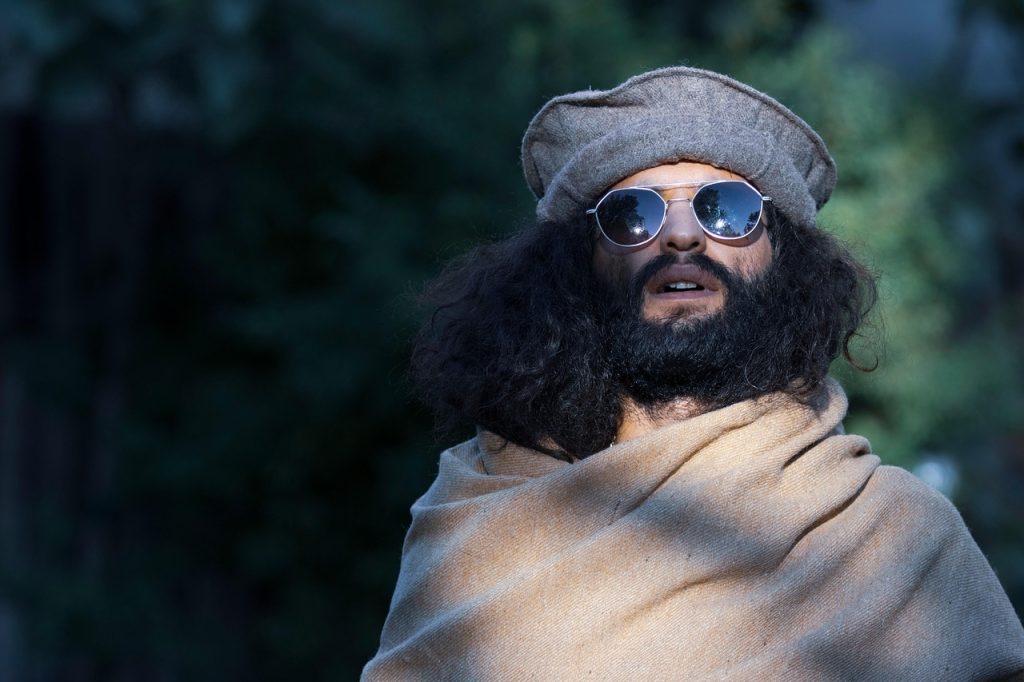
The people call themselves Pashtun, and in the softer dialects of the south the same word is heard as Pakhtun. From this root comes Pakhtunkhwa, the land of the Pashtuns, a name that now forms part of a Pakistani province. Outsiders, however, have layered other names over them. In much of South Asia they were long known as Pathans, an Indianized form carried into English by the British. In Persian and in older Western usage they were often simply called Afghans, a word that once meant Pashtun specifically before it broadened to name the citizens of an entire multiethnic state.
This tangle of names is not merely a linguistic curiosity; it reflects the Pashtuns’ peculiar position astride identities. When a modern Afghan citizen who is Tajik or Uzbek or Hazara calls themselves Afghan, they use a word that historically belonged to their Pashtun neighbors. The Pashtuns thus gave their old name to a country while keeping a separate name for themselves, a double identity that mirrors their divided homeland and their complicated relationship with the states that govern them.
To be counted as Pashtun has traditionally rested on three things woven together: descent from the recognized tribal lineages, the speaking of Pashto, and the practice of the ancestral code of conduct. In the ideal, all three align. In reality, people move between them. Communities have been absorbed into Pashtun identity by adopting the language and the code, and others of Pashtun descent have drifted toward the languages of the cities. The boundary is porous, defined less by biology than by belonging.
The name carries pride and, at times, a burden. For centuries the wider world has reached for the Pashtuns through stereotypes attached to these names, imagining them as little more than warriors of the frontier. Yet within the name Pashtun lies a whole civilization of poetry, jurisprudence of custom, agriculture, trade, and scholarship. To reduce the name to a caricature is to miss almost everything that the people themselves value in it.
The Pashto Tongue
Pashto is the beating heart of Pashtun identity, an Eastern Iranian language that has kept its distinctness through centuries of pressure from the great literary tongues around it. It is spoken in two broad dialect groups, a harder northern form and a softer southern one, differing most audibly in the sound at the root of the very word Pashtun and Pakhtun. Across these dialects, however, the language remains mutually intelligible, a common thread binding tribes scattered across a vast and broken landscape.
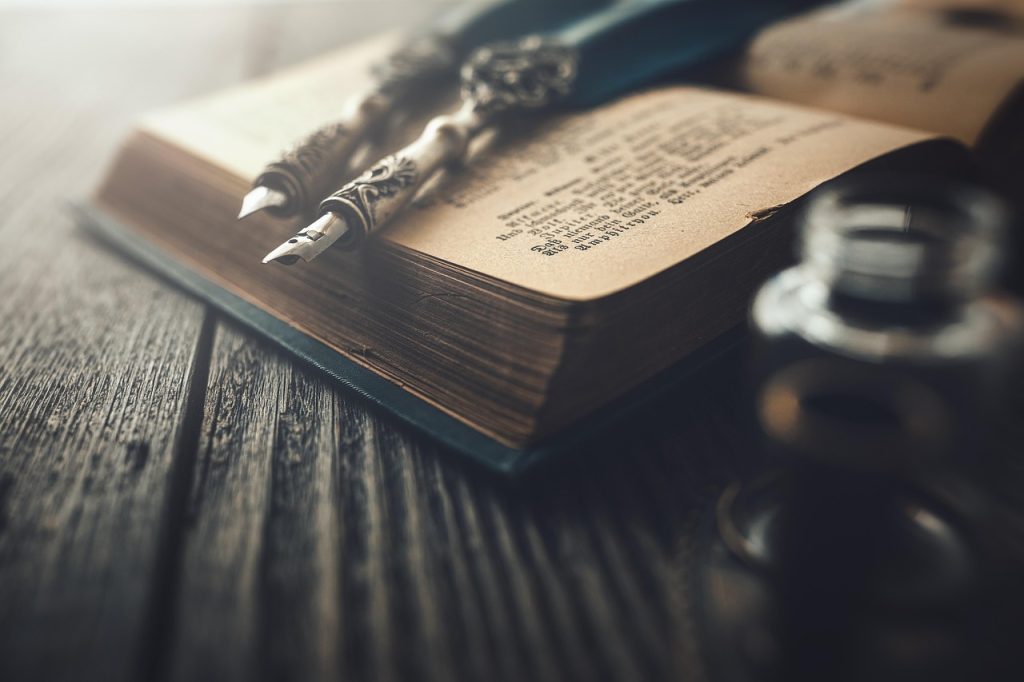
Written in a modified Arabic script adapted with extra letters for sounds that Arabic and Persian lack, Pashto carries a literary tradition that Pashtuns hold in deep affection. Its poets are cultural heroes, and lines of classical verse are quoted in ordinary conversation as proverbs and moral touchstones. The language is famous for its capacity to compress a whole ethic into a couplet, and for a genre of short folk poems, sung and traded especially by women, that distill longing, courage, and grief into a few piercing lines.
For much of history Pashto lived in the shadow of Persian, which served as the language of administration, high culture, and the court across the region. A Pashtun of learning might read and write Persian while speaking Pashto at home, and this bilingual world shaped a literature that borrowed forms while insisting on its own voice. In the modern era Pashto has become an official language of Afghanistan alongside Dari, and a major regional language in Pakistan, gaining ground in schools, broadcasting, and print that earlier generations could only have imagined.
Yet the language still faces the pressures common to tongues without a single dominant state behind them. Urdu in Pakistan and Dari in Afghanistan draw ambitious speakers toward wider markets and opportunities. Pashto activists and writers respond with newspapers, music, television, and a lively presence online, determined that a language which has survived every empire will not quietly fade in the age of the smartphone. To speak Pashto remains, for its speakers, an act of identity as much as communication.
A Homeland Split by a Line
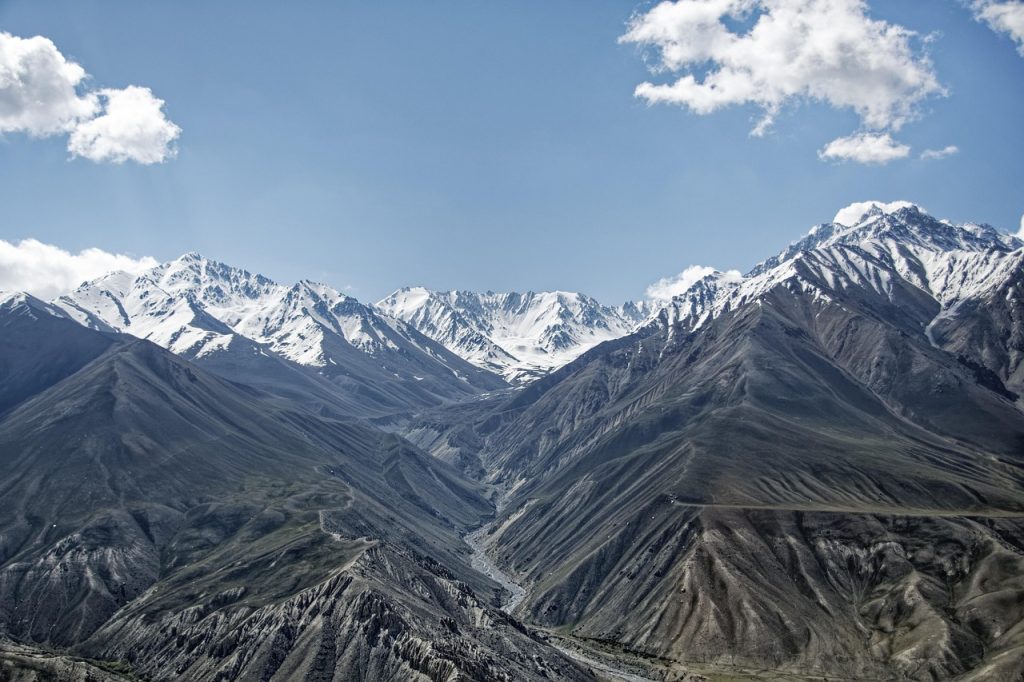
The Pashtun homeland is a country of the mind that does not appear on any political map, for it is cut in two by the Durand Line, the border negotiated in the late nineteenth century between British India and the Afghan ruler of the day. This line runs through the middle of Pashtun territory, separating tribes, valleys, and even families onto opposite sides. To this day the Pashtuns of Afghanistan and those of Pakistan think of themselves as one people divided, and the border has never been fully accepted in their imagination.
The land itself is dominated by mountains: the Hindu Kush and its ranges in the north and center, the Sulaiman chain to the east, and the broken highlands and passes that connect them. Between the peaks lie fertile valleys watered by rivers born in the snows, and beyond them stretch dry plains and deserts toward the south. It is a landscape of extremes, brutally cold in the high winters and scorching in the low summers, generous where water reaches and unforgiving where it does not.
This geography has shaped everything about Pashtun life. The mountains offered refuge and defense, allowing communities to resist central authority and preserve their autonomy. The passes made the region a strategic corridor coveted by every empire seeking to move between Central Asia and the Indian plains. Villages clung to slopes and huddled in valley floors, each a small world of orchards, terraced fields, and fortified compounds whose high mud walls announced that a family could defend its own.
Across this divided homeland the Pashtuns remain remarkably conscious of belonging to a single cultural nation. A wedding song in a Kandahar village and a lament in a Peshawar valley draw on the same tradition; a proverb quoted in one is understood in the other. The line drawn by distant diplomats runs through their territory, but it has never managed to run through their sense of who they are.
The Old Way of Life
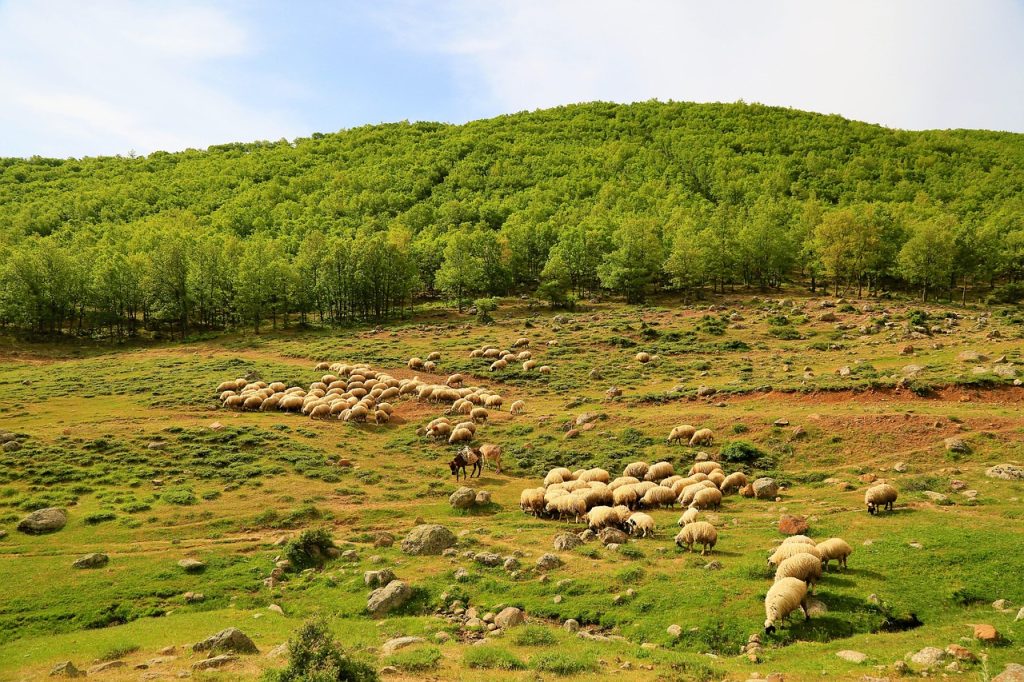
For most of their history the Pashtuns lived by a combination of farming and herding tuned to their mountainous land. In the valleys, families grew wheat, barley, maize, and orchards of apricots, mulberries, and pomegranates, coaxing crops from terraced fields watered by channels that carried snowmelt down the slopes. Where the land allowed, this settled agriculture supported dense villages of extended families, each compound a small fortress of mud and stone.
Alongside the farmers moved the herders, driving flocks of sheep and goats between winter shelters in the lowlands and summer pastures high in the mountains. This seasonal migration, following the grass as the snows retreated and returning as they came, gave rhythm to the year and mobility to a portion of the population. From the flocks came wool for weaving, milk for yogurt and cheese, and meat for the feasts that marked births, marriages, and the arrival of guests.
Between the settled and the nomadic ran the great arteries of trade. The Pashtun passes were among the most important commercial corridors in Asia, and caravans of merchants moved through them carrying goods between the markets of Central Asia and the plains of the Indus. Pashtuns served as guides, guards, toll-takers, and traders along these routes, and the wealth and risk of the caravan trade wove itself into their culture, their tales, and sometimes their conflicts.
Life in this world was hard and precarious, exposed to drought, feud, and the passage of armies. It bred a culture that valued self-reliance, physical toughness, and the solidarity of kin above almost everything, for in the mountains a family stood or fell by its own strength and the loyalty of its relatives. These were not abstract virtues but survival strategies, and they left a deep imprint on the Pashtun character that persists even where the old economy has faded.
Tribe, Honor, and the Code of Pashtunwali
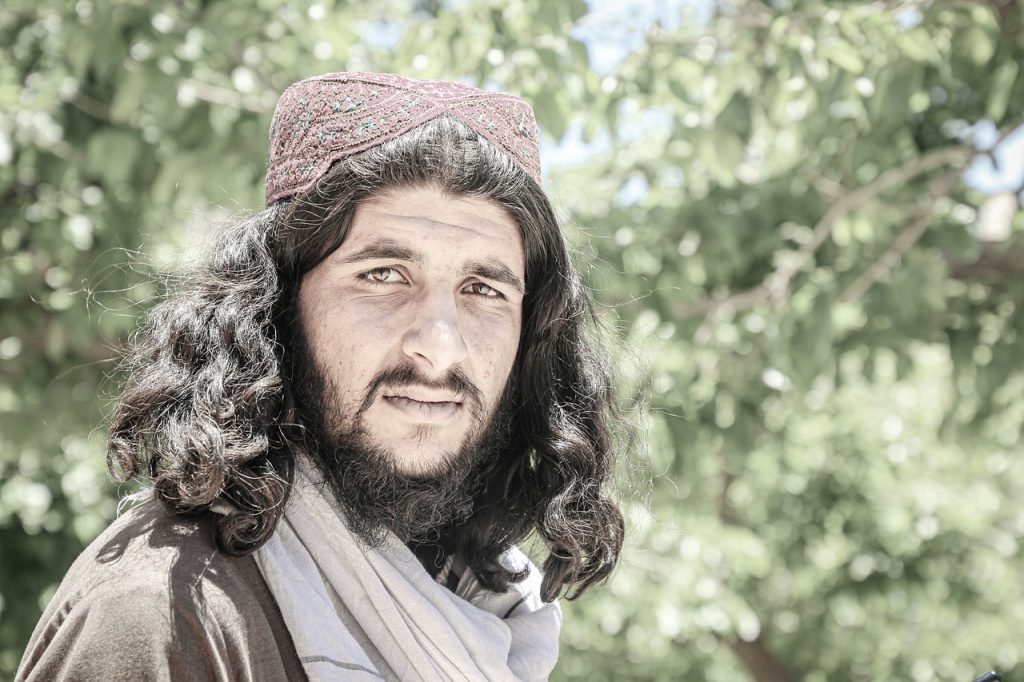
At the center of Pashtun society stands the tribe, a vast structure of descent groups nested within one another like the branches and twigs of a tree. Great confederations divide into tribes, tribes into clans, and clans into the extended families that form the basic unit of daily life. A Pashtun locates themselves precisely within this structure, and the web of kinship it creates carries obligations of support, revenge, and loyalty that outsiders have often found bewildering.
Binding this society together is Pashtunwali, the ancestral code of conduct that many Pashtuns regard as the very definition of what it means to be Pashtun. It is not a written law but a living body of custom, enforced by honor and public opinion rather than by courts. Its central ideals include hospitality, the sheltering of guests and even enemies who seek refuge, the defense of one’s honor and that of one’s family, and the pursuit of justice through a balance of revenge and reconciliation.
Disputes in this world have traditionally been settled not by a distant state but by the jirga, a council of respected men who gather to hear a matter and reach a consensus that both sides are bound to honor. The jirga can resolve feuds, divide land, negotiate marriages, and make war and peace between groups. Its authority rests on the willingness of the community to abide by its judgment, a form of self-government that has allowed Pashtun society to function even where central authority was weak or absent.
This system has a fierce and admirable side and a harsh one. The same code that guarantees sanctuary to a stranger can demand a cycle of revenge that consumes generations, and the honor at its heart has too often weighed most heavily on women. Pashtuns themselves debate and reinterpret Pashtunwali, and reformers within the community work to preserve its dignity while softening its cruelties. But no account of the Pashtuns can ignore this code, for it is the invisible architecture that has held their society together across every upheaval.
Faith on the Frontier
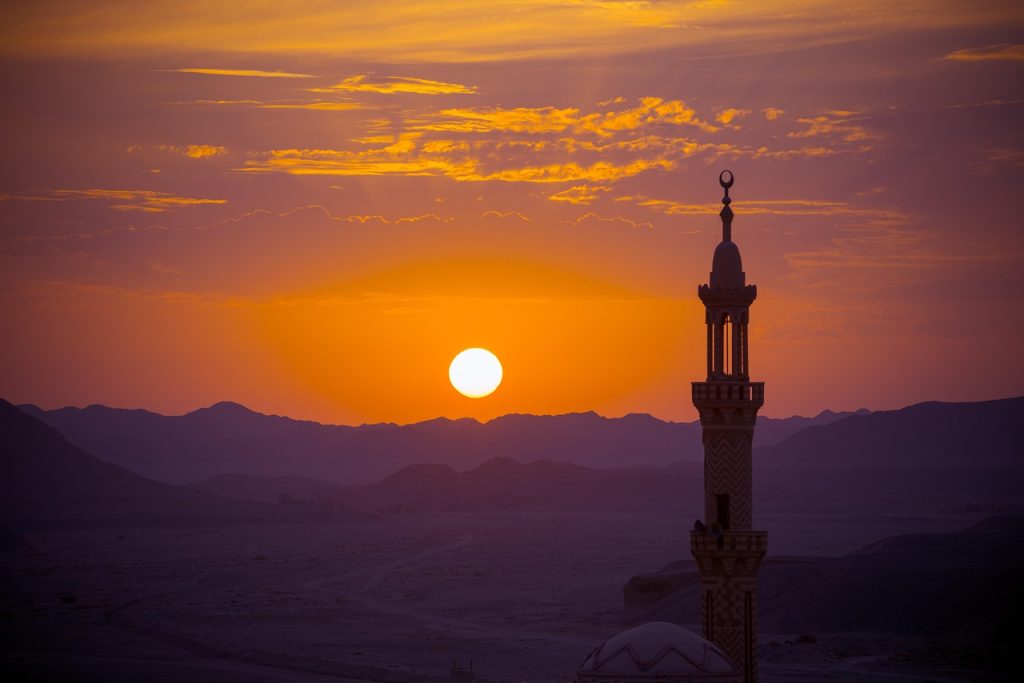
The overwhelming majority of Pashtuns are Sunni Muslims, and Islam is woven so deeply into their lives that it is inseparable from custom, law, and identity. Conversion to Islam came gradually over centuries as the faith spread through the passes with merchants, saints, and conquerors, and it eventually became a defining marker of the Pashtun world. The mosque and the madrasa, the school of religious learning, sit at the heart of the village alongside the guesthouse where men gather.
Pashtun Islam has long carried a strong Sufi coloring, with orders of mystics and the shrines of revered saints forming a landscape of popular devotion. Pilgrims visit these shrines seeking blessing and healing, and the songs and gatherings associated with them added a tender, ecstatic strand to religious life. Alongside this ran the more scholarly tradition of the religious teachers, who taught the sacred texts, adjudicated disputes, and preserved learning through generations.
The relationship between Islam and the ancestral code has always been intricate. In principle the faith is the higher authority, and Pashtuns are proud of their attachment to it. In practice, custom and religion have coexisted, sometimes reinforcing one another and sometimes in tension, as when the demands of tribal honor clash with religious teaching on forgiveness or on the rights of women. Much of Pashtun moral life plays out in this negotiation between what faith commands and what custom expects.
In the modern era religion has also become entangled with politics and conflict across the Pashtun lands, as movements claiming religious authority have contended for influence amid war and upheaval. Yet for the ordinary Pashtun, faith remains above all a matter of daily prayer, the rhythms of the fast and the feast, the naming of children, the burial of the dead, and the quiet certainties that give meaning to a hard life. It is the frame within which the whole of existence is understood.
Poetry, Music, and the Spoken Word
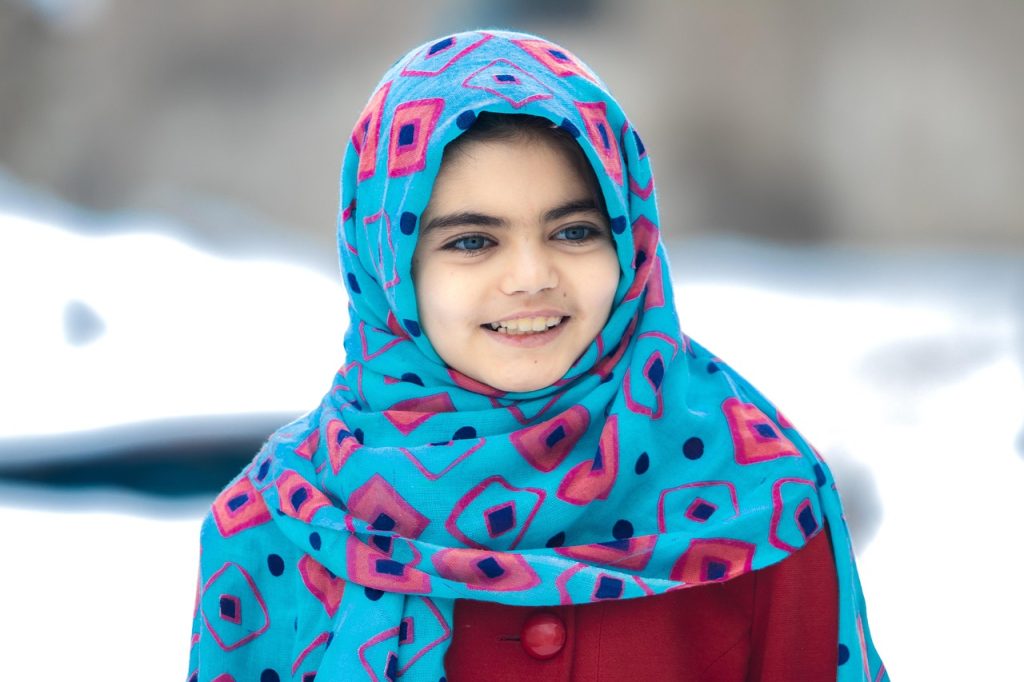
If there is one art that Pashtuns claim above all others, it is poetry. In a society where literacy was long limited and honor was public, the spoken and sung word carried enormous power. Verses memorized and recited could praise a hero, shame a coward, mourn the dead, or fan the embers of love, and a gifted poet held a place of real influence. Classical Pashto literature boasts revered masters whose lines are quoted to this day as the wisdom of the people.
The most beloved folk form is a short, punchy couplet, traditionally composed and sung especially by women, that captures an entire emotion in two lines. These verses, traded anonymously and endlessly reinvented, form a vast oral anthology of longing, defiance, grief, and desire. Through them a society that gave women little public voice preserved a channel for feminine feeling and wit, sharp-edged and unforgettable, passed from mouth to mouth across the generations.
Music accompanies this poetry in gatherings of men and at weddings and festivals. Stringed instruments related to the lute, hand drums, and the reed give the melodies their character, and the attan, a swirling circle dance in which participants turn faster and faster to the beat of the drum, is perhaps the most iconic Pashtun performance. To watch the attan is to see the community’s energy and unity made visible, bodies moving as one to a rhythm older than any living memory.
Storytelling rounds out this oral culture. Long evenings in the guesthouse were filled with tales of heroes and lovers, of feuds settled and honor defended, of tricksters and saints. These stories carried the values of the society in memorable form, teaching the young what courage and shame and loyalty looked like. In a world where the printed page arrived late, the Pashtuns built a towering literature in the air, sustained by memory and voice.
Crafts of Loom and Hand
Pashtun craftsmanship is best known through textiles, above all the carpets and rugs whose bold geometric patterns and deep reds have made them prized far beyond the region. Woven on looms in homes and workshops, often by women, these carpets encode tribal motifs and regional styles that a knowledgeable eye can read like a signature. Each is the product of months of patient labor, and a fine one represents both an heirloom and a form of stored wealth.
Embroidery is another domain of great skill, adorning the clothing that Pashtuns wear with pride. Caps, waistcoats, and the flowing dresses of women carry intricate stitchwork and mirrorwork, bright against the muted colors of the mountains. Each region and tribe favors its own patterns, so that dress becomes a language of belonging, announcing where a person comes from and to whom they are bound.
Beyond cloth, Pashtun artisans have long worked in metal, wood, and leather. Smiths forged tools and weapons, and the region became famous, for better and worse, for the craft of gunmaking in its bazaar workshops, where skilled hands could reproduce firearms by eye. Woodworkers carved doors, beams, and furniture, and leatherworkers produced the saddlery and footwear that a mobile mountain life demanded. These trades clustered in the bazaars, passed down through families as jealously guarded inheritances.
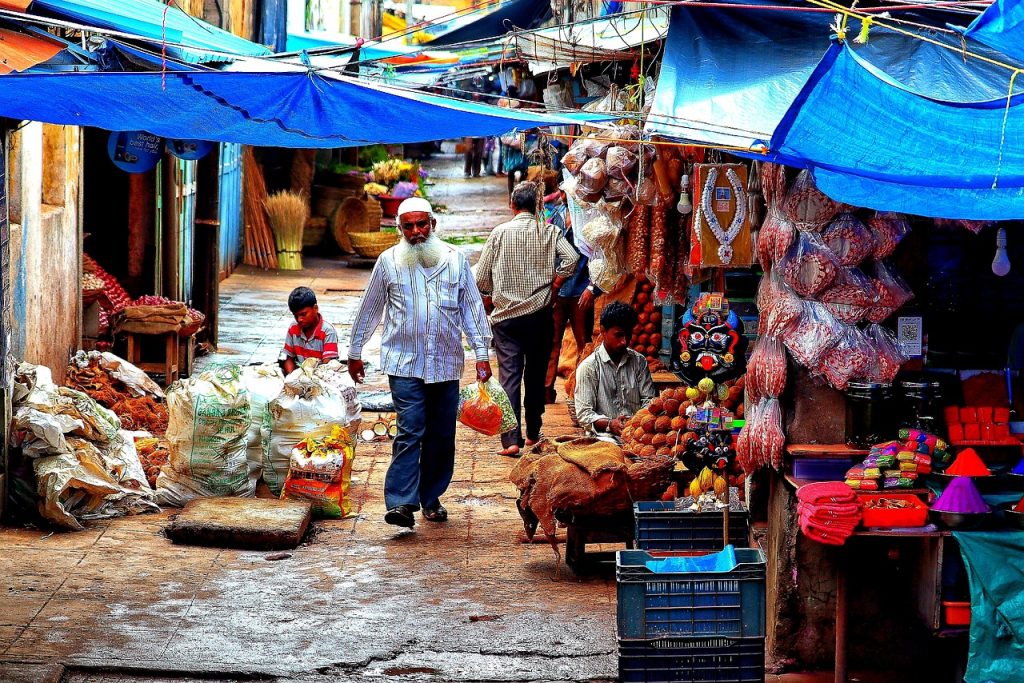
The bazaar itself was the stage on which these crafts met the world. In the covered markets of the frontier towns, carpets hung beside heaps of spices, and the ring of the smith mixed with the calls of traders in cloth, tea, and dried fruit. To walk such a bazaar was to see the material culture of the Pashtuns laid out in abundance, the work of countless hands offered for barter and sale in a commerce as old as the passes themselves.
The Pashtun Table
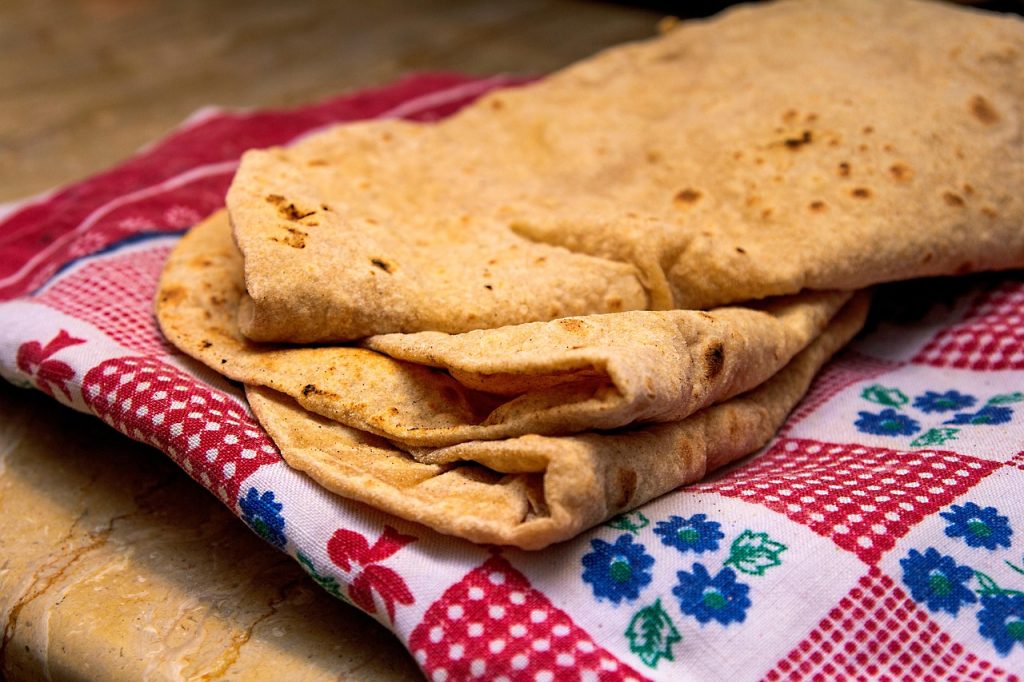
Pashtun food is generous, hearty, and built around bread, rice, and meat, reflecting a culture in which feeding a guest lavishly is a sacred duty. Flatbread baked in a clay oven or on a griddle is the foundation of nearly every meal, torn by hand and used to scoop up whatever accompanies it. Warm and fresh, it is the humble center of the table around which everything else is arranged.
The most celebrated dish is a fragrant rice pilaf, layered with tender meat, carrots, and raisins, often crowned for guests with nuts and slivers of fruit. Grilled and skewered meats, seasoned simply and cooked over coals, appear at gatherings and in the bazaar, filling the air with smoke and appetite. Slow-cooked stews of meat and vegetables, eaten with bread, sustain families through the cold months when the mountains close in.
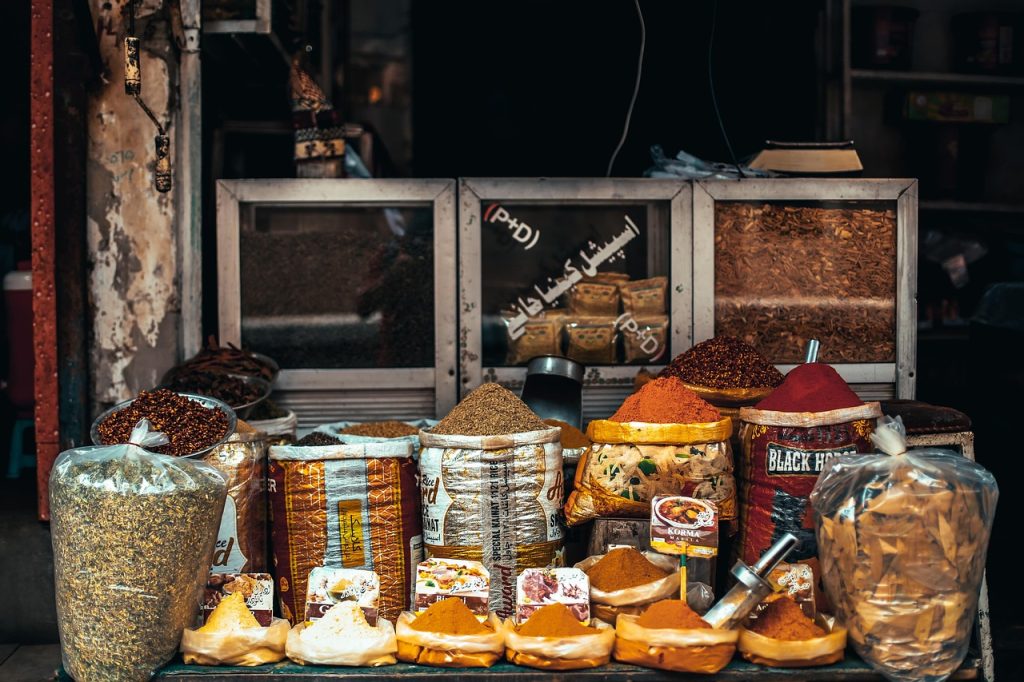
Dairy runs through the cuisine as it runs through the herding life: yogurt eaten plain or thinned into a cooling drink, cheese, and clarified butter for cooking. From the orchards come apricots, mulberries, apples, and above all the pomegranate, whose jewel-like seeds brighten dishes and whose image recurs in poetry and design. Nuts and dried fruits, easy to store and carry, are offered to guests and traded through the bazaars as a staple of hospitality.
Above every dish presides tea, usually green in the south and often black in the east, poured endlessly for guests as the first and constant gesture of welcome. To enter a Pashtun home is to be seated and served tea before anything else, and to refuse it is nearly unthinkable. Around the shared pot, conversation, negotiation, and reconciliation take place, so that the simplest drink becomes the social heart of the entire culture.
Festivals and Gatherings
The great festivals of the Pashtun year follow the Islamic calendar, and the two Eids are the brightest points in it. The Eid that follows the month of fasting brings feasting, new clothes, visits between households, and sweets for the children, a burst of joy after weeks of discipline. The Eid of sacrifice, tied to the pilgrimage season, centers on the ritual slaughter of an animal and the sharing of its meat with family, neighbors, and the poor, binding the community through generosity.
Weddings are festivals in their own right, sprawling multi-day affairs that mobilize entire extended families and villages. Music, the swirling attan dance, feasting, and the exchange of gifts turn a marriage into a public celebration of alliance between families. For a society organized around kinship, a wedding is not merely a private happiness but a political and social event, knitting lineages together and reaffirming the bonds on which everyone depends.
Seasonal rhythms bring their own gatherings, from the fairs that spring up around shrines to the markets that swell when herders descend from the summer pastures. These occasions mixed devotion, commerce, and pleasure, drawing people from scattered valleys into brief, dense sociability. In a landscape that isolated communities for much of the year, such gatherings were precious, a chance to trade, to arrange marriages, to settle disputes, and simply to see faces from beyond the next ridge.
Hospitality itself functions as a kind of perpetual festival, for the arrival of a guest is treated as an occasion to be honored. The guesthouse, maintained by families and villages, stands ready to receive travelers, and the code demands that they be fed and sheltered without question. In this way the Pashtun year is punctuated not only by the calendar’s fixed feasts but by the endless small celebrations of welcome that define the culture’s proudest ideal.
Under Empires and States
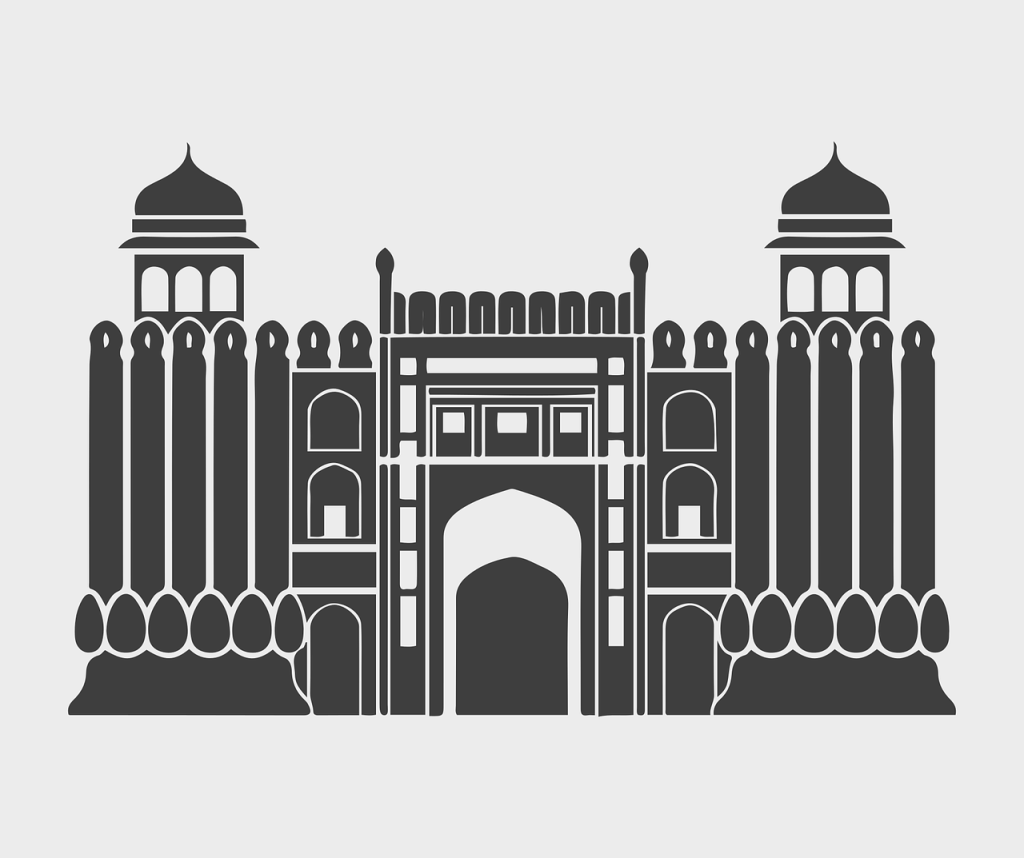
The strategic passes of the Pashtun homeland made it a prize and a battleground for empire after empire. Conquerors from the Iranian world, from Central Asia, and from the Indian plains all sought to control these corridors, and the Pashtuns learned to bend before storms they could not stop while never being fully subdued in their mountains. Out of this turbulent history the Pashtuns also produced their own rulers, founding dynasties that carried their power into India and, in the eighteenth century, laying the foundations of the modern Afghan state.
That founding is central to Pashtun pride: a durable kingdom built by a Pashtun leader that united the tribes and stamped a Pashtun character on the country that took the old name Afghan. For generations the Pashtuns were the dominant political force in this state, its rulers, its warriors, and its self-image, even as it contained many other peoples. To be Pashtun was, in this era, to be close to the heart of a sovereign power at a time when so many peoples of the region had lost their independence.
The nineteenth century brought the collision with British India, which pushed up against the Pashtun lands from the southeast. In a series of wars the British sought to control or influence Afghanistan and to pacify the frontier tribes, and the Pashtuns became legendary in imperial imagination for the ferocity of their resistance. The Durand Line was drawn in this period, slicing the homeland and creating a wound in Pashtun consciousness that has never healed, as tribes found themselves administered by two rival powers.
The twentieth century and beyond brought yet more upheaval: the end of empires, the birth of Pakistan, decades of war in Afghanistan, foreign interventions, and the rise of movements that drew on Pashtun society for fighters and legitimacy. Through invasion and civil war the Pashtun lands became one of the most fought-over regions on earth, and ordinary Pashtuns paid a terrible price in displacement and loss. Yet through it all the deep structures of language, kinship, and code endured, absorbing the shocks that shattered lesser bonds.
The Pashtuns Today
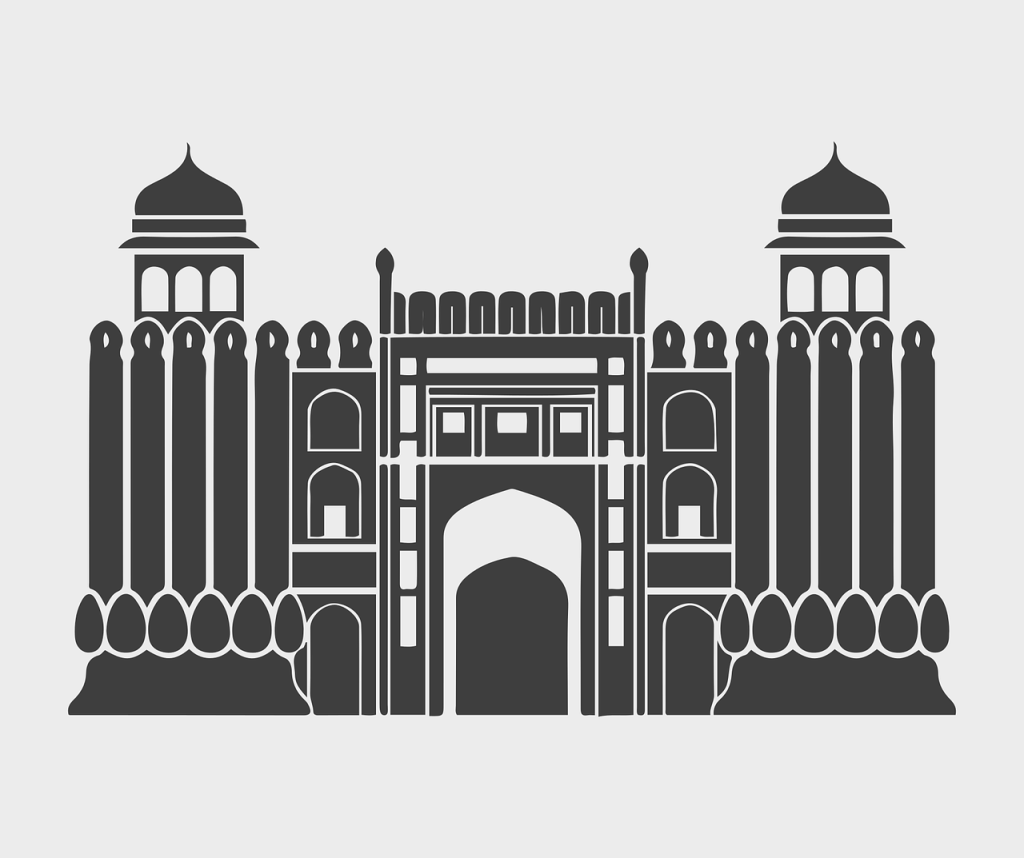
Today the Pashtuns remain a people astride a border, their tens of millions divided between Afghanistan and Pakistan and scattered further by the great migrations that decades of war have forced upon them. Vast Pashtun communities live in the cities of both countries, in the Gulf where many work, and in a global diaspora reaching to Europe, North America, and Australia. Wherever they settle, they tend to carry the language, the food, the hospitality, and the code with them, recreating fragments of the homeland far from the mountains.
The pressures on Pashtun society are immense. Generations have grown up amid conflict, and the old economy of herding, farming, and caravan trade has been battered by war, drought, and the arrival of a globalized world. Yet Pashtun culture has also entered new arenas with energy: Pashto music, film, and television flourish, the language thrives online, and a new generation of writers, activists, and artists asserts a Pashtun identity that is proud, modern, and often critical of both the violence imposed on their lands and the harsher aspects of their own customs.
Debates within the community are lively and consequential. Reformers press for the education of girls, for an end to feuds and to the treatment of women as instruments of honor, and for a Pashtunwali reinterpreted around its noblest ideals of hospitality and justice rather than its cruelest demands. Others cling to tradition as a defense against a world that has too often arrived in the form of invading armies. The outcome of these debates will shape what it means to be Pashtun for generations to come.
For now the Pashtuns endure as one of the most distinctive and resilient peoples of Asia, guardians of an ancient code and a proud tongue at the meeting place of two worlds. Their neighbors in these same rugged lands share much of their history and yet keep their own separate story, none more so than another great people of the region whose language, faith, and long endurance we turn to next. But that is a tale for the following chapter in our journey through the peoples of the world.
You May Like
The Damara, an Ancient People of Namibia