Across the northern edge of the map, where the land gives way to sea ice for much of the year, live the Inuit, a people who built one of the most remarkable adaptations to extreme cold found anywhere in human history. Numbering around one hundred and eighty thousand people today, Inuit communities stretch across a vast Arctic homeland running from eastern Siberia and Alaska through Arctic Canada to Greenland, united by closely related languages and a shared way of understanding a landscape most outsiders would find nearly uninhabitable.
Inuit history diverges sharply from that of most other indigenous peoples of the Americas discussed in this series, since the Arctic environment demanded a way of life built almost entirely around marine mammals, ice travel, and seasonal movement rather than farming or large permanent settlements. Contact with European explorers, whalers, and traders came later and unfolded differently here than further south, and Canada in particular has, in recent decades, granted Inuit communities a significant degree of self-governance through the creation of Nunavut in 1999.
This article moves through Inuit origins, the meaning of the name Inuit itself, the structure of Inuktitut and related languages, the Arctic homeland, the old way of life built around hunting and seasonal travel, the structure of Inuit society, spiritual belief and the world of Arctic spirits, social traditions, craftsmanship, food, festivals and modern gatherings, the history of contact and colonization, and the Inuit nation as it exists today.
What This Article Covers
- Origins: The Thule Migration Across the Arctic
- Name: Inuit, the People, and the Word Eskimo
- Language: Inuktitut and Its Arctic Relatives
- Homeland: Life Above the Tree Line
- Old Way of Life: Hunters of Ice and Sea
- Society: Small Groups in a Demanding Land
- Religion: Sila, Sedna, and the Spirit World
- Traditions: Sharing, Naming, and Storytelling
- Crafts: Soapstone, Bone, and Print Art
- Food: Seal, Caribou, and the Frozen Larder
- Festivals: Drum Dances and the Modern Gathering
- History: Whalers, Missionaries, and Relocation
- Today: Nunavut and a Changing Arctic
The Thule Migration Across the Arctic
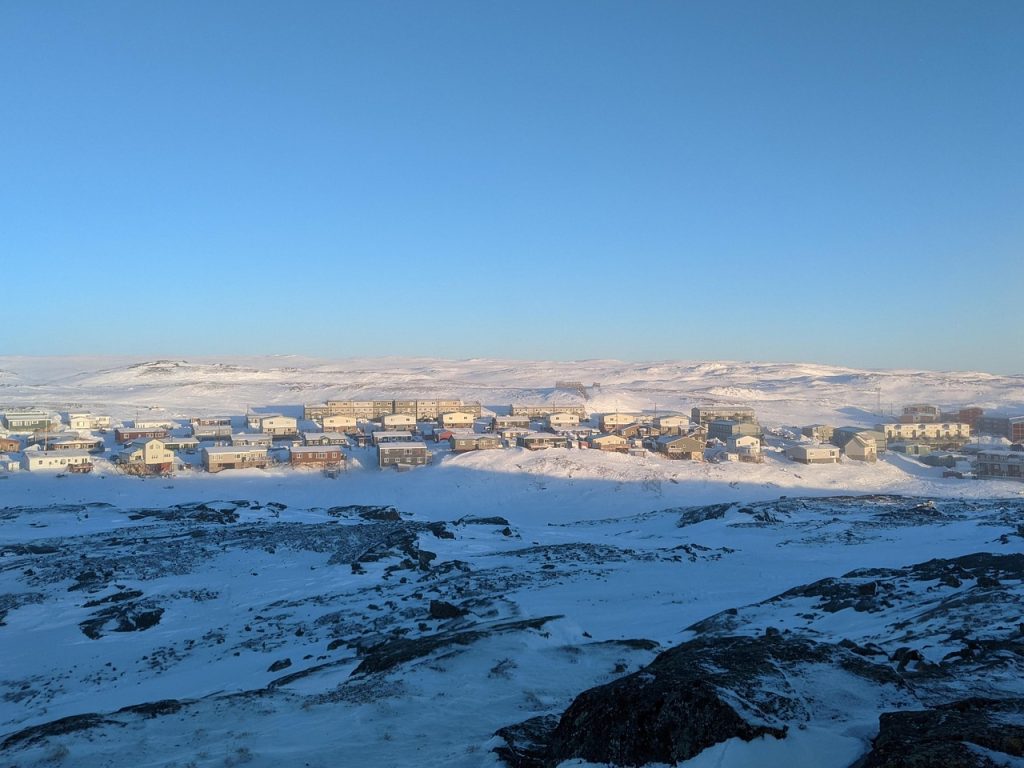
Inuit ancestry traces primarily to the Thule culture, a highly successful whale-hunting society that spread rapidly eastward across the Arctic from Alaska beginning around a thousand years ago, replacing or absorbing earlier Arctic populations such as the Dorset culture, which had occupied the region for thousands of years but lacked the large open-water boats and toggling harpoon technology that gave Thule hunters access to bowhead whales and other large sea mammals.
This migration, remarkably rapid by the standards of pre-modern population movement, carried Thule technology and culture from Alaska across the entire Canadian Arctic to Greenland within a few centuries, aided by a period of relatively warmer Arctic climate that opened sea routes and expanded whale range further north and east than in earlier centuries. Genetic and archaeological evidence broadly supports oral tradition describing a common ancestral population spreading across this enormous territory.
The Dorset people, whom Thule ancestors encountered and eventually displaced across most of the Arctic, appear in some Inuit oral traditions as the Tuniit, a legendary earlier people remembered as physically strong but lacking certain technologies the Thule possessed, though the historical relationship between the two populations, including the extent of conflict versus peaceful absorption, remains an active area of archaeological research and debate.
By the time European explorers began mapping the Arctic in the sixteenth through nineteenth centuries, Inuit communities were well established across the full breadth of their current range, having developed remarkably specialized and regionally varied adaptations, from the whale-hunting communities of northern Alaska to the caribou-focused inland groups of the Canadian Barren Lands to the more isolated communities of northern Greenland, each adapting core Thule-derived technology and belief to distinctly local Arctic conditions.
Inuit, the People, and the Word Eskimo
Inuit simply means the people in Inuktitut and its related dialects, a straightforward but meaningful self-designation shared, with local variation, across the entire Arctic from Alaska to Greenland, where the Greenlandic term Kalaallit is more commonly used locally though closely related in meaning and origin. The singular form, Inuk, refers to one person, while Inuit describes the people collectively.
The term Eskimo, once the standard English word for Arctic indigenous peoples and still used in parts of Alaska by some Yupik and Inupiat communities who do not identify as Inuit, has fallen out of favor across most of Canada and Greenland, partly due to a widely repeated but linguistically disputed claim that it derives from an Algonquian term meaning eater of raw meat. Regardless of its precise etymology, most Inuit communities today prefer Inuit or their specific regional and community names over the older term.
Regional identities remain significant within the broader Inuit world, including Inupiat in northern Alaska, Inuvialuit in the western Canadian Arctic, various regional groups across Nunavut and Nunavik in northern Quebec, and Kalaallit in Greenland, each maintaining distinct dialects, histories, and in some cases separate political structures even while sharing core Inuit identity and a common Thule ancestry.
International Inuit political organization has grown significantly since the mid-twentieth century, most notably through the Inuit Circumpolar Council, founded in 1977 to represent Inuit interests across the four countries with Inuit populations, Russia, the United States, Canada, and Greenland, or Denmark, reflecting a growing sense of shared pan-Arctic Inuit identity that operates alongside, rather than replacing, strong regional and community-level identities.
Inuktitut and Its Arctic Relatives
Inuktitut, along with closely related Inuit dialects spoken from Alaska to Greenland, belongs to the Eskimo-Aleut language family, distinct from the Algonquian, Athabaskan, and other major indigenous language families found further south in North America. These dialects form a chain across the Arctic in which neighboring communities can generally understand one another, while speakers at opposite ends of the range, such as northern Alaska and Greenland, would find each other’s speech considerably more difficult to follow.
Canadian Inuktitut uses a distinctive syllabic writing system, developed in the nineteenth century by Christian missionaries working with Cree syllabics as a model, alongside Roman orthography used in some regions, particularly Alaska and Greenland, producing some inconsistency in how the language appears in print depending on where a text originates. Nunavut recognizes Inuktitut as an official language alongside English and French, requiring its use in territorial government and public services.
Greenlandic, a distinct but related Inuit language, holds official status in Greenland and has arguably achieved the strongest institutional position of any Inuit language, taught throughout the school system and used widely in media, government, and daily life, a status Greenland’s home rule and later self-government arrangements with Denmark have helped support since the late twentieth century.
Language shift toward English or, in Greenland, Danish accelerated significantly during the twentieth century due to residential schooling and centralized settlement policy discussed further in the history section, prompting active revitalization efforts across the Arctic today, including immersion education, Inuktitut-language media, and territorial government policies in Nunavut specifically aimed at strengthening intergenerational transmission of the language.
Life Above the Tree Line
Inuit homeland spans an enormous Arctic and subarctic territory north of the tree line, including northern Alaska, the Canadian Arctic Archipelago and mainland tundra regions, Arctic Quebec, Labrador, and the entire coastal periphery of Greenland, a landscape characterized by permafrost, treeless tundra, and sea ice that, until recent climate change, remained a dominant feature of the environment for much of the year.
This vast range means Inuit communities historically adapted to genuinely different local conditions, from the productive whale-rich waters off northern Alaska and Baffin Island to the more marginal, caribou-dependent interior regions of the Canadian Barren Lands, where communities such as the Caribou Inuit developed a way of life notably different from their coastal whale-hunting relatives, illustrating the flexibility Inuit culture required to succeed across such environmental diversity.
Sea ice, far from being simply an obstacle, functioned historically as a critical extension of Inuit territory, providing a platform for seal hunting, travel by dog sled, and access to open water leads where whales and other marine mammals could be hunted, a relationship to ice that outside observers often failed to appreciate when assessing the apparent harshness of Inuit homeland.
Climate change has altered this landscape more rapidly and dramatically than almost anywhere else on earth, with thinning sea ice, permafrost thaw, and shifting animal migration patterns creating serious new challenges for Inuit communities that continue to rely, at least partially, on traditional hunting and travel across ice and land that behaves less predictably than it did even a generation ago.
Hunters of Ice and Sea
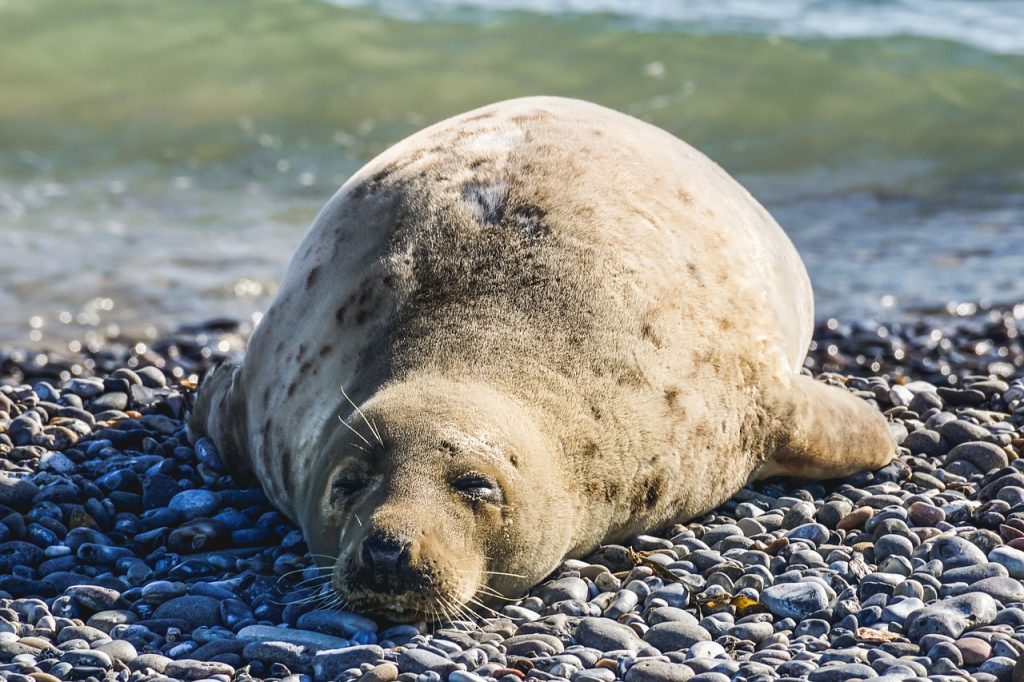
Traditional Inuit subsistence centered on marine mammals, particularly ringed and bearded seals, walrus, and, where local conditions allowed, whales, hunted using toggling harpoons designed to stay lodged in the animal after a strike, a Thule-era technological innovation that made large marine mammal hunting dramatically more reliable than earlier methods. Seals in particular provided not just meat but oil for heat and light, skin for clothing and boat covering, and bone and sinew for tools and cordage, making a single successful seal hunt valuable well beyond its immediate nutritional contribution.
Caribou hunting supplemented marine subsistence significantly in many regions, particularly during seasonal inland migrations when communities intercepted herds at river crossings using coordinated group hunting techniques, while inland groups such as the Caribou Inuit depended on caribou to a degree that left them more vulnerable to the herd population swings that occasionally produced serious famine in the nineteenth and early twentieth centuries.
Seasonal mobility defined Inuit life, with families and small groups moving between winter sea-ice camps suited to seal hunting, spring and summer camps near rivers and coastlines favorable to fishing and caribou hunting, and fall camps positioned to intercept migrating animals, a rhythm requiring detailed environmental knowledge passed down carefully across generations rather than relying on any single fixed settlement.
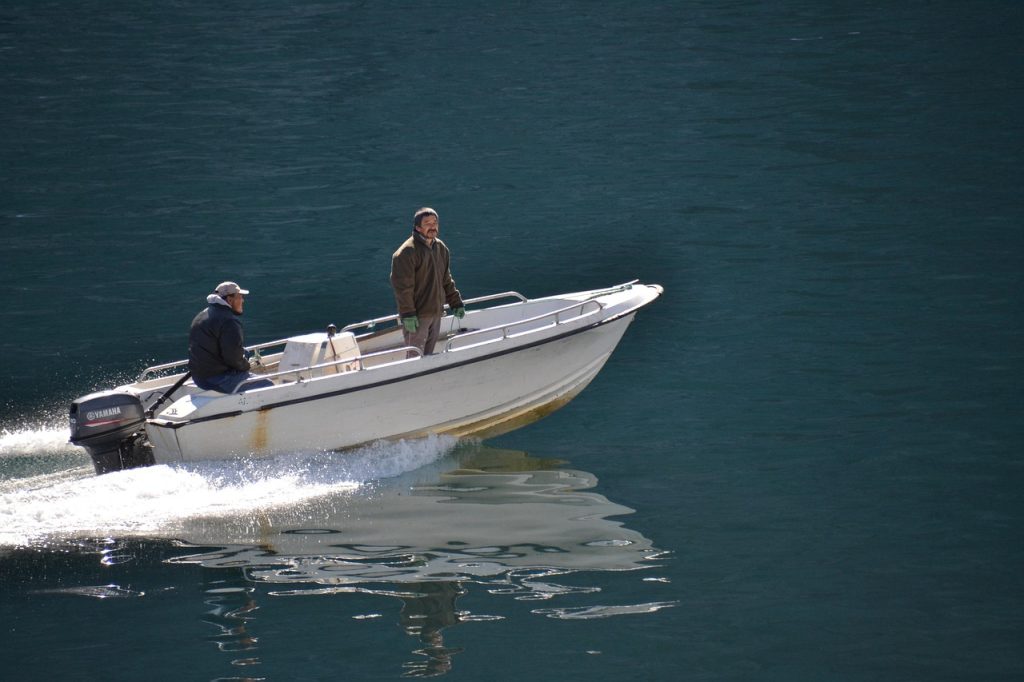
Housing adapted precisely to this mobility and to Arctic conditions, including snow houses, commonly known as igloos, used primarily as temporary winter shelter while traveling or hunting on sea ice, alongside semi-permanent sod and driftwood houses used at longer-term camps, and animal-skin tents in summer. Dog sleds and, along the coast, skin boats called umiaq and kayak provided essential transportation across ice, open water, and tundra alike.
Small Groups in a Demanding Land
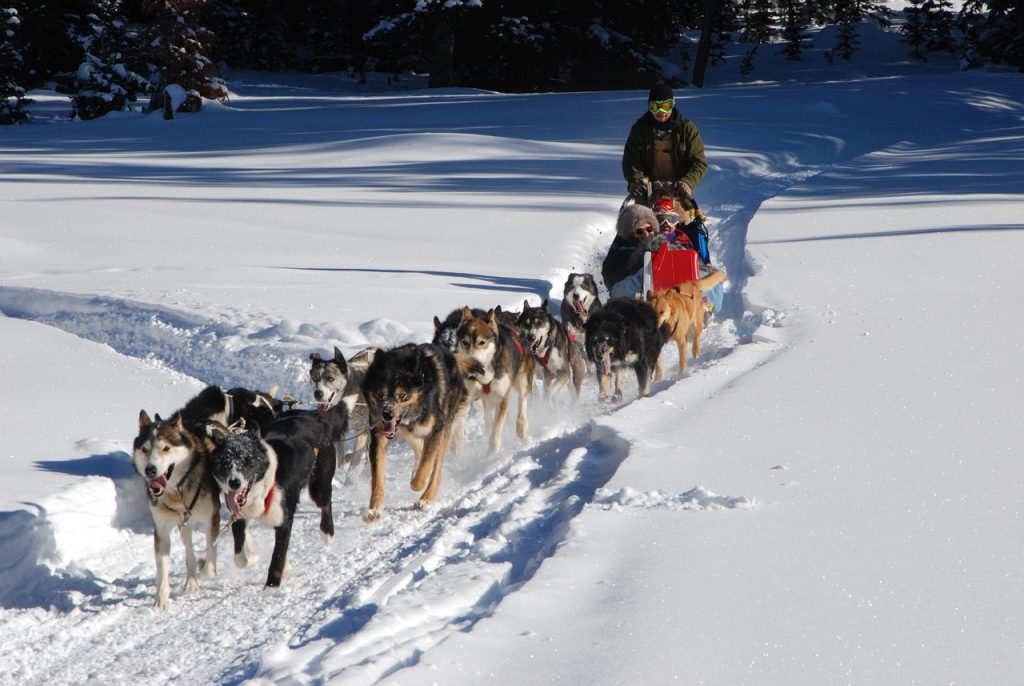
Inuit social organization traditionally centered on small, flexible family and hunting groups rather than large permanent settlements or centralized political structures, a pattern well suited to an Arctic environment where resource availability varied significantly by season and location, requiring groups to combine, split, and relocate as conditions demanded rather than remaining fixed in one place or organization.
Leadership rested with respected hunters and elders who earned authority through demonstrated skill, generosity, and good judgment rather than any formal hereditary position, and decisions affecting a hunting group were generally reached through discussion and consensus rather than command from a designated chief. This flexible, achievement-based leadership model proved well adapted to the practical demands of Arctic survival, where poor decisions could carry immediate and severe consequences.
Sharing of food, particularly the meat from successful large-animal hunts such as whale or walrus, functioned as both a practical survival mechanism and a core social value, with specific customary distribution practices ensuring that even families without a successful hunter in a given season received a share sufficient to survive, a social insurance system essential in an environment where individual hunting success could vary dramatically from week to week.
Extended kinship networks, including relationships formed through marriage, adoption, and various forms of ritual partnership such as song and trade partnerships between individuals from different communities, extended practical and social support well beyond the immediate family, creating a web of mutual obligation that helped Inuit communities manage the risks inherent to Arctic subsistence life.
Sila, Sedna, and the Spirit World

Traditional Inuit spiritual belief centered on a world understood as thoroughly alive with spiritual forces, most notably Sila, a pervasive force or consciousness associated with weather, breath, and the natural order, not quite a personal god in the way Christian tradition understands the term but rather a fundamental animating principle running through the Arctic world. Respect for Sila and for the spirits of animals hunted for food was considered essential to maintaining good relations with the forces that determined hunting success and survival.
Sedna, known by various names across different Inuit regions, stands as one of the most significant figures in Inuit belief, a sea goddess whose story explains the origin of seals, whales, and other marine mammals and who was believed to control their availability to hunters, requiring propitiation through proper ritual behavior and respect, particularly during difficult hunting seasons when a shaman might undertake a spiritual journey to comb and calm her hair and restore good relations between people and sea animals.
Angakkuit, shamans who mediated between the human community and the spirit world, performed healing, divination, and ritual functions similar in social role, though distinct in specific practice, to religious specialists found among other indigenous peoples of the Americas, entering trance states to travel to the spirit world, communicate with Sedna or other powerful spirits, and address problems ranging from illness to poor hunting luck affecting an entire community.
Christian missionary activity, particularly from the late nineteenth century onward, converted the overwhelming majority of Inuit communities to Christianity, primarily Anglican and Catholic denominations depending on region, a conversion that proceeded relatively rapidly and thoroughly compared to some other indigenous conversion histories, though traditional stories, respect for animal spirits, and elements of older cosmology persist in many communities alongside mainstream Christian practice today.
Sharing, Naming, and Storytelling
Naming practices carry particular spiritual and social weight in Inuit tradition, with a newborn child often given the name of a recently deceased relative or community member, understood in many communities as carrying forward something of that person’s spirit or identity, creating relationships between the child and the namesake’s surviving relatives that can shape how the child is addressed and treated throughout life.
Oral storytelling served as the primary means of transmitting history, moral instruction, and practical survival knowledge across generations in a culture without a traditional writing system, with skilled storytellers holding real social status and long winter nights providing ample opportunity for extended narrative performance covering everything from Sedna’s story to practical accounts of hunting technique and land navigation.
Throat singing, known as katajjaq, performed traditionally by two women standing close together in a rhythmic vocal game that is part musical performance and part good-natured competition to see who can outlast the other, represents one of the most distinctive Inuit artistic traditions, historically performed for entertainment during long winter periods and experiencing a strong revival and growing international recognition in recent decades.
Respect for elders, generosity in sharing food and resources, and a general cultural emphasis on emotional restraint and practical problem-solving over open conflict remain widely noted values in Inuit communities, alongside strong continued respect for traditional ecological knowledge, since elders who grew up relying directly on the land and sea are often regarded as carrying essential practical wisdom younger, more urbanized generations may lack.
Soapstone, Bone, and Print Art
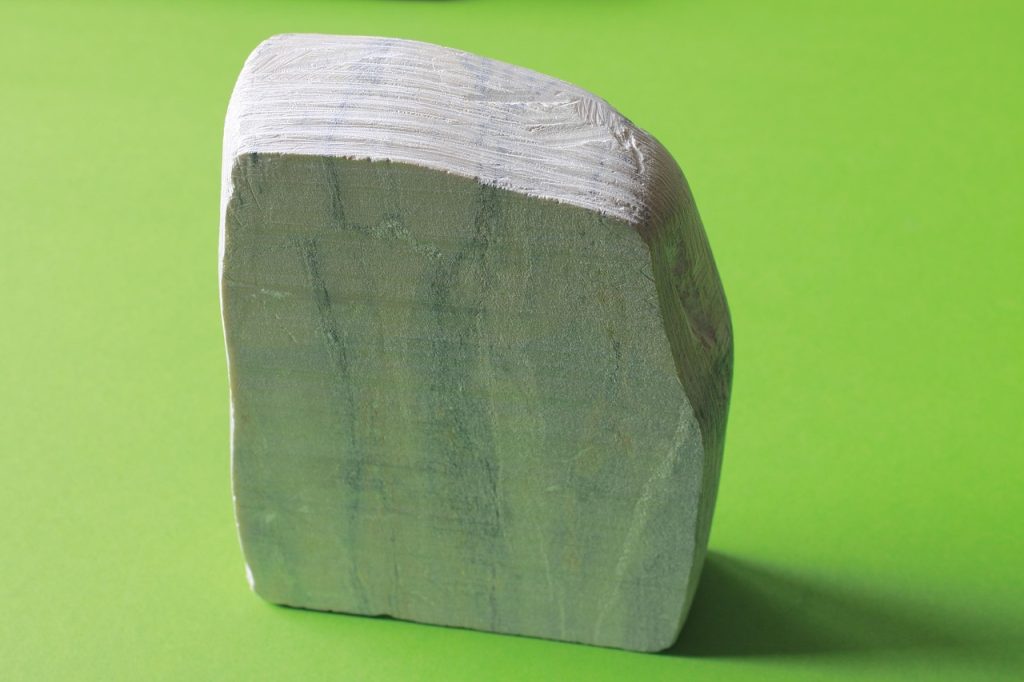
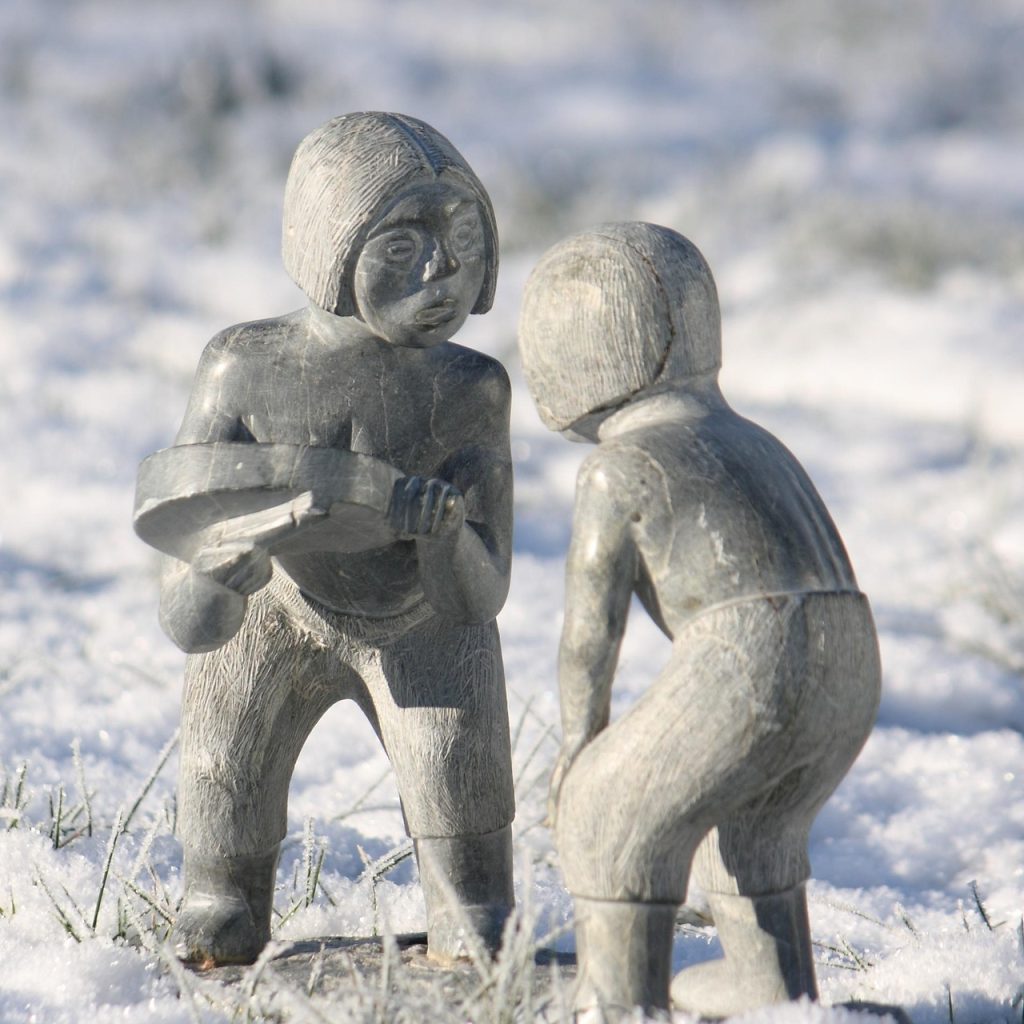
Soapstone carving stands today as perhaps the best internationally known Inuit art form, developed extensively as a commercial art tradition from the mid-twentieth century onward, though rooted in a much older practice of carving small objects from bone, antler, ivory, and stone for practical, ceremonial, and decorative purposes. Contemporary carvers, many working in communities across Nunavut and Nunavik, produce sculptures depicting animals, hunting scenes, and spiritual figures that are sold in galleries and museums around the world.
Printmaking emerged as a significant Inuit art form following its introduction at Cape Dorset on Baffin Island in the late 1950s, where local artists adapted stonecut and stencil printing techniques to produce distinctive images drawing on traditional stories, animals, and Arctic life, work that gained serious international recognition and helped establish Inuit visual art as a respected contemporary art movement rather than simply a craft curiosity.
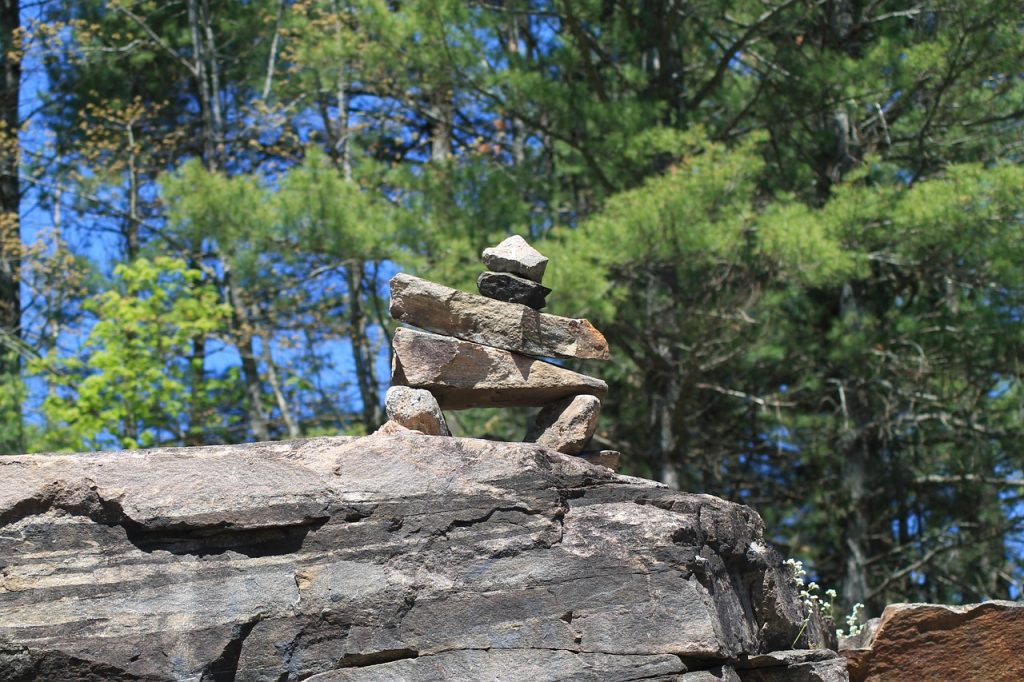
The inuksuk, a stone marker built in various forms to serve as a directional guide, indicate a good hunting or fishing spot, or mark a significant location, represents perhaps the most widely recognized Inuit visual symbol internationally, though the specific human-shaped form called inunnguaq, often mistakenly assumed to be the standard inuksuk, is only one of several traditional stone marker forms with distinct practical purposes.
Skin sewing and clothing production, historically essential rather than merely decorative work performed primarily by women, involved considerable technical skill in preparing and stitching caribou and sealskin into weatherproof, insulating garments, a craft that combined practical survival necessity with distinctive regional decorative styles still practiced and taught within many Inuit communities today.
Seal, Caribou, and the Frozen Larder
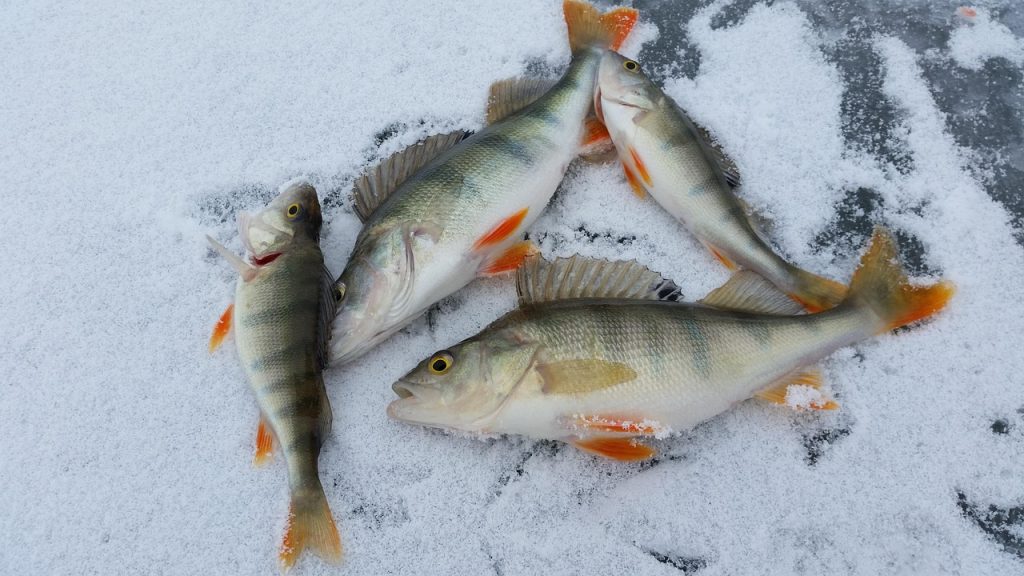
Traditional Inuit diet relied overwhelmingly on animal protein and fat, since the Arctic environment offers extremely limited opportunity for plant agriculture, with seal, whale, walrus, caribou, and various fish species providing the bulk of nutrition across a diet that nutritionists have noted achieves remarkable balance despite, or in some respects because of, its almost complete reliance on animal foods rather than the plant-heavy diets common elsewhere in the world.
Raw and frozen food formed a larger part of traditional Inuit cuisine than outsiders often assume, partly for practical reasons in an environment where fuel for cooking was scarce and partly because certain preparation methods preserved nutrients, including vitamin C, that would otherwise be lost through extended cooking, addressing a nutritional challenge that puzzled early European explorers unfamiliar with Arctic food science.
Fermented and aged foods, including fermented seal flippers and aged fish, provided both distinctive flavor and, in some cases, improved nutritional availability, prepared using techniques passed down through careful traditional knowledge about timing and storage conditions suited to Arctic temperatures, techniques that modern food safety regulation has sometimes complicated for communities wishing to continue these traditional preparations.
Store-bought food has become a significant part of the diet in most Inuit communities since the mid-twentieth century, a shift that has brought both convenience and serious public health concerns, since imported food in remote Arctic communities is often expensive and less nutritious than traditional country food, prompting renewed community and government interest in supporting traditional hunting and food sharing networks as both a cultural and public health priority.
Drum Dances and the Modern Gathering
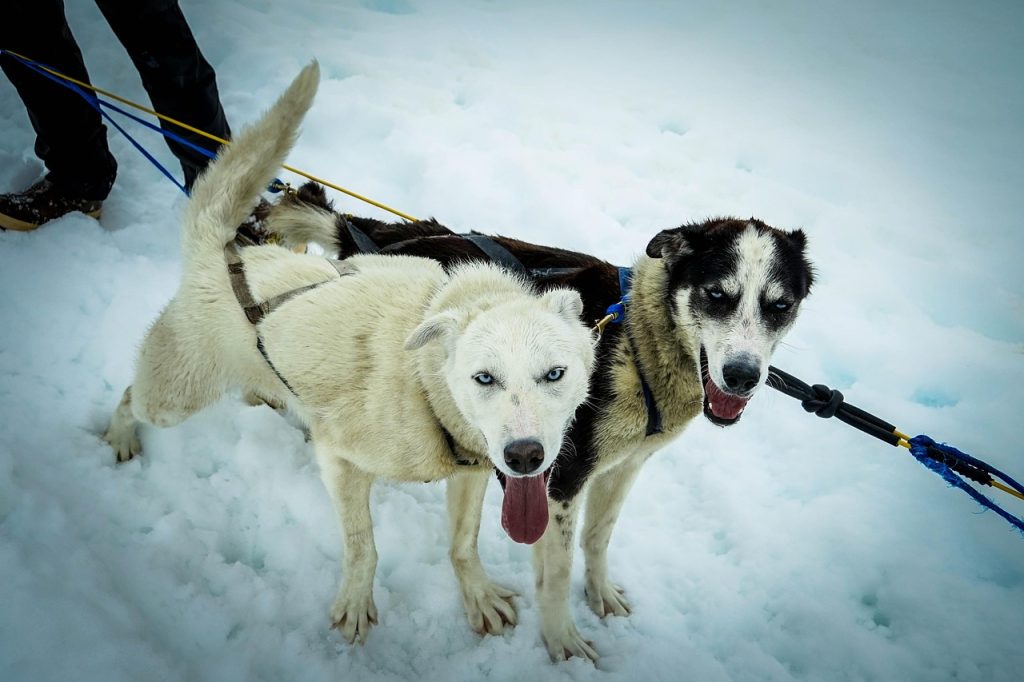
Drum dancing, accompanied by a large frame drum struck from underneath rather than on top, traditionally provided a central form of community celebration and storytelling performance, with specific songs and dances often belonging to individual owners who might share or pass them on according to established custom, a tradition that has seen meaningful revival in many communities after periods of suppression during the mission and residential school era.
Modern celebrations blend older traditions with newer community events, including spring festivals marking the return of sunlight after the dark winter months, celebrated in various communities with games, feasting, and dog sled races that draw participants and spectators from across a region, functioning today much as seasonal gatherings did in earlier centuries, as an opportunity for dispersed families and hunting groups to reconnect.
Nunavut and other Arctic regions have developed a robust circuit of Arctic sporting events, including the Arctic Winter Games, held every two years and featuring both conventional sports and traditional Inuit games such as the knuckle hop and one-foot high kick, competitions that demand a combination of strength, balance, and pain tolerance historically valued as practical conditioning for hunting and survival.
Christmas and other Christian holidays are widely celebrated across Inuit communities, often blending Christian religious observance with community feasting, drum dancing, and games in a pattern that reflects the broader syncretism between introduced Christianity and older Inuit cultural practice discussed earlier in the religion section.
Whalers, Missionaries, and Relocation
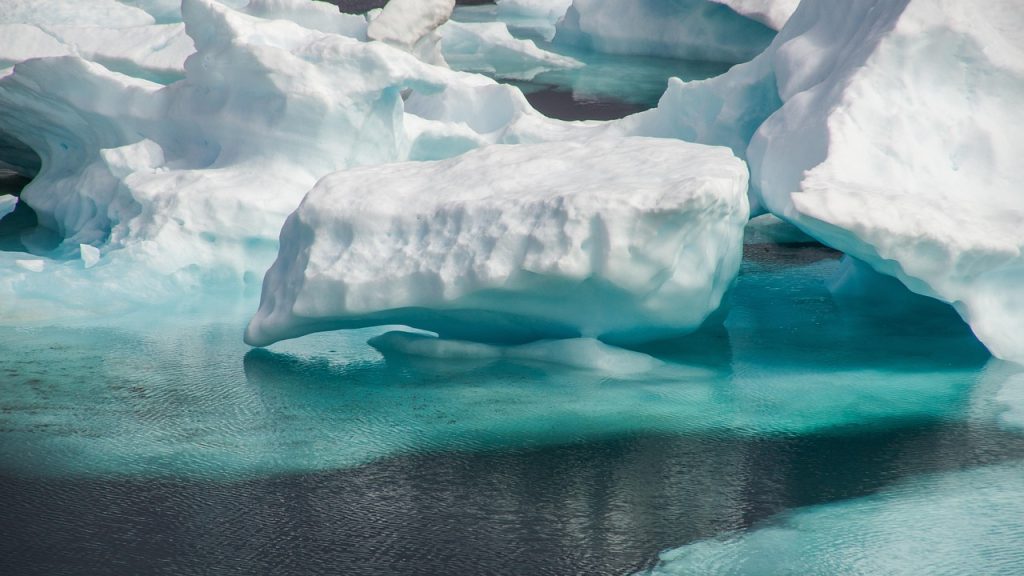
Sustained European contact with Inuit communities began in earnest with commercial whaling expeditions in the seventeenth through nineteenth centuries, which brought new trade goods and, more destructively, introduced diseases against which Inuit populations had no immunity, causing serious population decline in some regions even before more systematic colonial administration arrived. Fur trading through companies such as the Hudson’s Bay Company gradually drew Inuit communities into a wider commercial economy over the nineteenth and early twentieth centuries.
Christian missionaries, arriving alongside traders and later government administrators, worked to convert Inuit communities to Christianity and, in Canada in particular, pushed for the establishment of schools that eventually became part of the broader residential school system, removing children from their families and communities and often punishing them for speaking Inuktitut, a policy with lasting and well-documented harm to language transmission and family structure across generations.
Twentieth-century Canadian government policy included forced relocation of some Inuit families to remote High Arctic locations in the 1950s, ostensibly for resource and welfare reasons but also serving to assert Canadian sovereignty in the region during the Cold War, moves that separated families from traditional hunting grounds and knowledge and have since been formally acknowledged and apologized for by the Canadian government following sustained advocacy by affected families and communities.
Centralization of Inuit communities into permanent settlements, encouraged and at times mandated by government policy from the mid-twentieth century onward, fundamentally altered a way of life built around seasonal mobility, concentrating population into fixed towns with government services but also disrupting traditional hunting patterns and, in the view of many Inuit, weakening direct transmission of land-based skills and knowledge to younger generations raised primarily in settled communities.
Nunavut and a Changing Arctic
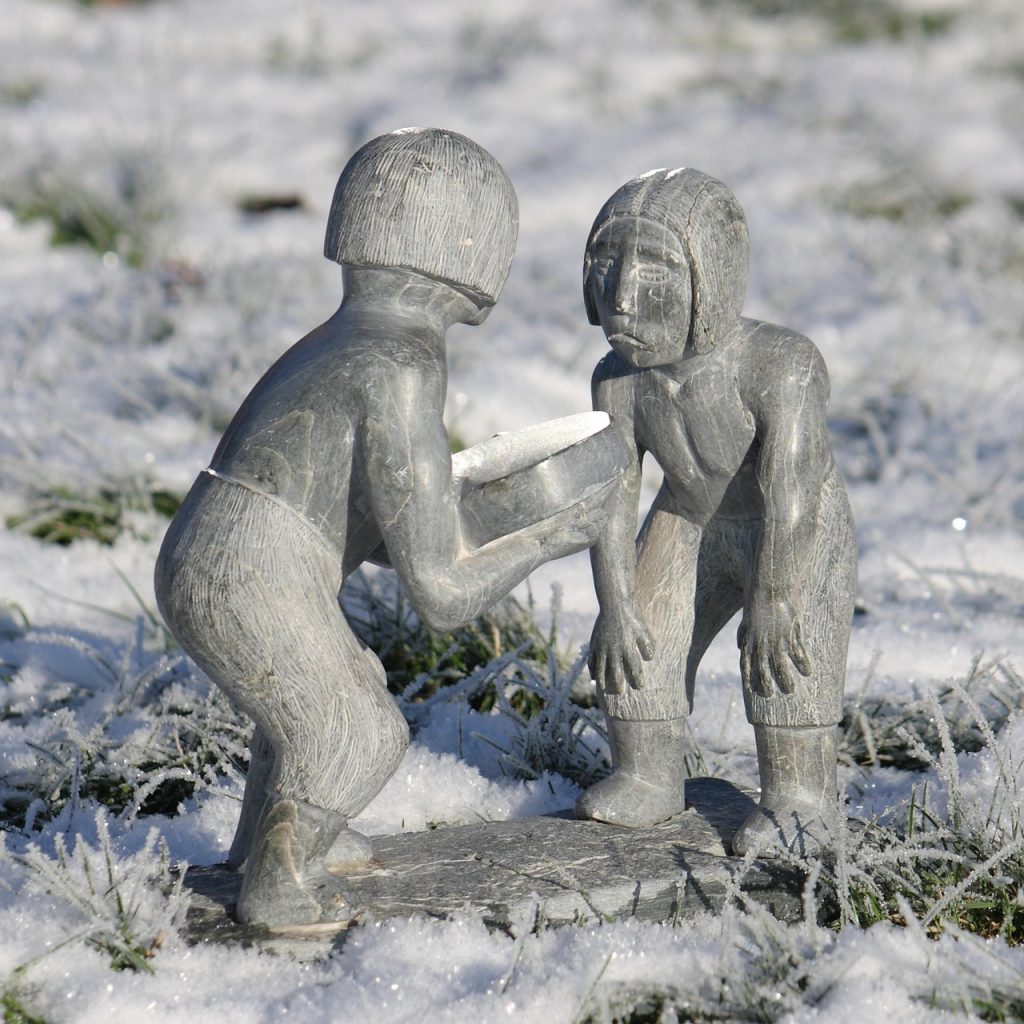
Roughly one hundred and eighty thousand Inuit people live today across Alaska, Canada, and Greenland, with Canada’s creation of Nunavut in 1999, a territory covering a vast portion of the Canadian Arctic with a population that is overwhelmingly Inuit, standing as one of the most significant acts of indigenous self-governance achieved anywhere in the Americas. Nunavut operates its own territorial government with substantial control over education, health, and resource decisions affecting Inuit communities, though it continues to face serious infrastructure and economic development challenges common to remote Arctic regions.
Greenland has followed a related but distinct path, achieving home rule from Denmark in 1979 and expanded self-government in 2009, with an active political movement toward eventual full independence and Greenlandic, a Kalaallit Inuit language, serving as the primary language of government and education, arguably giving Inuit language and political identity their strongest institutional footing anywhere in the circumpolar world.
Climate change poses a uniquely direct and immediate threat to Inuit communities, since warming is occurring roughly three to four times faster in the Arctic than the global average, disrupting sea ice travel routes, altering animal migration patterns essential to traditional hunting, and threatening coastal infrastructure through permafrost thaw and erosion, making Inuit communities among the most visible and vocal advocates for climate action on the international stage.
Cultural revitalization continues alongside these challenges, with Inuktitut and Greenlandic language education, renewed practice of drum dancing and throat singing, and a thriving contemporary Inuit art scene all pointing to a culture actively adapting rather than simply surviving. That same determination to adapt without disappearing runs through the story of another indigenous people much further south, one whose ancestral homelands span dense tropical forest rather than Arctic ice, the Guarani of Paraguay and neighboring countries.
More Peoples in This Exploration of Indigenous America
The Inuit join a growing look at indigenous nations of the Americas who remain a living presence today. Earlier entries include:
- The People Who Emerged Into This World, the Story of the Navajo
- The People Who Never Left the Mountains, the Story of the Quechua
- The People Who Never Vanished, the Story of the Maya
- The People of the Seven Council Fires, the Story of the Lakota
- The People of the Land Who Were Never Conquered, the Story of the Mapuche




One thought on “The People of Ice and Sea, the Story of the Inuit”