In the western Mediterranean, a great mountain rising from the sea, lies the island of Corsica, home to the Corsicans, a proud people whose culture bridges France and Italy. Ruled today by France yet speaking a tongue close to Tuscan, heirs to prehistoric stone-carvers and to the independence hero Paoli, and famed for a haunting tradition of polyphonic song, they are a Mediterranean nation with a fierce and distinct identity.
This is the story of who the Corsicans are: where they came from, how they lived in their mountains and villages, what they believe, and how they preserved a distinct identity through Genoese and French rule. It is a tale of clan and honor, of a brief shining republic, and of a people whose language, faith, and incomparable songs carry the soul of their island into the present day.
The Corsicans on Film
Contents
- Origins
- The Name
- The Language
- The Homeland
- The Old Way of Life
- Society and Community
- Religion and Belief
- Traditions
- Crafts
- Food
- Festivals
- History
- Today
Origins

The Corsicans are the people of Corsica, a rugged and mountainous island in the western Mediterranean, north of Sardinia and west of the Italian peninsula. Though the island is today part of France, the Corsicans are a Mediterranean people whose culture and historic language are closely tied to Italy, and above all to nearby Tuscany, reflecting the island’s long ties to the Italian world.
Corsica has been inhabited since prehistoric times, and the island preserves remarkable ancient monuments, above all the carved standing stones, the statue-menhirs of sites such as Filitosa, which testify to a mysterious and sophisticated prehistoric culture. These ancient stones are among the treasures of the island’s deep past.
In antiquity Corsica was drawn into the wider Mediterranean, settled and contested by Greeks, Etruscans, Carthaginians, and then Rome, which ruled it for centuries. After Rome, the island passed through many hands, but its most formative medieval and early modern connection was with the Italian maritime republics, above all Genoa, which held Corsica for centuries.
It was under and against this long Italian, and especially Genoese, connection that the modern Corsican identity took shape, in the mountains and villages of a proud and independent-minded people. From these ancient and Mediterranean roots grew a distinct island nation, fiercely attached to its land, its clans, and its honor, with a character all its own.
The Name

The Corsicans call themselves Corsi and their island Corsica, in their own language Corsica, a name of great antiquity used since the ancient world. The name has been borne by the island through all its many rulers, and it carries a strong sense of a distinct Mediterranean land and people.
The great symbol of Corsica is its flag, showing the head of a Moor in profile, bound with a white bandana, on a white field. This striking emblem, of medieval origin and once associated with the island’s struggles, became the banner of Corsican independence and remains the proud symbol of the island and its people, seen everywhere across Corsica.
Corsica is today a territorial collectivity of France with a special status, reflecting its distinct identity and history, and the Corsican name carries a strong sense of a people apart. Corsicans speak of their island and their heritage with deep attachment and a famous pride, conscious of belonging to a land with a singular character.
Though ruled from France, and before that long tied to Italy, Corsica has kept alive a powerful sense of its own identity, expressed in its language, its customs, and its emblem of the Moor’s head. The name of Corsica stands for an island people who have guarded their distinctiveness through centuries of foreign rule.
The Language

The Corsican language is central to the island’s identity, a Romance language descended from Latin and very closely related to Italian, and above all to the Tuscan dialects, reflecting Corsica’s long ties to the Italian world. It is not a form of French, the language of the state that now rules the island, but a Mediterranean tongue of its own.
Corsican has its own dialects across the island, differing between the north and the south, and it forms part of the wider Italo-Romance family, so close to Tuscan and to the speech of nearby regions that speakers can readily understand one another. Its character sets Corsica apart within France and links it to the Italian peninsula.
For centuries Corsican was the everyday speech of the island, while Italian, and especially Tuscan, served as the language of writing and culture under the long Genoese connection. After Corsica became French in the eighteenth century, French gradually became the dominant language of administration, education, and public life, and the use of Corsican declined.
In modern times Corsican has become a powerful symbol of island identity, and there are strong efforts to teach, protect, and revive it, with the language now taught in schools and used in music and culture. Though classed as endangered, the Corsican tongue endures as a cherished mark of the island’s distinctiveness and a link to its Mediterranean heritage.
The Homeland

The homeland of the Corsicans is Corsica, a large and strikingly mountainous island in the western Mediterranean, often called the mountain in the sea for the great peaks that rise steeply from its coasts. This dramatic terrain of high mountains, deep valleys, forests, and rugged shores has shaped every aspect of the island’s life and character.
The interior of Corsica is dominated by high mountains, clothed in forests of chestnut and pine and covered in the fragrant scrub known as the maquis, whose scent is said to mark the very soul of the island. This wild and beautiful interior, with its perched villages and remote valleys, was long the heart of Corsican life.
The coast is famous for its beauty, from the red granite cliffs of the Calanques de Piana and the white cliffs of Bonifacio to countless beaches and coves washed by clear seas. Yet for much of history the Corsicans, wary of raiders from the sea, built their villages inland and in the hills, turning toward the safety of the mountains.
The island’s towns, above all Ajaccio, the birthplace of Napoleon, and Bastia in the north, carry the history and life of Corsica, while the mountainous interior preserves its oldest traditions. This wild, fragrant, mountainous island, ringed by the Mediterranean, is the homeland at the core of the Corsican sense of identity.
The Old Way of Life

For most of their history the Corsicans were a people of the mountains and villages, and pastoral and rural life lay at the heart of the island’s traditional culture. In the highlands, the raising of sheep, goats, and pigs, and the seasonal movement of the flocks between mountain and lowland pastures, shaped a whole way of life bound to the land.
The chestnut tree was central to survival in much of the interior, and whole regions lived on the flour ground from its nuts, so that the chestnut groves were carefully tended and prized. Alongside them, the vine, the olive, and small fields provided the produce of the land, and the pig, fed on chestnuts and acorns, gave the island its famous charcuterie.
Corsican society was organized around the village and the clan, the extended family, and life was governed by strong codes of honor and loyalty. This was the world in which the vendetta, the blood feud between families, could arise, a grim custom of honor and revenge that marked the island’s history and gave Corsica a fearsome reputation.
This world of mountain village, flock, and chestnut grove, bound by family, clan, and honor, though much changed by modern times, is remembered and remains close to the heart of Corsican identity. The perched villages, the pastoral traditions, the crafts, and the strong bonds of the community are cherished as the roots of the island people.
Society and Community

Traditional Corsican society was built above all around the family and the clan, and the bonds of kinship, loyalty, and honor were the strongest forces in island life. The extended family and the village community, rather than the distant state, commanded a Corsican’s deepest loyalties, especially in the mountainous interior.
This clan-based society, with its fierce sense of honor, gave rise to the custom of the vendetta, the feud in which an insult or injury to the family had to be avenged, sometimes across generations. Though this dark tradition has faded, the deep value placed on family honor, solidarity, and loyalty remains a marked feature of the Corsican character.
Hospitality, respect for elders, and attachment to one’s village and its patron saint were central values, and the pastoral life of the interior fostered independence and self-reliance. The shepherd and the mountain village stood at the heart of the traditional social world, and local identities were strong across the island.
Shaped by centuries of foreign rule and by the hard life of the mountains, the Corsicans developed a famous pride and a strong sense of themselves as a distinct island people. Family, honor, and attachment to the land and the village remain important, and the same fierce spirit runs through the movements for Corsican identity and autonomy in modern times.
Religion and Belief

The Corsicans are a traditionally Roman Catholic people, and religion has long been woven into the life, calendar, and landscape of the island. Christianity came in Roman and later times, and Corsica is rich in churches and chapels, many built in the baroque style under the long Italian and Genoese influence, their facades and interiors adorned with fine art.
The towns and villages of the island are marked by their churches, and by the confraternities, the lay religious brotherhoods that have long played an important part in Corsican religious and community life, organizing processions and devotions and preserving the island’s traditions of sacred song. These brotherhoods are a distinctive feature of Corsican Catholicism.
Religious festivals and the feasts of patron saints are central to island life, and Holy Week is marked with especially solemn and dramatic processions, above all the famous Catenacciu of Sartène, in which a hooded penitent dragging chains carries a heavy cross through the town in a moving reenactment of the Passion.
The sacred polyphonic singing of the confraternities, deep and haunting, accompanies these religious ceremonies and is among the treasures of Corsican culture. Faith, its festivals, and its music remain an important part of Corsican identity, binding the communities together and marking the rhythm of the year in the villages and towns of the island.
Traditions

Corsican traditions are rich in music, festival, and the customs of a proud island people, and above all in the extraordinary heritage of song. Music lies at the very heart of Corsican culture and identity, and the island is famous throughout the world for its distinctive polyphonic singing.
The great glory of Corsican tradition is the paghjella and the wider art of polyphonic song, in which several male voices weave together in a deep, resonant, and haunting harmony, sung both in the sacred music of the confraternities and in secular songs of the island. This ancient vocal tradition, recognized as a treasure of world heritage, has undergone a powerful revival and carries the soul of Corsica.
The island preserves a rich heritage of songs for every occasion, from laments and love songs to the songs of work and of the shepherds, along with traditional dances and the customs surrounding the great moments of life. The oral traditions of story, proverb, and lament carried the memory and feeling of the people through the generations.
The festivals of the villages, the religious processions, and the customs of the seasons, together with the revival of the Corsican language and song, form a living heritage cherished with pride. Deeply rooted in the island and centered on the incomparable tradition of polyphonic singing, these traditions are among the clearest expressions of the Corsican people.
Crafts

The crafts of the Corsicans grew from the materials of a mountainous island, its forests, its stone, its flocks, and the needs of a proud rural people. Working the chestnut and other woods of the island into tools, furniture, and vessels was an important craft, as was the working of the island’s stone into its houses, churches, and villages.
The most famous of Corsican crafts is the making of knives, above all the traditional folding knife long carried by shepherds and countrymen, prized for its craftsmanship and bound up with the island’s reputation for a fierce sense of honor. These knives, still made by island cutlers, are a signature Corsican craft.
The products of the flocks and the land gave rise to their own crafts and skills, above all the making of the island’s renowned charcuterie and cheeses, arts in themselves carried down through the generations, along with basketry, the working of leather, and the making of the goods of pastoral life. Pottery and other village crafts served daily needs.
As on an island long thrown back on its own resources, everyday objects were made with care and skill, and the crafts of wood, stone, knife, and the products of the flock were bound up with the traditional way of life. These traditions are kept alive today by island artisans and remain a valued part of Corsican culture and heritage.
Food

Corsican cuisine is the hearty, distinctive food of a mountainous Mediterranean island, rooted in the products of the flocks, the chestnut groves, the maquis, and the sea, and closely related to the cooking of Italy while keeping a strong character of its own. Simple, robust, and full of flavor, it reflects the island’s pastoral and rural heritage.
Corsica is above all famous for its charcuterie, the cured meats made from the island’s free-ranging pigs fattened on chestnuts and acorns, including figatellu, a liver sausage, and a range of hams and sausages celebrated far beyond the island. These, along with the island’s cheeses, above all the fresh brocciu, are the glories of the Corsican table.
The chestnut, long the staff of life in the interior, appears in flour, bread, cakes, and the local beer, and dishes of game, lamb, and the herbs of the fragrant maquis fill the cuisine, along with the fish and seafood of the coast. The wild boar of the mountains is a prized ingredient of festive stews.
The island produces good wines and a famous chestnut-based cuisine of sweets and breads, along with honey scented by the maquis and other specialties. Rooted in the mountains, the flocks, and the chestnut groves, and rich in the arts of charcuterie and cheese, Corsican cuisine is a proud and cherished expression of the island’s way of life.
Festivals

The festivals of the Corsicans blend deep Catholic devotion with the customs of the seasons and the strong community life of the villages, and they are central to the identity of the island. The religious calendar and the feasts of patron saints, marked by processions, music, and celebration, structure the year in the towns and villages.
The most dramatic and famous festivals belong to Holy Week, above all the solemn processions of the confraternities, and none is more striking than the Catenacciu of Sartène, in which an anonymous hooded penitent, dragging heavy chains on his bare feet, carries a great cross through the town in a moving reenactment of the Passion of Christ.
These Holy Week ceremonies, accompanied by the deep and haunting polyphonic singing of the brotherhoods, are among the most powerful expressions of Corsican faith and culture, drawing participants and onlookers alike into a solemn drama that has been enacted for centuries. Other religious festivals mark the calendar with their own processions and devotions.
Alongside the religious festivals, the villages celebrate their patron saints and the seasons with fairs, music, and feasting, and modern Corsica also holds festivals dedicated to its language, its song, and its produce, from chestnuts to charcuterie. These celebrations, rich in faith, music, and community, are a vibrant expression of the Corsican people and their traditions.
History

The history of the Corsicans is marked by their island’s position and by a long struggle for freedom. After antiquity, in which the island knew Greek, Carthaginian, and Roman rule, Corsica came in the Middle Ages under the sway of the Italian maritime republics, above all Genoa, which held the island for some five centuries and shaped much of its culture and language.
The eighteenth century brought Corsica’s most celebrated chapter, when the islanders rose against Genoese rule and, under the leadership of Pasquale Paoli, established an independent Corsican republic with a remarkably enlightened constitution, admired across Europe. For a brief time Corsica stood as a model of liberty and self-government.
This independence was short-lived, for Genoa ceded the island to France, which conquered it in 1769, the very year in which Napoleon Bonaparte was born in Ajaccio. Corsica thus became French just as its most famous son entered the world, and the island has remained part of France ever since, though not without resistance and a lasting sense of grievance.
Over the following centuries Corsica was integrated into France, its language and autonomy pressed, even as it gave France one of its greatest figures in Napoleon. The twentieth century saw the rise of movements for Corsican identity, autonomy, and in some cases independence, and the island won a special status within France, as the Corsicans continued to assert their distinct heritage.
Today

Today the Corsicans are a people of some hundreds of thousands, forming the population of Corsica, a territorial collectivity of France with a special status that reflects its distinct identity. Ajaccio, the capital and birthplace of Napoleon, and Bastia in the north are the main cities, while the mountainous interior preserves the island’s oldest traditions.
Modern Corsica combines an economy in which tourism plays a leading part, drawn by the island’s magnificent mountains, coasts, and heritage, with agriculture, pastoralism, and the famous production of charcuterie, cheese, wine, and chestnuts. The island faces the challenges of a peripheral region, including the pressures of tourism and development on its way of life.
Corsican identity remains strong and often assertive, expressed in a powerful attachment to the island’s language, music, and traditions, in movements for greater autonomy, and in a famous pride in being Corsican. The revival of the Corsican language and the incomparable tradition of polyphonic song are central to this living sense of identity.
Through centuries of foreign rule, from Genoa to France, the Corsicans have preserved a fierce and distinct identity on their mountainous island, holding to their language, their customs, their honor, and their bond with the land. A proud Mediterranean people, attached to their island of Corsica and its heritage, they remain one of the most distinctive of the peoples of Europe.
Related Peoples of the Region
- The Gagauz
- The Kashubians
- The Cornish
- The Manx
- The Ladins
- The Greenlanders
- The Asturians
- The Aragonese
More Peoples of the World
You May Like
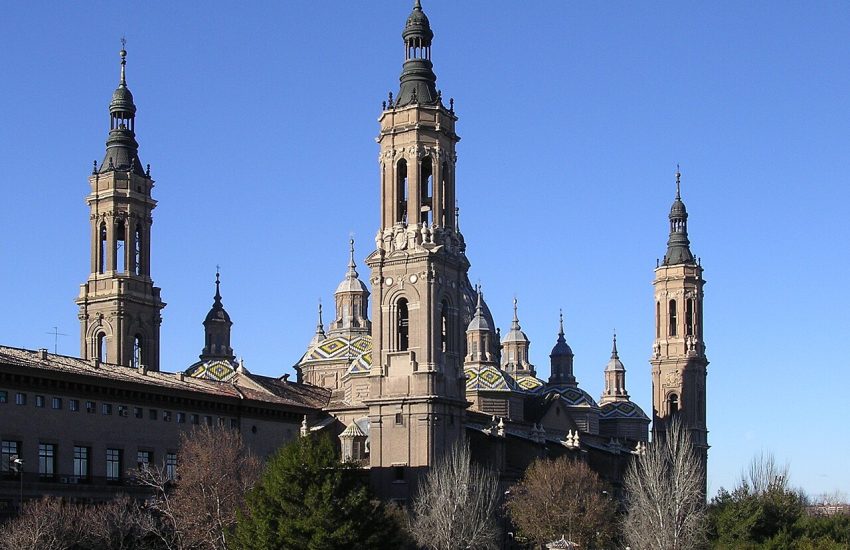
The Aragonese, Heirs of a Pyrenean Kingdom in North-East Spain