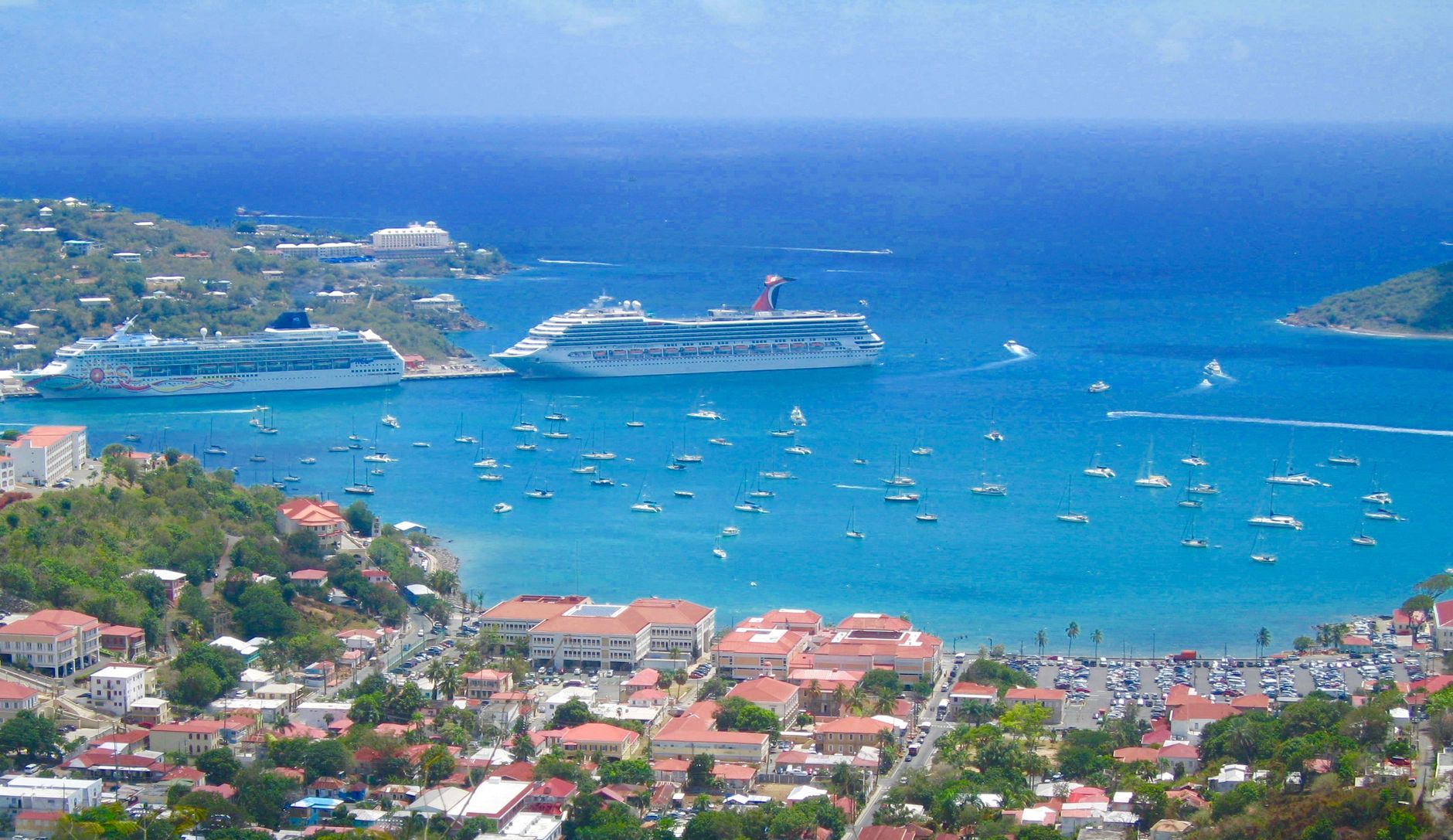
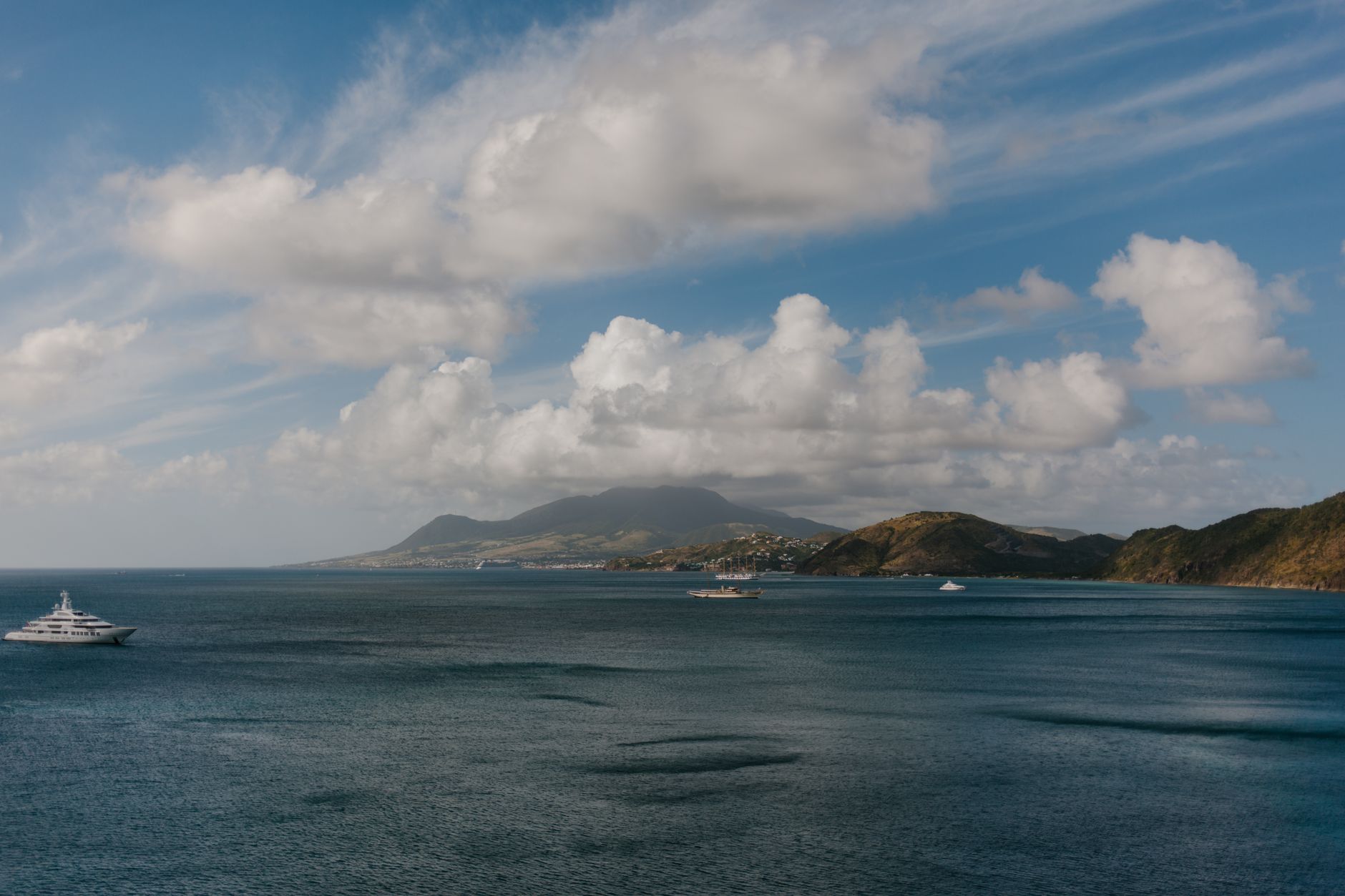
Never in any corner of the Mediterranean has it embraced the mainland with so much love and enthusiasm. The mainland also reached into the Mediterranean to quench its thirst, without knowing how salty it was. Humanity has not remained indifferent to this harmony that has lasted for thousands of years and has decorated Gemiler Island, which has a perfect port, with its settlements and churches.
Gemiler Island, where the land on it is exhausted but the ruins are not; It is located in the hinterland of Ölüdeniz, in the eastern part of the Gulf of Fethiye. In the guide book of medieval sailors; It is mentioned that there is a church dedicated to St. Nicholas at the top of the island. Because of this dedication, it was known as St. Nicholas Island in the Middle Ages.
After the Byzantine Empire accepted Christianity as the official religion, there was a huge explosion in pilgrimages from Europe and Istanbul to the holy sites in the Palestinian territories. In the Middle Ages, when land transportation was dangerous and troublesome, sea travel was always preferred. These long journeys brought to the fore stops with sheltered harbors and churches housing important saints.
Gemiler Island has also developed greatly as one of these sacred places.
The island, which reflects the silhouette of a dinosaur with its head resting on its feet in an east-west direction, is approximately 1000×400 m. size. The steep south of the island forms a natural fortification, while the northern slope extends to the sea with a gentle slope. There are ruins of city walls surrounding the island from east to west on the northern slope.
Due to the collapses caused by earthquakes that have continued from ancient times to the present day, most of the piers and warehouses located on the seaside are below the water level.
There are various ruins of a Medieval city on the island. Among the ruins, the 4 large churches and the vaulted gallery connecting the Zirve Church to the East Church are the prominent ruins. Apart from the civil settlement, grave monuments, cisterns and grain warehouses constitute a group of structures whose functions can be defined. The majority of the buildings date back to I.S. It dates back to the 5th-6th century.
The West Church is just south of the guardhouse. It has been completely eaten away by the sea, except for the foundations of the apse and the baptistery. The second church was built on the slope on the path leading to the summit from the west. Today, it is partially standing with its eastern apse and the semi-dome above it. The church located in the eastern part of the island was completely destroyed. It is possible to get an idea about its plan from the ruins.
The cistern on the west side and the mosaic flooring on the floor reveal the care taken in its construction. Beyond the Eastern Church there is a large necropolis area with monumental tombs.
Zirve Church, dedicated to St. Nicholas; Due to its location and the care taken in its construction, it stands out from all the buildings on the island. The narthex and part of the naos in the western part of the church were carved from the bedrock. There is an underground cistern in the narthex. The interior is divided into three naves. To the east, there is a synthronon, the seat of priests, with a few steps in the shape of a semicircle.
The templon and altar bases in front of it, as well as a part of the mosaic plane on the floor, were largely unearthed during the excavations carried out jointly by the Fethiye Museum and the Japanese Archeology Group. Geometric patterns and mythological religious depictions predominate on the unearthed mosaic plane. In the inscription applied here as a mosaic; It is stated that a Macedonian jeweler covered the cost of laying the mosaics.
A part of the mosaic floor was destroyed because it was used as a cemetery after the church was demolished.
Summit Church; Its plan, surrounding corridors, passages, entrances and exits were designed to be suitable for the circulation of many visitors. The vaulted gallery connecting the Summit Church to the Eastern Church is located on the vertebra of the island flowing from north to south. For those who use it, visuality is best utilized with air circulation in the hot summer months.
During the excavations carried out in Zirve Church, it was understood that the structure was destroyed as a result of a huge fire. The fact that no metal artifacts were found during the excavation, except for a few nails, suggests that the building was plundered before the fire. Most likely İ.S. It was destroyed during the Arab raids on Anatolia in the 7th century, and the settlement on the island moved inland.
WORK. With the Byzantine Empire trying to recover itself in the 11th century, a small group on the island tried to revive the old bright days, although not as intensely as in previous centuries, but they could not show any activity or presence.
There are ruins of buildings contemporary with the island on the smaller Karacaören Island in the south of Gemiler Island and on Tuzla Cape in the western part. Identifiable building remains; It stands out as church and grave monuments. The Church, located at the top of Karacaören Island, is the focus of the ruins. The small planned building groups around it must have been the tombs of the saints and priests who served in the church.
There are traces of fresco decorations contemporary with churches in the interiors of some tombs. In an inscription carved on the side wall of the stairs carved into the main rock leading to the church; The saint to whom the church is dedicated is mentioned.
Within this hinterland; The Byzantine Period settlements, which are limited to ships, Karacaören Islands and Tuzla Cape, and churches and a few nearby building ruins in many bays continuing to the east, stem from their use as stopover areas during sea voyages in ancient times.
Gemiler Island
Gemiler Bay
As I descend to the bay, I dive into a forest road that separates from the asphalt road. It doesn’t take long, but it offers me this view.
You May Like
Aspendos Ancient Theater Travel Guide