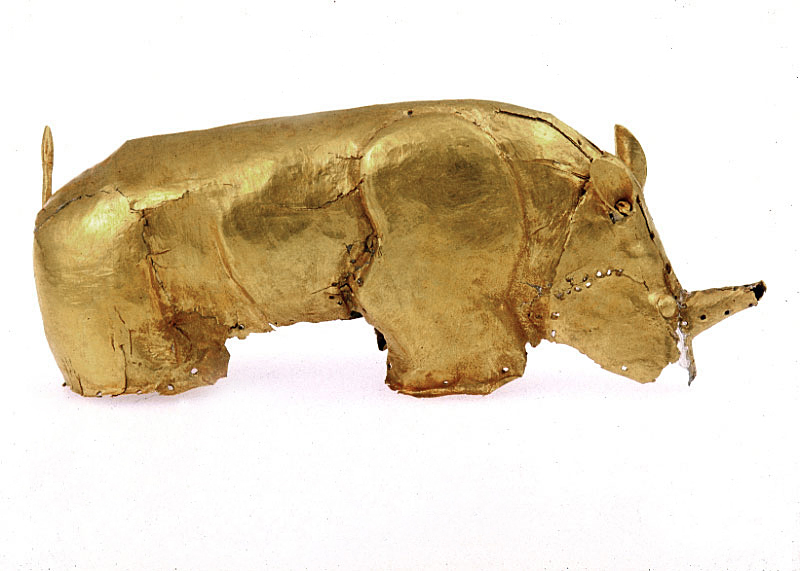
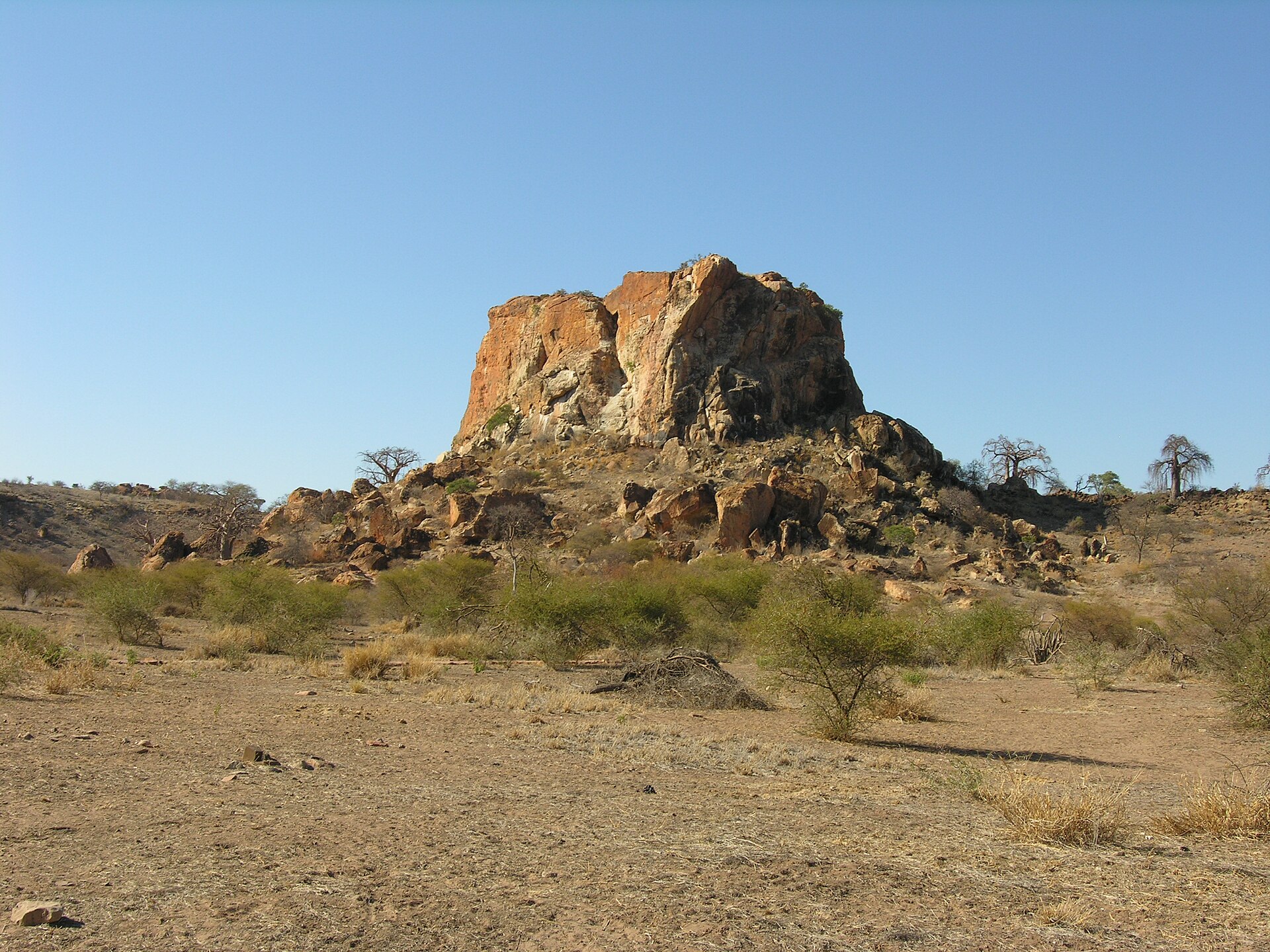
Where the Limpopo and Shashe rivers meet, at the point where South Africa, Botswana, and Zimbabwe now converge, a flat-topped sandstone hill rises above the surrounding bush. Eight centuries ago this hill was the seat of a king, the centre of the earliest known state in southern Africa. From its summit rulers looked out over a landscape of cattle, fields, and trade routes, and into their graves went ornaments of gold, including a small rhinoceros of gold foil that has become one of the most famous objects in African archaeology.
The kingdom of Mapungubwe flourished for only a little over a century before it faded, its power passing north to the builders of Great Zimbabwe. For a long time its story was suppressed, inconvenient to a colonial and apartheid narrative that denied Africans a history of states and gold. Today Mapungubwe is recognized for what it was: the first flowering of a sophisticated, class-divided, gold-trading society in the African interior, and a direct ancestor of the greater kingdoms that followed.
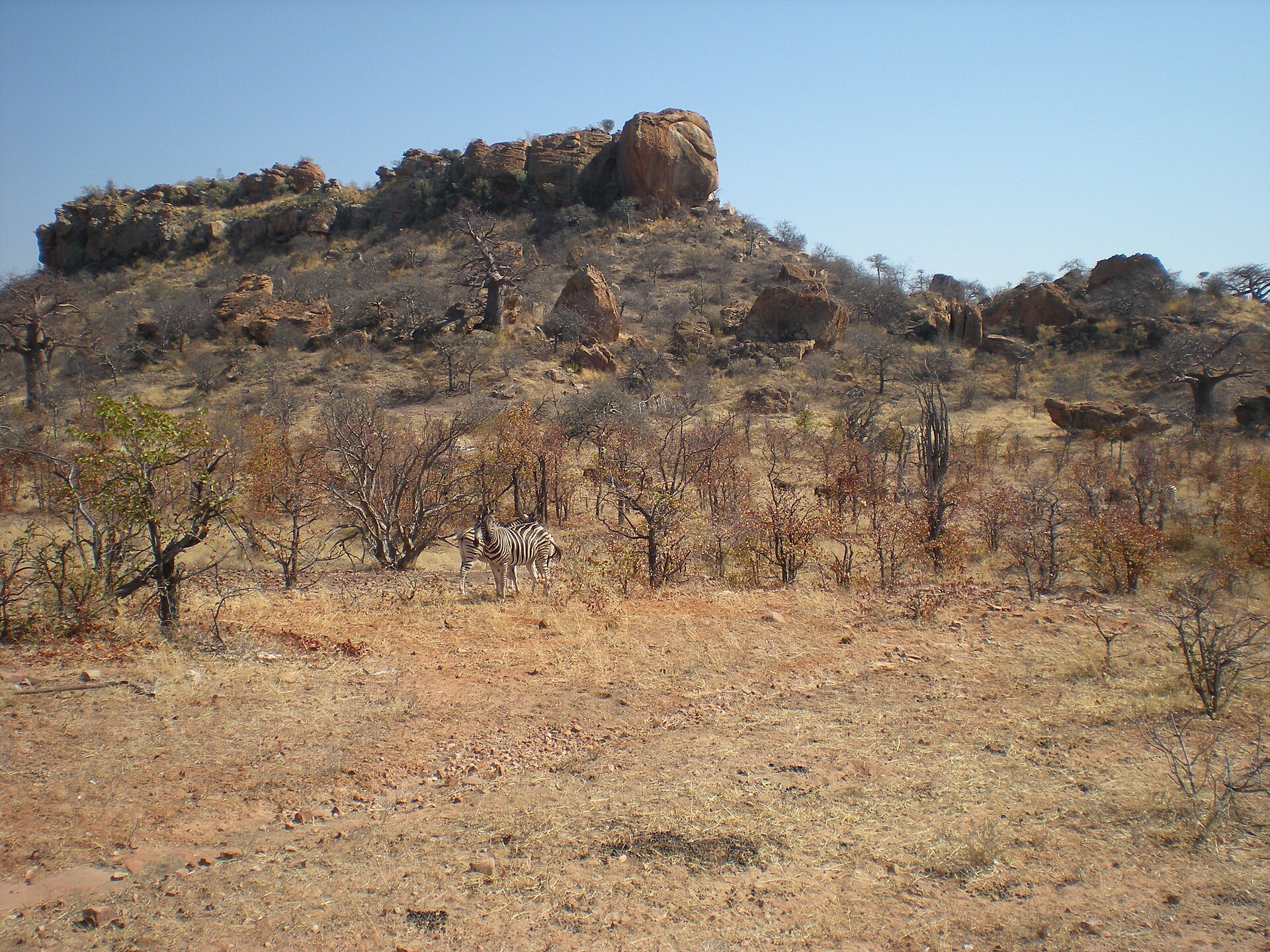
Table of Contents
- The Land Between the Rivers
- From Villages to a Kingdom
- The Golden Rhinoceros
- Gold and the Graves of Kings
- Trade to the Indian Ocean
- An Ancient Landscape
- Decline and Great Zimbabwe
- A Reclaimed History
- Getting There
- Nearby Places
- Closing Thoughts
The Land Between the Rivers
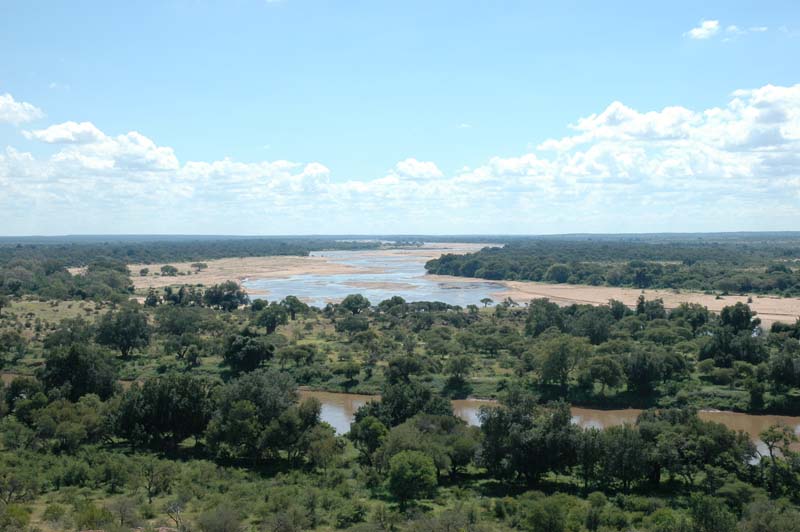
Mapungubwe sits in a hot, dry corner of the interior, where the Shashe flows into the Limpopo among sandstone outcrops, baobabs, and open savanna. It is a demanding environment, but the river valleys offered water, grazing, and fertile floodplain soils, and the region lay astride routes connecting the goldfields and ivory of the interior to the trading coast of the Indian Ocean.
This position was the making of the kingdom. Cattle and crops sustained a growing population, while gold and ivory gave its rulers access to the wider commerce of the Swahili coast, and with it the imported glass beads and cloth that became markers of status and power.
From Villages to a Kingdom
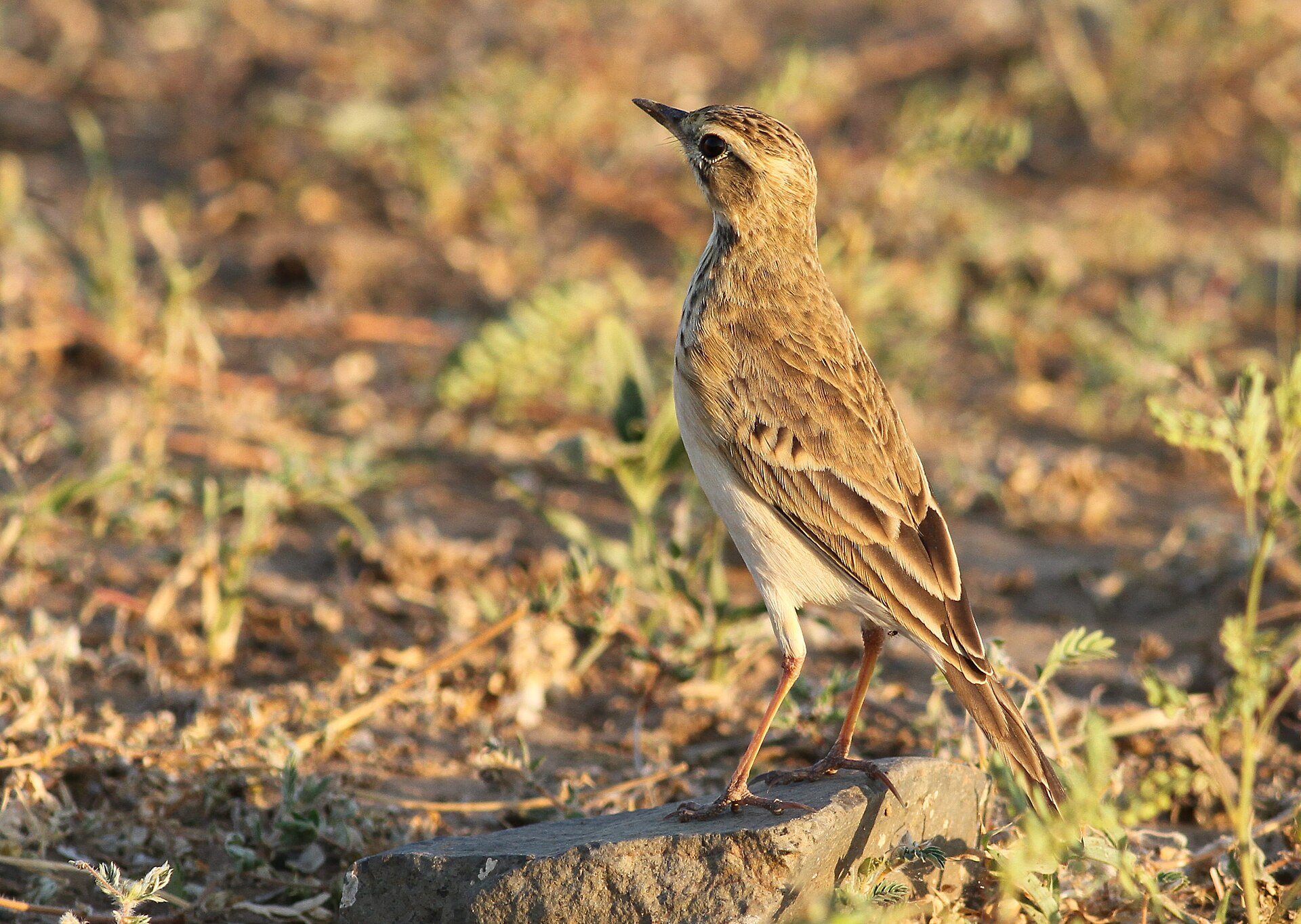
Mapungubwe did not appear from nowhere. It grew out of earlier farming communities in the Limpopo valley, in particular a nearby centre known as K2, or Bambandyanalo, whose population eventually shifted to the Mapungubwe hilltop around 1220. In that move something new took shape: for the first time in the region, the ruler was physically and symbolically set apart from his people.
The king lived atop the hill while his subjects dwelt on the plain below, a spatial separation that expressed a new idea of sacred kingship. This concentration of authority, wealth, and ritual marks Mapungubwe as the earliest state-level society yet known in southern Africa.
The Golden Rhinoceros
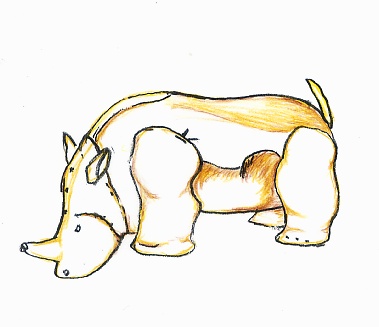
When graves on the hilltop were excavated in the 1930s, they yielded a series of objects made of gold foil tacked over carved wooden cores, among them a bowl, a sceptre, and, most celebrated of all, a small rhinoceros. Barely the size of a hand, the golden rhino has become the emblem of Mapungubwe and of a suppressed African past.
The rhinoceros may have carried royal or spiritual meaning, and its very existence overturned assumptions about the interior of Africa. Here was worked gold, deliberate art, and a buried elite, proof of a wealthy and organized society centuries before European contact.
Gold and the Graves of Kings
The hilltop burials were richly furnished. Alongside the golden objects were thousands of gold beads and imported glass beads, marking these as the graves of a ruling class with access to both local goldworking and long-distance trade. The dead were buried seated, facing a particular direction, in keeping with ideas about kingship and the ancestors.
These finds, now largely held at the University of Pretoria, transformed understanding of the region’s past. They revealed a stratified society in which a small elite commanded the labour, cattle, and trade goods of a substantial population.
Trade to the Indian Ocean
Mapungubwe’s wealth flowed from its links to the coast. Ivory and gold from the interior travelled eastward to Swahili ports such as those that supplied Kilwa, and in return came glass beads from as far away as Egypt and India, Chinese celadon, and cotton cloth. Fragments of these imports at Mapungubwe are the physical trace of that commerce.
This trade tied a landlocked African kingdom into the vast exchange network of the Indian Ocean world. The desire for the goods it brought, and the power that controlling their distribution conferred, helped drive the very rise of centralized authority at Mapungubwe.
An Ancient Landscape
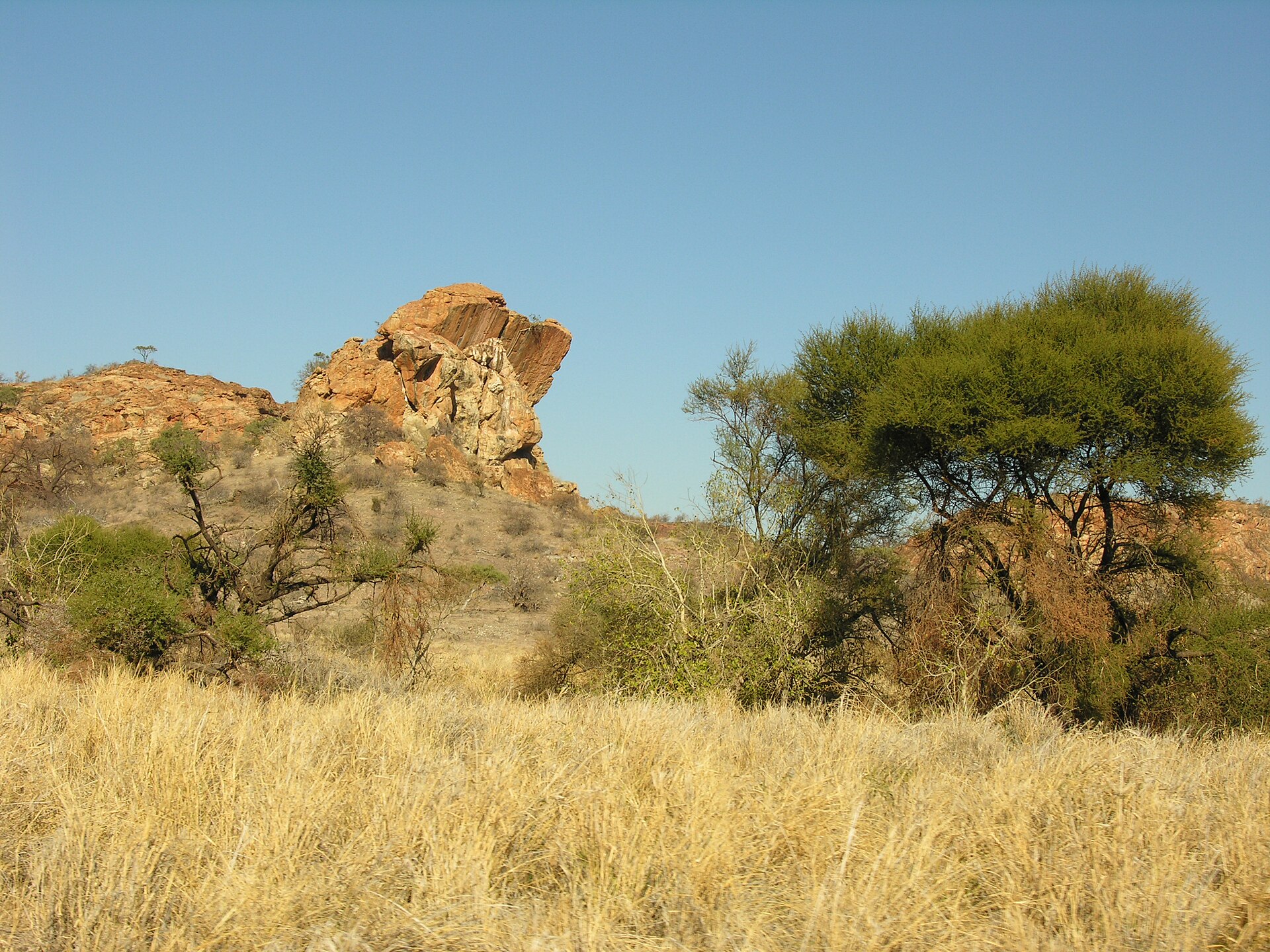
The setting of Mapungubwe is as much a part of its story as its ruins. The sandstone koppies, riverine forests, and open plains supported the cattle herds that were the foundation of wealth and the wild game that still roams the area. Enormous baobabs, some older than the kingdom, stand as living witnesses to its age.
This blend of natural and cultural heritage is why the site is inscribed as the Mapungubwe Cultural Landscape rather than a single monument. To understand the kingdom is to read it in its whole environment, not merely in the artefacts drawn from its graves.
Decline and Great Zimbabwe
Around 1290, after little more than seventy years as a capital, Mapungubwe was largely abandoned. The reasons are debated: a cooling, drying climate may have undermined its agriculture, while the centre of gold trade appears to have shifted northward. Power and prestige passed to Great Zimbabwe, which rose to eclipse anything Mapungubwe had achieved.
Yet Mapungubwe was the essential first chapter. The sacred kingship, the class divisions, and the trade-based wealth that defined Great Zimbabwe were all prefigured on this hilltop. It stands at the head of a lineage of southern African states.

A Reclaimed History
For much of the twentieth century Mapungubwe’s significance was quietly buried. A hilltop African kingdom with worked gold did not fit the story that apartheid South Africa told about the continent’s past, and research and public knowledge were suppressed.
Since the end of apartheid, Mapungubwe has been reclaimed as a source of national pride. It is a World Heritage site, its golden rhinoceros a symbol of a deep and dignified African history, and its national orders of merit are named in its honour.
Getting There
Mapungubwe National Park lies in the far north of South Africa’s Limpopo province, near the town of Musina and the borders with Botswana and Zimbabwe. It is reached by road from Johannesburg or Polokwane, with an interpretation centre and guided walks to the archaeological areas on the hill.
The temple stands in northern Nara at approximately -22.1922, 29.3890. You can open the exact location on Google Maps for directions to Mapungubwe Hill and its cultural landscape.
Nearby Places
Closing Thoughts
Mapungubwe is a small hill with a large meaning. In its brief life it gathered the threads, sacred kingship, class, gold, and long-distance trade, that would define the great states of southern Africa, and then handed them on to Great Zimbabwe.
Its golden rhinoceros, once nearly forgotten, now stands for a history that colonial narratives tried to erase: an African past of kings and gold and cities, complex and self-made, reaching out to the wider world on its own terms.
You May Like

Buda Castle: The Crown of Budapest Above the Danube


