For more than five centuries the kingdom of Benin, in the forests of what is now southern Nigeria, was one of the great powers of West Africa. Its capital, Benin City, was a walled metropolis of broad avenues and a vast royal palace, ringed by earthworks so enormous that they have been called the largest man-made structure on earth before the modern age. Within the palace, guild artists cast plaques and heads in brass of such technical mastery that when they reached Europe they overturned prejudices about African art.
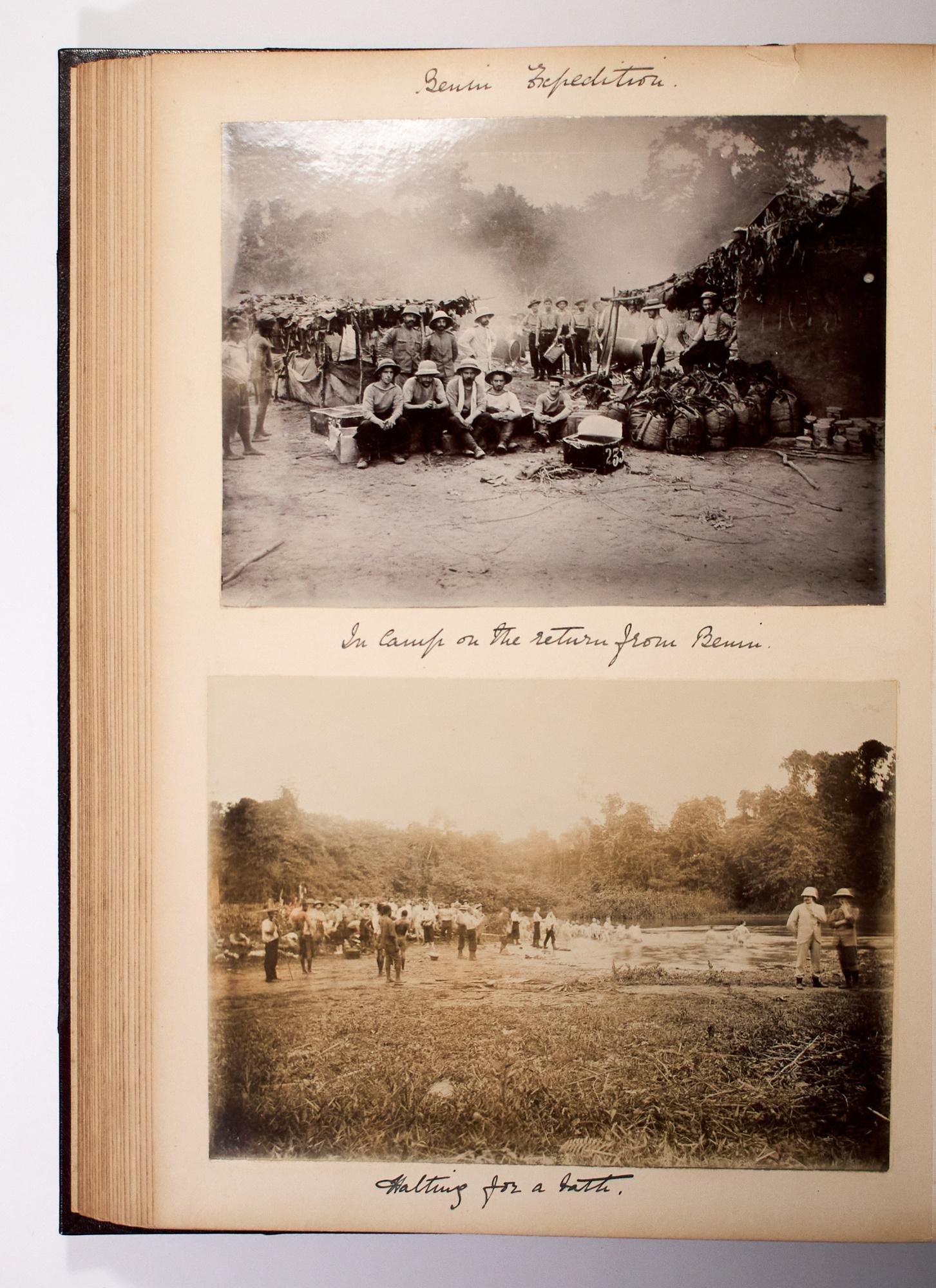
This was no fleeting chiefdom but a durable, tightly organized state ruled by a sacred king, the Oba, and served by hereditary guilds of craftsmen, priests, and officials. Its wealth and sophistication drew Portuguese and Dutch traders, who described a clean, orderly, and prosperous city. That civilization was shattered in 1897, when a British expedition burned Benin City and carried off its royal art, scattering the famous Benin Bronzes to museums around the world.
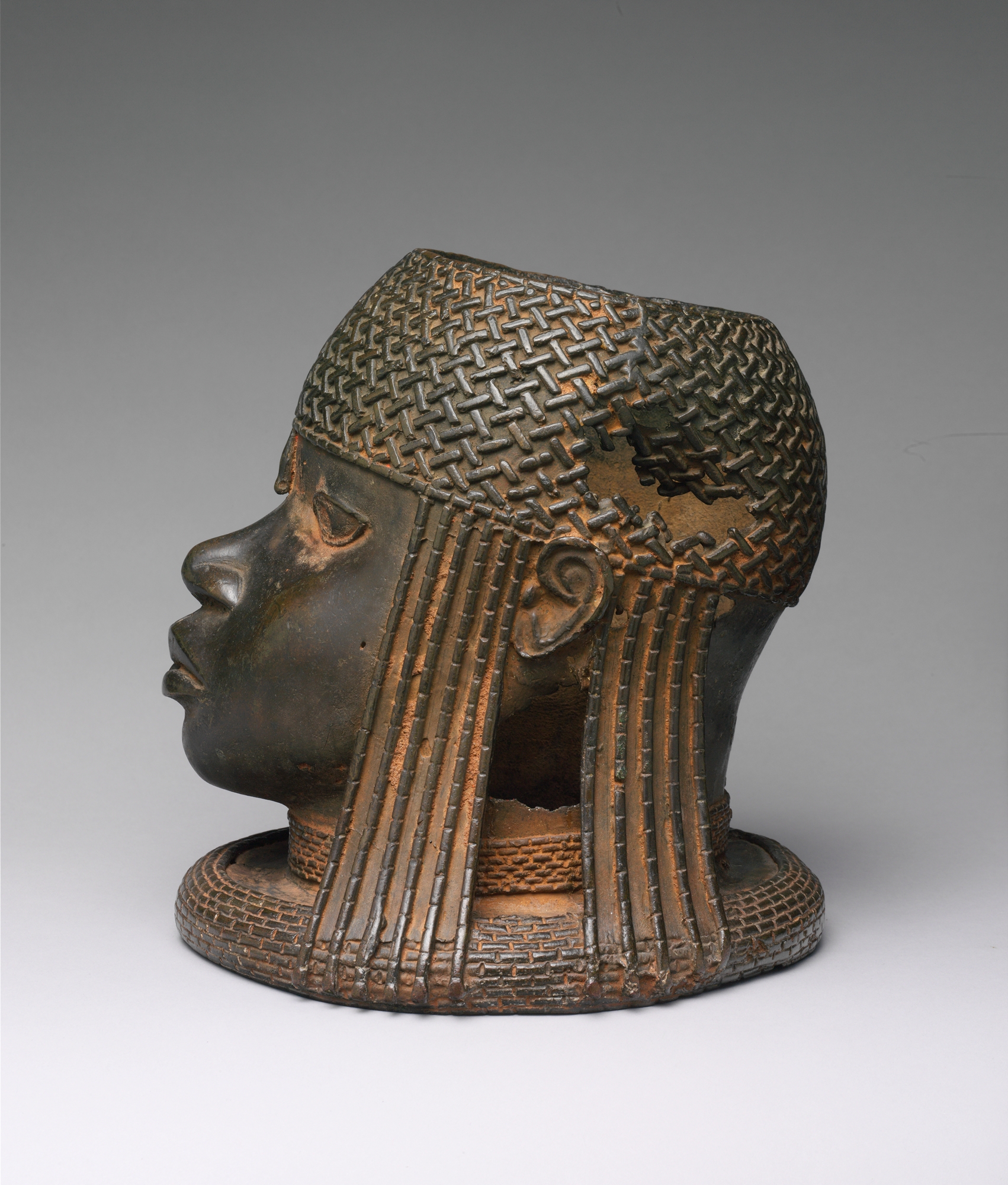
Table of Contents
- The Kingdom of Benin
- The Walls of Benin
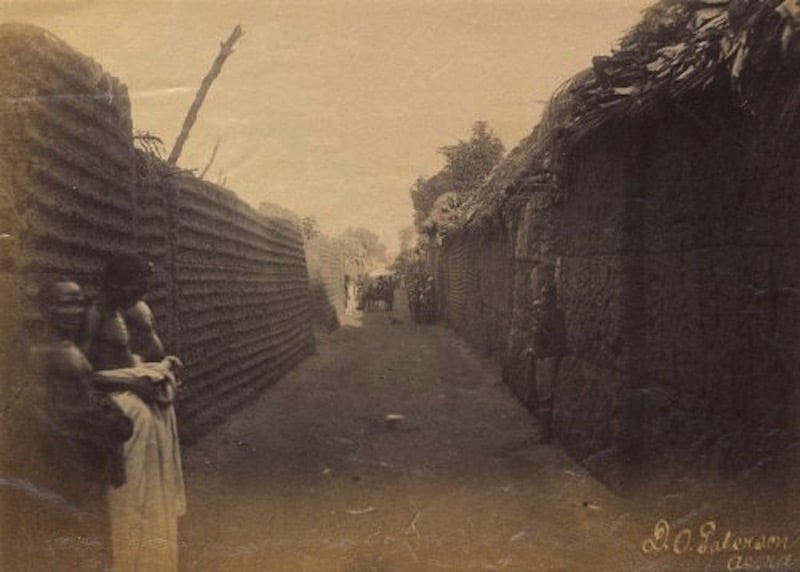
- The City and Its Palace
- The Art of Brass Casting
- The Benin Plaques
- Heads of the Obas
- Ivory and the Queen Mother
- Trade with Europe
- 1897 and the Scattered Bronzes
- Getting There
- Nearby Places
- Closing Thoughts
The Kingdom of Benin
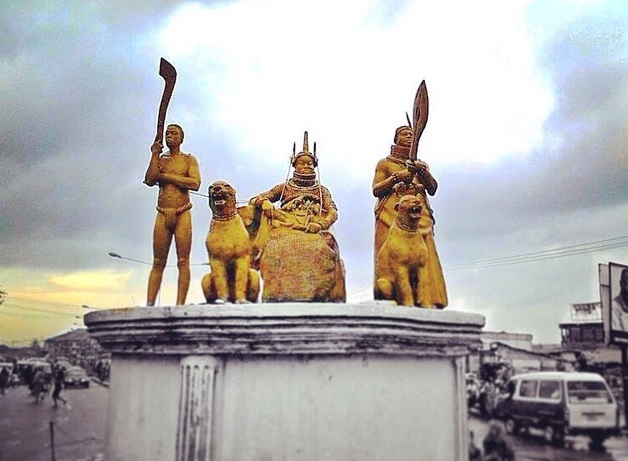
The kingdom of Benin was the state of the Edo people, centred on Benin City in the tropical forest belt of southern Nigeria. It should not be confused with the modern Republic of Benin, which lies to the west and took its name much later. The Edo kingdom traced its royal dynasty back many centuries, and by the fifteenth century it had grown into an expansionist power controlling trade and tribute over a wide region.
At its head stood the Oba, a divine king around whom the entire life of the state revolved. A complex hierarchy of title-holders, palace societies, and craft guilds structured the court, giving Benin an administrative depth that impressed the European visitors who began to arrive in the late fifteenth century.
The Walls of Benin
Around and within their capital the Edo raised an astonishing system of walls and moats. Rather than a single rampart, these were a sprawling network of earthen banks and ditches enclosing the city and radiating out through the surrounding kingdom over a total length once estimated in the thousands of kilometres.
By some measures the Benin earthworks represent the largest single archaeological structure in the world, the product of an immense and sustained mobilization of labour. They defined and defended the city, organized its neighbourhoods, and stand as one of the great engineering achievements of pre-colonial Africa.
The City and Its Palace
European accounts describe Benin City as a place of long, straight, and wide streets, of orderly houses, and of a royal palace of remarkable extent at its heart. Some visitors compared it favourably to the cities of their own continent, remarking on its cleanliness and the discipline of its layout.
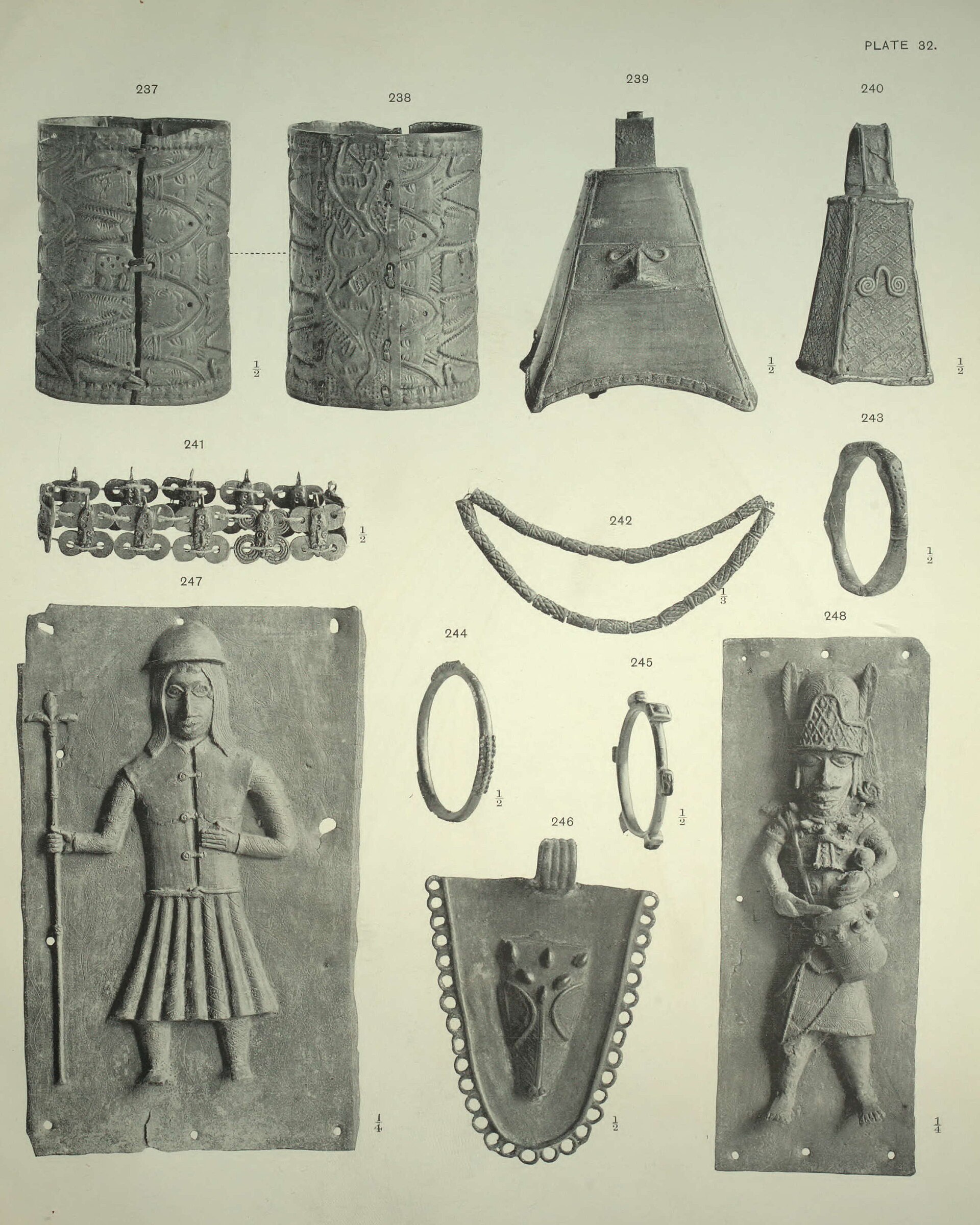
The palace was the ceremonial and political core of the kingdom, a complex of courtyards, galleries, and shrines. Its pillars were once sheathed in the cast-brass plaques that are now among the most famous objects of African art, forming a kind of metal chronicle of the court.
The Art of Brass Casting
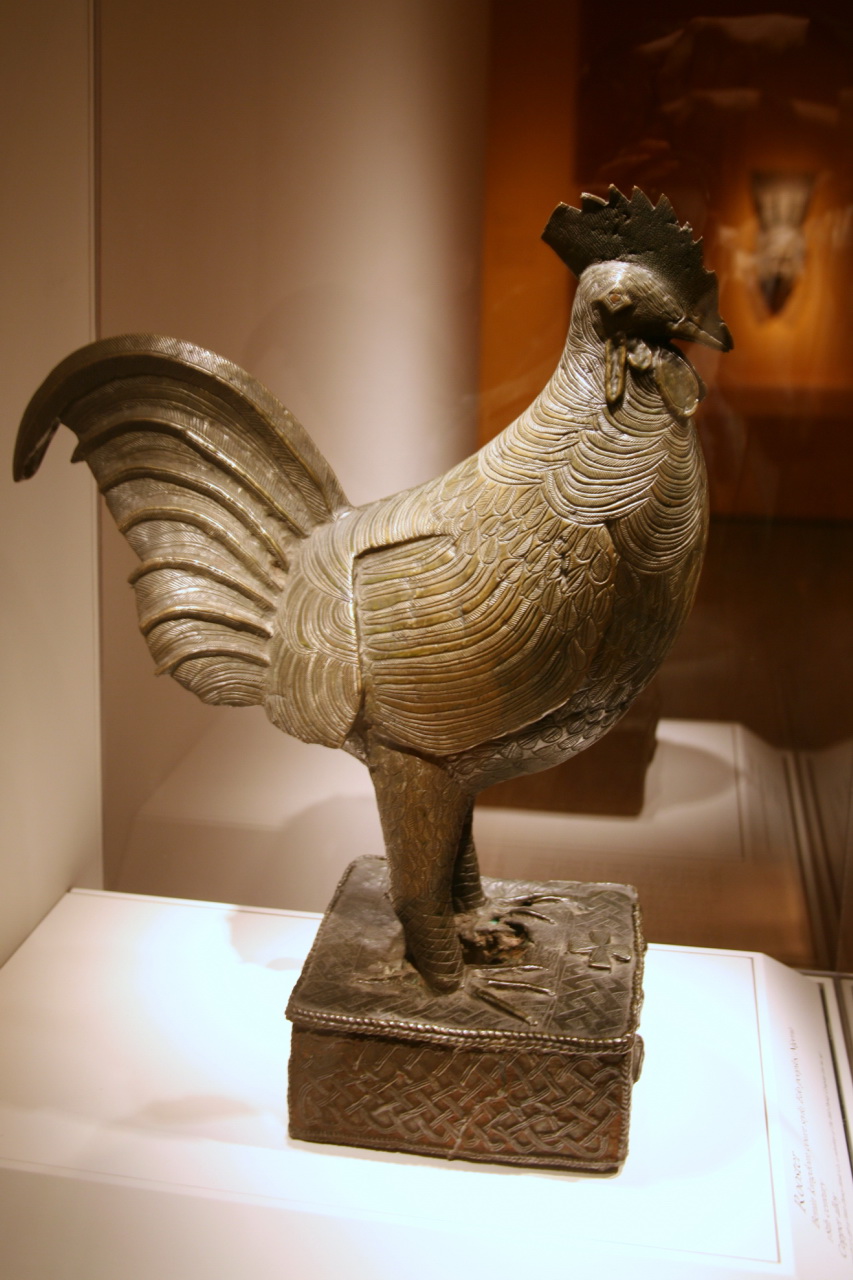
Benin is above all renowned for its metalwork. Using the lost-wax method, the guild of brass casters who served the Oba produced heads, figures, plaques, and regalia of extraordinary refinement, working to standards that place them among the finest metal sculptors of any age or place.
Casting was a royal monopoly, and the guild’s products were reserved for the court and its rituals. The skill was passed down within families over generations, sustaining a continuous tradition of excellence that stretched across centuries.
The Benin Plaques
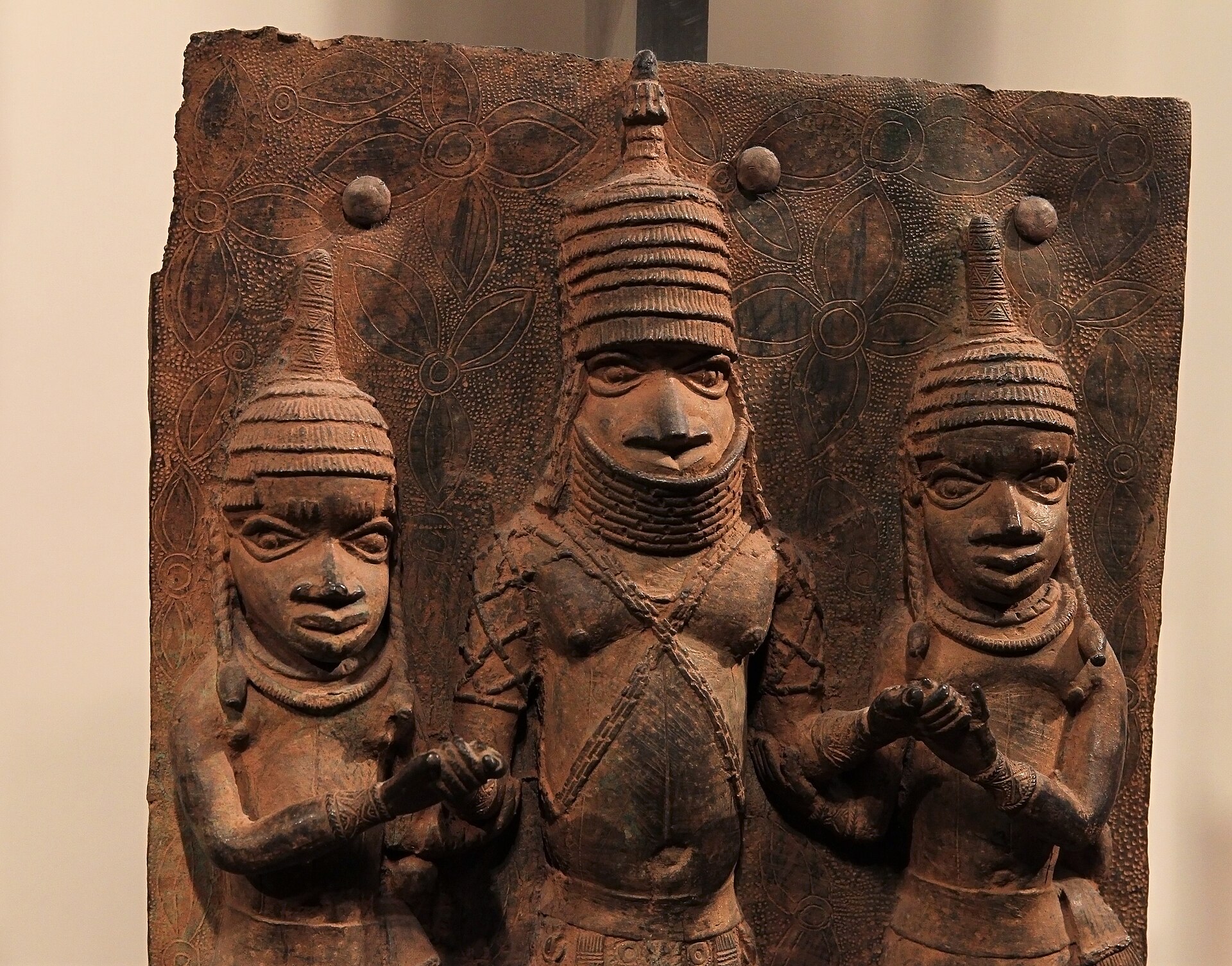
Among the most celebrated works are the rectangular plaques that once adorned the palace pillars. Cast in relief, they depict Obas, warriors, court officials, musicians, and Portuguese traders, capturing the ceremonial life and hierarchy of the kingdom in enduring metal.
Together the plaques form a visual archive of Benin’s court, recording its dress, weapons, and rituals with documentary precision. They are as valuable to historians as they are admired by artists, a self-portrait of a West African state at the height of its power.
Heads of the Obas
On the ancestral altars of the palace stood commemorative brass heads, cast to honour deceased Obas and support carved ivory tusks. Idealized rather than portraits, they grew more elaborate over time, their high coral-bead collars marking the sacred status of kingship.
These heads were central to the rituals by which each Oba honoured his predecessors and legitimized his own rule. They embody the Benin conception of kingship as a link between the living, the dead, and the divine.
Ivory and the Queen Mother
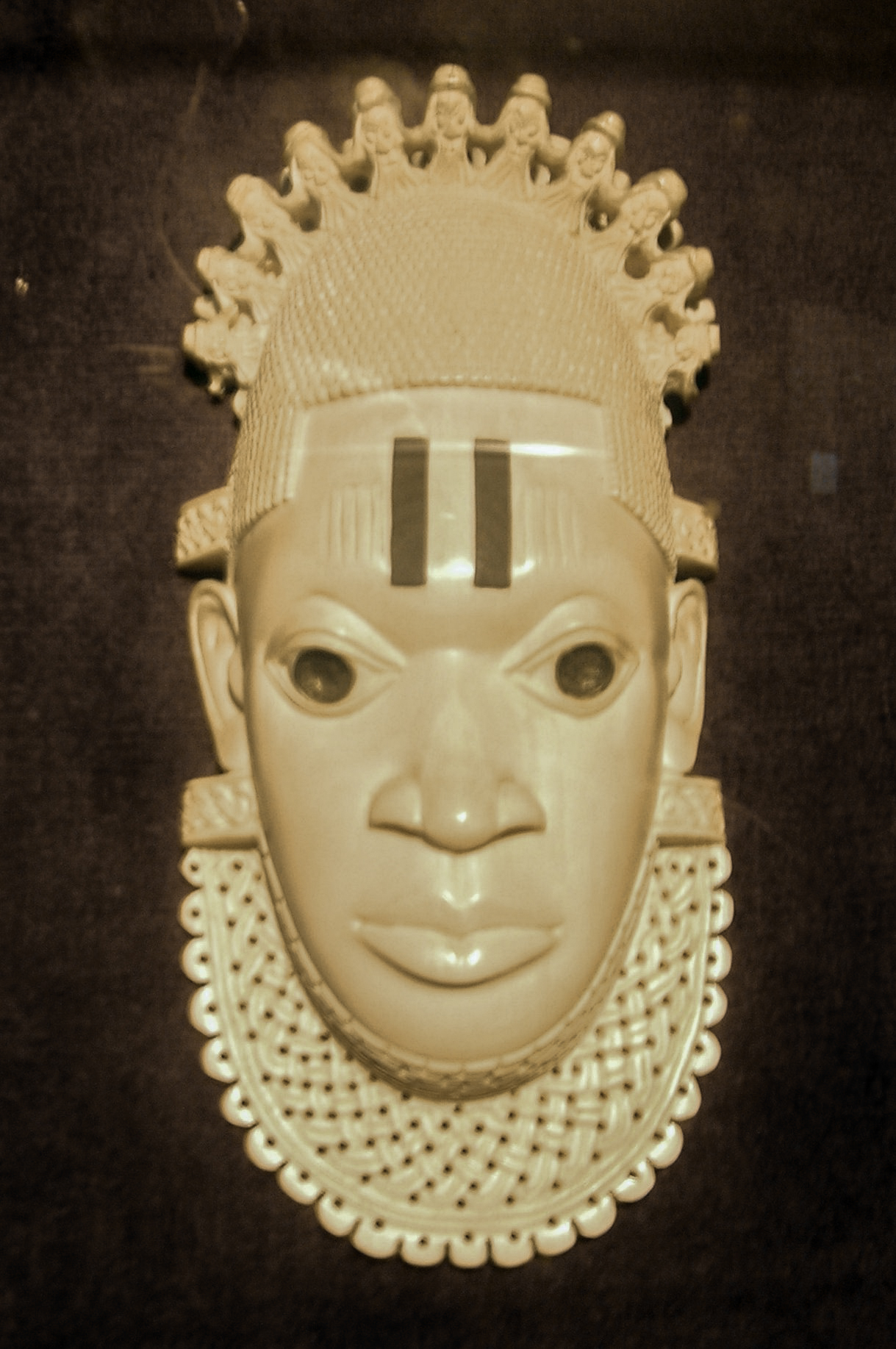
Benin’s artists worked ivory as masterfully as brass. The most famous example is a pendant mask depicting Idia, the Queen Mother and mother of a sixteenth-century Oba, carved with delicate features and a tiara of miniature Portuguese heads that record early contact with Europe.
The office of Queen Mother was one of great honour, and Idia in particular was remembered for the military and spiritual support she gave her son. Her image has become one of the enduring symbols of Benin and of African heritage more broadly.
Trade with Europe
From the late fifteenth century Benin traded with the Portuguese and later the Dutch and English, exchanging ivory, pepper, cloth, and other goods for brass, coral, and firearms. Much of the very metal that the guild casters worked into art arrived through this trade in the form of imported brass manillas.
For a long period Benin engaged with European powers as a strong and independent partner, controlling the terms of exchange at its ports. The plaques’ frequent depiction of Portuguese figures reflects how thoroughly this contact entered the imagination of the court.
1897 and the Scattered Bronzes
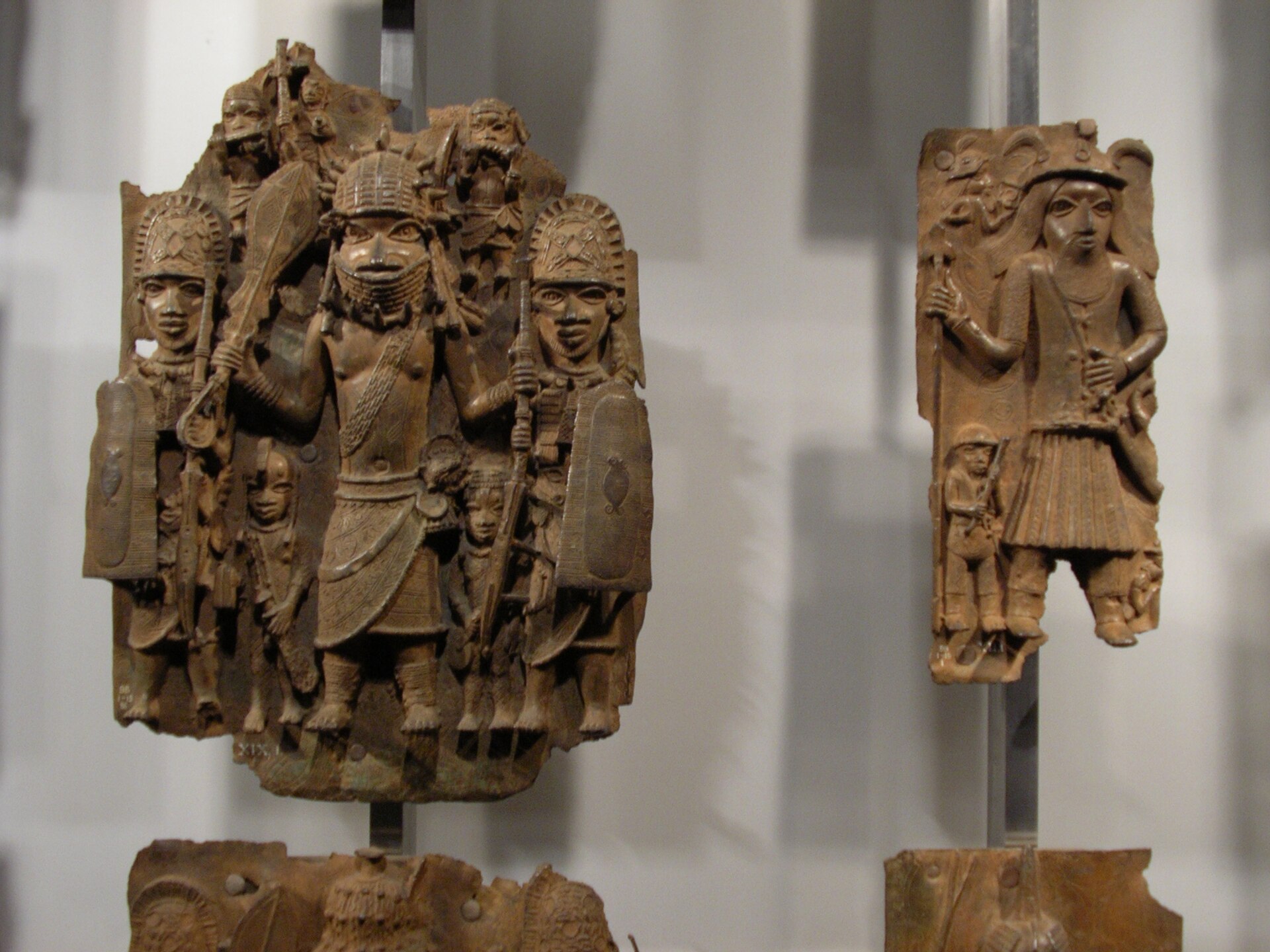
In 1897 a British force, following a violent confrontation, invaded and burned Benin City, sent the Oba into exile, and looted the palace of thousands of works of art. These objects were sold and dispersed among museums and collections across Europe and North America, where many remain.
The Benin Bronzes have since become the focus of one of the world’s most prominent debates over the return of looted cultural heritage. A growing number of institutions have begun to repatriate works to Nigeria, and the story of Benin has become inseparable from the question of restitution.
Getting There
Benin City is today a large city and the capital of Edo State in southern Nigeria, reached by road or by air to its own airport. Sections of the historic walls and moats survive in and around the city, and the palace of the Oba and local museums preserve the memory of the kingdom.
The temple stands in northern Nara at approximately 6.3350, 5.6250. You can open the exact location on Google Maps for directions to Benin City and the palace of the Oba.
Nearby Places
Closing Thoughts
Benin stands as one of the most compelling refutations of the myth that pre-colonial Africa lacked cities, states, and high art. Its earthworks rival the greatest engineering feats of the ancient world, and its brasses hold their own beside the finest sculpture anywhere.
The violence of 1897 scattered its treasures and severed the kingdom’s continuity, but it could not erase what Benin had been. As its bronzes slowly return home, the city is reclaiming a heritage that was always its own, and that belongs to the wider story of human achievement.
You May Like
Buda Castle: The Crown of Budapest Above the Danube


One thought on “Benin City: The Walled Kingdom Behind the Benin Bronzes”