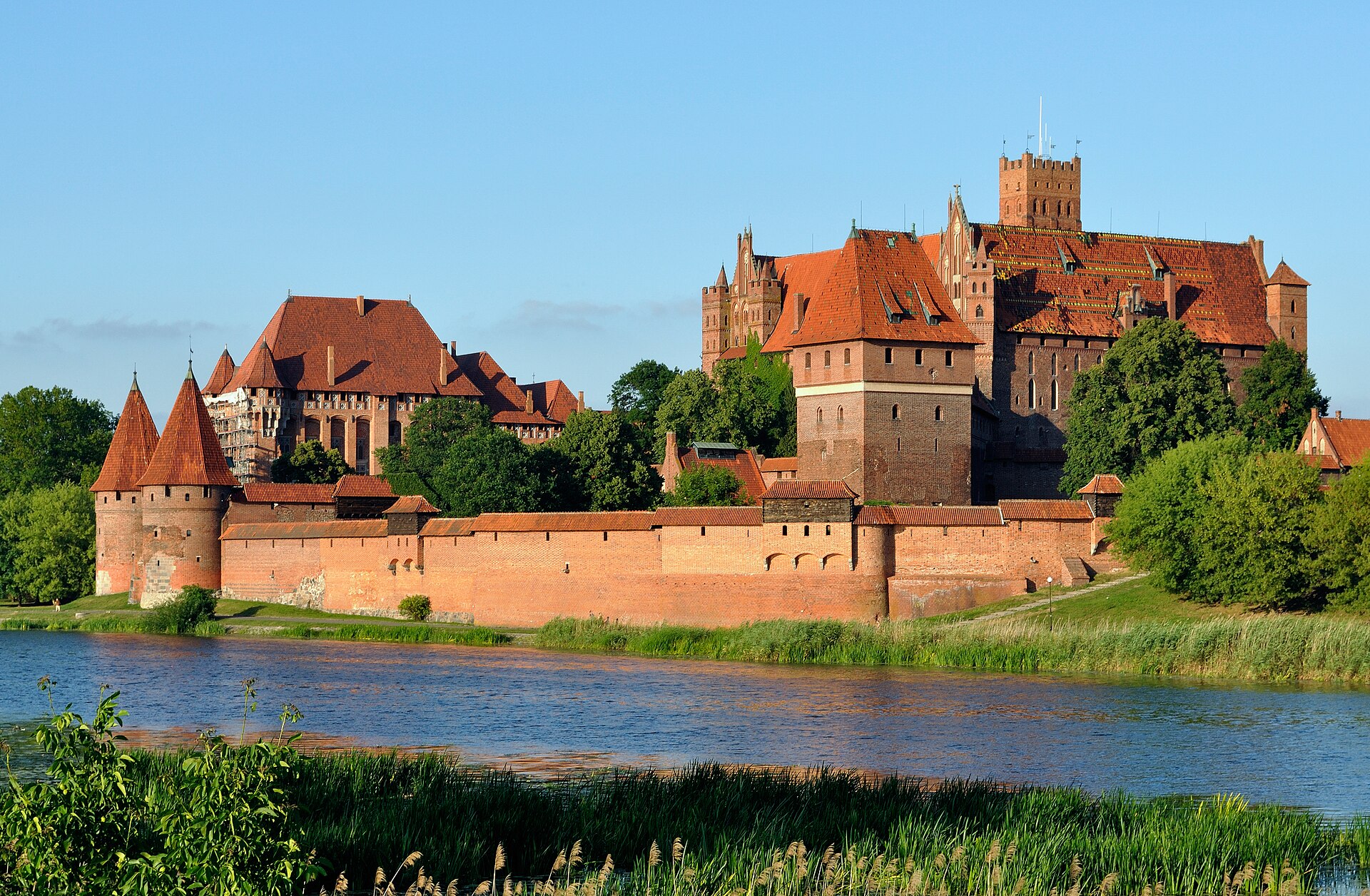
Prepare to have your sense of scale recalibrated. Malbork, on the flat plain of northern Poland, is the largest castle in the world measured by land area, and the largest brick building in Europe, a colossal fortress-monastery of red brick that sprawls along the Nogat river on a scale that has to be seen to be believed. Walking its walls and courtyards, you feel less like a visitor to a castle than an ant crossing a fortified city.
Malbork was built by the Teutonic Knights, the crusading military order that carved out its own monastic state on the Baltic frontier of medieval Europe, and for a time this vast red fortress was their capital, the seat of their Grand Master and the headquarters of one of the most formidable powers in the region. It is a monument to the strange fusion of the monk and the warrior, of prayer and conquest, that defined the crusading orders.
So come with me to the Baltic north, to the banks of the Nogat, and let us explore the immense brick fortress of the Teutonic Knights. We will meet the warrior-monks who built it, wander its three linked castles and its soaring vaulted halls, stand in the palace of the Grand Master, and follow its dramatic history from crusading capital to Polish royal residence to wartime ruin and triumphant rebirth. Malbork is a castle like no other, and its scale alone will leave you speechless.
In This Article
- The Largest Castle in the World
- The Monks Who Were Also Knights
- Mary’s Castle by the River
- The Capital of a Crusader State
- A Fortress Built Around a Cloister
- The Church and the Great Madonna
- Vaulted Halls of Brick
- The Palm-Vaulted Refectory
- Three Castles in One
- Siege, Defeat and a Change of Flags
- A Polish Palace and a Prussian Rediscovery
- Destruction and Resurrection
- The Colossus on the Nogat Today
The Largest Castle in the World
Let us settle the superlatives first, because with Malbork they are the whole point. This is the largest castle in the world measured by land area, sprawling across some twenty-one hectares, and it is the largest brick building, indeed one of the largest structures of any kind, in medieval Europe. Nothing quite prepares you for the sheer size of it, a red-brick fortress-city stretching along the river as far as the eye can follow.
The material is part of the marvel. Malbork is built almost entirely of brick, millions upon millions of them, because the flat plains of the Baltic north had little building stone but abundant clay. The Teutonic Knights turned this limitation into a triumph, raising a fortress of warm red brick on a scale that rivalled the great stone castles of the west, a masterpiece of medieval brick architecture and engineering.
The castle stretches along the east bank of the Nogat river, a distributary of the Vistula, which provided both a defensive barrier and a vital transport route connecting Malbork to the Baltic trade. The setting is flat and open, so that the fortress dominates the landscape utterly, its towers and walls and steep roofs rising from the plain in an unbroken wall of brick that announces its power for miles around.
If you want to find this colossus before you visit, here are the coordinates for the castle on the Nogat. Zoom out and you will see just how much ground it covers, a fortified complex so large that it reads on the map less like a single castle than like a walled town, which, in effect, is exactly what the Teutonic Knights built here.

To put the scale in human terms, the castle could house a garrison and community running into the thousands, and its footprint dwarfs that of famous fortresses elsewhere in Europe. It is the kind of place where visitors routinely lose their bearings, so extensive are its courts, passages and halls.
The Monks Who Were Also Knights
Malbork was the creation of one of the most remarkable institutions of the Middle Ages: the Teutonic Order, a brotherhood of warrior-monks who combined the vows of the monastery with the sword of the crusader. Founded during the Crusades in the Holy Land, the order later turned its energies to the Baltic, where it waged war against the pagan peoples of the region in the name of Christianity.
These were men who took monastic vows of poverty, chastity and obedience, yet who trained and fought as elite heavy cavalry, a fusion of the spiritual and the martial that seems strange to modern eyes but made perfect sense in the crusading world. They believed they were doing God’s work by conquering and converting, and they built their fortresses as both monasteries and military bases, houses of prayer that were also engines of war.
In the thirteenth century the order was invited to help subdue and Christianize the pagan Prussians, the Baltic people who gave their name to the region, and in a series of long and often brutal campaigns the knights conquered the territory and established their own state, ruled directly by the order. Malbork was to become the capital of this crusader state, the heart of the knights’ power in the north.
Understanding the Teutonic Knights is the key to understanding Malbork, for the castle expresses their whole dual nature. It is a monastery on a heroic scale, with its church, cloisters, chapter house and monks’ quarters, and simultaneously one of the mightiest fortresses of its age. Everywhere in Malbork you feel this doubleness, the cross and the sword, the prayer and the conquest, built into the very brick.
The order’s distinctive white mantles emblazoned with a black cross became a feared sight across the Baltic, and its members were drawn from the nobility of Germany and beyond, younger sons and adventurers who sought both salvation and glory in the crusade against the pagans. The brotherhood combined the discipline of the cloister with the ferocity of the battlefield to formidable effect.
Mary’s Castle by the River
Construction of Malbork began around 1274, and the castle took its name from its dedication: Marienburg, the castle of Mary, in honour of the Virgin Mary, patron of the Teutonic Order. The Polish name Malbork derives from this German original, and the whole vast fortress was, in a sense, a monument to the Marian devotion at the heart of the knights’ identity.
The oldest and most sacred part of the complex is the High Castle, the original conventual heart of the fortress, built as a fortified monastery around a square courtyard with cloisters. Here were the church, the chapter house where the knights met in council, the dormitories and the refectory, all the elements of a Cistercian-influenced monastery, but wrapped in massive defensive walls and towers.
The High Castle embodies the monastic ideal of the order most purely. Around its cloistered courtyard, the warrior-monks lived a communal religious life of prayer and discipline, and its very plan, with the church at its centre, expresses the primacy of devotion in the order’s self-image. It was a monastery first, even as its walls made it a formidable stronghold.
As the power and ambitions of the order grew, so did the castle, expanding outward from this original core into the vast three-part complex we see today. But the High Castle remained the spiritual and symbolic heart of Malbork, the ancient nucleus around which everything else accumulated, and it is still the place where the true character of the Teutonic fortress-monastery can be felt most strongly.
The Capital of a Crusader State
Malbork’s rise to supreme importance came in 1309, when the Grand Master of the Teutonic Order moved his official seat here from Venice, making Malbork the capital of the entire Teutonic state. From this moment the castle was not merely a monastery-fortress but the political and administrative centre of one of the major powers of the Baltic and Central Europe, the headquarters from which the order ruled its lands.
To reflect this new status, the castle was greatly expanded, and a magnificent Grand Master’s Palace was built as part of the Middle Castle, a residence of real splendour worthy of the ruler of a state. The palace, with its elegant halls and refined architecture, shows that the Grand Master had become, in effect, a sovereign prince, and Malbork his princely court as well as his monastic house.
At the height of its power in the fourteenth century, the Teutonic state ruled by the Grand Master from Malbork was wealthy, well-organized and militarily formidable, controlling trade, collecting taxes and fielding powerful armies. The castle was the nerve centre of this crusader state, humming with the business of government, war and religion, one of the great centres of power in the medieval north.
The Grand Master’s Palace remains one of the highlights of Malbork, a reminder that the fortress was the seat of rulers who were at once monks and monarchs. To walk its halls is to sense the peculiar grandeur of the Teutonic state at its zenith, when the master of a religious order governed a wealthy country from the largest brick castle in the world, wielding the authority of a prince and the sanctity of an abbot at once.

At its height the order’s territory stretched across much of the southern Baltic coast, dotted with dozens of brick castles that formed a network of control, of which Malbork was the mightiest and the capital. From here the Grand Master directed a state that traded, taxed and warred like any secular power, its monastic vows notwithstanding.
A Fortress Built Around a Cloister
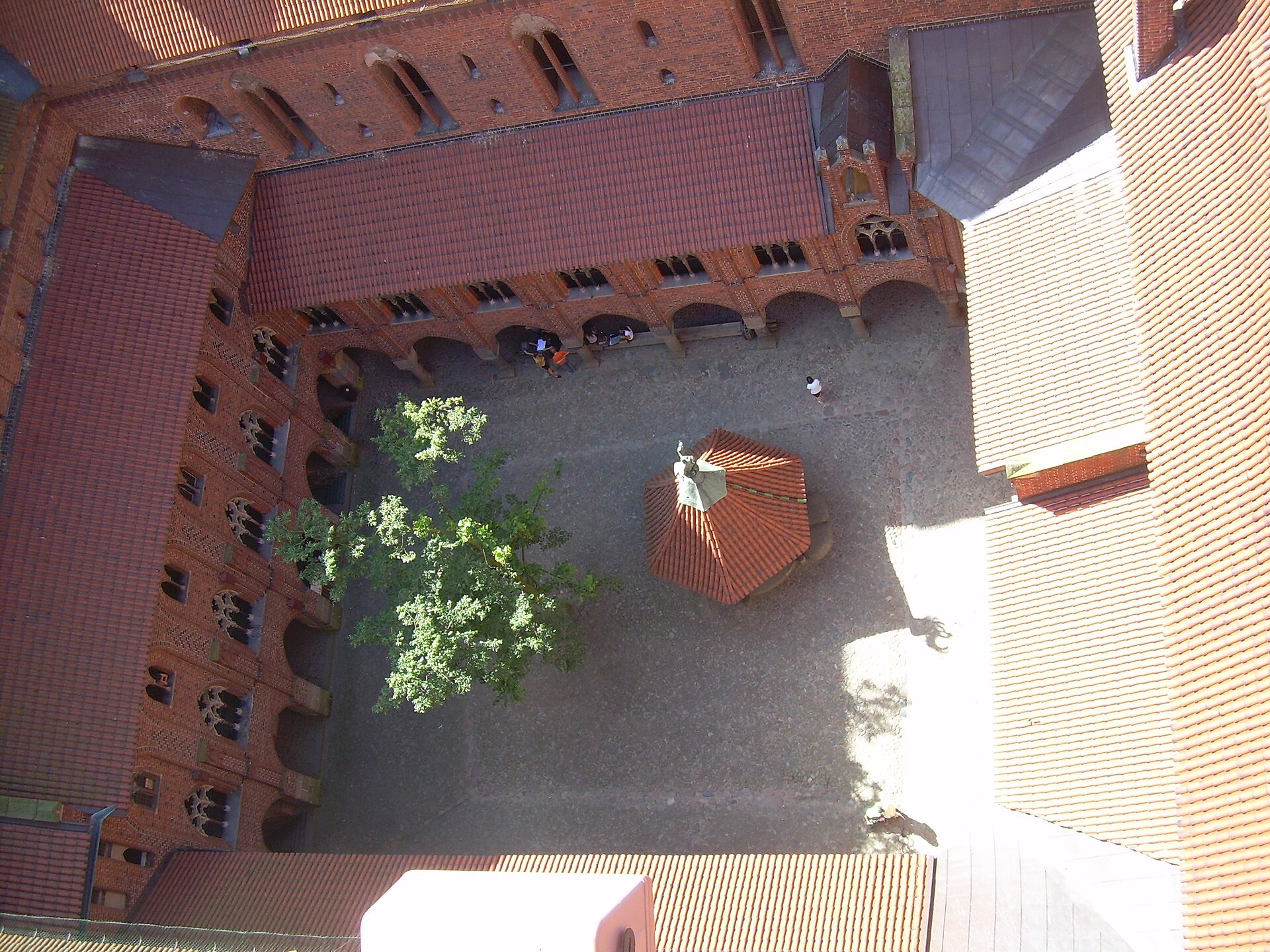
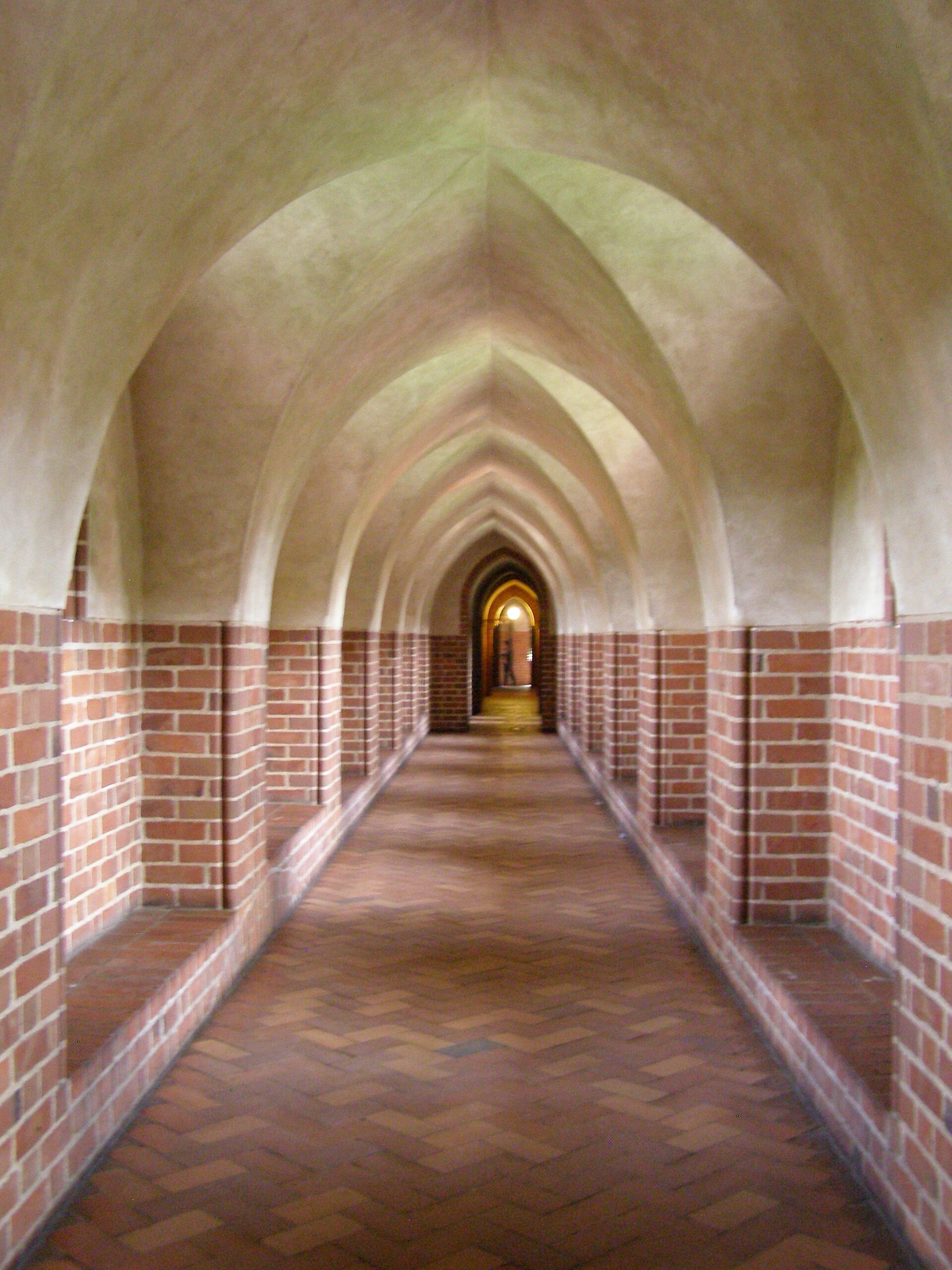
For all its overwhelming military power, it is worth remembering constantly that Malbork was a monastery, and its courtyards and cloisters preserve the rhythm of that religious life. The knights who lived here followed a monastic routine of prayer, worship and communal discipline, gathering in the church for the daily offices and in the chapter house for the governance of the order.
The cloistered walkways, with their graceful vaulting and their views onto the inner courtyards, were the spaces of contemplation and passage that any monastery required, and they lend even this most warlike of castles moments of surprising serenity. Here the warrior-monks would have walked between prayer and duty, their lives bound by the rule of the order as much as by the demands of war.
This monastic dimension shaped the whole plan of the High Castle, organized like a religious house around its central cloister, with everything the community needed for a self-contained spiritual life. The knights were not merely soldiers garrisoning a fort but a religious brotherhood living a common life, and the architecture served that life as much as it served defence.
To stand in the cloisters today, in the quiet at the heart of the vast fortress, is to feel the strange soul of Malbork most keenly. All around rises the mightiest brick castle in the world, built for conquest and war, and yet at its centre is this contemplative monastic space, a reminder that the men who built and held this colossus believed themselves, above all, to be monks in the service of God.
The Church and the Great Madonna
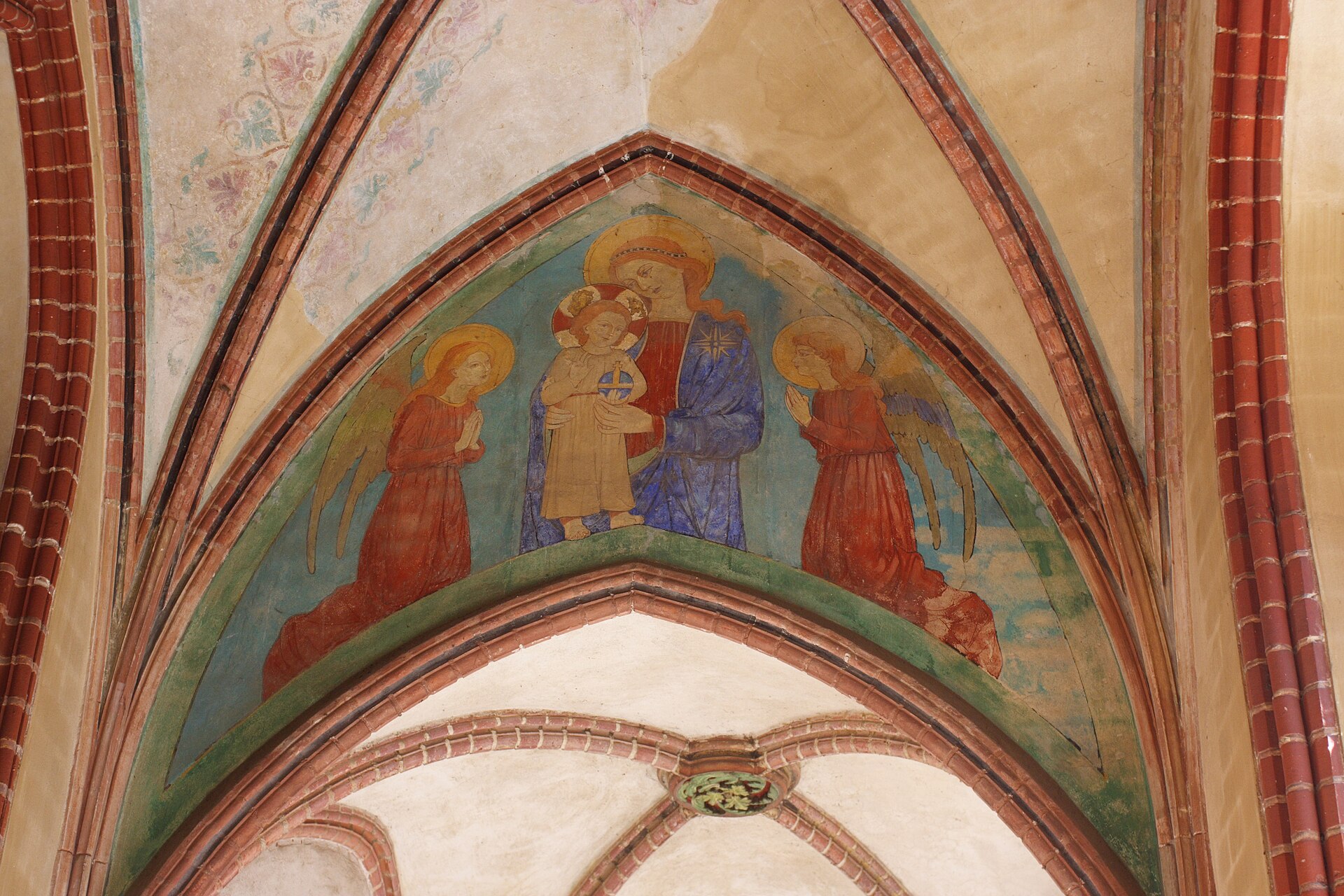
At the spiritual heart of Malbork stood its great church, the Church of Our Lady, the principal place of worship for the Teutonic Knights and a fitting centre for a castle dedicated to the Virgin. It was a grand and richly decorated space, expressing the devotion and the wealth of the order, and it was here that the daily religious life of the fortress-monastery was focused.
The church’s most extraordinary feature was a colossal figure of the Virgin Mary set into the eastern facade, an enormous statue of Mary and the Christ child, some eight meters tall, covered in a glittering mosaic of coloured glass so that it shone out across the countryside. This great Madonna was a beacon of the order’s Marian devotion, visible from afar, proclaiming to all who approached that this was Mary’s castle.
The church and its Madonna were devastated in the twentieth century, in the catastrophic destruction of the Second World War, and their loss was one of the greatest wounds Malbork suffered. But in a remarkable act of restoration completed in recent years, the great figure of the Virgin has been painstakingly recreated and once more gleams from the facade, restoring to the castle its ancient guardian.
The recreation of the Madonna is emblematic of the whole modern story of Malbork, a tale of terrible destruction followed by patient, devoted rebuilding. To see the great figure shining again on the church facade is to witness the triumph of that effort, and to understand how central the Virgin Mary was, and remains, to the identity of this vast fortress raised in her name.
The recreated mosaic, made of hundreds of thousands of tiny glass tesserae, once again catches the light as it did for medieval travellers approaching the castle, a shining proclamation of faith visible from far across the surrounding plain and a fitting crown to the whole restored fortress.
Vaulted Halls of Brick
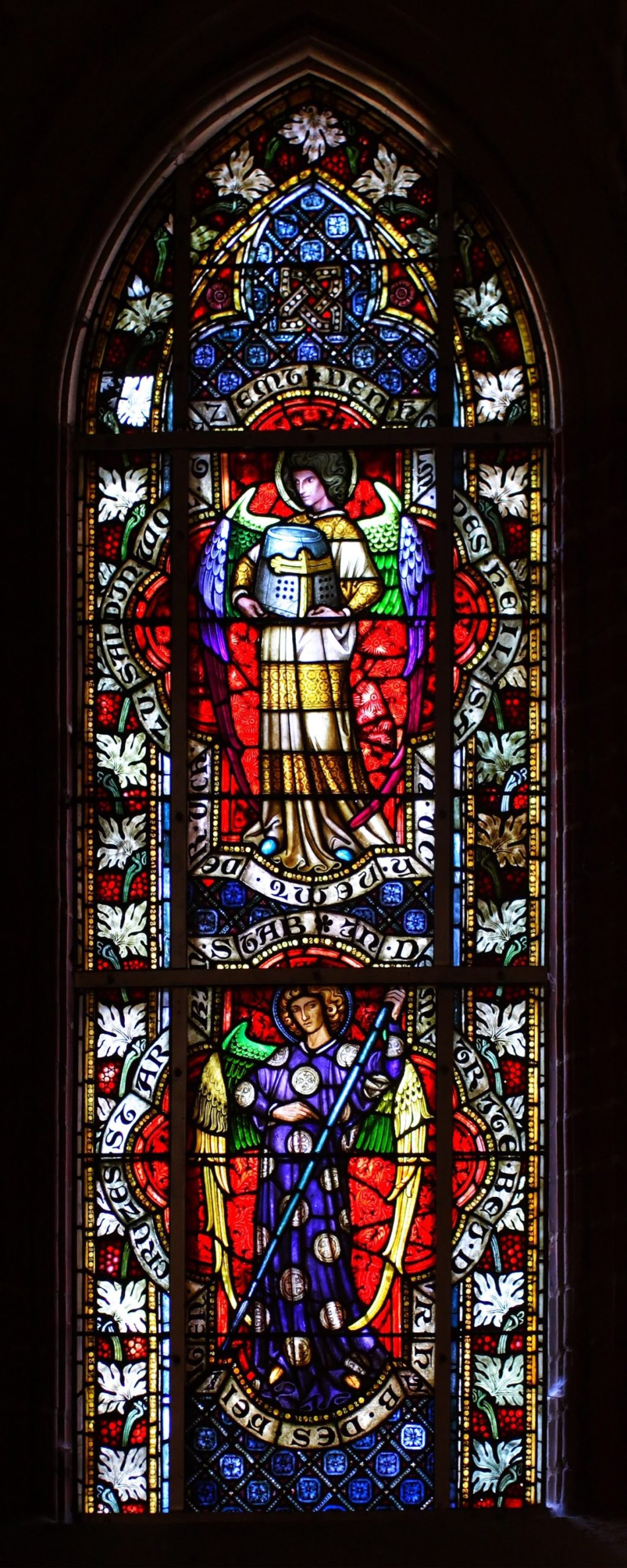
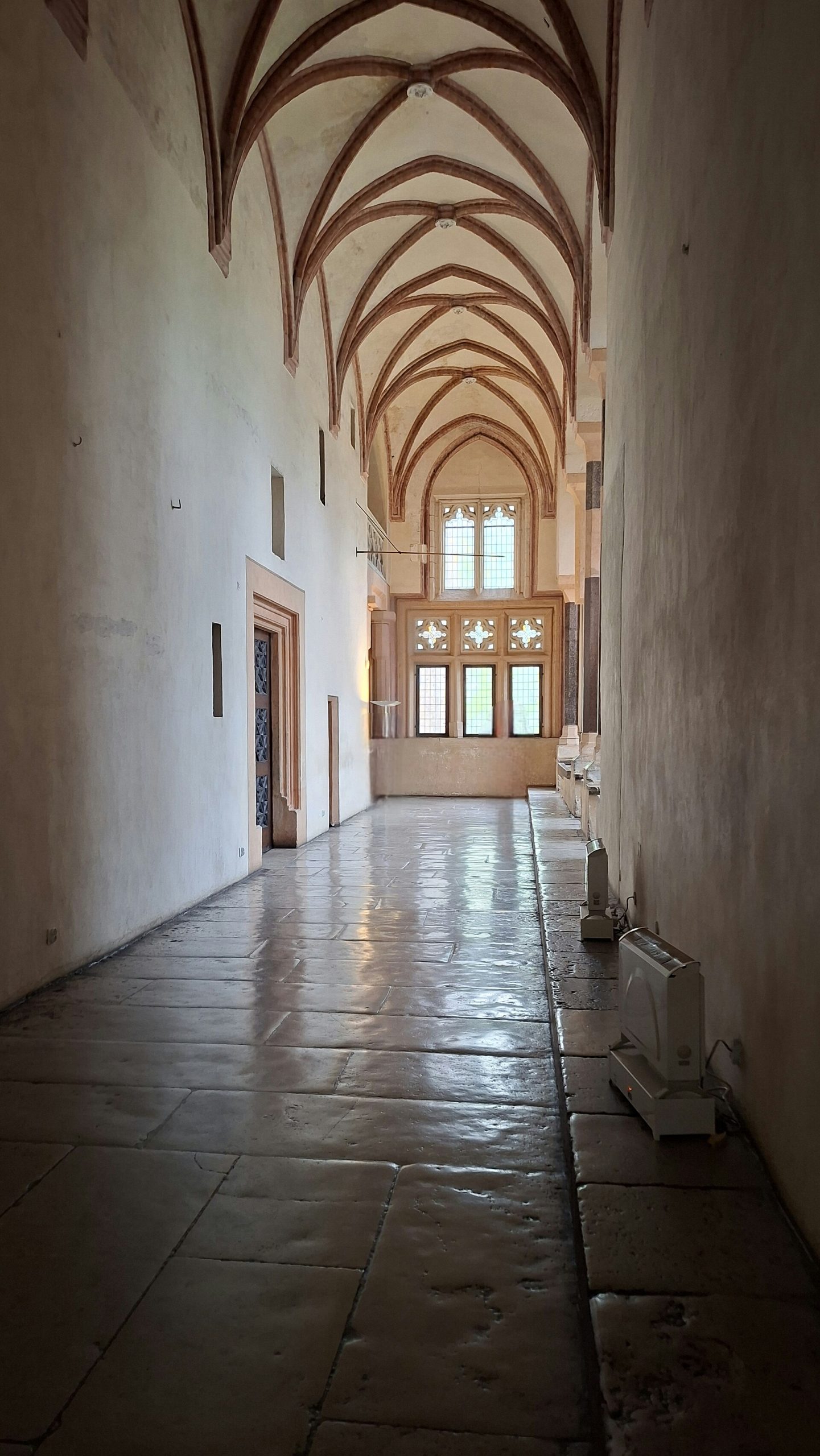
Step inside Malbork and the interiors are as impressive as the exterior is vast. The great halls and chambers are roofed with soaring brick vaults, their ribs springing from slender columns to spread across the ceilings in intricate patterns, a demonstration of just how far the art of building in brick could be pushed. These vaulted spaces are among the masterpieces of Gothic architecture in northern Europe.
The knights and their architects achieved effects in brick that others achieved only in stone, and the interiors of Malbork are a sustained argument for the beauty and possibility of brick construction. Light falls through Gothic windows onto the warm red vaults, and the rooms have a spare, powerful elegance that comes from the honest expression of the material and the confident handling of structure.
These halls served every function of the great fortress-monastery, from worship and council to feasting and administration, and their scale and finish reflect the wealth and ambition of the order at its height. Even stripped of much of their original furnishing, they retain an atmosphere of grandeur and discipline, the architectural expression of a powerful and austere institution.
To move through these vaulted interiors is to appreciate that Malbork was not merely big but beautiful, a work of high art as well as of military engineering. The brick vaults, rising and branching overhead, are the interior counterpart to the mighty walls without, and they show that the warrior-monks who built this colossus were also patrons of some of the finest architecture of their age.
The Palm-Vaulted Refectory
Among the most celebrated interiors of Malbork is its Grand Refectory, the great dining hall of the Middle Castle, a vast and beautiful room used for feasts and the entertainment of important guests. Its ceiling is a marvel, an expanse of delicate vaulting supported by remarkably slender columns, so fine that the ribs seem to spread out overhead like the fronds of palm trees, a feat of structural daring and grace.
The refectory was more than a place to eat; it was a room designed to impress, where the Grand Master would receive envoys, nobles and distinguished visitors, and where the wealth and sophistication of the order could be put on display. The elegance of the palm-vaulted ceiling, floating above the diners on its slim supports, was a deliberate statement of the order’s refinement and technical mastery.
Remarkably, the refectory and other important rooms of Malbork were equipped with an advanced underfloor heating system, in which hot air from furnaces below was channelled up through the floors to warm the chambers against the bitter cold of the Baltic winter. This sophisticated technology, inherited ultimately from Roman practice, made Malbork one of the most comfortable as well as one of the most magnificent castles of its day.
The Grand Refectory captures the two faces of Malbork perfectly: the beauty of its architecture and the ingenuity of its engineering, all in the service of a powerful institution that knew how to impress. To stand beneath its palm vaults, imagining the hall warmed from below and filled with feasting knights and honoured guests, is to glimpse the Teutonic Order at the height of its confidence and its splendour.
The heating system was so effective that guests reportedly marvelled at the warmth of the halls in the depth of the northern winter, a luxury that few other castles of the age could offer and that added to the reputation of Malbork as a place of both power and surprising comfort.
Three Castles in One
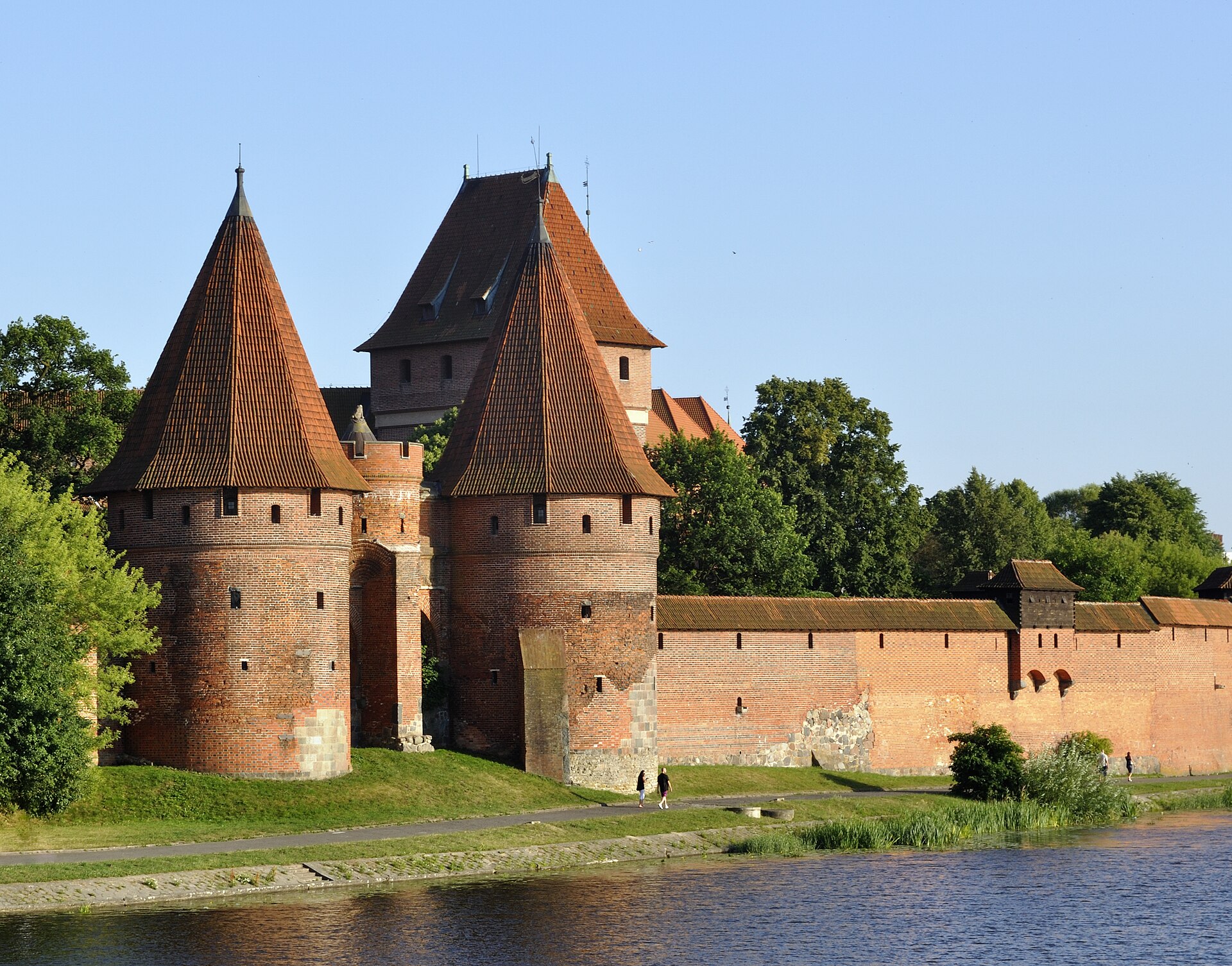
What makes Malbork so enormous is that it is really not one castle but three, linked together into a single vast complex. There is the High Castle, the original conventual core; the Middle Castle, added as the order’s power grew, containing the Grand Master’s Palace and the Grand Refectory; and the Low Castle, the outer bailey with workshops, stables, granaries and armories, the whole wrapped in successive rings of walls, towers and moats.
This three-part structure created a defence of extraordinary depth. An attacker who somehow breached the outer walls of the Low Castle faced the fresh defences of the Middle Castle, and beyond that the formidable High Castle, each a stronghold in its own right. To take Malbork, an enemy would have had to fight through castle after castle, an almost unthinkable task against a determined and well-supplied garrison.
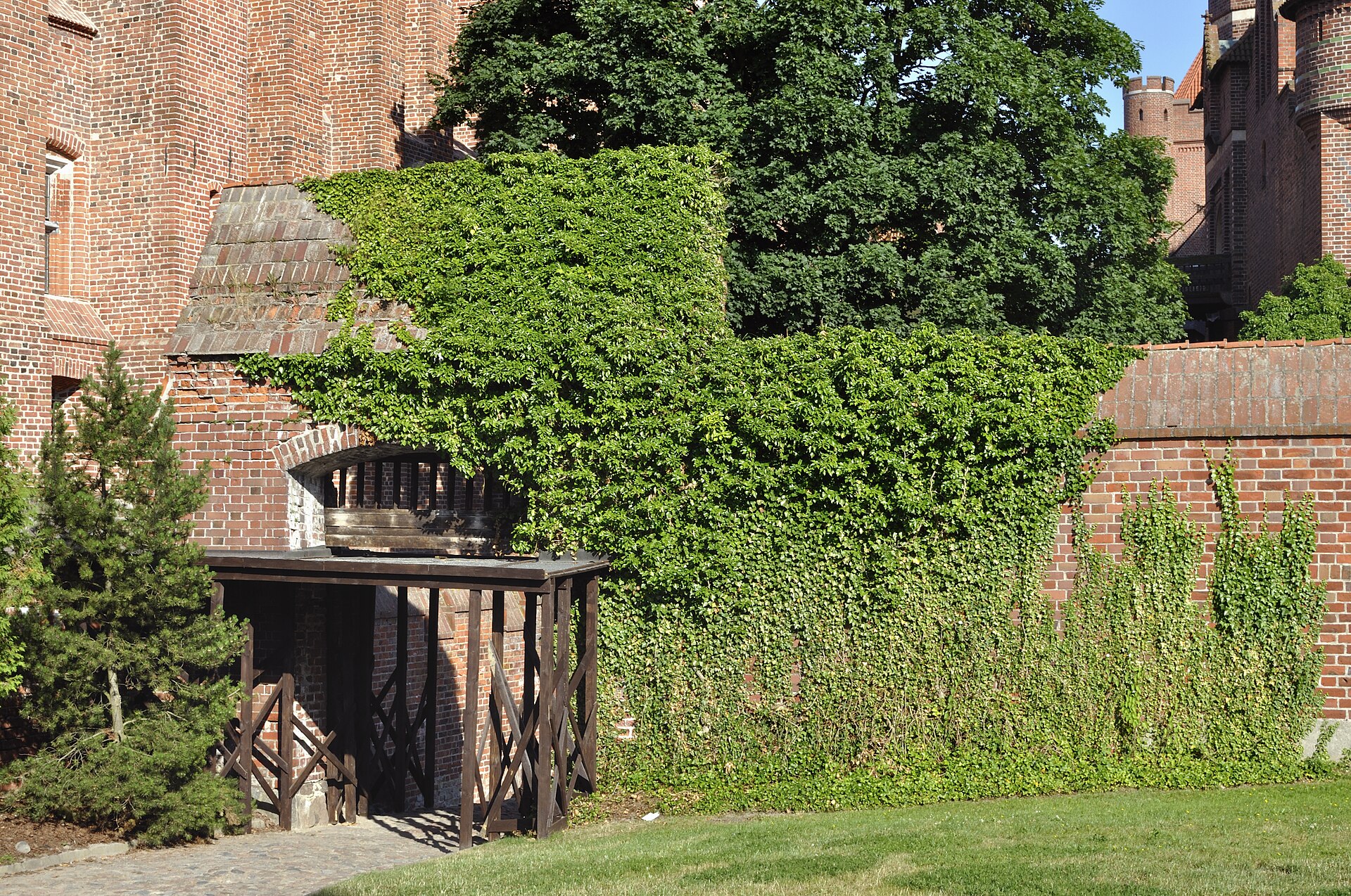
The scale of the fortifications matched the scale of the whole. Massive brick walls, punctuated by towers and gates, ran for great distances around and between the three castles, and the Nogat river and artificial moats added water defences to the mighty masonry. Malbork was designed to be, quite simply, one of the most impregnable fortresses in Europe, and for a long time it was exactly that.
To walk the walls and pass from castle to castle is to grasp the genius of the design, a layered system in which every part supported and covered the others. It is this three-castle structure, more than any single feature, that gives Malbork its staggering size and its reputation as the ultimate expression of the medieval fortress, a stronghold conceived on a scale that has never been surpassed.
The complex was so large that it functioned as a self-sufficient community, with its own workshops, mills, bakeries, breweries and stores, capable of sustaining a substantial population through a long siege. It was, in every practical sense, a fortified town, lacking only the name.
Siege, Defeat and a Change of Flags
The turning point in Malbork’s history, and in the fortunes of the Teutonic Order, came in 1410 at the Battle of Grunwald, one of the greatest battles of medieval Europe, where a combined Polish and Lithuanian army crushed the forces of the Teutonic Knights and killed their Grand Master. It was a catastrophe from which the order never fully recovered, and it shook the foundations of the Teutonic state.
In the aftermath, the victorious Polish-Lithuanian forces laid siege to Malbork itself, hoping to seize the capital and end the order’s power at a stroke. But here the great fortress proved its worth: the garrison, under a determined commander, held out behind the mighty walls through a long siege, and the attackers, unable to break in, were eventually forced to withdraw. Malbork, at least, had not fallen.
Yet the reprieve was temporary, for the order was fatally weakened. Decades of decline, war and financial strain followed, and in 1457, unable to pay its mercenary garrison, the order effectively lost Malbork: the unpaid soldiers handed the castle over to the King of Poland in lieu of their wages. And so the greatest fortress of the Teutonic Knights passed, without a final storming, into Polish hands.
There is a grim irony in the fate of Malbork. The fortress was so strong that it could not be taken by force even after the disaster of Grunwald, and yet it was lost all the same, surrendered by unpaid mercenaries to the enemies of the order. The mightiest castle in the world could withstand any assault, but it could not save an institution that had lost its money, its momentum and its purpose.

The Battle of Grunwald has become one of the founding legends of both Polish and Lithuanian national memory, commemorated in art, literature and monuments as a defining victory over a mighty oppressor. That the battle’s most famous consequence, the fall of the order, played out over the walls of Malbork gives the castle a central place in that story.
A Polish Palace and a Prussian Rediscovery
After 1457, Malbork became a Polish royal castle, one of the residences of the kings of Poland and an administrative centre of the region, its Teutonic chapels and halls now serving a new master. For three centuries it remained in Polish hands, its great rooms used by the crown, though it never again held quite the singular importance it had known as the capital of the Teutonic state.
The situation changed again in the late eighteenth century, when the partitions of Poland brought the region under the control of the Kingdom of Prussia. Under Prussian rule the castle, now called Marienburg once more, was for a time neglected and even used for mundane purposes such as barracks and workshops, and parts of it were altered or damaged as its medieval character was little valued.
But the nineteenth century brought a great change of attitude, as the Romantic movement rediscovered the Middle Ages and the Prussians came to see Malbork as a symbol of Germanic and Teutonic heritage. A major restoration was undertaken, especially under the architect Conrad Steinbrecht, who devoted decades to studying and rebuilding the castle, recovering much of its medieval appearance and saving it from decay.
This nineteenth and early twentieth-century restoration, though later scholars have debated some of its romantic liberties, was crucial in preserving Malbork and returning it to something like its former glory. It reflected the way the castle had become a contested symbol, claimed as heritage by different nations and ideologies, its meaning shifting with the fortunes of the peoples who successively held the great fortress on the Nogat.

Destruction and Resurrection
The greatest catastrophe in Malbork’s long history came at the very end of the Second World War. In 1945, as the front line reached the region, the castle was caught in heavy fighting and subjected to prolonged bombardment, which reduced large parts of the great fortress to rubble. The church and its Madonna, the towers, the halls, huge sections of the mightiest brick castle in the world lay shattered and burned.
It would have been understandable if such devastation had been left as a ruin, a monument to the destruction of war. But the decision was made, in postwar Poland, to rebuild, and over the following decades a monumental effort of reconstruction was undertaken, painstakingly restoring the castle brick by brick, using old plans, photographs and the surviving fabric to bring the fortress back from near-total ruin.
This reconstruction, one of the great heritage projects of modern Europe, has continued in various forms into the present century, culminating in the recent recreation of the great mosaic Madonna on the church facade. The result is that Malbork stands today once more in its full magnificence, a resurrection so complete that most visitors would never guess how much of what they see rose again from the rubble of 1945.
There is something deeply moving in this story of destruction and rebirth. Malbork has been a crusader capital, a Polish palace, a Prussian symbol and a wartime ruin, and through it all it has endured and been restored, an emblem of the resilience of heritage and the determination of people to reclaim their past. The castle that rose again from the ashes is a monument not only to the Middle Ages but to the will to preserve them.
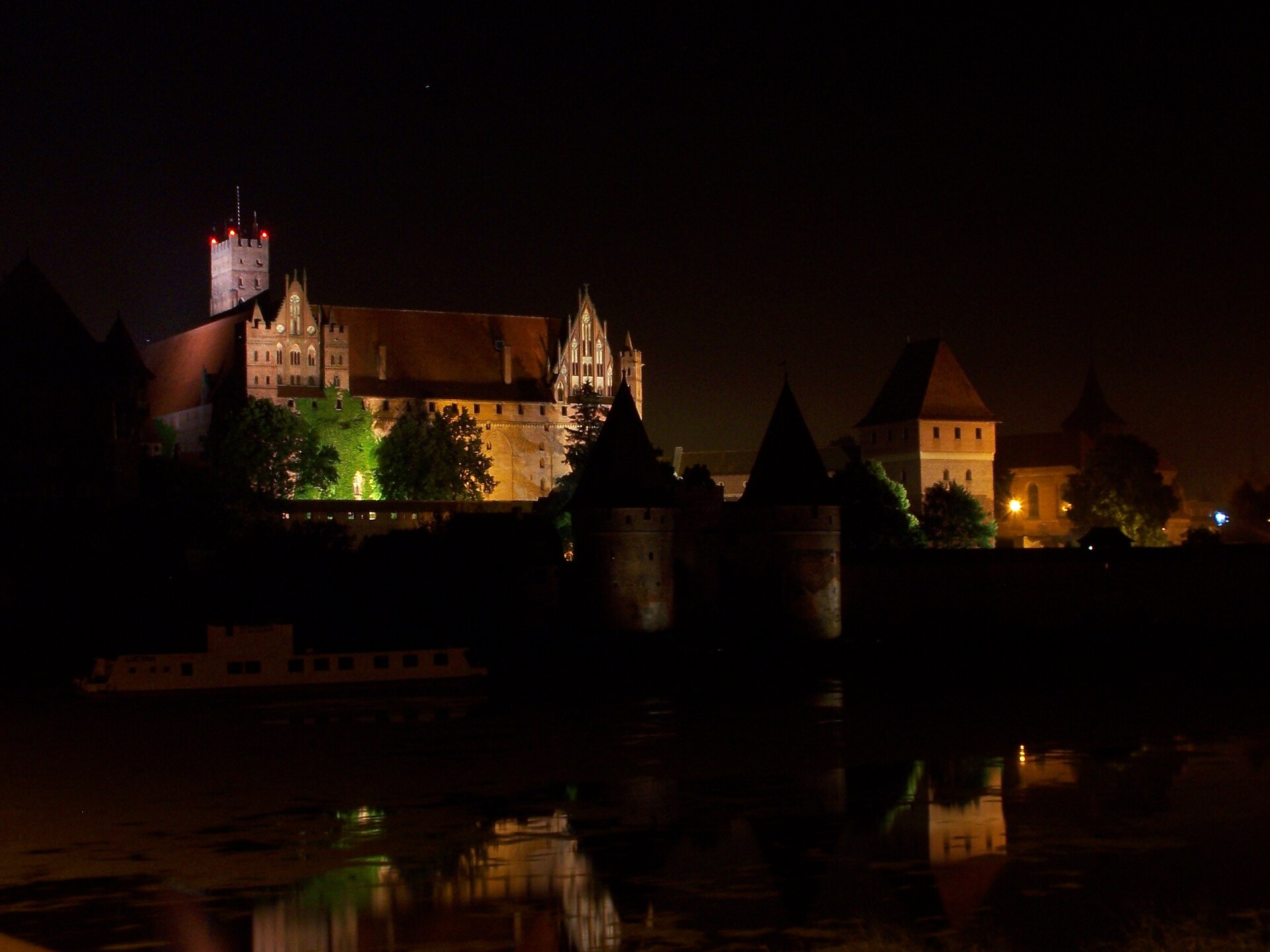
Visitors today can sometimes see, in certain walls, the subtle difference between original medieval brickwork and the bricks of the reconstruction, a quiet record of the castle’s death and rebirth. Rather than hide these seams entirely, the restorers have in places let them testify to the honest truth of what the castle has endured.
The Colossus on the Nogat Today
Today Malbork is recognized for what it is: one of the supreme achievements of medieval architecture and a monument of world importance. In 1997 the Castle of the Teutonic Order in Malbork was inscribed as a UNESCO World Heritage Site, honouring both its extraordinary original construction and the remarkable conservation and restoration work that has preserved and rebuilt it across the centuries.
As a museum, the castle offers an almost inexhaustible experience. Visitors can explore the three linked castles, the church with its restored Madonna, the Grand Master’s Palace, the palm-vaulted refectory, the cloisters, the walls and towers, and rich collections of amber, arms and armor and medieval art. A thorough visit takes many hours, and even then one sees only a fraction of the whole.
The sheer scale remains the abiding impression. However much one reads about Malbork being the largest castle in the world, nothing compares to standing within its walls and grasping, physically, the size of the achievement, the millions of bricks, the acres of buildings, the miles, almost, of walls, all raised by the warrior-monks of a vanished crusading order on the flat banks of a Baltic river.
To appreciate the full extent of the fortress, it helps to see it whole, from above and on foot, and this tour sweeps across the castle and through its courts and halls. It conveys, as no still image can, the staggering scale of Malbork, and it makes a fitting climax to any journey through the great castles of Central Europe, for there is, quite simply, no other castle in the world quite like it.

The town of Malbork that grew up beside the castle takes its whole identity from the fortress, and the sight of the great red walls reflected in the Nogat at sunset is one of the iconic images of northern Poland. Castle and town, as so often, remain bound together, the giant of brick still presiding over the community at its feet.
Castles Nearby
- Wawel Royal Castle: The Sacred Hill at the Heart of Poland
- Spis Castle: The Vast White Ruin That Crowns a Slovak Hill
Why the Great Brick Fortress Still Astonishes
There is no other castle quite like Malbork, and once you have stood inside it you will never forget the scale of it. It is the largest castle on earth, the largest brick building of the Middle Ages, the capital of a crusader state raised by warrior-monks who were at once the most militant and the most devout of men. To visit it is to confront the medieval world at its most ambitious and its most strange.
And it is more than a monument to the past, for its modern story is as remarkable as its medieval one. Devastated in the war and rebuilt over decades of painstaking labour, Malbork stands today as a testament to human resilience, a colossus that fell into ruin and rose again brick by brick, so complete that its scars are all but invisible. It is a survivor as well as a wonder.
So make the journey to the Nogat and give yourself over to the sheer immensity of Malbork. Walk its three castles, stand beneath its palm vaults, look up at its restored Madonna, and let the scale of the thing overwhelm you. In a series full of remarkable castles, Malbork stands apart, the greatest of them all in size and ambition, the ultimate fortress of the warrior-monks, and one of the true wonders of medieval Europe.
You May Like
Mafra, the Palace a King Built From a Vow


4 thoughts on “Malbork Castle: The World’s Largest Brick Fortress of Warrior-Monks”