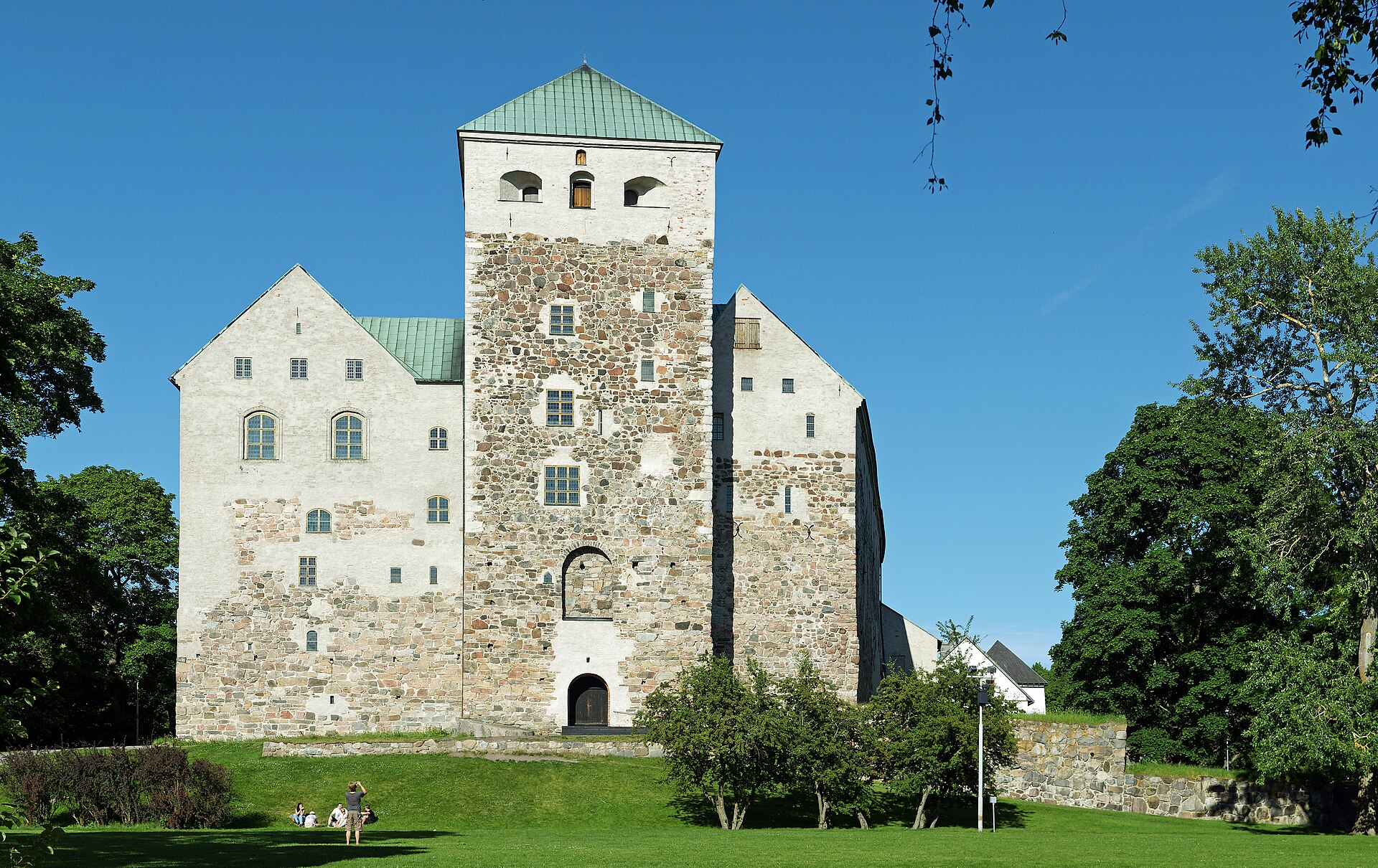
At the mouth of the Aura river, where it meets the Baltic on the southwestern coast of Finland, stands the oldest and greatest of all Finnish castles. Turku Castle, Turun linna, is a massive fortress of grey stone that has guarded this spot for more than seven hundred years, one of the largest surviving medieval buildings in the whole of the Nordic countries and the single most important monument of medieval Finland.
For most of its long history, Finland was part of the kingdom of Sweden, and Turku, its oldest city, was the capital of the Finnish lands. Turku Castle was the seat of Swedish royal power in Finland, the residence of governors and dukes, the administrative centre of the eastern half of the realm, and a mighty fortress guarding the frontier. Its stones hold the whole medieval and Renaissance history of Finland.
So come with me to the Finnish coast, to the mouth of the Aura, and let us explore the great greystone castle of Turku. We will trace its history from a thirteenth-century Swedish stronghold to a Renaissance ducal residence, walk its medieval keep and its Renaissance halls, and discover the dukes and prisoners, the sieges and fires that fill its long story. Turku Castle is the cradle of Finnish history in stone, and one of the great fortresses of the north.
In This Article
- The Great Castle at the River Mouth
- A Swedish Stronghold in Finland
- The Heart of Medieval Finland
- Besieged and Fought Over
- The Two Castles in One
- The Renaissance Bailey
- Duke John and His Court
- The Great Halls
- A Museum of Finnish History
- The Castle Church
- Decline, Prison and Fire
- The Great Grey Fortress From Above
- Finland’s Treasure Restored
The Great Castle at the River Mouth
Turku Castle stands where the Aura river flows into the Baltic Sea, on the southwestern coast of Finland, guarding the harbour and the approaches to the country’s oldest and, for centuries, most important city. It is a vast fortress of grey stone, one of the largest surviving medieval buildings in the whole of the Nordic region, and the single most significant monument of medieval Finland.
The position at the river mouth was chosen for the best of strategic reasons. Turku was the gateway to Finland from the sea, the point where trade and power entered the country, and the castle guarding it controlled that vital access. For a land that was for most of its history the eastern part of the kingdom of Sweden, this was the key fortress, the anchor of royal authority in Finland.
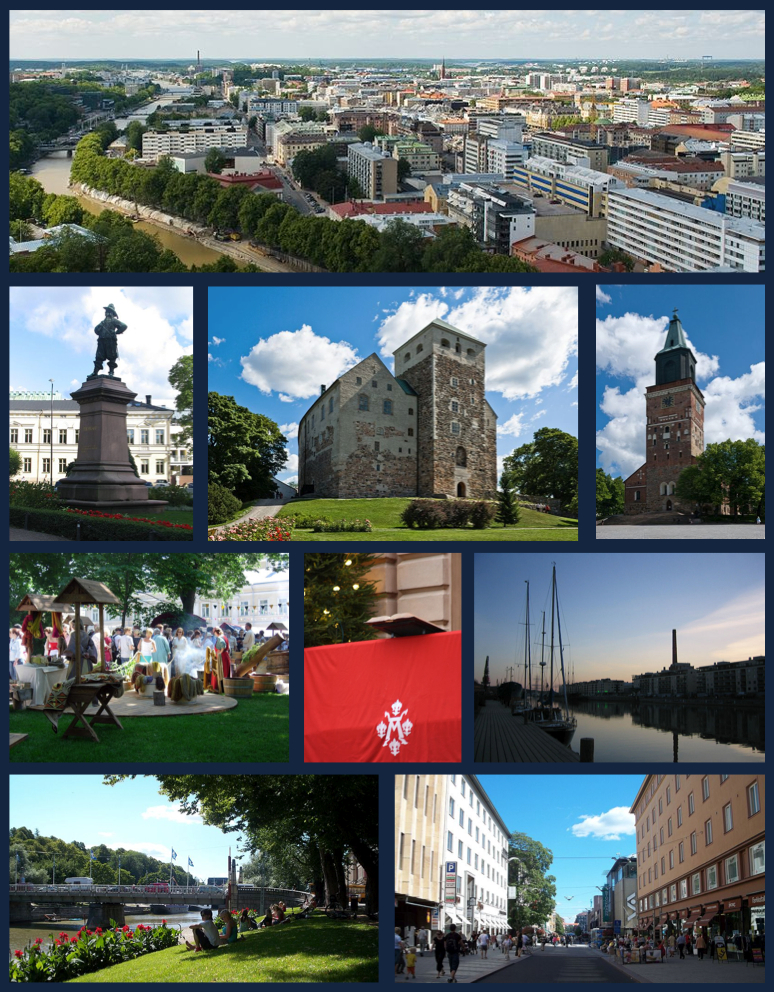
Turku itself was the capital and principal city of Finland throughout the medieval and early modern periods, the seat of its bishop, its university and its administration, and the castle was the fortress and residence of the royal power that governed the Finnish lands. The two grew up together, city and castle, at the meeting of river and sea, the heart of Finnish life for centuries.
If you want to find this great fortress before you visit, here are the coordinates for the castle at the mouth of the Aura. Zoom in and you will see it guarding the harbour on the edge of Turku, the grey stone stronghold that has stood at the gateway to Finland for more than seven hundred years, the oldest and greatest castle in the country.
A Swedish Stronghold in Finland
The origins of Turku Castle lie in the late thirteenth century, when the kingdom of Sweden was consolidating its control over Finland, which it had gradually brought under its rule through a series of crusades and campaigns. To secure this newly won territory, the Swedes built a chain of great stone castles, and the greatest of these was raised at Turku, at the gateway to the country.
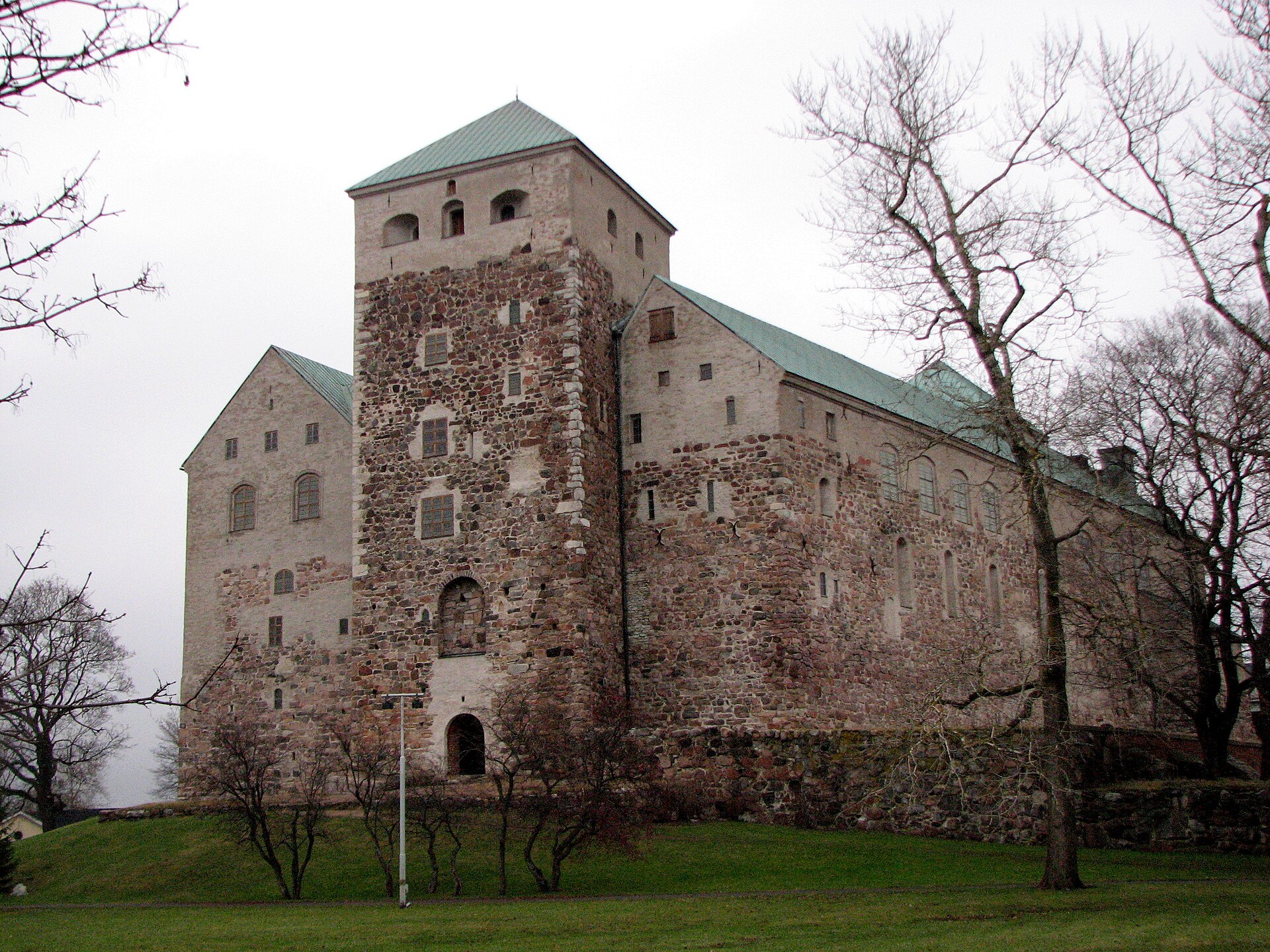
The earliest castle was a relatively simple fortified structure, built to establish and maintain Swedish authority in the region, but it was steadily expanded over the following centuries into the massive fortress we see today. Its grey stone walls, immensely thick and strong, were designed to dominate the surrounding country and to withstand any attempt to challenge Swedish rule.
As the principal royal fortress in Finland, Turku Castle became the seat of the Swedish governors who administered the country on behalf of the crown, and it was the centre from which the eastern half of the kingdom was ruled. It was thus not only a military stronghold but the political and administrative heart of medieval Finland, the fixed point of royal power in the land.
The castle’s foundation marks, in a sense, the beginning of the recorded history of Finland as an organized part of the European world, its stones laid down as the country was drawn into the orbit of the Swedish kingdom and Western Christendom. Turku Castle is thus the cradle of Finnish statehood in stone, the fortress from which the modern history of the country began.
The building of great stone castles like Turku was part of a wider transformation of Finland in the Middle Ages, as the country was drawn into the European world of Christianity, trade and organized government, and the fortress at the river mouth was the most powerful symbol of that new order.
The Heart of Medieval Finland
Throughout the Middle Ages, Turku Castle was the beating heart of Finland. As the seat of the royal governors and the principal fortress of the land, it was where the business of ruling Finland was conducted, where taxes were gathered, justice administered, and the defence of the country organized. The great grey castle was the fixed centre around which the life of medieval Finland revolved.
The castle grew in size and importance over the centuries, expanded by successive rulers into a formidable complex capable of housing a substantial garrison and household. Its role as the administrative capital of Finland made it a place of constant activity, filled with soldiers, officials, servants and the whole apparatus of medieval government, a small city of power in stone.
The importance of the castle mirrored that of Turku itself, which was the largest and most important city in Finland, the seat of the bishop and, later, of the country’s first university. Castle and city together made Turku the undisputed capital of the Finnish lands, and the fortress at the river mouth was the symbol and the instrument of that centrality.
For anyone seeking to understand the medieval history of Finland, Turku Castle is the essential place, for so much of that history was made within its walls. It was here that the country was governed, defended and shaped as part of the Swedish realm, and the great grey fortress remains the most important physical link to the medieval origins of the Finnish nation.
Turku’s role as the capital of Finland lasted until the early nineteenth century, when, under Russian rule, the seat of government was moved to Helsinki, ending Turku’s long primacy; but the castle remained as the enduring monument to the centuries when the city at the mouth of the Aura was the undisputed heart of the country.
Besieged and Fought Over
As the key fortress of Finland, Turku Castle was inevitably fought over, and its long history is punctuated by sieges and captures. In the endless conflicts that swept over the Nordic lands, between rival claimants to the Swedish throne, between Sweden and Denmark, and later between Sweden and Russia, control of Turku Castle was a prize worth fighting for, and the fortress changed hands many times.
The castle’s massive walls were built to withstand such assaults, and it endured many sieges over the centuries, sometimes holding out and sometimes falling to determined attackers. Each conflict left its mark, and the fortress was repeatedly damaged and repaired, strengthened and modernized, as the nature of warfare changed and new threats arose on the eastern frontier of the Swedish realm.
The strategic importance of Finland, and of its chief fortress, grew as the rivalry between Sweden and the rising power of Russia intensified. Turku, at the gateway to Finland, was in the front line of this struggle, and its castle was a vital bastion in the defence of the Swedish east, fought over in the long series of wars that would eventually see Finland pass from Sweden to Russia.
The scars of these conflicts are part of the castle’s character, a fortress that has genuinely been tested in war, unlike so many castles that were never seriously attacked. Turku Castle earned its massive strength in the hard school of siege and battle, and its endurance through centuries of conflict is a testament to the builders who raised its mighty walls at the mouth of the Aura.
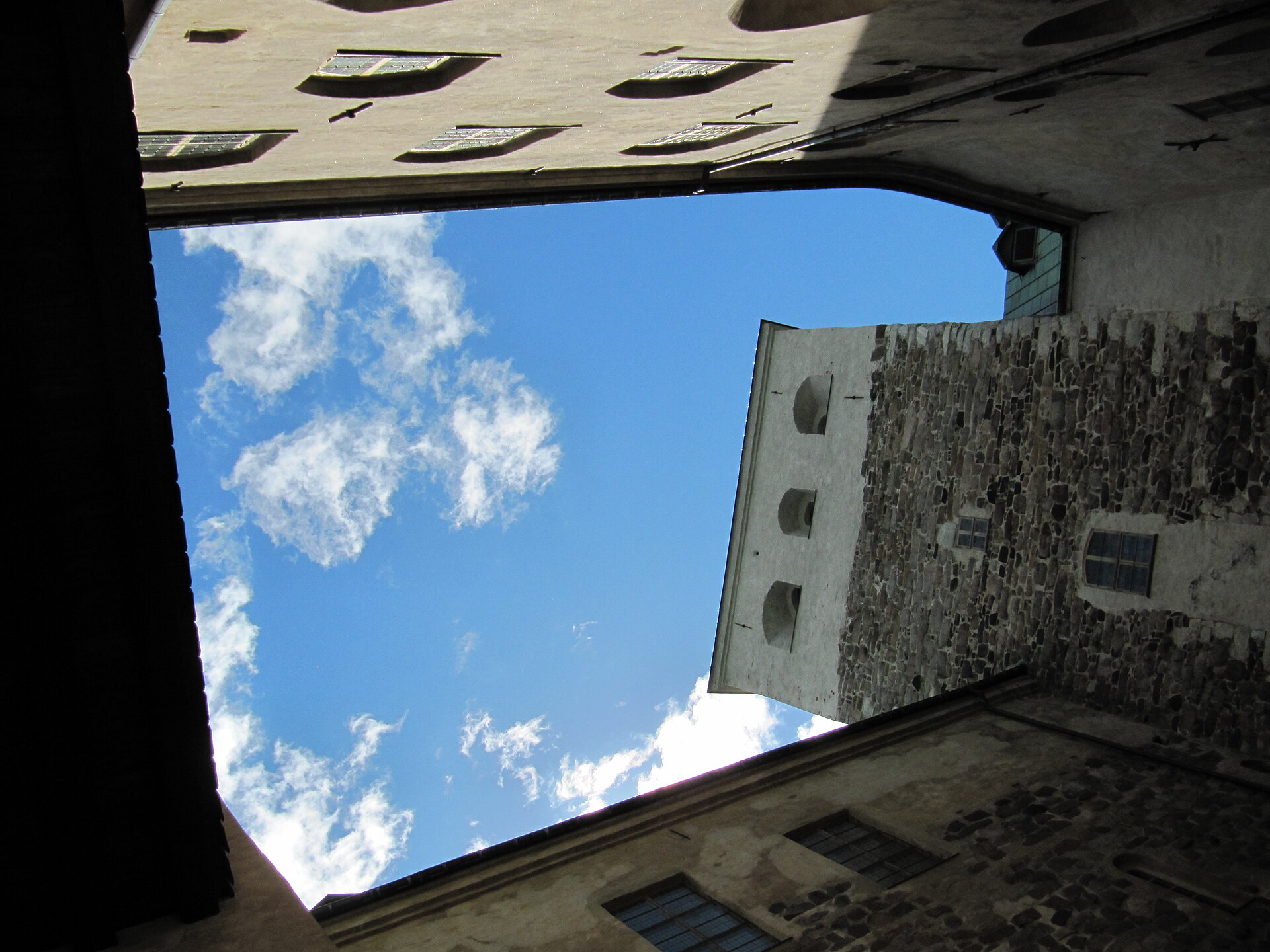
The eventual loss of Finland by Sweden to Russia in 1809, at the end of a long series of wars, was one of the great turning points in Nordic history, and though it came after Turku Castle’s military heyday, it marked the end of the six-century era in which the fortress had guarded the Swedish east.
The Two Castles in One
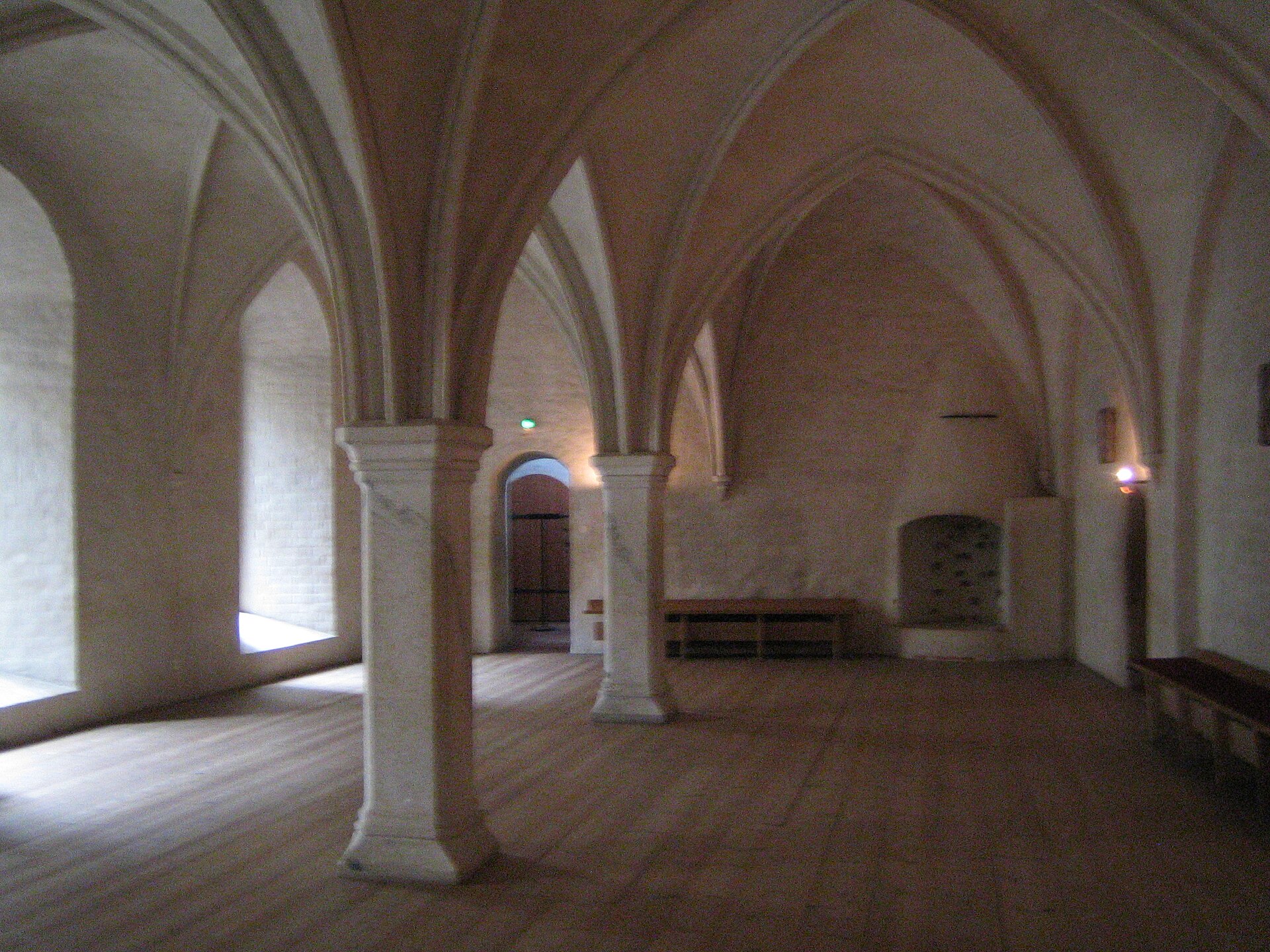
Turku Castle is really two castles in one, reflecting the two great phases of its building. At its core is the medieval keep, the oldest and strongest part, a massive stone stronghold that was the heart of the fortress in the Middle Ages. Attached to it is the later bailey, a large enclosure added and developed over the following centuries, especially in the Renaissance, which greatly expanded the castle.
This division is clearly visible as you explore the fortress, moving from the ancient, austere spaces of the medieval keep to the more spacious and refined rooms of the Renaissance bailey. The two parts represent different ages and different purposes, the keep built above all for defence, the bailey developed increasingly for residence and display as the castle became a ducal court.
The medieval keep, with its thick walls and its dark, vaulted chambers, preserves the atmosphere of the fortress in its earliest and most warlike age, when it was above all a stronghold to hold Finland for the Swedish crown. Climbing through its levels, one senses the hard, defensive character of the medieval castle, built to dominate and to endure.
The contrast between the two castles, the grim medieval keep and the more elegant Renaissance bailey, is one of the great pleasures of exploring Turku, and it tells the whole story of the fortress’s evolution. From a pure stronghold of conquest to a ducal residence of some refinement, the castle grew and changed while never losing its essential massive strength, two castles fused into one great fortress.
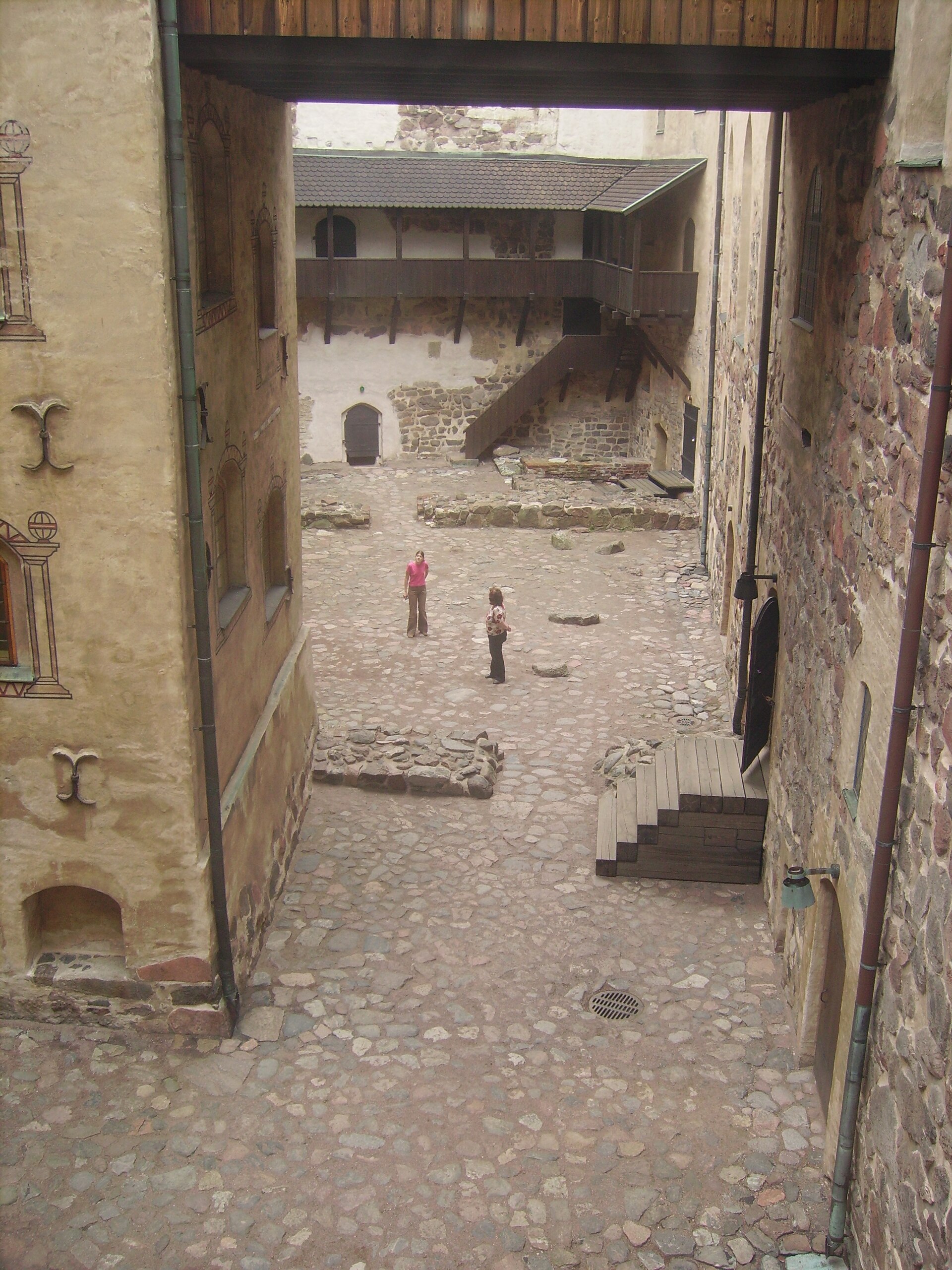
The medieval keep and the Renaissance bailey were built of the same grey granite and limestone, giving the whole fortress a unity of material even as its parts belong to different ages, and this austere grey stone is one of the defining characteristics of the Finnish medieval castle.
The Renaissance Bailey
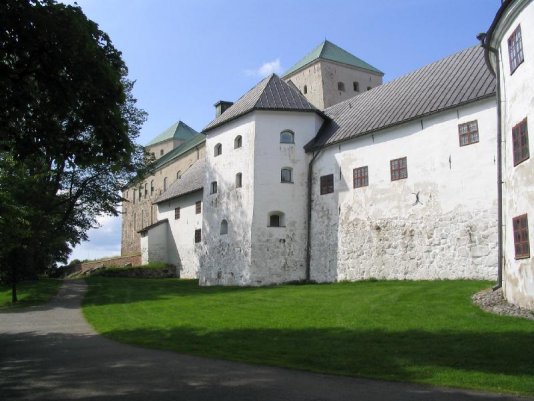
The bailey of Turku Castle reached its greatest splendour in the sixteenth century, when it was transformed into an elegant Renaissance residence, one of the finest in the Nordic lands. What had been an outer enclosure of the medieval fortress was developed into a series of handsome halls and chambers, arranged around a courtyard, fit for a princely court in the latest continental style.
This transformation reflected the wider changes of the age, as the Vasa dynasty modernized the kingdom and brought Renaissance culture to Sweden and Finland. The bailey at Turku became a showcase of this new sophistication, its rooms decorated and furnished in the Renaissance manner, a far cry from the austere medieval keep beside it, a residence as much as a fortress.
The courtyard of the bailey, enclosed by the Renaissance ranges, was the heart of this princely residence, an elegant space in which the life of the court unfolded. Here the great halls opened onto the courtyard, and the whole ensemble was designed to provide a fitting setting for the ducal court that would make Turku one of the important cultural centres of the north.
The survival of these Renaissance spaces, alongside the medieval keep, makes Turku Castle a remarkably complete record of the evolution of the northern castle from fortress to palace. The bailey shows how even a frontier stronghold in distant Finland was touched by the Renaissance, its rough medieval strength refined into something grander and more cultured as the centuries passed.
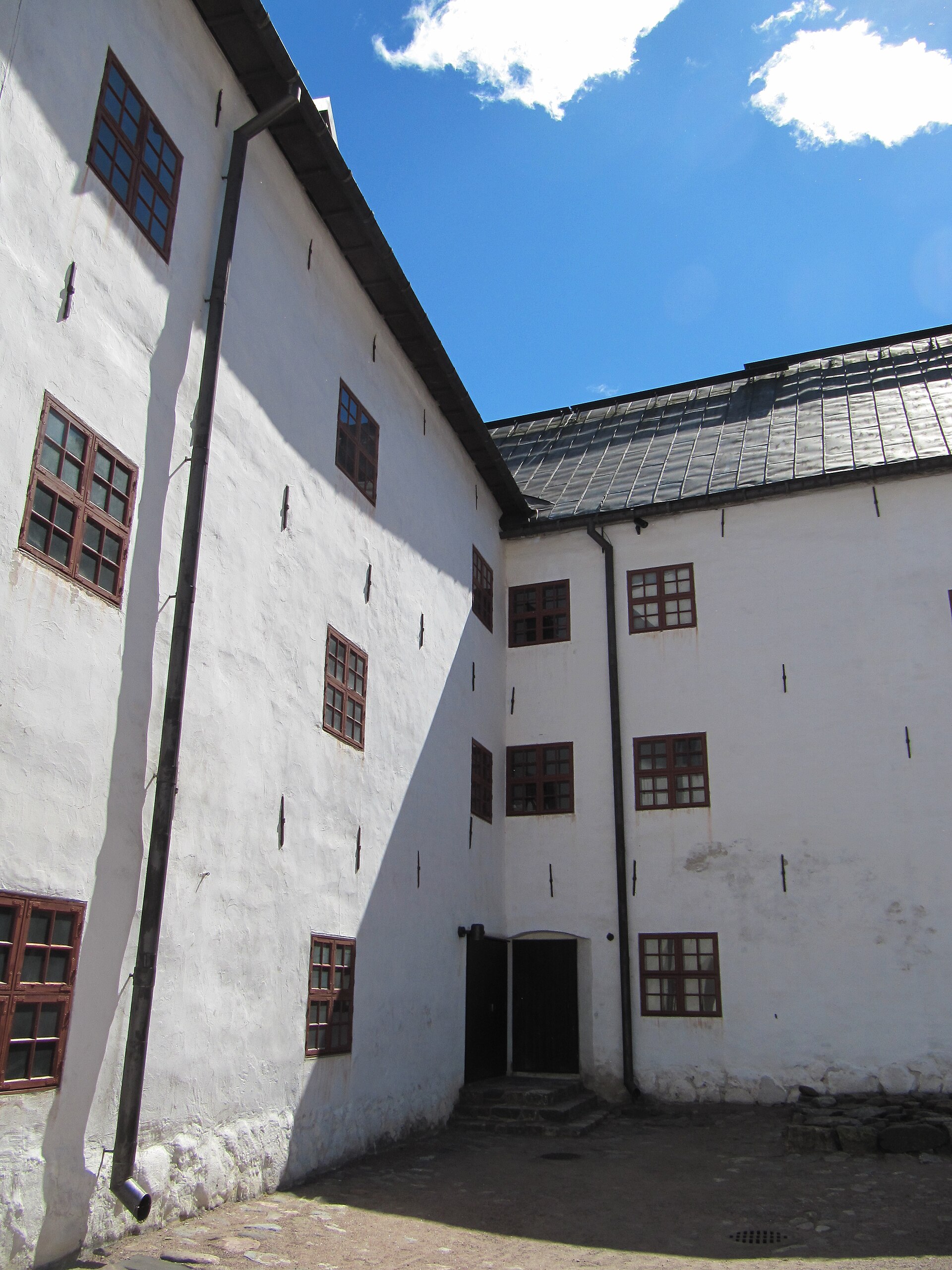
The refinement of the bailey at Turku is all the more striking given the remoteness of Finland from the centres of Renaissance culture, and it testifies to the determination of rulers like Duke John to bring the light of continental civilization even to the far northern edge of Europe.
Duke John and His Court
The golden age of Turku Castle came in the sixteenth century under Duke John, the son of Gustav Vasa who was granted Finland as his own duchy and who would later become King John III of Sweden. John made Turku his ducal seat, and under him the castle blossomed into one of the most brilliant Renaissance courts in the north, filled with art, music and continental sophistication.
John was a cultured and ambitious prince, and he transformed Turku into a residence worthy of his rank, bringing the finest craftsmen and the latest fashions to his Finnish court. His wife, the Polish princess Catherine Jagiellon, brought further continental refinement, and their court at Turku was a centre of Renaissance culture on the very edge of the civilized world.
But John’s time at Turku was also marked by the dark drama of the Vasa family, for it was here, and at other castles, that his deposed brother, the fallen King Erik XIV, was held prisoner. The tangled and often violent politics of the ruling house played out around Turku Castle, adding a note of intrigue and danger to the brilliance of the ducal court.
When John became king of Sweden, the golden age of the ducal court at Turku came to an end, but the memory of that brilliant period remains one of the high points of the castle’s history. For a time, this frontier fortress in Finland was a true Renaissance court, and the elegant rooms of the bailey still evoke the cultured, ambitious world of Duke John and his princess.
The marriage of Duke John to Catherine Jagiellon, a princess of the great Polish royal house, brought Turku into the web of European dynastic politics, and her arrival at the remote Finnish court, bringing continental culture and Catholic faith, is one of the most romantic episodes in the castle’s history.
The Great Halls
Among the finest spaces of Turku Castle are its great halls, the large ceremonial rooms where the feasts, receptions and ceremonies of the court took place. These halls, developed especially during the Renaissance flowering under Duke John, were the settings for the grand social and political life of the castle, designed to display the wealth and dignity of the ducal and royal power.
The halls have been carefully restored, and they convey the scale and grandeur of the court that once gathered here. In their spaciousness and their decoration one senses the ambition of the rulers who made Turku their seat, determined that even this Finnish fortress should have rooms fit for the entertainment of nobles and the conduct of princely ceremony.
To hold a great feast or a ceremonial reception in such a hall was to perform the majesty of power, and these rooms were the theatres of that performance. Here the duke or the governor would preside over his court, receive envoys and dignitaries, and mark the great occasions of the year, surrounded by the trappings of a Renaissance princely household.
The great halls of Turku, restored to something of their former grandeur, allow the modern visitor to imagine the vanished life of the court, the candlelight and music, the feasting and ceremony that once filled these spaces. They are among the most impressive rooms in the castle, and they speak of the age when Turku was not merely a fortress but the seat of a brilliant Renaissance court in the north.
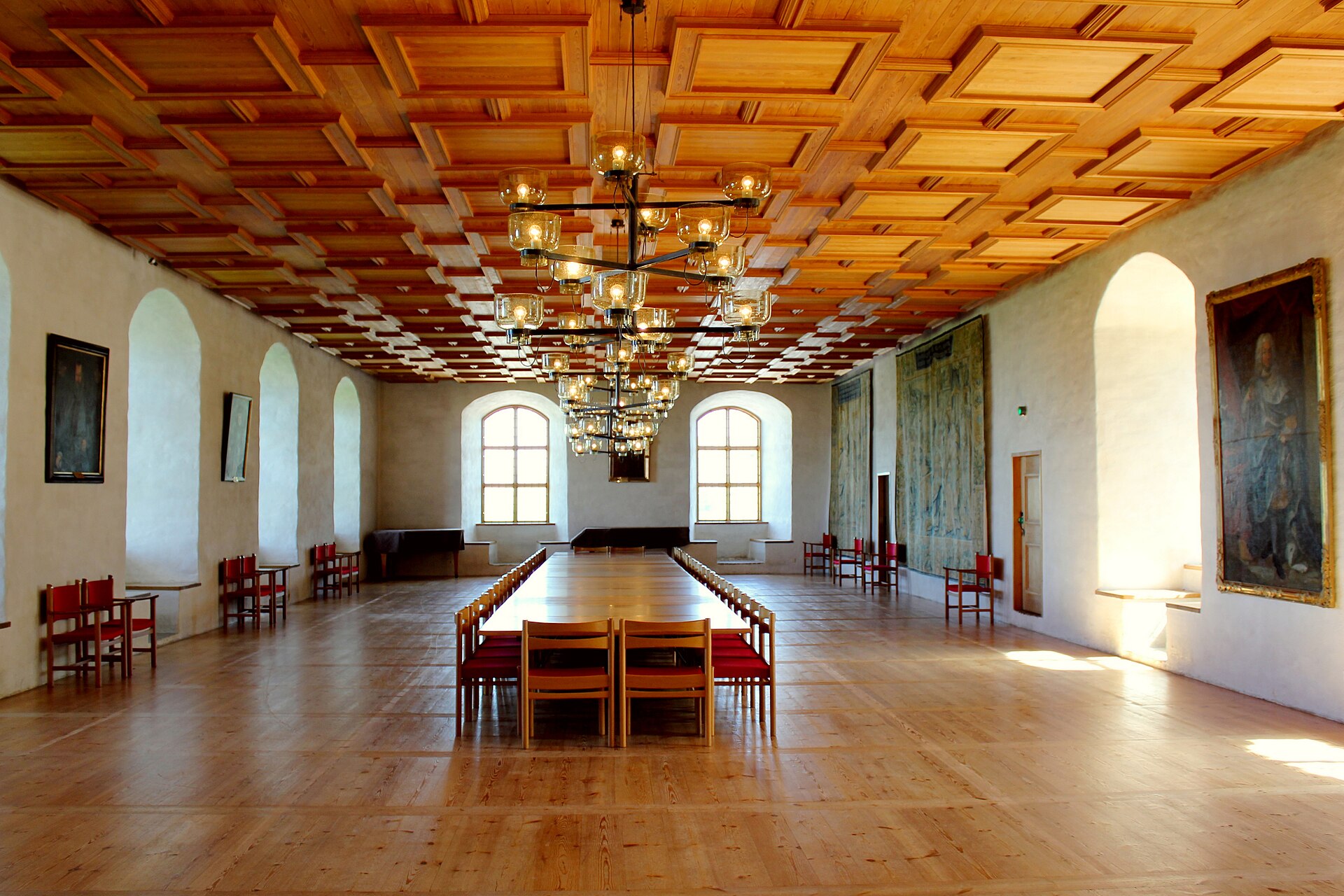
In one of the halls, the great hall of the bailey, the vaulted ceiling and the scale of the space still impress upon the visitor the grandeur of the ducal court, and it is easy to imagine the room filled with the nobility of Finland gathered for a feast in the age of Duke John.
A Museum of Finnish History
Today the interiors of Turku Castle house one of the most important historical museums in Finland, and a walk through the fortress is a walk through the history of the country. The restored rooms, from the medieval chambers of the keep to the Renaissance halls of the bailey, are filled with exhibits and period settings that bring the long history of the castle and of Finland vividly to life.
The museum collections span the centuries, with displays of furniture, costume, weapons, art and everyday objects that illustrate the changing life of the castle and its inhabitants across the ages. Period rooms recreate the settings of different eras, allowing the visitor to step into the medieval, the Renaissance and later worlds that the castle has known.
As the principal museum of Turku, the country’s oldest city, and one of the most significant in Finland, the castle plays a central role in preserving and presenting the national heritage. Its exhibits tell not only the story of the fortress itself but the wider story of Finland, from its medieval origins as part of Sweden to its later history and its emergence as an independent nation.
To explore the museum is to gain a rich understanding of the Finnish past, guided by the very walls in which so much of that past was made. The combination of the magnificent historic fortress and the excellent museum it now contains makes Turku Castle an essential destination for anyone seeking to understand the history and culture of Finland, a treasure-house of the national memory.
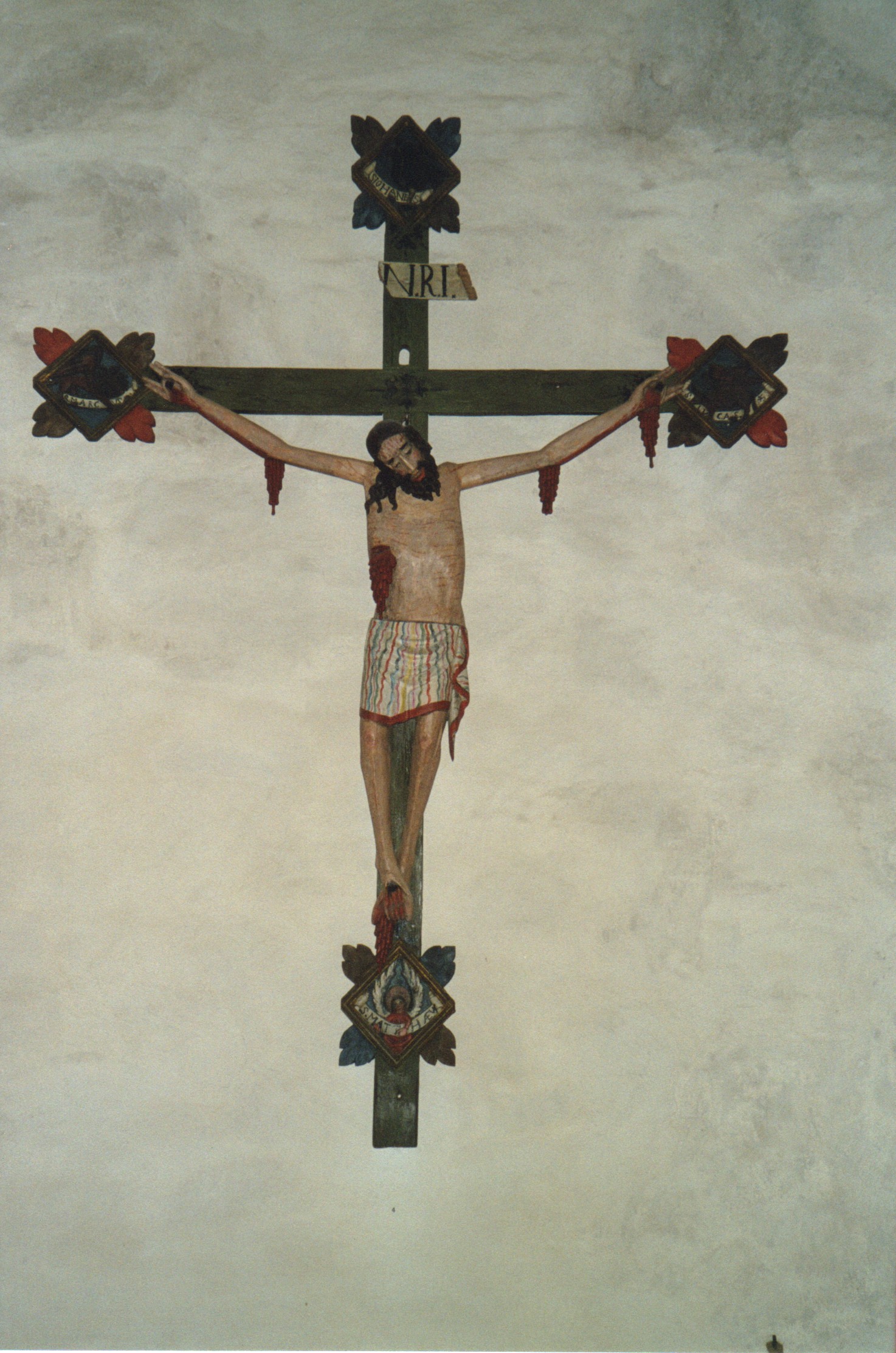
Among the museum’s treasures are medieval sculptures and artefacts of great importance, including works of religious art that once adorned the churches of the region, gathered now within the castle as part of the record of Finland’s medieval civilization.
The Castle Church
Within the walls of Turku Castle is its chapel, one of the most important and beautiful medieval church interiors in Finland. As the place of worship for the castle’s household and garrison across the centuries, the chapel was a central part of the life of the fortress, and it preserves the atmosphere of the religious devotion that was woven into every aspect of medieval and early modern life.
The chapel reflects the religious history of Finland, which followed that of Sweden through the great changes of the Reformation, when the country moved from Catholicism to Lutheranism. As at Kalmar and other Vasa castles, the chapel was adapted to the new Protestant form of worship, and its decoration and arrangement express the religious sensibility of the age.
The importance of the castle chapel is heightened by the central role of Turku in the religious life of Finland, for the city was the seat of the country’s bishop and its cathedral, the spiritual heart of the Finnish church. The castle chapel, close to this ecclesiastical centre, was part of the wider religious landscape that made Turku the capital of Finnish Christianity.
To visit the chapel today is to touch the spiritual life of the medieval and Renaissance castle, and through it the religious history of Finland itself. Its survival, carefully preserved and restored, allows the modern visitor to experience one of the finest church interiors of the Finnish Middle Ages, a place of quiet beauty at the heart of the great grey fortress.
Decline, Prison and Fire
After its Renaissance golden age, Turku Castle gradually lost its importance as a royal residence and centre of power. As the centuries passed and the strategic and political situation changed, the great fortress was put to lesser uses, serving at various times as a granary, a storehouse and, for a long period, a prison, its once-splendid halls given over to mundane and grim purposes.
The decline of the castle mirrored wider changes in the history of Finland and of Turku. When Finland passed from Sweden to Russia in the early nineteenth century, and when the capital of the country was later moved from Turku to Helsinki, the old fortress at the river mouth lost much of its remaining significance, becoming a relic of an earlier age.
The greatest disaster came in the twentieth century, during the Second World War, when Turku, an important port, was subjected to bombing, and the castle was seriously damaged. Fire and destruction ravaged the historic fortress, threatening the loss of one of Finland’s most precious monuments, and the great grey castle that had endured so many sieges faced ruin from the air.
Yet Turku Castle, like so many great fortresses, survived even this. In the aftermath of the war, a major programme of restoration was undertaken to repair the damage and to recover the historic fabric of the castle, saving it for future generations. Out of the destruction of war came a renewed appreciation of the fortress as a national treasure, and its careful rebuilding as the monument we see today.
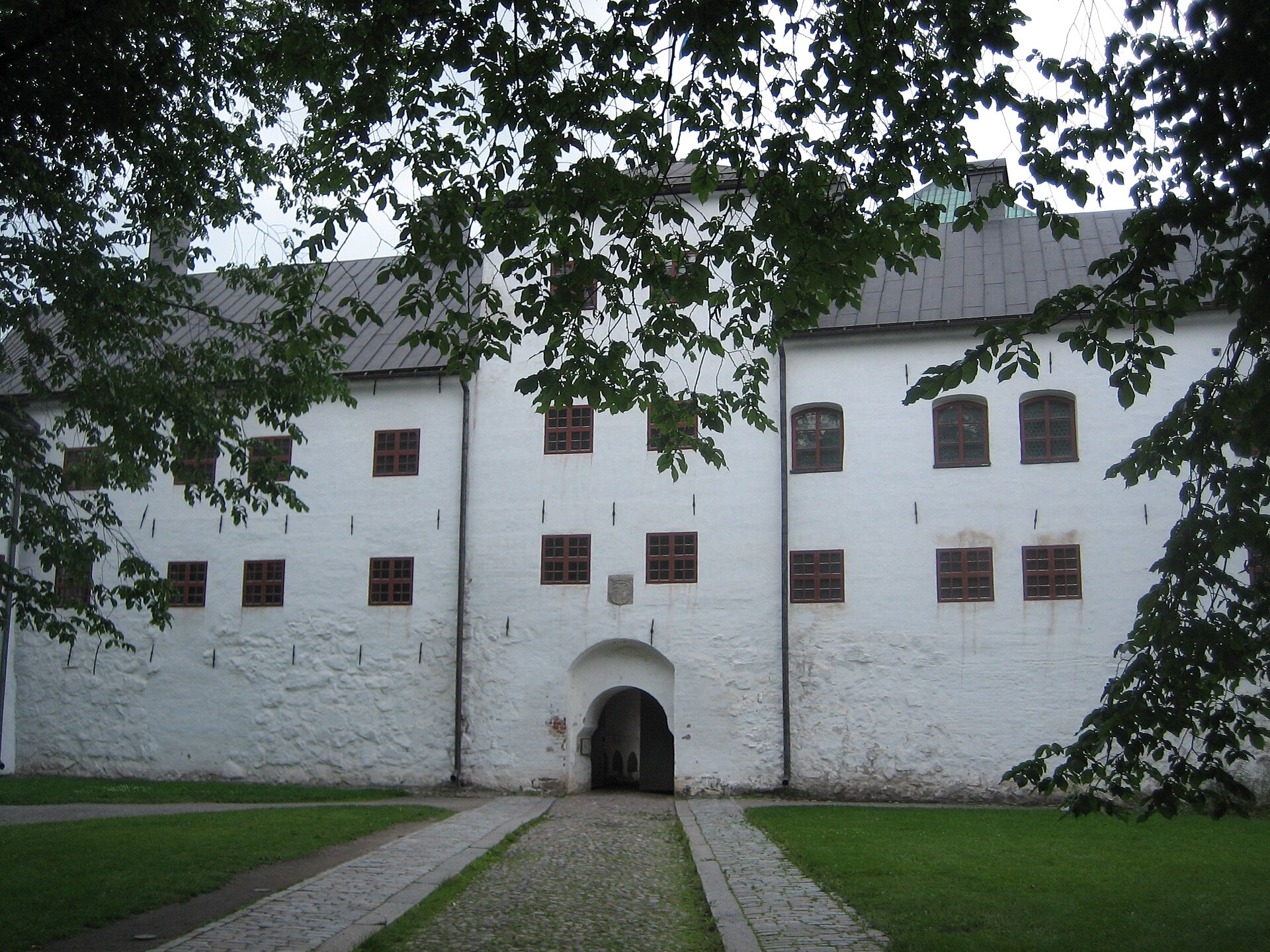
During its long service as a prison, the castle held many inmates within the very walls that had once sheltered dukes and kings, a grim later chapter that nonetheless kept the old fortress in use and thus, in a sense, preserved from total abandonment through the centuries of its decline.
The Great Grey Fortress From Above
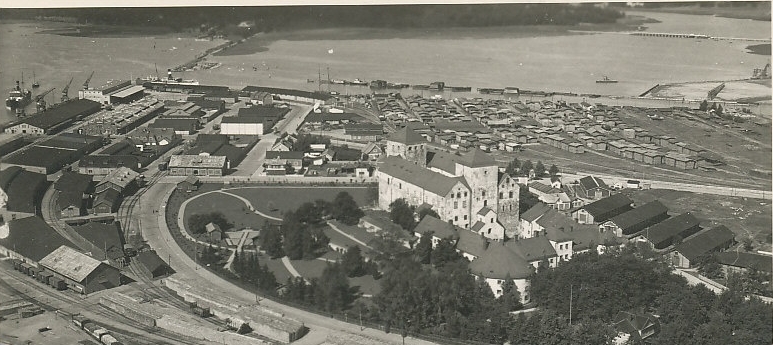
Seen from above, Turku Castle reveals its true vastness, one of the largest surviving medieval buildings in all of the Nordic countries. The great grey mass of the fortress, the medieval keep and the extensive bailey together, sprawls at the mouth of the Aura, its scale a testament to the importance of Finland to the Swedish crown and to the centuries of building that went into it.
The aerial view shows clearly the two-part structure of the castle, the compact, powerful keep and the larger bailey extending from it, the whole surrounded by the defensive works that protected it over the centuries. It is a fortress that grew organically over many generations, expanding to meet the needs of each age, and its irregular, massive form reflects that long evolution.
The setting, at the harbour where the river meets the sea, is also clear from above, the castle guarding the gateway to Finland exactly as it was built to do. Around it now spreads the modern city of Turku, but the great fortress still dominates its stretch of the waterfront, the ancient stone stronghold at the heart of the country’s oldest city.
To appreciate the full scale and significance of the castle, it helps to see it whole, and this tour explores Turku Castle inside and out, from the medieval keep to the Renaissance halls. It conveys the sheer size and the atmosphere of Finland’s greatest fortress far better than any single view, a fitting introduction to the cradle of Finnish history in stone.
The comparison with the great brick castles of the southern Baltic, like Malbork, is instructive, for where those lands built in brick, the granite bedrock of Finland gave its castles their distinctive grey stone, a material that lends Turku its austere, elemental strength.
Finland’s Treasure Restored
Today Turku Castle stands restored and cherished, one of the most important and most visited historical sites in Finland. The careful rebuilding after the destruction of the Second World War recovered the great fortress, and it now welcomes visitors from around the world to explore its medieval keep, its Renaissance halls, its chapel and its rich museum collections.
The castle is a source of great national pride, for it is the most significant physical monument of medieval Finland, the fortress from which the country was governed and defended for centuries as part of the Swedish realm. In its walls the whole early history of Finland is written, from the Swedish conquest to the Renaissance court of Duke John, and its preservation is the preservation of the national memory.
Set at the heart of Turku, the oldest city in Finland and a European Capital of Culture, the castle is a centrepiece of the city’s rich historical heritage, complementing the great cathedral and the other monuments of the ancient capital. Together they make Turku one of the essential destinations for anyone seeking to understand the history and culture of Finland.
By day or under the long light of the northern seasons, the great grey fortress at the mouth of the Aura remains a powerful and moving sight, the enduring symbol of Finland’s medieval past. It has been a stronghold of conquest, a ducal court, a prison and a ruin, and it is now a treasured monument and museum, the greatest castle in Finland and one of the finest in all of the north.
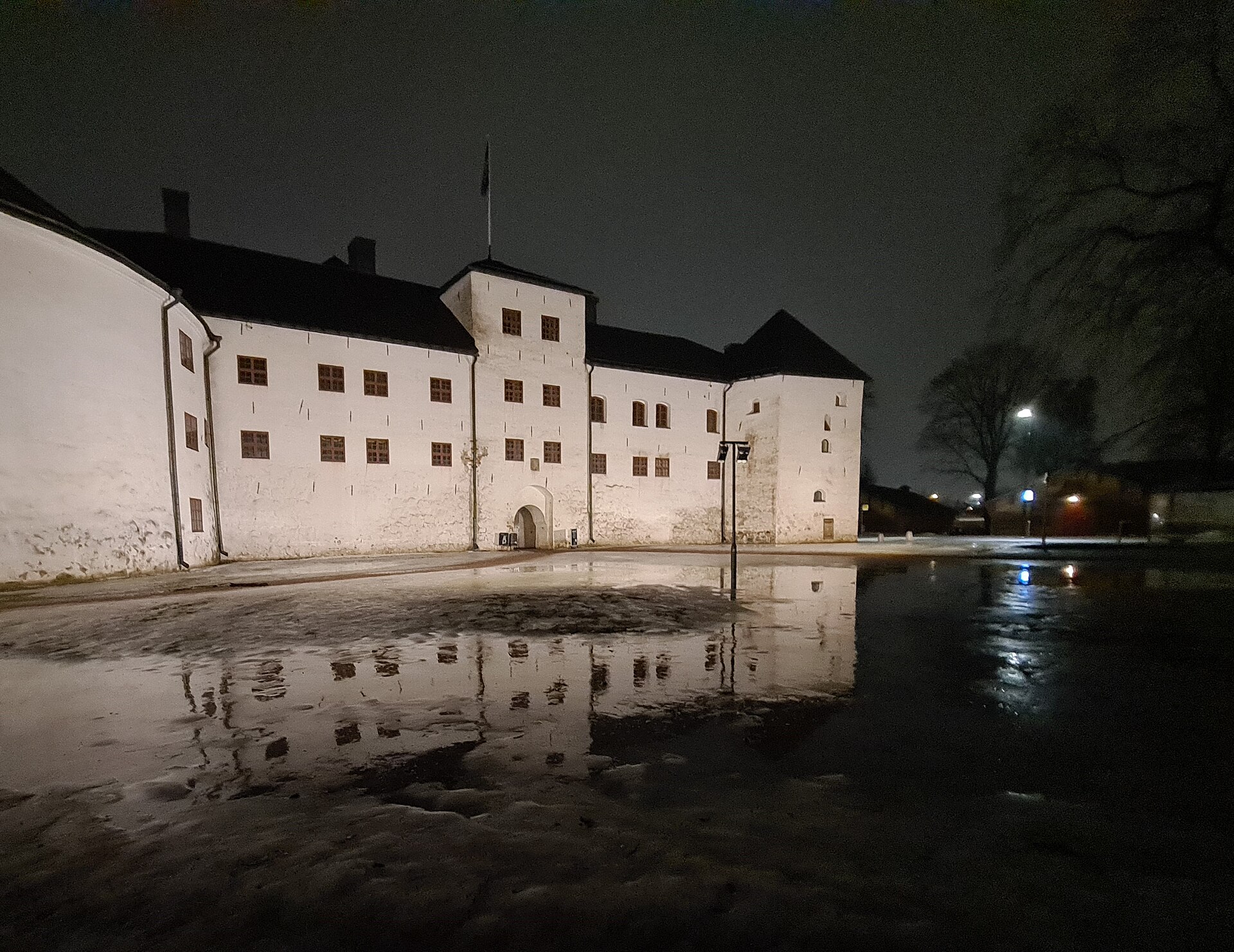
The restoration of the castle after the war was carried out with great care over many years, and it is regarded as a model of its kind, recovering the historic fortress while adapting it sensitively to its new role as a museum, so that the building both preserves the past and serves the present.
Castles Nearby
- Gripsholm Castle: The Vasa Fortress That Holds Sweden’s Face
- Kalmar Castle: The Renaissance Key to Sweden
Why Finland’s Oldest Fortress Still Stands Guard
Turku Castle is where the history of Finland begins in stone. For seven centuries this great grey fortress at the mouth of the Aura has guarded the gateway to the country, the seat of Swedish power, the centre of medieval Finnish life, and, for a brilliant moment, a Renaissance court on the edge of the world. No other building holds so much of the Finnish past.
And it holds it magnificently, from the austere strength of the medieval keep to the elegance of the Renaissance halls, from the chapel to the great gate, all now given new life as one of the finest historical museums in the country. Turku Castle is at once a monument and a living record, the whole story of Finland gathered within its massive walls.
So make your way to Turku, the oldest city in Finland, and stand before the great castle at the harbour. Walk its keep and its bailey, its halls and its chapel, and let the long history of the fortress unfold around you. Turku Castle is the cradle of Finnish history and the greatest fortress in the country, and it remains, after all its sieges and fires, one of the true treasures of the north.
You May Like
Mafra, the Palace a King Built From a Vow


2 thoughts on “Turku Castle: The Great Grey Fortress at the Heart of Finland”