High among the crags of the Alborz mountains of northern Iran, upon a narrow spine of rock that rises sheer from the valley floor, there cling the ruins of one of the most legendary fortresses in all of history. This is Alamut, the Eagle’s Nest, the great stronghold of the Nizari Ismailis, the mysterious sect that the medieval world came to know and to dread by another name, the Order of the Assassins. For nearly two centuries this remote and all but impregnable castle was the heart of a secret state that struck terror into the powerful across the whole of the Near East.
In this article you are invited to explore the extraordinary history and the dramatic setting of this most famous of Persian castles, from its founding in the age of the eagles, through its seizure by the enigmatic Hasan-i Sabbah and its rise as the center of the Assassins, to its famous library, its legendary secret garden, and its final destruction at the hands of the Mongols. Alamut is a fortress wrapped in legend and mystery, and few places on earth have so powerful a hold upon the imagination.
In This Article
- A Fortress among the Crags
- The Meaning of the Name
- The Foundation and the Eagle
- Hasan-i Sabbah and the Capture of Alamut
- The Nizari Ismaili State
- The Order of the Assassins
- The Legend of the Secret Garden
- The Great Library of Alamut
- Water, Cisterns, and Stores
- Defying the Seljuks
- The Coming of the Mongols
- The Burning of the Library
- Alamut Today
- Castles Nearby
- The Eagle’s Nest of the Assassins
A Fortress among the Crags
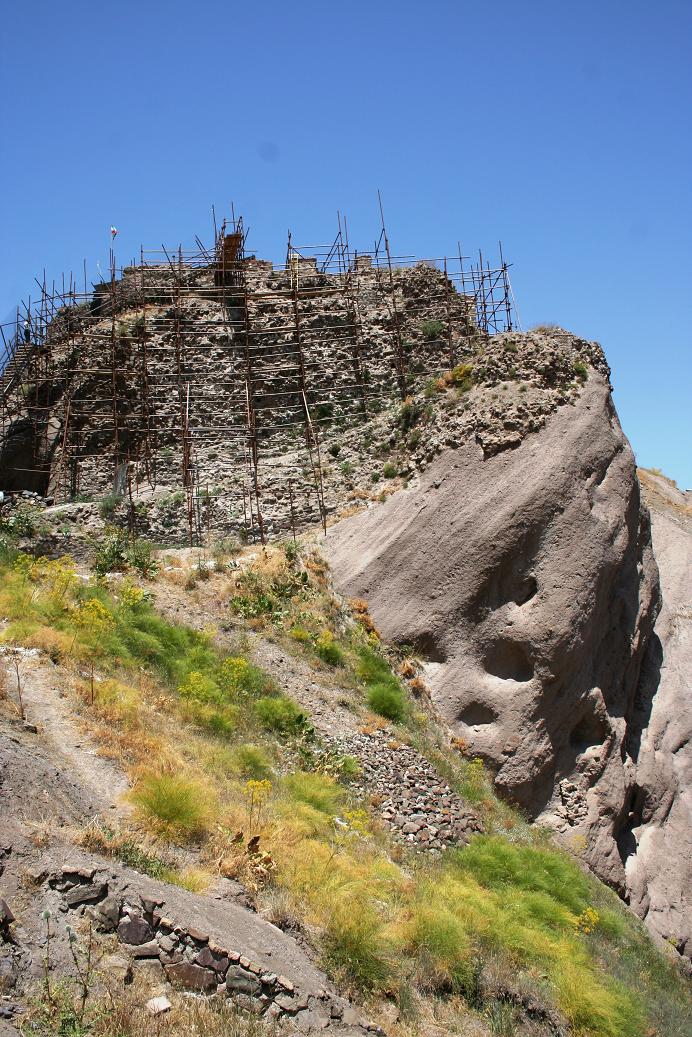
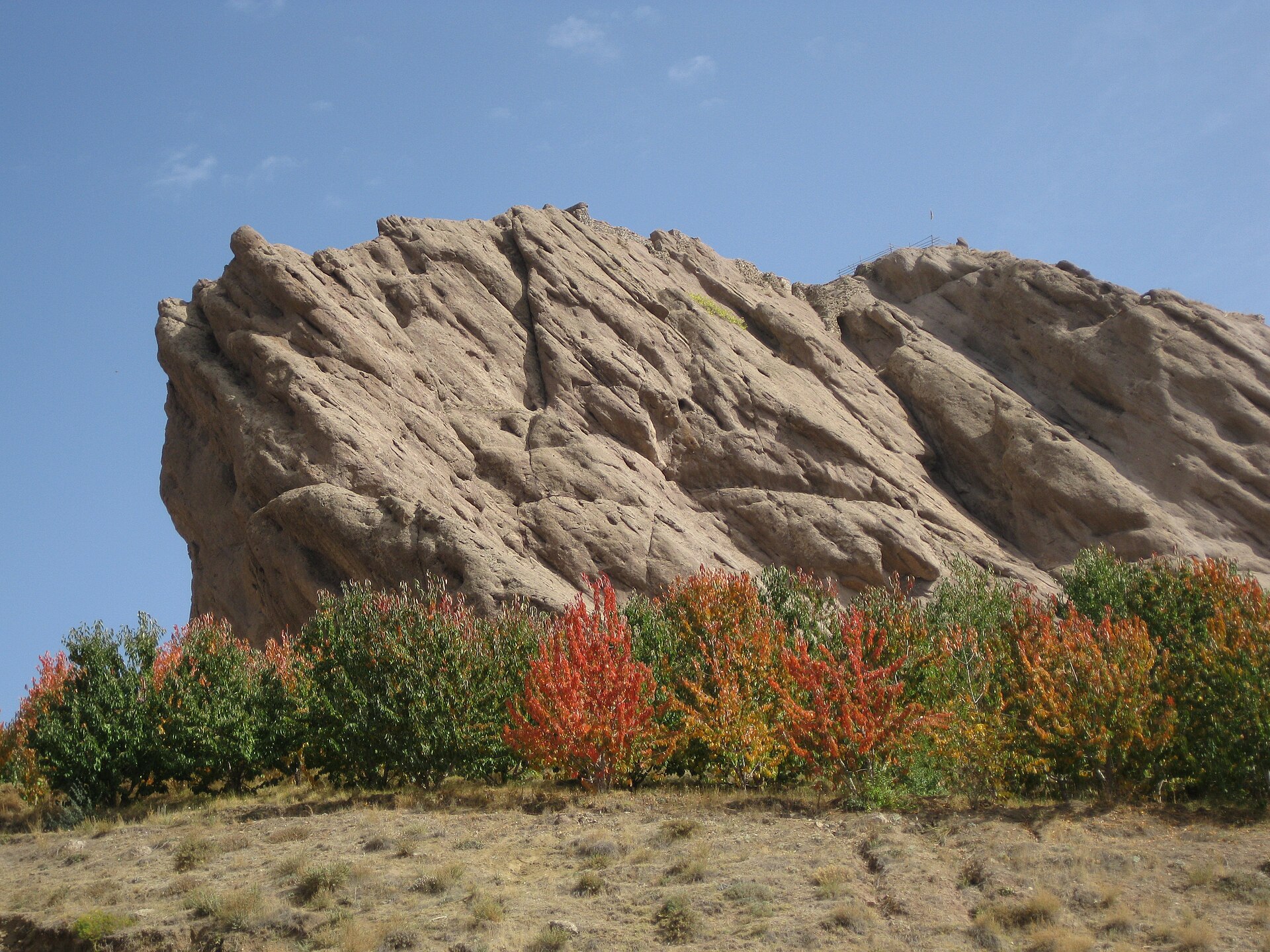
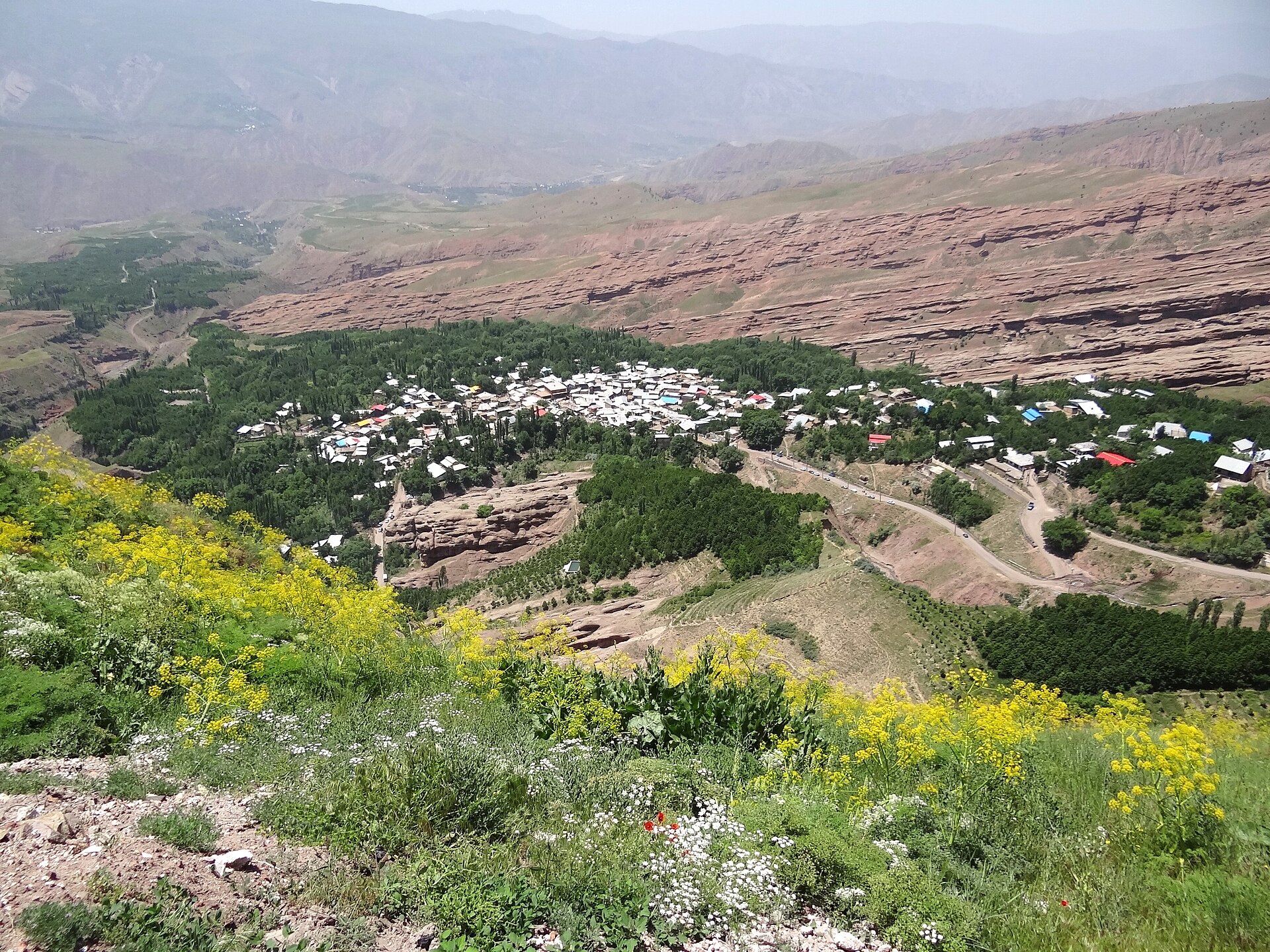
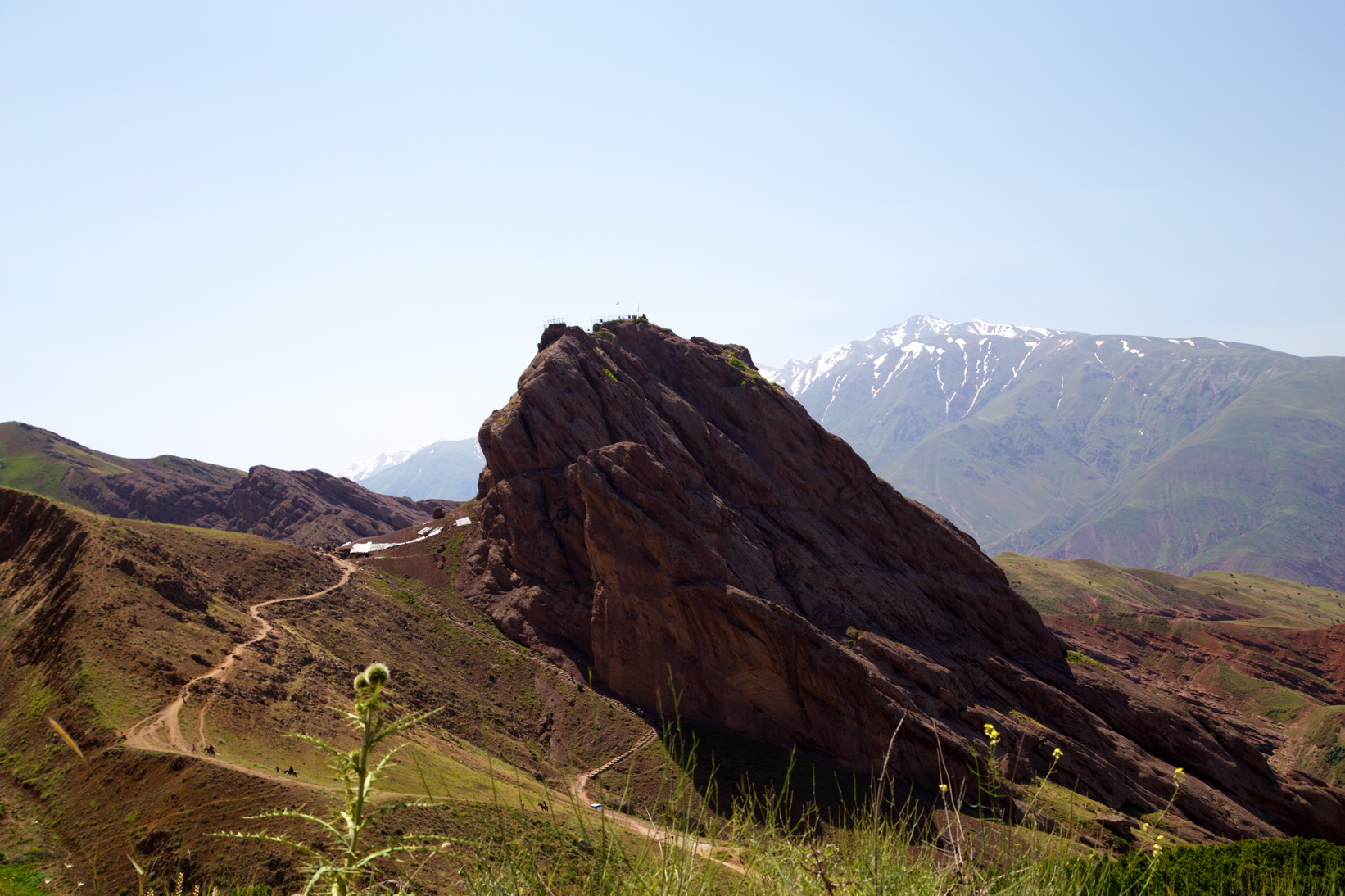
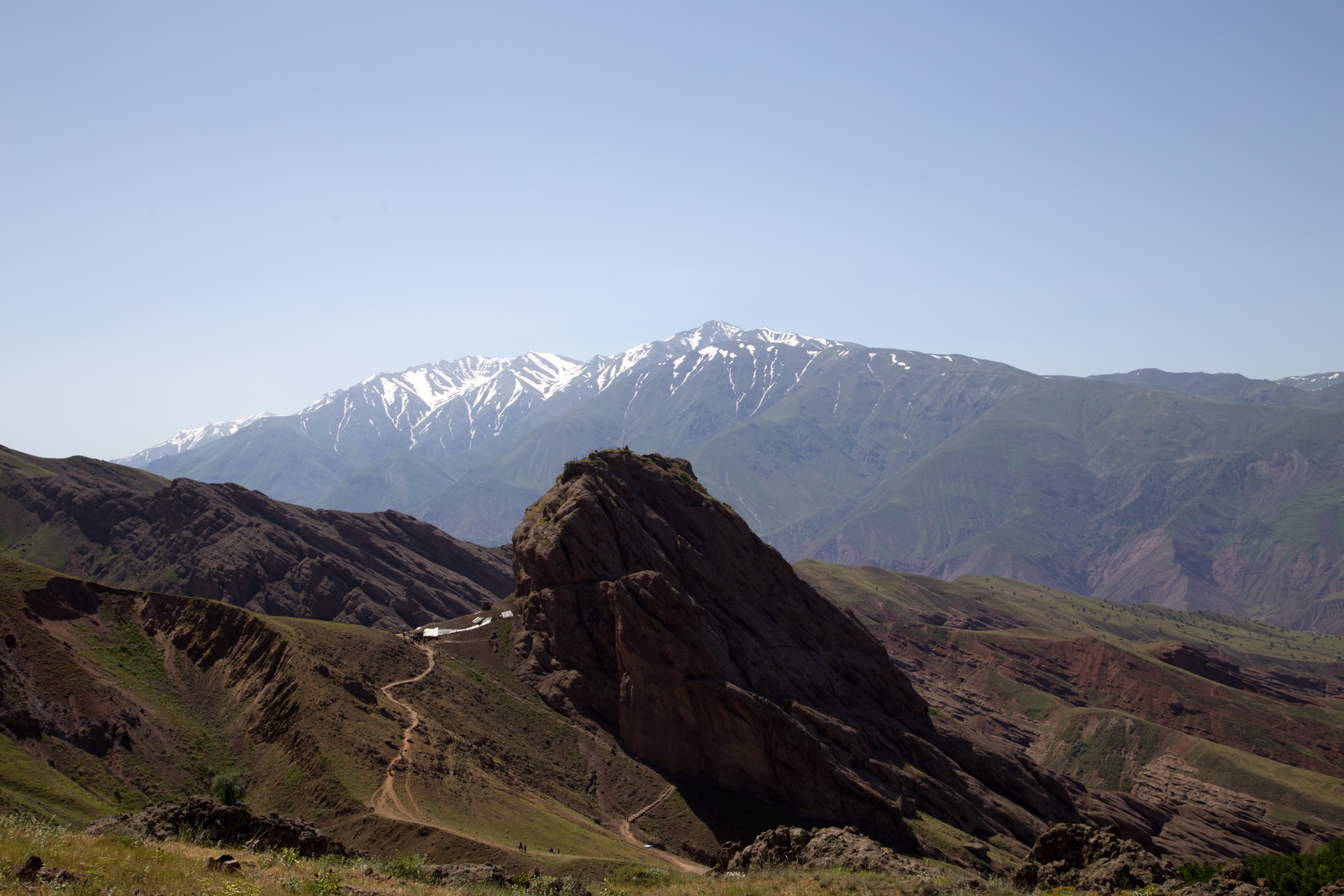
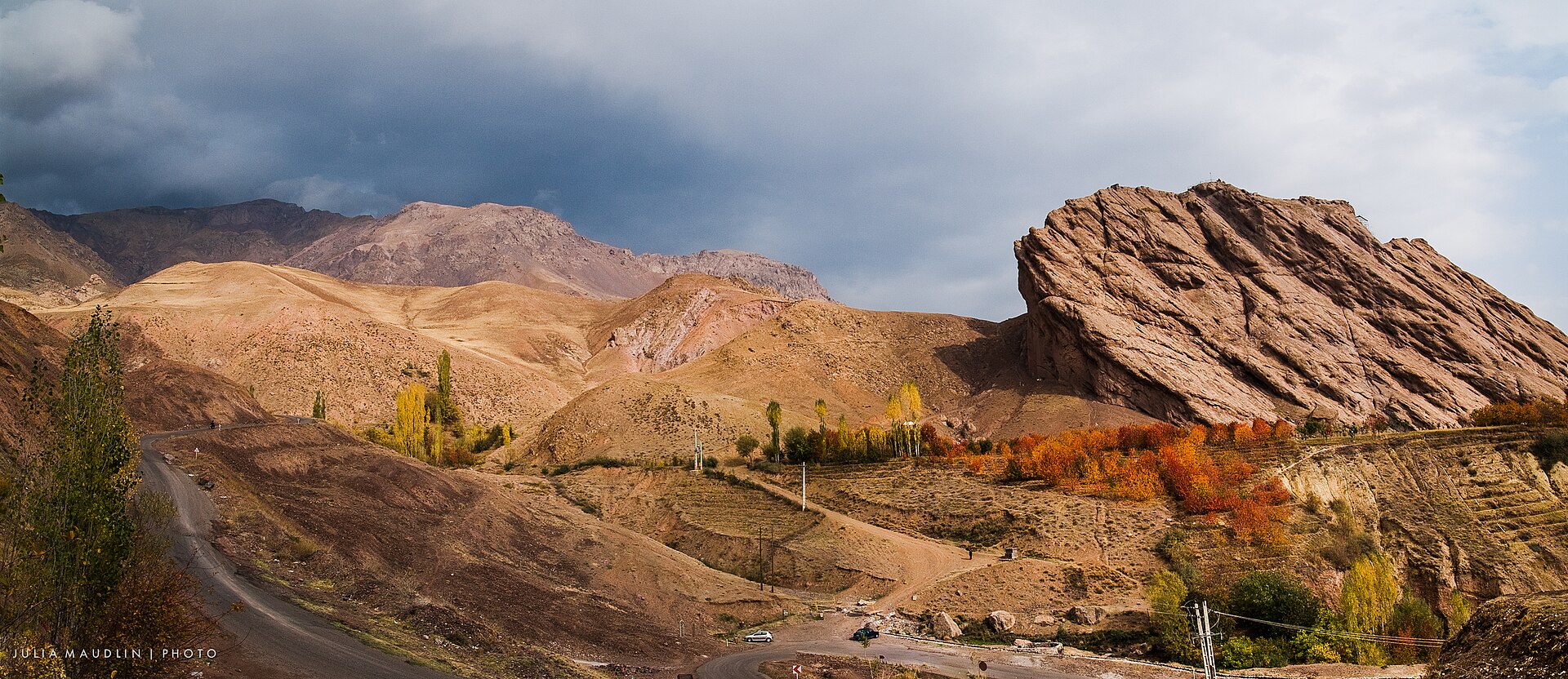
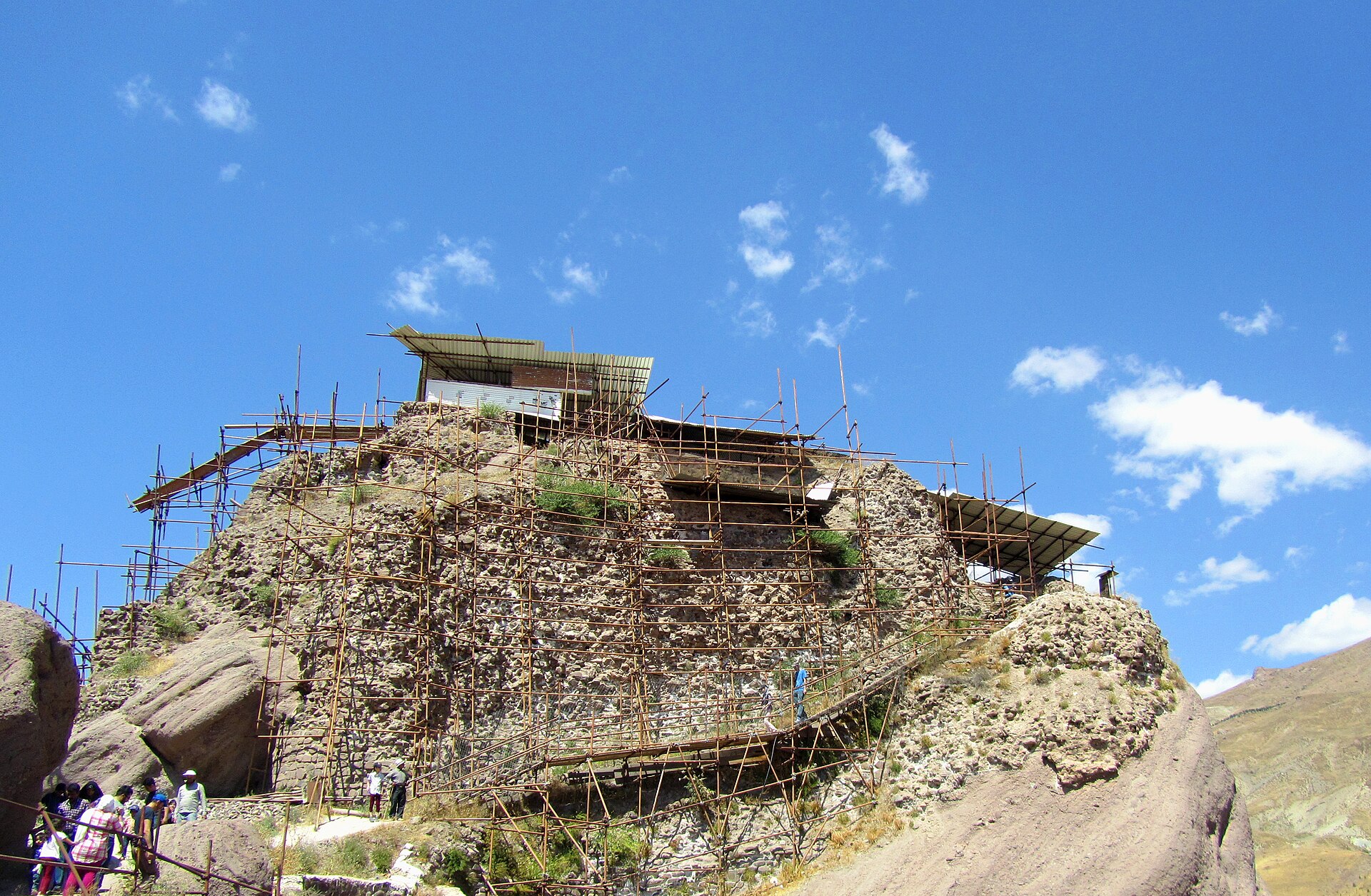
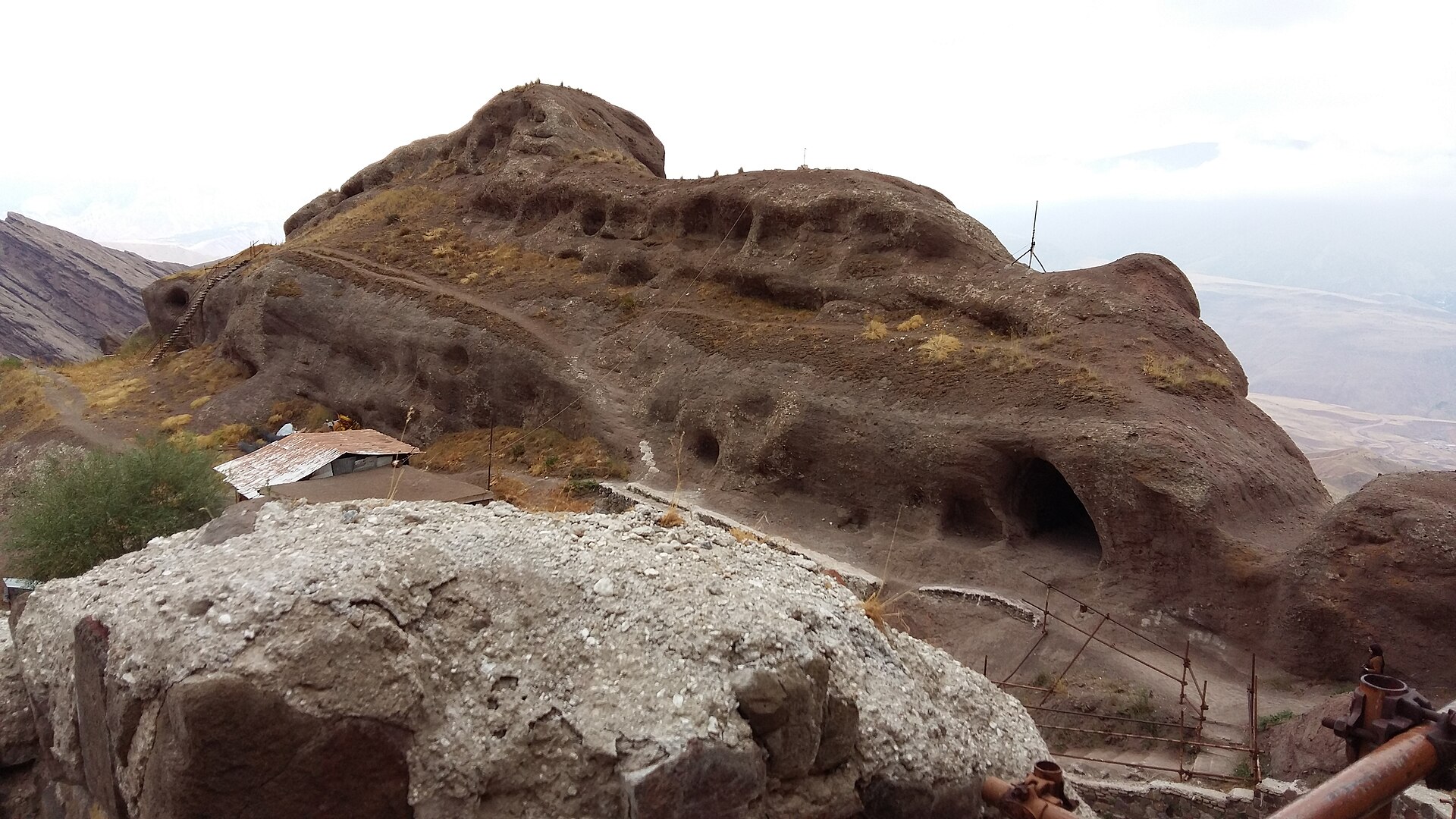
The setting of Alamut is among the most dramatic of any fortress in the world, for the castle clings to the summit of a narrow spine of rock that rises steeply, some hundred and eighty meters, from the floor of a deep valley high in the Alborz mountains of northern Iran. All around tower the peaks of the range, and far below winds the valley that has come to be known, from the sect that once ruled it, as the Valley of the Assassins. It is a landscape of wild and forbidding grandeur.
The natural strength of the site was extraordinary, for the narrow rock could be approached only by a single difficult path, and its steep sides made it all but impossible to assault. A small garrison could hold the fortress against a great army, and the surrounding mountains provided a further barrier against any attacker. It was this natural impregnability, more than any work of human hands, that made Alamut so formidable, and that allowed it to serve as the secure heart of a secret state for nearly two hundred years.
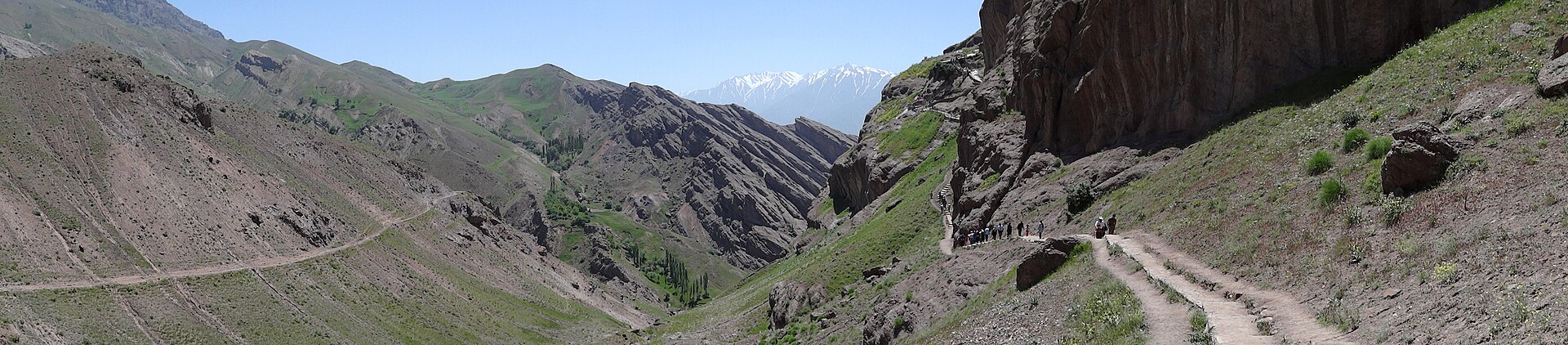
The Valley of the Assassins, as the region came to be known, is one of the most beautiful and remote parts of Iran, a place of deep gorges, rushing streams, and towering peaks, little visited even today. In such a landscape the fortresses of the Nizaris were almost invisible to the outside world, hidden among the folds of the mountains and reachable only by those who knew the secret paths. The wild isolation of the region was one of the great strengths of the Nizari state, a natural fastness that sheltered the movement from its enemies.
The single narrow path that led up to the fortress could be easily defended and, if necessary, blocked, so that even a large force found it all but impossible to bring its numbers to bear against the defenders. This is the classic advantage of the mountain stronghold, where the terrain itself does much of the work of defence, and Alamut exploited it to the full. The rock, the path, and the surrounding peaks together made the fortress one of the most naturally defensible positions in the entire Islamic world.
The Meaning of the Name
The name Alamut, which has become synonymous with mystery and menace, is usually understood to mean the Eagle’s Nest, a fitting title for a fortress perched so high upon its lofty crag. Some scholars have suggested other meanings, deriving the name from Persian words that might signify the Eagle’s Teaching or even the Nest of Punishment, and there is a certain aptness in all of these interpretations for so remote and so formidable a stronghold.
Whatever its precise origin, the name captures perfectly the character of the place, a fortress set as high as an eagle’s eyrie among the peaks of the Alborz, commanding the valley below and all but unreachable from it. The image of the eagle, soaring above the mountains and nesting upon the highest crags, has always been associated with Alamut, and it lends the fortress an air of wild and solitary majesty that is entirely in keeping with its dramatic setting and its legendary history.
The romance of the name Alamut has ensured that it lives on in the popular imagination long after the fortress itself fell into ruin, and it has inspired novels, films, and games that draw upon the legend of the Assassins. The Eagle’s Nest has become a byword for a hidden mountain stronghold, a place of secrets and of danger, and the very sound of the word carries an air of mystery. Few fortresses have so evocative a name, and fewer still have so thoroughly captured the imagination of later ages.
The Foundation and the Eagle
The first fortress upon the rock of Alamut is said to have been built around the year 840 by a ruler of the local Justanid dynasty, and a charming legend attaches to its founding. The story goes that the ruler was out hunting when he saw an eagle alight upon the summit of the crag, and, recognizing at once the tremendous strategic value of a position that even an eagle chose for its perch, he resolved to build a fortress upon the spot. From this tale, it is said, the fortress took its name.
Whether or not the legend is literally true, it captures the essential truth about Alamut, that its greatness lay above all in its position, a natural stronghold of extraordinary strength high among the mountains. For two and a half centuries the fortress remained in the hands of the local rulers who had built it, a strong point in the tangled politics of the Alborz region. But its true fame lay still in the future, and it would come with the arrival of one of the most remarkable figures in all of Islamic history.
The Justanid rulers who first fortified Alamut were one of the many local dynasties that flourished in the mountainous regions of northern Iran in the centuries after the coming of Islam, in the shelter of the peaks that had never been fully subdued by any of the great empires. Their choice of the rock of Alamut for a fortress showed a keen eye for a defensible position, and the stronghold they raised there served as a strong point in the region for two and a half centuries before its most famous chapter began.
Hasan-i Sabbah and the Capture of Alamut
In the summer of the year 1090, the fortress of Alamut passed into the hands of the man whose name would forever be linked with it, the Ismaili missionary and revolutionary Hasan-i Sabbah. Hasan took the fortress not by force of arms but by cunning and by the slow, patient winning of hearts. He is said to have entered the castle in the guise of a humble schoolteacher, and to have quietly converted the garrison and the people of the surrounding villages to his cause, until the fortress was his without a blow being struck.
When the commander of the castle at last realized what had happened, he found that his own guards were now loyal to Hasan, and he had no choice but to depart. According to the famous story, Hasan gave him a payment of three thousand gold dinars in compensation for the fortress, and the commander left peacefully. Thus, by guile rather than by violence, Hasan-i Sabbah gained the stronghold that would become the heart of his movement, and one of the most storied fortresses in the history of the world.
Hasan-i Sabbah was one of the most extraordinary figures of the medieval world, a man of formidable intellect, iron will, and deep religious conviction, who created from almost nothing a state that would endure for generations and strike fear into the hearts of the most powerful rulers of his age. Having taken Alamut, he is said never to have left the fortress again for the rest of his long life, devoting himself to study, to the direction of his movement, and to the austere religious discipline that he imposed upon himself and his followers.
The austerity of Hasan-i Sabbah was legendary, and it is said that he ruled his movement with an iron discipline, even ordering the execution of his own sons for offenses against the strict code he imposed. Whatever the truth of such tales, there is no doubt that he was a leader of exceptional force of character, who forged from a scattered and persecuted community a state capable of defying the greatest empires of the age. His seizure of Alamut in 1090 marks the true beginning of the fortress’s fame, and his shadow lies over its whole subsequent history.
The Nizari Ismaili State
From his new base at Alamut, Hasan-i Sabbah set about creating a remarkable state, a scattered but connected network of mountain fortresses that would form the territory of the Nizari Ismailis, a branch of the Shia Islamic faith. This was no ordinary kingdom with continuous borders, but a constellation of strongholds set amid the mountains of Persia and Syria, each all but impregnable, and bound together by a common faith and a common allegiance to the leadership at Alamut.
Hasan immediately set about strengthening Alamut, improving its walls, and constructing storehouses lined with stone to preserve provisions against a siege. He also developed the agriculture of the surrounding valley, terracing the land and irrigating it to grow grain and rice, so that the fortress could be self-sufficient. Under his leadership Alamut became the secure and self-contained center of the Nizari state, a place of refuge, or dar al-hijra, from which the movement could resist the great powers that surrounded and threatened it.
The concept of the dar al-hijra, the place of refuge, was central to the strategy of the Nizari state, which was essentially defensive in nature, seeking to protect a threatened religious community rather than to conquer territory in the ordinary sense. The scattered fortresses of the Nizaris, each a secure refuge in the mountains, formed a network that could not easily be destroyed, for the fall of one stronghold did not bring down the others. Alamut, as the greatest and most secure of these refuges, was the symbolic and administrative heart of the whole system.
The Nizari state was remarkable not only for its survival but for its sophistication, maintaining diplomatic relations, trade, and even a degree of accommodation with some of its neighbors when circumstances allowed. Under leaders such as Kiya Buzurg-Ummid, who succeeded Hasan-i Sabbah, the movement expanded its network of fortresses and consolidated its hold on the mountains. Alamut remained throughout the center of this far-flung and improbable state, the rock upon which the whole edifice rested.
The Order of the Assassins
It is as the Order of the Assassins that the Nizari Ismailis of Alamut are best known to history, a name that has passed into the languages of the world as a synonym for murder. The Nizaris, surrounded by powerful enemies who vastly outnumbered them, developed a distinctive and dreaded weapon, the targeted killing of key opponents by devoted followers known as fidais, who were prepared to sacrifice their own lives to strike down the enemies of their faith.
The first and most famous of these killings, ordered by Hasan-i Sabbah himself, was the assassination of the powerful Seljuk vizier Nizam al-Mulk, one of the greatest statesmen of the age. Through such carefully chosen killings, the Nizaris were able to deter and to weaken enemies far more powerful than themselves, for no ruler could feel entirely safe from the reach of the fidais. It was a strategy born of weakness, a way for a small and threatened community to defend itself against overwhelming force, and it made the name of the Assassins feared throughout the medieval world.
The word assassin itself, which has entered so many of the world’s languages, is generally thought to derive from a term applied to the Nizaris by their enemies, and its association with the sect reflects the terror that their methods inspired. Yet it is important to understand that the Nizaris did not engage in indiscriminate violence; their killings were carefully targeted at specific political and military enemies whose removal would reduce the threat to their community. It was a calculated instrument of policy, employed by a small group with no other means of defending itself against overwhelming force.
The fidais who carried out these missions were prepared to sacrifice their own lives without hesitation, and this willingness to die made them a weapon against which the ordinary defences of the powerful were of little use. No number of guards could protect a ruler from a devotee who did not fear death, and the mere knowledge that the Assassins had marked a man for death was often enough to change his behavior. It was a form of power quite out of proportion to the small numbers and modest resources of the Nizari state.

The Legend of the Secret Garden
No account of Alamut would be complete without the famous legend of the secret garden, the tale that did more than any other to shape the reputation of the Assassins in the imagination of the West. According to the story, most famously told by the Venetian traveler Marco Polo, the leader of the Assassins, whom the Crusaders called the Old Man of the Mountain, maintained a hidden garden of earthly paradise, filled with every delight, into which the young fidais were secretly brought while drugged with hashish.
Awaking amid the pleasures of the garden, the young men were said to believe that they had been granted a foretaste of paradise, and they would do anything, even sacrifice their lives on a mission of assassination, to be allowed to return to it. So runs the legend, but it is almost certainly a fabrication, a lurid tale spun by hostile chroniclers and travelers who knew little of the true nature of the Nizaris. There is no reliable evidence for the secret garden, and the story tells us more about the fears and fantasies of the medieval world than about the reality of Alamut.
The tale of the Old Man of the Mountain and his paradise garden captured the medieval imagination so completely that it has proved almost impossible to dislodge, and it continues to color the popular understanding of the Assassins to this day. Yet modern scholarship has thoroughly discredited the story, recognizing it as a piece of hostile propaganda and travelers’ fantasy with no basis in fact. The real Nizaris were a disciplined religious community, and the lurid legend of drugged devotees and secret gardens tells us far more about the fears of their enemies than about the truth of life at Alamut.
It is one of the ironies of history that the Nizaris, who fostered a genuine culture of learning and philosophy at Alamut, should be remembered chiefly for a lurid legend that has almost nothing to do with the reality of their lives. The gap between the true Alamut, a center of scholarship and disciplined faith, and the imagined Alamut of the secret garden, is a striking example of how the victors and the enemies of a movement can shape its memory long after it has passed away. The real story, as so often, is both less sensational and more interesting than the legend.
The Great Library of Alamut
Far from being merely a nest of murderers, as its enemies portrayed it, Alamut was a genuine center of learning and scholarship, and it housed a celebrated library that was famous throughout the Islamic world. This great collection attracted scholars and scientists of many different faiths and backgrounds from far and wide, and it contained rare manuscripts in Arabic and Persian, together with valuable astronomical instruments and works of science and philosophy.
The library of Alamut reflected the intellectual life of the Nizari state, which, contrary to its dark reputation, fostered learning and inquiry. Under the more scholarly of its leaders, the fortress became a place where astronomers, philosophers, and theologians could pursue their studies in peace, protected by the great strength of the mountain fastness. The existence of so rich a library at the heart of the Assassins’ domain is a powerful corrective to the sinister image that has come down to us, and a reminder of the sophistication of the culture that flourished at Alamut.
The intellectual culture of Alamut reached its height under some of the later leaders of the Nizari state, who were patrons of learning and gathered scholars to their mountain court. The great Persian polymath Nasir al-Din al-Tusi, one of the foremost astronomers and mathematicians of the entire medieval world, spent years at the Nizari fortresses and made use of their libraries and instruments. That so eminent a scholar should have worked at Alamut is powerful testimony to the genuine intellectual life that flourished there, behind the sinister reputation of the Assassins.
The tragedy of the library’s destruction is compounded by the fact that so much of what the Nizaris themselves wrote and preserved was lost with it, leaving us dependent for our knowledge of them largely upon the accounts of their enemies. This is one of the reasons that the true history of the Assassins has been so difficult to recover, and so overlaid with hostile legend. The recovery of that true history, through the patient work of modern scholars, is one of the quiet triumphs of historical research.
The astronomical instruments housed at Alamut point to the serious scientific work carried out there, for astronomy was one of the great sciences of the medieval Islamic world, essential both for religious purposes and for the intellectual prestige of any court that patronized it. That the Nizaris maintained such instruments and the scholars to use them is further evidence of the genuine culture of learning that flourished behind the walls of the fortress, so at odds with its fearsome reputation.
Water, Cisterns, and Stores
The ability of Alamut to withstand a long siege depended, as with all great fortresses, upon a secure supply of water and food, and here the engineers of the Nizari state showed remarkable ingenuity. Water was brought to the fortress through a system of ceramic pipes from the mountains, and it was stored in cisterns cut into the rock, ensuring that the garrison would never go thirsty even if the enemy held the surrounding country.
Great storehouses, lined with stone to preserve their contents, held provisions enough to feed the defenders for a long time, and when the fortress finally fell to the Mongols, their chronicler recorded his astonishment at finding the stored supplies still in perfect condition after all the years. This careful provision for a siege, combined with the natural strength of the site, made Alamut extraordinarily difficult to reduce by blockade, and it was one of the keys to the long survival of the Nizari state against the great powers that sought to destroy it.
The transport of water, and even, according to some accounts, of milk, through pipes from the surrounding mountains was a remarkable feat of engineering, and it reflects the ingenuity that the Nizaris brought to the problem of survival in their remote strongholds. Every aspect of life at Alamut was organized with an eye to withstanding a long siege, from the storage of grain to the management of water, and the fortress was designed to be a complete and self-sufficient world, able to hold out in isolation for years against any enemy.
Defying the Seljuks
For many generations the fortress of Alamut defied the might of the Seljuk empire, the greatest power of the age, which regarded the Nizaris as dangerous heretics and sought again and again to destroy them. The Seljuks launched assaults upon the Ismaili strongholds, but the natural strength of Alamut and its sister fortresses, combined with the deadly weapon of assassination, allowed the Nizaris to hold out against all the power that the empire could bring against them.
The survival of the Nizari state, a small and heretical community surrounded by hostile empires, is one of the remarkable stories of the medieval world, and it owed much to the impregnability of Alamut. From this secure base, the leaders of the movement directed the affairs of their scattered domain, sent out their missionaries and their fidais, and maintained their independence in the face of overwhelming odds. Alamut was the anchor of this improbable survival, the rock upon which the Nizari state was built and held for a century and a half.
The long duel between the Nizaris and the Seljuks was one of the defining conflicts of the age, a struggle between a mighty empire and a small but determined community that refused to be crushed. The assassination of Nizam al-Mulk, the great Seljuk vizier, was a devastating blow to the empire, and it demonstrated that even the most powerful of men was not beyond the reach of the fidais. Through such means, and through the impregnability of their fortresses, the Nizaris held the Seljuks at bay for generation after generation.
The endurance of the Nizari state, holding out from its mountain fortresses against empire after empire, is one of the most remarkable feats of survival in medieval history, and it made Alamut a symbol of defiance that resonated far beyond the borders of Persia. Even the Crusaders, encountering the Syrian branch of the Nizaris, came away with tales of the Assassins and their mysterious leader that would echo through European literature for centuries. At the heart of it all stood Alamut, the impregnable eagle’s nest that made such defiance possible.
The Coming of the Mongols
The end of the Nizari state, and of Alamut as a great fortress, came with the arrival of a power even more terrible than the Seljuks, the Mongols. In the middle of the thirteenth century the Mongol khan Hulagu, the grandson of Genghis Khan, launched a great campaign to destroy the Ismailis once and for all, and one by one the mountain fortresses of the Nizaris fell to his overwhelming armies and his formidable siege engines.
In the year 1256 Hulagu turned his attention to Alamut itself. The last leader of the Nizaris, Rukn al-Din Khurshah, who had already been forced to surrender at another fortress, was compelled to order the garrison of Alamut to give up the great stronghold. Though Alamut was so strong that it might have held out for a long time against even the Mongols, its commander, in obedience to the order of his imam, descended from the fortress and surrendered without a fight, bringing to an end the long defiance of the Assassins’ greatest castle.
The Mongols were a different kind of enemy from any the Nizaris had faced before, for they came in overwhelming numbers, equipped with the most advanced siege engines of the age, including great crossbows of Chinese design, and they were utterly ruthless in their determination to destroy the Ismaili state completely. Against such a foe, even the deadly weapon of assassination and the strength of the mountain fortresses were not enough, and one by one the Nizari strongholds fell before the Mongol advance.
The surrender of Alamut without a fight, on the order of the last Nizari imam, was a bitter end to the long defiance of the fortress, and some later Nizaris regretted that so strong a place had been given up so easily. Yet the imam, faced with the overwhelming power of the Mongols and hoping perhaps to save the lives of his followers, chose submission over a hopeless resistance. In the event, the surrender did not save the Nizari leadership, and the Mongols set about the destruction of the state with their customary thoroughness.
The Burning of the Library
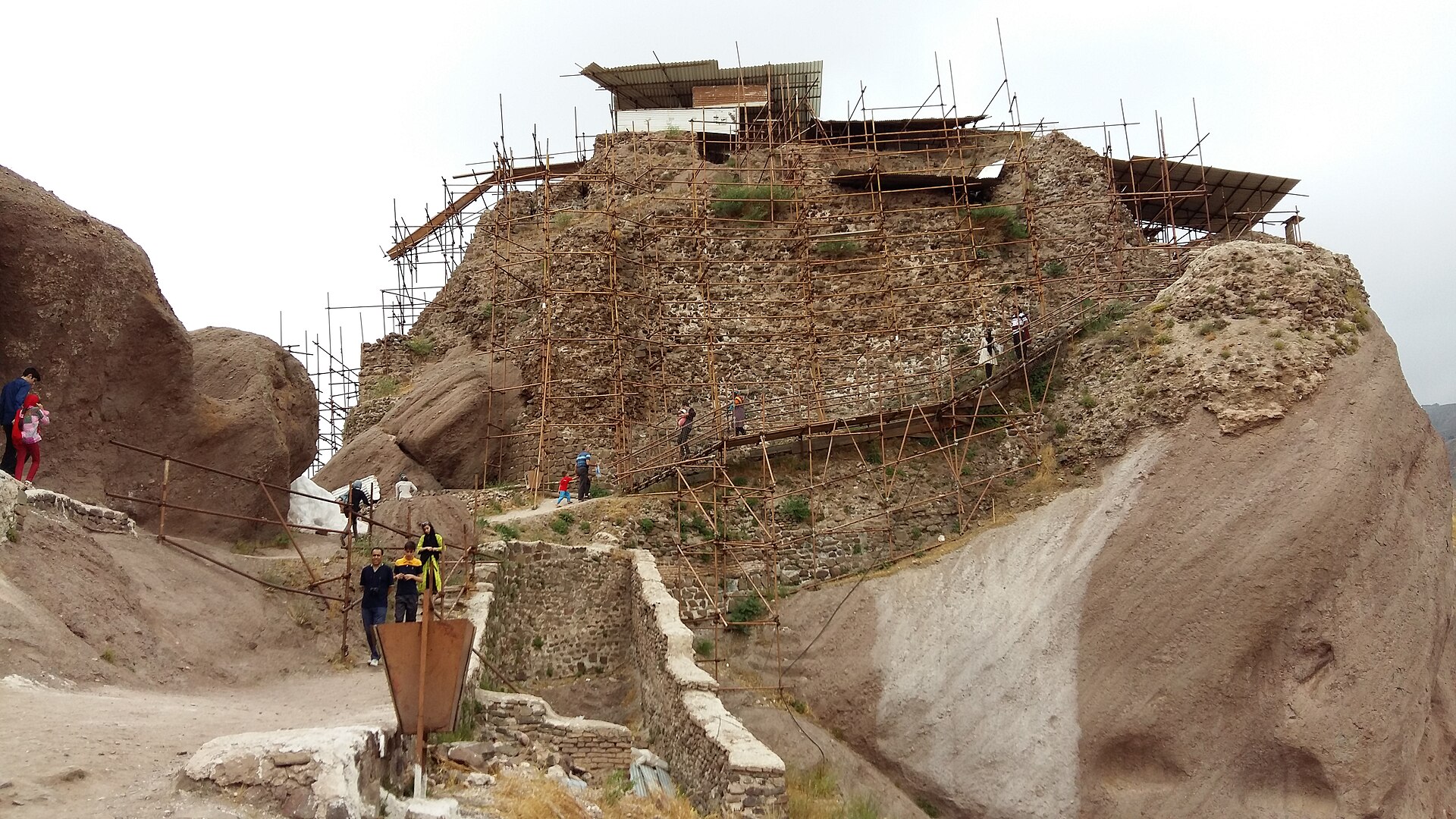
After the surrender of Alamut, the Mongols set about the destruction of the fortress that had defied so many enemies for so long, dismantling its defences and reducing it to the ruin in which it stands today. But the greatest loss was not the fortress itself but its famous library, one of the treasures of the medieval world, which was consigned to the flames in the general destruction.
The Mongol court historian Juvayni, who accompanied the campaign, was permitted to survey the library before its destruction and to save a few works that he deemed worthy, some copies of the Quran, some astronomical treatises, and a few other texts. But his hostility to the Ismailis, whom he regarded as heretics, determined what he considered worth saving, and the great majority of the collection, including untold irreplaceable manuscripts, was burned. The loss of the library of Alamut was one of the great intellectual catastrophes of the age, a destruction of knowledge that can never be undone.
The burning of the library of Alamut stands as a symbol of the wider catastrophe that the Mongol conquest inflicted upon the intellectual and cultural life of the Islamic world, from the destruction of Baghdad to the ruin of countless smaller centers of learning. The knowledge that was lost in these years can never be recovered, and the world is the poorer for it. That so much of what we know about Alamut comes from Juvayni, the very man who oversaw the destruction of its library, adds a peculiar poignancy to the story.
The recapture of Alamut by Nizari forces some years after its fall, though brief, shows that the movement was not so easily extinguished as the Mongols had hoped, and indeed the Nizari Ismailis survive to this day as a living religious community, led by the Aga Khan. But the great age of Alamut was over, and the fortress that had been the heart of a state for a century and a half sank slowly into the ruin in which it remains, a monument to one of the most extraordinary episodes in all of history.
Alamut Today
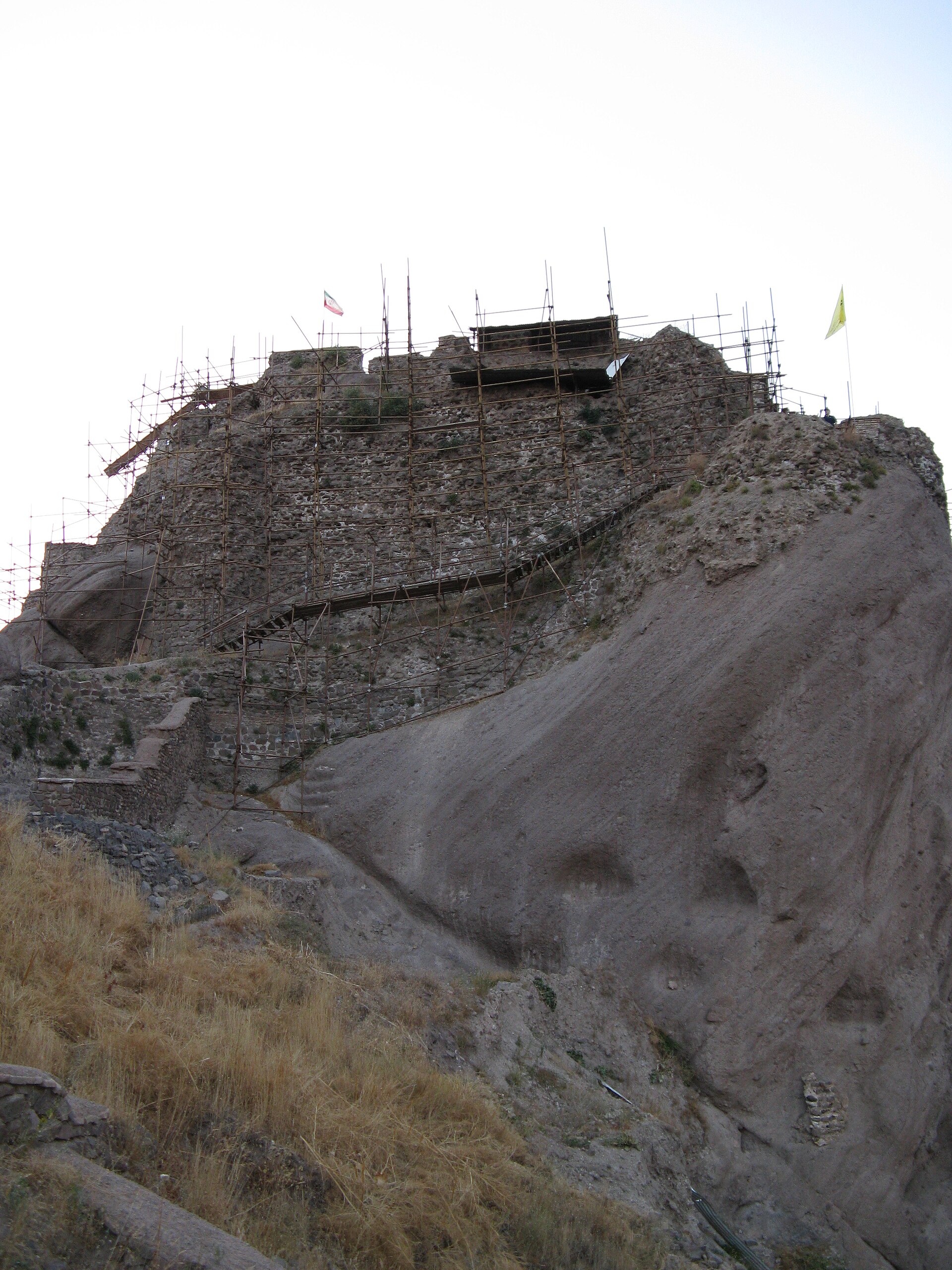
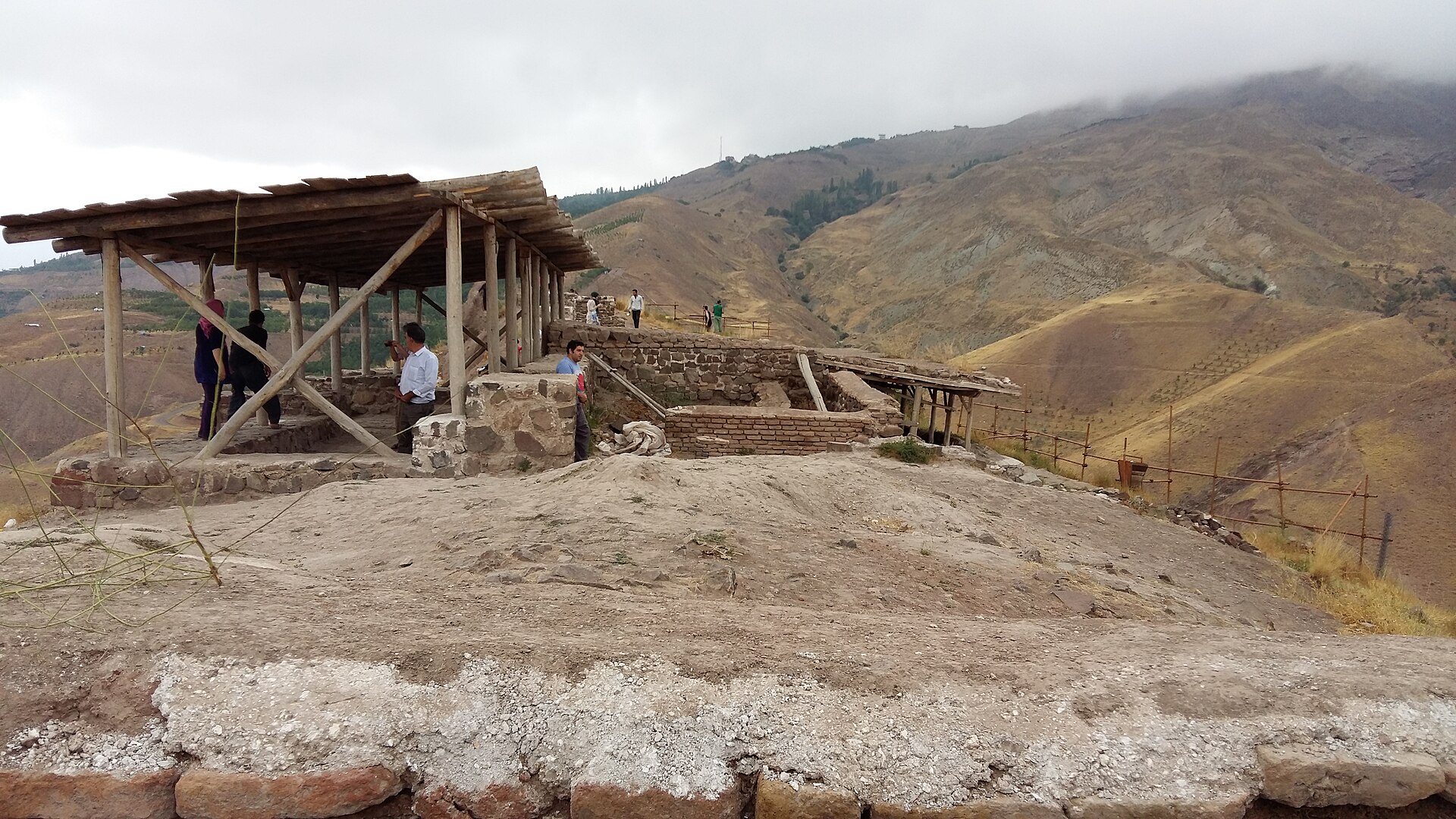
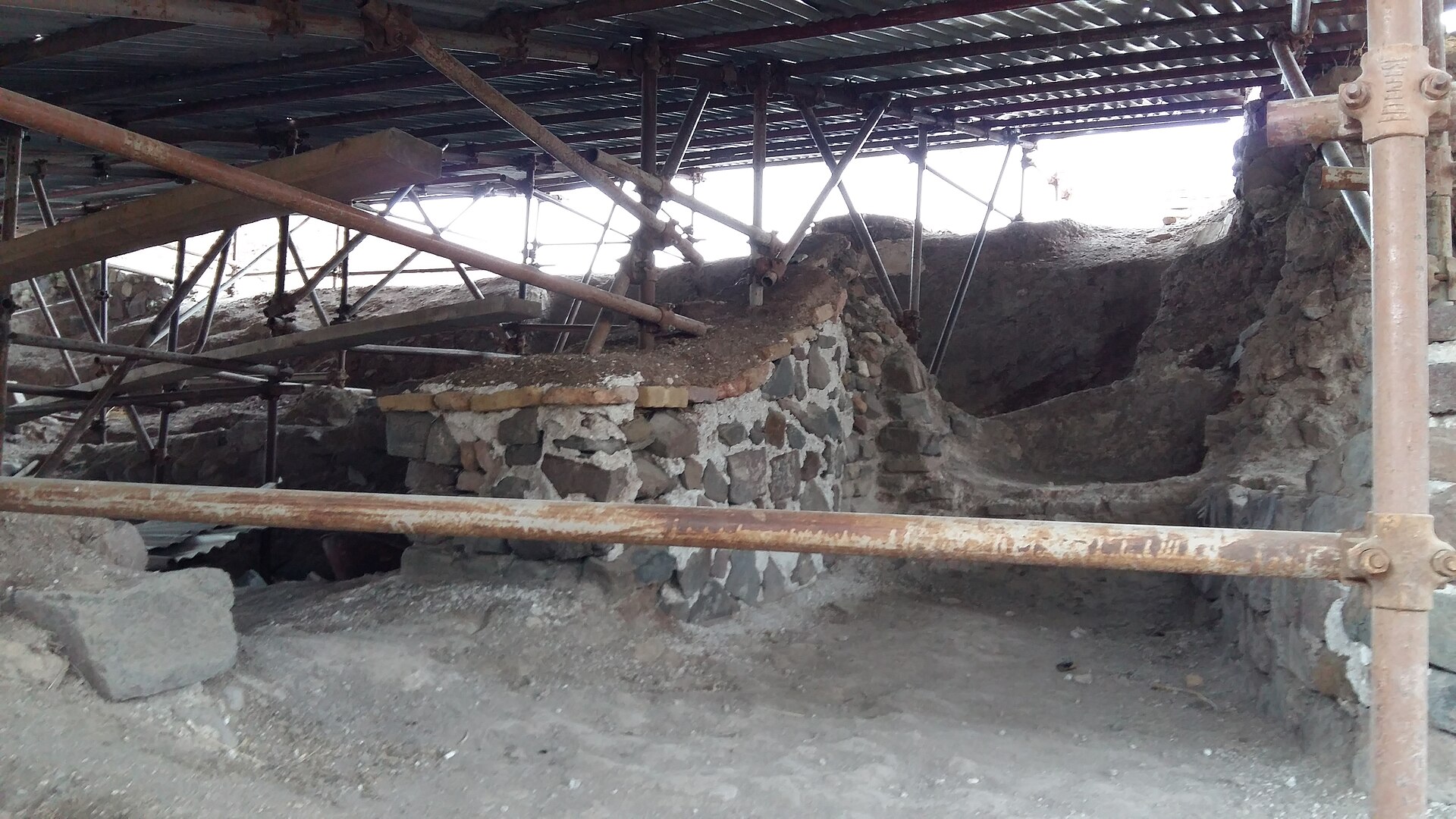
Though the Nizaris briefly recaptured Alamut some years after its fall, the fortress never regained its former greatness, and it gradually declined into the ruin that the visitor sees today, its walls and towers clinging still to the narrow crag high among the mountains. Archaeological investigation in recent decades has begun to uncover the secrets of the great fortress, revealing something of its defences, its water systems, and its long and dramatic history.
In recognition of its outstanding importance, Alamut was in the year 2026 inscribed upon the list of World Heritage Sites, honored as a rare testimony to the culture of the Nizari Ismailis. Today the ruins draw visitors from all over the world, who make the climb up the rock to stand where the Assassins once held sway and to gaze out over the Valley of the Assassins spread far below. Few ruins anywhere are so steeped in legend, or command so spectacular a setting.
The recent recognition of Alamut by UNESCO reflects a growing appreciation of the true history of the Nizari Ismailis, freed from the hostile legends of the medieval world and understood at last as a remarkable religious and intellectual community rather than a mere band of murderers. The fortress that was for so long a byword for terror is now honored as a monument to a distinctive culture, and its ruins are cherished as one of the great historic treasures of Iran and of the world.
The climb to the ruins of Alamut today is a strenuous but deeply rewarding experience, taking the visitor up the steep rock to the remains of the fortress and to the breathtaking views from its summit. Standing amid the broken walls, with the Valley of the Assassins spread out far below and the peaks of the Alborz all around, it is easy to feel the powerful atmosphere of the place and to imagine the strange and dramatic history that unfolded here, in this eagle’s nest among the mountains of Persia.
If you would like to see exactly where this legendary fortress stands upon the map, you can find it here:
View on Google Maps: 36.4436, 50.5867
From its eagle’s nest high among the crags of the Alborz, Alamut has looked down upon the Valley of the Assassins for more than a thousand years, and its ruins keep watch there still.
Castles Nearby
If the legend of Alamut has captured your imagination, you may enjoy these other great mountain fortresses of the East:
The Eagle’s Nest of the Assassins
Alamut is one of the most legendary fortresses in the history of the world, the eagle’s nest of the Assassins, a stronghold whose very name conjures images of secret devotees, hidden gardens, and the mysterious power of the Old Man of the Mountain. Though it has stood in ruins since the coming of the Mongols nearly eight centuries ago, it retains an extraordinary power over the imagination, and its dramatic setting among the crags of the Alborz makes it one of the most spectacular historic sites in all of Iran.
If you should travel to Iran, the journey up into the mountains to Alamut is one of the great adventures the country has to offer, a climb into a landscape of wild grandeur to a fortress steeped in legend. From the summit of the rock the view over the Valley of the Assassins is breathtaking, and the ruins themselves, clinging to their narrow crag, stir the imagination like few other places. Alamut is a fortress of history and of legend in equal measure, and it deserves its place among the most famous strongholds in the world.
Whether you come for the legend of the Assassins, for the dramatic mountain setting, or for the deep and fascinating history of the Nizari state, Alamut will reward your journey, and you will carry away the memory of this eagle’s nest among the crags of the Alborz as one of the most extraordinary and evocative places you have ever seen.
You May Like

Mafra, the Palace a King Built From a Vow