In the northwest corner of the ancient walled city of Damascus, one of the oldest continuously inhabited cities on earth, stands a great medieval fortress that has guarded the Syrian capital for the better part of a thousand years. The Citadel of Damascus is one of the finest surviving examples of Ayyubid military architecture in the world, a mighty stronghold of massive towers and thick walls that was, for a time, the residence of the great Saladin himself, and the place where that legendary warrior breathed his last.
In this article you are invited to explore the history and the architecture of this remarkable citadel, from its founding by a Turkoman warlord in the eleventh century, through its glorious rebuilding by the dynasty of Saladin, past the invasions of Mongols and of Timur, down to its long service under the Ottomans and its careful restoration in our own day. Unlike most great fortresses, the Citadel of Damascus stands not upon a hill but upon the flat ground of the city itself, a difference that shaped its whole design and gives it a special place among the castles of the world.
In This Article
- A Fortress on Level Ground
- The Seljuk Foundation
- Nur ad-Din and the Zengids
- Saladin’s Residence
- Al-Adil’s Great Rebuilding
- The Twelve Towers
- The Moat and the Barada
- The Gates of the Citadel
- The Mongol Capture
- The Mamluks and the Blue Dome
- Timur’s Siege
- The Ottoman Centuries
- The Citadel Today
- Castles Nearby
- The Guardian of Damascus
A Fortress on Level Ground
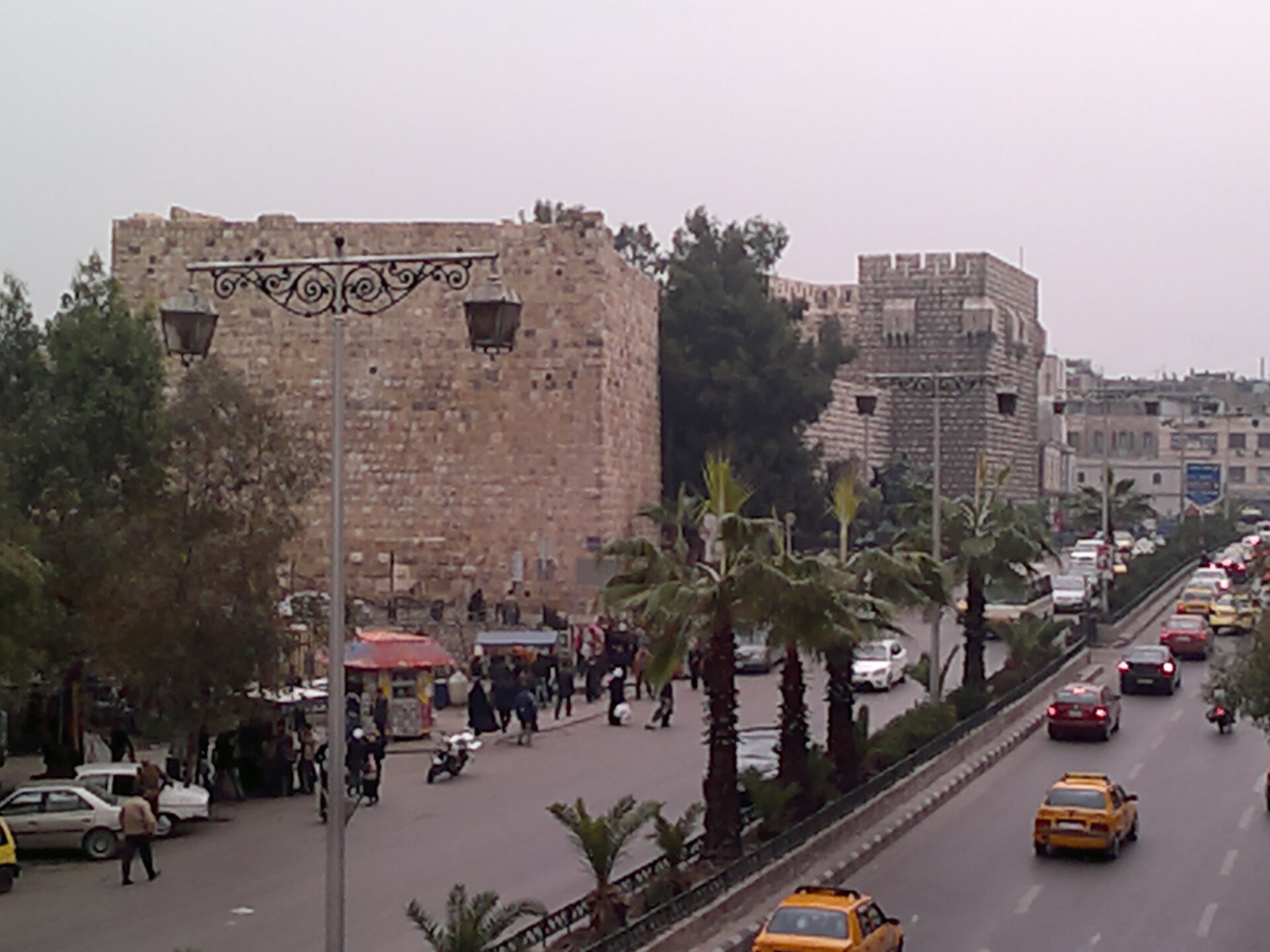
One of the most distinctive features of the Citadel of Damascus, setting it apart from most of the great fortresses of the world, is that it stands not upon a hill or a rocky crag but upon the flat ground of the city itself, in the northwestern corner of the old walled town. Where citadels such as those of Aleppo or Erbil crown great mounds high above their cities, the Citadel of Damascus rises directly from the level plain, forming part of the very fabric of the walled city.
This unusual position, which it shares with only a few other fortresses of the region, shaped the whole design of the citadel, for it could not rely upon the natural strength of a hill to protect it. Instead, its builders had to make it strong by art alone, raising massive towers and thick walls and surrounding it with a wide moat fed by the waters of the river. The result was a fortress of formidable strength, a great rectangular stronghold enclosing an area of some two hundred and thirty by a hundred and fifty meters, standing four-square at the corner of the ancient city.
The decision to place the citadel within the fabric of the city, rather than upon a separate height, reflects both the flat terrain of the site and the particular role that the fortress was intended to play. It was to be at once a stronghold against external enemies and a seat of government at the very heart of the capital, and its integration into the corner of the walled city suited both purposes. This arrangement, unusual among the great citadels of the world, gives the fortress of Damascus a character all its own, a mighty castle woven directly into the life of the ancient city.
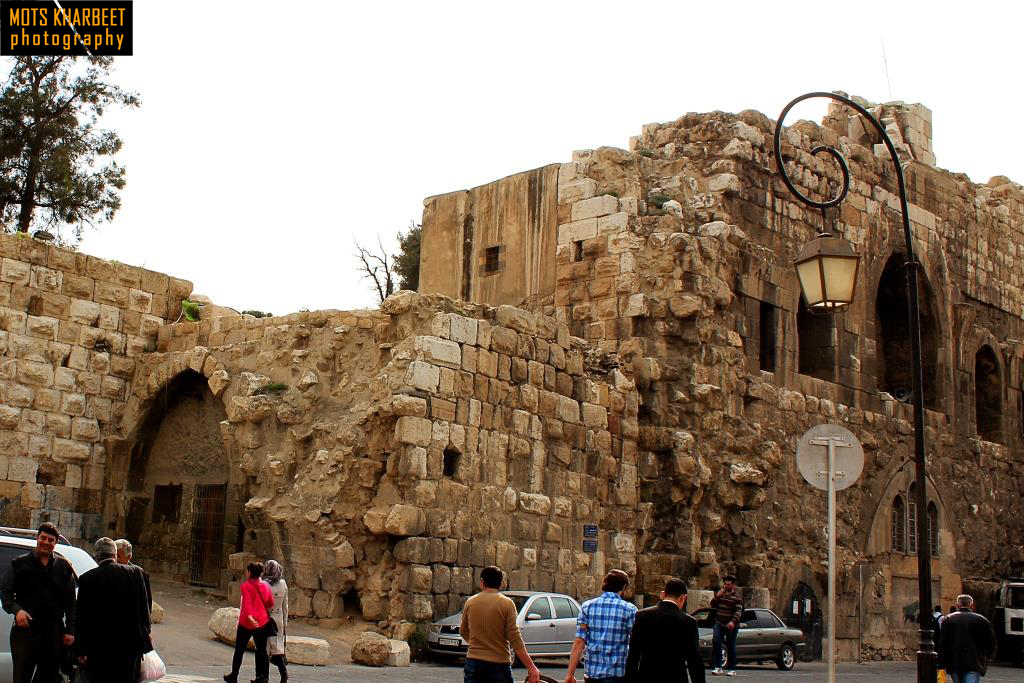
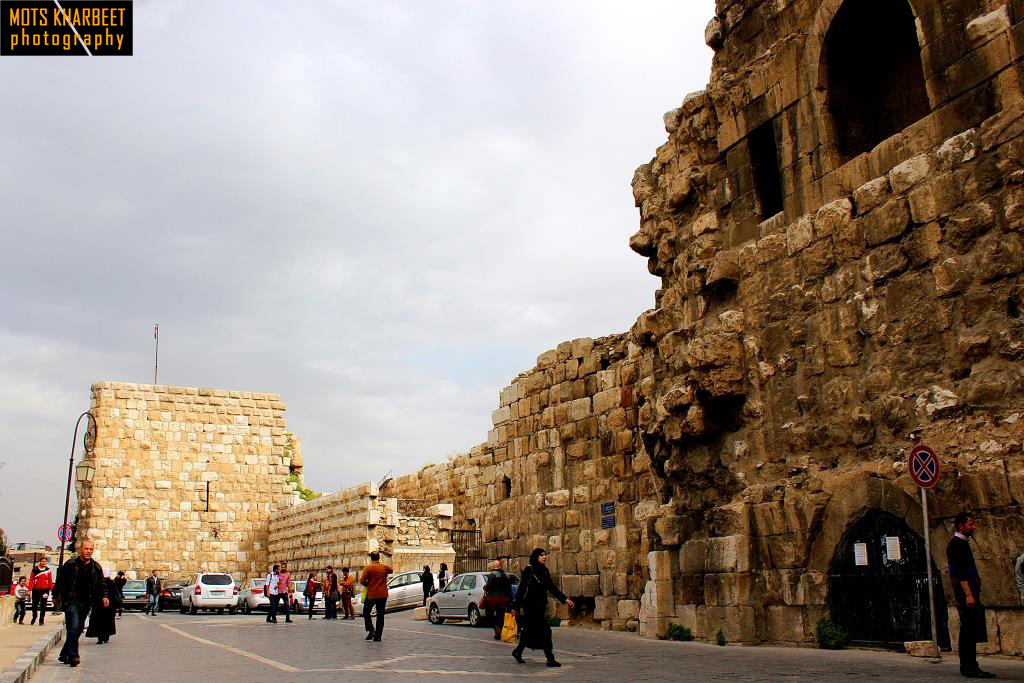
The great rectangular plan of the citadel, some two hundred and thirty meters in length and a hundred and fifty in width, made it one of the largest fortresses of its kind in the region, a vast enclosure capable of housing a substantial garrison together with all the buildings and stores that a great stronghold required. Built of the local limestone and the dark basalt of the region, its walls presented a massive and imposing face to the city and to any enemy who might approach, a bastion of stone at the corner of the ancient town.
The Seljuk Foundation
The history of the citadel begins in the year 1076, when the Turkoman warlord Atsiz ibn Uvaq, who had seized control of Damascus, began the construction of a fortress in the corner of the city. Atsiz did not live to see his work completed, for he was assassinated in 1078, and it fell to the Seljuk ruler Tutush to finish the stronghold. Thus was laid the foundation of the great citadel, in the turbulent age when the Seljuk Turks were carving out their dominions across the Near East.
The Seljuk fortress was the ancestor of the citadel we see today, though little of that original structure now survives, for it was to be almost entirely rebuilt in the following century. The dynasties that succeeded the Seljuks in Damascus, the Burids and the Zengids, added to and strengthened the fortress in response to the threat posed by the Crusaders, who had established their kingdoms nearby. From its earliest days, the citadel stood at the center of the great struggle between the Muslims and the Christian knights for control of Syria and the Holy Land.
The turbulent origins of the citadel, founded by a warlord who was murdered before he could complete it, are characteristic of the violent and unstable age in which it was born, when the Seljuk Turks and their successors fought endlessly for control of the cities of Syria. Damascus, one of the greatest prizes of the region, changed hands repeatedly in these years, and its citadel was the key to its possession. The fortress was born in war, and war would remain its element throughout the long centuries of its history.
Nur ad-Din and the Zengids
A crucial chapter in the history of the citadel came with the rise of the great Zengid ruler Nur ad-Din, one of the most important figures in the Muslim resistance to the Crusaders. In the year 1154 Nur ad-Din took control of Damascus, uniting Muslim Syria under his rule and making the city a bastion of the war against the Christian knights. He strengthened the citadel and made it a center of his power, and it was here, within its walls, that he died in the year 1174.
Nur ad-Din was the patron and the master of the young Saladin, and it was under his leadership that the foundations were laid for the great Muslim reconquest that Saladin would go on to complete. The citadel of Damascus was at the heart of this movement, a stronghold from which the war against the Crusaders was directed. In the person of Nur ad-Din, the citadel is linked to one of the pivotal figures of the age, the ruler who did so much to prepare the way for the triumphs of his famous successor.
Nur ad-Din is remembered as one of the great heroes of the Muslim cause in the age of the Crusades, a ruler of exceptional piety, justice, and military skill who did much to unite the Muslims of Syria against the Christian invaders. Under his rule Damascus flourished as a center of learning and orthodoxy, and the citadel was the anchor of his power. His death within its walls in 1174 marked the end of one great chapter in the struggle against the Crusaders and the beginning of another, for it opened the way for the rise of his even more famous protege, Saladin.
The reign of Nur ad-Din is often seen as the turning point in the long struggle between the Muslims and the Crusaders, the moment when the initiative began to pass decisively to the Muslim side. By uniting Damascus with his other territories, Nur ad-Din created a powerful Muslim state astride the Crusader kingdoms, and he laid the strategic foundations upon which Saladin would build. The citadel of Damascus, at the heart of his dominions, was the anchor of this achievement, and its association with so pivotal a figure adds greatly to its historical importance.
Saladin’s Residence
Upon the death of Nur ad-Din in 1174, the great Saladin moved swiftly to take control of Damascus, and he made the citadel his residence, the seat from which he governed his growing empire. Damascus was Saladin’s favorite city and the heart of his dominions, and it was from here that he directed the campaigns that would culminate in the recovery of Jerusalem from the Crusaders in 1187, the crowning achievement of his career and one of the great events of the age.
It was in the citadel of Damascus, too, that Saladin’s remarkable life came to its end, for he died here in the year 1193, worn out by his long labors in the service of his faith and his people. He was first buried within the citadel itself, before his body was moved to the magnificent mausoleum beside the great Umayyad Mosque, where his tomb may still be visited today. The association of the citadel with the death of Saladin lends it a special aura, for here ended the life of one of the most celebrated warriors in all of history.
Saladin’s deep attachment to Damascus, which he preferred above all his other cities, gives the citadel a special place in the story of his remarkable life. It was a city of gardens and running water, of learning and of faith, and it suited the character of a ruler famed as much for his generosity and his piety as for his prowess in war. That he chose to make the citadel his home, and that he died within its walls, binds the fortress forever to the memory of one of the most admired figures in all of history, a warrior respected even by his Crusader enemies.
The mausoleum of Saladin beside the Umayyad Mosque, where his body was finally laid to rest, remains one of the most visited sites in Damascus, and it complements the citadel as a place of pilgrimage for those who honor the memory of the great sultan. Together, the citadel where he lived and died and the tomb where he lies form a pair of monuments to one of the towering figures of medieval history. To visit Damascus is thus to walk in the footsteps of Saladin, from the fortress that was his home to the mausoleum that is his final resting place.
Al-Adil’s Great Rebuilding
The citadel that we see today is very largely the creation of Saladin’s brother and successor, al-Adil, who undertook an almost complete rebuilding of the fortress between the years 1203 and 1216. This was a response to a revolution in siege warfare, for the introduction of the powerful counterweight trebuchet had rendered the older fortifications obsolete, and al-Adil resolved to raise a new citadel capable of withstanding these formidable engines. The result was one of the masterpieces of Ayyubid military architecture.
Al-Adil’s new citadel featured higher and thicker walls, a wide moat, and numerous massive towers placed close together, some of them equipped with platforms for the mounting of trebuchets that could outrange those of any attacker. In a characteristic arrangement, the lesser Ayyubid princes were each required to finance and build one of the great towers, so that the whole family contributed to the mighty work. The citadel that emerged from this rebuilding was among the strongest fortresses of its age, a worthy stronghold for the capital of the Ayyubid empire.
The rebuilding of the citadel by al-Adil was a direct response to the changing technology of war, and it illustrates the way in which fortification was a constant race between the builders of walls and the makers of siege engines. The counterweight trebuchet, capable of hurling great stones with tremendous force, had rendered the older, lower walls vulnerable, and al-Adil answered this threat with higher, thicker defences and with towers designed to mount trebuchets of his own. The citadel of Damascus is thus a monument to a particular moment in the long history of the arms race between attack and defence.
The requirement that each of the lesser Ayyubid princes finance and build one of the great towers was a characteristic feature of the political culture of the dynasty, in which the ruling family collectively shared in the great works of the state. It ensured that the whole clan was invested in the strength of the capital’s citadel, and it distributed the enormous cost of the rebuilding among the princes of the house. The towers of Damascus thus stand as monuments not only to al-Adil but to the whole Ayyubid family, each great structure the gift of a different prince.
The Twelve Towers
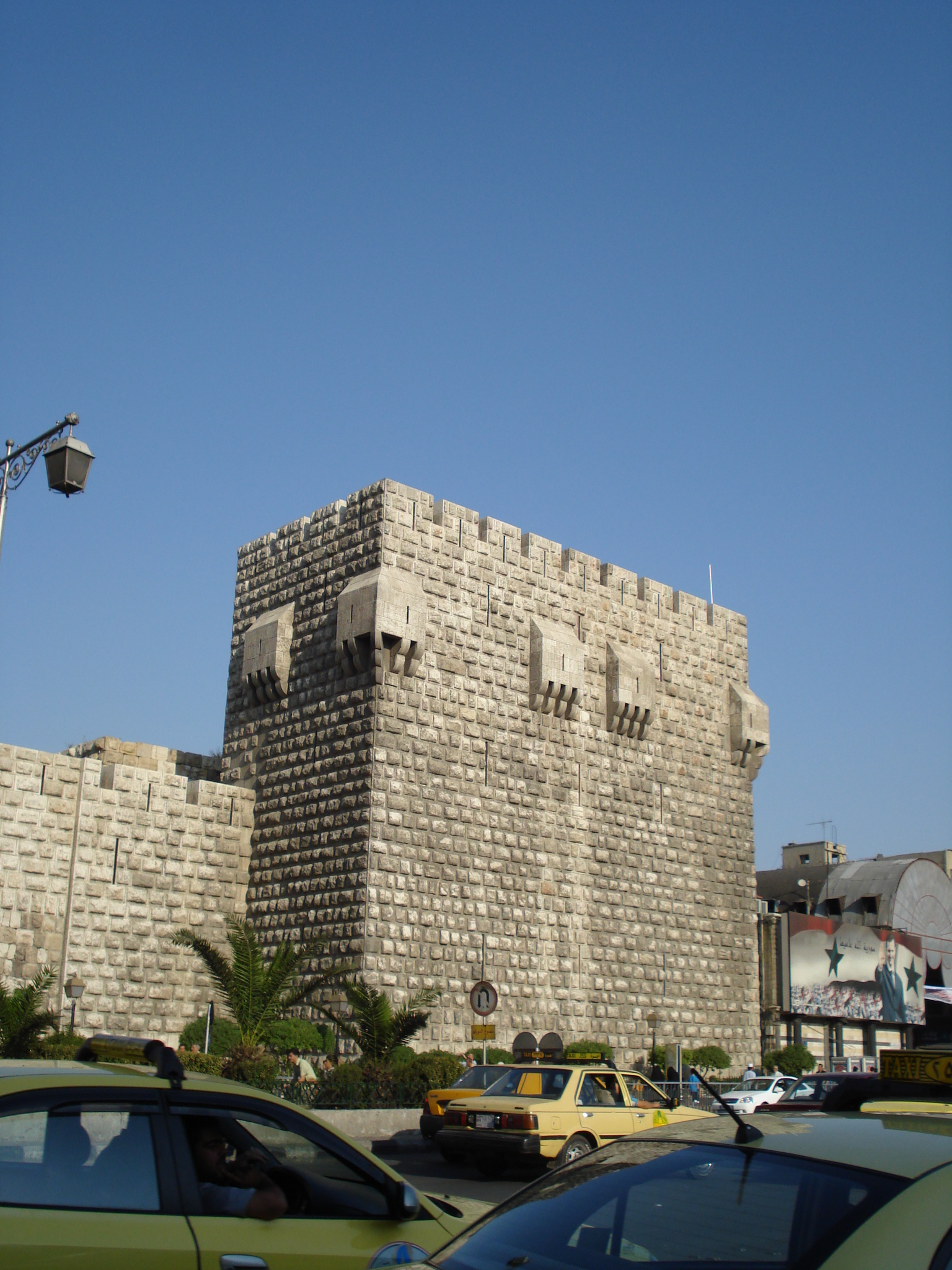
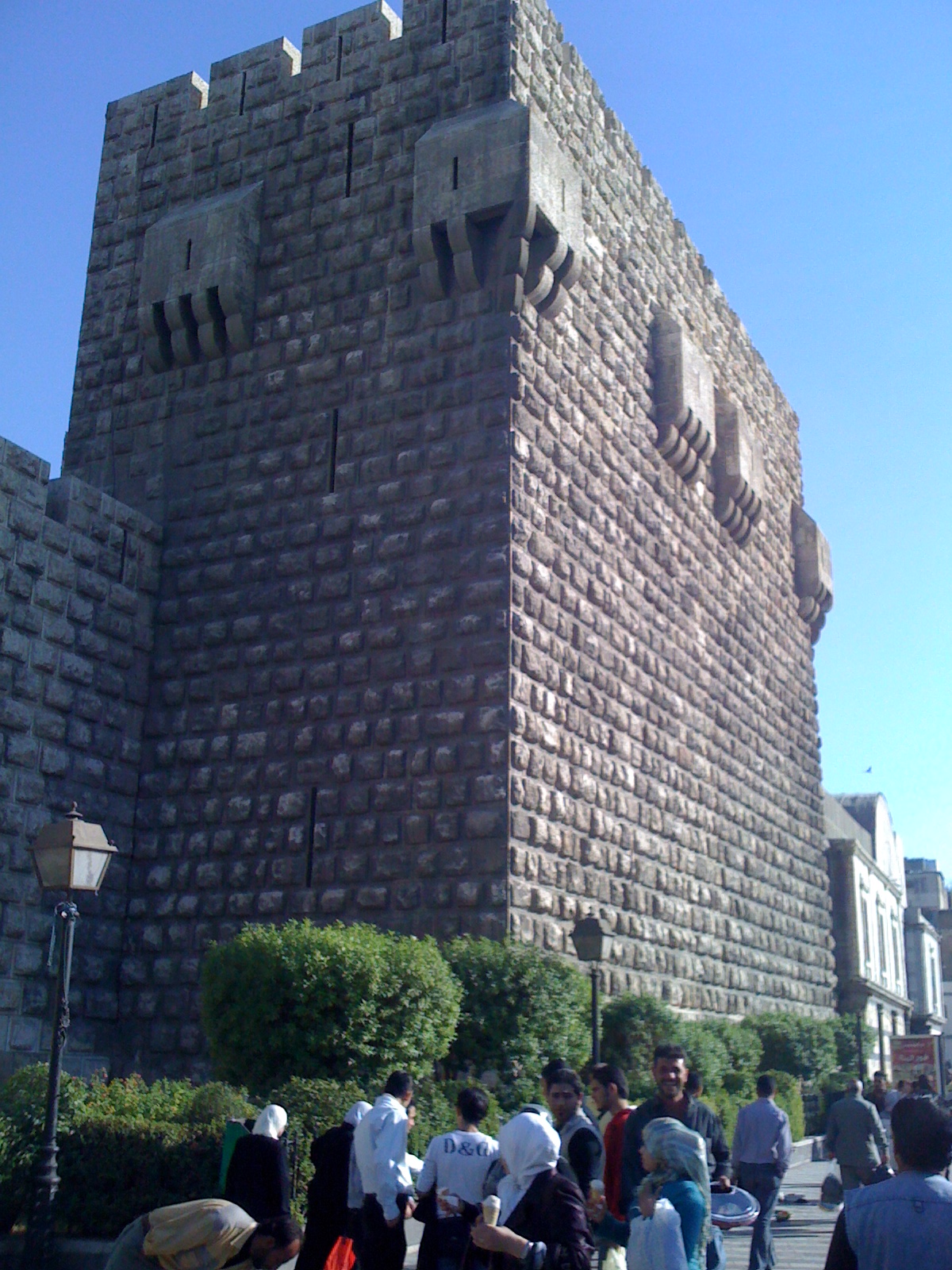
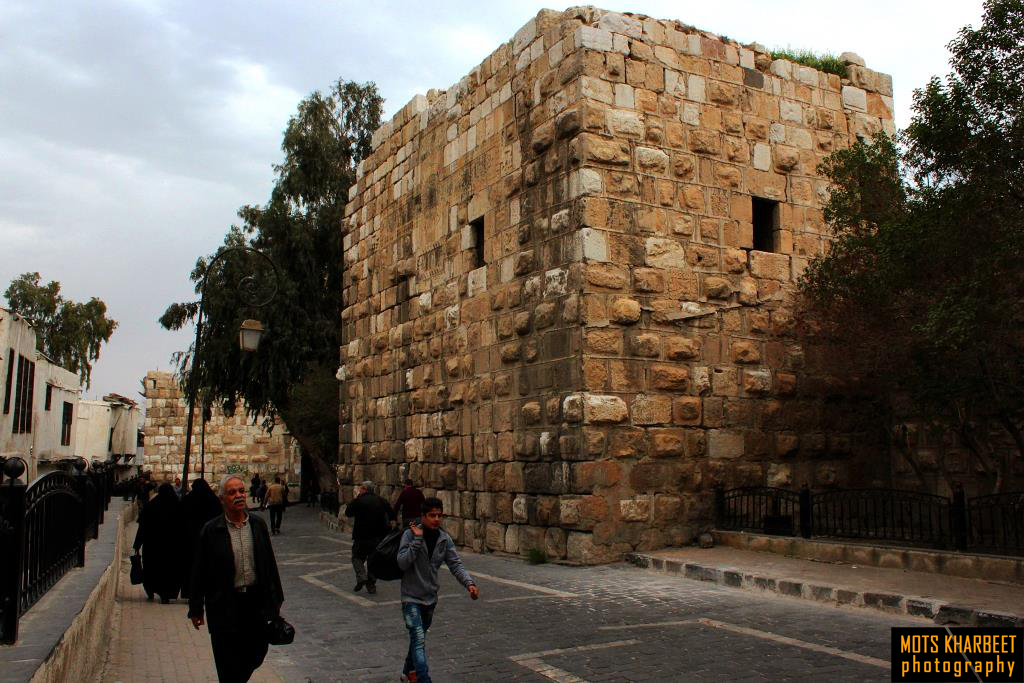
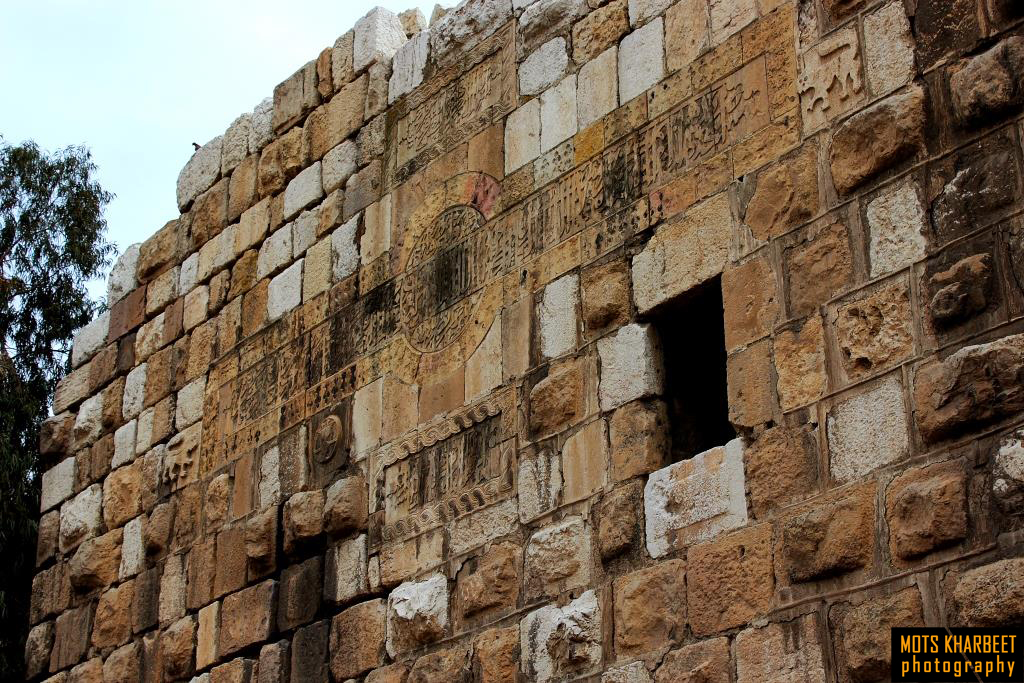
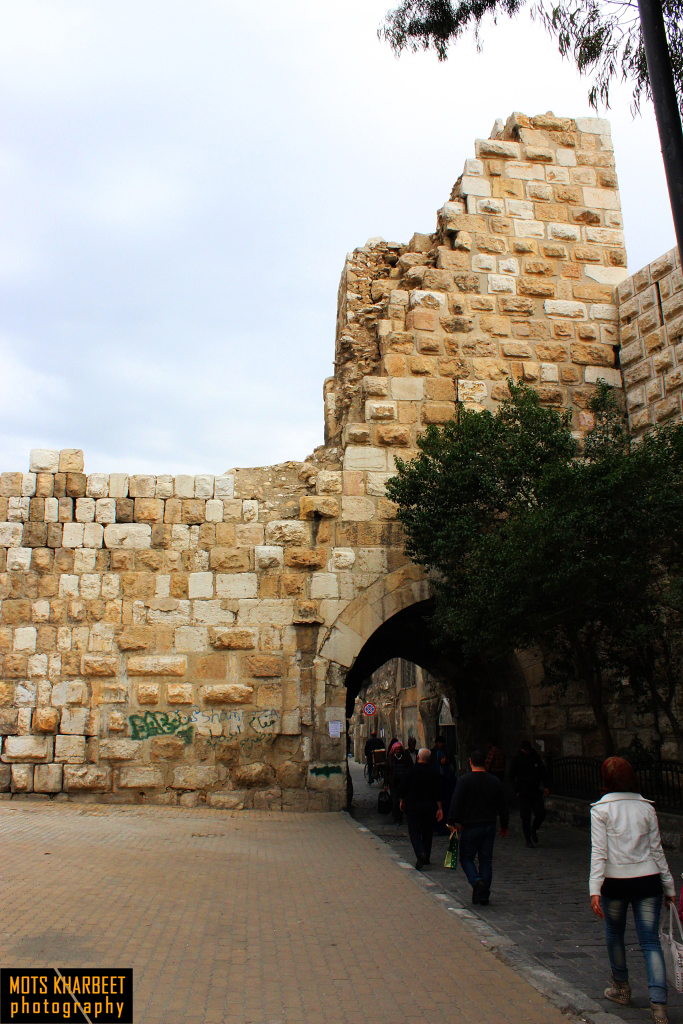
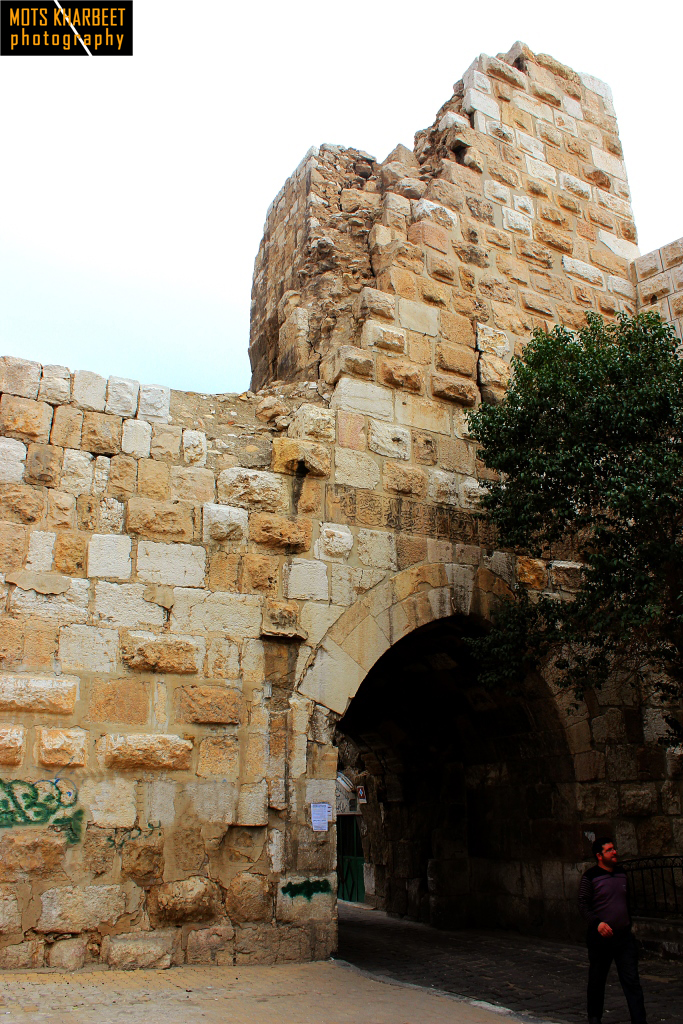
The most impressive features of the Citadel of Damascus are its great towers, of which there were originally fourteen, twelve of them still standing today. These massive structures, rising between fifteen and twenty-five meters in height, are placed close together around the perimeter of the fortress, so that they can support one another and bring a concentrated fire to bear upon any attacker. Their variety of forms is striking, with square towers at the northern corners, L-shaped towers at the south, and rectangular towers elsewhere.
Each of the towers is crowned with a double parapet, equipped with machicolations, through which the defenders could drop missiles upon enemies at the foot of the walls, and pierced with numerous arrow slits from which archers could shoot in safety. Some of the towers were built with broad platforms designed to carry the great counterweight trebuchets, allowing the defenders to answer the artillery of a besieging army with engines of their own. The towers of Damascus are among the finest surviving examples of the military architecture of the Ayyubid age.
The close spacing of the towers was a deliberate feature of the design, for it ensured that every stretch of wall was covered by fire from at least two towers, leaving no blind spots that an attacker might exploit. This principle of mutual support, in which each part of the defences protected its neighbors, was carried to a high pitch of perfection at Damascus, and it made the citadel exceptionally difficult to assault. The variety of tower forms, adapted to the requirements of each position, further reflects the sophistication of the Ayyubid engineers who designed the fortress.
The platforms built into some of the towers for the mounting of counterweight trebuchets represented a significant innovation in defensive design, for they allowed the garrison to take the offensive against a besieging army, answering the enemy’s artillery with powerful engines of their own. This active, aggressive approach to defence, in which the fortress could strike back at its attackers, was one of the hallmarks of the most advanced fortification of the Ayyubid age, and the towers of Damascus were among its finest expressions.
The Moat and the Barada
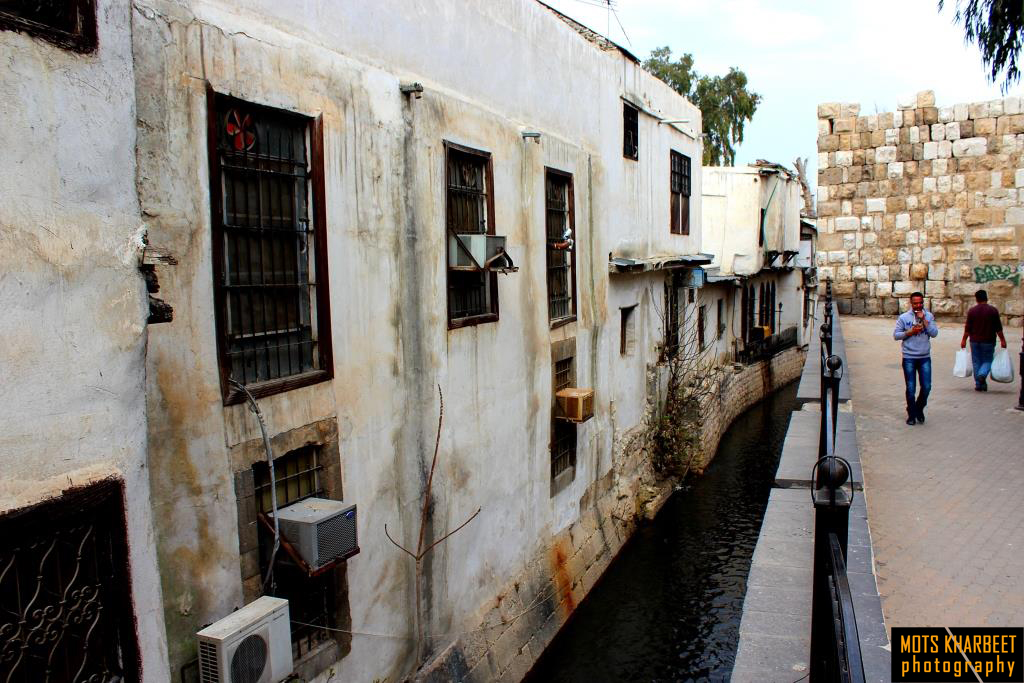
Because the Citadel of Damascus stood upon flat ground and could not rely upon the natural strength of a hill, its builders surrounded it with a wide moat to make up for the lack of natural defences. This great ditch was fed by the waters of the Barada, the river that has given life to Damascus since the beginning of time and that made the city a green oasis in the midst of the arid land around it. The moat isolated the citadel and presented a formidable obstacle to any attacker.
The use of the river to fill the moat was a clever adaptation to the flat terrain, turning the abundant water of the Barada to defensive purpose. Together with the massive towers and thick walls, the moat made the citadel exceptionally strong despite its position on level ground, and it is a testament to the skill of the Ayyubid engineers that they were able to create so formidable a fortress without the advantage of a commanding height. The waters of the Barada, which nourished the gardens and orchards of Damascus, also guarded its great citadel.
The Barada river has been the lifeblood of Damascus since the beginning of its history, transforming what would otherwise be an arid site into one of the most fertile and beautiful oases in the world, and it was fitting that its waters should also serve to defend the city’s great citadel. The famous gardens of Damascus, the Ghouta, watered by the Barada, were renowned throughout the medieval world for their beauty and abundance, and the same river that made them possible filled the moat that guarded the fortress at the city’s heart.
The Gates of the Citadel
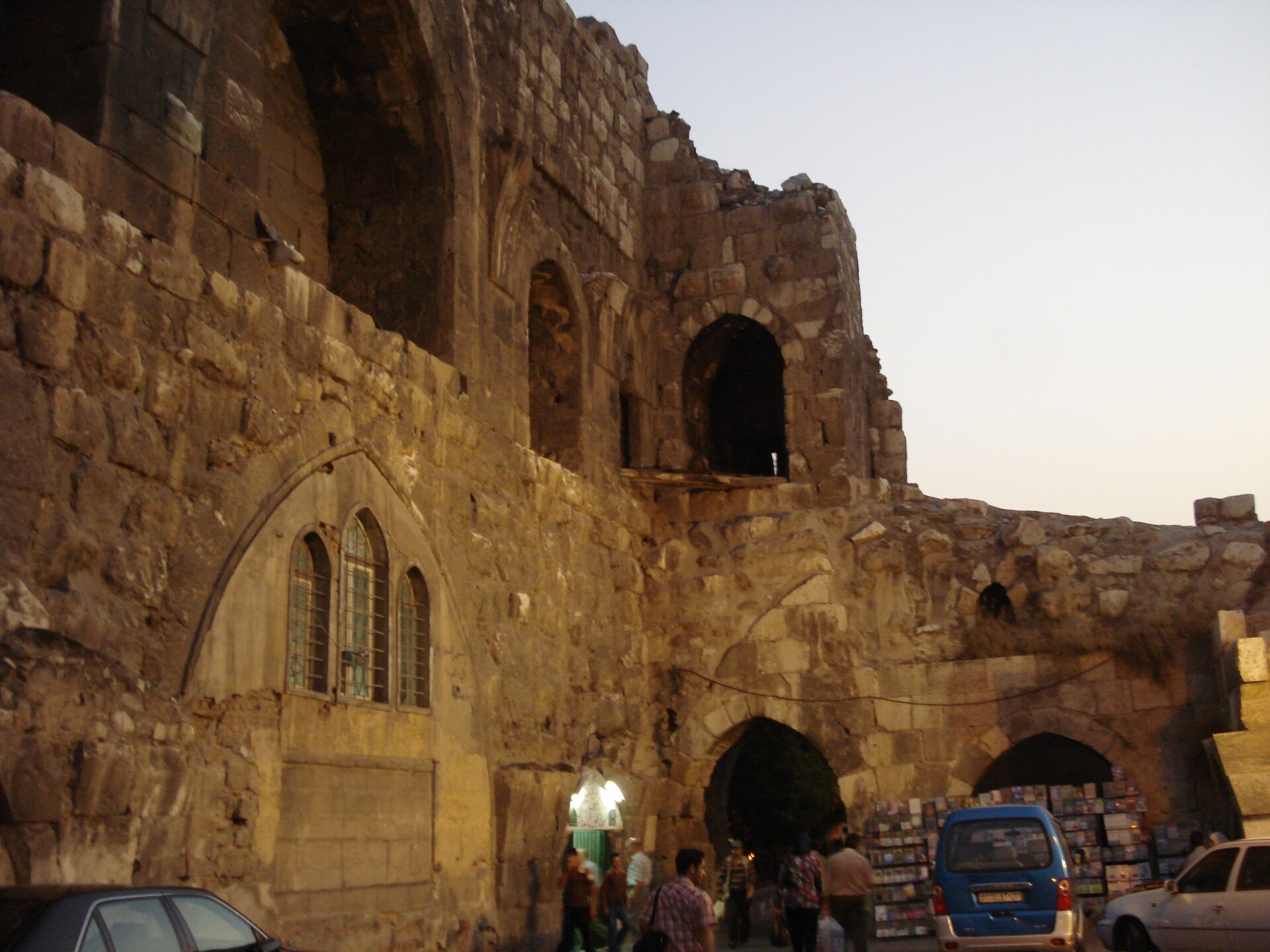
The citadel was entered through three main gates, each serving a different purpose. The northern gate, known as the Bab al-Hadid or Iron Gate, was primarily for military use, while the western gate and the eastern gate served other functions. The eastern gate, constructed between 1213 and 1215, was intended for civic use and is the most splendid of the three, adorned with a superb canopy of muqarnas, the honeycomb vaulting so characteristic of Islamic architecture.
The decoration of the eastern gate, incorporating elements of the older Seljuk style, reflects the sophistication of Ayyubid architecture and the importance attached to the ceremonial approach to the citadel. A gate was not merely a point of entry but a statement of power and of artistic accomplishment, and the great gates of Damascus were designed to impress all who passed through them. The muqarnas canopy of the eastern gate remains one of the finest architectural details of the whole citadel, a jewel of medieval Islamic craftsmanship.
The eastern gate, with its magnificent muqarnas canopy, was more than a mere entrance; it was a work of art and a statement of the power and refinement of the Ayyubid state. The muqarnas, that distinctive form of Islamic ornament resembling a cluster of niches or stalactites, was one of the great achievements of medieval Islamic architecture, and its use over the gate of the citadel lent the fortress an air of splendor to match its strength. In the gate, the arts of war and of peace were joined, the massive defensive structure crowned with a masterpiece of decorative craft.
The Mongol Capture
The thirteenth century brought a terrible new enemy to the gates of Damascus, the Mongols, whose vast armies swept across the Near East in a tide of conquest. In the year 1260 the Mongol general Kitbuqa captured Damascus, and after the garrison of the citadel rose in a failed revolt against the conquerors, the defences of the great fortress were largely dismantled. It seemed that the mighty citadel of the Ayyubids might be reduced to ruin by the terror from the East.
But the Mongol domination of Syria was not to last, for in that same fateful year the Mamluks of Egypt won their great victory over the Mongols at the battle of Ain Jalut, driving them back and saving the Muslim heartlands from conquest. Damascus and its citadel passed under Mamluk control, and the fortress that had been damaged in the Mongol storm would soon be rebuilt and restored to strength by the new masters of Syria. The citadel had survived the coming of the Mongols, as it would survive so much else across its long history.
The failed revolt of the citadel’s garrison against the Mongols, which led to the dismantling of its defences, is a poignant episode in the history of the fortress, a moment of desperate resistance in the face of overwhelming force. The Mongol conquest of 1260 was one of the great crises of the Islamic world, and the fate of Damascus hung in the balance along with that of the whole region. That the citadel survived, even in a damaged state, to be restored by the victorious Mamluks, is a testament to its fundamental strength and to its enduring importance.
The Mamluks and the Blue Dome
Under the rule of the Mamluk sultans, who succeeded the Ayyubids as masters of Egypt and Syria, the citadel of Damascus was extensively rebuilt and restored after the damage of the Mongol invasion. Great sultans such as Baybars, Qalawun, and al-Ashraf Khalil undertook works of construction and repair, maintaining the citadel as a key stronghold and a center of Mamluk power in Syria. The great Baybars, one of the most formidable of all the Mamluk rulers, is closely associated with Damascus.
Among the most notable of the Mamluk additions was the famous Blue Dome, raised by Sultan al-Ashraf Khalil, which was the first dome in all of Syria to be decorated with colored tiles upon its outer surface. This innovation, bringing the brilliant blue of glazed tilework to the exterior of a building, marked an important development in the architecture of the region. The Blue Dome was a symbol of the wealth and the artistic ambition of the Mamluk age, and it added a note of splendor to the martial mass of the great citadel.
The Mamluk period was a great age for Damascus, which flourished as one of the principal cities of the Mamluk empire, a center of trade, learning, and the arts. The citadel, rebuilt and adorned by the Mamluk sultans, was the seat of their power in Syria and the anchor of their rule. The Blue Dome and the other Mamluk additions reflect the wealth and the cultural ambition of the age, and they added a note of magnificence to the great fortress that had been raised for war by the Ayyubids in the previous century.
The innovation of the Blue Dome, the first in Syria to bear colored tiles on its exterior, points forward to one of the great glories of later Islamic architecture, the brilliant tiled domes and facades that would adorn the mosques and palaces of the Islamic world from Iran to Spain. That this development should have appeared at the citadel of Damascus is a mark of the city’s role as a center of artistic innovation in the Mamluk age, when Damascus was renowned throughout the world for the skill of its craftsmen and the beauty of its buildings.
Timur’s Siege
One of the most terrible episodes in the history of the citadel came at the very end of the fourteenth century, with the coming of the dreaded conqueror Timur, known also as Tamerlane, whose armies spread devastation across the whole of the Near East. In the years 1400 and 1401 Timur besieged Damascus and its citadel, and by mining the northwestern tower he succeeded in breaching the mighty defences and capturing the fortress. The sack of Damascus that followed was one of the great catastrophes in the history of the city.
The damage inflicted upon the citadel by Timur’s siege was severe, and the repairs were not completed until the year 1407, some years after the conqueror had passed on. The episode demonstrated that even the strongest of fortresses could fall to a determined and powerful enemy, and it left its mark upon the fabric of the citadel. Yet, as so often before, the great stronghold was rebuilt and restored, and it lived on to serve the rulers of Damascus for many centuries more.
The sack of Damascus by Timur was one of the most notorious atrocities of that terrible conqueror, who was said to have carried off the skilled craftsmen of the city to adorn his own capital at Samarkand, leaving Damascus impoverished of its artisans. The breaching of the citadel, long thought impregnable, sent a shock through the Islamic world, and it demonstrated the terrifying power of Timur’s war machine. Yet Damascus, like the citadel itself, recovered in time from even this catastrophe, and the great fortress was repaired and restored to its place at the heart of the city.
The mining of the northwestern tower by Timur’s engineers, which brought about the fall of the citadel, illustrates one of the most effective of all the techniques of medieval siege warfare, the undermining of a tower’s foundations to bring it crashing down. Even the mightiest of towers was vulnerable to a determined and skillful mining operation, and Timur’s engineers were among the most accomplished of their age. The breach they made in the defences of Damascus was the prelude to one of the great sackings of the medieval world.
The Ottoman Centuries
In the year 1516 the Ottomans took Damascus, and they did so peacefully, so that the citadel passed into their hands without a fight. Under Ottoman rule the fortress continued to serve as a military stronghold, and from the year 1658 onward it was controlled by the janissaries, the elite infantry of the Ottoman army, who garrisoned it for many generations. The citadel remained an important center of Ottoman military power in Syria throughout the long centuries of their rule.
In its later years the citadel served as a barracks and a prison, roles that it continued to fill even into the twentieth century. Earthquakes, particularly one in the year 1759, damaged parts of the fortress, and the western defences were never rebuilt. In the nineteenth century the citadel fell into decline, and it even suffered the indignity of being quarried for its building stone. Yet the great mass of the fortress endured, and it remained a prominent feature of the city until its use as a barracks and prison finally came to an end in 1986.
The long Ottoman period, though it saw the gradual decline of the citadel’s military importance, also saw it continue to serve as a working fortress and garrison for centuries, a remarkable span of active life for a structure first raised in the eleventh century. The janissaries who held it were among the most famous soldiers of their age, and their long tenure of the citadel is one more chapter in the extraordinarily varied history of the fortress. Even in decline, the citadel remained a prominent and important feature of the great city of Damascus.
The use of the citadel as a prison in its later centuries added a darker chapter to its long history, and its massive towers, so difficult to escape, held many an unfortunate captive over the years. This was a common fate for the great fortresses of the world as their military value declined, and Damascus was no exception. The transition from royal residence and mighty stronghold to barracks and prison traces the whole long arc of the citadel’s history, from the age of Saladin to the modern era.
The Citadel Today
Since the year 1986, when its long use as a barracks and prison came to an end, the Citadel of Damascus has been the subject of extensive programs of restoration and archaeological investigation, carried out by Syrian, French, and Italian teams. This careful work has consolidated the ancient walls and towers, uncovered much of the citadel’s history, and prepared the great fortress for its new role as a monument and a place of study, opening its long-hidden interior to scholars and visitors.
As part of the Ancient City of Damascus, the citadel has been recognized since 1979 as a UNESCO World Heritage Site, in acknowledgment of its outstanding importance to the history of humanity. As one of the finest surviving examples of Ayyubid military architecture, and as a fortress bound up with the memory of Saladin and the great age of the struggle against the Crusaders, the citadel occupies a special place among the historic monuments of the world.
The careful restoration of the citadel in recent decades has revealed much that was previously hidden, and it has allowed scholars to reconstruct in detail the long and complex history of the fortress, from its Seljuk origins through its Ayyubid and Mamluk transformations to its Ottoman decline. This work of investigation and conservation has restored to Damascus one of its greatest historic treasures, and it has ensured that the citadel will endure, a monument to the whole long history of the city, for generations to come.
If you would like to see exactly where this great fortress stands upon the map, you can find it here:
View on Google Maps: 33.5119, 36.3025
From its corner of the ancient walled city, the Citadel of Damascus has guarded the Syrian capital for nearly a thousand years, and it stands there yet, a mighty monument to the age of Saladin.
The recent history of Syria has brought new dangers to the ancient monuments of the country, and the citadel of Damascus, like so much of the nation’s heritage, has been a matter of concern to those who care about the preservation of the past. Yet the great fortress has stood through many centuries of turmoil, and it endures still, a symbol of the resilience of a city that has been a center of civilization for thousands of years. The hope of all who love history is that it will continue to be cared for and cherished as the treasure that it is.
Castles Nearby
If the Citadel of Damascus has drawn you into the age of Saladin and the Crusades, you may enjoy these other great fortresses of medieval Syria:
- The Citadel of Aleppo: Four Thousand Years on a Single Hill
- Krak des Chevaliers: The Finest Castle of the Crusaders
The Guardian of Damascus
The Citadel of Damascus is one of the great monuments of the medieval Islamic world, a superb example of Ayyubid military architecture and a fortress bound up with the memory of the great Saladin and the dynasty he founded. Its massive towers and walls, its moat and its gates, have guarded the ancient city of Damascus for nearly a thousand years, and they stand today as a proud reminder of the age when this was one of the great cities of the world and the seat of a mighty empire.
If you should visit Damascus, one of the oldest and most storied cities on earth, the citadel is among its greatest treasures, a fortress that carries the visitor back to the age of the Crusades and of Saladin. To walk beneath its towering walls and to explore its gates and courtyards is to touch the deep history of a city that has been a center of civilization for thousands of years. The Citadel of Damascus is a monument worthy of the great capital it has so long defended.
Whether you come for the memory of Saladin, for the magnificent Ayyubid architecture, or simply for the deep history of one of the world’s oldest cities, the Citadel of Damascus will reward your visit, and you will carry away the memory of this mighty fortress, standing guard at the corner of the ancient walled city as it has done for the better part of a thousand years.
You May Like
Mafra, the Palace a King Built From a Vow