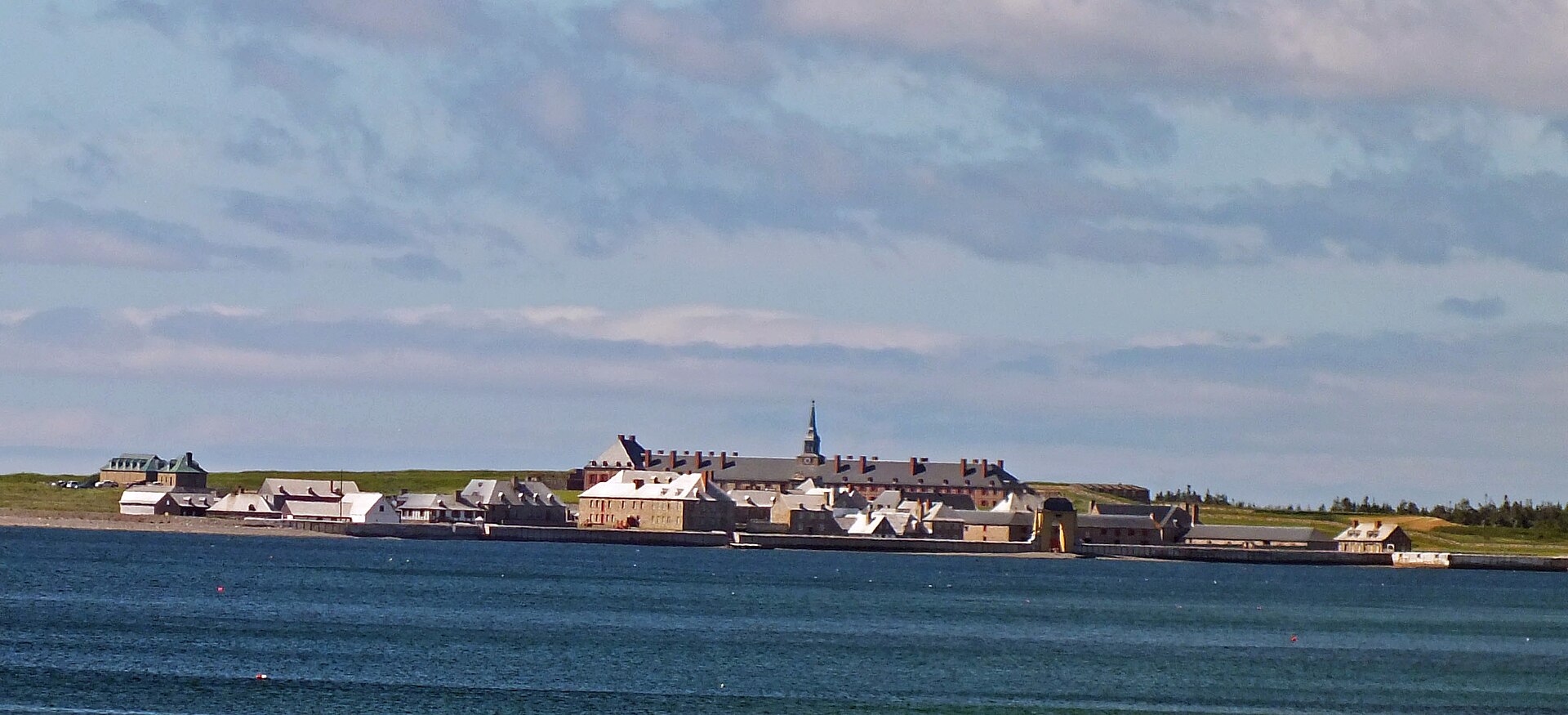
On a windswept, fog-shrouded shore of Cape Breton Island, at the far eastern edge of Canada, stands one of the most extraordinary historical sites in North America. The Fortress of Louisbourg is not merely a ruin but a resurrection, a vast eighteenth-century French fortress and town that was blown to rubble by its enemies and then, two centuries later, painstakingly rebuilt from the ground up. To walk its streets today is to step directly into the world of New France.
In its heyday, Louisbourg was one of the busiest ports in North America, a fortified stronghold guarding France’s precious cod fishery and the sea route to Quebec. It was so important, and so strong, that its capture became a prize fought over by empires, and its walls twice fell to besieging armies. In the end, the British were so determined it should never threaten them again that they demolished it stone by stone.
In this guide you will explore the whole remarkable story of Louisbourg: why the French built it, its role in the cod trade and the defence of their empire, the two great sieges that decided its fate, its total destruction, and its astonishing modern reconstruction as one of the largest living-history projects ever attempted. It is a place where a vanished world has been brought vividly and movingly back to life.
A word before you begin: Louisbourg is unlike almost any other historic fortress you can visit, because so much of what you see was rebuilt rather than merely preserved. This is not a weakness but the very source of its power, for it allows you to experience a complete eighteenth-century town brought back to full and vivid life. Keeping this remarkable story of destruction and resurrection in mind will deepen everything you encounter here.
In This Article
- A Fortress Built on Fish
- Guarding the Gateway to New France
- Building the Most Expensive Fortress
- Reading the Fortress Walls
- A Bustling Colonial Town
- The Siege of 1745
- Handed Back to France
- The Great Siege of 1758
- Blown to Rubble
- Raising the Fortress from the Dead
- A Living Eighteenth-Century Town
- A National Historic Site
- Visiting the Fortress of Louisbourg
A Fortress Built on Fish
It may surprise you to learn that the great fortress of Louisbourg owed its existence, above all, to fish. The waters off Cape Breton and the nearby Grand Banks were among the richest fishing grounds in the world, teeming with cod, and in the age before refrigeration, dried and salted cod was a hugely valuable commodity that fed much of Europe. Control of this fishery was worth an enormous amount of money.
For France, the cod fishery of the North Atlantic was a treasure comparable to the silver mines of Spanish America, a vital source of wealth and a nursery for the sailors who manned its navy. After France lost other nearby territories, it concentrated its efforts on Cape Breton Island, which it called Île Royale, and there it built Louisbourg as the fortified capital and the centre of its fishing empire.
So the fortress rose to protect and profit from the humble cod. Louisbourg became a bustling port where fishing fleets gathered, catches were processed, and goods were traded, growing into one of the busiest harbours on the continent. Understanding this fishy foundation is the key to understanding the whole site, for the wealth of the sea is what made this remote outpost worth fortifying so heavily.
The fishery drew thousands of seasonal and permanent workers to the shores of Île Royale each year, and the processing of cod, splitting, salting, and drying the fish on wooden platforms called flakes, was the essential industry around which the whole colony revolved. The wealth generated by this trade flowed through Louisbourg, funding its growth and justifying, in French eyes, the enormous cost of its defences.
It is worth reflecting on how a commodity as humble as dried fish could underpin such a grand fortress and shape the fate of empires. In an age when protein was scarce and preservation difficult, salt cod was a strategic resource of the first importance, and the nation that controlled the great fisheries of the North Atlantic held a genuine source of power and wealth, which is precisely why France fortified Louisbourg so heavily.
Guarding the Gateway to New France
Beyond the cod, Louisbourg had a second great strategic purpose: guarding the approaches to the heart of New France. The fortress stood near the mouth of the Gulf of St. Lawrence, commanding the sea route that led up the great river to Quebec and the interior of the French empire in North America. It was, in effect, a sentinel at the ocean gateway to French Canada.
This made Louisbourg a place of enormous strategic value in the long contest between France and Britain for control of the continent. As long as the French held the fortress, they controlled access to the St. Lawrence and could threaten British shipping and colonies. For the British, Louisbourg was a dangerous obstacle that blocked their path to the conquest of Canada, and a base from which the French could strike at them.
Because of this dual importance, in both wealth and strategy, Louisbourg was fortified on a scale rarely seen in North America. The French poured vast sums into its walls and defences, determined to make it a bastion strong enough to protect their fishery and guard the gateway to their empire. The result was one of the most formidable and expensive fortifications on the continent.
The strategic geometry of the region made Louisbourg indispensable to French plans and intolerable to British ones. As the outer bastion guarding the maritime approaches to Canada, it was the shield behind which the whole French position in the northern half of the continent sheltered, and its eventual loss would leave the heartland of New France exposed to the invasion that soon followed.
The rivalry between France and Britain that made Louisbourg so important was part of a global struggle waged across continents and oceans, from India to the Americas. Louisbourg was one front in this worldwide contest, and its fate was bound up with events far away, so that the fog-bound fortress on Cape Breton was in truth a piece on a vast international chessboard of imperial ambition.
When Louisbourg finally fell for good, the strategic consequences unfolded with startling speed, as the door to the St. Lawrence swung open and the British poured through toward Quebec. In this sense the fortress truly was the key to the continent, and its loss was the hinge on which the whole future of North America turned, ending one empire’s dominion and confirming another’s.
Building the Most Expensive Fortress
Construction of the great fortress and its walls took place mainly over the two decades following the early 1720s, a massive and costly undertaking on a remote and inhospitable shore. The French built a fortified town, ringed with substantial walls and bastions in the European style, complete with barracks, storehouses, homes, shops, and all the apparatus of a real colonial capital.
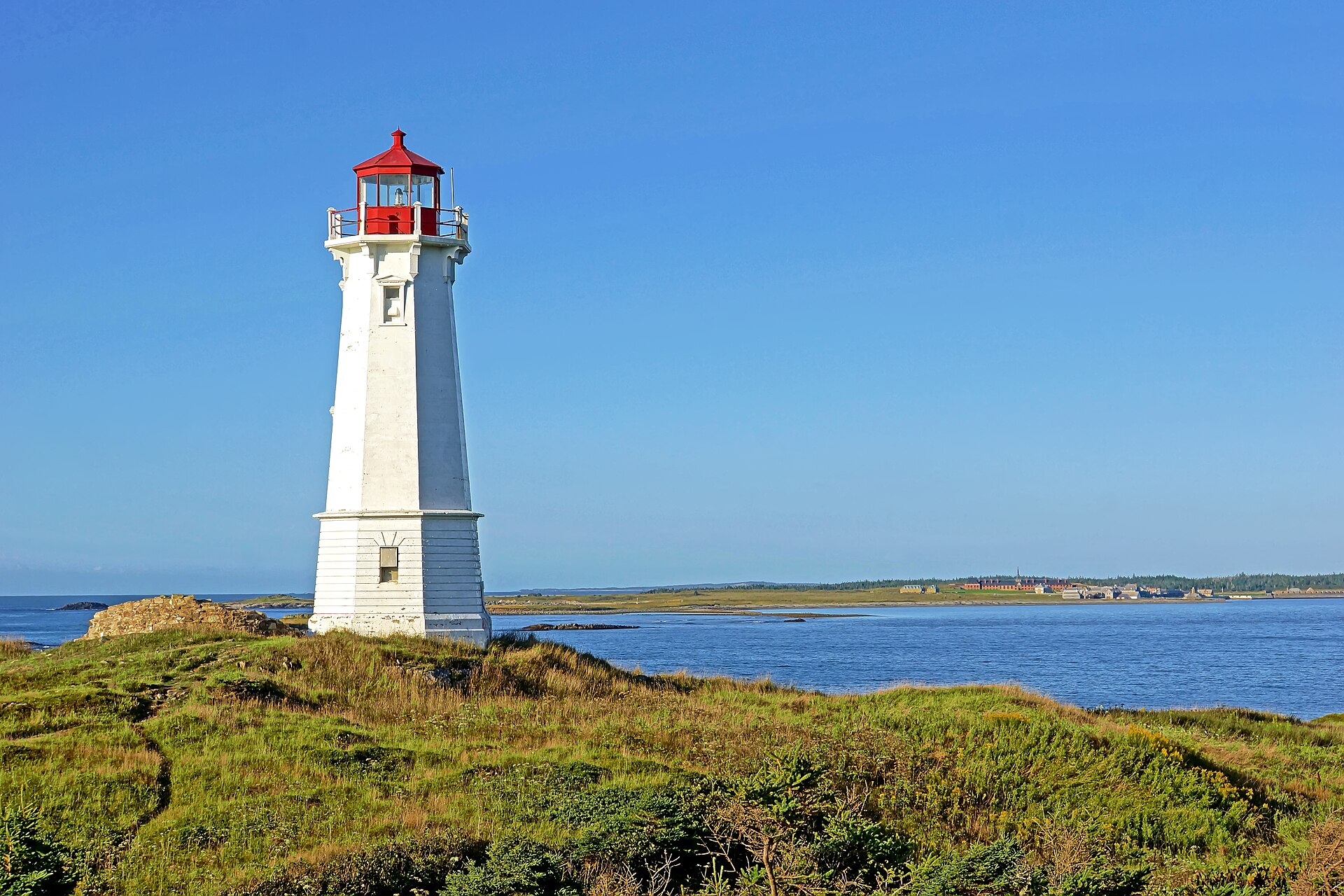
The cost was staggering, far exceeding the original budget and consuming a great fortune in French money. So expensive was the project that, according to a famous story, the king of France reportedly joked that he expected to see the walls of Louisbourg rising over the horizon from the shores of France itself, given how much he had spent on them. The fortress became a byword for costly ambition.
Yet for all the expense, the site had weaknesses that its builders could not fully overcome. The ground around the fortress included higher positions from which an enemy could bombard the walls, and the foggy, stormy climate made both construction and defence difficult. These flaws would prove costly when the fortress finally faced the test of a determined siege.
The famous anecdote about the king expecting to see the walls from France, whether true or not, captured a real anxiety about the fortress’s runaway costs, which became a subject of comment and concern in the French court. The sheer expense of Louisbourg reflected both the difficulty of building on such a remote and rugged shore and the extraordinary value France placed on holding this key position.
The barracks and other structures within the walls were built to house a substantial garrison, and the quality of construction, though sometimes compromised by corruption and the difficult conditions, reflected the ambition of the whole project. Even the everyday buildings of the town were substantial, giving Louisbourg the appearance of a real French provincial town rather than a mere frontier stockade.
Reading the Fortress Walls
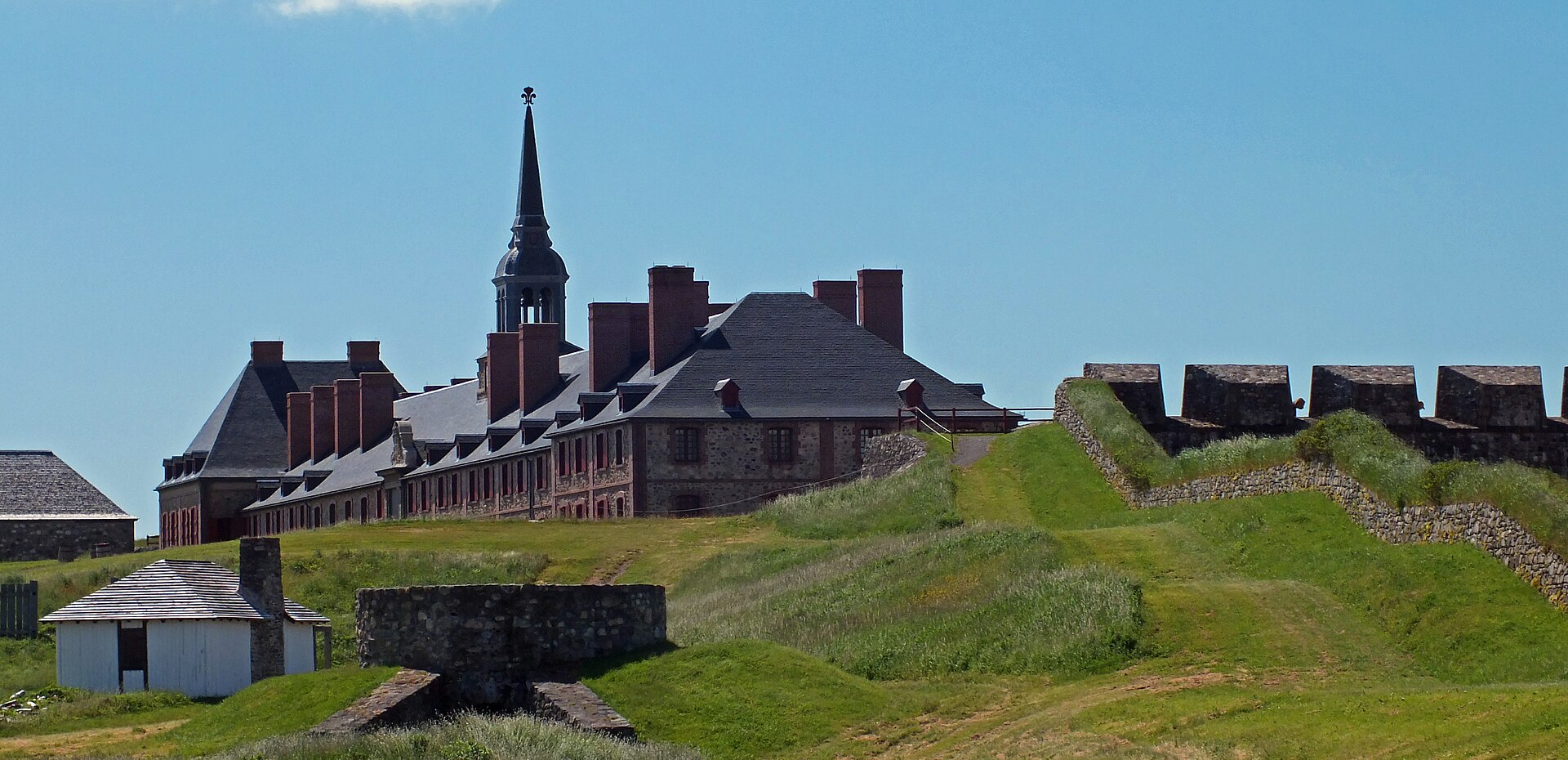
Walking the reconstructed defences of Louisbourg, you can read the military thinking of the age in every angle of stone. The fortress was built in the bastioned style then standard across Europe, with projecting bastions and connecting curtain walls arranged so that defenders could sweep every approach with overlapping fire, the mature science of fortification transplanted to a North American shore.
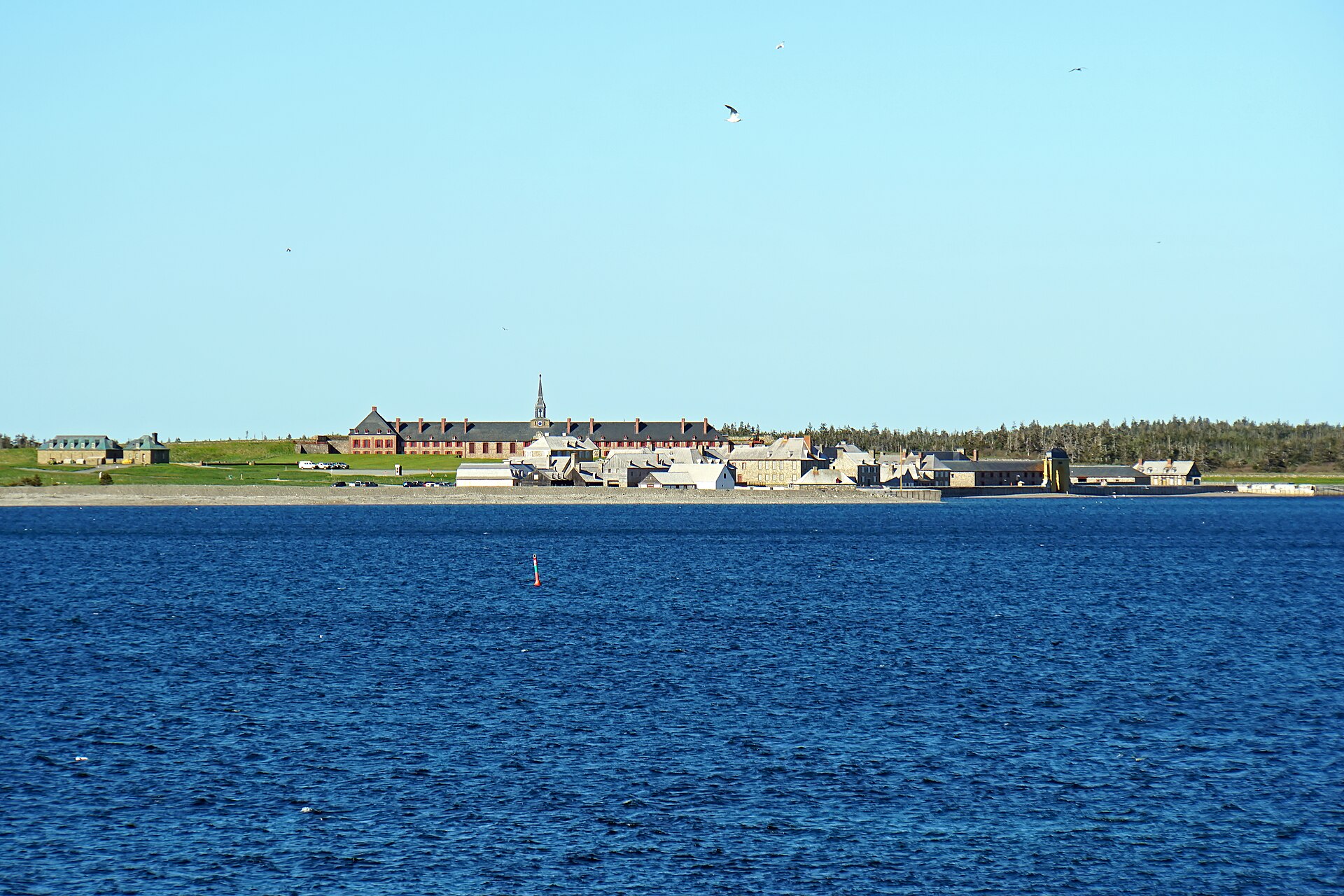
Yet the site also reveals the limitations that doomed the fortress in both its sieges. The surrounding terrain offered higher ground from which besiegers could bombard the walls, a weakness that no amount of clever engineering could fully overcome, and the harsh, foggy climate hampered both the upkeep of the defences and the ability to spot approaching enemies. The fortress was strong, but not invulnerable.
Understanding these strengths and weaknesses brings the history of the sieges vividly to life as you explore. Standing on the walls and looking out toward the positions the besiegers seized, you can grasp exactly how the drama unfolded, and appreciate both the ambition of the fortress’s builders and the ingenuity of the armies that twice overcame their formidable creation.
The reconstruction of these walls, based on meticulous study of the original French plans and the archaeological remains, allows visitors today to experience the fortress much as its garrison knew it. To walk the recreated ramparts is to stand where French soldiers once kept their anxious watch over the fog-bound sea, scanning the horizon for the sails of the enemy fleets that twice came to besiege them.
A Bustling Colonial Town
Louisbourg was far more than a set of military walls; it was a thriving town, home to a substantial population of soldiers, fishermen, merchants, officials, artisans, and their families. At its height it ranked among the busiest ports in North America, its harbour crowded with ships from France, the Caribbean, and the other colonies, all drawn by the trade in cod and goods.

The society of the town was surprisingly cosmopolitan and lively for such a remote outpost. Merchants grew wealthy on the fishery and trade, fine goods were imported from France, and the town had its share of taverns, shops, and social life, as well as the hardships of frontier existence in a harsh climate. It was a genuine slice of French colonial society transplanted to the edge of the Atlantic.
This vibrant community is what the modern reconstruction seeks to recapture, and it is what makes Louisbourg so special. The fortress was not just a barracks but a living town, and its streets once bustled with the everyday life of the people who fished, traded, worshipped, quarrelled, and raised families here on the foggy shores of Île Royale in the service of the French empire.
The population of Louisbourg swelled dramatically over the decades of its existence, growing from a few hundred settlers to several thousand inhabitants at its peak, a substantial town by the standards of colonial North America. This growth reflected the success of the fishery and trade, and it made Louisbourg a place of real social complexity, with distinct classes, occupations, and communities crowded within and around its walls.
The daily life of this bustling town, with its blend of hardship and prosperity, faith and commerce, order and disorder, is exactly what the modern reconstruction strives to convey. By recovering not just the walls but the texture of ordinary existence, Louisbourg offers a rare and valuable window into what it actually meant to live in a colonial town of New France in the eighteenth century.
The Siege of 1745
Louisbourg’s formidable reputation was first put to the test in 1745, and the challenge came from an unexpected quarter. Rather than a professional European army, the fortress was attacked by a force of New England colonial militia, ordinary American colonists led by William Pepperrell, supported by a British naval squadron. Few expected these amateurs to trouble the great French bastion.
To general astonishment, the New Englanders succeeded. They landed, dragged their cannon into position, seizing the high ground the fortress could not adequately defend, and subjected Louisbourg to a punishing bombardment. After weeks of siege, the French garrison, its defences crumbling and its situation hopeless, was forced to surrender, and the supposedly impregnable fortress fell to a colonial army.
The capture of Louisbourg by New England colonists was a sensation, celebrated wildly in the American colonies and in Britain. It was a stunning demonstration that the mighty fortress had exploitable weaknesses, and it made a hero of Pepperrell. Yet the triumph would prove bitterly temporary, for the fortunes of war and diplomacy were about to snatch the prize away again.
The success of the New England amateurs against professional French soldiers behind formidable walls was a genuine military upset that reverberated across the Atlantic world. It demonstrated the growing capability and confidence of the American colonists, and the pride they took in the achievement made the subsequent return of the fortress to France all the more galling and politically significant.
The colonial victory also had a significant strategic effect, temporarily removing the French threat to New England’s own vital fisheries and shipping and boosting British morale in the wider war. For a brief moment, the amateur soldiers of the American colonies had achieved what many professional European armies might have hesitated to attempt, and the memory of it would echo through colonial history.
Handed Back to France
To the fury and dismay of the New Englanders who had captured it, Louisbourg was handed back to France just a few years after its fall. Under the peace treaty that ended the wider war, the fortress was returned to French control in exchange for territory elsewhere, as the great powers traded conquests around the negotiating table with little regard for the colonists who had done the fighting.

For the American colonists, this was a bitter betrayal. They had shed blood and treasure to take the fortress, only to see it given back to the enemy by a distant government pursuing its own diplomatic priorities. The resentment lingered and is sometimes seen as one of the early seeds of the discontent that would eventually grow into the American Revolution.
So Louisbourg became French once more, and the French set about repairing and strengthening its defences, determined to hold on to their vital fortress. But the reprieve was temporary. The underlying contest between France and Britain for control of North America was far from over, and it was only a matter of time before Louisbourg would face another, even greater, trial by siege.
The diplomatic logic that returned Louisbourg to France, trading a hard-won colonial conquest for gains elsewhere, was typical of the way European powers conducted their global rivalries, treating distant colonies as pieces to be exchanged. For the colonists on the ground, however, such calculations felt like a profound injustice, and the memory of it fed a growing sense that colonial and imperial interests did not always align.
The episode also revealed the tensions inherent in the relationship between the American colonies and the mother country, tensions that would only grow in the following decades. The colonists’ sense that their sacrifices had been casually discarded for the sake of European diplomacy planted a seed of grievance that historians have seen as one small tributary feeding the great river of revolution to come.
The Great Siege of 1758
The final and decisive assault on Louisbourg came in 1758, at the height of the great world war between Britain and France. This time there was no doubt about the seriousness of the attack: the British sent a massive army and fleet, under experienced commanders including the officers who would soon conquer Quebec, determined to take the fortress once and for all as the first step in the conquest of Canada.
The siege was a major military operation, methodical and overwhelming. British forces landed against fierce resistance, established their batteries, and subjected the fortress to a relentless bombardment over many weeks. The French garrison and the townspeople endured a punishing ordeal, but the outcome was never really in doubt against such an overwhelming force, and after about six weeks the fortress surrendered.
The fall of Louisbourg in 1758 was a catastrophe for France and a turning point in the war. With the great fortress in British hands, the gateway to the St. Lawrence lay open, and the following year the British sailed up the river to capture Quebec itself. The conquest of Louisbourg was the essential first step in the British conquest of all of New France, sealing the fate of French North America.
The 1758 siege was conducted by some of the ablest commanders in the British service, men who understood that the road to the conquest of Canada ran through Louisbourg. Their methodical reduction of the fortress was a model of eighteenth-century siege warfare, and their success set the stage directly for the dramatic events at Quebec the following year that would end French rule in Canada.
The human cost of the siege fell heavily on the townspeople as well as the soldiers, for Louisbourg was a populated town and not merely a garrison, and its civilian inhabitants endured the terror of the bombardment before being deported to France after the surrender. The fall of the fortress thus meant not only a military defeat but the destruction of a whole community and way of life.
Blown to Rubble
Having finally taken Louisbourg, the British were determined that it should never again serve as a French stronghold threatening their possessions. Rather than garrison and maintain the great fortress, they made the ruthless decision to destroy it utterly, and in the years following its capture, British engineers systematically demolished the fortifications.
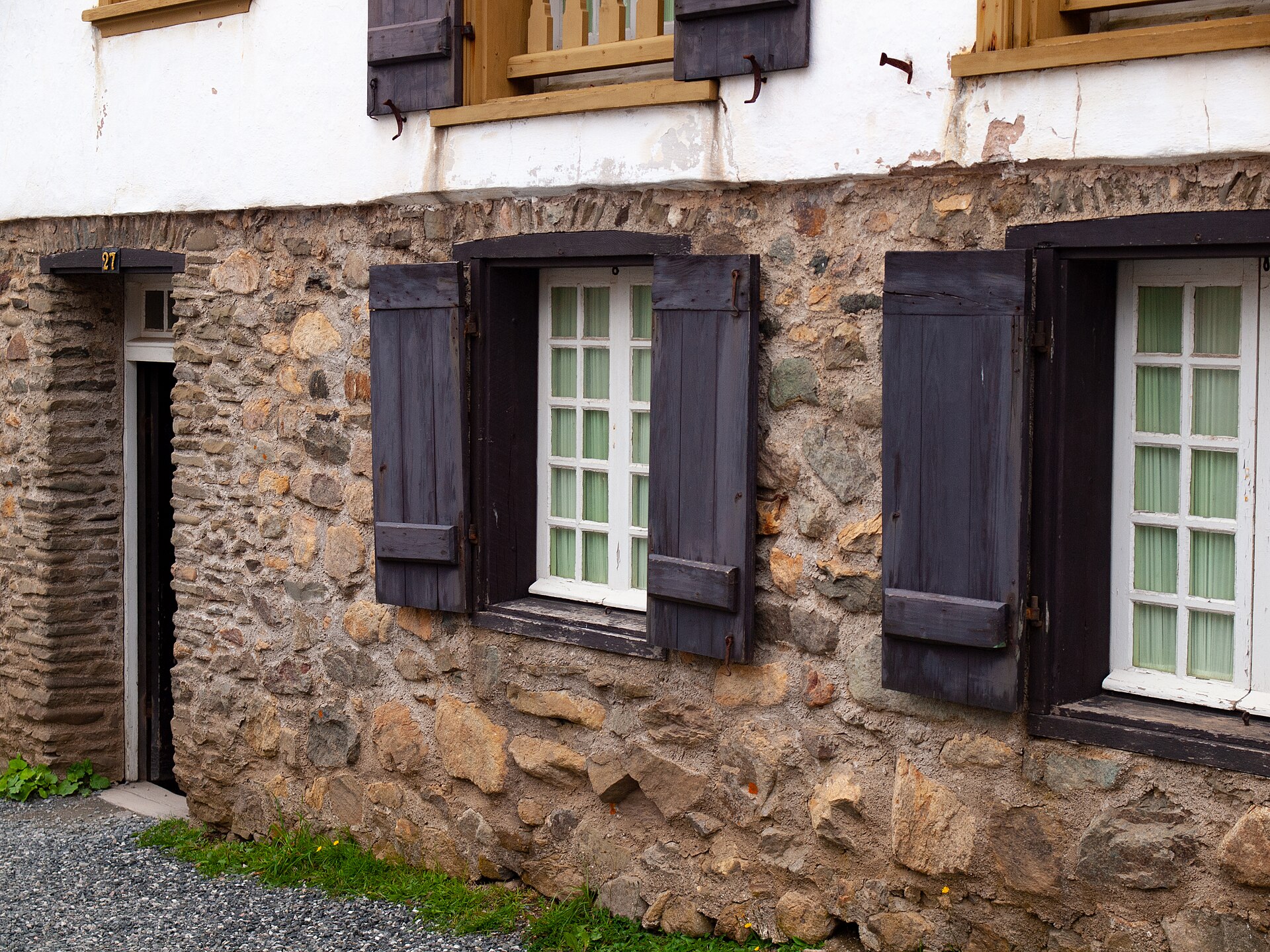
The work of destruction was thorough. The great walls and bastions, which had cost France a fortune and taken decades to build, were blown up and torn down, reducing the mighty fortress to rubble. It was a deliberate act of strategic demolition, intended to erase Louisbourg as a military factor forever, and it succeeded, leaving only ruins where a proud fortress-town had stood.
For two centuries afterward, Louisbourg lay in ruins, its stones scattered and grass-grown, its streets and buildings reduced to grassy mounds and foundations on the lonely shore. The busy port and its thousands of inhabitants were gone, and the site became a quiet, melancholy place, a ghost of the great fortress that had once been one of the most important places in North America.
The decision to demolish rather than hold Louisbourg reflected a cold strategic calculation: better to erase the fortress entirely than to risk it becoming a French stronghold again in some future war. The thoroughness of the destruction, reducing decades of costly construction to rubble, is a striking measure of how seriously the British regarded the threat the fortress had posed to their ambitions.
There is a poignant irony in the fact that the very completeness of the British destruction helped make the later reconstruction possible, for the demolished stones and buried foundations preserved a detailed record of the town beneath the grass. What was intended as an act of erasure inadvertently created a kind of time capsule, waiting two centuries to yield its secrets to the archaeologists who would resurrect the fortress.
Raising the Fortress from the Dead
The story of Louisbourg might have ended in those grassy ruins, but in the twentieth century something remarkable happened. Beginning in the 1960s, the Canadian government undertook one of the most ambitious historical reconstruction projects ever attempted anywhere, deciding to rebuild a large portion of the fortress and town exactly as they had been in the eighteenth century.
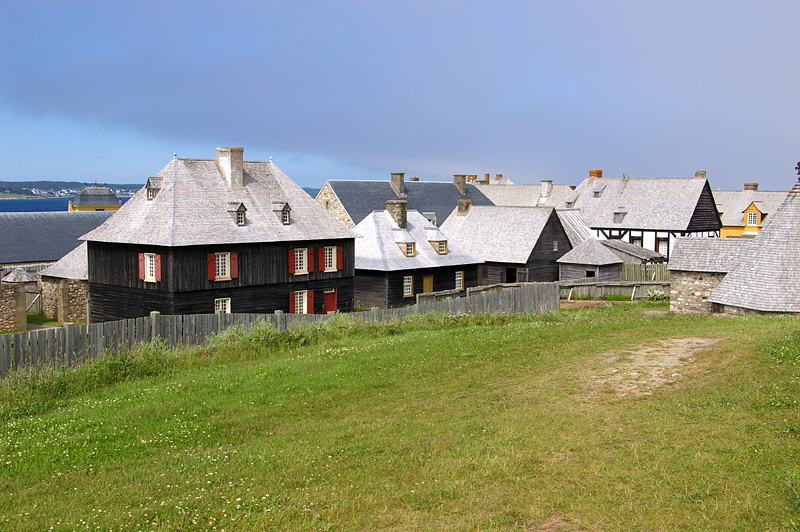
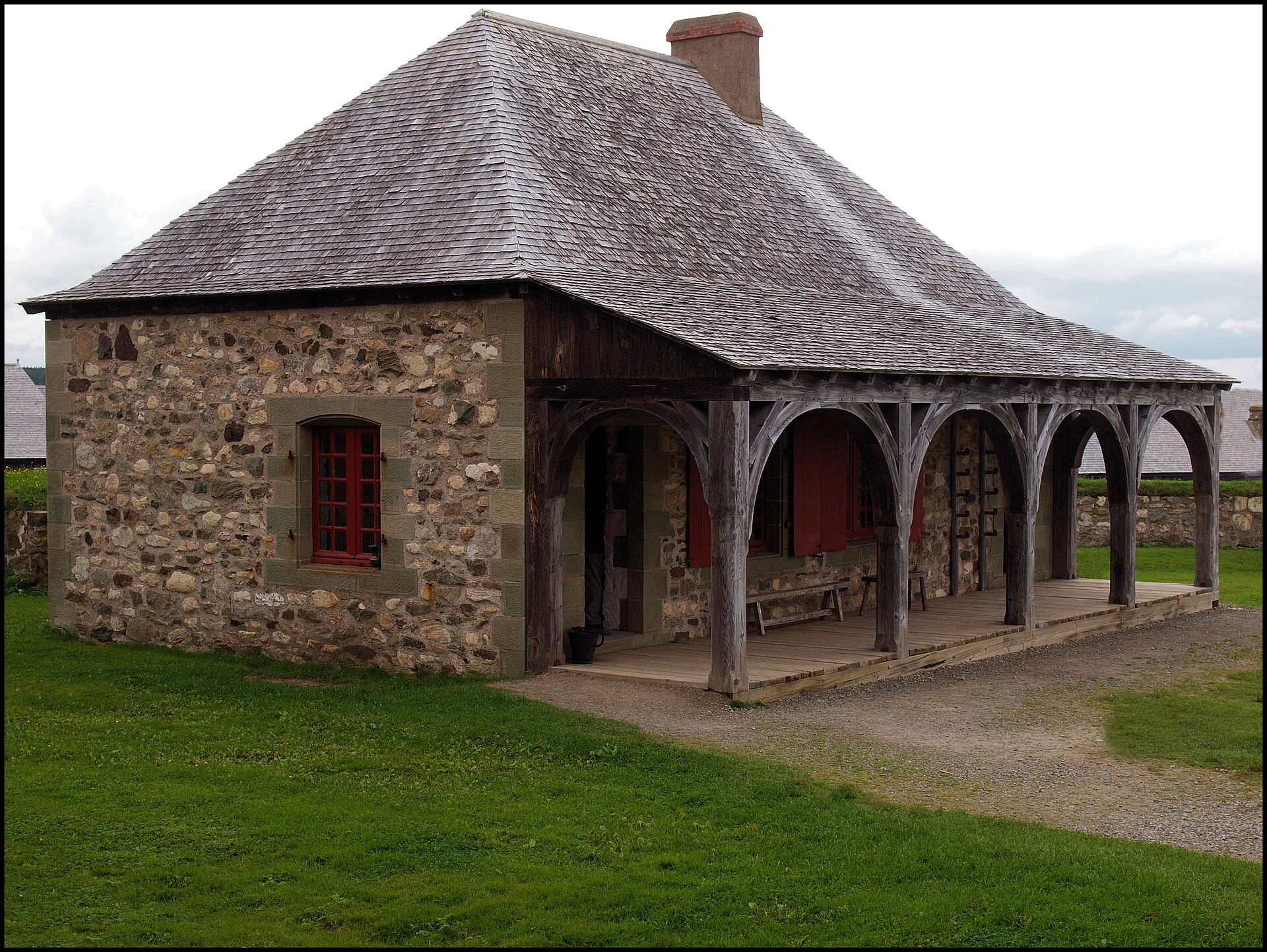
The project was enormous and meticulous. Guided by extensive archaeological excavation, which uncovered a vast number of artifacts, and by detailed French records and plans, teams rebuilt the walls, buildings, and streets of a quarter of the old town, using traditional methods and materials to recreate the fortress as faithfully as possible. It became the largest reconstruction of its kind in North America.
The result is astonishing: a whole section of an eighteenth-century French colonial town, brought back to life on its original site. Where there had been only grassy mounds, there now stand again the walls, the barracks, the homes, the shops, and the streets of Louisbourg, a vanished world resurrected in wood and stone, offering visitors an experience unlike almost anywhere else on the continent.
The reconstruction project also served a social purpose, providing employment in a region that had suffered economic hardship, as former coal miners and other workers were trained in traditional crafts to rebuild the fortress. In this way the resurrection of Louisbourg breathed new life into the surrounding community as well as into the ancient stones, adding a modern chapter to the site’s long story.
The reconstruction relied on an extraordinary marriage of archaeology, archival research, and traditional craftsmanship, as historians pored over French records while excavators uncovered the physical remains of the original town. The fidelity achieved is remarkable, and the project set a new standard for historical reconstruction that has influenced heritage work far beyond the shores of Cape Breton.
Visiting the reconstructed fortress today, it is worth pausing to marvel at the vision and effort that brought it back into being, a testament to the belief that the past is worth recovering and sharing. Few societies have chosen to invest so heavily in resurrecting a lost world, and the result is a gift not only to Canada but to everyone who cares about understanding how people once lived.
A Living Eighteenth-Century Town
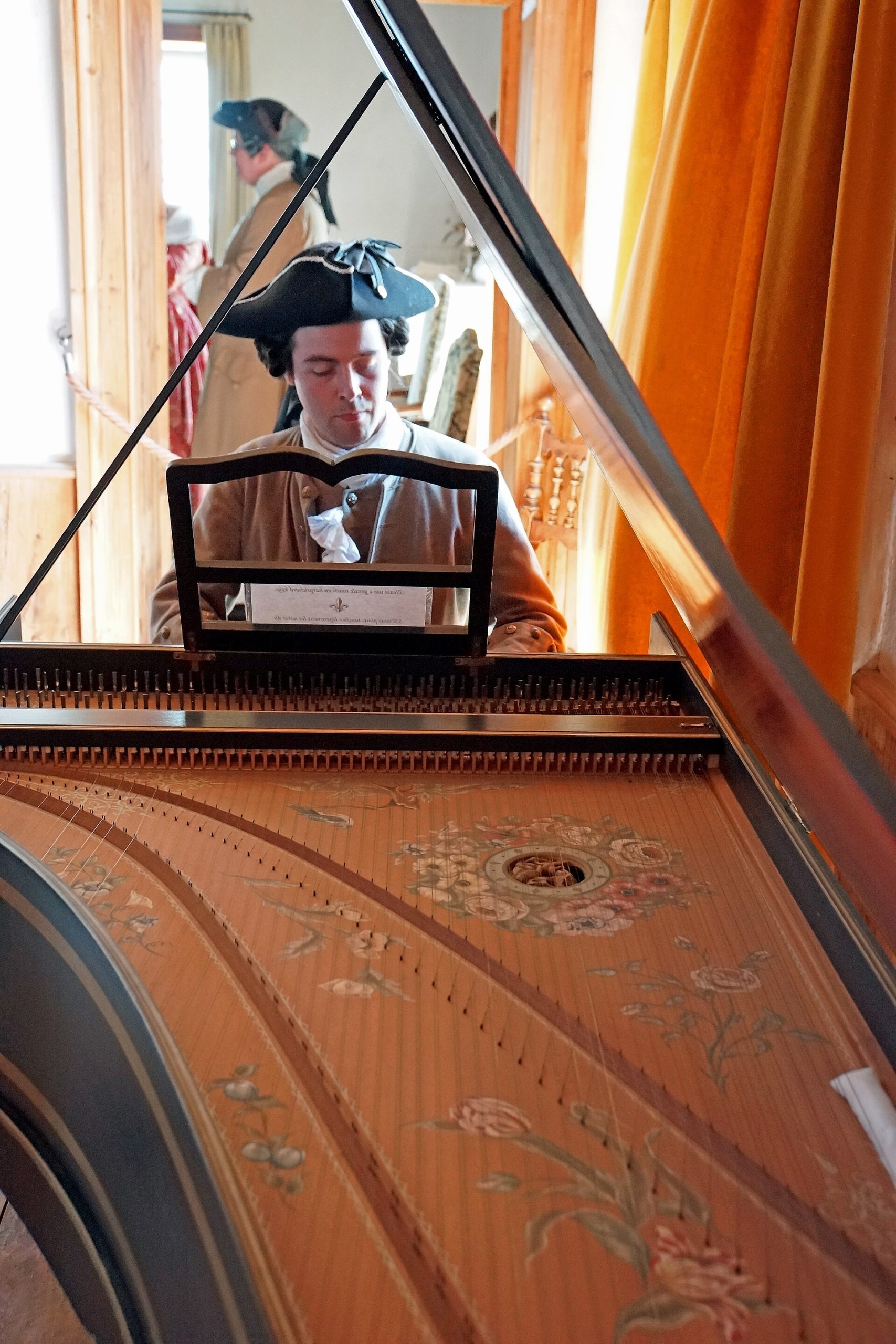
What makes Louisbourg truly special is that it is not just a collection of rebuilt buildings but a living history museum, where the past is brought to life by costumed interpreters. Walking through the reconstructed town, you encounter soldiers, fishermen, merchants, servants, and townsfolk, all dressed and behaving as they would have in the eighteenth century, going about the daily life of the fortress.

These interpreters do more than wear costumes; they inhabit the world of old Louisbourg, cooking over open fires, standing guard, plying trades, and answering visitors’ questions in character, so that a visit becomes a genuine journey into the past. You can eat food prepared from period recipes, watch a cannon being fired, and immerse yourself in the sights, sounds, and even smells of a French colonial town.
This commitment to living history makes Louisbourg an extraordinarily vivid and educational place. Rather than reading about the eighteenth century behind glass, you step into it and experience it directly, gaining an understanding of colonial life that no static museum could provide. It is this combination of faithful reconstruction and living interpretation that has made Louisbourg so celebrated and beloved.
The dedication of the interpreters and the authenticity of the reconstruction combine to create moments of genuine time travel, when the modern world falls away and you feel yourself truly present in the eighteenth century. It is this immersive quality, engaging all the senses, that distinguishes Louisbourg from more conventional museums and makes a visit so memorable for people of all ages.
For families and school groups in particular, this hands-on encounter with the past has an educational value that is hard to overstate, turning history from a set of dates in a book into a living, breathing experience. Children who might struggle to engage with a conventional museum find themselves captivated by the soldiers, the cannon, and the bustle of a town from another age, learning almost without realising it.
A National Historic Site
The importance of Louisbourg to the history of Canada and North America has been formally recognised, and the site is preserved and operated as a national historic site, cared for by the country’s parks service. This status protects both the reconstructed town and the extensive archaeological remains of the parts that have not been rebuilt, ensuring the whole site is safeguarded for the future.
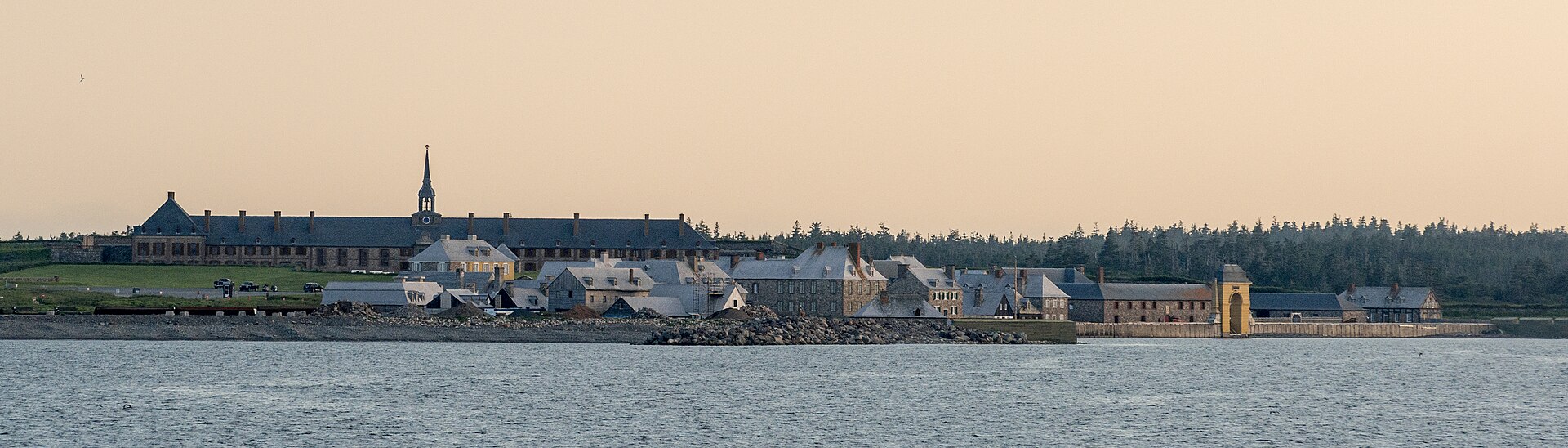
As a national historic site, Louisbourg commemorates the dramatic events that unfolded here and the vanished world of New France that it represents. It stands as a monument to French colonial ambition, to the great imperial struggle for the continent, and to the ordinary people who lived, worked, and died in this remote fortress on the edge of the Atlantic.
The care taken to preserve and present Louisbourg reflects a deep appreciation of its unique value. Few places allow such a direct and immersive encounter with the eighteenth century, and the ongoing work of maintenance, research, and interpretation ensures that this remarkable window into the past remains open for the many visitors who come each year to experience it.
The archaeological work at Louisbourg, which uncovered an immense wealth of artifacts, has made the site an invaluable resource for understanding daily life in New France, and research continues to deepen our knowledge. The reconstructed town rests on this foundation of scholarship, ensuring that what visitors experience is not a fanciful recreation but a carefully researched recovery of a real historical world.
The recognition of Louisbourg as a place of national importance ensures that the resources needed to maintain this complex site, from the reconstructed buildings to the ongoing interpretation, continue to be provided. This commitment reflects an understanding that Louisbourg is not merely a local attraction but a site of continental significance, telling a story that belongs to the whole history of North America.
Visiting the Fortress of Louisbourg
The Fortress of Louisbourg lies on the Atlantic coast of Cape Breton Island in Nova Scotia, a beautiful if remote corner of Canada, and reaching it is part of the adventure. The site is one of the great attractions of the region, and a visit rewards the traveller with an experience of living history that is hard to match anywhere else on the continent.
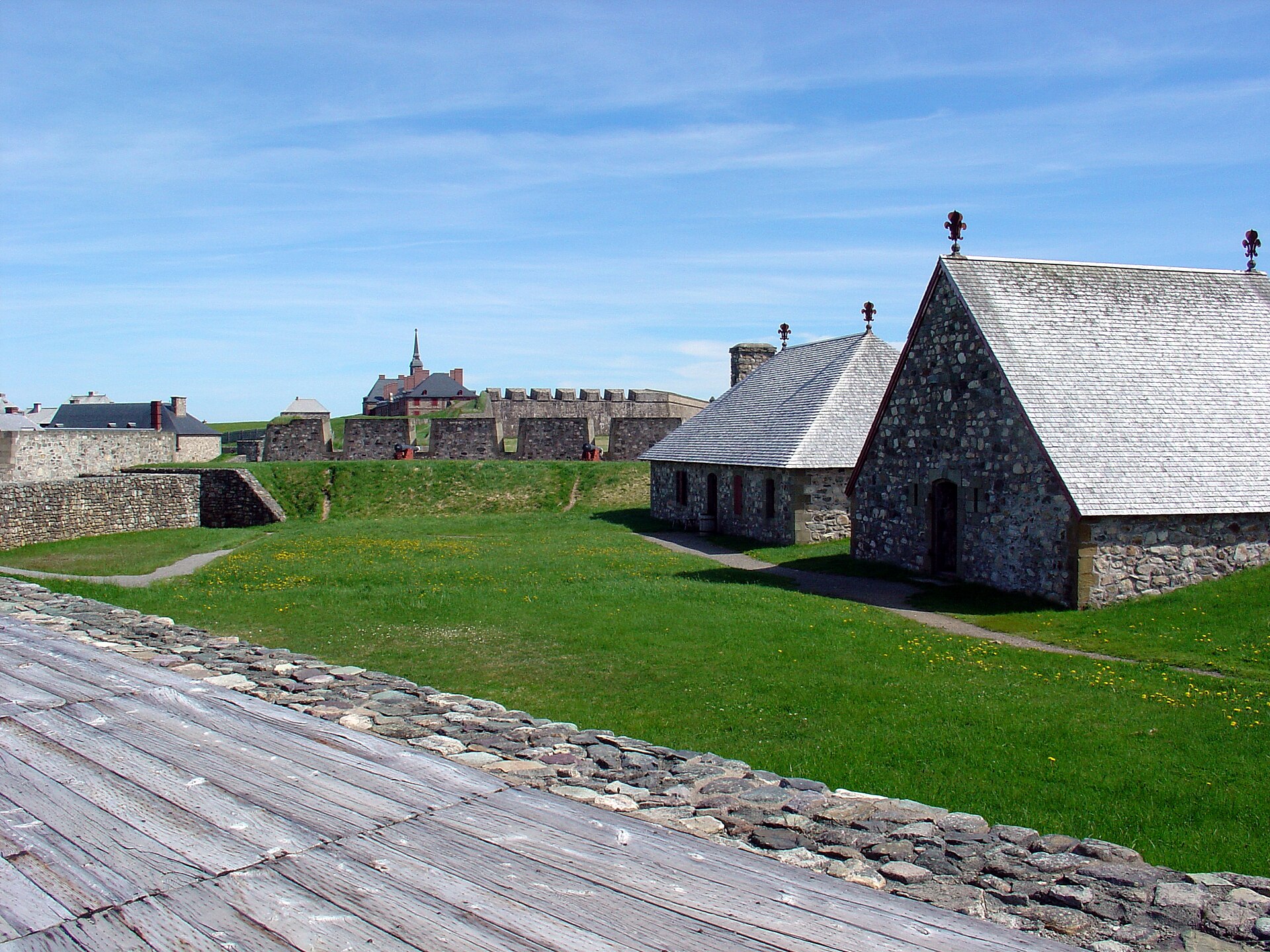
Give yourself plenty of time, for there is a great deal to see and do. You can explore the reconstructed streets and buildings, interact with the costumed interpreters, watch demonstrations of eighteenth-century life and military drill, sample period food, and take in the atmosphere of the foggy, wind-swept setting that so shaped the fortress’s history. Each part of the site tells a piece of the story.
View 45.8925, -59.9850 on Google Maps
Come prepared for the coastal weather, which can be cool, damp, and foggy even in summer, and wear comfortable shoes for exploring the extensive site. A visit to Louisbourg is a journey back in time to the world of New France, and it offers an unforgettable encounter with a vanished era, resurrected against all odds on the lonely shore where the great fortress once guarded the gateway to a continent.
Many visitors find that the atmosphere of the place, with the mist rolling in off the grey Atlantic and the sounds of the eighteenth-century town all around, creates an experience of extraordinary emotional power. To stand within the resurrected walls of a fortress that was built, besieged, destroyed, and reborn is to feel the full drama of history in a way that few other places can offer.
If you can, allow for the possibility of changeable weather and dress in layers, for the maritime climate that so shaped Louisbourg’s history is very much a part of the experience today. The fog and wind that once frustrated the fortress’s builders and defenders now lend the site much of its haunting atmosphere, and they are best embraced as an authentic element of a visit.
Beyond the fortress itself, the surrounding region of Cape Breton offers spectacular coastal scenery and rich Celtic and Acadian cultural traditions, making Louisbourg a natural centrepiece for a wider exploration of one of Canada’s most beautiful and historic corners. A visit to the fortress can thus be the highlight of a memorable journey through a remarkable part of the country.
Castles Nearby
You May Like
Tulum: The Walled Maya City on the Cliffs of the Caribbean