On a rocky hill rising above the great park at the heart of Mexico City stands a building unlike any other in the Americas. Chapultepec Castle, with its terraces, towers, and elegant halls, is often called the only true castle in the New World to have served as the residence of a sovereign. From its heights it commands sweeping views over one of the largest cities on earth, and within its walls it holds a history as dramatic and turbulent as that of Mexico itself.
Chapultepec is a palace of many lives. It has been a viceregal retreat, a military academy, the residence of an emperor, the home of presidents, and finally a great national museum. Each of these chapters has left its mark on the building and its setting, so that to walk through the castle is to move through the whole sweep of modern Mexican history, from the age of Spanish rule through empire and revolution to the present day.
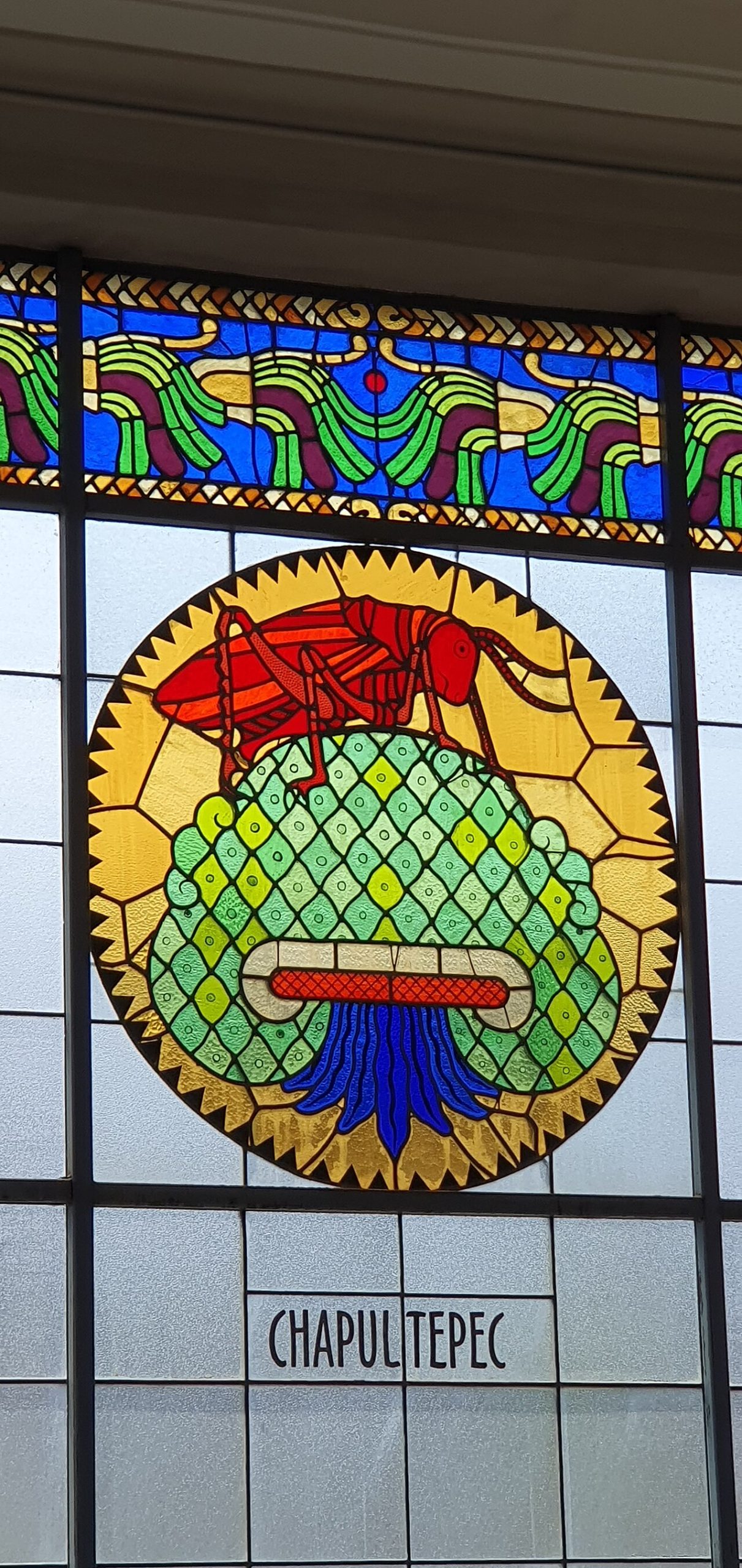
The hill on which the castle stands was sacred long before the castle was built, a place of importance to the ancient peoples of the valley of Mexico. Its very name comes from the language of the Aztecs and means the hill of the grasshopper, and the site carried deep significance in the history of the region. The castle that crowns it thus stands upon layers of history stretching back centuries before its own foundation.
In this article you will explore Chapultepec Castle from its origins as a Spanish colonial residence to its transformation into an imperial palace, through its dramatic role in Mexican history to its life today as a museum. Along the way you will meet the emperor and empress who made it their home, the young cadets who defended it, and the presidents who lived there, and understand why this castle above Mexico City holds so special a place in the story of the nation.
In This Article
- A Castle Above the City
- The Hill of the Grasshopper
- A Colonial Residence
- The Military College and the Boy Heroes
- An Emperor in Mexico
- The Imperial Apartments
- The Avenue to the City
- The Home of Presidents
- Gardens and Terraces in the Sky
- Rooms of Luxury and Color
- Murals of Mexican History
- The National Museum of History
- Visiting Chapultepec Castle Today
A Castle Above the City
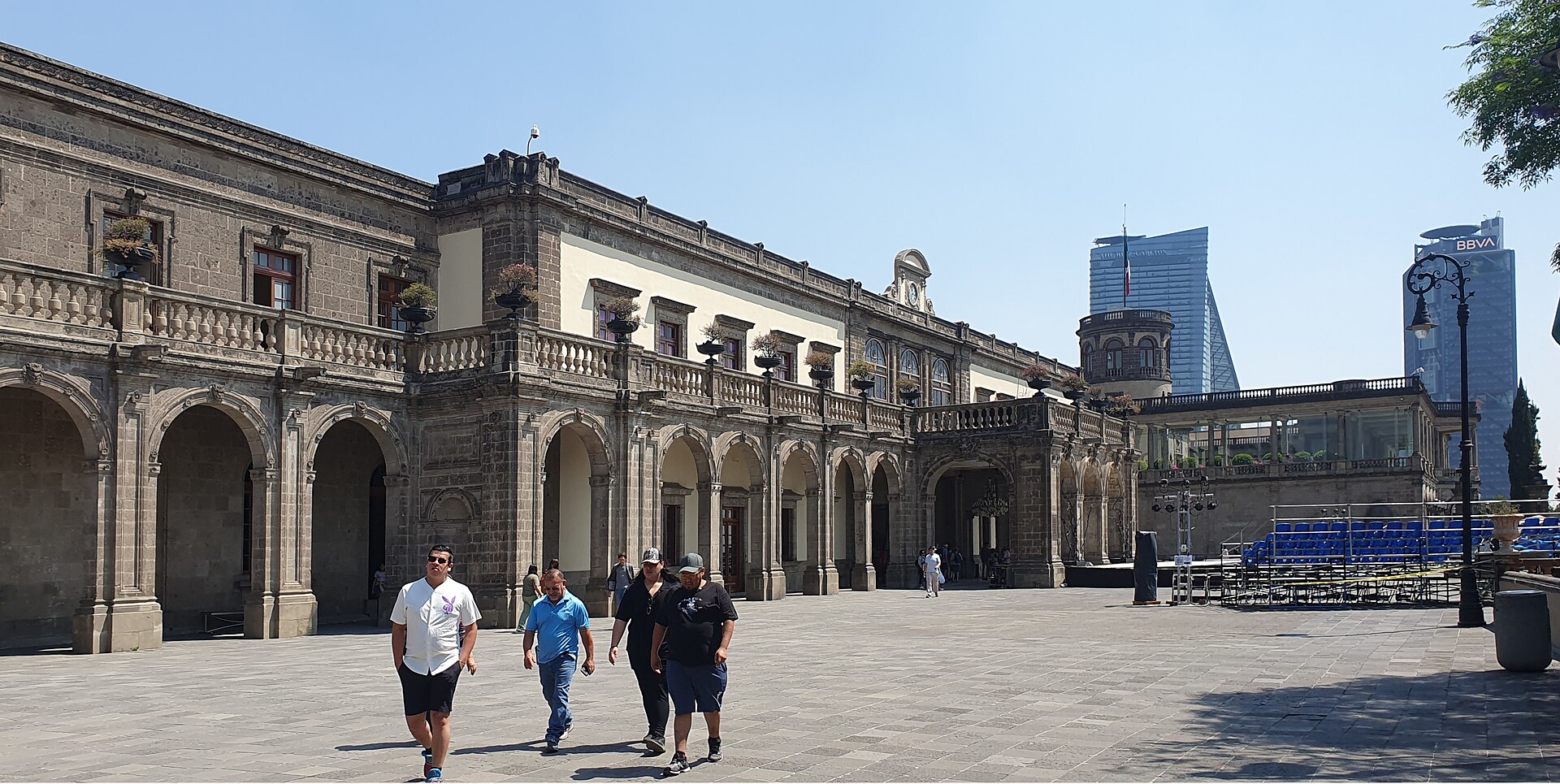
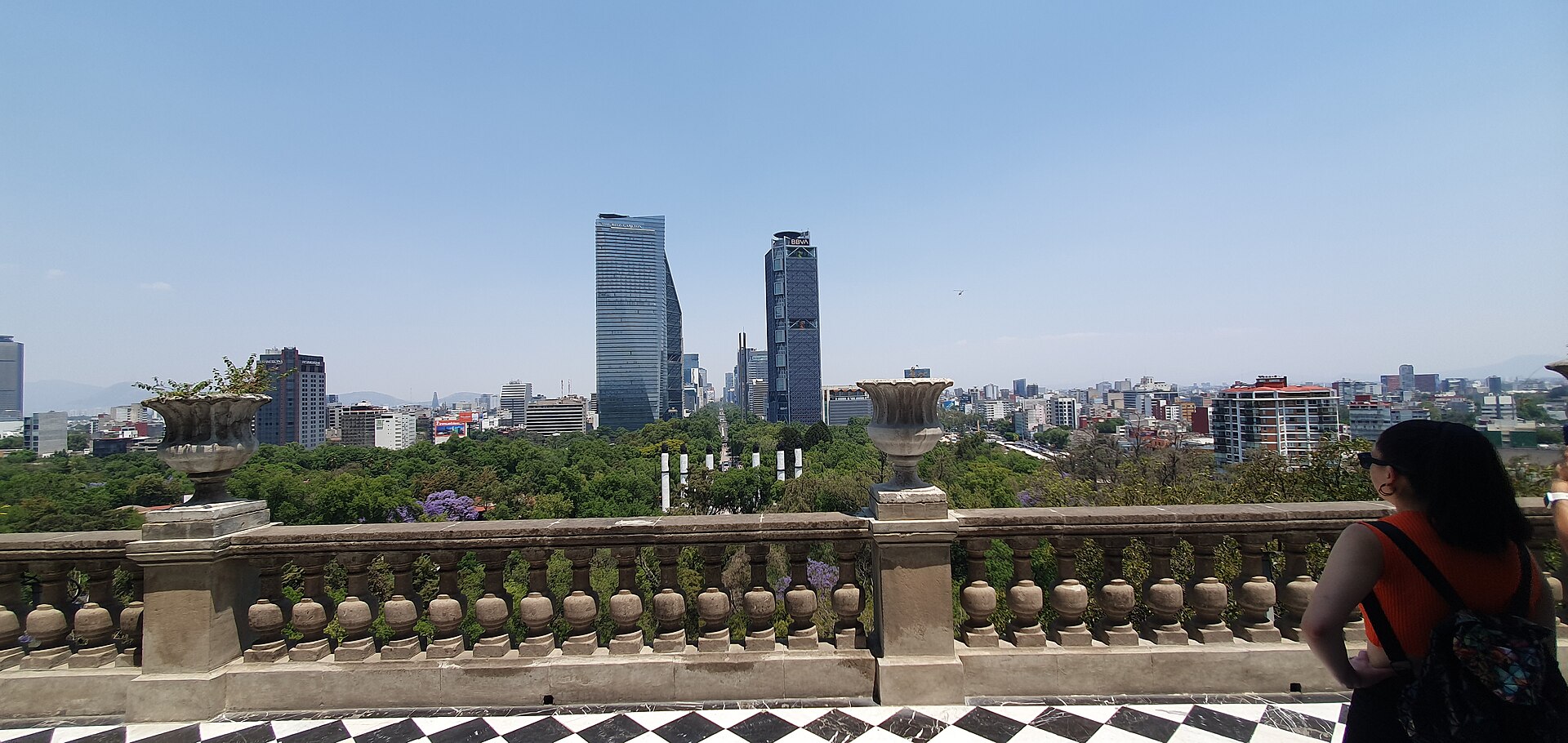
Chapultepec Castle stands atop a hill within the vast Chapultepec Park, one of the largest urban parks in the world, at the heart of Mexico City. Rising above the trees and the surrounding city, the castle commands a dramatic position, its terraces offering panoramic views over the great metropolis spread out below.
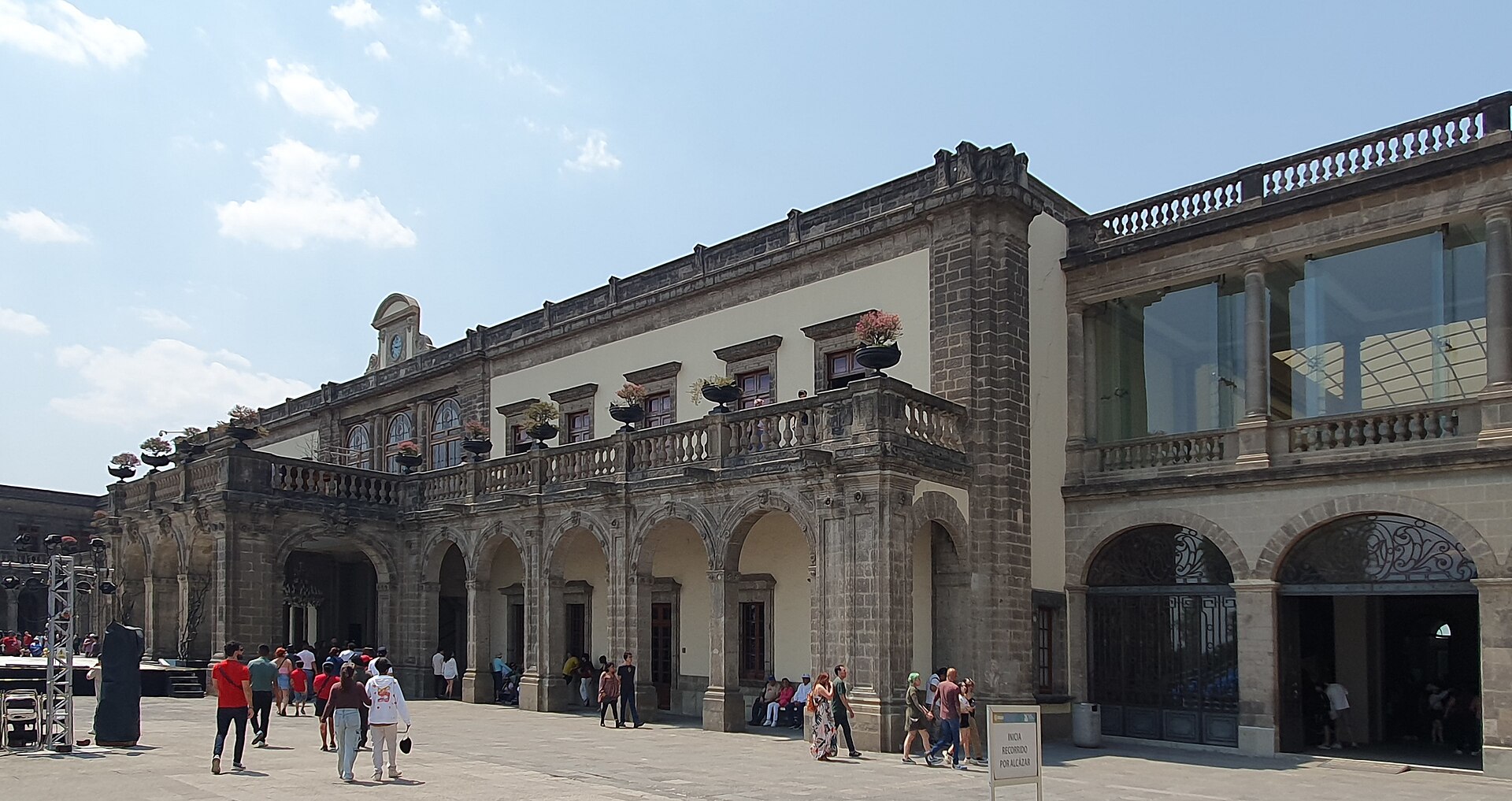
The castle is an elegant building rather than a grim fortress, combining the dignity of a palace with the commanding position of a stronghold. Its halls and terraces, its gardens and towers, reflect the various uses to which it has been put and the tastes of the different eras that shaped it, from colonial times through the age of empire to the modern day.
Its position on the hill gives the castle much of its character and its significance. For centuries this height has been a place of importance, and the castle that crowns it inherits that long history, standing as a landmark visible across the city and a symbol of the nation and its capital.
Today the castle is one of the most beloved and visited sites in Mexico City, valued both for its history and for its beauty. Its combination of elegant architecture, dramatic setting, and rich historical associations makes it a place of great fascination, a castle that tells the story of a nation from its commanding perch above the capital.
What sets Chapultepec apart from the great palaces of Europe or Asia is precisely its layered, improvised quality. It was never built to a single grand plan by one ruler, but grew and changed with the fortunes of Mexico, and that gives it a distinctive character, a building whose very walls record the turbulent and dramatic history of the nation it overlooks.
The Hill of the Grasshopper
Long before the castle was built, the hill of Chapultepec was a place of great importance in the valley of Mexico. Its name, drawn from the Aztec language, means the hill of the grasshopper, and it was a site of significance to the peoples who inhabited the region before the arrival of the Spanish.
For the Aztecs and their predecessors, the hill and its springs were valued and even sacred, associated with rulers and with the water supply of the great city that once stood in the valley. The site carried deep meaning, and its importance long predates the castle that now crowns it, giving the location a history reaching back into the ancient past.
This long heritage adds depth to the significance of the castle. Built upon a hill already charged with centuries of history and meaning, Chapultepec Castle stands as the latest chapter in a story stretching back to the world of the Aztecs, a continuity of importance that links the modern castle to the ancient past of Mexico.
The hill and its surrounding park remain deeply woven into the life and identity of Mexico City. The great park at the foot of the castle is a beloved space for the people of the city, and the hill with its castle continues to hold the significance it has carried for so long, a place of history and meaning at the heart of the capital.
The presence of ancient springs on the hill was especially important in the world of old Mexico, for they helped supply water to the great island city that once filled the valley. This practical importance, combined with the site’s natural beauty and commanding position, made Chapultepec a place of enduring value across the ages, prized by rulers long before the first stone of the castle was laid.
A Colonial Residence
The castle was originally built in the late colonial period, when Mexico was ruled by Spain as part of its vast American empire. It was constructed on the hill of Chapultepec as a residence for the Spanish authorities, intended as a summer retreat and a place of pleasure removed from the city below.
The building of a grand residence on the hill reflected the importance of the site and the ambitions of the colonial rulers. Positioned above the city, enjoying cool air and fine views, the castle was designed as an elegant retreat, a fitting residence for the representatives of the Spanish crown in one of its most important American possessions.
The colonial origins of the castle gave it its initial form, though the building would be much altered in later years. As the seat of a summer residence for the colonial authorities, it began its long history as a place associated with power and privilege, set apart from the ordinary life of the city on its commanding hill.
The end of Spanish rule and the birth of an independent Mexico brought change to the castle, as it did to the whole country. The building passed through various uses in the turbulent decades that followed independence, its colonial origins forming the foundation for the many transformations it would undergo in the century to come.
The hill’s cool air and commanding views made it a natural choice for a retreat, offering escape from the heat and bustle of the city on the plain below. In choosing this height for their residence, the colonial authorities were continuing a tradition of valuing the site that reached back to the rulers of the Aztec world, drawn to the same qualities that had made the hill prized for centuries.
The Military College and the Boy Heroes
In the decades after independence, the castle came to house a military academy, training the officers of the young Mexican nation. This use gave the castle a new role and set the stage for one of the most dramatic and revered episodes in its history and in the history of Mexico.
During a war between Mexico and its northern neighbor in the mid-nineteenth century, the castle became the scene of a fierce battle as invading forces assaulted the hill. According to a cherished national tradition, a group of young cadets defended the castle to the end, and several died rather than surrender, becoming enduring symbols of patriotism and sacrifice.
These young defenders, remembered as the boy heroes, have become among the most honored figures in Mexican national memory. Their story, of youthful courage in the defense of the castle and the nation, is commemorated in monuments and ceremonies, and it has given Chapultepec a place of deep emotional significance in the heart of the country.
The memory of this episode adds a profound dimension to the castle’s history. Beyond its role as a residence and a palace, Chapultepec is a place of national mourning and pride, associated with a story of sacrifice that resonates deeply in Mexico. The tale of the boy heroes remains one of the most powerful associations of the castle to this day.
The commemoration of the young cadets has made the castle a site of pilgrimage and remembrance for generations of Mexicans. Their story, whatever the precise details history can confirm, has become a powerful national myth of courage and sacrifice, and it ensures that Chapultepec is felt not merely as a beautiful monument but as sacred ground in the memory of the nation.
An Emperor in Mexico
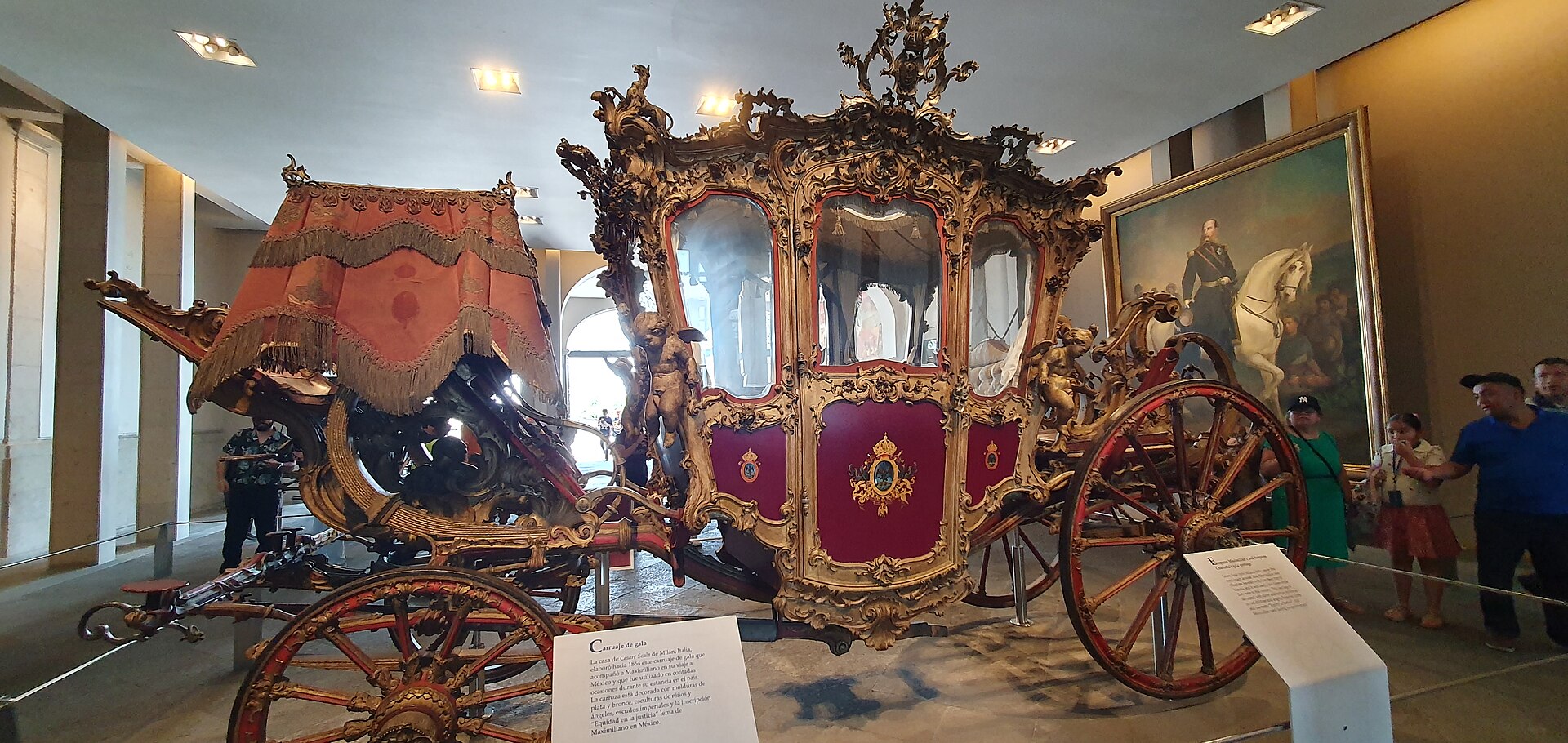
The most romantic and tragic chapter in the castle’s history came when Mexico briefly became an empire, ruled by a European prince brought to the throne with foreign support. This emperor and his wife chose Chapultepec as their principal residence, and they transformed the castle into an imperial palace of great elegance.
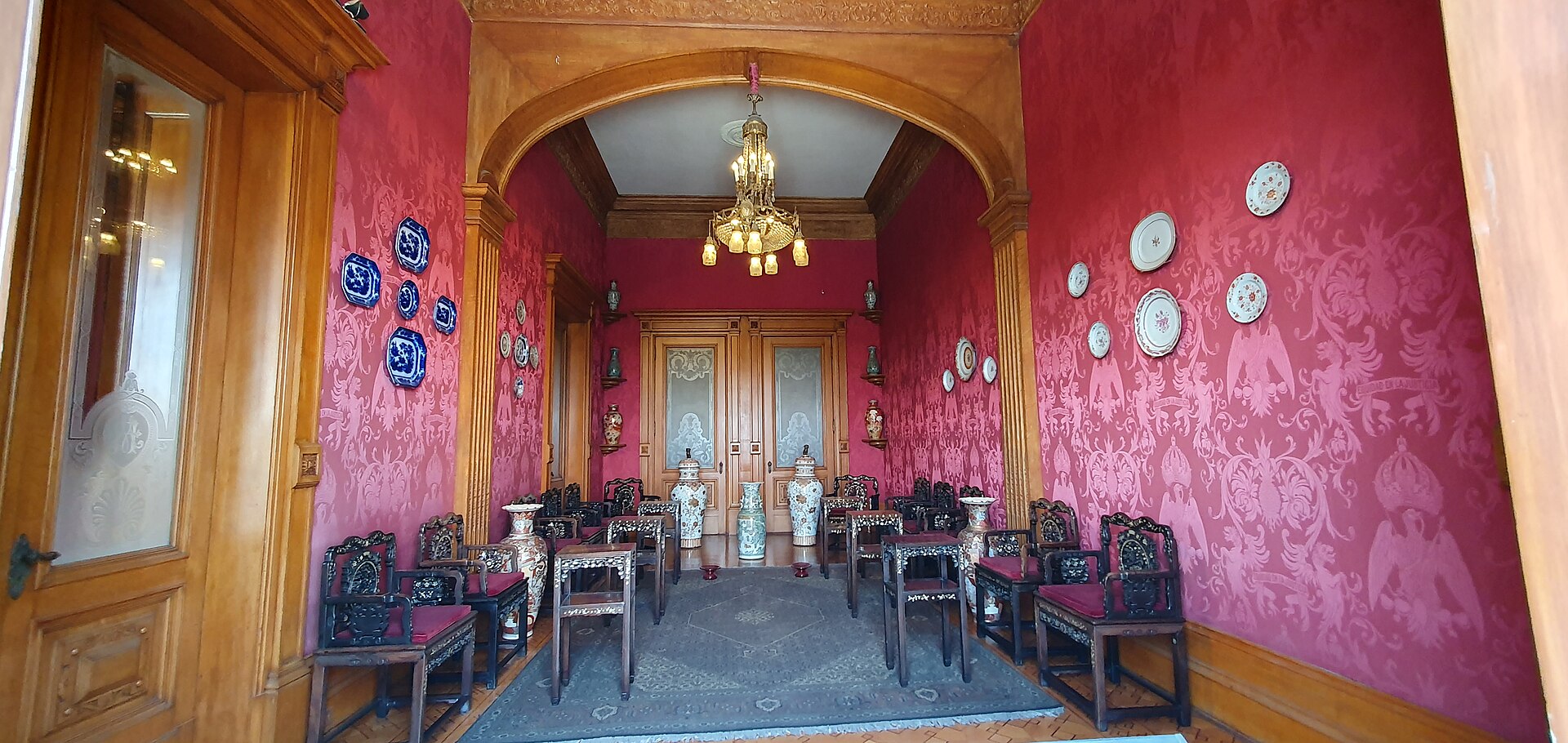
The emperor and empress set about remodeling and decorating the castle in the European style, filling it with fine furnishings and creating luxurious apartments suited to a royal court. Under their direction, Chapultepec became a genuine palace, its rooms and terraces reflecting the tastes of a European court transplanted to the New World.
The imperial couple brought to Mexico the manners and splendor of the European courts, and their brief reign gave the castle its most glamorous period. From Chapultepec they sought to rule, surrounding themselves with the trappings of monarchy, in an episode that combined genuine ambition with a deep and ultimately tragic unreality.
The empire, however, was short-lived and ended in disaster, with the emperor eventually overthrown and executed. The tragic fate of the imperial couple lends their time at Chapultepec a melancholy romance, and their brief reign left an indelible mark on the castle, which still preserves much of the character they gave it as an imperial residence.
The story of the emperor and empress has a fairy-tale beginning and a tragic end that has fascinated Mexico ever since. Drawn across the ocean by the promise of a throne, they invested their new home with genuine hope and considerable taste, only to be caught up in a doomed political adventure. The castle they beautified became the setting for one of the most poignant episodes in Mexican history.
The Imperial Apartments
The apartments created during the imperial period are among the most beautiful and evocative parts of the castle. Decorated in the European fashion, filled with fine furniture, paintings, and luxurious detail, they recreate the world of a nineteenth-century court and offer a vivid sense of the life of the imperial couple.
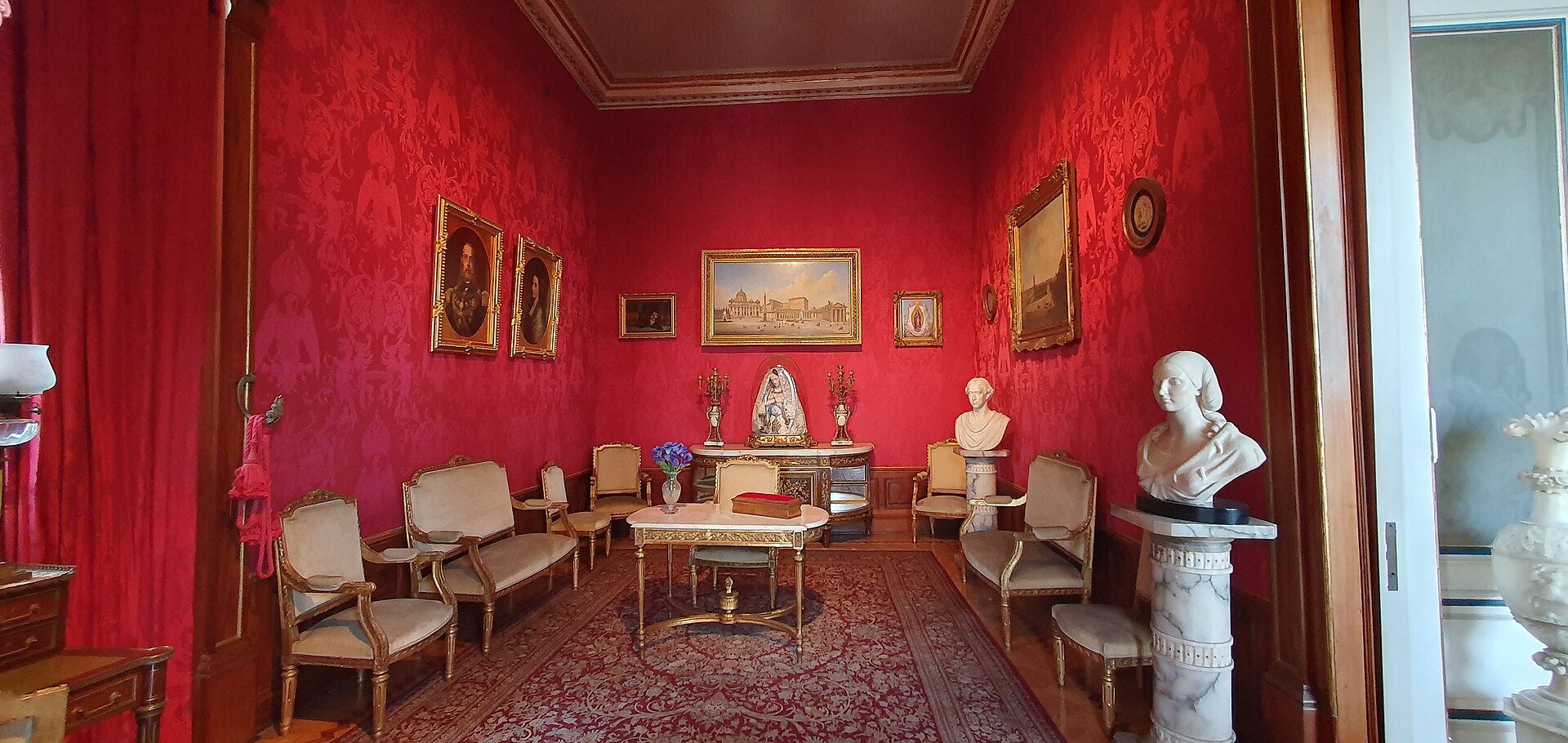
The upper part of the castle, known as the alcazar, contains many of these elegant rooms, arranged around courtyards and opening onto terraces with magnificent views. Salons for music and conversation, private apartments, and richly decorated chambers create a sequence of beautiful spaces that reflect the refined tastes of their imperial occupants.
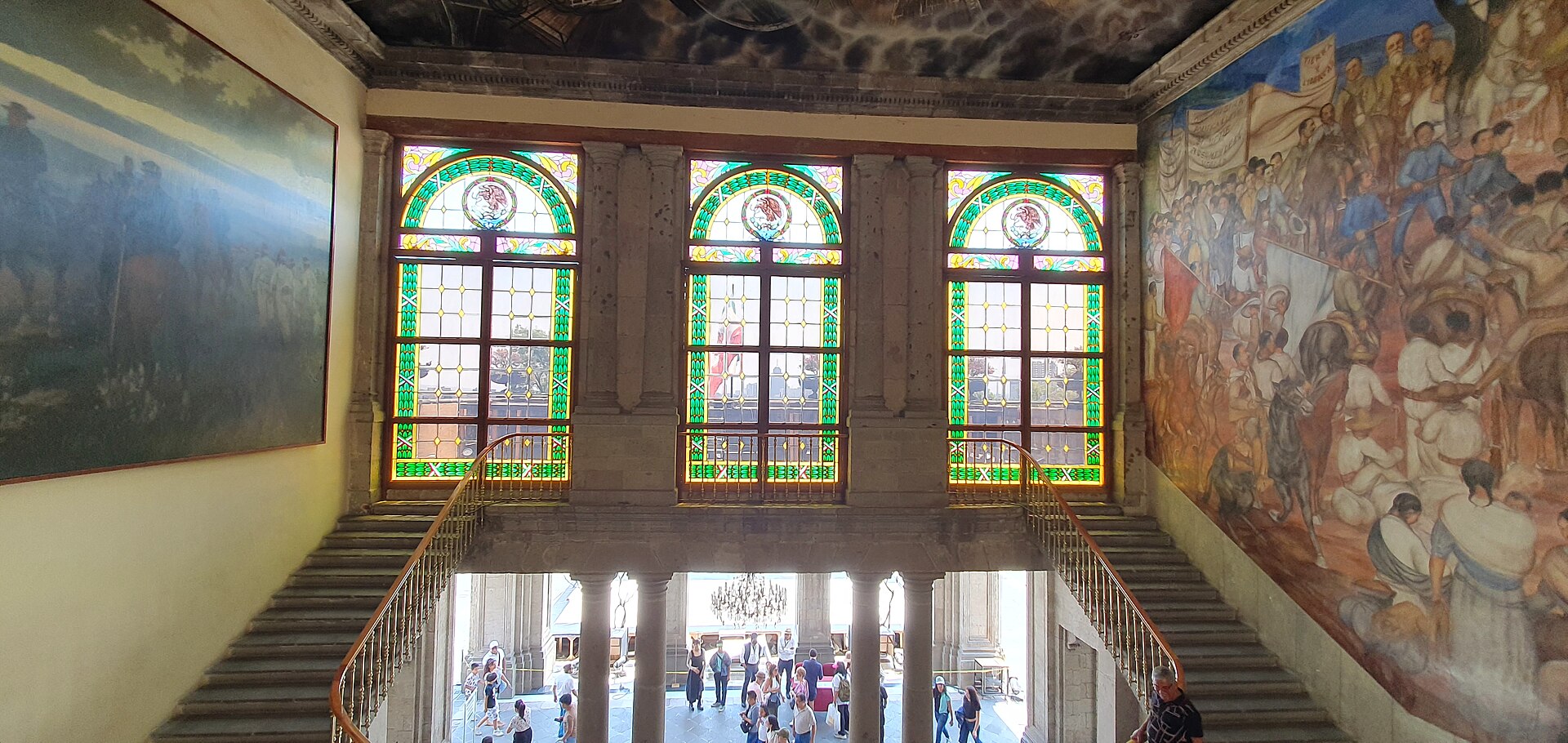
Among the treasures of these apartments are their fine furnishings, their decorative details, and features such as stained glass and rich materials that give the rooms their air of luxury. The care lavished on their decoration reflects the ambition of the imperial couple to create a court worthy of a European monarchy in their new realm.
These imperial apartments are one of the great attractions of the castle, allowing visitors to step into the world of Mexico’s brief empire. Preserved and displayed as part of the museum, they evoke the glamour and the tragedy of that short-lived reign, and they remain among the most memorable and beautiful spaces in the whole castle.
Walking through these rooms today, one is struck by the poignancy of the effort invested in them. The imperial couple furnished their hilltop home as though building for a long and secure reign, and the elegance of the apartments speaks of hopes that history would soon cruelly disappoint. That tension between beauty and impending tragedy gives the alcazar much of its emotional power.
The Avenue to the City
One of the most lasting legacies of the imperial period was the creation of a grand avenue linking the castle to the center of the city. Laid out on the orders of the emperor to connect his residence at Chapultepec with the heart of the capital, this great boulevard became one of the defining features of Mexico City.
The avenue was conceived as a grand processional route, a fitting approach to the imperial residence, inspired by the great boulevards of Europe. Running straight and wide from the castle toward the city, it transformed the urban landscape and gave Mexico City one of its most important and beautiful thoroughfares.
Over time this avenue became one of the great streets of the capital, lined with monuments, trees, and grand buildings, a central axis of the city’s life. Though created to serve an emperor who would soon fall, it endured and flourished, becoming a lasting and beloved part of Mexico City far outliving the empire that gave it birth.
The creation of this avenue shows how the castle shaped not only its own hill but the wider city around it. The connection between Chapultepec and the capital, forged in the imperial period, remains a defining feature of Mexico City today, a reminder of how the history of the castle is woven into the fabric of the metropolis it overlooks.
That so central and beloved a feature of Mexico City should have originated as an emperor’s private approach to his residence is one of the great ironies of the capital’s history. The empire vanished within a few years, but the avenue it created endured and flourished, a lasting gift, however unintended, from a doomed reign to the city that outlived it.
The Home of Presidents
After the fall of the empire and the restoration of the republic, Chapultepec Castle took on yet another role, becoming the official residence of the presidents of Mexico. For many decades, the leaders of the nation lived and worked in the castle, and it served as the seat of the country’s highest office.
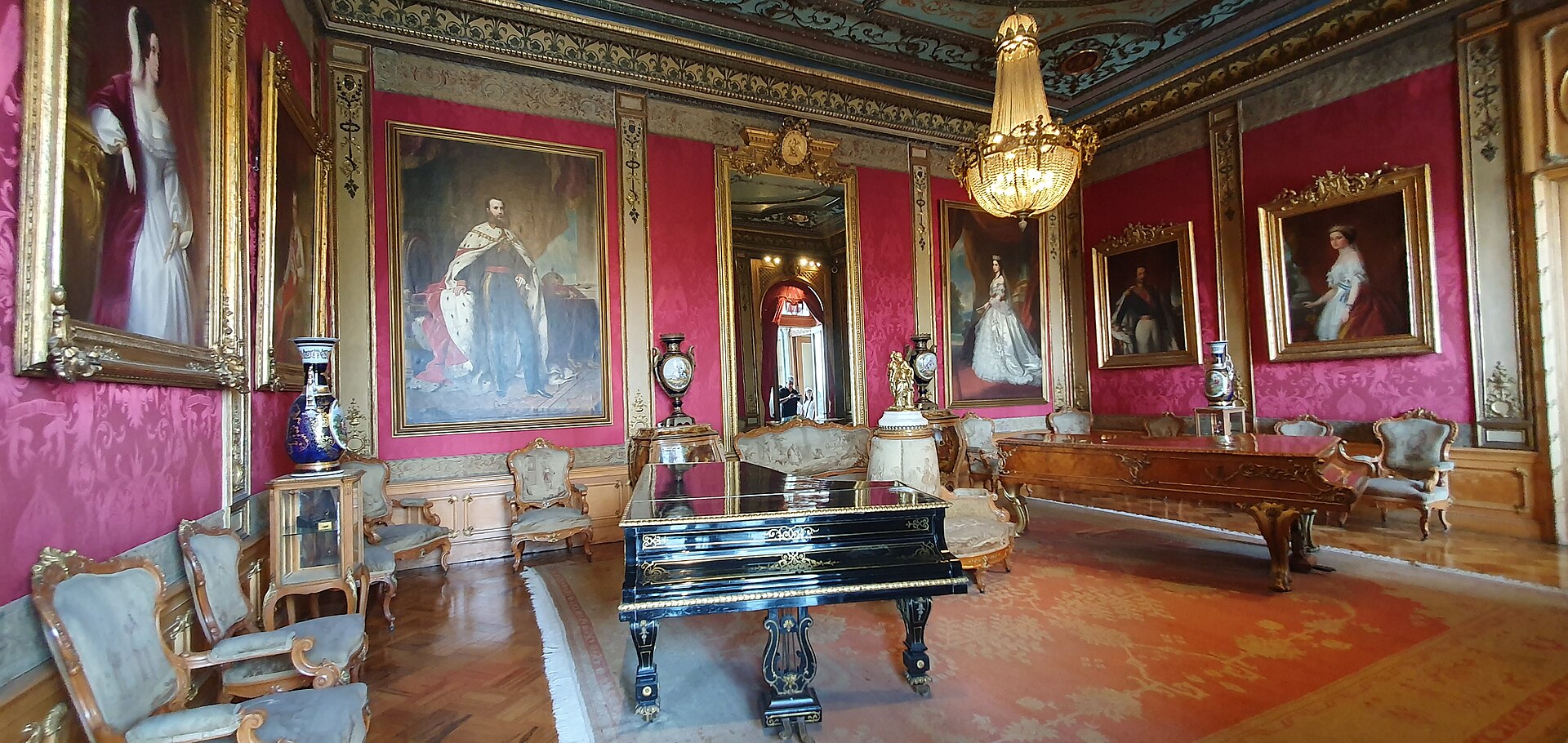
As the presidential residence, the castle was again altered and maintained to suit its new function, and it continued to be a center of power in Mexico. From its halls and terraces, presidents governed the nation, and the castle remained closely bound up with the political life of the country through a period of great change and turbulence.
The use of the castle as the presidential residence lasted until the middle of the twentieth century, when a president decided to move the official residence elsewhere and to give the castle a new purpose. This decision marked the end of Chapultepec’s role as a seat of power and the beginning of its life as a public institution.
The long period during which the castle served as the home of presidents added another rich layer to its history. Having been a colonial residence, a military academy, and an imperial palace, Chapultepec now became the seat of the republic’s leaders, its walls witnessing the drama of Mexican political life across many decades.
The move of the presidential residence away from the castle in the twentieth century was itself a symbolic act, marking a shift toward a more modern conception of the office. In giving up the hilltop castle, with all its imperial and aristocratic associations, the presidency signaled a break with the past, and the castle was freed to become a monument to the history it had witnessed.
Gardens and Terraces in the Sky
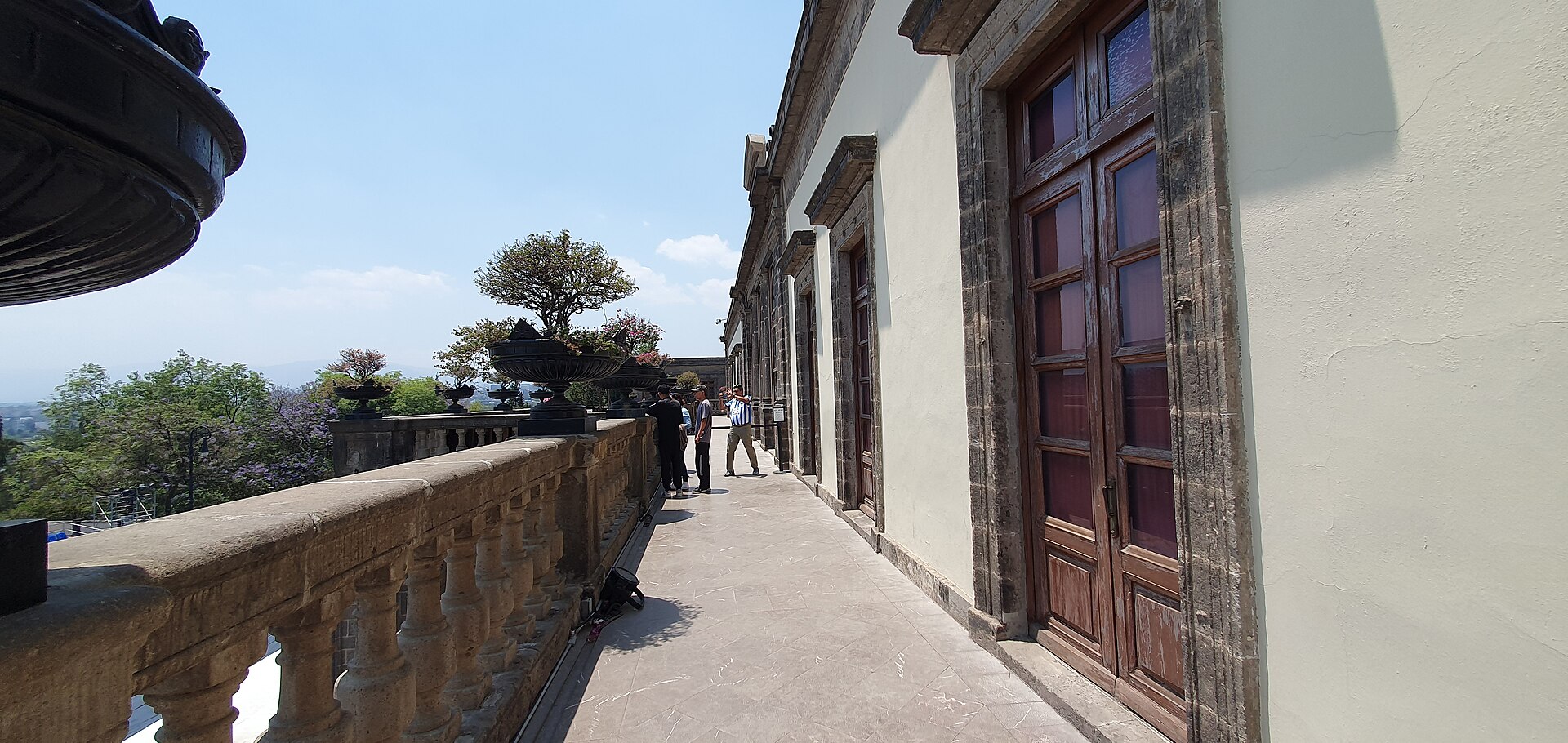
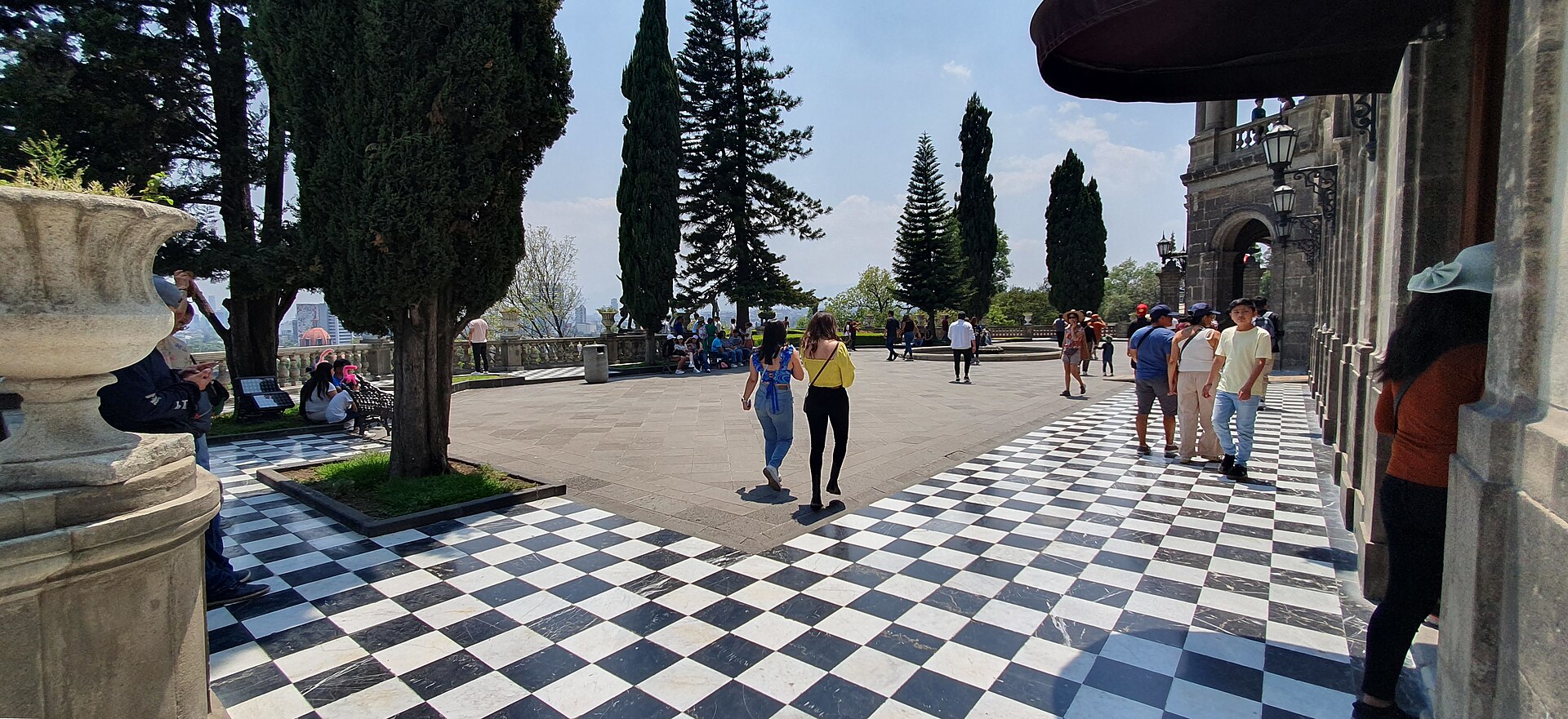
One of the great delights of Chapultepec Castle is its rooftop garden and terraces, laid out high above the city on top of the alcazar. These elevated gardens, planted with greenery and adorned with fountains and decorative details, create a beautiful and unexpected oasis at the summit of the castle.
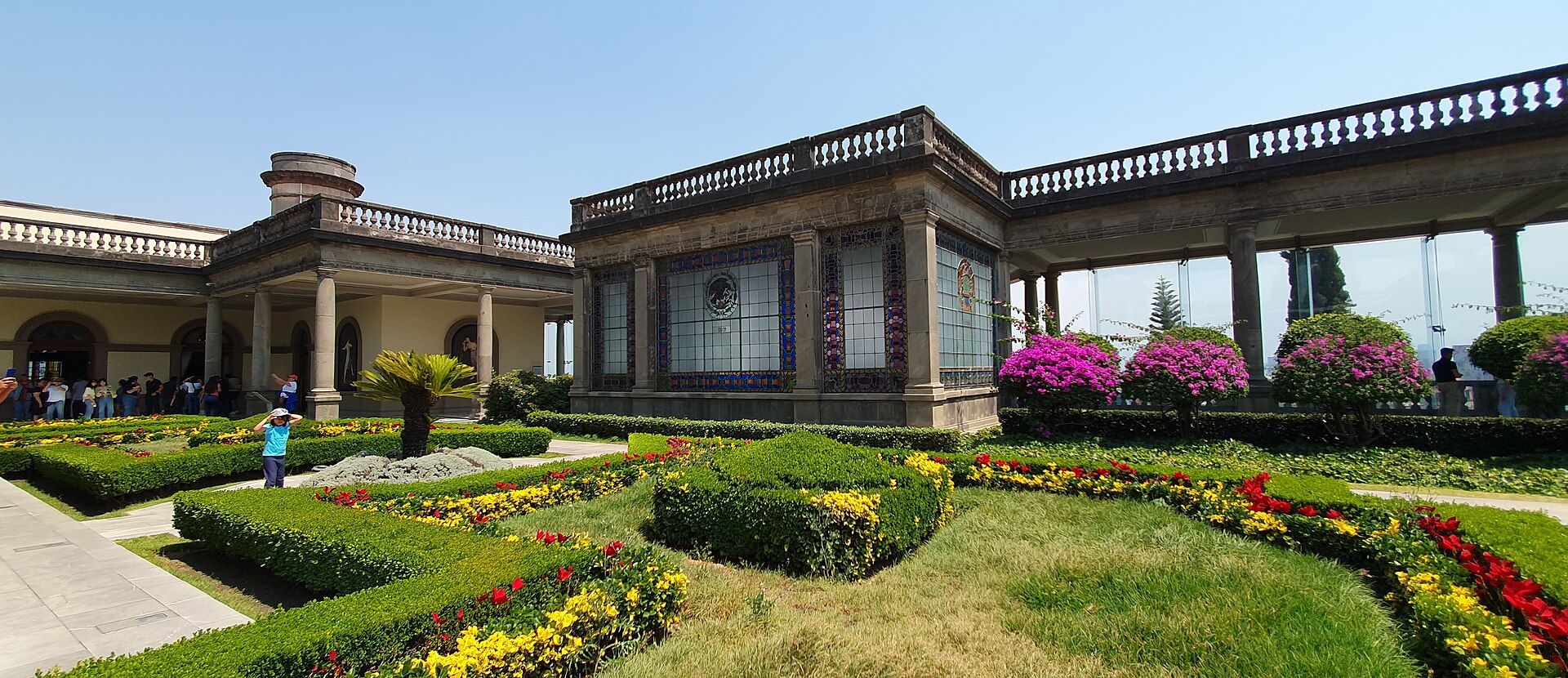
From the terraces, visitors enjoy some of the finest views in Mexico City, looking out over the great park below and across the vast expanse of the metropolis to the mountains beyond. The combination of the elevated garden and the panoramic views makes the rooftop of the castle one of its most magical spaces.
The rooftop garden reflects the castle’s character as a place of pleasure and elegance as much as of power. Created for the enjoyment of its royal and presidential occupants, it offered a place of beauty and repose high above the city, a private paradise in the sky at the summit of the castle.
For visitors today, the terraces and their garden are among the highlights of a visit, offering both beauty and a sense of the castle’s commanding position. To stand amid the greenery high above Mexico City, with the metropolis spread out on every side, is to understand the appeal that this hilltop has held for so long.
Rooms of Luxury and Color
The interiors of Chapultepec Castle are rich and varied, reflecting the many eras and occupants that have shaped them. From the elegant imperial apartments to the grand halls of the presidential period, the rooms of the castle offer a succession of beautiful and evocative spaces, each with its own character and history.
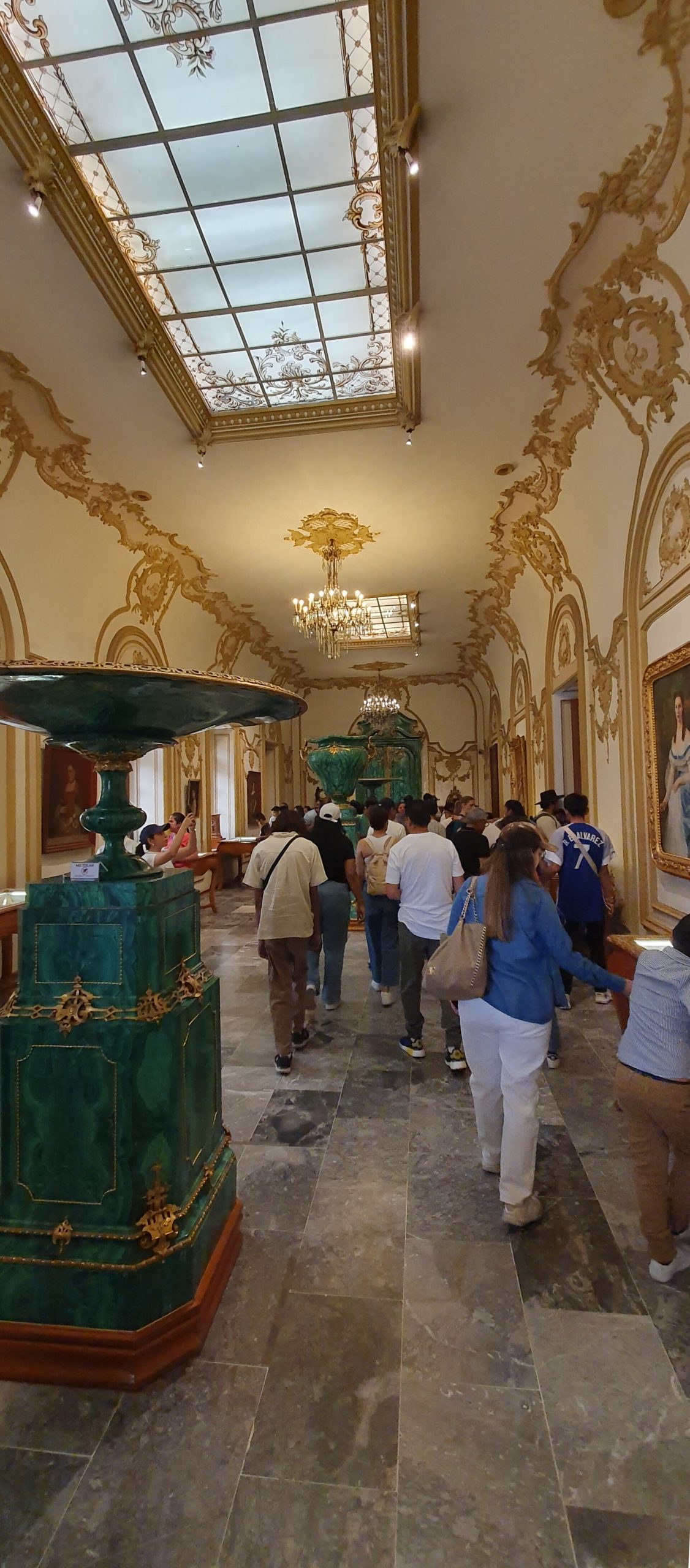
Among the most striking interiors are richly decorated rooms filled with fine furnishings, colorful materials, and luxurious detail. Rooms named for the materials or colors that adorn them, such as a chamber celebrated for its use of the green stone malachite, showcase the wealth and taste of the castle’s occupants across the generations.
Stained glass, painted decoration, fine woodwork, and rich textiles fill the rooms of the castle, creating interiors of great beauty. These decorative elements, drawn from various periods, combine to give the castle its air of elegance and luxury, and they reward the visitor who takes time to appreciate their detail and craftsmanship.
Together these interiors make the castle a treasure house of nineteenth and early twentieth-century decorative arts, preserving the tastes and lifestyles of the emperors, presidents, and others who lived here. As part of the museum, they offer visitors an immersive journey through the history of the castle and of Mexico, room by beautiful room.
Murals of Mexican History
In the twentieth century, as the castle became a national museum, it was adorned with murals by some of Mexico’s greatest artists, depicting scenes from the nation’s history. These murals, part of the great Mexican tradition of monumental public painting, brought a new dimension to the castle and its role as a center of national memory.
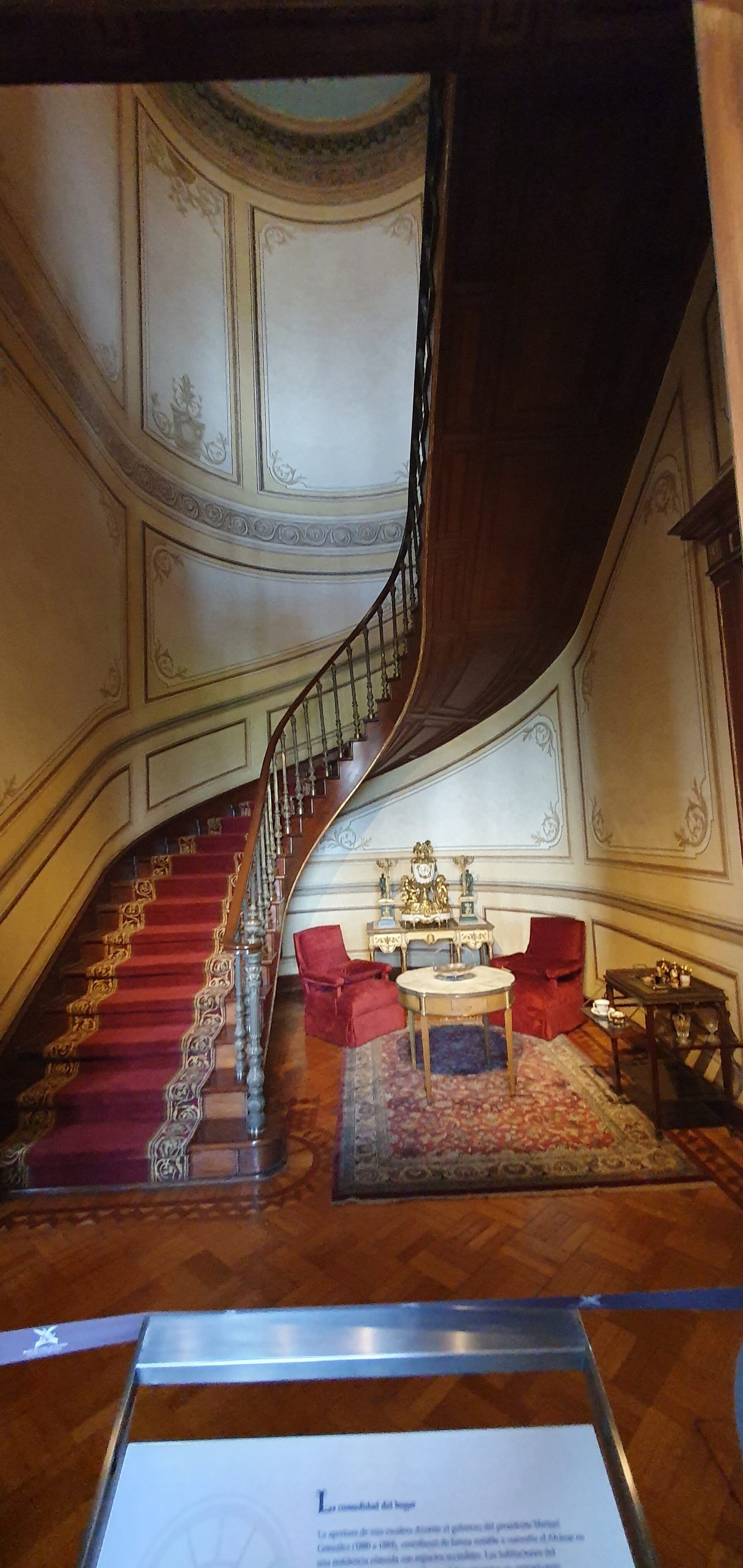
Mexican muralism was one of the most important artistic movements of the twentieth century, and the presence of murals by leading figures of the movement gives the castle added significance as a monument of Mexican art. The murals depict episodes and themes from the nation’s history, rendered with the power and drama characteristic of the tradition.
These works transform the castle into a place where Mexican history is not only preserved but interpreted and celebrated through art. The murals engage with the great themes of the nation’s past, from the struggles for independence and reform to the revolution, giving visual and emotional force to the history that the museum recounts.
The addition of these murals reflects the castle’s role as a center of national identity and memory. As part of the National Museum of History, the castle uses the power of art to tell the story of Mexico, and the murals are among the treasures that make a visit to Chapultepec an encounter with the nation’s history and its artistic achievement.
The pairing of a nineteenth-century imperial palace with twentieth-century revolutionary murals gives the castle a striking richness. Within the same walls, the glamour of a European-style court sits alongside bold artistic statements about the struggles of the Mexican people, and this juxtaposition captures the extraordinary range of history that Chapultepec has come to embody.
The National Museum of History
In the middle of the twentieth century, Chapultepec Castle was given its present role as the home of the National Museum of History, dedicated to the history of Mexico from the age of Spanish conquest to the revolution. This new function has preserved the castle and opened it to the public as one of the country’s most important museums.
The museum uses the castle and its rich collections to tell the story of Mexico across the centuries, displaying objects, paintings, documents, and other treasures that illuminate the nation’s past. The historic rooms of the castle, themselves part of that history, provide an evocative setting for the collections they contain.
As a museum, the castle brings together its own dramatic history with the wider history of Mexico, allowing visitors to explore both at once. The imperial apartments, the murals, the collections, and the historic spaces combine to create a rich and immersive experience of the nation’s past, centered on this remarkable building.
The transformation of the castle into a national museum secured its future and its place in the life of the nation. No longer a seat of power, it became a place where the people of Mexico and visitors from around the world could engage with the history of the country, and it remains one of the most important and beloved museums in Mexico.
Housing the National Museum of History within the castle creates a rare unity of container and content, for the building is itself one of the most important exhibits. Visitors do not merely view objects about Mexican history; they walk through the very rooms where much of that history unfolded, so that the castle and its collections illuminate one another at every turn.
Visiting Chapultepec Castle Today
Today Chapultepec Castle is one of the most popular attractions in Mexico City, drawing large numbers of visitors to explore its halls, apartments, and terraces and to enjoy its commanding views. Set within the great park at the heart of the city, it is easily reached and forms a highlight of any visit to the capital.
View the exact location on Google Maps
A visit leads up the hill to the castle and through its many rooms, from the imperial apartments to the grand halls and the museum galleries, and out onto the terraces with their gardens and views. The combination of history, art, and setting makes the castle a rich and rewarding destination, full of interest at every turn.
The surrounding park is a highlight in its own right, one of the great green spaces of the city, filled with museums, lakes, and gardens. A visit to the castle can easily be combined with time in the park, making for a full and varied day amid some of the most beloved sites of Mexico City.
Whether you come for the history, the imperial apartments, the murals, or the magnificent views, Chapultepec Castle offers an unforgettable experience. It is the castle above Mexico City, a place where the whole dramatic history of the nation is gathered on a single hill, and one of the most remarkable royal and presidential residences in all the Americas.
Try to allow time both for the castle’s interiors and for its terraces, and to pause on the heights to take in the view. From here the sheer scale of Mexico City is overwhelming, and the sense of standing on a hill that has been prized for many centuries, above one of the world’s great cities, is an experience that lingers long after the visit.
Palaces Nearby
Chapultepec Castle is one of the great royal and presidential residences of the Americas. More palaces of the New World will join it here soon, to trace the varied splendor of the courts and rulers of the Americas.
You May Like


2 thoughts on “Chapultepec Castle: The Only Royal Palace of the Americas Above Mexico City”