In the heart of Honolulu, surrounded by the modern towers of Hawaii’s capital, stands a building that holds a unique place in the history of the United States. Iolani Palace is the only royal palace on American soil, the former residence of the monarchs of the Hawaiian Kingdom. Elegant and dignified, blending European grandeur with the traditions of the islands, it stands as a poignant reminder that Hawaii was once an independent kingdom with its own kings and queens.
Iolani Palace was built in the late nineteenth century by a Hawaiian king who wished to demonstrate to the world that his kingdom was the equal of any nation, with a monarchy as sophisticated and modern as those of Europe. The palace he created was remarkably advanced for its time, equipped with modern conveniences that many grander palaces still lacked, and decorated with a splendor intended to command respect on the world stage.
Yet the story of the palace is also one of tragedy, for it witnessed the overthrow of the Hawaiian monarchy and the end of the independent kingdom. Within its walls, the last queen of Hawaii was held prisoner after being deposed, and the palace became a symbol of a painful chapter in the history of the islands. Today it stands as a treasured monument to the Hawaiian Kingdom and its people.
In this article you will explore Iolani Palace from the king who built it to its elegant architecture and modern innovations, through the history of the Hawaiian Kingdom to the overthrow of the monarchy and the palace’s life today. Along the way you will meet the kings and queens of Hawaii, and understand why this royal palace in the middle of the Pacific holds so deep a place in the heart of the islands.
In This Article
- A Royal Palace in the Pacific
- The King Who Built It
- The Only Royal Palace on American Soil
- A Style All Its Own
- The Throne Room
- A Palace Ahead of Its Time
- Koa Wood and Royal Splendor
- The Hawaiian Kingdom
- The Last Queen
- The Overthrow of the Monarchy
- From Palace to Capitol
- Restoration and Renaissance
- Visiting Iolani Palace Today
A Royal Palace in the Pacific
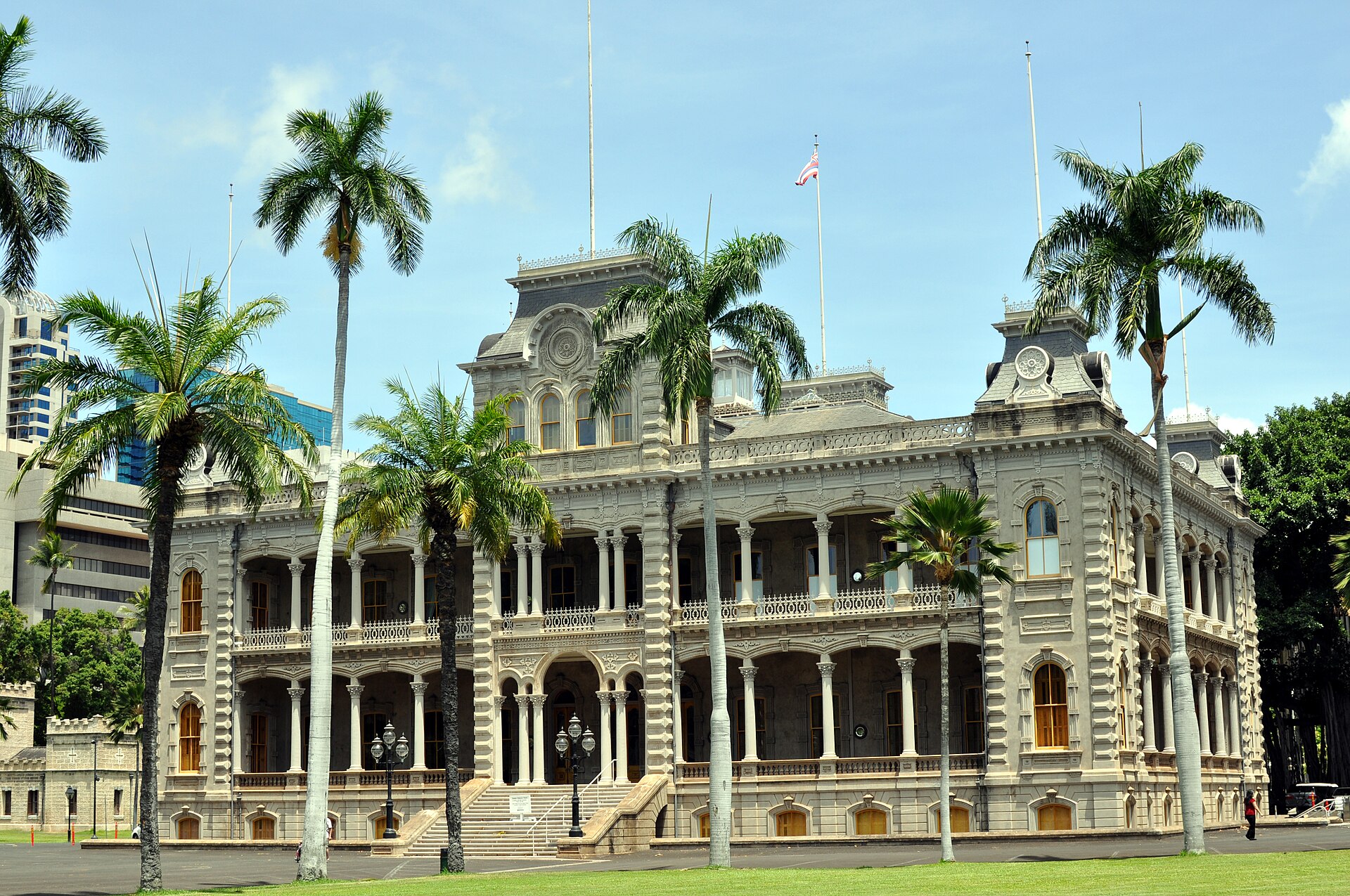
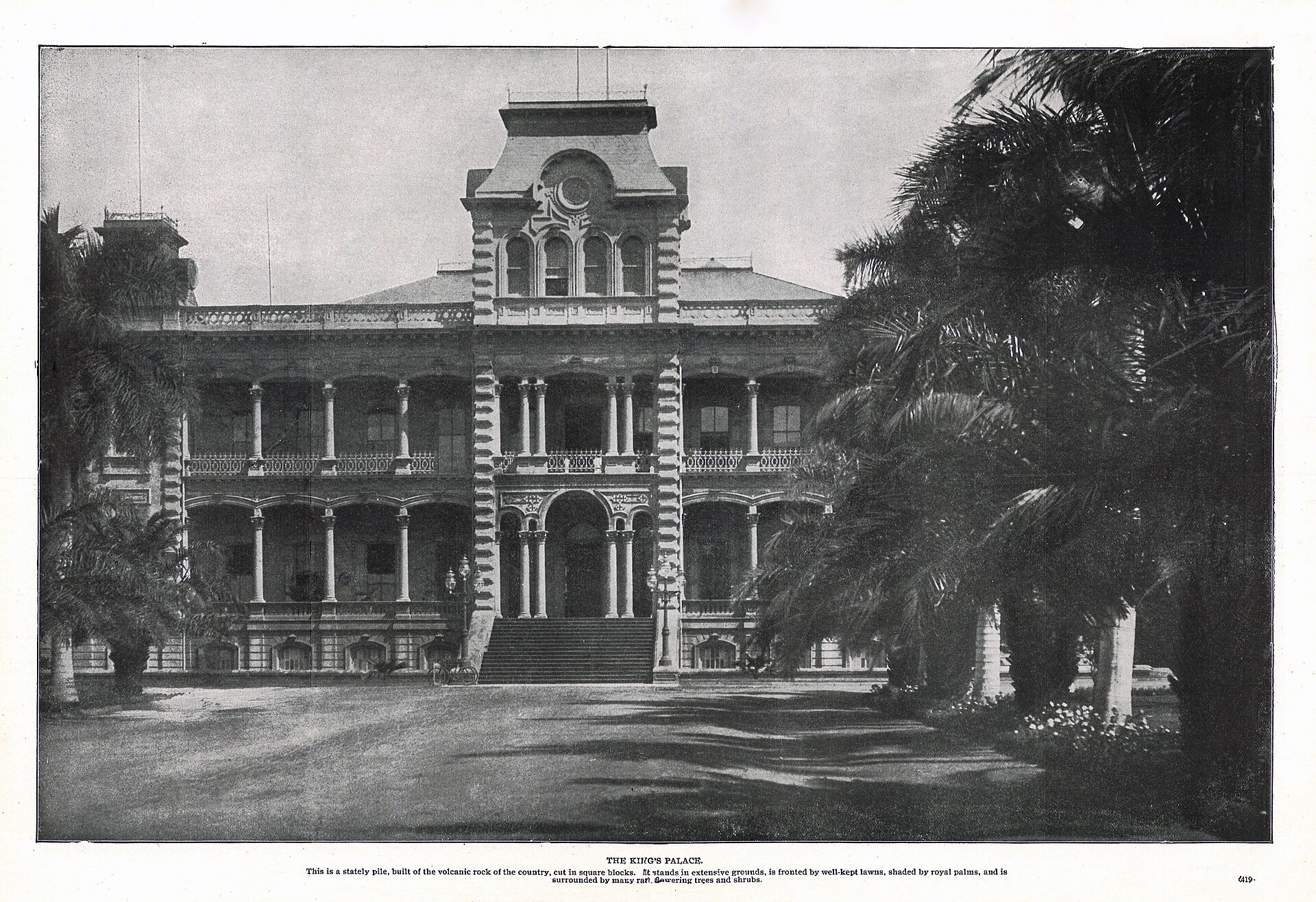
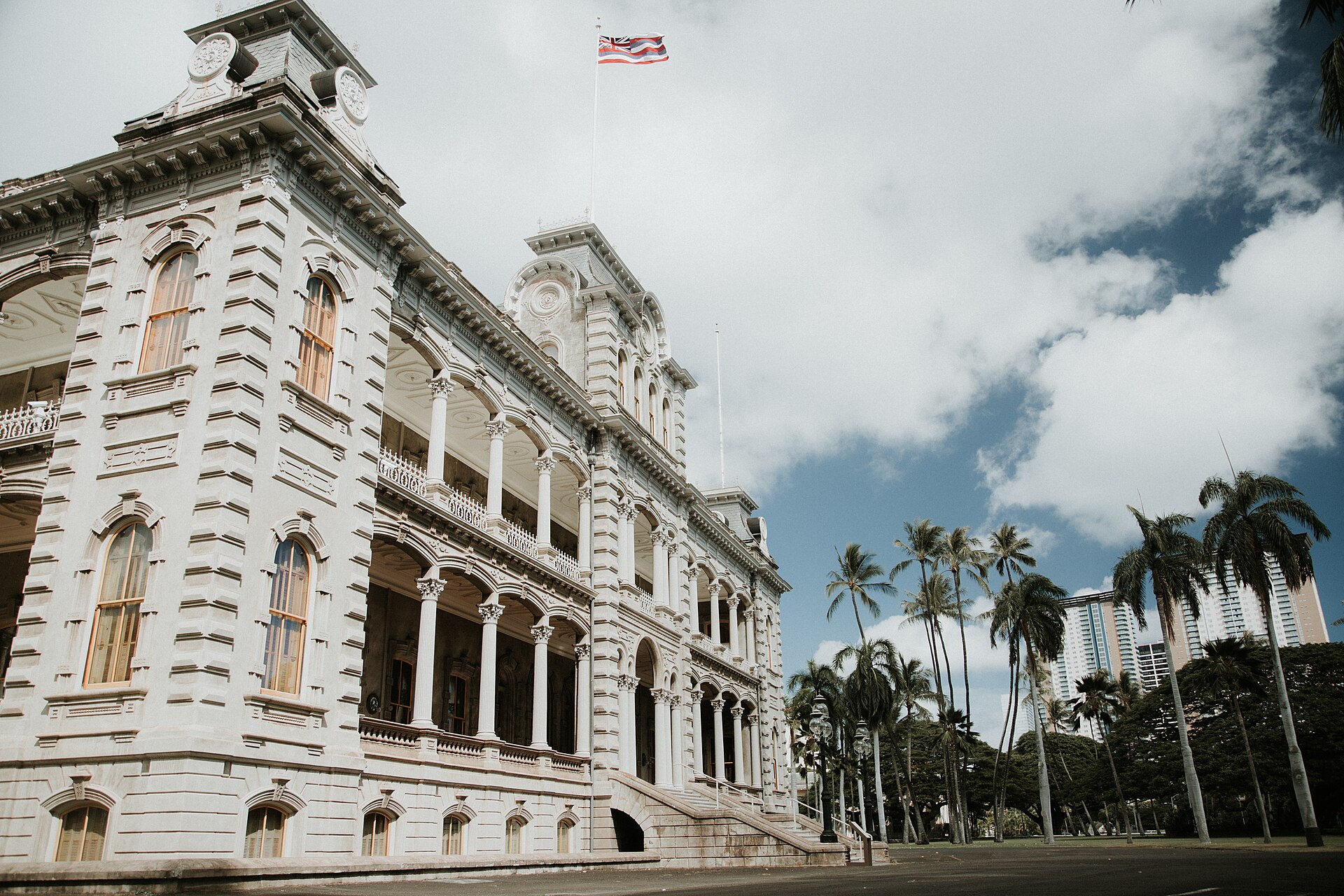
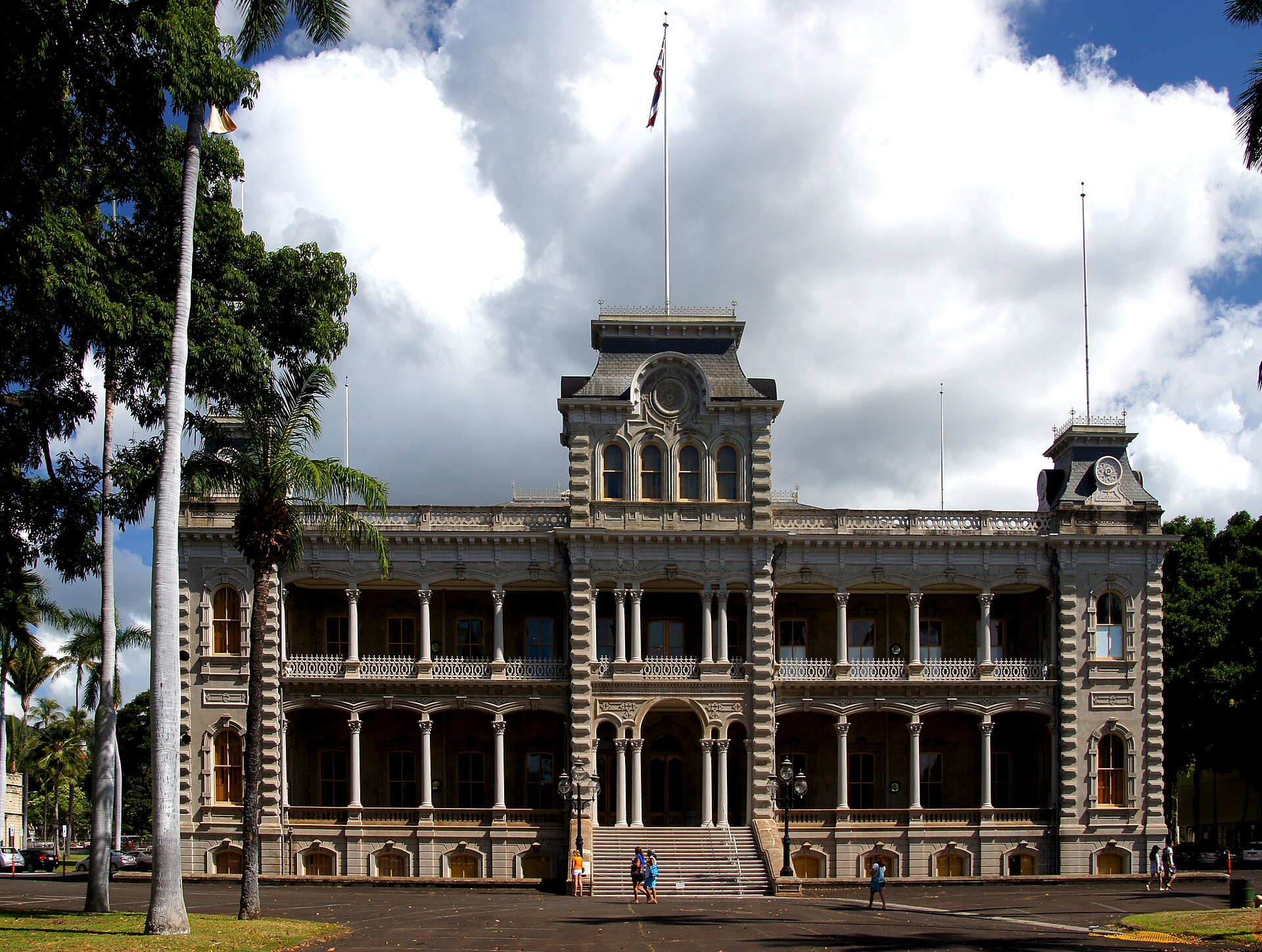
Iolani Palace stands in downtown Honolulu, on the island of Oahu, surrounded by gardens and set within the historic heart of Hawaii’s capital. An elegant building of two main storeys, crowned with towers and encircled by wide verandas, it combines the dignity of a European palace with features suited to the tropical climate of the islands.
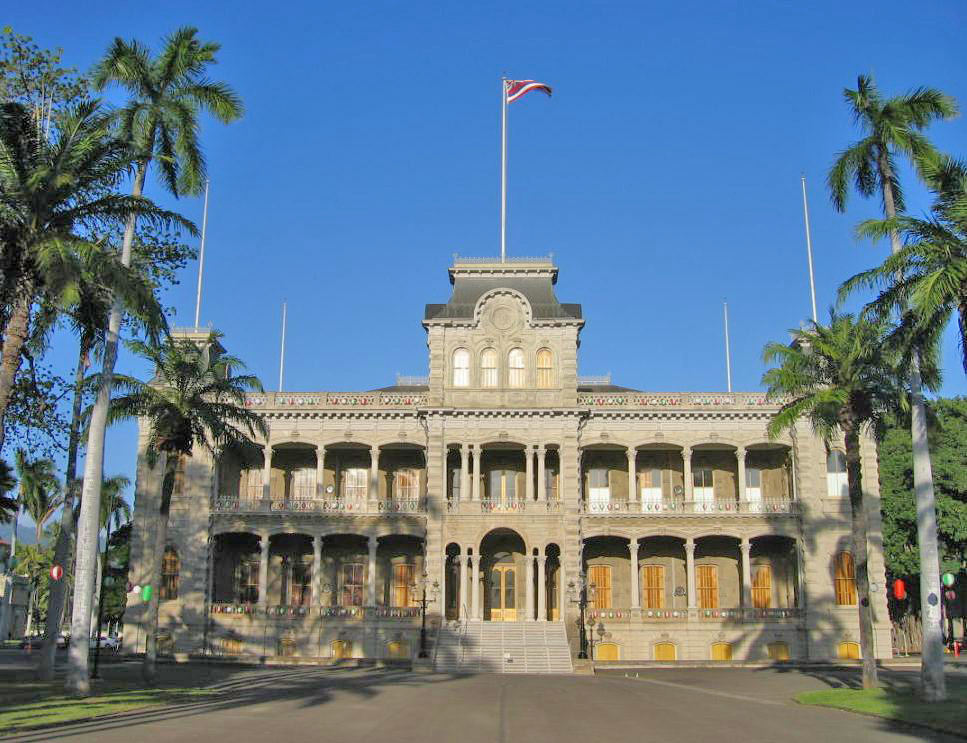
The palace was the official residence of the last monarchs of the Hawaiian Kingdom, and it served as the center of the royal court and government. From its halls the kings and queens of Hawaii held court, received guests, and conducted the affairs of state, and the palace stood as the symbol of the kingdom and its monarchy.
What makes Iolani Palace unique is its status as the only royal palace on the soil of what is now the United States. No other building in the country served as the residence of a reigning monarch, and this distinction gives the palace a special place in American as well as Hawaiian history, a reminder of the islands’ past as an independent kingdom.
Today the palace is one of the most important historic sites in Hawaii, treasured as a monument to the kingdom and its monarchs. Restored and preserved as a museum, it allows visitors to experience the world of the Hawaiian royal court and to reflect on the history of the islands, and it stands as a powerful symbol of Hawaiian identity and heritage.
There is a quiet poignancy in seeing this dignified royal building surrounded by the office towers of a modern American city. The contrast makes visible the whole arc of Hawaiian history, from independent kingdom to American state, and it lends the palace an emotional resonance that few historic houses can match, a survivor of a vanished sovereignty at the heart of the present.
The King Who Built It
Iolani Palace was built by a Hawaiian king who came to the throne in the later nineteenth century and who was determined to raise the prestige of his kingdom and monarchy. A cultured and ambitious ruler, he sought to demonstrate that Hawaii was a modern and sophisticated nation, worthy of respect among the powers of the world.
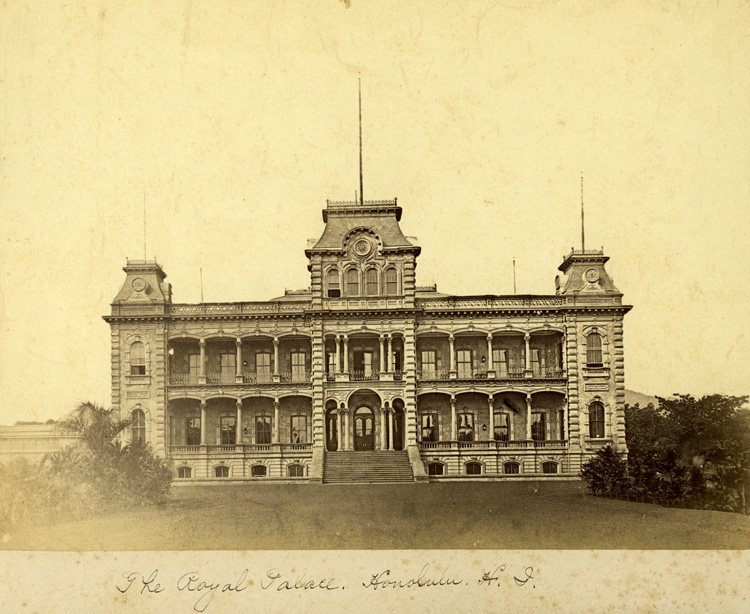
The king was a great patron of Hawaiian culture and also a lover of the wider world, who traveled abroad and drew inspiration from the courts and customs of other nations. His vision for the palace reflected these dual interests, combining pride in Hawaiian traditions with a desire to match the grandeur and modernity of the great monarchies of Europe.
Under his direction, the old royal residence was replaced with the grand new palace, built and furnished at considerable expense to serve as a fitting seat for the Hawaiian monarchy. The king spared no effort in making the palace splendid and modern, and it became the crowning achievement of his reign and the embodiment of his ambitions for his kingdom.
The king who built Iolani Palace is remembered as a monarch who sought to strengthen and dignify the Hawaiian Kingdom in a difficult age. The palace stands as his lasting legacy, a monument to his vision of a proud and modern Hawaii, and to the flourishing of Hawaiian culture and monarchy during his reign.
The king was a figure of genuine cultural vision, remembered for reviving traditions that had been discouraged or suppressed, including the hula and other expressions of Hawaiian identity. In building a grand modern palace he was making a statement on two fronts at once, asserting both the modernity of his kingdom and the dignity of its distinct culture and heritage.
The Only Royal Palace on American Soil
The distinction of Iolani Palace as the only royal palace in the United States sets it apart from every other historic building in the country. While the United States has many grand houses and public buildings, none other served as the residence of a reigning king or queen, and this makes the palace truly unique.
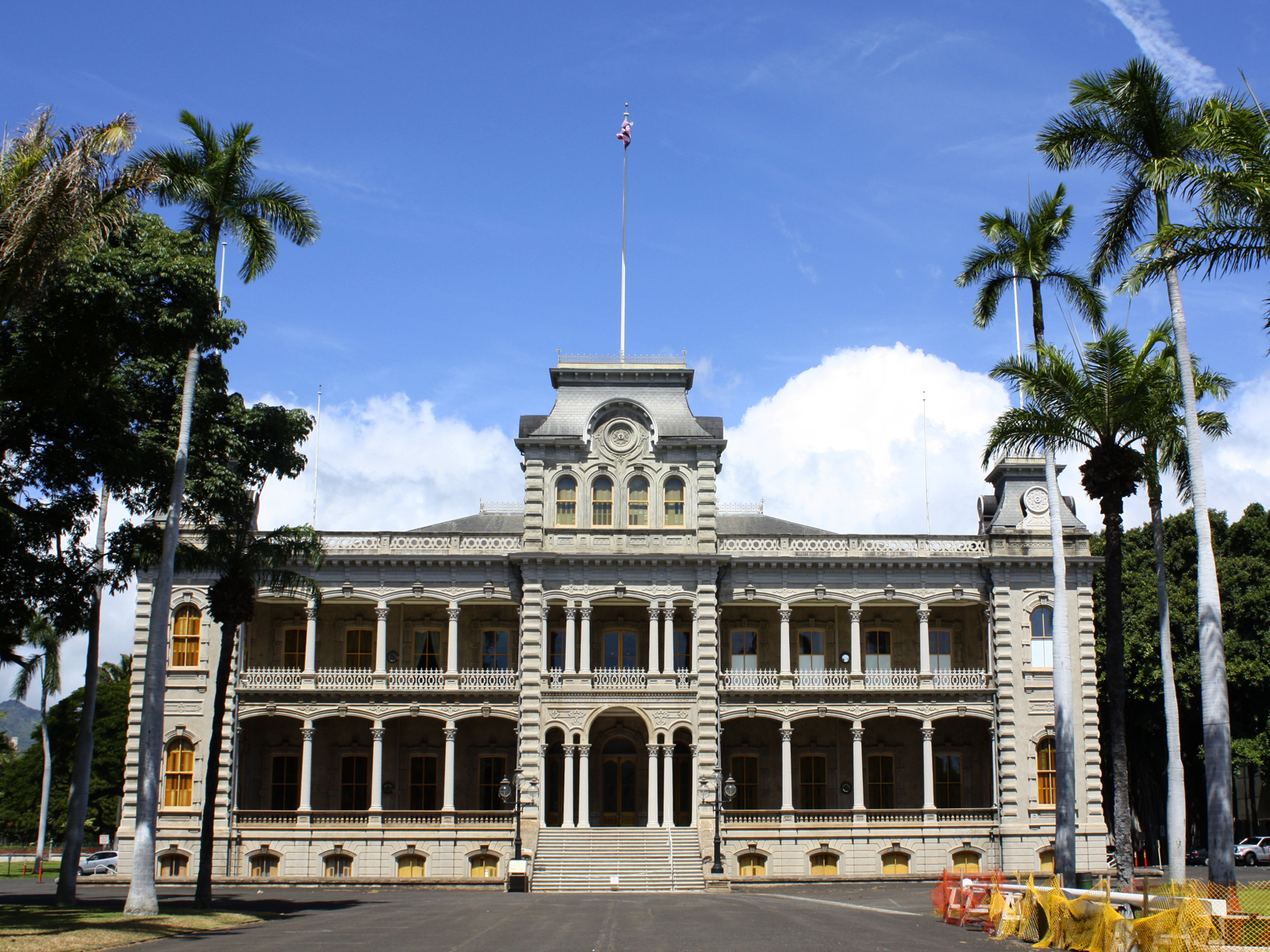
This distinction reflects the particular history of Hawaii, which was an independent kingdom before it became part of the United States. For a period, the islands were ruled by their own monarchs, with their own royal court and traditions, and Iolani Palace was the seat of that monarchy, a genuine royal residence in the middle of the Pacific.
The uniqueness of the palace gives it a special significance in the story of the United States, reminding visitors that the nation includes within its history the story of an independent island kingdom with its own crown. The palace stands as a tangible link to that history, a royal residence unlike anything else in the country.
For the people of Hawaii, this distinction is a source of pride and a reminder of their islands’ history as a sovereign nation. Iolani Palace, as the only royal palace on American soil, embodies the memory of the Hawaiian Kingdom and its monarchy, and it stands as a symbol of a heritage that remains deeply important to the identity of the islands.
This uniqueness also carries a lesson, for it reminds visitors that the map of the United States was not always as it is now, and that its story includes the absorption of an independent kingdom. To stand in a genuine throne room within American borders is to be confronted with a history more complex than the familiar national narrative, and the palace quietly insists that this history be remembered.
A Style All Its Own
The architecture of Iolani Palace is distinctive and elegant, blending European influences with adaptations suited to the Hawaiian setting. The style has sometimes been described by a name of its own, reflecting the way it combined grand European forms with features appropriate to the tropical climate and the traditions of the islands.
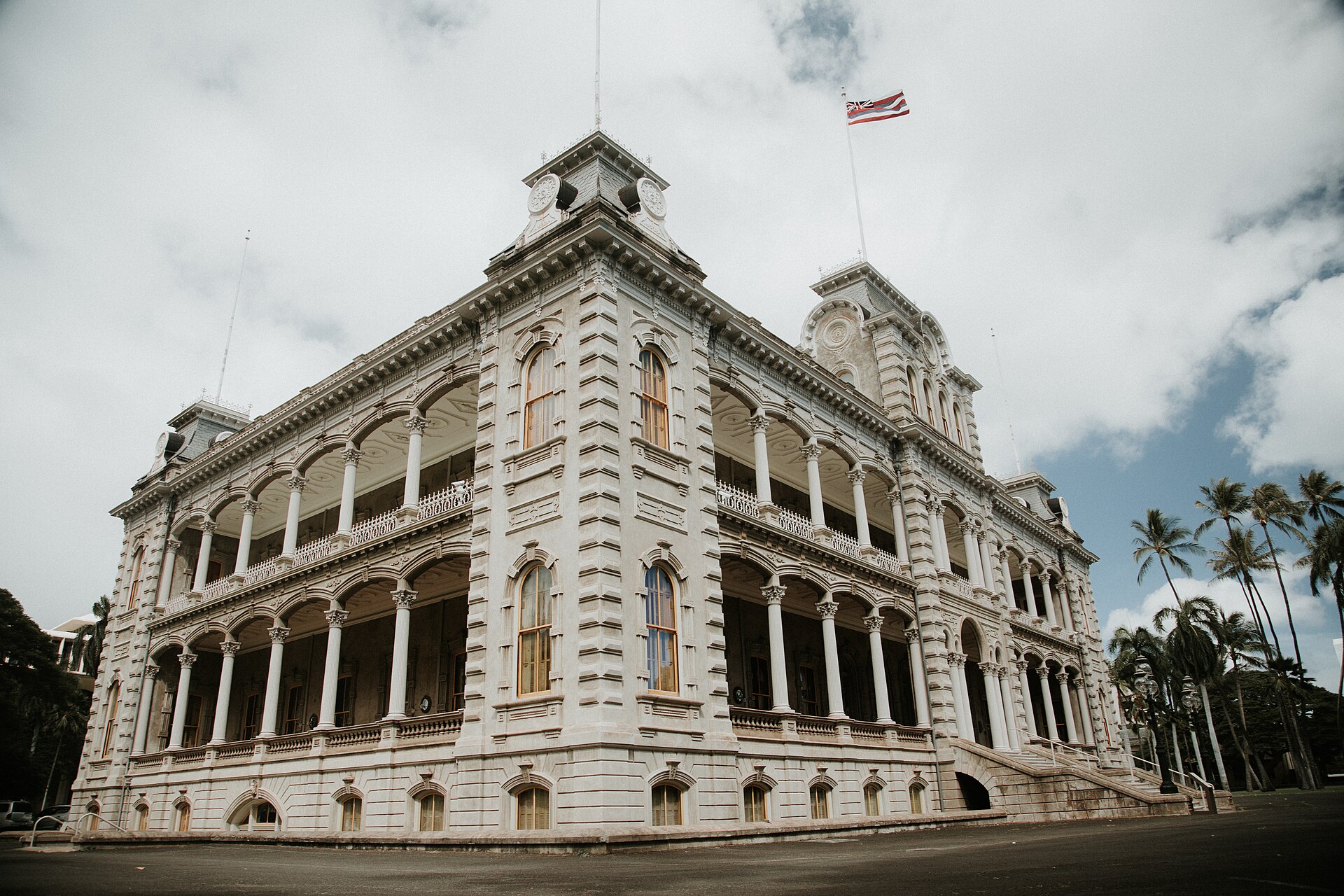
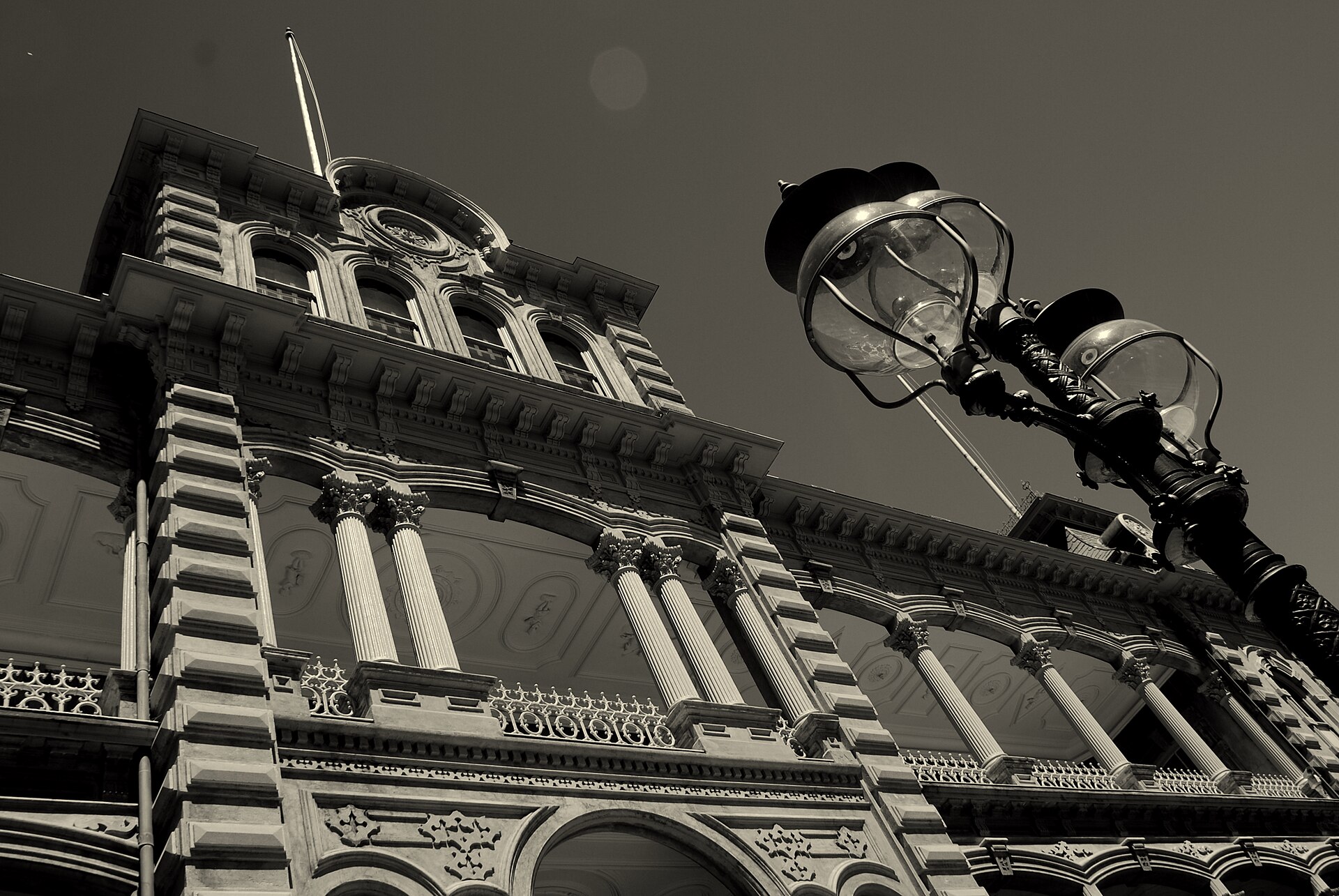
The palace is built with wide verandas encircling both main floors, providing shade and catching the ocean breezes, a practical response to the warm climate of Hawaii. Towers rise at the corners and center of the building, giving it a dignified silhouette, while the overall composition conveys the grandeur appropriate to a royal residence.
The design drew on the architectural fashions of the wider world while adapting them to local conditions and needs. The result is a building that is unmistakably a palace, grand and dignified, yet also unmistakably of Hawaii, shaped by its setting and its purpose as the seat of an island monarchy.
This blend of influences gives Iolani Palace its particular character and beauty. Neither a simple copy of a European model nor a purely local creation, it represents a thoughtful synthesis, a royal palace designed for a Pacific kingdom, and its elegant and distinctive architecture is one of the most admired features of the building.
The wide lanai, or veranda, that wraps around the palace is more than a practical concession to the climate; it is a defining element of the design that ties the building to its place. These shaded galleries, open to the trade winds, give the palace a grace and an ease that a purely European model would lack, and they mark it unmistakably as a palace of the Pacific.
The Throne Room
At the heart of the palace’s public rooms is the throne room, the grand hall where the monarchs of Hawaii held court, received guests, and conducted the great ceremonies of the kingdom. Richly decorated and furnished, it was the ceremonial center of the palace and the setting for the most important occasions of the monarchy.
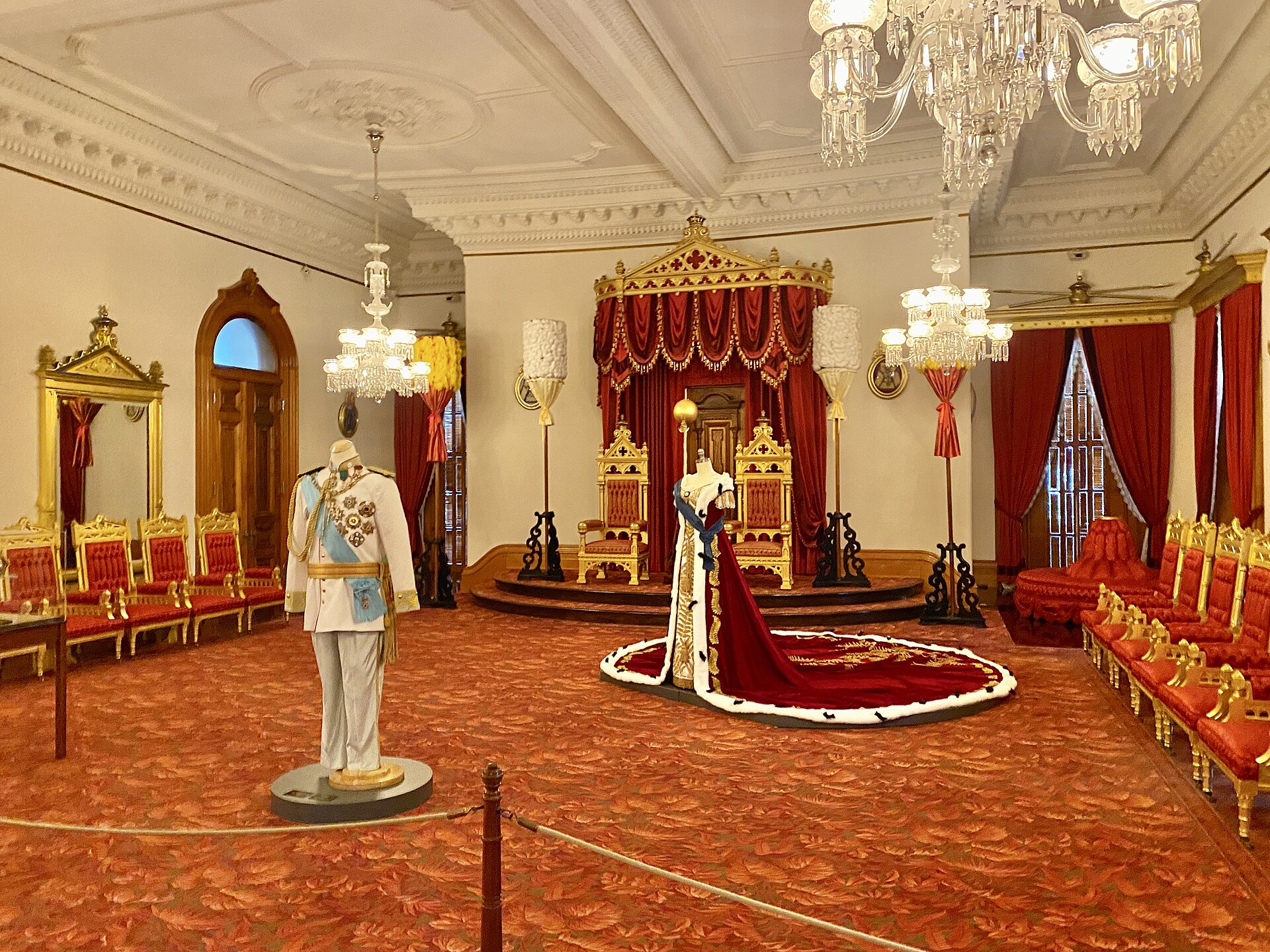
The throne room was the scene of royal audiences, receptions, and balls, as well as more solemn ceremonies of state. Here the king and queen appeared in their full dignity, surrounded by the splendor of the court, and here the ceremonies that expressed the majesty of the Hawaiian monarchy were performed before assembled guests.
The room was furnished with thrones and rich decoration befitting its purpose, creating a setting of grandeur for the ceremonies of the kingdom. Its splendor was intended to convey the dignity and legitimacy of the Hawaiian monarchy, matching the throne rooms of other nations and asserting Hawaii’s place among the world’s sovereign states.
The throne room remains one of the most important and evocative spaces in the palace, restored to its former appearance as part of the museum. To stand within it is to sense the dignity of the vanished monarchy and to imagine the ceremonies and celebrations that once filled it, at the ceremonial heart of the Hawaiian Kingdom.
A Palace Ahead of Its Time
One of the most remarkable features of Iolani Palace was its embrace of modern technology, which made it surprisingly advanced for its era. The palace was equipped with modern conveniences that many grander and older palaces around the world still lacked, a reflection of the king’s determination to show that Hawaii was a modern nation.
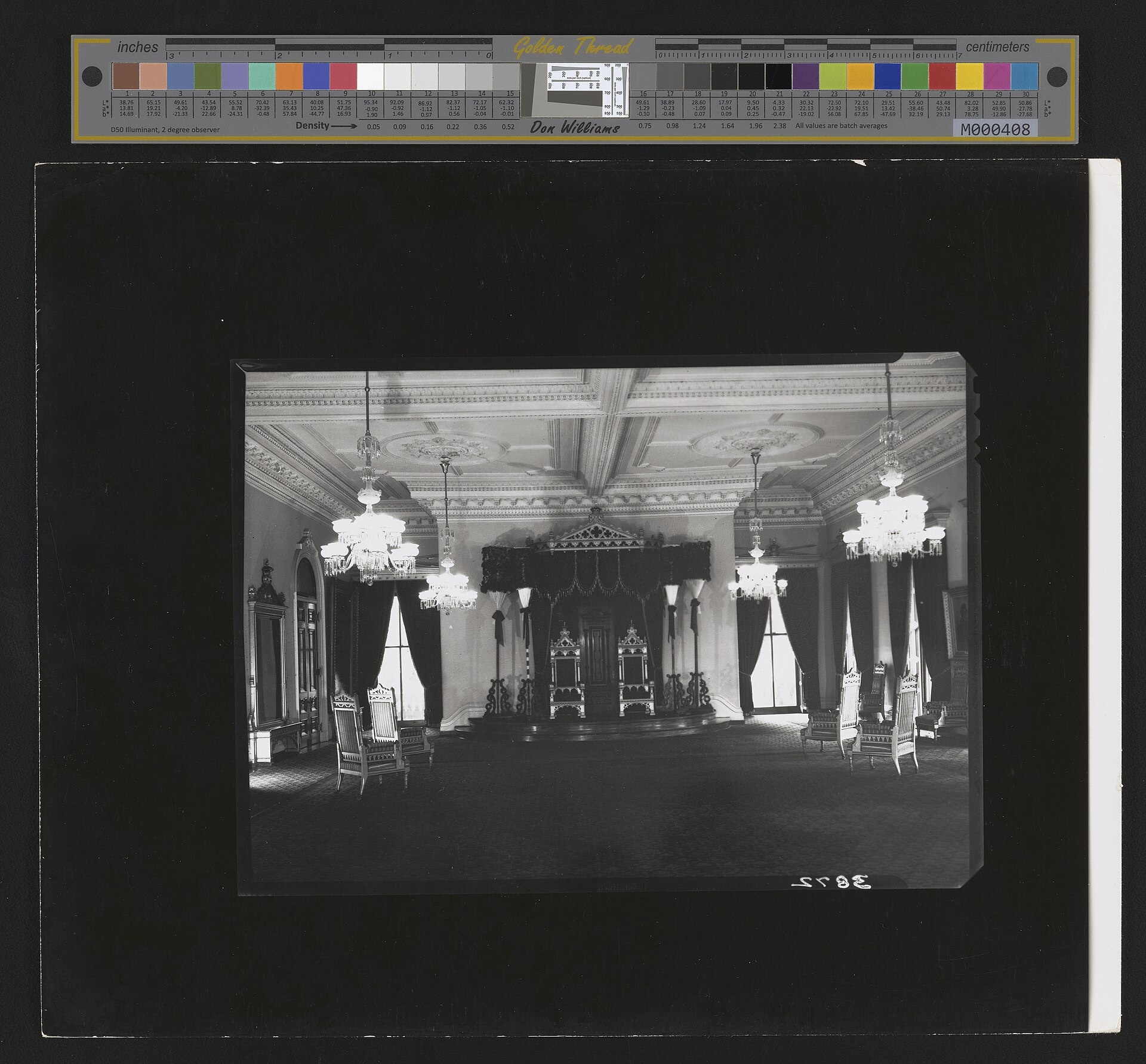
The palace was fitted with electric lighting at an early date, an innovation that placed it ahead of many other royal residences and even of some of the great buildings of larger nations. This early adoption of electricity was a source of pride and a demonstration of the kingdom’s engagement with the latest advances of the age.
Beyond electric lighting, the palace was equipped with other modern conveniences, including systems for communication and comfort that were advanced for their time. These innovations reflected the king’s desire to create not only a beautiful palace but a modern one, worthy of a nation that claimed its place among the progressive states of the world.
This embrace of modern technology gives Iolani Palace a special place in the history of innovation as well as of monarchy. That a palace in the middle of the Pacific should have been so advanced is a striking testament to the ambitions of the Hawaiian Kingdom, and it remains one of the most surprising and impressive aspects of the building.
It is a striking and often repeated fact that the palace enjoyed electric light before some of the most famous residences of far larger and wealthier nations. This detail has become a point of pride in the telling of Hawaiian history, a small but powerful symbol of a kingdom that refused to be seen as backward and insisted on its place at the forefront of the age.
Koa Wood and Royal Splendor
The interiors of Iolani Palace are richly decorated and furnished, combining the grandeur of a royal residence with the use of beautiful native Hawaiian materials. Among the most striking features is the extensive use of fine local woods, which give the palace a warmth and a distinctively Hawaiian character.
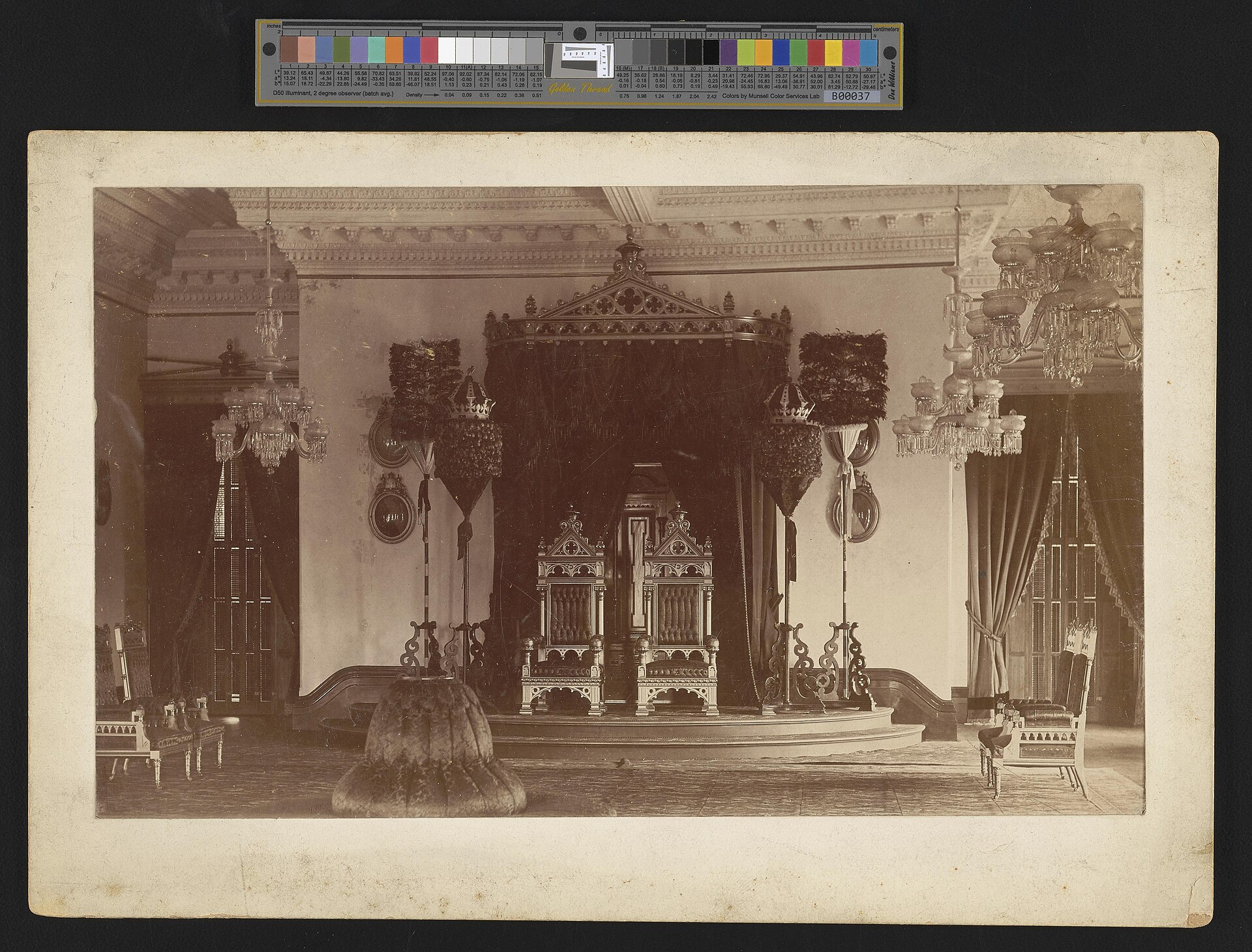
A grand staircase of native wood rises through the center of the palace, one of its most admired features, showcasing the beauty of the islands’ timber. Throughout the palace, fine woodwork, rich furnishings, and elegant decoration create interiors of great beauty, blending imported luxury with the natural materials of Hawaii.
The palace was also filled with portraits of the Hawaiian monarchs and other royalty, along with fine furniture, decorative objects, and gifts received from around the world. These furnishings reflected the kingdom’s connections with other nations and the dignity of its monarchy, creating a setting worthy of a royal court.
Together these interiors create a palace of great elegance and distinctive character, at once grand and unmistakably Hawaiian. The use of native woods and the presence of royal portraits and treasures make the palace a rich record of the Hawaiian monarchy, and the restored interiors are among the greatest attractions for visitors today.
The Hawaiian Kingdom
The palace can only be understood in the context of the Hawaiian Kingdom, the independent nation that once united the islands under a single monarchy. Established through the unification of the islands under a powerful ruler, the kingdom developed its own monarchy, government, and international relations over the course of the nineteenth century.
The Hawaiian Kingdom was a recognized sovereign nation, with treaties and diplomatic relations with the powers of the world. Its monarchs sought to preserve the independence of the islands in an age of expanding empires, navigating the pressures of the great powers with skill and determination, and asserting Hawaii’s place among the nations of the world.
During this period, Hawaiian culture and society underwent great changes, as the islands engaged with the wider world and faced the pressures of foreign influence and settlement. The monarchy stood at the center of these developments, seeking to guide the kingdom through a difficult and rapidly changing age.
Iolani Palace was the seat of this kingdom in its later years, the residence of its monarchs and the center of its government. The history of the palace is thus inseparable from the history of the kingdom, and it stands as the great physical monument to the independent Hawaiian nation and its monarchy.
The kingdom’s network of treaties and its exchange of diplomats with nations across the world underscored its standing as a fully sovereign state. Hawaiian monarchs traveled abroad and were received as heads of state, and foreign envoys came to Honolulu, so that the small island kingdom took its place, for a time, within the community of recognized nations.
The Last Queen
The last monarch of the Hawaiian Kingdom was a queen who came to the throne in the final years of the kingdom’s independence. A woman of great culture and strong will, she is remembered for her devotion to her people and her determination to defend the sovereignty of her nation against the forces that threatened it.
The queen was an accomplished musician and composer, and she is remembered for her cultural achievements as well as her political struggle. She sought to strengthen the position of the monarchy and to protect the rights of the Hawaiian people, at a time when powerful interests were working to undermine the independence of the kingdom.
Her reign came at a moment of great crisis for the Hawaiian Kingdom, as pressures mounted that would soon lead to the overthrow of the monarchy. She faced these challenges with courage and dignity, becoming a symbol of resistance to the loss of Hawaiian sovereignty and a beloved figure in the history of the islands.
The last queen of Hawaii remains one of the most revered figures in the history of the islands, honored for her devotion to her people and her nation. Her story is bound up with the fate of Iolani Palace, which witnessed both the height of the monarchy and its tragic end, and she is remembered as the final sovereign of the Hawaiian Kingdom.
Among her compositions is a farewell song that has become one of the most beloved pieces of Hawaiian music, known and sung far beyond the islands. That the last queen should be remembered as much for her music as for her political struggle speaks to the depth of her character, and it has helped keep her memory alive in the hearts of her people.
The Overthrow of the Monarchy
The most painful chapter in the history of Iolani Palace was the overthrow of the Hawaiian monarchy, which brought an end to the independent kingdom. In the last decade of the nineteenth century, the queen was deposed in an overthrow supported by foreign interests, and the monarchy that had ruled the islands came to an end.
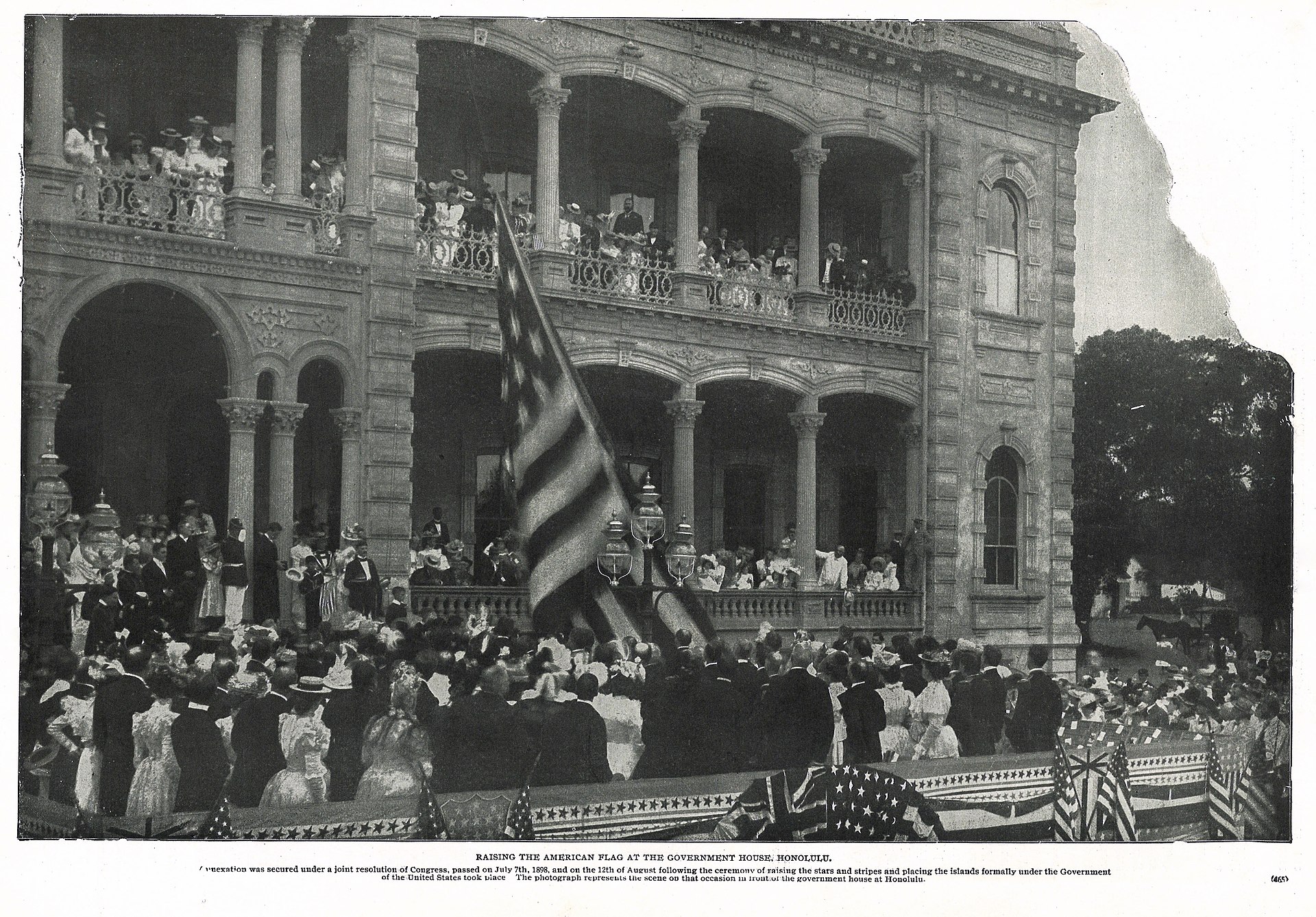
The overthrow was a traumatic event for the Hawaiian people, ending the sovereignty of their nation and the rule of their monarchy. The palace, which had been the symbol of the kingdom, became the setting for these dramatic events, and its role as a royal residence came to an abrupt and sorrowful end.
After the overthrow, the former queen was subjected to further indignity, and at one point she was held prisoner within the palace itself, confined to a room in the building that had been the seat of her monarchy. This imprisonment of the last queen in her own palace remains one of the most poignant episodes in the history of the islands.
The overthrow of the monarchy and the events surrounding it left a deep and lasting wound in the history and memory of Hawaii. Iolani Palace, as the scene of these events, became a symbol of the loss of Hawaiian sovereignty, and the story of the overthrow remains central to the meaning of the palace and to the identity of the islands.
The image of a queen imprisoned within the very palace that had symbolized her sovereignty is one of the most powerful in the history of the islands. In that confinement, the loss of the kingdom was made painfully personal, and the room where she was held has become, for many, the most moving space in the entire palace, a place of quiet reflection on what was lost.
From Palace to Capitol
After the overthrow of the monarchy, the islands were eventually annexed and became a territory and later a state of the United States. During this period, Iolani Palace, no longer a royal residence, was put to new uses, serving for many years as the seat of government for the territory and then the state.
For decades, the former palace housed the offices of the government, and its historic rooms were used for the business of administration. This use preserved the building but also altered it, as the needs of a working government office were imposed upon the spaces that had once served the royal court.
The use of the palace as a capitol lasted until a new government building was constructed, after which the palace was freed from its administrative role. This change opened the way for the eventual restoration of the building to its former appearance as a royal palace and its transformation into a museum.
The period when the palace served as a capitol is part of its long and varied history, reflecting the great changes that overtook Hawaii in the twentieth century. Having been a royal residence, the building became the seat of a new order, before finally being restored to honor its original character and the monarchy it had once served.
Restoration and Renaissance
In the later twentieth century, Iolani Palace was carefully restored to its former appearance as a royal residence and opened to the public as a museum. This restoration was a major undertaking, returning the palace to its historic character and recovering, where possible, its original furnishings and decoration.
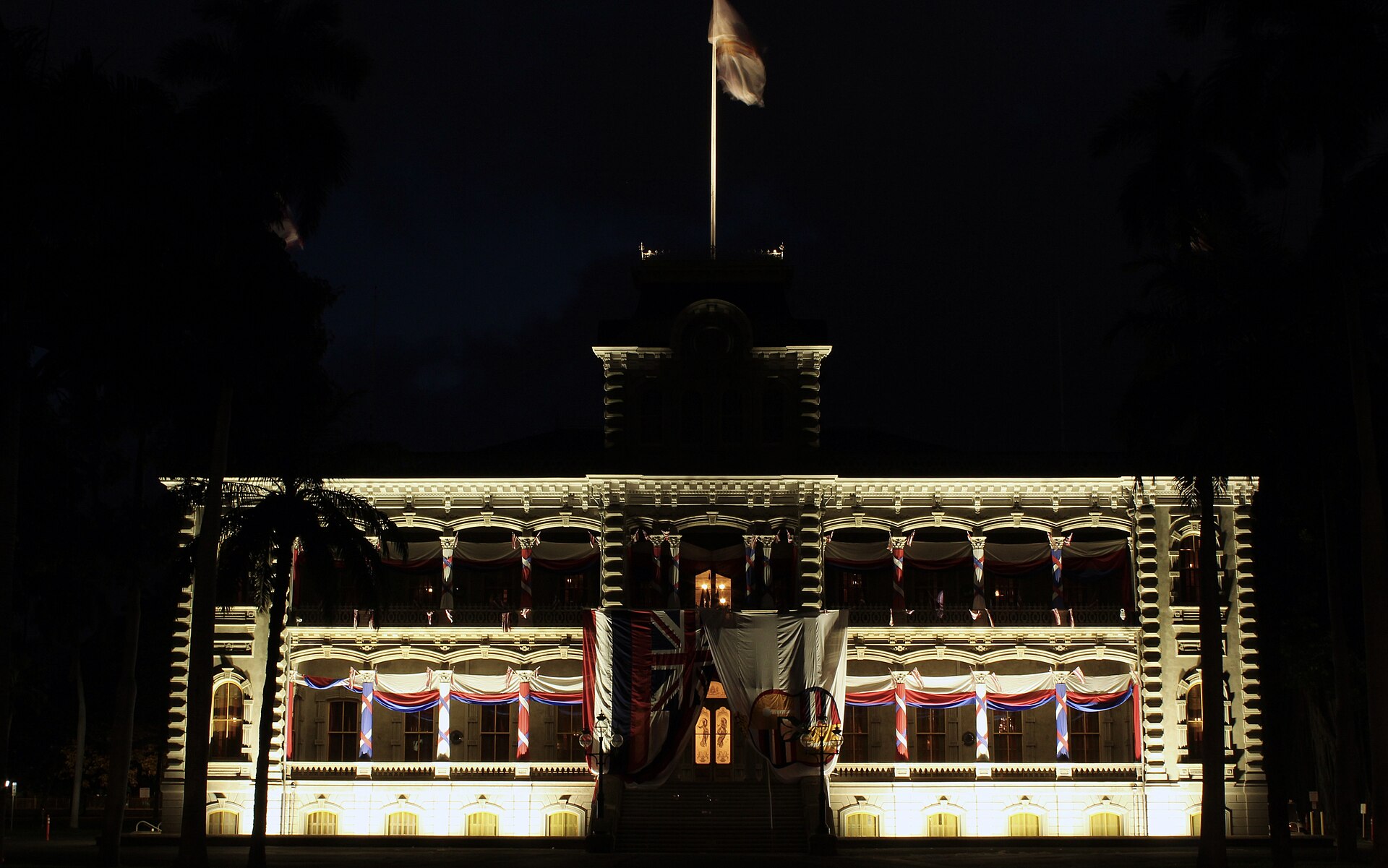
The restoration of the palace coincided with a broader revival of Hawaiian culture and identity, a renaissance of interest in the history, language, and traditions of the islands. In this context, the palace took on renewed significance as a symbol of Hawaiian heritage and of the memory of the kingdom.
The recovery of original furnishings and the faithful restoration of the interiors have allowed the palace to recapture much of its former splendor. Visitors can now experience the palace much as it was in the days of the monarchy, and the building serves as a powerful reminder of the history and culture of the Hawaiian Kingdom.
The restored palace has become a treasured monument and a center of Hawaiian identity, honored by the people of the islands and admired by visitors from around the world. Its restoration reflects the enduring importance of the Hawaiian Kingdom in the memory of the islands, and it ensures that the story of the monarchy and its palace will be remembered.
The painstaking work of tracking down original furnishings that had been scattered after the fall of the monarchy has been a labour of love spanning many years. Piece by piece, objects that once belonged to the palace have been recovered and returned, so that the restored rooms are not merely evocations but, in many cases, contain the very things the monarchs knew, deepening the sense of connection to the vanished court.
Visiting Iolani Palace Today
Today Iolani Palace is one of the most important historic sites in Hawaii, drawing visitors from around the world to explore its restored rooms and to learn the history of the Hawaiian Kingdom. Set in the heart of downtown Honolulu, it is easily reached and forms a highlight of any visit to the islands.
View the exact location on Google Maps
A visit leads through the grand public rooms, including the throne room and the great staircase, and through the private apartments and other spaces of the palace. The restored interiors, with their native woods, royal portraits, and fine furnishings, offer a vivid sense of the world of the Hawaiian monarchy at its height.
The palace is treated with great respect as a place of deep significance to the Hawaiian people, and a visit offers an opportunity to reflect on the history of the islands and the story of the kingdom and its overthrow. This history gives the palace an emotional weight that goes far beyond its beauty as a building.
Whether you come for the history, the architecture, or the memory of the Hawaiian Kingdom, Iolani Palace offers a moving and unforgettable experience. It is the only royal palace on American soil, a monument to a vanished kingdom, and a treasured symbol of the heritage and identity of the people of Hawaii.
The palace is cared for and interpreted with a deep sense of responsibility toward the history it holds, and visitors are asked to treat it with corresponding respect. This is not merely a tourist attraction but a place of profound meaning to a people, and that awareness gives a visit a weight and a dignity that linger long after one has left its rooms.
Palaces Nearby
Iolani Palace is one of the great royal residences of the Americas. To trace the varied splendor of the courts and rulers of the New World, these nearby palaces make natural companions to a visit here.
You May Like


One thought on “Iolani Palace: The Only Royal Palace on American Soil”