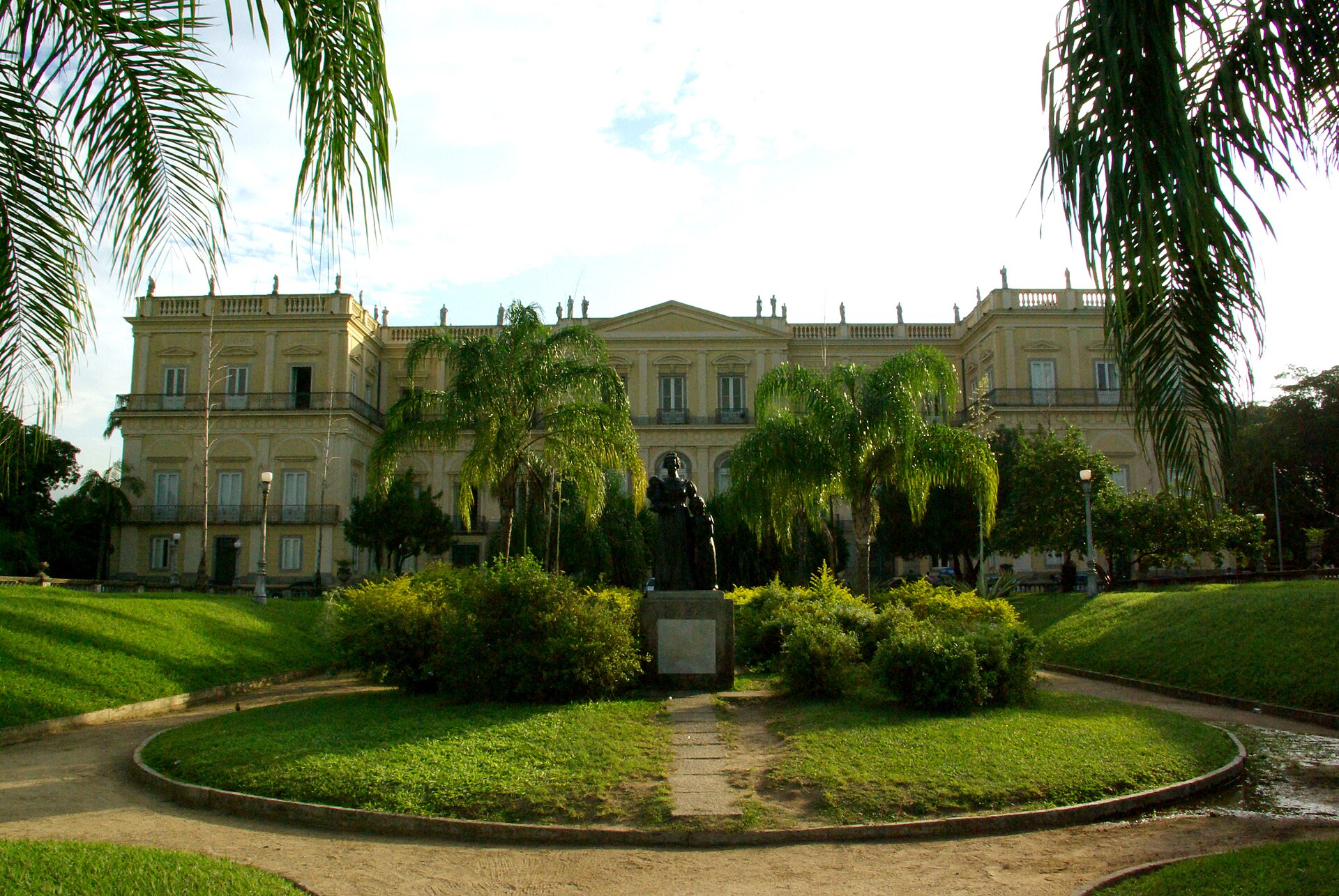
In a great park in the city of Rio de Janeiro stands a palace with a history unlike any other in the Americas. The Imperial Palace of Sao Cristovao, set within the grounds known as the Quinta da Boa Vista, was for most of the nineteenth century the residence of the emperors of Brazil, the only monarchy the New World has produced from a European royal house transplanted across the ocean. From here the rulers of a vast South American empire governed, and the palace stands as the great monument to that remarkable chapter of history.
The story of the palace is bound up with one of the most extraordinary episodes in the history of monarchy, when the Portuguese royal court, fleeing the wars that engulfed Europe, crossed the Atlantic and established itself in Brazil. For a time, this palace in Rio de Janeiro became the seat of the Portuguese empire, and later the residence of the emperors of an independent Brazil, making it a place of genuine world importance.
The palace has known both imperial splendor and, in its later life, a new role as one of the great museums of the Americas, home to vast collections of natural history and human culture. In this second life it became a treasure house of science and knowledge, until a terrible fire devastated the building and its collections, a tragedy that shocked Brazil and the world and opened a new and difficult chapter in the palace’s long history.
In this article you will explore the Imperial Palace of Sao Cristovao from the arrival of the Portuguese court in Brazil to its life as an imperial residence, through the reigns of the emperors to its transformation into a national museum and the tragedy that struck it. Along the way you will discover why this palace in Rio de Janeiro holds so unique a place in the history of the Americas.
In This Article
- An Imperial Palace in Rio
- The Court That Crossed the Ocean
- The Quinta da Boa Vista
- The Seat of a Monarchy
- The Birth of an Empire
- The Long Reign of the Second Emperor
- The Palace and Its Style
- Life of the Imperial Family
- The Fall of the Monarchy
- A Palace of Science
- A Treasure House of Nature and Culture
- Tragedy and Loss
- Recovery and Remembrance
An Imperial Palace in Rio
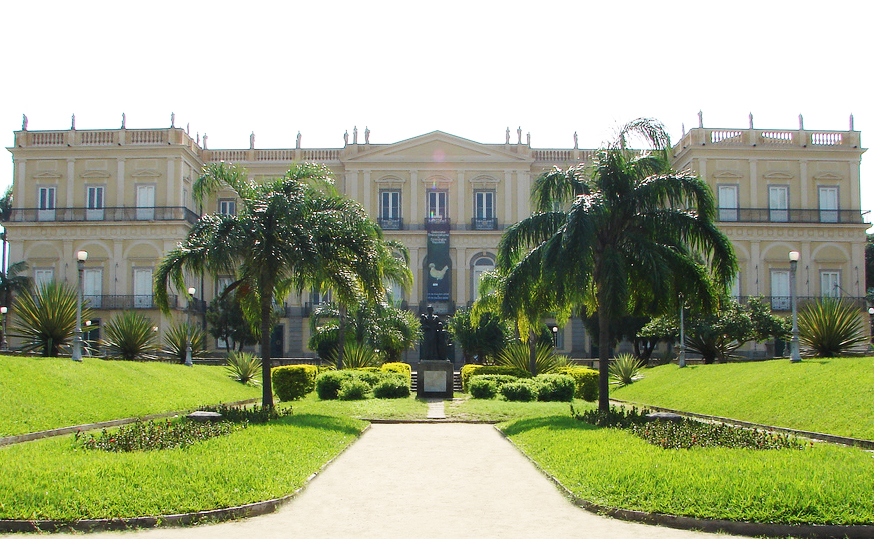
The Imperial Palace of Sao Cristovao stands within a large park in the city of Rio de Janeiro, an elegant building that served as the principal residence of the Brazilian imperial family for much of the nineteenth century. Set amid gardens and grounds, it was the center of the court and the seat of the monarchy of the only empire in the history of the Americas of its kind.
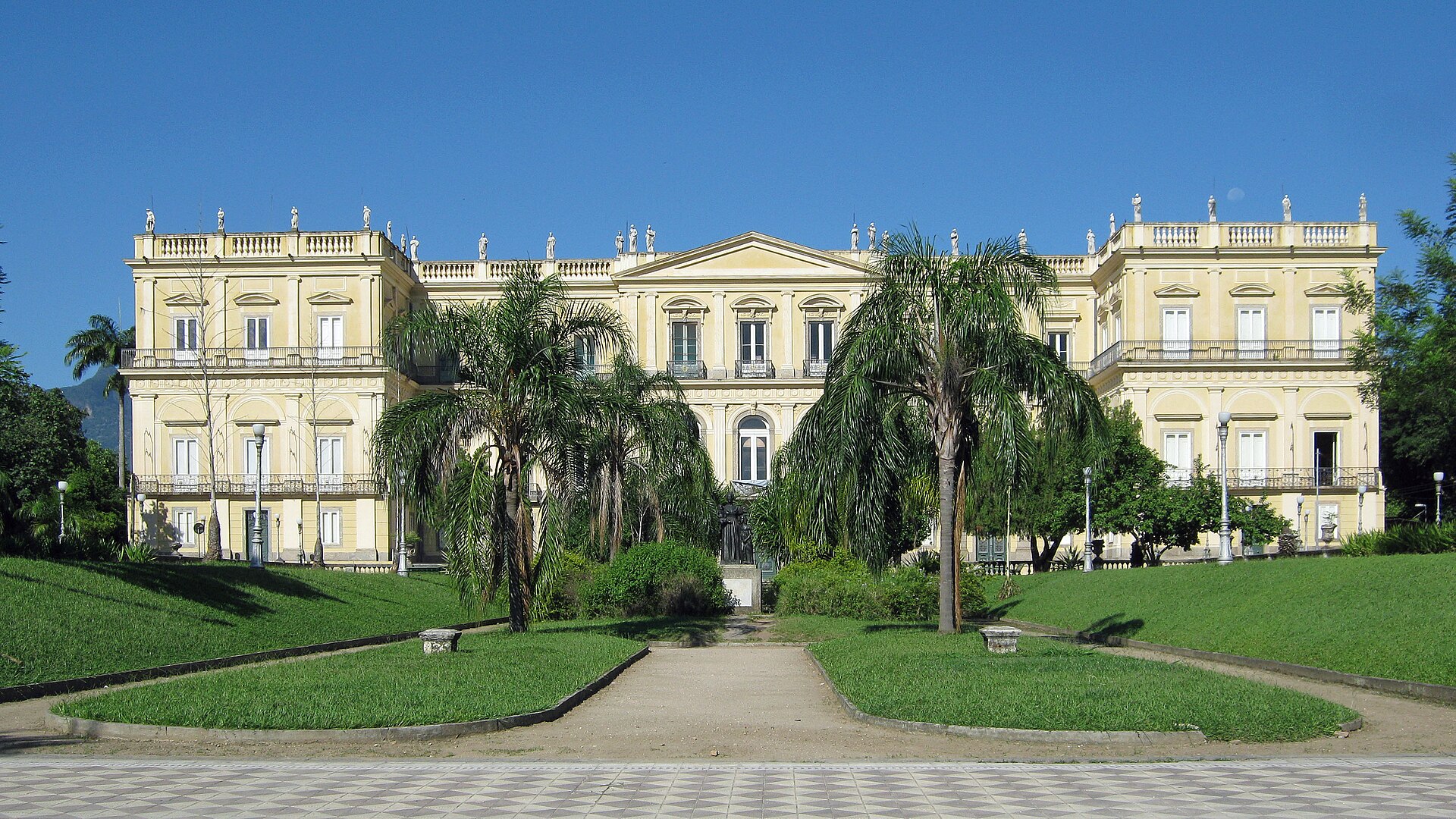
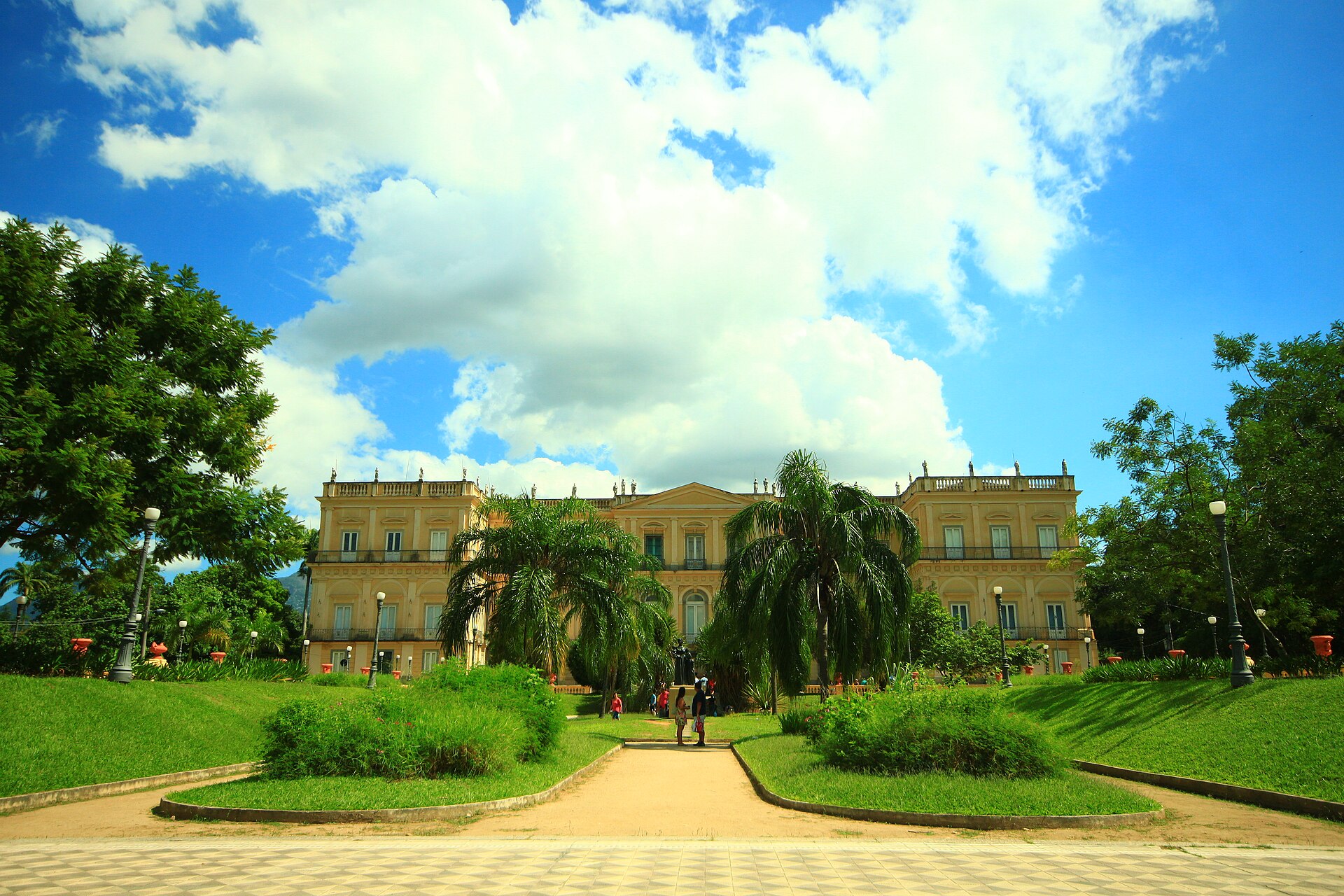
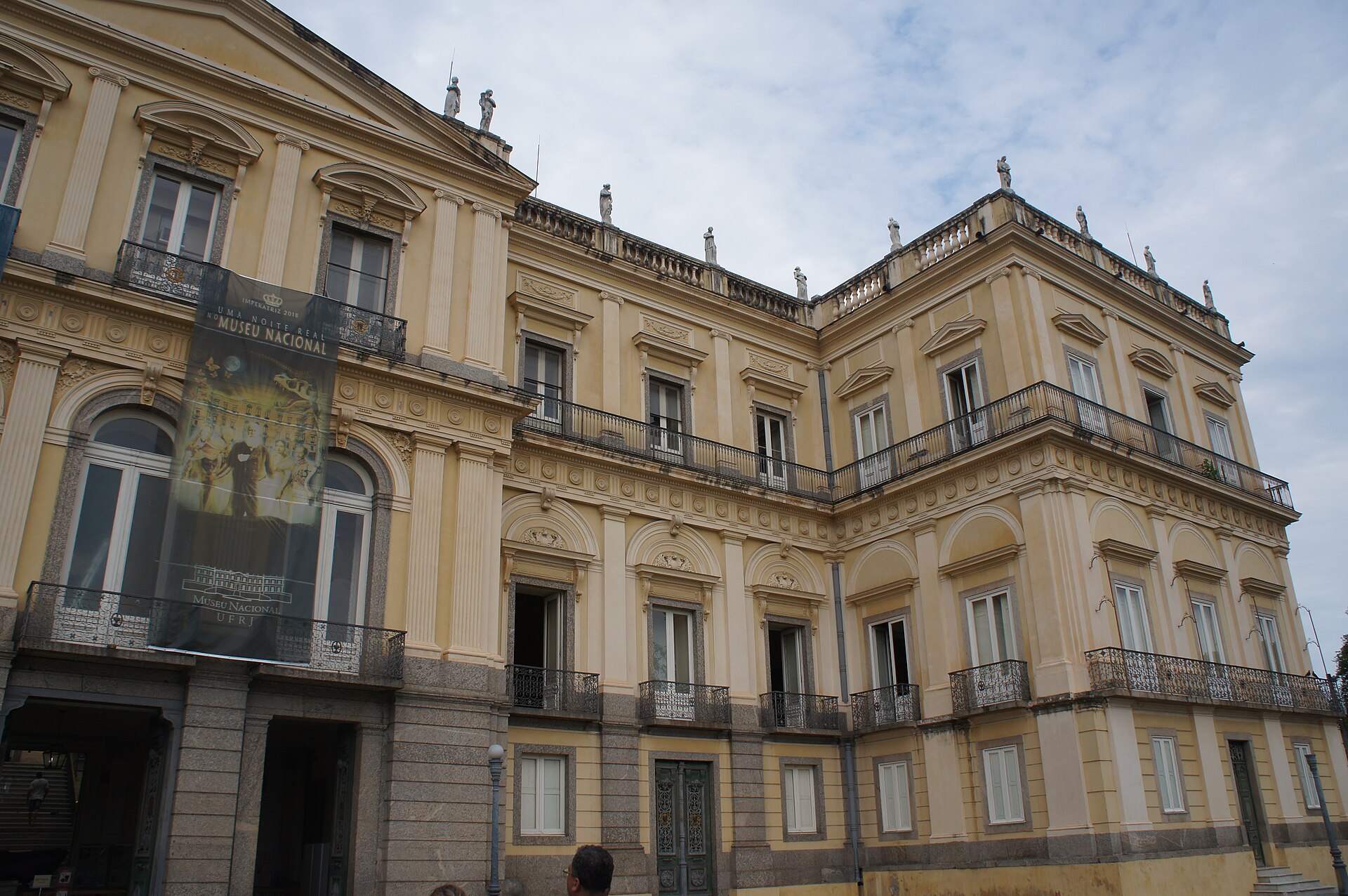
The palace is a dignified neoclassical building, remodeled and expanded over the years to serve as a fitting residence for the emperors of Brazil. Its facades, towers, and elegant proportions reflect its status as an imperial palace, and it stood as the symbol of the Brazilian monarchy and the center of its court life.
What makes the palace so significant is its unique place in the history of the Americas. Brazil was the only part of the New World to become the seat of a European royal court and then an independent empire ruled by emperors, and this palace was the heart of that monarchy, giving it a distinction unmatched by any other building in the hemisphere.
Today, though its life has taken dramatic and tragic turns, the palace remains one of the most important historic buildings in Brazil, a monument to the imperial period and to the extraordinary history of the country. Its story, from royal residence to national museum, encompasses some of the most important chapters in the history of the nation.
The uniqueness of Brazil’s imperial history gives this palace a significance that is easy to overlook. Alone among the nations of the Americas, Brazil was ruled by emperors of a European dynasty, and this building was their home. To stand before it is to confront a chapter of New World history quite unlike the familiar story of colonies becoming republics.
The Court That Crossed the Ocean
The palace owes its imperial history to one of the most remarkable events in the history of monarchy. In the early nineteenth century, as war engulfed Europe and threatened Portugal, the Portuguese royal court made the extraordinary decision to flee across the Atlantic and establish itself in Brazil, then Portugal’s largest colony.
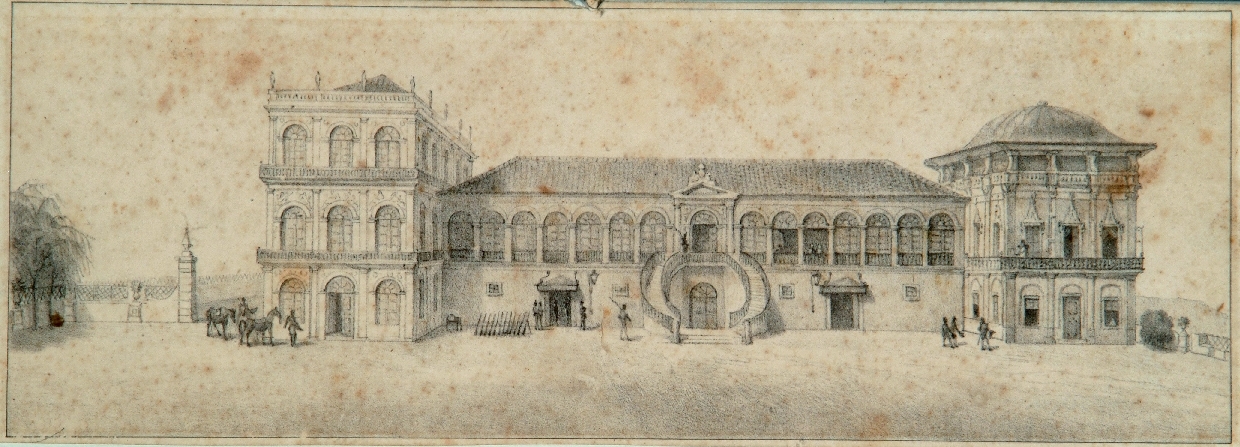
The arrival of the entire royal court in Brazil transformed the colony and its capital, Rio de Janeiro, which suddenly became the seat of the Portuguese empire. This was an event without real precedent, a European monarchy transplanting itself to the New World, and it set in motion the developments that would make Brazil an independent empire.
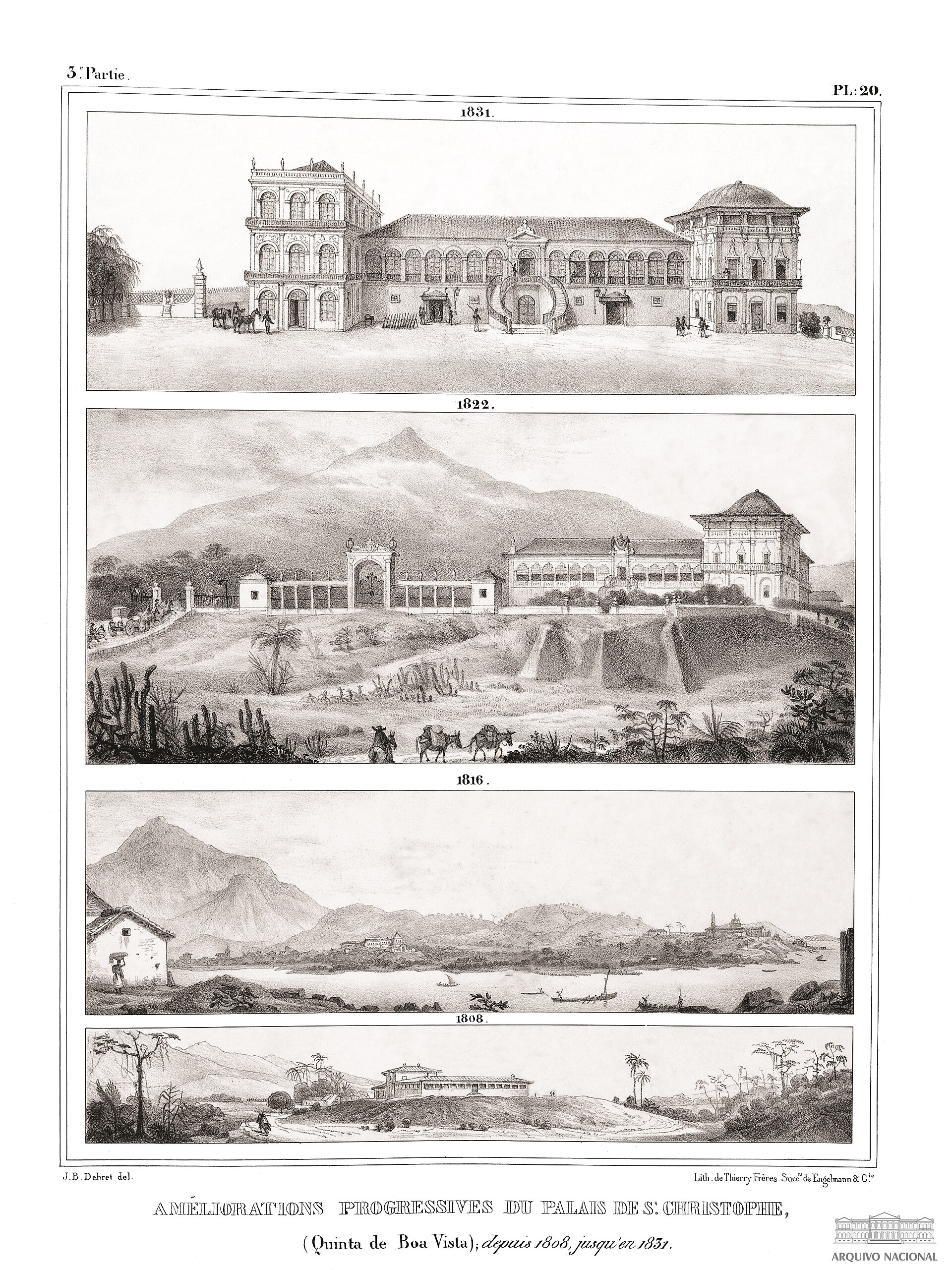
During this period, the estate that would become the imperial palace came into the possession of the royal family, given to the ruler as a residence. The building on the estate was adopted and adapted as a royal residence, beginning its history as the home of monarchs that would continue for decades.
The transfer of the court to Brazil elevated the colony and its capital to a new status, and it laid the foundations for the emergence of an independent Brazilian monarchy. The palace, adopted as a royal residence during this period, became the setting for this remarkable history, the home of a European royal house in the heart of South America.
The flight of an entire European court across the Atlantic was an event of almost mythic proportions, unprecedented in the history of monarchy. Thousands of courtiers, officials, and servants made the ocean crossing, and their arrival transformed Rio de Janeiro almost overnight from a colonial port into an imperial capital, with this estate among the residences that received the displaced royal house.
The Quinta da Boa Vista
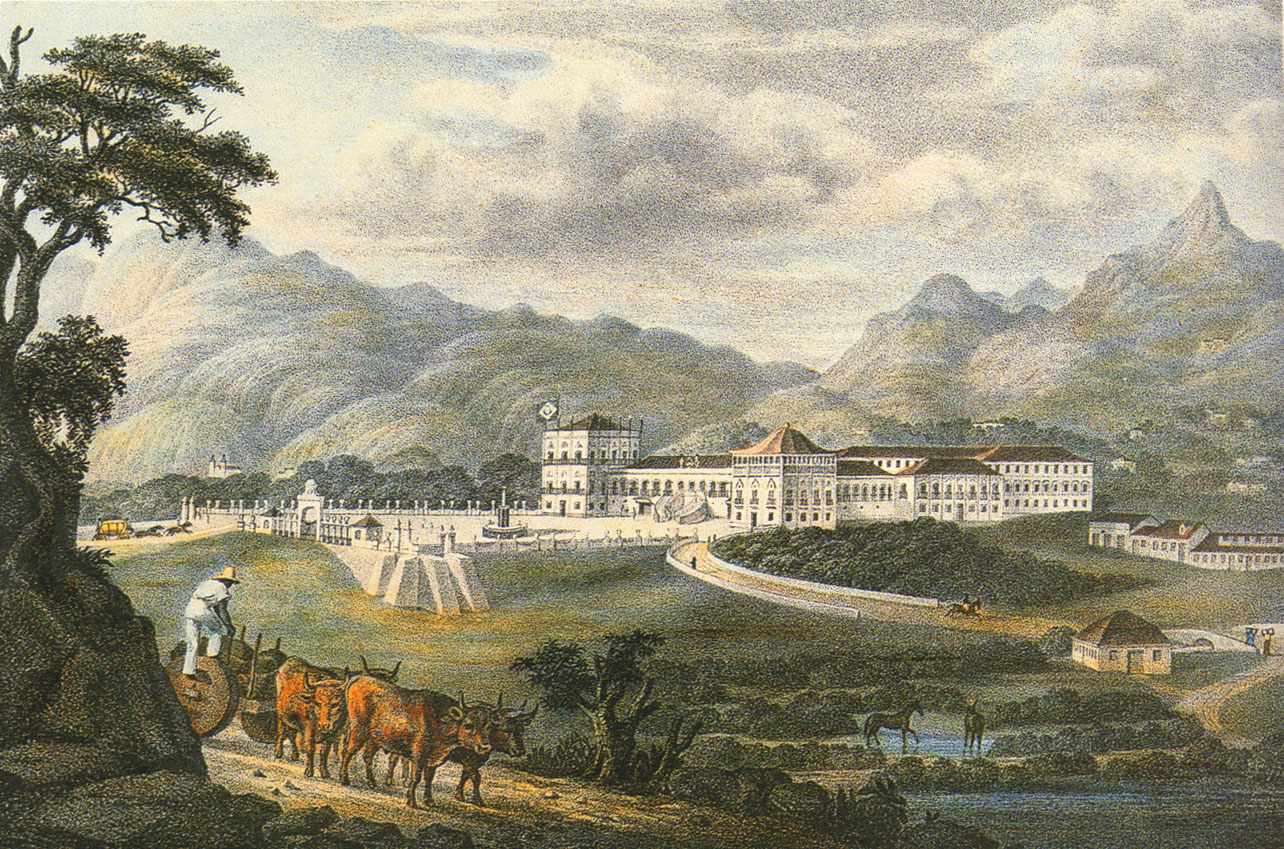
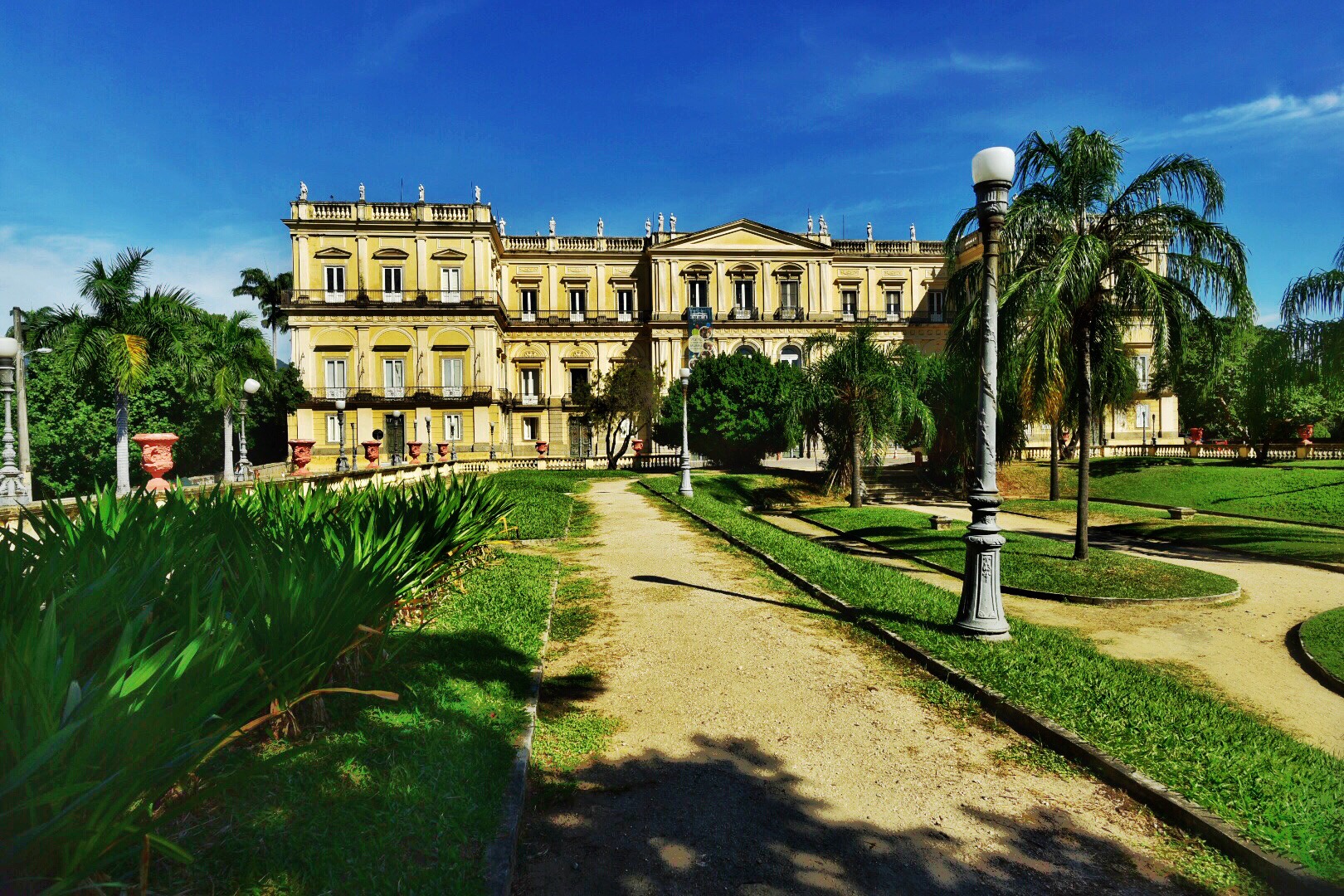
The palace stands within the grounds known as the Quinta da Boa Vista, a large park that formed the setting for the imperial residence. Once the private grounds of the emperors, the park was landscaped and developed as a beautiful setting for the palace, with gardens, lakes, and greenery surrounding the imperial home.
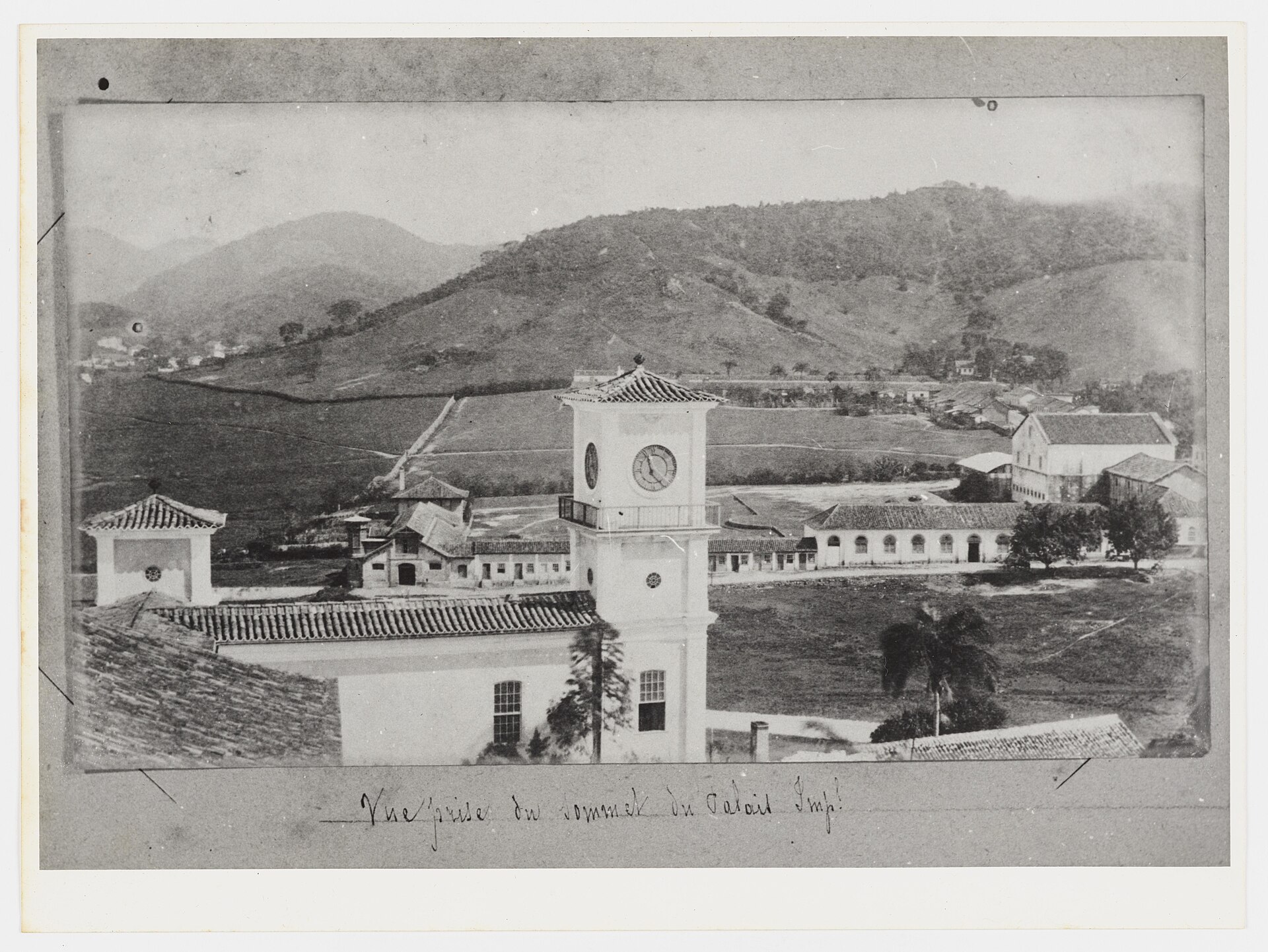
The park provided the imperial family with a green and spacious retreat within the city, a place for recreation and repose as well as the setting for the palace. Its landscaped grounds, developed over the years, reflected the tastes of the age and the status of the imperial residence they surrounded.
After the fall of the monarchy, the park was opened to the public and became one of the great green spaces of Rio de Janeiro, beloved by the people of the city. Today the Quinta da Boa Vista is a popular park, and the palace at its heart remains its most important monument, a reminder of the grounds’ origins as an imperial estate.
The relationship between the palace and its park is central to the character of the place. Set within its green grounds, the imperial palace enjoyed a setting of beauty and tranquility, and the survival of the park as a public space has preserved something of the setting in which the emperors of Brazil once lived, at the heart of their capital.
For the people of Rio de Janeiro today, the Quinta da Boa Vista is a cherished green space, filled on weekends with families, walkers, and those seeking respite from the busy city. Few of them may pause to reflect that these pleasant grounds were once the private estate of emperors, and that the great building at their heart witnessed the whole span of Brazil’s imperial history.
The Seat of a Monarchy
For decades the palace served as the seat of the Brazilian monarchy, the residence of the imperial family and the center of the court. From here the emperors governed, held court, and conducted the affairs of state, and the palace was the symbolic and practical heart of the empire of Brazil.
The court that gathered at the palace reflected the unique character of the Brazilian monarchy, a European-style royal house ruling a vast and diverse American empire. The life of the court, with its ceremonies and its splendor, followed the patterns of European monarchy, transplanted and adapted to the New World setting of Brazil.
The palace was thus a center of power and culture, the place where the business of governing the empire was carried out and where the ceremonies of the monarchy were performed. Its halls and apartments witnessed the great events of the imperial period, from affairs of state to the personal dramas of the imperial family.
As the seat of the monarchy, the palace played a central role in the history of nineteenth-century Brazil, the setting for the reigns of the emperors and the developments that shaped the nation. Its history is inseparable from the history of the Brazilian empire, and it stands as the great monument to that unique chapter in the story of the Americas.
The Birth of an Empire
A pivotal chapter in the history of the palace and of Brazil came when the country became independent, transforming from a colony into an independent empire. The son of the Portuguese king, who had remained in Brazil, declared the country’s independence and became its first emperor, establishing the Brazilian monarchy.
This declaration of independence was a momentous event, creating an independent empire in South America ruled by a member of the European royal house. Unlike the other nations of the Americas, which became republics, Brazil emerged from colonial rule as a monarchy, and the palace became the residence of its emperors.
The first emperor’s reign established the new empire and its monarchy, though it was not without difficulty, and he eventually abdicated in favor of his young son. The founding of the empire nonetheless set Brazil on a distinctive path, and the palace stood as the seat of the new monarchy from its earliest days.
The birth of the Brazilian empire made the palace the home of a reigning emperor, and it gave the building its central place in the history of the nation. The events of this period, unfolding in part at the palace, created the unique institution of the Brazilian monarchy, one of the most remarkable political developments in the history of the Americas.
The famous cry of independence, raised beside a river not far from the capital, has become one of the founding moments of the Brazilian nation. That the resulting state chose monarchy rather than the republican path taken by its neighbors gave Brazil a distinctive political character, and the palace stood as the residence of the emperors this bold choice created.
The Long Reign of the Second Emperor
The palace is above all associated with the second emperor of Brazil, whose long reign spanned most of the nineteenth century and who made the palace his principal residence. Coming to the throne as a child, he grew into a ruler of great learning and culture, and his reign is remembered as a period of relative stability and development for the empire.
The second emperor was a scholar and a patron of the arts and sciences, deeply interested in learning and progress. His personal interests shaped the culture of his court and the character of his reign, and he became known internationally as an enlightened monarch, respected for his intellect and his devotion to the advancement of his country.
During his long reign, the palace was the center of the imperial court and the residence of the imperial family, the setting for the ceremonies and the daily life of the monarchy. The emperor and his family lived here, and the palace witnessed the great events of his reign, from affairs of state to the personal milestones of the imperial family.
The reign of the second emperor is remembered as the golden age of the Brazilian empire, and the palace is closely bound up with his memory. His learning, his culture, and his long and dignified rule gave the monarchy its most distinguished period, and the palace stands as the great monument to his reign and to the empire he governed.
The second emperor’s reputation for learning was such that he corresponded with scientists and thinkers around the world and was received with genuine respect on his travels abroad. That the ruler of a New World empire should be admired in Europe as a model of the enlightened monarch says much about the distinctive character of the Brazilian monarchy and the man who embodied it for so long.
The Palace and Its Style
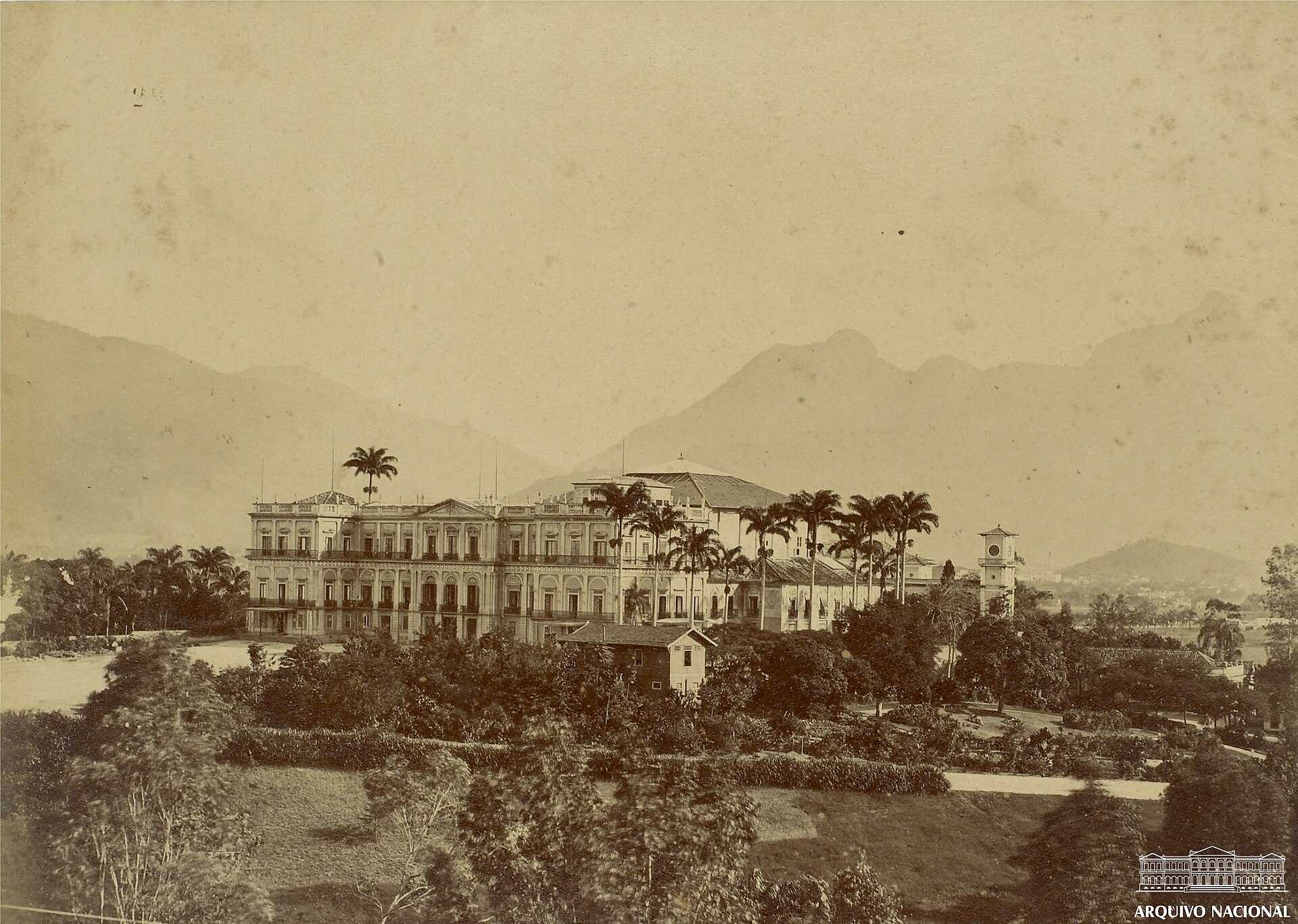
The Imperial Palace of Sao Cristovao is a neoclassical building, its dignified facades and elegant proportions reflecting the architectural tastes of the imperial period. Remodeled and expanded over the years from the original building on the estate, it developed into a fitting residence for the emperors of Brazil.
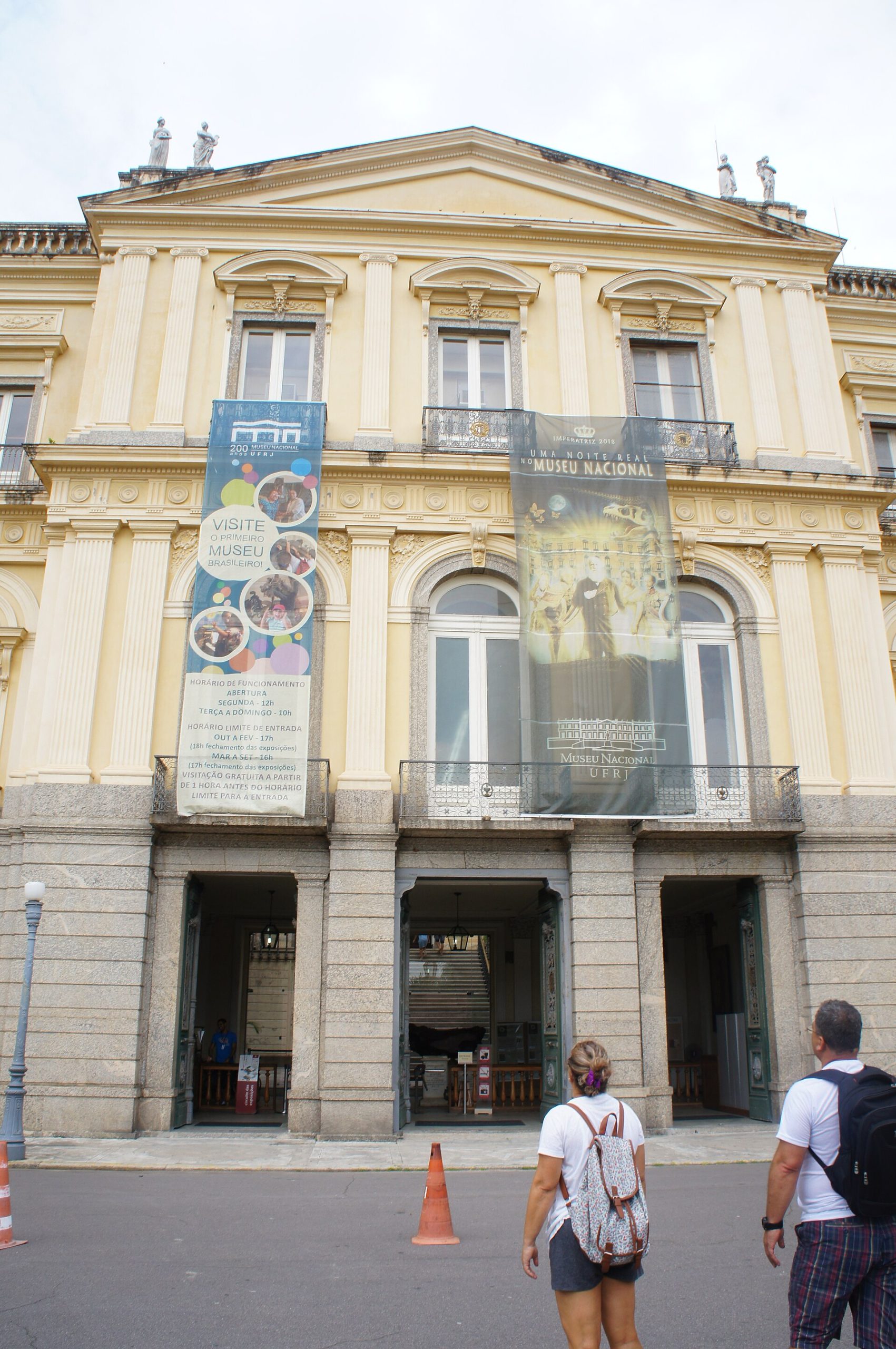
The palace was altered and embellished by successive occupants, who added towers, facades, and decoration to enhance its grandeur and to suit the needs of the imperial court. These changes, carried out over the decades, gave the palace its final form, an elegant and dignified imperial residence set within its park.
The neoclassical style of the palace reflected the aspirations of the Brazilian monarchy to match the dignity and grandeur of the European courts. Its architecture expressed the status of the empire and its rulers, creating a residence that would command respect and embody the majesty of the Brazilian throne.
Set within the Quinta da Boa Vista, the palace presented an elegant and imposing face to its surroundings, its towers and facades rising above the park. Its architecture, developed over the imperial period, made it one of the most important buildings of nineteenth-century Brazil, the architectural embodiment of the empire and its monarchy.
Life of the Imperial Family
The palace was the home of the Brazilian imperial family, the setting for their private life as well as the ceremonies of the court. Here the emperors and their families lived, and the palace witnessed the personal milestones of the dynasty, from births and marriages to the daily routines of the imperial household.
The life of the imperial family at the palace combined the grandeur of a royal court with the intimacy of a family home. The private apartments and the grand state rooms served different aspects of the family’s life, and the palace was both a seat of power and a domestic setting for the emperors and their relatives.
The imperial family’s life at the palace reflected the character of the Brazilian monarchy, at once European in its forms and rooted in the New World. The family maintained the customs and ceremonies of a royal court, while living in the unique setting of imperial Brazil, and the palace was the stage for this distinctive way of life.
The personal history of the imperial family is woven into the history of the palace, which witnessed the joys and sorrows of the dynasty over the decades of the empire. As the home of the emperors and their families, the palace holds the memory of the private as well as the public life of the Brazilian monarchy.
The Fall of the Monarchy
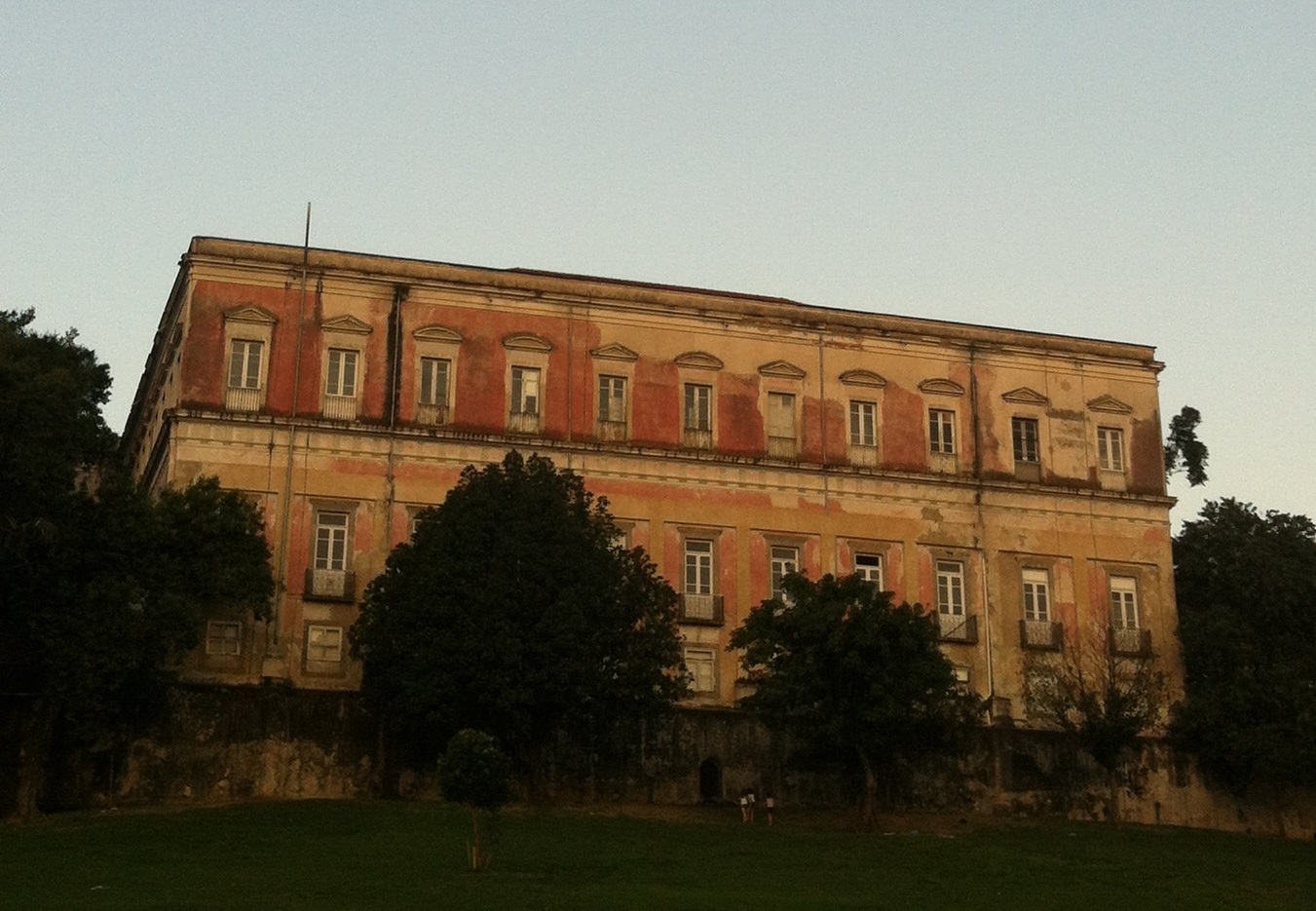
The Brazilian empire came to an end late in the nineteenth century, when the monarchy was overthrown and the country became a republic. The imperial family was sent into exile, and the palace, which had been the seat of the monarchy, was left without its royal occupants, its role as an imperial residence brought to a sudden end.
The fall of the monarchy was a momentous event in the history of Brazil, ending the empire and the reign of the emperors. The palace, so long the center of the monarchy, was caught up in these events, and the departure of the imperial family marked the close of its history as a royal residence.
After the fall of the empire, the palace passed to the new republic, which had to decide what to do with the former imperial residence. No longer the home of emperors, the building entered a new phase of its history, its imperial life over and its future uncertain in the new political order.
The end of the monarchy thus closed one great chapter in the history of the palace and opened another. Having been the seat of the Brazilian empire, the palace would soon take on an entirely new role, its imperial apartments repurposed for a new and very different use in the service of the republic and the nation.
The transition from empire to republic was, by the standards of such upheavals, relatively peaceful, but it was decisive. Overnight the palace ceased to be the home of a reigning dynasty and became a relic of a superseded order, and the imperial family departed for a European exile, leaving behind the great residence that had been the heart of their monarchy.
A Palace of Science
After the fall of the monarchy, the palace was given a new life as the home of a great national museum, one of the most important scientific institutions in Brazil. The former imperial residence became a treasure house of natural history and human culture, its halls filled with vast collections gathered over many years.
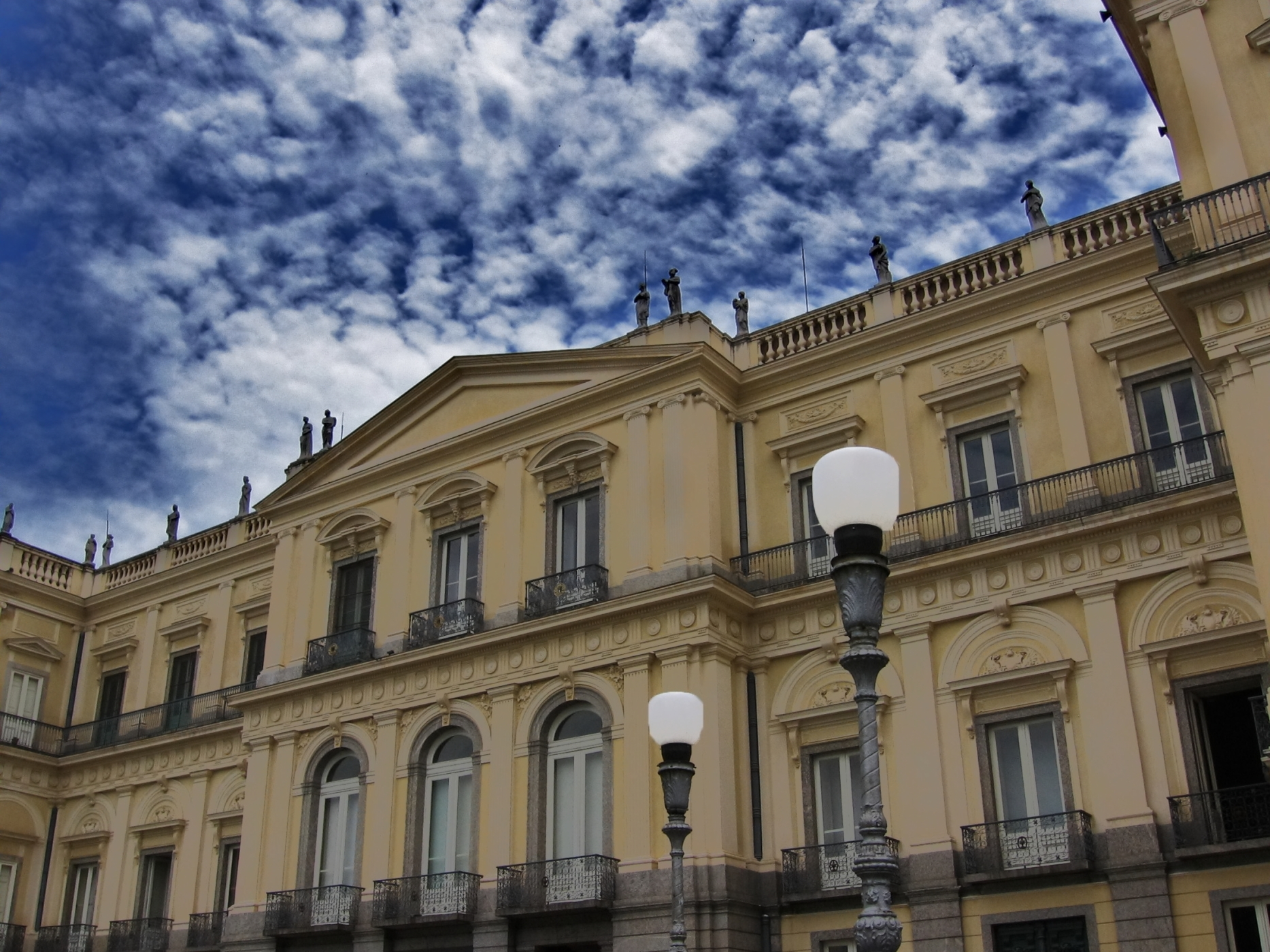
The museum housed in the palace became one of the oldest and most important institutions of its kind in the Americas, dedicated to the study of the natural world and human societies. Its collections grew to enormous size, encompassing an extraordinary range of specimens and objects, and it became a center of learning and research of international importance.
In this new role, the palace served science and education, its imperial apartments transformed into galleries and laboratories. The building that had been the seat of an empire became a place of knowledge, preserving and displaying the treasures of nature and culture for scholars and the public alike.
The transformation of the imperial palace into a national museum gave the building a new significance and secured its survival after the fall of the monarchy. For more than a century, it served as one of the great museums of the Americas, and its collections made it a place of world importance in the study of the natural world and human history.
There is a poignant symmetry in the fate of the building, which passed from being the home of an emperor famous for his devotion to science to becoming one of the great scientific institutions of the hemisphere. The palace’s second life as a museum was, in a sense, a continuation of the values of its most famous imperial occupant, turning a seat of monarchy into a temple of knowledge.
A Treasure House of Nature and Culture
The collections housed in the palace were vast and of extraordinary importance, encompassing specimens and objects from the natural world and from human cultures across time and space. Built up over many years, they made the museum one of the great repositories of scientific and cultural treasures in the Americas.
Among the treasures of the museum were important specimens from the natural world, including fossils and remarkable objects of great scientific value, as well as artifacts from ancient civilizations and the cultures of the world. The collections spanned an enormous range, from the natural history of Brazil to the antiquities of distant lands.
These collections represented the accumulated work of generations of scientists and scholars, and they were of immense value to the study of the natural world and human history. Irreplaceable specimens and objects were preserved within the palace, making it a place of unique importance for research and knowledge.
The richness of the collections made the palace far more than a historic building; it was a living center of science and scholarship, holding treasures of incalculable value. The importance of these collections would make the tragedy that later struck the palace all the more devastating, a loss felt far beyond the borders of Brazil.
The museum’s holdings drew researchers from across the world and made Rio de Janeiro an important center for the study of the natural and human past. Generations of Brazilian scientists built their careers on these collections, and the institution stood as a proud symbol of the nation’s commitment to knowledge and its place in the international world of science.
Tragedy and Loss
In recent years, a terrible fire devastated the palace and its collections, a catastrophe that shocked Brazil and the world. The blaze swept through the historic building, destroying much of the structure and consuming a vast portion of the irreplaceable collections that had been housed within it.
The fire was a tragedy of immense proportions, resulting in the loss of countless specimens and objects of great scientific and cultural value. Treasures accumulated over generations were destroyed, and the loss to science, to Brazil, and to the world’s heritage was incalculable, a devastating blow that could never be fully undone.
The destruction of the palace and its collections was felt as a profound loss, provoking grief and reflection on the importance of preserving cultural and scientific heritage. The images of the historic building in flames became a symbol of the fragility of such treasures and the need to protect them for the future.
In the aftermath of the fire, efforts began to recover what could be saved and to rebuild the palace and its institution. The tragedy opened a new and difficult chapter in the history of the palace, one of loss and mourning but also of determination to restore and preserve what remained of this important monument and its heritage.
The loss was all the more painful because so much of what burned could never be replaced. Unlike a damaged painting that might be restored, the specimens and records consumed in the fire were often unique, the only evidence of their kind, and their destruction erased knowledge that had taken generations to gather. The grief that swept Brazil reflected an understanding of just how much had vanished in a single night.
Recovery and Remembrance
In the wake of the fire, the palace and its institution have entered a period of recovery, as efforts are made to rebuild the historic building and to restore what can be salvaged of its collections and its role. The work of recovery is a major undertaking, reflecting the importance of the palace to Brazil and to the wider world.
View the exact location on Google Maps
Amid the loss, there have been efforts to recover surviving items and to plan for the future of the palace and its museum. The determination to rebuild reflects the significance of the institution and the desire to preserve and continue its long tradition of science and scholarship, even after so devastating a blow.
The palace remains, even in its damaged state, a monument of great importance, its long history as an imperial residence and a national museum making it a place of deep significance in the story of Brazil. The efforts to restore it are part of a broader commitment to preserving the heritage that the palace represents.
Whether remembered for its imperial past, its role as a great museum, or the tragedy that struck it, the Imperial Palace of Sao Cristovao holds a unique place in the history of the Americas. It stands as a monument to the only empire of its kind in the New World and to the treasures of science and culture it once held, a place of history, loss, and enduring importance.
The rebuilding of the palace and the slow recovery of its institution have become a cause embraced by many, both within Brazil and abroad. The effort is driven by a determination that so grievous a loss should not be the end of the story, and that this building, which has already lived through so much history, should be given yet another chapter as a place of memory, learning, and national pride.
Palaces Nearby
The Imperial Palace of Sao Cristovao is one of the great royal and imperial residences of the Americas. To complete a tour of the courts and rulers of the New World, these nearby palaces make natural companions to a visit here.
You May Like