On a green island in a lake just west of Stockholm stands one of the loveliest royal palaces in all of Europe, a place where the grandeur of the French baroque meets the soft light and water of the Swedish landscape. Drottningholm, whose name means the queen’s islet, is the private residence of the Swedish royal family and one of the best preserved royal palaces of its age anywhere on the continent. To arrive by boat across the water, with the long yellow facade rising beyond its formal gardens, is to feel that you have stepped into a living seventeenth-century dream.
Drottningholm is often called the Versailles of the North, and the comparison is apt, for it was built in conscious emulation of the great French palace and shares its ambition to unite architecture, gardens, and art into a single overwhelming statement of royal magnificence. Yet Drottningholm is no mere imitation. It has a character all its own, shaped by Swedish taste, by the northern setting, and by the remarkable women and men who built and adorned it over the centuries.
What makes the palace truly extraordinary is how much of its historic world survives intact. Alongside the palace itself stand a perfectly preserved eighteenth-century theatre, still used for performances on its original stage machinery, and an enchanting Chinese pavilion, a jewel of the age when Europe was captivated by the arts of the East. Together with the great baroque and English-style gardens, these make Drottningholm a complete royal domain, recognised as a World Heritage Site.
In this article you will come to know Drottningholm in full: its origins and the queens who shaped it, its magnificent interiors and the artists who created them, its famous theatre and Chinese pavilion, its gardens in every style, its role as a living royal residence today, and the reasons it stands among the most captivating palaces in Europe, a place where history is not preserved behind glass but continues to be lived.
In This Article
- The Versailles of the North
- A Palace Born from Fire
- The Queens Who Shaped It
- Architecture and the Grand Facade
- The Splendour of the State Rooms
- A Centre of Art and Learning
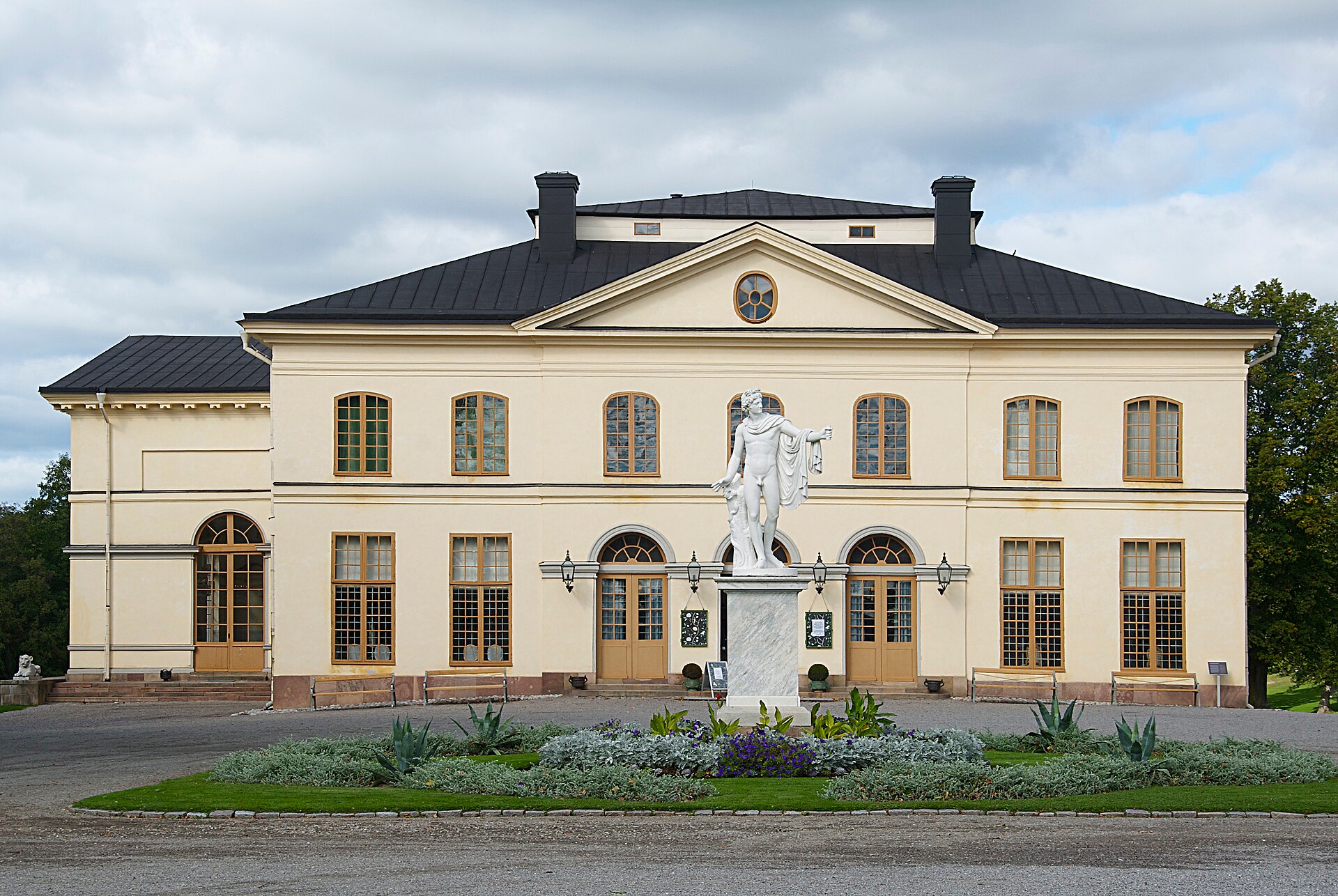
- The Court Theatre, Frozen in Time
- The Chinese Pavilion
- Gardens in Every Style
- A Living Royal Home
- A World Heritage Domain
- Drottningholm and Its Landscape
- Visiting Drottningholm Today
The Versailles of the North
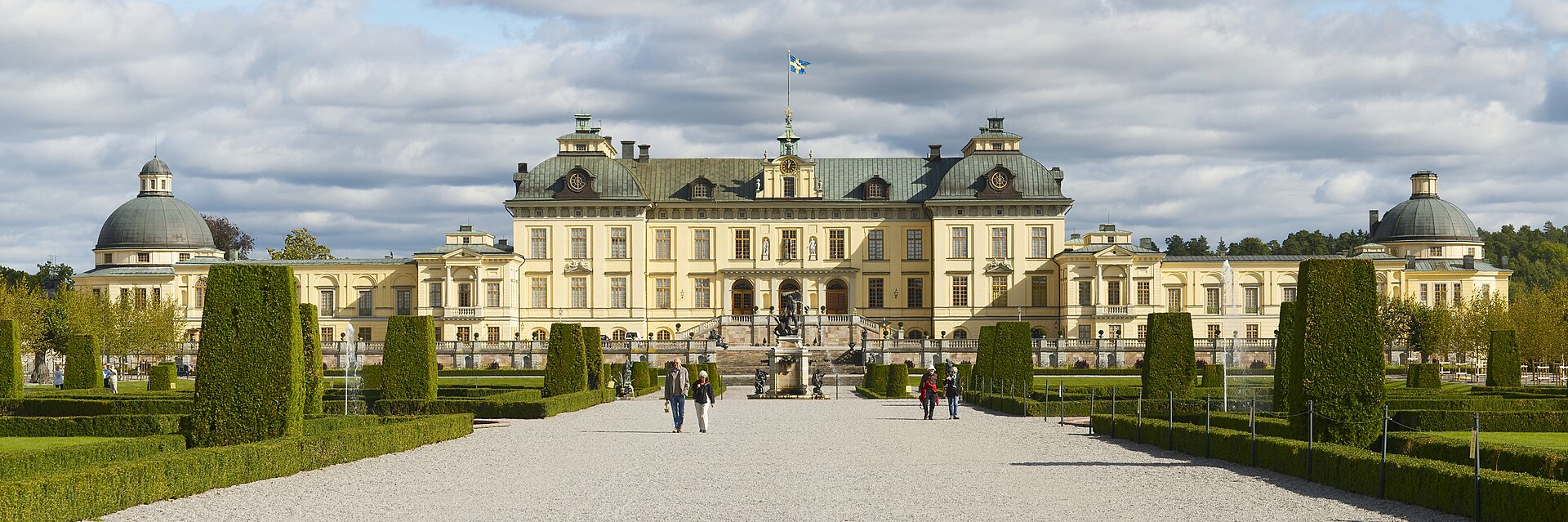
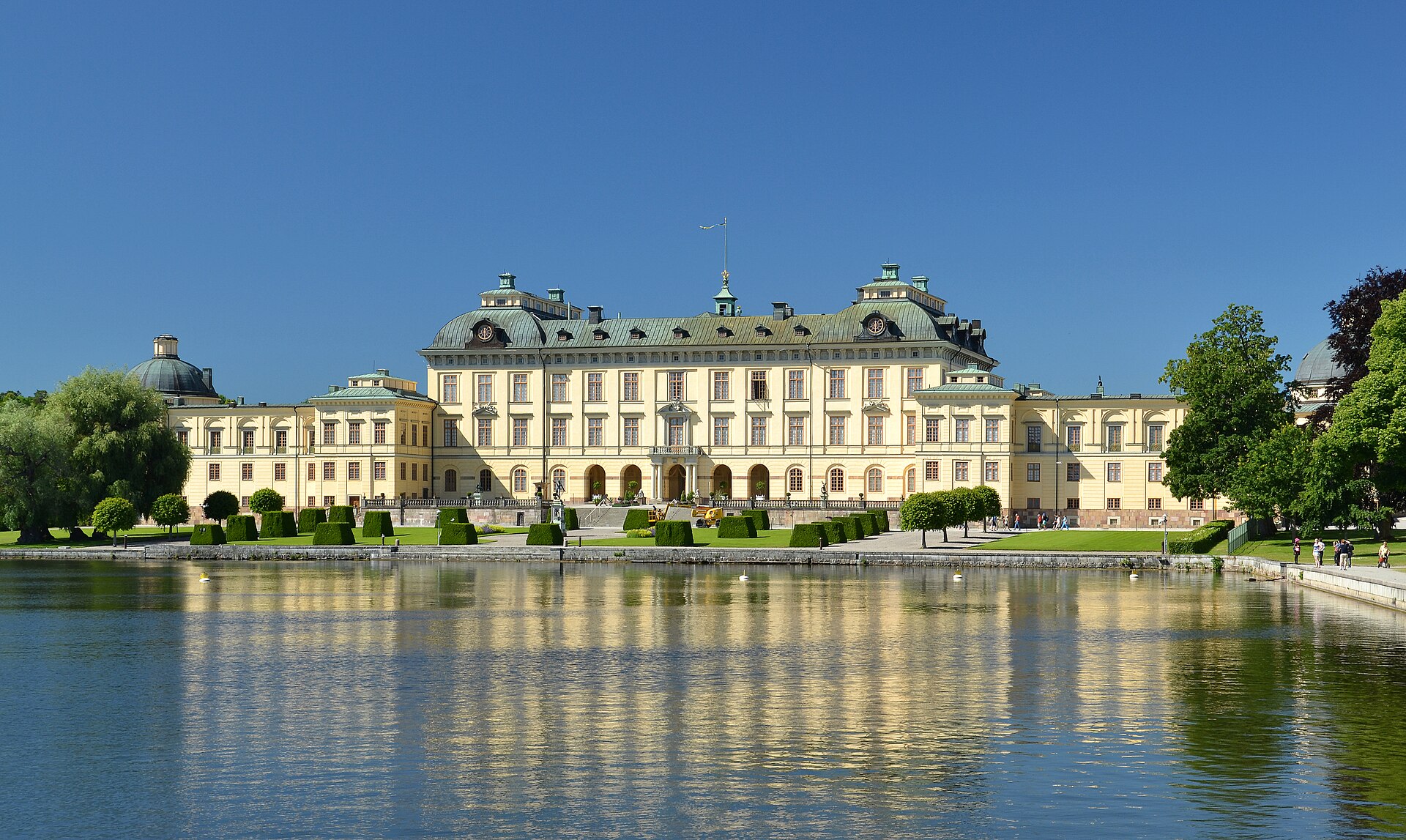
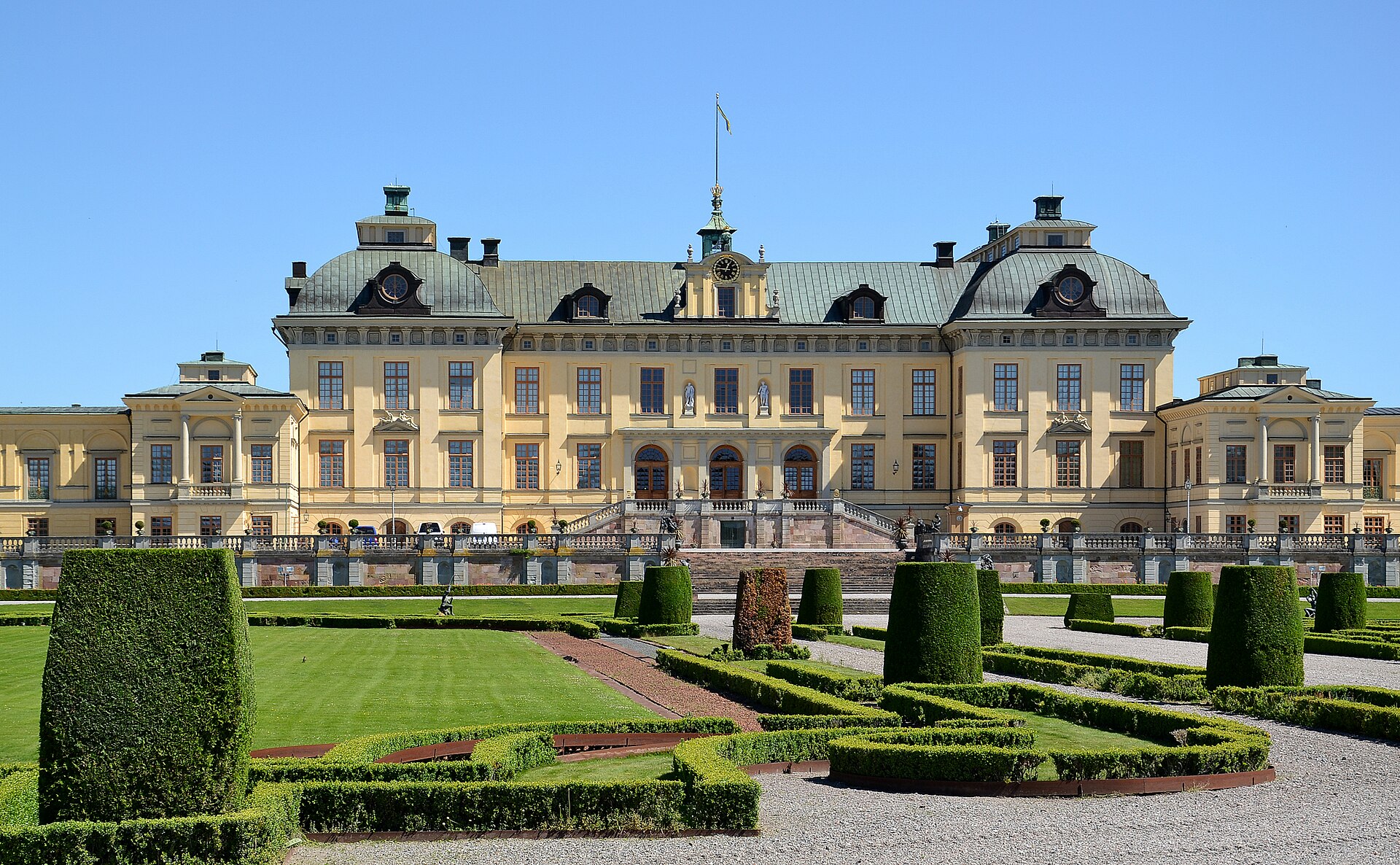
Drottningholm sits on the island of Lovon in Lake Malaren, a short journey from the centre of Stockholm, and its setting is inseparable from its charm. Water surrounds it, gardens stretch before it, and woodland frames it, so that the palace seems to float in a landscape composed as carefully as the building itself. The long, symmetrical facade, painted in warm tones and crowned with a green roof, presents one of the most harmonious royal frontages in Europe.
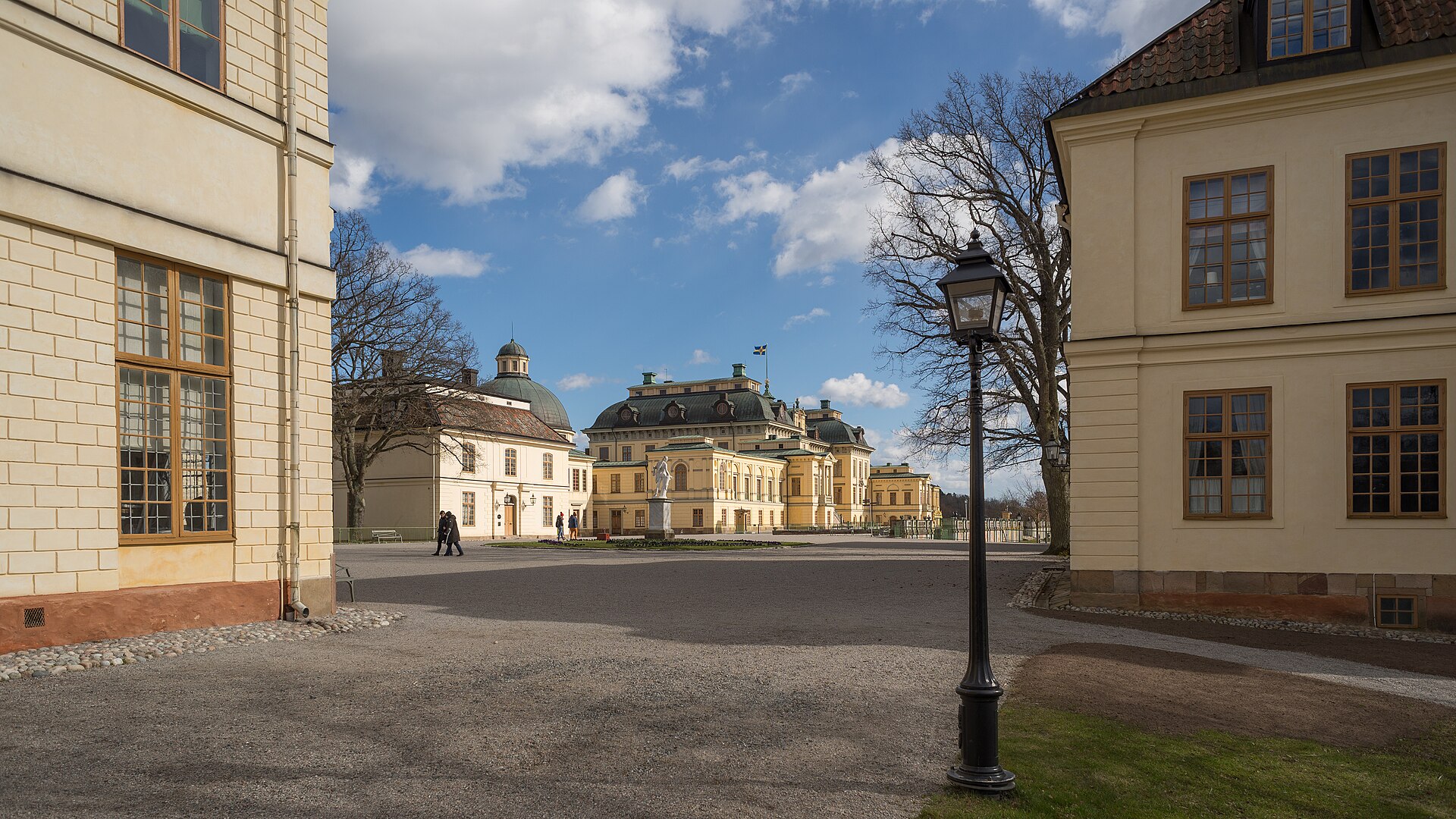
The comparison with Versailles is more than a compliment. Drottningholm was built during the era when the French palace set the standard for royal magnificence across Europe, and its designers looked directly to that model, arranging the palace, its gardens, and its outbuildings into a unified whole meant to express the power and refinement of the Swedish crown. The result places Sweden firmly within the great baroque tradition of European palace-building.
Yet the northern setting transforms the model. The clear light of Sweden, the presence of the lake, and the more restrained scale give Drottningholm an atmosphere quite different from its French inspiration, at once grand and intimate. It is this blend of continental ambition and Nordic grace that has made the palace so beloved, and that greets every visitor who approaches across the water.
Part of the magic lies in how the different elements answer one another. The palace looks out over the gardens, the gardens lead the eye toward the water, and the water carries the light back to the palace, so that no part can be admired in isolation. This deliberate unity of building and setting is the essence of the baroque vision, and few places realise it as gracefully as Drottningholm does in its northern setting.
Arriving by one of the boats that ply the lake from central Stockholm is an experience worth seeking out. As the palace slides into view across the water, framed by its gardens and backed by trees, you understand at once why generations of royalty chose this spot. The journey itself becomes part of the visit, a gentle passage from the bustle of the city into the composed serenity of the royal domain.
A Palace Born from Fire
The Drottningholm we see today rose from disaster. An earlier royal house stood on the island, but in the later seventeenth century it was destroyed by fire. Rather than a loss, this proved an opportunity, for it allowed the building of an entirely new palace in the most fashionable style of the age, unencumbered by older structures.
The driving force behind the new palace was a powerful queen, acting as regent for her young son, who commissioned a grand residence worthy of the ambitions of the Swedish crown at the height of its power. She engaged the leading architects of the day, and under their direction the palace took shape as a coherent baroque masterpiece, conceived from the ground up as a unified work of art.
The building of Drottningholm spanned years and involved a succession of architects, artists, and craftsmen who together created not just a palace but an entire designed landscape. From its origins, then, Drottningholm was the product of vision and patronage at the highest level, a deliberate statement in stone, paint, and greenery of what the Swedish monarchy aspired to be.
That the palace was conceived as a single coherent project, rather than accumulated piecemeal over generations, accounts for much of its harmony. Freed by the earlier fire to start afresh, its builders could impose a unified vision from the outset, and the clarity of that original conception still governs the whole ensemble today, giving Drottningholm a coherence that older, more haphazardly grown palaces often lack.
The choice of the most fashionable continental architects and artists signalled the crown’s determination that Sweden should not lag behind the great courts of Europe. In commissioning Drottningholm, the monarchy was making a statement about the country’s place in the cultural world, announcing that the Swedish crown could patronise art and architecture of the very first rank.
The Queens Who Shaped It
Drottningholm has been, above all, a palace of queens, and its history is bound up with a series of remarkable royal women who shaped it across the generations. The queen who first built it set the pattern, and those who followed added to and transformed the palace, each leaving her mark on its architecture, its collections, and its gardens.
One later queen in particular made Drottningholm a centre of art and learning, filling it with treasures, books, and scientific curiosities, and drawing to it the cultivated circles of the age. Under such patronage the palace became not merely a residence but a hub of Enlightenment culture, its rooms alive with music, learning, and the collecting of beautiful and curious things.
This tradition of female patronage gives Drottningholm a distinctive character. It is a palace shaped by taste and cultivation as much as by dynastic power, its interiors and gardens reflecting the interests and sensibilities of the women who made it their own. To understand Drottningholm is to appreciate the role these queens played in creating one of Europe’s most refined royal environments.
It is fitting that a palace whose very name honours a queen should have been shaped so decisively by royal women. Their patronage was not incidental but formative, determining the character of the interiors, the direction of the collections, and the spirit of the place. To trace their successive contributions is to follow one of the richest threads of female cultural influence in European royal history.
Architecture and the Grand Facade
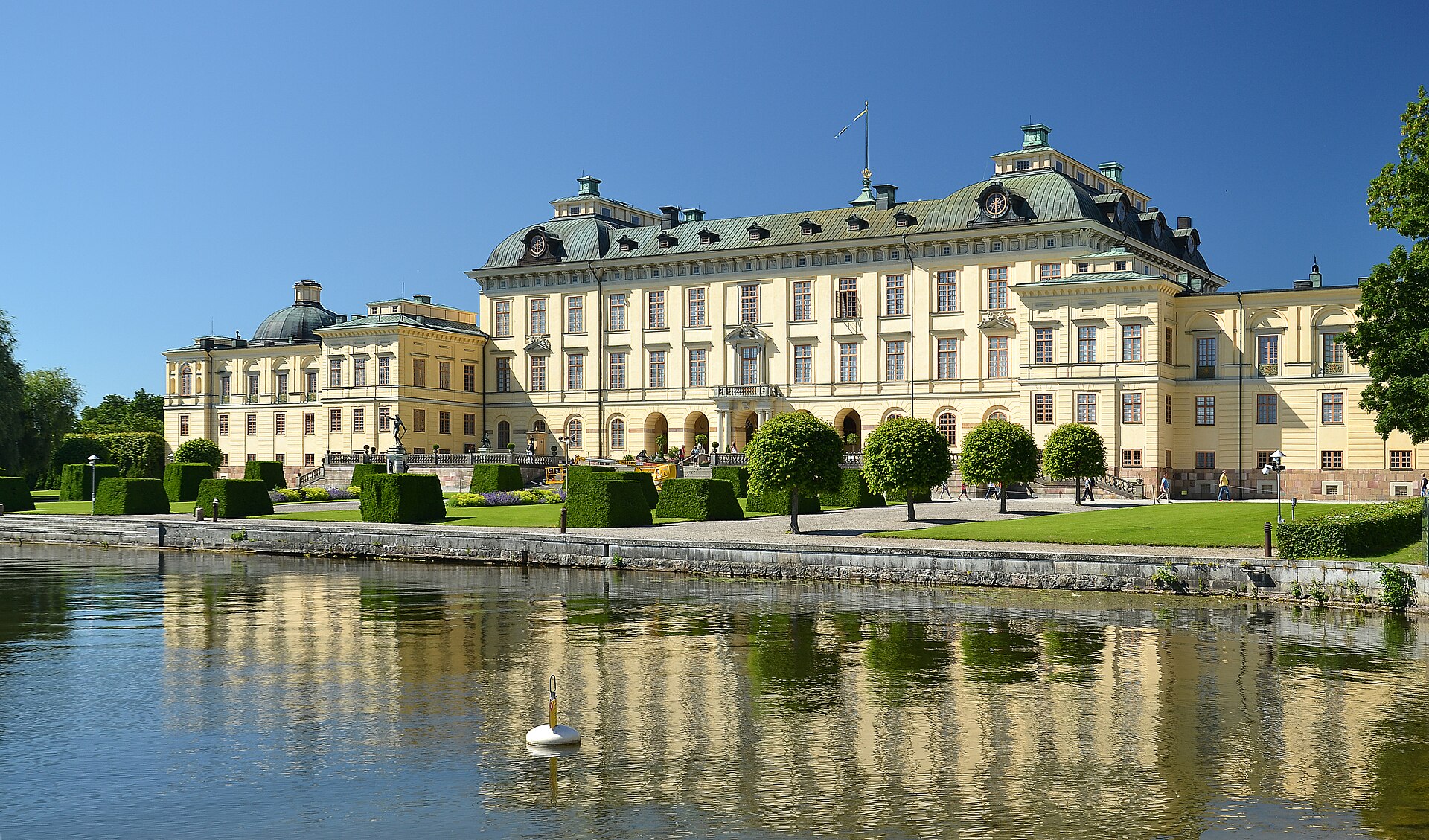
The architecture of Drottningholm is a masterful exercise in the baroque, balancing grandeur with harmony. The long facade is arranged with a central block and flanking wings, its proportions carefully judged to impress without overwhelming. The warm colour of the walls, the rhythm of the windows, and the green of the roof combine into a composition of great elegance.
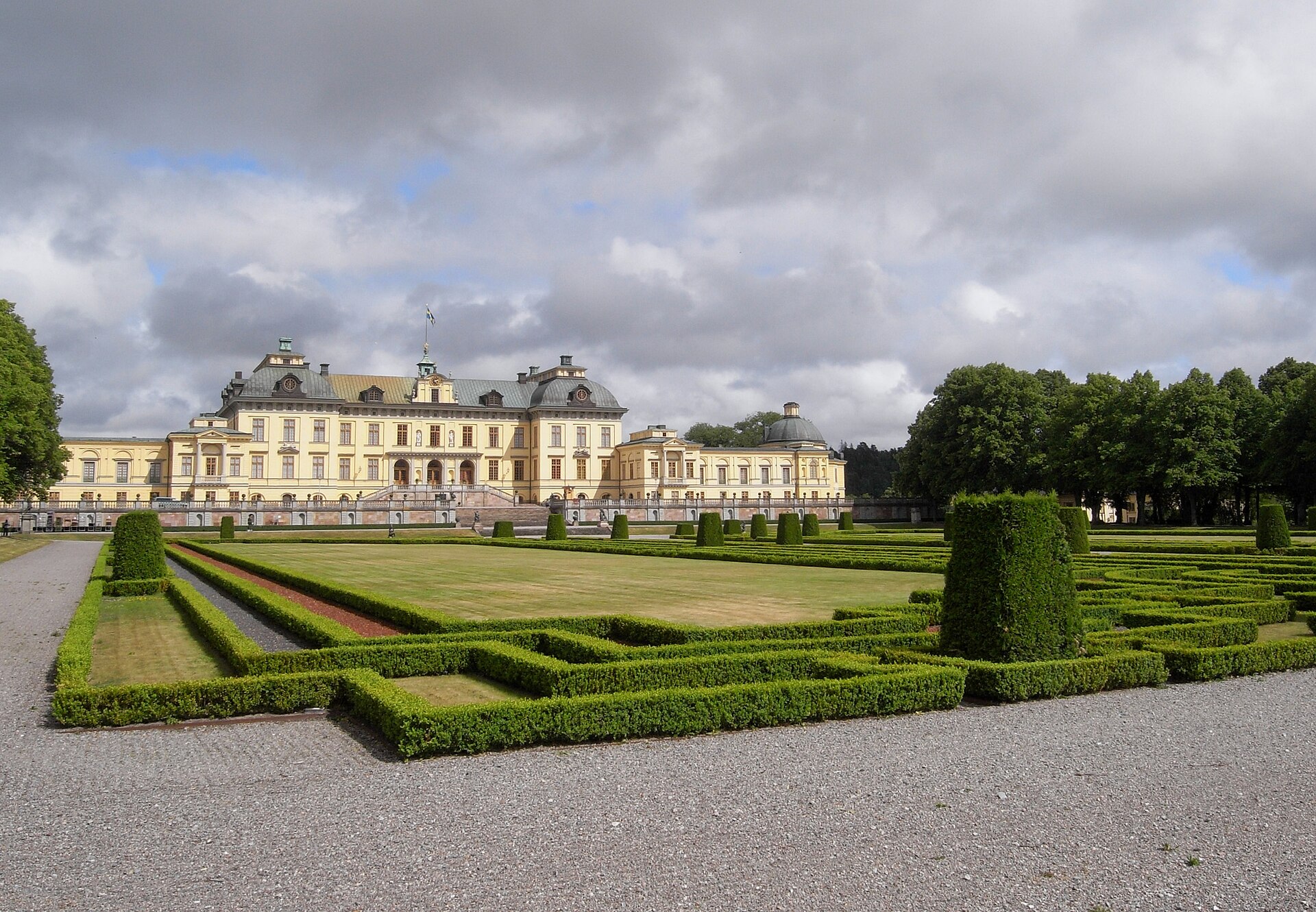
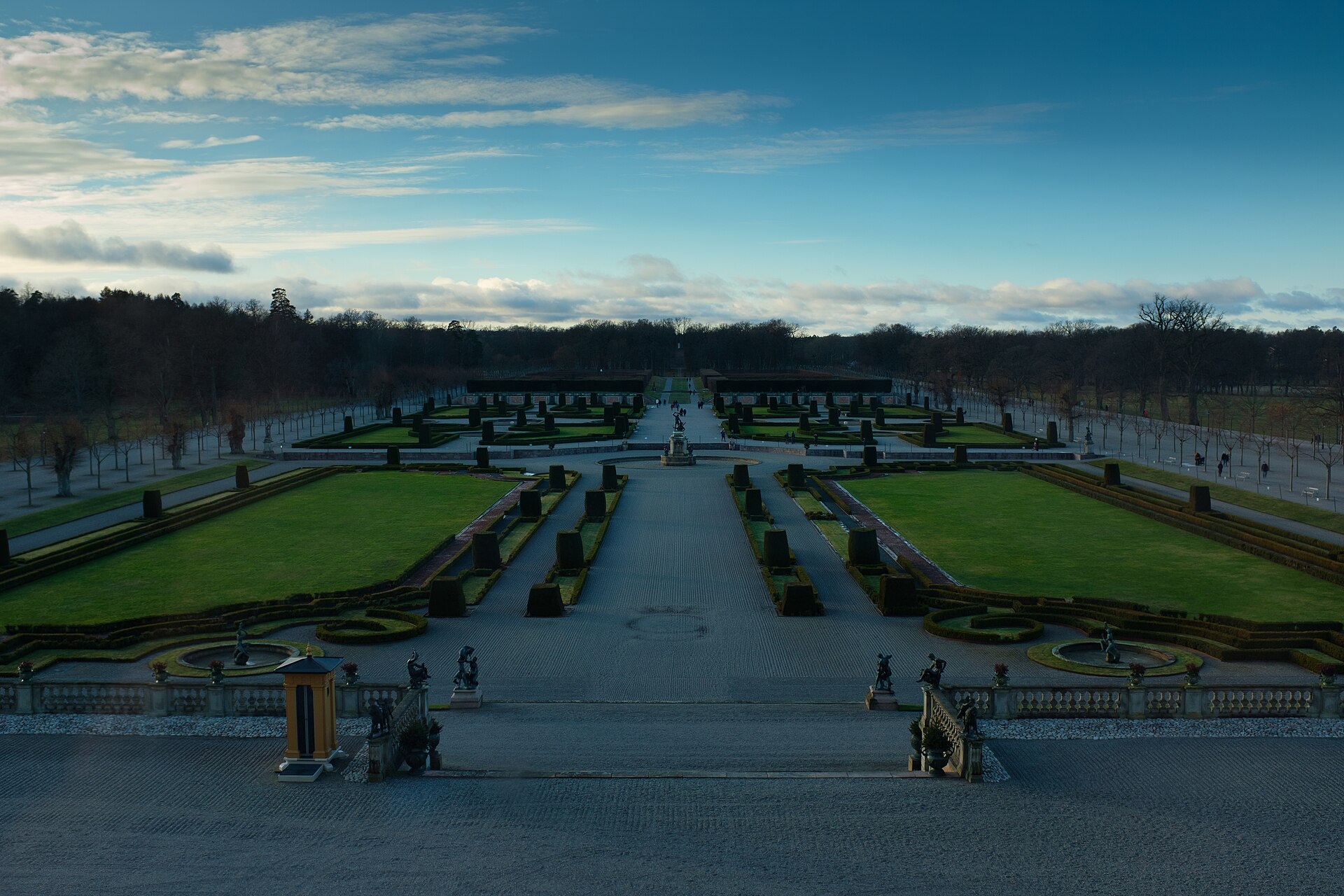
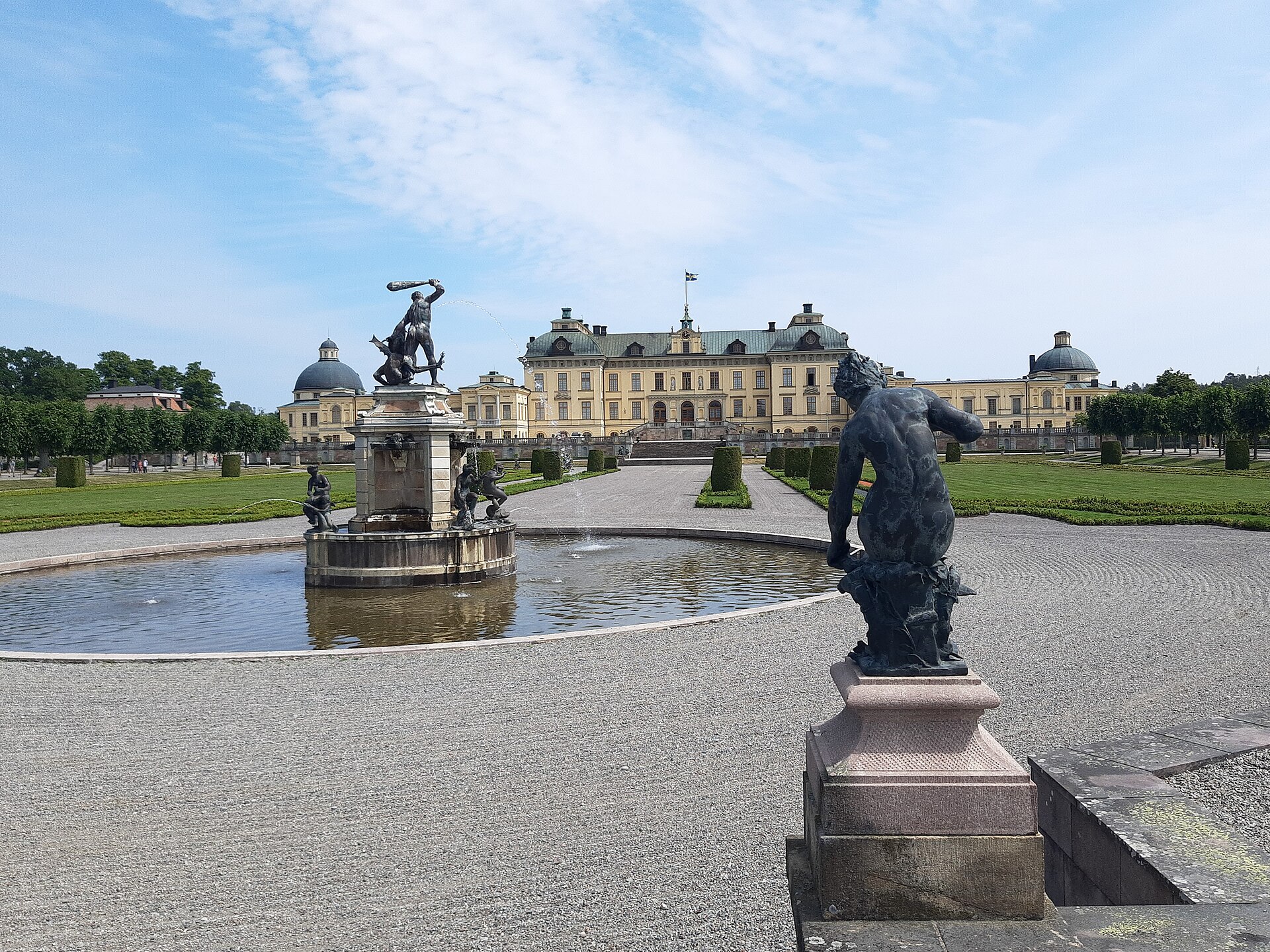
Approached from the garden side, the palace reveals its full theatrical effect, rising above terraces, parterres, and fountains that lead the eye toward the central mass of the building. This orchestration of architecture and landscape is central to the baroque ideal, and at Drottningholm it is achieved with particular success, the palace and its setting forming a single, unified spectacle.
The building’s design reflects the work of the leading Swedish architects of its era, who absorbed the lessons of French and Italian baroque and adapted them to Swedish conditions and taste. The result is a palace that belongs unmistakably to the great European tradition while remaining rooted in its northern home, a synthesis that gives Drottningholm its enduring architectural distinction.
Standing before the garden facade, it is worth pausing to appreciate how carefully the whole composition has been calculated. Every terrace, fountain, and line of clipped hedge is placed to draw the eye toward the palace and to frame it to best effect. This is architecture and landscape conceived as a single art, and the effect, especially in the long light of a northern afternoon, is genuinely breathtaking.
The Splendour of the State Rooms
Within, Drottningholm unfolds a sequence of magnificent state rooms that count among the finest baroque and rococo interiors in Europe. Grand staircases, painted ceilings, gilded stucco, and richly decorated chambers carry the visitor through spaces designed to impress and to express the majesty of the crown. The craftsmanship throughout is of the highest order.
The great staircase sets the tone, a soaring space adorned with sculpture and illusionistic painting that draws the eye upward and prepares the visitor for the splendours beyond. From there the state apartments proceed in a stately progression, each room more richly decorated than the last, filled with portraits, tapestries, furniture, and objects assembled over centuries of royal collecting.
These interiors are remarkable not only for their beauty but for their preservation. Many rooms retain their original decoration and furnishings, allowing visitors to experience the authentic character of a royal palace across several eras of taste, from the exuberant baroque to the lighter elegance of the rococo. To walk through them is to move through the changing styles of European court art.
The preservation of so much original decoration is what makes these rooms so valuable to historians of art and taste. Elsewhere, later remodelling has often swept away the authentic character of period interiors; at Drottningholm, room after room survives to show how a great palace was actually decorated and furnished across successive reigns. It is, in effect, a living textbook of European court design.
Each successive reign added its own layer of decoration and collecting, so that the interiors together form a record of shifting taste across generations. Rather than erasing what came before, the palace accumulated, and this layering is part of what makes the state rooms so rich. To move through them is to travel through time, watching the heavy grandeur of one age give way to the lighter grace of the next.
A Centre of Art and Learning
Beyond its role as a residence, Drottningholm became a celebrated centre of art and learning, above all under the patronage of a cultivated queen who made it a home for her extensive collections and intellectual pursuits. Her library, her scientific instruments, and her cabinets of curiosities turned the palace into a treasure house of Enlightenment culture.
The collections gathered at Drottningholm reflected the wide-ranging curiosity of the age, embracing art, natural history, books, and objects from around the world. The palace became a place where the leading minds and artists of the day were welcomed, where learning was cultivated, and where the treasures of many lands were assembled and admired.
This intellectual dimension is an essential part of Drottningholm’s identity. It was never merely a stage for royal ceremony but a living centre of culture, and the traces of that role survive in its rooms and collections. The palace embodies the Enlightenment ideal of the monarch as a patron of arts and sciences, a role its queens embraced with particular distinction.
The image of a queen surrounded by her books, instruments, and curiosities captures something essential about the palace’s spirit. Drottningholm was a place where power and cultivation met, where the resources of the crown were turned toward the pursuit of knowledge and beauty. That marriage of majesty and mind gives the palace a depth that mere magnificence could never supply.
The Court Theatre, Frozen in Time
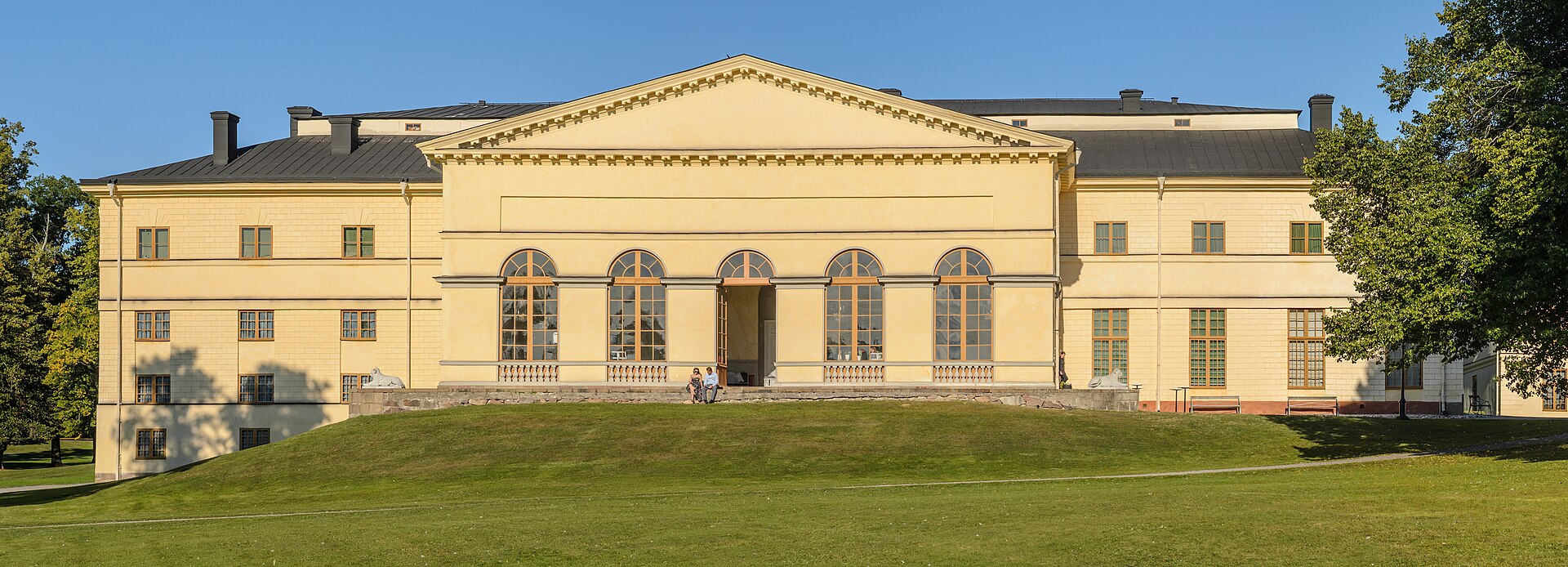
Among the greatest treasures of Drottningholm is its court theatre, one of the very few eighteenth-century theatres in the world to survive with its original stage, machinery, and decor intact. Built in the age when court entertainment reached its height, the theatre fell into disuse and was, remarkably, forgotten for over a century, only to be rediscovered with its historic fittings astonishingly preserved.
To step inside is to enter the theatrical world of the eighteenth century exactly as it was. The original wooden stage machinery still functions, capable of the rapid scene changes, flying effects, and painted perspectives that delighted audiences of the age. The auditorium, painted to imitate richer materials, retains its period atmosphere, unspoiled by later modernisation.
The theatre is not a museum piece but a living stage. Performances of period opera and drama are still given here using the original machinery, allowing modern audiences to experience the theatrical arts of the eighteenth century in their authentic setting. This survival makes Drottningholm’s theatre unique, a genuine window into a vanished world of court entertainment.
The story of the theatre’s rediscovery, forgotten for generations and then found with its machinery miraculously intact, is one of the most remarkable in the history of European heritage. It is as if a whole vanished art form had been preserved in amber, waiting to be woken. That it can once again be seen in action, on its original stage, is a piece of extraordinary good fortune for anyone who loves the history of the theatre.
Attending a performance here is unlike any other theatrical experience in the world. The candlelit atmosphere, the creak of the wooden machinery, the painted perspectives sliding into place all transport the audience directly into the eighteenth century. For a few hours the centuries fall away, and you watch opera or drama exactly as a courtier might have done, in a room that has scarcely changed since their day.
The Chinese Pavilion
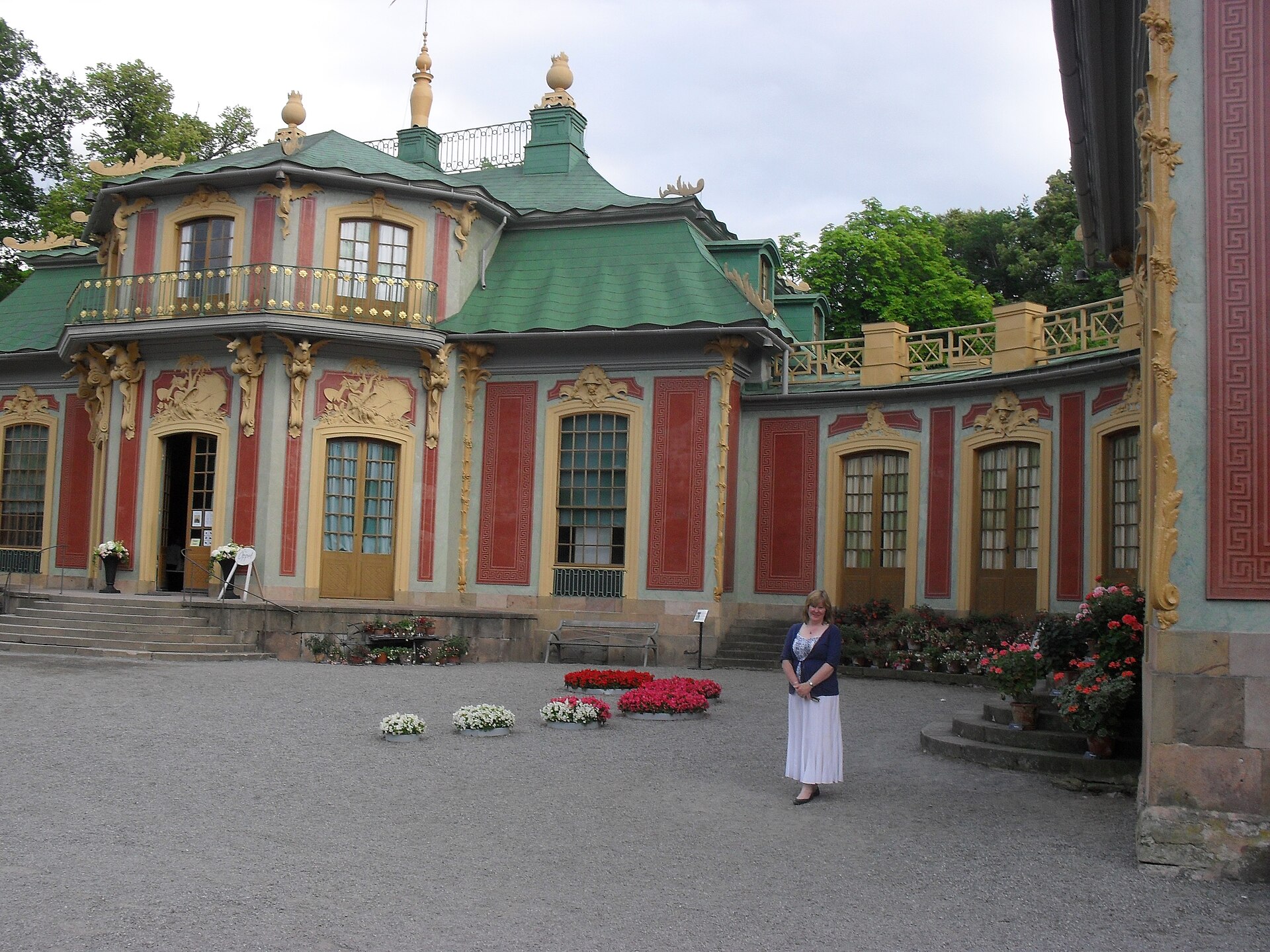
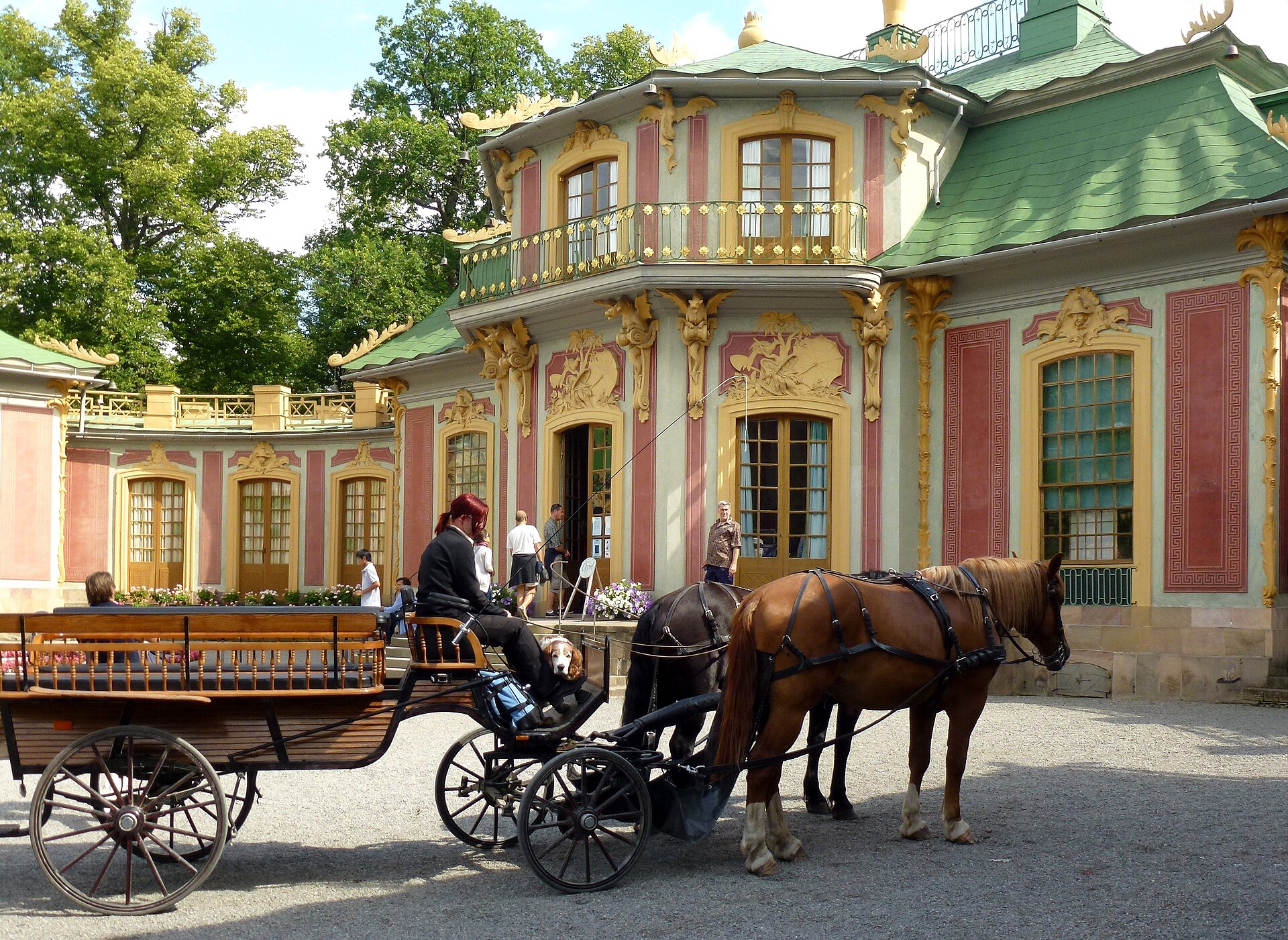
Set within the park at Drottningholm is one of the most enchanting buildings of its kind in Europe, a Chinese pavilion built during the era when the arts and exotic imagery of China captivated European courts. Given as a surprise birthday gift to a queen, it is a jewel of the fashion known as chinoiserie, blending European rococo craftsmanship with fanciful visions of the East.
The pavilion and its surrounding buildings are richly decorated inside and out with motifs inspired by Chinese and other Asian art, filled with lacquer, porcelain, and furnishings that reflect the eighteenth-century European fascination with the Orient. It represents a dream of the East as imagined by Europeans, exquisite, playful, and utterly of its time.
As one of the finest surviving examples of its type, the Chinese pavilion adds a note of exotic fantasy to the classical grandeur of Drottningholm. It reminds us that the palace was a place of pleasure and imagination as well as ceremony, and that its royal owners delighted in the beautiful, the curious, and the fashionable. Set amid the greenery of the park, it is one of the most beloved features of the whole domain.
The pavilion’s origin as a surprise gift lends it a note of tenderness amid its exotic splendour. Behind the lacquer and the fanciful ornament lies a gesture of affection within the royal family, a reminder that these grand personages were also individuals who delighted in surprising and pleasing one another. Few royal buildings wear their charm so lightly or so warmly.
Approaching the pavilion along the park’s paths, half-hidden among the trees until the last moment, only heightens its air of enchantment. It appears like something from a fairy tale, its ornament glinting amid the greenery, a deliberate contrast to the stately grandeur of the main palace. This sense of surprise and delight was exactly what its creators intended, and it survives undimmed for visitors today.
Gardens in Every Style
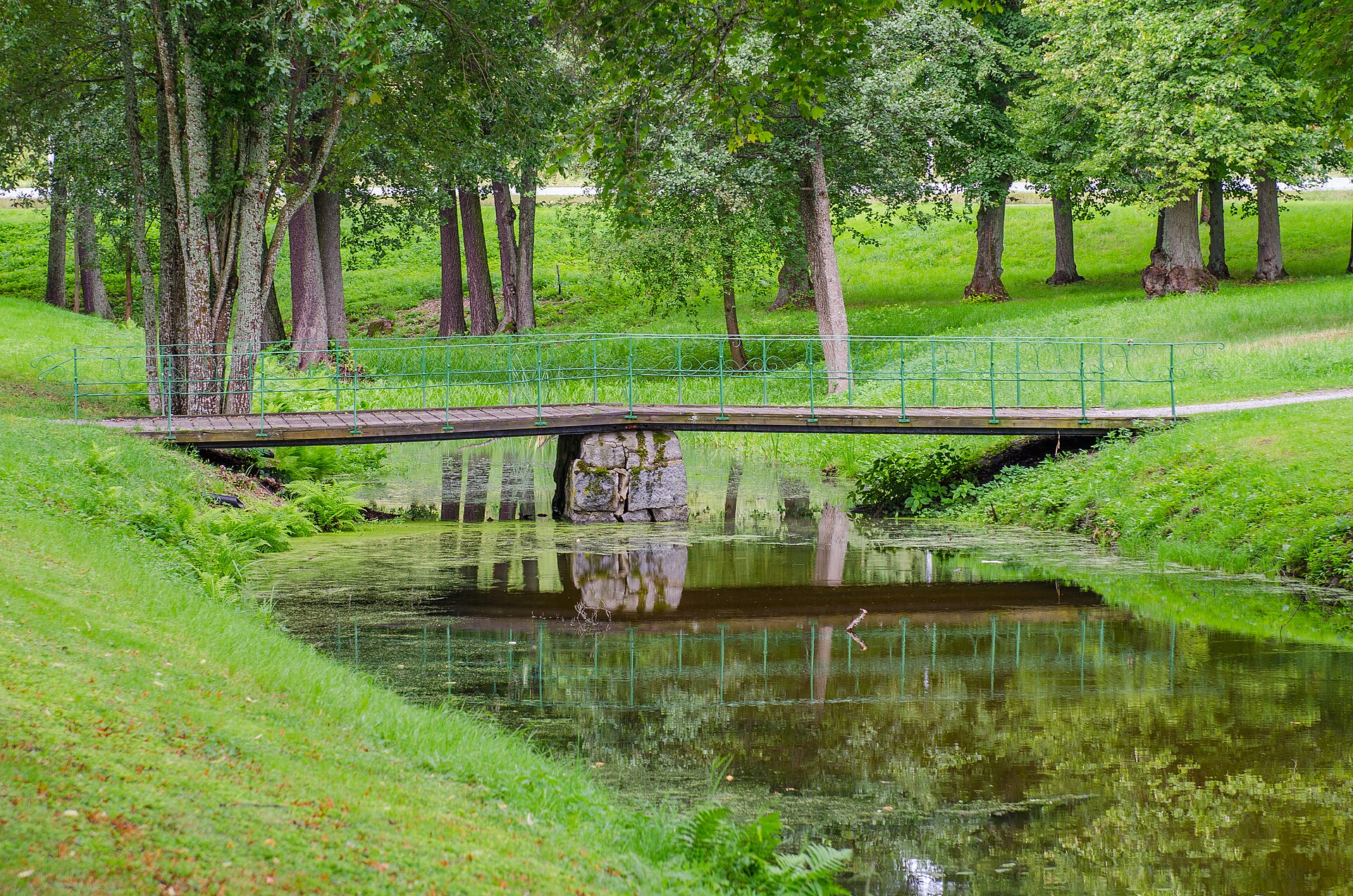
The gardens of Drottningholm are among the glories of the palace, and they tell the story of changing European taste across the centuries. Closest to the palace lies a formal baroque garden, laid out with geometric parterres, clipped hedges, fountains, and sculptures in the French manner, a green extension of the palace’s architectural order.
Beyond the baroque garden the grounds open into a landscape park in the English style, with winding paths, irregular plantings, ponds, and carefully composed natural views. This shift from the formal to the naturalistic mirrors the great change in garden design that swept Europe, and at Drottningholm the two styles coexist, allowing visitors to walk from one aesthetic world into another.
Throughout the gardens are scattered sculptures, many of them war trophies and works gathered over the centuries, that add historical and artistic interest to the walks. The gardens are not a static backdrop but a living, changing environment, beautiful in every season, and they form an essential part of the experience of Drottningholm, inseparable from the palace they surround.
Walking from the rigid geometry of the baroque parterres into the flowing informality of the English park, a visitor experiences in a few steps one of the great revolutions in the history of taste. That both survive here, side by side and equally cared for, is a rare gift, allowing the whole sweep of European garden art to be understood not from books but by simply strolling through it.
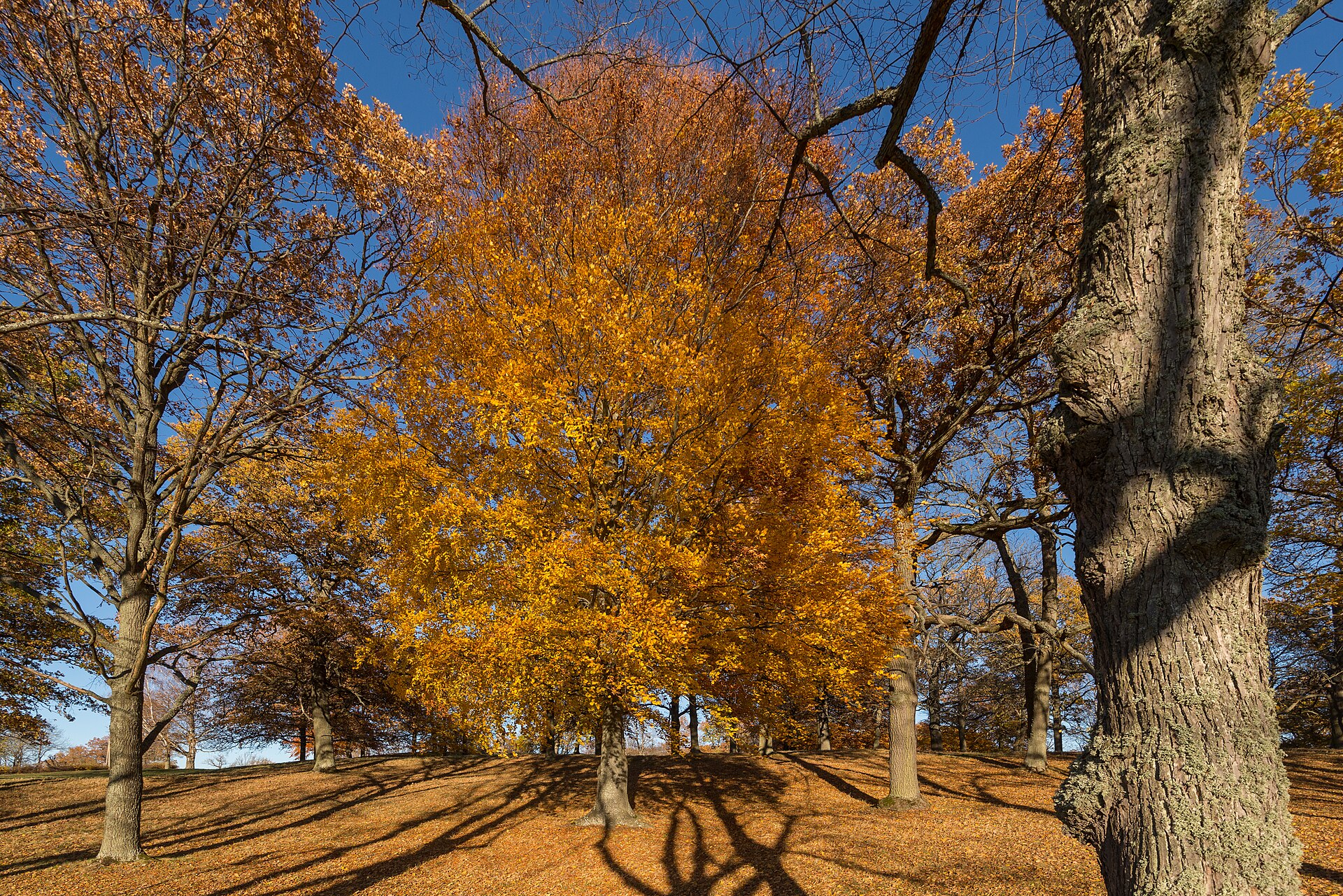
The sculptures scattered through the grounds repay a closer look, for many carry their own histories, brought to Sweden across the centuries as trophies and treasures. They turn a walk through the gardens into a kind of open-air museum, where art and history mingle with nature. In every season the gardens offer something new, from spring greenery to the golden light of autumn over the parterres.
A Living Royal Home
Unlike many historic palaces that survive only as museums, Drottningholm remains a living royal residence, the private home of the Swedish royal family. Part of the palace is set aside for the family’s use, while the rest is open to the public, so that the building continues to serve the purpose for which it was built, as the home of a reigning house.
This dual role gives Drottningholm a special vitality. Visitors can tour the historic state rooms, gardens, theatre, and Chinese pavilion, yet the palace is not a relic but a working royal home, its life continuing behind the scenes. The presence of the royal family lends the place an authenticity and a sense of continuity that a mere museum could never possess.
The decision to make Drottningholm the principal residence of the royal family, while preserving and sharing its historic treasures, reflects a distinctively modern approach to royal heritage. The palace belongs both to the crown and to the nation, its past carefully preserved while its life continues, a balance that keeps Drottningholm meaningful and alive.
The continued presence of the royal family carries a quiet significance. It means that Drottningholm has never been reduced to a monument or a stage set; it remains a home, with all the life and meaning that implies. Visitors sense this authenticity, and it lends the historic rooms and gardens a resonance that purely preserved palaces, however beautiful, cannot quite achieve.
This living quality is perhaps the single most important thing to understand about Drottningholm. It is easy, amid such splendour, to forget that people still call part of this palace home, but that fact transforms the visit. You are not walking through a mausoleum of past glory but through the historic heart of a residence that remains, quietly, in use, its long story still being written.
A World Heritage Domain
The exceptional survival of Drottningholm, its palace, theatre, Chinese pavilion, and gardens together forming a complete and authentic royal domain of the seventeenth and eighteenth centuries, has earned it recognition as a World Heritage Site. This status acknowledges the palace as an outstanding example of a European royal residence of its era, preserved with rare completeness.
What sets Drottningholm apart is precisely this completeness. Many palaces survive, but few retain their theatres, their garden buildings, and their landscapes so fully intact. At Drottningholm the whole ensemble endures, allowing visitors to understand not just a building but an entire royal world, with all its elements of ceremony, entertainment, learning, and pleasure.
This heritage carries a responsibility, and the palace is maintained with great care to preserve its authenticity for future generations. The recognition of Drottningholm as a site of universal value affirms its place among the great royal palaces of Europe and ensures that the extraordinary world it embodies will continue to be protected and shared.
The World Heritage recognition is best understood not as an endpoint but as an acknowledgment of an ongoing responsibility. To keep such a complete ensemble authentic and alive requires constant, careful stewardship, and the honour brings with it the duty to hand this royal world on, undiminished, to those who will come after. It is a duty that the guardians of Drottningholm have embraced with evident devotion.
For the visitor, the World Heritage designation is a promise: that what they see is authentic, complete, and cared for to the highest standard. It signals that Drottningholm is not a reconstruction or an approximation but the genuine article, a royal domain that has come down to the present with its essential character intact, and that will be preserved with equal devotion for those still to come.
Drottningholm and Its Landscape
Drottningholm cannot be separated from the water and land that surround it. Its island setting in Lake Malaren, within easy reach of Stockholm, has shaped the palace from the beginning, providing both its beauty and its sense of retreat. The approach across the water remains one of the finest ways to arrive, offering the classic view of the palace beyond its gardens.
The relationship between the palace and the Swedish capital has always been close. Drottningholm served as a country retreat for a court based in the city, a place to escape the formality and confines of the urban palace for the pleasures of gardens, theatre, and lakeside air. That role as a rural counterpart to the city continues to shape how the palace is used and understood.
The landscape also connects Drottningholm to the wider tradition of Swedish royal and aristocratic estates set among the lakes and forests of the region. It is the grandest of these, but it shares their intimate relationship with the northern landscape, and this rootedness in place gives the palace a character that distinguishes it from its continental models.
For the people of Stockholm, Drottningholm has long been a beloved escape, a place to come for a day among gardens and water within easy reach of the city. This closeness has woven the palace into the life of the capital and the nation, so that it belongs not only to the crown and to history but to the ordinary rhythms of Swedish life, a shared treasure enjoyed by all.
Set among the lakes and wooded islands that define the landscape around Stockholm, Drottningholm belongs to a distinctly Nordic world of water and forest. This rootedness in the northern landscape is not incidental but central to its character, and it is what finally distinguishes the palace from the grander, drier splendour of its southern models, giving it a freshness and a serenity all its own.
Visiting Drottningholm Today
Today Drottningholm is one of the most rewarding destinations in Sweden, easily reached from Stockholm and offering a wealth of experiences within a single beautiful setting. Visitors can explore the magnificent state rooms of the palace, wander the baroque and English gardens, marvel at the Chinese pavilion, and, in season, attend a performance in the historic court theatre.
The variety of the domain means that a visit can be whatever the traveller wishes, a quick tour of the palace, a leisurely day among the gardens, or an evening of eighteenth-century opera in one of the world’s most remarkable theatres. Few palaces offer so much within so harmonious a whole, and the presence of the royal family adds a sense of living history throughout.
To visit Drottningholm is to experience a royal world preserved with rare completeness and still vibrantly alive. In its palace, theatre, pavilion, and gardens, the ambitions and pleasures of the Swedish crown across three centuries are gathered together and offered to all. It stands, deservedly, among the most captivating and complete royal residences in Europe, a northern jewel set among water and green.
Whatever draws a visitor, whether art, architecture, gardens, theatre, or simply the beauty of the setting, Drottningholm rarely disappoints. It rewards both the hurried traveller and the lingering one, and it has a way of encouraging return visits, each revealing some new corner or aspect. Of all Sweden’s historic sites, it is among the most likely to leave a lasting impression.
A practical tip for visitors is to allow more time than expected, for the domain is larger and richer than a first glance suggests. Between the palace, the theatre, the Chinese pavilion, and the extensive gardens, there is enough to fill a full and varied day. Those who give Drottningholm the time it deserves come away with a sense of having experienced not just a building but a complete and beautiful royal world.
Palaces Nearby
Drottningholm is one of the great royal palaces of Scandinavia, and its story is echoed by the residences of the neighbouring Nordic crowns. Two more of the region’s royal palaces make natural companions to a visit here, each with its own distinctive character.
- Rosenborg Castle – the fairy-tale castle and treasure house of the Danish crown in Copenhagen.
- The Royal Palace of Oslo – the crown of an independent Norway.
You May Like


2 thoughts on “Drottningholm: The Versailles of the North”