Above the rooftops and the winding river of Prague, on a long ridge crowned by the soaring spires of a great cathedral, spreads one of the most extraordinary royal complexes in the world. Prague Castle is not a single palace but a whole city in miniature, a sprawling ensemble of churches, palaces, halls, towers, and lanes that has been the seat of power in the Czech lands for over a thousand years. It is often described as the largest ancient castle complex in the world, and to walk through it is to walk through the entire history of a nation.
For more than a millennium this hilltop has been the centre of Bohemian and Czech power, the residence of princes, kings, Holy Roman emperors, and, in modern times, presidents. Each age has left its mark, so that the castle is a living record of European history and architecture, layering Romanesque, Gothic, Renaissance, and baroque styles into a single magnificent whole. At its heart rises the cathedral, one of the supreme achievements of Gothic art.
Prague Castle has been the stage for many of the defining moments of Central European history, from the reigns of great medieval emperors to the religious upheavals that convulsed the continent, from the splendour of the Habsburg court to the birth of a modern democratic republic. Few places have witnessed so much, or preserved so completely the physical traces of such a long and dramatic past.
In this article you will get to know Prague Castle fully: its thousand years as a seat of power, its magnificent cathedral, its royal palaces and great halls, the charming Golden Lane, the dramatic events of history it witnessed, its role in the modern Czech nation, and its life today as the beloved symbol and living heart of Prague and of the Czech people.
In This Article
- A Castle Like a City
- A Thousand Years of Power
- St Vitus Cathedral
- The Old Royal Palace
- The Golden Lane
- The Age of Charles and the Golden Era
- Emperors, Art, and the Habsburg Court
- Faith, Conflict, and Upheaval
- Gardens, Courtyards, and Views
- Seat of the Modern Nation
- Ceremony and the Castle Guard
- The Castle and the City of Prague
- Prague Castle Today
A Castle Like a City
The first thing that strikes any visitor to Prague Castle is its sheer scale and variety. This is not a compact fortress or a single grand palace but an immense complex covering a vast area, a walled precinct containing cathedrals and churches, royal and noble palaces, gardens, towers, courtyards, and even a whole lane of tiny historic houses. It is, in effect, a small city gathered on a hilltop above Prague.
This complexity is the result of more than a thousand years of continuous building and rebuilding. Each generation of rulers added, altered, and adorned, so that the castle grew organically into the sprawling ensemble we see today. The result is a place of endless discovery, where around every corner lies another building, another courtyard, another layer of history to explore.
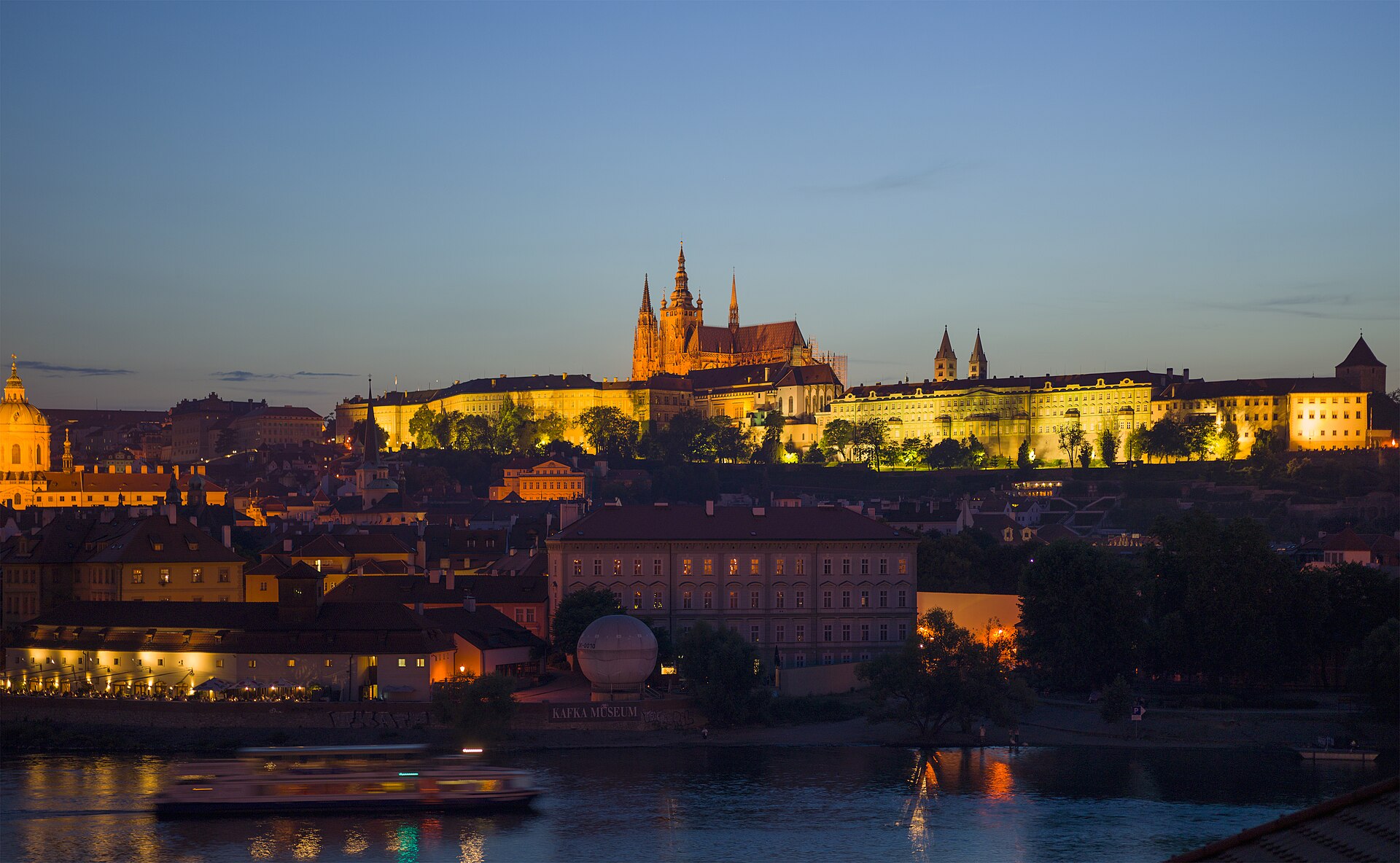
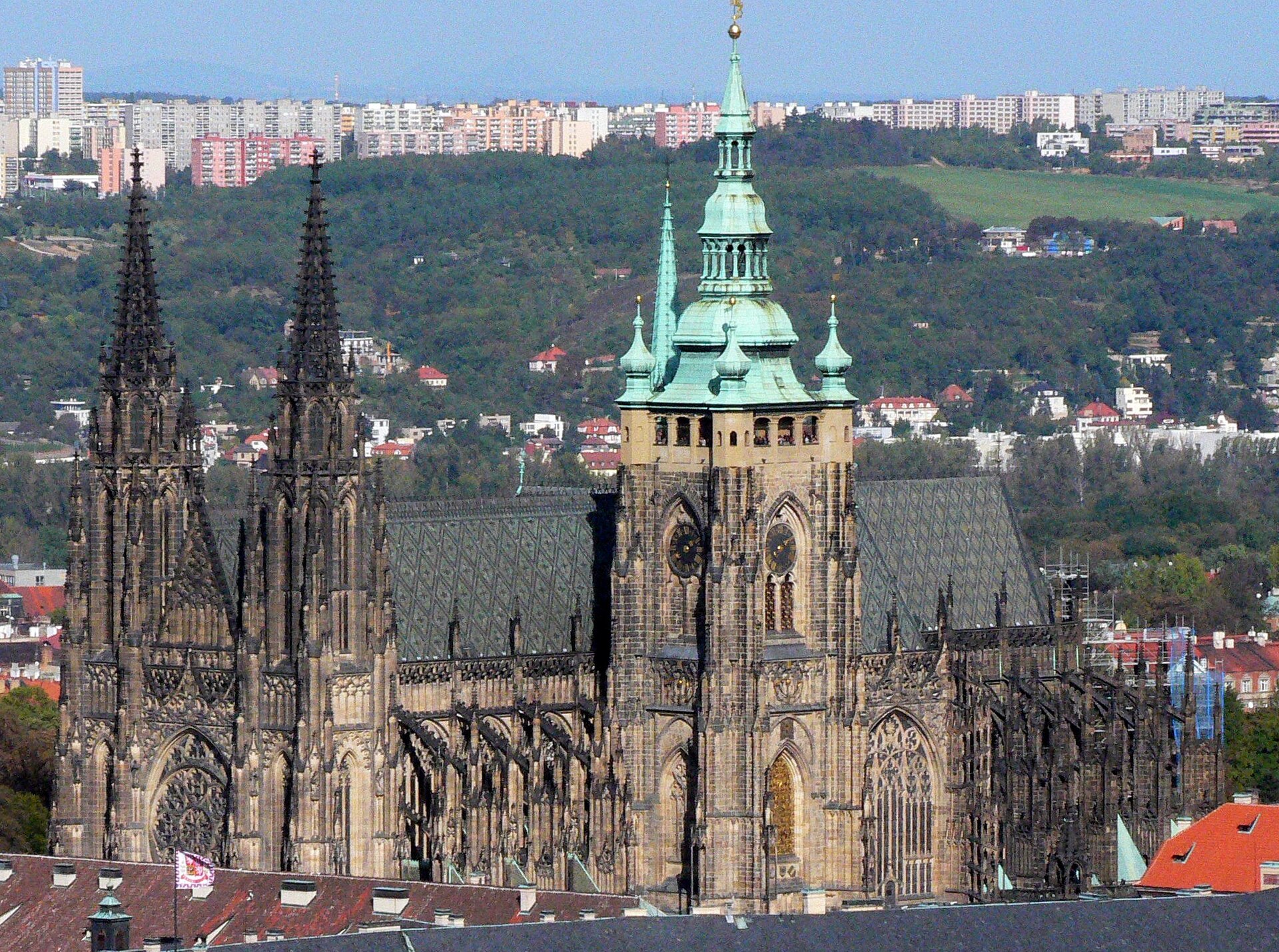
Presiding over it all are the spires of the great cathedral, which soar above the castle and dominate the skyline of Prague. From across the river, the silhouette of the castle and cathedral crowning the ridge is one of the most famous and beloved views in Europe, an image that has come to symbolise the city and the nation. To stand within the castle is to be at the very centre of Czech history and identity.
It is worth abandoning any expectation of taking in Prague Castle at a glance. This is a place to be wandered rather than surveyed, its treasures revealed gradually as one moves from courtyard to church to palace. The sheer accumulation of buildings from every age is itself the point, a thousand years of history piled onto a single ridge, and part of the pleasure lies simply in getting a little lost among it.
Seen from across the Vltava at dusk, when the spires are lit against the darkening sky and their reflection shimmers in the river, the castle presents one of the most romantic images in all of Europe. It is a view that has enchanted travellers, poets, and painters for centuries, and it captures at a glance why Prague and its castle hold so powerful a place in the imagination.
A Thousand Years of Power
The history of Prague Castle stretches back over a thousand years, to the founding of the first fortified settlement on the ridge in the early medieval period. From these beginnings it grew into the principal seat of the rulers of Bohemia, and as their power and ambitions expanded, so did the castle, acquiring churches, palaces, and fortifications appropriate to a growing realm.

The castle reached one of its greatest heights under a medieval emperor who made Prague the capital of the Holy Roman Empire and lavished attention on his beloved city and its castle. Under his rule the great cathedral was begun, the castle was magnificently enlarged, and Prague became one of the most important cities in Europe, a centre of power, learning, and art.
Through the centuries that followed, the castle continued to serve as the seat of Bohemian kings and, at times, of emperors, weathering wars, fires, and political upheavals. Its long continuity as a centre of power is extraordinary, and few places anywhere can claim so unbroken a history at the heart of a nation’s life. Every age of Central European history has left its trace upon the hilltop.
The continuity of the site as a seat of power is almost without parallel in Europe. While other capitals shifted their centres of government over the centuries, here the same hilltop has served rulers of every kind for a thousand years, from early medieval princes to modern presidents. That unbroken thread gives the castle a depth of association that few places on the continent can rival.
The layered building of successive eras means that a single short walk through the castle can carry the visitor across the whole span of European architectural history, from Romanesque foundations to Gothic soaring, Renaissance grace, and baroque grandeur. Nowhere is the continuity of European civilisation more vividly written into stone than on this ancient hilltop.
St Vitus Cathedral
At the very heart of the castle rises its greatest treasure, the vast Gothic cathedral whose spires dominate the whole complex and the city beyond. Centuries in the building, it stands as one of the supreme achievements of Gothic architecture in Central Europe, its soaring nave, flying buttresses, and richly decorated chapels creating an interior of breathtaking grandeur.

The cathedral is far more than a church. It is the coronation site of Bohemian kings, the burial place of saints, rulers, and archbishops, and the keeper of the crown jewels of the Czech lands. Its chapels enclose the tombs and relics of the nation’s most revered figures, making it a spiritual and national sanctuary as much as an architectural masterpiece.
Within, the cathedral dazzles with its stained glass, its ornate chapels, and above all the magnificent chapel dedicated to the patron saint of the Czech lands, adorned with precious stones and paintings. To stand beneath the soaring vaults, with light streaming through the great windows, is to experience one of the most sublime interiors in all of Europe, the sacred heart of the castle and the nation.
That the cathedral took so many centuries to complete, its final sections finished only in modern times, is itself a lesson in the long horizons of such great projects. The building spans the whole history of Gothic and its revival, and to walk its length is to move through centuries of architectural ambition, all harmonised into a single soaring whole that seems to reach for heaven itself.
The chapel dedicated to the patron saint of the Czech lands is among the most sumptuous spaces in the cathedral, its walls encrusted with semi-precious stones and glowing with painted decoration. To step into it is to enter a jewel box of medieval devotion, and it stands at the spiritual heart of both the cathedral and the nation, guarding the memory of the saint whose name is bound up with Czech identity itself.
The Old Royal Palace
Among the most historic buildings of the castle is the Old Royal Palace, the residence of Bohemian princes and kings through the medieval centuries. Layered with the additions of successive ages, it preserves the living quarters, halls, and offices from which the rulers of Bohemia governed their realm, a building rich in both architecture and history.
The great glory of the palace is its enormous vaulted hall, a masterpiece of late Gothic architecture whose sweeping ribbed vaults span an immense space without internal supports. This magnificent hall was used for the grandest occasions of the court, from coronation feasts to tournaments held indoors, and it remains one of the finest secular Gothic interiors in Europe, a triumph of medieval engineering and art.
The palace also witnessed one of the most dramatic events in European history, an act of defiance in which royal officials were thrown from a high window, an episode that helped ignite one of the continent’s most devastating wars. Standing in these rooms, a visitor is in the presence not only of great architecture but of moments that changed the course of history, preserved within the ancient walls.
The vast vaulted hall repays a long, upward gaze, for its sweeping ribbed vaults represent a daring feat of late medieval engineering, spanning the great space without a single column. That such tournaments and ceremonies could be held indoors, beneath these soaring vaults, speaks to the ambition of the age, and the hall remains one of the most breathtaking secular interiors to survive from the Middle Ages.
Beyond its great hall, the Old Royal Palace preserves a warren of older chambers and offices from which the medieval realm was administered, each layer of building resting on the one before. To explore it is to descend through the centuries, and to sense the accumulated weight of the governance that flowed from these rooms across a thousand years of Bohemian history.
The Golden Lane
One of the most charming and beloved corners of the castle is the Golden Lane, a narrow street of tiny, brightly coloured houses built into the castle walls. Originally home to castle servants, guards, and craftsmen, including, by tradition, goldsmiths who gave the lane its name, these miniature dwellings offer an intimate glimpse of everyday life within the great fortress.

The little houses, with their low doorways and small windows, have been preserved and restored, some furnished to show how their humble inhabitants once lived, others housing displays of arms, crafts, and curiosities. Walking the lane, ducking through its tiny rooms, a visitor steps out of the grandeur of palaces and cathedrals into the small-scale, human world of those who served the castle.
The Golden Lane has gathered its own legends and associations over the centuries, including tales of alchemists said to have sought the secret of gold in its houses, and a famous modern writer who is said to have worked in one of them. This blend of history, craft, and legend gives the lane a special magic, and it remains one of the most popular and enchanting parts of any visit to the castle.
The contrast the Golden Lane offers is part of its charm, for after the overwhelming grandeur of cathedral and palace, its tiny houses bring the visitor back to a human scale. Here one thinks not of kings and emperors but of the servants, guards, and craftsmen who made the castle function, and whose small, colourful dwellings preserve a rare glimpse of ordinary life within the great fortress.
The Age of Charles and the Golden Era
The greatest golden age of Prague Castle came under the medieval emperor who made the city his imperial capital. A ruler of vision and immense energy, he transformed Prague into one of the leading cities of Europe, founding a university, building bridges and churches, and lavishing wealth and attention on the castle and its cathedral.

Under his rule the castle became the centre of a vast empire and a hub of culture and learning that drew scholars, artists, and craftsmen from across the continent. The great cathedral was begun, the royal palace enriched, and Prague adorned with monuments that still define the city. It was an era of extraordinary flourishing, remembered as the high point of Czech medieval greatness.
The legacy of this golden age is written throughout the castle and the city. The emperor’s vision shaped Prague into the magnificent capital it remains, and his devotion to the castle and cathedral left a legacy of art and architecture that endures as one of the glories of Europe. To understand Prague Castle is to understand this pivotal age and the ruler who made the city great.
The golden age presided over by this great emperor is remembered by Czechs as the summit of their medieval greatness, a time when Prague stood among the foremost cities of Europe. His monuments still define the city, and his devotion to the castle and its cathedral endowed the nation with a legacy of art and architecture that has outlasted empires and remains a source of enduring pride.
The university founded during this golden age, one of the oldest in Central Europe, added intellectual lustre to the imperial capital and drew scholars from across the continent. This flowering of learning alongside art and architecture made Prague a true centre of European civilisation in its day, and the institutions established then continue to shape Czech cultural life many centuries later.
Emperors, Art, and the Habsburg Court
In later centuries the castle passed into the hands of the Habsburg dynasty, and under certain emperors it once again became a centre of culture and splendour. One emperor in particular made Prague his residence and filled the castle with one of the most extraordinary art collections in Europe, gathering paintings, sculptures, scientific instruments, and cabinets of curiosities from across the world.

This emperor’s court was a magnet for artists, astronomers, alchemists, and scholars, and the castle became a centre of the strange and brilliant culture of the age, where art and science, magic and learning mingled. Though much of the great collection was later dispersed, the memory of this remarkable court still clings to the castle, a chapter of European cultural history without parallel.
The Habsburg centuries also brought new building and decoration to the castle, adding Renaissance and baroque elements to the medieval core. Gardens were laid out, palaces refashioned, and the complex further enriched, so that the castle continued to grow and change under its imperial owners, layering yet more history and art onto the ancient hilltop seat of power.
The strange and brilliant court that flourished here under one collecting emperor, with its astronomers, artists, and alchemists, remains one of the most fascinating chapters in the castle’s history. Though its treasures were later scattered, the memory of that extraordinary gathering of talent and curiosity still colours the castle, a reminder of an age when the boundaries between art, science, and magic were not yet fixed.
Faith, Conflict, and Upheaval
Prague Castle stood at the centre of some of the most momentous religious and political conflicts in European history. The Czech lands were an early cradle of religious reform, and the tensions between competing faiths and powers repeatedly erupted at the castle, most famously in the dramatic act of defiance in the royal palace that helped trigger a catastrophic continental war.
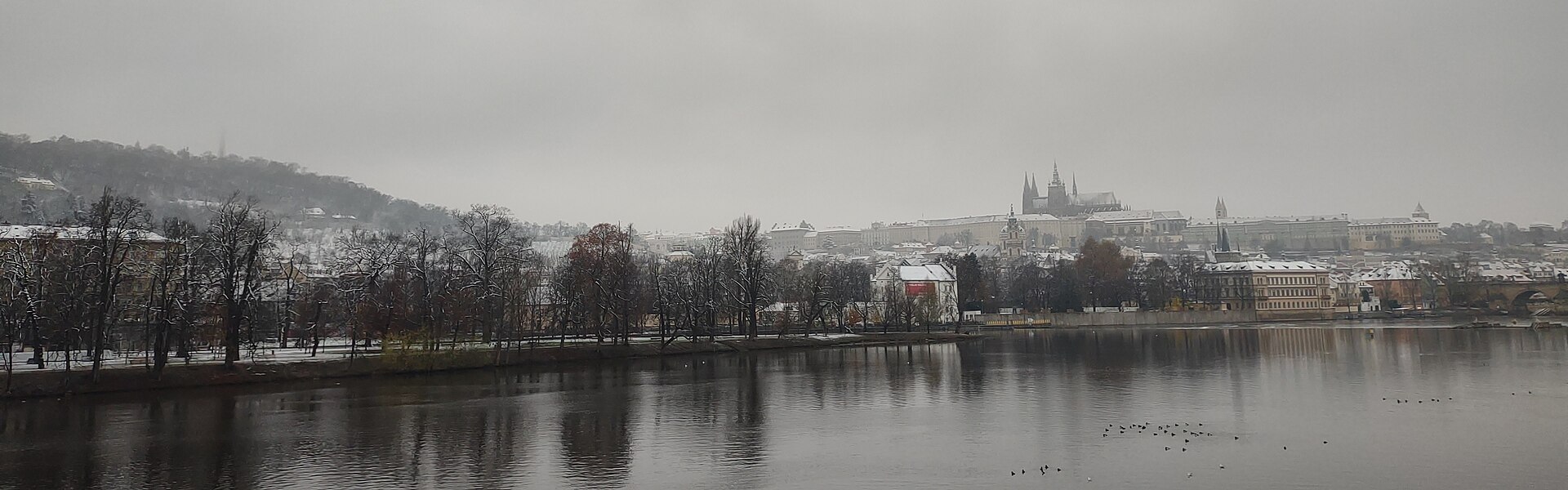
These upheavals reflected the castle’s position at the crossroads of European history, where the great struggles of faith, power, and nationhood played out. The religious reformer whose ideas shook Europe was rooted in the Czech lands, and the conflicts that followed left deep marks on the castle and the nation, shaping the course of Central European history for generations.
To walk through the castle is to move among the settings of these great dramas, from the halls where fateful decisions were taken to the churches where rival faiths contended. The castle was not a place apart from history but at its very centre, a stage on which the destiny of Bohemia and of Europe was repeatedly decided. Its walls hold the memory of triumph and tragedy alike.
The dramatic act of hurling officials from a palace window, which helped ignite a devastating continental war, has become one of the most famous episodes in European history. That so momentous a conflict should have been sparked here, in the royal palace, underscores the castle’s position at the very centre of the great struggles of the age, where the destiny of nations was repeatedly decided.
The Czech lands’ role as an early cradle of religious reform gives the castle a special place in the history of European faith. Long before the great continental reformations, ideas that challenged the established order took root here, and the conflicts they set in motion reverberated across Europe. The castle stood at the heart of these struggles, a witness to the birth pangs of the modern age.
Gardens, Courtyards, and Views
Beyond its great buildings, Prague Castle is graced with beautiful gardens, courtyards, and terraces that soften the grandeur of the complex and offer some of the finest views in the city. Laid out over the centuries in Renaissance, baroque, and later styles, the gardens provide green and tranquil spaces amid the stone and spires, places of beauty and repose.
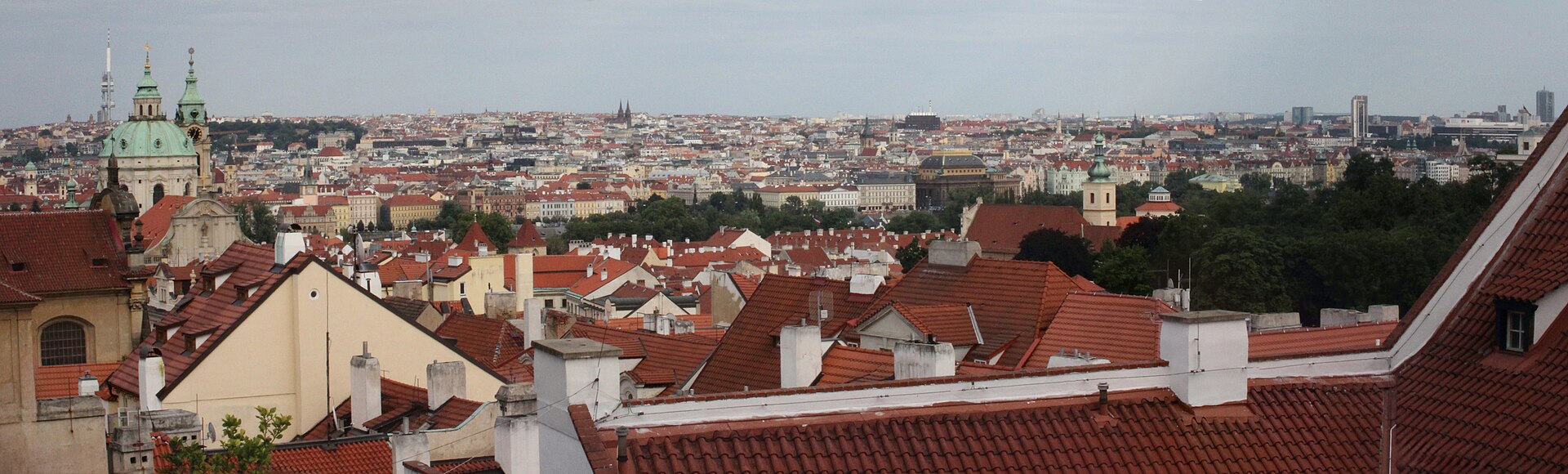
From the terraces and gardens on the southern slopes of the castle, visitors enjoy sweeping panoramas over the red roofs, domes, and towers of Prague spread out below, with the river winding through the city and the hills beyond. These views are among the great rewards of a visit, offering a breathtaking prospect of one of the most beautiful cities in Europe from the height of its ancient castle.
The courtyards, too, are spaces of grandeur and history, from the ceremonial forecourts where the guard is changed to the intimate squares tucked among the buildings. Together, the gardens, courtyards, and terraces give the castle its sense of spaciousness and variety, and they provide the perfect setting from which to admire both the architecture of the castle and the beauty of the city it crowns.
The southern gardens and terraces offer not only beauty but one of the finest vantage points in all of Prague, a place to pause and take in the panorama of the city below. The combination of ornamental gardens close at hand and the sweeping view beyond makes these spaces among the most delightful in the castle, a green counterpoint to the grandeur of stone and spire.
In spring and summer the gardens come into their own, their terraces and parterres offering a gentler counterpoint to the massive architecture around them. Laid out and replanted across the centuries, they represent yet another layer of the castle’s long history, and they provide a welcome place of calm and beauty amid the grandeur, and some of the loveliest views the city affords.
Seat of the Modern Nation
With the birth of an independent Czechoslovak state in the twentieth century, Prague Castle took on a new role as the seat of the modern nation’s leadership, the official residence and workplace of the president. The ancient royal and imperial seat became the symbol and centre of a modern democratic republic, its long history now serving a new political era.

This transition was rich with symbolism. The castle that had been the seat of kings and emperors now embodied the sovereignty of a free people, linking the modern nation to its long and proud history. Careful restoration and thoughtful modern additions adapted the ancient complex to its new purpose, while preserving its historic character and treasures.
Through the upheavals of the twentieth century, including occupation and the long decades of communist rule, the castle remained the seat of power and a potent symbol of the nation. With the return of democracy, it resumed its role as the proud centre of a free Czech state, its history now spanning from medieval princes to modern presidents in an unbroken line of national continuity.
The transformation of an ancient royal and imperial seat into the residence of a democratically elected president is rich with meaning, binding the modern nation to its long history. The careful modern interventions that adapted the castle to its new role were undertaken with great sensitivity, ensuring that the ancient complex could serve a new era without losing the character built up over a thousand years.
Ceremony and the Castle Guard
Prague Castle, as the seat of the head of state, maintains the traditions of ceremony appropriate to its dignity, including a castle guard whose members, in their distinctive uniforms, stand watch and perform the changing of the guard before the gates. The daily ceremony, with its ritual and, at times, music, draws crowds of visitors and adds colour and pageantry to the castle.
The guard links the ancient fortress to the living institutions of the modern state, embodying the continuity of the castle as a seat of power from the age of kings to the age of presidents. The ceremony of the changing of the guard, performed before the grand gates, is one of the popular spectacles of a visit, a moment of tradition and precision in the historic setting.
These ceremonies remind visitors that Prague Castle is not merely a museum of the past but a working seat of government, alive with the functions and rituals of a modern state. The presence of the guard, the flag flying when the president is in residence, and the ceremonies of state all attest to the castle’s continuing role at the centre of Czech public life.
The flying of the presidential flag when the head of state is in residence is a small but telling detail, a sign that the castle remains a living seat of power rather than a mere monument. Visitors who notice it are reminded that behind the tourist spectacle lies a functioning centre of government, where the affairs of a modern nation are conducted amid the settings of a thousand years of history.
The Castle and the City of Prague
Prague Castle cannot be separated from the magnificent city that spreads below it. Crowning its ridge above the river, the castle presides over one of the best-preserved and most beautiful historic cities in Europe, a city whose bridges, squares, churches, and lanes form a setting worthy of the great fortress above.

The relationship between castle and city has shaped both across the centuries. The castle gave Prague its royal and imperial dignity, its spiritual heart, and its defining silhouette, while the city provided the living context, the community and culture, that made the castle the centre of a great capital. Together they form one of the supreme urban landscapes of the continent.
The famous view of the castle and cathedral rising above the river and the old town, seen from the historic bridge or the opposite bank, is one of the iconic images of Europe. To explore the castle and the city together is to experience the full grandeur and beauty of Prague, a place where a thousand years of history are preserved in stone and gathered around the ancient hilltop seat of power.
The interplay between the castle above and the city below is one of the defining pleasures of Prague, each enhancing the other. From the castle one looks down on a sea of red roofs and green domes; from the city one looks up at the crowning silhouette of spires. This constant dialogue between height and depth, fortress and town, gives Prague its unmistakable character and beauty.
That Prague survived the wars of the twentieth century largely unscathed, unlike so many other great cities, means that the historic harmony of castle and city endures almost intact. To wander from the old town across the river and up to the castle is to follow a route that has changed little in centuries, a rare and precious continuity in a continent that has lost so much.
Prague Castle Today
Today Prague Castle is one of the most visited and admired destinations in Europe, drawing millions of visitors to explore its cathedral, palaces, lanes, and gardens, and to take in the incomparable views over the city. As both a working seat of state and a vast historical monument, it offers an experience of extraordinary richness and variety.

A visit to the castle can fill many hours or even days, encompassing the soaring cathedral, the historic royal palace with its great hall, the charming Golden Lane, the churches and museums, and the gardens and terraces with their sweeping panoramas. Few places anywhere gather so much history, art, and beauty into a single complex, and the castle rewards both the hurried visitor and the lingering one.
To experience Prague Castle is to encounter the whole sweep of Central European history in one magnificent place. Here the story of the Czech nation, from medieval princes and emperors to the modern republic, is written in stone and spire, gathered on the ancient ridge above the golden city. It stands, deservedly, among the greatest and most beloved royal and national monuments in all of Europe.
For all its scale and the crowds it draws, the castle retains an extraordinary power to move and impress. Whether one comes for the cathedral, the history, the views, or simply the atmosphere of a thousand years gathered on a single ridge, Prague Castle rarely fails to leave a deep impression, and it stands high among the essential experiences of European travel.
Planning a visit rewards a little forethought, for the castle is so vast that trying to see everything at once can overwhelm. Many visitors return more than once, discovering new corners each time, and the castle sustains such repeated exploration as few monuments can. However one approaches it, it offers an encounter with history, art, and beauty of quite exceptional depth and richness.
Palaces Nearby
Prague Castle is one of the great royal seats of Central Europe, and its story is echoed by the castles that crown the neighbouring capitals of the region. Two more of these royal seats make natural companions to a visit here, each guarding the history of its own nation.
- Wawel – the royal hill at the heart of Poland, in Krakow.
- Buda Castle – the resilient crown of Budapest above the Danube.
You May Like
Cardiff Castle: Two Thousand Years and a Gothic Dream