Among all the imperial palaces scattered around St. Petersburg, Oranienbaum holds a unique distinction: it is the one great residence that escaped the devastation of the Second World War, surviving with its original interiors intact while its famous neighbors were burned and looted. For that reason alone it is precious, a rare authentic survival from the eighteenth century, but Oranienbaum has far more to offer than good fortune.
Set on the shore of the Gulf of Finland, the estate began as the country seat of Menshikov, the same favorite of Peter the Great whose city palace we have already visited, and later passed to the imperial family. Here Catherine the Great created some of the most exquisite rococo interiors in all of Russia, including a palace decorated with glass beadwork and a pleasure pavilion of astonishing originality.
This is the first of three articles on a final set of palaces around St. Petersburg, the ones that lie a little further afield. Oranienbaum is the jewel among them, a place where genuine eighteenth-century splendor survives untouched, and by the end you will understand why connoisseurs of the rococo treasure it above almost any other palace in the region.
In This Article
- Arriving at Oranienbaum
- The Favorites Country Seat
- The Grand Palace Above the Gulf
- From Favorite to Imperial Family
- Peter the Thirds Miniature Fortress
- Catherine the Greats Chinese Palace
- The Glass Bead Cabinet, a Unique Marvel
- The Sliding Hill Pavilion
- The Finest Surviving Rococo in Russia
- Parks Beside the Sea
- The Palace That Survived the War
- Oranienbaum on Film
- Visiting Oranienbaum Today
Arriving at Oranienbaum
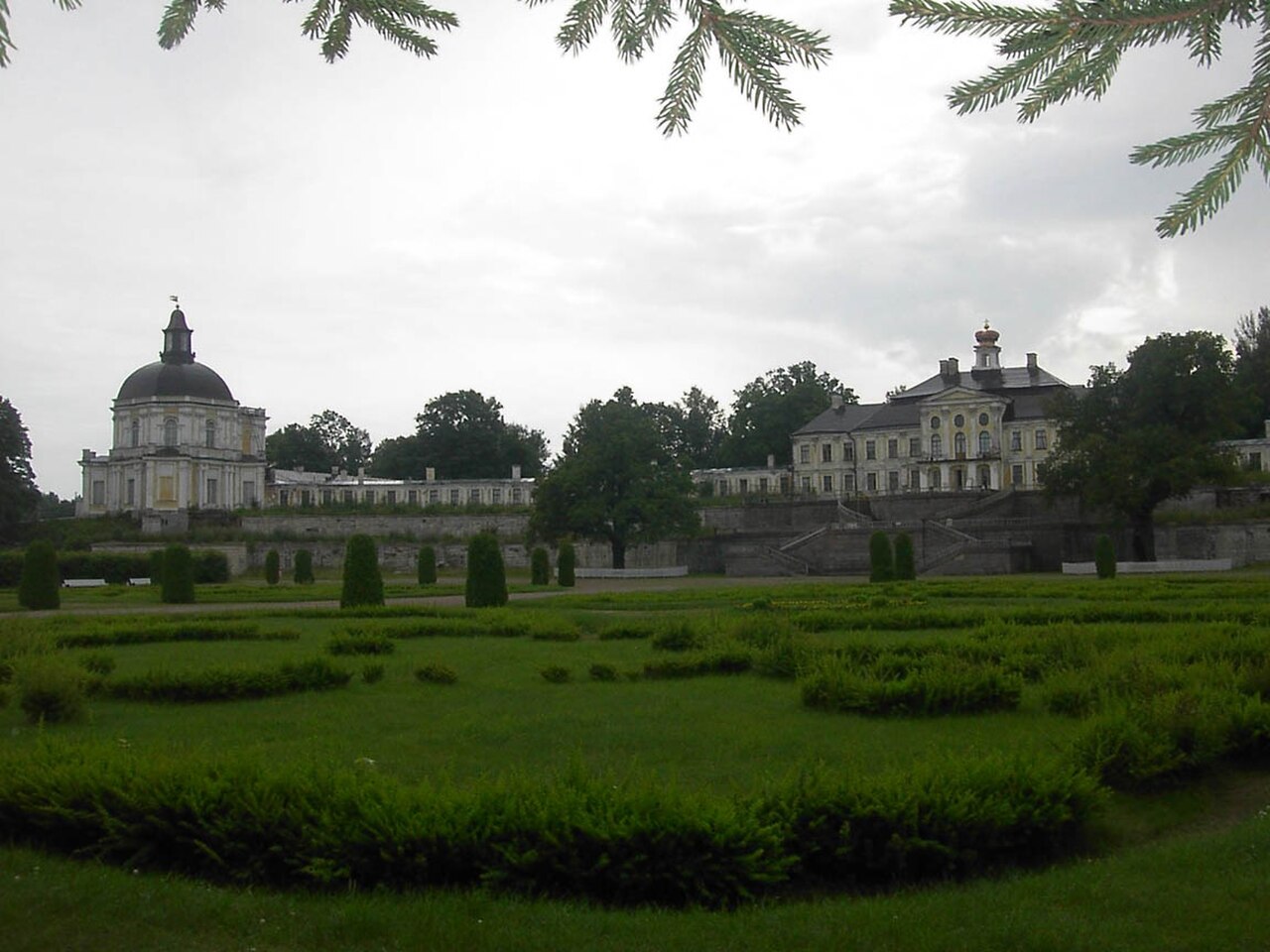
Oranienbaum lies on the southern shore of the Gulf of Finland, some distance from the city, and the journey out already sets it apart from the more frequently visited palaces nearer St. Petersburg. Arriving, you find not a single building but a spread-out estate of palaces, pavilions, and parkland, set in a landscape of water, trees, and open sky.
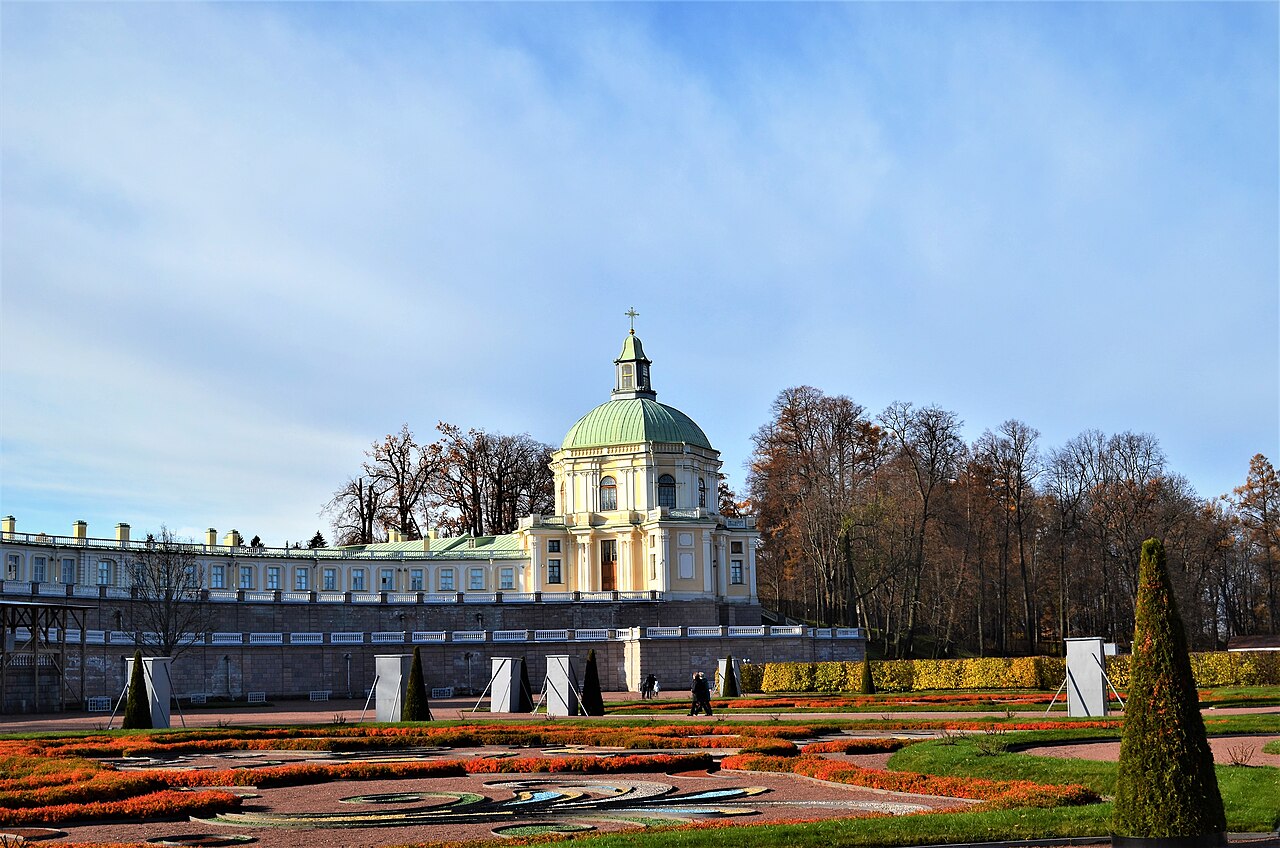
The Grand Palace dominates the scene, a long baroque building raised above terraced gardens that descend toward the gulf. Its position was chosen to command views over the water, and the whole estate is oriented toward this watery horizon, giving Oranienbaum a sense of openness and calm that the more enclosed city palaces lack.
Because it survived the war intact, the estate has a special atmosphere, a feeling of genuine age and continuity that reconstructed palaces, however faithful, can struggle to match. Walking the grounds, you sense that you are moving through an authentic eighteenth-century world, preserved rather than rebuilt.
Take time to appreciate the setting as well as the buildings. Oranienbaum is as much about landscape as architecture, a series of palaces and pavilions scattered through parks beside the sea, and understanding this spread-out, garden-centered character prepares you for the treasures you will find within its various buildings.
The sense of arriving somewhere apart is part of Oranienbaum’s charm. Fewer visitors make the longer journey, so the estate often feels peaceful and uncrowded, allowing a more contemplative experience than is possible at the busier palaces nearer the city. That tranquility suits the refined, intimate character of its finest interiors.
The Favorites Country Seat
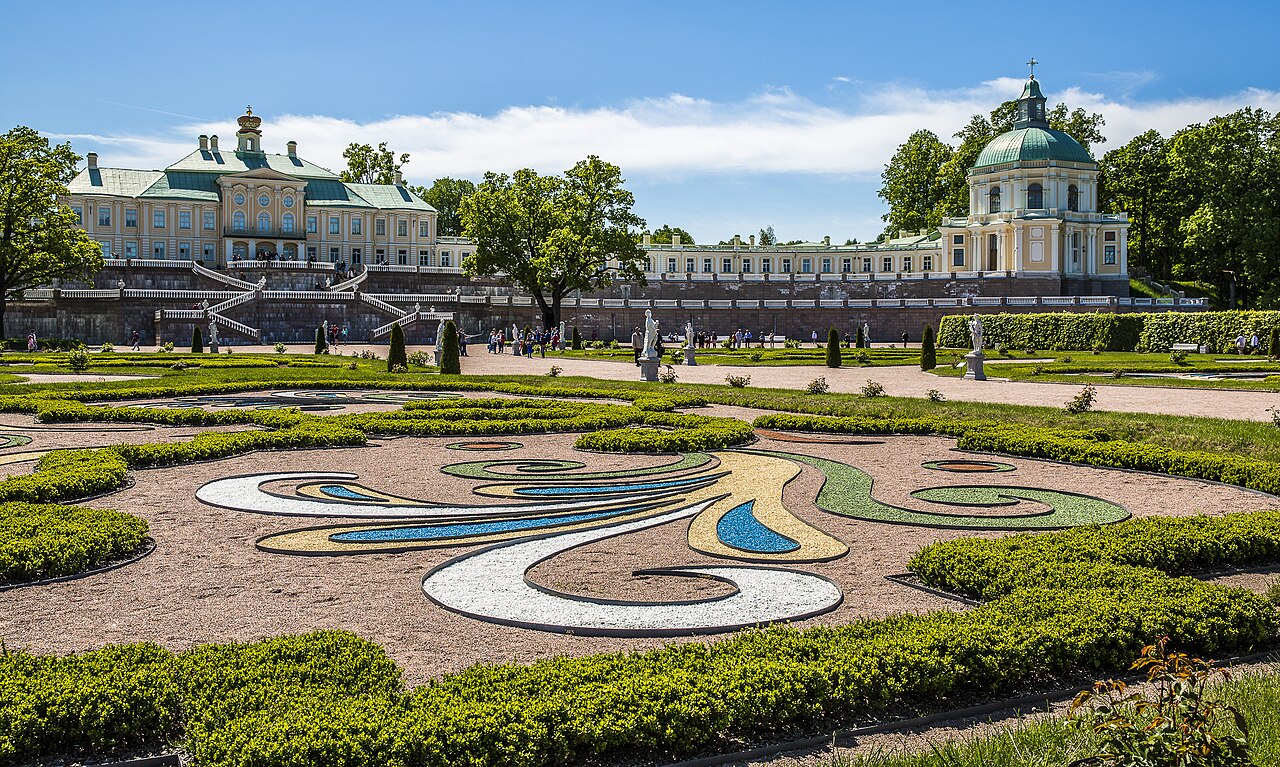
Like the city palace that bears his name, Oranienbaum began as a creation of Menshikov, the extraordinarily powerful favorite of Peter the Great. As his fortunes rose, he built here a grand country residence on the gulf, a counterpart to his city palace and a place to display his wealth and status away from the capital.
The Grand Palace he raised was an ambitious building, designed to impress and to rival the residences of the imperial family itself. Its scale and position reflected Menshikov’s enormous wealth and his determination to live on a princely footing, and it formed the nucleus around which the later estate would grow.
When Menshikov fell from power and was sent into exile, as recounted in the story of his city palace, Oranienbaum too passed out of his hands. The estate was confiscated along with the rest of his vast fortune, and it entered a new phase of its history under imperial ownership.
This shared origin links Oranienbaum to the Menshikov Palace in the city, two creations of the same remarkable man. Together they testify to the scale of his ambition and wealth, and the survival of Oranienbaum’s authentic interiors makes it an especially precious window into the world of Peter the Great’s most famous favorite.
It is a striking coincidence of history that the same man should be responsible for two of the region’s great surviving palaces, one in the city and one on the coast. Together they map the extent of his ambition, from the heart of the new capital to a grand seaside retreat, and both outlived his dramatic downfall to become treasures of a later age.
The name Oranienbaum, meaning orange tree, is said to derive from the orangeries the estate once maintained, a touch of exotic ambition fitting for a favorite who sought to rival princes. The name endured even after the town itself was later renamed, and it remains the name by which the palace estate is best known.
The Grand Palace Above the Gulf

The Grand Palace is the oldest and largest building of the estate, a long baroque residence set above terraced gardens that step down toward the sea. Its curving wings and central block present an imposing face to the water, and its elevated position gives it commanding views over the gulf and the landscape around it.
Built in the early eighteenth century, the palace reflects the baroque taste of its age, grand and symmetrical, designed to impress from a distance and to provide a splendid setting for the life of its owners. The terraced gardens that descend before it add to the sense of theater, framing the building and linking it to the water below.
Over time the palace was altered and adapted by its various owners, but it retains its essential baroque character and its dramatic relationship with the gulf. It remains the dominant structure of the estate, the anchor around which the later pavilions and gardens were arranged.
For visitors, the Grand Palace offers both architectural grandeur and sweeping views, a fitting introduction to the estate. Its position above the water captures the essence of Oranienbaum as a seaside residence, a place where palace and landscape were conceived together to create an environment of beauty and repose.
The terraced descent toward the gulf was a sophisticated piece of landscape design, turning the slope of the site into a sequence of levels that heightened the drama of the approach. Standing on the terraces and looking out toward the water, you grasp how carefully the builders used the natural setting to enhance the grandeur of the palace.
Successive generations adapted the interiors to their own needs and tastes, so that the palace today reflects more than one period of Russian decorative art. This layering adds to its interest, offering visitors a sequence of rooms that together tell the story of the estate’s long and varied life under its different owners.
From Favorite to Imperial Family
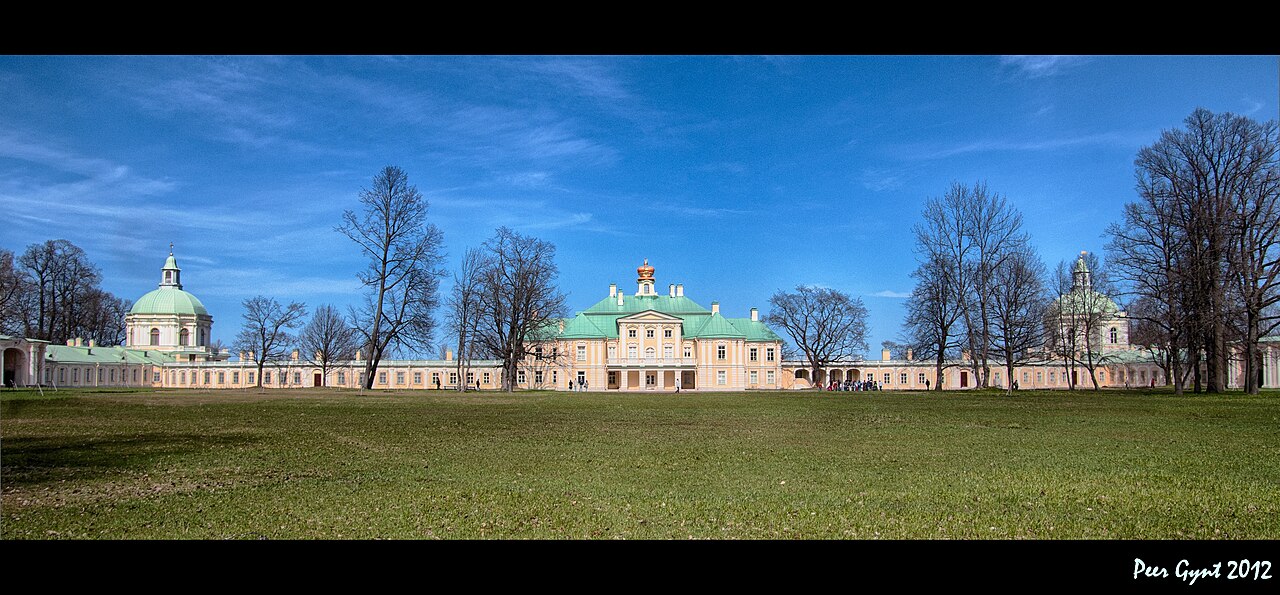
After Menshikov’s fall, Oranienbaum passed into the hands of the imperial family, beginning a long association with the rulers of Russia. The estate became a favored country retreat, and successive members of the dynasty left their mark on it, adding buildings and gardens and shaping it into the rich ensemble visitors see today.
The estate was particularly associated with the future emperor Peter the Third and his wife, the future Catherine the Great, who spent time here before her rise to power. For the young couple, Oranienbaum was both a residence and a stage for the complex dramas of court life, and their time here left a lasting imprint on the estate.
Under imperial ownership, Oranienbaum was developed well beyond Menshikov’s original palace, with new buildings and gardens that reflected the tastes and ambitions of its royal owners. The estate grew into a complex of several palaces and pavilions, each contributing to its variety and richness.
This imperial chapter transformed Oranienbaum from a favorite’s country seat into a royal pleasure ground, and it was during this period that its most celebrated treasures were created. The estate became a canvas for the artistic ambitions of the dynasty, above all those of Catherine the Great, whose creations here are among its greatest glories.
The transition from favorite’s seat to imperial pleasure ground mirrors the broader story of these estates, which so often began as the creations of powerful nobles before being absorbed into the holdings of the crown. At Oranienbaum this history is especially rich, layering the ambitions of Menshikov with those of the rulers who followed.
Peter the Thirds Miniature Fortress
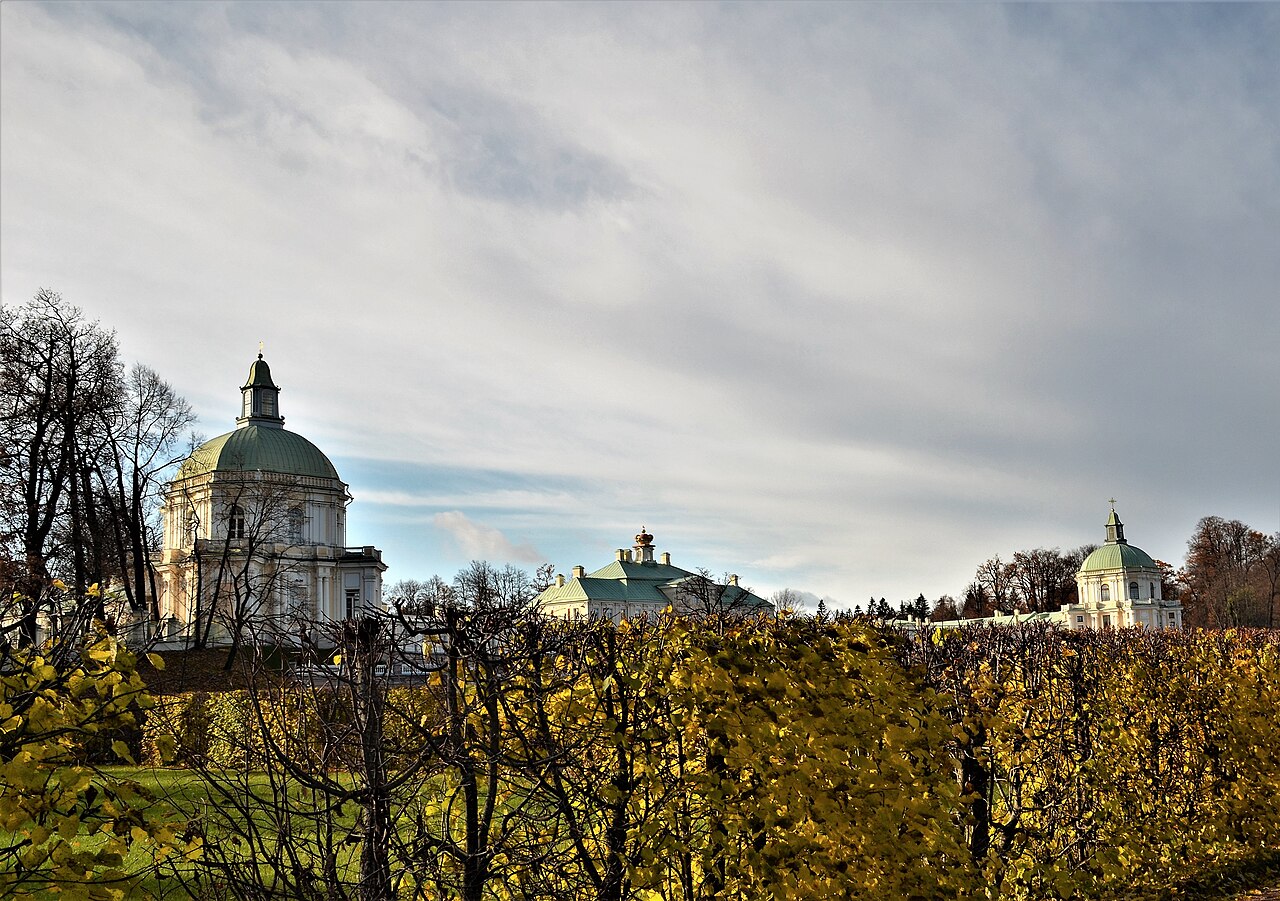
One of the more curious features associated with Oranienbaum is the miniature fortress and small palace built for the future emperor Peter the Third, who had a passion for military matters. This toy fortress, with its own small palace, reflected his personal interests and provided a private world where he could indulge his enthusiasms.
The small palace that survives from this ensemble is a charming building, modest in scale but refined in decoration, offering a glimpse into the personality of its owner. It stands as a reminder that these great estates were also the settings for the personal passions and eccentricities of the individuals who lived there.
The fortress itself reflected the military fashions of the age and the particular obsessions of a prince who delighted in soldiers and drilling. Though much of it has not survived, the surviving buildings preserve the memory of this unusual feature and the character of the man who created it.
For visitors, these buildings add a human and slightly eccentric dimension to the estate, a counterpoint to the grandeur of the Grand Palace and the refinement of Catherine’s creations. They remind us that Oranienbaum was a place of personal as well as dynastic life, shaped by the individual tastes of its royal inhabitants.
The brief and troubled reign of this emperor ended in his overthrow, and his toy fortress stands as a poignant reminder of a ruler whose personal enthusiasms were ill-suited to the demands of power. The surviving buildings preserve something of his world, a private realm of military play on the shore of the gulf.
Catherine the Greats Chinese Palace
The greatest treasure of Oranienbaum is the Chinese Palace, a small but exquisite rococo residence created for Catherine the Great. Despite its name, it is not strictly Chinese but a European fantasy incorporating fashionable chinoiserie, and it ranks among the finest and most intact rococo interiors anywhere in Russia.
Designed by a gifted architect working in the delicate, playful rococo style, the Chinese Palace is a jewel box of a building, modest in size but lavish in decoration. Its rooms are decorated with extraordinary refinement, combining painting, gilding, fine materials, and exotic motifs into interiors of great beauty and originality.
What makes the Chinese Palace so precious is its authenticity. Because Oranienbaum escaped wartime destruction, these interiors survive largely as they were created, offering a rare chance to experience genuine eighteenth-century rococo decoration rather than a modern reconstruction. For lovers of the period, this is one of the most important survivals in all of Russia.
The palace reflects the sophisticated taste of Catherine the Great, a ruler of wide culture and discerning judgment who created here a private retreat of exquisite beauty. The Chinese Palace is her masterpiece at Oranienbaum, a perfect expression of the rococo love of delicacy, fantasy, and refinement.
Catherine the Great used the Chinese Palace as a private retreat, a place of refined pleasure away from the demands of state. Its intimate scale and exquisite decoration suited this purpose perfectly, creating a world of beauty and calm that reflected the cultivated taste of one of the most remarkable rulers of the age.
The chinoiserie that gives the palace its name reflects the eighteenth-century European fascination with an imagined East, filtered through the delicate sensibility of the rococo. Rather than authentic Chinese design, it offers a playful European fantasy, charming and refined, that was the height of fashion in its day.
The palace stands a little apart within the grounds, set among greenery like a precious object in a case, which heightens the sense of discovery as you approach. Coming upon it after the grandeur of the main palace, you feel you have found a secret, a private jewel created for the pleasure of a discerning empress.
The Glass Bead Cabinet, a Unique Marvel

Among the rooms of the Chinese Palace, one stands out as a genuine marvel: a cabinet decorated with panels of glass beadwork, an extraordinary and unique survival. These shimmering panels, embroidered with tiny glass beads to create glittering scenes, are among the rarest and most remarkable decorative features of any palace.
The glass bead panels are of exceptional fragility and rarity, which makes their survival all the more precious. Nowhere else can one see decoration quite like this, and the cabinet is rightly regarded as one of the supreme treasures of Oranienbaum and of the Russian decorative arts.
Creating such panels required extraordinary skill and patience, as countless tiny beads were worked into shimmering images. The result is a room that seems to glow and glitter with light, an effect impossible to capture in reproduction and best appreciated in person, where the full subtlety of the beadwork can be seen.
The glass bead cabinet encapsulates what makes Oranienbaum so special, the survival of unique and fragile treasures that would surely have been lost had the estate suffered the fate of its neighbors. It is a highlight not to be missed and a powerful reminder of the artistry of the age that created it.
The beadwork panels were produced through painstaking labor, and their creation involved skilled workshops devoted to this rare and demanding craft. The survival of such fragile work across the centuries, and especially through the dangers of war, is little short of miraculous, which is why the cabinet is cherished as one of the great treasures of Russia.
Standing in the cabinet, visitors often fall silent before the shimmering walls, aware that they are looking at something that exists nowhere else on earth. It is the kind of experience that justifies the whole journey to Oranienbaum, a direct encounter with a unique masterpiece of the decorative arts.
The Sliding Hill Pavilion
Another extraordinary creation at Oranienbaum is the pleasure pavilion associated with a great sliding hill, an amusement ride of the eighteenth century in which riders descended a long slope in special carriages. The pavilion that survives from this installation is a beautiful building, a rare reminder of the playful pleasures of the imperial court.
The sliding hill was a popular form of entertainment among the Russian elite, a precursor of later amusement rides, and the one at Oranienbaum was among the grandest. While the ride itself has not survived, the elegant pavilion that served it remains, a graceful building decorated in the refined taste of the period.
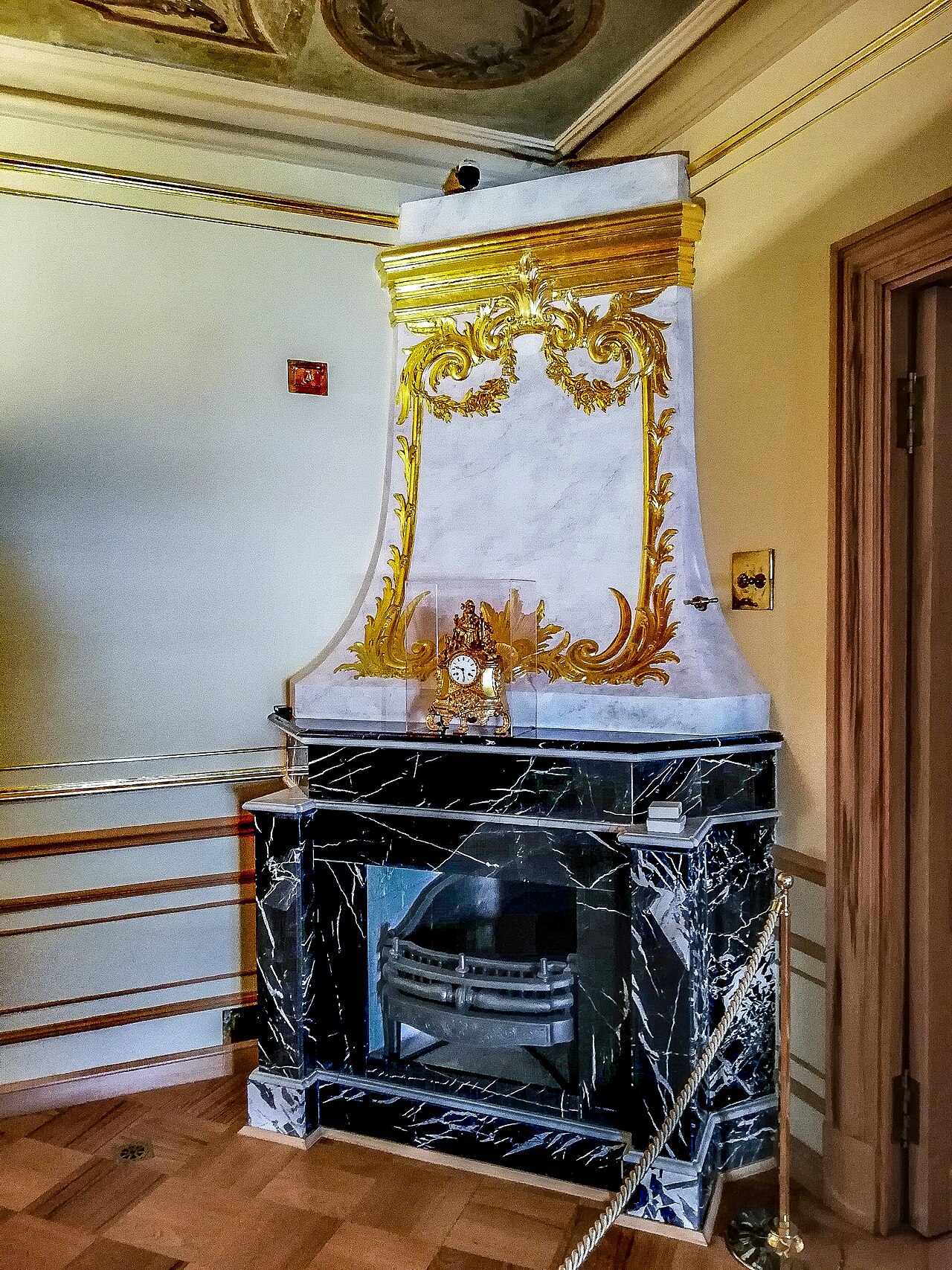
The pavilion’s interiors are themselves of great beauty, continuing the rococo refinement found elsewhere on the estate. It is another example of the authentic eighteenth-century decoration that makes Oranienbaum so valuable, preserved through the estate’s good fortune in escaping the war.
For visitors, the sliding hill pavilion adds yet another dimension to Oranienbaum, a glimpse of the lighter, more playful side of court life. Alongside the grand palace and the exquisite Chinese Palace, it completes the picture of an estate devoted to beauty, refinement, and pleasure.
Such rides were marvels of their day, combining engineering ingenuity with the pursuit of pleasure, and the fact that the Russian court maintained so elaborate an installation speaks to its love of novel entertainments. The pavilion that remains lets us imagine the delight such amusements brought to the privileged few who enjoyed them.
The Finest Surviving Rococo in Russia
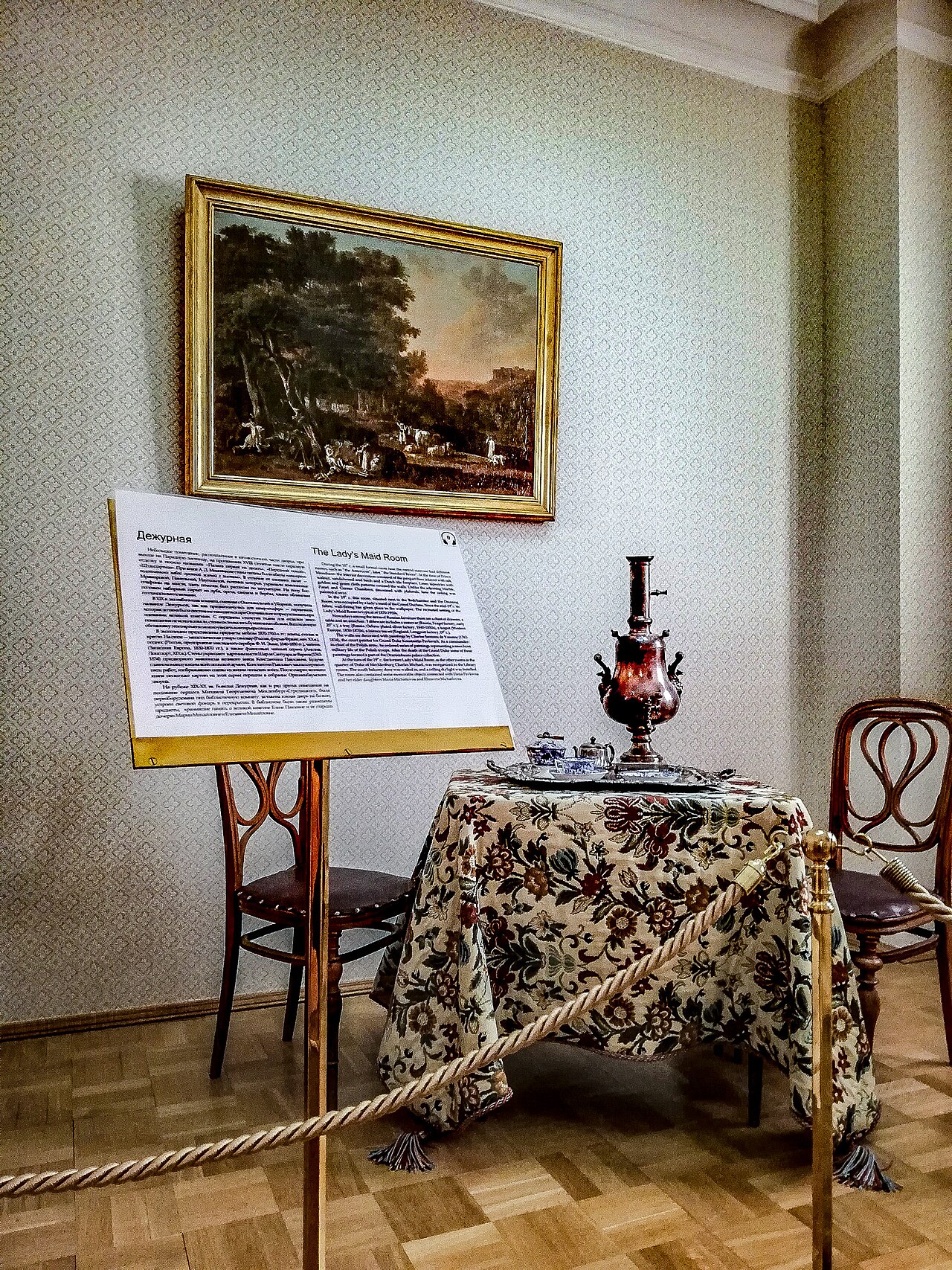
What unites the treasures of Oranienbaum is their authenticity. Because the estate escaped the destruction that befell the other imperial palaces, it preserves the finest and most complete collection of genuine eighteenth-century rococo interiors in Russia, a survival of inestimable value to historians and lovers of the period.
The rococo style, with its delicacy, playfulness, and love of curving ornament and exotic motifs, found some of its most perfect expression in the interiors created here for Catherine the Great. That these survive largely untouched allows visitors to experience the style in its original form, rather than through the compromises of reconstruction.
The gifted architect responsible for much of this work created spaces of exceptional refinement, and the preservation of his interiors makes Oranienbaum a place of pilgrimage for those who love the art of the eighteenth century. Here the rococo lives on as nowhere else in the country.
This authenticity is Oranienbaum’s greatest treasure, more precious even than any individual room or object. To walk through these genuine interiors is to step directly into the world of the eighteenth century, an experience that the reconstructed splendor of the other palaces, for all its beauty, cannot quite provide.
Scholars travel from around the world to study these interiors precisely because they are genuine, offering evidence about eighteenth-century materials, techniques, and taste that reconstructions cannot provide. Oranienbaum is thus not only a place of beauty but a document of its age, a source of knowledge as well as delight.
It is worth dwelling on how rare such survivals are anywhere in Europe, let alone in a region that suffered so terribly in the twentieth century. The delicacy of rococo decoration makes it especially vulnerable, and to find it preserved in such completeness is a piece of extraordinary good fortune for which every lover of the period is grateful.
Parks Beside the Sea
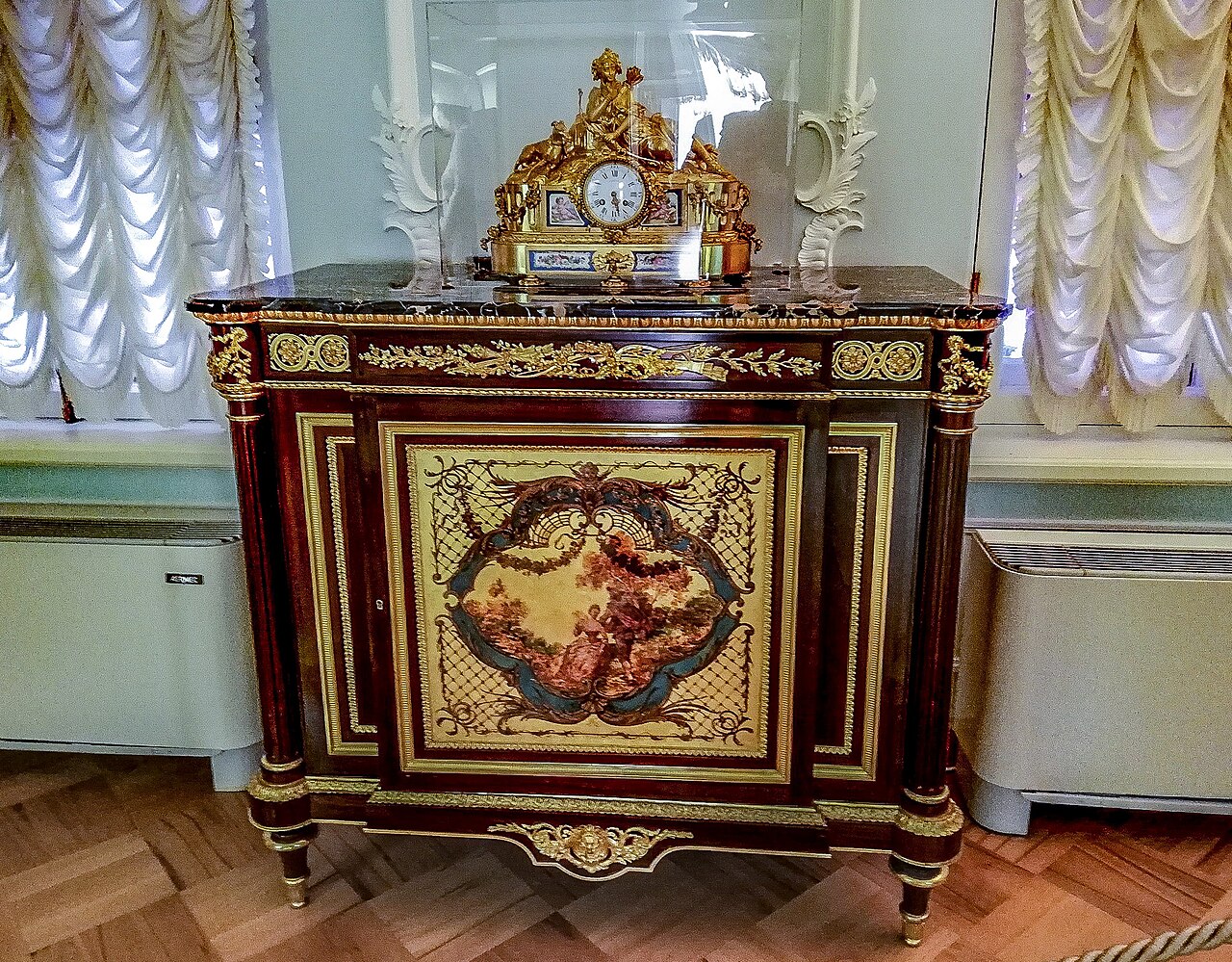
Oranienbaum is set within extensive parks that are among the pleasures of a visit, combining formal gardens near the palaces with more naturalistic landscapes beyond. The grounds descend toward the Gulf of Finland, and the relationship between the estate and the sea is a defining feature of its character.
The parks include both the formal terraced gardens before the Grand Palace and the more informal, English-style landscapes created in later periods, offering variety and interest as you explore. Avenues, ponds, and ornamental features punctuate the grounds, rewarding those who wander beyond the immediate surroundings of the buildings.
The seaside setting gives Oranienbaum a distinctive atmosphere, open and airy, with the light and space of the coast. The parks make the most of this location, framing views of the water and creating a sense of expansive calm that complements the refinement of the palaces.
For visitors, the parks provide a beautiful setting in which to experience the estate and a pleasant counterpoint to the treasures indoors. Whatever the season, the grounds beside the sea offer their own rewards, from the fresh greenery of summer to the quiet beauty of the northern autumn and winter.
The gradual shift in garden fashion, from the geometric formality of the early eighteenth century to the naturalistic landscapes favored later, can be traced in the grounds of Oranienbaum. This evolution mirrors the changing taste visible in the buildings, making the estate as a whole a record of shifting ideals across the decades.
In every season the parks reward a leisurely walk, whether amid summer greenery, autumn color, or winter snow, and the presence of the sea lends the air a freshness that the inland palaces lack. Many visitors find the grounds alone worth the journey, a place of calm and beauty quite apart from the treasures housed within the buildings.
The Palace That Survived the War
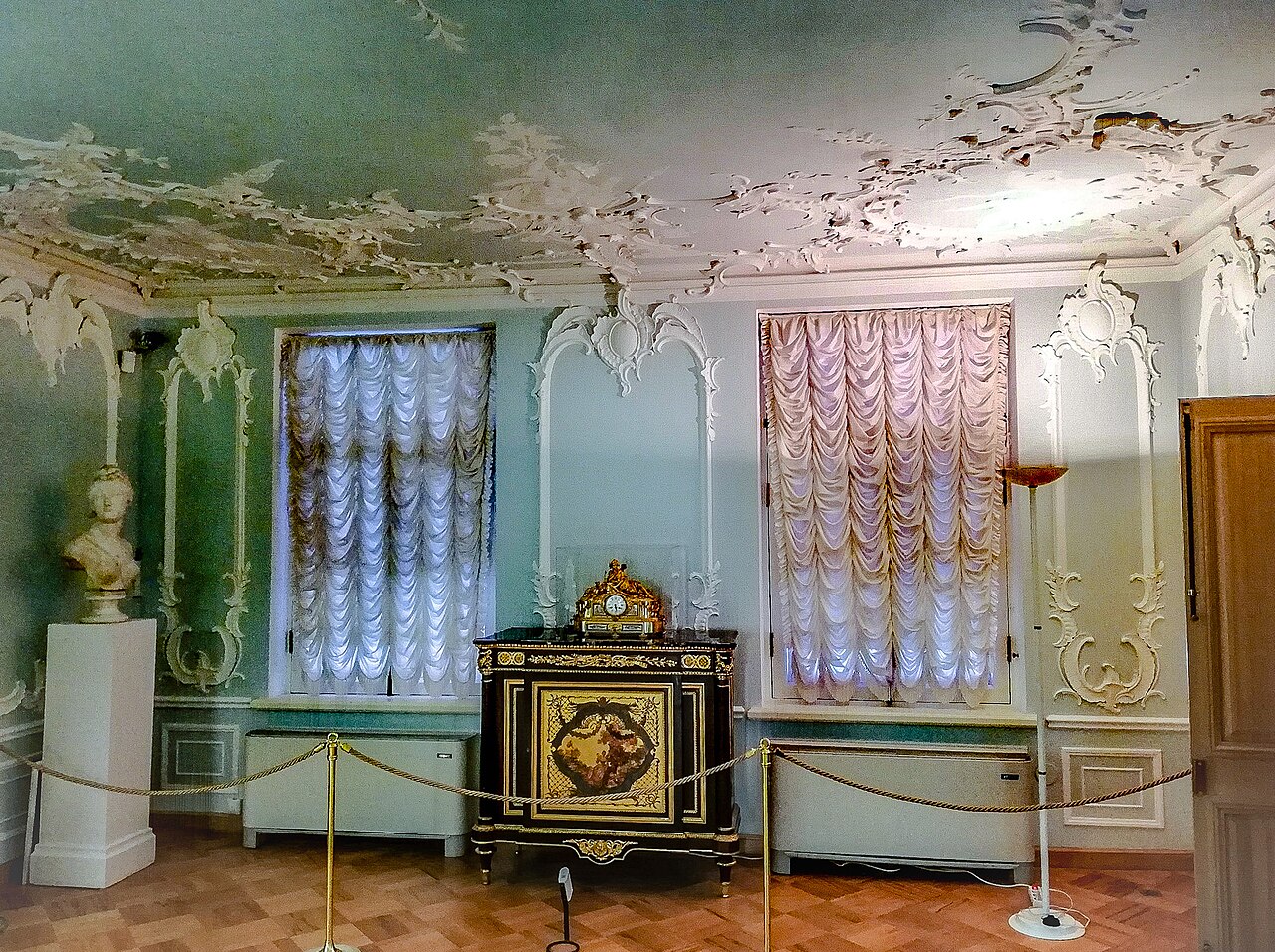
The single most important fact about Oranienbaum is that it survived the Second World War intact, the only one of the great imperial palace complexes around St. Petersburg to do so. While its famous neighbors were occupied, burned, and looted, Oranienbaum escaped such destruction, preserving its authentic interiors and treasures.
This survival was a matter of circumstance, the estate happening to lie beyond the reach of the worst of the fighting and occupation that devastated the other palaces. Whatever the reasons, the result is a priceless inheritance, a genuine eighteenth-century ensemble that did not have to be rebuilt from ruins.
The significance of this cannot be overstated. Where the other palaces offer magnificent reconstructions, Oranienbaum offers the real thing, its rococo interiors, its glass bead cabinet, and its pavilions surviving as they were created. For this reason it holds a special place among the treasures of Russia.
Knowing this history transforms a visit. Every room you enter is an authentic survival, every treasure a genuine original, and the sense of direct connection to the eighteenth century is profound. Oranienbaum is a reminder of how much was lost elsewhere and of the incalculable value of what, by good fortune, survived here.
The contrast with the fate of the neighboring palaces, reduced to ruins and painstakingly rebuilt over decades, throws Oranienbaum’s good fortune into sharp relief. Visiting it after seeing the reconstructed splendor of the others deepens appreciation of just how much was lost and how precious a genuine survival truly is.
Oranienbaum on Film
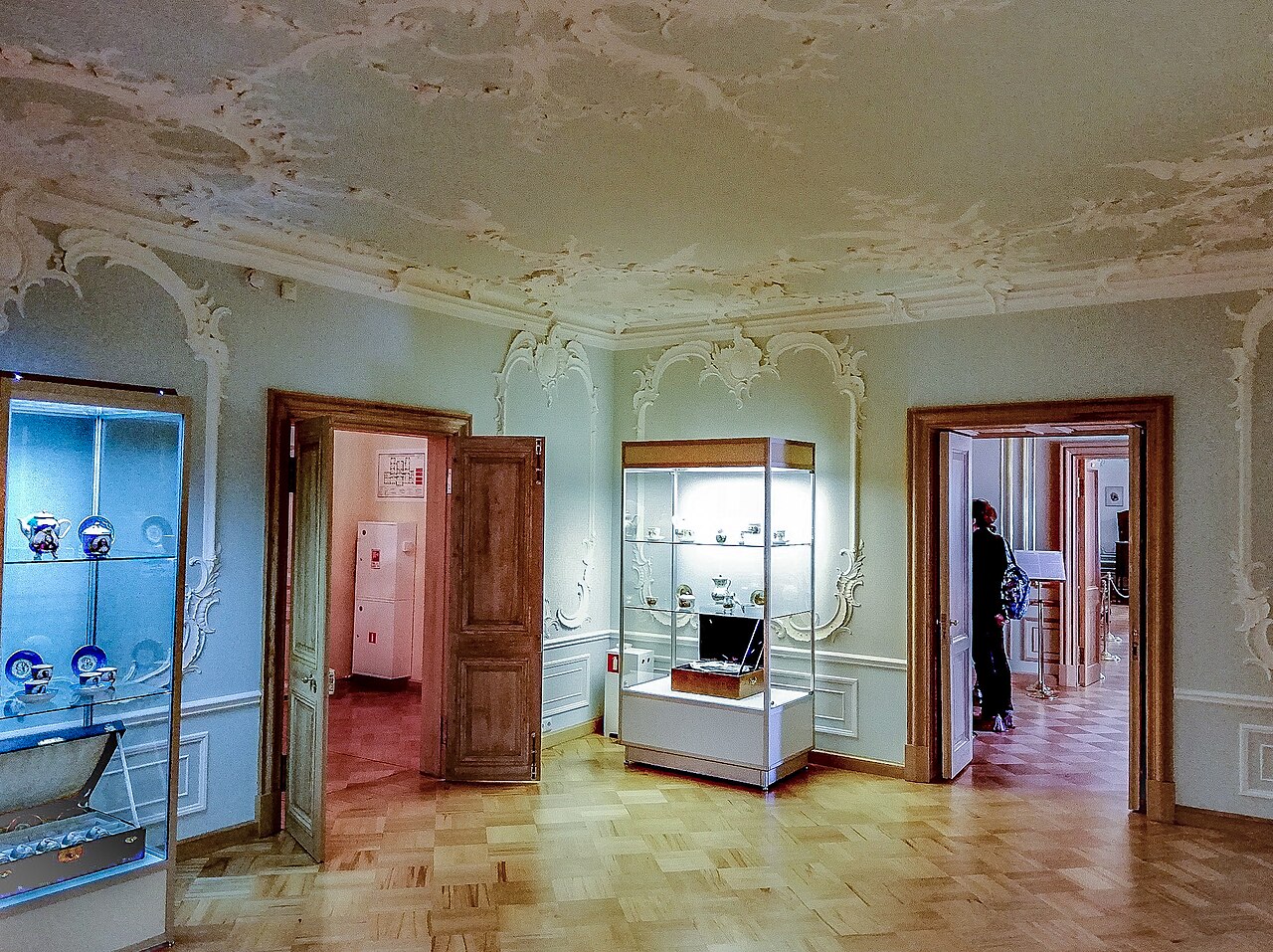
Because Oranienbaum is spread across a large estate with several buildings, a video walkthrough is a helpful way to appreciate its layout and to preview its treasures. On film you can move from the Grand Palace through the parks to the exquisite Chinese Palace, gaining a sense of how the different parts of the estate relate to one another.
As you watch, pay particular attention to the authentic rococo interiors, above all the Chinese Palace and its famous glass bead cabinet. Seeing these genuine survivals on film conveys their delicacy and refinement, and reminds you that what you are looking at is original eighteenth-century work, not reconstruction.
Video also captures the seaside setting and the parks that give Oranienbaum its distinctive atmosphere. Following a camera through the estate and its buildings, you gain a vivid sense of why this surviving palace complex is so treasured and why it rewards the journey out from the city.
Visiting Oranienbaum Today
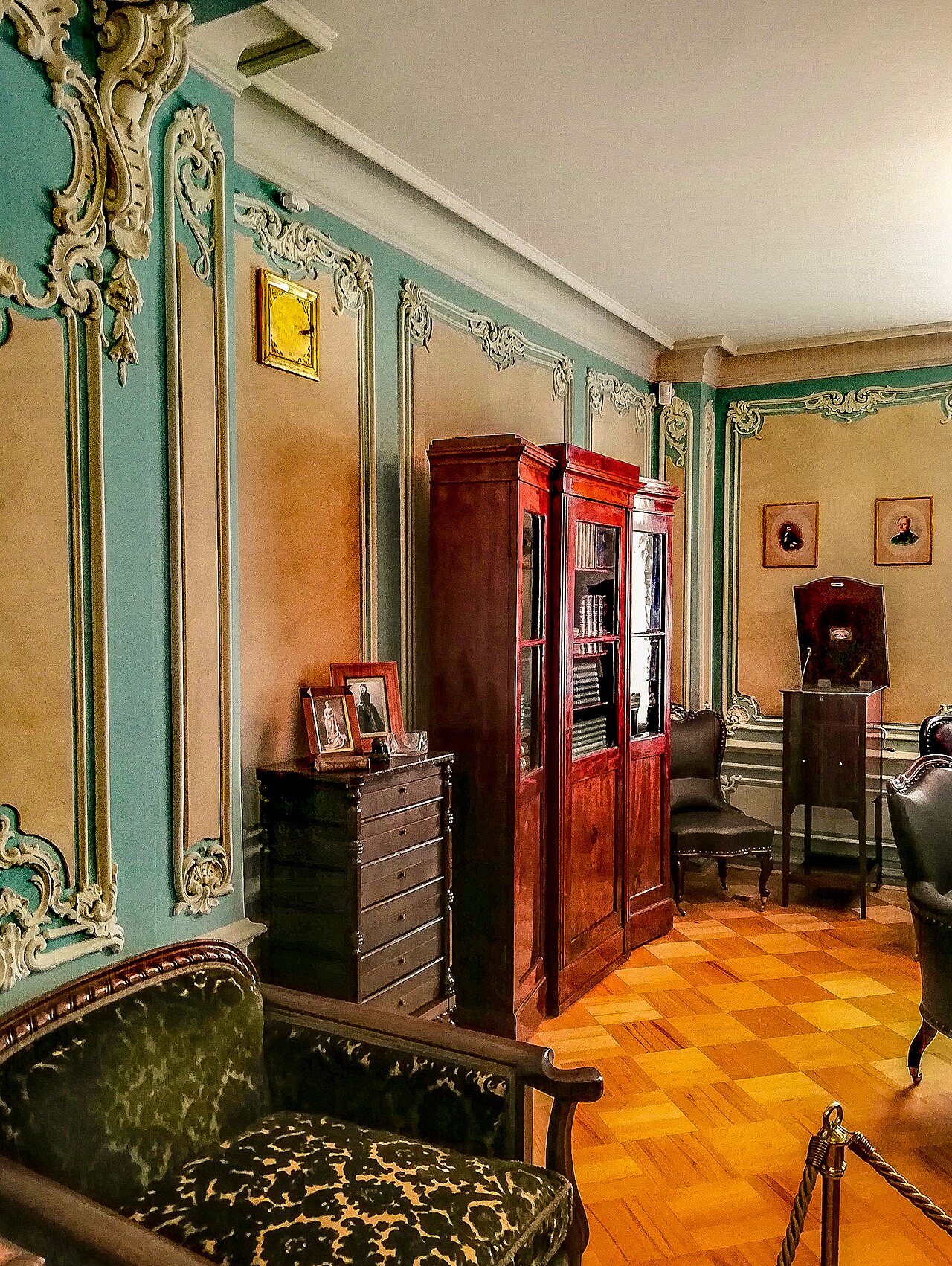
Today Oranienbaum is open to visitors as a museum estate, offering the chance to explore the Grand Palace, the exquisite Chinese Palace, the sliding hill pavilion, and the extensive parks beside the Gulf of Finland. Its status as the one surviving imperial palace complex makes it a destination of special importance.
The estate lies some distance from the center of St. Petersburg, reached by road or rail, and a visit requires a little more planning than the closer palaces. The reward is a quieter, less crowded experience and the unique pleasure of authentic interiors, so the extra effort is well repaid for those who make the journey.
Because the various buildings may have their own opening arrangements and some of the most fragile interiors, such as the glass bead cabinet, are carefully protected, it is worth checking current information before visiting. Allowing plenty of time lets you enjoy both the palaces and the beautiful parkland at a relaxed pace.
You will find Oranienbaum on the Gulf of Finland southwest of St. Petersburg; see the map below to help plan your route: see the map below. Whether you come for the authentic rococo interiors, the marvel of the glass bead cabinet, or simply the pleasure of an estate that survived the war intact, Oranienbaum offers one of the most rewarding and genuine palace experiences in all of Russia.
For the traveller willing to venture beyond the most famous sites, Oranienbaum offers a reward unmatched elsewhere around the city, the chance to experience authentic imperial splendor rather than its reconstruction. It is a destination for those who value the genuine article and who wish to understand what the other palaces looked like before the catastrophe of war.
View the location on Google Maps
Palaces Nearby
If you are exploring the imperial palaces around Saint Petersburg, these two pair naturally with a visit here:
You May Like
Konopiste the Bohemian Castle of a Doomed Archduke


One thought on “Oranienbaum, the Imperial Palace That Survived the War Untouched”