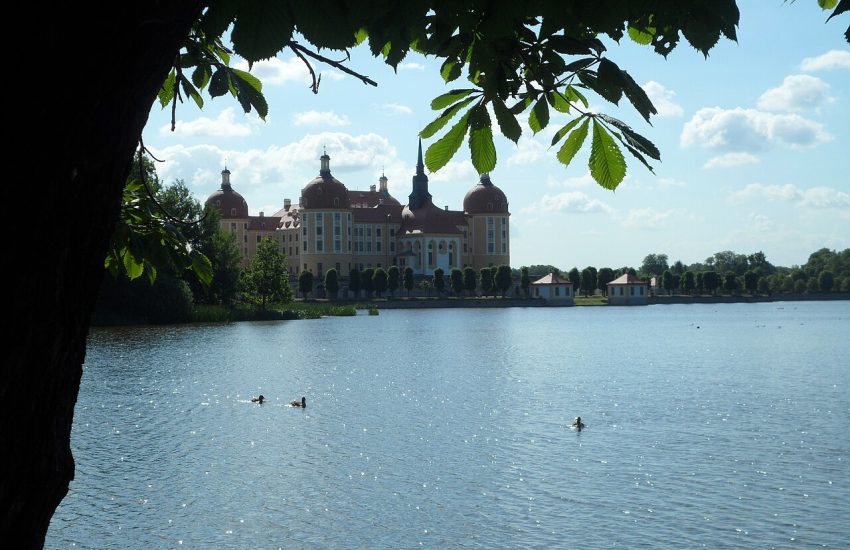
Just outside Budapest stands one of the largest and loveliest baroque palaces in Hungary, a sprawling royal residence forever associated with one of the most beloved figures of the age, the Empress Elisabeth, known affectionately as Sisi. The Royal Palace of Godollo combines grand baroque architecture with a romantic human story, and its revival from near-ruin makes it one of the most rewarding palaces to visit in central Europe.
Built by a powerful Hungarian aristocrat and later taken up by the ruling house, the palace became a favored country retreat where royalty could escape the formality of the capital. It is above all remembered as the Hungarian home of Sisi, the Austrian empress and Hungarian queen who loved the country and its people, and whose spirit still pervades the restored rooms.
This is the first of three articles on the grand palaces of Hungary, and Godollo makes a charming place to begin. By the end you will understand why this baroque palace, with its royal associations, its romantic history, and its careful restoration, holds such a special place in the hearts of Hungarians and in the story of the monarchy that once ruled central Europe.
In This Article
- Arriving at the Royal Palace of Godollo
- The Count Who Built a Palace
- One of Hungarys Grandest Baroque Palaces
- From Noble Seat to Royal Residence
- A Gift and a Symbol of Reconciliation
- Sisi, the Beloved Empress and Queen
- The Restored State Rooms
- The Baroque Palace Chapel
- The Palace Theatre
- The Palace Park
- Decline and Revival
- Godollo on Film
- Visiting Godollo Today
Arriving at the Royal Palace of Godollo
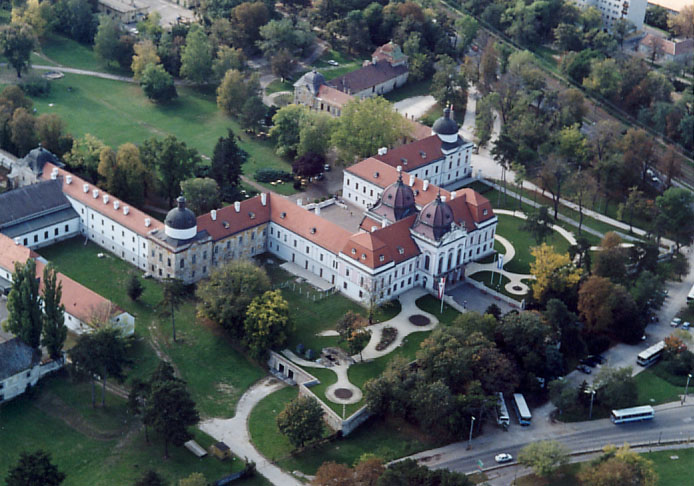
The palace at Godollo presents a broad, welcoming face, a long baroque building with wings reaching out to embrace a forecourt, painted in warm tones and crowned with the ornament of its age. Approaching it, you sense a residence built for comfort and pleasure as much as for grandeur, a country palace rather than a fortress of state.
The scale is impressive without being overwhelming. One of the largest baroque palaces in Hungary, Godollo spreads across a considerable area, yet its design has a human warmth, with gardens and parkland surrounding it and an air of gracious country living that suits its history as a beloved royal retreat.
The setting, in a town a little way from the bustle of the capital, reinforces this character. Godollo was a place to withdraw from the demands of court and city, to enjoy the countryside and the pleasures of a great estate, and the palace was designed with that purpose in mind, open to its gardens and the landscape beyond.
As you arrive, take in the generous baroque facade and the sense of a residence meant for living rather than mere display. Understanding Godollo as a country palace, a place of retreat and pleasure for the royal family, prepares you for the intimate and romantic history that unfolds within its restored rooms.
The warm colour of the facade, typical of the baroque palaces of the region, gives Godollo an inviting, almost cheerful appearance, very different from the austere grandeur of some royal residences. It is a palace that seems to welcome rather than to intimidate, in keeping with its history as a place of retreat and relaxation.
Many who come expecting a brief stop find themselves lingering, drawn in by the layered history and the romance of the place. Godollo rewards an unhurried visit, allowing time to absorb both the grandeur of the baroque architecture and the intimate human stories that give the palace its lasting appeal.
The Count Who Built a Palace
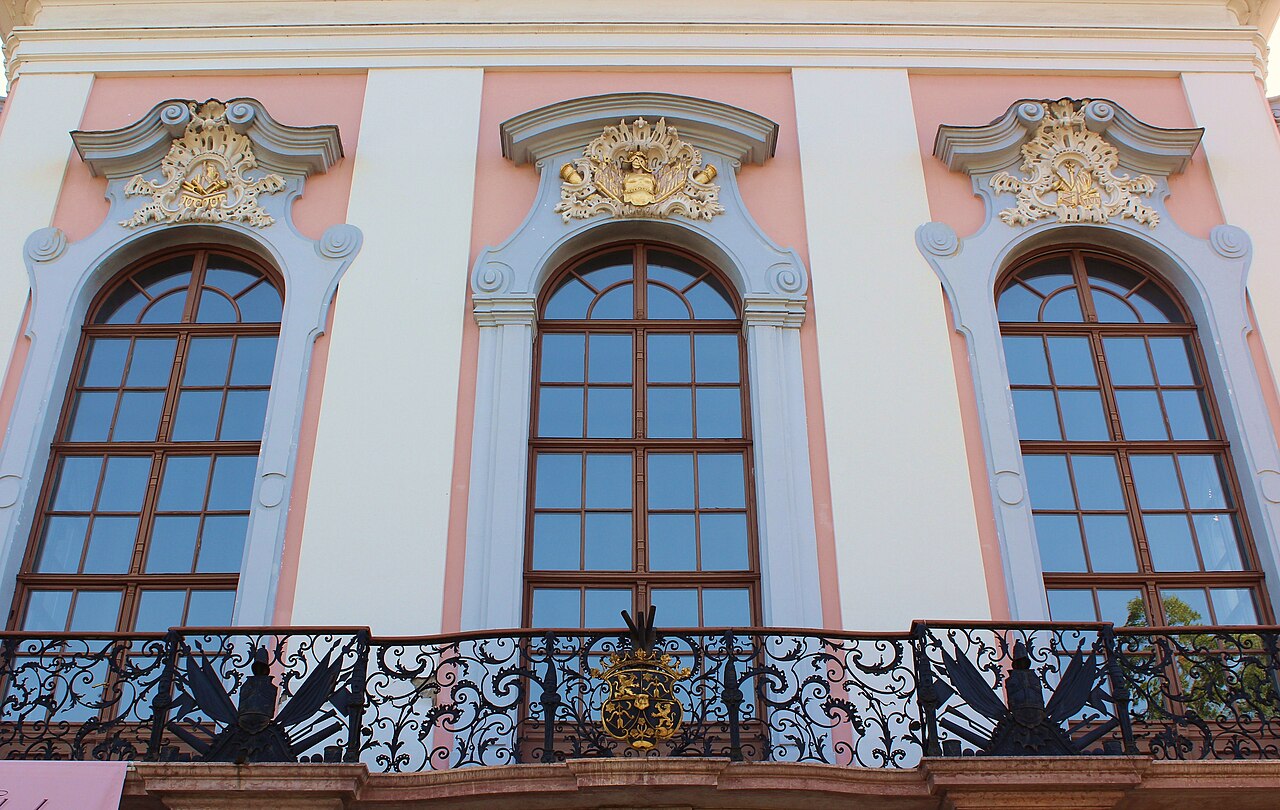
The palace was built in the eighteenth century by Count Antal Grassalkovich, a powerful and wealthy Hungarian aristocrat who rose high in the service of the crown. A man of great ambition and resources, he created at Godollo a residence worthy of his status, one of the grandest private palaces in the kingdom.
Grassalkovich spared no expense, employing skilled architects and craftsmen to create a baroque palace of real magnificence, surrounded by gardens and set in a great estate. The palace proclaimed his wealth and standing, a statement of his place among the leading families of the land.
The building grew over time into the sprawling complex that survives today, with wings, courtyards, a chapel, and a theatre, all expressing the ambitions of its founder and his family. For generations it remained the seat of the Grassalkovich line, a center of aristocratic life in the Hungarian countryside.
Understanding these origins helps explain the character of the palace. It was conceived as a great noble residence, designed for grand living and entertaining, and its later transformation into a royal retreat built upon the splendid foundation that Grassalkovich had laid. His vision gave Hungary one of its finest baroque palaces.
Grassalkovich was a self-made man of remarkable ability, who rose through talent and service to become one of the most powerful figures in the kingdom. His palace at Godollo was both the reward and the symbol of that ascent, a monument to a career that carried him from relatively modest beginnings to the summit of Hungarian society.
The estate he assembled around the palace was vast, encompassing farmland, woods, and villages that supported the grand establishment. The palace sat at the heart of this domain, the visible expression of a fortune and influence that reached across the surrounding countryside.
One of Hungarys Grandest Baroque Palaces
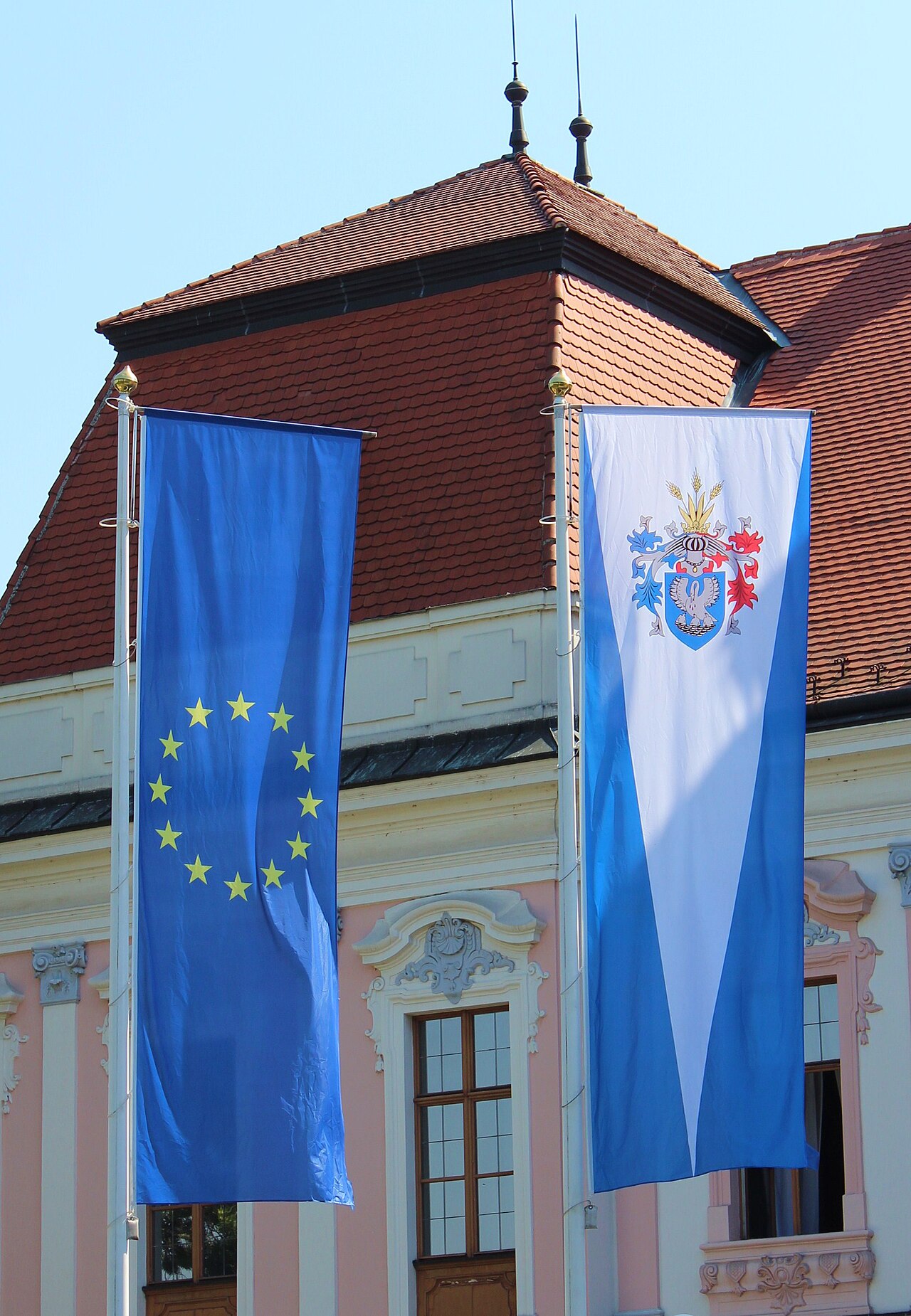
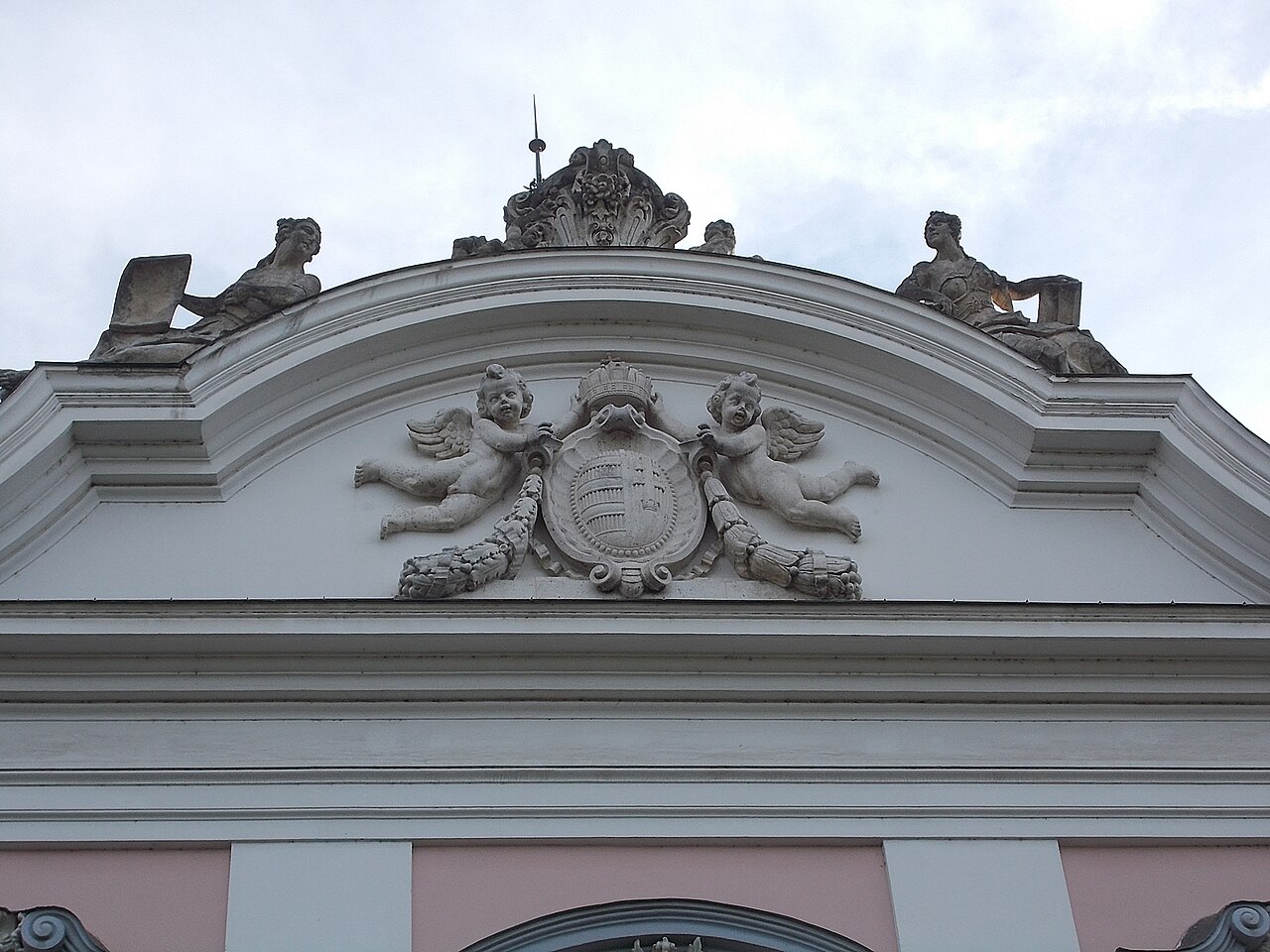
Architecturally, Godollo is a prime example of Hungarian baroque, with its characteristic warm-toned facades, ornamental detailing, and harmonious proportions. The palace combines grandeur with a certain lightness and grace, reflecting the baroque love of movement and decoration tempered by a sense of balance.
The layout, with its central block and reaching wings, creates a welcoming, embracing form, while the decoration, from the ornamented facade to the fine interiors, displays the craftsmanship of the age. The palace was designed as a complete baroque environment, integrating architecture, decoration, and gardens into a unified whole.
Among its notable features are the chapel and the theatre incorporated into the complex, which reflect the comprehensive ambitions of its builders. A great palace of this kind was conceived as a self-contained world, providing for worship, entertainment, and the full range of aristocratic and royal life.
For admirers of architecture, Godollo offers a fine example of the baroque style as it flourished in Hungary, distinct in its character yet part of the wider European tradition. Its scale and quality place it among the most important baroque palaces in the country, a monument to the age that created it.
The integration of chapel, theatre, state rooms, and private apartments within a single harmonious complex reflects the comprehensive vision of baroque palace design, in which every need of the household was provided for in surroundings of beauty. Godollo exemplifies this ideal, a complete world realized in brick, stone, and ornament.
The palace’s warm colour scheme and generous proportions make it one of the most photogenic of Hungary’s historic buildings, and it has become an emblem of the country’s baroque heritage. Its distinctive silhouette, with the central block and reaching wings, is instantly recognizable and widely admired.
From Noble Seat to Royal Residence

Over time the palace passed from its original aristocratic owners and came into the possession of the ruling house, beginning its most famous chapter as a royal residence. The transition transformed Godollo from a great noble seat into a home for royalty, giving it a new prominence in the life of the monarchy.
As a royal residence, the palace was maintained and adapted to the needs of its new owners, serving as a country retreat where the royal family could escape the formality of the capital. Its gracious architecture and beautiful setting made it ideally suited to this role, a place of relaxation and pleasure.
The association with royalty raised the status of the palace and ensured its continued splendor. Godollo became part of the world of the court, a favored residence where royalty spent time away from the pressures of state, and this royal connection defines much of its history and its fame.
This chapter as a royal residence is central to the palace’s identity, and it set the stage for its most romantic association, with the empress who would come to love Godollo above all her other homes. The palace’s transformation into a royal retreat prepared it for the role it is best remembered for today.
The adaptation of the palace for royal use involved refurbishing and updating its interiors to suit the needs and tastes of its new residents, while preserving its baroque character. The result was a residence that combined the splendour of its origins with the comforts expected by royalty, a worthy setting for the life of the court at leisure.
The move of the palace into royal hands reflected the broader fortunes of the great aristocratic estates, many of which eventually passed to the crown or changed hands as families rose and fell. Godollo’s elevation to a royal residence marked the beginning of its most celebrated era.
A Gift and a Symbol of Reconciliation

The palace’s role as a royal residence was bound up with a great political settlement, when the relationship between the crown and the Hungarian nation was placed on a new footing. As part of this reconciliation, Godollo was associated with the ruling couple as a Hungarian residence, a symbol of the bond between the monarchy and the kingdom.
This settlement marked a turning point in the history of central Europe, creating a dual arrangement in which the Hungarian crown held a distinct and honored place. Godollo, as a royal residence on Hungarian soil, became a symbol of this new relationship, a sign of the crown’s commitment to the kingdom.
The choice of Godollo as a Hungarian royal residence carried real meaning, expressing respect for the nation and its traditions. It gave the Hungarian people a royal home of their own on their soil, and it strengthened the ties between the ruling house and the kingdom at a crucial moment in their shared history.
Understanding this political dimension enriches a visit to the palace. Godollo was not merely a pleasant retreat but a symbol of reconciliation and partnership, and its history reflects the complex relationship between the monarchy and the Hungarian nation during a formative period in central European history.
The arrangement gave the Hungarian crown a status equal in dignity to the other half of the monarchy, and the presence of a royal residence on Hungarian soil was a visible token of this new equality. Godollo thus became more than a pleasant retreat; it was a symbol of national pride and of the honored place of Hungary within the realm.
This chapter in the palace’s history connects it to one of the defining political settlements of modern central Europe, giving Godollo a significance beyond its beauty. It stands as a reminder of an age when the relationship between crown and nation was being renegotiated, and of the role a royal residence could play as a symbol of that bond.
Sisi, the Beloved Empress and Queen

Above all, Godollo is associated with the Empress Elisabeth, affectionately known as Sisi, the Austrian empress and Hungarian queen who loved the palace and spent much time there. Her deep affection for Hungary and its people made her a beloved figure, and Godollo became her cherished Hungarian home.
Sisi was a complex and fascinating figure, known for her beauty, her independent spirit, and her sometimes troubled relationship with the formal life of the court. She found at Godollo a measure of the freedom and peace she craved, enjoying the countryside, riding, and a more relaxed life away from the rigid etiquette of the capital.
Her love for Hungary was genuine and reciprocated, and she championed the Hungarian cause within the monarchy, learning the language and forming close ties with the nation. Godollo, as her Hungarian residence, became the setting for this special relationship, and her memory pervades the palace to this day.
For many visitors, the connection with Sisi is the heart of the palace’s appeal. Her rooms, her story, and her enduring popularity give Godollo a romantic resonance, and the restored palace honors her memory, allowing visitors to connect with one of the most beloved and tragic figures of the age.
Her life was marked by both glamour and tragedy, from her celebrated beauty and her restless travels to the personal sorrows and the violent death that ended her story. This combination of splendour and sadness has made her an enduringly fascinating figure, and Godollo, as her beloved Hungarian home, is one of the key places associated with her memory.
At Godollo she could indulge her love of riding and the outdoors, escaping the suffocating etiquette of the imperial court in Vienna. The palace and its surroundings offered her a rare measure of freedom and contentment, and her happiness here is part of what gives the place its special, affectionate atmosphere.
The many visitors who come to Godollo drawn by her story find in its rooms and grounds a tangible connection to a figure who continues to captivate the imagination. Her enduring popularity has made the palace a place of pilgrimage for admirers from Hungary and far beyond.
The Restored State Rooms
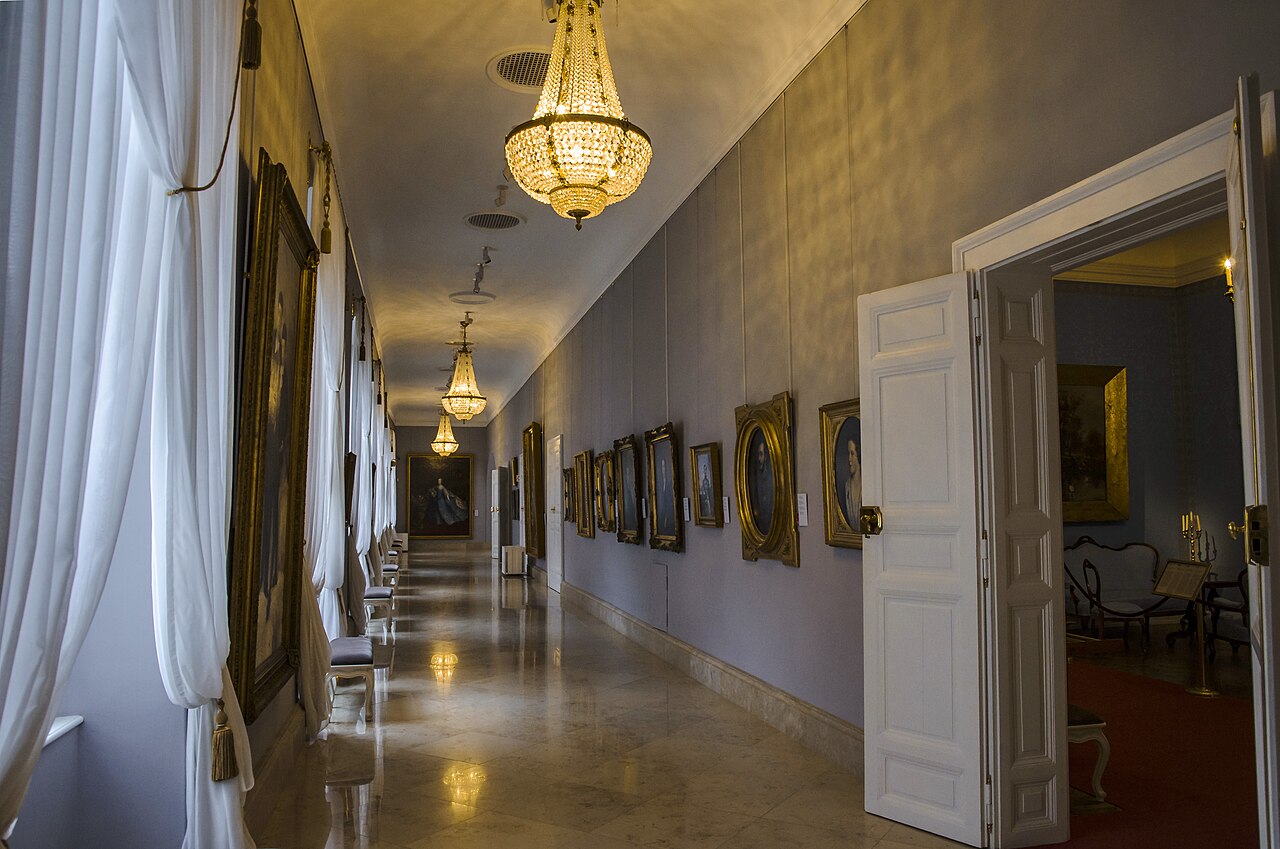
Inside, the palace presents a sequence of restored state rooms and private apartments, decorated to evoke the splendor of its royal heyday. Ceremonial halls, drawing rooms, and the private quarters of the royal family have been carefully recreated, offering a vivid picture of life in the palace during its golden age.
The decoration combines baroque grandeur with the more intimate comforts of a royal retreat, reflecting the dual character of Godollo as both a grand palace and a beloved home. Richly decorated ceremonial spaces sit alongside more personal rooms, giving a rounded sense of how the palace was used and lived in.
Particular attention is given to the rooms associated with the Empress Elisabeth, which hold special interest for visitors drawn by her story. These spaces evoke her presence and her life at the palace, forming a focus for the many who come to Godollo because of their fascination with Sisi.
The restoration of these interiors, after years of neglect, is a considerable achievement, allowing visitors to experience the palace much as it was in its prime. Walking through the state rooms and private apartments, you gain a vivid sense of the royal life that once filled these halls.
The careful recreation of the decoration, from wall coverings and furnishings to the smallest details, draws on historical research to capture the character of the rooms in their prime. The result allows visitors to step back into the world of the royal court at leisure, experiencing the blend of grandeur and comfort that defined the palace.
The Baroque Palace Chapel

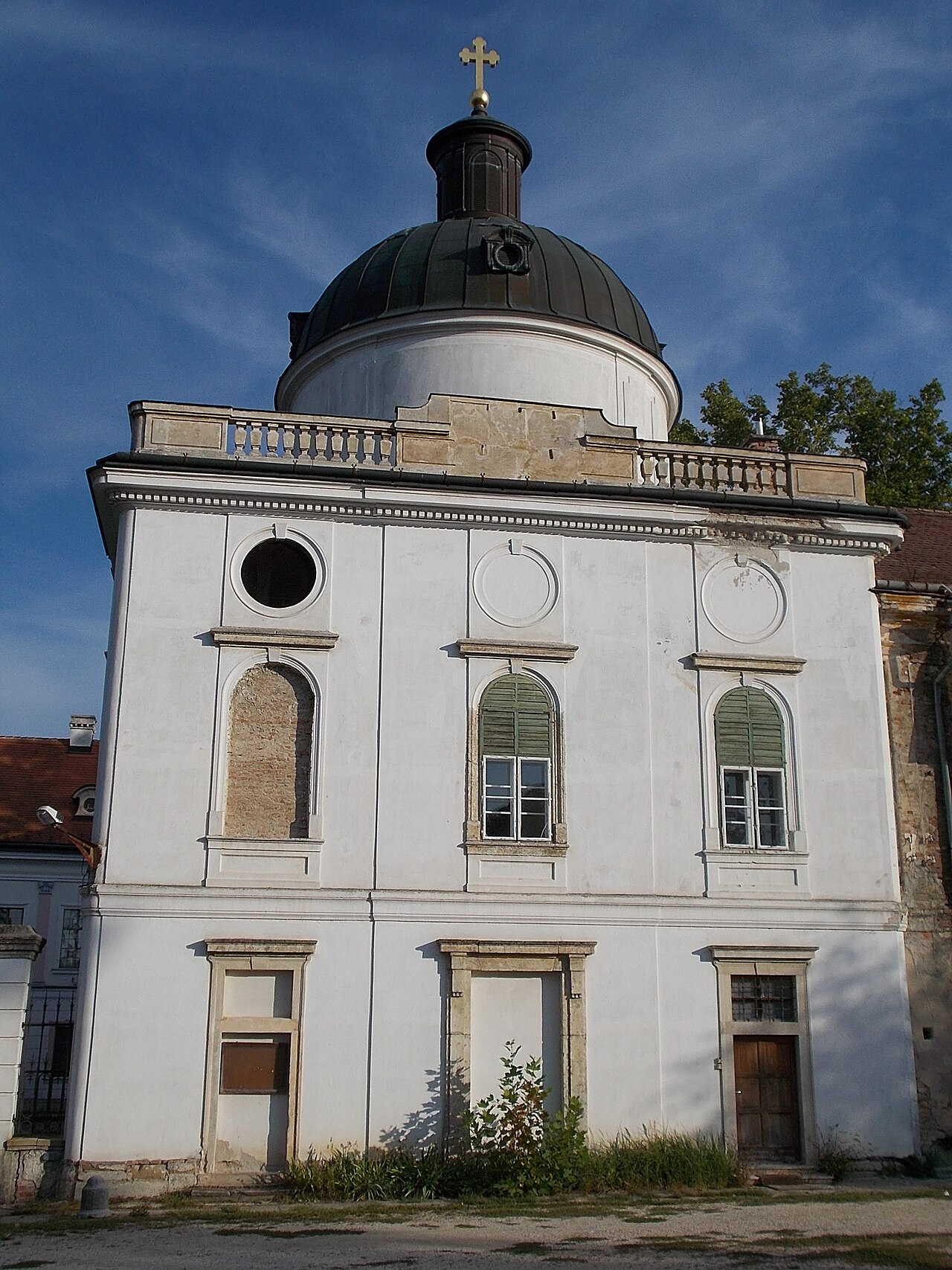
Among the notable features of the palace is its baroque chapel, incorporated into the complex to serve the spiritual needs of the household. Richly decorated in the style of the age, the chapel is a jewel of baroque religious art and an integral part of the palace’s design.
Palace chapels were essential features of great residences, providing a place of worship for the family and their household without the need to leave the palace. At Godollo, the chapel reflects the piety and the artistic ambitions of its builders, combining devotion with beauty in characteristic baroque fashion.
The decoration of the chapel, with its altar, ornament, and sacred imagery, displays the craftsmanship lavished on every part of the palace. It offers a moment of quiet beauty within the larger complex, a reminder that these grand residences were centers of religious as well as social life.
For visitors, the chapel adds another dimension to the palace, a glimpse of its spiritual life and a fine example of baroque religious art. It completes the picture of Godollo as a comprehensive world, providing for every aspect of the life of the royal and aristocratic household.
The chapel also served as a focus for the religious observances that structured daily life in the palace, from private devotions to formal ceremonies. Its presence reminds visitors that these great residences were centers of faith as well as of pleasure and power, integrating worship into the rhythm of courtly life.
The Palace Theatre
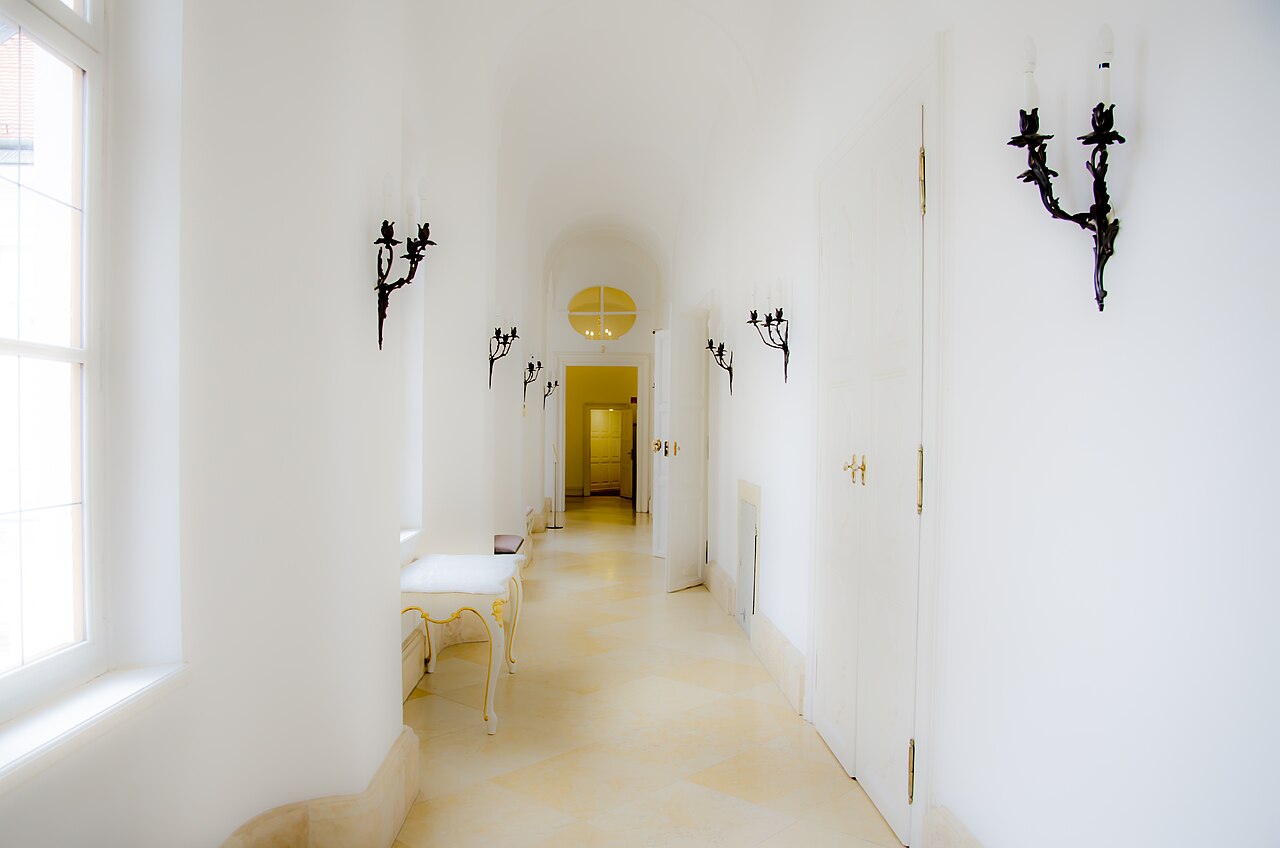
Godollo also boasts a baroque theatre, a rare survival that reflects the importance of entertainment in the life of a great palace. Such theatres allowed the family and their guests to enjoy performances in the comfort of their own home, and the one at Godollo is a treasured feature of the complex.
Court and palace theatres were a hallmark of the grandest residences, where music and drama provided entertainment and displayed the sophistication of their owners. The restoration of the theatre at Godollo preserves this aspect of the palace’s life, allowing visitors to appreciate the cultural world of the court.
The theatre’s survival and restoration are especially valuable, as such spaces are rare and fragile. It offers a vivid sense of the entertainments that once delighted the royal family and their guests, and it continues, at times, to host performances, keeping its original purpose alive.
For visitors, the theatre is a charming highlight, a reminder of the role of the arts in palace life. Together with the chapel, the state rooms, and the gardens, it helps complete the picture of Godollo as a complete world of royal and aristocratic living, devoted to beauty, pleasure, and culture.
The rarity of such surviving theatres gives the one at Godollo particular importance, offering a precious glimpse into the performance culture of the age. Its careful restoration preserves not only a beautiful space but a living link to the entertainments that once delighted the court.
The Palace Park

The palace is surrounded by a large park that forms an essential part of its character, offering gardens and parkland for the pleasure of its royal residents. The grounds provided a setting for walks, riding, and the enjoyment of the countryside, in keeping with the palace’s role as a country retreat.
The park combines formal elements near the palace with more naturalistic landscapes beyond, reflecting changing tastes in garden design over the palace’s history. It provided a beautiful and varied environment, a green world surrounding the baroque splendor of the building.
For the Empress Elisabeth in particular, the park and surrounding countryside were a great attraction, offering opportunities for the riding she loved and the freedom of the outdoors. The grounds were integral to the pleasures that made Godollo her beloved retreat.
Today the park remains a beautiful setting for the palace and a pleasant place to walk, complementing the experience of the interiors. It extends the grandeur and charm of Godollo into the landscape, and it reminds visitors of the country pleasures that made the palace so beloved by its royal residents.
In its heyday the park would have been the scene of rides, walks, and outdoor pleasures, an essential part of the life of a country palace. Its restoration alongside the building ensures that visitors can appreciate Godollo as its royal residents did, as a harmonious union of architecture and landscape.
Across the seasons the park offers changing beauty, from fresh spring greenery to the rich colours of autumn, providing a lovely setting for the palace throughout the year. It remains a popular place for visitors to stroll and to appreciate the harmonious relationship between the building and its grounds.
Decline and Revival
The twentieth century was hard on Godollo. After the fall of the monarchy and the upheavals of war, the palace lost its royal purpose and suffered decades of neglect and misuse, including a period when it was occupied by troops and allowed to fall into serious disrepair. The once-splendid residence declined sadly.
By the latter part of the century, the palace was in a poor state, its interiors damaged and its fabric decaying. What had been a beloved royal retreat stood neglected, its future uncertain, a casualty of the turbulent history that had swept over Hungary and central Europe.
From the final years of the century, however, a major restoration effort began to reverse this decline. Over the years that followed, the palace was progressively rebuilt and its interiors recreated, bringing Godollo back to life as a museum and a monument to its royal and romantic past.
This revival is a continuing success story, and the restored palace now welcomes visitors to experience its recovered splendor. Knowing the depth of the decline from which it was rescued makes the restoration all the more impressive, and it ensures that Godollo’s rich history is preserved for future generations.
The scale of the restoration was considerable, requiring extensive research and skilled craftsmanship to recreate the lost interiors and repair the damaged fabric. The ongoing effort has steadily expanded the parts of the palace open to visitors, and each newly restored section adds to the richness of the experience.
For those who remembered the palace in its years of neglect, the transformation has been remarkable, a reversal of fortune that few could have predicted. The revived Godollo stands today as a symbol of the recovery and renewal of Hungary’s cultural heritage after the difficult decades of the twentieth century.
Godollo on Film
Because Godollo combines architectural beauty with a romantic human story, a video walkthrough is a fine way to appreciate it. On film you can take in the broad baroque facade, move through the restored state rooms, and glimpse the chapel and theatre, gaining a sense of the palace as a complete world.
As you watch, keep in mind the connection with the Empress Elisabeth, whose presence pervades the palace. Seeing the rooms associated with her story brings her history to life and highlights the romantic appeal that draws so many visitors to Godollo.
Video also conveys the setting of the palace in its park and the scale of the complex, which can be hard to grasp from still images. Following a camera through the building and grounds, you gain a vivid sense of why Godollo is one of the most beloved palaces in Hungary.
Visiting Godollo Today
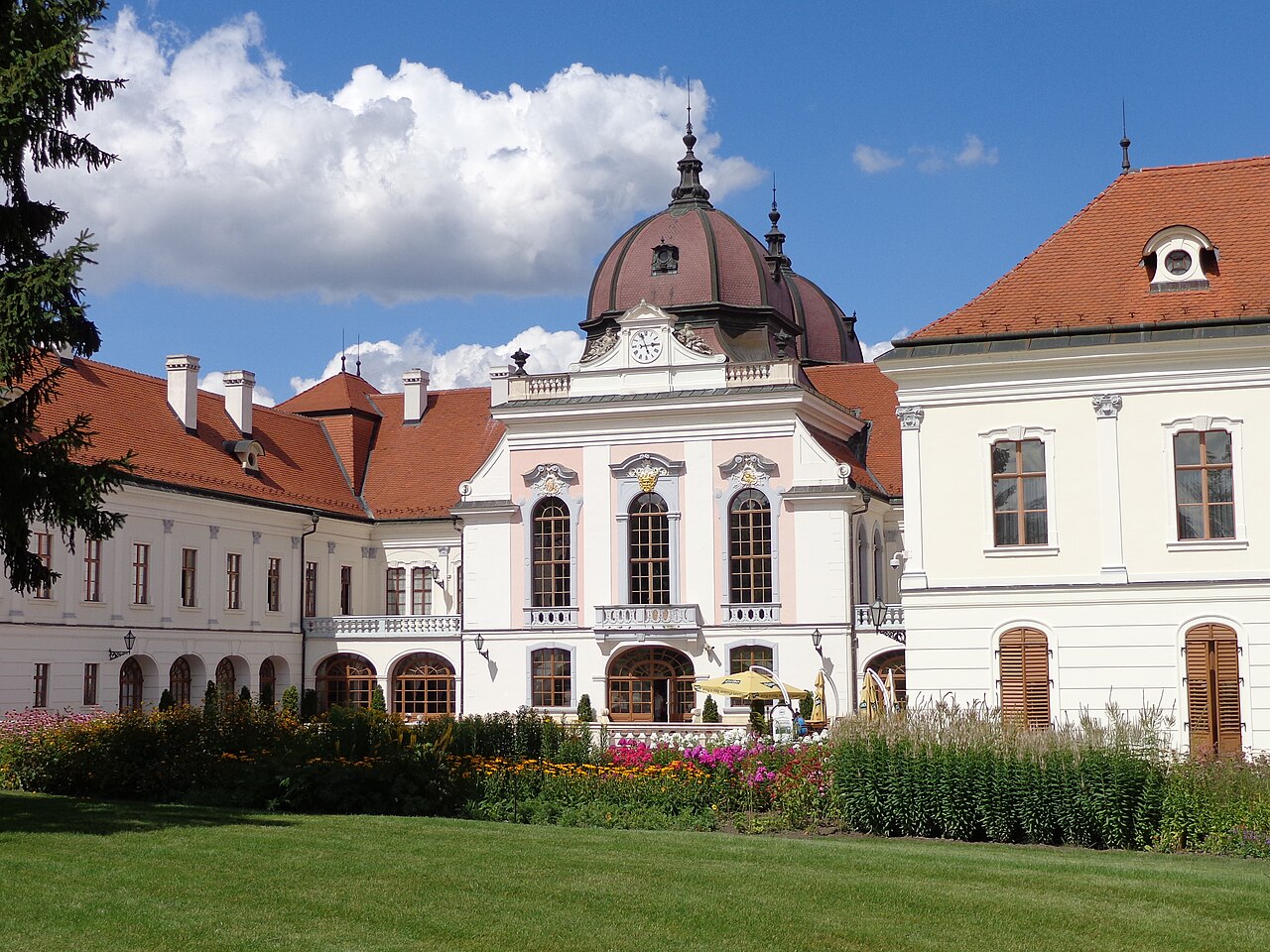
Today the Royal Palace of Godollo is open to visitors as a museum, offering the chance to explore its restored state rooms, the chapel, the theatre, and the surrounding park. Its rich history and its association with the Empress Elisabeth make it one of the most rewarding palace visits in Hungary.
The palace lies within easy reach of Budapest, making it a popular and convenient day trip from the capital. Its combination of baroque splendor, royal history, and romantic associations ensures a varied and engaging visit, with something to interest lovers of architecture, history, and the story of Sisi alike.
Because the palace is a museum with exhibitions and sometimes events, it is worth checking current opening arrangements and any special displays before visiting. Allowing time to enjoy both the interiors and the park lets you appreciate the full experience of this beautiful and historic residence.
You will find the Royal Palace of Godollo near Budapest in Hungary; see the map below to help plan your route: see the map below. Whether you come for the baroque architecture, the royal history, or the romantic connection with the beloved Empress Elisabeth, Godollo offers one of the most charming and rewarding palace experiences in central Europe.
For visitors interested in the romance of the monarchy, few places offer so much, combining architectural beauty with the compelling human story of the beloved empress. A visit to Godollo is as much an encounter with that story as with the splendour of the building and grounds, and it lingers in the memory long after.
View the location on Google Maps
Palaces Nearby
If you are exploring the grand palaces of Hungary, these two pair naturally with a visit here:
You May Like
Konopiste the Bohemian Castle of a Doomed Archduke