On the western shore of Lake Balaton, Hungary’s great inland sea, stands one of the country’s largest and best-preserved baroque palaces, the Festetics Palace at Keszthely. Gleaming white above its gardens, it was the seat of one of Hungary’s most enlightened aristocratic families, and it holds a treasure that sets it apart from almost any other palace, one of the finest historic libraries in the land.
The Festetics family were not only wealthy but cultured and progressive, patrons of science, learning, and the arts, and their palace reflects these ideals. Above all it is associated with a remarkable count who founded Europe’s first agricultural college and assembled a magnificent library, making Keszthely a center of enlightenment on the shores of the lake.
This is the second of three articles on the grand palaces of Hungary, following Godollo. Where Godollo charms with its royal romance, Festetics impresses with its scale, its preservation, and its legacy of learning. By the end you will understand why this baroque palace by Lake Balaton, with its famous library and its tradition of enlightened patronage, is one of the cultural treasures of Hungary.
In This Article
- Arriving at the White Palace by the Lake
- An Enlightened Aristocratic Family
- One of Hungarys Great Baroque Palaces
- A Count Devoted to Science and Learning
- The First Agricultural College in Europe
- The Magnificent Helikon Library
- The State Rooms and Interiors
- A Palace by the Great Lake
- The Palace Gardens and Park
- Collections and the Carriage Museum
- A Well-Preserved Palace Museum
- Festetics on Film
- Visiting Festetics Today
Arriving at the White Palace by the Lake

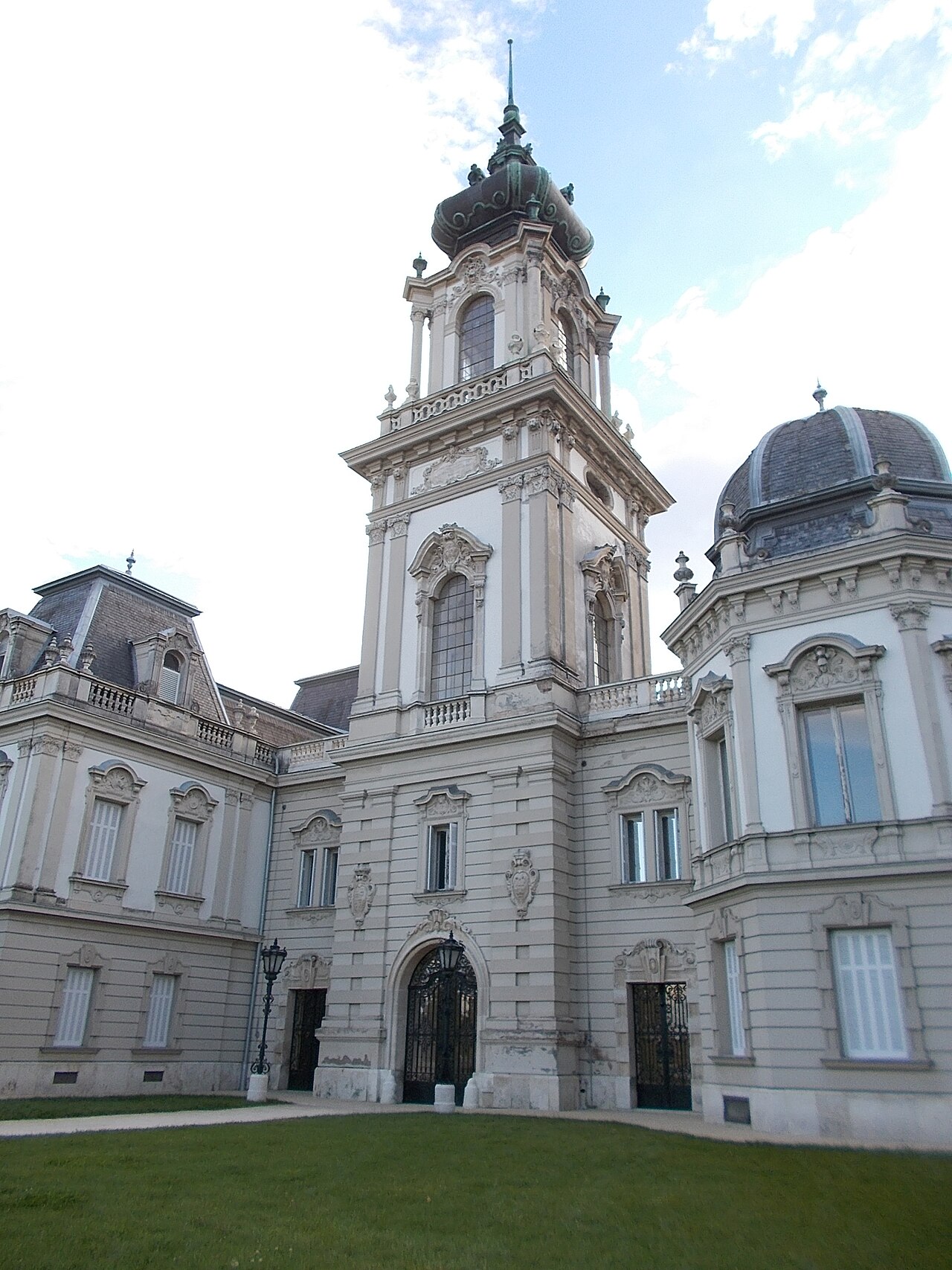
The Festetics Palace presents a striking sight, a long white baroque building with towers and ornamented facades, set amid gardens near the shore of Lake Balaton. Its gleaming walls and elegant form make an immediate impression, announcing the wealth and taste of the family that created it.
One of the largest baroque palaces in Hungary, Festetics spreads across a considerable area, with its main wing and reaching sections arranged around courtyards and gardens. The scale is impressive, yet the design retains a certain elegance and grace, avoiding heaviness in favor of a light, refined baroque character.
The setting near the great lake adds to the appeal, giving the palace a connection to the beautiful landscape of the Balaton region. Surrounded by gardens and parkland, the palace sits at the heart of a cultivated estate, a center of aristocratic life in one of Hungary’s most scenic areas.
As you arrive, take in the gleaming white facades and the generous scale of the complex. Understanding Festetics as both a grand baroque residence and a center of culture and learning prepares you for the treasures within, above all the famous library that is the jewel of the palace.
The brilliant white of the walls catches the light beautifully, especially against the blue skies of the Balaton region, giving the palace an almost luminous quality. It is one of the most photographed buildings in the area, its elegant silhouette instantly recognizable to visitors who come to the lake.
Set a little apart from the lakeshore amid its gardens, the palace enjoys a dignified seclusion while remaining easily accessible from the town. This happy combination of grandeur and approachability is part of what makes a visit to Festetics so pleasant, inviting rather than intimidating.
An Enlightened Aristocratic Family
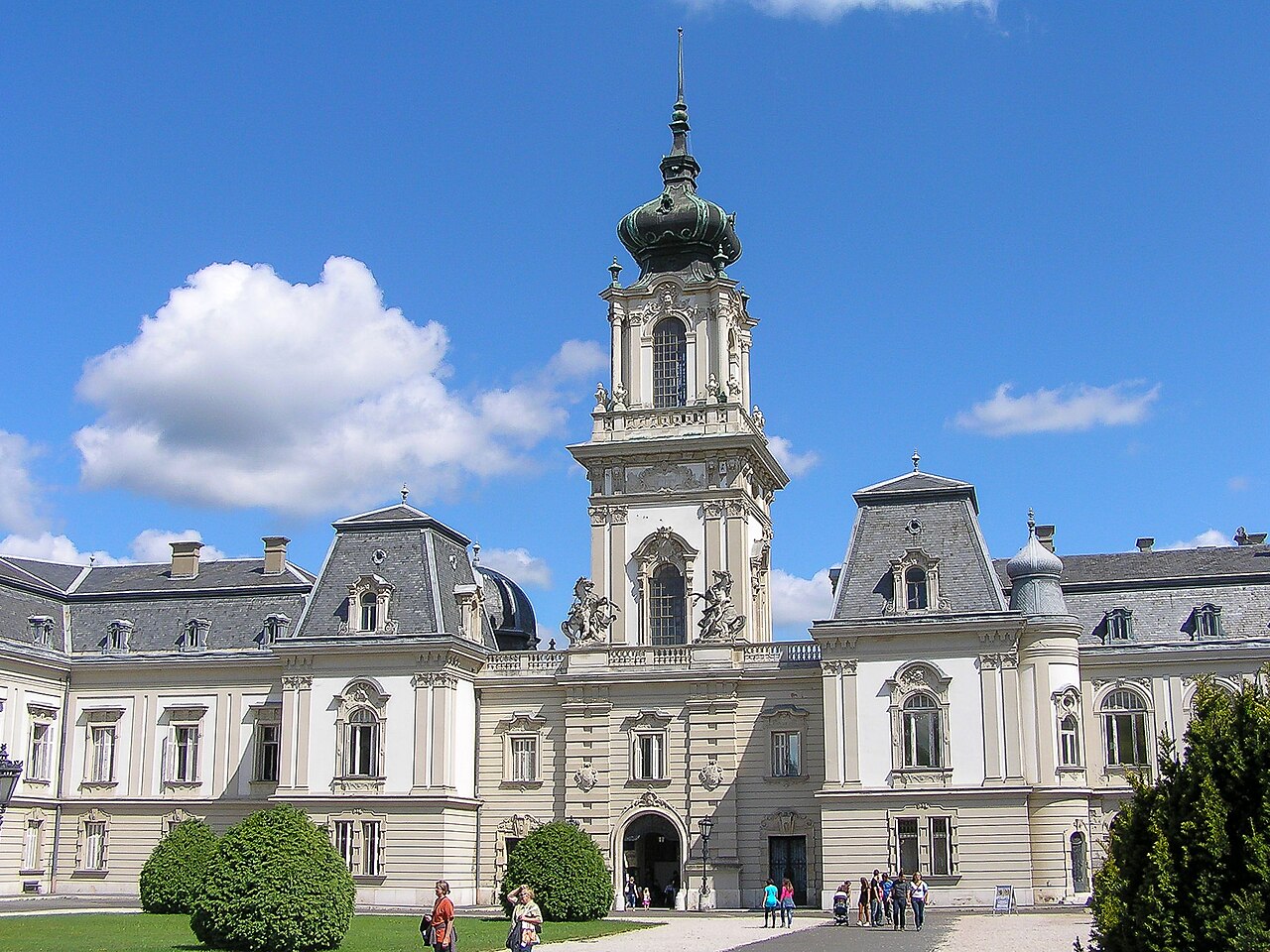
The palace was the seat of the Festetics family, one of the most prominent and cultured aristocratic houses of Hungary. Wealthy and influential, the family distinguished themselves not only by their riches but by their commitment to learning, science, and the arts, making their palace a center of enlightened culture.
Over generations the Festetics family built and expanded the palace, filling it with treasures and establishing it as a focus of intellectual and cultural life. Their patronage extended to science, education, and literature, and they used their wealth to promote learning and progress, a legacy that distinguishes them among the aristocracy of their age.
This commitment to culture and enlightenment gives the palace its particular character. More than a display of wealth, Festetics was a place of learning and patronage, reflecting the ideals of an age that valued knowledge and improvement. The family’s legacy is woven into the very fabric of the palace.
Understanding the family is key to appreciating Festetics. Their enlightened values shaped the palace and its treasures, from the famous library to the institutions they founded, and the building stands as a monument to a dynasty that combined aristocratic splendor with a genuine devotion to culture and progress.
The family’s prominence extended over many generations, during which they accumulated not only wealth and land but a reputation for cultural leadership. Their name became synonymous with enlightened patronage, and the institutions and treasures they created at Keszthely remain their most enduring legacy.
Through advantageous marriages, careful management, and royal favour, the family steadily increased their wealth and standing, becoming one of the great landowning houses of the kingdom. Yet it is for their cultural achievements, rather than their riches alone, that they are chiefly remembered today.
One of Hungarys Great Baroque Palaces
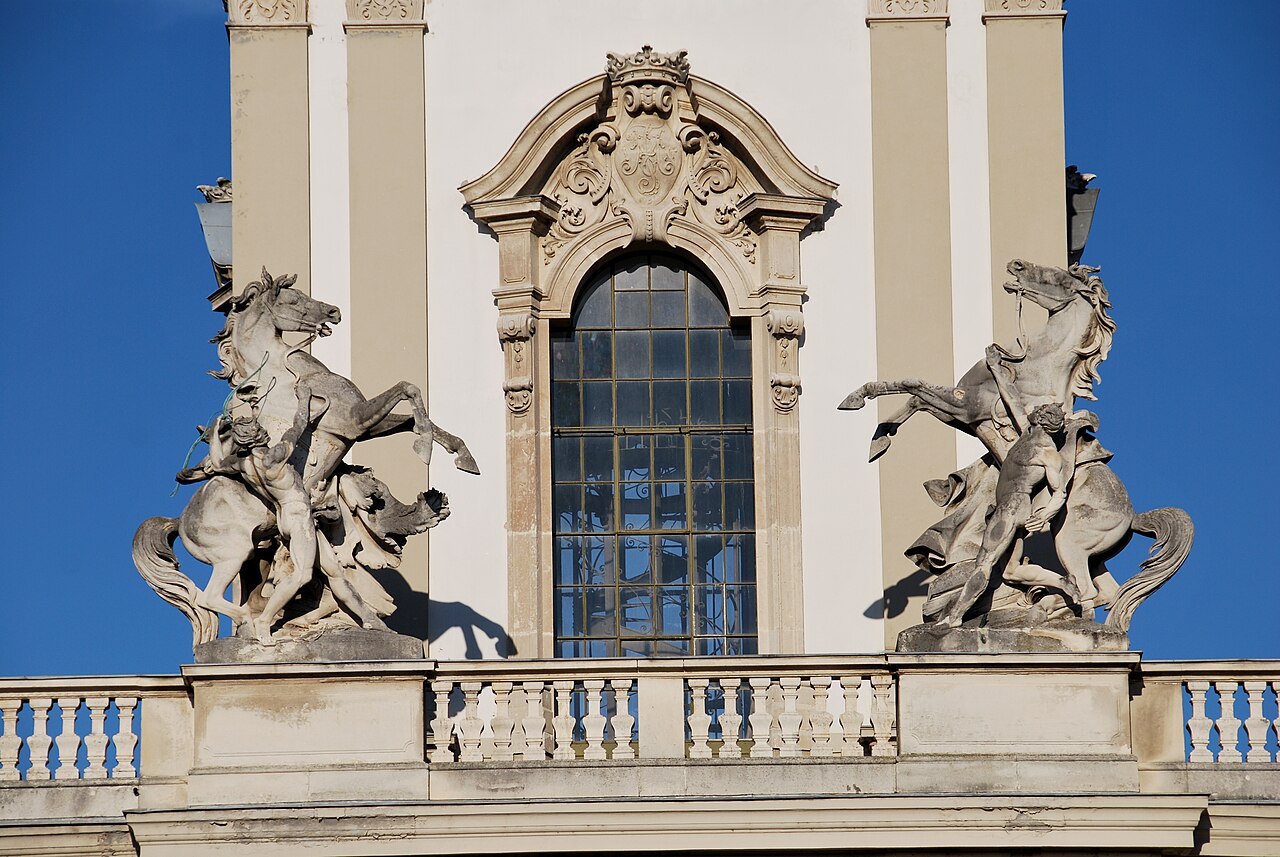
Architecturally, Festetics is a prime example of Hungarian baroque, later expanded and embellished, with its white facades, towers, and ornamental detailing. The palace grew over time from its original core into the grand complex that survives today, reflecting the changing tastes and growing ambitions of the family.
The design combines baroque grandeur with elegant proportions, creating a building that is imposing yet graceful. The towers and the long facades give the palace a distinctive silhouette, while the ornamentation displays the craftsmanship of the age, making Festetics one of the most admired baroque buildings in the country.
The expansion of the palace over the generations added to its scale and richness, incorporating new wings and features to meet the needs of the family and to house their growing collections. This organic growth gave the palace its considerable extent and its layered character, a record of the family’s history in stone.
For admirers of architecture, Festetics offers a fine example of the baroque style as developed in Hungary, distinct in its character yet part of the wider European tradition. Its scale, elegance, and state of preservation place it among the most important baroque palaces in the country.
The successive building phases can be traced in the fabric of the palace, where earlier baroque work meets later additions in a harmonious whole. This layering reflects the long occupation of the family and their continual investment in their seat, resulting in the extensive and varied complex that stands today.
The towers that punctuate the facade give the palace a distinctive, almost castle-like silhouette that sets it apart from more conventional baroque residences. This individuality is part of its charm, making it instantly recognizable among the great houses of Hungary.
A Count Devoted to Science and Learning
The most celebrated member of the family was a count who embodied the enlightened ideals of his age, a patron of science, education, and the arts whose initiatives transformed the palace into a center of learning. His vision and generosity left a lasting mark not only on Festetics but on the cultural life of Hungary.
Deeply committed to progress and improvement, this count devoted his wealth and energy to promoting knowledge, founding institutions, assembling collections, and supporting scholars and writers. His patronage reflected the ideals of the Enlightenment, which saw in the spread of knowledge the path to a better society.
His achievements included the founding of a pioneering educational institution and the creation of a magnificent library, both of which made Keszthely a notable center of learning. Through these initiatives he put his family’s wealth to the service of science and culture, leaving a legacy that endures to this day.
Understanding this remarkable figure is essential to appreciating the palace. Festetics is not merely a grand residence but a monument to enlightened patronage, and the count’s devotion to learning gives the palace a significance beyond its architectural beauty, as a place where knowledge and culture were actively fostered.
His initiatives extended to supporting literature and the arts, including gatherings of writers and scholars that made Keszthely a notable intellectual center. In an age when such patronage could shape the cultural life of a nation, his contributions were of real significance, and they are remembered with gratitude in Hungary.
His example inspired later members of the family and others among the Hungarian aristocracy to take seriously their role as patrons of culture and progress. The institutions and collections he established gave the family a reputation that far outlasted his lifetime, making the name of Festetics synonymous with enlightened generosity.
The First Agricultural College in Europe
Among the count’s greatest achievements was the founding of a pioneering agricultural college, considered the first institution of its kind in Europe. This remarkable initiative reflected the enlightened belief in the power of education and science to improve agriculture and society, and it made Keszthely a center of innovation.
The college aimed to apply scientific principles to farming, training students in the latest methods and advancing knowledge in agriculture and related fields. In an age when such institutions were almost unknown, its founding was a bold and forward-looking act, placing the Festetics estate at the forefront of educational progress.
The establishment of the college reflected the family’s commitment to improvement and their belief in the practical application of knowledge. It was part of a broader vision of using their wealth and position to promote progress, benefiting not only their own estates but the wider cause of agricultural and scientific advancement.
This pioneering institution remains one of the proudest achievements associated with the palace, a testament to the enlightened vision of its founder. It connects Festetics to the history of science and education, and it underscores the family’s role as patrons of progress as well as owners of a magnificent palace.
The influence of this pioneering college extended well beyond the estate, contributing to the development of agricultural education and science in Hungary and beyond. Its founding reflected a conviction that knowledge should serve the practical improvement of life, a principle that guided much of the family’s patronage.
The college also stood as a model for later institutions, demonstrating that scientific education could be organized and sustained in a way that benefited both the estate and the wider nation. Its legacy is honoured in the continuing association of Keszthely with agricultural education in Hungary.
The Magnificent Helikon Library
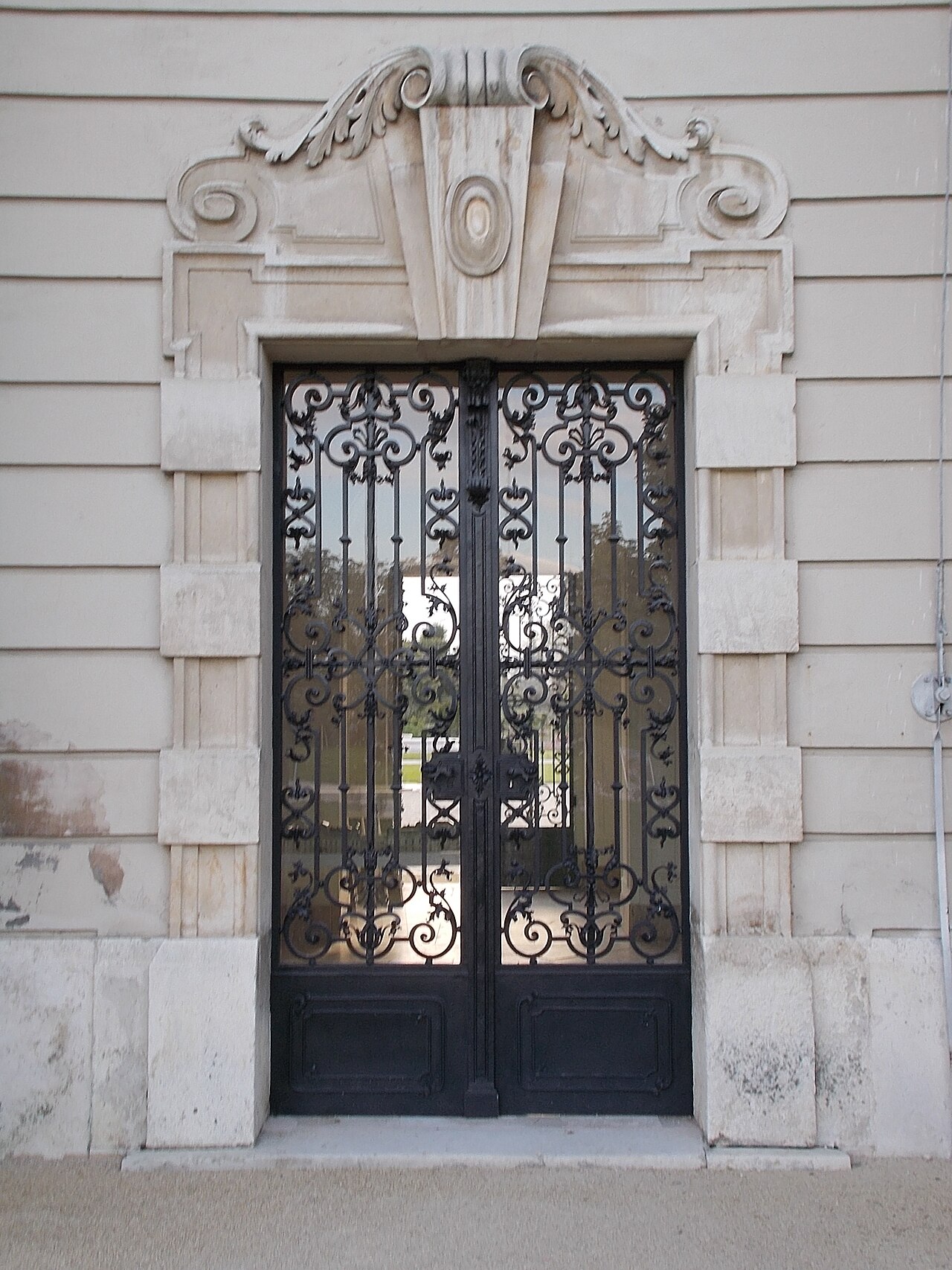
The crowning treasure of the palace is its magnificent library, one of the finest surviving historic aristocratic libraries in Hungary. Housed in a beautiful hall and containing tens of thousands of volumes, it is a monument to the family’s devotion to learning and a highlight of any visit to Festetics.
The library hall is itself a work of art, with fine woodwork, elegant shelving, and a harmonious design that creates a space of calm beauty befitting its precious contents. The sight of the great collection arrayed in its handsome setting is one of the most memorable in the palace, evoking the world of enlightened scholarship.
The collection encompasses works across many fields, reflecting the broad interests and intellectual ambitions of the family. Assembled with care over generations, it represents an extraordinary cultural treasure, a record of the learning and taste of an enlightened aristocratic house.
For visitors, the library is the heart of the palace, the feature that sets Festetics apart from other grand residences. Its survival and preservation make it a precious link to the intellectual world of the past, and standing within it, surrounded by the accumulated knowledge of generations, is an experience not soon forgotten.
The preservation of the library intact, with its original shelving and furnishings, is a rare and precious survival, for many such collections were dispersed or destroyed over the turbulent centuries. At Festetics the library endures as a living monument to the family’s devotion to learning, a treasure of national importance.
The craftsmanship of the library hall, from its carved wood to its harmonious proportions, makes it a work of art in its own right, quite apart from the priceless books it contains. Visitors often describe it as the most beautiful room in the palace, a place where architecture and learning come together in perfect harmony.
The name of the library, evoking the mountain sacred to the muses in classical mythology, reflects the cultivated, classically educated spirit of the family who created it. It is a fitting name for a hall devoted to learning and the arts, and it captures the ideals that animated the palace at its best.
Scholars and bibliophiles treasure the collection for the rare and valuable works it contains, while ordinary visitors are simply awed by the beauty of the hall and the sense of accumulated knowledge it embodies. Few experiences in any palace match the quiet grandeur of standing among its thousands of volumes.
The State Rooms and Interiors
Beyond the library, the palace contains a sequence of beautifully preserved state rooms and apartments, decorated in the styles of the various periods of the family’s occupation. From baroque grandeur to later refinements, the interiors reflect the evolving tastes of the household and the splendor appropriate to a great aristocratic residence.
The rooms are furnished and decorated to evoke the life of the family, with fine furniture, paintings, and decorative objects creating an atmosphere of cultivated elegance. The state rooms provided settings for the social and ceremonial life of the palace, while more intimate spaces reflected the domestic side of aristocratic living.
The good preservation of the interiors is a notable feature of Festetics, allowing visitors to experience the palace much as it was in its heyday. Unlike many palaces that suffered destruction and reconstruction, Festetics retains a wealth of authentic interiors, enhancing the sense of connection to the past.
Walking through the state rooms, you gain a vivid picture of the life of an enlightened aristocratic family, surrounded by beauty and learning. The interiors complement the famous library, together conveying the dual character of the palace as both a grand residence and a center of culture.
The furnishings and decorative schemes of the rooms reflect the refined taste of a family that valued culture as highly as display, creating interiors that are elegant rather than merely opulent. This restraint and refinement give the palace a distinctive character, in keeping with the enlightened values of its owners.
A Palace by the Great Lake
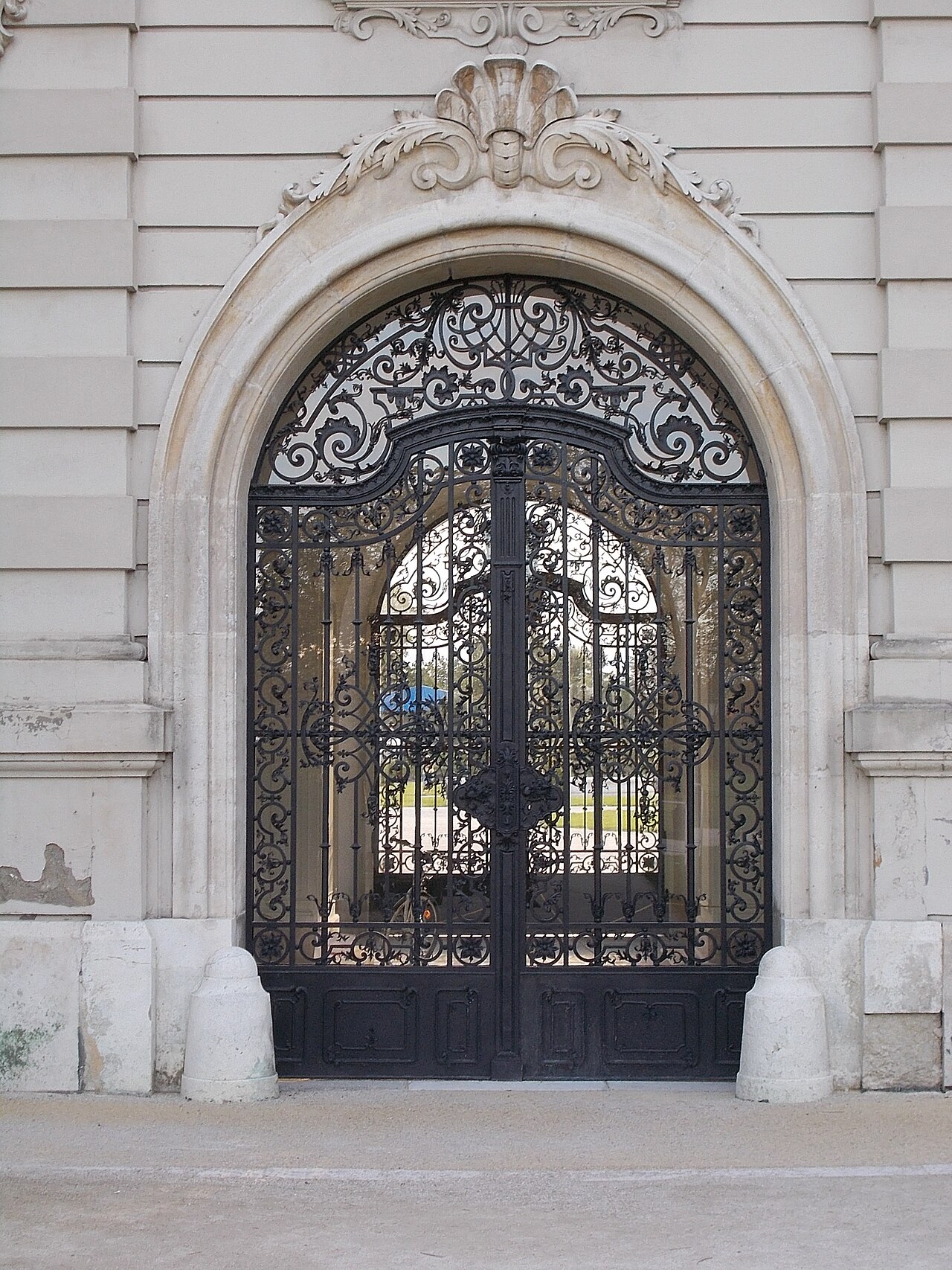
The setting of the palace near Lake Balaton, the largest lake in central Europe, is an essential part of its character and appeal. The great lake has long been a center of Hungarian life and leisure, and the palace’s position in this beautiful region added to its attractions as an aristocratic seat.
The proximity to the lake gave the estate access to the beauty and recreation of the Balaton region, a landscape of water, hills, and vineyards that has drawn visitors for centuries. The palace thus sat at the heart of one of Hungary’s most scenic areas, combining grandeur with natural beauty.
The relationship with the lake and the surrounding landscape shaped the life of the estate and continues to enhance the experience of visiting. Keszthely, as a gateway to the Balaton region, benefits from the appeal of the lake, and the palace is one of its chief cultural attractions.
For visitors, the lakeside setting adds to the pleasure of a visit, combining the cultural riches of the palace with the natural beauty of the Balaton region. The palace and the lake together make Keszthely a rewarding destination, blending history, culture, and scenery.
The lake has shaped the life and economy of the region for centuries, from fishing and farming to the leisure and tourism of more recent times. The palace, standing near its shore, has long been one of the cultural jewels of the Balaton, drawing visitors who come for both the scenery and the heritage.
From the palace and its grounds, the presence of the great lake nearby is always felt, lending the setting an airy spaciousness and a sense of openness. The combination of cultural grandeur and natural beauty is one of the defining pleasures of a visit to this corner of Hungary.
The Palace Gardens and Park
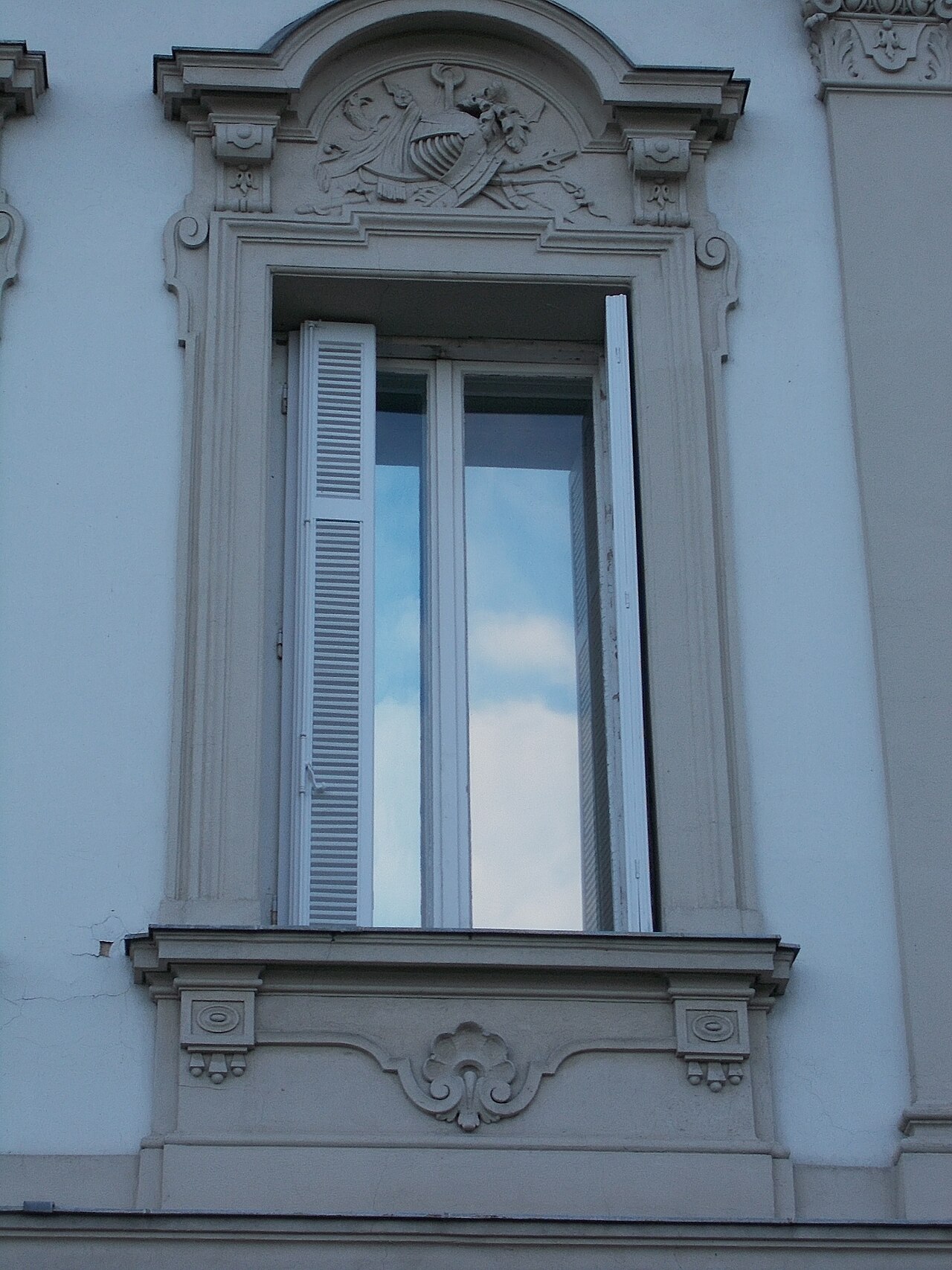
Surrounding the palace is a large park and gardens that form an integral part of the estate, offering a beautiful setting for the grand white building. Laid out in the landscape style, the grounds provide a mixture of formal elements and more naturalistic areas, in keeping with the tastes of the family and their age.
The park offered the family and their guests a place for walks, recreation, and the enjoyment of nature, complementing the cultural pleasures of the palace interiors. Its design reflected the ideals of landscape gardening that prevailed when it was created, creating a harmonious environment around the building.
The gardens also contributed to the self-sufficiency and beauty of the estate, with ornamental and productive areas serving both pleasure and practical purposes. Together with the palace, they formed a complete aristocratic world, combining grandeur, culture, and the enjoyment of the countryside.
Today the park remains a beautiful setting for the palace and a pleasant place to walk, enhancing the experience of a visit. It extends the elegance of the building into the landscape and provides a green and tranquil complement to the cultural treasures housed within the palace walls.
The scale and beauty of the grounds reflect the importance the family placed on the setting of their palace, treating the landscape as an extension of the building itself. The park remains one of the pleasures of a visit, offering tranquil walks and fine views of the gleaming white palace.
Collections and the Carriage Museum
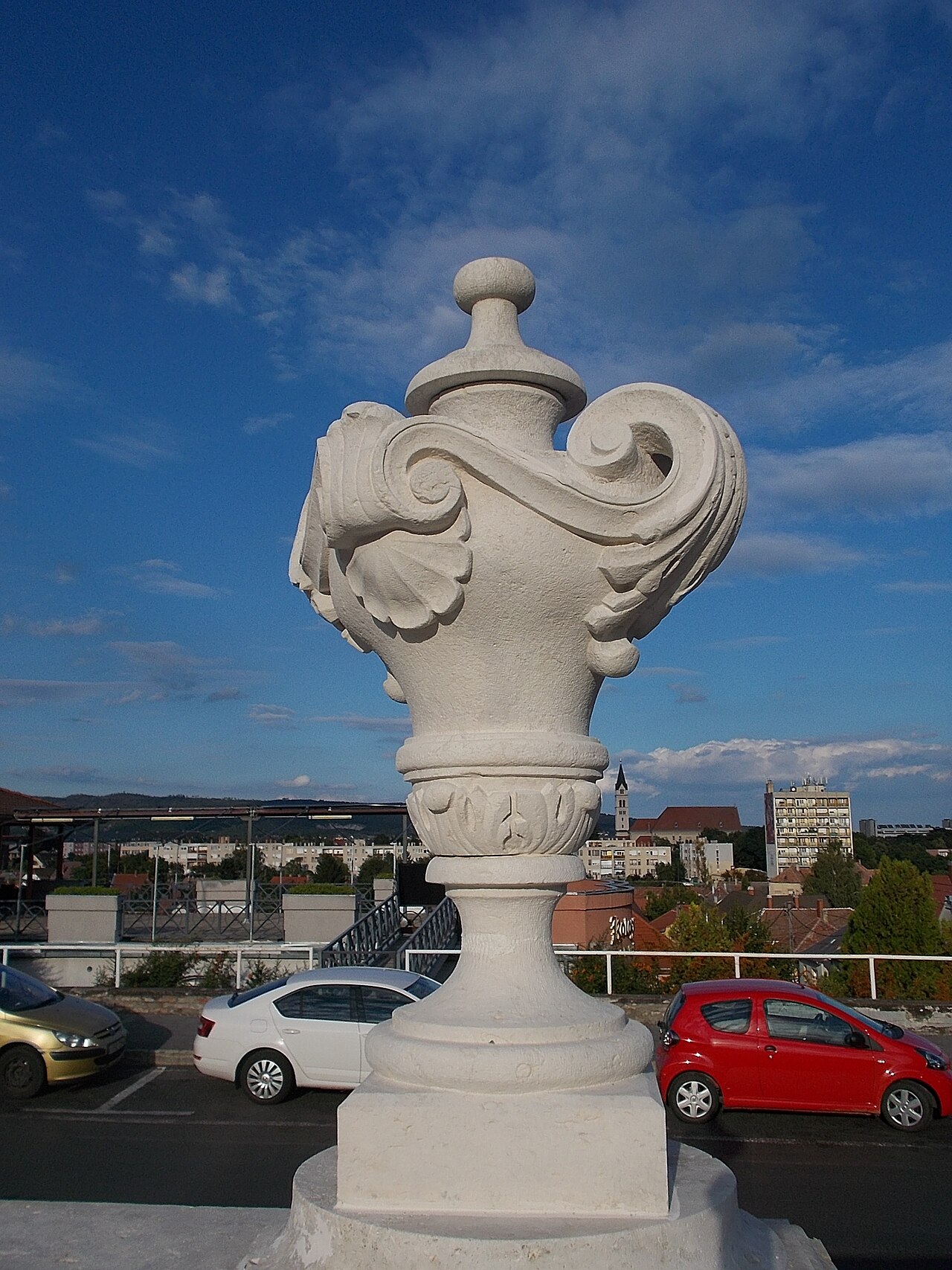
In addition to the library, the palace houses various collections that enrich a visit, reflecting the wide interests of the family and the role of the palace as a museum. Among these are collections of historic objects, arms, and other treasures displayed within the palace and its associated buildings.
One notable feature is a collection associated with carriages and the equipage of aristocratic life, offering a glimpse into the transport and travel of the age. Such collections illuminate the practical as well as the cultural side of life in a great estate, adding variety to the experience of visiting.
These collections complement the main attractions of the palace, broadening its appeal and deepening the picture of aristocratic life it presents. They reflect the comprehensive nature of the museum that the palace has become, preserving many aspects of the heritage of the family and their age.
For visitors, the collections add further interest to a visit, offering more to explore beyond the state rooms and the famous library. They help make Festetics a rich and varied destination, with something to engage a wide range of interests within its grand baroque setting.
The breadth of the collections reflects the museum’s ambition to present a full picture of aristocratic life and of the heritage of the family, from the intellectual world of the library to the practical realities of travel and daily life. Together they make Festetics a rich and multifaceted destination.
A Well-Preserved Palace Museum
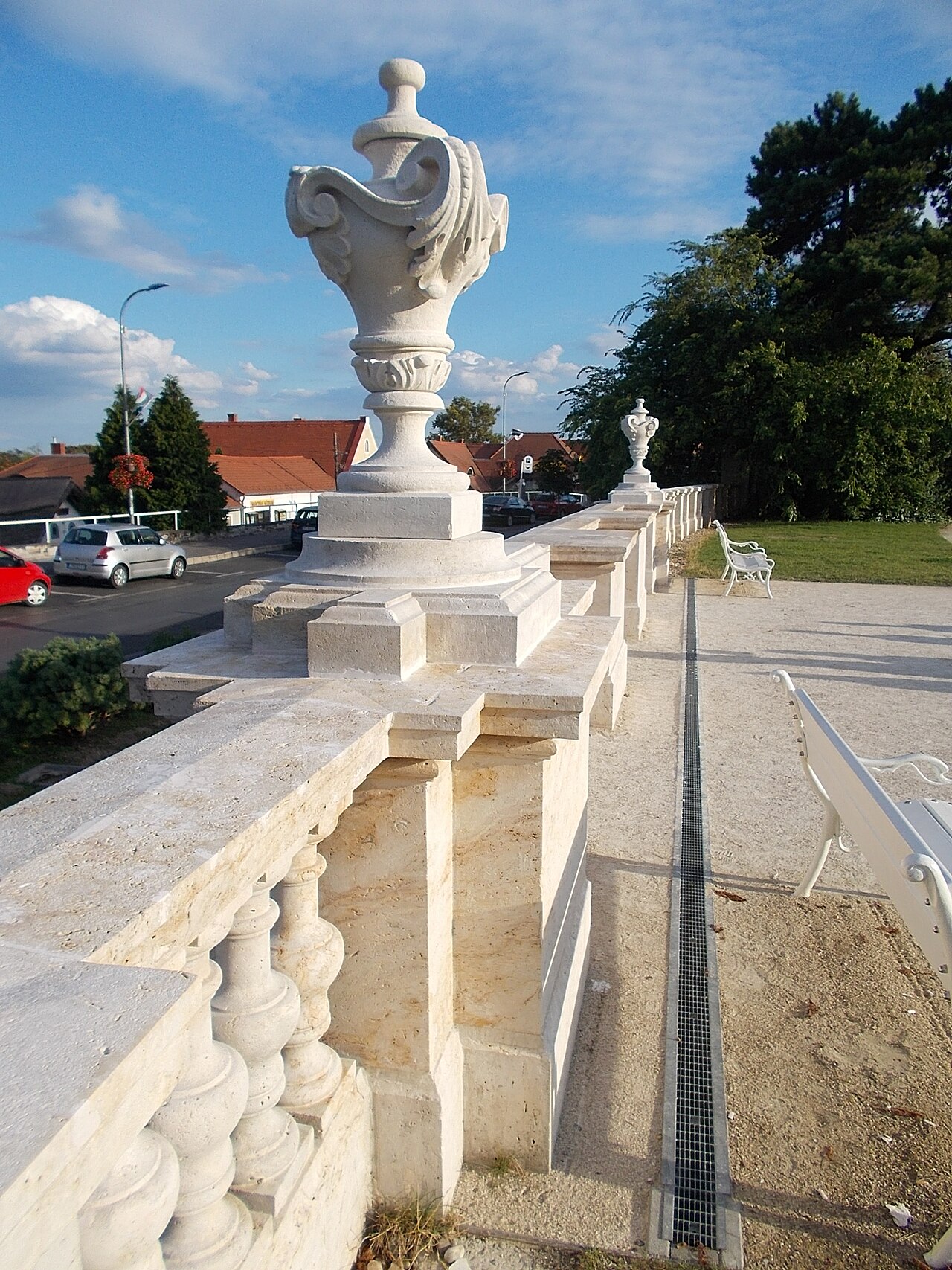
Festetics has the good fortune to be among the better-preserved of Hungary’s great palaces, having avoided the worst of the destruction that befell many others. This relatively fortunate history has allowed it to retain a wealth of authentic interiors and treasures, including its famous library, making it an exceptional survival.
Today the palace serves as a museum, open to visitors who come to admire its architecture, its interiors, and above all its magnificent library. Careful preservation and presentation ensure that the palace can be enjoyed as a window into the cultured world of the enlightened aristocracy that created it.
The palace also serves as a venue for cultural events, including concerts, continuing its tradition as a center of culture and learning. This living use keeps the palace connected to the cultural life of the present, honoring the enlightened ideals of the family that built it.
The combination of preservation, cultural treasures, and continuing cultural life makes Festetics one of the most rewarding palace visits in Hungary. Its survival allows visitors to experience an authentic aristocratic residence, and its famous library ensures that it holds a special place among the country’s cultural monuments.
Visitors today benefit from the relatively fortunate history of the palace, which allows them to experience authentic interiors and an intact library rather than reconstructions. This authenticity, increasingly rare among the great houses of central Europe, gives a visit to Festetics a special depth and value.
The decision to maintain the palace as a museum, rather than to put it to some less sympathetic use, has preserved its character and its treasures for the enjoyment and education of the public. In this the palace has been fortunate, and visitors today are the beneficiaries of that wise stewardship.
Festetics on Film

Because Festetics combines architectural beauty with cultural treasures, a video walkthrough is a fine way to appreciate it. On film you can take in the gleaming white facades, move through the state rooms, and glimpse the magnificent library that is the jewel of the palace, gaining a sense of the whole ensemble.
As you watch, pay particular attention to the famous library, whose beauty and scale are hard to convey in still images. Seeing the great hall of books brings home the family’s devotion to learning and the exceptional nature of this surviving treasure, the highlight of any visit to Festetics.
Video also conveys the setting of the palace near Lake Balaton and the scale of the complex and its grounds. Following a camera through the building and gardens, you gain a vivid sense of why Festetics is one of the cultural treasures of Hungary and a highlight of the Balaton region.
Visiting Festetics Today
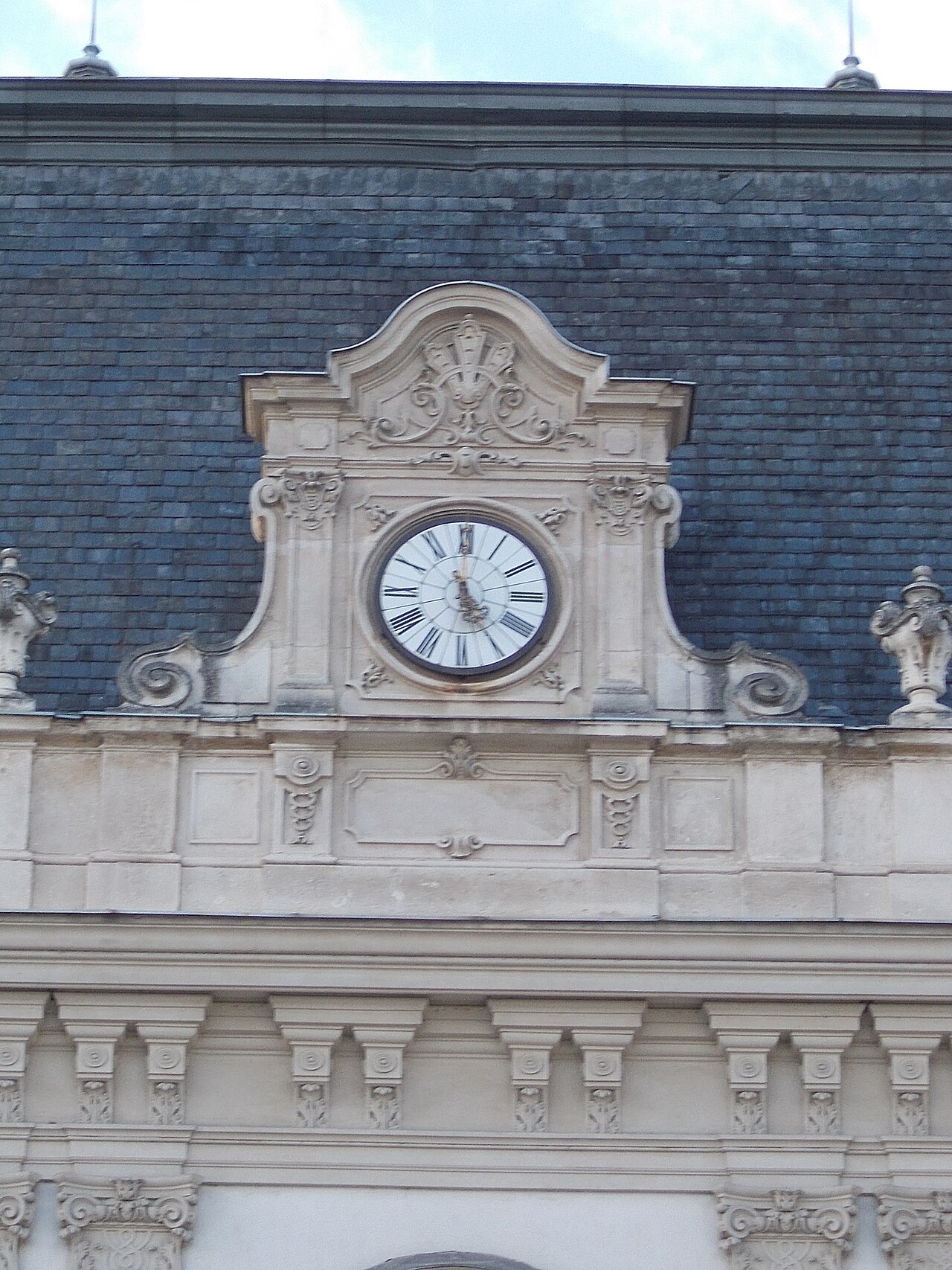
Today the Festetics Palace at Keszthely is open to visitors as a museum, offering the chance to explore its baroque architecture, its well-preserved interiors, and its famous library. Its combination of grandeur, preservation, and cultural treasures makes it one of the most rewarding palace visits in Hungary.
The palace lies in the town of Keszthely on the shore of Lake Balaton, a popular region easily reached and often visited as part of a tour of the lake. Its setting makes it an ideal cultural complement to the natural attractions of the Balaton region, combining history and scenery in a single destination.
Because the palace is a museum with various collections and sometimes hosts concerts and events, it is worth checking current opening arrangements and any special programs before visiting. Allowing time to enjoy the library, the state rooms, and the park lets you appreciate the full richness of the palace.
You will find the Festetics Palace in Keszthely by Lake Balaton in Hungary; see the map below to help plan your route: see the map below. Whether you come for the grand baroque architecture, the magnificent Helikon Library, or the legacy of enlightened learning that the palace embodies, Festetics offers one of the most rewarding and distinctive palace experiences in Hungary.
For travellers exploring the Balaton region, the palace offers a cultural highlight to complement the natural attractions of the lake, and its famous library alone justifies a visit. Few places combine scenery, history, and cultural treasure so rewardingly, making Festetics a memorable stop on any tour of western Hungary.
View the location on Google Maps
Palaces Nearby
If you are exploring the grand palaces of Hungary, these two pair naturally with a visit here:
You May Like
Konopiste the Bohemian Castle of a Doomed Archduke


One thought on “The Festetics Palace at Keszthely and Its Magnificent Helikon Library”