In the heart of Warsaw lies one of the most beautiful palace-and-park ensembles in Europe, the Royal Baths, where a graceful neoclassical palace sits on an island in a lake, reflected in the still water. This was the summer retreat of the last king of Poland, a cultured monarch who turned a modest bathing pavilion into an elegant residence and surrounded it with one of the loveliest parks in the city.
The Palace on the Isle, as it is known, is the jewel of the Royal Baths park, a refined neoclassical building that embodies the enlightened taste of its royal creator. Around it spreads a great landscape park filled with monuments, pavilions, and gardens, a green paradise in the center of the Polish capital that draws visitors and residents alike throughout the year.
This is the first of three articles on the grand palaces and castles of Poland, and the Palace on the Isle makes an elegant place to begin. By the end you will understand why this neoclassical palace, created by an enlightened king and set in its beautiful park, is one of the most beloved and romantic places in Warsaw, a monument to a cultured monarch and a vanished kingdom.
In This Article
- Arriving at the Palace on the Isle
- The Last King of Poland
- From Bathing Pavilion to Royal Palace
- A Palace That Floats on the Water
- The Elegant Neoclassical Interiors
- The Kings Picture Gallery
- The Famous Thursday Dinners
- The Pavilions and Palaces of the Park
- One of Warsaws Great Parks
- The Chopin Monument and Summer Concerts
- War Damage and Restoration
- The Palace on the Isle on Film
- Visiting the Palace on the Isle Today
Arriving at the Palace on the Isle
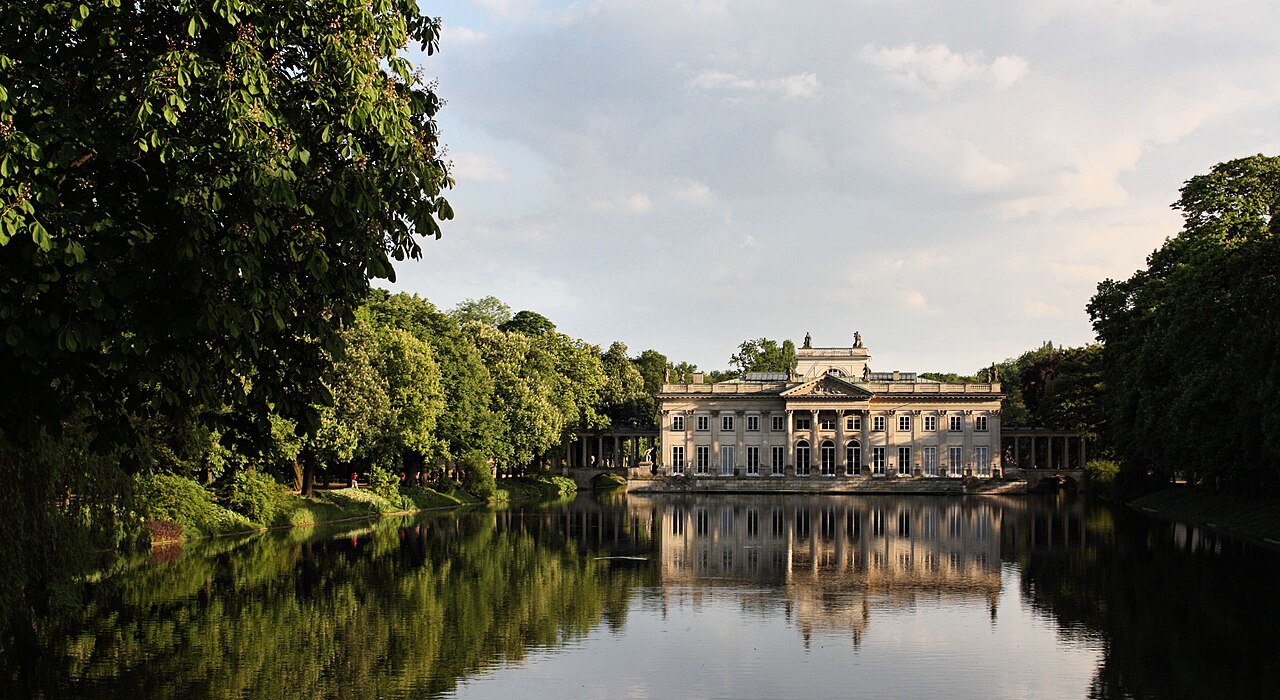
The first sight of the Palace on the Isle is unforgettable, an elegant neoclassical building rising from an island in a lake, its columned facade mirrored in the water. The setting is pure romance, the palace seeming to float on its reflection, framed by the greenery of the surrounding park.
Unlike grand palaces that overwhelm with scale, the Palace on the Isle charms with refinement and harmony. It is a building of human proportions, elegant rather than imposing, designed as a place of pleasure and retreat rather than a seat of state. Its beauty lies in its graceful design and its magical setting on the water.
The approach across bridges to the island heightens the sense of arriving at a special place, a refined retreat set apart from the city. The relationship between the palace and the water is central to its appeal, and the whole composition was carefully designed to create an environment of beauty and calm.
As you arrive, take in the elegant facade and its reflection in the lake, the essence of this palace’s charm. Understanding the Palace on the Isle as the refined summer retreat of an enlightened king, set in a beautiful park, prepares you for the cultured world it represents and the treasures within.
There is a reason the Palace on the Isle appears on so many images of Warsaw and draws so many visitors. Few palaces anywhere combine architecture and setting so perfectly, and the sight of the elegant building mirrored in its lake is one that lingers long in the memory, a scene of serene beauty in the heart of a great city.
The Last King of Poland
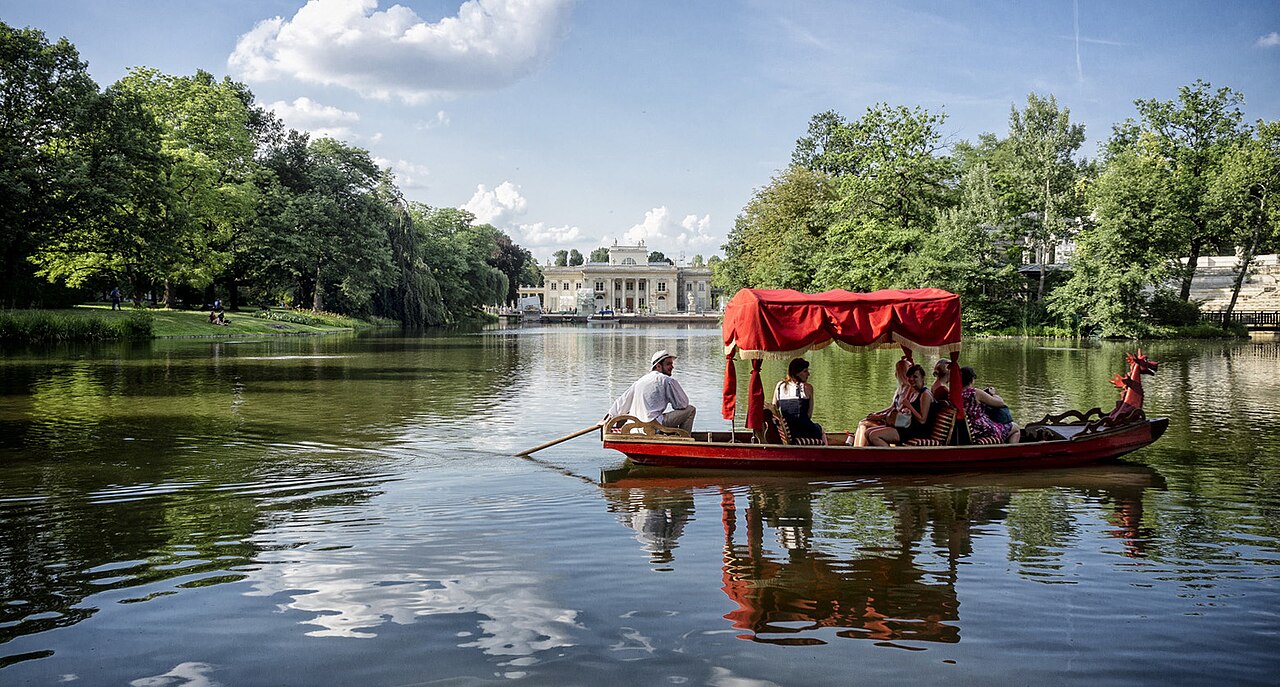
The palace is forever associated with the last king of Poland, a cultured and enlightened monarch who was one of the great patrons of the arts in the history of the country. A man of refined taste and broad learning, he devoted much of his reign to the promotion of culture, education, and the arts, and the Palace on the Isle was among his most beloved creations.
The king transformed the modest building he inherited into an elegant neoclassical palace, filling it with art and creating around it a magnificent park. The palace reflected his personality and his ideals, a place of beauty, refinement, and intellectual life rather than mere display of power.
His reign unfolded during a difficult and ultimately tragic period in the history of Poland, which would end with the loss of the country’s independence. Against this of political decline, the king’s patronage of the arts stands as a poignant achievement, creating lasting beauty even as the kingdom itself was being lost.
Understanding the king is essential to appreciating the palace. The Palace on the Isle is the expression of his enlightened taste and his love of the arts, a monument to a cultured monarch who sought to enrich his country through beauty and learning. It remains his most beautiful legacy, a reflection of his refined and tragic reign.
A controversial figure in the history of Poland, the king is remembered both for the tragedy of his reign, which ended in the loss of the kingdom, and for his extraordinary contributions to its culture. Whatever the judgments of history on his politics, his legacy as a patron of the arts is beyond dispute, and the Palace on the Isle is its most beautiful expression.
His reign saw a flowering of Polish culture, education, and the arts, often called a golden age of the mind even as the state declined politically. The Palace on the Isle stands as the most beautiful monument to this cultural achievement, embodying the enlightened ideals that the king championed throughout his life.
From Bathing Pavilion to Royal Palace

The building has an unusual origin, beginning not as a palace but as a bathing pavilion built for an earlier aristocratic owner. This modest structure, designed for the pleasures of bathing, gave the park its name, the Royal Baths, which it still bears despite the grand transformation that followed.
When the last king of Poland acquired the property, he set about transforming the modest pavilion into an elegant neoclassical palace. Skilled architects reshaped and expanded the building, turning the baths into a refined summer residence while preserving something of its intimate, pleasure-focused character.
This transformation reflects the king’s taste and vision, converting a simple structure into a jewel of neoclassical architecture. The process of adaptation gave the palace its particular charm, an elegant residence that retained the graceful, intimate scale of its origins rather than the grandeur of a purpose-built palace of state.
The history of the building, from baths to palace, is part of its appeal, a reminder of the layers of history that shaped it. The name of the park preserves this origin, and understanding it enriches a visit, revealing how an enlightened king created a masterpiece from the humble foundation of a bathing pavilion.
The retention of the name, the Royal Baths, long after the baths themselves had been transformed, is a charming reminder of the layered history of the site. Visitors are often surprised to learn that this elegant palace began as a place for bathing, a humble origin that makes its transformation all the more remarkable.
A Palace That Floats on the Water

The defining feature of the palace is its setting on an island in a lake, which gives it its romantic character and its popular name, the Palace on the Water. The building appears to rise directly from the lake, its elegant facade doubled in the still reflection, creating one of the most beautiful sights in Warsaw.
This watery setting was carefully designed as part of the palace’s charm, integrating architecture and landscape into a single composition. The lake not only provides a beautiful reflection but also sets the palace apart, creating a sense of seclusion and enchantment appropriate to a royal retreat.
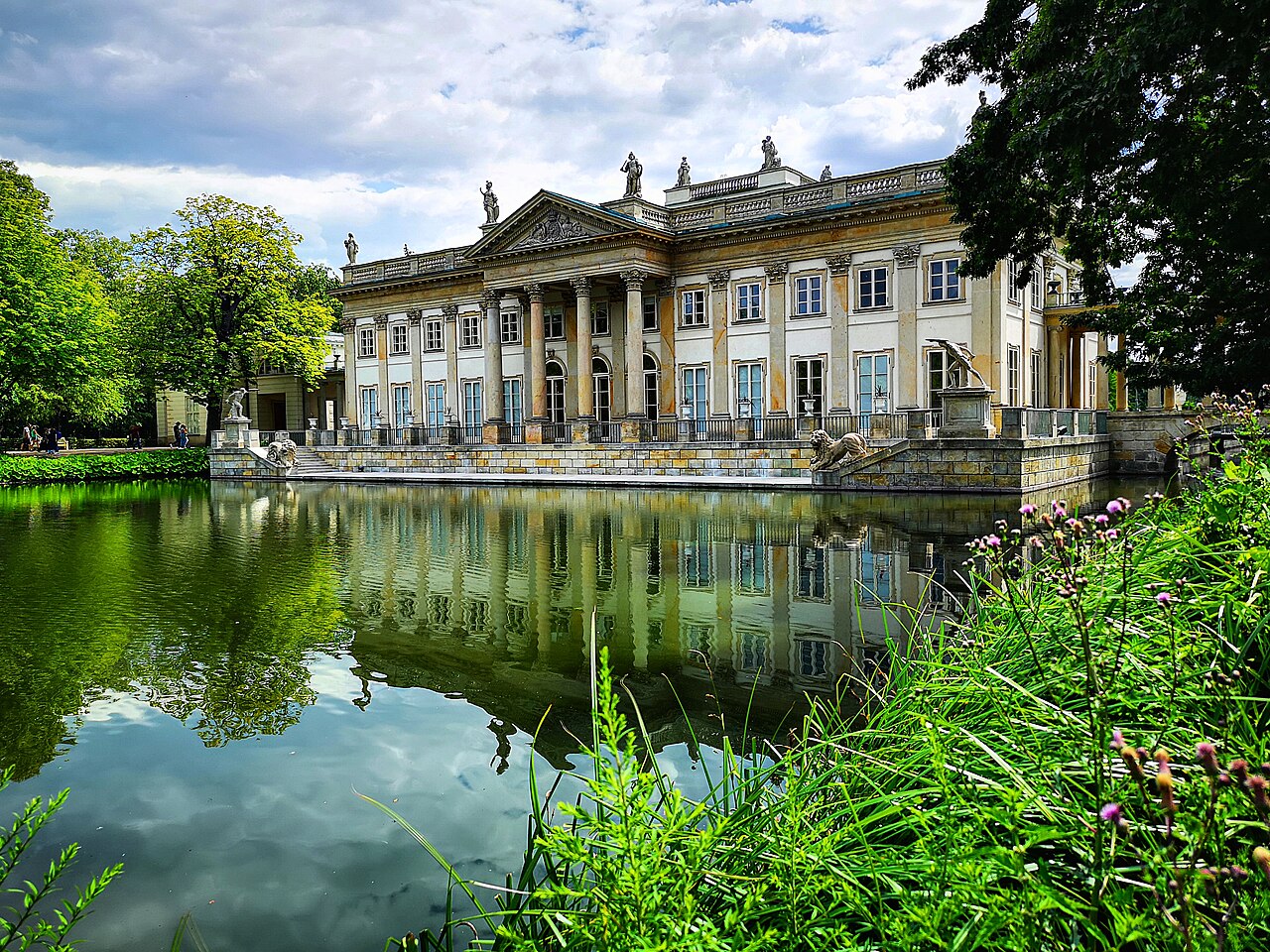
The neoclassical architecture, with its columns, pediments, and harmonious proportions, is perfectly suited to the setting, its classical elegance enhanced by the mirror of the water. The design reflects the enlightened taste of the age, which admired the clarity and harmony of classical forms.
For visitors, the image of the palace on its island is the enduring memory of a visit, a scene of pure romance and beauty. The relationship between the building and the water captures the essence of the Palace on the Isle, a refined retreat created to delight the eye and soothe the spirit.
The idea of a palace rising from an island in a lake drew on a long European tradition of water gardens and pleasure retreats, but few examples are as perfectly realized as this. The still water acts as a mirror, doubling the beauty of the architecture and creating an effect of harmony and calm that is the essence of the place.
The bridges that connect the island to the shores are part of the design, framing the approach and heightening the sense of crossing into a special, secluded world. This careful choreography of arrival is one of the subtle pleasures of the palace, drawing visitors gradually into its enchanted setting.
The Elegant Neoclassical Interiors
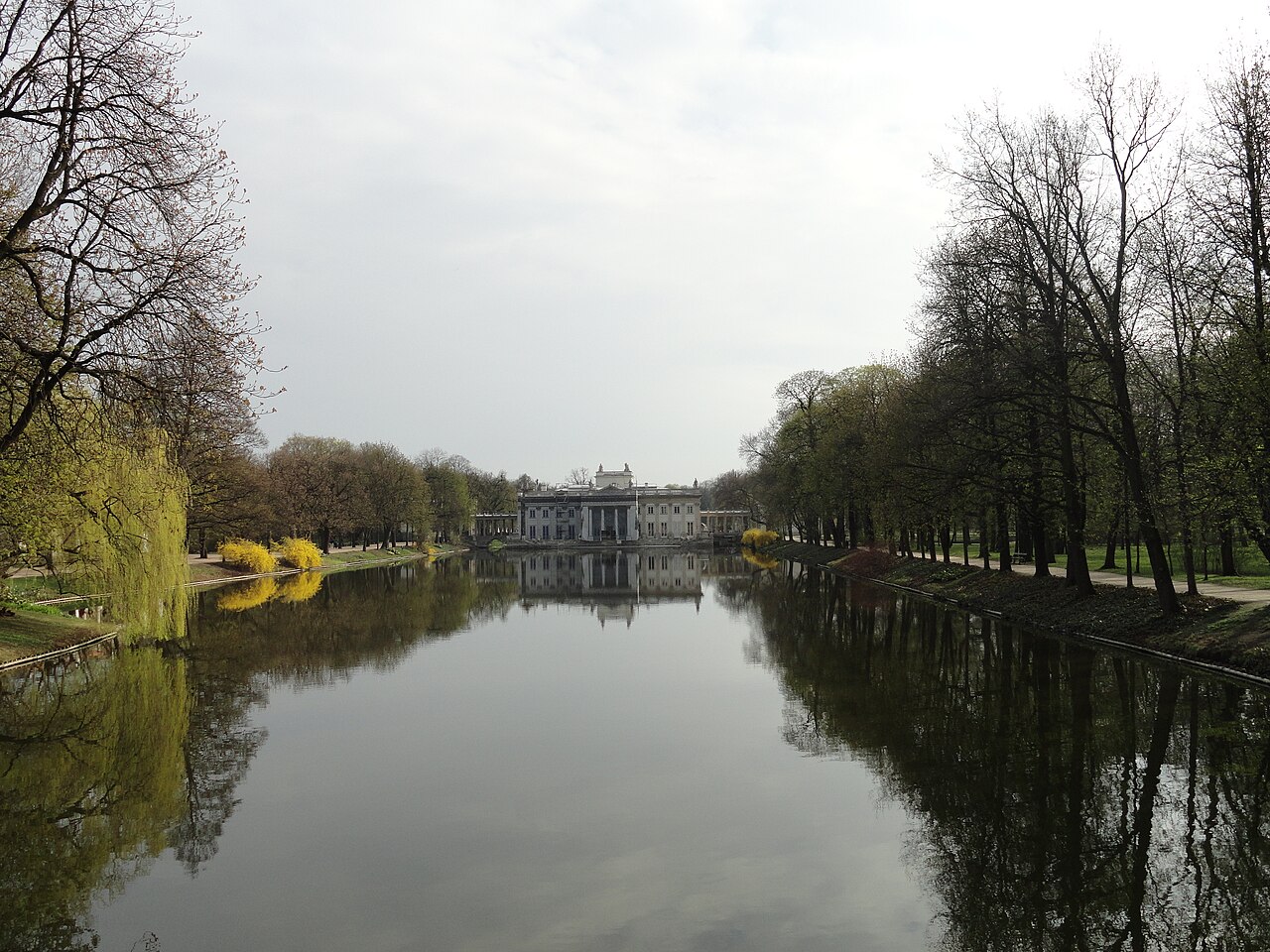
Inside, the palace presents a sequence of refined neoclassical interiors, decorated with the elegance and restraint characteristic of the style. From the ballroom to the more intimate rooms, the interiors display fine proportions, delicate ornament, and tasteful decoration, reflecting the cultivated taste of the king who created them.
The decoration draws on classical themes and motifs, in keeping with the enlightened admiration for antiquity. Columns, sculpture, and classical ornament appear throughout, creating interiors of harmony and refinement rather than overwhelming splendor, a reflection of the king’s cultured and restrained taste.
The rooms were designed as settings for the cultured life of the court, including the gatherings of artists, scholars, and intellectuals that the king loved to host. The interiors provided an elegant backdrop for conversation, art, and the intellectual pursuits that were central to the king’s vision.
Walking through the interiors, you gain a sense of the refined and enlightened world of the last king of Poland. The elegant rooms, restored after the damage of war, convey the taste and ideals of a cultured monarch, and they complement the beauty of the palace’s setting on the water.
Among the most admired rooms are the ballroom and the rotunda, spaces of particular elegance that showcase the neoclassical ideal of beauty through proportion and restraint. These rooms provided settings for the cultured life of the court, and their restoration allows visitors to experience the refined world of the enlightened king.
The restraint of the decoration reflects a sophisticated understanding of classical principles, in which beauty arises from harmony and proportion rather than from an abundance of ornament. This refined aesthetic gives the interiors a timeless elegance that continues to impress visitors today.
The Kings Picture Gallery
The last king of Poland was a passionate collector of art, and the palace housed part of his fine collection of paintings. A man of discerning taste, he gathered works by distinguished European masters, creating a gallery that reflected his cultivation and his role as a great patron of the arts.
The collection was an expression of the king’s enlightened ideals, which valued art and learning as marks of civilization. He sought to enrich his country through the arts, and his collection was part of a broader program of cultural patronage that made his court a center of artistic life.
The display of art within the elegant interiors added to the refinement of the palace, turning it into a place of beauty and culture as well as a royal retreat. The paintings complemented the classical decoration, creating an environment that reflected the king’s taste and his vision of an enlightened court.
Although the fortunes of the collection changed with the turbulent history of Poland, the association of the palace with the king’s patronage of art remains central to its character. The Palace on the Isle was a place where beauty and learning were cultivated, a reflection of its creator’s enlightened ideals.
The king’s vision for his collection was ambitious, reflecting his desire to bring the finest European art to his court and to educate and inspire through beauty. His patronage extended to supporting artists directly, and his court became a magnet for talent during his reign.
The Famous Thursday Dinners
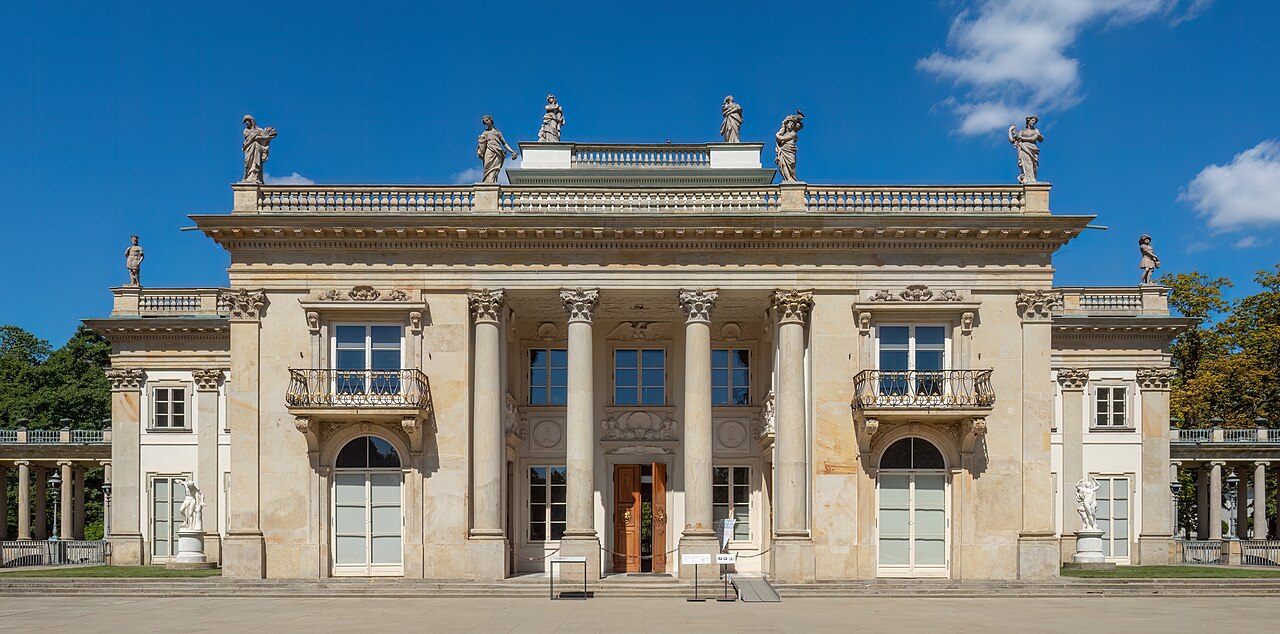
One of the most celebrated aspects of the king’s cultural life was his famous series of gatherings, intellectual dinners that brought together leading writers, scholars, and thinkers of the age. These gatherings, held regularly, made the king’s court a center of enlightened discussion and cultural exchange.
At these dinners, the king presided over conversations on literature, science, philosophy, and the arts, fostering the intellectual life of the country. The gatherings reflected the ideals of the Enlightenment, which valued reason, learning, and the free exchange of ideas, and they made the king a patron of thought as well as of art.
These famous dinners were an important part of the cultural life of the age in Poland, nurturing writers and thinkers and promoting the spread of enlightened ideas. They exemplified the king’s vision of a cultured and enlightened court, where the life of the mind was cherished and encouraged.
The memory of these gatherings adds an intellectual dimension to the palace and its creator, a reminder that the king was a patron of ideas as well as of beauty. The Palace on the Isle and its related buildings were settings for this cultured life, making the Royal Baths a center of the Polish Enlightenment.
The gatherings attracted the leading minds of the age, and the conversations held at the king’s table helped shape the intellectual life of the country during a crucial period. In nurturing writers, scholars, and reformers, the king sought to strengthen his nation through the power of ideas, even as its political fortunes declined.
The Pavilions and Palaces of the Park

The Palace on the Isle is the centerpiece of the Royal Baths, but the park contains many other notable buildings that enrich a visit. Among them are smaller palaces, pavilions, an orangery with a historic theatre, and an open-air amphitheatre, each contributing to the cultural richness of the ensemble.
These buildings reflect the comprehensive vision behind the park, which was conceived as a complete environment for culture, pleasure, and retreat. The smaller palaces provided additional accommodation and settings for court life, while the theatres and amphitheatre hosted performances that were central to the cultural life of the king.
The historic theatre in the orangery and the open-air amphitheatre are particularly notable, rare survivals that evoke the performances once staged for the court. Together with the Palace on the Isle, they made the Royal Baths a center of the arts, offering music, drama, and spectacle in beautiful surroundings.
Exploring these buildings adds greatly to a visit, revealing the Royal Baths as a rich and varied ensemble rather than a single palace. They reflect the enlightened ambitions of the king, who created not just a residence but a whole world of culture and beauty in the heart of his capital.
Each of these buildings has its own history and character, from the elegant smaller palace used by members of the court to the orangery that sheltered exotic plants and housed performances. Together they transform a visit to the Royal Baths into a journey through a whole world of enlightened culture and pleasure.
The open-air amphitheatre, with its stage set on a small island and seating arranged along the shore, is an especially charming survival, evoking the outdoor performances once enjoyed by the court. Such venues reflect the king’s love of theatre and spectacle, and they continue to host events that keep the cultural tradition of the park alive.
One of Warsaws Great Parks

The Royal Baths park is one of the largest and most beautiful parks in Warsaw, a vast green space that surrounds the palace and its related buildings. Laid out in the landscape style, it combines formal gardens with naturalistic areas, offering a varied and beautiful environment in the heart of the city.
The park is beloved by the people of Warsaw and by visitors, who come to stroll its paths, enjoy its gardens, and appreciate its monuments and pavilions. With its lakes, trees, and open spaces, it provides a green retreat from the bustle of the city, a place of calm and beauty for all to enjoy.
The design of the park reflects the enlightened taste of its royal creator, who conceived it as an integral part of his vision for the Royal Baths. The relationship between the park and the buildings is central to the ensemble, creating a harmonious environment where architecture and nature complement each other.
For visitors, the park is a pleasure in itself, a beautiful setting for the palace and a lovely place to spend time. Whatever the season, it offers its own rewards, from the fresh greenery of summer to the colors of autumn, and it remains one of the great attractions of Warsaw.
Generations of Warsaw residents have treasured the park as a place of recreation and beauty, and it remains one of the most popular green spaces in the city. Its careful maintenance ensures that it continues to delight visitors, offering a peaceful counterpoint to the energy of the surrounding capital.
The park also serves as an open-air gallery of sculpture and architecture, with monuments, pavilions, and ornamental features scattered throughout, rewarding those who explore its paths. Each discovery adds to the richness of a visit, making the park a place of continual interest as well as beauty.
The Chopin Monument and Summer Concerts

Among the most famous features of the Royal Baths park is the monument to the great Polish composer Chopin, one of the most beloved landmarks in Warsaw. The striking statue, set amid roses and greenery, honors the composer whose music is so closely identified with the soul of Poland.
The monument has become a focus of cultural life in the park, especially for the free summer concerts of Chopin’s music held beside it, which draw crowds of listeners to enjoy the music in beautiful surroundings. These concerts have become a cherished tradition, linking the park to the musical heritage of the nation.
The association with Chopin adds a powerful cultural dimension to the park, connecting it to one of the greatest figures in the history of music and to the national identity of Poland. The monument and the concerts make the Royal Baths a place of musical as well as architectural beauty.
For visitors, the Chopin monument and the summer concerts are highlights of a visit, especially for lovers of music. They embody the continuing cultural life of the park, which remains, as its royal creator intended, a place where art, music, and beauty are cherished and shared.
The image of the composer beneath a windswept willow has become one of the most recognizable symbols of Warsaw, reproduced countless times and beloved around the world. The monument and its setting capture the romantic spirit that links Chopin’s music to the landscape and identity of Poland.
War Damage and Restoration

Like so much of Warsaw, the Palace on the Isle suffered grievously during the Second World War, when the occupying forces damaged the building as part of the wider devastation of the city. The palace, a symbol of Polish culture and history, was deliberately harmed, and much was lost.
After the war, as Warsaw rebuilt from near-total destruction, the palace was restored, its interiors recreated and its fabric repaired. This restoration was part of the heroic effort to reclaim the heritage of the city, which had been one of the most devastated capitals in Europe.
The restoration of the Palace on the Isle returned it to its former elegance, allowing it to be enjoyed once more as a monument to the last king of Poland and the enlightened culture he fostered. The recovery of the palace was a victory for the determination to preserve and restore the nation’s heritage.
Knowing this history deepens appreciation of the palace. The elegant building visitors see today is the product of careful restoration after the trauma of war, a testament to the resilience of Warsaw and to the enduring value of the beauty and culture the palace represents.
The deliberate targeting of the palace during the war reflected its symbolic importance as a monument of Polish culture and identity. Its restoration was therefore not merely an architectural project but an act of national recovery, reclaiming a cherished symbol from the devastation that had engulfed the capital.
The success of the restoration, achieved against great odds in the difficult postwar years, is a source of pride, and it allows visitors today to experience the palace much as the king knew it. It stands as a quiet triumph of cultural resilience over the destruction of war.
The Palace on the Isle on Film
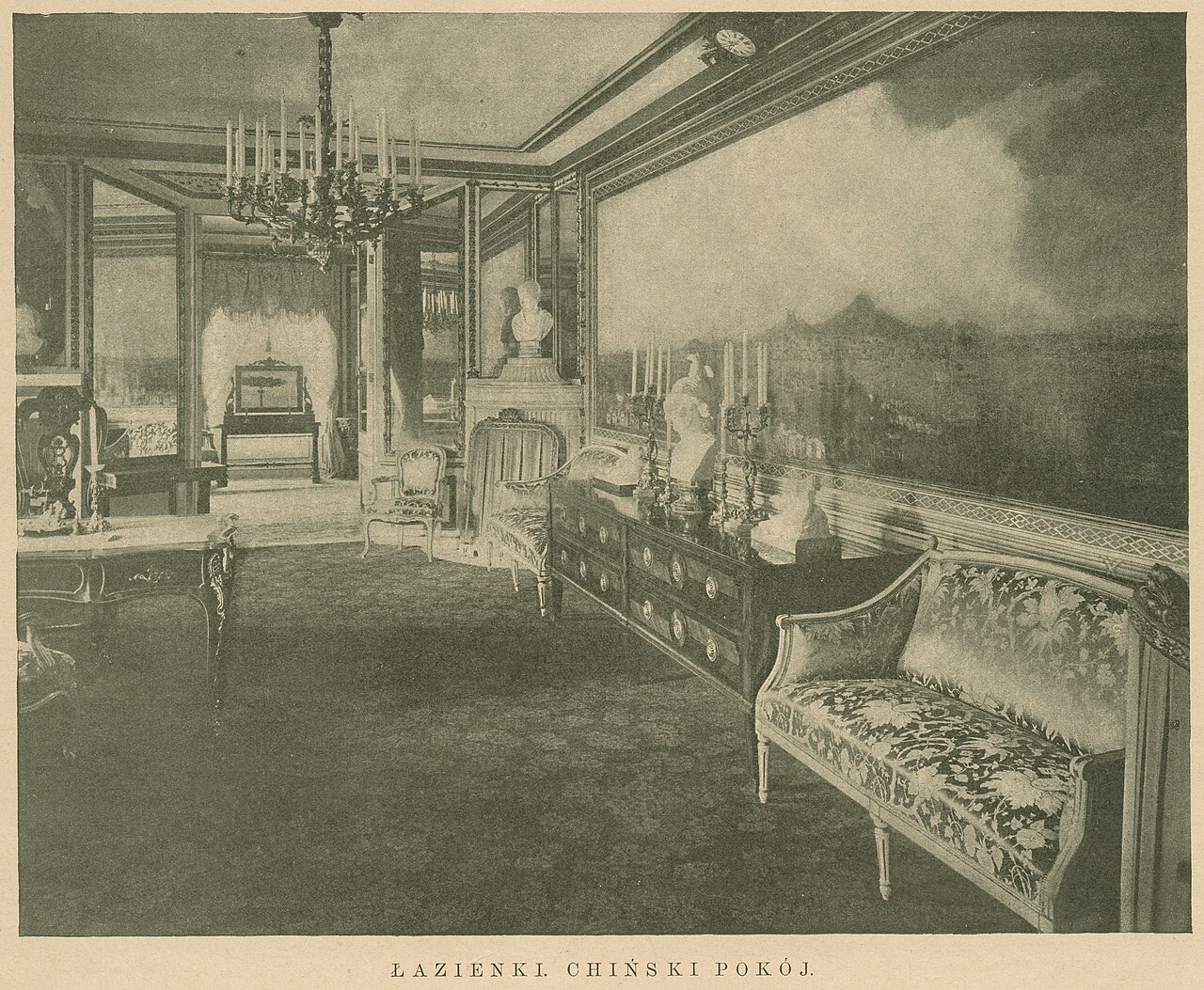
Because the Palace on the Isle is defined by its beautiful setting, a video walkthrough is a fine way to appreciate it. On film you can take in the elegant facade and its reflection in the lake, move through the restored neoclassical interiors, and see the park and its monuments that surround the palace.
As you watch, notice the romance of the setting, the palace seeming to float on the water, and the refinement of the architecture and interiors. Seeing the ensemble in motion conveys the harmony of palace, water, and park that is the essence of the Royal Baths.
Video also captures the cultural life of the park, from the Chopin monument to the beauty of the gardens. Following a camera through the palace and grounds, you gain a vivid sense of why the Palace on the Isle is one of the most beloved and romantic places in Warsaw.
Visiting the Palace on the Isle Today
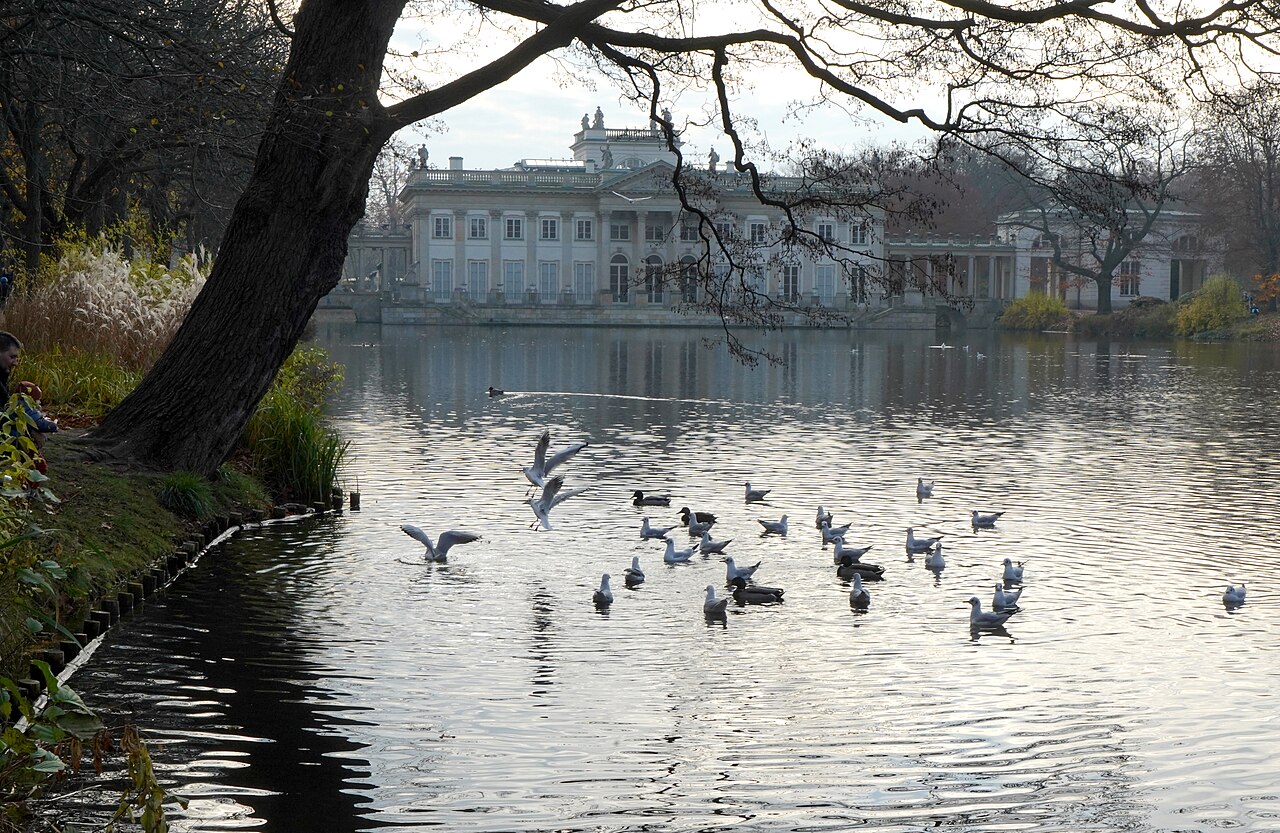
Today the Palace on the Isle and the Royal Baths park are open to visitors, offering the chance to explore the elegant palace, its restored interiors, and the beautiful park with its monuments and pavilions. As one of the great cultural attractions of Warsaw, it is a highlight of any visit to the Polish capital.
The park lies in central Warsaw and is easily reached, making it a convenient and rewarding destination. The park itself is a beloved public space, free to wander, while the palace and some other buildings may be visited as museums, so it is worth checking current arrangements before you go.
Allow time to enjoy both the palace and the park, which together form a harmonious ensemble of architecture and nature. Whether you come for the elegant interiors, the romance of the palace on the water, or the beauty of the park and its Chopin concerts, there is much to savor at a relaxed pace.
You will find the Royal Baths park in central Warsaw; see the map below to help plan your route: see the map below. Whether you come for the romance of the Palace on the Water, the enlightened legacy of the last king of Poland, or the beauty of one of Warsaw’s great parks, the Palace on the Isle offers one of the most delightful and romantic palace experiences in central Europe.
For visitors to Warsaw, the Royal Baths offer a perfect combination of culture, history, and natural beauty, all within easy reach of the city center. Whether for a quiet walk, a Chopin concert, or a tour of the elegant palace, it is a destination that rewards return visits in every season.
View the location on Google Maps
Palaces Nearby
If you are exploring the grand palaces of Poland, these two pair naturally with a visit here:
You May Like
Konopiste the Bohemian Castle of a Doomed Archduke


One thought on “The Palace on the Isle in Warsaw, the Elegant Retreat of Poland’s Last King”