In the southeast of Poland stands one of the most magnificent aristocratic residences in the country, Lancut Castle, a palace-fortress of extraordinary richness surrounded by bastions and parkland. Once the seat of two of Poland’s greatest noble families, it is renowned for its sumptuous interiors, its historic theatre, and above all for its remarkable collection of carriages, one of the finest in Europe.
Lancut is a residence that combines the grandeur of a palace with the romance of a fortress, its elegant rooms protected by earthen bastions that recall an age when even the greatest nobles had to defend their homes. Over the centuries its owners transformed it into a treasure house of art and luxury, filling it with beautiful things and surrounding it with gardens.
This is the second of three articles on the grand palaces and castles of Poland, following the Palace on the Isle in Warsaw. Where that palace charms with its watery elegance, Lancut impresses with its scale, its riches, and its fortress character. By the end you will understand why this palace-fortress, with its lavish interiors and famous carriages, is one of the great aristocratic residences of central Europe.
In This Article
- Arriving at the Palace-Fortress
- Two Great Noble Families
- A Fortress Wrapped Around a Palace
- The Sumptuous State Rooms
- The Historic Court Theatre
- Art and the Sculpture Gallery
- The Famous Carriage Collection
- The Orangery, Stables, and Outbuildings
- The Castle Park
- A Fortunate Survival, Now a Museum
- A Castle of Music
- Lancut on Film
- Visiting Lancut Today
Arriving at the Palace-Fortress

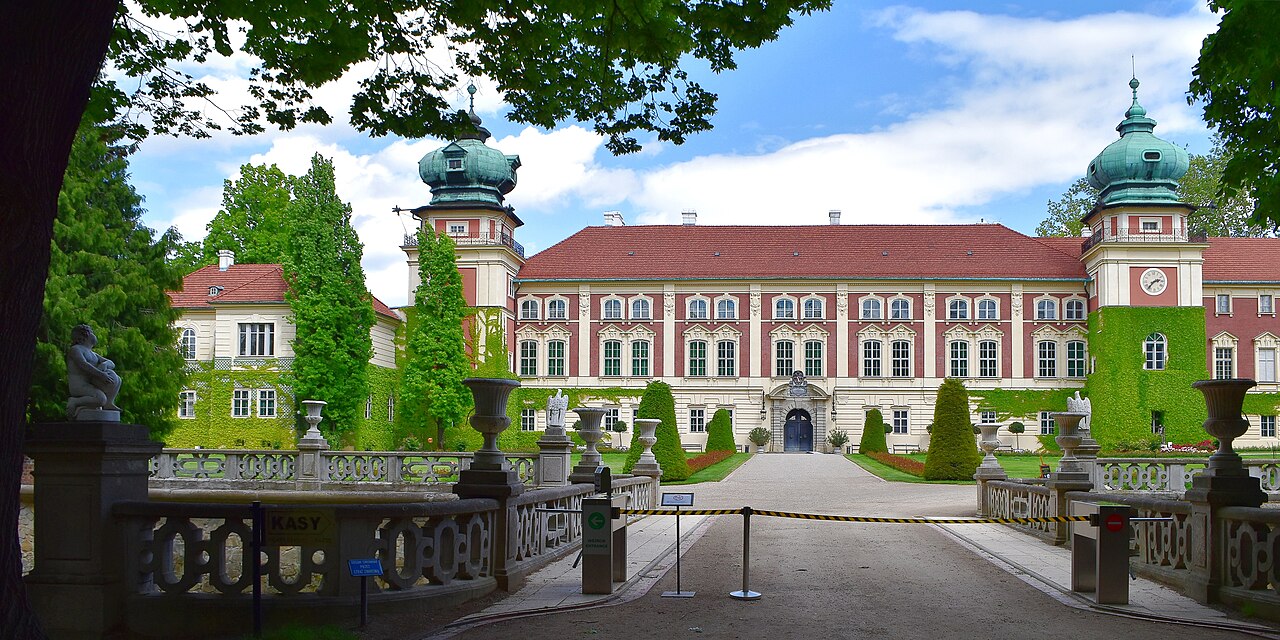
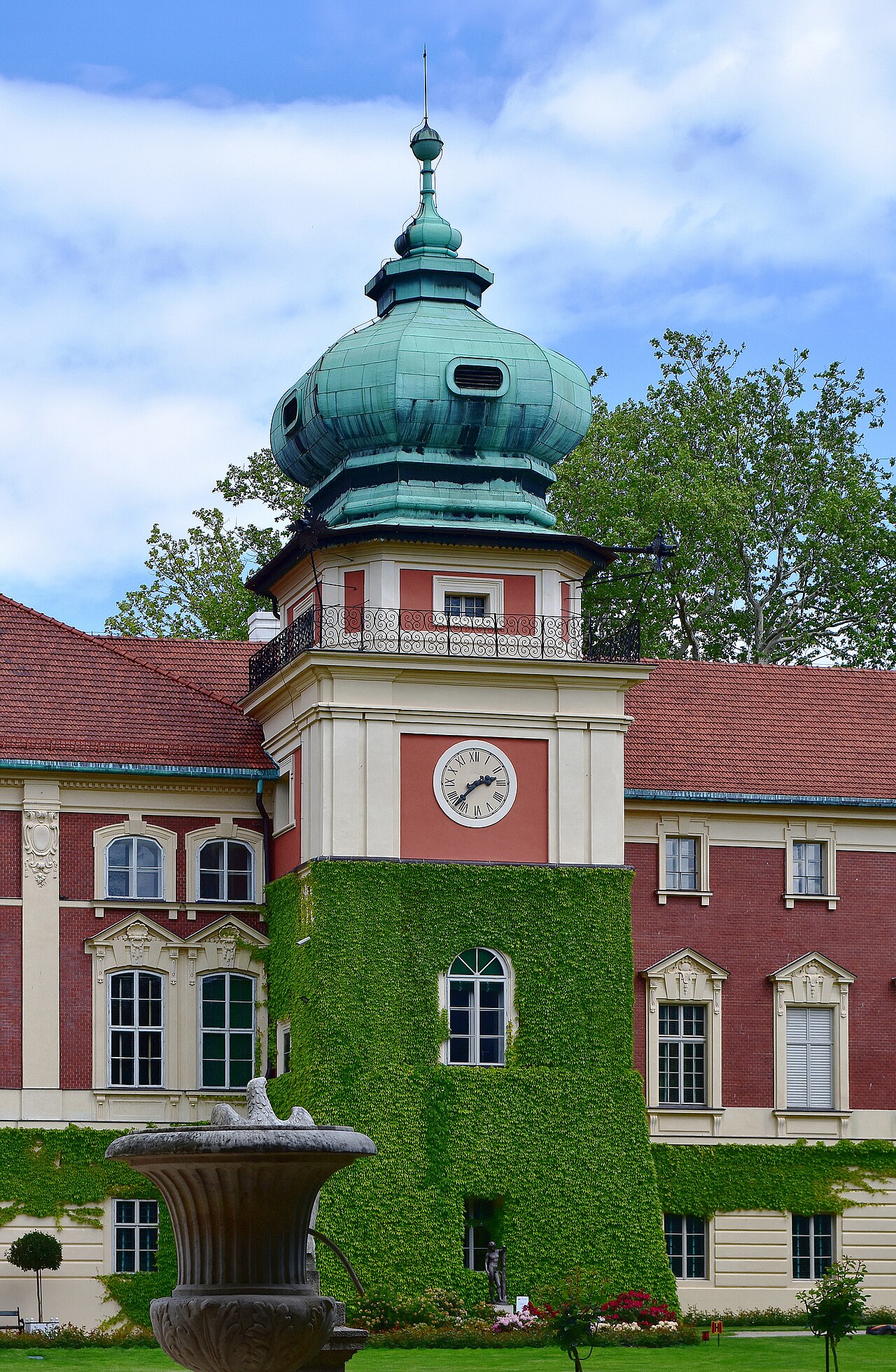
The first impression of Lancut is of a grand residence set within defensive earthworks, a palace protected by the bastions of an earlier age. This combination of elegant architecture and fortification gives the castle its distinctive character, at once a stately home and a stronghold, surrounded by a moat-like system of ramparts and parkland.
Within the defenses rises the palace itself, a large and richly ornamented building that has been expanded and embellished over the centuries. Its scale and the quality of its architecture announce the wealth and taste of the families who owned it, while the surrounding fortifications speak of the turbulent history of the region.
The approach, through the defensive works and into the heart of the complex, builds a sense of arriving at a place of both power and beauty. The castle sits within extensive grounds, combining the grandeur of the building with the pleasures of the park, a complete aristocratic world in the Polish countryside.
As you arrive, take in the unusual combination of palace and fortress that defines Lancut. Understanding the castle as the richly adorned seat of great noble families, protected by the defenses of an earlier age, prepares you for the lavish interiors and remarkable collections within.
The sheer scale of the complex, with its palace, fortifications, outbuildings, and park, makes clear at once that this was the seat of a family of the first rank. Few residences in Poland combine so many elements of grandeur, and the impression of wealth and power is unmistakable from the moment of arrival.
The transition from the defensive outer works to the elegant residence within mirrors the castle’s dual nature, and crossing into its heart feels like passing from one world into another. This sense of entering a protected realm of beauty is part of the enduring appeal of Lancut.
Two Great Noble Families
Lancut is associated with two of the most powerful aristocratic families in Polish history, who owned the castle over the centuries and shaped it into the magnificent residence it became. Through their wealth, taste, and ambition, these families transformed the castle, filling it with art and luxury and making it one of the grandest seats in the country.
The first of these families built the original palace-fortress, establishing the castle as a great aristocratic residence protected by modern fortifications. Their successors, another illustrious family, continued to embellish and expand the castle, adding to its splendor and assembling the collections for which it is famous.
These families were among the leading figures in Polish society, playing important roles in the political and cultural life of the country. Their ownership of Lancut reflected their status, and the castle served as a setting for their grand way of life, from lavish entertaining to the patronage of the arts.
Understanding these families is key to appreciating the castle. Lancut is the product of their wealth and taste over many generations, a residence shaped by successive owners who each added to its magnificence. The castle stands as a monument to the great aristocracy of Poland and to the families who made it their splendid home.
The transfer of the castle between these great families over the centuries reflects the shifting fortunes of the Polish aristocracy, as estates passed through inheritance and marriage. Each family left its mark, and the castle as it survives today is the cumulative achievement of generations of wealth and refined taste.
Under the later family in particular, the castle reached new heights of splendor, as its owners travelled widely, collected avidly, and entertained lavishly. Their cosmopolitan tastes brought treasures from across Europe to Lancut, enriching the castle with art, furnishings, and objects of the highest quality.
A Fortress Wrapped Around a Palace

One of the most distinctive features of Lancut is its character as a palace-fortress, an elegant residence protected by bastion fortifications in the style developed for modern warfare. This combination reflects the era in which it was built, when even the grandest nobles had to consider the defense of their homes amid the conflicts of the age.
The fortifications, with their earthen bastions and ramparts, surround the palace, creating a defensive perimeter that set the castle apart and protected its treasures. Over time, as the need for defense diminished, these works became part of the romantic character of the castle, framing the elegant residence within.
The palace itself, within this defensive shell, was built and expanded as a luxurious residence, its architecture evolving over the centuries to reflect changing tastes. The contrast between the martial exterior and the sumptuous interior is part of the castle’s appeal, combining the romance of a fortress with the splendor of a palace.
This dual character gives Lancut a particular fascination, a reminder of an age when beauty and defense went hand in hand. The fortifications, now softened by time and greenery, add to the romance of the castle, while the palace within preserves the luxury and refinement of its aristocratic owners.
The style of fortification, with its angular bastions designed to resist artillery, was the most advanced of its day, reflecting the serious threats of the era in which it was built. That such defenses were thought necessary for a noble residence speaks to the turbulent history of the region and the dangers its owners faced.
Over the generations, as the threat of war receded, the fortifications were partly softened and integrated into the landscape, their ramparts planted and their lines blurred by greenery. Yet they remain a defining feature, giving the castle its distinctive character and recalling the age that shaped it.
The Sumptuous State Rooms
Inside, Lancut reveals a sequence of sumptuous state rooms, among the most magnificent in Poland, decorated over the centuries in a range of styles from baroque to neoclassical and beyond. From grand ballrooms to intimate salons, the interiors display the wealth and taste of the families who created them, filled with fine furniture, art, and decoration.
The rooms were designed for the grand life of the aristocracy, providing settings for entertaining, ceremony, and the display of the family’s treasures. Richly decorated with gilding, painting, fine materials, and beautiful furnishings, they create an impression of luxury and refinement that reflects the castle’s status as a great aristocratic residence.
Among the most admired interiors are the grand ballroom and the richly decorated salons, which showcase the quality of the castle’s decoration. Each room has its own character, reflecting the taste of the period in which it was created, and together they form one of the finest sequences of historic interiors in the country.
Walking through these rooms, you gain a vivid sense of the grand way of life of the Polish aristocracy at its height. The lavish interiors, filled with beautiful things, convey the wealth and cultivation of the families who owned Lancut, and they remain one of the chief glories of the castle.
The variety of styles across the rooms, from the exuberance of the baroque to the refined elegance of neoclassicism and later tastes, reflects the long history of the castle and the changing fashions of its owners. This layering gives the interiors a richness and depth that reward close and unhurried attention.
Each room tells part of the story of the families who lived here, from grand spaces for public ceremony to intimate rooms for private life. The attention lavished on every detail, from ceilings to floors to the smallest furnishings, reflects the wealth and refinement of owners for whom beauty was a way of life.
It is the combination of so many magnificent rooms, preserved with their original furnishings, that makes the interiors of Lancut so exceptional. Visitors move from one splendid space to another in a continuous experience of luxury and refinement rarely matched elsewhere in the country.
The Historic Court Theatre
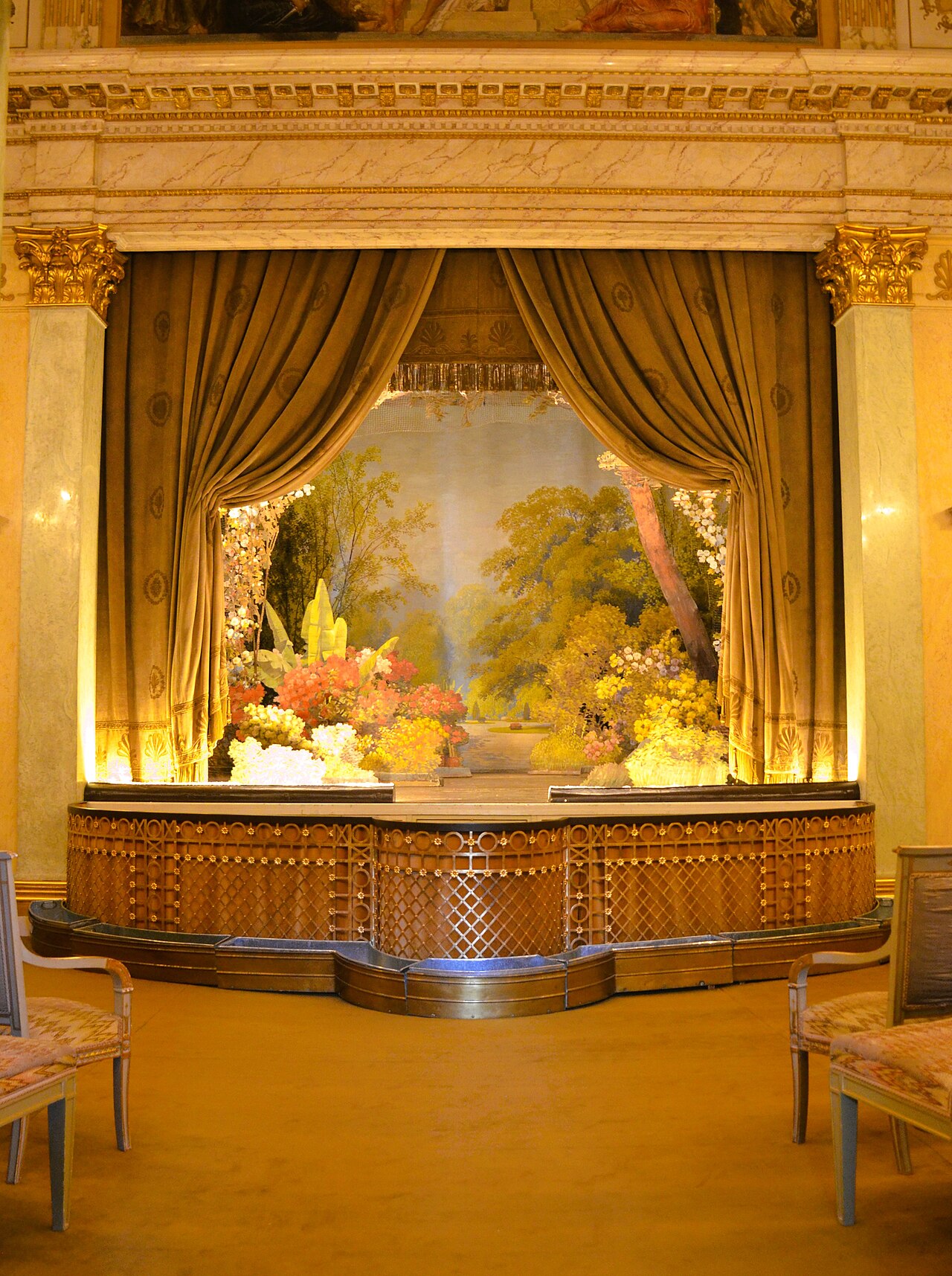
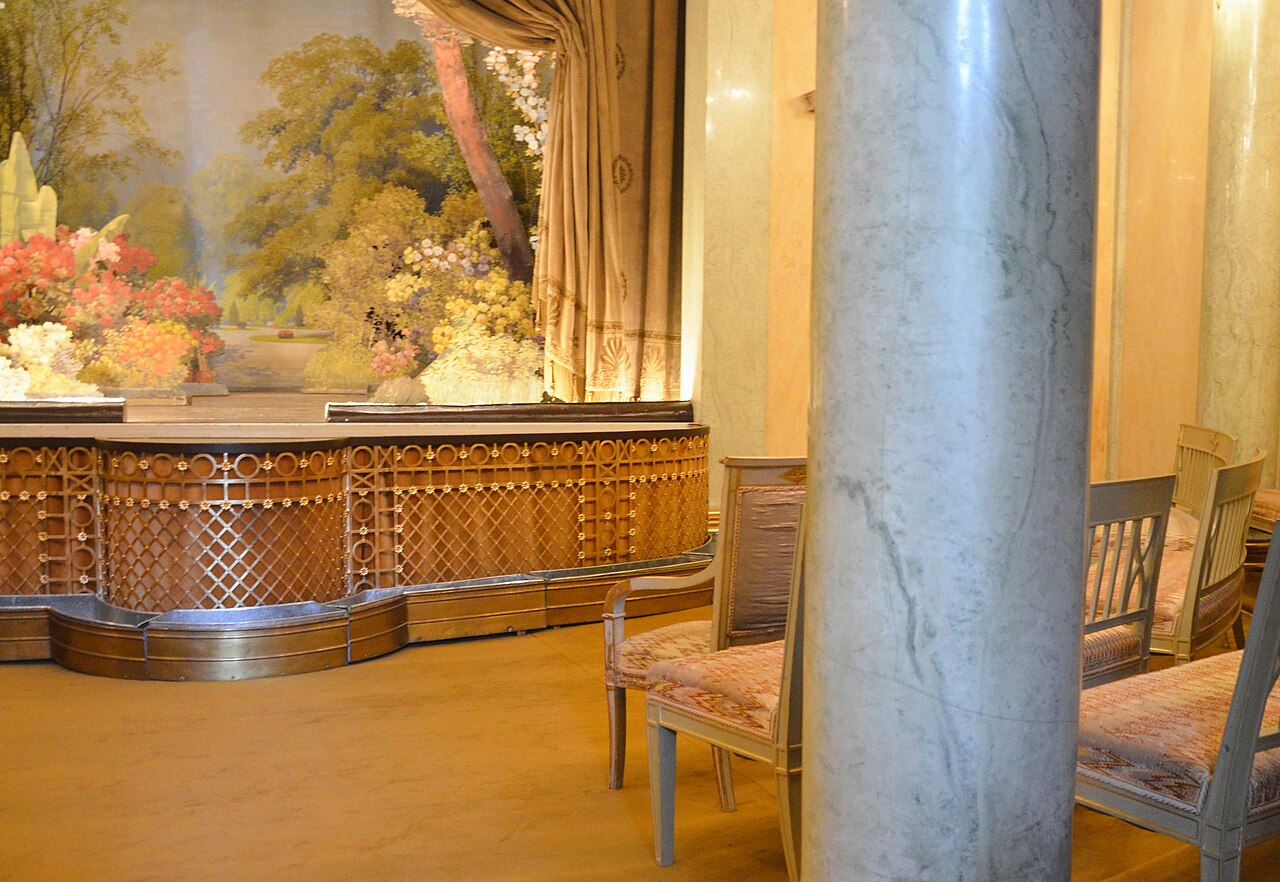
Among the treasures of Lancut is its historic court theatre, a beautiful survival that reflects the importance of entertainment in the life of the castle. Such theatres were features of the grandest aristocratic residences, where the family and their guests could enjoy performances in the comfort of their own home.
The theatre at Lancut is a charming and well-preserved example, decorated in elegant style and equipped to stage the dramatic and musical performances that delighted the court. It evokes the cultural life of the aristocracy, who valued the arts and maintained their own venues for performance and entertainment.
The survival of the theatre adds greatly to the richness of the castle, offering a glimpse into the world of aristocratic leisure and culture. It reflects the comprehensive nature of the great residence, which provided for every kind of pleasure and entertainment within its walls.
For visitors, the court theatre is a delightful feature, a reminder of the role of the arts in the life of the castle. Together with the lavish state rooms and the famous collections, it helps complete the picture of Lancut as a complete aristocratic world, devoted to beauty, pleasure, and culture.
Performances in the theatre ranged from plays to concerts, reflecting the broad cultural interests of the owners and their guests. The intimate scale of the venue created a sense of occasion, and its survival allows modern visitors to imagine the entertainments that once enlivened life at the castle.
Art and the Sculpture Gallery
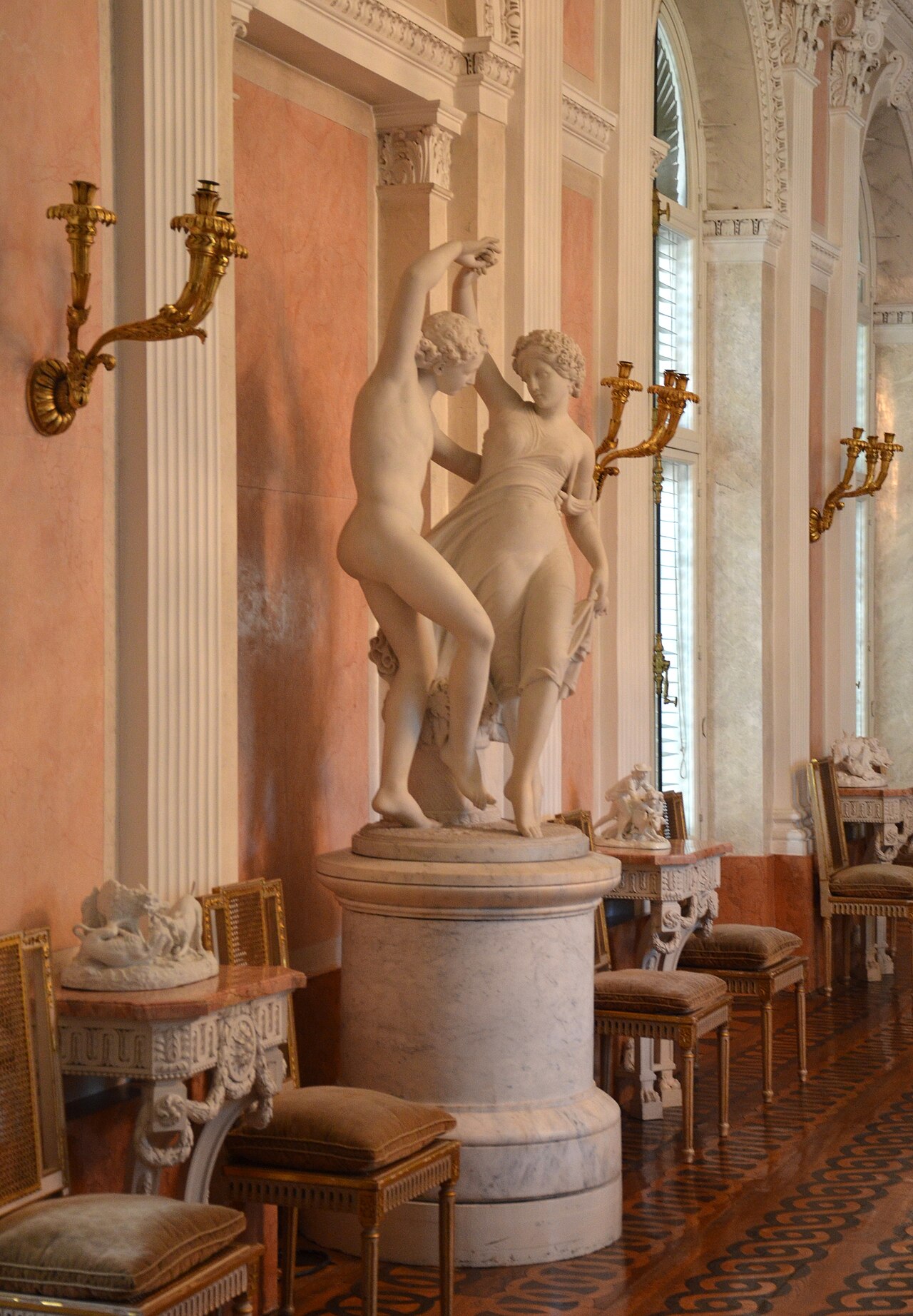
The families who owned Lancut were collectors and patrons of art, and the castle houses fine collections including a notable gallery of sculpture. These collections reflect the cultivated taste of the owners and their role as patrons, adding to the artistic richness of the castle.
The sculpture gallery and other art collections turned parts of the castle into a kind of private museum, displaying the treasures gathered by the family over generations. Classical and later sculpture, paintings, and decorative arts enriched the interiors, creating an environment of beauty and culture.
Collecting on this scale was both a pleasure and a mark of status, demonstrating the cultivation and wealth of the owners. The collections connected Lancut to the wider world of European art and taste, placing the castle among the notable artistic residences of the region.
For visitors with an interest in art, the collections add another dimension to a visit, complementing the lavish interiors with treasures to admire. They reflect the role of Lancut as a center of culture as well as a grand residence, a place where beauty was cherished and displayed.
The arrangement of the collections within the historic interiors, rather than in a separate modern gallery, allows visitors to experience the art as it was meant to be seen, as part of the texture of aristocratic life. This integration of art and residence is one of the distinctive pleasures of a visit to Lancut.
The quality of the works reflects the discernment of the collectors, who sought out pieces of real artistic merit rather than mere decoration. Their collections place Lancut among the notable artistic residences of the region, enriching its appeal for lovers of the arts.
The Famous Carriage Collection
Perhaps the most celebrated treasure of Lancut is its remarkable collection of historic carriages, one of the largest and finest in Europe. Housed in the castle’s coach houses and stables, the collection includes a magnificent array of carriages, coaches, sleighs, and related equipment, a unique record of the transport and travel of the aristocracy.
The collection is extraordinary both for its size and for the quality and variety of the vehicles, from grand ceremonial coaches to practical traveling carriages and elegant sleighs. It offers a fascinating glimpse into the world of aristocratic travel and display, when a fine carriage was a mark of status as well as a means of transport.
The survival of such a complete collection is rare and precious, making Lancut a destination of particular importance for those interested in the history of transport and aristocratic life. The carriages, beautifully preserved and displayed, bring to life a vanished world of elegance and mobility.
For visitors, the carriage collection is a highlight that sets Lancut apart from other palaces. It reflects the comprehensive richness of the castle and the completeness of the aristocratic world it preserves, and it remains one of the chief attractions that draw visitors to this magnificent residence.
The collection grew from the practical needs and the love of display of the aristocratic owners, who required fine vehicles for travel, ceremony, and sport. Its preservation as a complete ensemble makes it one of the most important collections of its kind anywhere, a unique record of a vanished age of travel.
Walking among the rows of gleaming carriages and sleighs, visitors are transported to an age when such vehicles were the height of luxury and the mark of status. The variety on display, from grand state coaches to sporting carriages, illustrates the many roles these vehicles played in aristocratic life.
For many visitors, the carriage collection alone is worth the journey to Lancut, so rare and complete is the assemblage. It offers a vivid and tangible connection to a world of elegance and mobility that has otherwise vanished, preserved here in extraordinary abundance.
The Orangery, Stables, and Outbuildings
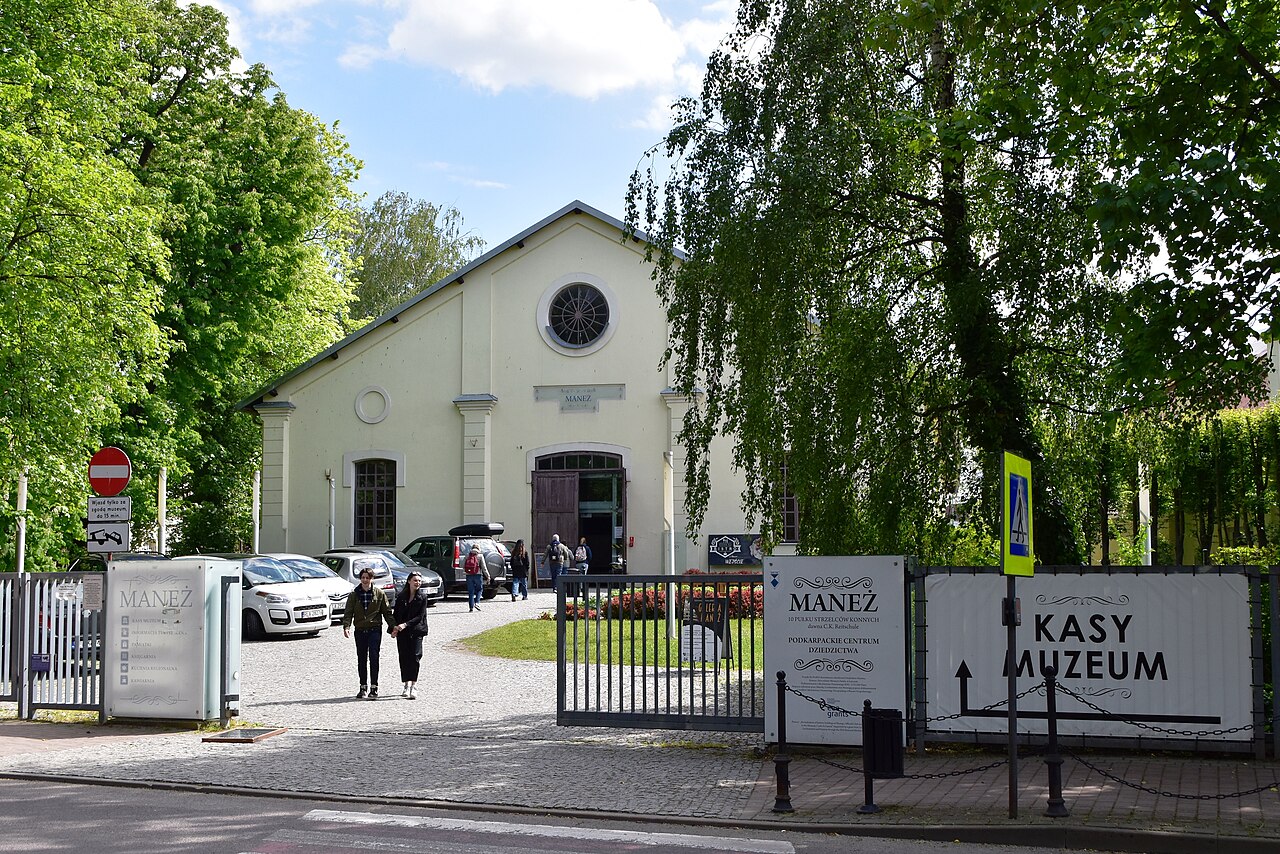
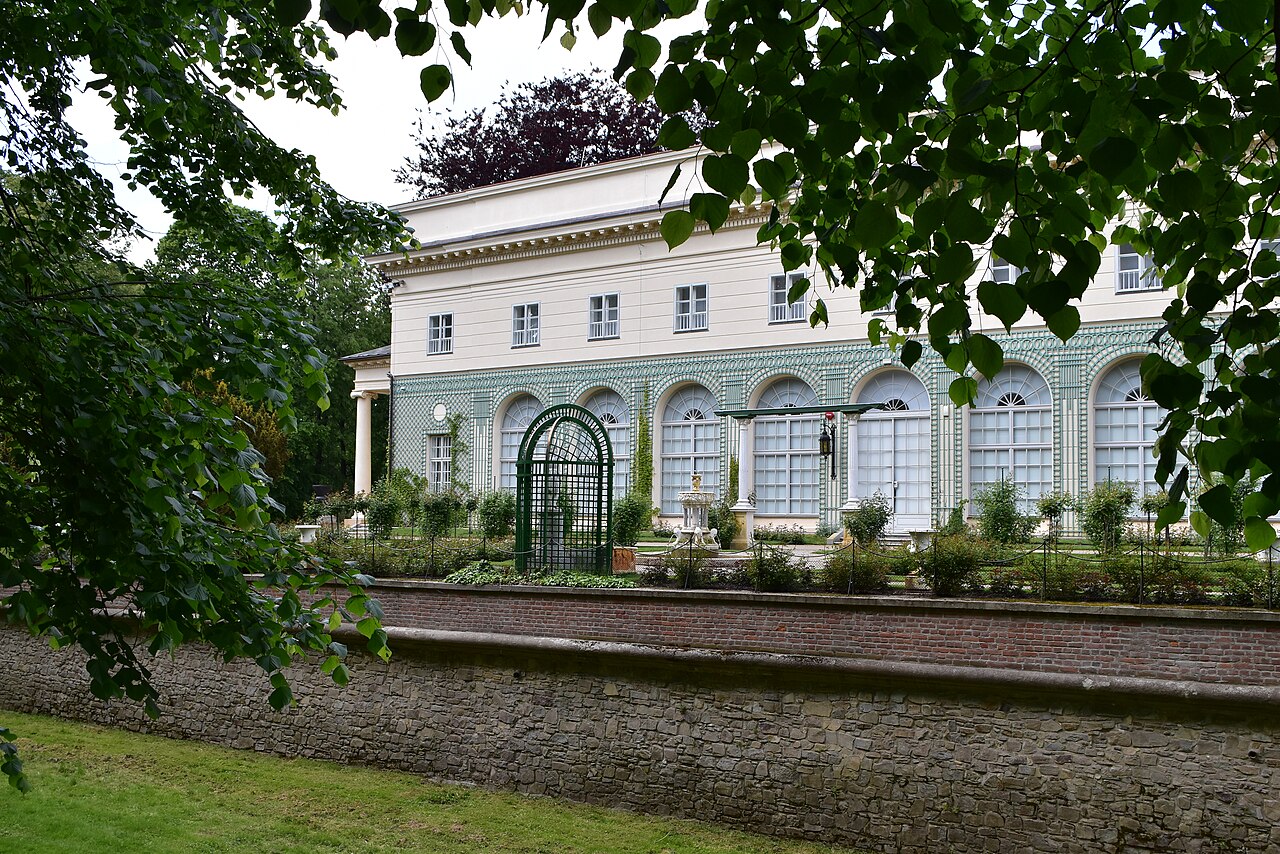
Beyond the main palace, Lancut includes a range of notable outbuildings that reflect the completeness of the aristocratic estate. Among them are an elegant orangery, grand stables, and coach houses, all designed to serve the needs and pleasures of the great household.
The orangery, where exotic plants were sheltered through the cold months, was a luxury typical of great estates, providing greenery and beauty throughout the year. The stables and coach houses, meanwhile, housed the horses and carriages that were essential to aristocratic life, and they now shelter the famous carriage collection.
These buildings reflect the practical as well as the luxurious side of the estate, the infrastructure needed to support the grand way of life of the family. Together with the palace, they form a complete aristocratic complex, providing for every aspect of life in surroundings of beauty and elegance.
Exploring these outbuildings adds to the richness of a visit, revealing Lancut as a complete estate rather than a single palace. They reflect the scale and ambition of the aristocratic world the castle preserves, and they house some of its most remarkable treasures.
The grandeur of these service buildings, designed with the same care as the palace itself, reflects the completeness of the aristocratic vision, in which even the practical structures were made beautiful. They testify to the scale of the household and the resources required to sustain so great an establishment.
The Castle Park

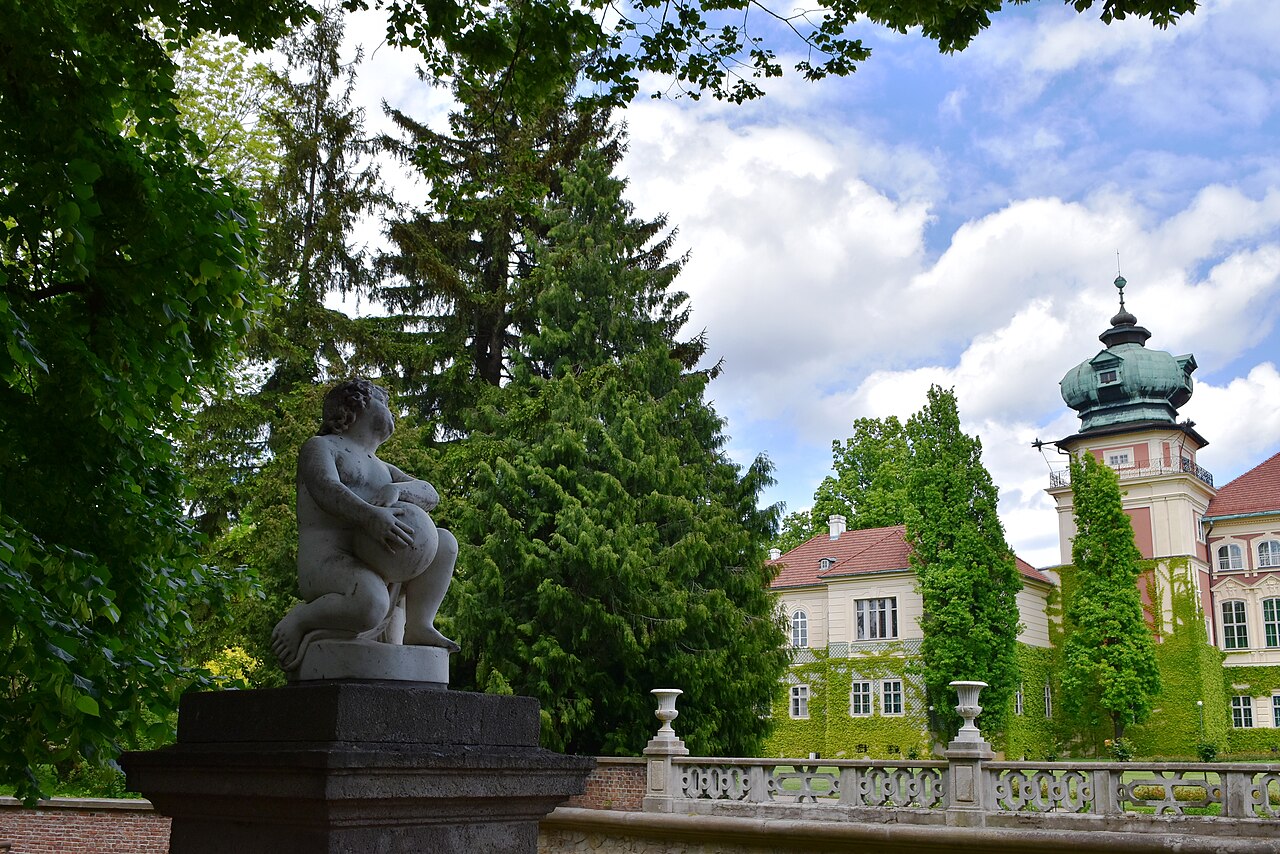
Lancut is surrounded by a beautiful landscape park that forms an integral part of the estate, combining formal elements with more naturalistic areas. The park provided a setting for the castle and a place for the pleasures of the countryside, in keeping with the grand way of life of its aristocratic owners.
Laid out in the landscape style, the park includes gardens, lawns, trees, and ornamental features, creating a varied and beautiful environment around the castle. The relationship between the palace, its fortifications, and the surrounding park is central to the character of the estate, blending architecture, defense, and nature.
The park offered the family and their guests a place for walks, recreation, and the enjoyment of the outdoors, complementing the luxurious interiors of the palace. Its design reflected the tastes of the age and added to the beauty and completeness of the estate.
Today the park remains a beautiful setting for the castle and a pleasant place to walk, enhancing the experience of a visit. It extends the grandeur of Lancut into the landscape and provides a green and tranquil complement to the treasures housed within the palace.
The park also contains notable trees and plantings assembled over the generations, reflecting the horticultural interests of the owners. Its paths and vistas were designed to offer changing views of the castle and the landscape, making a walk through the grounds a pleasure in every season.
A Fortunate Survival, Now a Museum
Lancut has the good fortune to be among the better-preserved of Poland’s great aristocratic residences, having survived the upheavals of the twentieth century relatively intact. While many such residences were destroyed or stripped, Lancut retained much of its splendor, including its lavish interiors and its famous collections.
This relatively fortunate history has allowed the castle to preserve an exceptional wealth of authentic interiors, art, and treasures, making it an important survival. After passing out of private hands, the castle became a museum, open to visitors who come to admire its magnificence and its collections.
The preservation and presentation of the castle as a museum ensure that its treasures can be enjoyed by the public and conserved for the future. Careful stewardship has maintained the interiors, the carriage collection, and the park, allowing Lancut to be experienced much as it was in its heyday.
The combination of preservation, lavish interiors, and remarkable collections makes Lancut one of the most rewarding palace visits in Poland. Its survival allows visitors to experience an authentic aristocratic residence of extraordinary richness, a rare and precious window into the world of the Polish nobility.
The decision to preserve the castle and its contents as a museum, rather than disperse them, has proved immensely valuable, allowing visitors to experience an aristocratic residence in remarkable completeness. Few such houses survived the upheavals of the century with so much intact.
Visitors today benefit from this fortunate history, experiencing authentic interiors, original furnishings, and intact collections rather than reconstructions. This authenticity gives a visit to Lancut a depth and richness that few restored palaces can match.
A Castle of Music
Lancut is also known for its association with music, hosting a celebrated classical music festival that draws performers and audiences to enjoy concerts in the castle’s beautiful surroundings. This continuing cultural life links the castle to the present and honors its tradition as a center of the arts.
The festival brings music to the grand interiors and the historic theatre, filling the castle with the sounds of performance as it was in the days of its aristocratic owners. The combination of beautiful surroundings and fine music creates memorable experiences for those who attend.
This musical tradition reflects the castle’s role as a place of culture as well as a grand residence, continuing in a new form the patronage of the arts that characterized its owners. The festival has become an important part of the cultural life of the region, drawing visitors to enjoy music in a magnificent setting.
For visitors, the music festival offers a special way to experience the castle, especially for lovers of classical music. It embodies the continuing cultural life of Lancut, which remains a place where the arts are cherished and shared, honoring the legacy of its cultivated owners.
The festival has become one of the cultural highlights of the region, attracting distinguished musicians and devoted audiences year after year. It exemplifies the way Lancut continues to live as a center of culture, rather than existing merely as a monument to the past.
To hear music in the very rooms where the aristocracy once gathered is a special experience, collapsing the distance between past and present. The festival thus does more than entertain; it brings the castle to life, filling its historic spaces with the art its owners cherished.
Lancut on Film
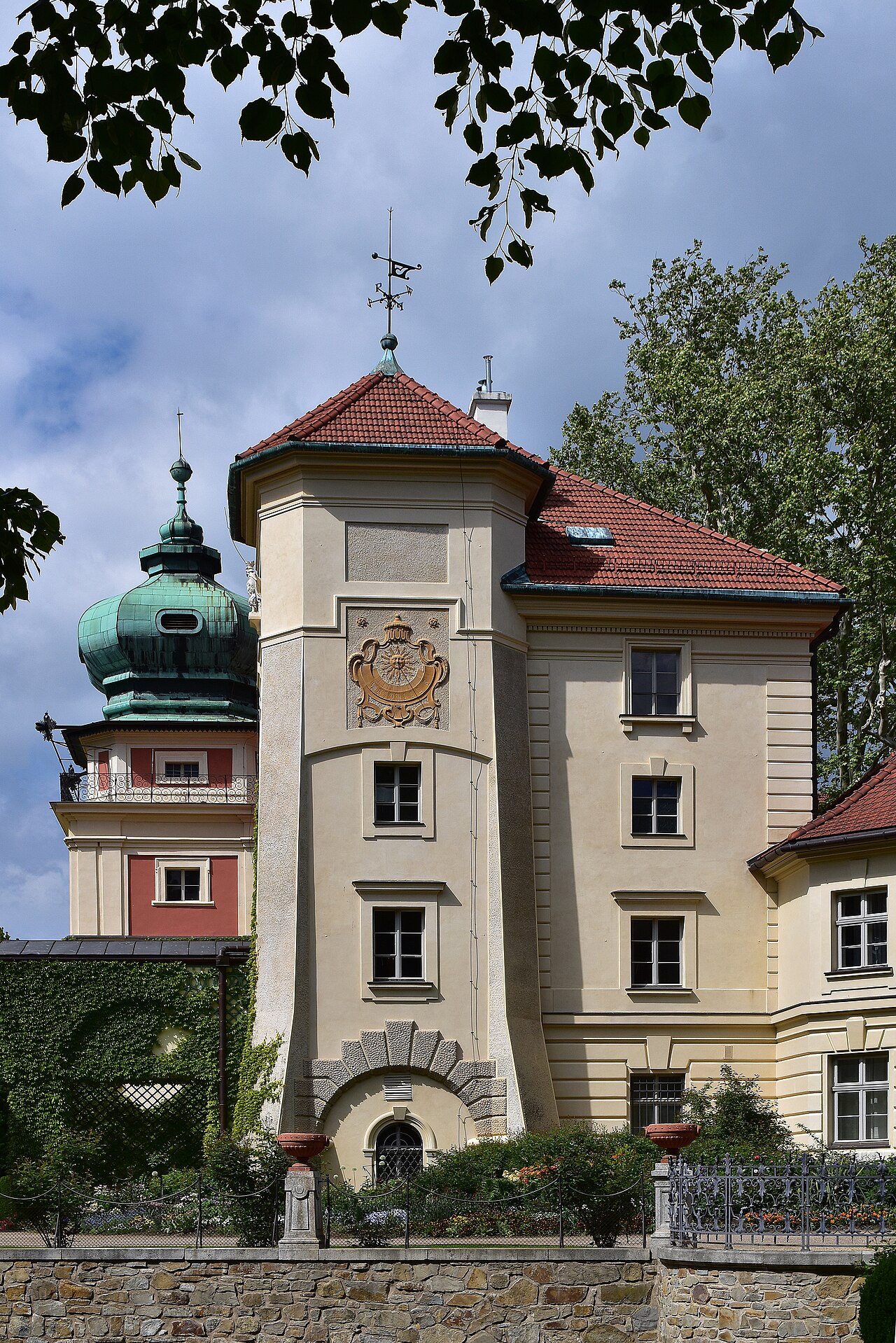
Because Lancut combines architectural grandeur with remarkable collections, a video walkthrough is a fine way to appreciate it. On film you can take in the palace-fortress and its fortifications, move through the lavish state rooms, and see the famous carriage collection and the historic theatre.
As you watch, notice the unusual combination of palace and fortress, and the richness of the interiors and collections. Seeing the castle in motion conveys the scale and splendor of the residence and the completeness of the aristocratic world it preserves, from grand halls to coach houses.
Video also captures the setting of the castle in its park and the beauty of its surroundings. Following a camera through the palace and grounds, you gain a vivid sense of why Lancut is considered one of the finest aristocratic residences in Poland and a highlight of the country’s heritage.
Visiting Lancut Today
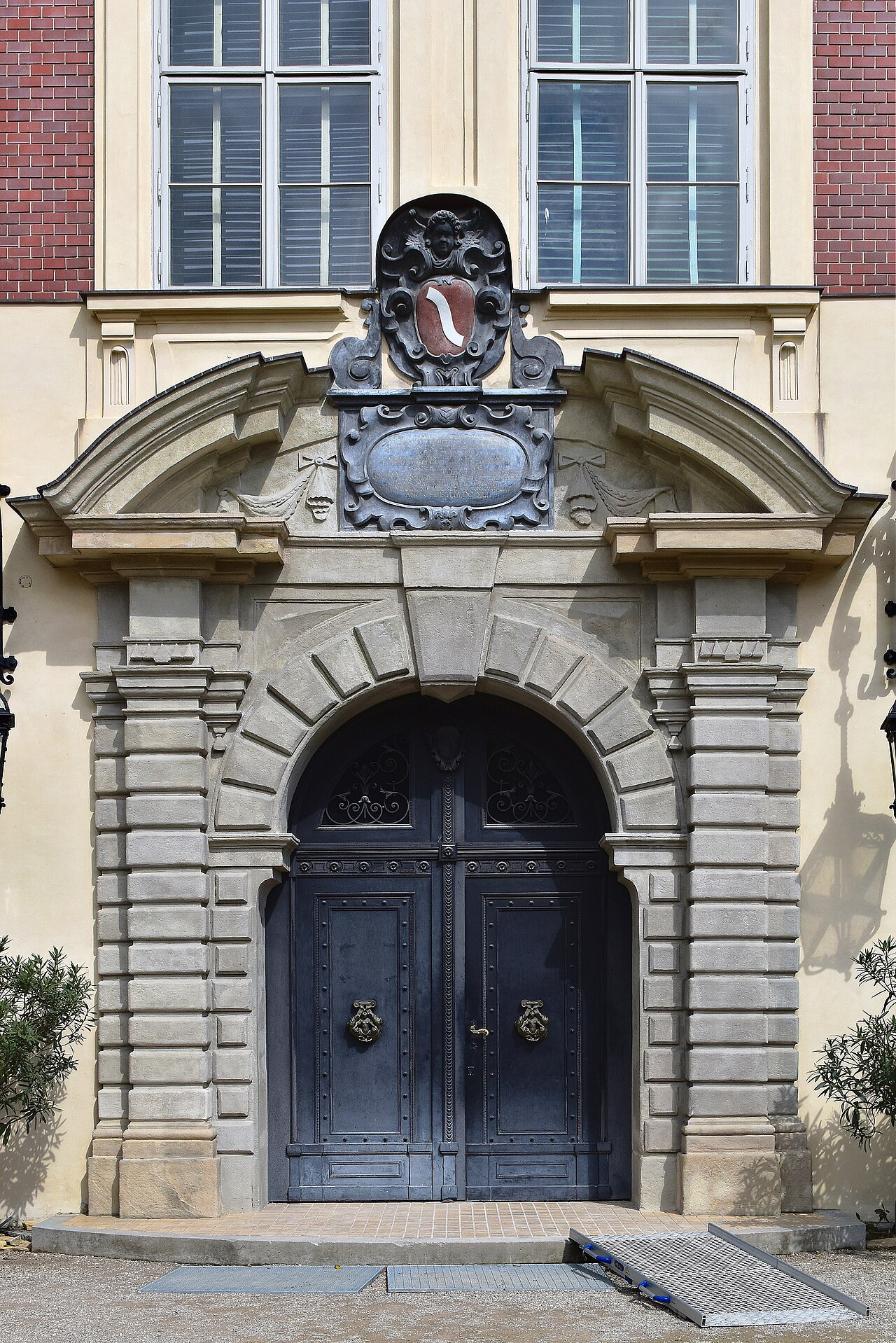
Today Lancut Castle is open to visitors as a museum, offering the chance to explore its lavish interiors, its historic theatre, its famous carriage collection, and its beautiful park. Its combination of splendor, preservation, and remarkable treasures makes it one of the most rewarding palace visits in Poland.
The castle lies in southeastern Poland and is reached by road, often visited as part of a tour of the region. Its wealth of attractions, from the state rooms to the carriages, ensures a varied and engaging visit, with much to interest lovers of architecture, art, and history alike.
Because the castle is a museum with various collections and hosts events including the music festival, it is worth checking current opening arrangements and programs before visiting. Allowing plenty of time lets you enjoy the interiors, the collections, and the park at a relaxed pace.
You will find Lancut Castle in southeastern Poland; see the map below to help plan your route: see the map below. Whether you come for the sumptuous interiors, the famous carriage collection, the historic theatre, or the music festival, Lancut offers one of the richest and most rewarding palace experiences in all of Poland.
For travellers exploring southeastern Poland, Lancut is an essential destination, combining architectural splendor, remarkable collections, and a rich cultural life. Few castles offer so complete and rewarding an experience, and a visit lingers long in the memory.
Allowing a full day lets you take in the state rooms, the carriage collection, the theatre, and the park without rushing, and timing a visit to coincide with the music festival adds an unforgettable dimension. However you plan it, Lancut rewards the time you give it.
View the location on Google Maps
Palaces Nearby
If you are exploring the grand palaces of Poland, these two pair naturally with a visit here:
You May Like
Konopiste the Bohemian Castle of a Doomed Archduke


One thought on “Lancut Castle, the Lavish Palace-Fortress and Its Famous Carriage Collection”