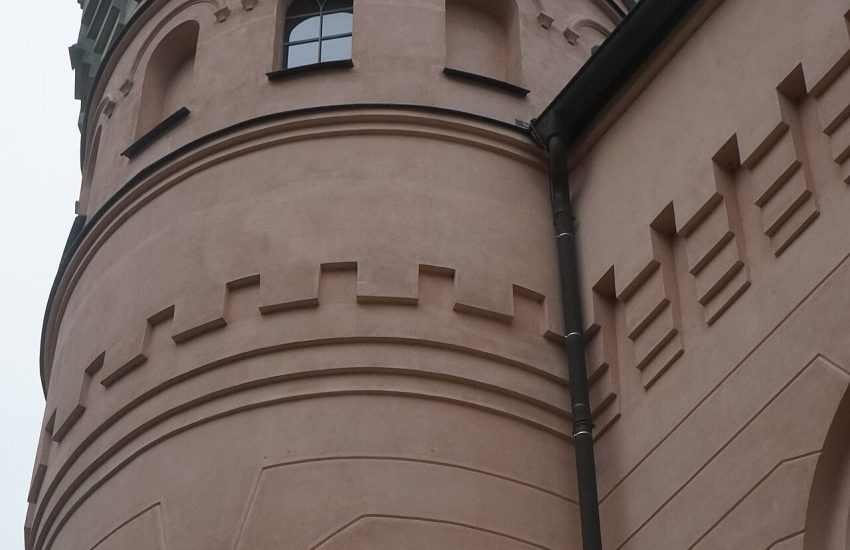
In the heart of Mecklenburg, in a small town of red brick churches and cobbled streets, stands one of the finest Renaissance palaces in northern Germany. Gustrow Palace was built in the sixteenth century for Duke Ulrich of Mecklenburg, and with its gables, towers and richly decorated facades it looks as if it had been carried here from Italy or France.
Come along and I will show you a ceiling full of stucco deer, the rooms where the famous general Wallenstein lived as duke of Mecklenburg, and a garden that has been rebuilt just as it looked four hundred years ago.
We will finish, as always, with a few local tips, including a visit to the town’s most famous sculpture, the floating angel of Ernst Barlach.
In This Article
- A Renaissance Palace in the North
- Duke Ulrich and His Dream
- Gables, Towers and Stucco
- The Stag Hall
- When Wallenstein Was Duke
- The Palace Museum
- Treasures of the Collection
- The Renaissance Garden
- The Courtyard
- Barlach and the Floating Angel
- The Town of Gustrow
- Gustrow on Video
- Visiting Gustrow Today
A Renaissance Palace in the North
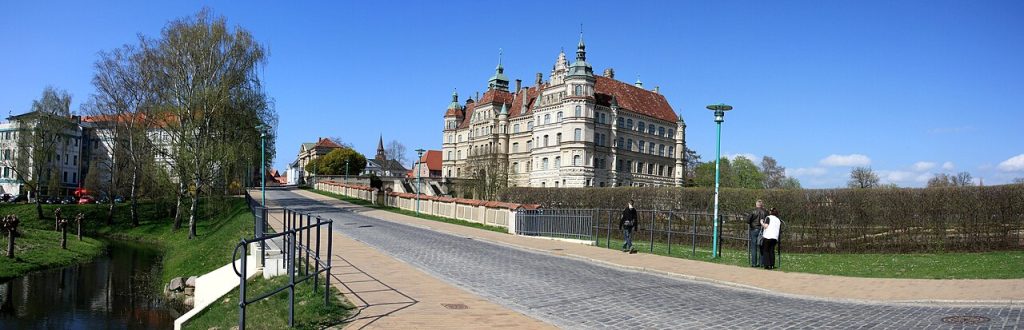
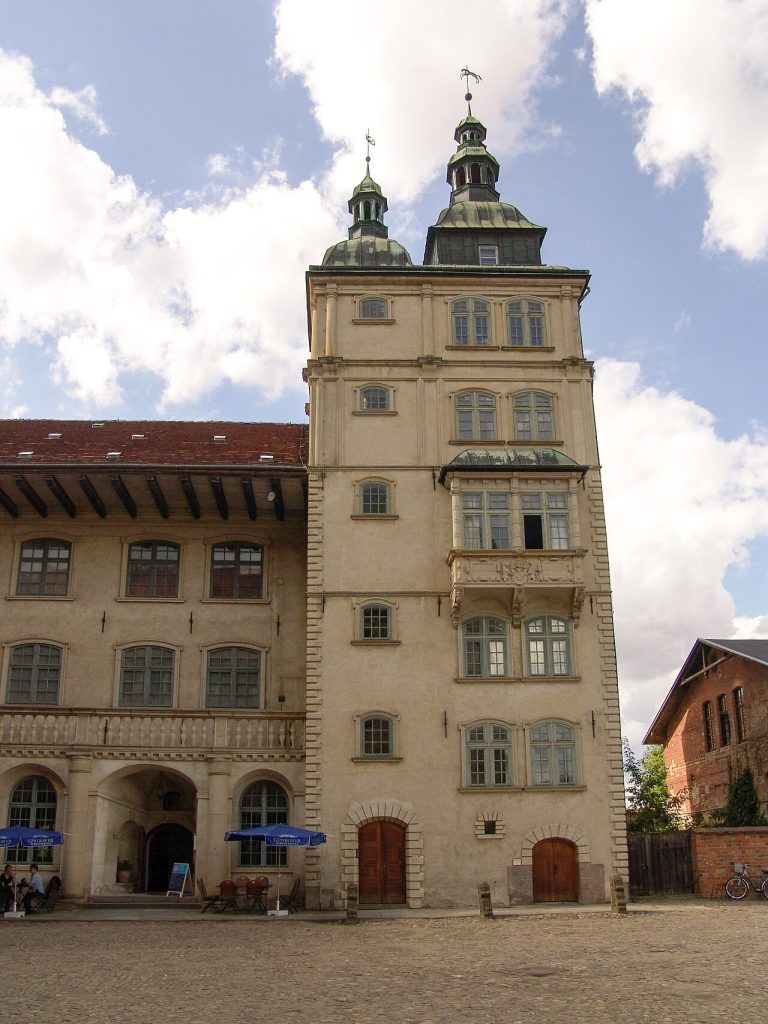
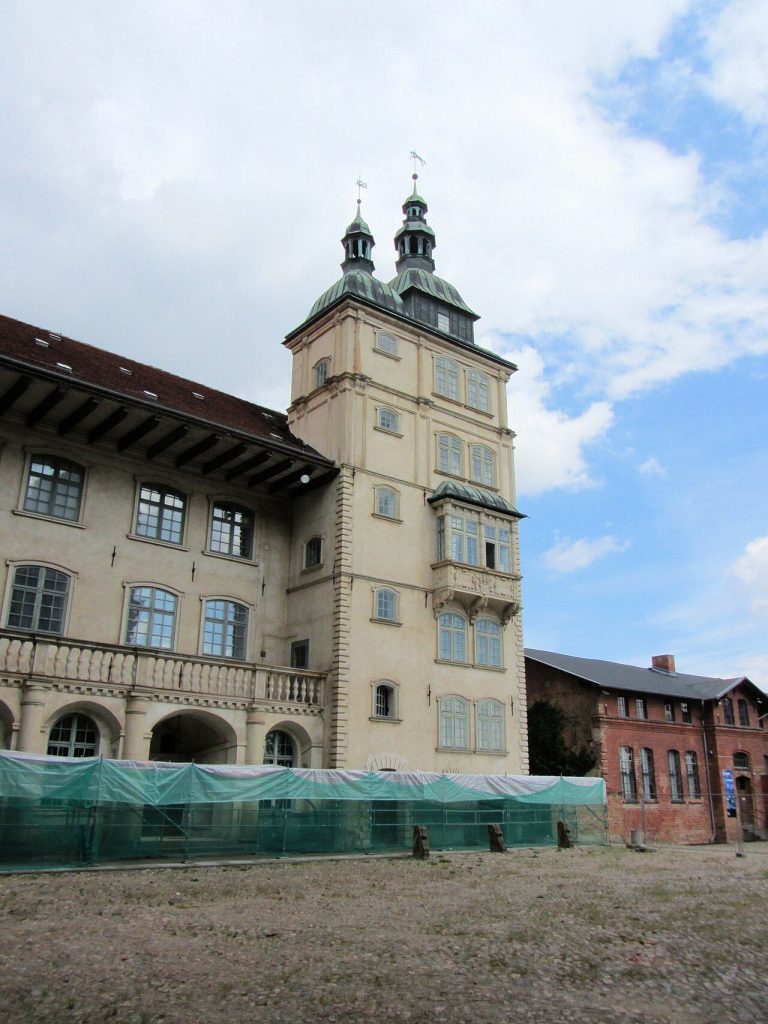
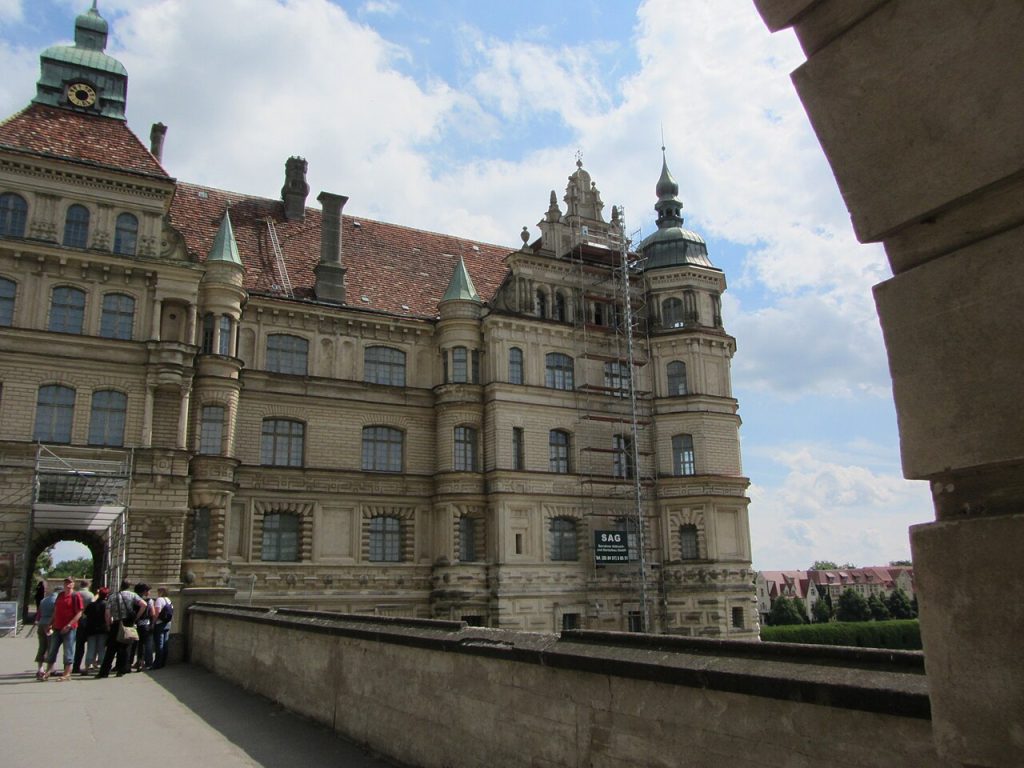
Walk across the old moat bridge and through the gatehouse, and the palace suddenly fills your view. Pale walls, decorated gables, little towers and rows of windows give it a cheerful, almost playful look.
It is unusual to find such an elegant Renaissance palace this far north. Most castles in the region are sturdy and plain, but Gustrow seems to smile at you.
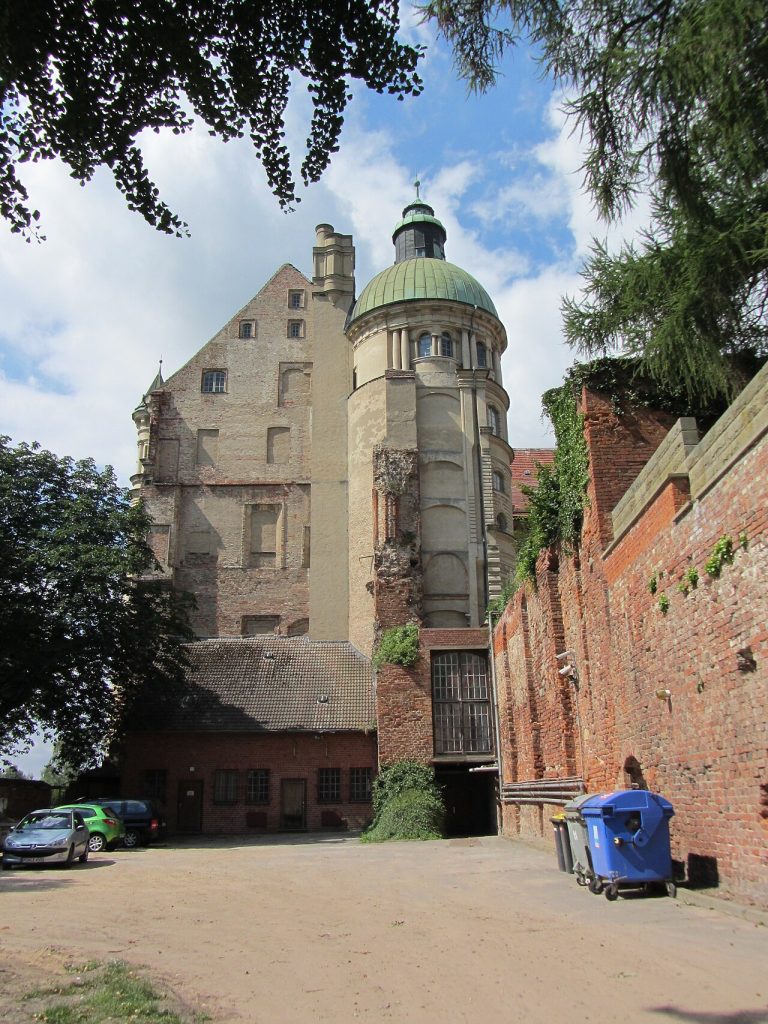
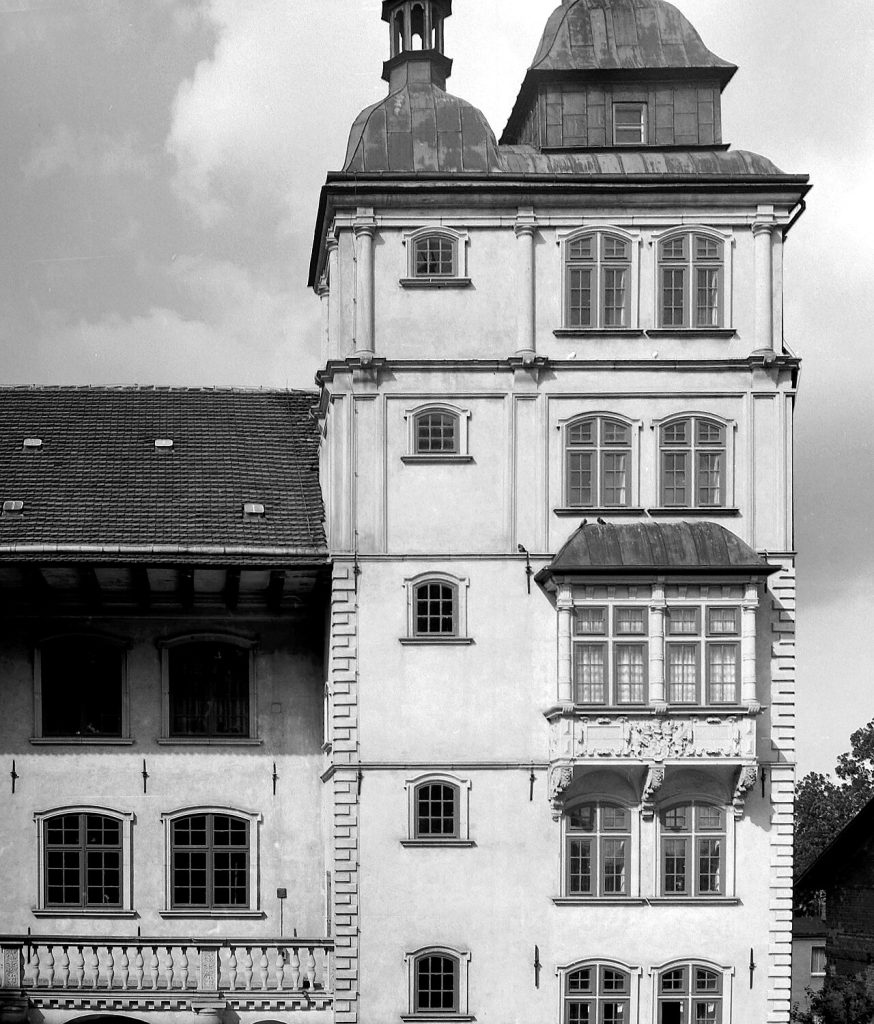
The palace has four wings, though only parts of the original building survive, and the courtyard side shows some of the most beautiful decoration.
Locals are very proud of it. If you ask anyone in town for directions, they will tell you the way and probably add that it is the most beautiful building in Mecklenburg.
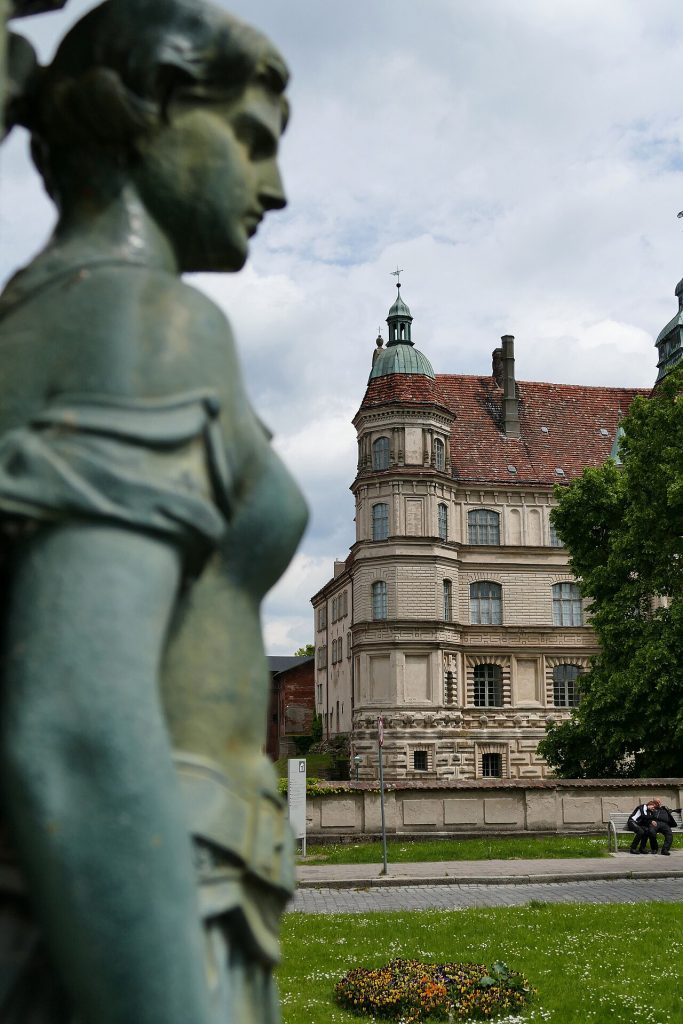
Take a slow walk around the palace before going in. Each side looks different, and from the garden you see a completely new face of the building.
Duke Ulrich and His Dream
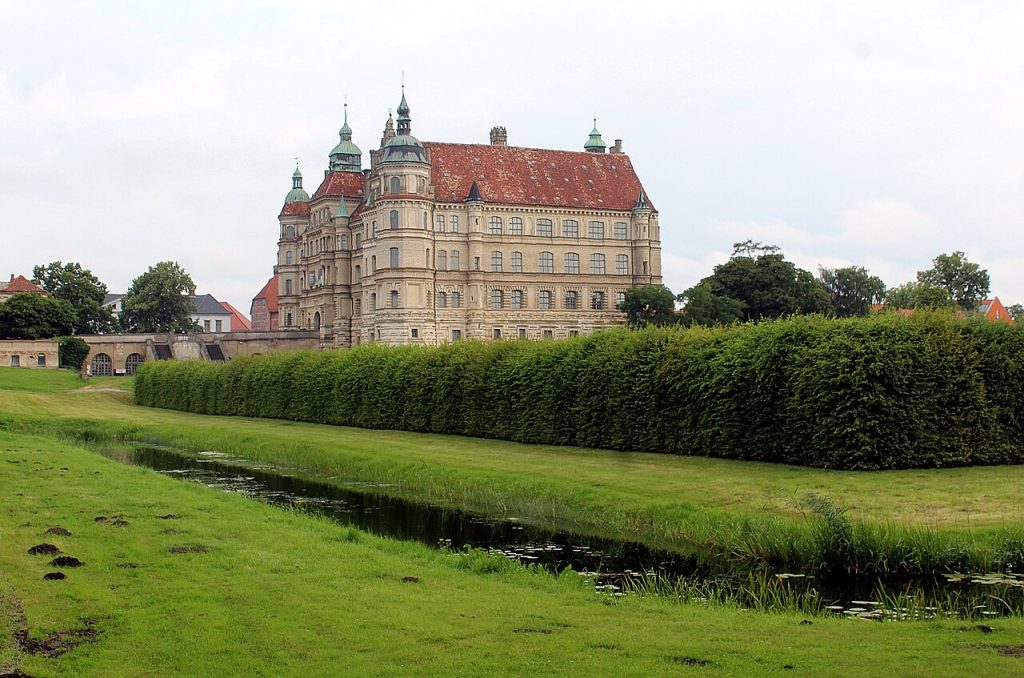
The palace was built between 1558 and 1589 for Duke Ulrich of Mecklenburg, a cultivated and pious ruler who wanted a residence that could match the courts of France and Italy.
His architect was Franz Parr, who came from a family of builders from northern Italy and Silesia. He brought the latest Renaissance ideas to Mecklenburg, mixing Italian, French and German elements.
Ulrich’s wife, Elisabeth of Denmark, was a remarkable woman who supported the arts and charity, and her coat of arms appears alongside his in the palace.
The couple ran a lively court with music, poetry and scholarship, and Gustrow became one of the cultural centres of northern Germany.
Ulrich also founded schools and supported the Lutheran church, and he was buried in Gustrow Cathedral, where his magnificent tomb, carved in marble and alabaster, still shows him kneeling with his two wives.
Do not miss that tomb when you visit the cathedral. It is one of the finest Renaissance monuments in northern Germany.
Gables, Towers and Stucco
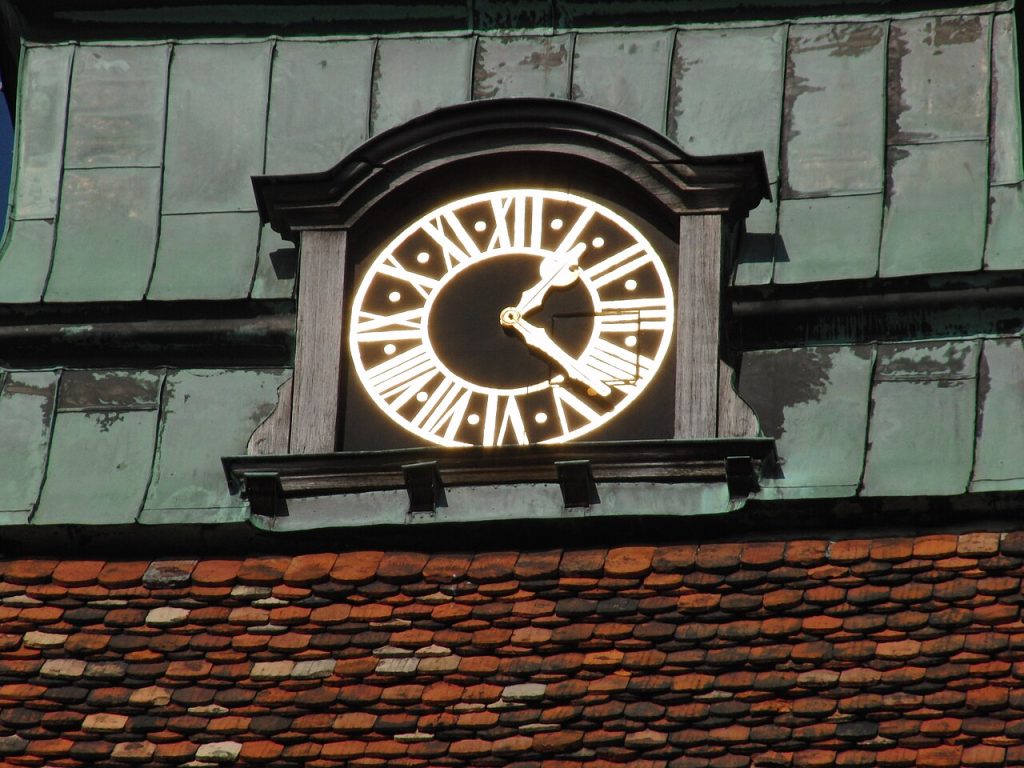
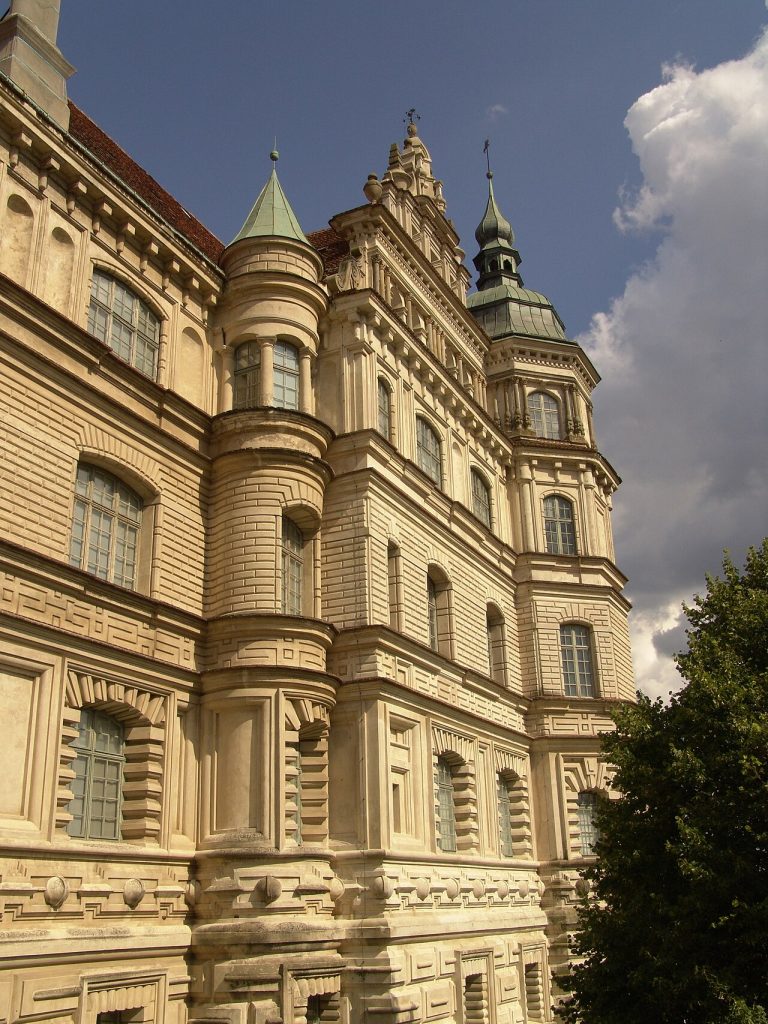
Look closely at the facades. You will see carved window frames, little towers, decorated gables and stucco ornaments that turn the walls into a kind of picture book.
Some of the decoration imitates stonework, a clever trick that saved money while making the palace look grand.
The mix of styles is part of the charm. French style roofs, Italian style loggias and German gables all meet in one building.
On sunny afternoons, the shadows of the gables and ornaments move slowly across the walls, and the whole facade seems to come alive.
The Stag Hall
Now for the highlight. Step into the great banqueting hall, known as the Stag Hall, and look up. The stucco ceiling is covered with hunting scenes, with deer, hounds and hunters chasing each other around the room.
The stuccoworkers created the figures in high relief, so the animals almost seem to jump out of the ceiling.
Hunting was the great passion of the dukes, and this hall celebrated it in the most spectacular way. Imagine a feast here after a long day in the forest, with venison on the table and the hunt continuing overhead.
The hall is one of the most important Renaissance interiors in northern Europe, and concerts are still held here today.
Count the deer if you like. Visitors often try and give up, because there are dozens of them, along with boars, hares, birds and hunting dogs.
When Wallenstein Was Duke
Here is a story that surprises many visitors. During the Thirty Years War, the emperor deposed the dukes of Mecklenburg and gave their lands to his most successful general, Albrecht von Wallenstein.
In 1628 and 1629 Wallenstein lived in Gustrow as duke of Mecklenburg, and he planned great reforms for the duchy, from administration to trade.
His rule did not last long. The dukes returned with Swedish help, and Wallenstein was murdered a few years later in Bohemia. But for a short time, the most powerful soldier in Europe ruled from these rooms.
Guides like to point out that Wallenstein was famously superstitious and consulted astrologers before every decision, including, it is said, where to sleep in the palace.
Wallenstein even planned a canal to connect the Baltic Sea with the North Sea, a bold idea that was never built.
The Palace Museum
Today the palace is a museum of the Staatliches Museum Schwerin, with collections of Renaissance art, furniture, tapestries, weapons and decorative arts.
Highlights include early paintings, carved chests, glass and ceramics, as well as objects from the ducal court.
The museum also tells the story of the palace and its restoration, which took many decades after it had been used as a poorhouse and prison in later centuries.
After the dukes moved away, the palace slowly decayed and served as a workhouse, a hospital and even a prison. Its rescue and restoration in the twentieth century is a remarkable story in itself.
Treasures of the Collection
Look out for the Renaissance portraits of the dukes and their families, painted with great attention to costume and jewellery.
The collection also includes beautiful hunting weapons, some decorated with ivory and silver, a reminder of the ducal passion for the hunt.
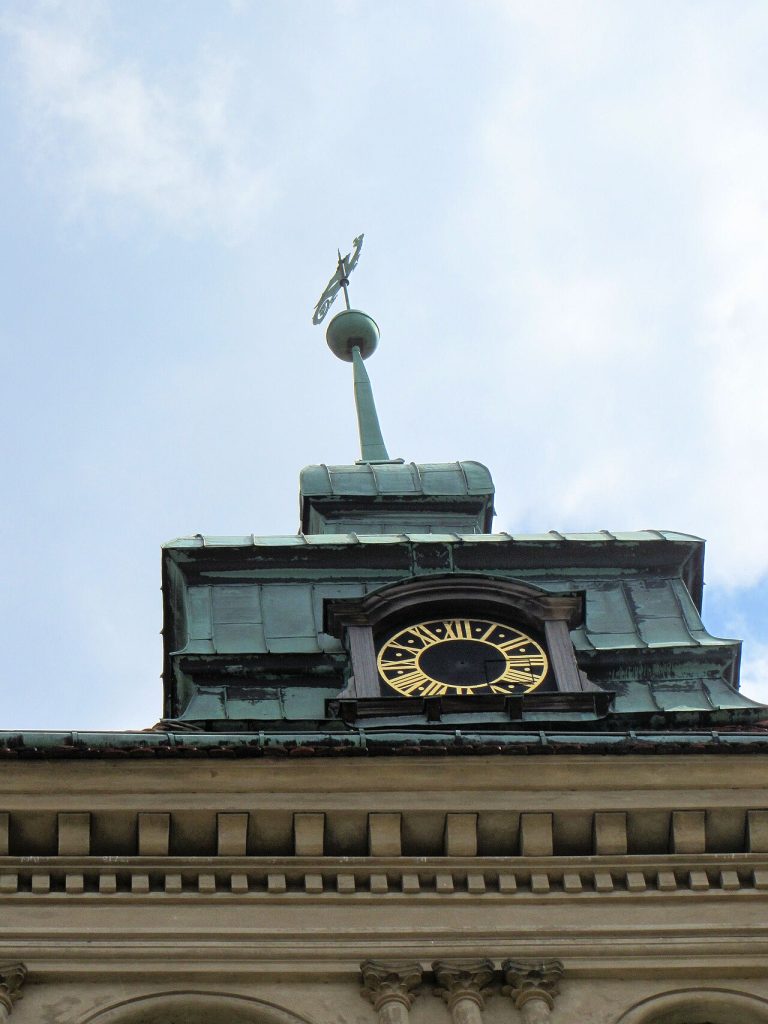
Small treasures such as clocks, scientific instruments and goldsmith work show how a Renaissance court collected the wonders of art and nature.
One room displays small Renaissance bronzes and ivory carvings, delicate pieces that were the pride of princely collections.
The Renaissance Garden
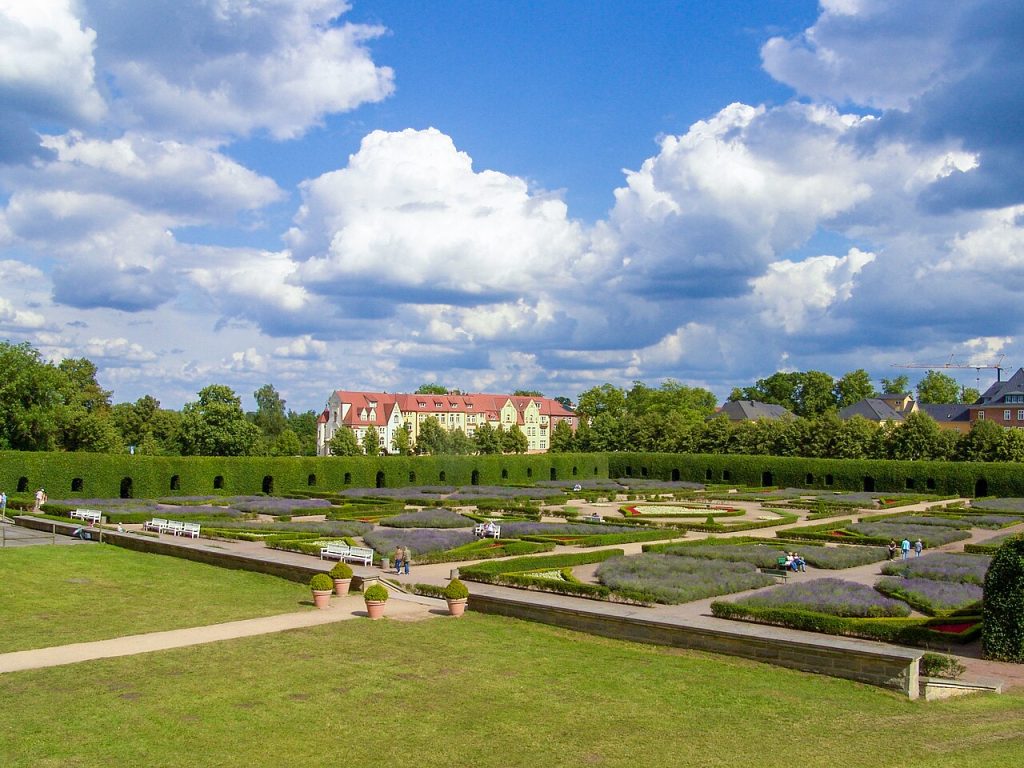
Beside the palace lies a garden recreated in the Renaissance style, with geometric beds, clipped hedges and a pavilion.
It was rebuilt in the twentieth century based on historic plans, and it gives a rare picture of how a sixteenth century princely garden looked.
In summer the beds are full of colour, and a walk along the hedges is a lovely way to end a visit to the palace.
Sit on one of the benches and look back at the palace. From here you get one of the most beautiful views in Mecklenburg.
The Courtyard
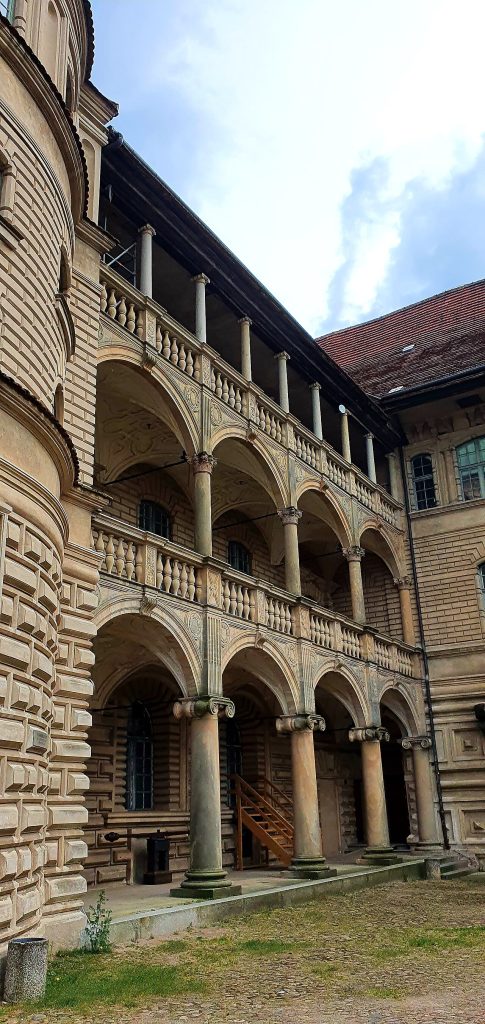
The inner courtyard shows the palace’s most elegant side, with arcades, stucco decoration and windows framed by delicate ornament.
In summer, the courtyard becomes a stage for open air theatre and concerts, and the palace walls make a wonderful backdrop.
The Gustrow palace theatre festival in summer brings plays and music into the courtyard, and on warm evenings the atmosphere is unforgettable.
Barlach and the Floating Angel
Gustrow is also the town of Ernst Barlach, one of the greatest German sculptors of the twentieth century, who lived and worked here.
In the cathedral hangs his famous Hovering Angel, a bronze figure floating in the air as a memorial to the victims of war. The Nazis removed and melted it down, but a cast was made from a surviving model, and it hangs once again in the cathedral.
Barlach’s studio and museum are also open to visitors, and they make a moving complement to a visit to the palace.
Barlach’s work was declared degenerate by the Nazis, and he died in 1938 a lonely and persecuted man. Today he is celebrated as one of the town’s greatest sons.
The Town of Gustrow
The old town of Gustrow is full of brick Gothic churches, half timbered houses and cobbled squares, and it is a pleasure to explore on foot.
The market square, with its town hall and colourful houses, is a good place for a coffee and a rest.
Gustrow is also a good base for exploring the lakes and forests of central Mecklenburg, a peaceful region perfect for cycling and canoeing.
Gustrow on Video
Here is a short video to give you a feel for the palace and its rooms.
If the video makes you want to visit, here are some practical tips.
Visiting Gustrow Today
Gustrow Palace is open throughout the year, except on Mondays. The garden can be visited freely.
Gustrow lies about forty kilometres south of Rostock and is easy to reach by train or car.
Plan at least two hours for the palace and the garden, and allow time for the cathedral and the Barlach museums.
A local tip: walk around the outside of the palace along the old moat at sunset. The light on the gables is magical.
There are several cafes and restaurants near the palace and the market, where you can try Mecklenburg dishes such as fish from the local lakes.
View the location on Google Maps
Palaces Nearby
If you have enjoyed this palace, the region holds more remarkable residences. Here are two more well worth adding to your journey:
- Ludwigslust Palace – the Versailles of the North in Mecklenburg.
- Bothmer Palace – the largest baroque palace in Mecklenburg, near the Baltic coast.
You May Like
Spyker Castle and the Ghost of the Swedish Field Marshal