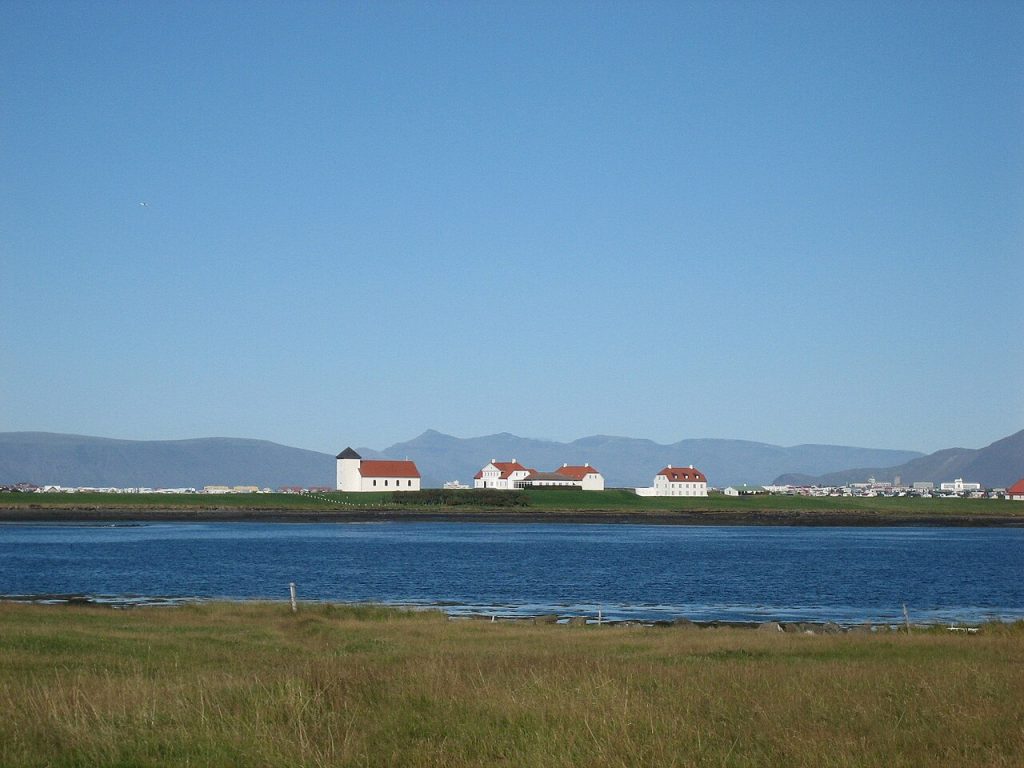
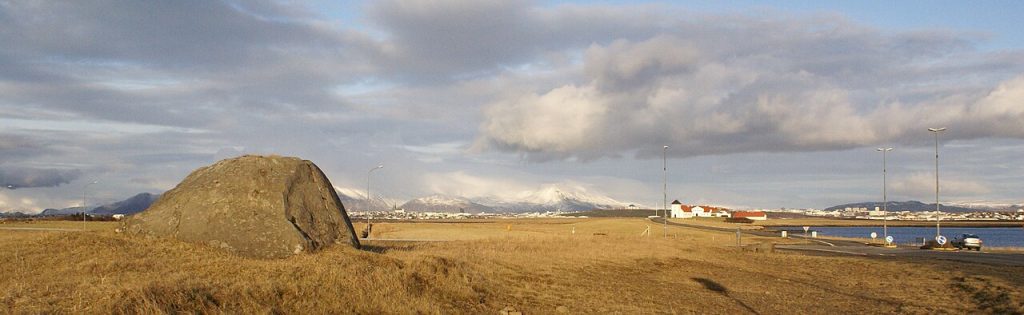
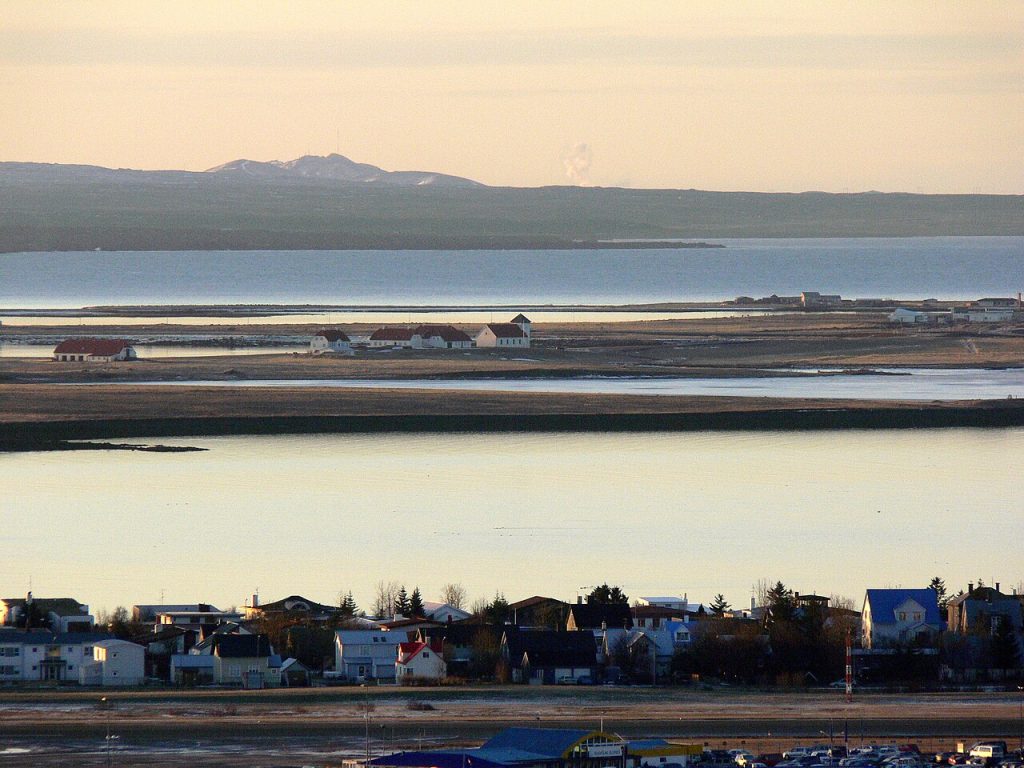
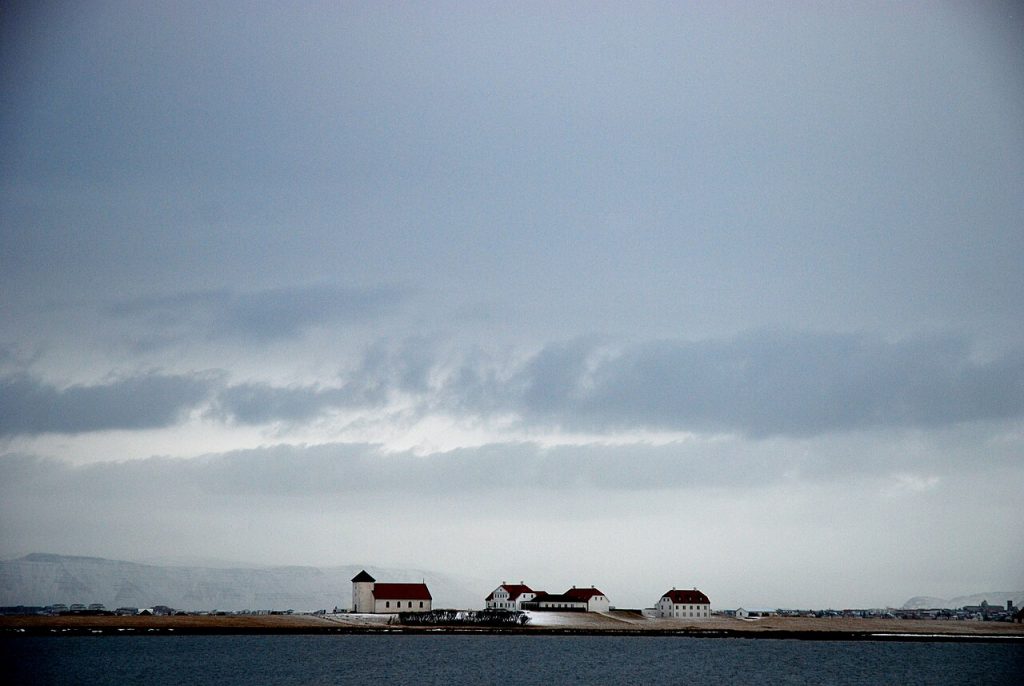
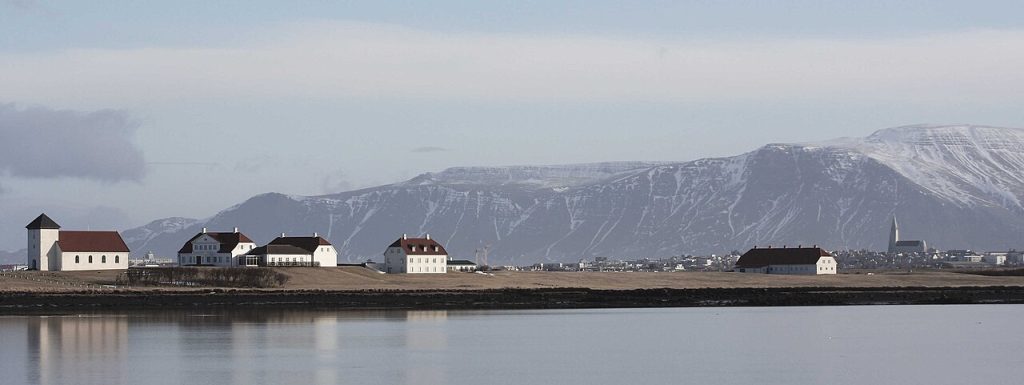
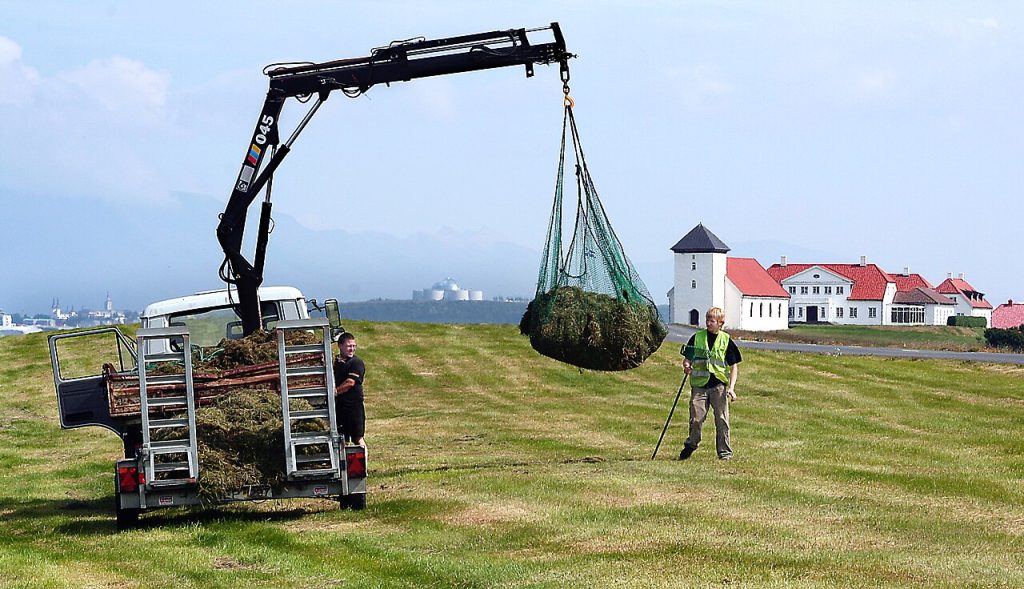
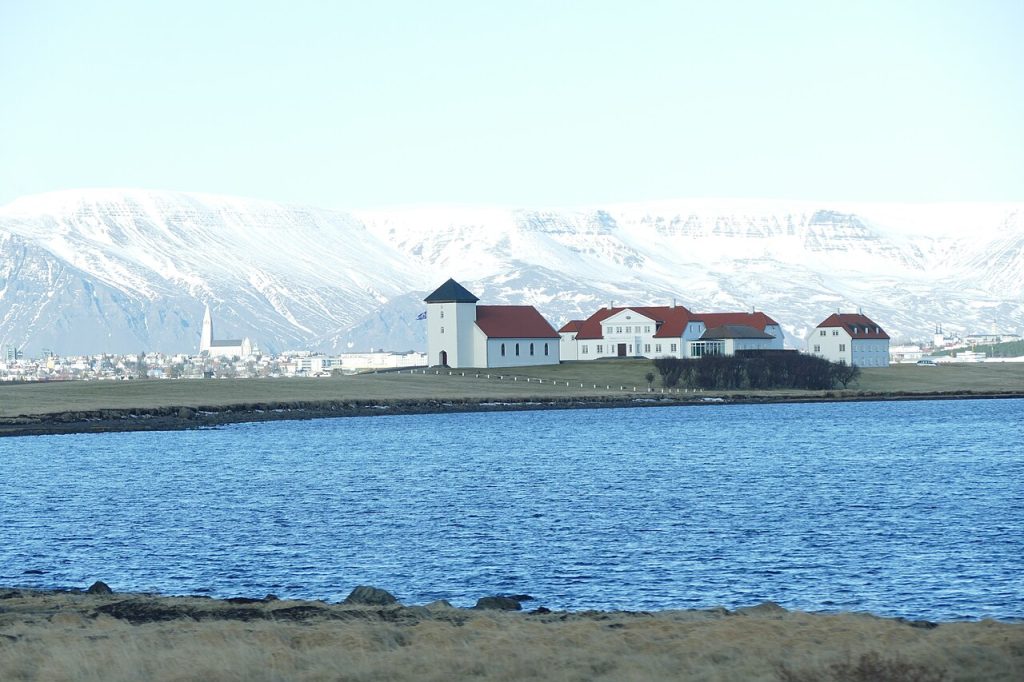
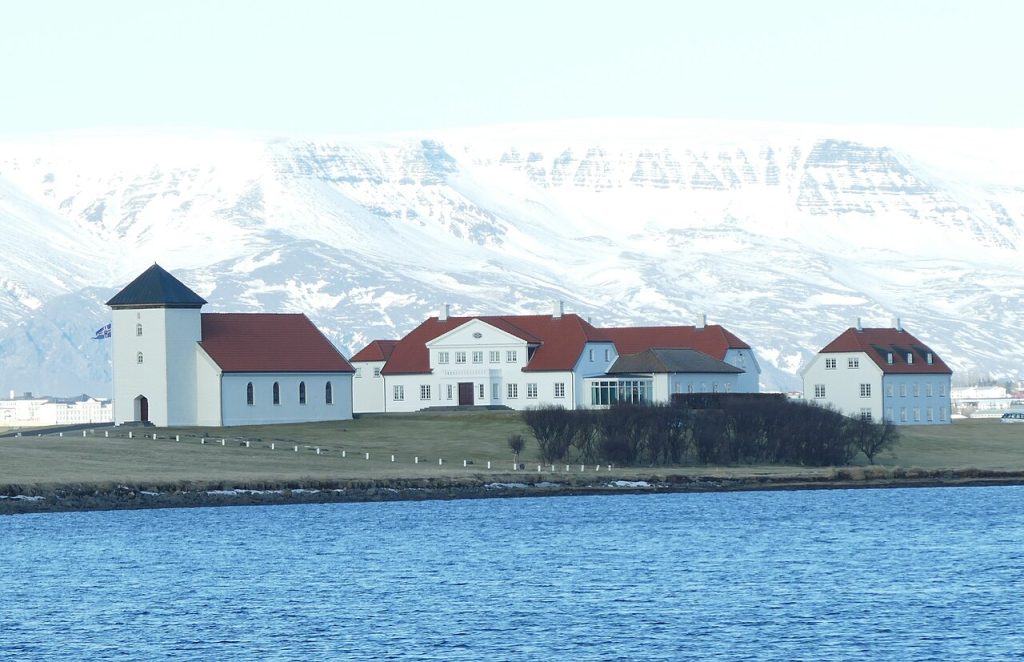
Now, stop on the road across the Alftanes peninsula and look at the house. It is white, low, long and plain, with a small church beside it and nothing between it and the sea but grass and wind. If this were anywhere else in Europe you would drive past assuming it was a farm.
It is the residence of the president of Iceland. There is no wall, no gatehouse, no visible security theatre, and the main road runs past the end of the drive. People walk their dogs along it.
This is what a head of state’s residence looks like in a country of under four hundred thousand people that built its national identity on the deliberate absence of aristocracy.
- Snorri Sturluson and the Saga Age
- A Farm That Became Crown Land
- The Danish Governors
- The Stone House of the 1760s
- The Church and Its Windows
- The School That Taught a Nation
- Independence and a Gift to the State
- The Presidents of Iceland
- Vigdis Finnbogadottir and a First in the World
- The Summit That Ended an Era
- Birds, Wind and the Peninsula
- A Presidency Without Walls
- Visiting and What to Expect
Snorri Sturluson and the Saga Age
Bessastadir appears in the medieval sources as the property of Snorri Sturluson, the chieftain, politician and writer who composed the Prose Edda and probably Egil’s Saga, and who is the single most important figure in the preservation of Norse mythology.
Snorri was murdered in 1241, in his cellar at Reykholt, on the orders of the Norwegian king, during the civil strife that ended the Icelandic Commonwealth. His properties, including this one, passed to the crown.
Stand on the grass and consider that the literature which gave the world Odin, Thor and Ragnarok was written by a man who owned this field.
A Farm That Became Crown Land
After 1262 Iceland came under the Norwegian crown and later, with Norway, under Denmark. Bessastadir became royal property and the administrative centre from which the island was governed.
Iceland had no towns to speak of until the eighteenth century, no castles, no nobility in the continental sense. Power sat on farms, and the most important farm became the seat of government by default.
That absence of aristocratic architecture is the defining fact of Icelandic building history, and it is why this house looks the way it does.
The Danish Governors
From the sixteenth century Danish governors and later Icelandic officials under Danish authority administered the island from here. The relationship was often extractive: a trade monopoly imposed from Copenhagen kept Iceland poor for generations.
Eruptions, famine and epidemic repeatedly devastated the population. The Laki eruption of 1783 killed a fifth of Icelanders and poisoned livestock across the country, and the Danish government considered evacuating the island entirely.
The administration that handled all of this sat in these rooms.
The Stone House of the 1760s
The present main house was built between 1761 and 1766, in stone, which in Iceland was remarkable. Almost every building on the island at that time was turf and timber, because there was no usable local stone construction tradition and no timber to speak of.
Building in stone required imported expertise, imported materials and a reason. The reason was prestige: the Danish administration wanted a permanent seat that looked like a European building.
It is one of the oldest buildings in Iceland, and its survival through earthquakes, storms and two and a half centuries of Atlantic weather is an achievement in itself.
The Church and Its Windows
Bessastadakirkja, the church beside the house, was built between 1780 and 1796 and remains in use. It is small, white, simple and entirely unlike a cathedral, which is the Icelandic norm.
Its stained glass windows, made in the twentieth century, illustrate the history of Christianity in Iceland, and they are the one genuinely decorative element on the whole site.
Archaeological work around the church has uncovered medieval and early modern remains, including evidence of the earlier farm, the school and the governors’ buildings.
The School That Taught a Nation
From 1805 to 1846 the Latin school, Iceland’s main institution of higher education, operated at Bessastadir. The country’s intellectual elite of the nineteenth century passed through it.
Among them was Jonas Hallgrimsson, the poet and naturalist whose work shaped modern Icelandic literature and who, with others, led the romantic nationalist movement that argued for Icelandic independence.
The independence movement was built on language and literature rather than on arms, which is unusual and is one reason it succeeded without violence.
Independence and a Gift to the State
Iceland gained home rule in 1904, became a sovereign kingdom in personal union with Denmark in 1918, and declared a republic in 1944 while Denmark was under German occupation.
In 1941 a businessman, Sigurdur Jonasson, bought Bessastadir and gave it to the Icelandic state as a residence for the head of state. When the republic was declared three years later, the president moved in.
It is a very Icelandic story: no palace was built, a farm was donated, and the matter was settled.
The Presidents of Iceland
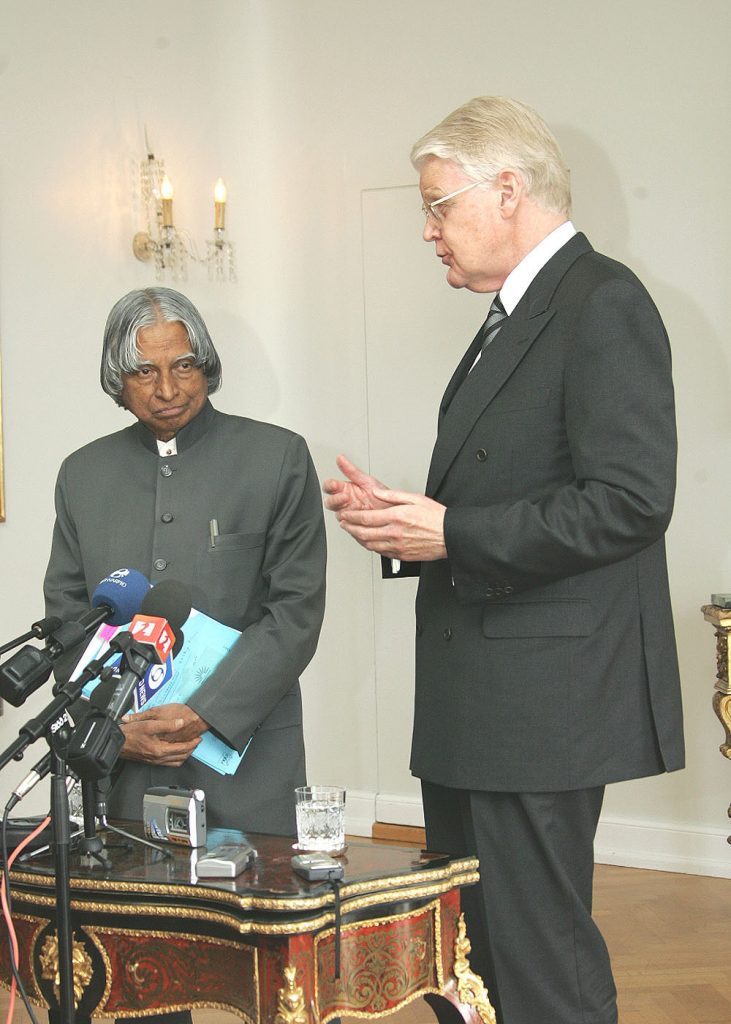
Iceland’s presidency is largely ceremonial, with executive power resting with the government, but the office carries moral weight and the president can refer legislation to a referendum, a power used memorably during the banking crisis.
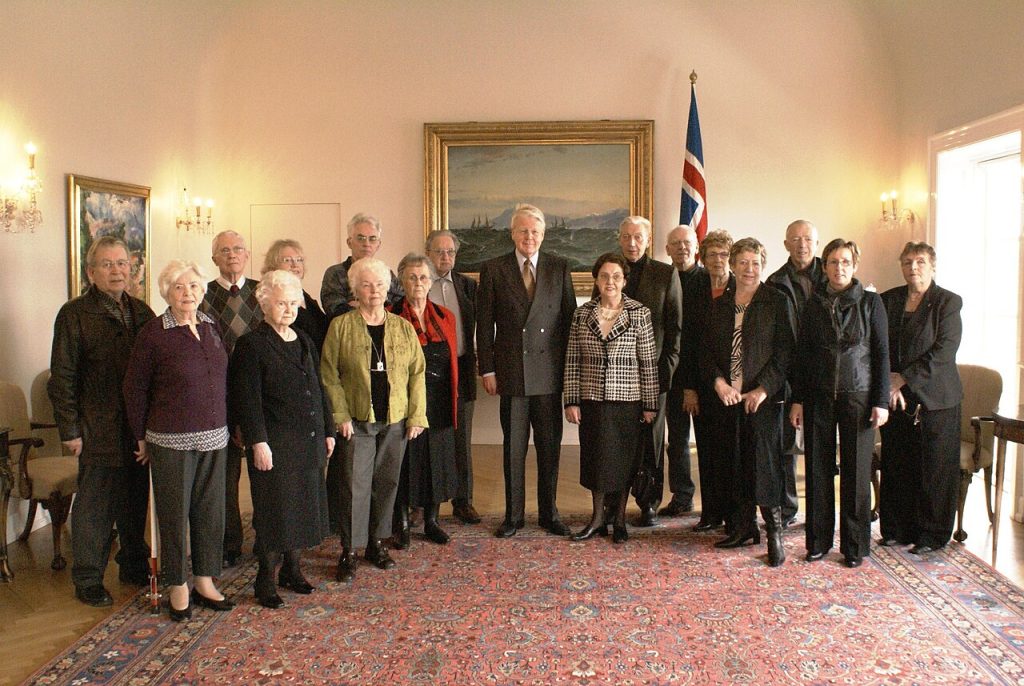
Presidents have included scholars, a museum director, a theatre director and a historian. They are addressed by first name, as all Icelanders are, and they queue in shops.
The residence reflects the office: official, modest, and open in ways that would be unthinkable in a larger state.
Vigdis Finnbogadottir and a First in the World
In 1980 Iceland elected Vigdis Finnbogadottir, a theatre director and language teacher, as president. She was the world’s first woman to be elected head of state in a democratic national election, and she served for sixteen years.
Her election followed the women’s strike of 1975, when ninety percent of Icelandic women refused to work, cook or care for children for a day, and the country stopped. The connection between the two events is direct and acknowledged.
She lived here as a single mother, which in 1980 was itself a statement, and she used the office to promote Icelandic language, culture and reforestation.
The Summit That Ended an Era
In October 1986 Reagan and Gorbachev met in Reykjavik at Hofdi House, a short distance from here, and came close to agreeing the elimination of all nuclear weapons before the talks collapsed over missile defence.
The summit is now regarded as a turning point in the Cold War, and Iceland’s role as neutral ground made it possible. Bessastadir hosted elements of the surrounding diplomacy.
A country with no army held the meeting that began the end of the arms race. Icelanders mention this more often than foreigners expect.
Birds, Wind and the Peninsula
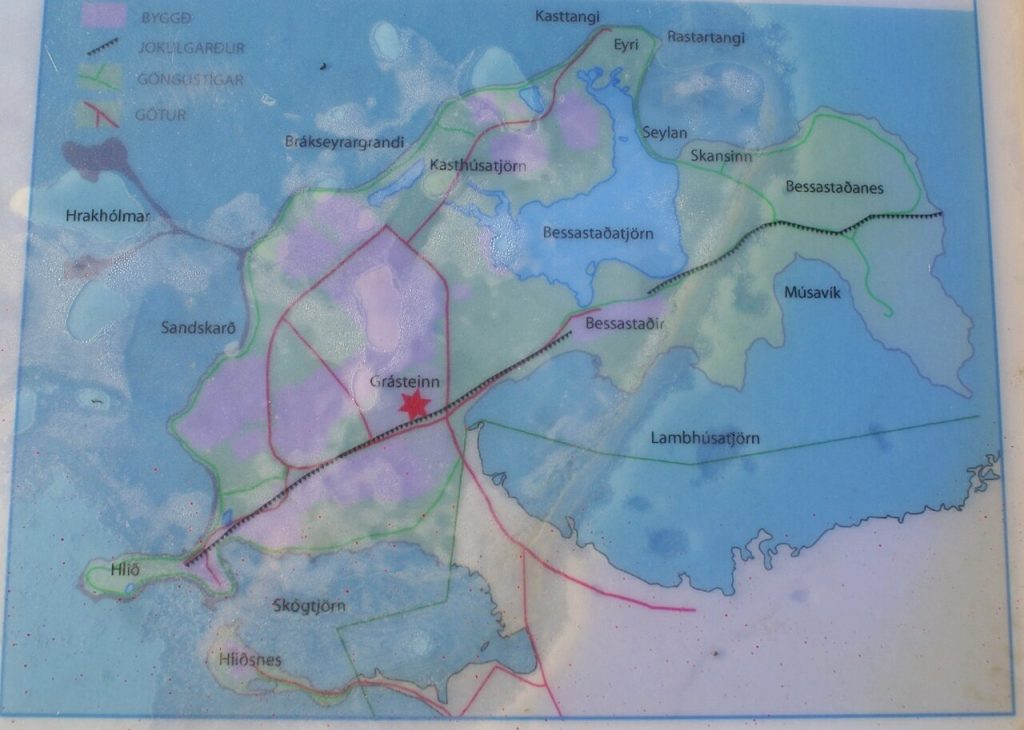
Alftanes means swan peninsula, and the name is accurate. The shoreline is a protected area for waterbirds: swans, eiders, waders and geese, with the sea on both sides and views toward Reykjavik, Mount Esja and, on clear days, the Snaefellsnes glacier.
The wind is constant. There are no trees to speak of, because the Icelandic climate and a thousand years of grazing removed them, and the landscape is grass, water, rock and sky.
Walk the coastal path. It is one of the better short walks within reach of Reykjavik and the birdlife is excellent.
A Presidency Without Walls
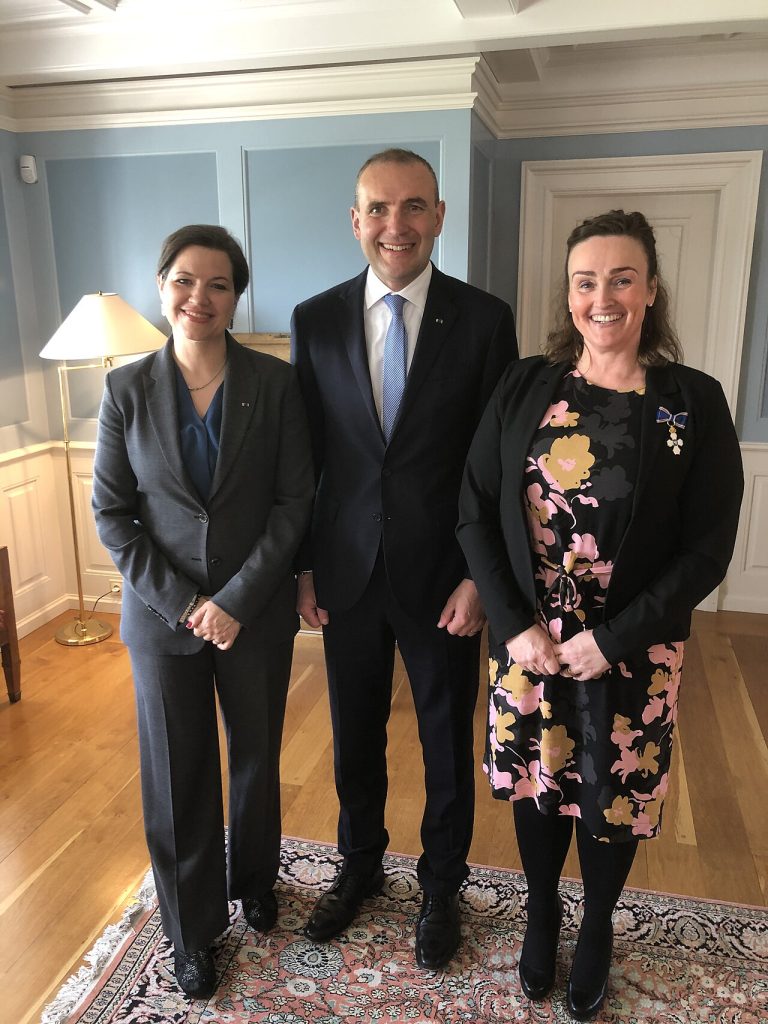
The absence of visible security is the thing most foreign visitors notice. There are staff, and there are arrangements, but the overall impression is of a working house in a field rather than a protected compound.
Iceland’s social model makes this possible: small population, high trust, low violent crime, and a political culture in which public figures are personally known to a significant share of the electorate.
Whether that can last as Iceland becomes a major tourist destination is an open question, but for now it holds.
Visiting and What to Expect
Expect a short visit. The house is not open to the public, the church opens occasionally, and the main pleasure is the setting, the walk and the sheer improbability of the place.
It takes twenty minutes to drive from central Reykjavik, and a bus serves Alftanes. Combine it with the coastal path, the geothermal swimming pool in Alftanes and the drive on to Hafnarfjordur.
Stand at the fence for a moment before you go. This grass belonged to the man who wrote down the Norse myths, and it now belongs to a republic that governs from a farmhouse.
Watch Bessastadir on Film
Visiting Bessastadir Today
Bessastadir stands on the Alftanes peninsula in the municipality of Gardabaer, about twelve kilometres southwest of central Reykjavik, roughly twenty minutes by car or accessible by local bus with a short walk.
The residence is the president’s official home and is closed to visitors. The church is sometimes open, the grounds can be viewed from the public road, and the coastal paths around the peninsula are freely accessible.
Go on a clear day for the views toward Esja and Snaefellsjokull, dress for wind in any season, and allow an hour or two including the walk. Find it here: https://www.google.com/maps?q=64.1053,-21.9958
Palaces Nearby
You May Like
The Presidential Palace in Helsinki and the Making of Finland