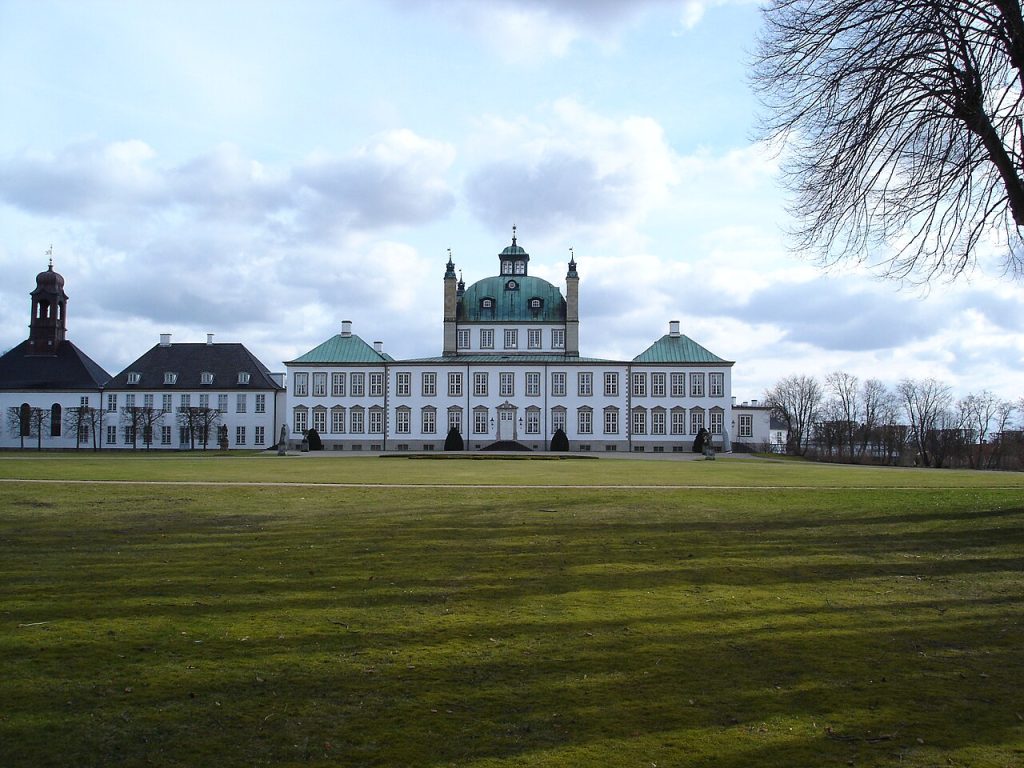
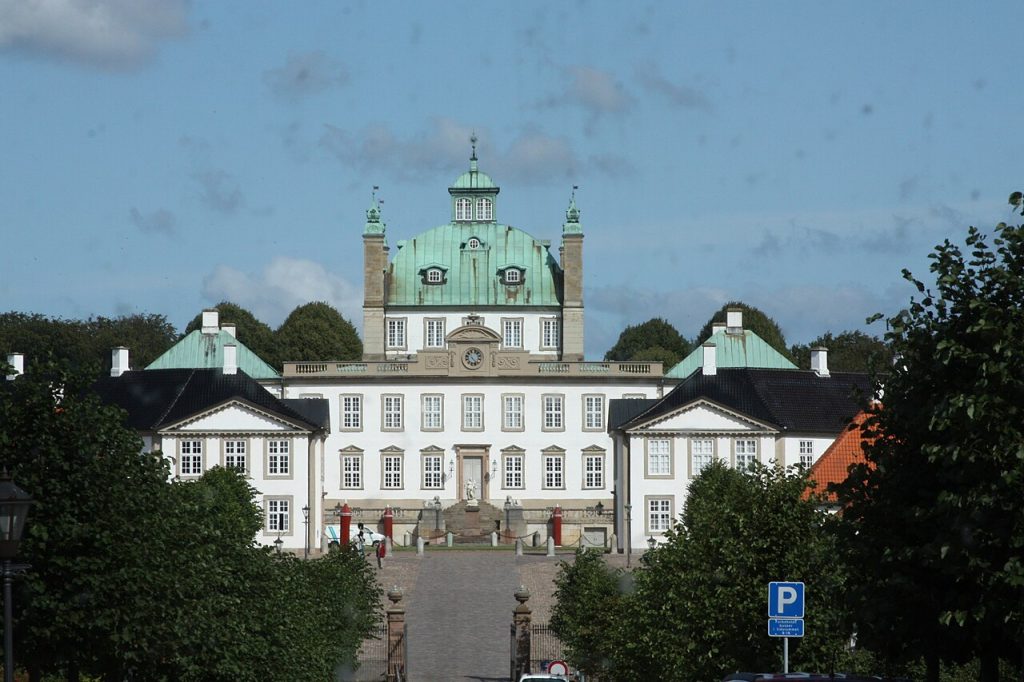
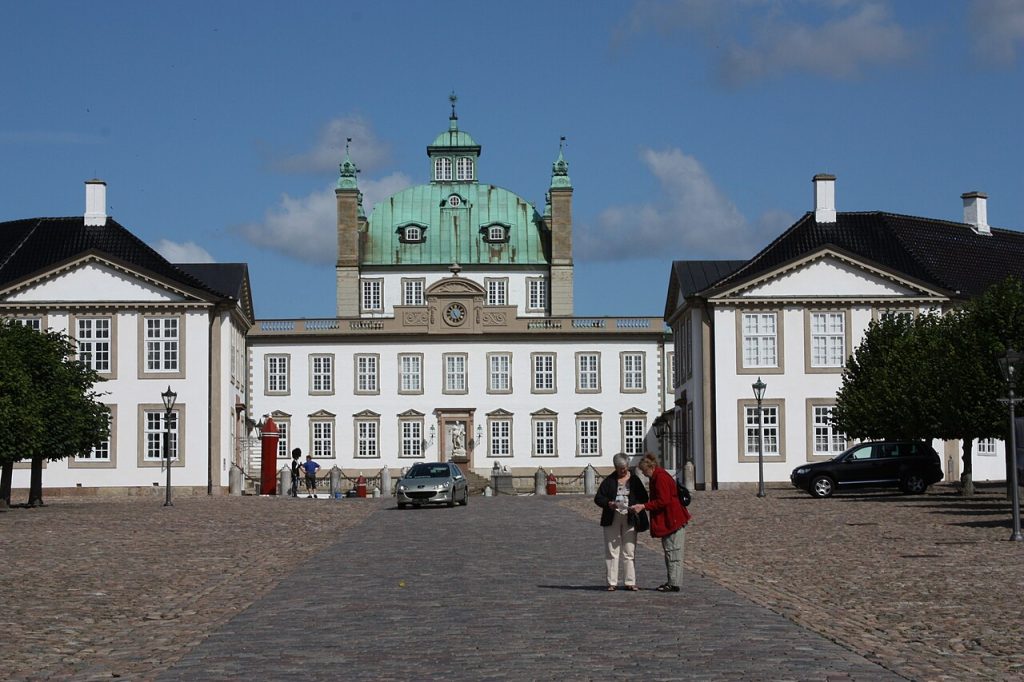
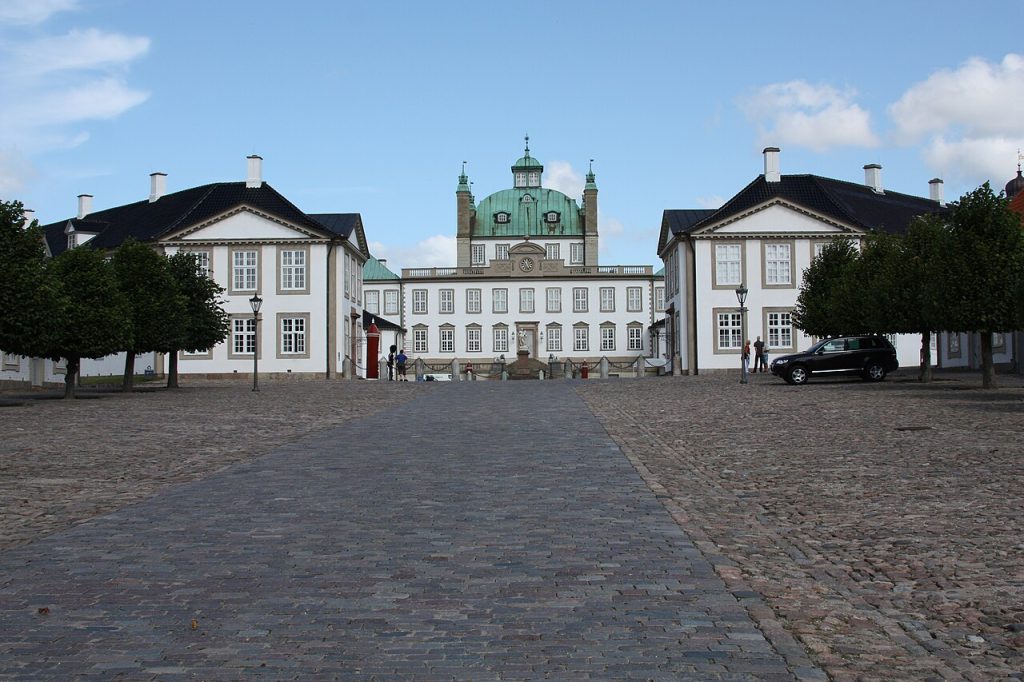
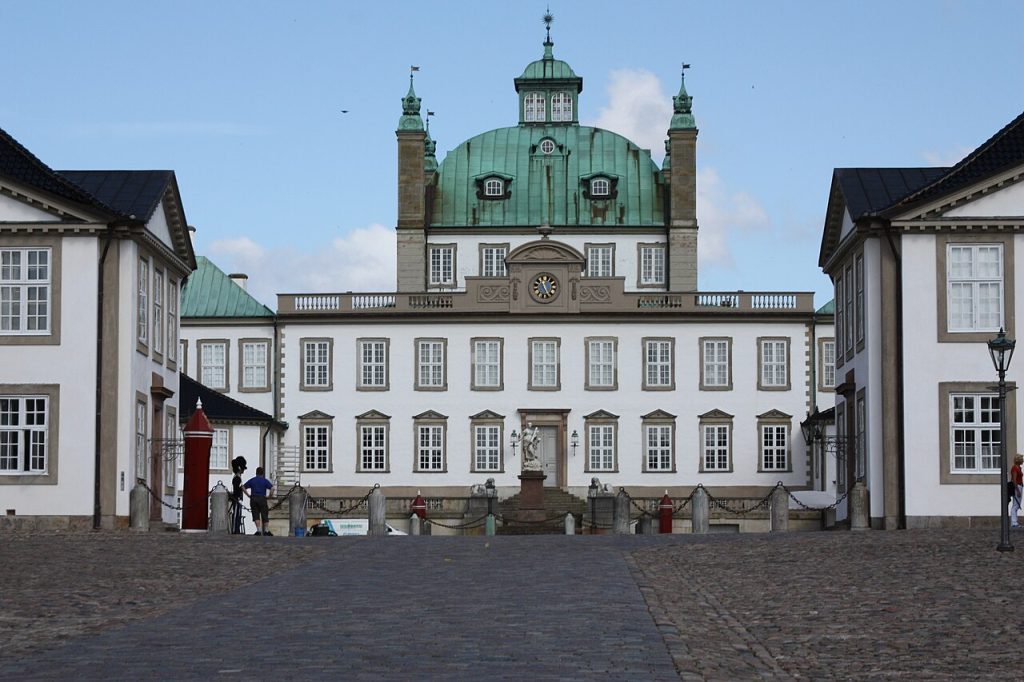
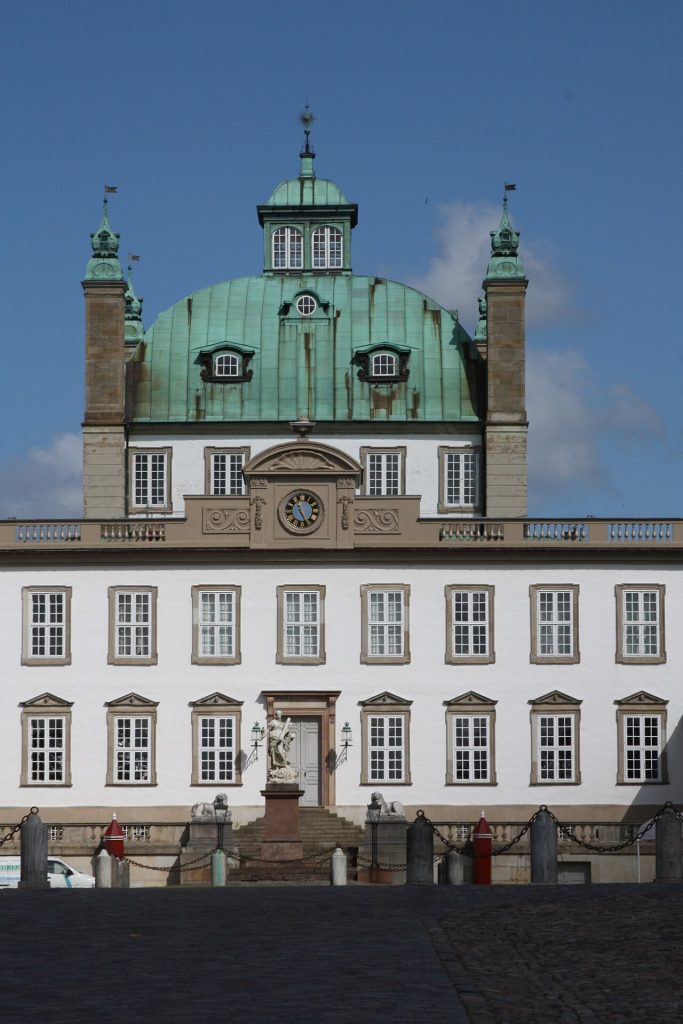
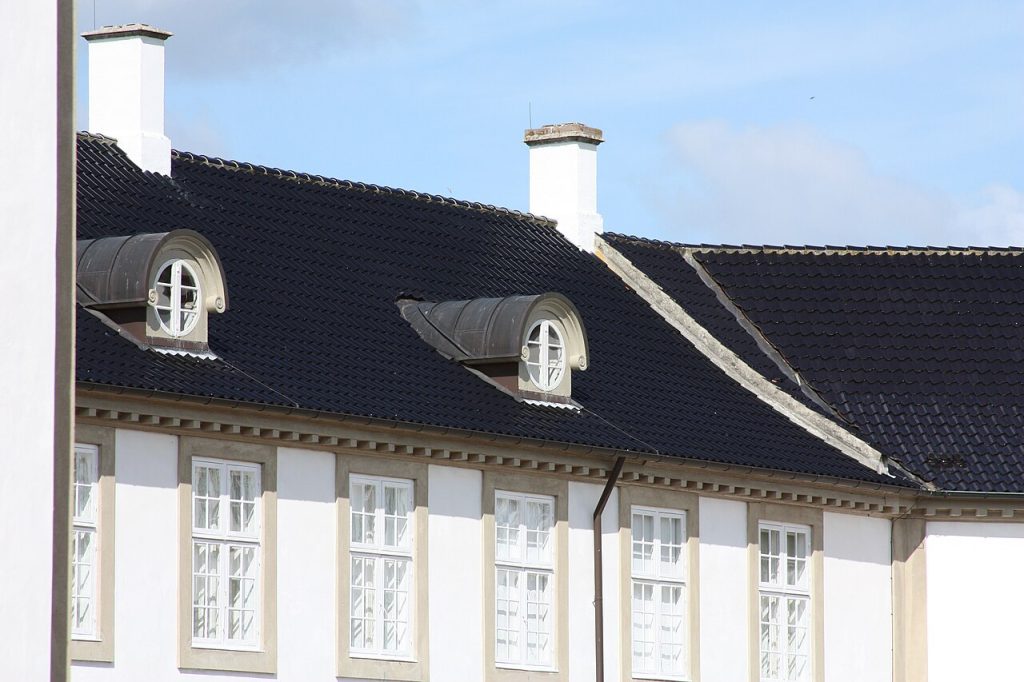
Now, stop at the edge of the courtyard and look at the dome, then at the low wings spreading out to either side. Fredensborg does not look like a fortress or a statement of power. It looks like a very large, very confident country house, which is precisely what a king builds when a long war has finally ended.
The name means peace, and it was chosen deliberately. Frederik IV built it after the Great Northern War, the conflict that destroyed Sweden’s empire and left Denmark exhausted but intact. The palace is a monument to the end of fighting rather than to victory in it.
Three centuries later it is still in use. The Danish royal family lives here in spring and autumn, state visits are received here, and the courtyard you are standing in fills with ceremony several times a year. Of all the palaces in this series, this is among the most genuinely alive.
- A Palace Named for Peace
- Johan Cornelius Krieger and the Italian Idea
- The Domed Hall at the Centre
- The Baroque Garden and Its Axes
- Nordmandsdalen and Seventy Figures
- Christian IX and the Family of Europe
- The Gatherings That Shaped a Continent
- Inside the State Rooms
- The Orangery and the Working Estate
- A Working Palace Today
- Ceremony in the Courtyard
- The Lake and the Landscape
- Why the Season Matters
A Palace Named for Peace
Frederik IV began the building in 1719, as the Great Northern War was ending. Denmark had fought Sweden on and off for two decades, and the treaty that followed confirmed what everyone already knew: the Swedish empire was finished and the Baltic had a new balance.
A victory arch would have been provocative. A palace called Fredensborg, the castle of peace, was a cleverer piece of messaging, and the king used it as such. He laid the foundation stone himself and watched the work closely.
Keep that framing in mind as you walk. Everything here is designed to look serene rather than triumphant.
Johan Cornelius Krieger and the Italian Idea
The architect was Johan Cornelius Krieger, working with ideas drawn from Italian villa design, particularly the domed central block of Palladio’s villas, adapted for a northern climate and a Danish court.
The plan is simple and effective: an octagonal domed hall at the centre, wings reaching out around a courtyard, and a garden axis running away behind. It is a building you can understand in thirty seconds from the air and enjoy slowly on the ground.
Later additions by Nicolai Eigtved and others extended the wings, but the original clarity survived every alteration.
The Domed Hall at the Centre
The Domed Hall is the heart of the palace and one of the finest baroque interiors in Scandinavia. It rises through the full height of the central block, lit from above, decorated with stucco and painted surfaces, and used for the most formal occasions.
Acoustically it is remarkable, which is why concerts are held here. Visually it does the thing all great domed rooms do: it makes you stop talking and look up.
State banquets take place here, and photographs of foreign heads of state under that dome appear in Danish newspapers several times a year.
The Baroque Garden and Its Axes
The garden is one of the largest and best-preserved baroque landscapes in Denmark. Straight avenues radiate outward from the palace in a fan, cutting through woodland and opening onto Lake Esrum, the second largest lake in the country.
The design dates from the 1760s, when Nicolas-Henri Jardin reworked the earlier layout in the French manner. Later generations softened parts of it in the English taste, and a long restoration programme has since brought the baroque bones back.
Walk one of the radiating avenues to its end and turn around. The palace appears exactly in the centre of the view, which is the whole point of the geometry.
Nordmandsdalen and Seventy Figures
In a hollow in the garden stands one of the strangest and most appealing sculpture groups in Europe: Nordmandsdalen, the Norsemen’s Valley, an amphitheatre of around seventy sandstone figures of Norwegian and Faroese peasants and fishermen in regional dress.
They were carved in the eighteenth century after a set of ivory figures made by a Norwegian postmaster, and they were placed here when Norway was still part of the Danish realm. Ordinary people, in working clothes, arranged in a royal garden.
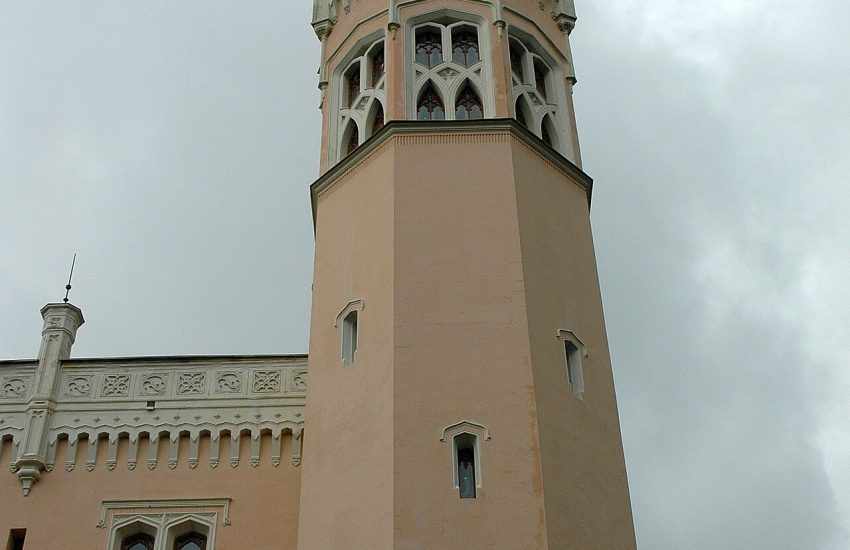
It is an early example of the same impulse that later produced Oscarshall’s peasant paintings: monarchy describing itself through the people it ruled rather than through classical gods.
Christian IX and the Family of Europe
In the second half of the nineteenth century Fredensborg became the summer gathering place of Christian IX, known as the father-in-law of Europe, and his wife Louise.
Their children married into half the royal houses of the continent. One daughter became queen of the United Kingdom, another empress of Russia, one son became king of Greece, another king of Denmark. Grandchildren included the Russian tsar, the British king and the Greek royal family.
Every summer, these people came to Fredensborg. The palace hosted a family reunion that happened to include the rulers of several great powers.
The Gatherings That Shaped a Continent
Historians are divided about how much politics actually happened at these gatherings. Letters and memoirs suggest a great deal of walking, eating, charades and family argument, and rather less diplomacy than outsiders assumed at the time.
But the connections were real. When the Russian empress and the British queen consort are sisters who spend August together in a Danish garden, information flows, and attitudes form. Foreign ministries watched the visits closely.
By 1914 those family ties counted for nothing. Cousins went to war, and one branch of the family was murdered in a cellar in Yekaterinburg. The photographs from these lawns are hard to look at with that knowledge.
Inside the State Rooms
Beyond the Domed Hall the palace holds a sequence of reception rooms decorated across the eighteenth and nineteenth centuries: the Garden Room, the Hall of the Knights with its painted ceiling, galleries hung with portraits of the extended royal family.
Because the palace remains in use, the interiors are maintained as working rooms rather than frozen displays. Furniture is arranged for occasions, not for visitors, and that shows in small ways.
Interiors are open only in July, when the court is elsewhere. Outside that month you see the exterior and the gardens, which is still a full afternoon.
The Orangery and the Working Estate
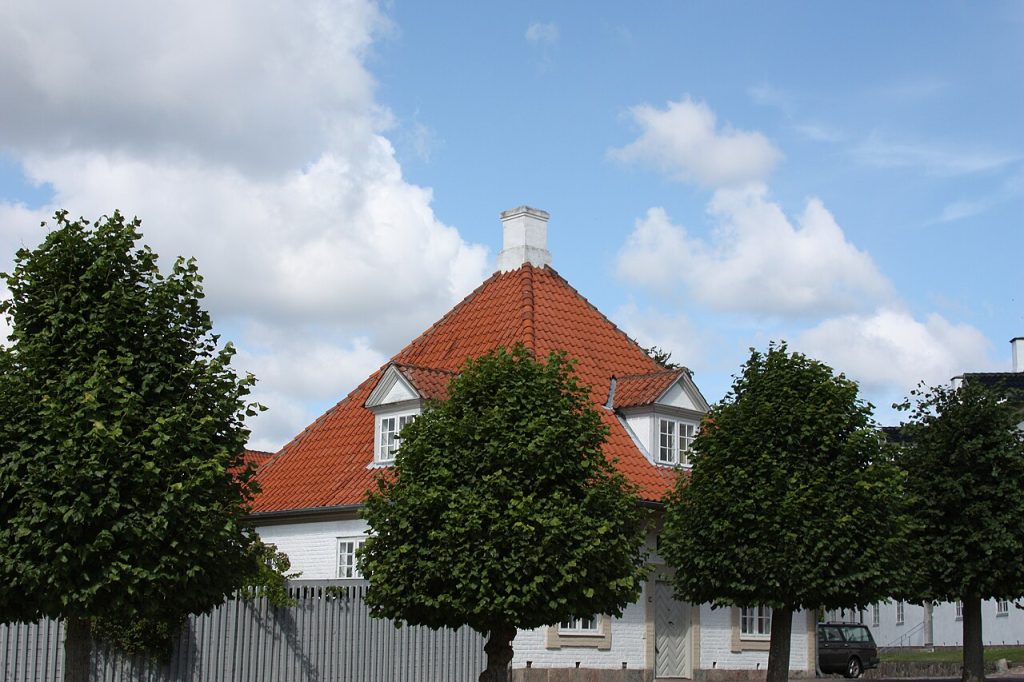
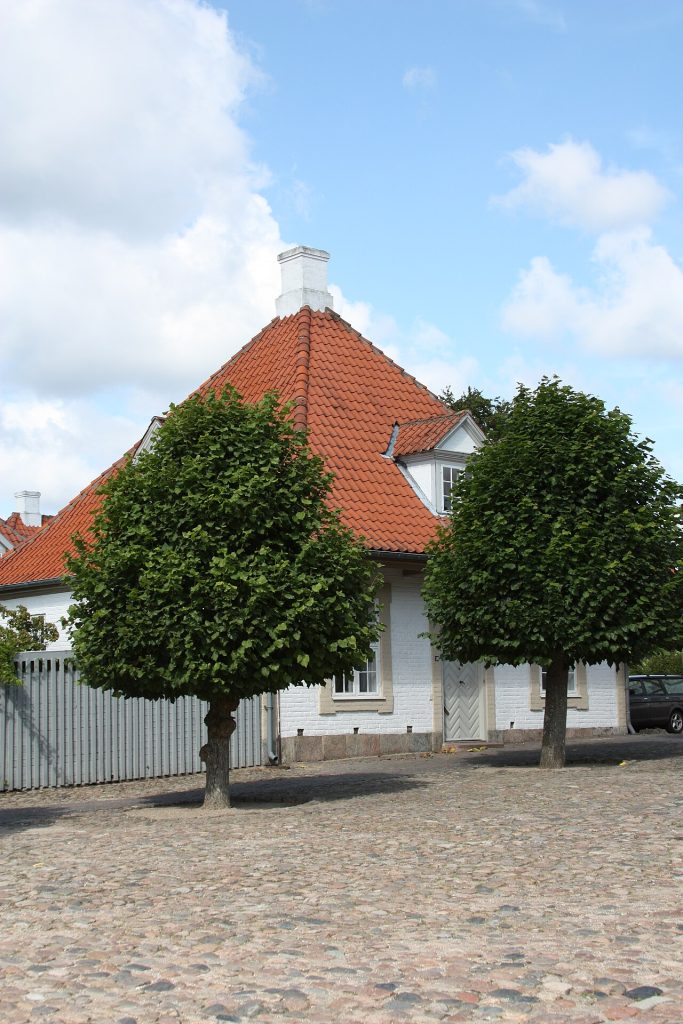
Behind the ceremonial face there is an estate: orangery, kitchen gardens, stables, staff housing, workshops. A palace of this size needs a small village to run it, and Fredensborg has had one for three hundred years.
The orangery produced citrus and exotic plants for the court; the kitchen gardens supplied the table. Parts of this system still function, and the royal household takes a genuine interest in the gardens.
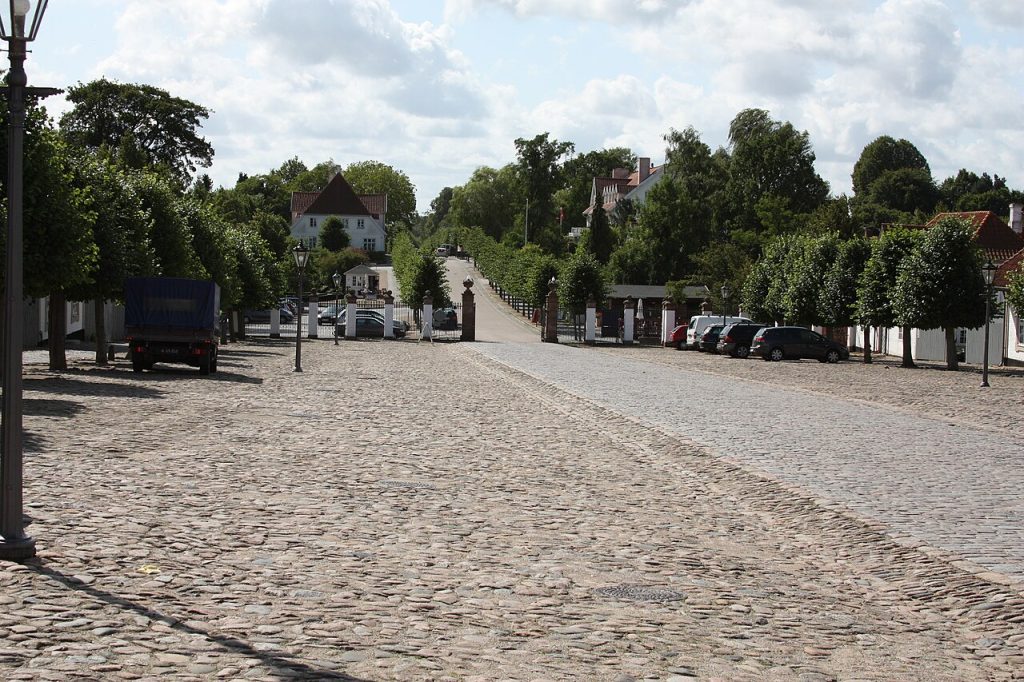
The town of Fredensborg grew up around the palace and still depends on it for a share of its identity and its visitors.
A Working Palace Today
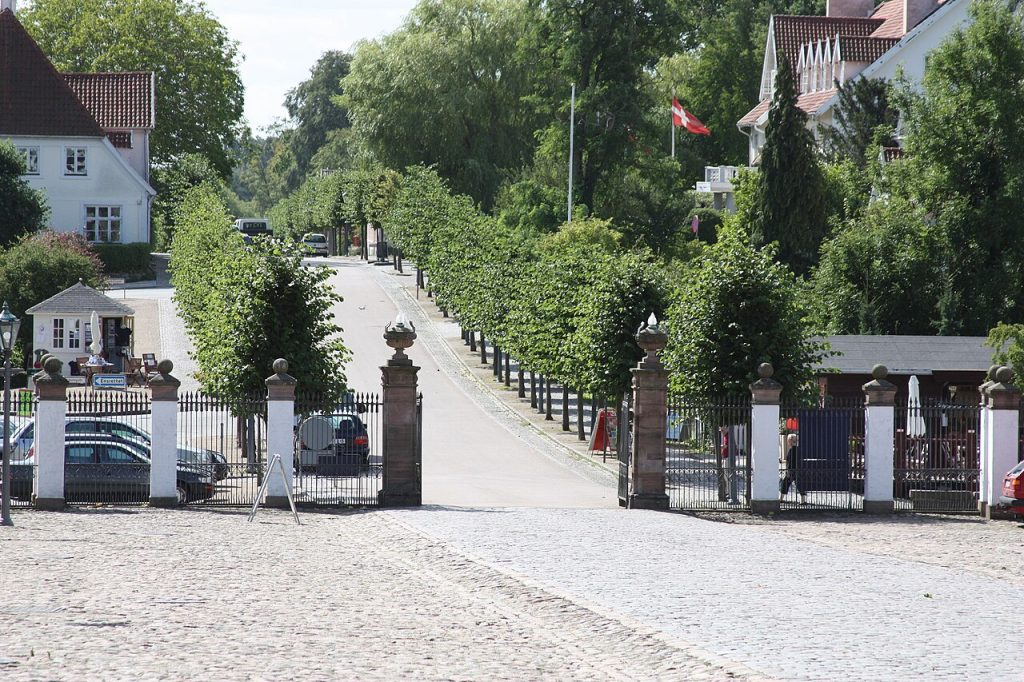
Fredensborg is the spring and autumn residence of the Danish monarch, and it is where many state visits are hosted. Foreign heads of state arrive by carriage through the courtyard, and the Danish press covers the arrivals in detail.
It has also been the setting for family events: engagements announced, christenings, golden weddings, and the long summer visits that produce the informal photographs Danes have seen for generations.
The monarchy’s accessibility is part of its appeal in Denmark, and this palace is where that balance between ceremony and family is most visible.
Ceremony in the Courtyard
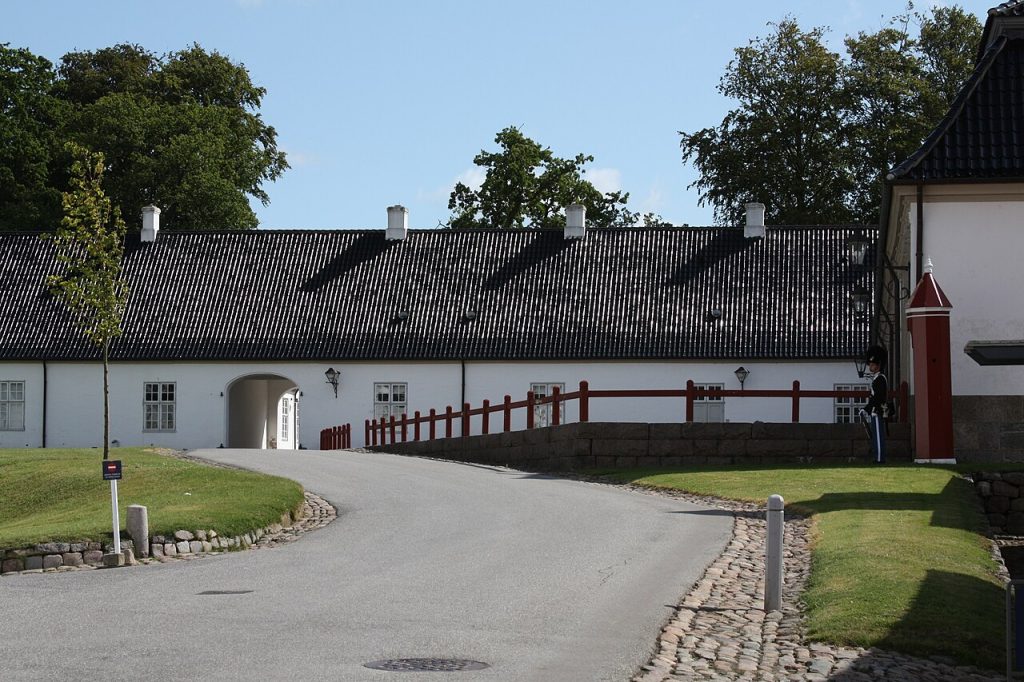
When the monarch is in residence, the Royal Life Guards mount guard here and the changing of the guard takes place in the courtyard at noon. It is smaller and more intimate than the equivalent in Copenhagen, and visitors can stand close.
Danish ceremonial is notably restrained. There is no vast crowd, no amplified music, no sense of spectacle for its own sake. Soldiers march, orders are given, and it is over in twenty minutes.
Check whether the court is in residence before planning around it. The flag flying above the palace tells you.
The Lake and the Landscape
Lake Esrum stretches away below the garden, and the walk down to the water through the avenues is the best part of the visit for many people. The lake is large, quiet and surrounded by forest, with Gribskov on the far side.
This corner of North Zealand holds an extraordinary density of royal landscape: Fredensborg, Kronborg at Elsinore, Frederiksborg at Hillerod, and the hunting forests between them, now a UNESCO World Heritage site for their star-shaped hunting avenues.
If you have a day, link two or three of them. They were designed as a single royal landscape and they still read as one.
Why the Season Matters
Fredensborg rewards timing more than most palaces. In July the interiors open and the court is away. In spring and autumn the family is in residence, the guard is mounted, and the gardens are at their best but the rooms are closed.
Decide which you want before you book. Many visitors come for the garden and the Nordmandsdalen figures and never see a state room, and they are not missing the point.
Stand in the courtyard once more before you leave. Three hundred years of Danish history have passed through this gravel, and it is still being used.
Watch the Palace on Film
Visiting Fredensborg Palace Today
Fredensborg lies in North Zealand, about forty kilometres north of Copenhagen. Take the regional train toward Helsingor and change for the local line to Fredensborg, roughly an hour in total, or drive in about forty-five minutes.
The palace gardens are open year-round and free. The palace interiors and the private garden open only in July, with guided tours; the Orangery garden has its own limited season. Check the royal palaces calendar before travelling.
Allow half a day, and combine it with Frederiksborg Castle at Hillerod or Kronborg at Elsinore for a full royal day in North Zealand. Find it here: https://www.google.com/maps?q=55.9761,12.4000
Palaces Nearby
You May Like
Oscarshall and the Fairytale Villa Above the Oslo Fjord