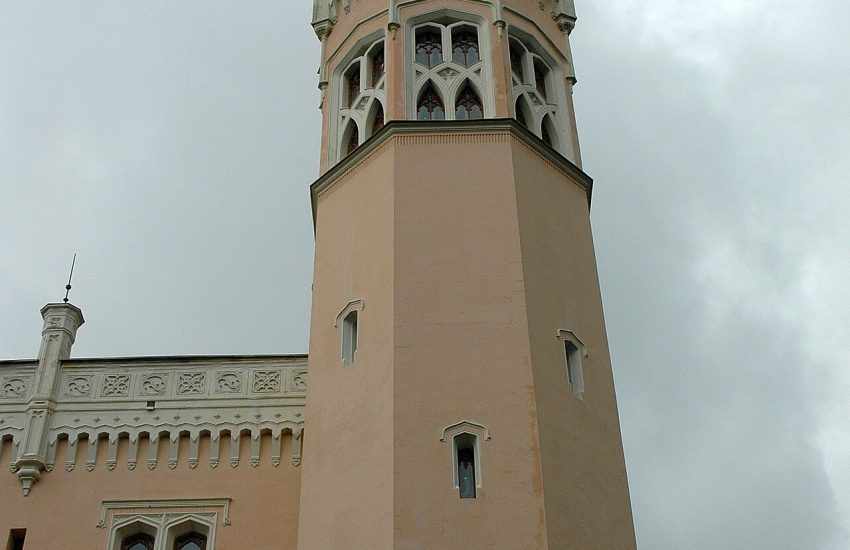
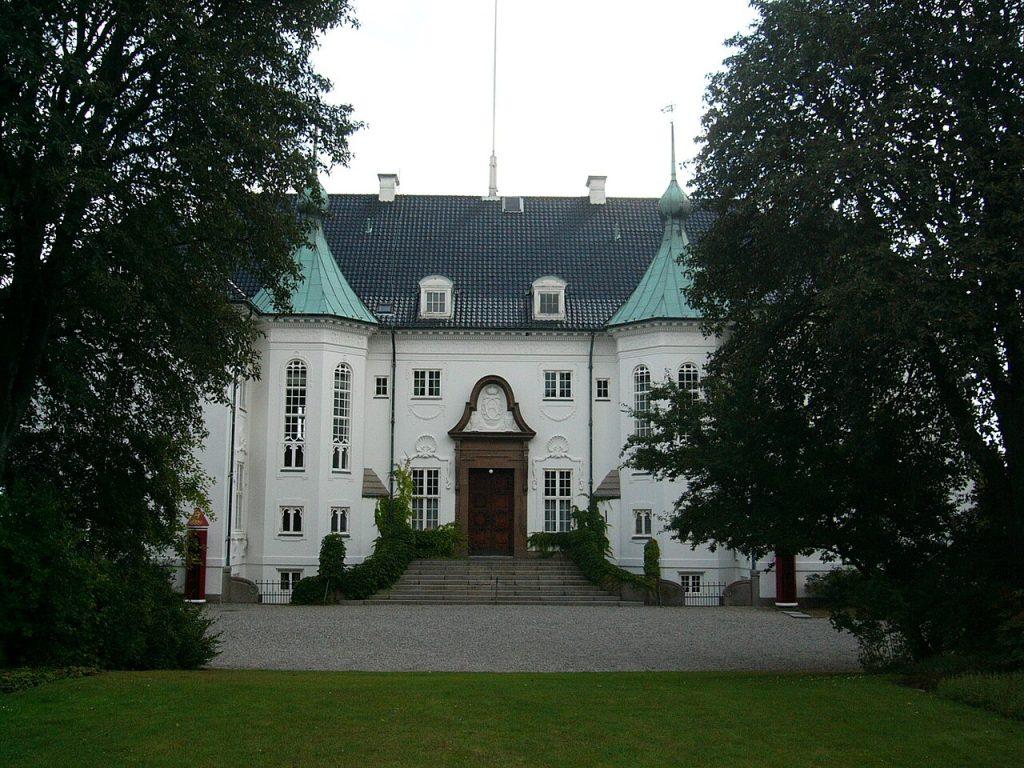
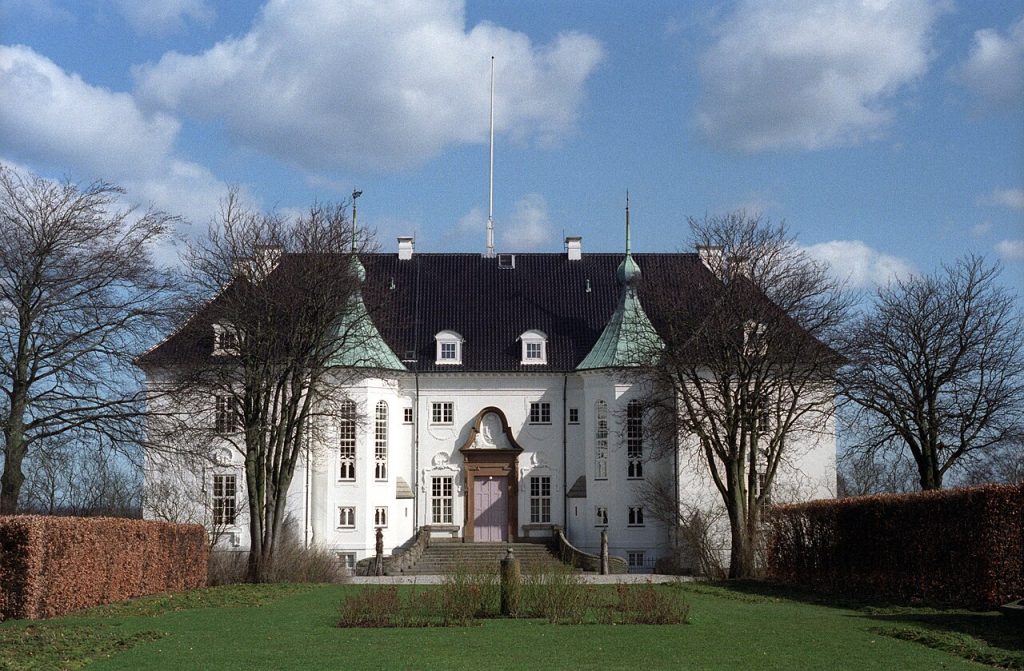
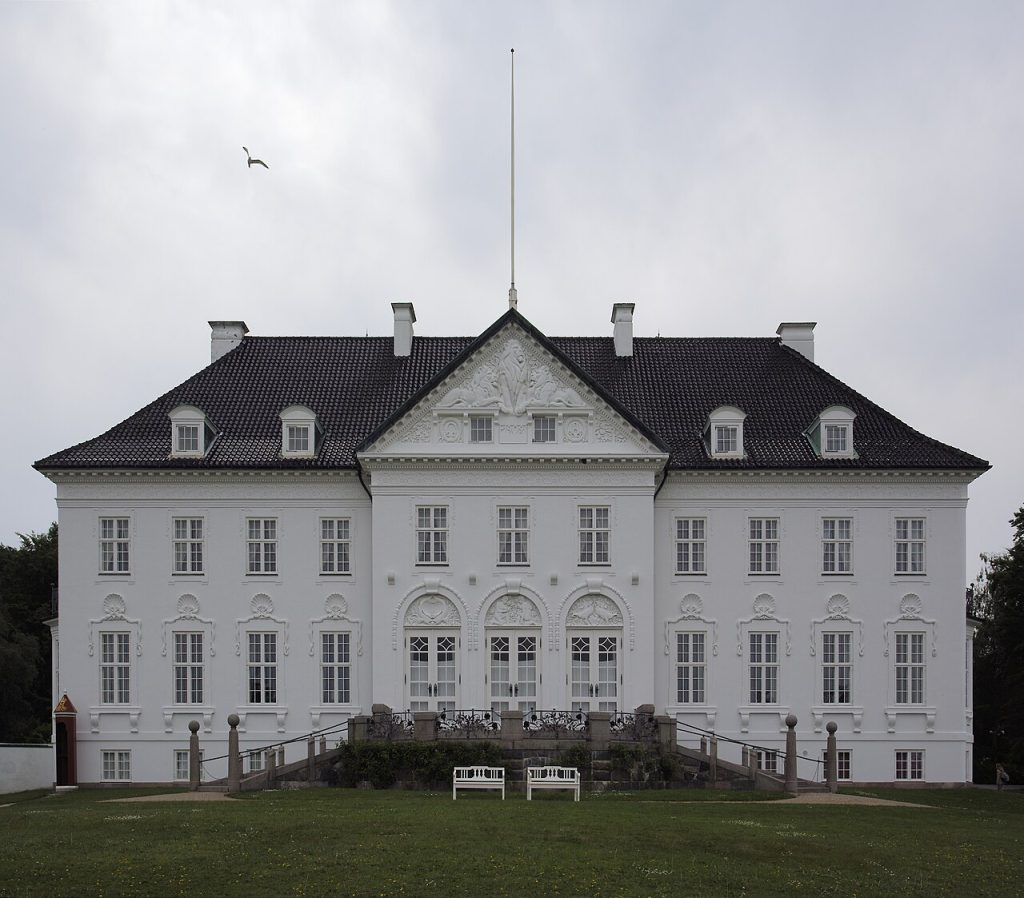
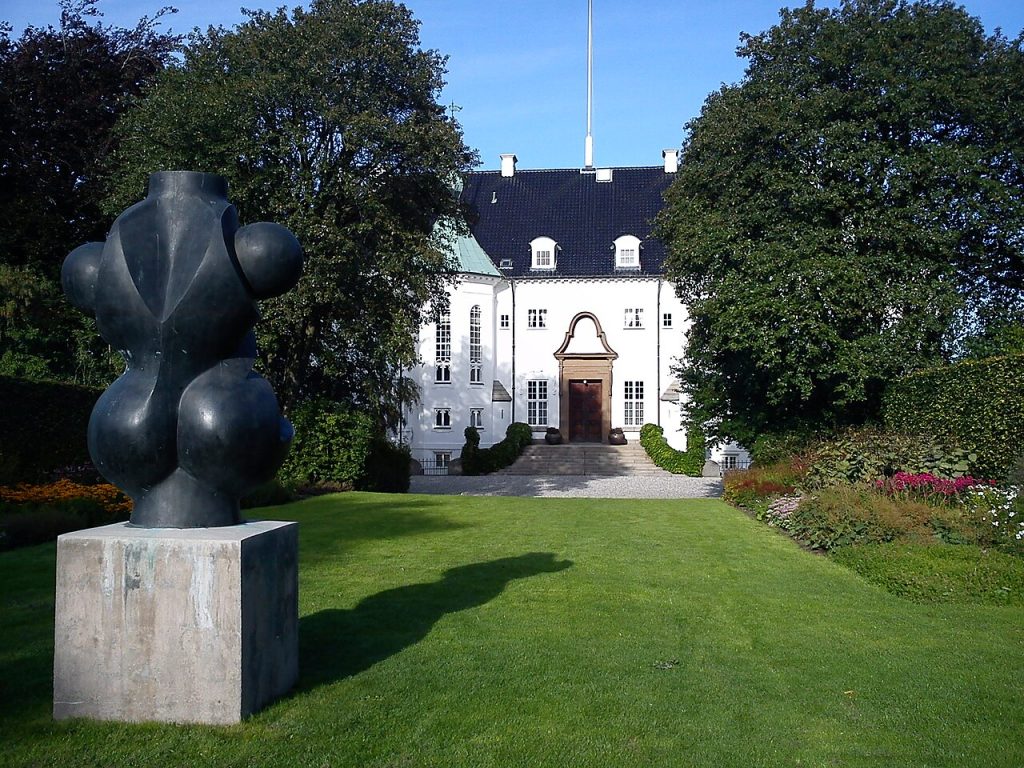
Now, stop on the lawn in front of the house and notice how little it tries to impress you. Marselisborg is a large villa in a park, white and symmetrical, with a modest portico and a flagpole. If you did not know, you might guess it was a nineteenth-century sanatorium or a well-funded school.
It is the summer residence of the Danish monarch, and it exists because the people of Denmark bought it. In 1898 a national subscription raised the money for a wedding present to Prince Christian, later Christian X, and his bride Alexandrine of Mecklenburg-Schwerin.
That origin explains everything else about the place, including the fact that when the royal family is away, you may walk through their garden.
- A Wedding Present from a Nation
- The Old Marselisborg Estate
- Hack Kampmann and Danish Neoclassicism
- The House and Its Plan
- Christian X and the Rider in Copenhagen
- The Palace During the Occupation
- Queen Ingrid and the Garden
- Margrethe II and Summer in Aarhus
- The Garden the Public May Walk
- Sculpture Among the Trees
- The City That Grew Around It
- Guards, Flags and Christmas
- How to Visit Properly
A Wedding Present from a Nation
The subscription of 1898 was a public campaign. Ordinary Danes contributed, the sum was raised, and the result was a house built specifically as a gift to a royal couple from the people of their country.
Such gifts were not unusual in the period, but they were usually from a city, a parliament or a group of magnates. A national subscription creates a different kind of obligation, and the Danish royal family has treated Marselisborg accordingly ever since.
The clearest expression of that is the open garden. A house given by the public retains a public claim on it.
The Old Marselisborg Estate
The name comes from an older manor south of Aarhus, part of an estate that passed through merchant and noble families and eventually to the city. The new palace was built on part of that land, with the old manor remaining nearby.
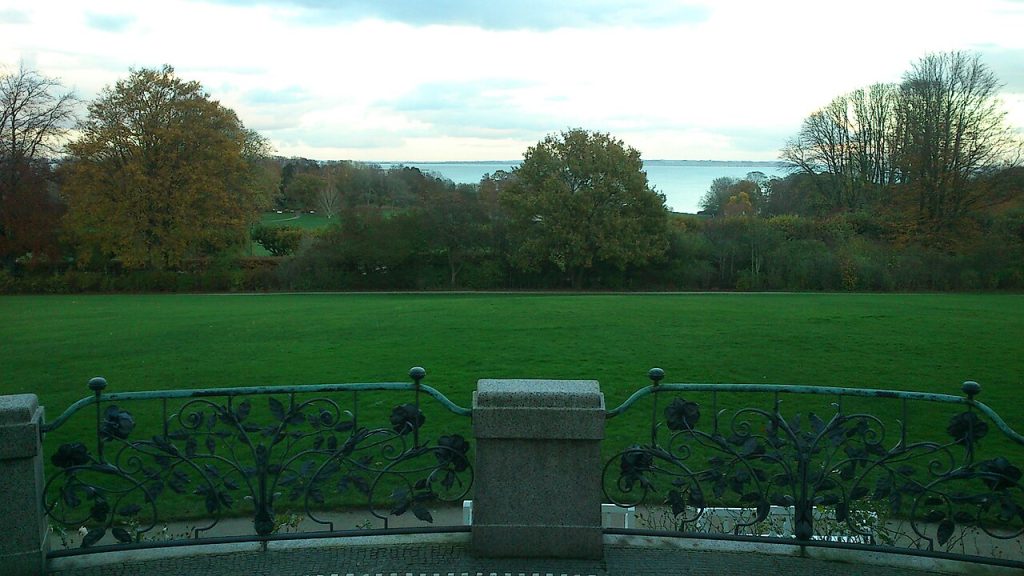
In 1898 this was countryside. Aarhus was a provincial port of perhaps fifty thousand people, and the site was chosen for its views over the bay and its distance from the town.
Today the city has grown around the park, and the palace sits inside a residential district a short bus ride from the centre.
Hack Kampmann and Danish Neoclassicism
The architect was Hack Kampmann, one of the most important Danish architects of his generation and the designer of Aarhus Theatre, the State Library and several public buildings in Jutland.
At Marselisborg he worked in a restrained neoclassical manner with elements of the Danish country house tradition: white rendered walls, a tiled roof, simple pilasters, sash windows and almost no sculpture.
It is a style that has aged extremely well. The building looks neither grand nor dated, which is a difficult combination to achieve.
The House and Its Plan
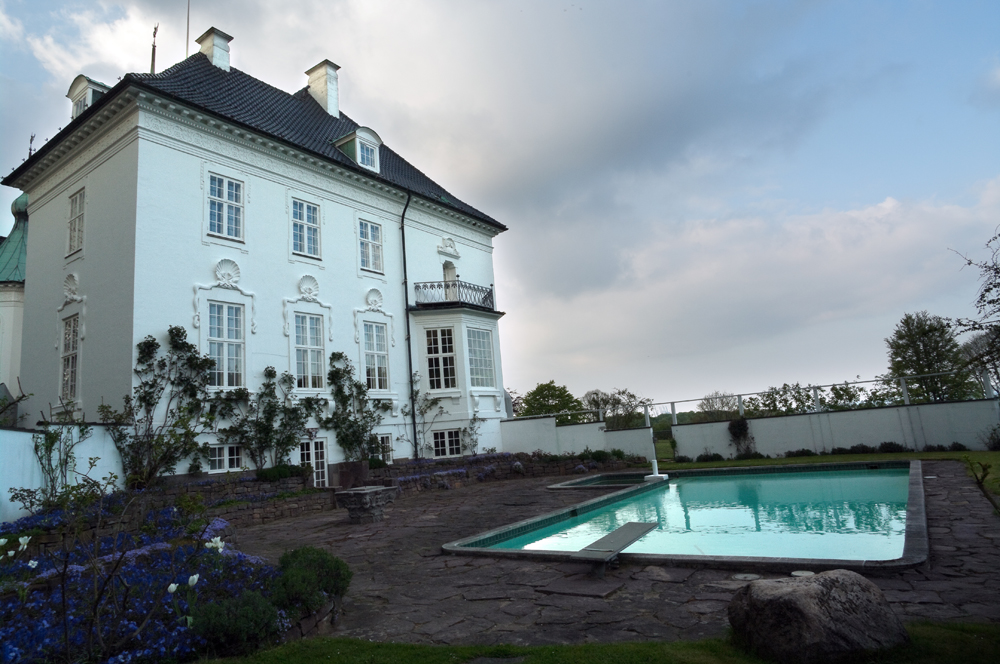
The plan is domestic in scale: reception rooms on the ground floor opening onto the garden, private apartments above, service rooms to the rear, and a separate wing for staff and guests. There are no state apartments in the grand sense.
That was deliberate. The house was never intended for governing; it was intended for a family living through a Danish summer. Governing happens at Amalienborg in Copenhagen.
Because the interiors are private, visitors see the house from the garden. The exterior gives you a fair idea of what is inside, which is not true of most palaces.
Christian X and the Rider in Copenhagen
Christian X, who received the house as a wedding present, reigned from 1912 to 1947 and became the most visually famous Danish monarch of the twentieth century because of a simple habit: he rode through Copenhagen on horseback, alone, almost every morning.
During the German occupation of Denmark from 1940 he continued the rides, unescorted, and they became a symbol of national continuity. The much-repeated story that he wore a yellow star in solidarity with Danish Jews is a legend, but the rides were real and their effect was real.
Marselisborg was his summer retreat through all of it.
The Palace During the Occupation
Denmark’s occupation was unusual: the government continued to function for several years, the king remained, and the country was described by the occupiers as a model protectorate until resistance grew and direct rule was imposed in 1943.
During those years the royal family’s visible normality carried unusual weight. Summers at Marselisborg continued, which was itself a statement that Danish institutions had not stopped.
The rescue of almost all of Denmark’s Jewish population to Sweden in October 1943 is the episode most remembered from these years, and it remains a defining chapter in Danish national memory.
Queen Ingrid and the Garden
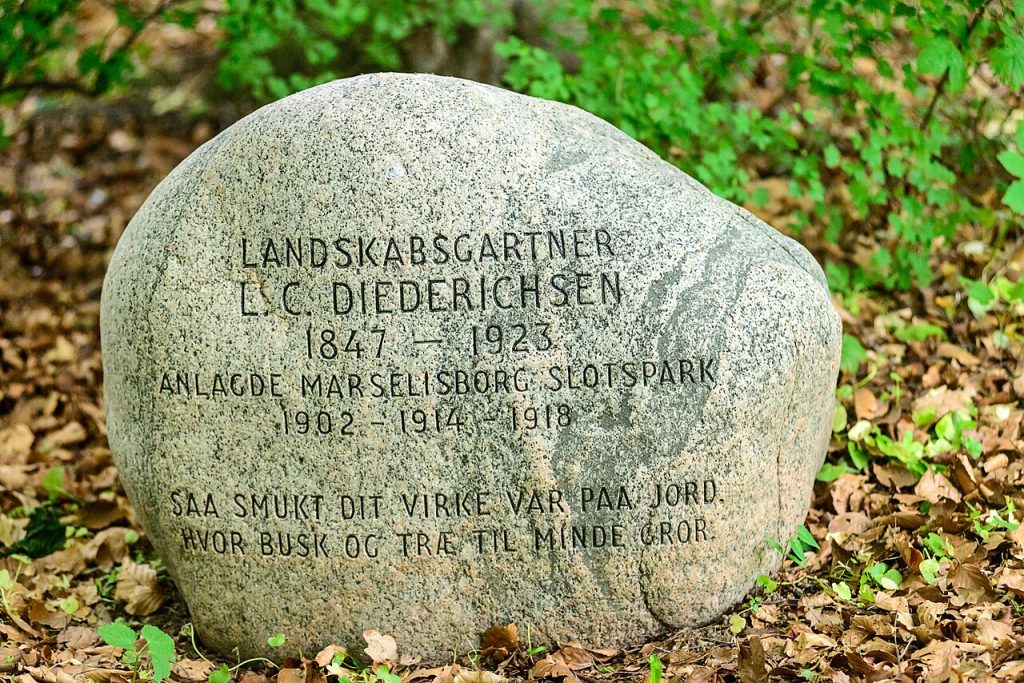
The garden as it exists today owes most to Queen Ingrid, Swedish by birth, who married the future Frederik IX in 1935 and became one of the most influential gardeners in the Danish royal family.
She reshaped the planting, introduced new species, created borders and rose gardens, and brought a Swedish and English sensibility to a Danish park. Her work is still visible throughout the grounds.
Gardening runs in the family. Queen Margrethe II has continued the tradition, and the garden is maintained as a serious horticultural project rather than as ornamental lawn.
Margrethe II and Summer in Aarhus
Queen Margrethe II, who reigned from 1972 to 2024, used Marselisborg as her summer residence for decades, usually in high summer and at Christmas. She is also an artist, a designer of costumes and sets, and an archaeologist by training.
Aarhus takes the connection seriously. The royal summer is part of the city’s calendar, and the royal family’s presence is reported in the local press with the mixture of pride and familiarity that Danes do well.
The palace remains the monarch’s summer residence under Frederik X.
The Garden the Public May Walk
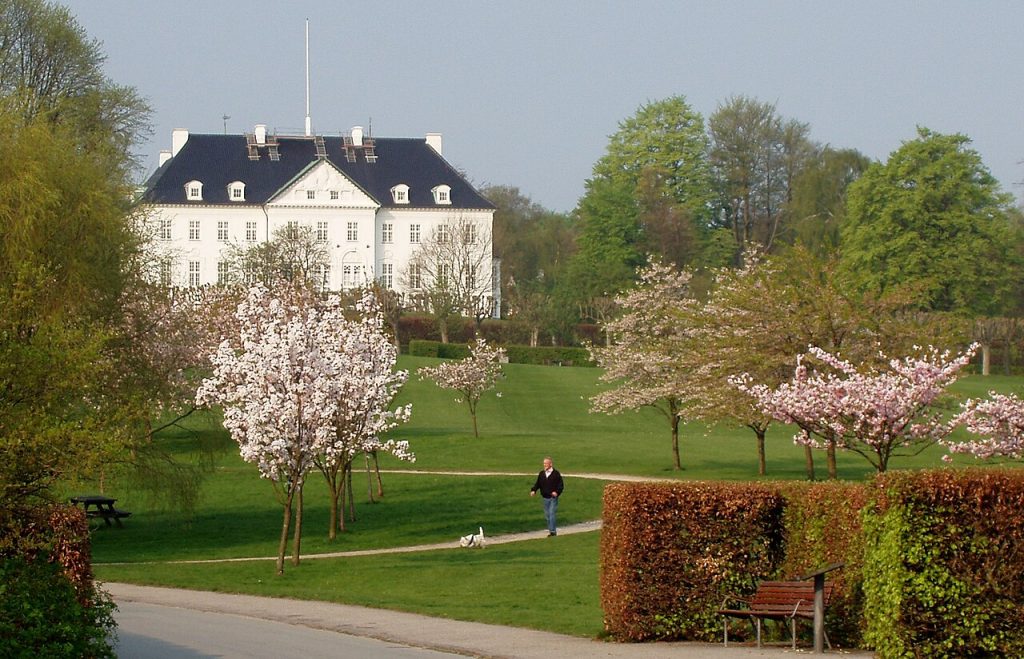
Here is the detail that makes Marselisborg different from almost every other royal residence in Europe. When the royal family is not in residence, the palace park is open to the public, free, and people use it as a park.
Families picnic on the lawns. Students read under the trees. Dog walkers follow the paths. Then, when the family returns, the gates close and the park becomes private again, and nobody complains, because the arrangement has held for a century.
It is a small, practical expression of the Danish relationship with its monarchy: formal when necessary, unceremonious the rest of the time.
Sculpture Among the Trees
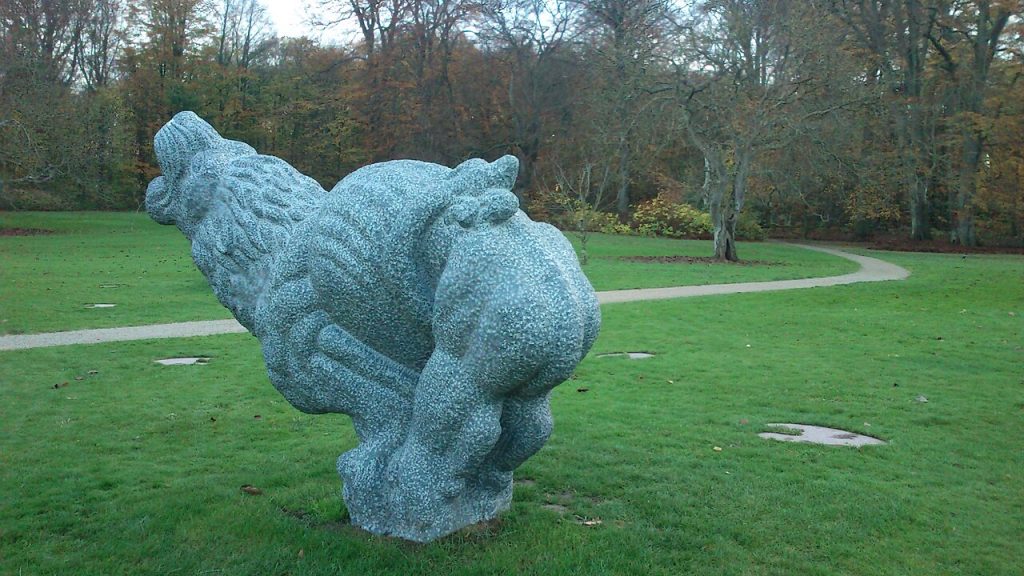
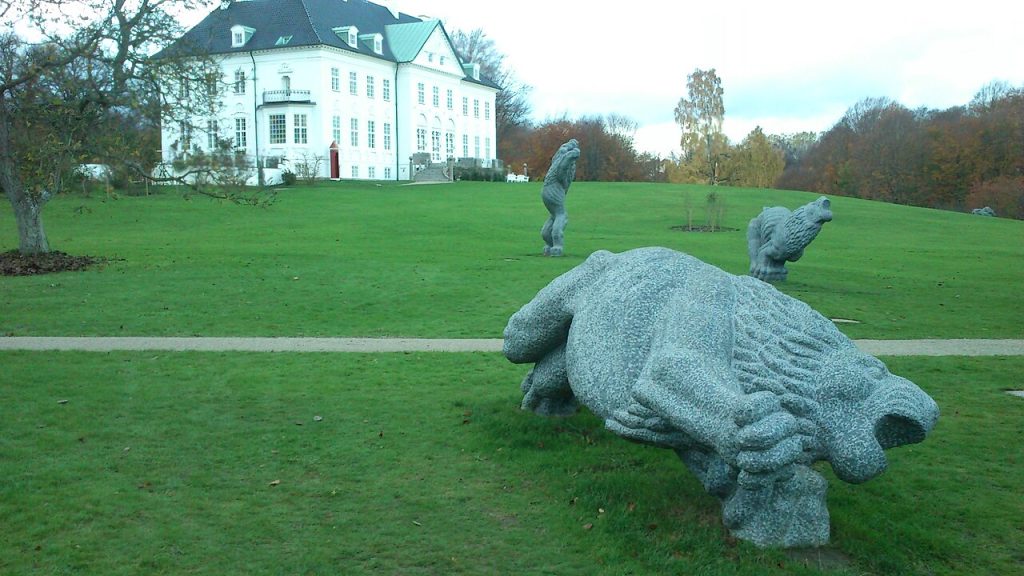
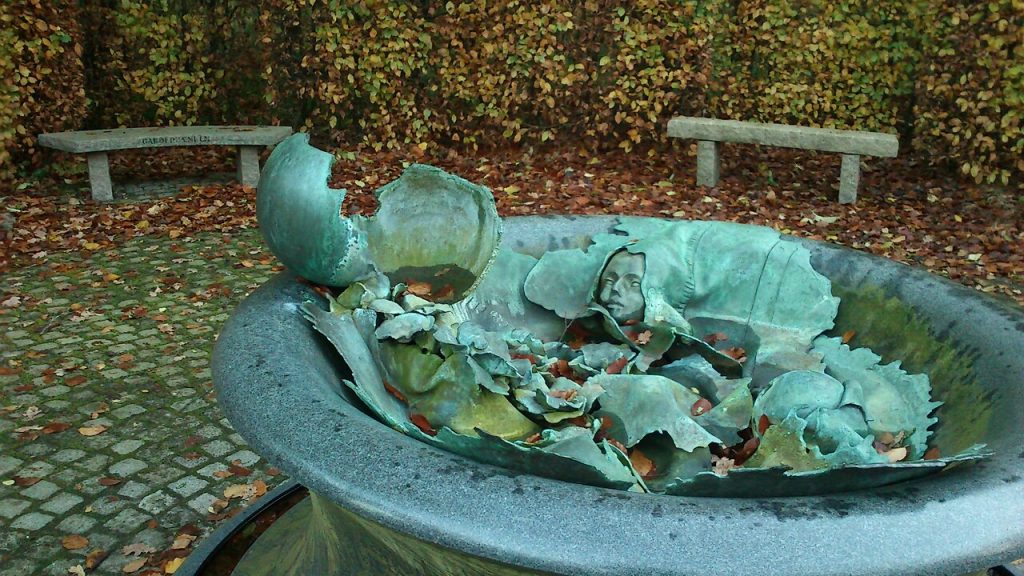
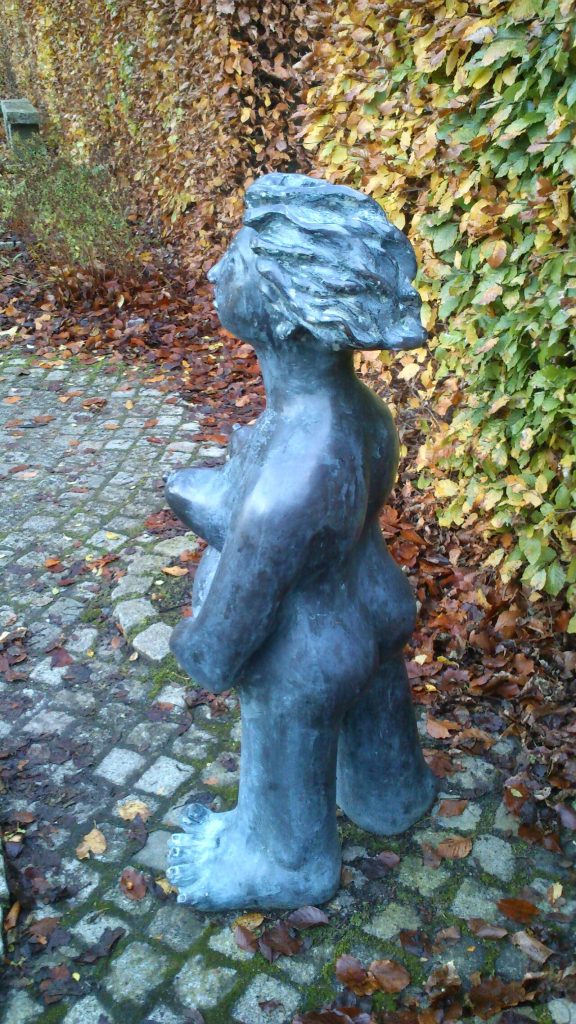
The grounds hold a collection of sculpture, including works given to the royal family and pieces placed by successive owners. They appear along the paths without fuss, often unlabelled.
Look also at the trees themselves. The park holds mature beech, oak and specimen conifers, and in May the beech comes into leaf in that brief, almost luminous green that Danes consider the beginning of summer.
Beech leafing is a genuine national event in Denmark, with songs attached to it. Time a visit to early May and you will understand why.
The City That Grew Around It
Aarhus has changed completely since 1898. It is now Denmark’s second city, a university town with a major harbour redevelopment, a concert hall, an art museum crowned with a circular rainbow walkway, and a lively food scene.
The palace sits in the southern suburbs, close to Marselisborg Forest, the deer park and the beaches along the bay. The whole area is the city’s green edge, and locals treat the palace park as one piece of it.
A visit here is easy to combine with the ARoS art museum and Den Gamle By, the open-air town museum, both of which are excellent.
Guards, Flags and Christmas
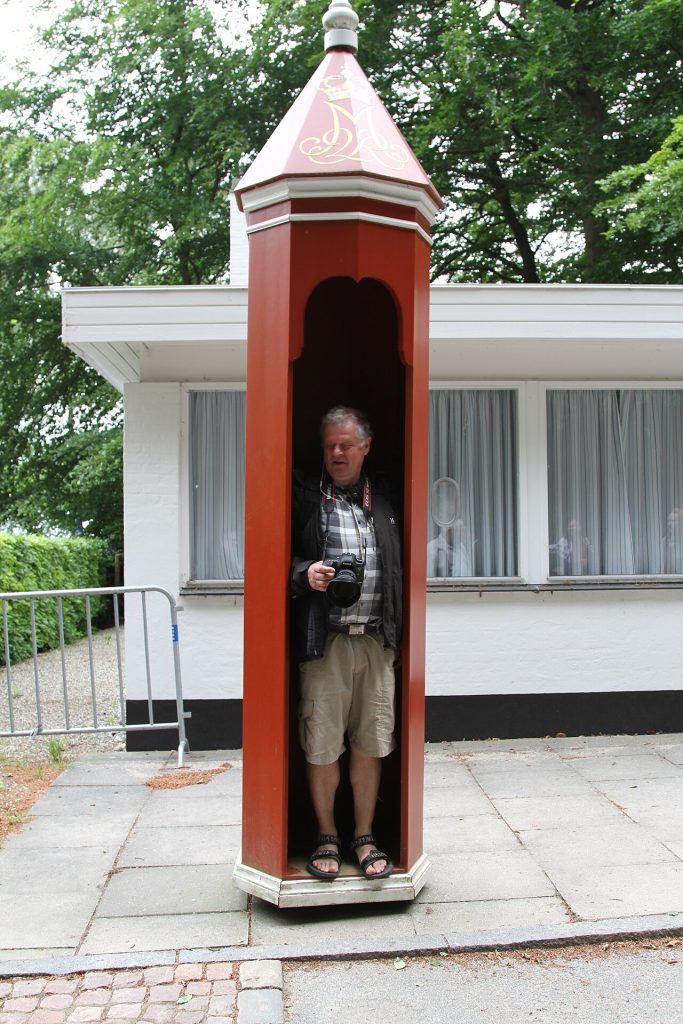
When the monarch is in residence, the Royal Life Guards are on duty and the changing of the guard takes place at noon. The flag above the house tells you whether the family is there.
Christmas has often been spent here, and the sight of the royal family arriving for the holidays is a fixture of Danish December television. Crowds gather at the gates in a manner that is enthusiastic without being frantic.
For visitors, the practical point is simple: guard ceremony and open park are mutually exclusive. You cannot have both on the same day.
How to Visit Properly
Treat Marselisborg as a park visit with a palace in it. Walk from the city or take the bus, enter the park, follow the paths to the house, look at the sculpture, sit on the lawn, and then continue into Marselisborg Forest or down to the water.
Do not expect interiors, gift shops or guided tours. There are none, and the absence is part of the character.
Before you leave, stand in front of the house and remember that it was bought by public subscription. Few royal buildings in Europe can say that, and fewer still behave as though it mattered.
Watch the Palace on Film
Visiting Marselisborg Palace Today
Marselisborg lies about three kilometres south of central Aarhus, reachable by city bus in fifteen minutes, by bicycle along the bay, or on foot in about forty minutes through pleasant residential streets.
The palace itself is a private residence and closed to visitors. The park opens free of charge when the royal family is not staying there, which typically means most of the year outside summer and Christmas periods.
Combine the visit with Marselisborg deer park, the forest paths and the beaches at Ballehage. Allow two to three hours. Find it here: https://www.google.com/maps?q=56.1256,10.2003
Palaces Nearby
You May Like
Fredensborg Palace and the Danish Court in Spring