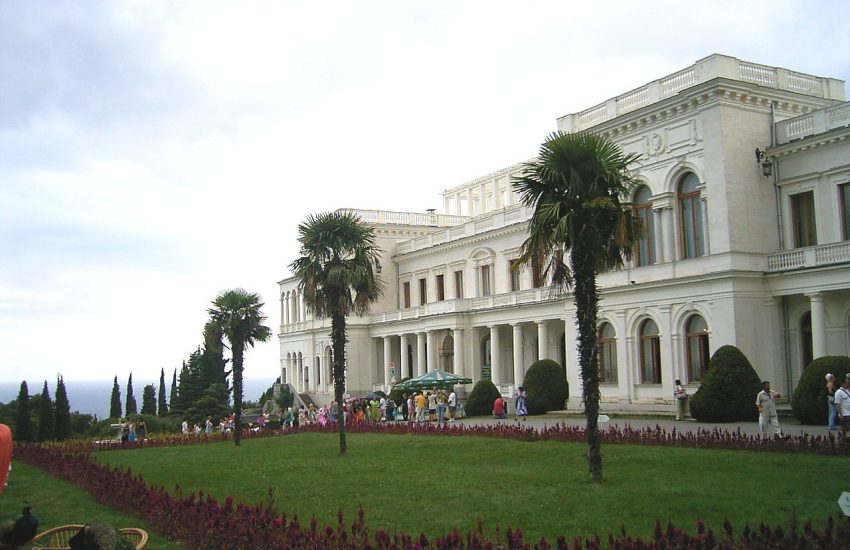
Now, stop under the loggia on the lake side and look at the columns. They are stone, carved with vine leaves and acanthus, and they belong to no single European tradition. There is Venetian Renaissance in them, Ottoman decoration, Byzantine proportion and something specifically Romanian.
That combination has a name. It is called the Brancovan style, after the prince who created it, and Mogosoaia is its finest surviving secular building.
The prince himself was taken to Constantinople in 1714 with his four sons and executed there, and the style is named after a man whose family was destroyed at the height of its achievement.
- Wallachia Between Empires
- Constantin Brancoveanu, Prince and Patron
- What the Brancovan Style Is
- Building Mogosoaia
- The Loggia and the Lake
- The Execution in Constantinople
- Decline Under the Phanariots
- The Bibescu Family
- Martha Bibescu and the Restoration
- Nationalisation and Neglect
- The Museum and the Art Collection
- The Park, the Lake and the Church
- Making a Day of It
Wallachia Between Empires
Wallachia, the southern Romanian principality, spent centuries as a tributary state of the Ottoman Empire, paying tribute and accepting Ottoman oversight while keeping its own prince, church and laws.
That position produced a distinctive culture. Orthodox in religion, Byzantine in tradition, Ottoman in political reality, and increasingly interested in Italy and central Europe for art and education.
Everything about Mogosoaia reflects that balancing act, including the fact that its builder was eventually killed by the power he had spent his reign managing.
Constantin Brancoveanu, Prince and Patron
Constantin Brancoveanu ruled Wallachia from 1688 to 1714, one of the longest and most prosperous reigns in its history. He was extraordinarily wealthy, politically skilful and a builder on a scale unmatched in the region.
He founded monasteries, churches, schools and palaces, imported craftsmen, supported printing in Romanian, Greek and Arabic, and conducted a careful double game between the Ottomans, the Habsburgs and Russia.
The double game eventually failed, and the Ottomans deposed him. But in twenty-six years he created an artistic movement that outlived him by centuries.
What the Brancovan Style Is
The Brancovan style combines Byzantine structure, Ottoman decorative motifs, Italian Renaissance elements such as loggias and carved columns, and local Romanian building traditions in brick and timber.
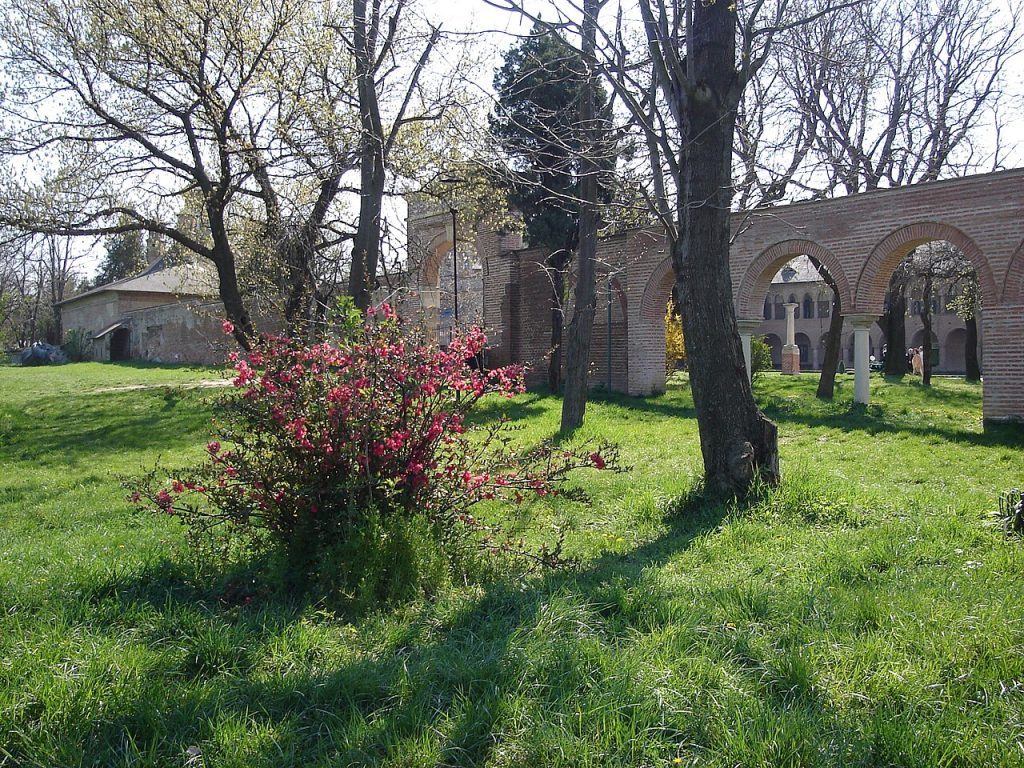
Its signatures are the open loggia on slender carved columns, richly carved stone frames, painted interiors, deep eaves and a strong horizontal emphasis. It appears in churches, monasteries and the few surviving palaces.
Romanian architects revived it deliberately around 1900 as a national style, which is why elements of it appear on buildings across Bucharest.
Building Mogosoaia
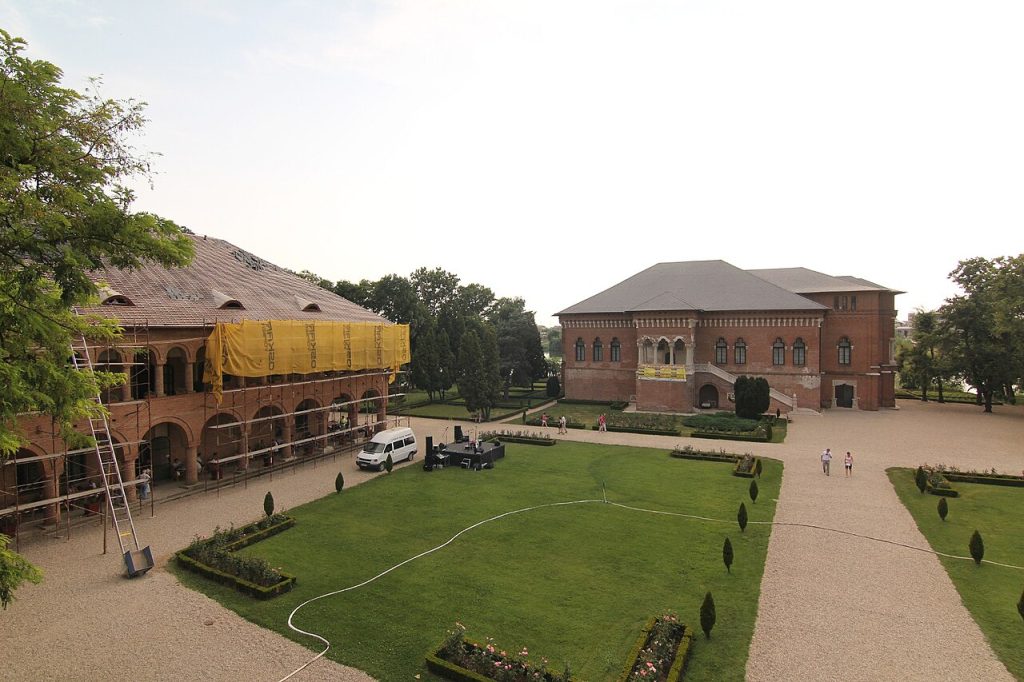
The palace was built between 1698 and 1702 on an estate northwest of Bucharest, beside a lake formed by the Colentina river. It was intended as a country residence for the prince and his family, close enough to the capital for convenience.
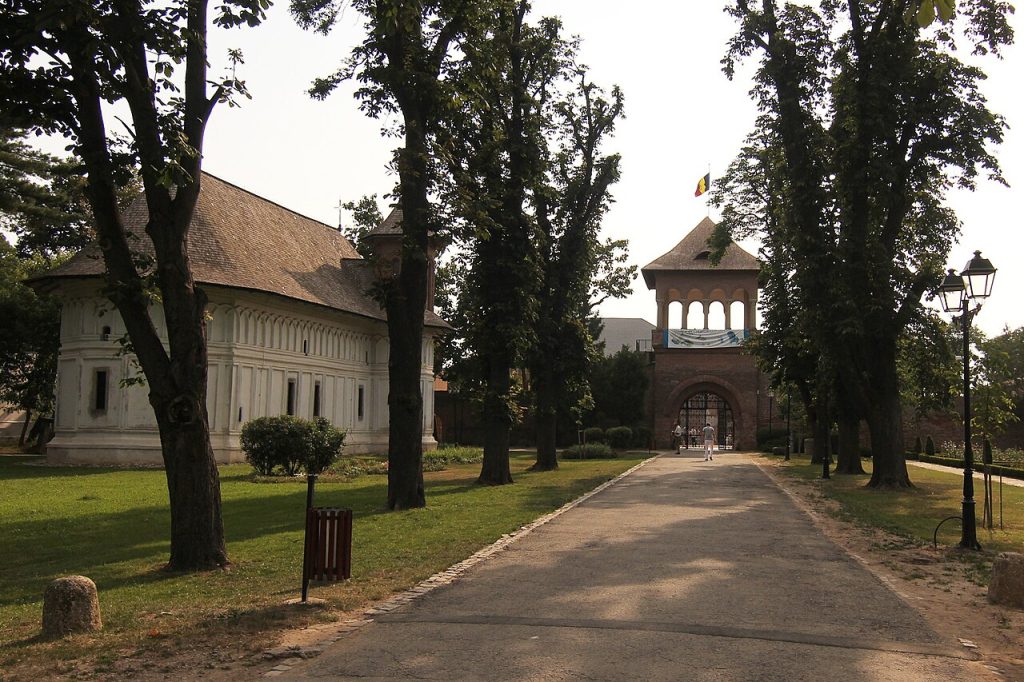
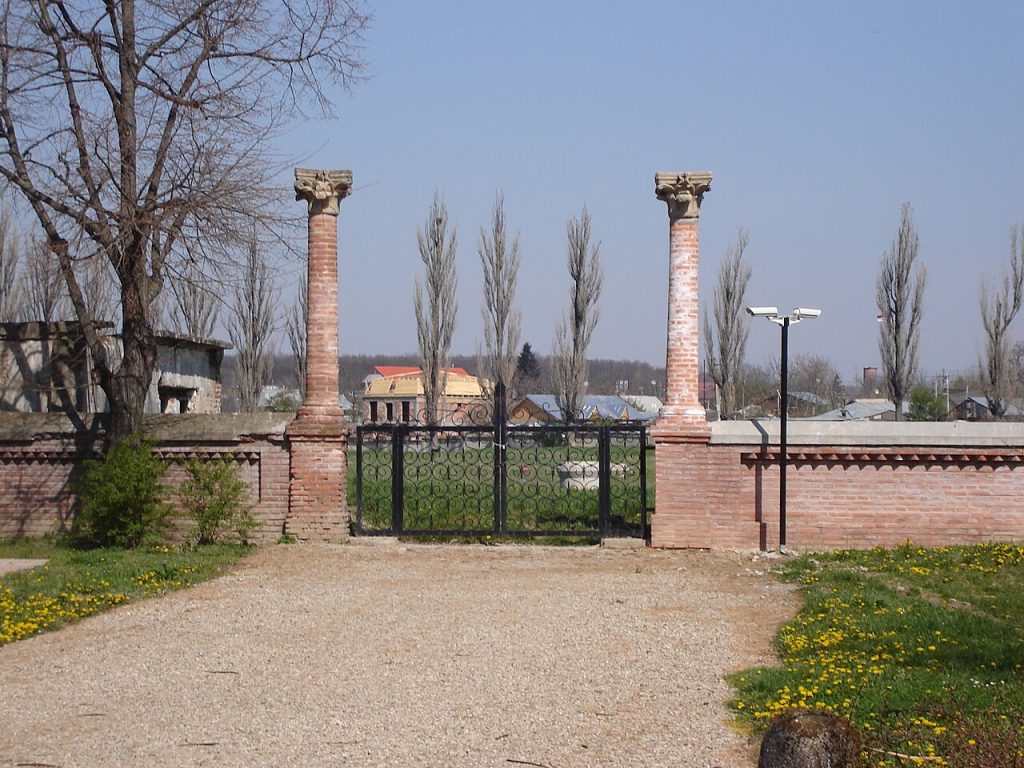
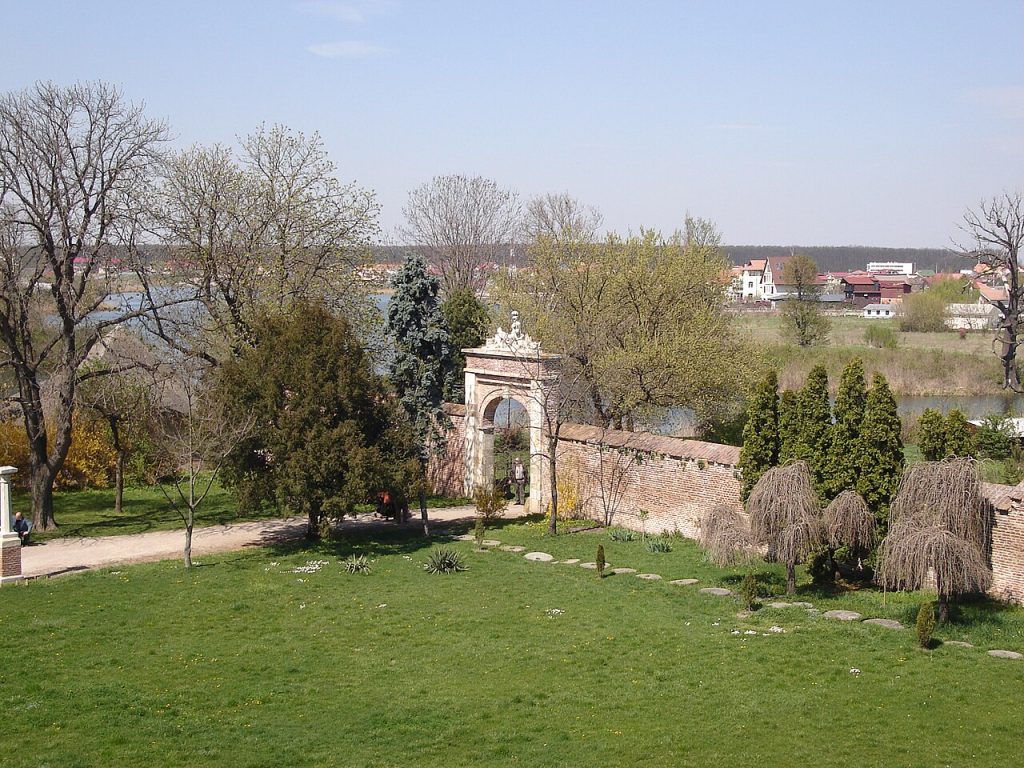
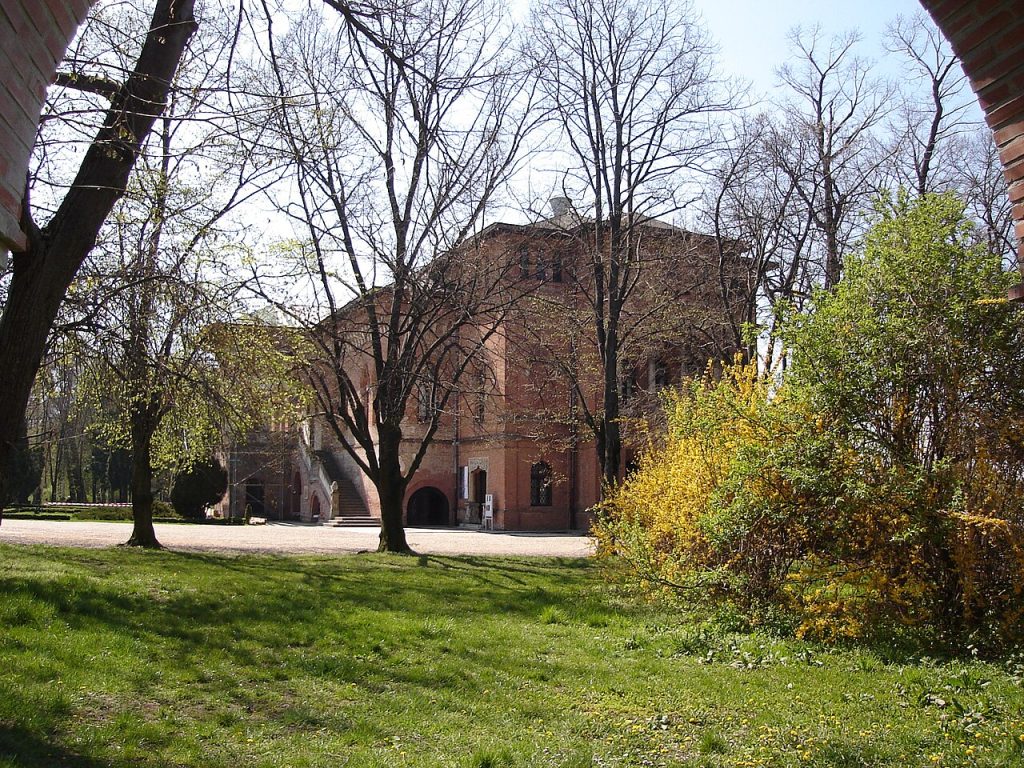
The complex included the palace, a church, a kitchen building, a guest house, cellars, a watchtower and walls. Much of it survives, which is unusual for a building of this date in this region.
The name comes from the widow of a boyar named Mogos, from whom the land was acquired.
The Loggia and the Lake
The loggia on the lake side is the heart of the design. Open arcades on carved columns run the width of the building, shaded in summer, catching the light off the water, and designed for sitting rather than for ceremony.
This is Venetian in ancestry, by way of Ottoman garden architecture, and it suits the climate perfectly. Wallachian summers are hot and the lake air is the only relief.
Sit there for a while if the museum allows. It is the single best place to understand why this style developed here.
The Execution in Constantinople
In 1714 the Ottoman authorities, suspecting Brancoveanu of negotiating with Austria and Russia and interested in his fortune, deposed and arrested him. He was taken to Constantinople with his four sons and his treasurer.
On 15 August 1714, his sixtieth birthday, they were executed in front of the sultan after refusing to convert to Islam. The Romanian Orthodox Church canonised them in 1992 as the Brancoveanu Martyrs.
The family’s property was confiscated. Mogosoaia became, briefly, an Ottoman inn, and the palace’s decline began within months of its builder’s death.
Decline Under the Phanariots
After 1714 Wallachia was ruled by Phanariot princes, Greek administrators appointed from Constantinople, and native dynastic rule ended for a century. Mogosoaia passed through various hands, was damaged in wars and used for purposes far from its original one.
Russian and Austrian armies passed through repeatedly during the eighteenth-century wars. The palace was burned at least once and rebuilt in altered form.
By the nineteenth century it was a shell of itself, and its rescue came from an unexpected direction.
The Bibescu Family
In the nineteenth century the estate came to the Bibescu family, descendants of Brancoveanu, who began restoration work. Prince Gheorghe Bibescu and later his descendants treated the palace as a family inheritance to be recovered.
Restoration campaigns in the nineteenth century added neo-Gothic and other elements that later restorers removed, which is the usual cycle at historic buildings.
The decisive figure arrived in the twentieth century, and she was one of the most remarkable women in Romanian cultural history.
Martha Bibescu and the Restoration
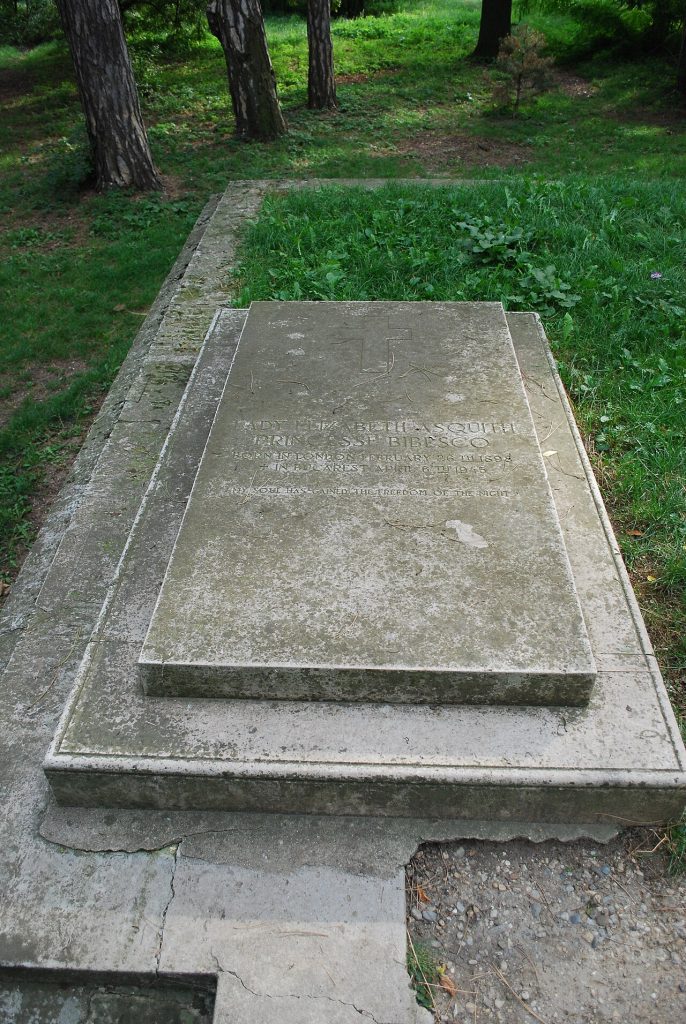
Martha Bibescu was a writer in French, a society figure in Paris and London, a diarist, and a woman who knew everyone from Proust to Churchill. She inherited Mogosoaia with her husband and spent the interwar years restoring it.
She employed the Venetian architect Domenico Rupolo and worked to return the palace to its Brancovan character, removing later accretions and rebuilding the loggia and roofs.
She also made it a cultural centre, hosting writers, diplomats and artists. Her memoirs describe the palace in the 1930s as a working salon with a lake view.
Nationalisation and Neglect
In 1945 Martha Bibescu left Romania, and in 1949 the communist state nationalised the estate. The palace became a museum of feudal art, then suffered decades of underfunding.
Earthquakes in 1940 and 1977 damaged the structure. Collections were moved. The park was neglected, though it remained accessible.
Martha Bibescu died in Paris in 1973 without seeing it again. Her daughter’s efforts and later Romanian restoration programmes eventually brought the palace back.
The Museum and the Art Collection
Today Mogosoaia houses the Brancovan Culture Museum, with collections of Brancovan-era art, icons, furniture, textiles, documents and material relating to the Bibescu family.
The palace also hosts temporary exhibitions, concerts and festivals, and the complex includes a contemporary art space. It functions as a cultural centre rather than only as a historic house.
The interiors are more modest than the exterior promises, because so much was lost. The architecture is the main event.
The Park, the Lake and the Church
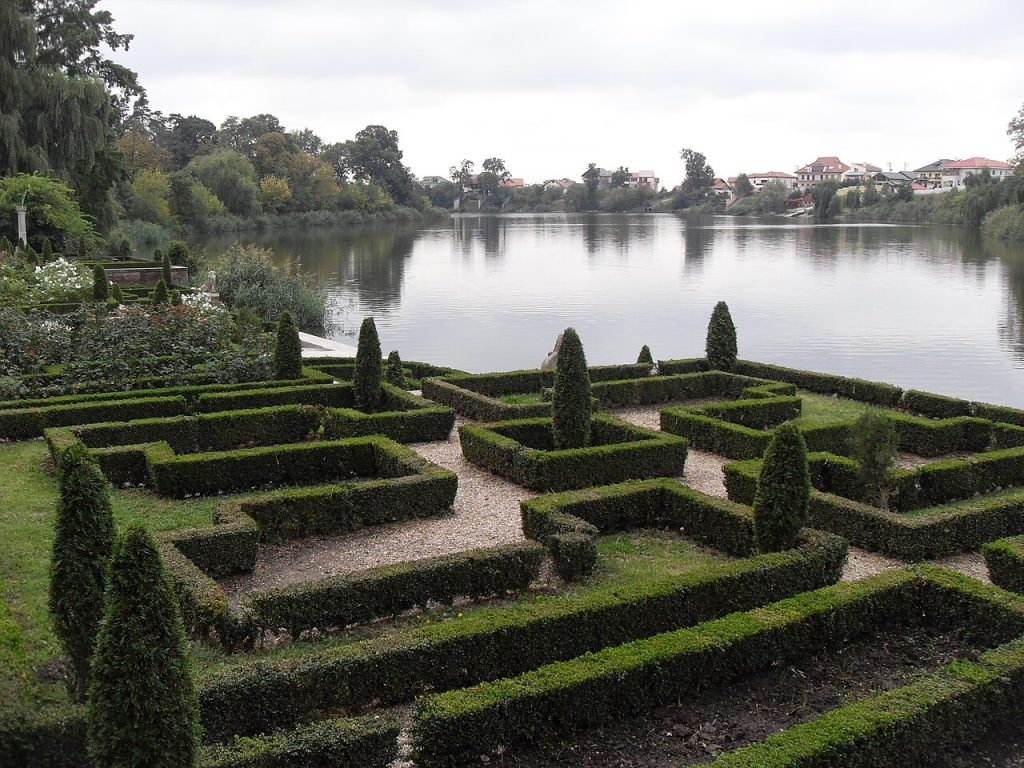
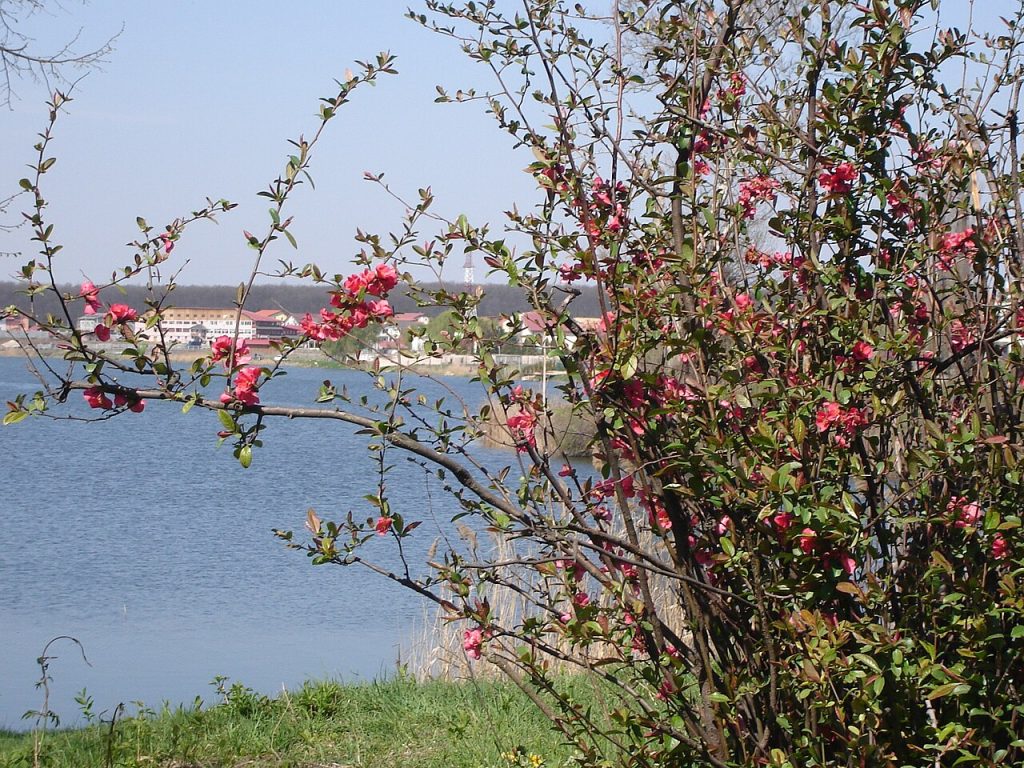
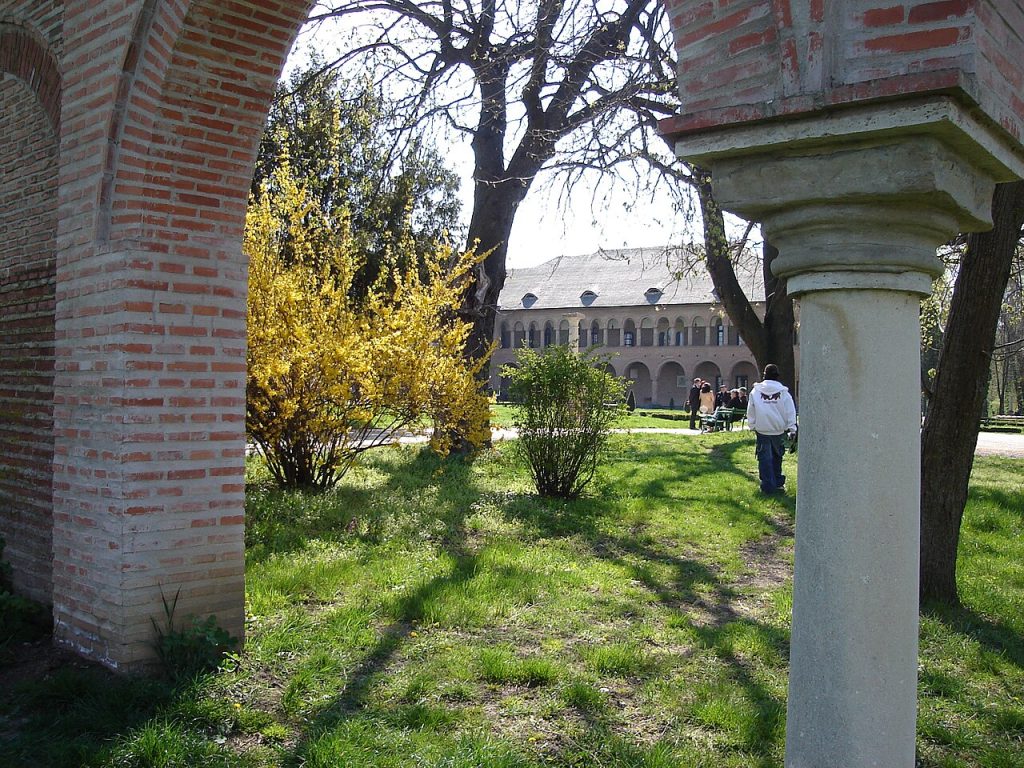
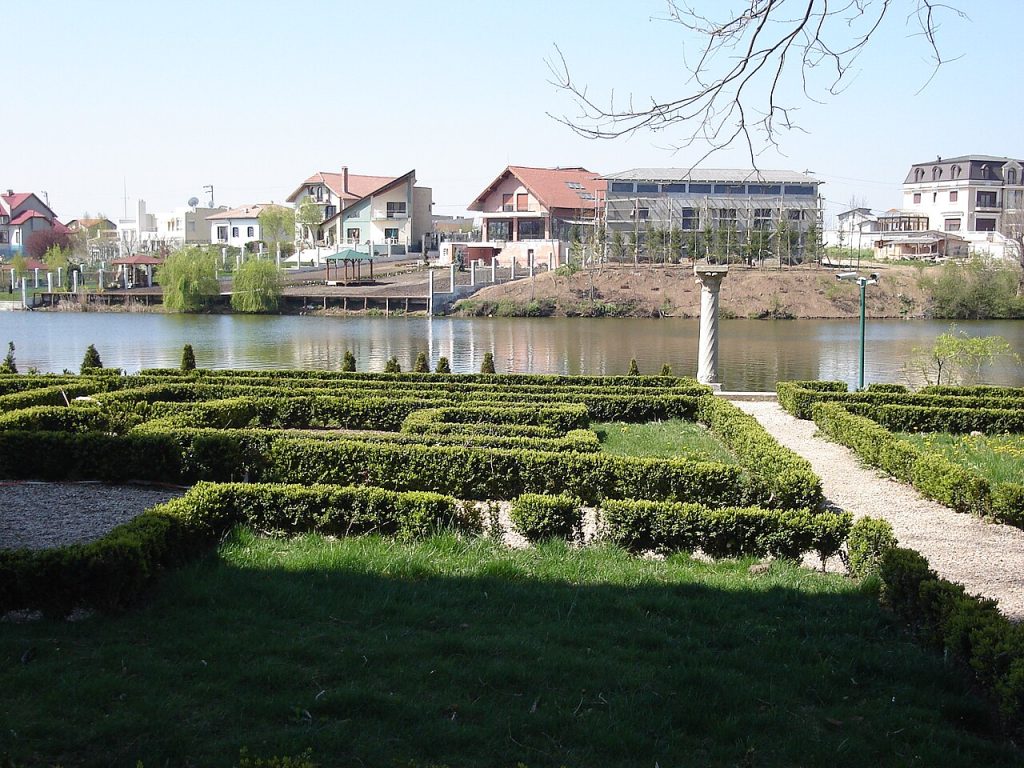
The grounds run down to the Mogosoaia lake, with lawns, mature trees and paths along the water. On weekends they fill with families from Bucharest, and the lakeside is one of the capital’s favourite escapes.
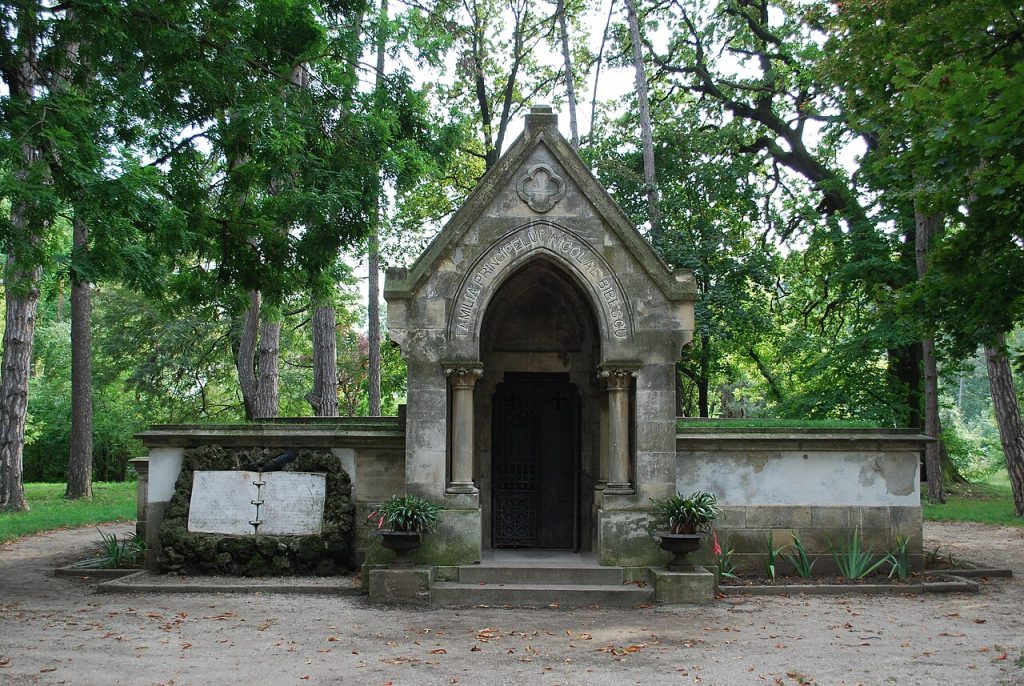
The church of St George, built in 1688 as part of the complex, holds the tomb of several family members including Martha Bibescu’s husband. Its painted interior is in the Brancovan manner.
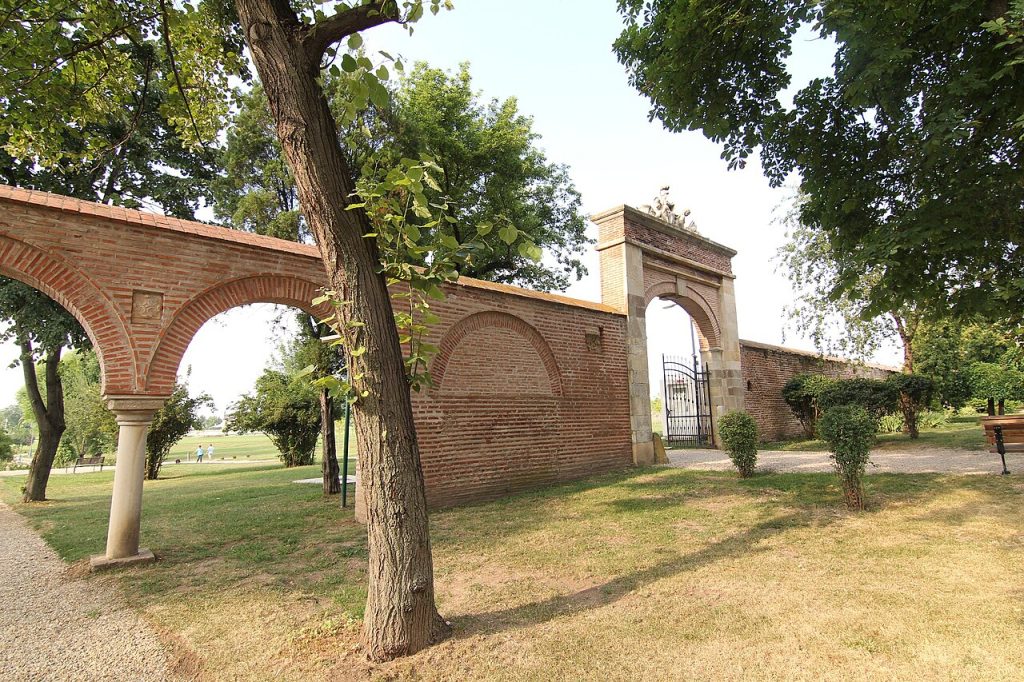
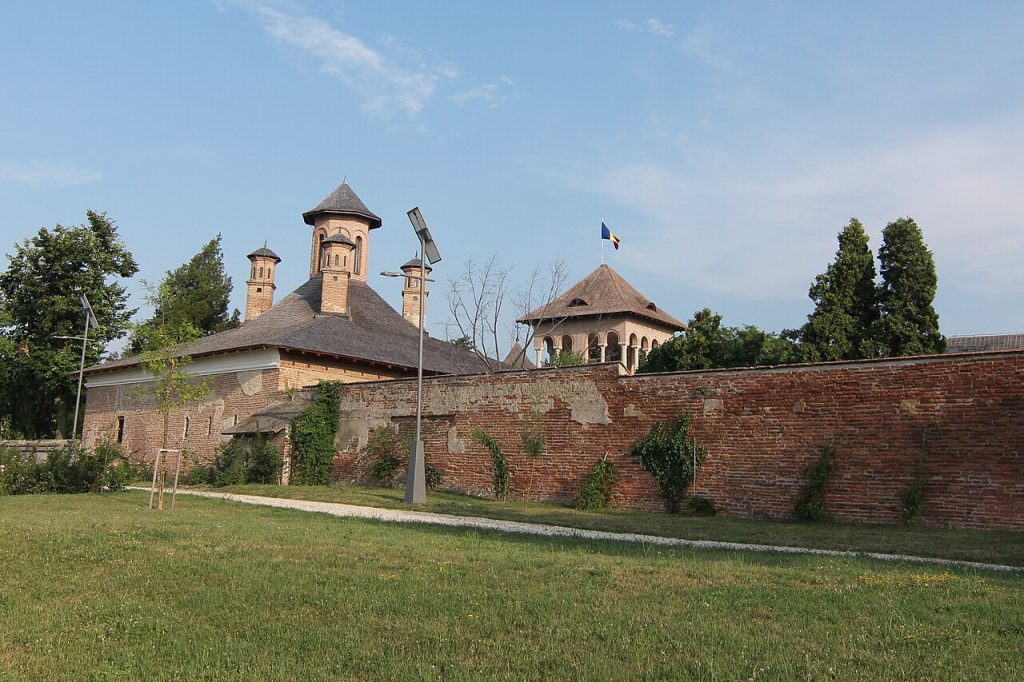
The watchtower, the cellars and the guest house complete the ensemble, and the whole is enclosed by walls that still read as defensive.
Making a Day of It
Mogosoaia is the easiest serious day trip from Bucharest. Fifteen kilometres from the centre, half an hour by car, and reachable by bus; it combines architecture, a park, a lake and a decent restaurant.
Combine it with Snagov monastery further north, or with the Brancovan churches in Bucharest itself to see the style in its religious form.
Stand under the loggia once before you leave, with the lake in front of you, and remember that the man who built this view was executed for refusing to renounce his faith at sixty.
Watch the Palace on Film
Visiting Mogosoaia Palace Today
Mogosoaia lies about fifteen kilometres northwest of central Bucharest. Buses run from Laromet terminus, and driving takes half an hour outside rush hour; taxi and ride apps are straightforward.
The museum opens Tuesday to Sunday with ticketed entry, closed Mondays, and the park is open daily with a small charge in season. Exhibitions and concerts are announced on the museum calendar.
Allow three to four hours including the park and lakeside walk, and eat at the restaurant by the gates. Find it here: https://www.google.com/maps?q=44.5333,26.0056
Palaces Nearby
You May Like
Vorontsov Palace at Alupka and the Mountain Behind It