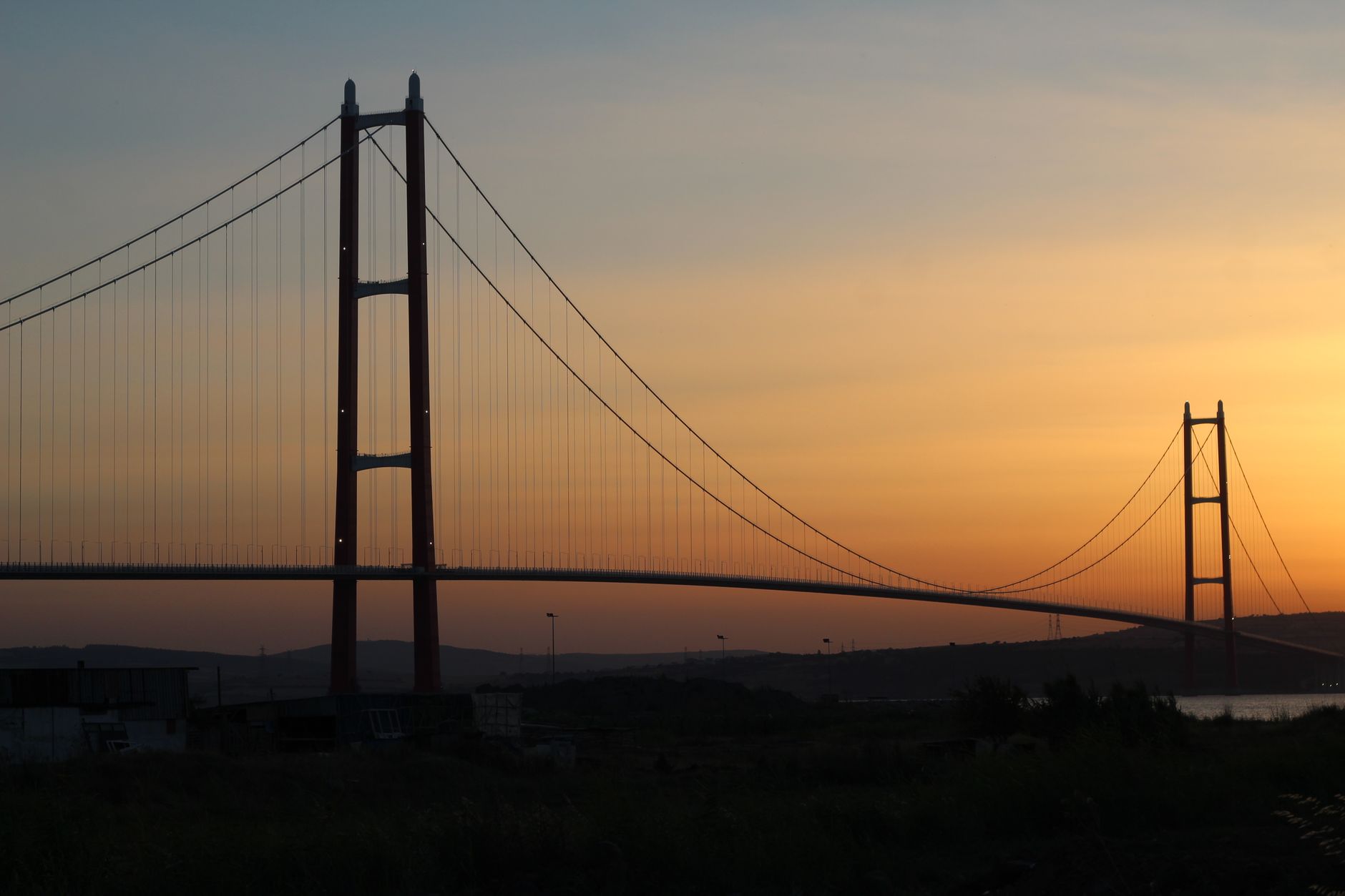
Çanakkale and Istanbul are two large cities that are similar to each other in many aspects. They are both located on two continents. One is in a tunnel and the other is in a bridge rush, and the two sides are trying to connect to each other. Both are famous for their Bosphorus. And both of them are proud of their historical monuments and cultural values.
Appointments are made around the clock tower. The waiting is done here and then the meeting takes place, we are with you again under the Çanakkale Clock Tower. As the British war commander said, Çanakkale is a province identified with the word “Impassable” for the defeated people of the war. We start our tour from the famous Clock Tower. The tower next to the pier was built by Çanakkale Governor (Sancak Bey) Cemil Pasha in 1896.
Pink granite stone was used in the square planned structure with sides of 4.5 meters long. The fourth floor of the south facade of the five-storey, 20 m high tower is reserved for the clock room. The top of the fifth floor, where the bell is located, ends with a lead-covered dome. It is also said that he gave 10 thousand gold coins to Italian-born Vitalis Gaptirol, a Levantine merchant, to finance the watch. There is a fountain and an inscription on the north side of the tower.
In fact, there is a clock tower next to the Government House in Gallipoli, built by Sultan II. It was built in 1901 in honor of the 25th anniversary of Abdulhamid’s accession to the throne. However, the five-storey, 16-meter image of the Gallipoli clock tower, which was destroyed during the Gallipoli Wars, can be seen in old photographs and postcards. Since we were talking about the Clock Tower, we quickly arrived at the Gallipoli side.
So, we continue from here… Çanakkale and Istanbul are two provinces that are similar to each other in many aspects. They are located on two continents. One is in a tunnel and the other is in a bridge rush, and the two sides are trying to connect to each other. Both of them are famous for their Bosphorus and Bosphorus air. And they are both proud of their historical monuments and cultural values, I said, but no matter what you do, even if you move Disneyland to Çanakkale, it will never become Istanbul.
The reason is… When you enter the provincial borders of Çanakkale as soon as you return from Keşan district, the mystical atmosphere that embraces you and surrounds you and the sacred lands where thousands of martyrs were given, make you feel awe in a rare hosting.
This is a feeling that you can feel inside you, when you set foot on the ground, it activates the soles and affects the heart, brain and blood circulation… The trenches, shelters, martyrs’ cemeteries, monuments and museums we come across along the way allow you to fully experience the traces of war. The first moment you see the sea, you start descending from the Koru mountains. On this descent, you leave the Gulf of Saros and the Three Islands, around which octopuses come to breed in June, which are indicators of a clean sea, on your right, and reach Gallipoli.
Gallipoli, one of the 13 cities in the world founded under the name Gallipoli, is the starting point of the fascinatingly beautiful Gallipoli National Park, with its Saros Gulf, natural wonder monumental rocks, air and seafood diversity.
Gallipoli, which has the distinction of being the first Turkish city in Europe, was also the first captain pasha state of the Ottomans.
In the city of Gelibolu Piri Reis, one of the world’s oldest cartographers, geographer, sailor, scholar and admiral, there are Ottoman mosques and tombs, which are still used as museums, and historical artifacts that can be seen. It is possible to cross from Gallipoli to the other side, to Lapseki, by ferry, but now it is not possible and we are heading towards the National Park in the direction of Eceabat. 6 km before Eceabat, the road branching off to Yalova brings us to Bigali village.
Çamyayla Mansion, one of the important stopping points during the Gallipoli trip, is also located in this village. Atatürk used the house of Bigali Mukhtar Hüseyin Ağa as his headquarters during the Gallipoli War in 1915. He prepared his 15-day attack plan in this house. The upper floor of the two-storey building is reserved for Atatürk’s bedroom, study and aides. There is also a dining room and pantry at the entrance.
The committee, which was returned to its owner after the victory in 1915, decided to organize it as the Atatürk Museum in 1969, and transferred it to the Ministry of Culture in 1973 and opened it for use as a museum. In the museum, Atatürk’s study room, civilian belongings and ethnographic works are exhibited with the decoration of that period.
Tel: (0-286) 839 72 62The road from Bigali village to Anafartalar villages welcomes Büyük Kemikli Cape with its spooky and mysterious loneliness with the surprising surprise of the nature unique to this region.
The coasts of Saros, which Captain Cousteau described as “one of the three seas with the feature of self-cleaning (the sea that carries away with the north winds what it brings to the southwest)”, are full of interesting rocks and surface shapes that have been eroded over the years and the wind. Especially the English mirror location displays extraordinary views where the wind has worked the rocks like lace.
In addition to the rocks of the shores that are riddled with holes and even sieves due to the sand-grained whirlwind of the wind, the war wrecks lying in the depths of each bay and the fossil remains on the hills leave their mark on the memories. While the exhibits at the Kabatepe promotional center, the martyrs’ cemeteries and cemeteries of Turkish, British and French soldiers, the Arıburnu Martyrs’ Museum where war remnants and weapons are seen, and the bays where the landings took place are among the places where you will feel the war, we arrive at the Eceabat pier.
We proceed a little further from the second crossing point to Çanakkale by ferry and come to Kilitbahir, which looks even more beautiful from the sea with all its splendor.
Kilitbahir: The castle, built by Sultan Mehmet in 1452, was named “Kilitbahir”, meaning the lock of the sea, because the ships coming from above paid passage fees. The castle, which resembles a triangle with a length of 220 meters and a width of 120 meters, consists of three parts: outer castle walls, inner castle walls and inner castle. Further on the road, there are Seddülbahir, Corporal Seyit Monument, Arı Burnu Urbanization, Ertuğrul Bastion, Mehmetçik Lighthouse and many more.
To explain the details in the Gallipoli section, we pass from Eceabat, the crossing point for minibus engines carrying 3-5 vehicles, to Çanakkale. This time, following our starting point, the Clock Tower, we proceed parallel to the Bosphorus and come to another museum.
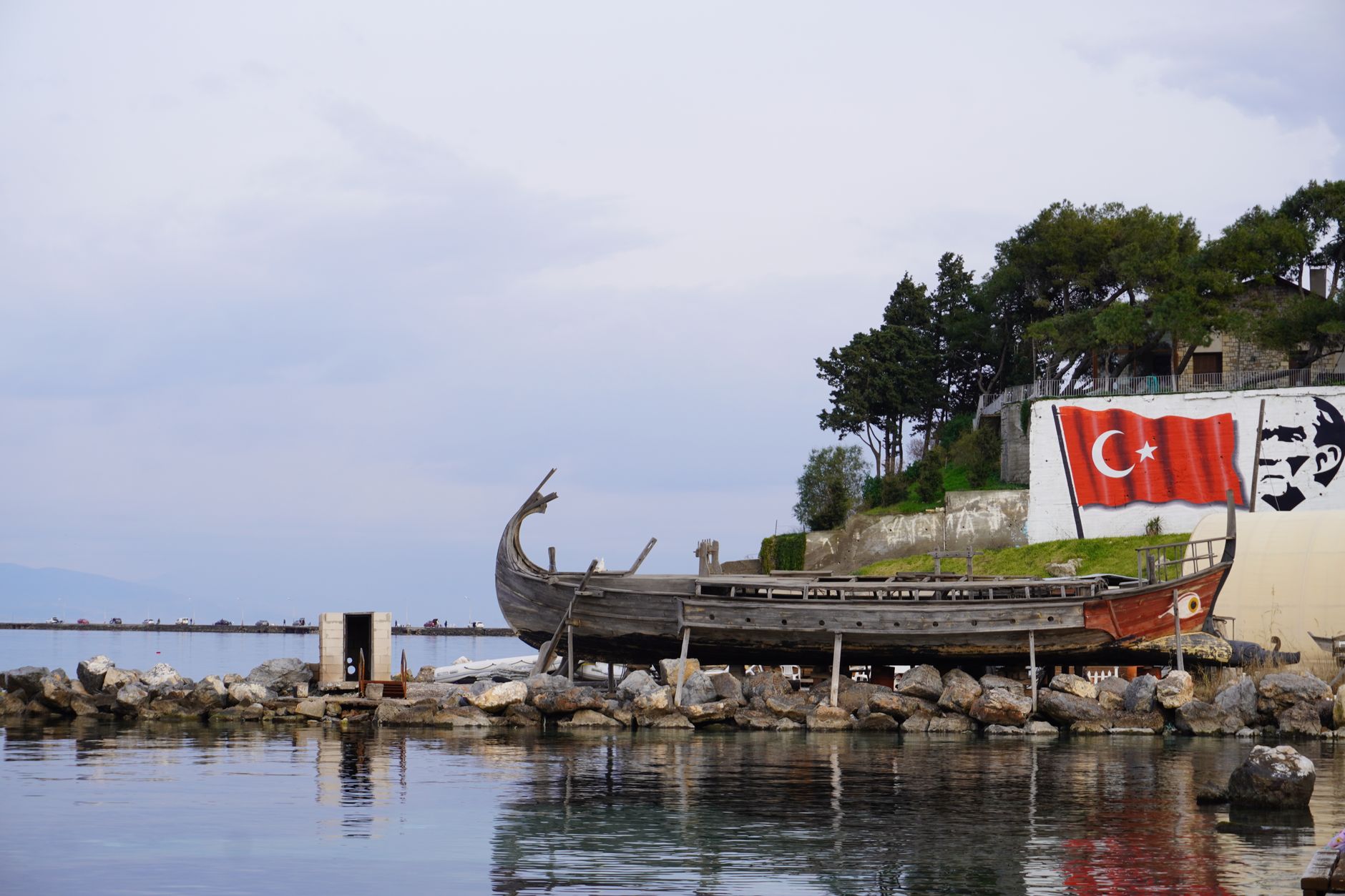
Çimenlik Castle. In the park worth seeing, where various cannons and ship models used in the war are exhibited, the most interesting one is the Nusret mine ship. The area where children can wander around the ship with excitement is the walking and resting place where the people of Çanakkale spend their weekends.
Çimenlik Lighthouse is also located where you can feel the oxygen-rich, sea-scented and refreshing wind coming from the Aegean in your lungs. Inside Çimenlik Castle, there is the Fatih Mosque, built by Mehmet the Conqueror.
A little behind the mosque, a miracle can be seen. The 38-caliber unexploded cannonball fired from the Queen Elizabeth battleship of the British Navy on March 18, 1915, advanced two meters within the castle walls and was buried before it could explode! You can see the chilling painting on the landing of three or five steps.
In the closed halls of the castle, weapons used in the war, ammunition, maps and documents are exhibited. As you go from Çanakkale to Kepez, there is the Çanakkale Museum, where artifacts such as sculptures, earthenware and amphorae are exhibited.
Çanakkale is developing: With the arrival of the Anzacs to Çanakkale and the influence of various publications and films, Çanakkale has developed further in recent years.
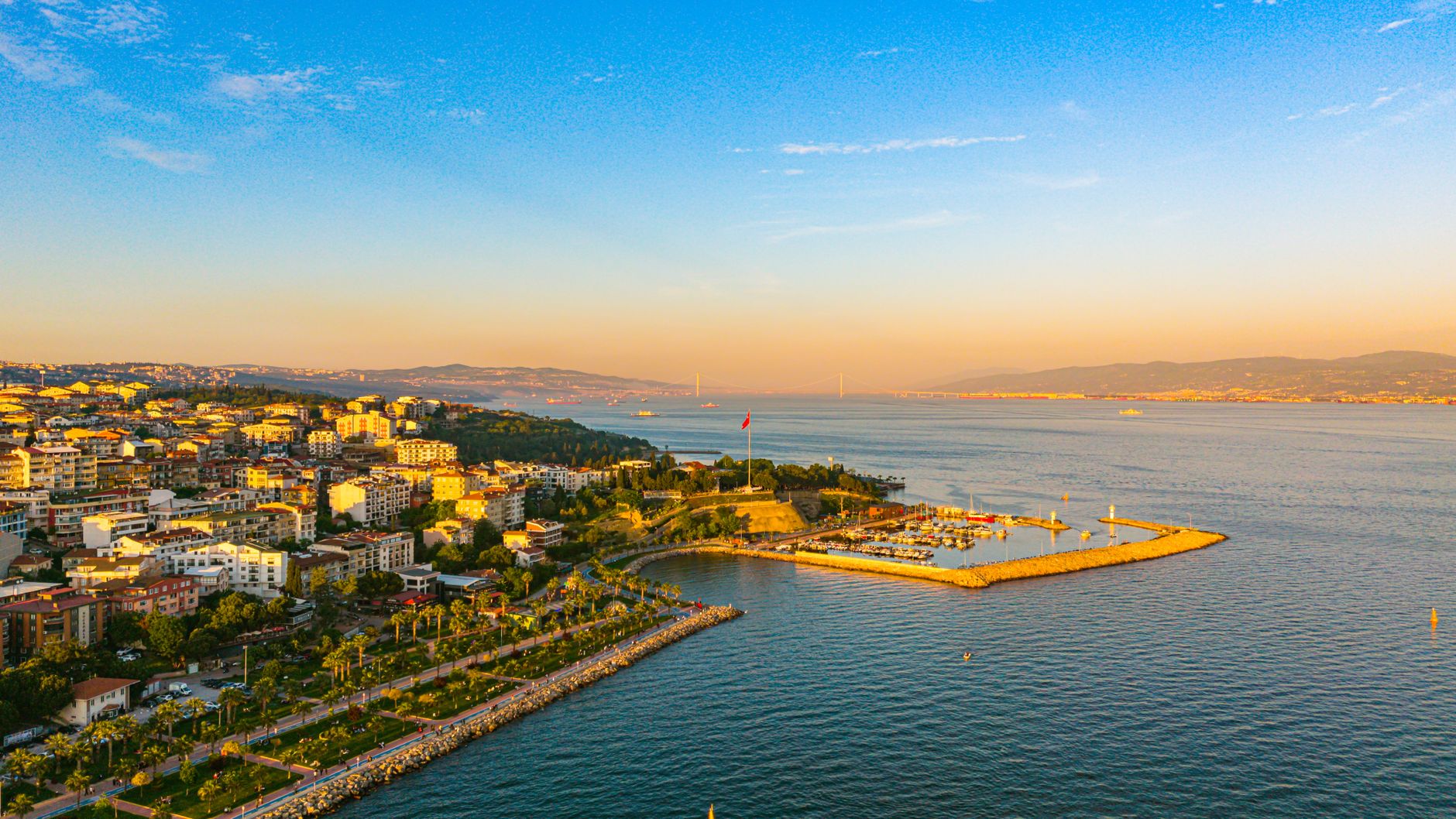
The roads have been paved with colorful paving stones, emphasis has been placed on landscaping and cleanliness, and there has been a significant increase in the number of shopping stores, souvenir shops, boutiques, jewelers, jewelry sellers and hotels. While the Liman street offers enjoyable walking and resting opportunities, it has attained a beauty that is as good as the popular beaches of the Bosphorus. Those who sit in the cafes, restaurants and tea gardens along the coast watch the European continent from the Anatolian side and breathe in the fresh Bosphorus air.
The people of Çanakkale do not yet have the Bosphorus bridges connecting the two continents, but they have the opportunity to cross the bridge with ferries and motorboats that depart frequently. Tourist buses, who visit Gallipoli or use the Aegean coast Cross Road from Europe to go to the Virgin Mary in Selçuk, and Izmir passengers are carried by ferries and come to the port area. There is a sweet rush in the environment, where tourists look with curious eyes, many of them located on the shores of the Çanakkale port, Troy. It is observed that they can’t wait to see the wooden horse of the movie and that they took a souvenir photo next to it.
A glass-sheltered model of the ancient city of Troy can be seen around the wooden horse, which is illuminated with spotlights at night, and a sundial is seen a little further away.
Serious City ÇanakkaleIn the solemn city Çanakkale, entertainment is also solemn and does not disturb the environment. Taverns and cafes along the coast, which are especially popular with stylishly dressed young girls and gentlemen who follow fashion closely, become the center of attention. Young girls can drink their cold beer while looking at the Bosphorus, alone, until late at night. There are no beggars, muggers, or tinkerers to be seen, nor are there any police officers in official uniform.
If there is a tourist ship entering the Bosphorus at dusk, everyone gets up and approaches the beach, some filming the passage of the tourist ship with their cameras, some with their phones. In Çanakkale, where you can walk along the colorful coastline with boats, motorbikes and yachts, as well as taking a horse-drawn carriage ride, you can see the urban fabric such as old mosques, bakeries, examples of civil architecture houses and baths that have witnessed history, as you delve into the side streets of the historical city.
At the point we arrive, moving towards Izmir, there is Güzelyalı, which attracts attention with its atmosphere and lush green vegetation, where the important accommodation centers of the region and beaches are located.
The region, where history and nature are integrated, made its name in history with two important wars: the Battle of Çanakkale and the Trojan War. These places attract great attention from tourists even today. Troy, the legendary city with the beautiful Helen, for whom wars were fought, the wooden horse famous for its tricks and the legendary treasure, dates back to B.C. It was founded in 3000. M.S. It was destroyed and rebuilt many times during the 3500 years until 500 BC.
While new findings obtained every year through archaeological excavations and studies shed light on history, they are exhibited in the presentation center next to the wooden horse at the entrance of the ancient city.
The ancient city tour, which starts among the city walls, continues with the houses, towers, Athena temple, ramped door, altar and bath, and ends next to the theatre, various marbles, columns and motif stones and the wooden horse. Alexsandria-Troas in Dalyan village next to the Bozcaada pier and Assos in Behramkale village are other ancient cities of the region…
In recent years, British Prime Minister Margaret Thatcher came to the Gallipoli National Park British cemetery and visited the graves of the island soldiers she lost in the war.
You May Like
Amasya Hotel Pension Accommodations