A programmer’s desk is their workshop, and building it well pays off every single day. The right hardware, a comfortable ergonomic layout, and a smart monitor arrangement can be the difference between fatigue and focus. You don’t need to spend a fortune, but a few deliberate choices make a huge impact over the long hours developers spend coding. Here’s how to put together a coding desk that works as hard as you do.
Start with the Right Hardware

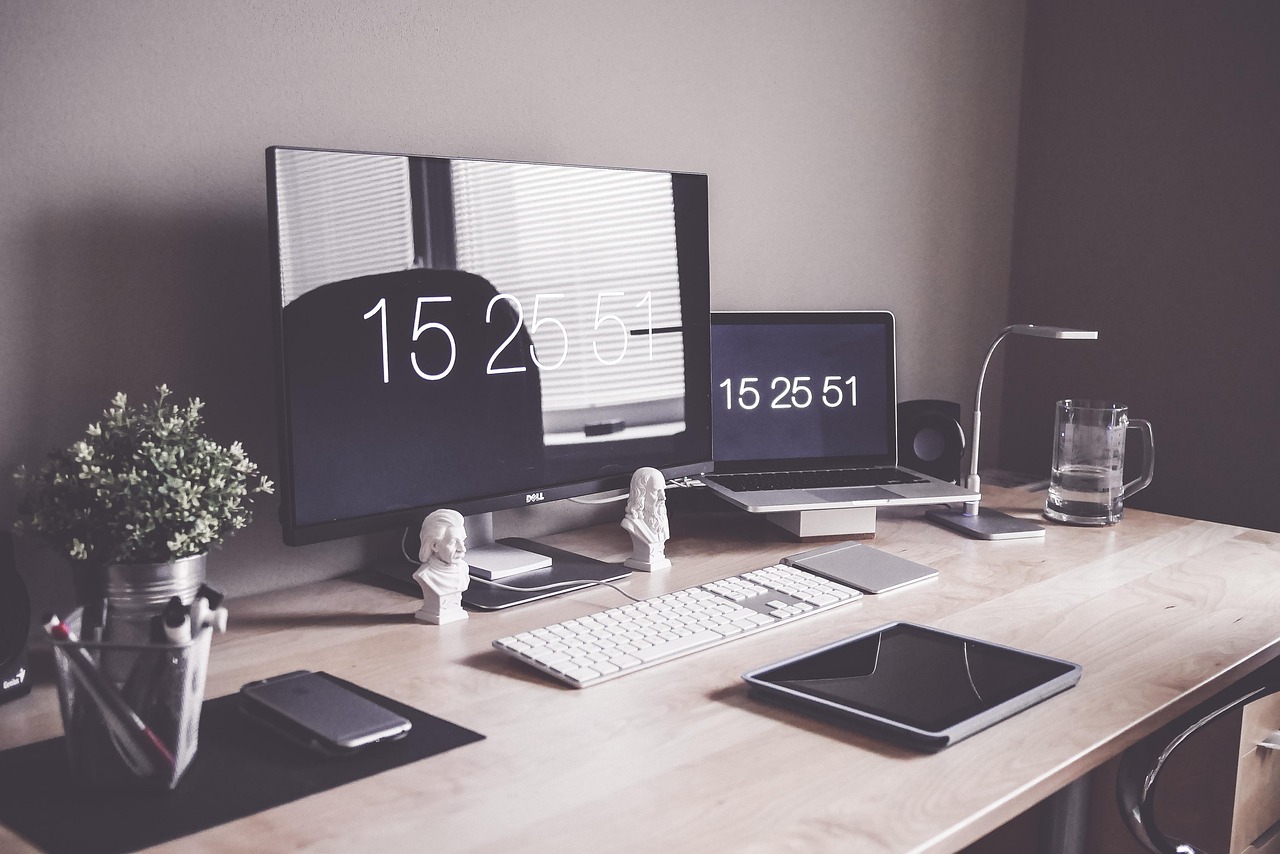
A solid coding desk begins with reliable essentials: a comfortable mechanical or low-profile keyboard, a precise mouse, and monitors with enough resolution to keep text sharp. A docking station tidies up a laptop-based setup, while a sturdy desk wide enough for two or three screens forms the foundation. Quality here pays off in comfort and durability over thousands of hours.
Arrange Monitors for Comfort
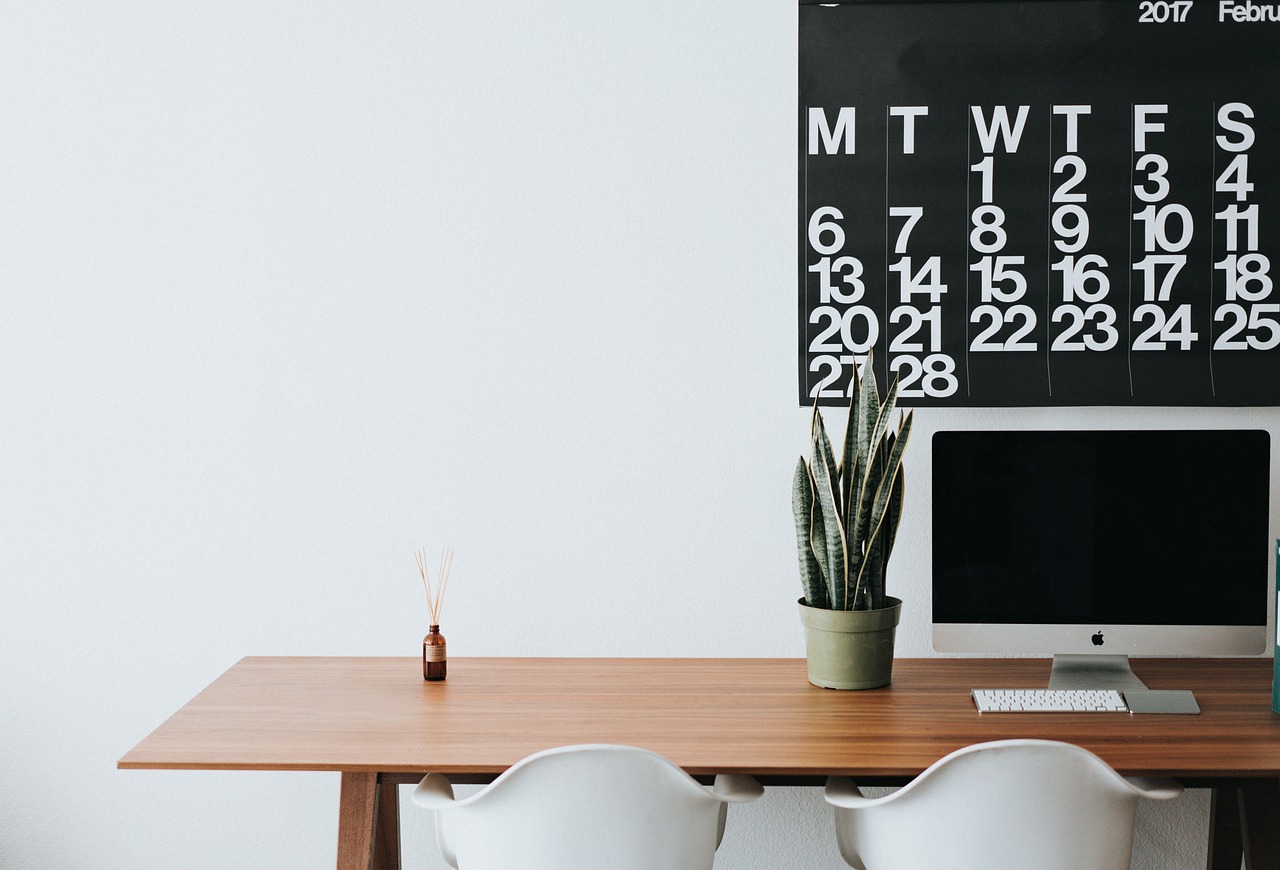
Monitor placement matters as much as the screens themselves. Position your primary display directly in front of you, with the top of the screen at or just below eye level to keep your neck neutral. Secondary monitors angle inward slightly so your eyes travel rather than your whole head. Monitor arms free up desk space and make fine adjustments easy.
Prioritize Ergonomics
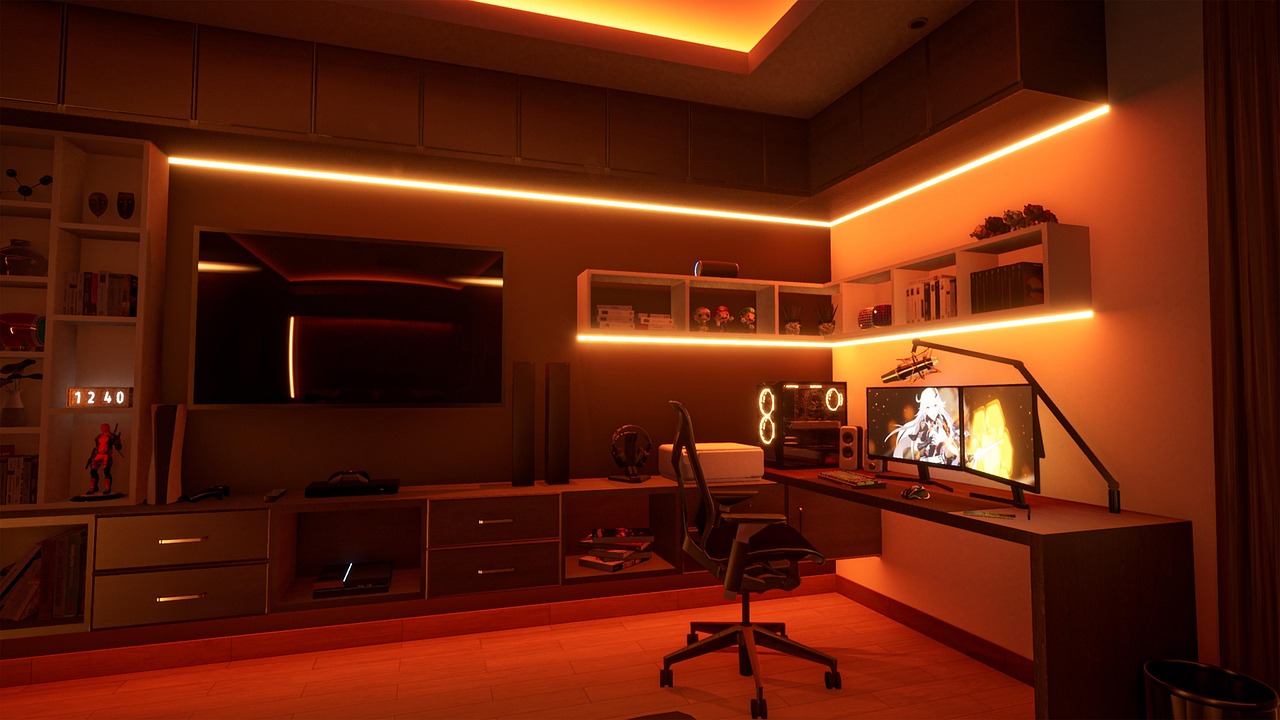
Long coding sessions punish poor posture. An adjustable chair that supports the lower back, feet flat on the floor, and elbows at roughly ninety degrees form the ergonomic baseline. A sit-stand desk lets you change positions through the day. These details prevent the wrist, neck, and back strain that quietly build up over years at a keyboard.
Mind the Lighting and Cables

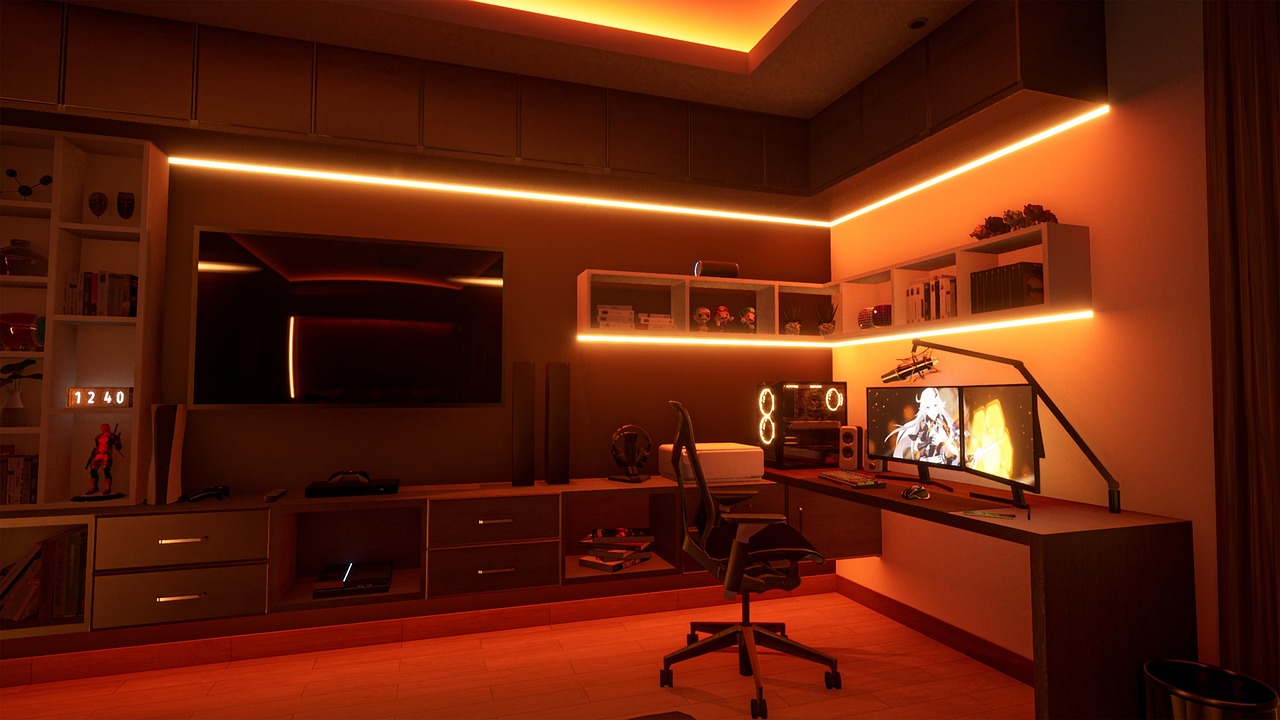
Good lighting reduces eye strain and keeps the room comfortable. Soft, indirect light or bias lighting behind the monitors eases the contrast between screen and surroundings. Meanwhile, routing cables behind the desk with clips or trays keeps the surface clear. A clean, well-lit desk simply feels better to work at—and helps you focus.
The perfect coding desk isn’t about expensive gadgets; it’s about thoughtful choices that support how you work. Reliable hardware, well-placed monitors, sound ergonomics, and good lighting come together to create a workstation you can sit at comfortably for hours. Build it with care, and your desk becomes a quiet asset to both your productivity and your health.
More from this series: Also read Why Developers Use 2 or 3 Monitors: The Productivity Behind Multi-Screen Coding and continue with A Day in a Developer’s Home Office: Tools, Gear, and Workspace Habits to build your ideal coding setup.