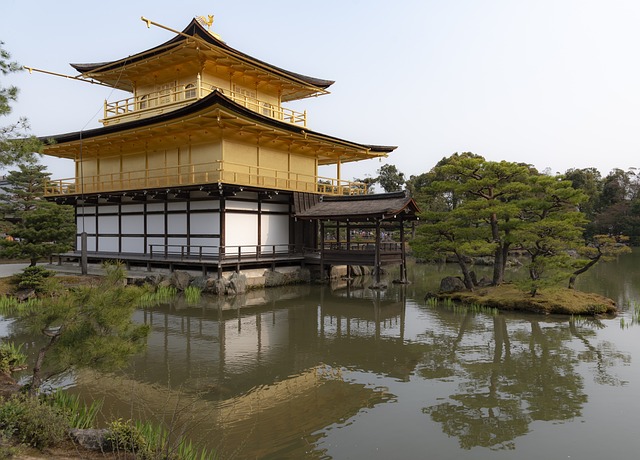
While Kyoto’s temples and shrines draw the crowds, Nijō Castle offers something different and just as compelling: a rare, intact glimpse into the world of the shoguns who ruled Japan. A UNESCO World Heritage Site built in 1603, this was the Kyoto residence of the Tokugawa shoguns, and its opulent palace, clever defensive tricks, and beautiful gardens make it one of the city’s most rewarding and atmospheric sights. It’s a place where you can almost feel the weight of feudal power.
A Shogun’s Statement of Power
Nijō Castle was built by Tokugawa Ieyasu, the first shogun of the Edo period, as a display of his immense wealth and authority — pointedly close to the Imperial Palace, whose emperor the shoguns had effectively eclipsed. Fittingly, it was here in 1867 that the last shogun formally returned power to the emperor, bringing the age of the samurai to an end. The castle thus bookends 250 years of shogun rule.
The Ninomaru Palace
The heart of the castle is the Ninomaru Palace, an exceptional surviving example of shogunate architecture. Walking through its linked buildings, you pass through a series of grand reception rooms where the shogun received visitors, their walls covered in dazzling gold-leaf paintings of tigers, pines, and landscapes designed to intimidate and impress. The grandeur of these audience halls makes the shogun’s power feel vivid and real.
The Nightingale Floors
One of the castle’s most famous and delightful features is its “nightingale floors” (uguisubari). As you walk, the specially constructed floorboards chirp and squeak like birdsong — not by accident, but as an ingenious security device to alert guards to any intruder or assassin attempting to sneak through the palace. Listening to the floor sing beneath your feet is a memorable, only-here experience.
The Gardens and Grounds
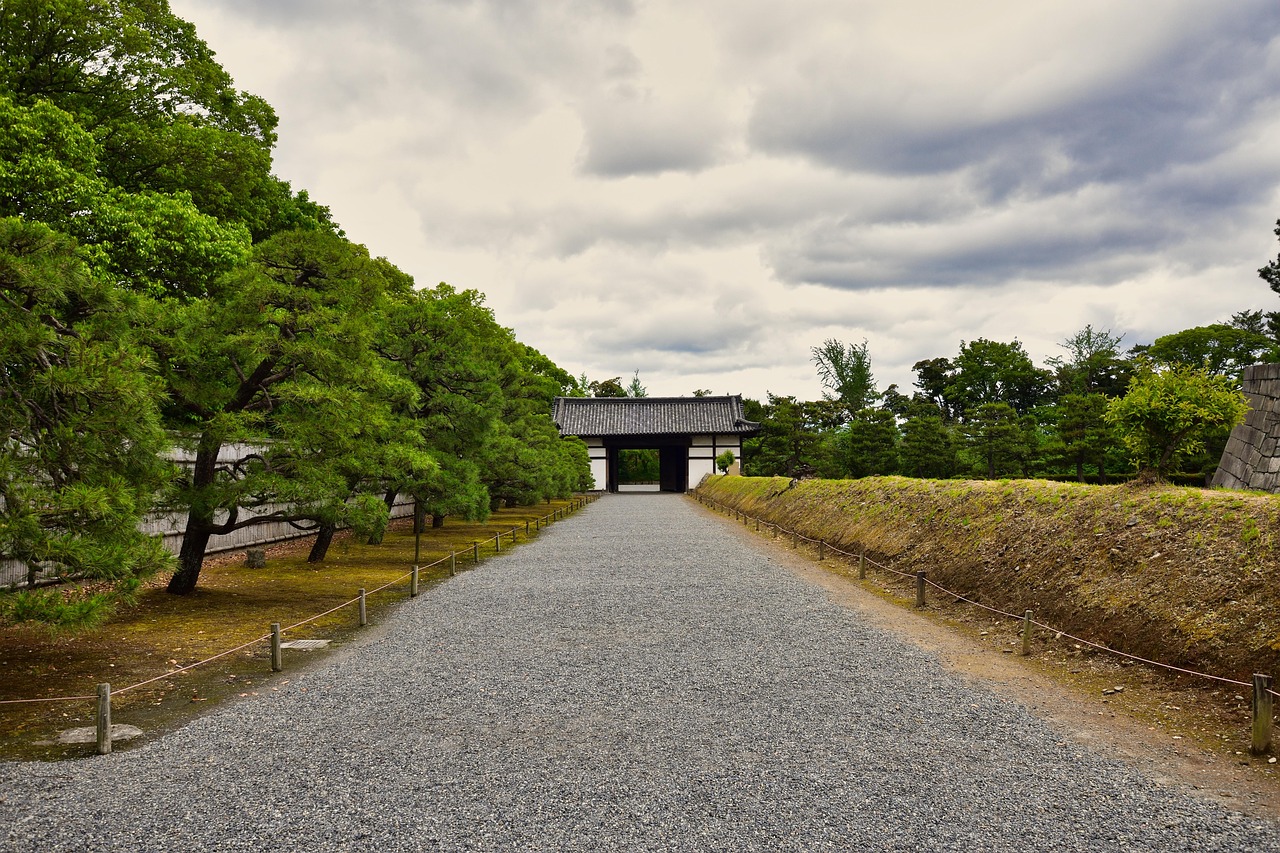
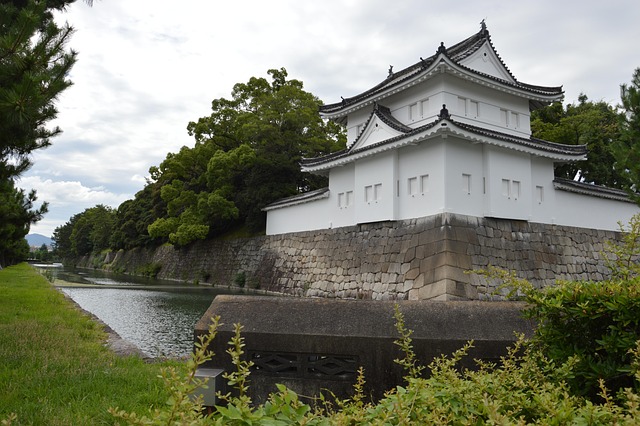
Beyond the palace, Nijō Castle is surrounded by stone walls, moats, and beautiful gardens. The Ninomaru Garden, designed by a famous landscape master, features a pond, carefully placed stones, and manicured pines. In spring the castle grounds are a celebrated spot for cherry blossoms, with hundreds of trees and special evening illuminations. The contrast of military fortifications and serene gardens is striking.
Planning Your Visit
Nijō Castle is easily reached via the Nijō-jō-mae subway station, right outside, and there’s an admission charge (with an extra fee to enter the Ninomaru Palace itself). Allow one to two hours. Note that photography is not permitted inside the palace to protect the paintings. Visit early to beat the crowds, and combine it with a trip to the nearby Kyoto Imperial Palace for a day focused on the city’s seats of power.
More Kyoto guides: explore the full Kyoto Travel Guides series.


