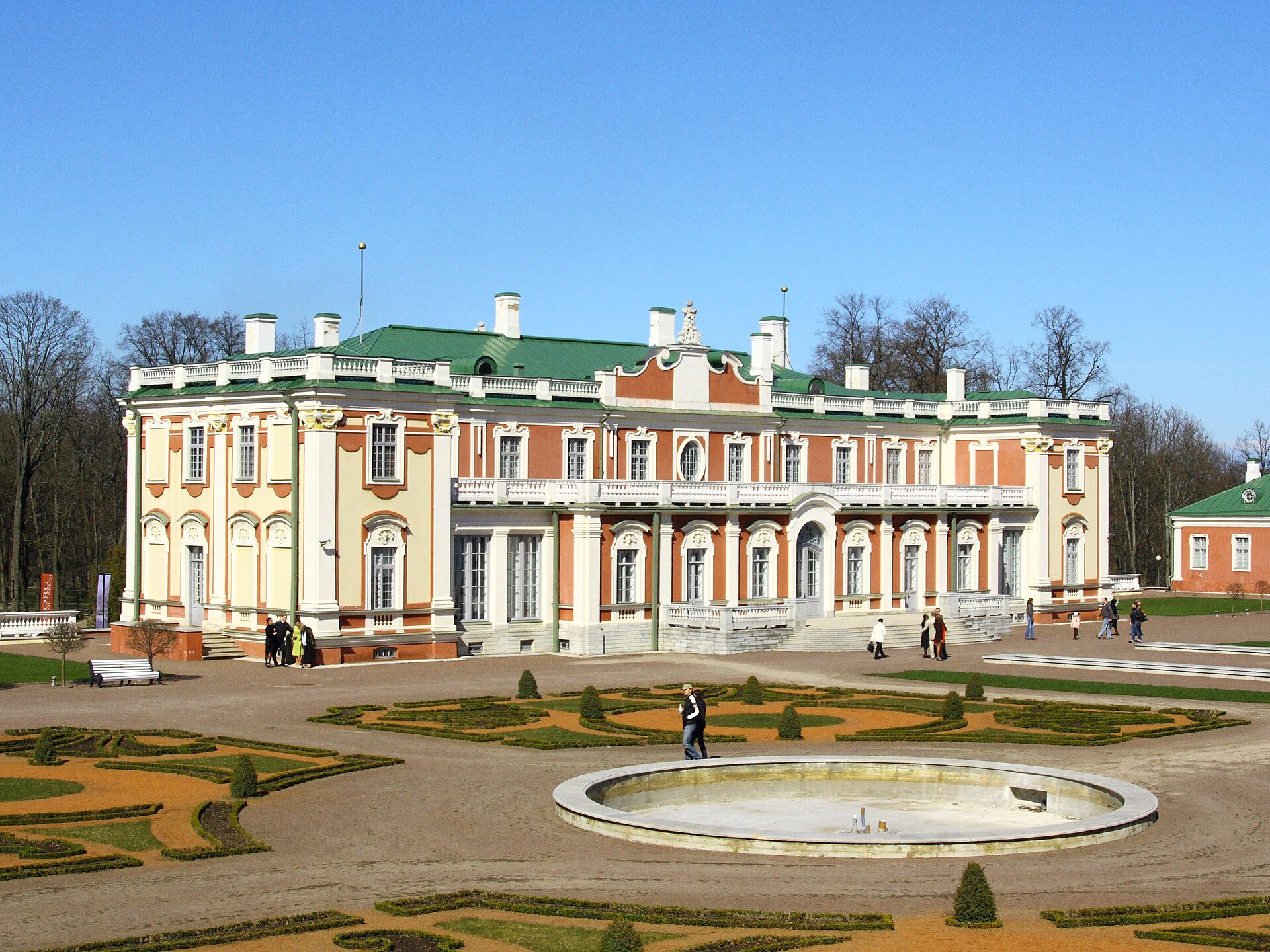
On the edge of the Estonian capital of Tallinn, set within a beautiful park that stretches toward the sea, stands an elegant baroque palace with a story that reaches far beyond the small Baltic nation. Kadriorg Palace, a graceful residence of warm colour and refined design, was built not by an Estonian ruler but by one of the most powerful monarchs in European history, the great tsar of Russia, as a gift for his wife. Its name, meaning the valley of Catherine, honours the empress for whom it was created.
Kadriorg was built in the early eighteenth century, after the region had passed under Russian rule, by a tsar who sought a summer residence in his newly won Baltic territories. Employing an Italian architect, he created a palace in the finest baroque style, a graceful residence surrounded by formal gardens, a jewel of imperial art on the shores of the Baltic Sea.
Though built as an imperial summer residence, Kadriorg has served many purposes through the turbulent history of Estonia, and today it stands at the heart of a beautiful park that is one of the most beloved green spaces in Tallinn. The palace now houses an art museum, its elegant rooms displaying treasures of European art, and the surrounding park and its buildings form the cultural and recreational heart of the Estonian capital.
In this article you will get to know Kadriorg Palace fully: the great tsar who built it and the empress it honours, its beautiful baroque architecture, its magnificent great hall, its formal gardens and park, its role through the history of Estonia, and its life today as an art museum and the centrepiece of one of the most beautiful parks in the Baltic, a jewel of imperial art in the Estonian capital.
In This Article
- An Imperial Palace in Estonia
- The Tsar Who Built It
- The Valley of Catherine
- Baroque Elegance
- The Great Hall
- The Palace Interiors
- The Park and Gardens
- The Art Museum
- Through the History of Estonia
- The Presidential Palace and the District
- Kadriorg and the City of Tallinn
- A Meeting of Empire and Nation
- Kadriorg Palace Today
An Imperial Palace in Estonia
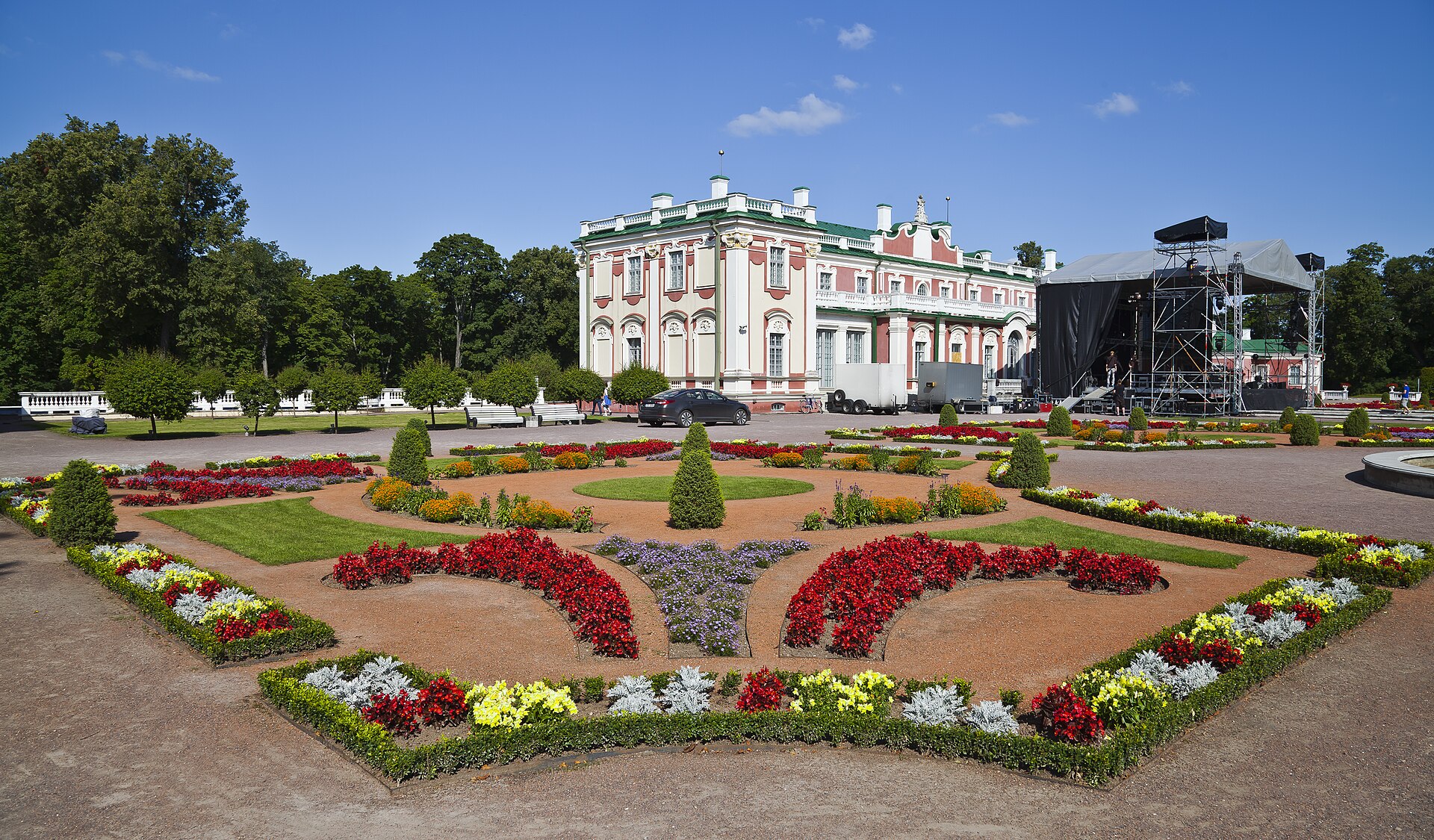
Kadriorg Palace stands on the edge of Tallinn, set within a beautiful park that extends toward the sea, its elegant baroque facade in warm colour presenting a graceful and refined presence. Built as an imperial summer residence, the palace is a jewel of baroque art, surrounded by formal gardens and set amid one of the most beautiful parks in the Estonian capital.
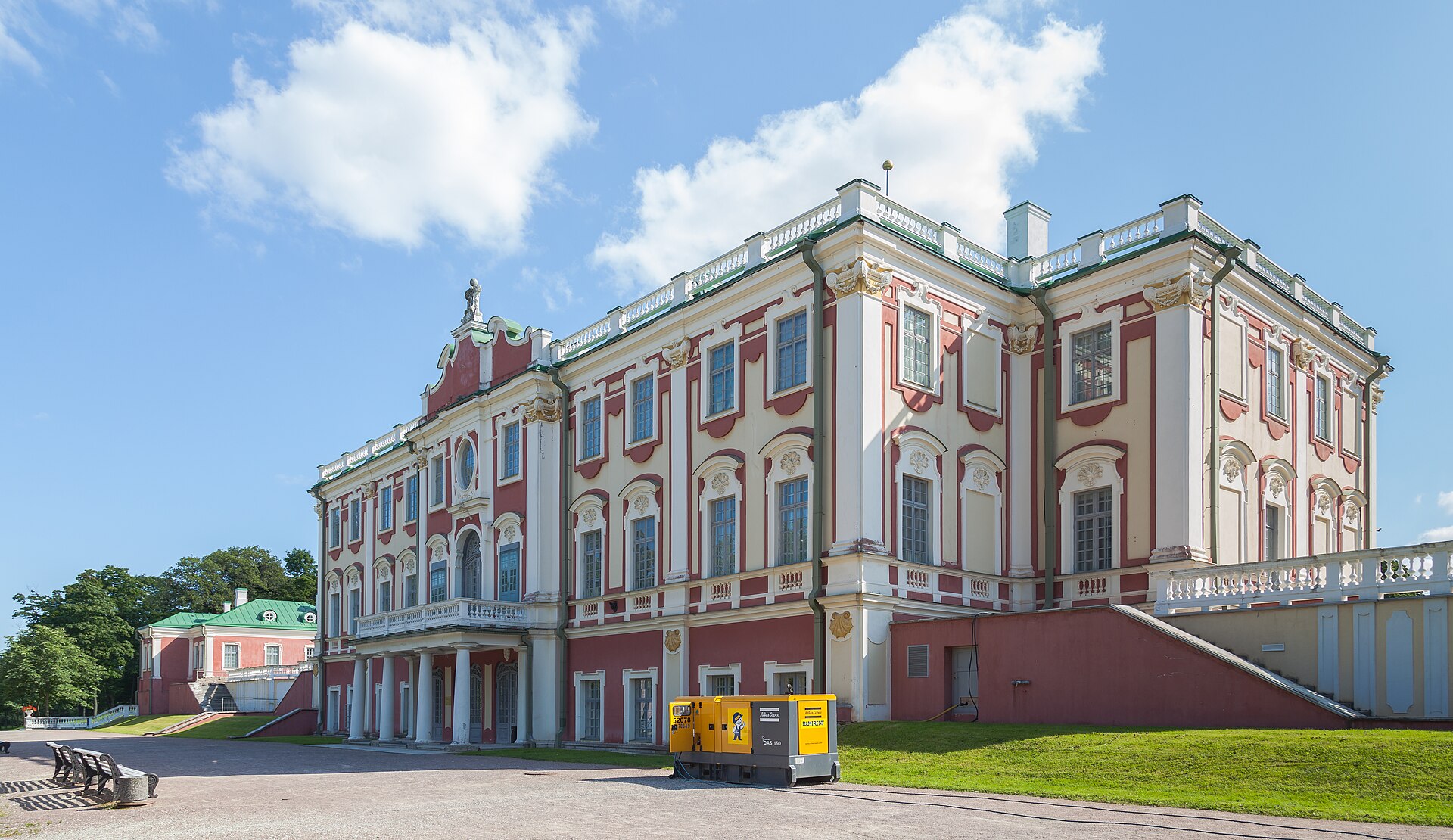
The palace was built by the great tsar of Russia as a summer residence in his newly won Baltic territories, and it was named in honour of his wife, the empress. Its creation by so powerful a monarch, and its dedication to the empress, give Kadriorg a special place among the palaces of the Baltic, a residence built by an emperor on the shores of the sea.
The combination of the elegant baroque palace, its formal gardens, and its beautiful park setting makes Kadriorg one of the most beautiful and beloved sites in Tallinn. Its imperial origins, its refined architecture, and its magnificent park give it a special character, a jewel of imperial art set within the green heart of the Estonian capital.
The elegance of Kadriorg, set amid its formal gardens and extensive park, gives it a character quite different from the medieval fortresses that dominate so much of the Baltic. Here the mood is one of refined baroque grace rather than martial strength, a reflection of the palace’s origins as an imperial summer residence rather than a fortress, and this elegance is central to its charm.
Approaching the palace through its park, with the formal gardens opening before the elegant facade, a visitor feels the graceful, unhurried atmosphere of an imperial summer residence. The palace was made for leisure and beauty rather than defence, and this purpose is written into its every line, from the refined facade to the flower gardens that spread before it.
The Tsar Who Built It
Kadriorg was built by the great tsar who transformed Russia into a major European power and who won the Baltic territories, including Estonia, for his empire. A ruler of boundless energy and ambition, he sought a summer residence in his new Baltic lands, and he chose the site near Tallinn for its beauty and its position by the sea.
The tsar took a personal interest in the creation of the palace, as he did in so many of his projects, and he named it in honour of his wife, the empress, so that the palace and its surrounding valley came to bear her name. The building of Kadriorg was an expression of the tsar’s ambitions for his new territories and of his desire to give his empire residences worthy of its growing power.
The involvement of so great a monarch gives Kadriorg a special significance, for it was built by one of the most powerful and consequential rulers in European history as part of his transformation of Russia. The palace stands as a monument to the tsar’s reign and to the extension of his empire to the shores of the Baltic, a graceful expression of imperial ambition in the Estonian countryside.
The tsar who built Kadriorg was one of the towering figures of European history, a ruler who reshaped his empire and won for it a place among the great powers, including the Baltic territories in which the palace stands. That so consequential a monarch should have built a summer residence near Tallinn gives the palace a significance far beyond its size, linking the small Baltic nation to the great currents of imperial history.
The tsar’s choice of the Baltic coast for a summer residence reflected his determination to make his newly won territories a full part of his empire, and to give them residences worthy of imperial rule. Kadriorg thus stands as a monument to the great tsar’s ambitions and to the extension of his empire to the Baltic, a graceful assertion of imperial presence on the shores of the sea.
The Valley of Catherine
The name Kadriorg means the valley of Catherine, honouring the empress for whom the palace was built by her husband the tsar. This dedication of the palace and its valley to the empress gives Kadriorg a romantic character, a residence created as a gift and named for the woman it was meant to honour.
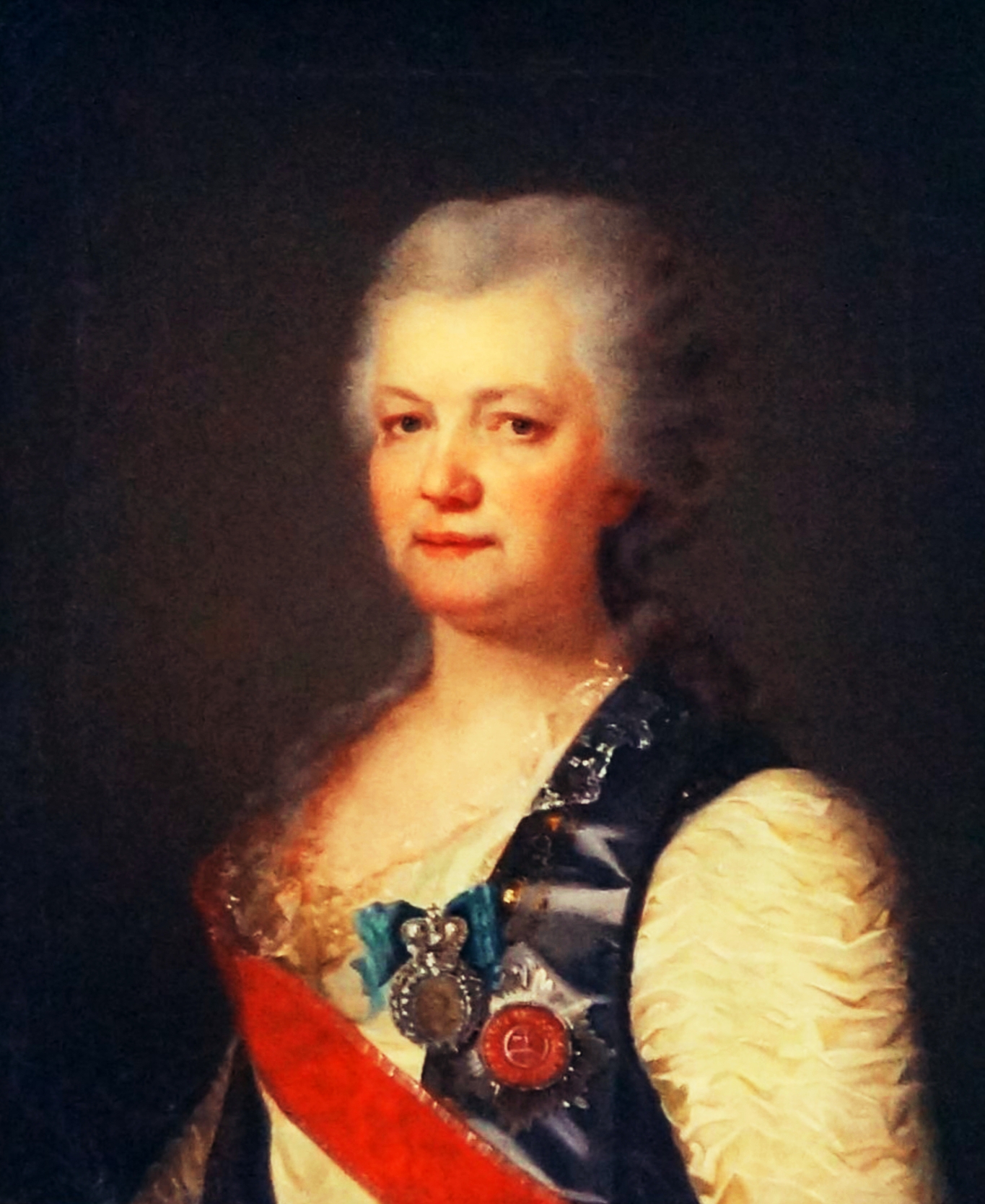
The empress for whom the palace was named rose from humble origins to become the wife of the tsar and, after his death, an empress in her own right, one of the remarkable figures of the age. That so grand a palace should bear her name reflects her importance and the affection of the tsar, and it gives Kadriorg a human story behind its imperial grandeur.
The dedication of the palace to the empress is preserved in its very name, which the surrounding park and district still bear. This romantic origin, a palace built by a great tsar and named for his empress, gives Kadriorg a special charm among the imperial residences of the age, a jewel of baroque art created as a tribute in the valley that carries the empress’s name.
The romantic story of the empress for whom the palace was named, a woman who rose from humble beginnings to the summit of imperial power, adds a human dimension to the grandeur of Kadriorg. That the palace and its valley should bear her name is a lasting tribute, and it gives the residence a charm and a story that set it apart among the imperial palaces of the age.
The dedication of both the palace and its surrounding valley to the empress ensured that her name would endure in the very geography of Tallinn, for the district and park still bear it to this day. Few palaces carry so romantic a story in their very name, and this tribute to the empress adds a note of tenderness to the imperial grandeur of Kadriorg.
Baroque Elegance
The architecture of Kadriorg is a fine example of the baroque style, designed by an Italian architect summoned to create a residence worthy of the tsar. The palace, in warm colour with white detailing, presents an elegant and refined facade, its baroque forms combining grandeur with grace in the finest tradition of the age.
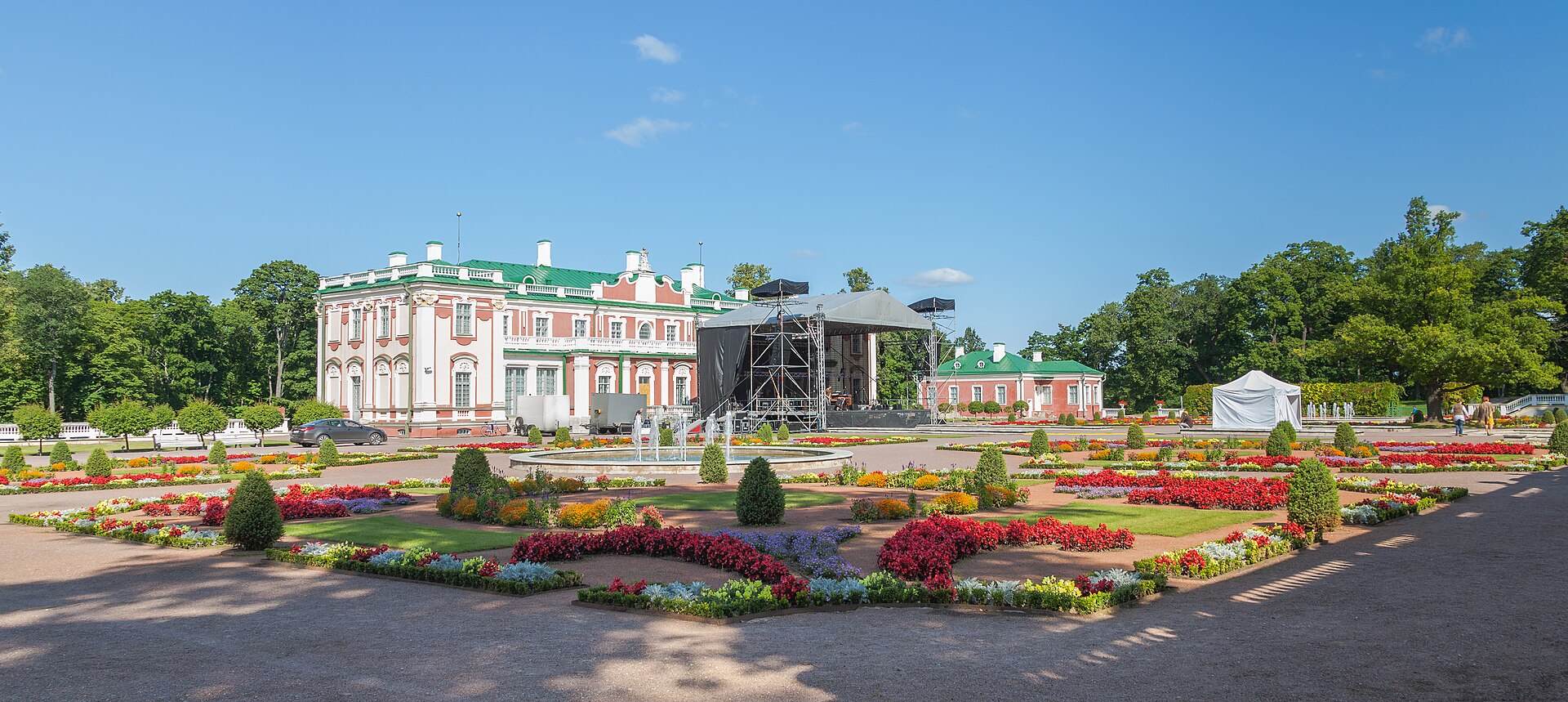
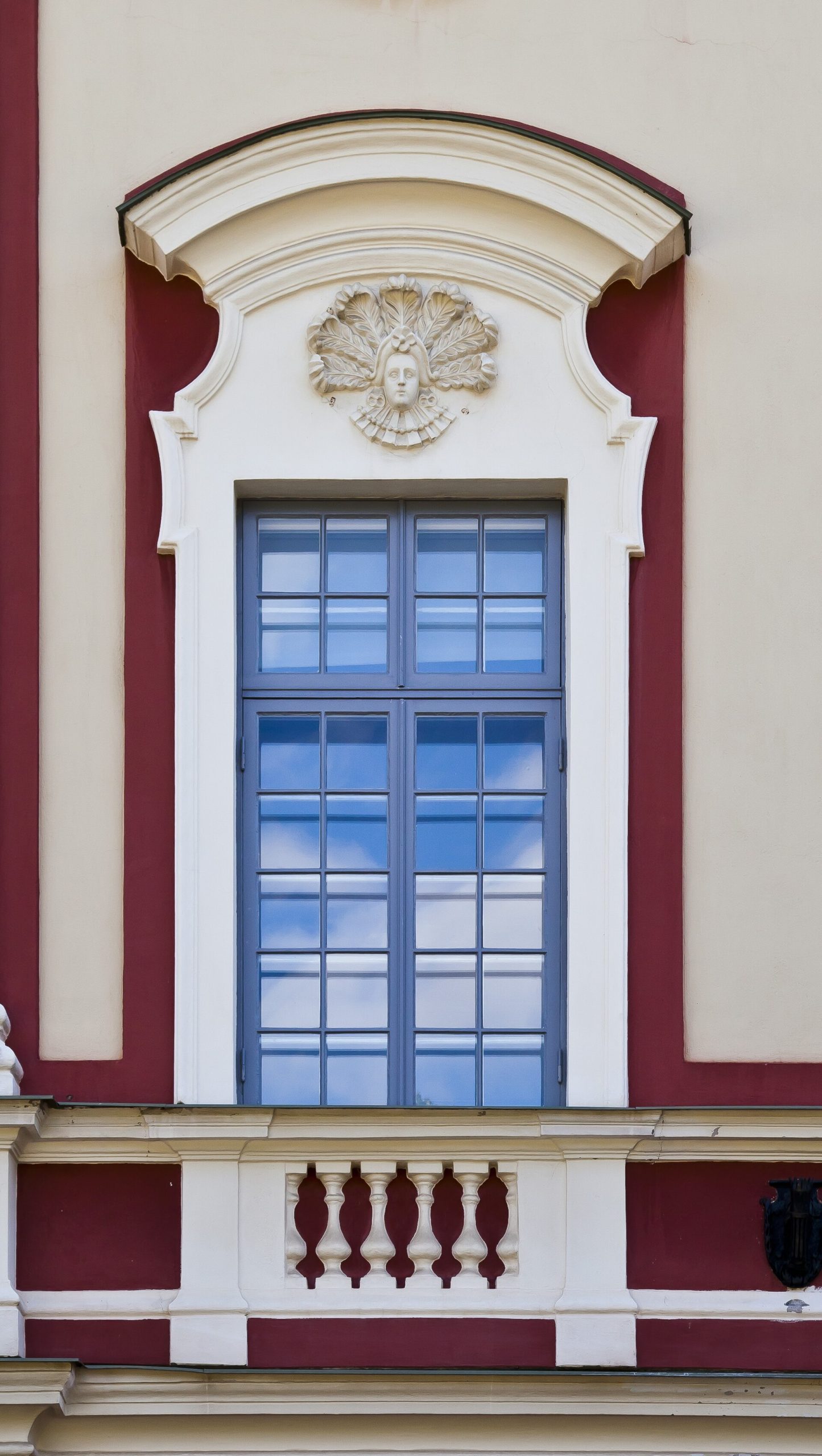
The design reflects the Italian training of its architect and the imperial ambitions of its builder, uniting the elegance of Italian baroque with the requirements of a northern summer residence. The result is a palace of graceful proportions and refined detail, its facade enlivened with ornament and rhythm, a jewel of baroque architecture on the shores of the Baltic.
The elegance of the architecture, set amid its formal gardens and park, makes Kadriorg one of the most beautiful palaces in the region. Its baroque forms, the work of an Italian master and built for a great tsar, give the palace its refined and imperial character, a graceful expression of the baroque age in the Estonian capital.
The Italian training of the palace’s architect is evident in the elegance of its design, which brings the grace of the Italian baroque to the northern shores of the Baltic. This meeting of southern art and northern setting gives Kadriorg a distinctive character, and the palace stands as a fine example of how the baroque style, born in the warm south, was adapted to the cooler climate and light of the Baltic.
The Great Hall
The glory of Kadriorg’s interior is its great hall, a magnificent baroque room rising through two storeys, adorned with elaborate stucco decoration and painted ornament. This grand hall, the ceremonial heart of the palace, is one of the finest baroque interiors in northern Europe, a space of great richness and beauty designed to impress with the splendour of the imperial court.
The hall is celebrated for its magnificent stucco decoration, its walls and ceiling alive with elaborate ornament in the finest baroque manner, created by skilled craftsmen. The richness and beauty of this decoration make the great hall the outstanding feature of the palace interior, a masterpiece of baroque decorative art that draws visitors from around the world.
The great hall was the setting for the ceremonial life of the palace, a space designed to express the grandeur of the imperial residence. Its two-storey height, its magnificent stucco, and its refined decoration create an interior of overwhelming beauty, and it remains the crowning glory of Kadriorg, one of the most magnificent baroque halls in the entire Baltic region.
The great hall, rising through two storeys and covered with elaborate stucco, is the outstanding feature of the palace interior and one of the finest baroque halls in the region. To stand within it, surrounded by the richness of its decoration, is to experience the full splendour of the imperial baroque, and it never fails to impress visitors with its beauty and its grandeur.
The skilled craftsmen who created the stucco decoration of the great hall brought to Kadriorg the finest artistry of the baroque age, and their work has survived to astonish visitors to this day. The hall stands as a testament to the wealth and ambition of its imperial builder and to the skill of the artists he employed, one of the great interiors of the Baltic region.
The Palace Interiors
Beyond the great hall, the palace contains a sequence of elegant rooms decorated in the baroque and later styles, providing a refined setting for the imperial residence and, today, for the display of art. These rooms, with their fine decoration and furnishings, reflect the elegance of the palace and its role as a summer residence of the imperial court.
The interiors, now housing an art museum, display treasures of European art amid the elegant baroque and later decoration of the palace. The combination of the historic interiors and the works of art they contain creates a rich cultural experience, uniting the beauty of the palace with the treasures of the collections it now holds.
The elegant rooms of Kadriorg, from the grand hall to the smaller salons, reflect the refined taste of the imperial age and the successive periods through which the palace has passed. Their decoration and their collections make the palace a treasure house of art as well as a monument of baroque architecture, and they add greatly to the interest of a visit to this imperial residence.
The display of European art within the historic interiors of the palace creates a rich dialogue between architecture and collection, the baroque rooms providing a beautiful setting for the treasures they now contain. This union of the palace and its art enhances a visit, allowing visitors to admire both the elegance of the imperial residence and the beauty of the works of art gathered within it.
Moving through the elegant rooms of the palace, now hung with works of art, the visitor experiences both the beauty of the baroque interiors and the treasures they contain. This double pleasure, of architecture and art together, is one of the distinctive rewards of a visit to Kadriorg, and it makes the palace a destination for lovers of both fine buildings and fine art.
The Park and Gardens
Kadriorg is set within a magnificent park, one of the most beautiful and beloved green spaces in Tallinn, extending from the palace across a wide area toward the sea. The park combines formal gardens near the palace with more naturalistic areas beyond, creating a landscape of great beauty and variety enjoyed by the people of the city and visitors alike.
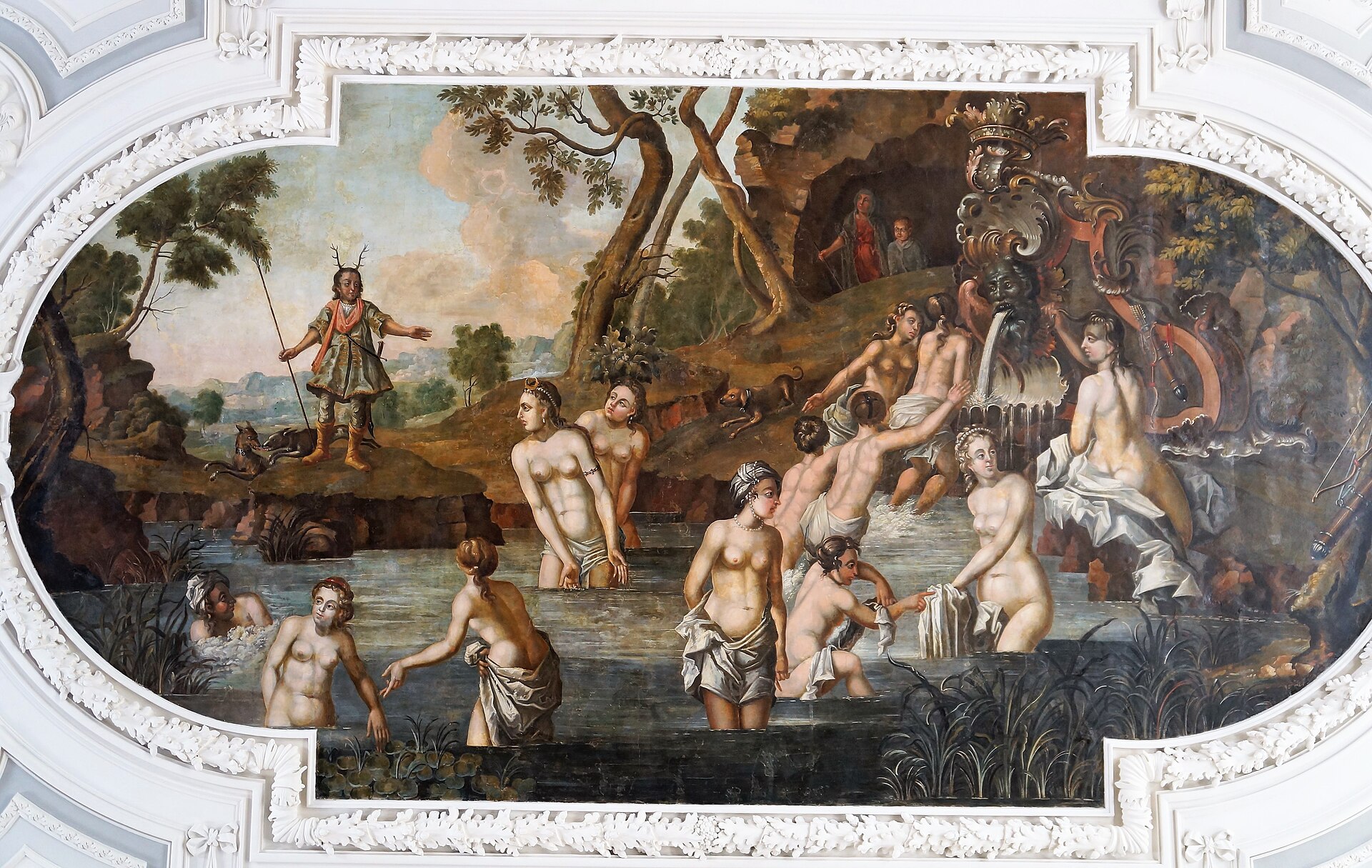
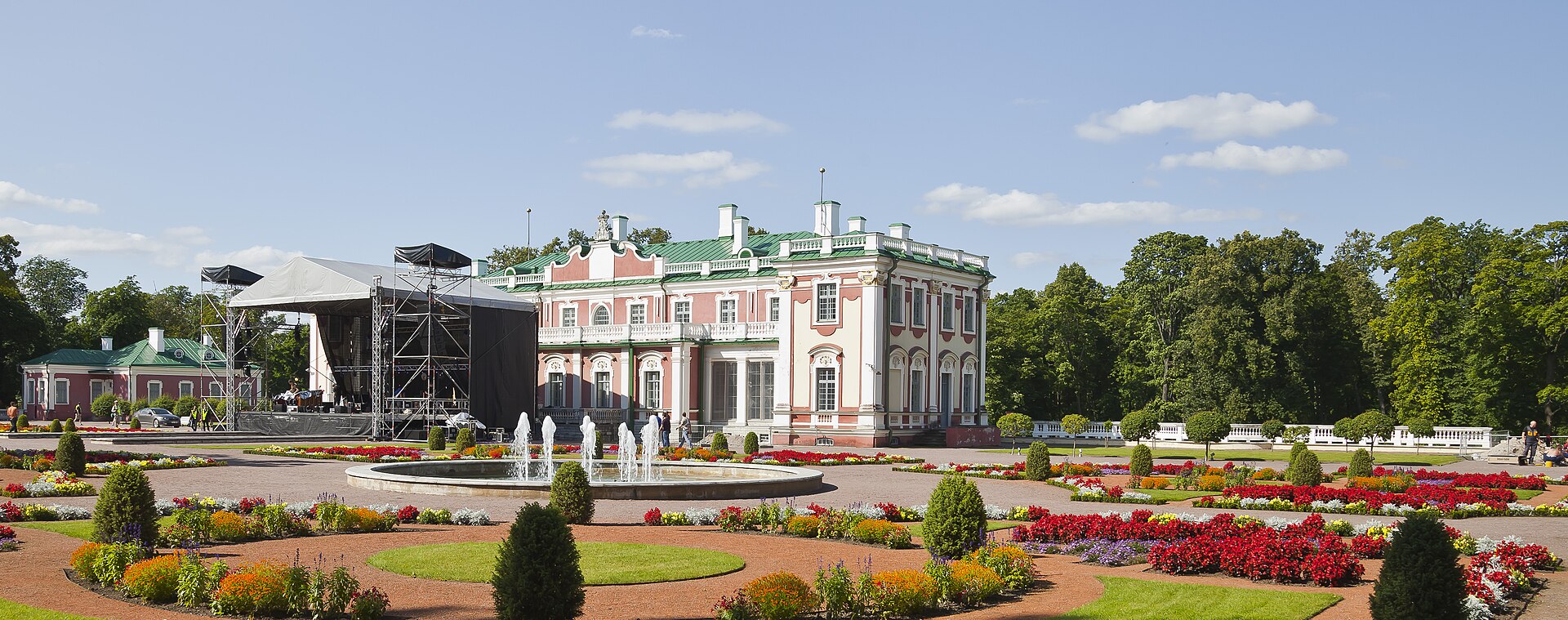
Near the palace, formal gardens with flower beds, a swan pond, and ornamental features provide an elegant setting for the residence, laid out in the manner of the imperial age. Beyond, the park extends into wooded and open areas, with paths, ponds, and monuments, a beautiful landscape for recreation and repose at the heart of the capital.
The park is an essential part of the beauty and appeal of Kadriorg, complementing the elegance of the palace and providing a magnificent setting for the imperial residence. Its formal gardens, its swan pond, and its extensive grounds make it one of the finest parks in the Baltic, a green treasure at the heart of Tallinn and one of the most beloved places in the Estonian capital.
The swan pond and the formal flower gardens near the palace are among the most beloved features of the park, drawing visitors throughout the warmer months. Beyond them, the extensive grounds offer paths, ponds, and quiet corners for recreation and repose, and the whole park, from its formal gardens to its wooded areas, is one of the most cherished green spaces in Tallinn.
In every season the park offers a different beauty, from the flowers of summer to the golden light of autumn and the snows of winter, and it draws the people of Tallinn throughout the year. Its combination of formal gardens and naturalistic grounds, its ponds and monuments, make it one of the finest and most beloved parks in the Baltic, an essential part of the appeal of Kadriorg.
The Art Museum
Today Kadriorg Palace houses an art museum, its elegant rooms displaying a fine collection of European art from earlier centuries. The palace has become a treasure house of foreign art, its baroque interiors providing a beautiful setting for paintings, sculptures, and decorative objects from across Europe, making it one of the important cultural institutions of Estonia.
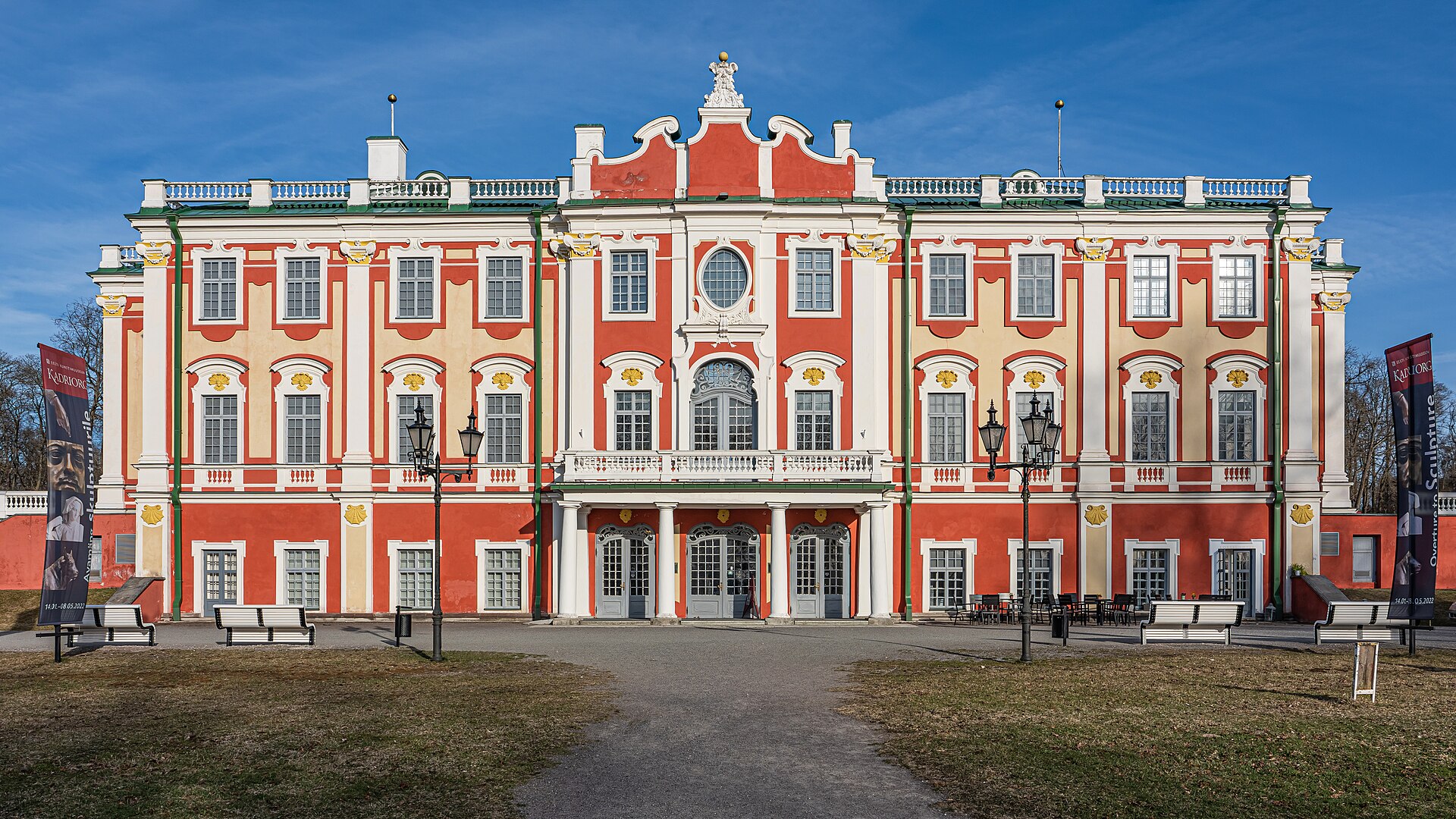
The collections displayed in the palace include works of Western European and Russian art, gathered and displayed amid the historic interiors of the imperial residence. The combination of the beautiful baroque palace and the treasures of art it contains makes Kadriorg a rich cultural destination, uniting architecture and art in a single splendid setting.
As an art museum, Kadriorg preserves and displays treasures of European art within one of the most beautiful baroque palaces in the region. It offers visitors a rich encounter with both the architecture of the imperial age and the art of many countries and centuries, all within the elegant rooms of the palace built by the great tsar in the valley of Catherine.
The art collections displayed at Kadriorg, drawn from across Europe and beyond, make the palace an important cultural institution as well as a beautiful monument. The combination of the imperial baroque architecture and the treasures of art it now houses gives the palace a rich double appeal, and it draws visitors interested in both the history of the building and the beauty of its collections.
Through the History of Estonia
The history of Kadriorg reflects the turbulent history of Estonia, a small nation long contested by the great powers of the region. Built by the Russian tsar after the region passed under his rule, the palace served the imperial court, and it passed through the changing fortunes of Estonia as the nation moved through empire, independence, occupation, and eventual freedom.
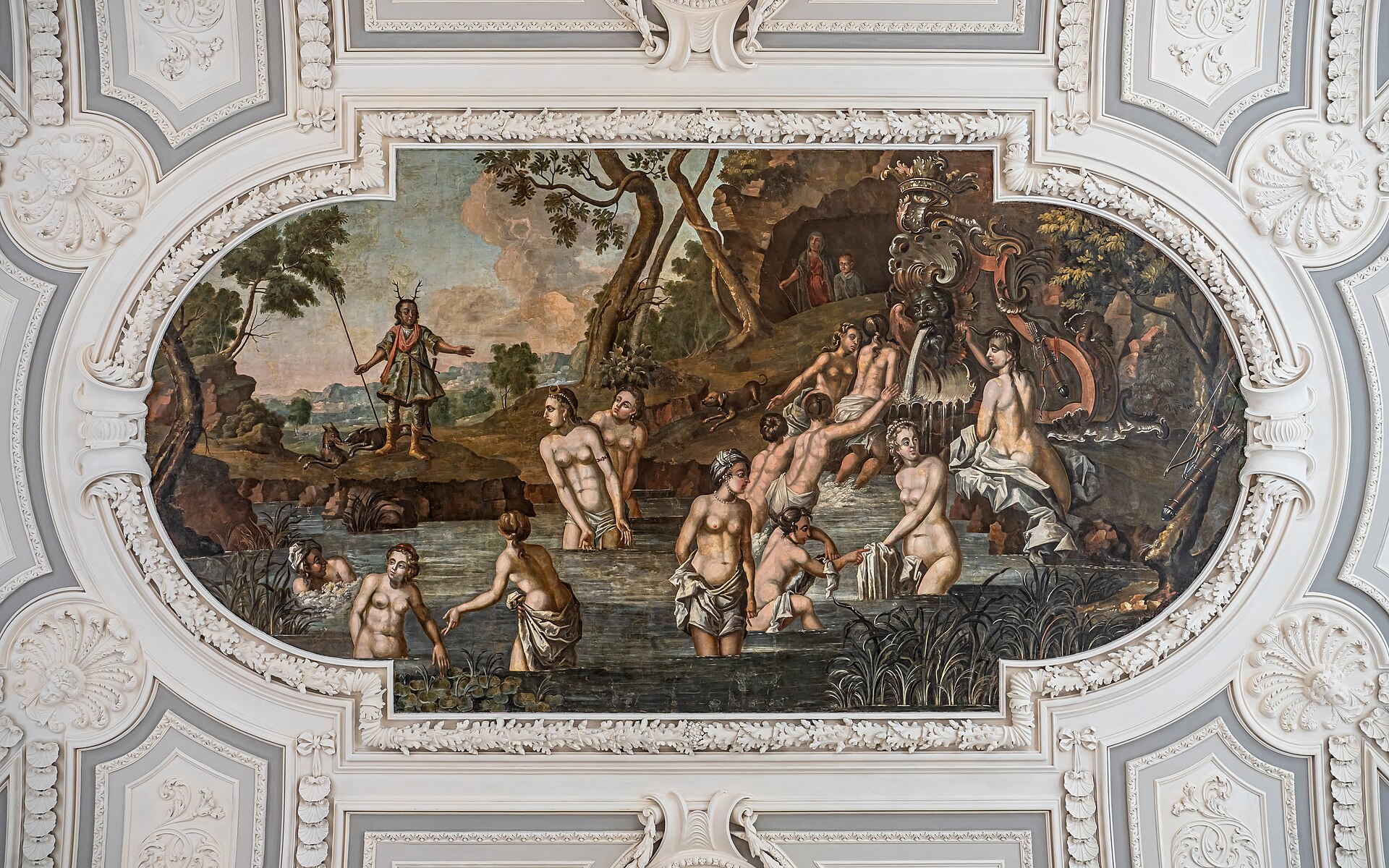
Through these upheavals, the palace served many purposes, reflecting the changing status of Estonia and its capital. In the era of Estonian independence, the palace and its park took on new roles in the life of the nation, and the surrounding district became one of the most beautiful and prestigious parts of Tallinn.
The survival of the palace through the turbulent history of Estonia, and its transformation into an art museum and the centrepiece of a beloved park, reflect the resilience of the nation and its cultural heritage. Kadriorg stands today as a monument to the layered history of Estonia, from imperial residence to national treasure, preserved and cherished in the era of Estonian independence.
The many purposes the palace has served through the turbulent history of Estonia reflect the changing fortunes of the nation, from imperial residence to the roles it took on through independence, occupation, and freedom. That the palace has survived these upheavals and been transformed into an art museum and public treasure reflects the resilience of Estonia and its cultural heritage.
The restoration of the palace and its transformation into an art museum in the era of Estonian independence reflect the nation’s determination to preserve and cherish its heritage, imperial origins and all. Kadriorg stands today as a treasure of independent Estonia, its imperial past woven into the cultural life of the modern nation, a monument beloved by the people of the capital.
The Presidential Palace and the District
The Kadriorg district, which grew up around the palace and its park, has become one of the most beautiful and prestigious parts of Tallinn, home to elegant villas, cultural institutions, and the residence of the Estonian head of state. Near the historic palace stands the presidential palace, the official residence of the president of Estonia, linking the district to the highest offices of the modern nation.
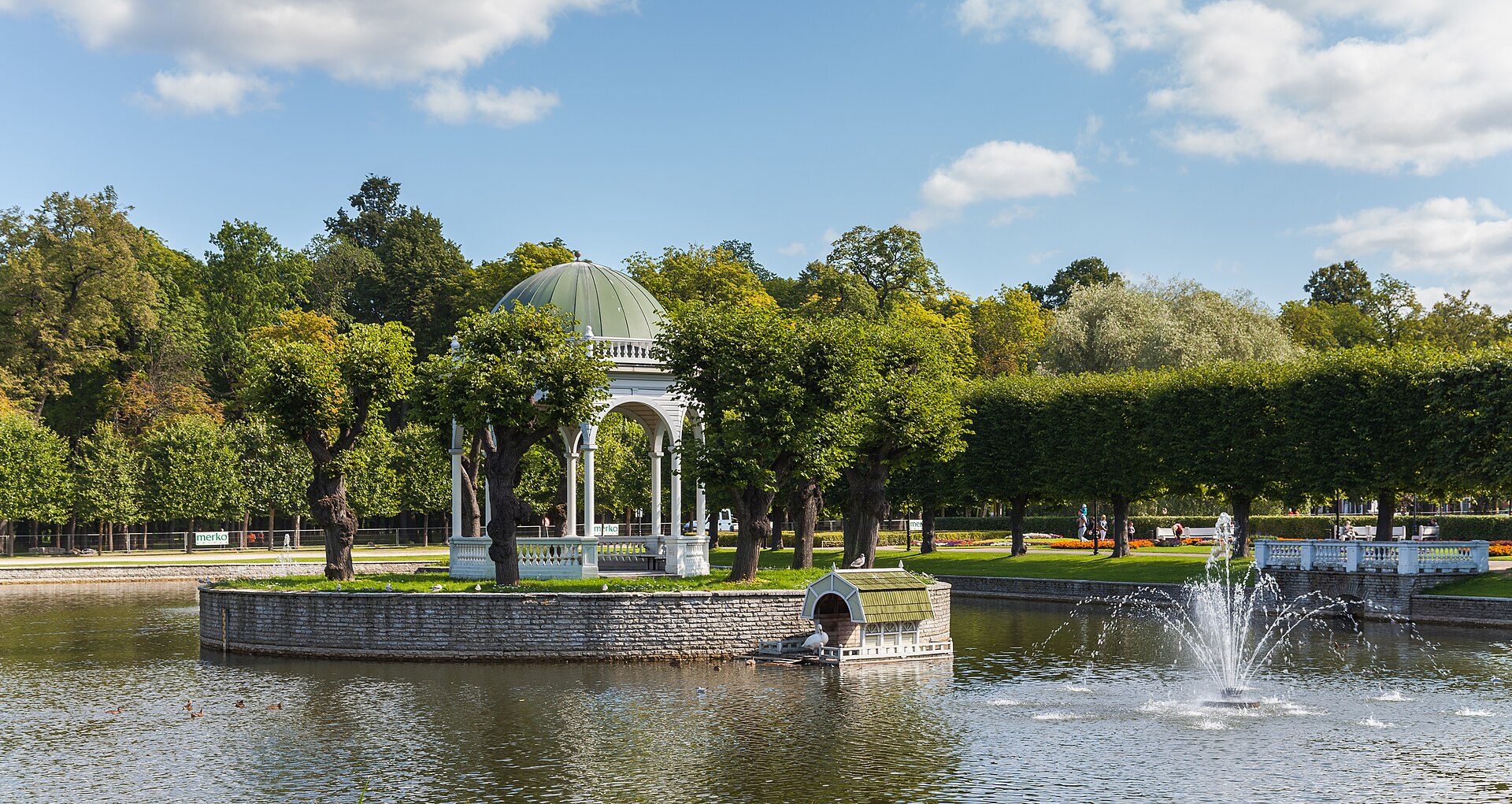
The presence of the presidential palace, built in the era of Estonian independence, gives the Kadriorg district a continuing role at the centre of the nation’s public life. The district, with its historic imperial palace, its beautiful park, and its modern presidential residence, unites the imperial past with the independent present, a place of both history and living significance.
The Kadriorg district, with its palace, park, presidential residence, and cultural institutions, is one of the cultural and civic hearts of Tallinn. Its beauty and its historic importance make it one of the most beloved and prestigious parts of the Estonian capital, and the historic palace, at its heart, remains the jewel that gives the whole district its name and its character.
The building of the presidential palace near the historic residence, in the era of Estonian independence, gave the Kadriorg district a continuing role at the centre of the nation’s public life. The presence of the head of state’s residence links the district to the highest offices of the modern nation, uniting the imperial past of the old palace with the independent present of Estonia.
Kadriorg and the City of Tallinn
Kadriorg lies on the edge of Tallinn, the beautiful capital of Estonia, whose medieval old town is one of the best preserved in Europe. The palace and its park, set apart from the medieval centre, provide a green and elegant counterpoint to the ancient streets of the old town, adding to the rich variety of the Estonian capital.
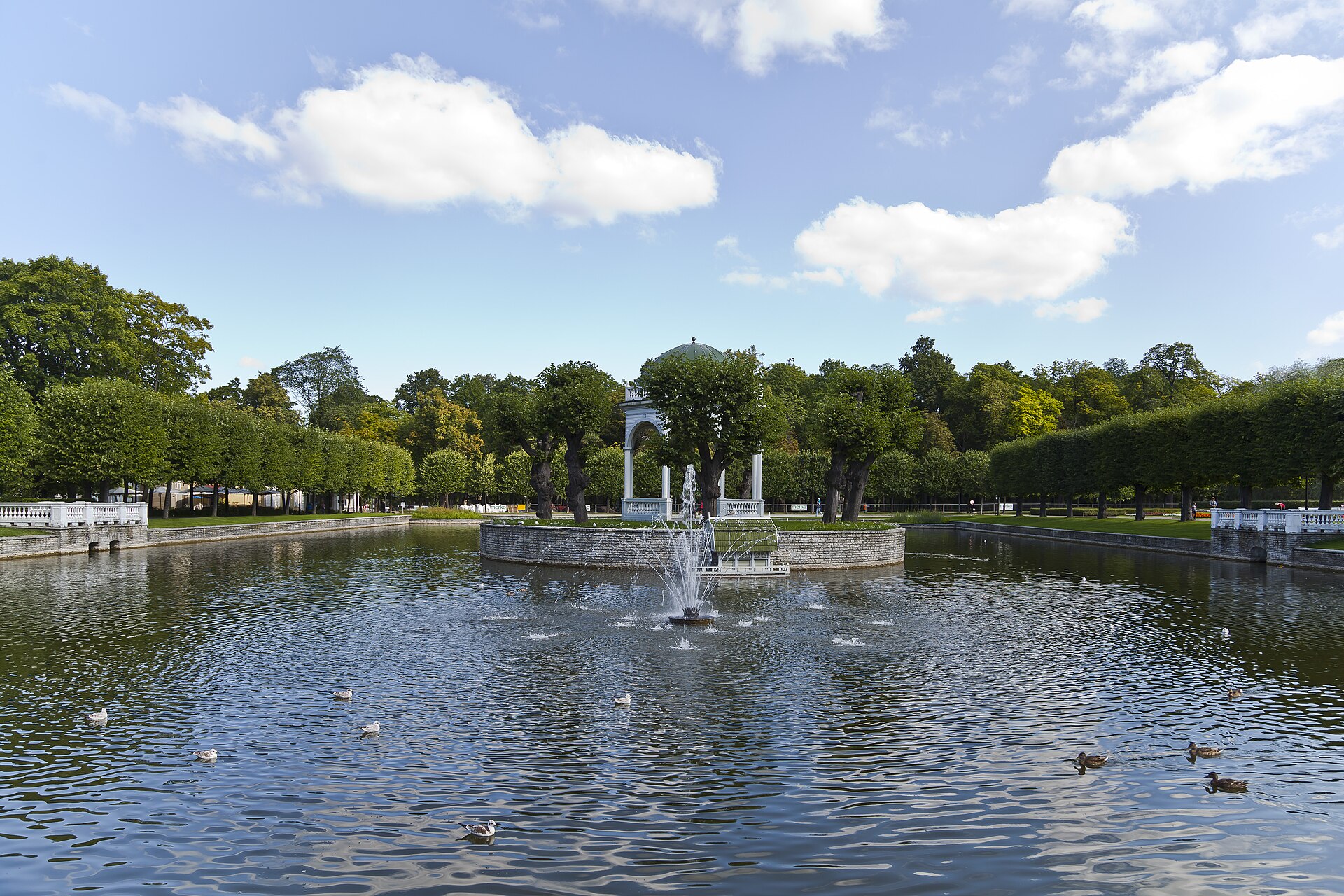
The relationship between Kadriorg and the city reflects the growth of Tallinn beyond its medieval walls, as the imperial palace and its park extended the city toward the sea. Today the park is one of the most beloved green spaces in Tallinn, a place of recreation and beauty easily reached from the centre, and the palace is among the principal cultural attractions of the capital.
As one of the great sights of Tallinn, alongside the medieval old town, Kadriorg offers visitors a different aspect of the city’s rich history and beauty. The imperial palace and its magnificent park complement the medieval heart of the capital, and together they make Tallinn one of the most beautiful and historic cities in the Baltic, with Kadriorg as one of its brightest jewels.
Tallinn, with its magnificently preserved medieval old town and its beautiful setting by the sea, is one of the most attractive capitals in Europe, and Kadriorg adds another dimension to its appeal. The imperial palace and its park, easily reached from the medieval centre, offer visitors a different aspect of the city’s rich history, complementing the ancient streets of the old town.
That Tallinn’s medieval old town survives so intact, a treasure of the Baltic, makes the city one of the most beautiful capitals in Europe, and Kadriorg adds a graceful imperial dimension to its riches. To visit both the medieval centre and the imperial palace and park is to experience the full range of the city’s history and beauty, from the Gothic streets of the old town to the baroque elegance of Kadriorg.
A Meeting of Empire and Nation
Kadriorg embodies, in a single beautiful site, the meeting of imperial history and national heritage that characterises so much of the Baltic. Built by a Russian tsar as an imperial residence, it has become, in the era of Estonian independence, a treasure of the nation, an art museum and a beloved park at the heart of the capital, its imperial origins now part of the layered history of Estonia.
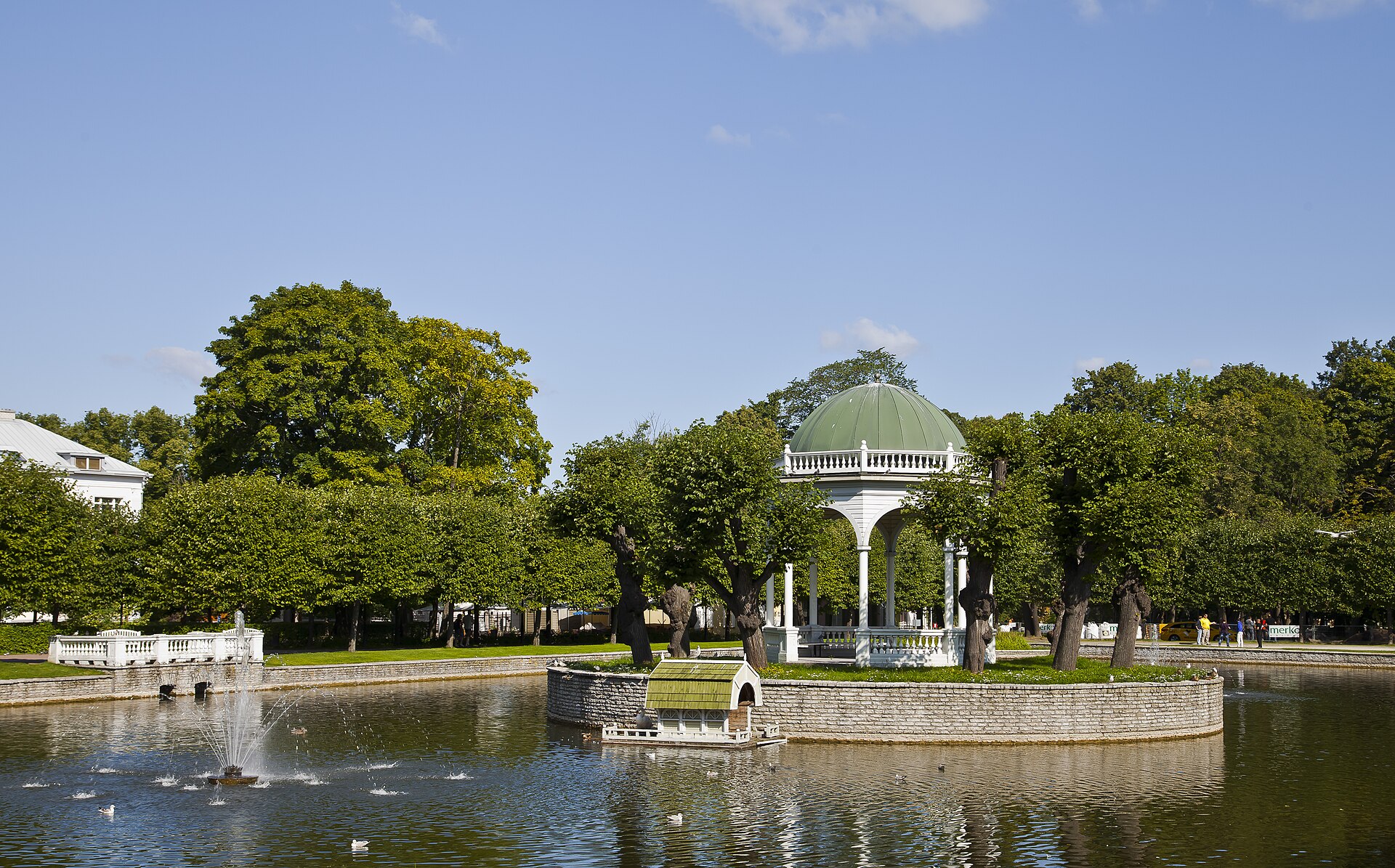
This dual character, imperial in origin and national in its present meaning, gives Kadriorg a special significance. The palace reminds visitors of the era when Estonia lay within the Russian empire, while its present role as a museum and public park reflects the independent nation that Estonia has become, uniting the two strands of its history in one graceful place.
For Estonia, Kadriorg is thus both a monument to the imperial past and a symbol of the national present, a place where the history of the nation, with all its changes and upheavals, is gathered and made beautiful. Its transformation from imperial residence to national treasure mirrors the journey of Estonia itself, and it stands as one of the most beloved and significant sites in the country.
In its beauty and its layered history, Kadriorg captures the complex story of the Baltic lands, long contested by great powers yet possessed of their own enduring identity. The palace and its park, imperial in origin and national in meaning, stand as a monument to that history and a treasure of the Estonian nation, beloved by all who visit the valley of Catherine.
The layered history of Kadriorg, imperial in origin and national in its present meaning, makes it a place of special significance for Estonia. It stands as a monument to the complex history of the Baltic lands and as a symbol of the independent nation Estonia has become, uniting the strands of its past in one beautiful and beloved place at the heart of the capital.
In embracing its imperial heritage as part of the national story, Estonia has made Kadriorg a place where the complex history of the Baltic is not hidden but celebrated in all its richness. The palace and its park stand as a symbol of a small nation confident in its identity, able to cherish a residence built by a foreign emperor as a treasure of its own heritage.
Kadriorg Palace Today
Today Kadriorg Palace is one of the most beautiful and beloved sites in Tallinn, drawing visitors to admire its baroque architecture, its magnificent great hall, its art collections, and its beautiful park. As an art museum and the centrepiece of one of the finest parks in the Baltic, it offers an experience of extraordinary beauty and cultural richness.
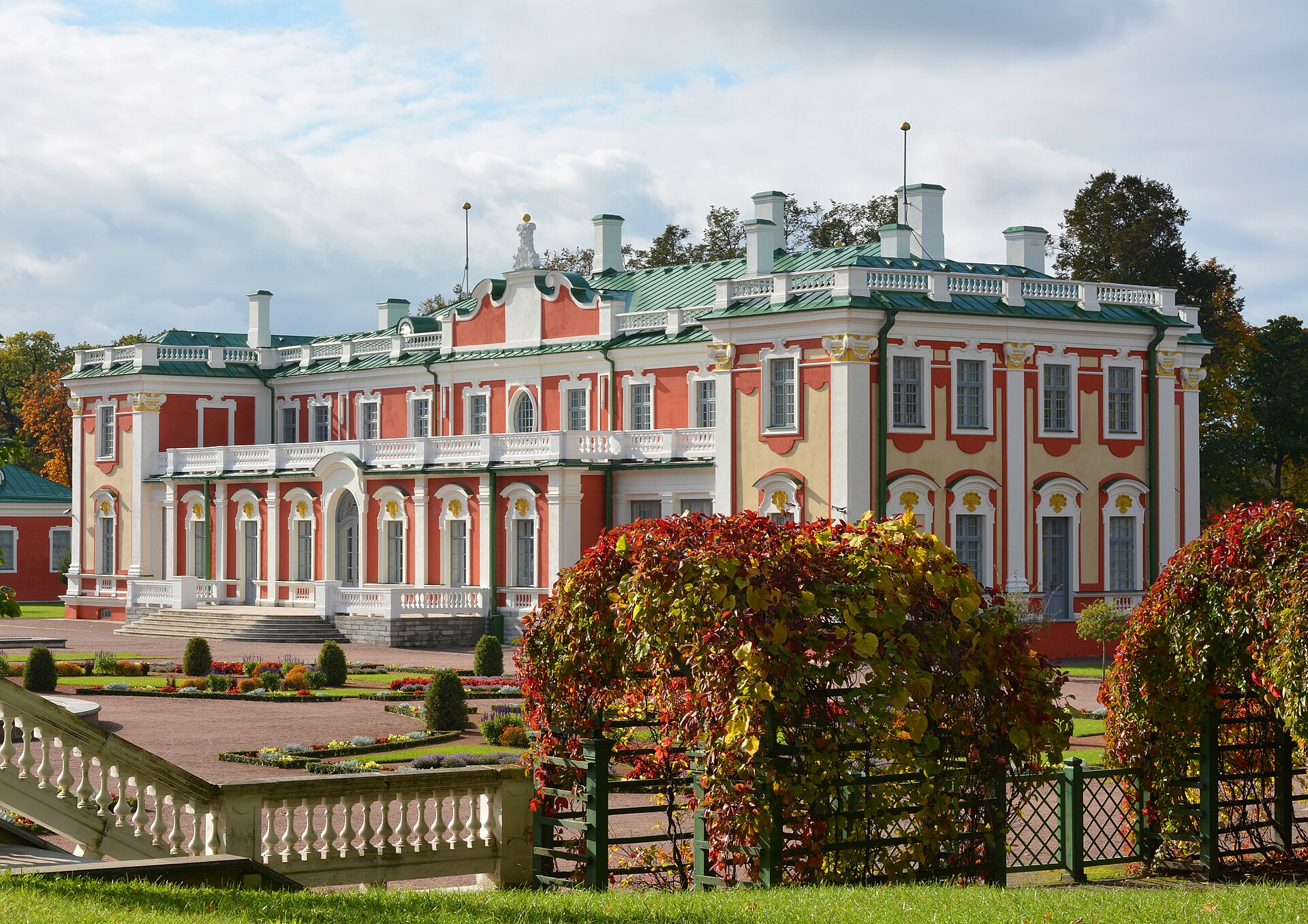
A visit reveals the elegant baroque palace, the dazzling great hall with its stucco decoration, the art collections displayed in the historic interiors, and the formal gardens and extensive park with their flowers, ponds, and monuments. Few sites in Tallinn gather so much beauty and interest into a single place, uniting imperial architecture with art and a magnificent park.
To experience Kadriorg Palace is to encounter a jewel of imperial baroque art on the shores of the Baltic, a palace built by a great tsar and named for his empress, set within one of the most beautiful parks in the region. A treasure of Estonia and a centrepiece of its capital, Kadriorg stands as one of the most beautiful and beloved palaces in the Baltic, a graceful monument to the imperial age in the valley of Catherine.
For the visitor to Tallinn, Kadriorg is among the essential experiences of the city, offering an encounter with imperial baroque art and one of the most beautiful parks in the Baltic. Whether drawn by the palace, the great hall, the art collections, or the beauty of the park, visitors come away enchanted by this jewel of imperial art in the valley of Catherine.
A visit to Kadriorg rewards those who take the time to explore both the palace and its beautiful park, for the imperial residence and its setting together form a single graceful whole. Whether admired for its architecture, its great hall, its art collections, or the beauty of its gardens, Kadriorg lingers in the memory as one of the most beautiful and beloved palaces in the Baltic.
Palaces Nearby
Kadriorg Palace is one of the great royal and imperial residences of the Baltic region, and its story finds echoes in the palaces and castles of the neighbouring Baltic nations. Two more of these seats make natural companions to a visit here, each embodying the history of its own nation.
- Rundale Palace – a baroque jewel of the Baltic in the Latvian countryside.
- Trakai Island Castle – the fortress of the Lithuanian grand dukes on its lake.
You May Like
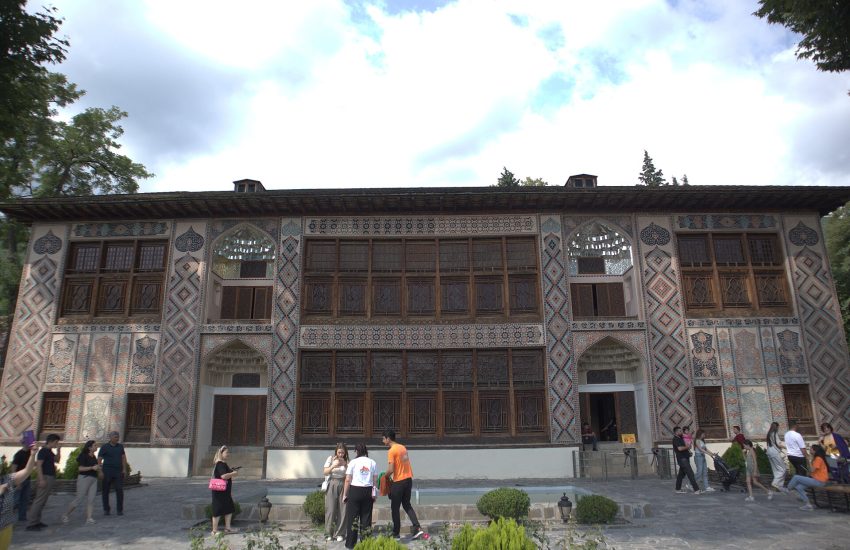
Inside the Painted Summer Palace of the Sheki Khans